






















First Wholesale Neck Massager Order: Reorder Review
A practical first-order review to decide whether to repeat, change, or pause a wholesale neck massager reorder.
 Meilan Tech 5 min read
Before placing a second order, compare what you planned to buy with what actually arrived, sold, and generated support questions. A reorder decision should not rest on a general impression that the first order “went well.” Use the purchase record, receiving checks, channel data, and customer-service notes to decide whether to repeat the same offer, change a defined part of it, or pause while an issue is investigated.
This is a commercial and buyer-experience review, not a substitute for the approved configuration record. If you already know what to reorder but need to prevent a silent change in parts, packaging, or documents, use the separate reorder consistency guide.
Establish what the first order actually contained
Gather the purchase order and its amendments, final quotation, approved sample reference, agreed accessory and packaging lists, artwork versions, shipment documents, and receiving records. Reconcile the ordered quantity with the received and saleable quantity by model, color, and market-facing package version. Record shortages, substitutions, transit damage, and units held for inspection separately; do not combine them into a single “return rate.”
If several neck massager variants were sold under one listing, separate their results before drawing conclusions. Otherwise, a recurring question about one control layout or one manual language can be mistaken for a problem with the whole product family.
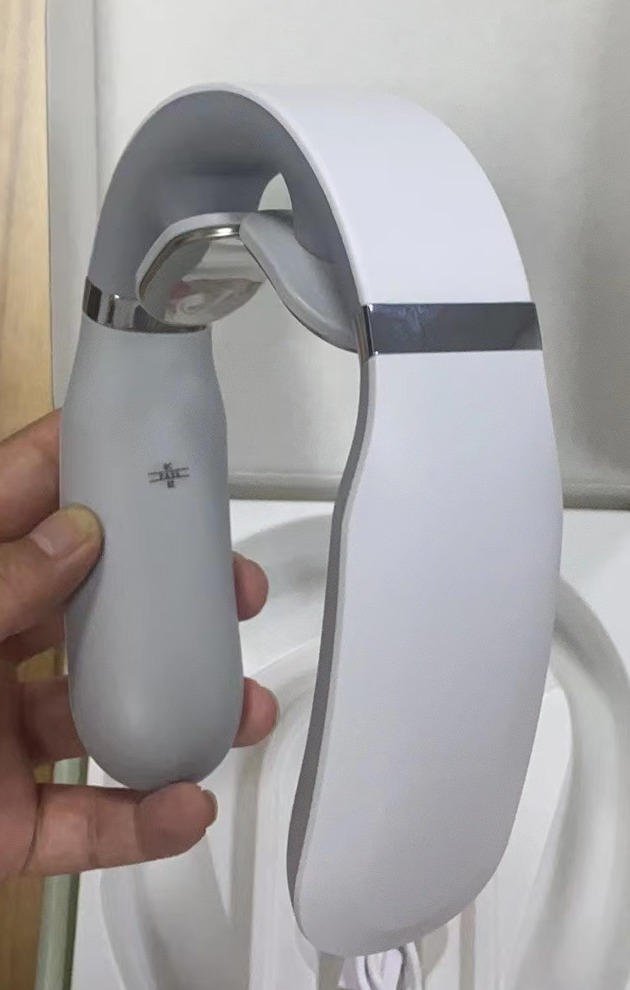
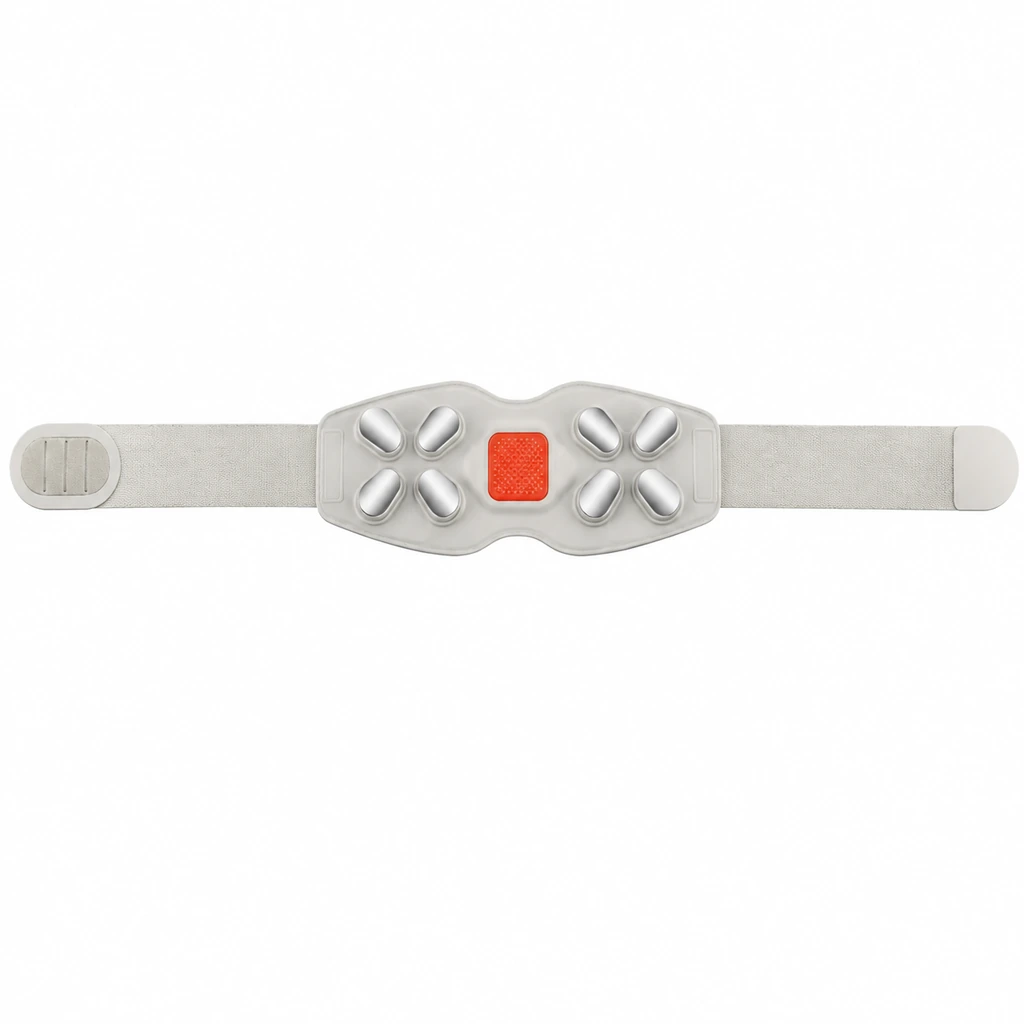
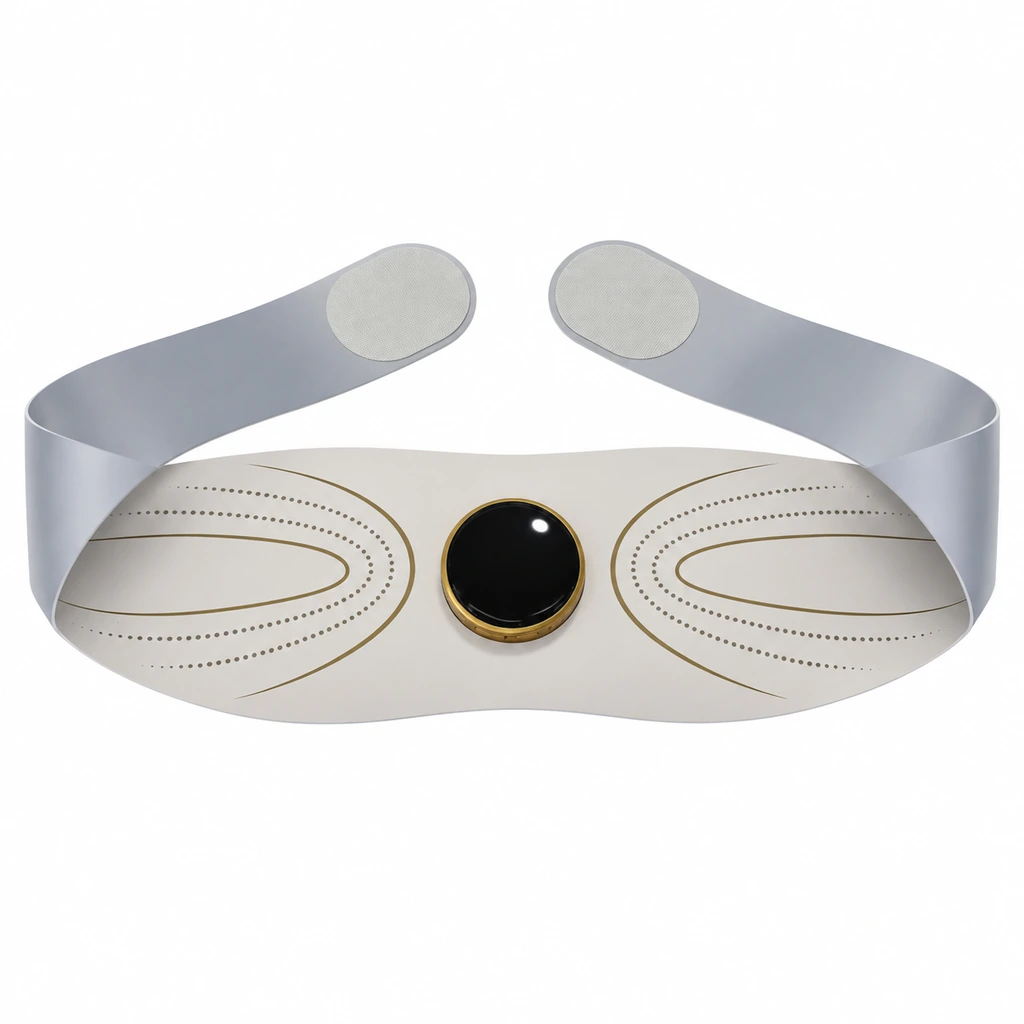
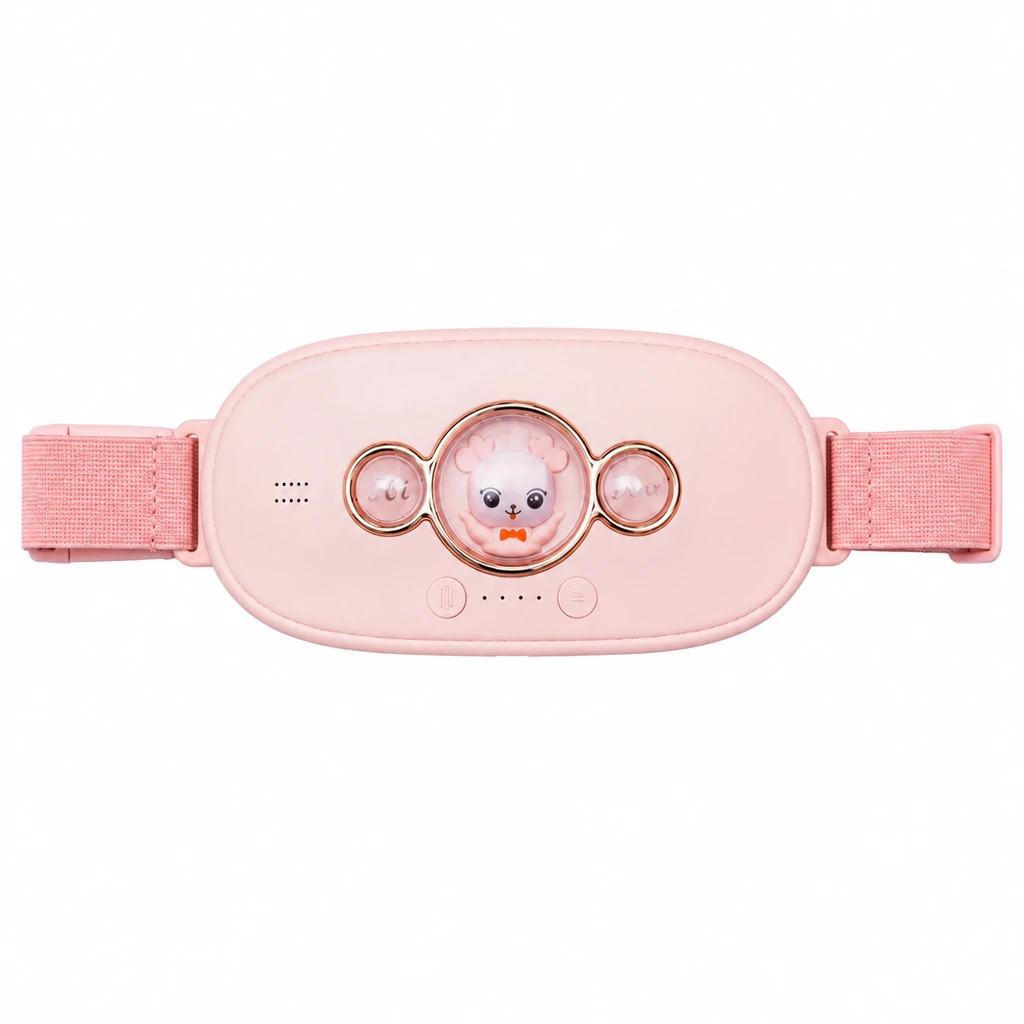
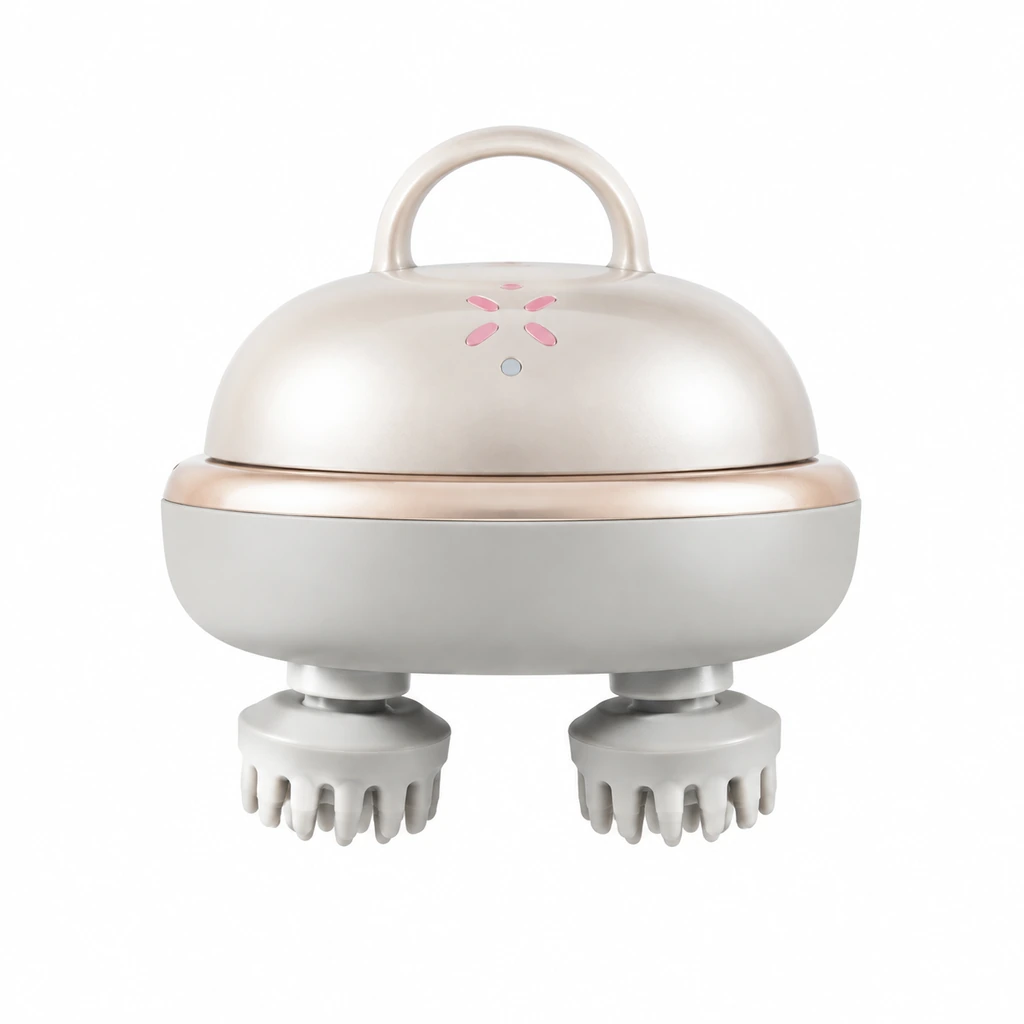
A physical sample can help identify the ordered configuration. Match the actual shipment to its approved sample and documents; the photograph alone does not establish what was delivered.
Read demand and inventory together
Use your own channel reports to record units available for sale, units sold, current saleable stock, returns, and time in stock for the same period. Compare channels only when their listing, price, promotion, and availability conditions are known. A slow-moving item may have had poor listing exposure or an out-of-stock period; a fast-moving item may have benefited from a temporary promotion. Neither observation proves that the device itself should be changed.
Ask three practical questions: Which configuration is being reordered? How much saleable stock remains? What demand is supported by actual orders rather than a forecast alone? Then account for your own replenishment timing and any approvals needed before the next purchase. Do not derive an order quantity from a supplier's stated daily capacity. The volume-planning guide explains how to separate forecast, confirmed quantity, and release conditions.
Separate product issues from expectation and presentation issues
Review support tickets, returns, marketplace reviews, and distributor feedback against the order and listing versions they refer to. Keep the customer's wording, then classify the evidence: apparent product malfunction, fit or comfort concern, setup or charging confusion, missing accessory, packaging damage, delivery issue, or mismatch between the listing and the product received. A single comment is a signal to check, not proof of a defect rate.
For each repeated concern, note how many relevant units and complaints you can actually identify, what was verified on a returned unit or sample, and what remains unknown. If the evidence points to a safety concern or a potentially nonconforming product, stop treating it as a copy-editing task and follow the applicable escalation process. For a structured supplier conversation, see the return-feedback questions guide.
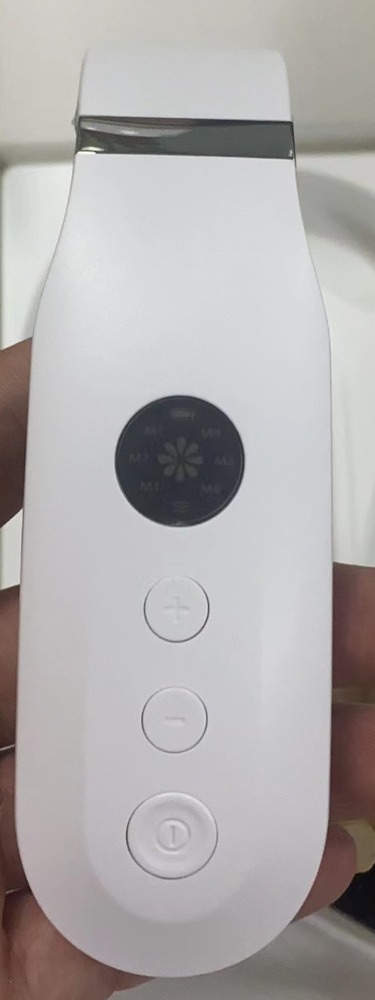
When feedback concerns operation, inspect the exact model and control version involved. Do not infer a fault or a universal user experience from an image or an isolated comment.
Review the offer customers saw, not only the device
Open the live product listing, retail box, manual, and included accessory set side by side. Check whether the listing explains the actual control method, charging method, included items, target-market language, and relevant cautions. Note questions that better instructions or photography could answer without changing the hardware. Keep this distinction explicit: a revised listing can correct an expectation gap, but it cannot repair a verified product fault.
If the next order will use different branding, instructions, or accessories, ask for an updated itemized quotation and approval sample. Do not assume the earlier unit price or lead time covers a changed bundle. Compare the revised quote against the first order's actual device, accessories, packaging, charges, delivery basis, and approval conditions.
Make the next-order decision from a short evidence log
| Review area | Evidence to record | Possible decision trigger |
|---|---|---|
| Delivery and receiving | Ordered, received, and saleable quantities; documented exceptions | Resolve unexplained shortages or repeated damage before repeating terms. |
| Demand and stock | Channel sales, available stock, promotion and stockout context | Reorder only the quantity supported by a documented forecast and replenishment plan. |
| Returns and support | Issue category, affected configuration, verification status | Investigate repeated or serious concerns before increasing volume. |
| Listing and instructions | Current listing, box, manual, and customer questions | Correct a demonstrable information gap; retain proof of the revised copy. |
| Commercial terms | Latest itemized quote, delivery basis, charges, and approval dates | Reconfirm terms if quantity, bundle, market, or artwork has changed. |
Mark each item repeat, change, or hold. “Repeat” means the evidence supports the same offer, subject to confirming the current configuration and terms. “Change” names the precise item—such as a clearer manual, different accessory set, or corrected listing—and who must approve it. “Hold” names the open evidence or safety/compliance question that prevents a responsible purchase. Keep the completed review with the second purchase order so the next team can see why the decision was made.
If you are preparing a second order, contact Meilan with the first-order configuration reference, target market, expected quantity, documented feedback, and proposed changes. Ask for written confirmation of the revised scope and commercial terms before approval.

