



Neck Massager OEM Sample Types and Approval Scope
Understand what each neck massager OEM sample can verify, what remains open, and how to record a limited approval.
 Meilan Tech 5 min read
A sample can look ready while answering the wrong question. A stock neck massager may be enough to judge the basic wearing experience, but it cannot approve a new logo, retail box, or changed internal design. Conversely, a branded box proof says little about whether the device's controls feel right. Before paying for another round of samples, name the decision that this round must settle.
For a neck massager OEM project, three useful labels are stock sample, branded sample, and engineering sample. These are working definitions, not universal supplier terms. Ask the supplier to state exactly which model, configuration, artwork, and revision each physical sample represents.
Decide what the sample is meant to prove
| Sample route | Best question to answer | What it does not approve |
|---|---|---|
| Stock sample | Does an existing configuration suit the intended user and sales channel well enough to continue? | New branding, packaging, altered components, or a later production revision. |
| Branded sample | Do the agreed logo, labeling, instructions, and pack presentation work on the selected device? | An unbuilt functional change or a different electronics/mechanical configuration. |
| Engineering sample | Does a specified design or functional change behave as intended? | Final retail artwork or mass-production consistency without separate checks. |
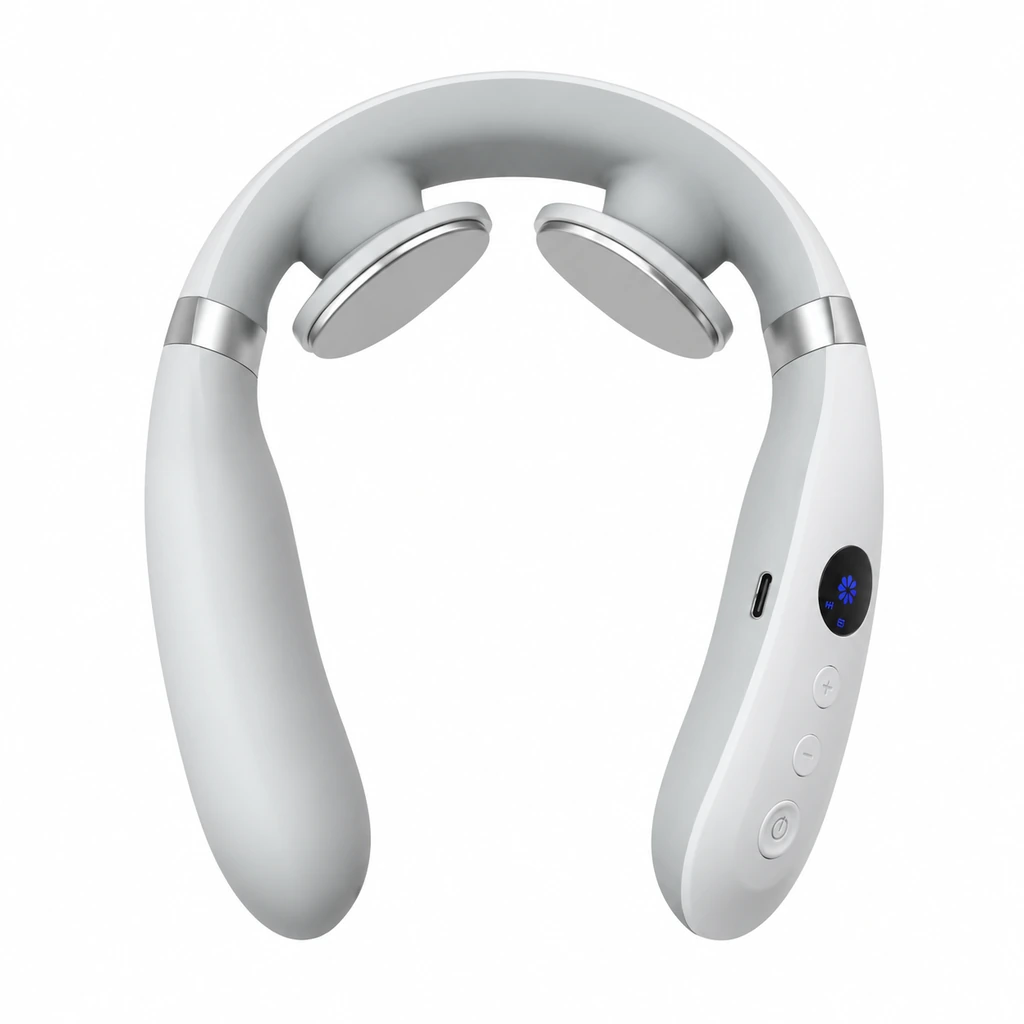
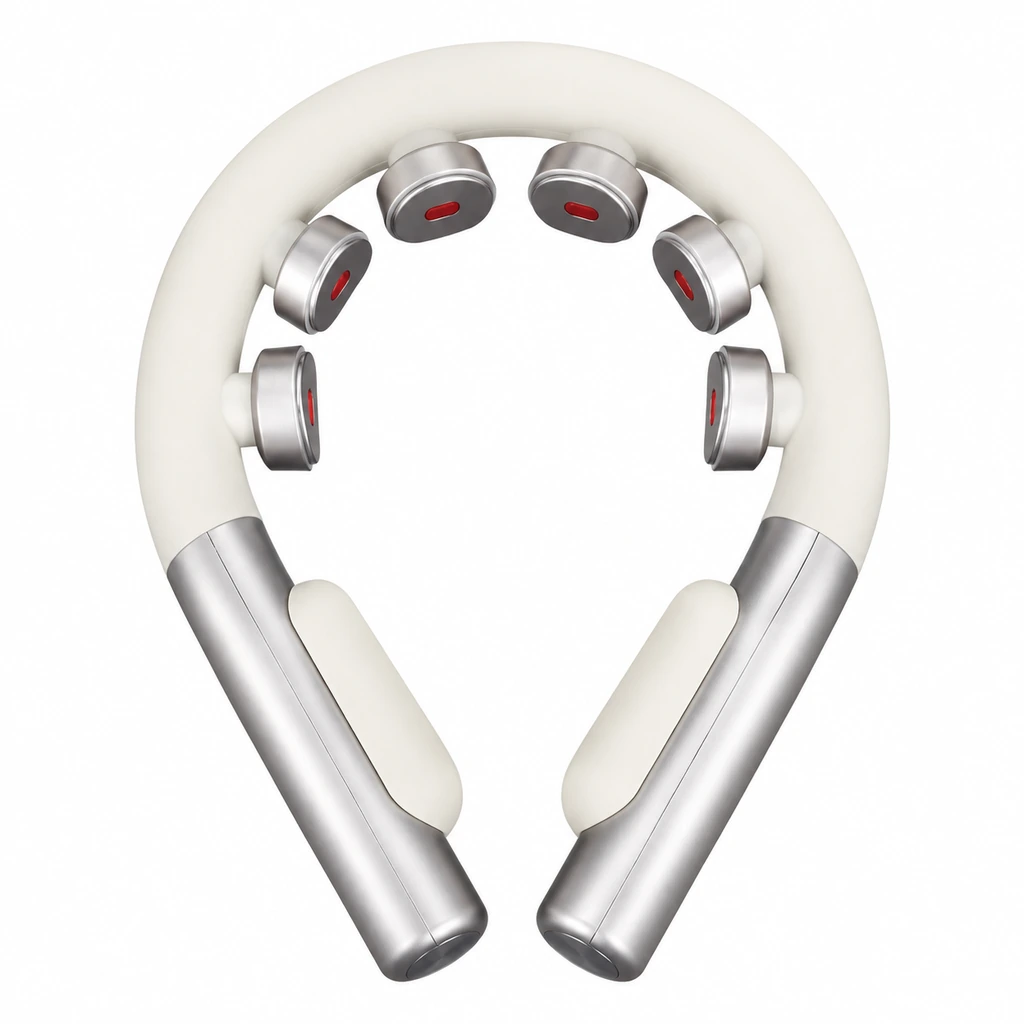
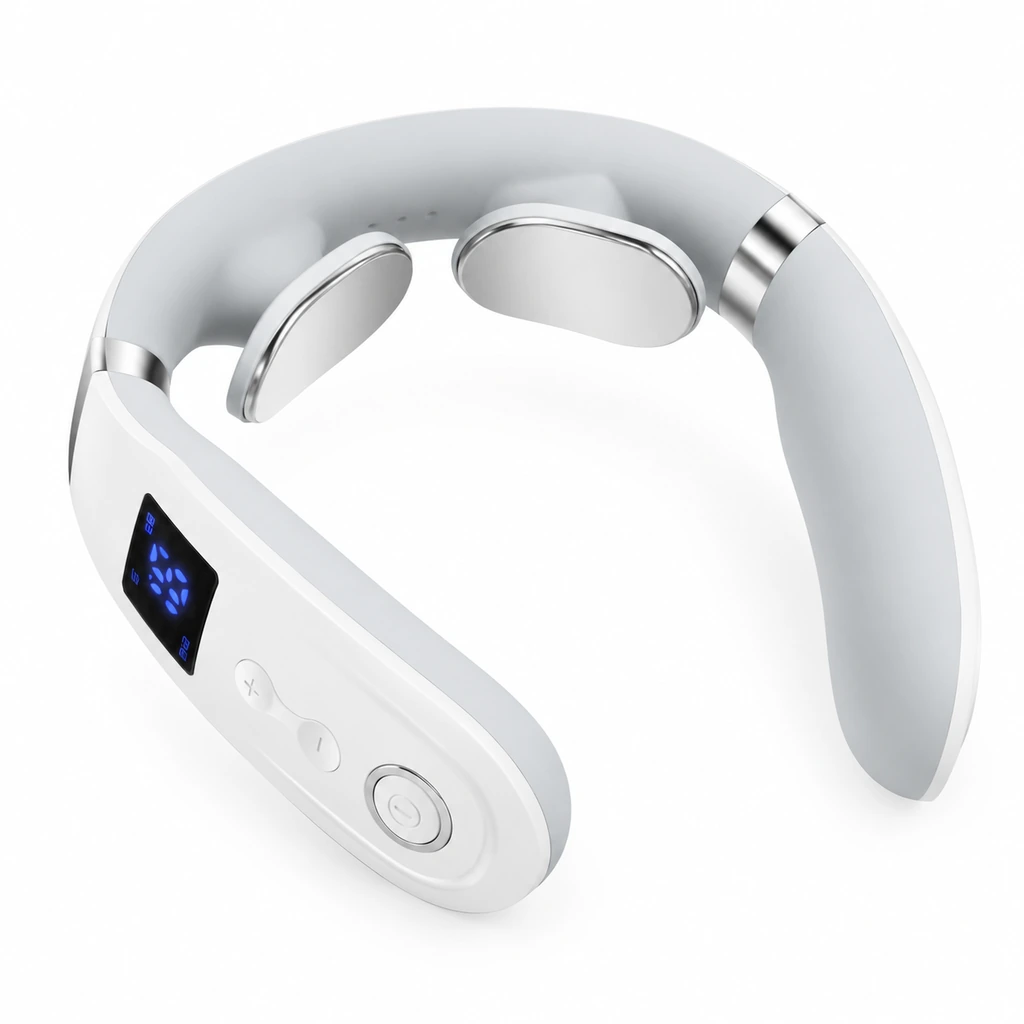
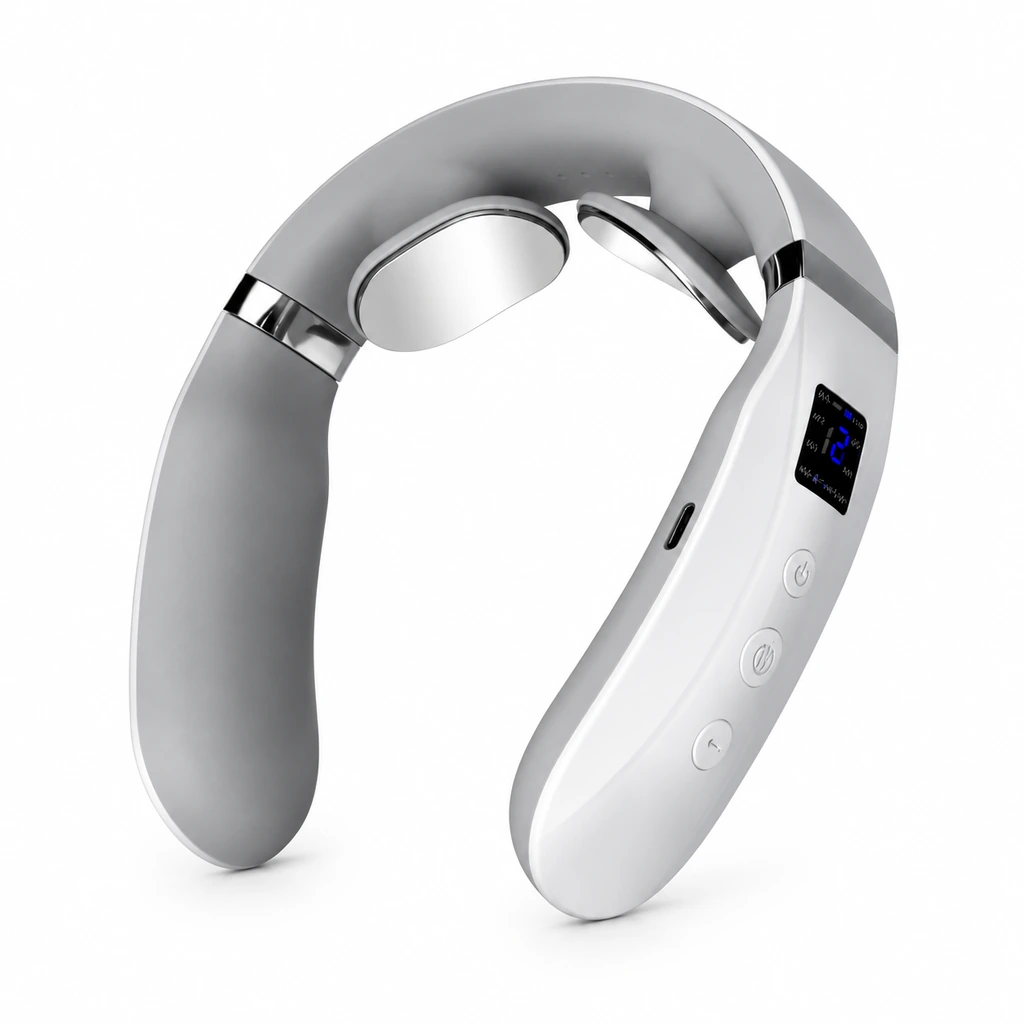
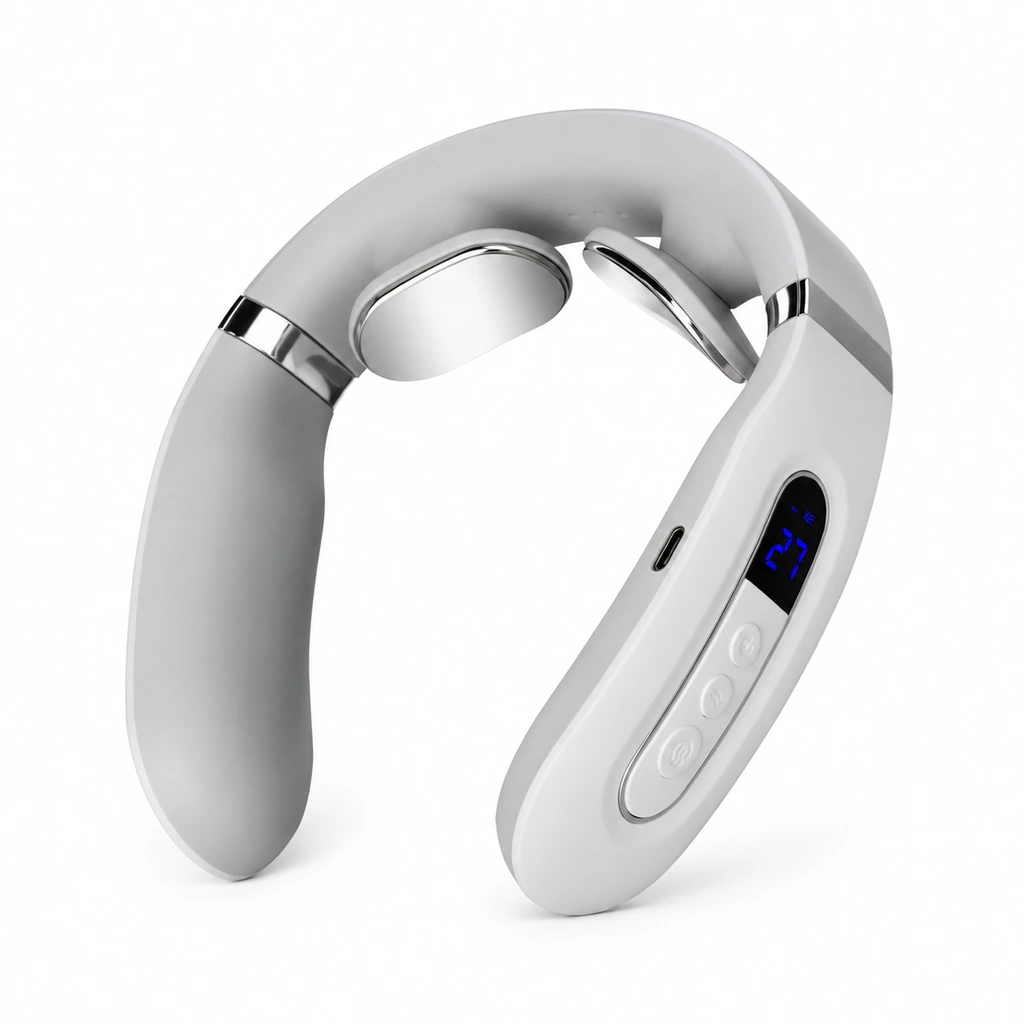
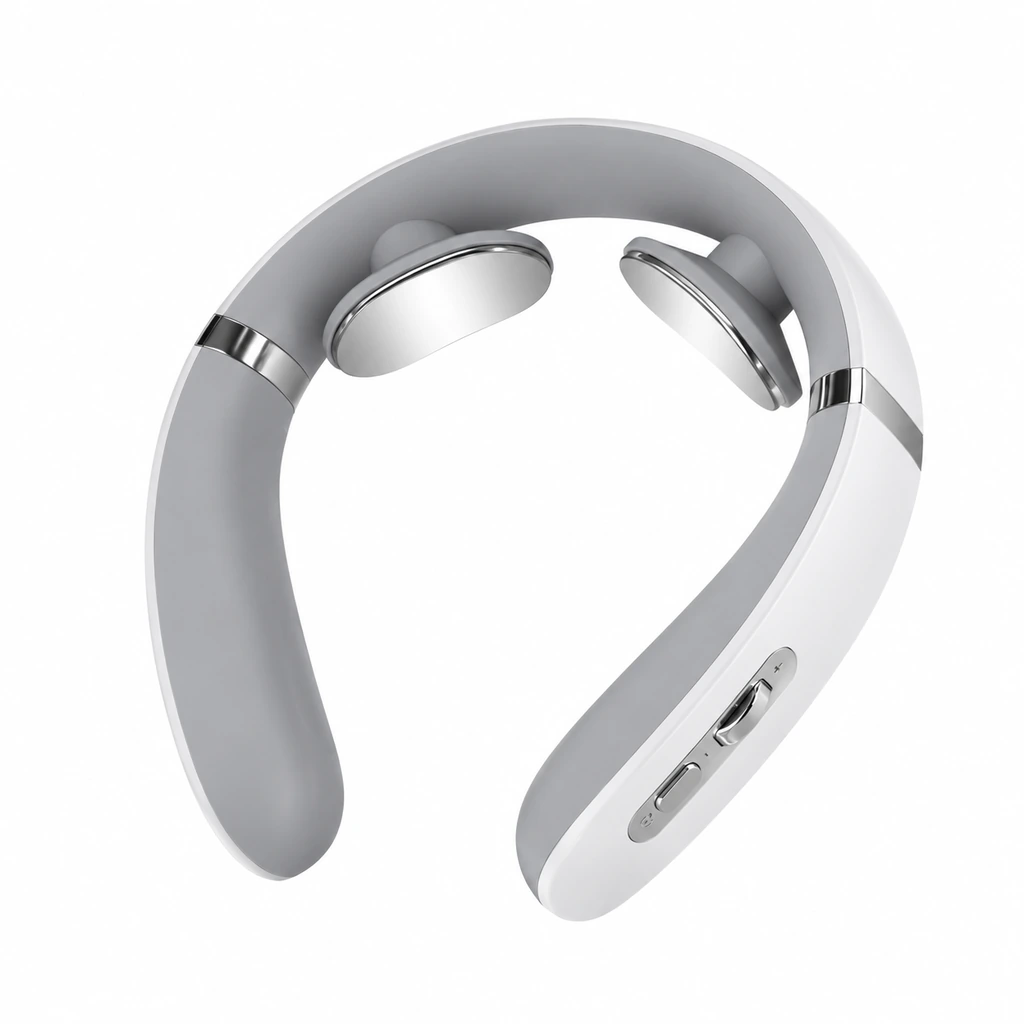
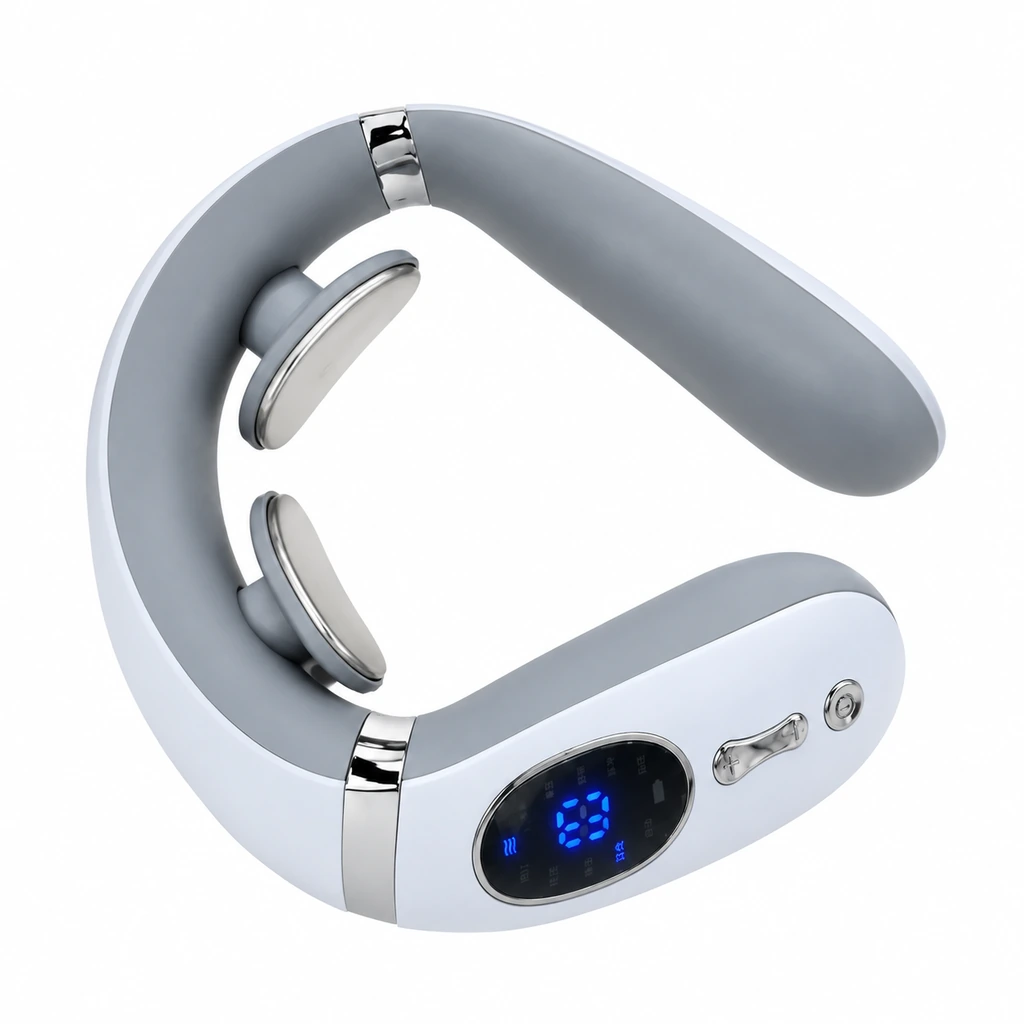
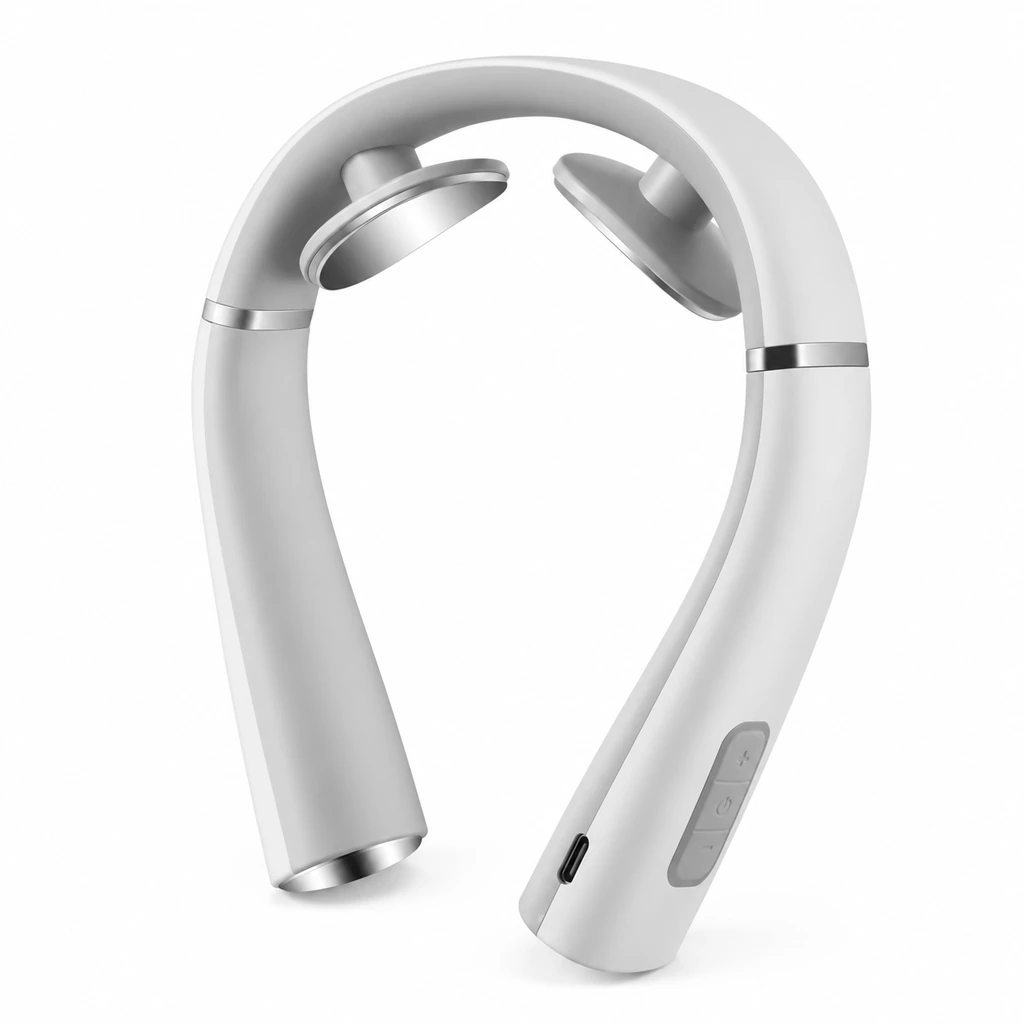
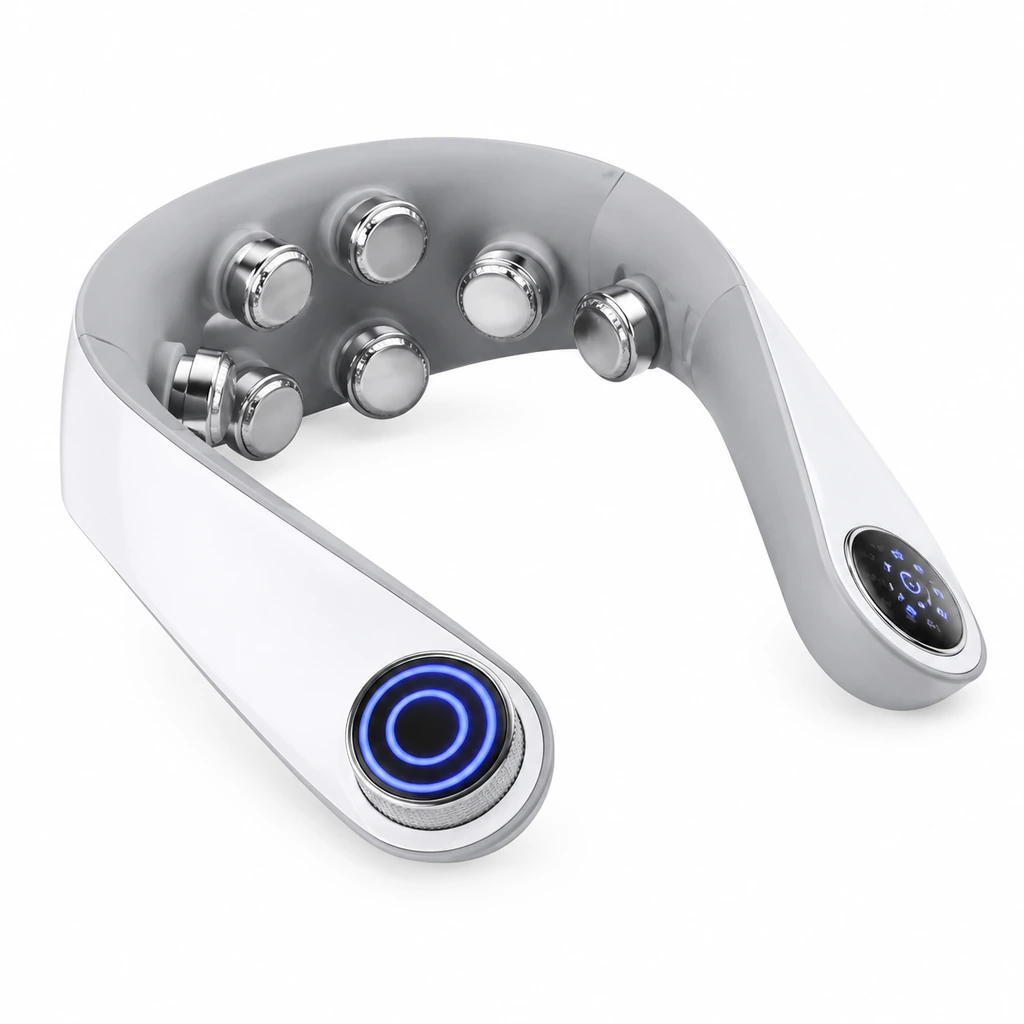
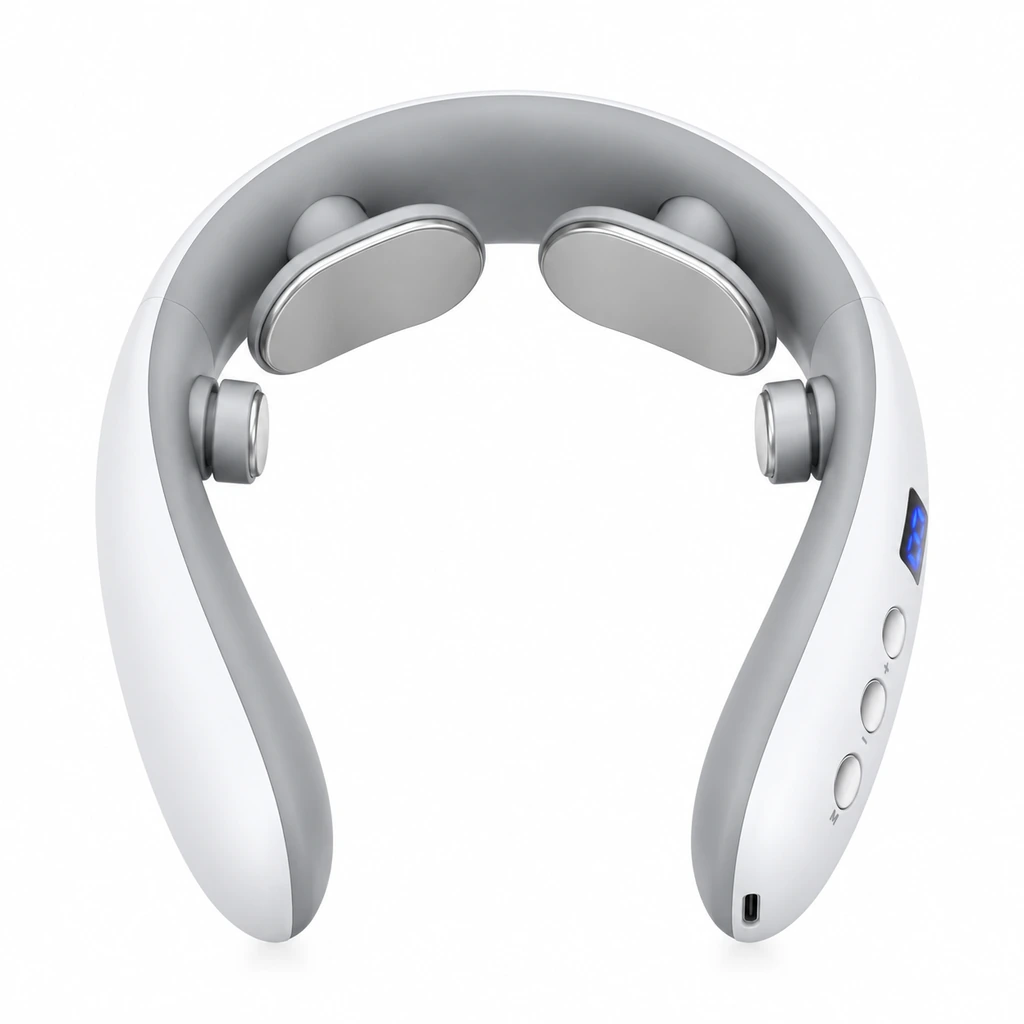
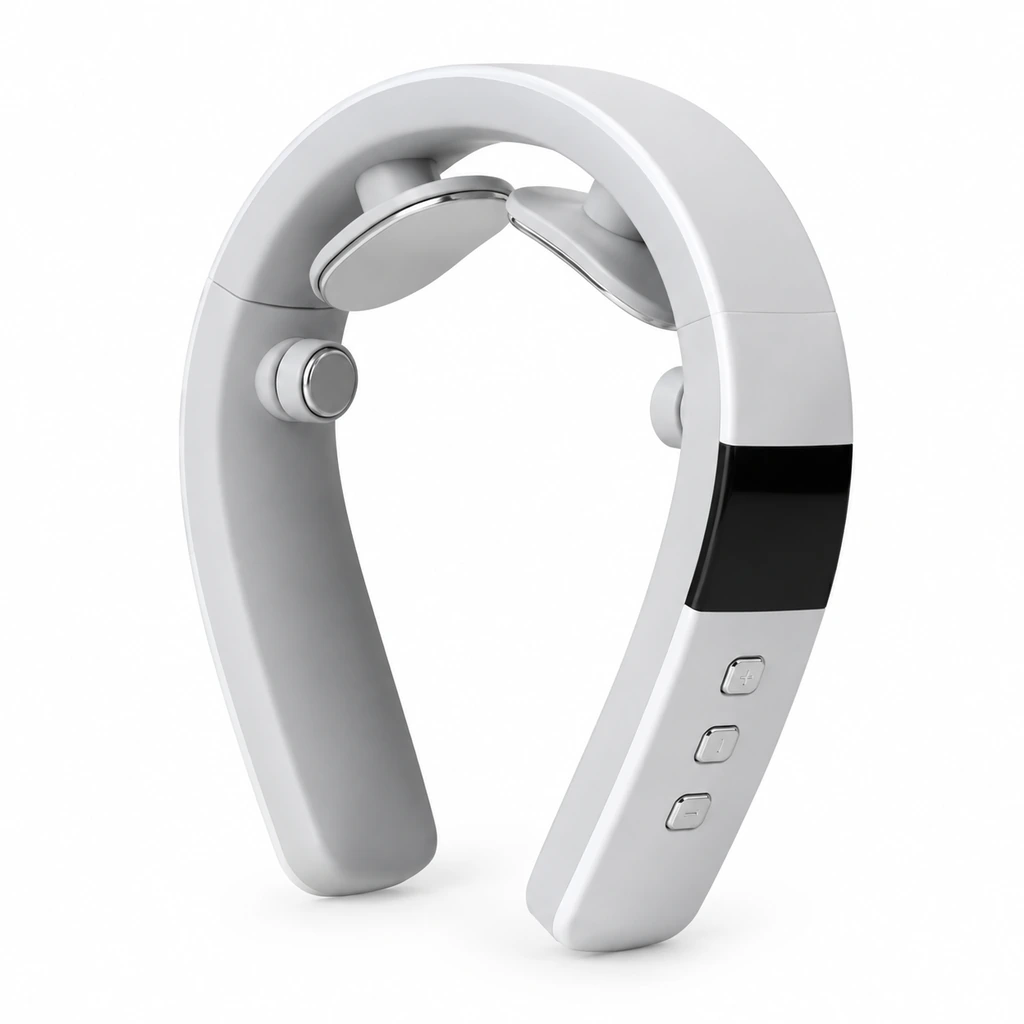
Start with a stock sample when the buyer has not yet settled the product route. For example, a team considering a multi-head neck device can examine the F12 product photographs and listing as a candidate, then request a physical sample of the exact version offered rather than assuming every F12-like photo describes the same configuration. The official image is a model reference, not evidence of your proposed custom version.
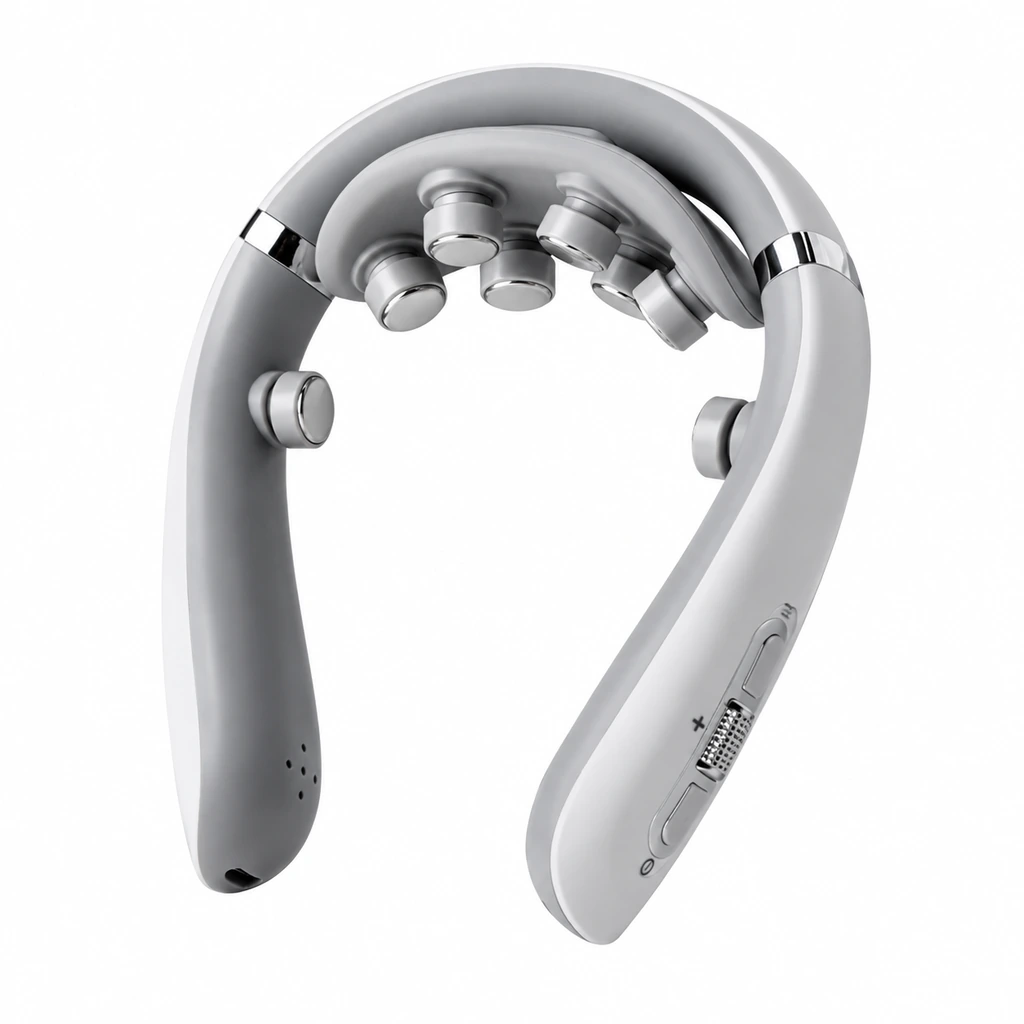 | F12 model reference Use the sample label and version-specific specification to confirm what is actually being evaluated. View the F12 product. |
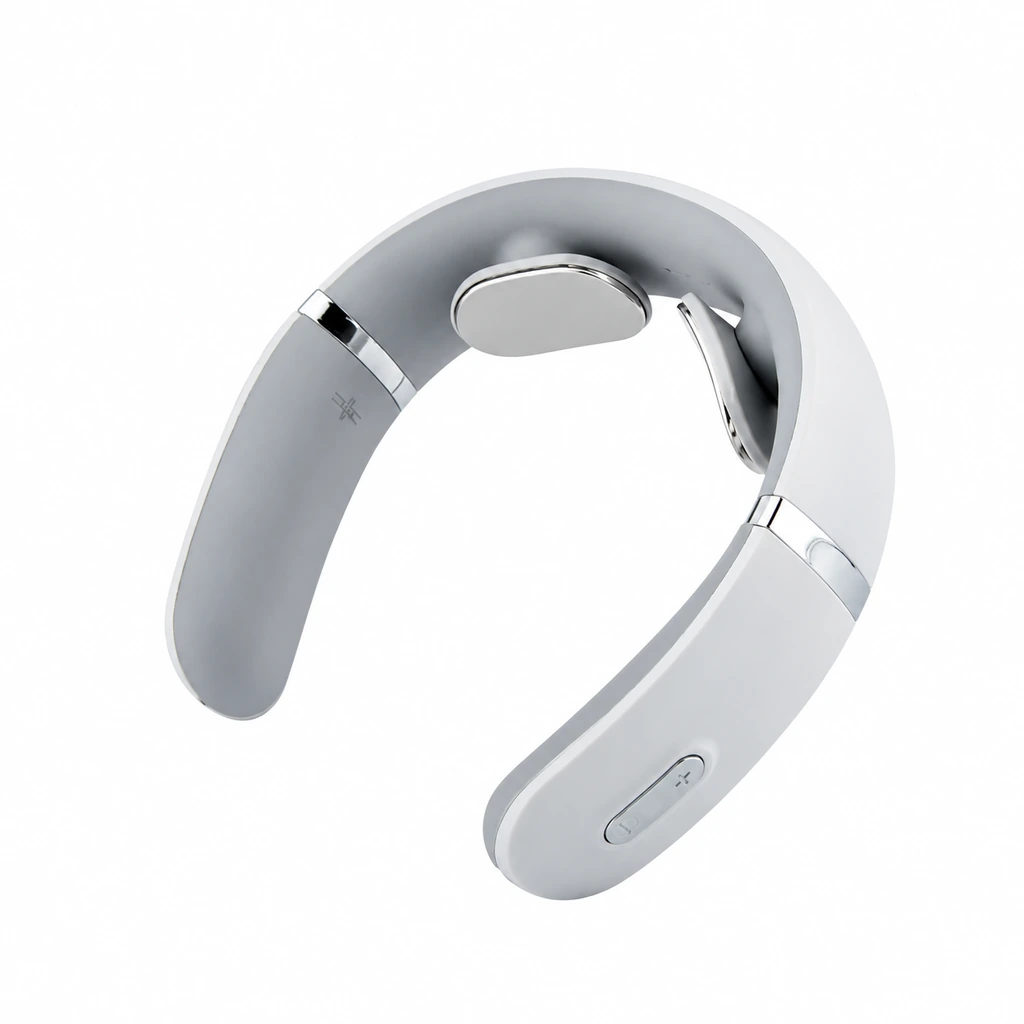
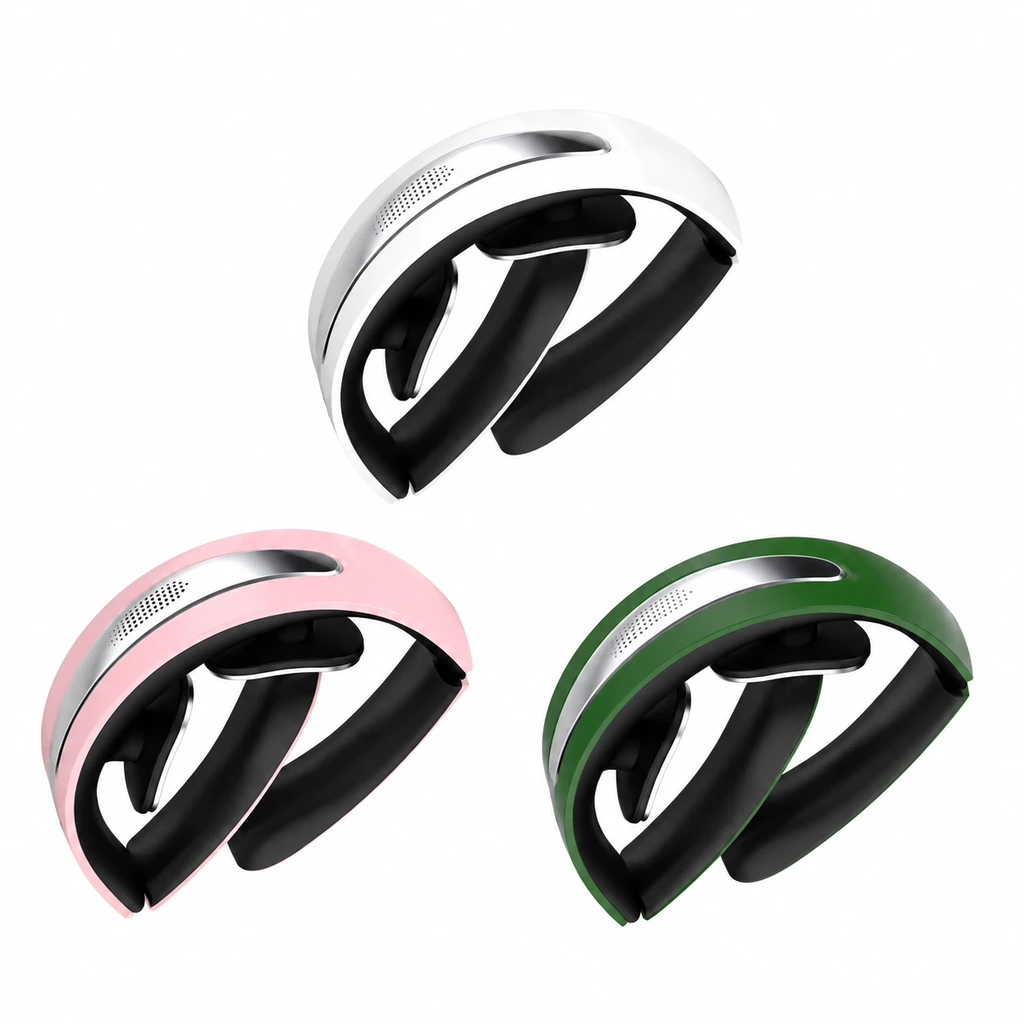
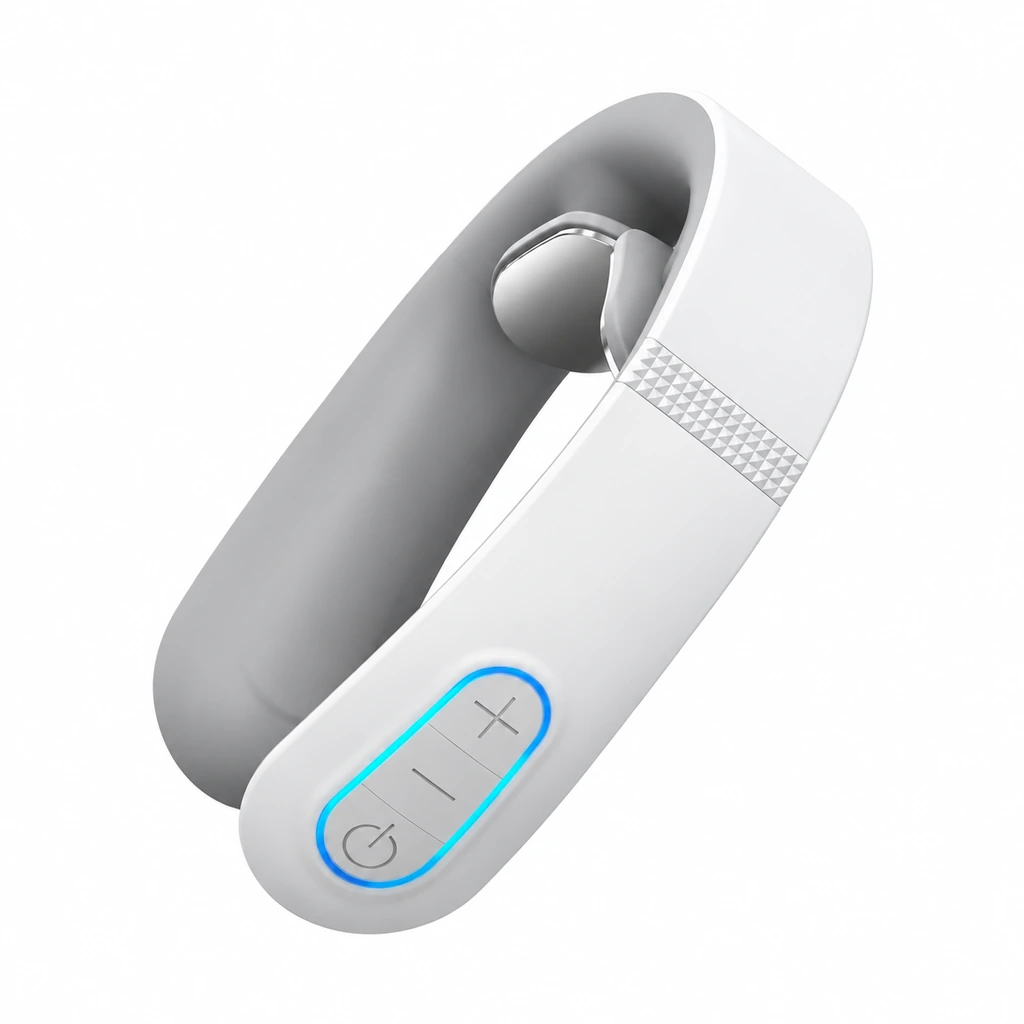
If several existing models are still under consideration, use the neck massager collection to narrow the candidates first. Record fit, controls, contact points, charging arrangement, and included accessories against the buyer's use setting. This is a route-selection decision; it is not a final sign-off for custom artwork or altered hardware.
When a branded sample is the right next step
Move to a branded sample when the device configuration is sufficiently stable and the unresolved questions are about how the product will be presented or identified. Give the supplier the approved logo file, placement drawing, color references, label text, manual language, barcode ownership, and packaging dieline or dimensions where applicable. Ask which parts will be physically produced and which will remain digital proofs.
A branded sample should be reviewed as a complete sellable set: device marking, retail pack, inserts, accessories, and the version names printed on each. A correct logo on the device does not fix a mismatched model name on the carton. Equally, a convincing mock-up is not proof that production printing, color, or material will match it. Note the approval method for each item—physical sample, print proof, or file review—and do not treat them as interchangeable.
For detailed artwork and pack sign-off, use the separate neck massager packaging-sample approval guide. This article's job is to decide which type of sample to request next, not to repeat every packaging checkpoint.
When the project needs an engineering sample
An engineering sample becomes necessary when the requested change could affect device behavior, fit, safety-related design, or the evidence needed for the target market. Examples include a changed contact arrangement, control logic, battery or charging design, or a new structural part. A new logo alone normally does not answer those questions and should not be described as an engineering change.
The buyer's change brief should identify the current baseline and the proposed difference, not just say “improve comfort” or “make the device stronger.” For a control change, specify the action, expected response, and conditions to test. For a structural change, show the affected part, interface, and intended fit outcome. Then ask the supplier which drawings, specifications, test records, and compliance documents would need review for that exact revision. Do not assume documents for the stock version automatically cover it.
Engineering samples can evolve through several revisions. Mark each unit with a sample ID and revision, and keep a change log. If a later correction changes the feature previously approved, reopen that particular check. A signed approval of revision A is not blanket approval of revision B.
Keep the handoff between rounds explicit
A practical approval record can fit on one page. It should let a colleague who did not attend the sample review see what was accepted and what remains open.
| Field to record | Example of the decision it preserves |
|---|---|
| Model and configuration baseline | Which neck massager version was sent and which accessories came with it? |
| Sample type and revision ID | Is this stock, branded, or engineering—and which round? |
| Purpose of this round | Fit/controls, artwork/pack, or a specified design change? |
| Evidence reviewed | Physical unit, artwork proof, drawings, specification, or test record? |
| Accepted items | Which precise features or files may move forward? |
| Open items and owner | What must be corrected, who will do it, and how will it be rechecked? |
| Next gate | Another sample, file approval, quotation revision, or production-release review? |
For the hands-on inspection itself, the general massage-device sample-review checklist covers operating observations and feedback capture. Keep that review separate from the commercial decision to place an order: sample approval can be conditional, and quotation scope should match the version actually approved.
A useful first request to send the supplier
If your project is still at the selection stage, request one stock sample of the exact proposed model/configuration, with its specification and complete accessory list. If the product route is fixed but presentation is not, request a branded sample plan showing which items will be physical and which will be file proofs. If you need a functional or structural change, send a change brief and ask what engineering sample, revision records, and document review will be required before quotation or approval.
| Send with your inquiry | Ask Meilan to return |
|---|---|
| Intended market and sales channel; candidate model or required use setting; proposed change; target branding/packaging scope; quantity range and decision date. | Recommended sample route; exact baseline model/version; sample contents and revision labeling; which decisions the sample can support; open technical/document questions; the next approval gate. |
Use the Meilan OEM/ODM overview for the cooperation route, then send the project details through the contact page. State whether you are choosing a product, approving presentation, or validating a design change. That one sentence makes the sample request much easier to answer accurately.

