





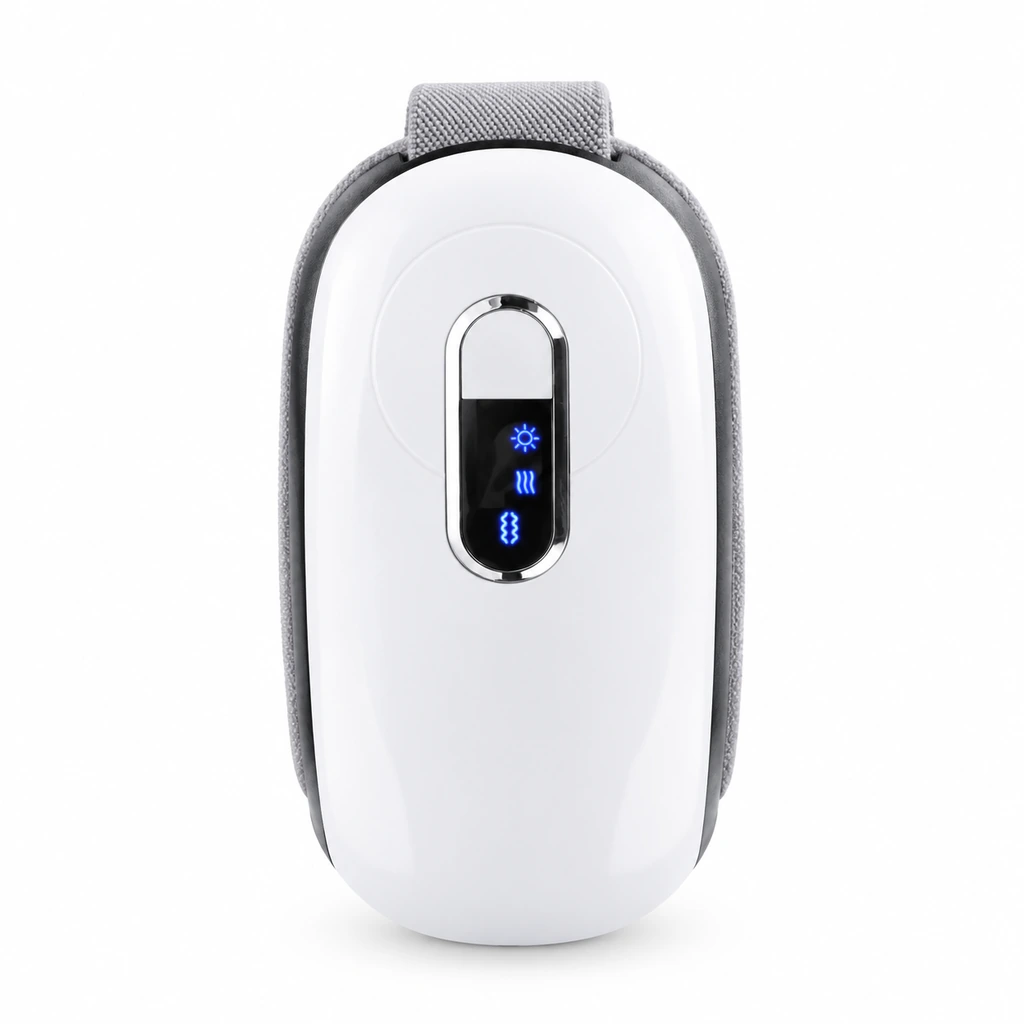
Neck & Eye Massager Gift Bundle Wholesale Quotes
A wholesale guide to defining two device configurations, separating product and packaging costs, and reconciling gift sets, loose devices and cartons. Includes practical comparison tables and a worked quantity example.
 Meilan Tech 11 min read
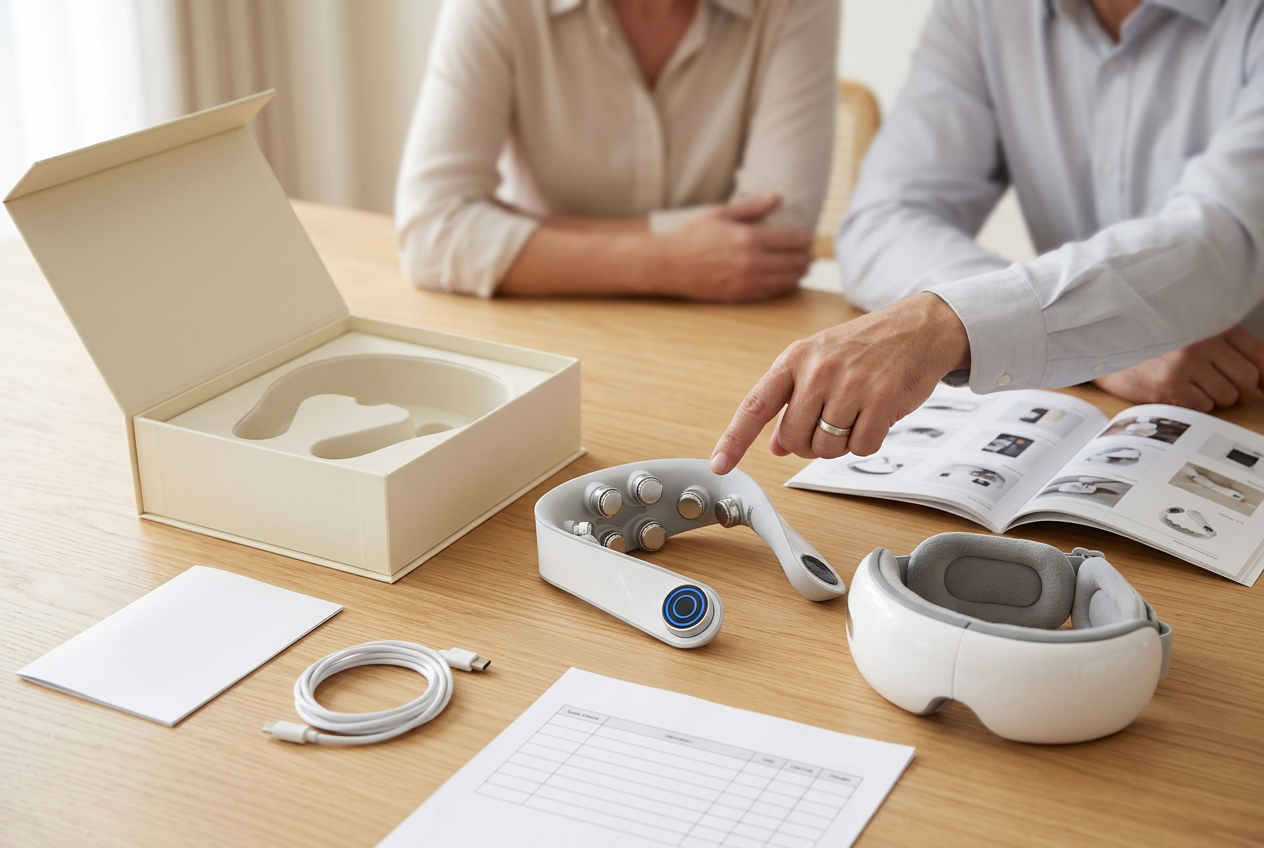
A neck and eye massager gift bundle wholesale quotation should identify both device versions, the complete gift-pack contents and the quantity basis behind every price. For distributors, online sellers and gift buyers, the useful comparison is the cost of the same saleable set, delivered to the same agreed point, with loose units and one-time charges shown separately. Start with a bill of materials, then reconcile the packing list.
1. Start with what your customer will actually receive
A gift bundle creates one commercial offer from two products. That can make the range easier to present, but it also joins two supply decisions: the neck device and eye device must both be available in the agreed version before the set can be completed. An attractive combined price is less useful if one component is still an open choice.
For a distributor, decide whether the bundle will be a permanent stock item or a limited gift promotion. An online seller needs to decide whether fulfillment will handle one assembled box or pick two separate products. A corporate gift buyer needs the recipient-ready pack, language and arrival date agreed together. These are different operating requirements, even when the product pair is identical.
Write the sales unit in the enquiry: “one set contains one neck massager, one eye massager and the agreed gift-pack items.” Then state whether the devices retain individual retail boxes inside the gift box, use one shared insert, or ship separately for local assembly. Each arrangement needs its own packing and quotation basis. For a deadline-led project, work back from the required receipt date using the neck and eye gift-order timeline guide.
2. Put each device on its own configuration line
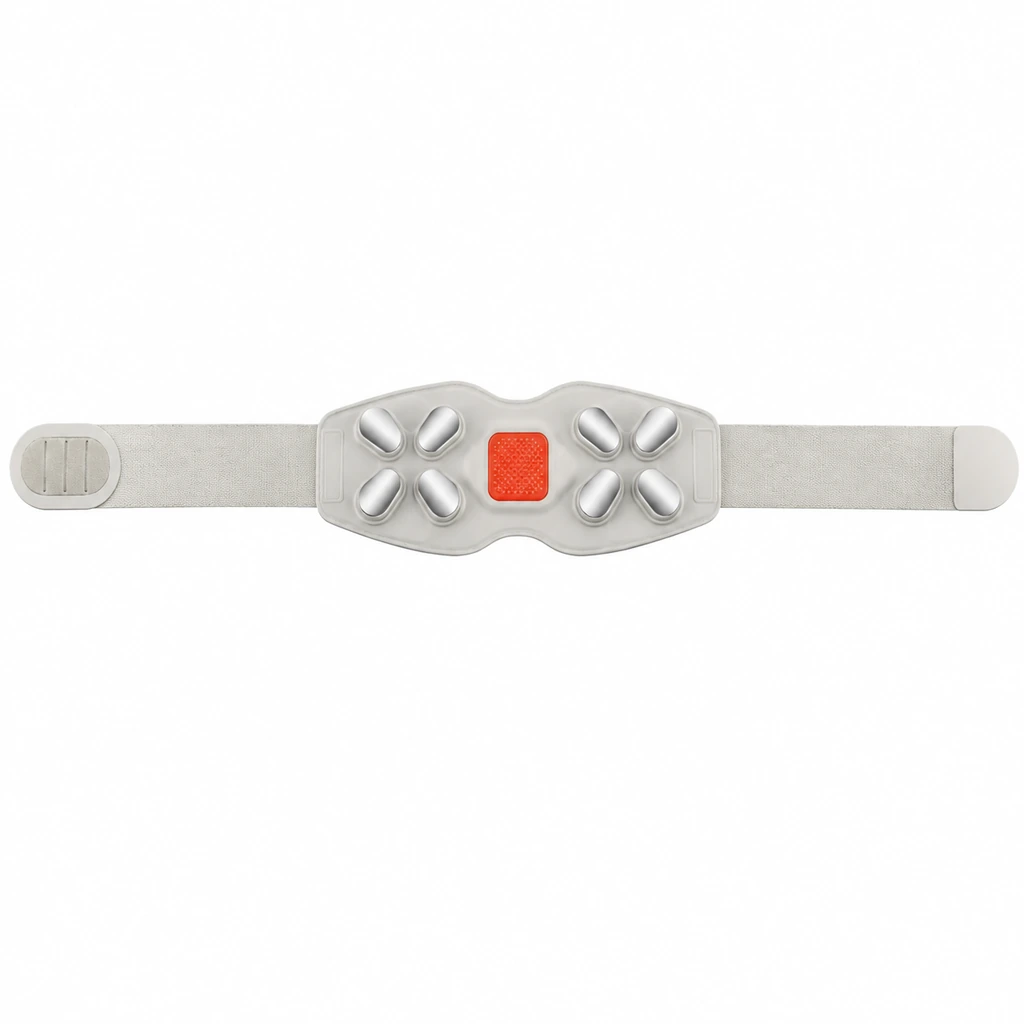
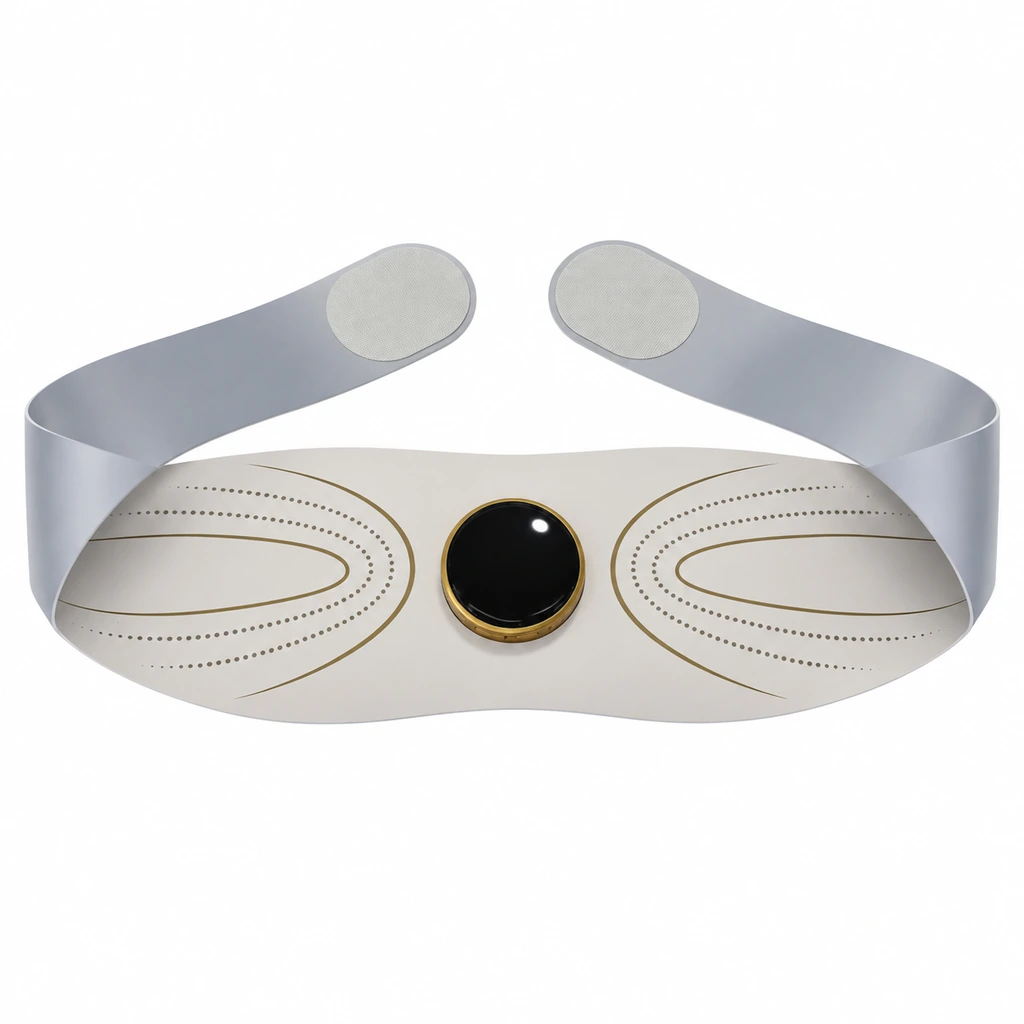
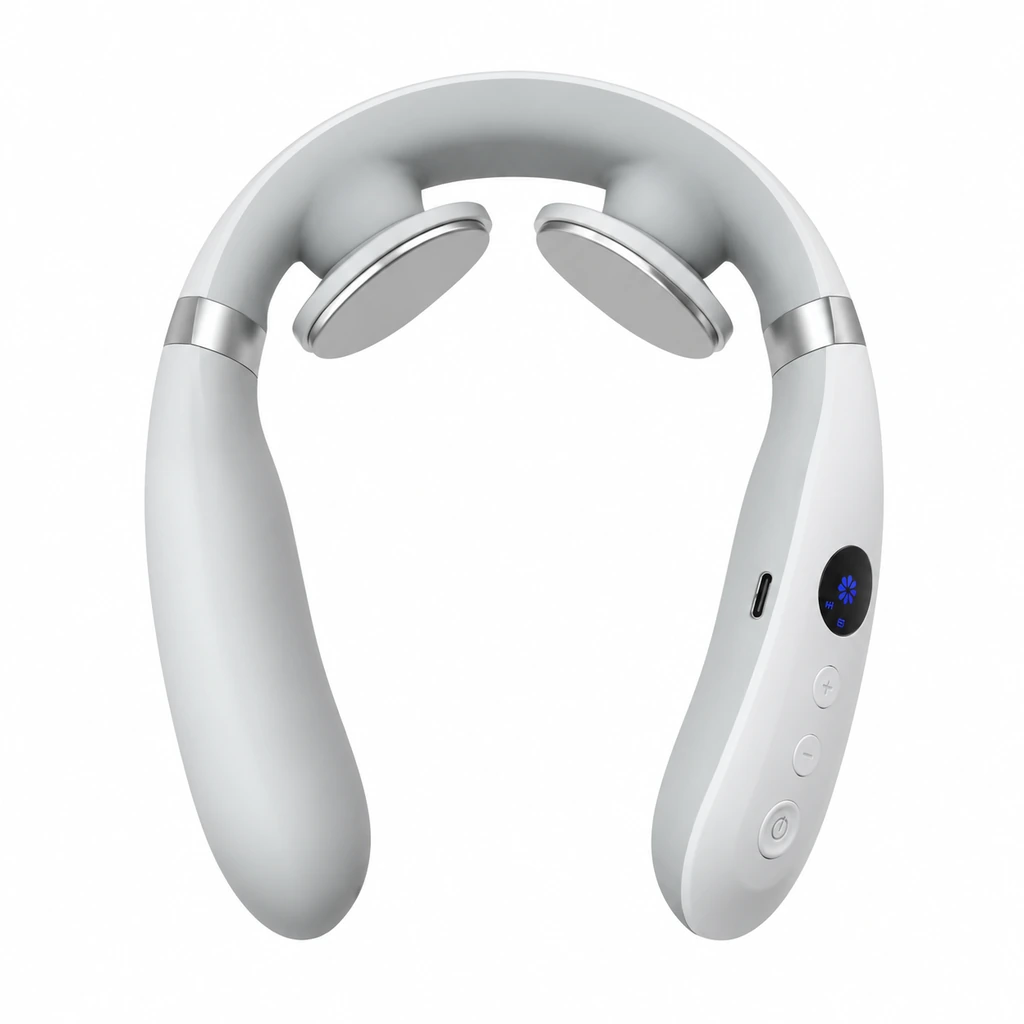
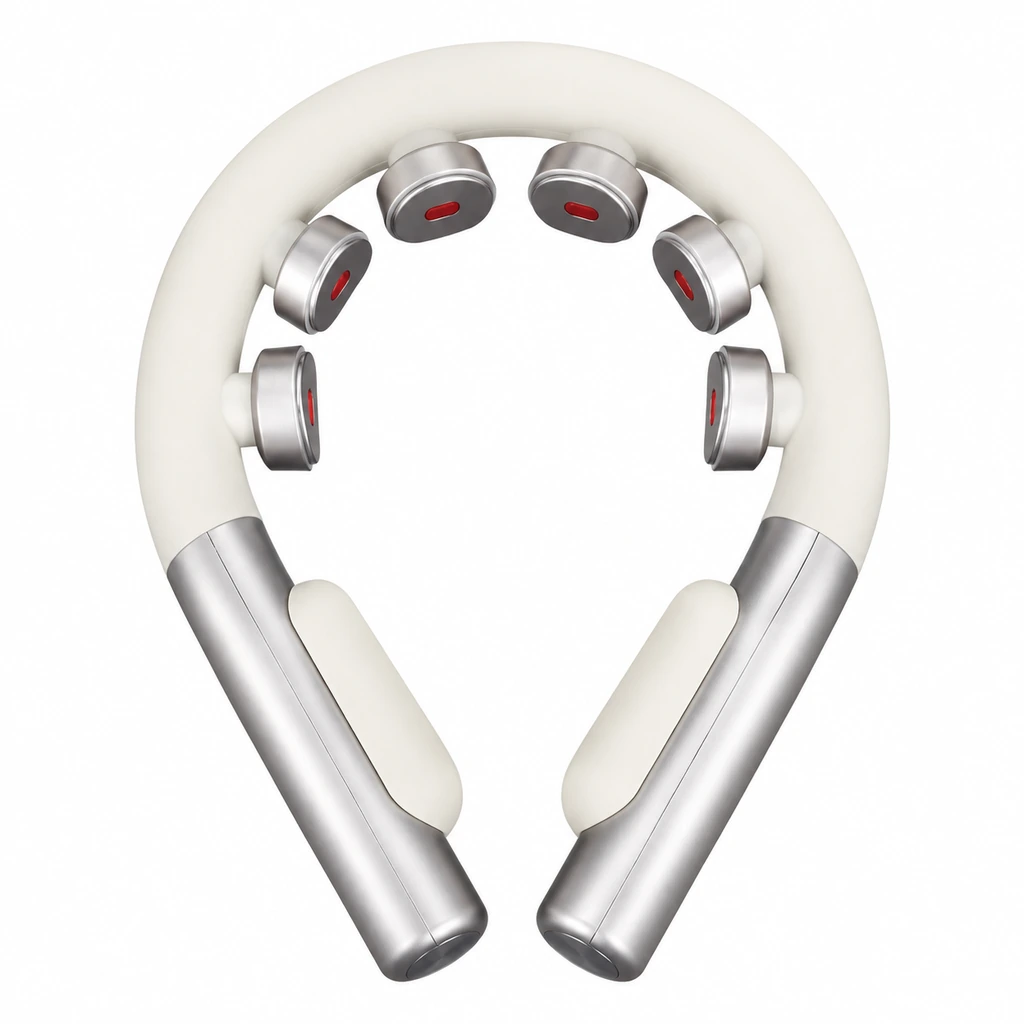
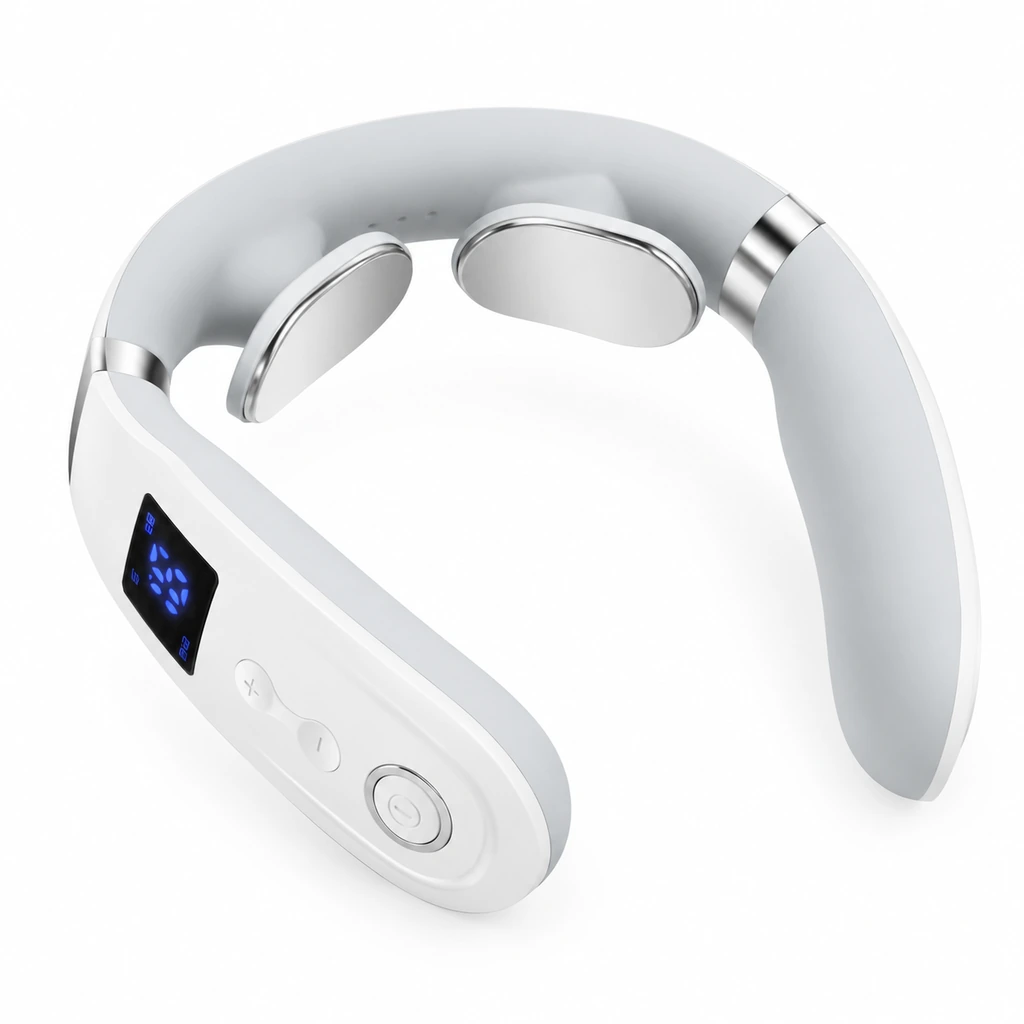
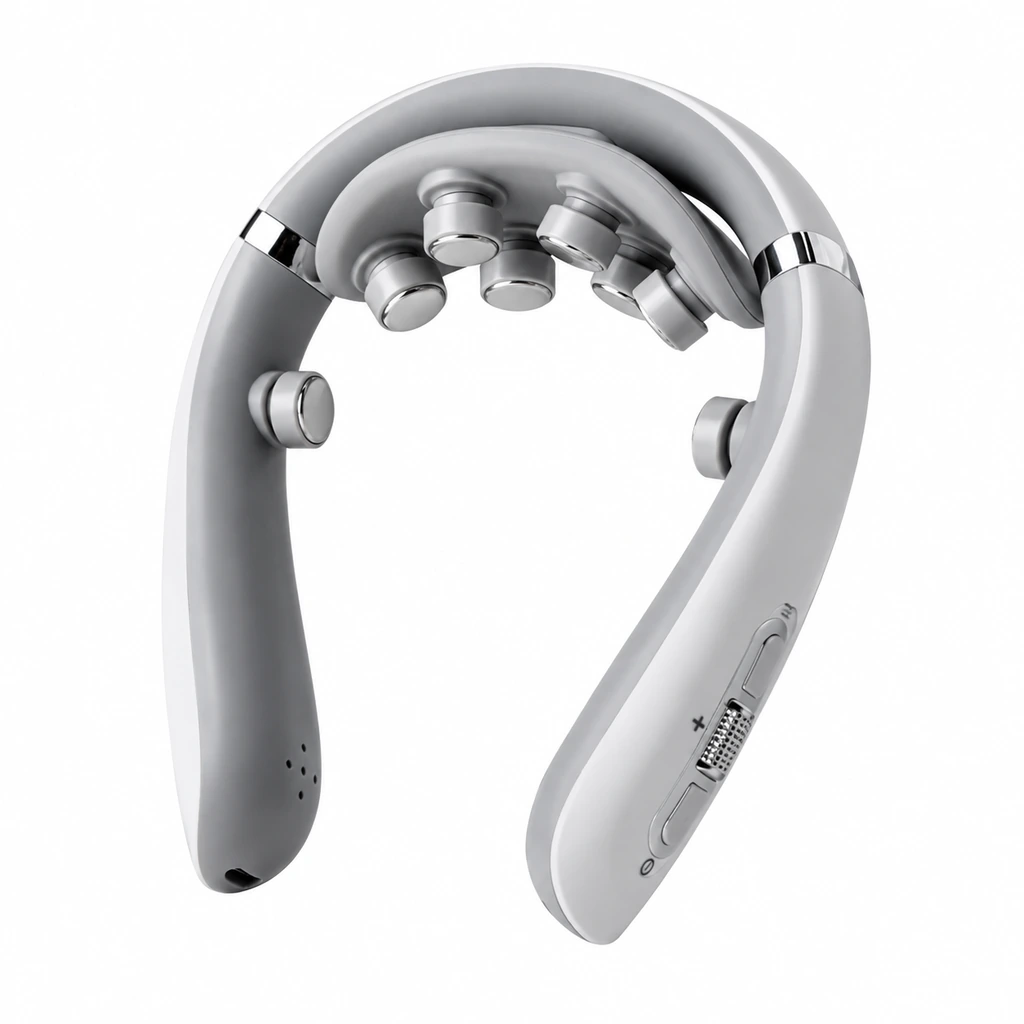
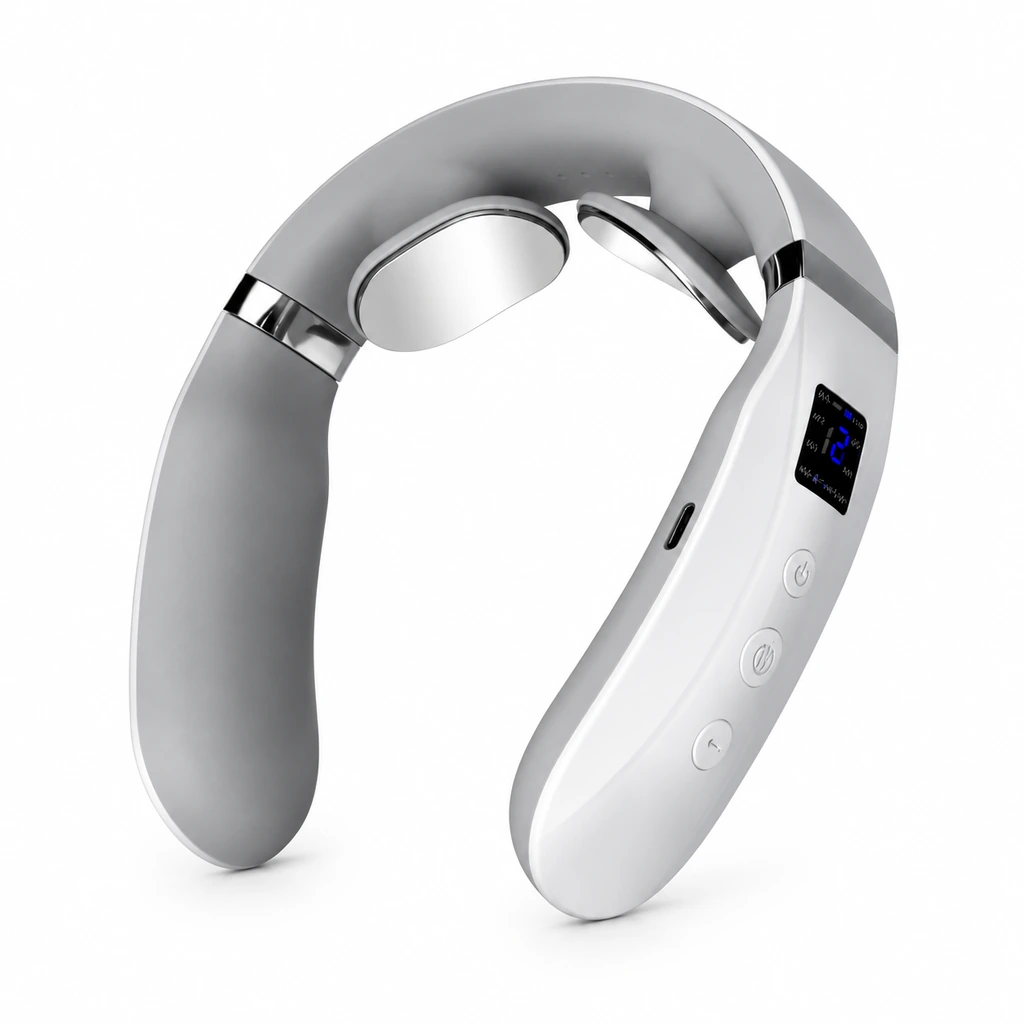
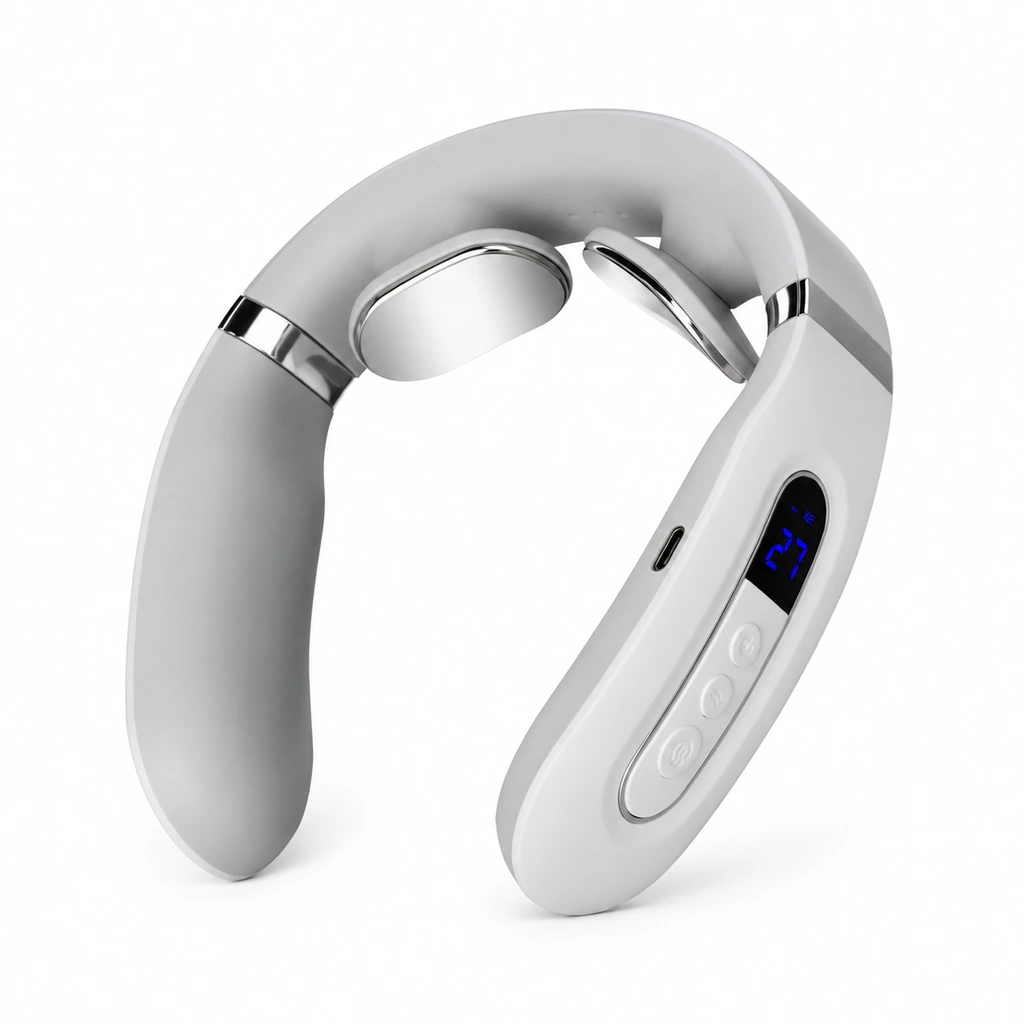
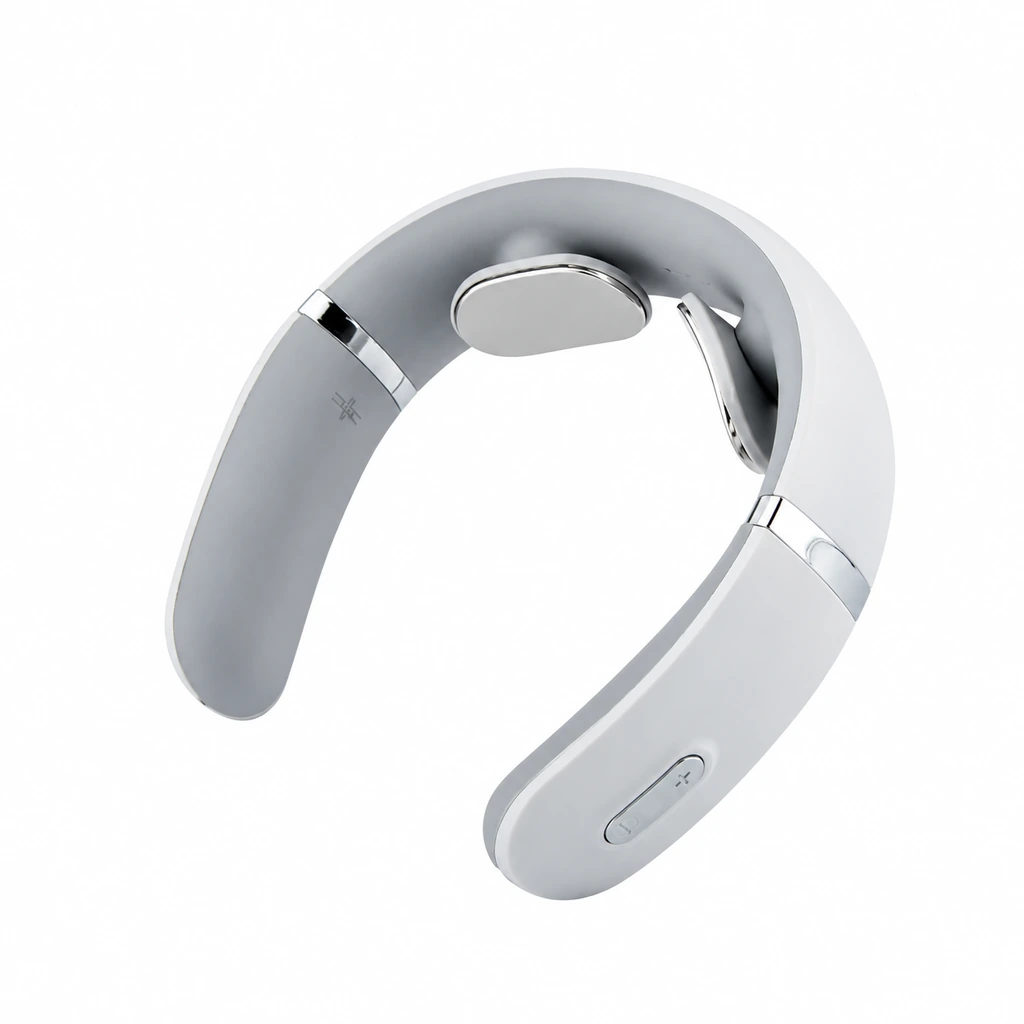
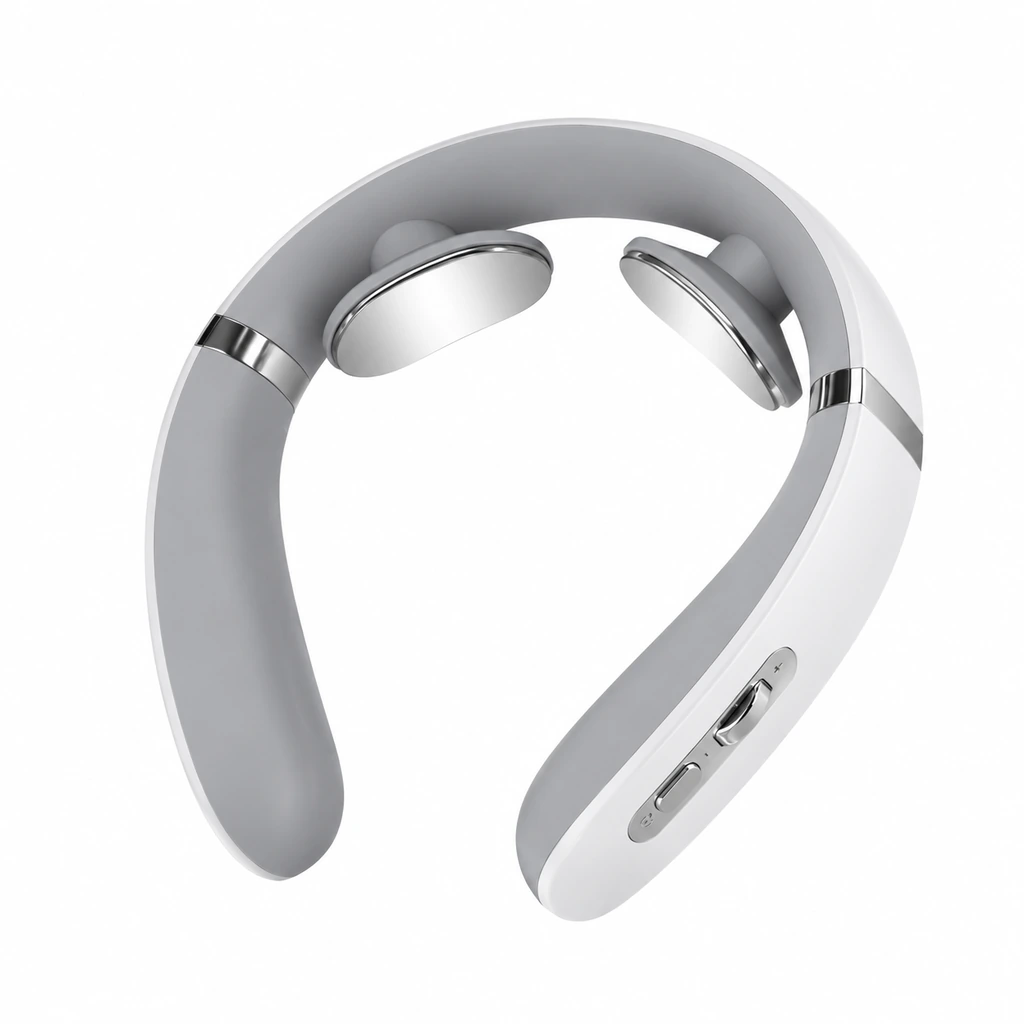
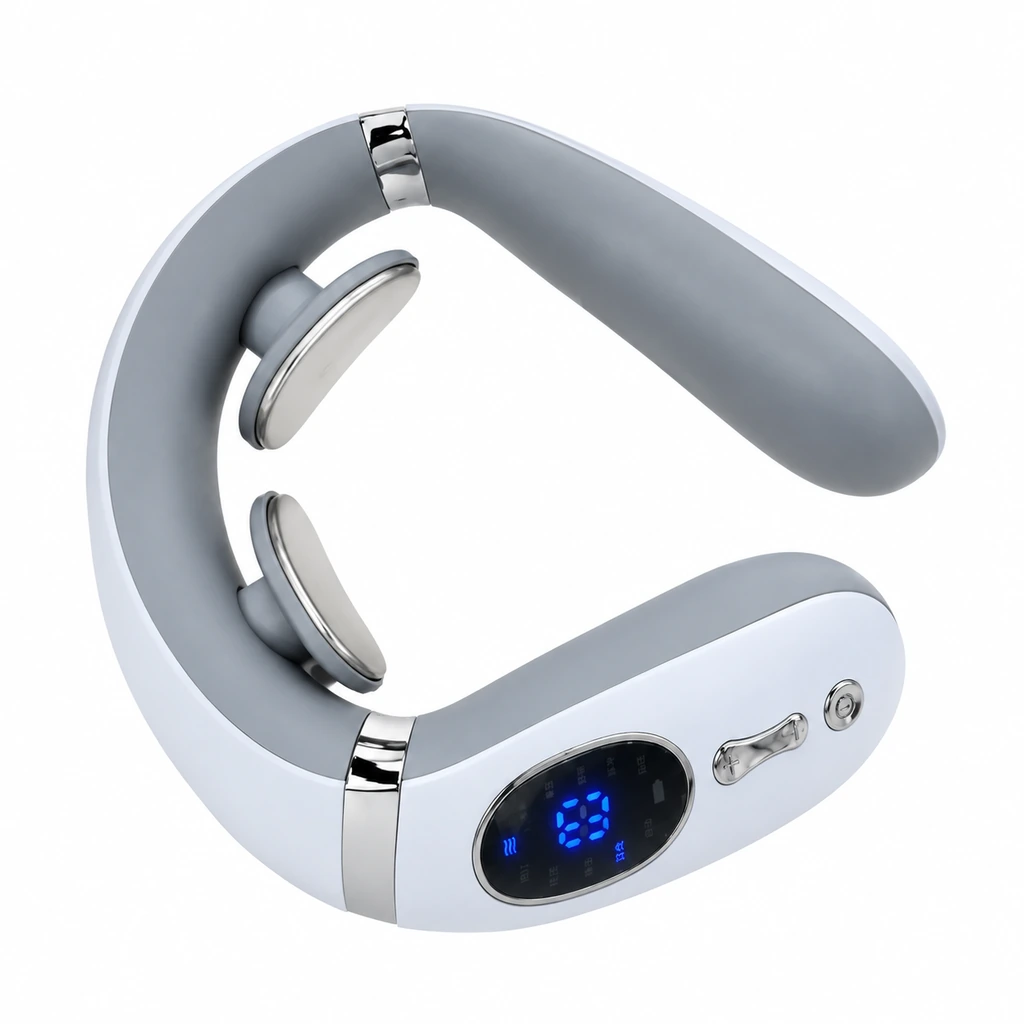
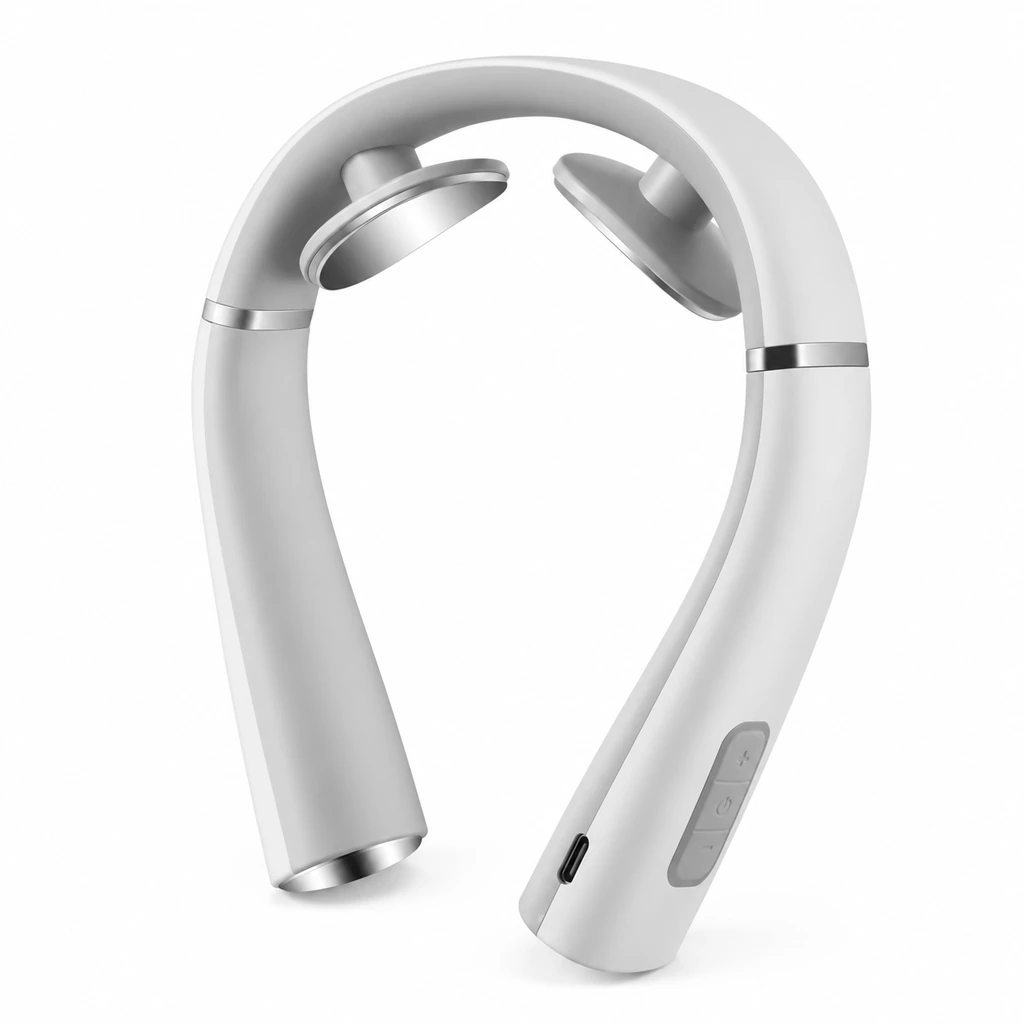
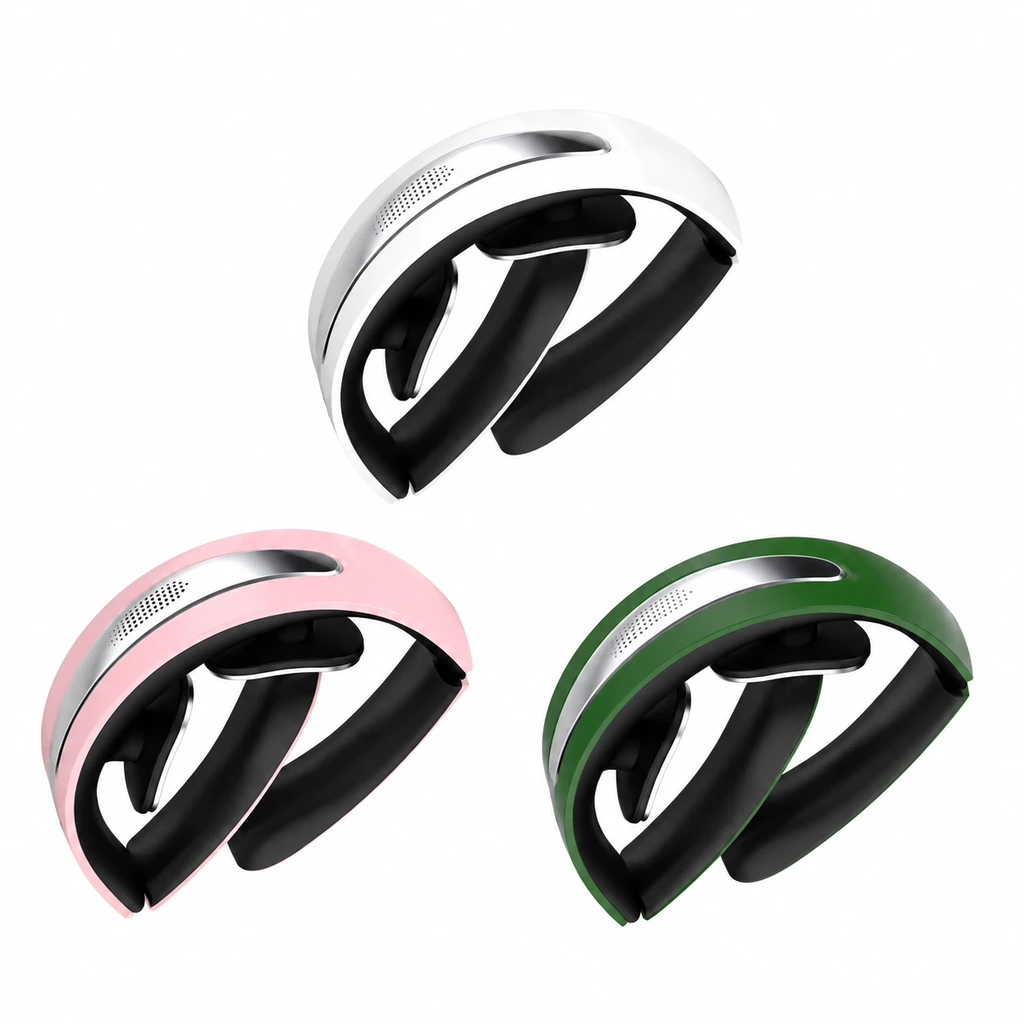
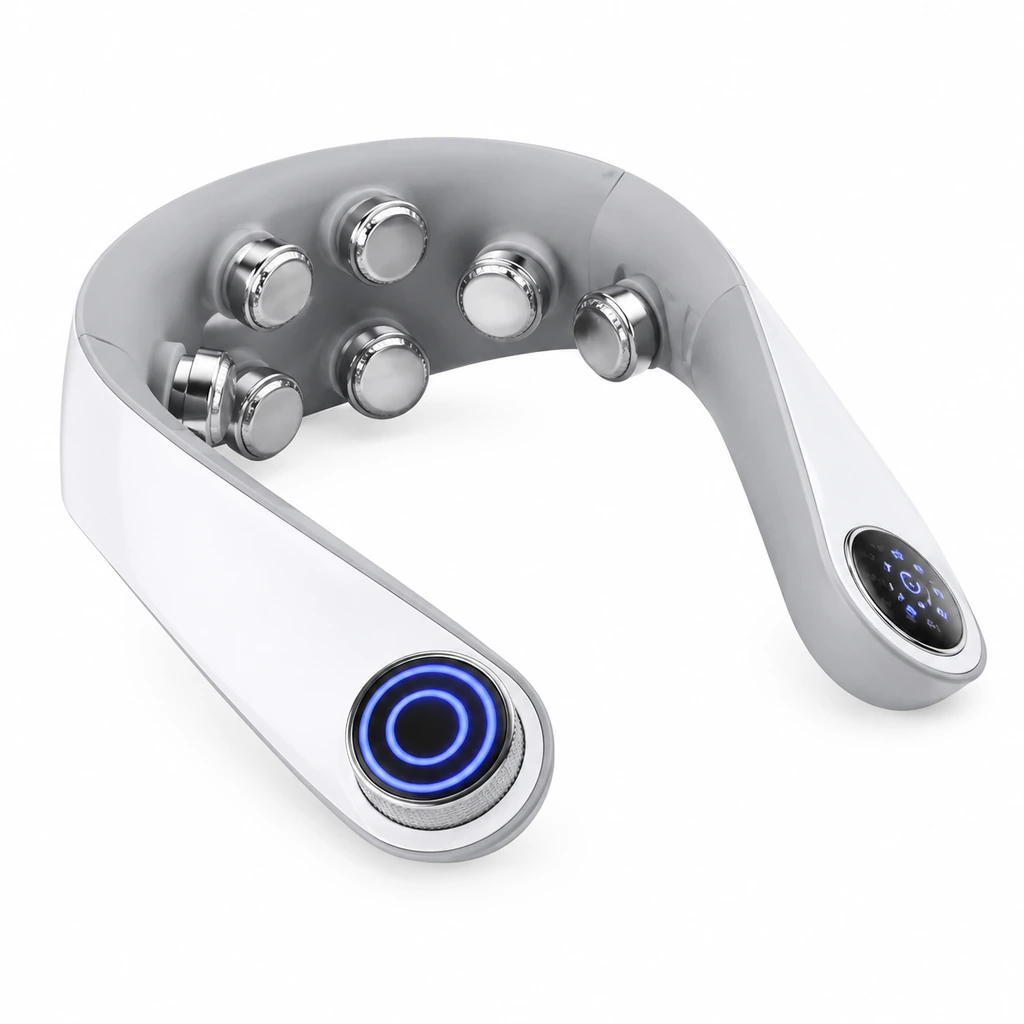
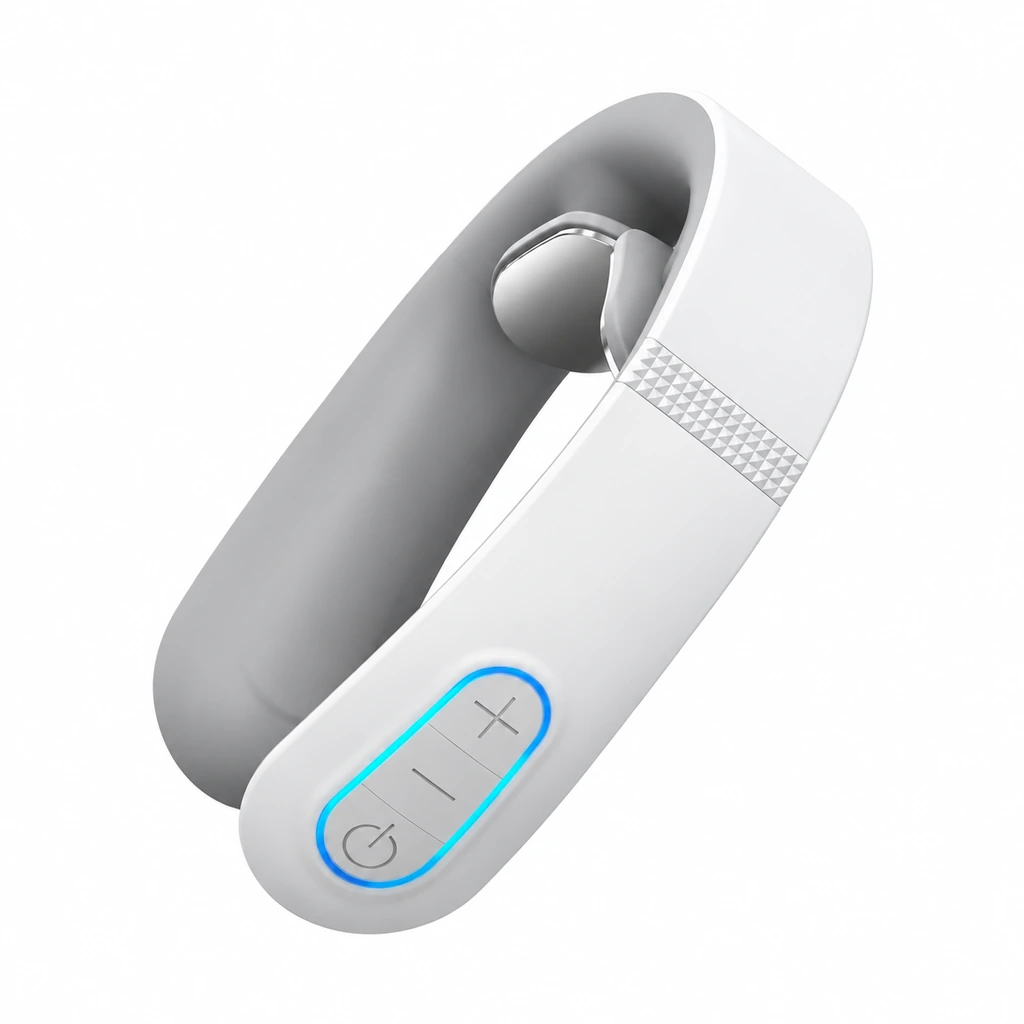
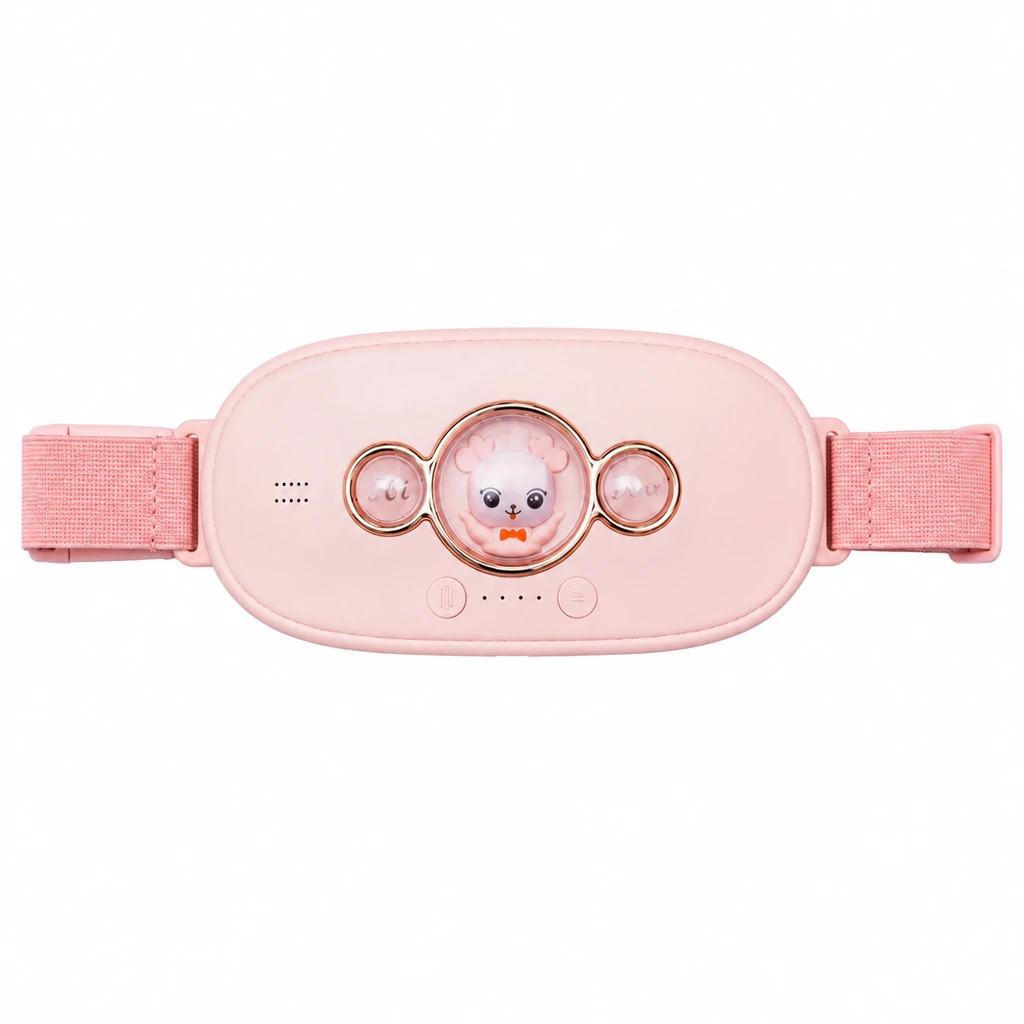
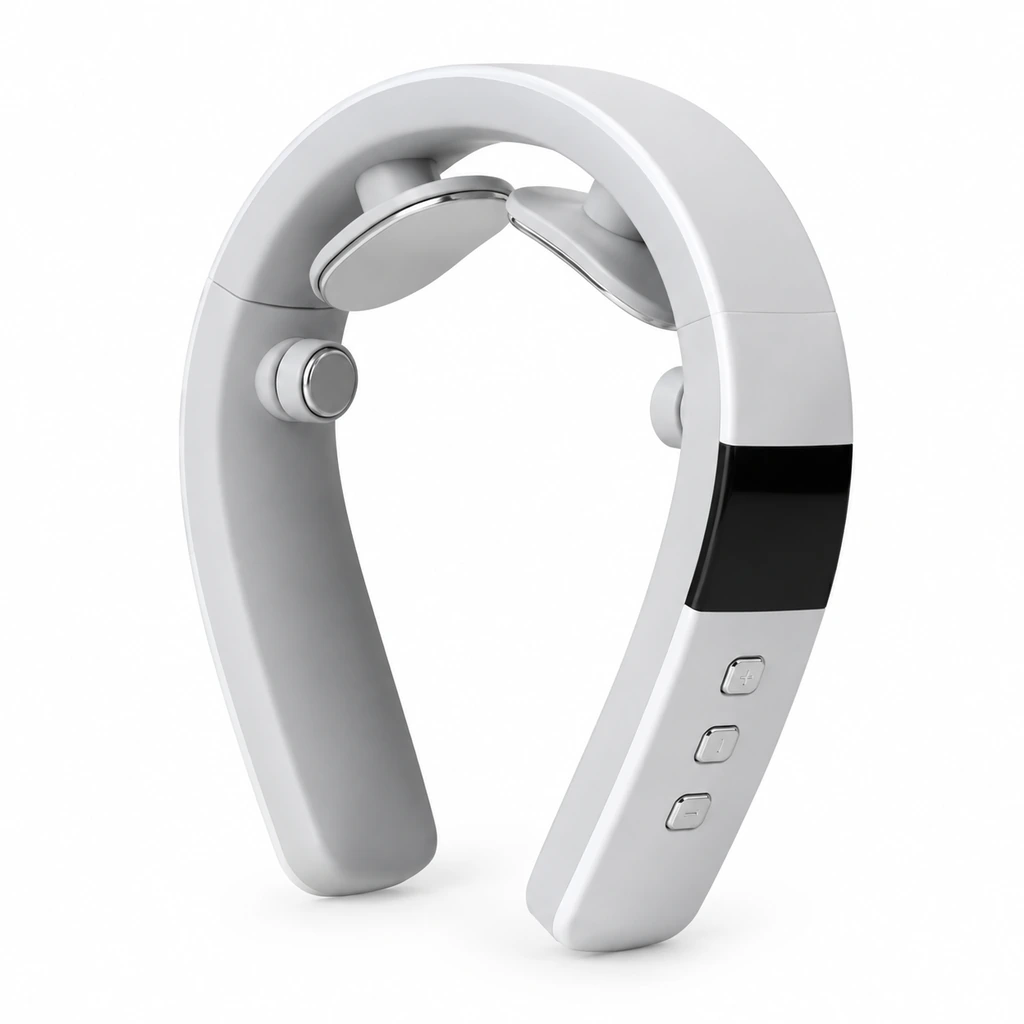
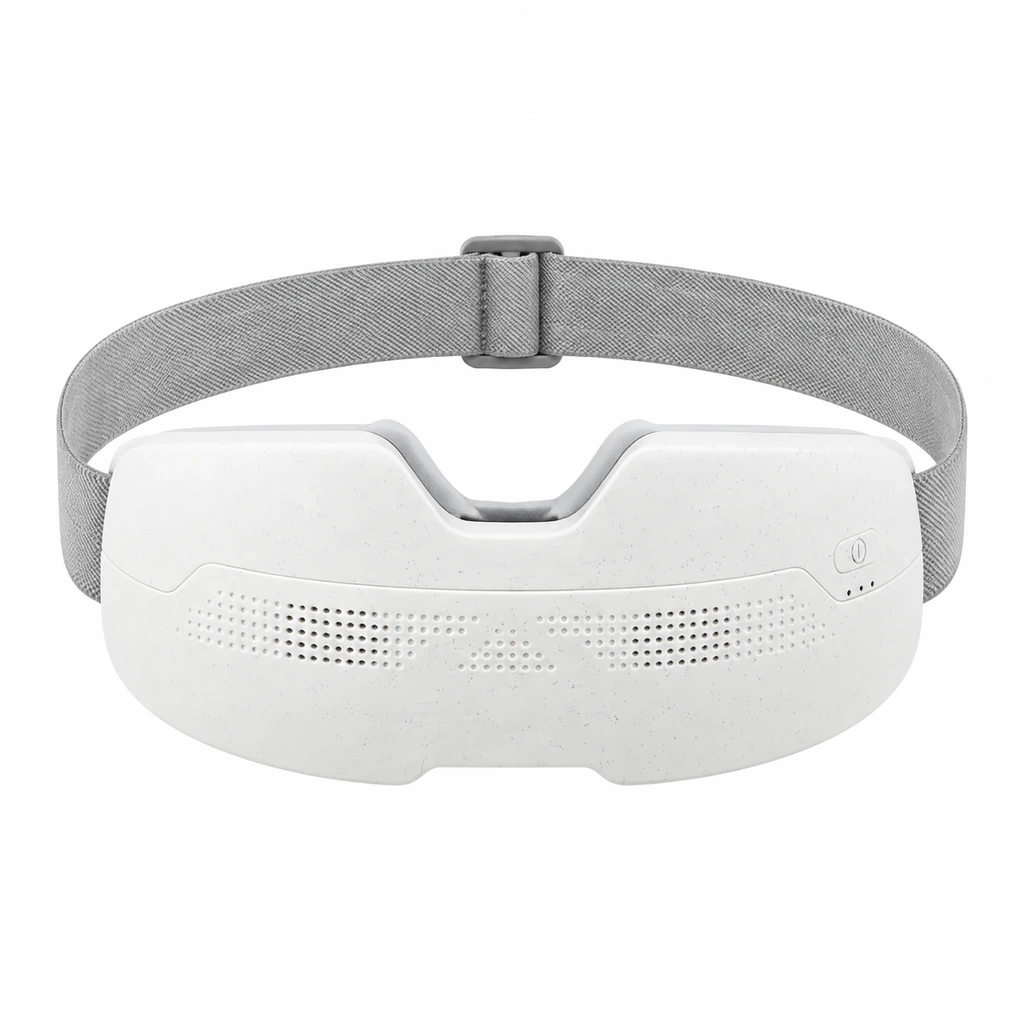
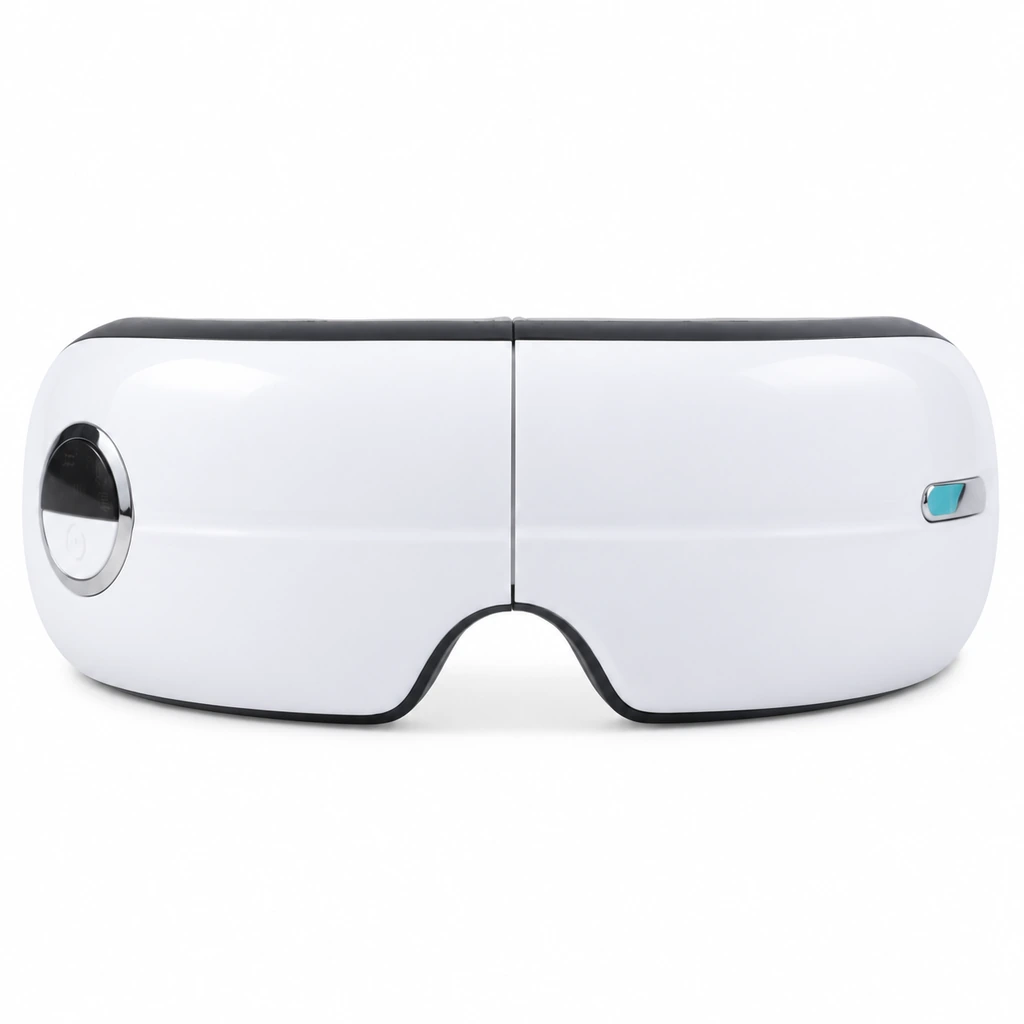
F-series and Y-series identify product families; they do not define a finished bundle. Start with the Meilan neck massager range and eye massager range, then freeze one exact version of each device. F10 and Y8 are possible catalogue starting points for an enquiry, not an approved pairing or an identification of the devices in the illustrative images.
For the neck device, record the model, hardware or configuration reference, color, controls, required functions and approved instruction language. For the eye device, record the same fields and resolve any lining, air-pressure, audio or display options offered for the selected model. Request the current specification, label and manual for each. A shared white finish does not establish matching electrical requirements or interchangeable charging accessories.
Keep two separate device records even when the sales channel advertises one set. This makes a later substitution visible: changing the eye device may affect the cavity, leaflet, demonstration copy and charging arrangement without changing the neck device at all.
| Component | What to establish | Why it changes the purchasing decision |
|---|---|---|
| Neck massager | One exact F-series model and version, with its color, controls and required functions. | A model or version change can alter the insert fit, instructions and demonstration content. |
| Eye massager | One exact Y-series model and version, including any selected lining, air-pressure, audio or display options. | Similar-looking shells do not establish identical configuration or charging requirements. |
| Gift box and insert | Choose a shared insert or retained individual retail boxes; define the structure and drawing revision. | A shared insert may reduce duplicate packaging; individual boxes may suit separate sales and replacement handling. |
| Accessories and documents | Identify each item, its specification, count and applicable device; confirm the required language. | An attractive layout can still omit a necessary item or count the same accessory twice. |
| Assembly and delivery | Decide whether the supplier assembles complete sets or sends components for local assembly. | The quoted price must cover the agreed packing work and the shipping configuration actually used. |
When comparing two proposals, change one purchasing variable at a time. To assess the gift-box premium, keep both device versions and the order quantity unchanged, then compare the packaging and assembly scope. To assess a different device pair, first hold the packaging requirements constant, then check whether the new products require a revised insert or instructions. This makes the reason for a price difference visible without treating either proposal as an approved bundle.
3. Ask for a breakdown that adds back to one complete set
A useful breakdown explains the inclusion boundary. It need not disclose the supplier's confidential manufacturing costs. Ask for commercial line prices or clearly identified allowances so you can tell what changes when an item is removed, upgraded or ordered separately.
Separate recurring costs from one-time costs. Printed boxes, inserts, cables, leaflets and packing labor may recur with every set. Artwork preparation, a cutting die, tooling or a sample charge may be separate project charges if applicable. Ask which charge is included, which is payable once, and which returns after an artwork or structure change. Confirm ownership and reuse terms for paid tooling.
| Quotation line | Basis for comparison | What to check in the price |
|---|---|---|
| Neck massager | One selected neck device per set. | Identify its exact version and the accessories already included in the device price. |
| Eye massager | One selected eye device per set. | Keep its specification and included items separate from those of the neck device. |
| Gift box | One agreed presentation box per complete set. | Match the structure, print, finish and minimum order quantity; a different box is a different quotation scope. |
| Insert | One complete insert assembly per set, with all pieces defined. | Confirm whether its price covers the full assembly and whether a new product version requires a new design. |
| Accessories and printed items | Count each agreed cable, adapter, leaflet or card by item. | Add only items that are outside the device prices; confirm language and specification. |
| Assembly and outer packing | Use the agreed assembly process and shipping-carton arrangement. | Clarify labor, seals and outer cartons so they are neither omitted nor charged twice. |
| One-time charges | Keep project charges separate from the recurring set price. | Identify applicable artwork, cutting-die, tooling or sample charges and their reuse conditions. |
| Commercial terms | Compare the same currency, delivery term and named place, with a valid quotation date. | Check which freight, tax and destination-service costs remain outside the quoted scope. |
The recurring set price should reconcile to the two device lines plus packaging, agreed accessories and assembly or outer packing that are not already included. Do not add a cable again if it is inside the device price. If the supplier offers only a combined package price, ask for the price effect of the alternatives you actually need rather than inventing an allocation.
For budget comparison, the order amount is the set quantity multiplied by the recurring set price, plus separately ordered singles, spares and applicable one-time charges. Add freight, insurance, duties, taxes and destination services only where they are outside the quoted scope, using the appropriate basis for each. Label an allocated one-time cost separately from the recurring price: spreading it across a larger order changes the average cost, not the underlying device specification.
4. Treat the gift box as part of the delivery specification
Before approving the appearance, pack the exact two samples with the intended accessories and final-size documents. Check that the neck device sits on stable body surfaces, that the eye device's cushions or strap are not trapped, and that the lid closes without pressing on controls, contact areas or cables. Record what moves after the closed box is handled in its expected orientations. These are proposed sample checks, not evidence that a particular pack has passed.
Specify the box structure, material specification, finish, print areas and insert construction in the quote. “Gift box included” leaves too much open. A shared insert may remove duplicated retail packaging, but it needs a fit decision for both devices. Retaining individual retail boxes can support separate sales and replacement handling, but increases the dimensions that must be measured. Compare the finished pack rather than judging from a rendering.
Count accessories by function as well as appearance. Confirm the connection required by each device, the number of cables supplied, whether any power adapter is included, and which documents explain each product. One cable visible in a scene does not establish that one cable is the agreed pack-out. The eye massager gift-set accessory checklist provides a useful companion check.
Finally, define the shipping pack separately from the presentation box. Ask for protection, carton markings and any required transport evaluation for the actual route. A neat desk presentation does not demonstrate shipping performance. Confirm any battery-related transport documents against both selected products and the actual shipping arrangement.
5. Reconcile sets, single devices and shipping cartons
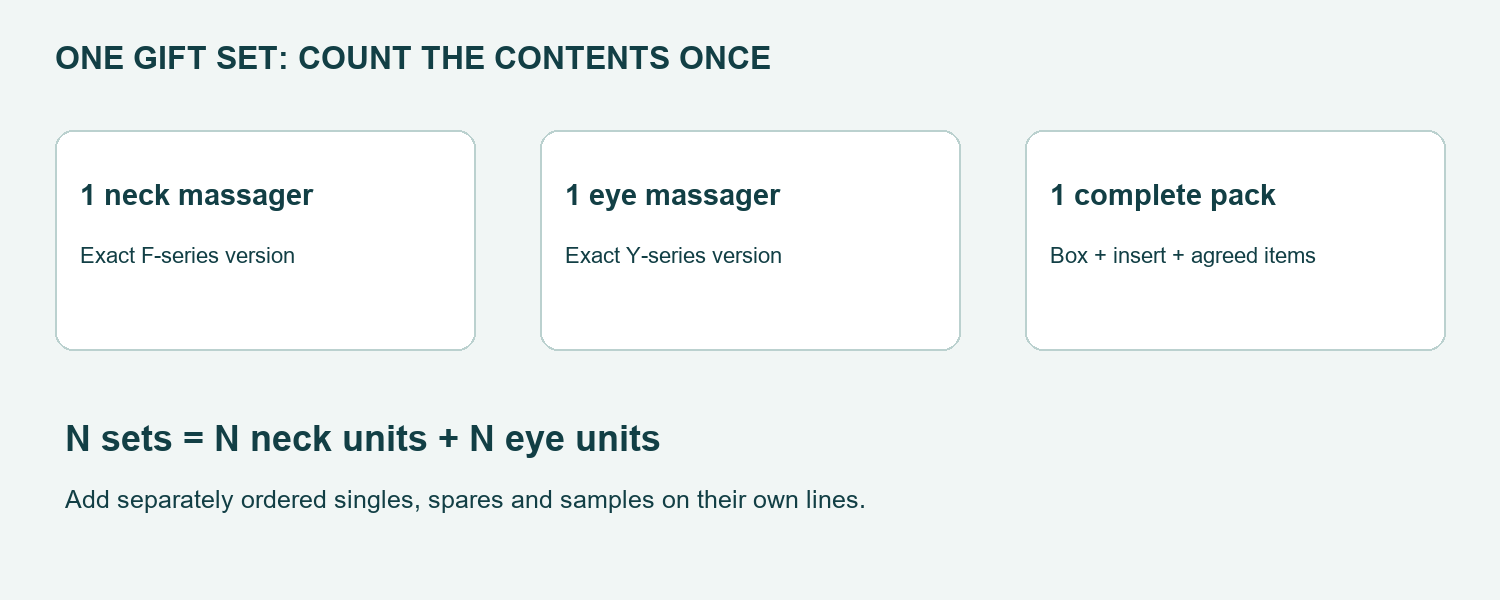
For a one-neck-plus-one-eye configuration, N complete sets require N neck devices and N eye devices. That is 2N devices, but still N saleable sets. Gift boxes do not count as additional devices. Separately ordered singles, service units and samples need their own lines so the purchase order, invoice and packing list describe the same goods.
The number of complete sets available for assembly is limited by the smallest available quantity among all required components, after reserved quantities and unusable items are accounted for. Spare eye devices cannot complete sets if neck devices or matching inserts are missing. To see how the counts reconcile, consider a hypothetical order for 500 sets, plus 20 loose neck devices and 10 loose eye devices. Assume 10 finished sets per shipping carton solely for this calculation. These are illustrative quantities, not a Meilan order, offer or confirmed packing specification.
| Quantity record | Worked example | How to interpret it |
|---|---|---|
| Complete gift sets | 500 sets. | Each set contains one neck device, one eye device and the agreed complete gift pack. |
| Total neck devices | 500 in sets + 20 loose = 520 devices. | The 20 loose devices are additional units, not another 20 complete sets. |
| Total eye devices | 500 in sets + 10 loose = 510 devices. | Count loose devices separately even when they are purchased on the same order. |
| Gift packaging | 500 gift boxes and 500 complete insert assemblies for the sets. | Spare packaging, if ordered, is additional stock and does not increase the set quantity. |
| Finished-set cartons | 500 sets ÷ 10 sets per carton = 50 full cartons. | There is no remainder in this example; the real carton capacity requires confirmation. |
| Loose-device packing | 20 neck devices and 10 eye devices, recorded outside the finished-set cartons. | The number of cartons depends on their separate packing arrangement; it cannot be inferred from the set cartons. |
| Freight data | Measure the actual outer dimensions and gross weight of every shipping-carton type. | This example supplies no measured freight data; a carrier estimate needs the final pack-out. |
For a remainder carton, record its actual contents, dimensions and gross weight; do not assume it matches a full carton. Carton volume is outer length multiplied by width and height after converting all dimensions to the same unit. Chargeable weight depends on the carrier's service and calculation rules. Keep a forwarder's freight estimate separate from the factory's set price until the same final packing data and delivery scope support both.
6. Protect the margin after the first sale
A bundle's price difference from two individual products is only part of its commercial value. An assembled gift pack can reduce local preparation work, while separate products can leave stock available for several channels. The tradeoff depends on your own fulfillment costs, inventory plans and customer offer. Do not assume the bundle will sell faster or command a premium without evidence from your channel.
Ask what happens when one device needs replacement: must the entire gift set be returned, or can the affected component be serviced separately? Agree the identification records, replacement scope, responsibility and any quoted service stock. If only the eye device changes on a reorder, decide whether the old insert, artwork and online listing remain usable before accepting the substitution.
Review minimum quantities and lead times at component level. The devices, printed gift box and insert may have different order thresholds. If packaging must be purchased in excess, record who owns the balance, where it is stored, how later releases are charged and what happens after a design change. Excess packaging is a separate stock commitment even if it does not appear in the first shipment.
7. Send a brief that can come back as a comparable offer
Send the target market, sales channel, intended set quantity, required receipt date and the selected version of each device. Use the configuration table to describe the scope rather than leaving the supplier to infer it. Request two version-matched device specifications, the itemized commercial proposal, a photographed pack-out, packaging drawings, carton data and the sample-approval sequence. Ask for all proposed exclusions in the returned quotation.
Before choosing, check four points: the two device versions are fixed; the recurring and one-time prices reconcile; quantities agree across sets, loose units and cartons; and the sample, documents and shipment plan describe the same configuration. If a box drawing, accessory count or component version changes, have the supplier revise the affected quote and packing record together.
A good enquiry leaves the supplier room to suggest a practical alternative while making the comparison clear. To request a version-specific proposal, send your two candidate configurations and packing requirements to Meilan's wholesale enquiry team. Ask for the complete set price and any separately purchased single-device prices on the same commercial basis.
Buyer questions
Is a gift bundle always cheaper than buying the two devices separately?
No. Compare the same device versions, quantities and delivery scope. Packaging and assembly can add cost; savings in your own fulfillment process depend on your operating arrangement.
Can I use one accessory list for both devices?
Use one combined list with separate device-specific lines. Confirm cable specifications, counts, adapters and instructions for each selected version before consolidating any shared item.
How should separate spare units appear on the order?
List them by model and version outside the finished-set quantity. State whether they have individual packaging and accessories, and include them in the appropriate carton records.
Can a different Y-series eye massager use the same insert?
Only after the replacement version is packed and checked. Compare its shape, contact surfaces, controls, cable placement and lid clearance using a physical sample.
What if the supplier quotes only one price per set?
Request a complete inclusion list and the price difference for a defined alternative. A transparent scope is essential even when confidential internal costs are not itemized.
Can the final freight quotation use the two original product cartons?
Use the cartons that will actually ship. A combined gift pack changes the packing arrangement, so confirm its carton types, quantities, outer dimensions and gross weights before finalizing freight.

