












Neck & Eye Massager Distributor Assortment
A distributor's guide to building a focused F-series and Y-series range, using F12 and Y8 as candidates and connecting selection to catalogue accuracy, quotations and replenishment.
 Meilan Tech 8 min read

A useful neck and eye massager assortment gives each stocked version a clear selling role and a repeatable supply route. Start with the outlets you actually serve, select a small number of distinguishable configurations, and connect every catalogue entry to its sample, packing list and reorder reference. Meilan F12 and Y8 provide two candidates for this process; the right mix depends on documented channel needs, approved samples and current commercial terms.
1. Build the brief around the outlet, not the catalogue
“Retail” is too broad to determine a buying plan. A staffed personal-care shop can explain controls and fitting. A gift store may need a product that makes sense from the box and a short display card. An online seller needs photographs, a clear comparison and a reliable support answer when a customer cannot reproduce a demonstration. A corporate gift buyer has a delivery date, recipient instructions and a packaging approval process. These are useful planning scenarios, not evidence that a particular model will sell in any of them.
Ask each prospective account what it can display, explain and replenish. Record its target selling-price band, shelf or storage space, available staff time, required languages, opening quantity and delivery window. Separate an explicit request from the distributor's assumption. If a retailer asks for a compact pack, clarify whether it means a small retail box, a folding product or a smaller shipping carton: those are different requirements.
Use existing sales and enquiries where available, but retain the period, outlet and exact version behind each record. Without such data, begin with an explicit channel brief and a limited sample review. A broad launch order does not resolve an uncertain demand question.
2. Give each candidate a job before adding another SKU
The neck and eye categories are different starting points for a range, but two categories do not automatically create two price tiers or a bundle. Define each candidate's role in one sentence: who will buy it, what difference the retailer can explain, and why that outlet needs it alongside the other product.
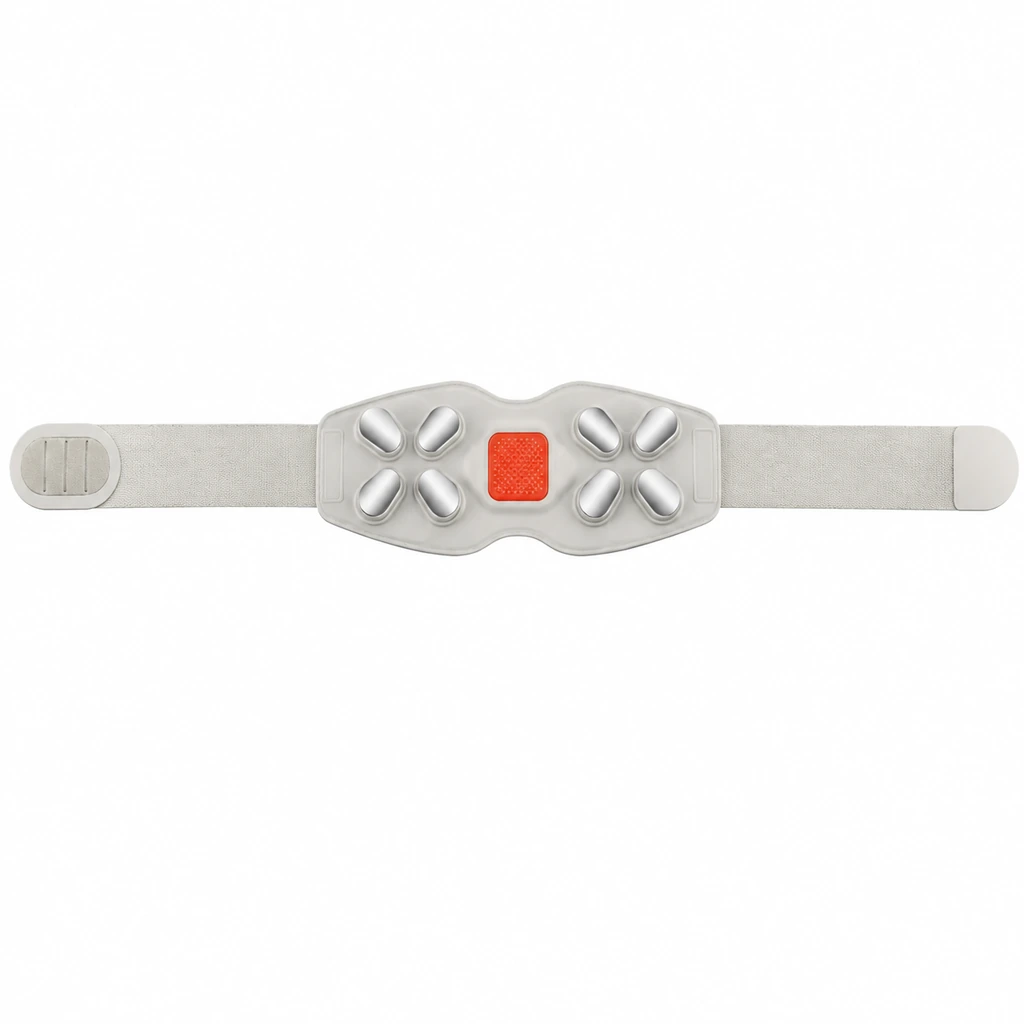
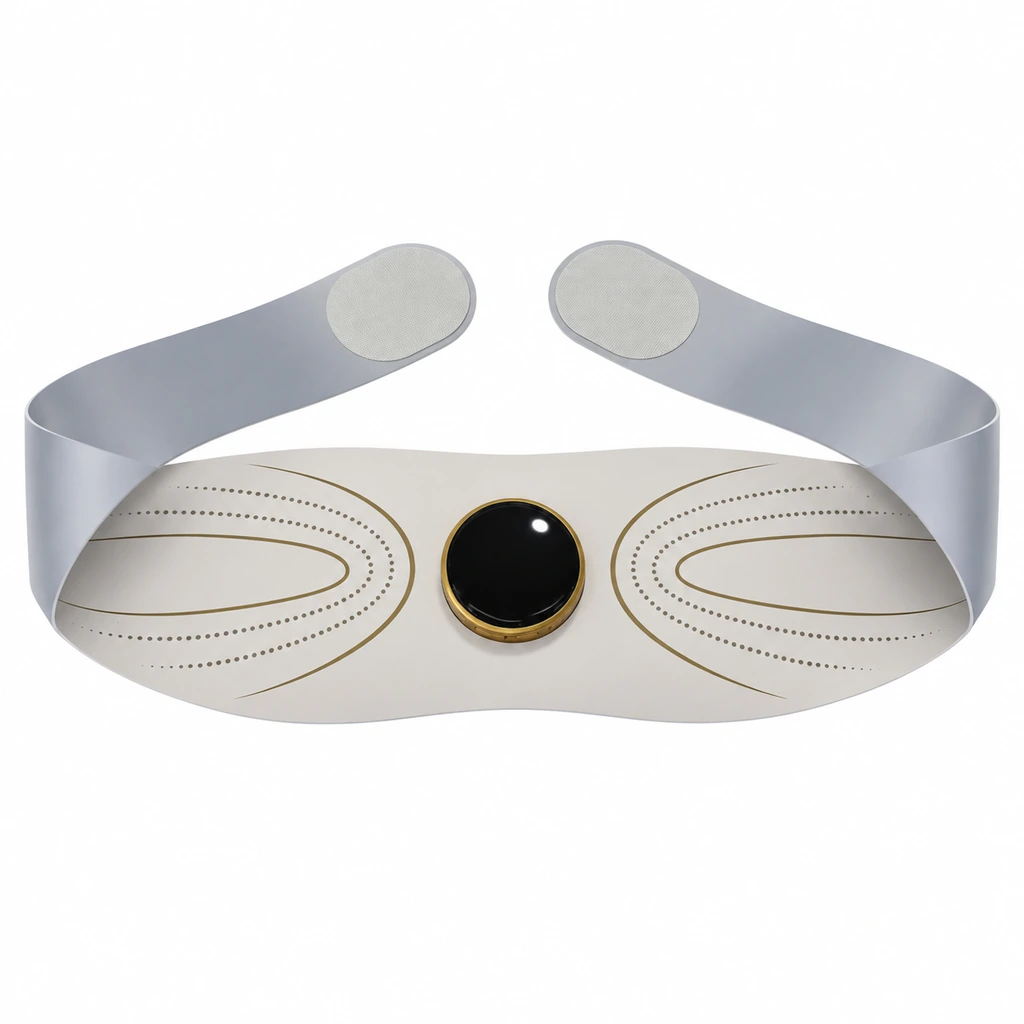
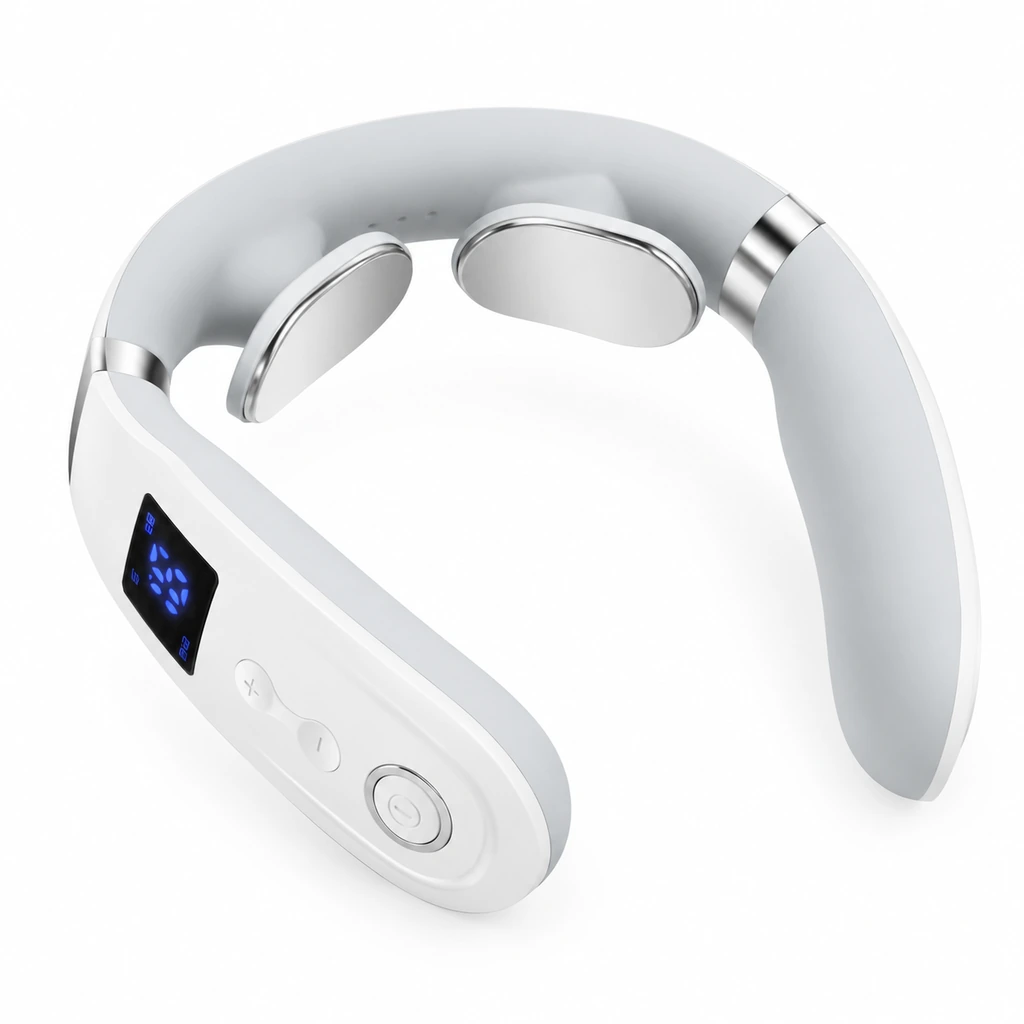
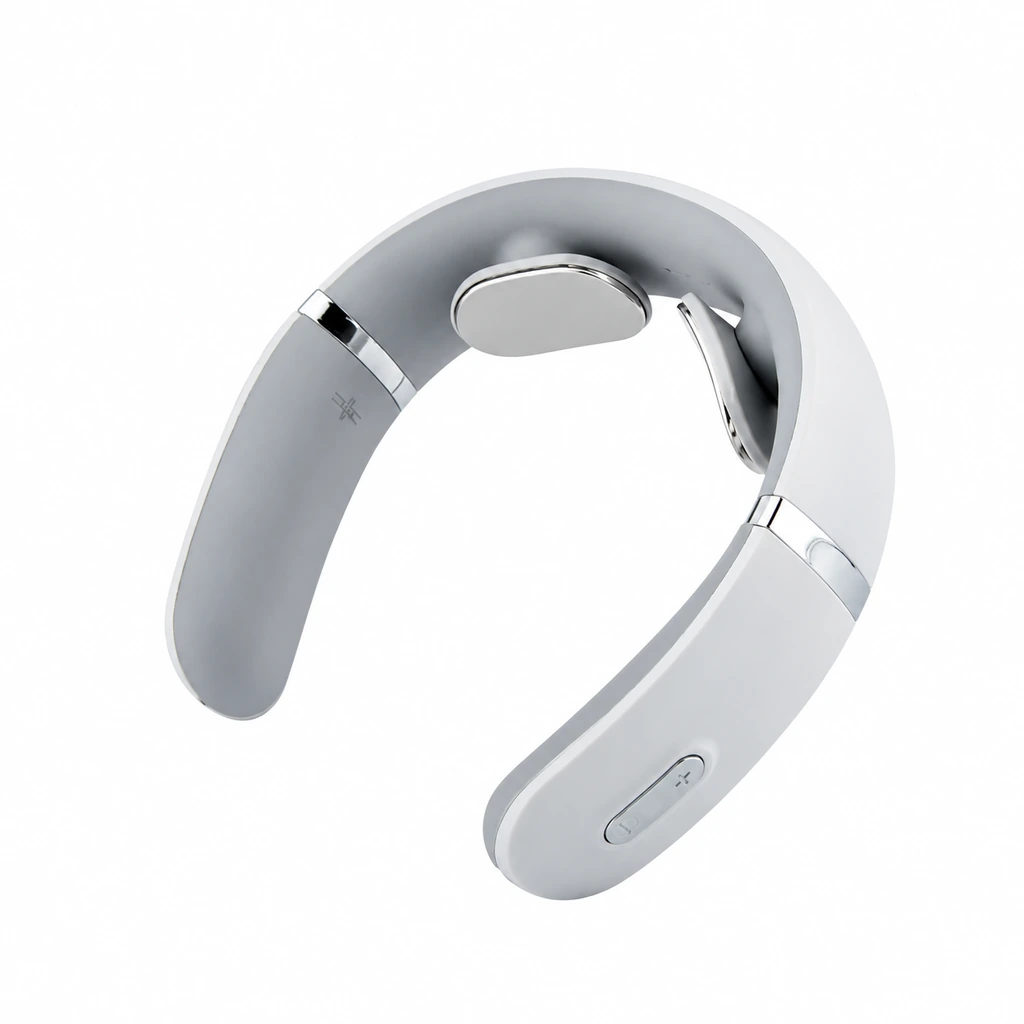
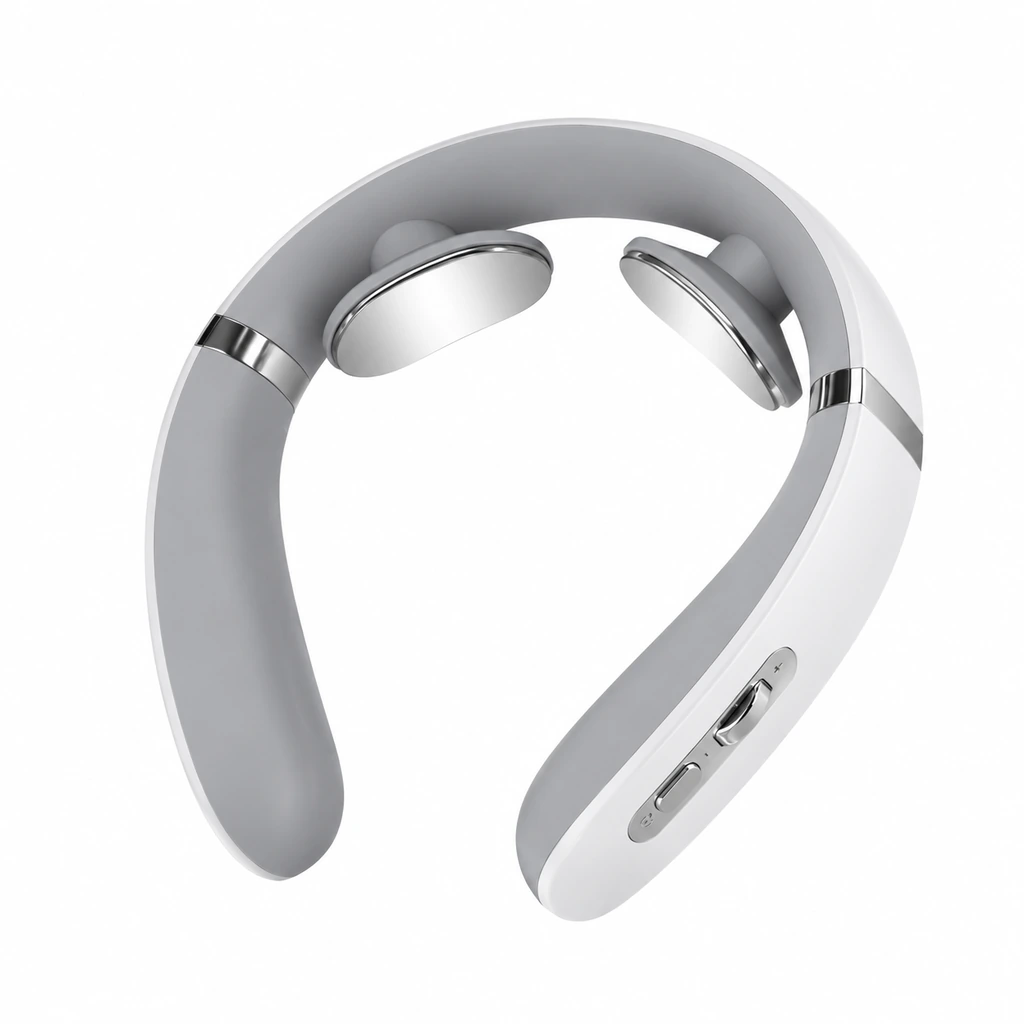
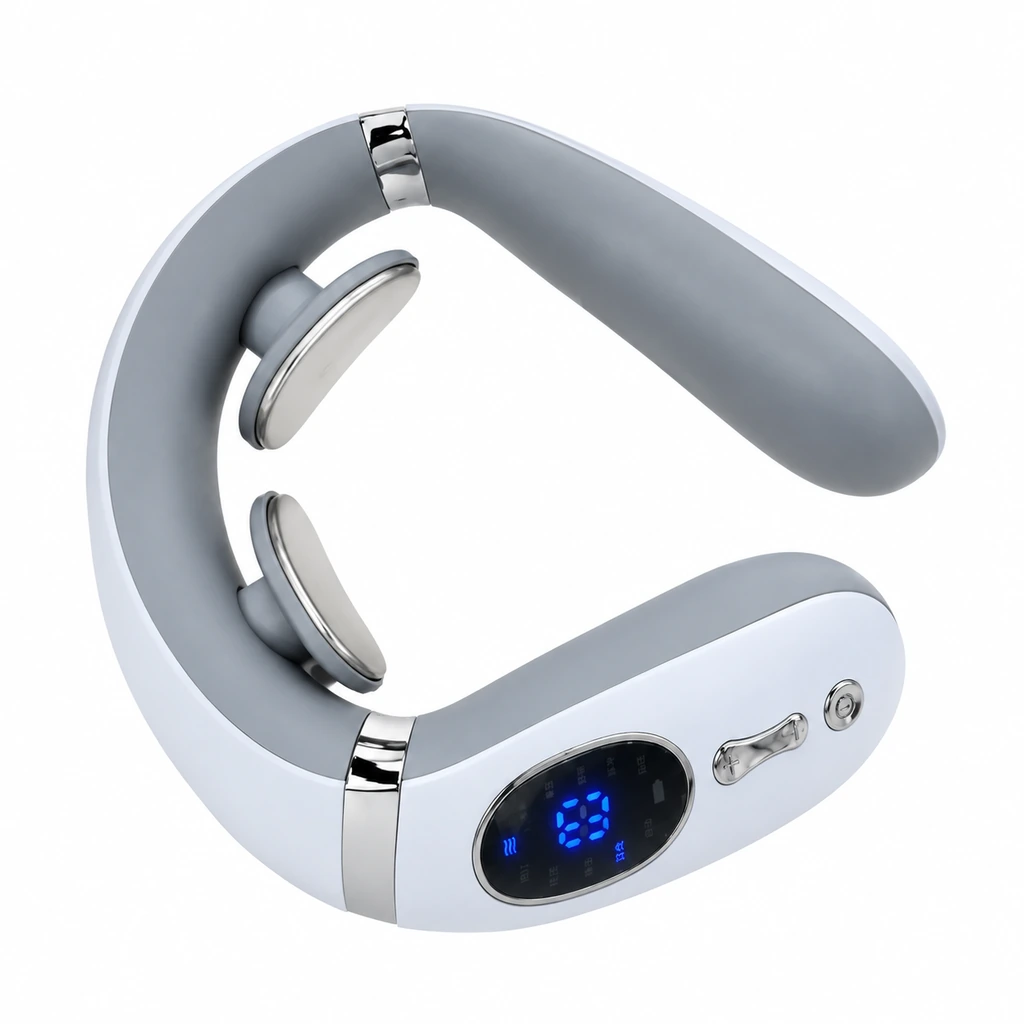
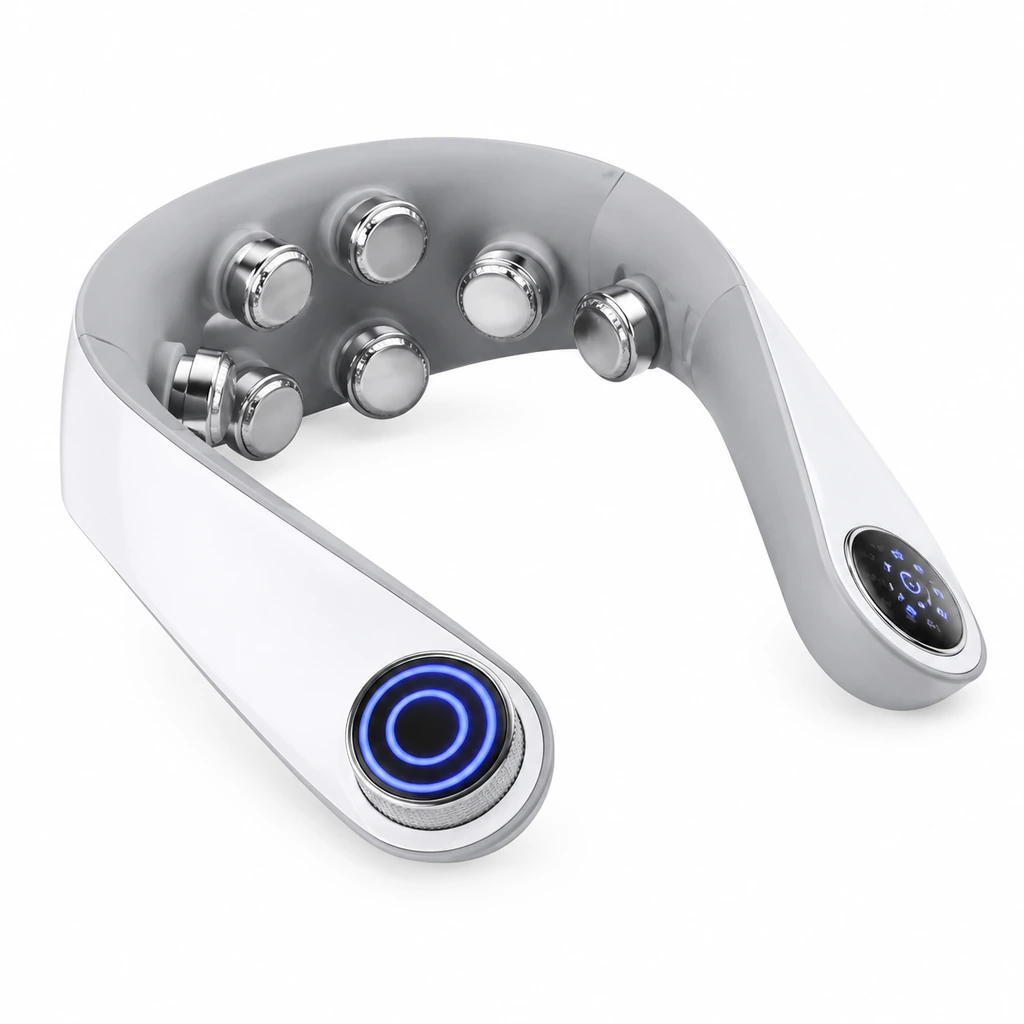
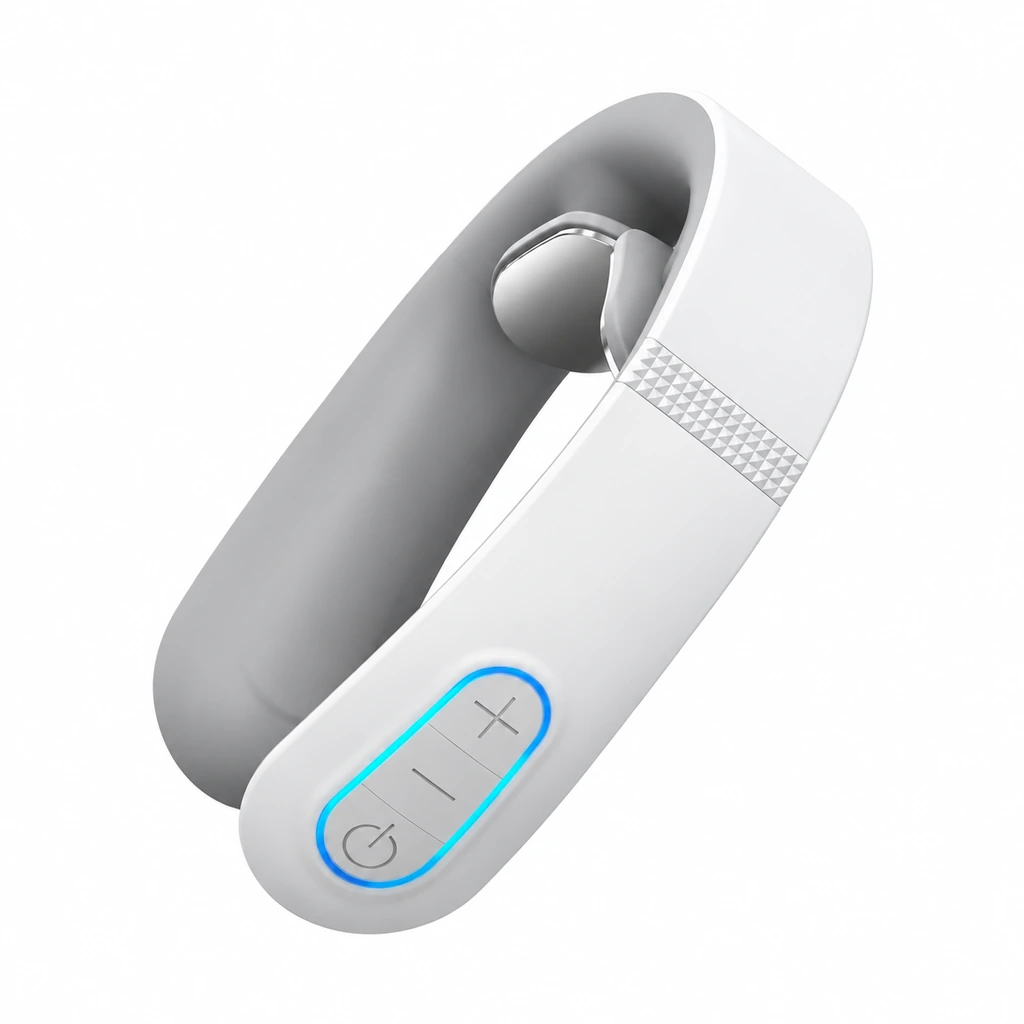
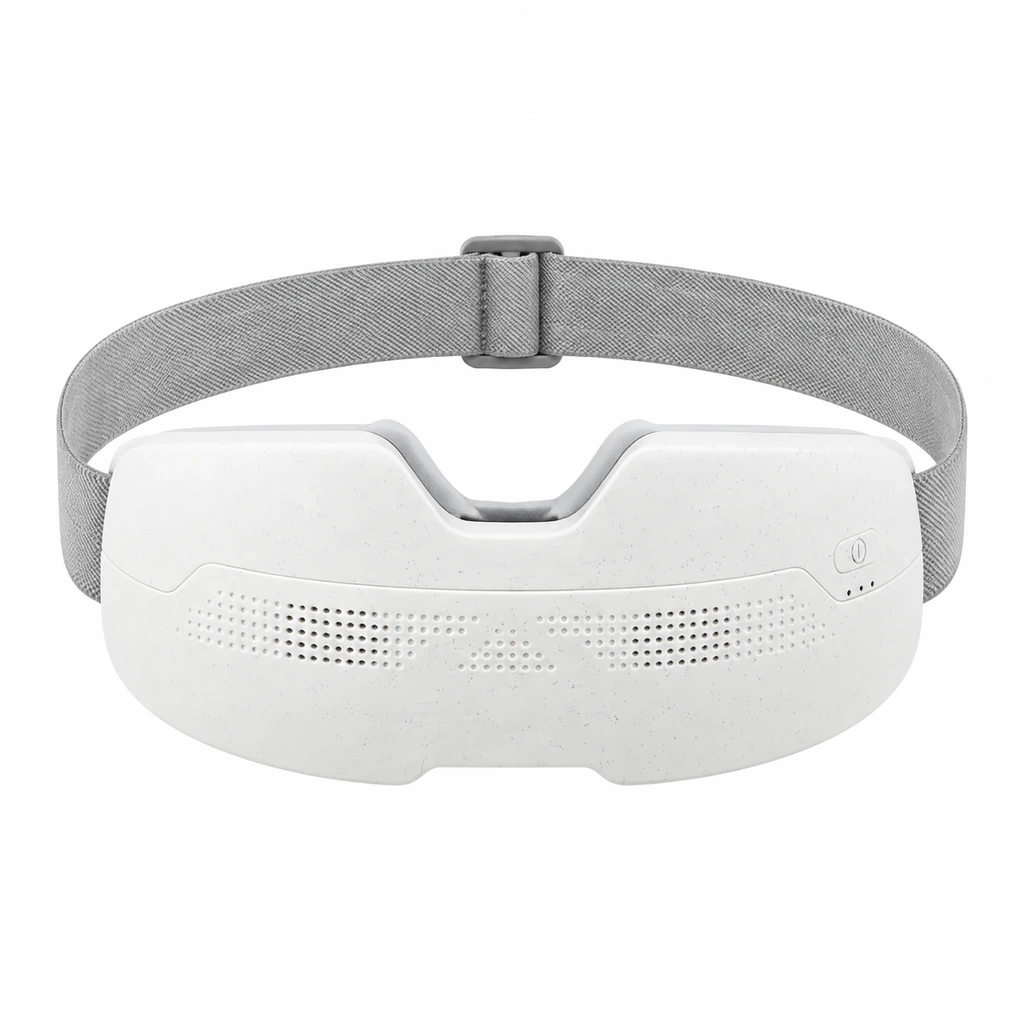
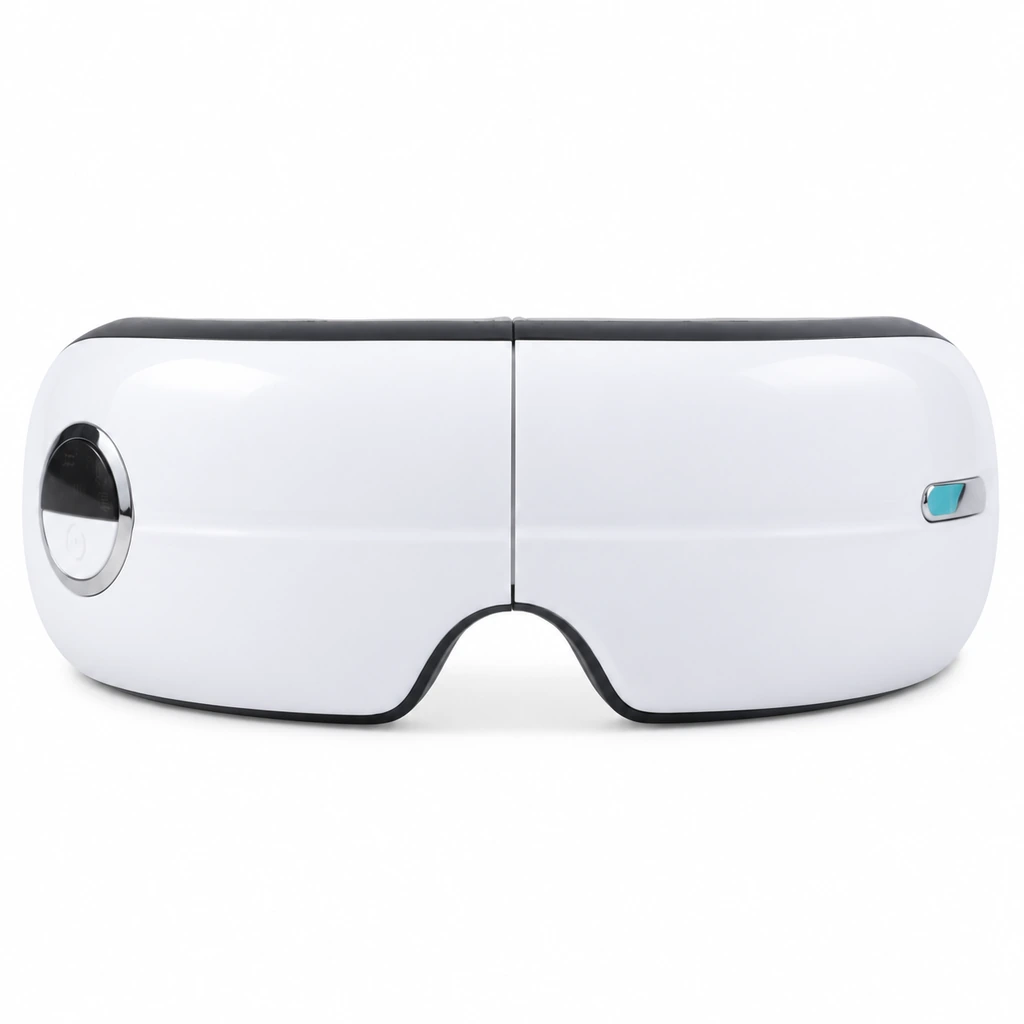
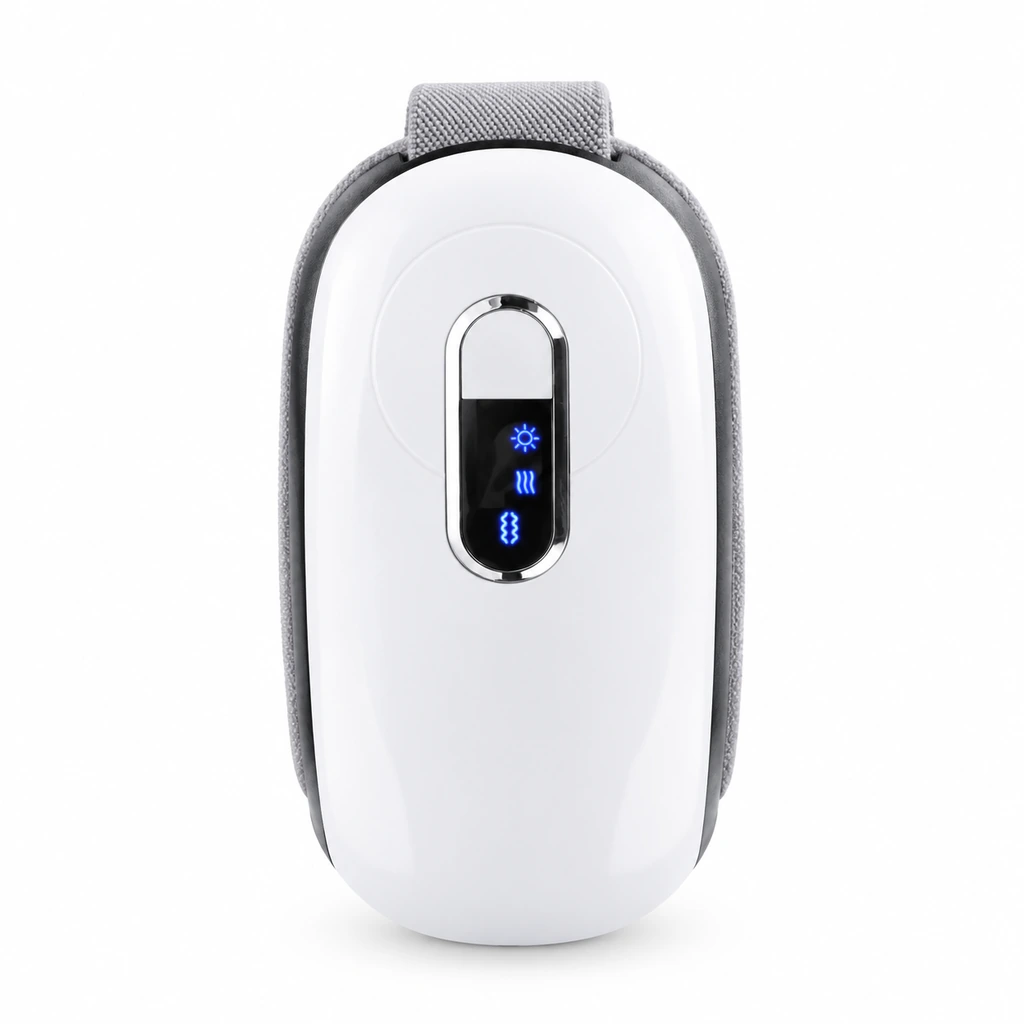
The current F12 neck massager page describes interchangeable head assemblies and a wireless remote. That makes the exact attachment set and its explanation central to a sample review. The current Y8 eye massager page describes a foldable design, airbag functions and Bluetooth music. Its airbag version, lining and operating instructions still need to match the selected sample. Bluetooth music does not establish app control.
F12 and Y8 are therefore candidates for two different catalogue roles, not a pre-approved package. Do not assign “entry” and “premium” labels from appearance or feature count. First compare current landed cost, intended retail price, the shopper's reason to choose, and the service work each creates. The eye massager assortment guide for retail and gift buyers develops the eye-category decision in more detail.
3. Match the range to the way the outlet sells
Use the following matrix to structure account discussions. It proposes checks; it does not report demand or recommend a fixed opening ratio.
| Outlet or order type | Question that should shape selection | Evidence before allocation |
|---|---|---|
| Staffed personal-care store | Can staff explain the difference and fit the sample consistently? | A trial demonstration, control guide and approved care instructions |
| Gift or lifestyle shop | Can the pack and display communicate the product without a long explanation? | Packed sample, readable instructions, barcode and shelf measurements |
| Online seller or pop-up | Is there enough material to distinguish the listing and answer setup questions? | Exact-version photos, comparison copy and a support walkthrough |
| Corporate gift order | Can this configuration meet the recipient, artwork and delivery brief? | Approved gift sample, languages, pack-out and a dated production schedule |
Avoid a universal neck-to-eye stock split. One account may need both categories; another may have room for only one. If the two products will be offered together, test the combined presentation, packed dimensions and instruction set. Confirm whether the supplier is quoting two separate retail units or an assembled gift set. A shared photograph does not establish combined packaging, a discounted price or a common warranty.
4. Remove duplication at the version level
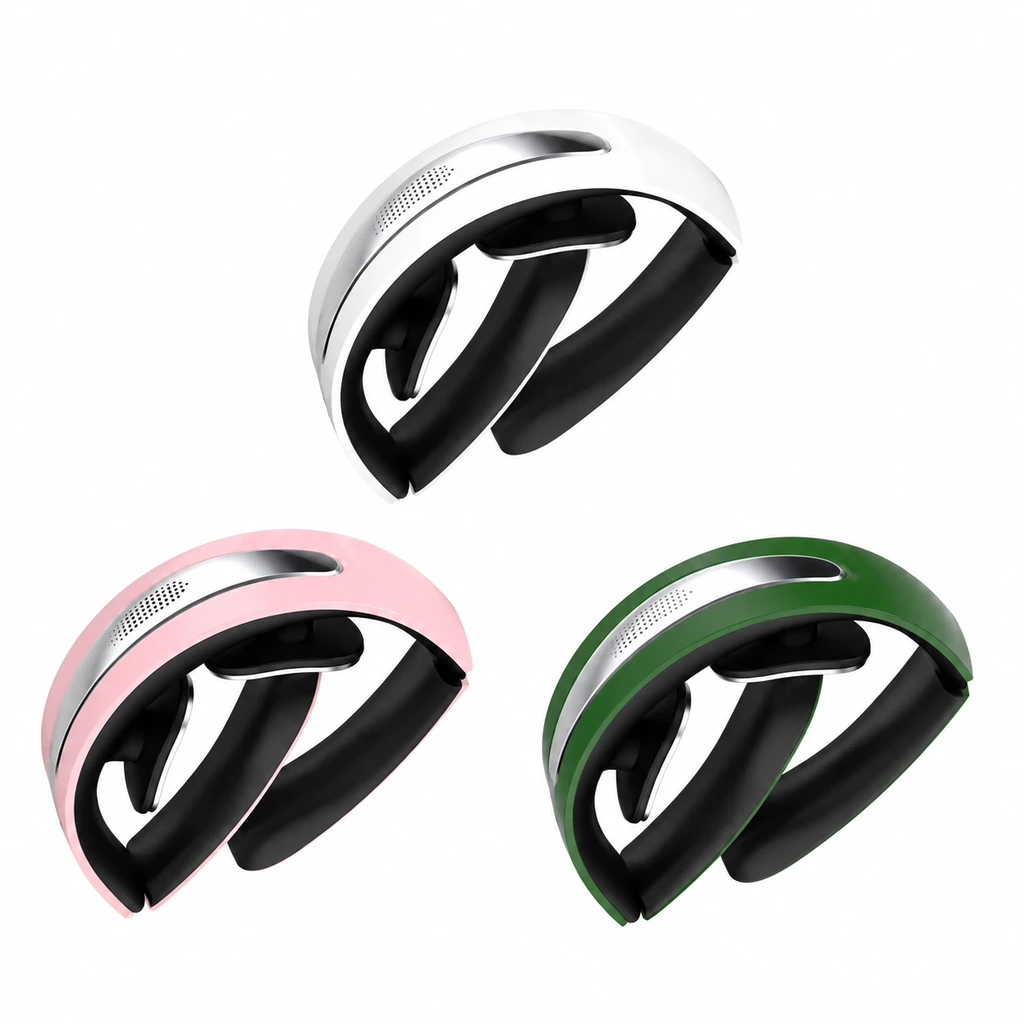
A second SKU should answer a customer need the first cannot meet, or serve an account requirement that merits separate stock. A different colour can be meaningful when an account has approved it; a different remote, lining or language pack can create real ordering and support differences. None is a reason to add inventory automatically.
Create one configuration record per saleable version. For F12, identify the supplied head assemblies, controller, cable, manual and retail pack. For Y8, identify the airbag configuration, contact lining, audio behaviour, charging items and packaging. Ask the supplier to connect the record to photographs and an approved sample. Similar-looking parts do not prove interchangeability across models.

A photographed F12 set helps identify the parts to list. The current quotation and approved packing list determine what an order contains.
Compare candidates in a simple role test: if the salesperson cannot state the relevant difference accurately, or both versions target the same account need at the same commercial position, pause the additional SKU. Keep the alternative in the supplier catalogue until demand or a channel brief justifies carrying it. This preserves choice without turning every available option into stock.
5. Make the catalogue an ordering tool
A distributor catalogue needs enough information for an account to order the same thing twice. Give every version an internal SKU, supplier model and version reference, approved image, concise feature wording, language set, included-item list and packaging reference. Keep retail-pack dimensions separate from master-carton dimensions, quantity per carton and gross weight. Record the revision date and the person who approves changes.

Use images of the selected Y8 version for contact-surface and storage explanations. Appearance alone does not establish the lining material or airbag configuration.
Keep the retailer's catalogue and the supplier's order sheet linked through the same version reference. An internal SKU is not a GTIN: GS1 US describes the GTIN as an identifier for trade items. Confirm the barcode and packaging identification required by the account, and who supplies and approves it. Do not copy a barcode from a sample box into a new branded pack without establishing that it identifies the intended trade item.
Keep changing commercial information in a dated price sheet rather than burying it in evergreen product copy. Request prices, MOQ and lead time by configuration, colour and packaging choice. A catalogue promise about availability should reflect the distributor's stock and confirmed supplier position, not the existence of a product page.
6. Plan replenishment before the opening order
Ask for the current quote and packing data for each chosen version: unit price, quantity tier, MOQ, carton quantity, carton dimensions, gross weight, lead time after approval and quote validity. Confirm whether mixed models or partial cartons are accepted and how that changes handling or price. Do not assume that MOQ, carton quantity and a sensible opening allocation are the same number.
After launch, track sell-through by outlet and exact SKU, not just shipments from the supplier. Record sellable stock, committed customer orders, confirmed incoming quantities and expected arrival dates. Keep demonstration units, quarantined returns and damaged packs out of available stock. Otherwise the range can appear available on a spreadsheet while the retailer cannot receive saleable units.
A practical review compares inventory position with expected demand during the full replenishment lead time plus an agreed buffer. Inventory position is sellable on-hand stock plus confirmed incoming stock minus committed orders. Lead time should cover production, transit and receiving; use actual records when available. Without demand history, leave the reorder trigger open and agree a review date rather than inventing a forecast. Record why a stockout occurred before changing the mix: demand, late supply and an incorrect catalogue version require different corrections.
7. Approve a small, traceable range and learn from it
Review the decision fields below for each version and account group before releasing an opening purchase order. Base the allocation on documented demand, approved samples and current supplier terms.
- Outlet group and documented need
- SKU, model/version and distinct selling role
- Approved sample, catalogue and pack-out references
- Current price, MOQ and carton data
- Opening allocation and basis for the quantity
- Replenishment lead time, stock review date and trigger
- Replacement, returns and version-change owner
Approve the range when the roles are understandable, samples match the documents, and the opening quantities have a stated basis. Name the owner of remote or accessory replacements, returns screening and supplier change notices. Require approval before a changed attachment, lining, control or pack is supplied against an existing reference. A visually similar replacement can still invalidate the retailer's catalogue and support material.
To discuss a focused F-series and Y-series range, send the outlet types, destination market, price bands, expected quantities, required languages and delivery window through the Meilan wholesale contact page. Request version-matched F12 and Y8 samples, a configuration matrix, catalogue assets, separate quotations and current carton data. Add another model only when its role and supply requirements are clear enough to manage.
Frequently asked questions
How many models should a distributor start with?
Start with the number of distinct, evidenced channel needs the team can support. There is no universal SKU count; review each extra version against its selling role, opening quantity and replenishment work.
Should neck and eye massagers be ordered in equal quantities?
No fixed ratio is established. Allocate by account demand, display space and delivery commitments, then revise from version-specific sell-through records.
Can F12 and Y8 be sold as one gift set?
Evaluate that as a separate configuration. Confirm the combined packaging, instructions, pack-out, cost and delivery schedule rather than assuming two individual products form an approved kit.
What prevents a reorder from becoming a different product?
A shared version reference connecting the approved sample, specification, catalogue, packing list and purchase order, plus a written change-approval process.
What should be requested when there is no sales history?
Request samples, a configuration matrix, dated quotations and current packing data. Document the demand assumptions and replenishment conditions, define a limited opening allocation, and set a date to review actual enquiries and sales.

