



Waist Massager Fault Reporting Evidence Guide
An A1-focused guide for wholesale buyers to record fault identity, symptoms and operating history, preserve useful images, and agree safe investigation and closure.
 Meilan Tech 6 min read

Useful waist massager fault reporting evidence identifies the affected unit, describes what happened and preserves the conditions surrounding the event. For procurement and quality teams handling Meilan A1 returns, a clear record helps the supplier decide what to inspect next. Start with safety and traceable identity, then supply observations and existing media; further operation should follow a safe, version-matched procedure rather than an improvised test.
1. Decide whether further operation is appropriate
If there is smoke, swelling, leakage, a burning smell, abnormal heat or an injury report, stop use and charging. Disconnect power only if safe. Keep the product out of saleable stock and escalate through the agreed safety contact; use emergency services when necessary. Do not restart it to obtain a better video or ask someone to wear it to reproduce discomfort.
For an ordinary no-response complaint without warning signs, first preserve the current condition and ask for the matching instructions. Buyers should not open the housing, probe circuits, bypass protection or handle the internal battery. Supplier-authorised technical inspection and any damaged-battery transport arrangements require a separate plan.
2. Identify the exact unit and supplied set
Record model, SKU, order and delivery references, and any visible lot or serial marking. Photograph labels as found. If the lot cannot be read or is absent, say so and provide available packaging and receipt records; do not reconstruct it from a neighbouring unit.
The published A1 configuration includes on-device and remote operation. Identify the actual controller, cable, power source and instruction version supplied with the returned unit. Keep the set together under one case reference. The bulk-order configuration tracking guide explains how the accepted sample and documents define the ordered version.
A SKU, model and serial number have different roles. GS1 US distinguishes product identity from individual-unit and internal stock identity. A product barcode alone should not be treated as proof of a particular production lot.
3. Describe the sequence before naming a cause
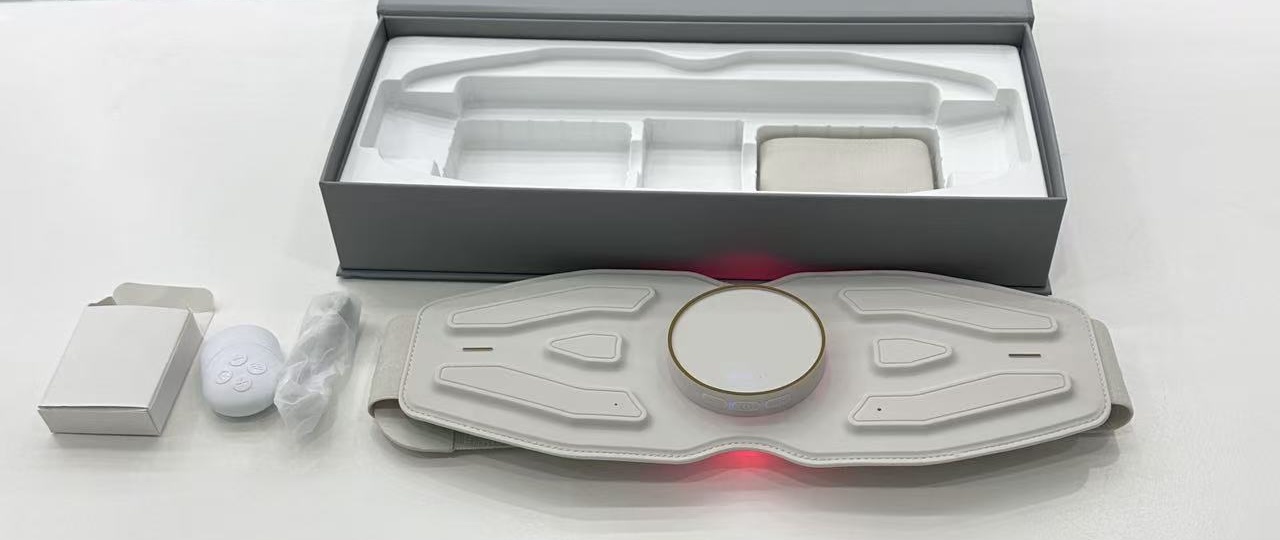
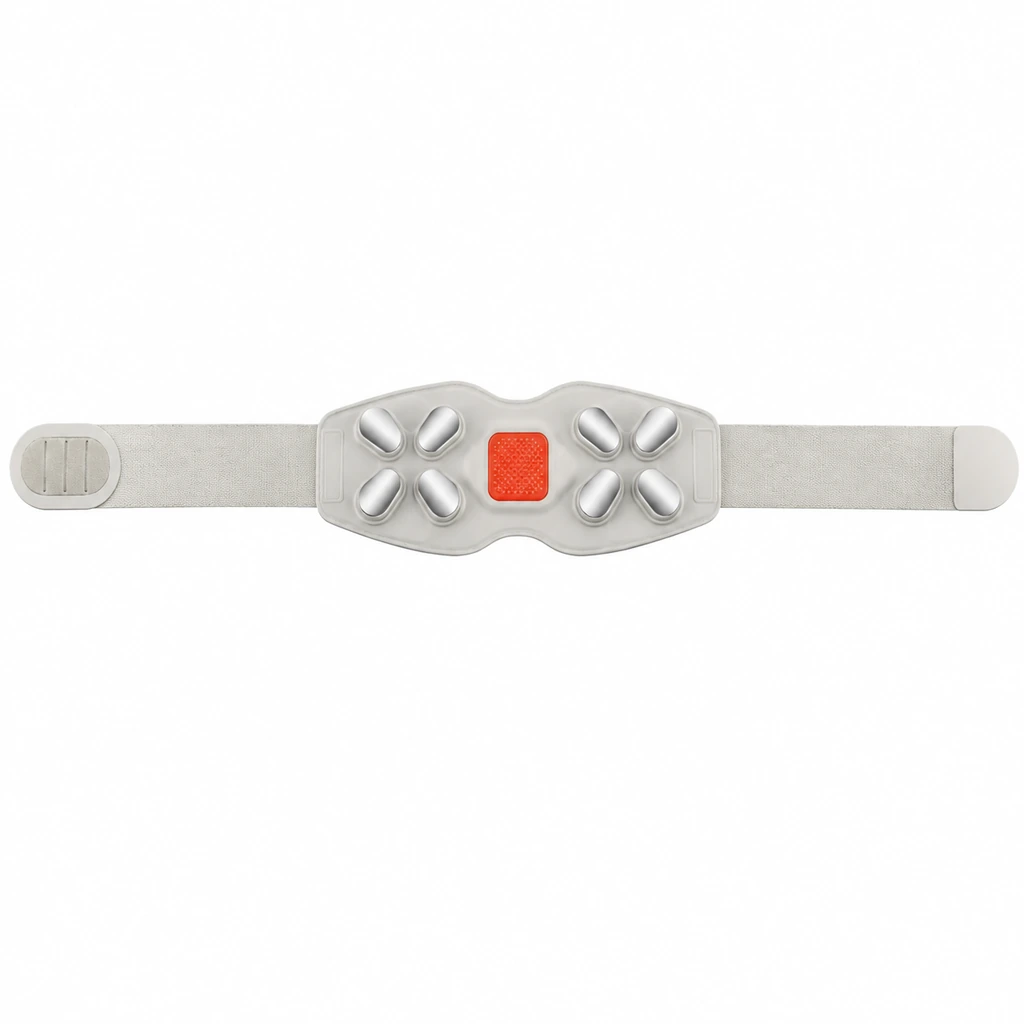
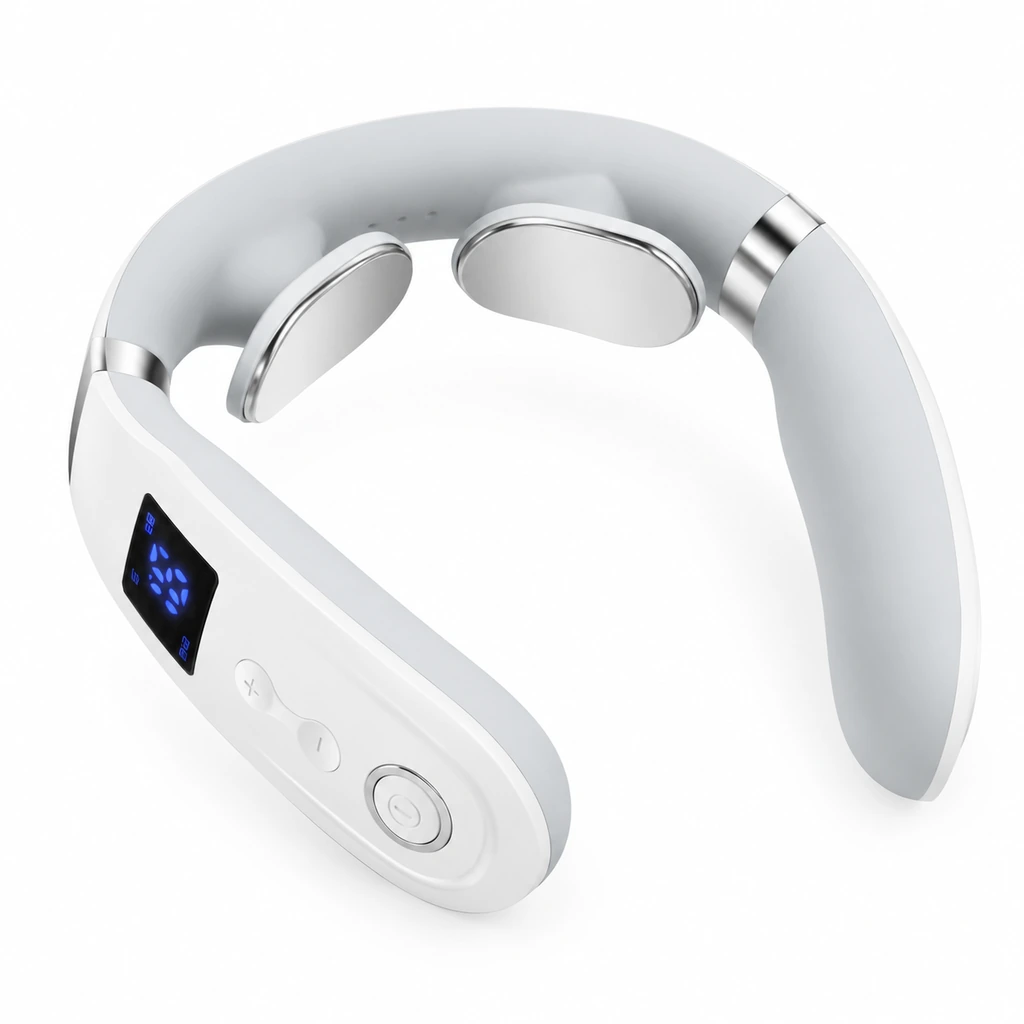
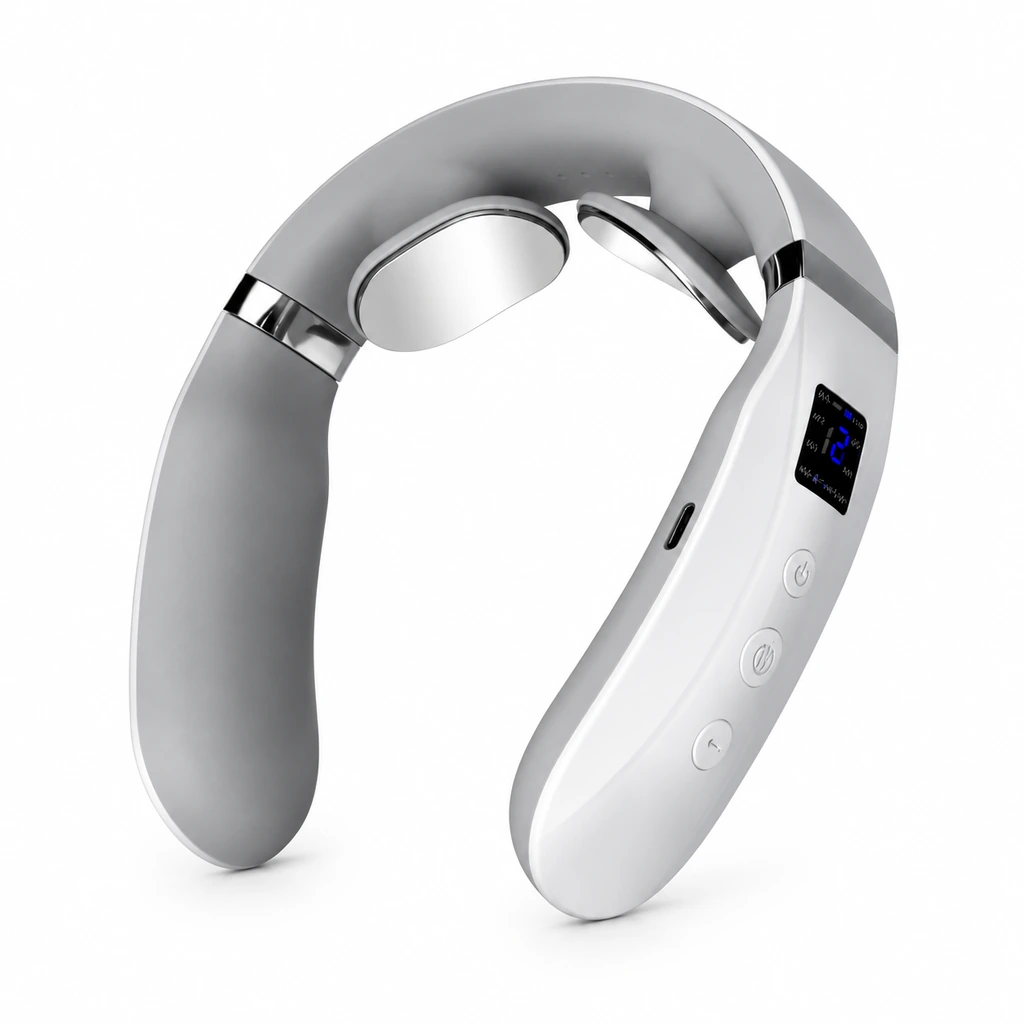
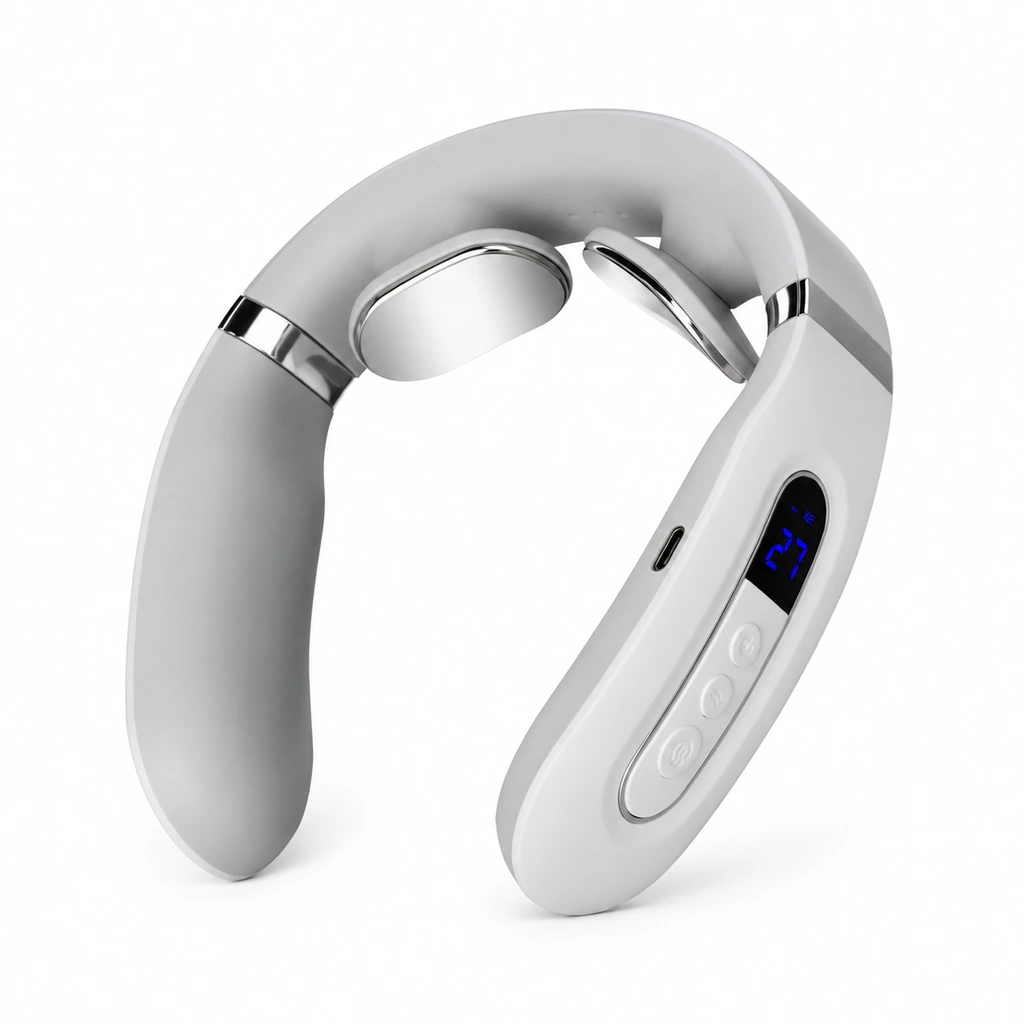
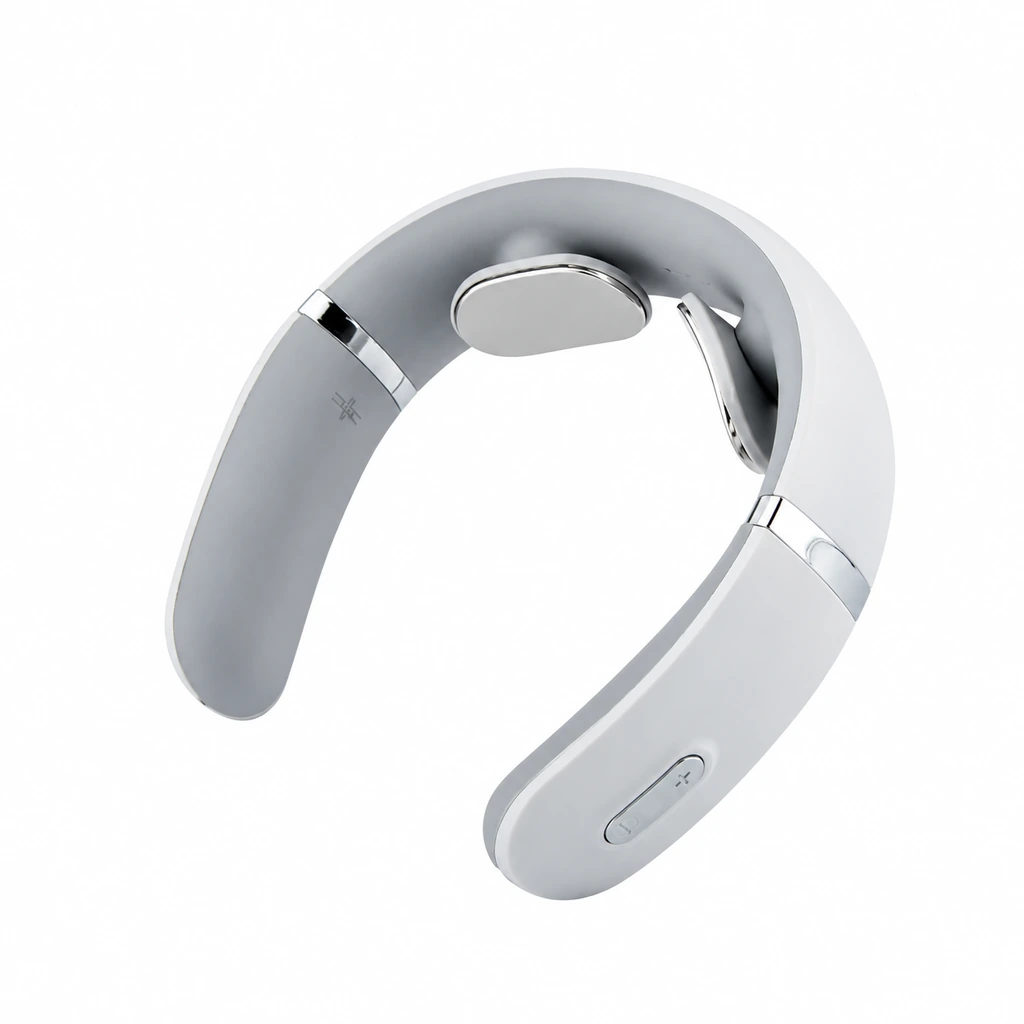
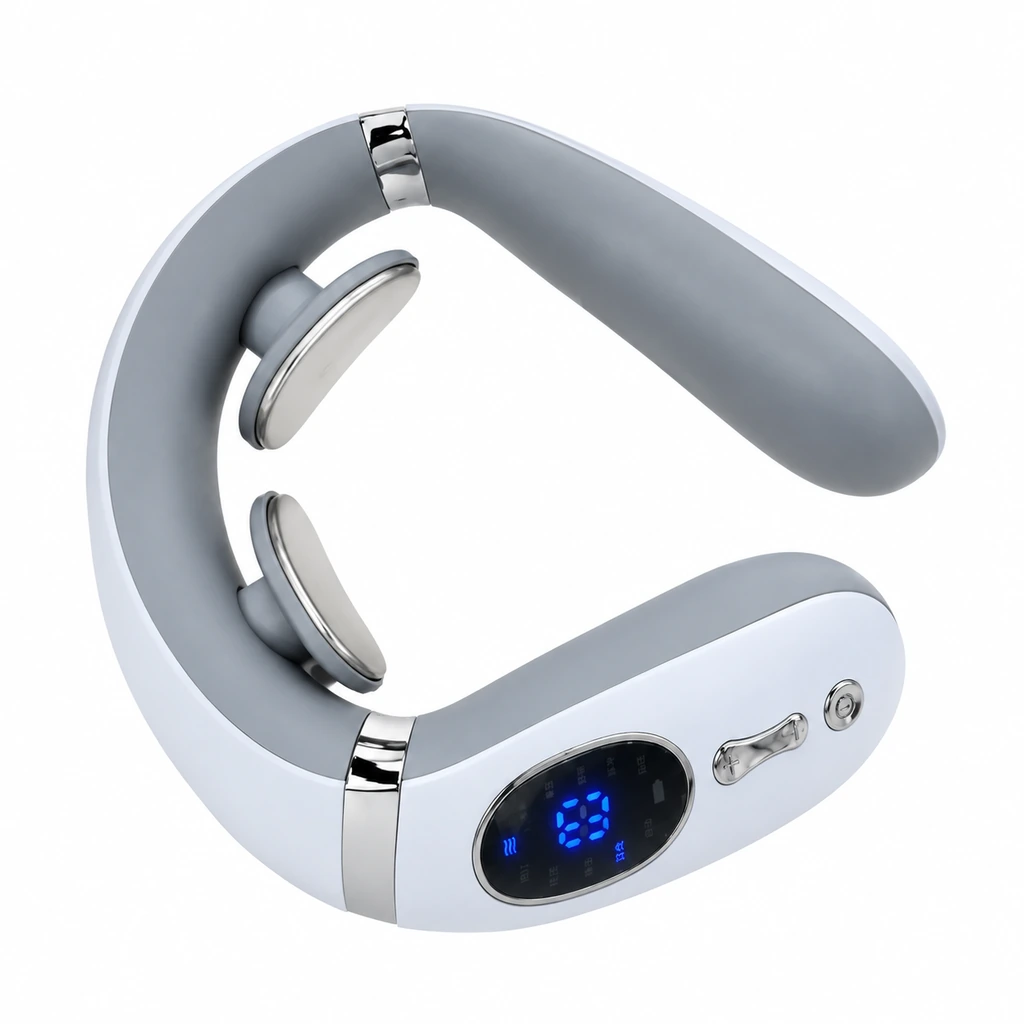
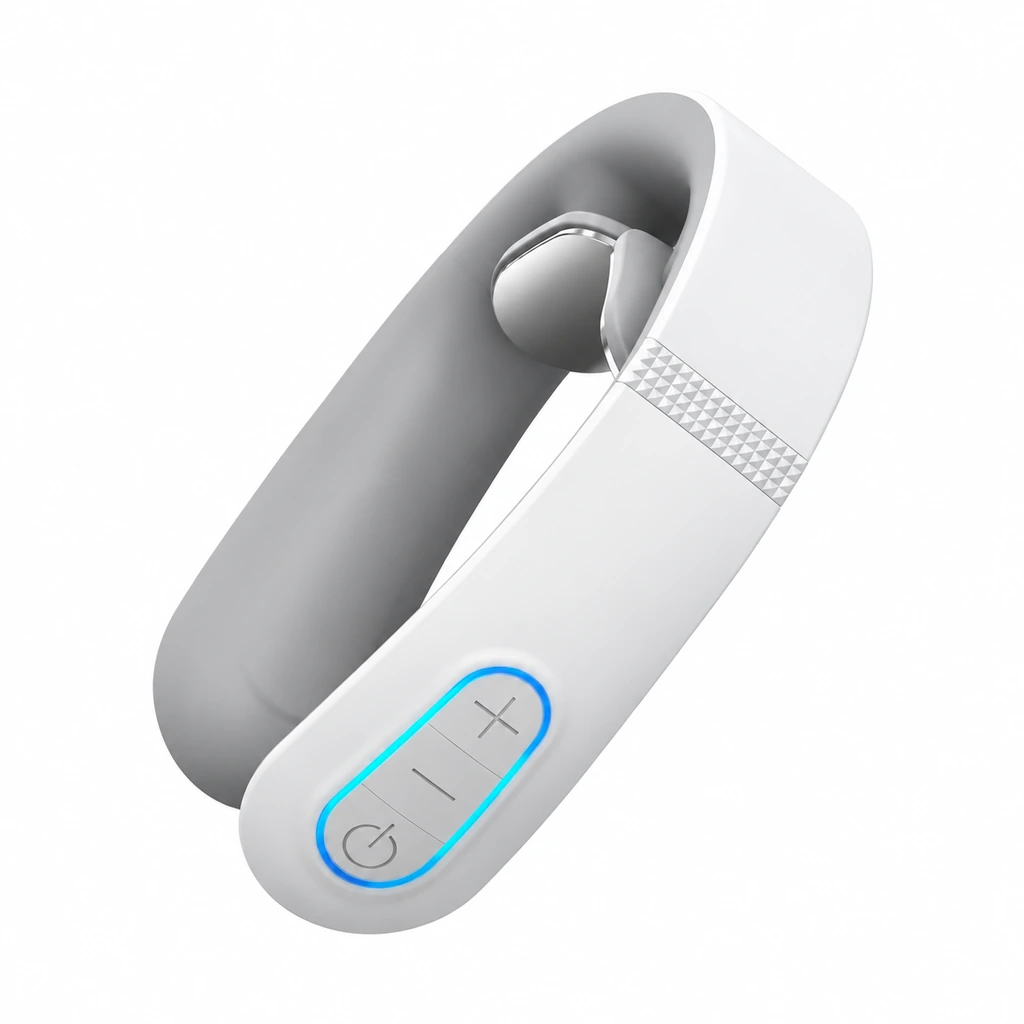
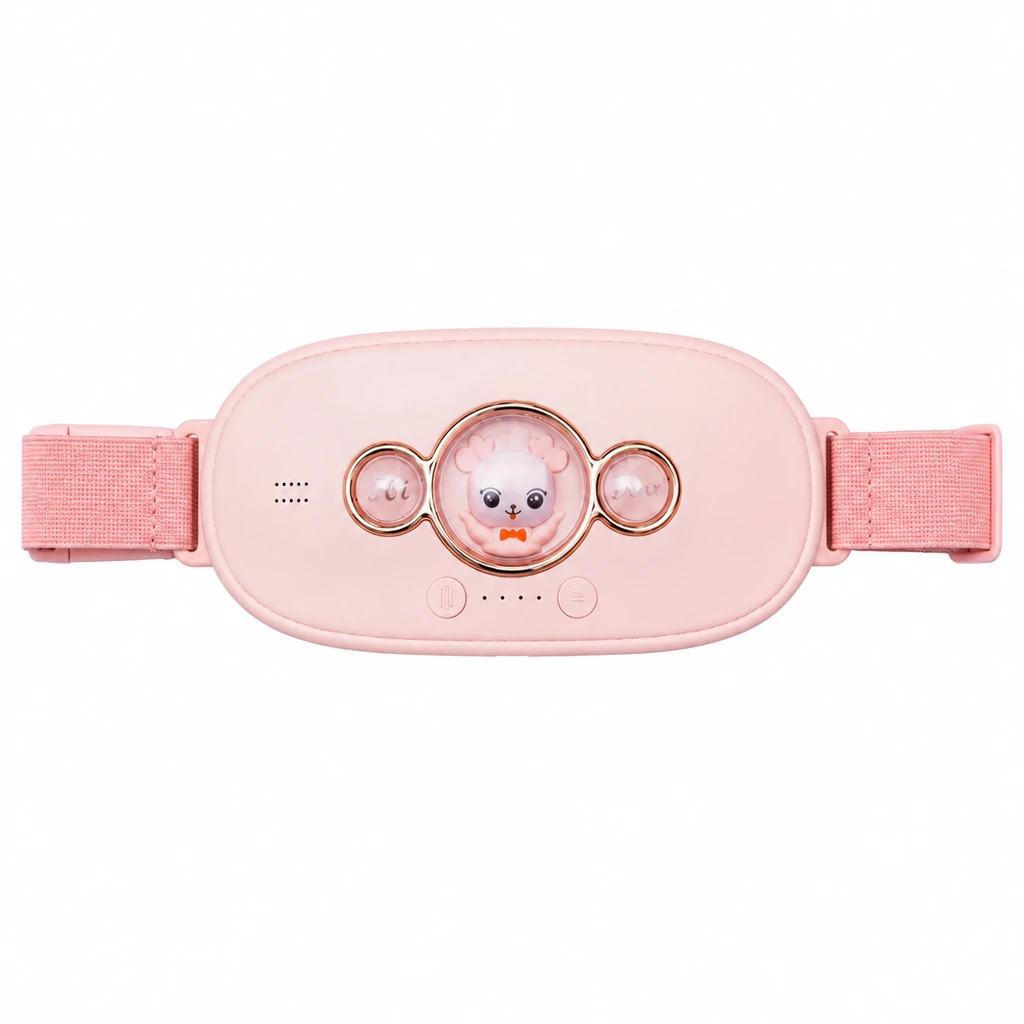
A1 reference photograph for identifying the supplied set and visible controls; it does not show a confirmed fault.
Write the expected action from the matching instructions, the action actually taken and the observable response. Include the initial power state, selected mode and level, heat selection, control route and elapsed time. Record charging history and the markings of the power source actually used, without trying unapproved substitutes.
For A1, the published automatic session timer is 15 minutes. Report when an unexpected stop occurred and what remained active; do not confuse session duration with total battery runtime. A remote failing to change a setting while the main controls respond is a narrower observation than “the whole belt is dead.” It does not establish which component caused the problem. Use the remote and pairing checks guide with the instructions for the supplied pair.
Separate first-hand observations from a retailer's or user's account. State whether the symptom was constant or intermittent, and record the attempts already made. Do not repeat a potentially unsafe event to improve a recurrence count.
4. Capture images that preserve context
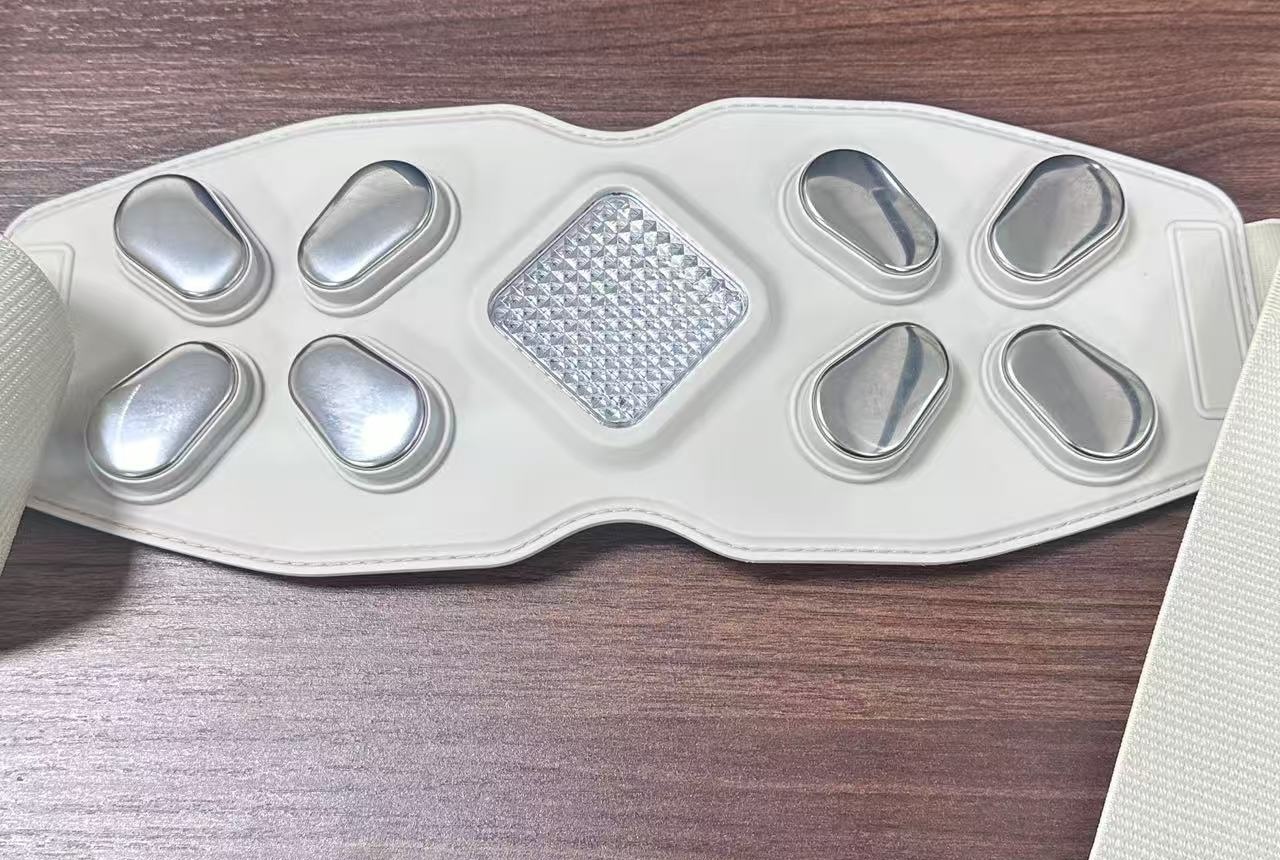
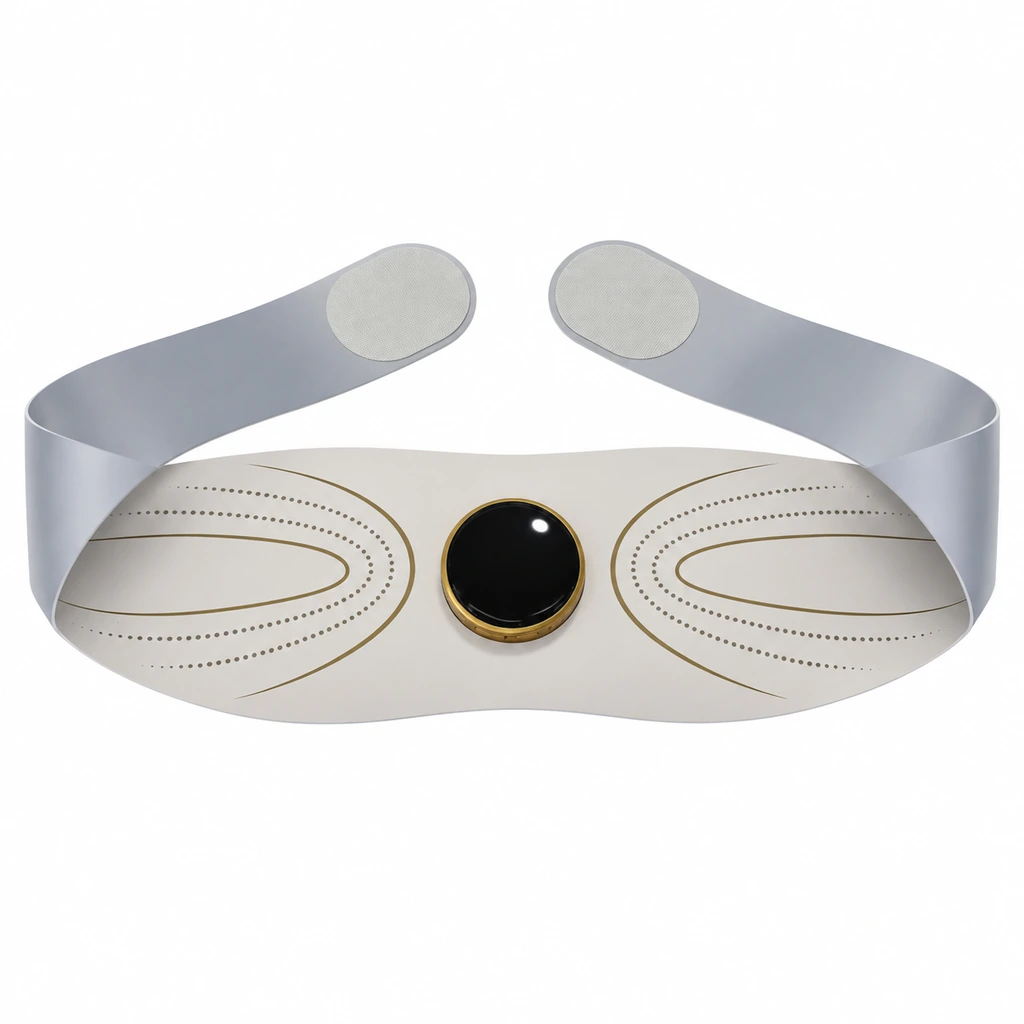
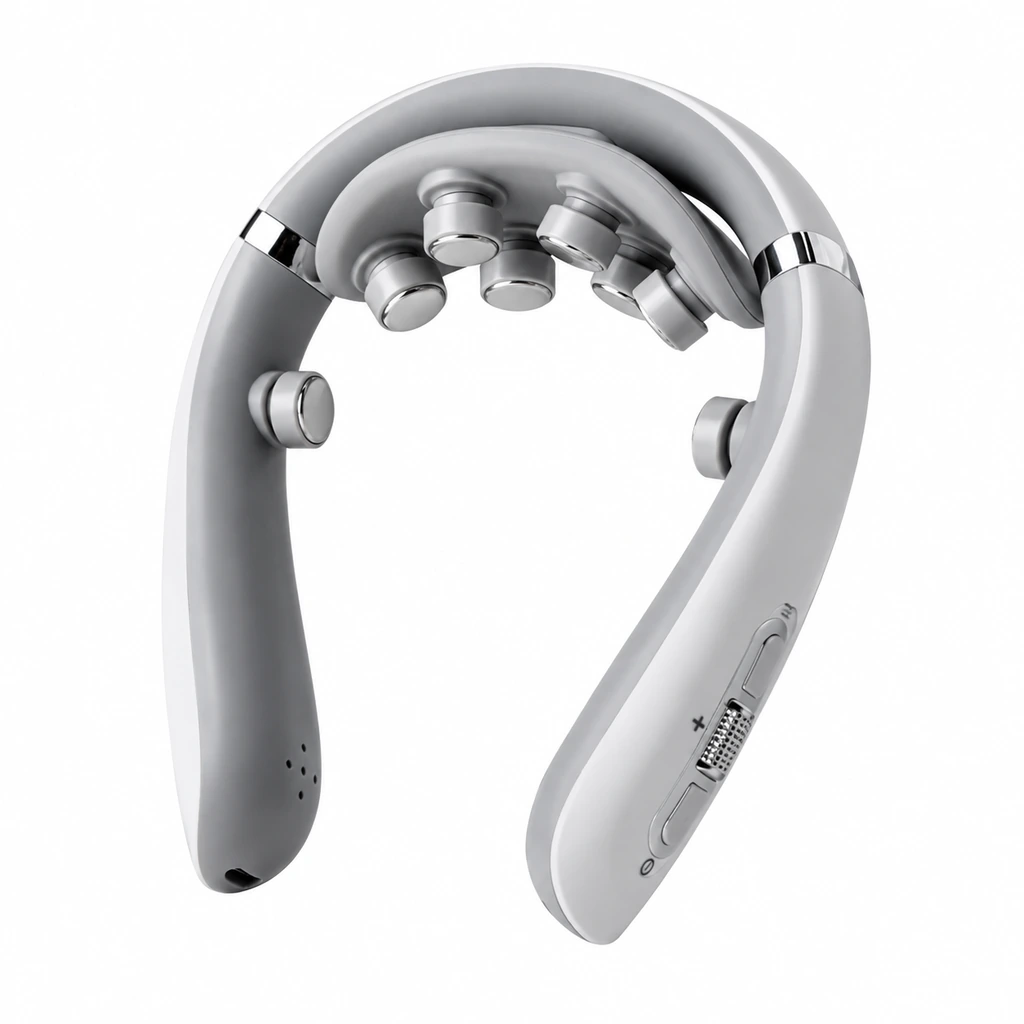
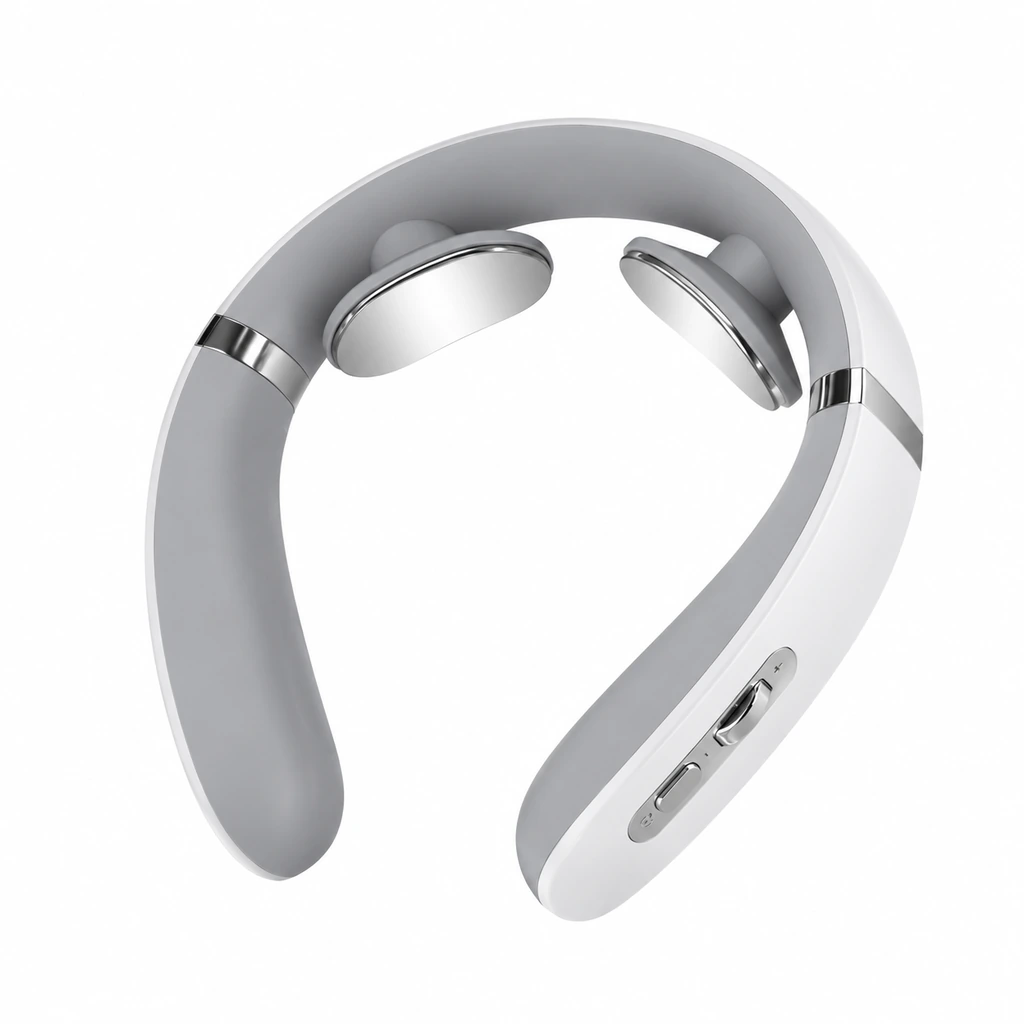
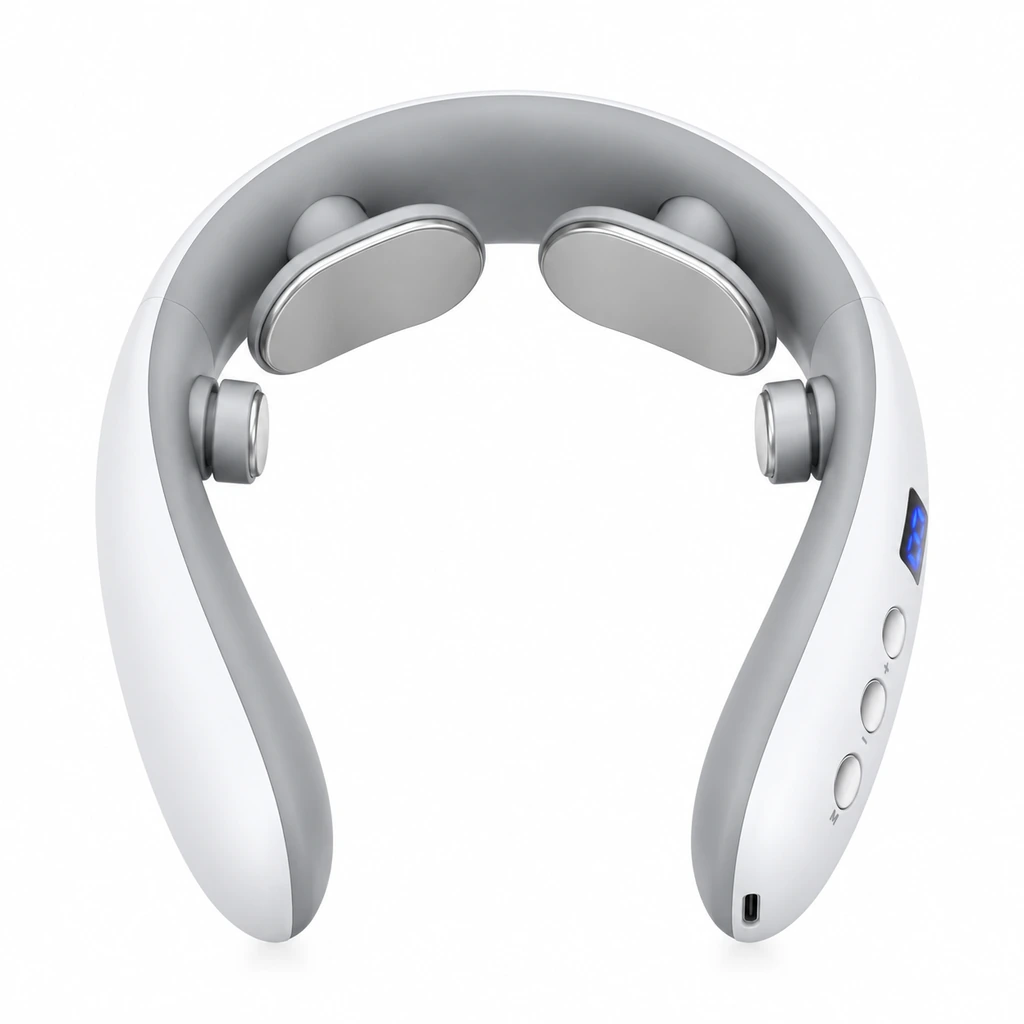
The inner-surface photograph shows areas to document. It is not a defect classification or inspection result.
Take an overall image, a view locating the reported area and a close-up with enough focus to show the issue. Keep original files and link each to the case and unit. Photograph packaging damage before discarding the pack. Avoid edits that hide condition; share only the personal information needed for the investigation.
When ordinary operation has been cleared under the matching procedure, one continuous video can show the initial state, button press, indicator response and resulting state. Keep both controller and device in view when relevant. An indicator light proves only the visible response; it does not measure heat, pulse output or battery capacity. Supplier measurements need a defined method and qualified equipment. When operation is inappropriate, existing footage and unpowered photographs are sufficient to open the case.
5. Match each observation to the next evidence request
| Reported observation | Useful evidence to supply | What still needs investigation |
|---|---|---|
| No visible response | Initial state, visible labels, charging history and action sequence | Power path, controls and internal condition; no component diagnosis from a dark indicator |
| Remote gives no response | Controller identity and observed difference between control routes, if safely checked | Compatibility, documented setup and controller/device findings |
| Unexpected stop | Elapsed time, settings and which indicators or functions stopped | Timer behaviour, power condition and version-specific control logic |
| Unexpected heat or discomfort | Existing event account, time, settings and unpowered condition photos | Safety assessment and controlled technical examination; no repeat-use demonstration |
| Visible damage | Overall view, located detail, packaging condition and discovery stage | Extent, possible origin and the authorised disposition |
These are investigation routes, not confirmed A1 failure modes or a universal acceptance standard. If evidence is missing, explain the gap and let the supplier define the next safe step.
6. Show the scope without inventing a defect rate
Give each physical unit its own identity while grouping related cases by confirmed configuration and lot. Separate units reported, units inspected and units confirmed faulty. Several messages about one return are one case history, not several failed products.
State the denominator behind any rate: units sold, received or checked, and the relevant period and selection method. A return proportion is not automatically a manufacturing defect rate. Keep affected stock on hold with its location and quantity recorded. Ask the supplier to assess whether wider containment is needed; one confirmed fault does not identify every unit that should be held or released.
7. Agree what closes the investigation
Send one indexed package containing the case summary, identity photos, event sequence, original media and actions already taken. Ask the supplier to acknowledge receipt, name the investigation owner and identify missing evidence and the next update date. Keep replaced files and later findings linked to the same case.
For a returned sample, agree authorisation, handling, shipment instructions and receipt confirmation before dispatch. Request findings that distinguish the reported symptom, test conditions, verified cause and proposed action. A replacement or credit can resolve a commercial claim while the technical cause remains open. Record corrective action and agreed verification separately from the decision to release stock.
For an A1 evidence request, start with the Meilan certifications and documentation page. Supply the order version, destination market and available case records, and request the matching instructions, batch-linked inspection evidence where available and an authorised investigation route. General certificates do not establish the cause or acceptance of a returned unit.
Frequently asked questions
Can a supplier investigate without a video?
Yes. Identity records, an accurate event account and photographs can open the case. Never operate a potentially unsafe unit just to film it; the supplier can specify the next inspection step.
Should the buyer open the belt to photograph the circuit board?
No. Preserve the assembled condition. Internal inspection belongs with authorised technical personnel under an agreed procedure.
Does a light turning on prove the product works?
No. It records an indicator response. It does not establish all functions, output, temperature or battery condition.
What if the supplier cannot reproduce an intermittent fault?
Keep the original report open as an observation and compare operating conditions and test scope. Record “not reproduced under these conditions” rather than declaring that no fault exists.
Does receiving a replacement close the quality investigation?
Not automatically. Record commercial settlement, technical findings and stock-release approval separately, then close each against its agreed evidence.

