

















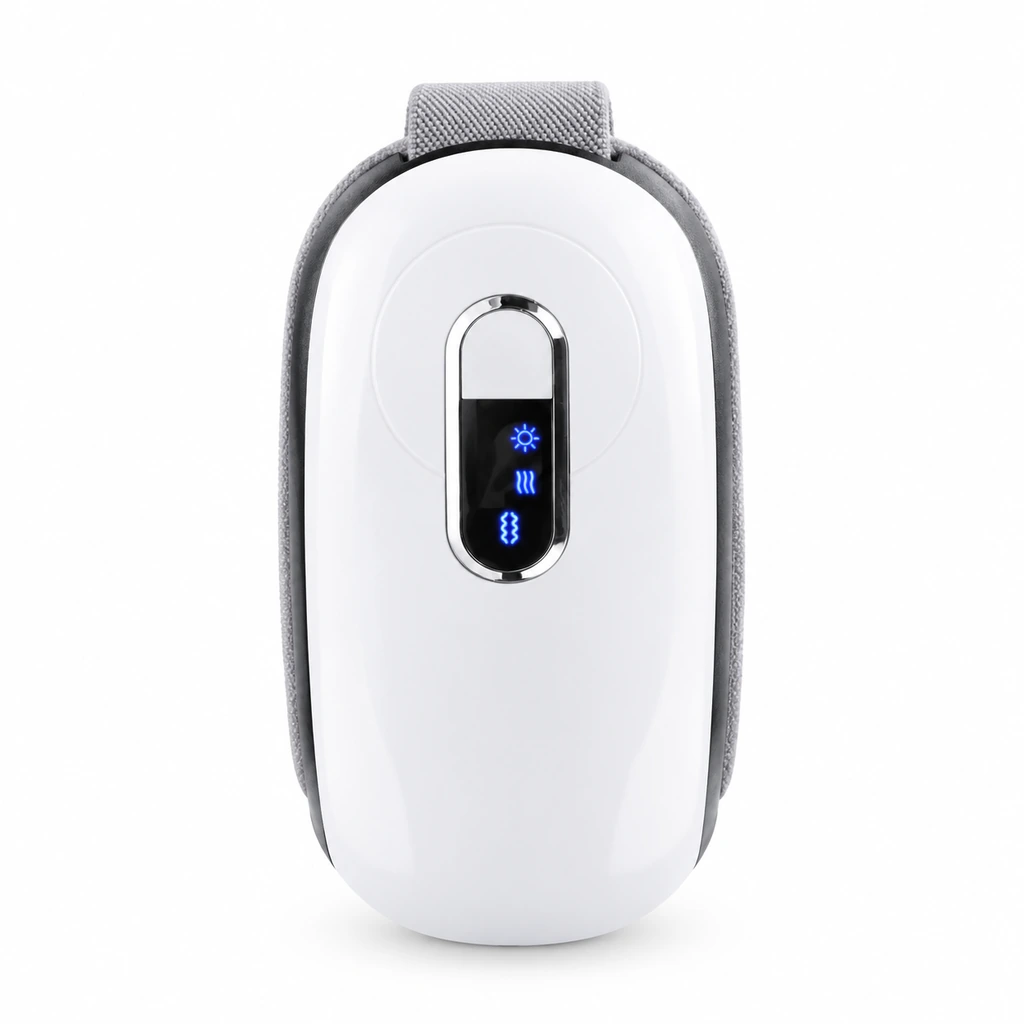
Waist Massager Functional Inspection Scope
Define a waist massager factory inspection by model and version, with practical methods for modes, controls, power and accessories, plus explicit coverage limits.
 Meilan Tech 9 min read

Agree the waist massager functional inspection scope before production is ready for release. For the selected model and version, specify each mode, control route, power check and supplied accessory, together with the method, expected response and evidence to retain. State which checks are sampled or applied to every unit, and list exclusions separately. A successful power-on check alone cannot establish that the whole order meets its requirements.
1. Start with the exact order configuration
For a wholesale buyer, a useful factory inspection is one that can explain whether the goods match the agreed saleable configuration. A distributor needs consistent operation across repeat orders; an online seller needs controls and accessories that match the listing; a gift buyer needs a kit the recipient can identify and operate using the supplied instructions. Those requirements should appear in the inspection brief before a factory chooses its test sequence.
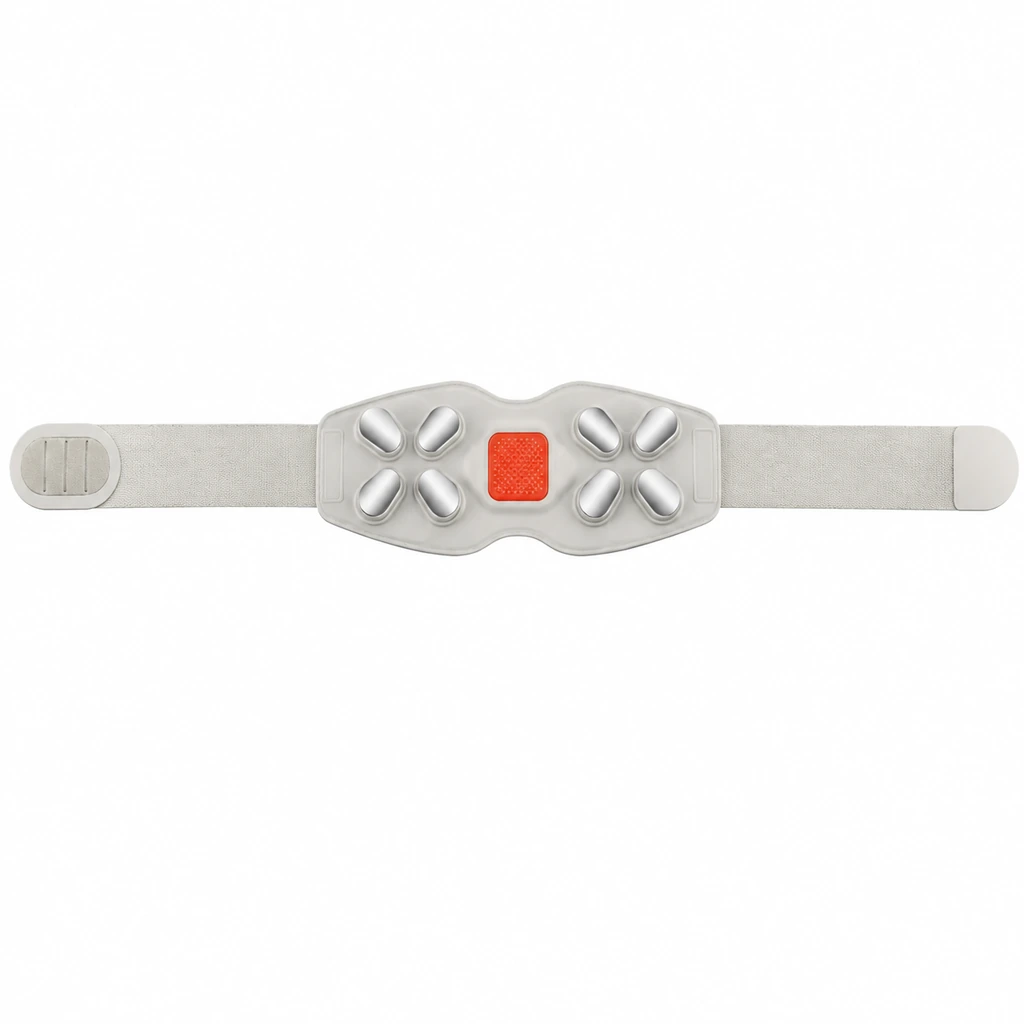
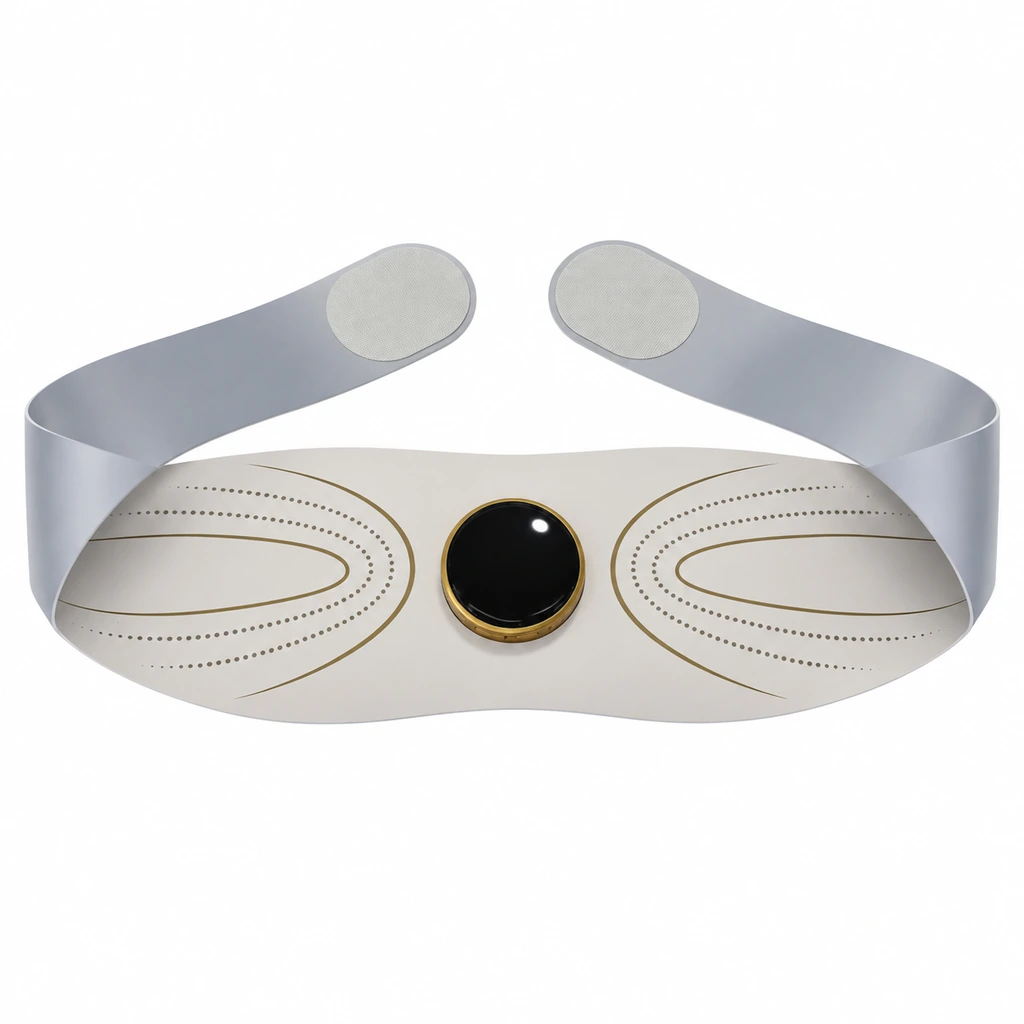
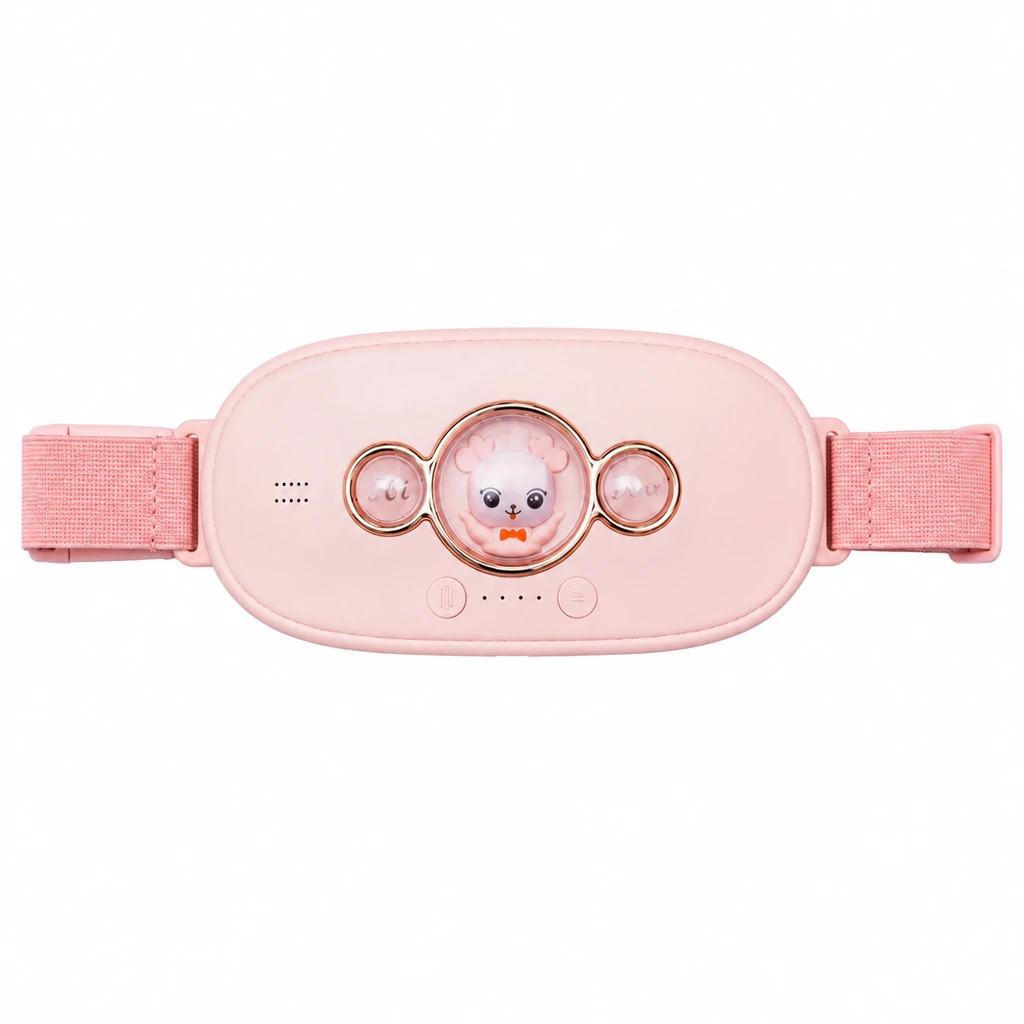
The published A1 pulse-and-heat waist massager lists ten modes, sixteen intensity levels and a fifteen-minute automatic shut-off. The published A9 EMS waist massager lists six modes and three intensity levels. These are separate product references, not a shared inspection specification. Confirm the exact version and its approved documents before using any count, timing or operating sequence as an order criterion.
Identify the model, configuration revision, control arrangement, target-market instruction version and ordered kit. Attach the approved function sheet and operating instructions to the inspection agreement. If the quotation, sample and manual disagree, resolve the affected requirement before judging production against it. Do not add heating, remote or app checks to A9 simply because another waist-belt model offers them.
2. Define the method before discussing a pass
Each inspection line needs an action, test conditions, a defined expected response and a record of what was observed. Distinguish a visual or operational check from an instrumented measurement. Seeing a mode indicator change demonstrates a display response; it does not establish the electrical output associated with that mode. Feeling warmth is not a controlled temperature measurement.
Have the supplier’s competent technical team specify the appropriate fixture or load, starting battery condition, power source, operating sequence, stabilization time and measurement locations where relevant. Use the selected version’s instructions and approved procedure. Do not use a person’s skin or subjective sensation as the acceptance instrument for pulse output. Electrical output, temperature accuracy and safety tests need suitable methods, equipment and qualified personnel.
Separately agree the lot identity, selection method, quantity checked, defect categories and acceptance or rejection rules. The NIST explanation of acceptance sampling describes using information from a sample to decide the disposition of a lot. It does not supply a ready-made sampling plan for this product. “Every unit powers on” and “selected units completed a full functional sequence” describe different coverage; the report should preserve that distinction.
3. Check modes and the transitions between them
A mode list is only part of a functional scope. Agree how the operator enters each supported mode, how its identity is recognized and what response is expected after a change. Include intensity adjustments, transitions at the ends of the permitted range, stop commands and restart behavior where applicable. A sequence that reaches every mode but never checks stopping or changing intensity may miss a purchasing requirement.
| Inspection item | Method and retained evidence | What this does not establish |
|---|---|---|
| Mode selection | Follow the approved sequence through each supported mode; record selected state, indicated state and any measured response required by the specification. | A changing display alone does not verify the output waveform or its limits. |
| Intensity and state changes | Use the approved test setup to check permitted adjustments, boundary behavior and mode-change reset or memory rules; retain the sequence and observations. | One successful adjustment does not cover all levels or all transition combinations. |
| Stop, restart and timer | Check the specified stop routes, restart state and automatic stop timing against the agreed tolerance; record start and stop events. | A short demonstration does not verify endurance, battery runtime or long-term reliability. |
For A1, ask the supplier to confirm the intended behavior when changing mode or restarting, rather than assuming that the previous intensity should persist. Where the agreement requires the fifteen-minute timing function, a shorter observation must be recorded as a limited check, not as completed timer verification. Treat mode names as selection labels; they do not prove mechanical kneading, treatment effects or a particular pulse shape.
4. Review the main unit and remote as separate control routes
If the selected configuration includes both main-unit controls and a remote, test both. Make a command map linking each control to the action it is intended to perform. Check that the command is received and that the resulting unit state matches the specification. A remote button that illuminates or appears to click does not, by itself, show that the massager acted on the command.
For a wireless route, agree any pairing procedure, working distance, orientation and interference conditions relevant to the check. Record the remote identity and the unit used with it. A single-unit demonstration does not establish compatibility throughout a mixed order. Where multiple sets may be operated together, ask the supplier to define an appropriate cross-control check instead of assuming that neighboring units cannot respond.
The existing waist massager remote-control briefing guide helps define the command and accessory arrangement. Use that agreed arrangement as the inspection reference. Keep button feel, command response, physical labeling and long-term button durability as distinct items; a brief functional check cannot verify a lifetime claim.
5. Separate power-on, charging and measured power performance
Define the actual power arrangement before connecting a supply. Confirm the selected unit’s input rating, connector, supplied cable and adapter requirements from matching documents. A connector that physically fits is not evidence of electrical compatibility. Do not borrow A1 ratings for A9 or assume an adapter is supplied because it appears in a photograph.
| Power-related item | Method to agree | Coverage limit |
|---|---|---|
| Power-on and shutdown | Use the specified starting condition and power arrangement; observe the approved startup state, indication and shutdown response. | A startup result does not establish battery capacity or usable runtime. |
| Charging and indication | Use the specified compatible source and cable; record connection, indication and completion checks actually performed. | An indicator lighting up does not prove a complete charge cycle or charging protection performance. |
| Electrical output, heat or endurance | Where required by the selected version, define instruments, fixture/load, locations, timing and numerical limits in a separate controlled procedure. | Routine operation does not verify electrical safety, temperature accuracy, abnormal-condition protection or cycle life. |
Agree in advance whether a full charge cycle, runtime check or temperature/output measurement is included, and on how many units. These tasks may need different equipment and more time than a production-line command check. If they are excluded from this inspection, identify the separate verification route and the evidence required for the relevant purchase decision. Exclusion describes a coverage boundary; it does not mean the requirement has been waived.
6. Inspect the supplied kit and accessory compatibility
Inspect the order as a complete kit as well as a functioning main unit. A correct massager supplied with the wrong remote, missing cable or mismatched instructions can still create a receiving and customer-support problem. The kit list should distinguish an item included with every retail unit, a separately ordered accessory and an optional item that is not supplied.
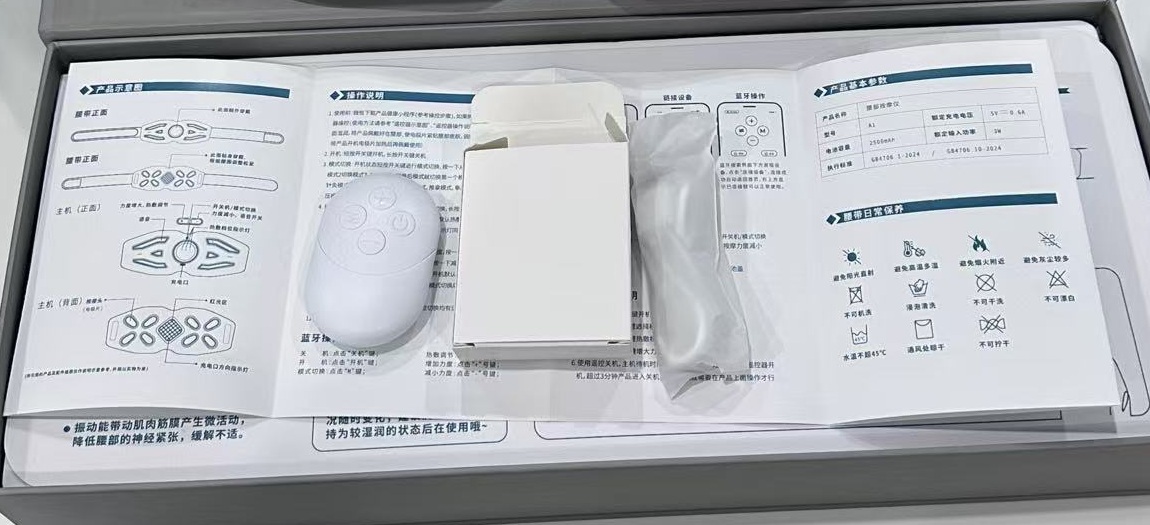
| Kit item | Inspection method | Decision rule |
|---|---|---|
| Remote and any supplied battery | Check identity, markings and actual command response with the assigned unit; verify the agreed battery-inclusion arrangement. | Judge against the ordered remote version; appearance alone is insufficient. |
| Cable and any supplied adapter | Compare identifiers, connector and rating information with the approved list; use the agreed compatibility check. | Separate physical fit from electrical suitability and any required supporting documents. |
| Manual, labeling and pack contents | Compare language, revision, control descriptions and counted contents with the approved kit; retain a representative kit photograph as agreed. | Correct operating hardware does not excuse a manual that describes another configuration. |
Where remote batteries or adapters are excluded from supply, the packing and instructions still need to describe the agreed arrangement clearly. Do not mark an excluded item as missing. Conversely, do not treat an included accessory as optional simply because the inspection sample arrived without it. Record the discrepancy against the actual order reference.
7. Agree exclusions and the evidence needed for release
Write an explicit exclusions paragraph beside the functional scope. Depending on the project, separate work may be needed for electrical safety, EMC, material restrictions, transport documentation, abnormal operation, drop or vibration performance, fastening durability and long-term battery behavior. Do not turn this list into a claim that any particular certification or test is required or completed for the selected order; match the verification plan to the product, market and agreed requirements.
Before the factory runs the check, use the general massage-device sample review guide to settle the sample-stage observations and unresolved configuration questions. For the production record, retain the lot reference, selected-unit identities, specification revision, method, test conditions, results, defects and reviewer. Where equipment is used, include its identity and the applicable calibration or verification status.
A useful release review answers five questions: Does the inspected version match the order? Were the agreed checks completed on the stated units? Are the observations and measurements recorded against criteria? Were discrepancies corrected and rechecked with traceable evidence? Are excluded requirements supported through their separate verification route? If any answer prevents a decision, name the unresolved requirement and responsible reviewer instead of converting “not checked” into “passed.”
Keep the inspection result, correction closure and shipment authorization separate. A recheck should identify the corrected units, affected functions and evidence, with any additional checks justified by the change. A report saying “functional check completed” should not silently become approval of all product claims, all future batches or every condition of use.
Buyer questions about factory functional inspection
Can A1 and A9 use one inspection checklist?
They can share a document structure, but model-specific requirements must remain separate. Match modes, controls, power arrangements and accessories to the exact ordered version; do not copy A1 features or ratings into A9 criteria.
Does checking every mode prove the output is correct?
No. It may demonstrate selection and indication only. Output verification needs the agreed measurement method, load or fixture, limits and evidence for the relevant mode.
Should every unit receive the same checks?
Agree this by inspection item. A factory may propose checks on every unit and more extensive checks on selected units. Record the actual coverage and the agreed lot-decision rules without assuming a universal sample size.
Is a remote-control demonstration enough?
It supports only the actions and conditions demonstrated. Identify the unit and remote, verify each required command and define pairing or cross-control checks where relevant.
Can an incomplete check be reported as a pass?
No. Record what was not completed and why. Decide whether the affected requirement blocks release or needs a separately authorized verification route.
Does a routine functional inspection replace certification evidence?
No. Functional operation and supporting compliance documents address different scopes. Check document applicability separately and avoid treating a power-on record as proof of safety or regulatory conformity.
Preparing an A1 or A9 order? Review Meilan’s certifications and supporting documents, then request material matching the selected model and version. Share the approved function sheet, kit list and inspection priorities with the supplier. Ask for written confirmation of methods, coverage, exclusions and the records that will support the release decision; a document-library entry alone does not establish that the order has passed inspection.

