









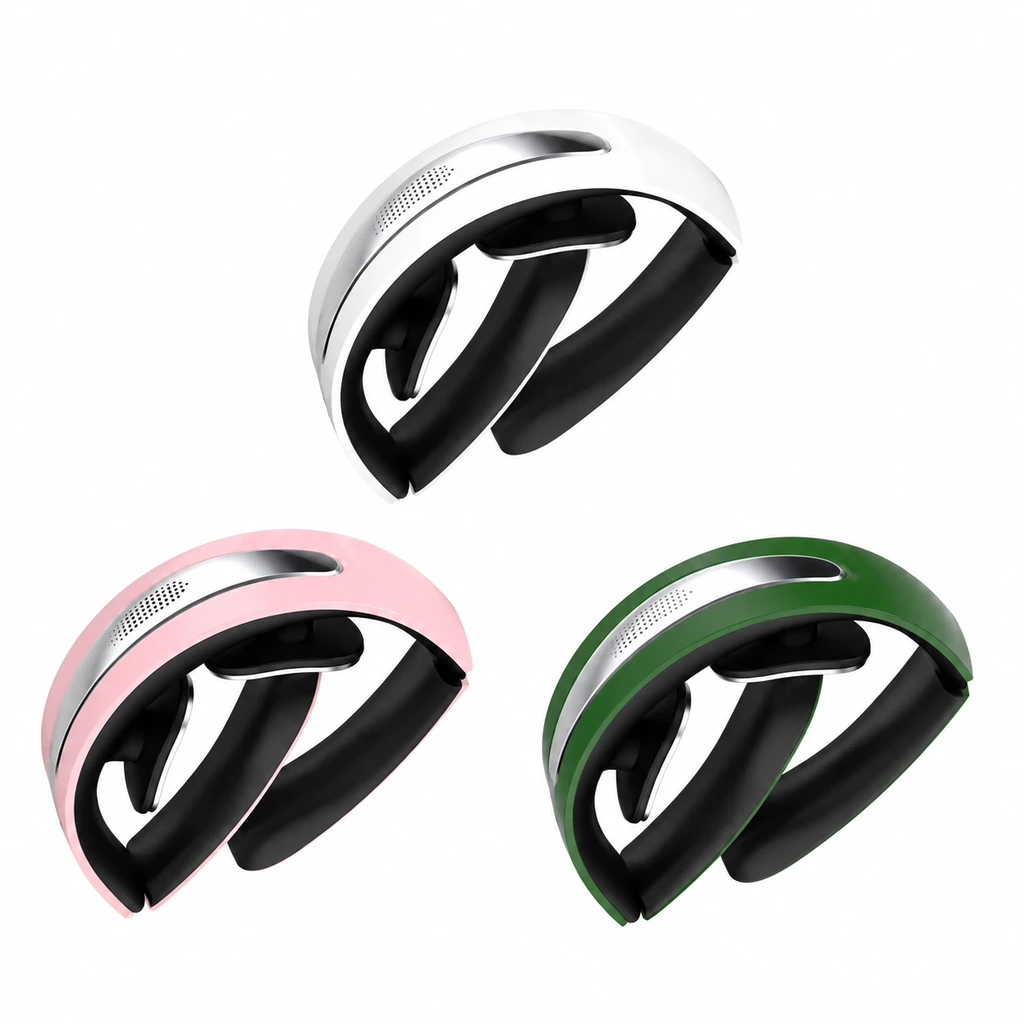

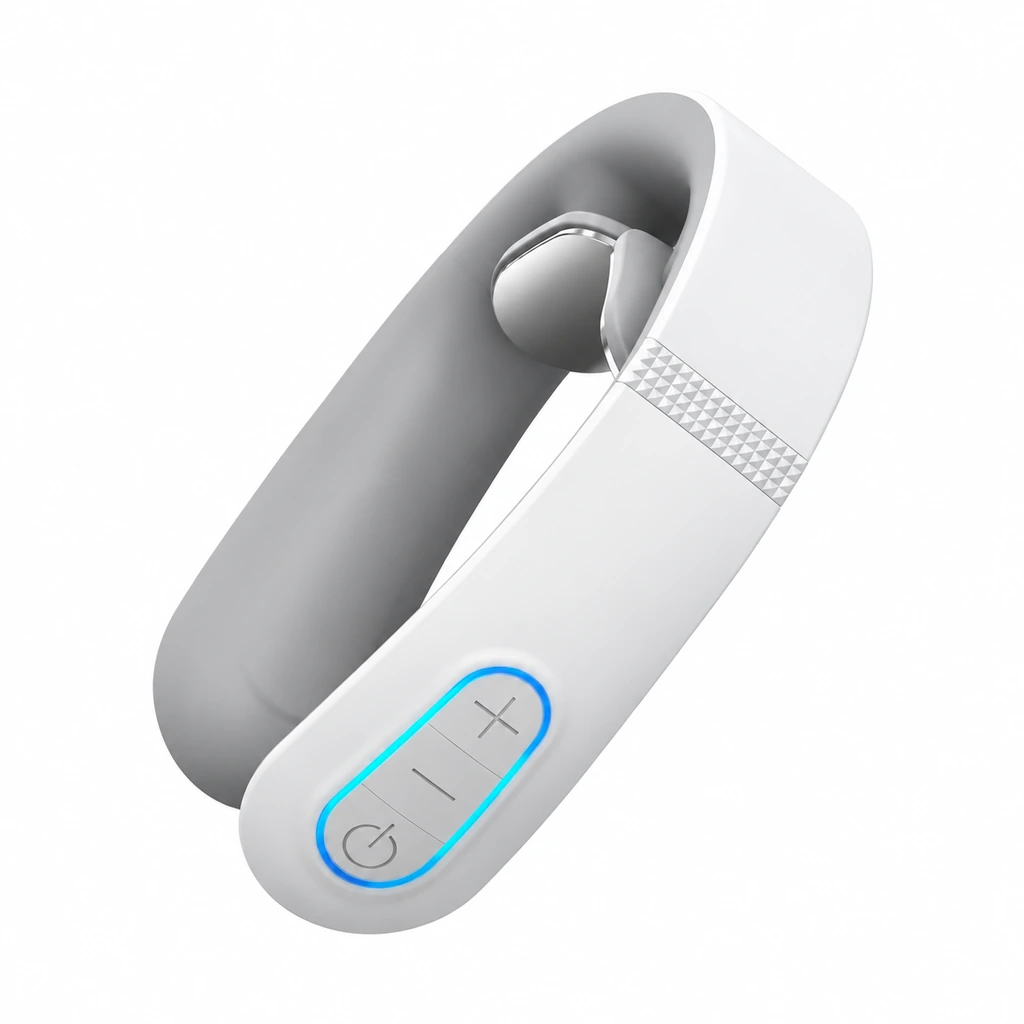




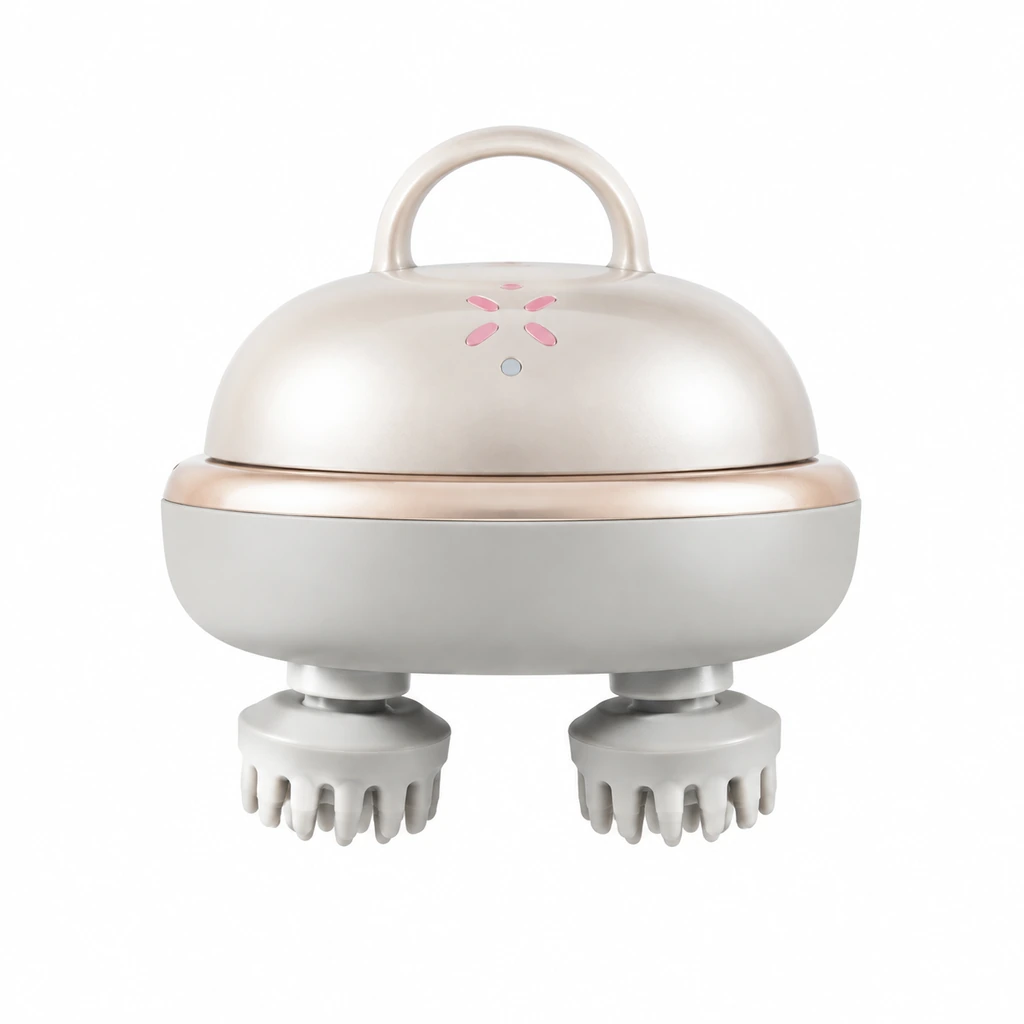



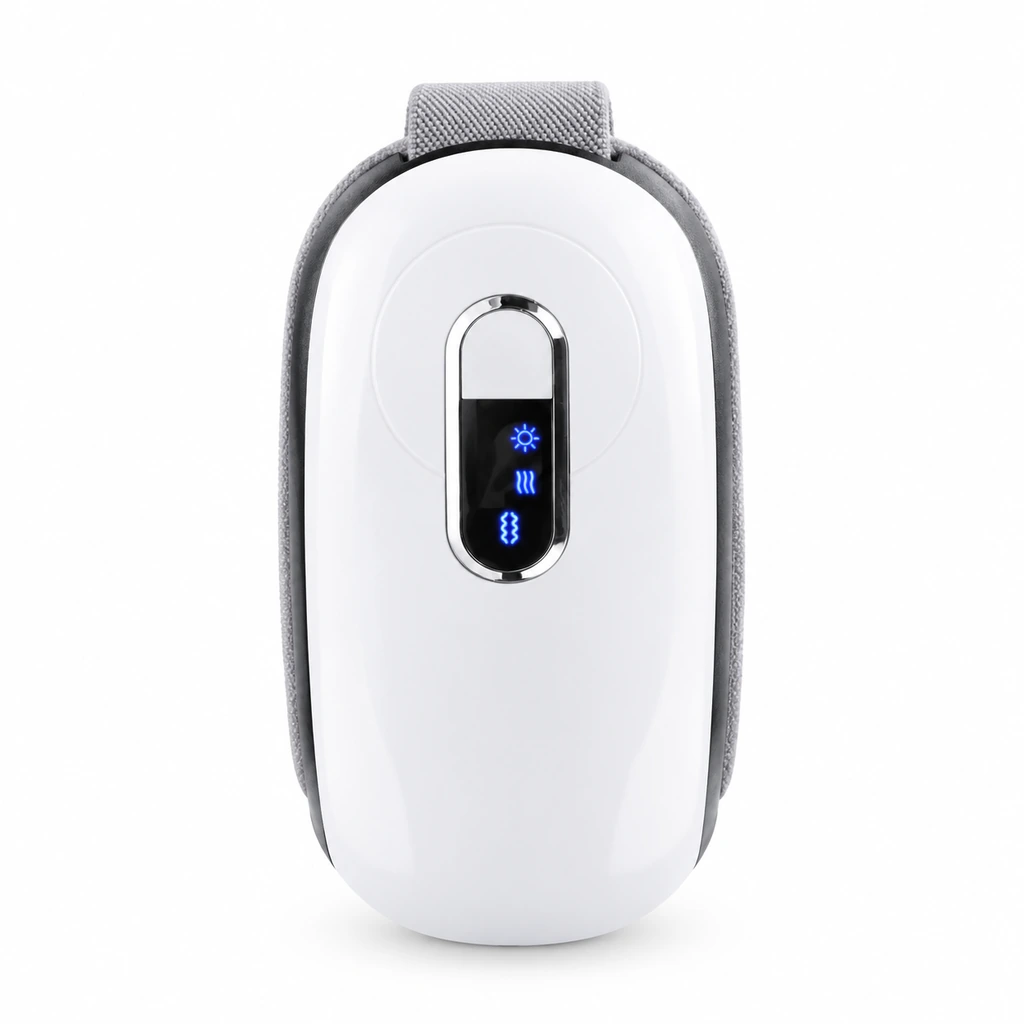
Warming Belt Reference Samples & Bulk Checks
Define what an N1 sample approves, preserve the reference and its configuration, and compare real production lots using documented methods and decisions.
 Meilan Tech 8 min read

For warming belt reference sample bulk consistency, keep an identified sample together with the approved configuration and comparison method. An ordinary demonstration unit becomes an approval reference only when both parties record what they accepted. For procurement and quality managers buying N1, this means agreeing the version, preserving the reference, and linking bulk checks to the relevant lot before deciding whether goods can proceed.
1. Agree what the sample is authorised to represent
A good-looking sample can help a distributor choose a product, yet still leave the production order undefined. It may use a provisional label, a different operating version or packaging prepared only for discussion. Before treating it as the benchmark for a wholesale order, ask which characteristics were approved, by whom, and against which specification.
Keep the sample status explicit. The distinctions below describe approval scope; they do not imply that any particular N1 sample has already been accepted.
| Sample status | Useful purpose | Limit to record |
|---|---|---|
| Ordinary demonstration sample | Explore handling, appearance and the proposed product format. | Receipt or informal positive feedback does not establish production approval. |
| Appearance-approved sample | Compare agreed visible details such as colour, print position and finish. | Appearance approval does not automatically cover functions, internal components or packing contents. |
| Function-approved sample | Reference the operating behaviour tested under recorded conditions. | Record the exact version and test scope; packaging may still need separate approval. |
| Production reference sample | Represent the agreed production configuration within a defined approval scope. | Use it with the specification, permitted variation and lot inspection plan; it does not replace them. |
2. Lock the N1 version before sealing the reference
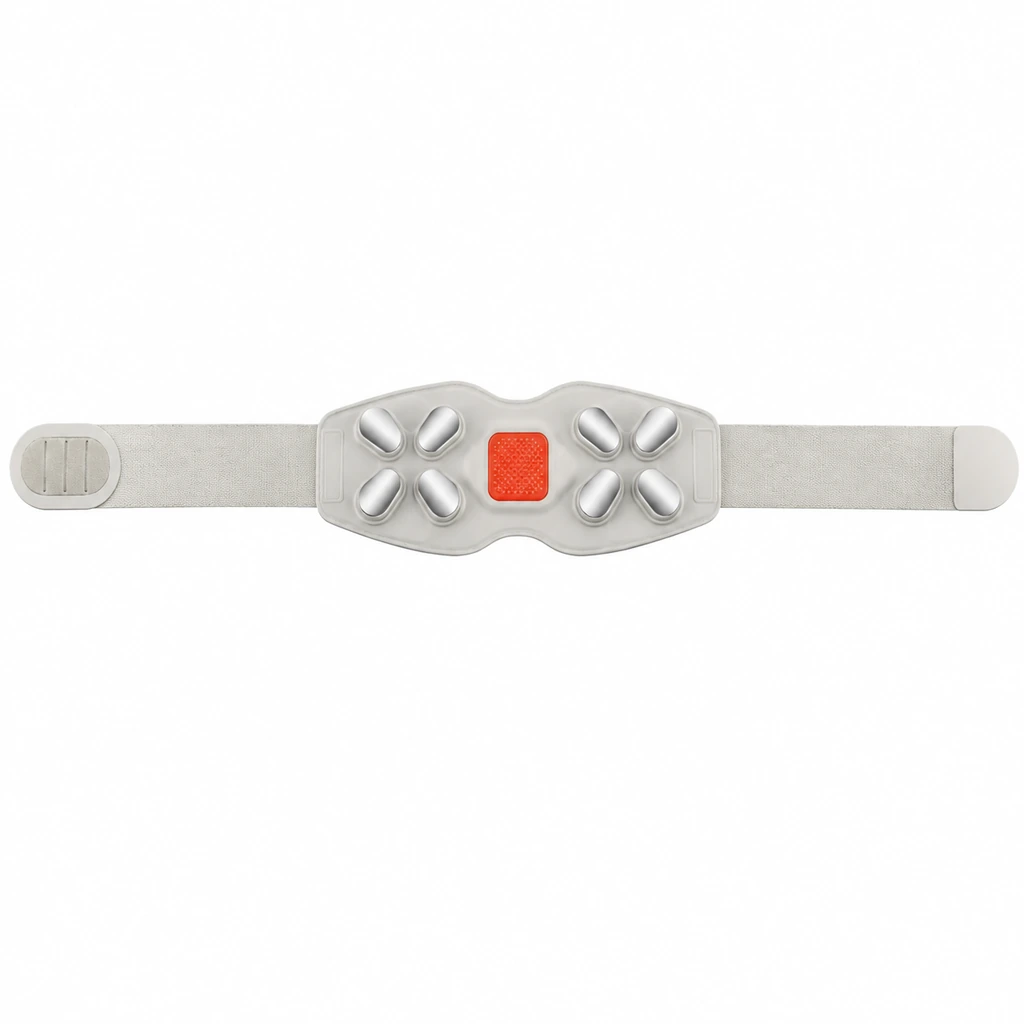
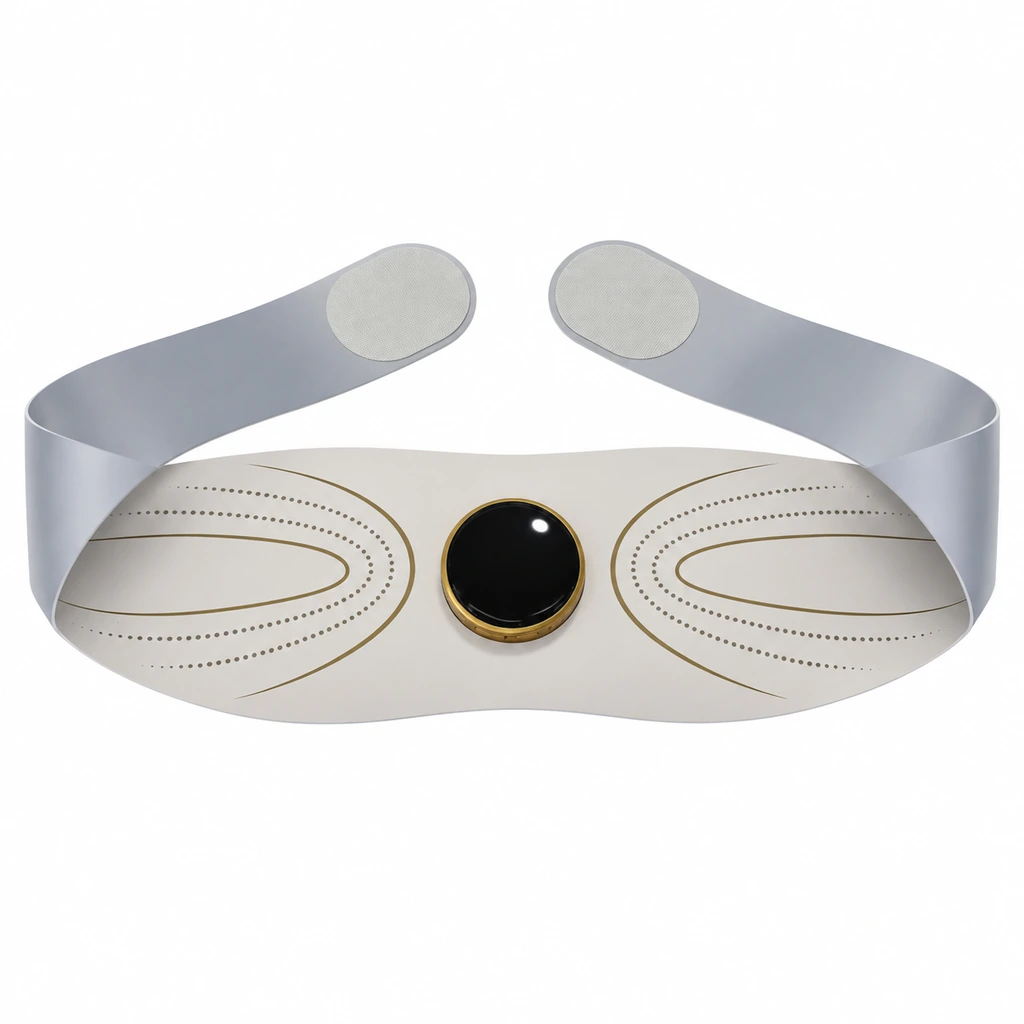
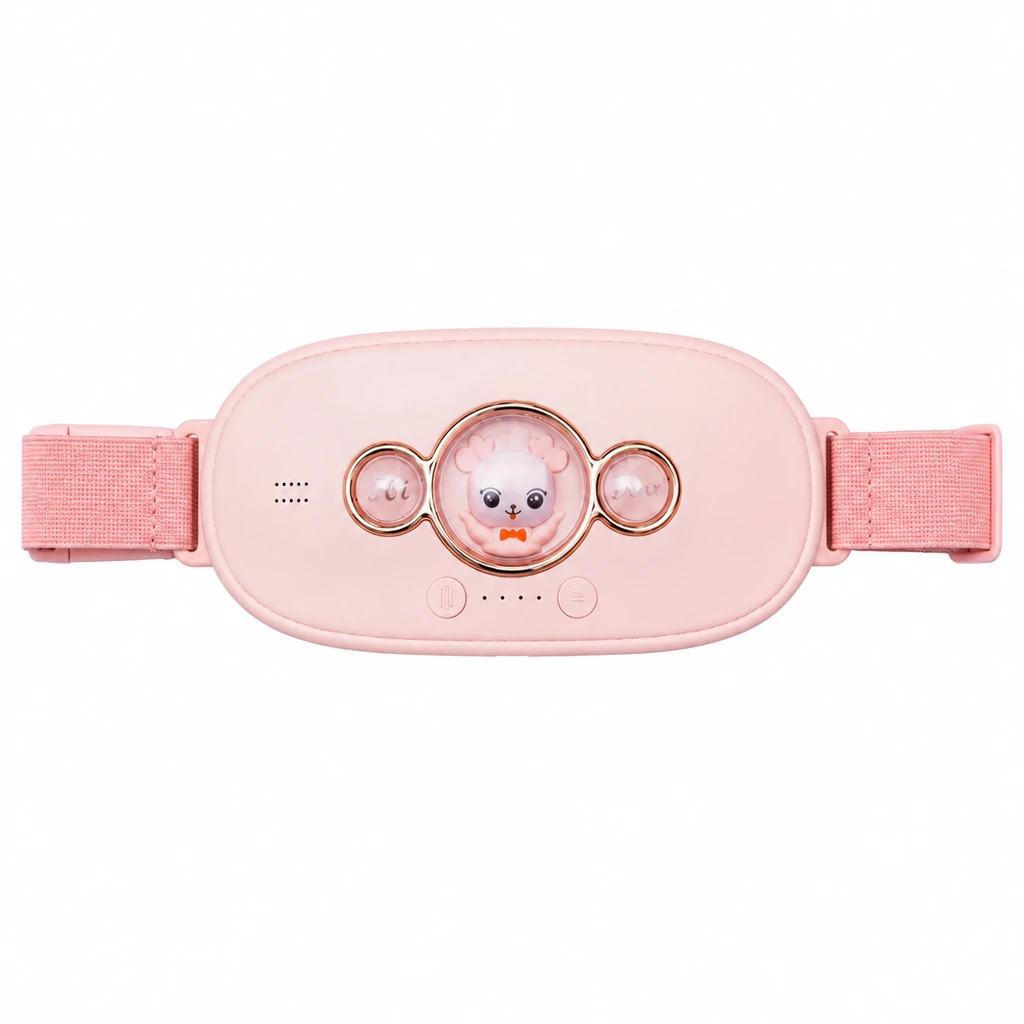
Start with the selected model on the N1 warming belt product page, then identify the actual order configuration. N1 documentation distinguishes voice and remote versions. Do not assume that two devices with the same front design have identical controls, accessories or instructions.
Record the version, colour, approved label and artwork revisions, supplied accessories, manual language and packaging arrangement. Where operating behaviour or an internal component matters to acceptance, connect it to the applicable specification or controlled configuration record. A photograph of the outside cannot establish an internal component's identity.
Put the sample identifier, approval date, approving parties and approval scope in the same record. If a detail remains provisional, name the exception and the evidence required to close it. For example, accepting the housing colour while the translated manual is under review is a limited approval, not approval of the complete retail pack.
3. Preserve a reference that both teams can identify
Where practical and agreed, the buyer and supplier can retain matched reference units. Compare the pair before separating them and link both identifiers to the same approval record. A factory-side reference helps production answer questions without repeatedly shipping the buyer's only benchmark back and forth.
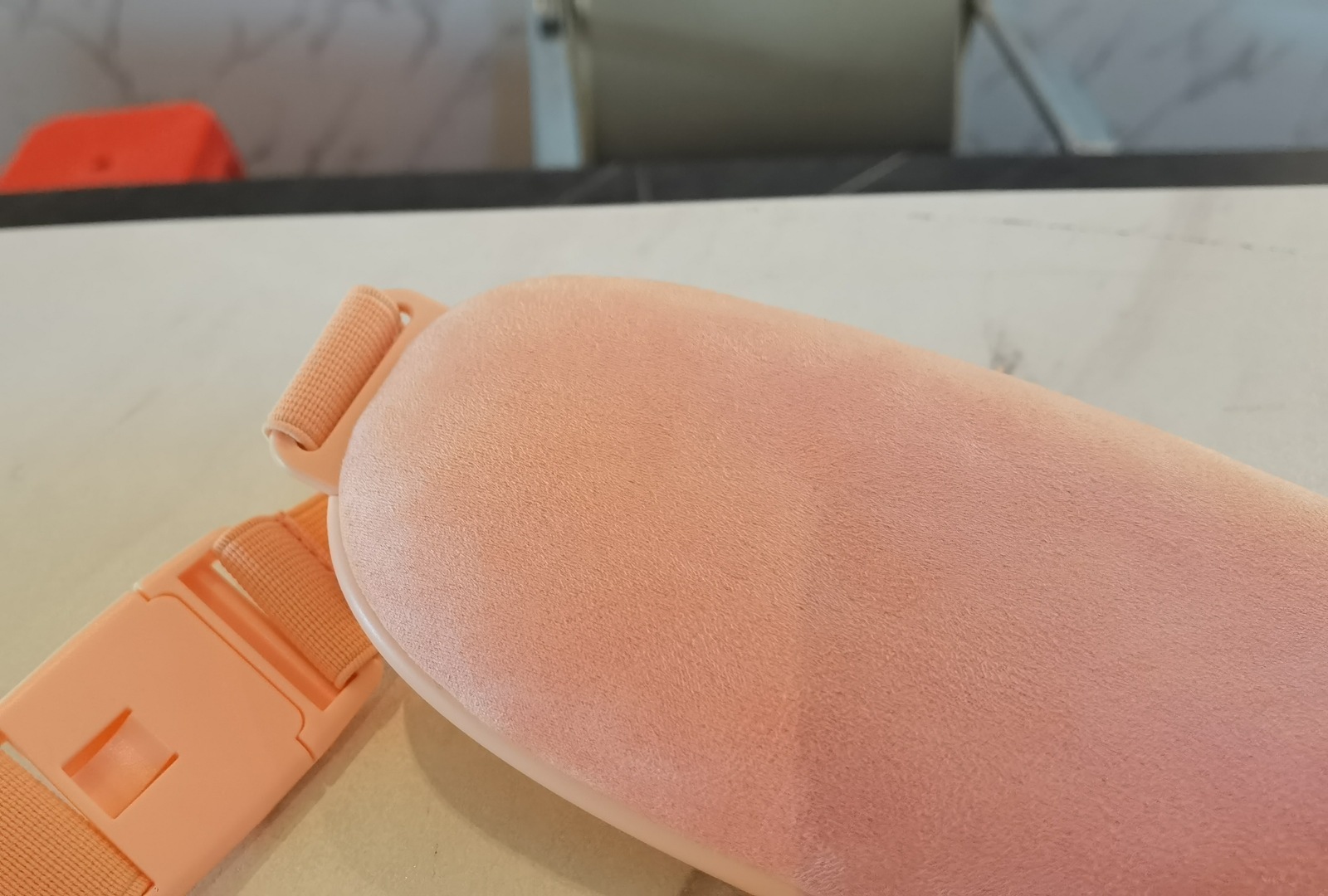
Photograph the front, back, controls, connectors, strap attachment, label and complete contents. Use clear lighting and stable angles, with a scale where dimensions matter. Keep the original files linked to the sample identifier. Images are useful for location and visible detail; they cannot reliably settle subtle colour differences across screens or prove functional performance.
Protect the reference from dirt, compression and uncontrolled handling, and store it according to the applicable instructions. Record its custodian, storage location, condition and any opening or use. If repeated demonstrations, cleaning or testing could change it, keep a working sample separate from the preserved reference where feasible. Do not select a damaged or heavily used unit as the new standard without review.
4. Turn “same as the sample” into a comparison method
Define which features are judged visually, measured or functionally tested. Visible checks might include surface condition, print alignment, strap attachment and packaging presentation. Dimensions need agreed measurement points and tolerances. Functional checks need the selected operating version, charging state, settings, sequence and test duration stated in the procedure.
For heating-related measurements, agree the measurement location, contact arrangement, ambient conditions, equipment and acceptance criteria with the responsible technical team. Do not substitute a hand-feel comparison or a promotional temperature image for that method. Where specialist safety testing is needed, arrange competent testing separately. If the physical reference and specification appear to disagree, resolve the discrepancy in writing before using either to accept production.
5. Compare the delivered pack as well as the device
For distributors and gift buyers, consistency includes what the warehouse receives and what the retail customer opens. Check the device version, cable or other agreed accessories, manual language, labels, insert and outer packaging against the accepted packing configuration. A matching pink housing cannot compensate for a missing agreed accessory or the wrong instructions.
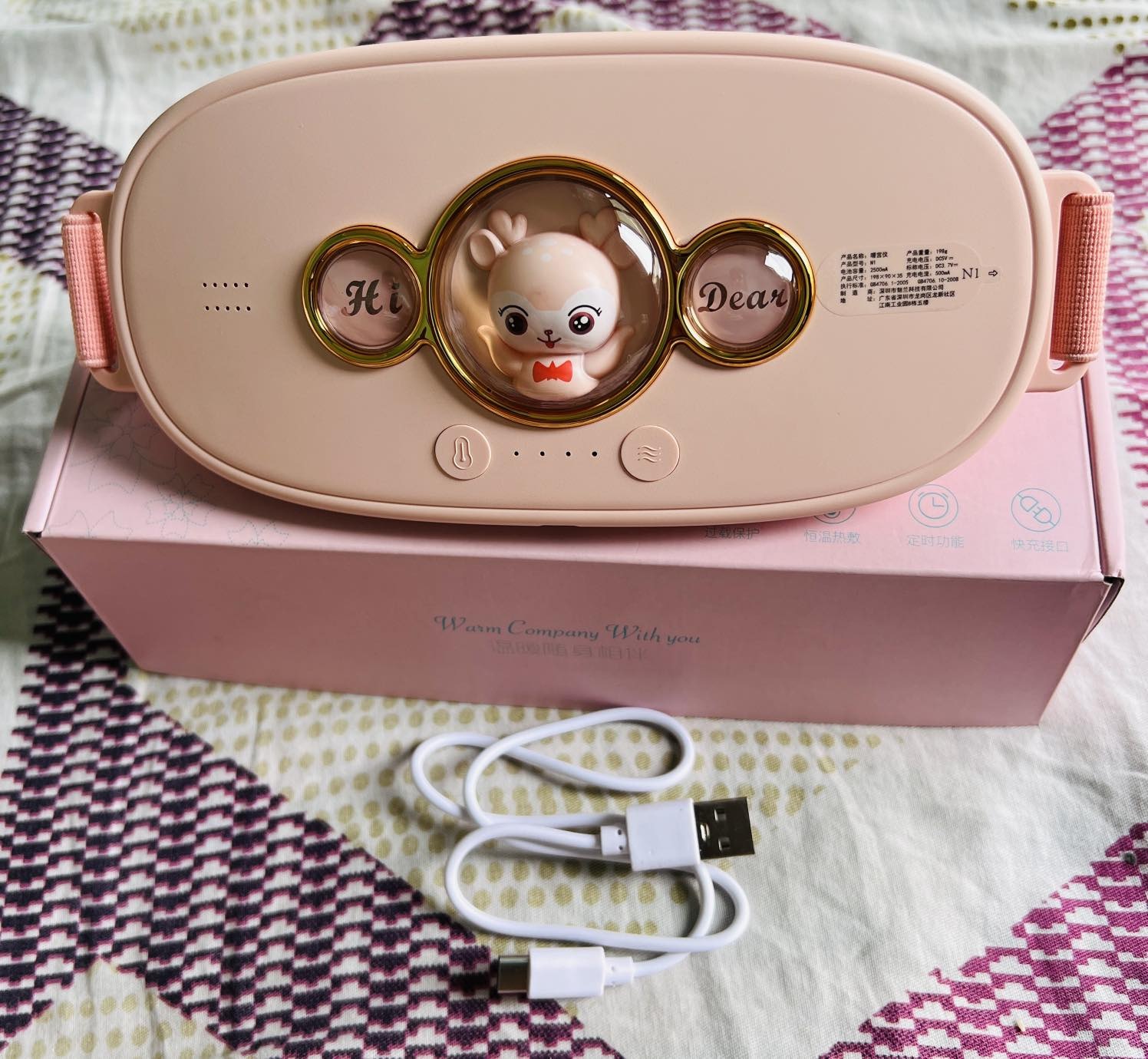
Keep the packaging reference and the device reference linked, even if they were approved on different dates. The warming belt multilingual manual guide explains the language checks. A revised leaflet or new box design needs a traceable approval of its own rather than being silently added to an older sample record.
When an accessory changes, ask whether fit, operation, labelling or testing must be reviewed as well. Describe the actual change and its affected orders. Do not treat a substitute as equivalent simply because it looks similar or fits inside the same box.
6. Check production using a defined lot and recorded results
Identify the production lot and the goods available for inspection. Select units across the lot under the agreed plan rather than comparing only a supplier's specially prepared display unit. Record the inspected unit or carton identifiers, quantities checked, method, observations, measurements and decision. Keep a link to the reference sample and specification revisions used.
The NIST introduction to acceptance sampling explains using a sample drawn randomly from a lot to decide the lot's disposition. That supports separating reference approval from lot acceptance. The inspection plan must still define the sample size, defect categories and acceptance rules; no fixed inspection quantity follows from possessing an approved sample.
If a difference is found, separate a cosmetic variation from a configuration error or a potentially safety-relevant issue. Record the affected scope, hold the relevant goods where required, and agree the disposition: accept within an existing criterion, obtain a specific concession, rework and reinspect, or reject. Any concession should identify the lot, deviation and approver so it does not silently become the standard for future orders.
7. Keep the reference valid through changes and repeat orders
A reference can become less useful if it ages, is damaged or no longer matches the current specification. Before a repeat order, check its condition and revision status. Changes to the device, operating version, material, accessories, labels or packaging should be reviewed for their effect on the approval scope. Preserve the earlier record and identify when the new baseline takes effect.
- Identify the N1 version and the production order covered.
- Confirm who approved the reference and exactly what was accepted.
- Locate the retained unit, photo record and applicable specification revisions.
- Agree the visual, measurement and functional comparison conditions.
- Connect the inspection plan and results to the actual production lot.
- Close deviations and changes with named responsibility and written scope.
When quotation details do not identify the approved configuration, resolve them before production; the warming belt quotation follow-up guide covers those gaps. A useful reference system lets both sides answer a practical question: which evidence supports accepting this lot against this agreed version?
Frequently asked questions
Is a sample approved when the buyer says it looks good?
That comment may support a discussion of appearance, but it does not define complete production approval. Record the accepted characteristics, exceptions, version and approving parties before using the sample as the benchmark.
Must the buyer and factory each keep a sample?
Matched retained units are useful when practical, but the arrangement should be agreed for the order. If only one reference exists, specify its custodian and how the other team can compare against it without losing traceability.
Can photographs replace the physical reference?
They can support visible-detail checks and identification, but cannot fully represent touch, fit, colour or operating behaviour. Decide which checks need the physical sample, measurements or functional testing.
Does a laboratory report prove bulk consistency?
Only within its stated sample and test scope. Check the model, version, tested items and traceability; a laboratory report does not automatically show that every unit in a later lot matches the approved reference.
What if the retained sample has deteriorated?
Document its condition and assess whether it remains usable for the relevant checks. Agree and approve a replacement against the controlled baseline, retaining the old record rather than quietly resetting the standard.
Can an accepted deviation apply to the next order?
Only if its written scope explicitly allows that. A concession for one lot should not alter future acceptance criteria without an approved change.
Preparing an N1 wholesale order? Review the Meilan certification documents and their scope, then share the selected version and the characteristics that need approval. Ask for the matching specification and applicable inspection evidence so the reference, comparison method and production lot can be reviewed together.

