
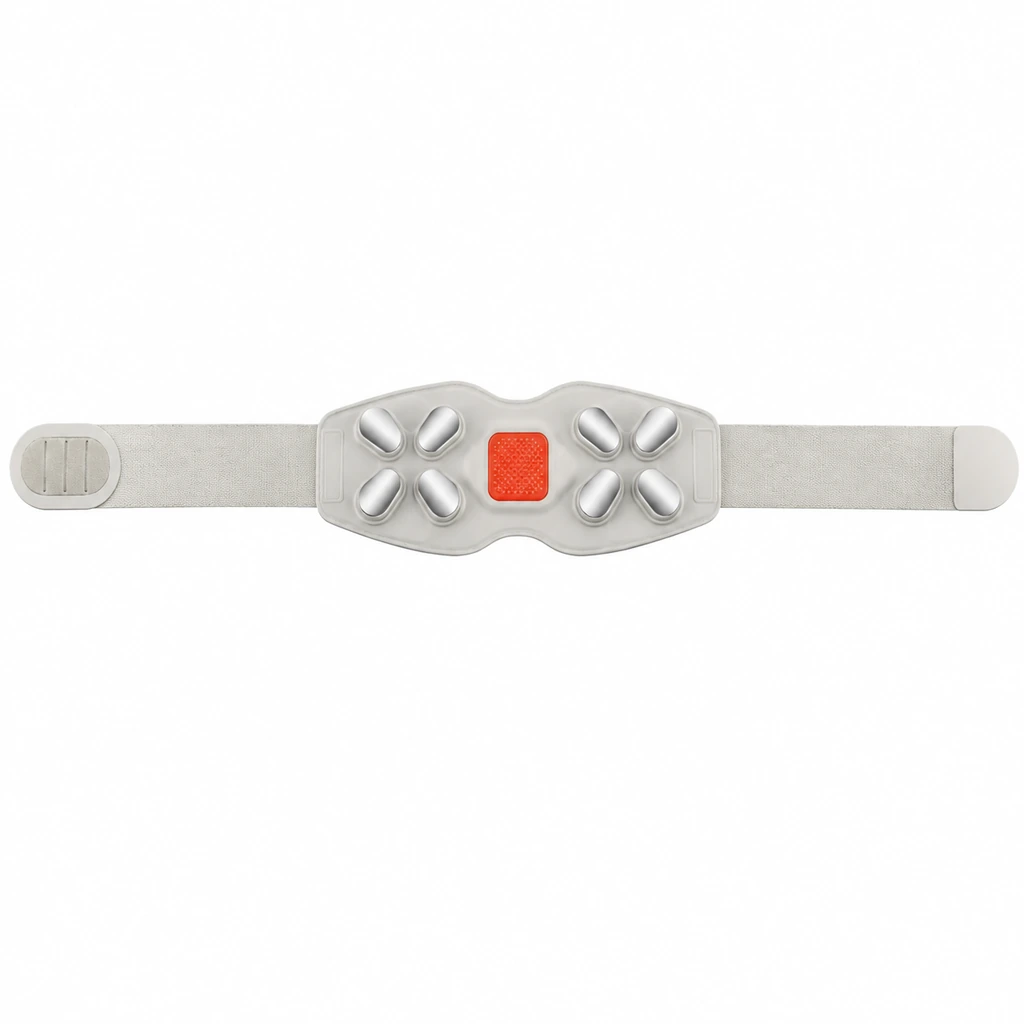

























Waist Massager Pre Shipment Documents
Match the approved order with inspection coverage, kit quantities, final packing and labels before authorizing an A1 or A9 waist massager shipment.
 Meilan Tech 9 min read

Reconcile waist massager pre shipment documents against the same approved order revision and the actual goods proposed for dispatch. Match model and configuration first, then connect inspected units to the shipping lot, reconcile complete-kit quantities, and compare the final packing list with carton and label evidence. Record unresolved differences before authorizing shipment. A matching total or a report marked “passed” does not establish that every shipped configuration is covered.
1. Establish which order revision controls the shipment
For distributors, an undocumented change can create a different SKU inside familiar packaging. For online sellers, the wrong cable or instruction language can undermine an otherwise correct listing. Purchasing and quality teams therefore need one agreed reference for what is being bought, not merely several documents carrying the same product name.
Treat the A1 waist massager and A9 waist massager as separate model references. A model name alone does not resolve control arrangements, supplied accessories, packaging or destination-language versions. Identify the order line, approved configuration revision, kit list and artwork/manual revisions that apply to this shipment. Resolve differences between the purchase order, supplier confirmation and approved change record before using them as acceptance references.
Use a dated, approved amendment to explain a change. A newer file is not automatically an approved replacement. Separate a buyer SKU from a supplier model code, and retain the agreed mapping between them. If a shipment contains more than one version, keep their records and quantities distinguishable instead of collapsing them into a single “A1” or “A9” total.
2. Connect the order, inspected goods and proposed shipment
The central question is whether the inspection evidence belongs to the goods being shipped. Compare order-line references, production or lot identifiers, version details, inspection date and the dispatch allocation. When identifiers differ between systems, request a documented cross-reference supported by production and packing records. Similar filenames or nearby dates are not enough.
| Connection to check | Evidence to compare | Decision rule |
|---|---|---|
| Order to inspection | Approved order line and version against report references, inspected population and configuration description. | A report for another version does not cover the ordered configuration without a justified applicability review. |
| Inspection to dispatch | Lot allocation and inspected-unit records against the goods selected for packing and shipment. | Do not silently include replacement or later-produced units in an earlier inspection result. |
| Dispatch to cartons | Final carton identifiers and contents against the shipment allocation and packing list. | A matching grand total does not resolve a wrong model or mixed-version carton. |
A sample-stage approval is useful for establishing the reference configuration. The massage-device sample review guide helps organize that decision, but sample approval does not identify a later production lot. Ask how the supplier links the approved sample or specification to the actual production and dispatch records.

3. Reconcile quantities using the same unit of count
Define whether each quantity means main units, complete saleable kits, retail boxes, separately supplied accessories or shipping cartons. A cable count should not be added to a massager count to produce an apparent shipment total. Likewise, a packed retail box is not evidence that its agreed contents are complete.
For each order line and version, compare approved ordered quantity, previously dispatched quantity, proposed dispatch quantity and remaining balance. Account separately for units on hold, rejected units, samples and separately authorized spares. Do not reduce the remaining balance by counting goods that have not been authorized as supplied order units. If partial shipment is proposed, record the buyer’s approval and the balance still due.
At packing level, calculate complete kits from each carton’s recorded contents, including any partial or mixed carton, then sum by order line and version. Reconcile that result to the proposed dispatch quantity. Keep total inspected population separate from sample size, defect counts and accepted dispatch quantity: those numbers describe different things and cannot substitute for one another.
4. Read the inspection result together with its coverage
A result matters only with its scope, method, criteria and identified population. Read what was actually checked: main-unit operation, control response, charging indication, accessory compatibility, appearance or another agreed item. Distinguish all-unit checks from sampled checks. Do not turn an inspection report into evidence for an excluded requirement.
Check the specification revision used, test conditions, recorded observations, acceptance criteria and reviewer. Where measurements are relevant, retain instrument identity and applicable calibration or verification status. Do not infer output accuracy or safety from a short operating demonstration. There is no universal sample size or automatic acceptance rule for every A1 or A9 order.
| Report situation | What to reconcile | Action before release |
|---|---|---|
| Report covers only part of the dispatch population | Identify covered and uncovered lots, versions and quantities, with the supplier’s allocation evidence. | Hold the unsupported scope or obtain separately authorized verification; do not extend the result by assumption. |
| Defects were corrected after inspection | Link defect records, corrected units, recheck scope and results to the current packing allocation. | Confirm correction closure and whether the change requires additional checks before release. |
| Inspection or packing changed after approval | Identify substituted goods, replaced accessories, reopened cartons or revised labels. | Review the affected evidence and obtain renewed approval where the change invalidates the previous decision. |
Keep the inspection conclusion separate from shipment authorization. The report reviewer may decide that a tested scope meets its criteria, while a different person authorizes dispatch after quantity and document issues are closed. Record the actual decision and authority rather than treating a signature or stamp as approval of everything.
5. Match the final packing list to the cartons that will leave
Use the final packing revision, not a quotation-stage packing estimate. The International Trade Administration’s packing-list guidance describes package-level contents, weights and measurements and explains their use by freight forwarders and customs officials. That supports keeping packing data specific to actual packages; it does not verify a supplier’s measurements or establish the requirements for every route.
Compare carton identifiers, model/version allocation, complete kits per carton and any mixed contents. Confirm how carton counts, dimensions, gross weights and net weights were obtained, including units and whether figures describe individual cartons or shipment totals. Do not confuse product net weight with the net weight of all goods in a carton, or a retail-box size with an outer-carton size. Recheck the physical packing record when those distinctions are unclear.

Request packing photographs that can be tied to the actual carton references. For mixed or partial cartons, retain a clear contents breakdown rather than applying the standard carton quantity. If a checked carton is reopened, identify what changed and update the affected packing, quantity and inspection evidence before closing it again.
6. Compare labels across the unit, retail box and shipping carton
Use approved label artwork and data as the reference. Compare model, buyer SKU, version identifier where used, language, kit description and any agreed batch or carton references. Different identification systems can coexist, but the mapping must be explicit. A shipping-carton mark should lead the receiving team to the correct contents and order line.
If barcodes are required, check the encoded value against the approved data and receiving-system expectations, as well as legibility in the actual packing arrangement. A successful scan does not establish that the code identifies the correct version, that every label is correct or that a formal barcode-quality requirement has been met. Compare readable text and encoded data separately.
Review label photographs and sampled physical labels at each level specified in the agreement. Keep current artwork approval distinct from evidence that it was applied to the proposed shipment. A correct label attached to the wrong goods remains a discrepancy. Markings or document-library entries also cannot replace an applicability review of the supporting compliance documents.
7. Close differences and authorize a defined shipment
For each unresolved difference, identify the affected order line, version, quantity and cartons; the owner; the corrective action; and the evidence required to close it. Decide whether the issue is a document correction, a physical-goods correction or missing verification. Editing a PDF cannot resolve goods that were packed incorrectly.
| Decision | Supporting position | Required next step |
|---|---|---|
| Ready for authorized release | Order, inspected scope, quantities, final packing and label evidence reconcile; required separate documents are applicable. | Record authorized shipment scope, approved revisions and the person making the release decision. |
| Release only an agreed portion | Supported cartons and quantities can be separated from the unresolved portion, and the buyer accepts partial dispatch. | Revise the shipment allocation and packing list; identify held goods and the remaining order balance. |
| Hold the affected shipment scope | Identity, inspection coverage, quantity, contents or labels cannot yet be reconciled. | Resolve the named discrepancy and recheck affected records before requesting release again. |
Save the released document set as a controlled snapshot. A later replacement should identify the superseded revision and reach the teams using it. Warehouse receipt and the buyer’s later quality acceptance remain separate events; a pre-shipment document check should not silently become confirmation that goods were received or accepted.
Questions buyers ask before dispatch
Is a passed inspection report enough to release an order?
No. Confirm its population, version, scope and correction closure, then reconcile the proposed shipment, packing and labels. Report acceptance and shipment authorization are separate decisions.
Can A1 and A9 share one packing line?
Keep each model and ordered version identifiable. A consolidated shipment may contain both, but the contents and quantities must remain traceable by order line and carton.
What if the total quantity matches but carton contents differ?
Resolve the carton-level difference. A grand total can hide a wrong version, missing accessory or incorrect mixed carton.
Can the previous shipment’s packing figures be reused?
Only after confirmation against the current configuration and actual packing. A change in retail packaging, accessories or carton arrangement can invalidate earlier figures.
Does a readable barcode prove the label is correct?
No. Match the decoded value and visible text to approved data and the physical goods. Any required barcode-quality assessment needs its own agreed method.
Can missing evidence be recorded as passed to avoid delay?
No. Identify the gap and its affected scope. Obtain the required verification or an explicitly authorized disposition without misreporting the inspection result.
Preparing an A1 or A9 shipment review? Start with Meilan’s certifications and supporting documents, then request documents applicable to the exact model and version. Share the approved order revision, proposed shipment allocation and unresolved discrepancies with the supplier. Ask for the matching inspection, final packing and label evidence needed for a documented release decision.

