





















Eye Massager SKU Quality File: A Buyer’s Guide
A practical guide to connecting approved specifications, supporting evidence, sample identity, batch inspection and revisions for an eye massager SKU.
 Meilan Tech 6 min read

A useful eye massager SKU quality file lets a buyer connect the product being ordered with its approved specifications, supporting evidence, reference samples and batch records. For wholesalers managing several labels or markets, that connection matters more than the number of PDFs collected. Start with a defined configuration, then record what each document covers, who accepted it and when a change takes effect.
1. Define the SKU before collecting its documents
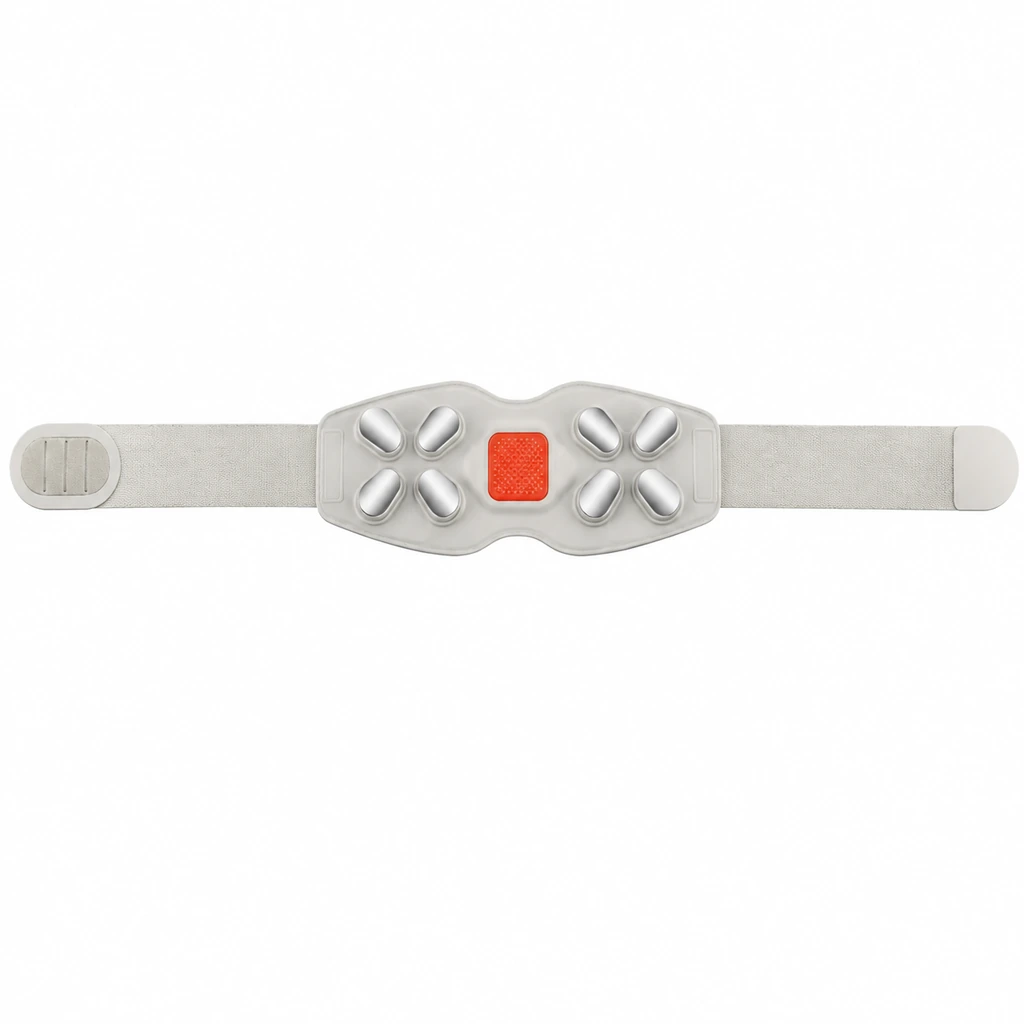
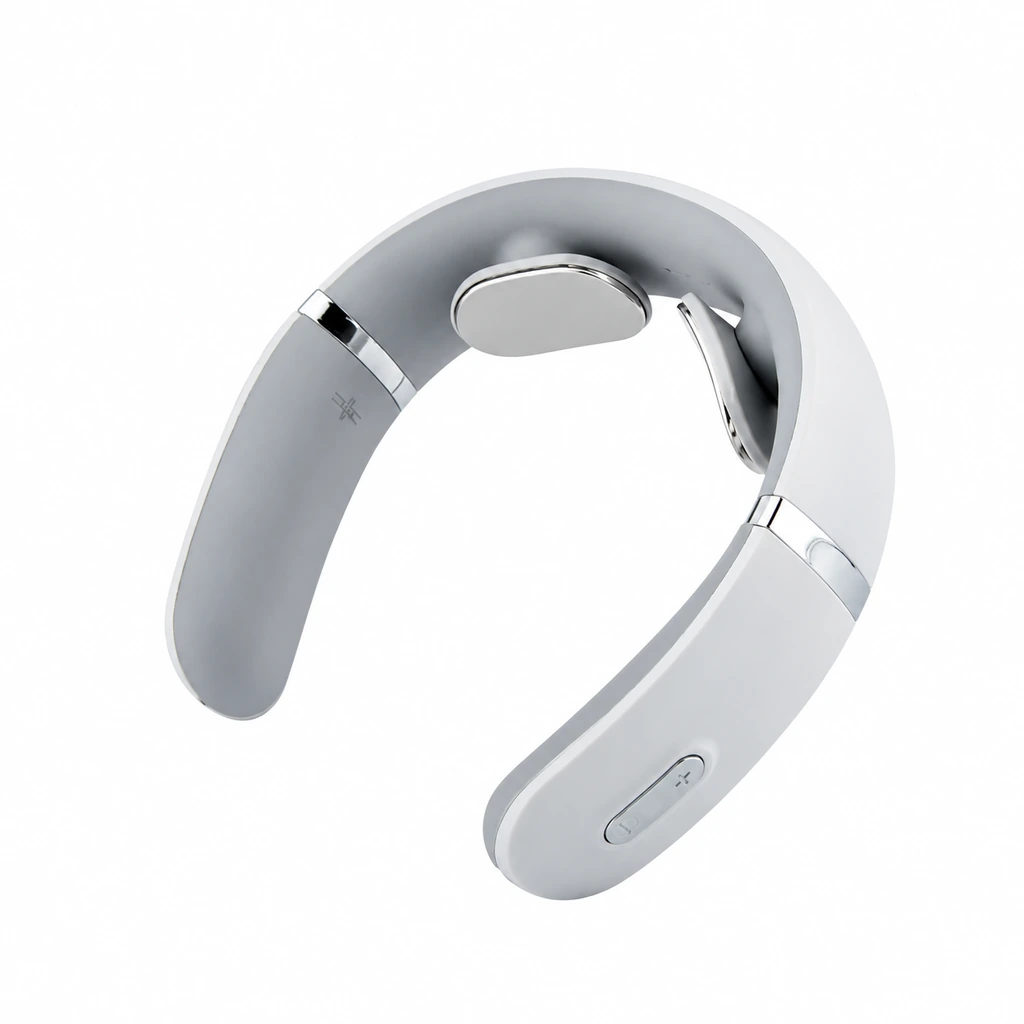
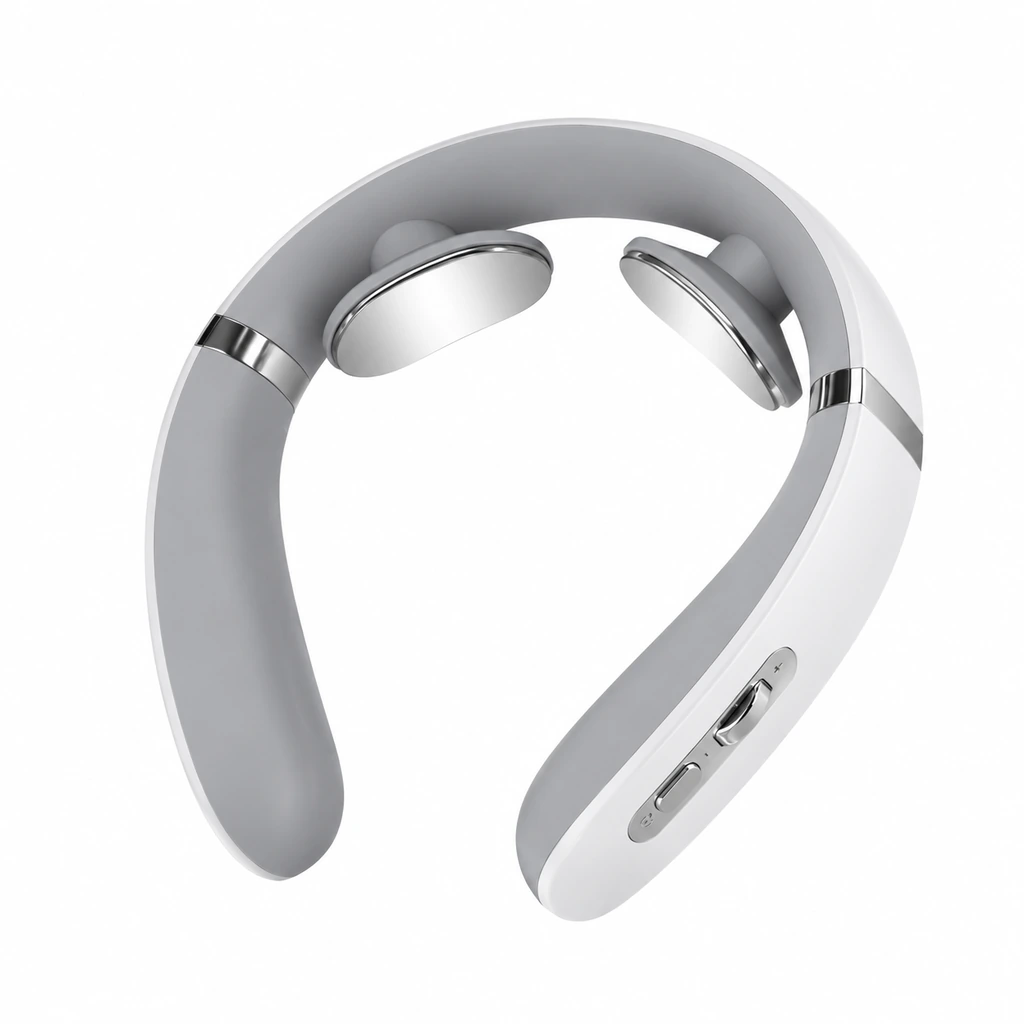
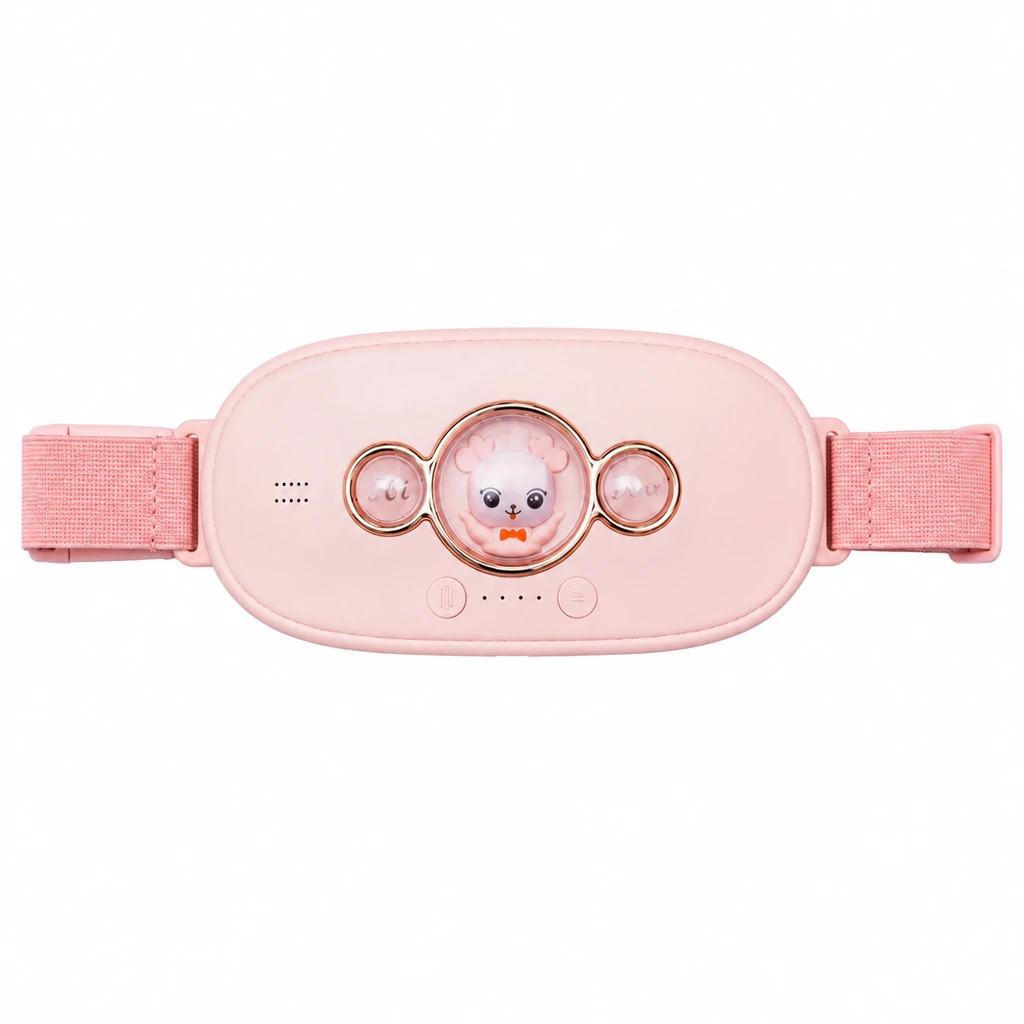
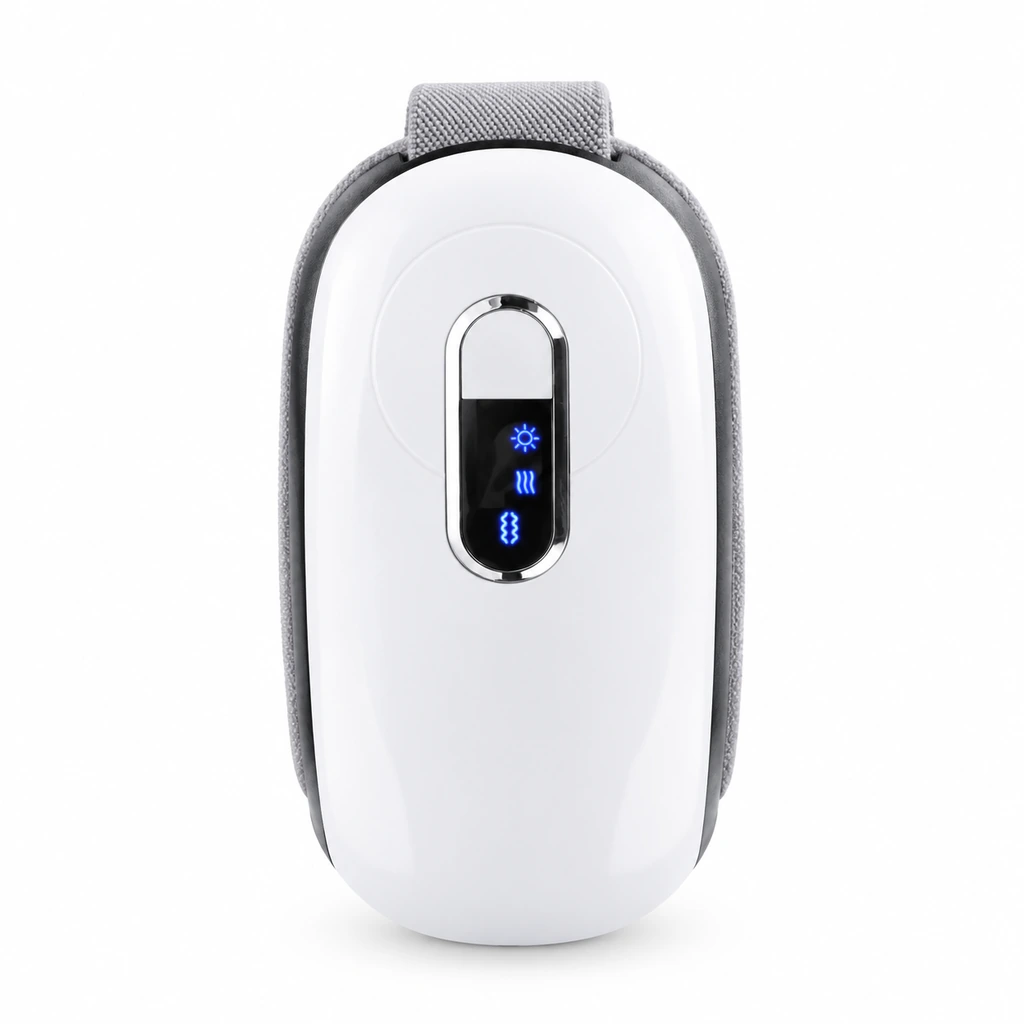
A model is a starting point; a SKU identifies the sellable configuration your business tracks. Use the Y103 eye massager as an enquiry reference, then agree the brand, configuration, included accessories, packaging language and destination market in writing. The public model name alone does not settle those details.
Separate the commercial SKU from its revision, the physical sample ID and the production lot. A hypothetical packaging-language change may create a new commercial SKU or a controlled revision under your own coding rules. Record that choice; never let an unchanged sales code conceal a changed instruction sheet or accessory set.
2. Build a directory that answers buying questions
Keep one index pointing to controlled originals rather than copying the same report into several folders. For every entry, record its identifier, revision or issue date, source, covered configuration, review owner, decision status and storage link. Distinguish received, under review, approved for a stated purpose and superseded. A recent upload date is not an approval date.
| Suggested folder | Keep here | Check before relying on it |
|---|---|---|
| 01 Identity and baseline | SKU definition, approved specifications and written approval | Does the approved revision describe the exact set being ordered? |
| 02 Original evidence | Issued reports, declarations and applicability assessments | Do model, issuer, scope and tested configuration support the intended use? |
| 03 Reference samples | Sample IDs, dated photographs, evaluation and custody records | Which physical unit represents this baseline, and where is it? |
| 04 Packaging and instructions | Approved artwork, language versions and packing definition | Do device, labels, manual and sales pack describe the same version? |
| 05 Orders and lots | Purchase-order links, inspection results and issue dispositions | Which baseline and acceptance criteria applied to each lot? |
| 06 Changes and decisions | Change approvals, effective lots and superseded versions | Can a reviewer reconstruct what changed and why stock was released? |
This is a proposed filing structure, not a claim that every document is available. Where an item is missing, identify the owner, next action and decision it blocks. Do not label an unreviewed file “approved” merely to complete the directory.
3. Link evidence to the approved configuration
Preserve the complete issued document, including its appendices. Check the named entity, model identification, report number, issue date, method, sample description and scope. Compare relevant construction, accessories and electrical configuration with the approved specification. Ask the issuer or responsible technical reviewer to resolve ambiguous coverage; a similar model name or familiar logo is insufficient.
One report may be referenced by several SKU files when its documented coverage supports that use. Keep a separate applicability decision for each configuration. A management-system certificate concerns the named organisation and scope; it does not replace model-specific evidence. This purchasing file also does not automatically satisfy a market’s legally required technical documentation.
4. Make samples retrievable, not just recognisable
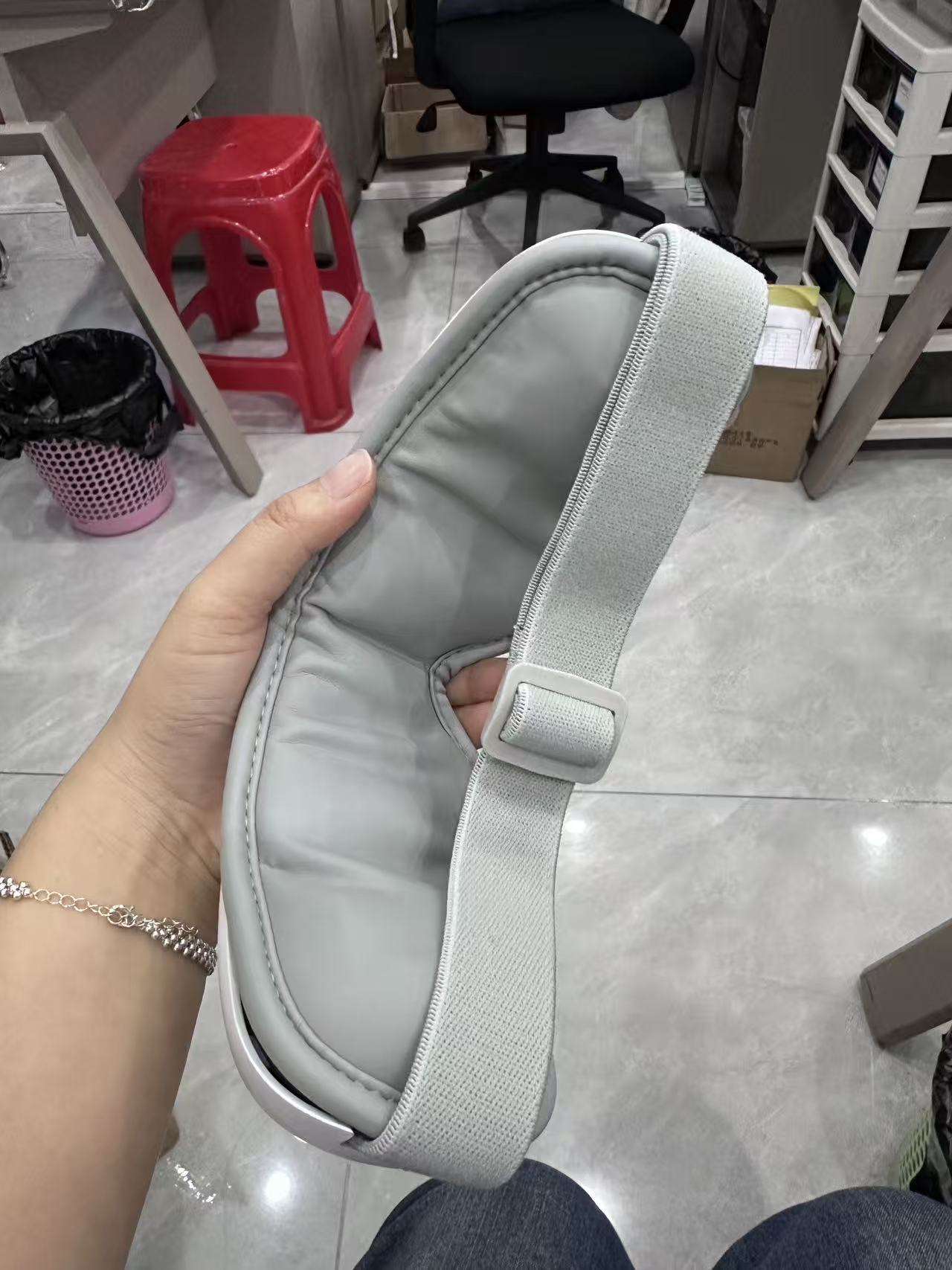
Assign each reference unit an ID linked to the SKU and specification revision. Photograph the exterior, identification markings, accessory set and packaging as received; record the evaluation conditions, deviations and approval limits. A supplier submission, an internally accepted reference and a retained production unit have different roles even when they look alike.

Use a traceable eye massager sample record for movements and evaluations of an individual unit. The SKU file should point to those records and identify the applicable reference, rather than treating one sample’s history as proof for every later delivery.
5. Attach batch results without rewriting the baseline
For each order or lot, link the purchase order, applicable specification revision, agreed inspection plan, sampling basis, observed results and disposition. Record who accepted an exception and its limits. “Checked” is not enough: a reviewer should see what was examined, how it was judged and which goods the result represents. A sample approval does not establish that an entire lot passed inspection.
Keep packaging and instruction revisions alongside the product baseline. For an ecommerce seller or gift buyer, the device can remain visually similar while box language, branding or included items change. Compare the received set with the approved packing definition; record any mismatch and its resolution before releasing the affected goods.
6. Record when a revision becomes effective
For a proposed change, record the reason, affected SKUs and documents, responsible reviewers, required verification and implementation point. Specify the first affected order or lot, how remaining packaging and stock will be handled, and whether reference samples need replacement. Review whether existing reports still apply; do not automatically carry an earlier approval into a changed configuration.
After approval, update the index, retain the prior baseline as superseded and prevent routine ordering from obsolete copies. NASA’s configuration-management guidance explains the general value of keeping current and historical configuration information and change status. Here that principle supports document consistency; it is not a consumer-product certification requirement.
7. Test the file before releasing an order
Ask someone outside the project to retrieve five things: the order’s approved configuration; the evidence and its applicability decision; the reference sample and location; the lot’s inspection outcome; and the change decision establishing the effective revision. If any connection depends on searching chat history or asking one colleague, improve the index before the next handover.
Keep unresolved issues visible with an owner and a decision deadline. Missing artwork approval may block printing; uncertain evidence coverage may block a market claim or require further review. Release only the scope actually approved. This gives purchasing, quality and sales a shared basis for action without turning “file complete” into an unsupported product-compliance conclusion.
Frequently asked questions
Does every eye massager SKU need a separate copy of every report?
No. Several SKU indexes may reference one controlled original. Each must still explain why that document applies to its configuration and intended purpose.
Can a product page serve as the approved specification?
It can inform an enquiry. Use an identified specification and written acceptance for the order baseline; reconcile differences before relying on sales copy.
Does a sample approval cover future production lots?
It defines the accepted reference within its stated scope. Later lots need their own agreed inspection and disposition records linked to that baseline.
Should superseded documents be deleted?
Retain controlled history under an agreed access and retention policy, clearly separated from current ordering files. Earlier deliveries may need to be assessed against their original baseline.
What if an original report has not been provided?
Record the gap and request the exact document and coverage clarification. Keep the affected decision pending; neither a certificate icon nor a folder name establishes a passed result.
For a Y103 enquiry, share your intended SKU configuration, destination market and existing document list through the Meilan documentation enquiry page. Request the applicable original files and written version identification so your team can assess coverage before approving the order.

