


























Warming Belt Manual & Label Consistency
A procurement guide to matching N1 versions, electrical information, accessories, function names and languages across the device, manual and packaging.
 Meilan Tech 8 min read
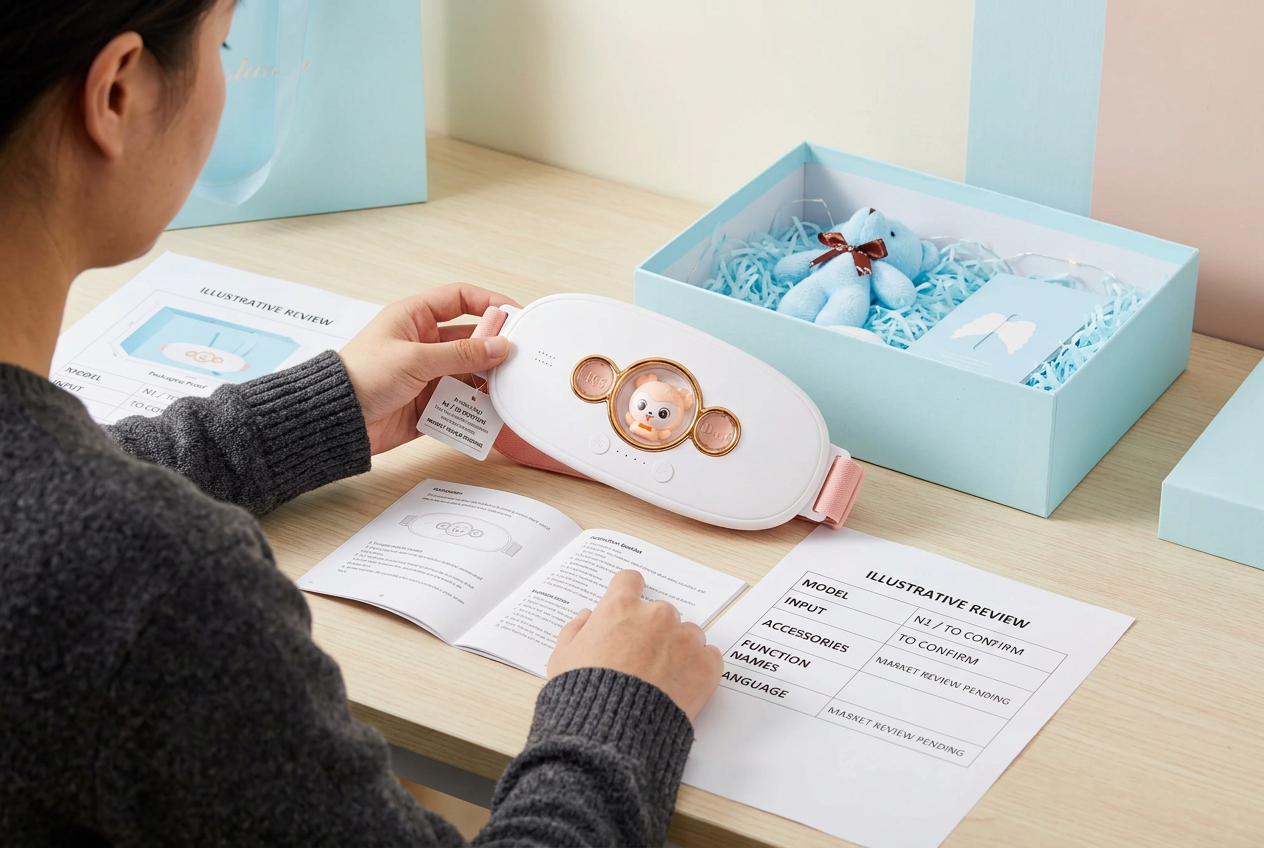
Warming belt manual label consistency starts with a single agreed configuration: the same model and operating version, correctly described input information, confirmed accessories, recognisable function names and the right languages. For procurement and quality teams buying N1 in bulk, review those items across the device, instructions and packaging together. Resolve differences against controlled specifications before approving print files, then check that production uses the approved set.
1. Define the product that every document must describe
A distributor can receive a working device and still face avoidable customer questions if the leaflet describes a different control arrangement or the box suggests an accessory that is absent. The first review is therefore about product identity. Gather the selected sample, device marking, complete manual, every printed packaging panel and the agreed packing list in one review set.
The N1 warming belt product page distinguishes voice and remote configurations. Identify the actual version being ordered rather than relying on “N1” alone. Link that version to the supplier's specification and the buyer's SKU. Where the commercial SKU and device model differ, keep their relationship explicit.
| Item to compare | Documents or objects to check | Useful decision rule |
|---|---|---|
| Model and operating version | Device marking, specification, manual cover and packaging identification. | Confirm one traceable configuration; explain any different commercial SKU. |
| Electrical information | Approved specification, device rating, charging instructions and relevant box text. | Compare the same electrical quantities and resolve conflicting descriptions technically. |
| Accessories | Agreed packing list, unpacked sample, manual contents list and package illustrations. | Distinguish supplied items from optional or separately purchased items. |
| Function names | Controls, demonstration, operating steps, icons and packaging copy. | Each name must lead to the correct action without adding an unsupported capability. |
| Language and revision | Manual file, label artwork, box proof and destination-market requirements. | Use a reviewed, compatible set of revisions for the intended market. |
2. Compare input information by meaning, not just by number
Electrical text is easy to copy incorrectly because several different values may appear on one product. The device's charging input, a battery's nominal voltage, the device's rated power and a power adapter's output describe different things. They are not interchangeable fields. Neither a matching numeral nor a different numeral settles whether two statements agree.

Read the quantity name, unit, current type and any applicable conditions together. Ask the supplier's technical owner to reconcile a conflict between the approved specification and the proposed marking before print approval. Record the correct wording and the files affected. Do not let the artwork team choose whichever value fits the space, or copy a value from another version.
Keep charging instructions consistent with the confirmed power arrangement. A supplied cable does not establish that an adapter is included; a familiar connector does not establish a charging protocol. Verify compatibility and any adapter requirements with the responsible technical team, then make the included-item statement clear.
3. Separate what is included from what is shown
Open the selected sample pack and compare its contents with the packing agreement and the manual. Check the identity of the device, cable, remote if applicable, instructions and any separately agreed gift items. Do not infer an order's contents from a styled photograph. A picture can show a proposed presentation without defining the delivered bill of materials.
Where a manual covers more than one configuration, its illustrations and contents list should tell the reader which items apply. An optional accessory needs a clear status. If a gift set adds an item unrelated to operating the device, identify it separately so warehouse staff and retail customers do not confuse it with required equipment.
If the quotation is unclear about the pack, use the warming belt quotation follow-up guide to close the commercial gap. Then update the packing list and any affected copy together. A manual amendment alone will not correct a box illustration or a warehouse packing instruction.
4. Make function names match the actions a user can perform
Build a short, agreed terminology list before translation. Match each approved function name to the relevant button or remote command, the operating step, the indicator response and the package wording. Separate heating settings from massage settings if both apply to the chosen version. Words that sound similar in marketing may describe different mechanisms or behaviours.
Run through the instructions on the selected sample under the agreed review conditions. Check how to start and stop, how short and long presses differ where relevant, how settings change, and what the indicators communicate. A reviewer should be able to move from the written step to the correct control without guessing. Record a mismatch as a specific observation, such as a diagram pointing to the wrong button.
Escalate a disagreement about the function itself to the product or technical owner. Copy editing cannot establish a mechanism, temperature, treatment effect or safety feature. A mode name should not become a stronger performance claim when it moves from the manual to the front of the box or into another language.
5. Review each language in its actual printed layout
Choose languages according to the destination and the responsible market review. Then compare every translation against the same approved source and selected version. Keep model identifiers, units, operation sequences and the meaning of warnings consistent. A multilingual cover is not evidence that every required instruction has been translated inside.
Use the guide to multilingual warming belt manuals for the language workflow. Here the extra task is cross-checking the entire pack: a corrected translated leaflet must still agree with the device label and the box that will ship with it.
Inspect a print-size proof, not only editable text. Check that longer text has not disappeared under a fold, warnings remain readable, symbols sit beside the right explanation and all pages are present. For right-to-left layouts, check the order and presentation of model codes, units and operating steps as well as the prose. Test any QR code against the intended document and version; do not assume a digital copy can replace required printed information.
6. Approve the complete printed set before production
Give each manual, device label and packaging artwork a revision identifier, and record which combination is approved for the order. The identifiers do not have to be identical across different documents, but their relationship must be traceable. A new box revision can remain compatible with an unchanged manual if the review confirms that nothing relevant has changed.
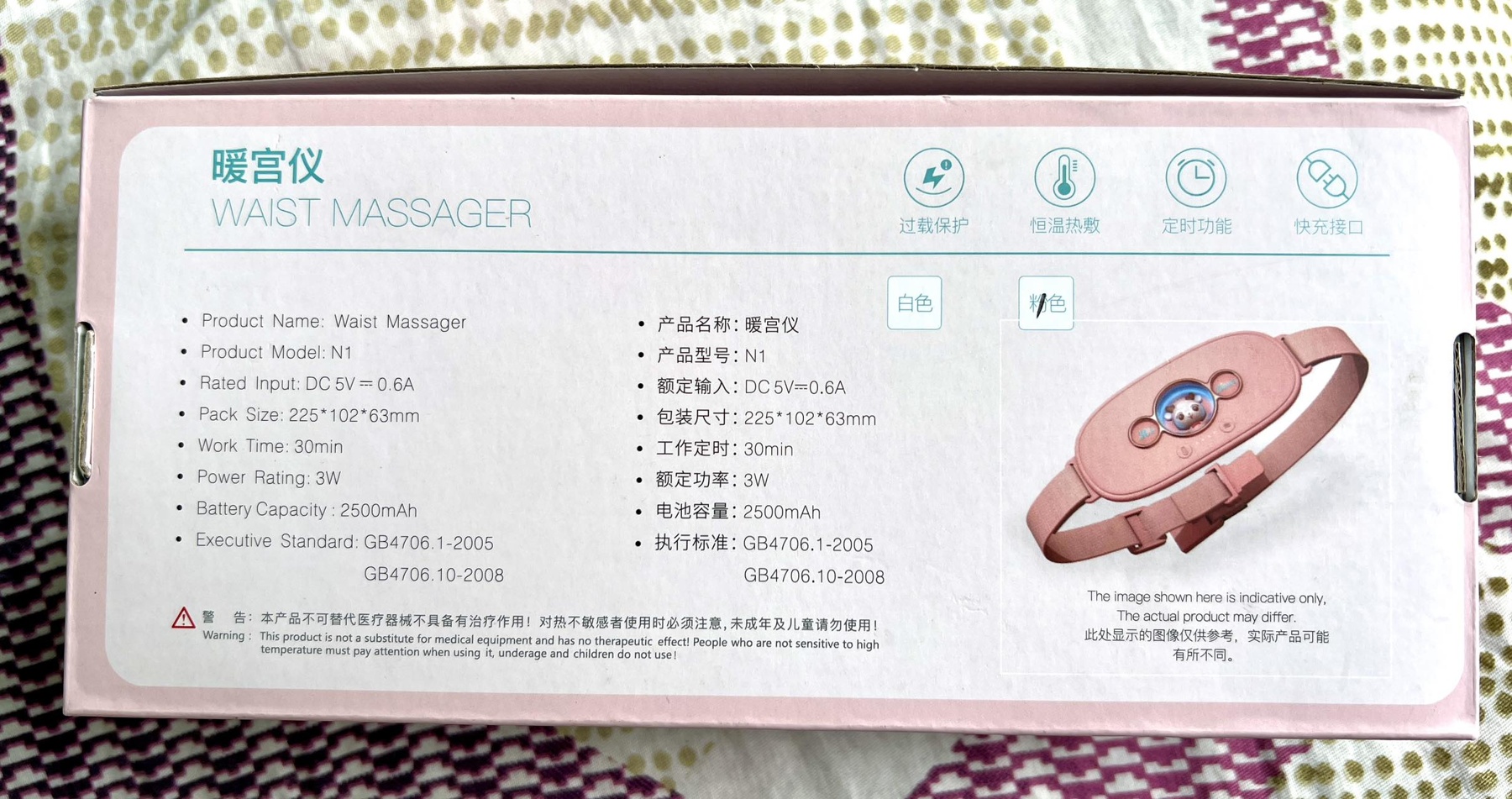
Review the assembled pack as well as flat artwork. A fold, seam, sleeve or over-label can obscure correct information. Check that the chosen language leaflet is actually packed with the matching version and that warehouse carton identification leads to the right retail SKU. If old printed stock remains, agree segregation, rework or disposal and the order or lot where the new set begins.
Keep document consistency separate from regulatory acceptance. The UK government's product safety guidance for businesses treats technical documentation, appropriate labelling and safe-use instructions as elements of product safety responsibilities. This is useful context for UK-bound buying; it does not determine N1 compliance. Ask the responsible market reviewer to assess applicable language, marking, warnings and other requirements for the actual destination and version.
7. Close differences with evidence and a clear release decision
Describe each finding by location, conflicting wording and buyer impact. Identify the owner, the agreed correction and the evidence needed to close it. A disputed input rating or misleading operating step warrants technical resolution; a layout error may require a corrected proof. Both need a final check, but the responsible reviewer and release conditions can differ.
- Confirm the ordered model, operating version and SKU relationship.
- Resolve electrical wording against the approved technical configuration.
- Match accessories and included-item claims to the agreed packing list.
- Demonstrate that function names, controls and instructions correspond.
- Check every language and the assembled printed pack.
- Release only the agreed revision set and verify it in the production lot.
Close a finding with the revised file, approval and a check of the corrected item where appropriate. Carry the approved set into production inspection and record the lot and revisions examined. If a change arrives after print approval, assess every affected surface again. A corrected PDF in an email does not establish that the warehouse has stopped using an older leaflet.
Frequently asked questions
Is the same model number enough to approve all three documents?
No. Confirm the operating version, accessories and document revisions as well. A common model identifier can cover configurations that need different operating instructions.
Must the manual and box repeat every technical value?
Not necessarily. Decide what each surface needs through the technical and destination-market review. Information that appears in more than one place must be compatible in meaning; different electrical quantities should remain clearly identified.
Can one manual cover voice and remote configurations?
It can be considered if the applicable version, illustrations, contents and operating steps are unambiguous and the responsible reviewers accept the arrangement. Do not assume a shared cover makes the instructions interchangeable.
Does changing a function name only affect translation?
No. Check control diagrams, operating steps, indicators, box claims and any linked digital instructions. If the name implies a different function or stronger claim, obtain technical and market review before use.
Does a matching manual and label prove compliance?
No. Matching text is one review outcome. Compliance requires the applicable evidence and assessment for the selected product, version and destination; consistent but unsupported wording remains unsupported.
What evidence closes a corrected packaging issue?
Keep the corrected revision, the relevant approval and a check of the printed or packed item when needed. Identify affected stock and the production lot using the new set, so an old file or leaflet cannot silently return.
Preparing an N1 wholesale quality review? Check the Meilan certification documents and their scope, then request the specification, manual, label artwork and packaging files for the selected version. Share the destination market and proposed pack so the document review can address what will actually be delivered.

