






















Scalp Massager Reorder Inspection Scope
A T1-focused guide to reviewing inspection scope when repeat orders change materials, controls, packaging or feedback, with evidence-based release decisions.
 Meilan Tech 8 min read

Revisit a scalp massager’s inspection scope whenever a repeat order changes materials, components, operating behavior, packaging or intended use, or when feedback raises a question the previous checks did not answer. For purchasing and quality teams ordering T1, begin with the approved version and ask what could now fail differently. Keep established checks, add verification tied to the change, and authorize only the scope supported by evidence.
1. Start with what was approved, not how long you have bought it
A distributor replenishing the same listing needs consistency across deliveries. A private-label buyer may keep the T1 name while changing a finish, instruction leaflet or gift box. Neither situation makes the previous inspection plan automatically suitable. Compare the new order with the last approved specification, identified reference sample, accessory list, artwork and inspection revision. Ask the supplier to declare changes and their effective lots, including component sources, tooling, assembly location and production interruption where relevant.
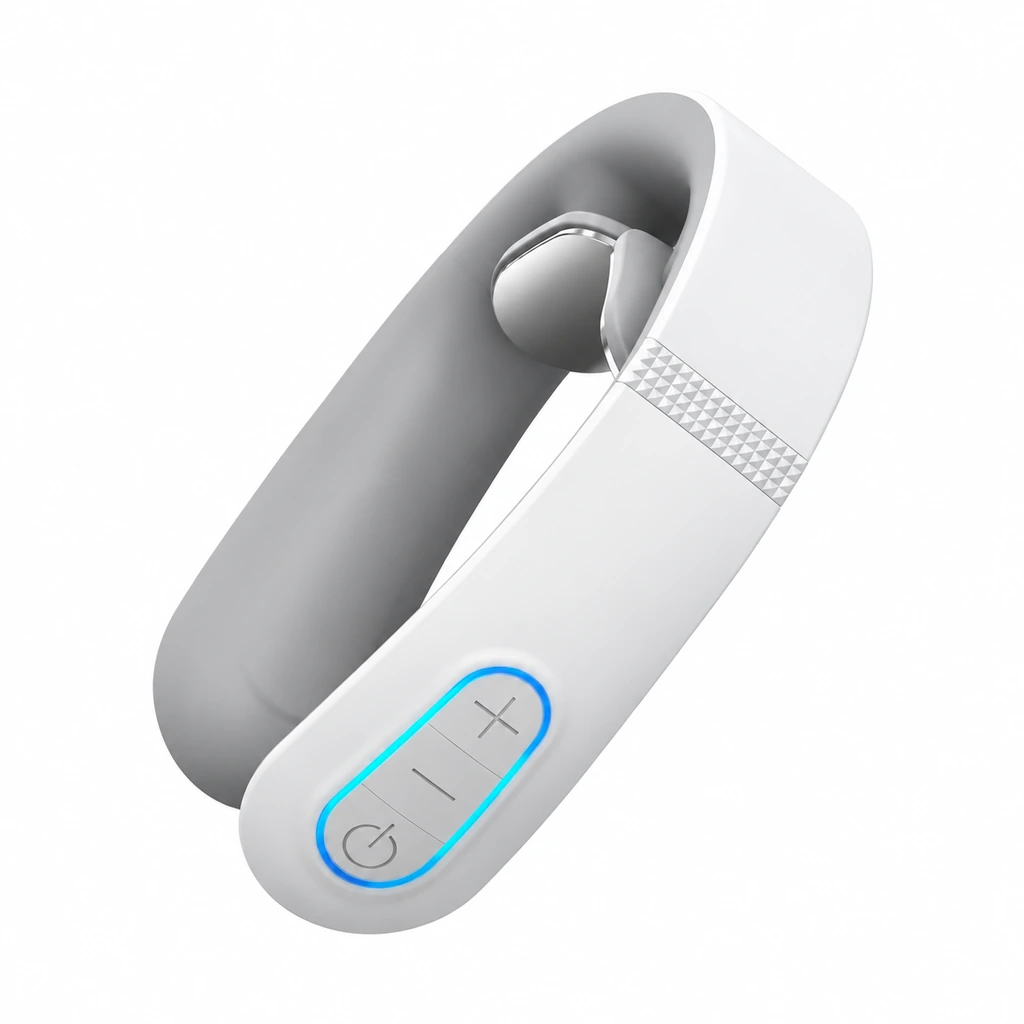
The Meilan T1 product page shows a loop handle and four contact heads and describes three speed levels. Those are useful starting points for identifying a candidate, but a model name does not lock every material, control program or packing arrangement. Resolve contradictory documents before instructing an inspector. If no reliable baseline exists, establish one with the supplier before treating the order as unchanged.
Keep the approval sample’s identity, date, condition and applicable version. An aged sample can help compare geometry but may be a poor reference for battery endurance, color or surface feel. State what each reference can support. Ask for written confirmation of unchanged items as well as a list of changes; silence is not a change declaration.
2. Follow a material change through the parts it touches
A new contact-head material, pigment, hardness or molding source can leave the device looking familiar. Review the material identification and specification, then compare head seating, removal, reattachment, tip finish and movement on version-matched samples. Agree the method, repetitions and acceptance criteria before testing. Visual similarity cannot establish chemical composition, durability or suitability for skin contact.
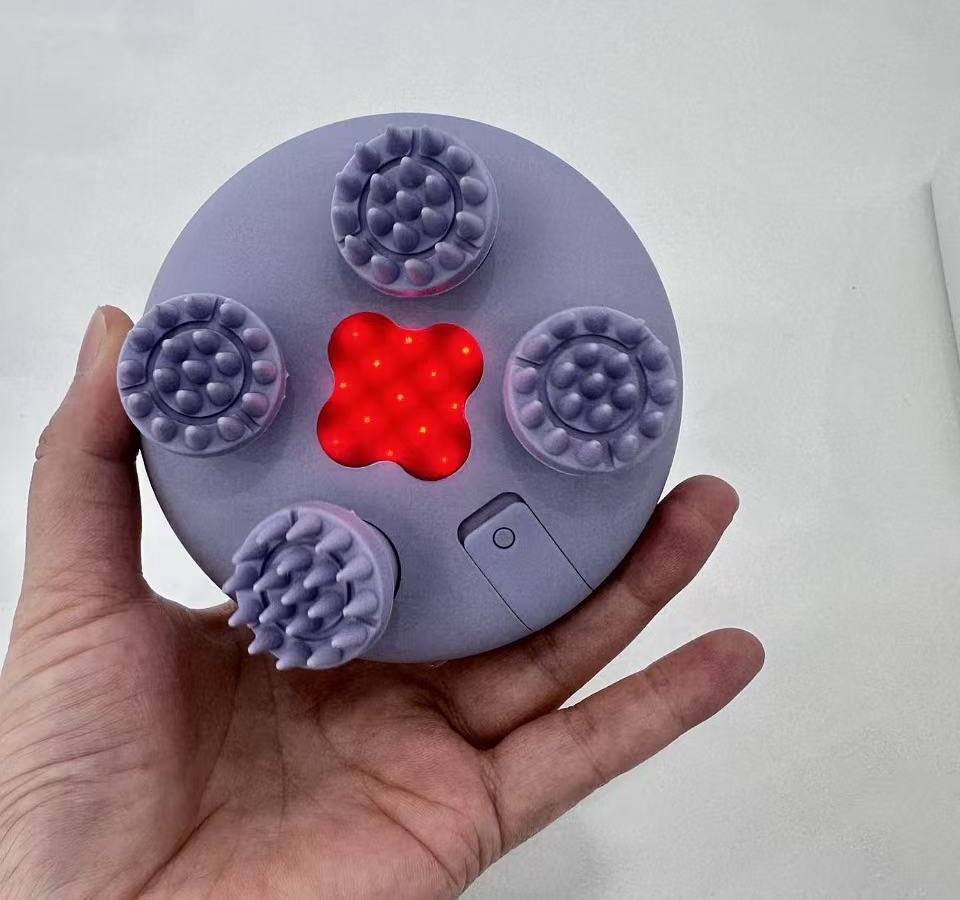
Follow the interface: if the attachment geometry changes, check both the new head and the mating drive part. If a proposed replacement must fit older stock, identify the supported versions and test that combination separately. A new shell finish may call for appearance and relevant assembly checks without reopening every unrelated function. A change affecting contact materials or cleaning claims may also require specialist evidence beyond a factory function check.
| Change trigger | Evidence to request | Where to revise the inspection scope |
|---|---|---|
| Head material, source or fit changes | Identified material revision, component source and matched samples | Surface finish, seating and agreed removal/reattachment checks; separately review material evidence. |
| Control, motor or charging component changes | Version mapping, current operating instructions and change details | Affected functions and interfaces, including indicators, cycle end or charging behavior where applicable. |
| Box, insert, accessories or sales channel changes | Approved artwork, full packed sample and channel requirements | Contents, fit, protection and identification; review transport or shared-use needs separately. |
| New or recurring feedback | Traceable issue records, affected versions and investigation findings | A reproducible check addressing the reported failure and evidence of corrective-action effectiveness. |
3. Recheck operating behavior when the version changes
A control-board, motor, battery or charging-component change should lead to a review of the affected checks, even if the outside is unchanged. Use the current approved instructions to define power-on and off, speed selection, indicators and cycle-end behavior. Record the sequence and test conditions, not simply “function normal.” Include reasonable adjacent functions that could be affected by the changed part.
For charging or endurance comparisons, specify the supply, cable, starting charge state, operating setting and endpoint. A short power-on check cannot establish battery runtime, electrical safety or long-term reliability. Where a claim or component change requires formal testing, agree the applicable evidence with a qualified provider. Do not infer whole-device water resistance from washable heads or an unchanged port cover.
Compare the instructions and retail claims with the revised behavior before approving print. If the leaflet and sample disagree, obtain a corrected controlled version and repeat the affected check. The massage-device sample review guide can support the general review method; this repeat-order review should focus on what changed and what earlier checks could miss.
4. Treat a new pack as a new set of interfaces
A smaller gift box, different insert or revised accessory bag can change what touches the heads, how the handle is supported and whether the product shifts in transit. Review a complete packed sample with the actual proposed accessories and leaflet. Check head pressure, movement, cable storage, closure and removal from the pack. An empty insert photograph cannot establish protection or complete contents.
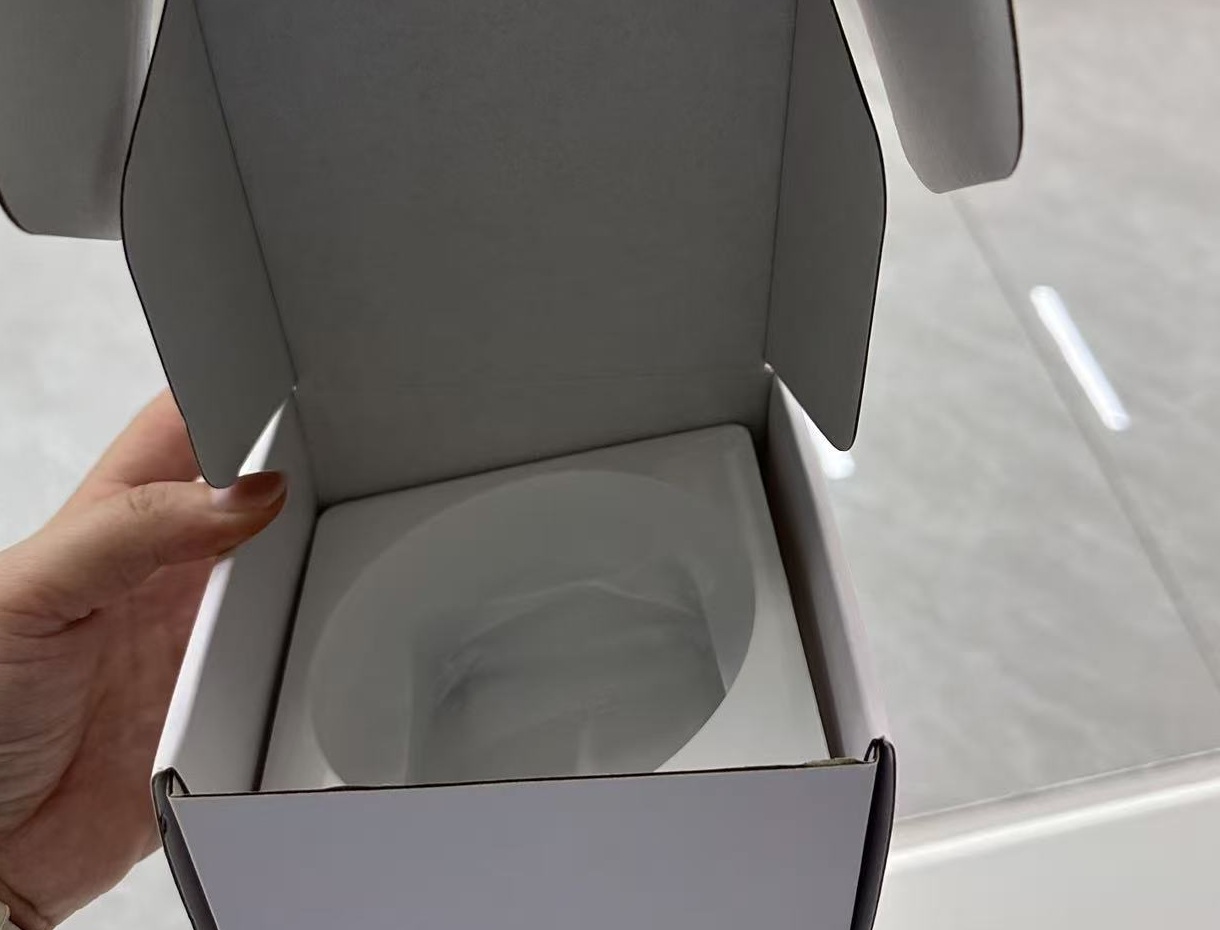
Compare approved model and version identifiers, language, care wording and any channel-required codes across the product, box and instructions. A new fulfillment route may require different carton or distribution checks. If the program moves from home-use retail to shared salon use, reopen the intended-use and hygiene review; consumer head-cleaning instructions do not establish a shared-use procedure. Agree any transport tests against the actual distribution conditions rather than prescribing a universal drop height.
5. Turn feedback into a testable question
Separate an observation from its cause. “One head stops” might involve seating, contamination, drive behavior or another issue; it does not establish a motor defect. Link each report to the version and lot where possible, preserve the usage circumstances and evidence, and agree an authorized reproduction method. Safety-related concerns need prompt escalation and appropriate containment; do not ask a customer to recreate a hazardous condition.
Check whether the previous inspection could have detected the issue. A brief unloaded demonstration may miss an intermittent symptom or a problem after repeated head removal. Define the relevant condition, duration, repetitions and acceptance criteria, then ask how the correction will be verified. A replacement part or a rewritten instruction is an action, not evidence that the cause has been controlled.
Do not turn complaint counts into defect or return rates without a defined population, period and consistent case classification. Missing reports are not evidence of zero faults. A single well-documented issue may justify a focused review even when a rate cannot be calculated; repeated reports across versions require a broader traceability investigation before choosing the next check.
6. Agree the checks, the sampling plan and specialist work separately
Inspection scope defines the characteristics, method and criteria. Sampling defines the population, selection and quantity examined, together with lot-acceptance rules. Specialist validation answers questions a routine shipment check cannot settle. Increasing the sample size does not repair a missing test method, and adding a new function check does not automatically establish an adequate sampling plan.
The NIST explanation of acceptance sampling distinguishes deciding whether a lot is acceptable from estimating its quality. Use that distinction when reviewing repeat orders: a past accepted sample does not establish that every unit in the next lot meets requirements. Agree lot definition, representative selection, defect classification and acceptance/rejection rules before inspection; do not invent a universal AQL or sample size for T1.
| Review outcome | What remains in place | What needs explicit agreement |
|---|---|---|
| Evidence supports no relevant change | The current approved checks and traceability remain applicable. | Record the evidence and authorized sampling arrangements; do not silently waive inspection. |
| A bounded change is identified | Unchanged checks continue alongside verification of affected interfaces. | Define added methods, criteria, sample coverage and any specialist evidence before approval. |
| The change or issue is not bounded | Keep the unresolved versions and goods identifiable. | Hold the affected approval or shipment scope until investigation and evidence support a decision. |
7. Close the review before copying the plan to the next order
Issue a controlled inspection revision recording the trigger, affected versions and lots, retained checks, added checks, conditions, criteria, sampling arrangements and excluded work. Name who approves the scope, reviews results and authorizes shipment. Where different components or versions are mixed, identify their allocation rather than accepting an untraceable combined result.
Close discrepancies with evidence linked to the goods actually proposed for dispatch. If goods are reworked, components substituted or packaging reopened afterward, review the affected approval again. Agree when additional checks may be reconsidered, using demonstrated stability and corrective-action effectiveness under the adopted inspection scheme. Do not remove them after an arbitrary number of repeat orders or because the supplier relationship is longstanding.
Questions buyers ask before a repeat order
Does the same T1 model number mean the previous inspection scope is enough?
No. Compare the approved version, materials, component sources, operating behavior, pack and feedback. Keep the existing scope only when the review supports its continued applicability.
Does a color change always require a complete new test program?
No. Establish whether only the approved appearance changes or whether pigment, material, process or fit also changes. Select checks and supporting evidence for the actual impact.
Can a retained sample prove a new batch’s battery performance?
No. It can be an identified reference, but its age and condition affect comparisons. Define a controlled test on current version-matched units for any battery-performance decision.
Should packaging-only changes reopen functional inspection?
Review the interfaces first. If the pack puts pressure on a head, changes accessories or risks damage, include the affected functional checks alongside packing checks. Unaffected checks can remain unchanged.
Can good order history justify reduced inspection?
Only under an agreed, evidence-based scheme with documented authority and conditions for returning to stronger inspection. Good history alone is not a blanket exemption.
What if the supplier says nothing has changed but the samples differ?
Record and identify the difference, request the version and change explanation, and pause approval of the affected scope. Resolve the contradiction before applying the old inspection plan.
Planning a T1 reorder? Review Meilan’s certifications and supporting documents, then request evidence applicable to the ordered version. Send the previous approved baseline, proposed changes and relevant feedback with your enquiry. Ask for a revised inspection scope that clearly separates routine checks, sampling and any specialist work, so purchasing and quality teams can approve the same defined order.

