









Waist Massager Certificates vs Test Reports
Separate supplier qualification, model-specific evidence and shipment acceptance, with a practical document comparison and an A1 OEM verification workflow.
 Meilan Tech 8 min read

For a wholesale waist massager order, a management-system certificate and a product test report answer different purchasing questions. The certificate concerns a named organization, site and certified scope; the report concerns identified samples, methods and results. Buyers need both kinds of evidence where relevant, then a separate link to the ordered version and shipment. Neither document alone establishes that an OEM order is ready for release.
1. Start with the decision each document supports
Purchasing teams often receive a folder of certificates before they receive a stable product specification. That sequence can make a supplier look well documented while leaving the actual order difficult to evaluate. For a distributor, the immediate question is whether the supplied version supports its intended sales claims. For a quality manager, it is whether the evidence can be traced to the sample and production lot being approved.
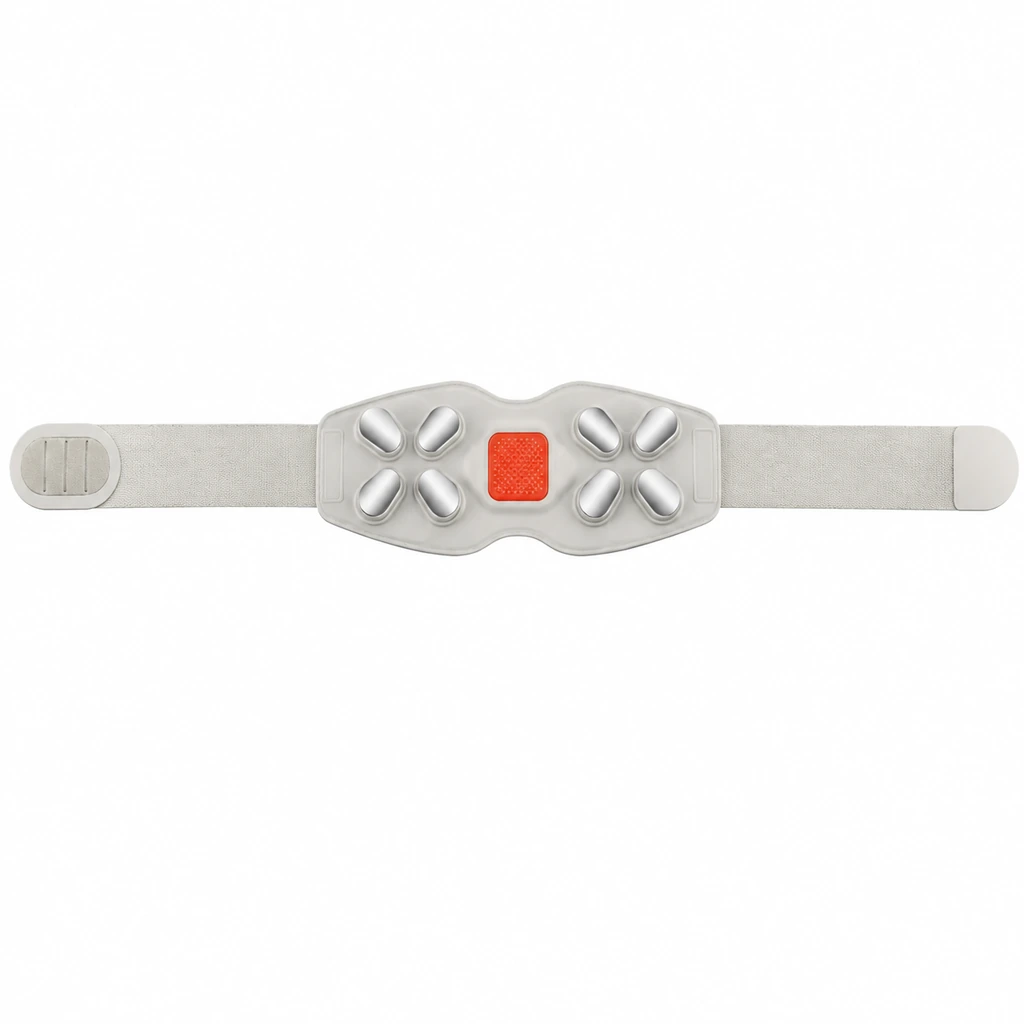
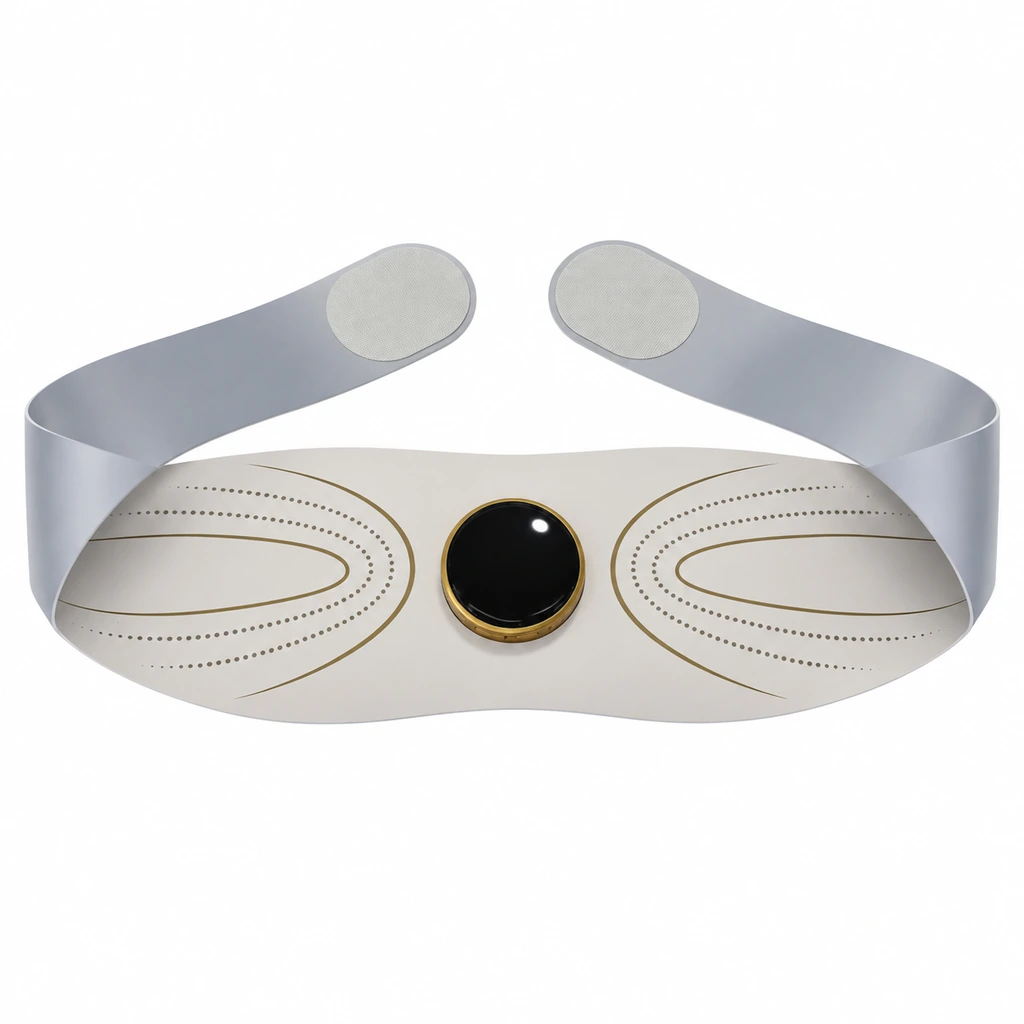
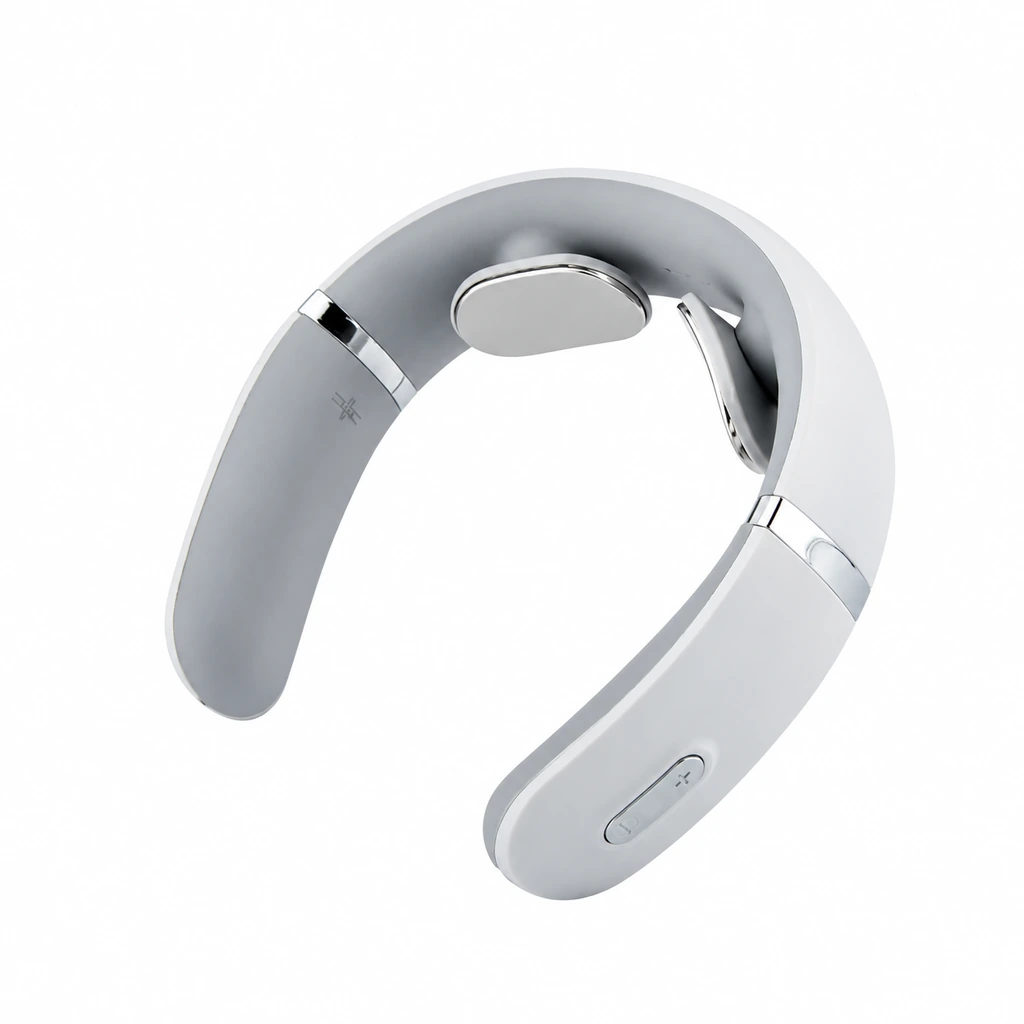
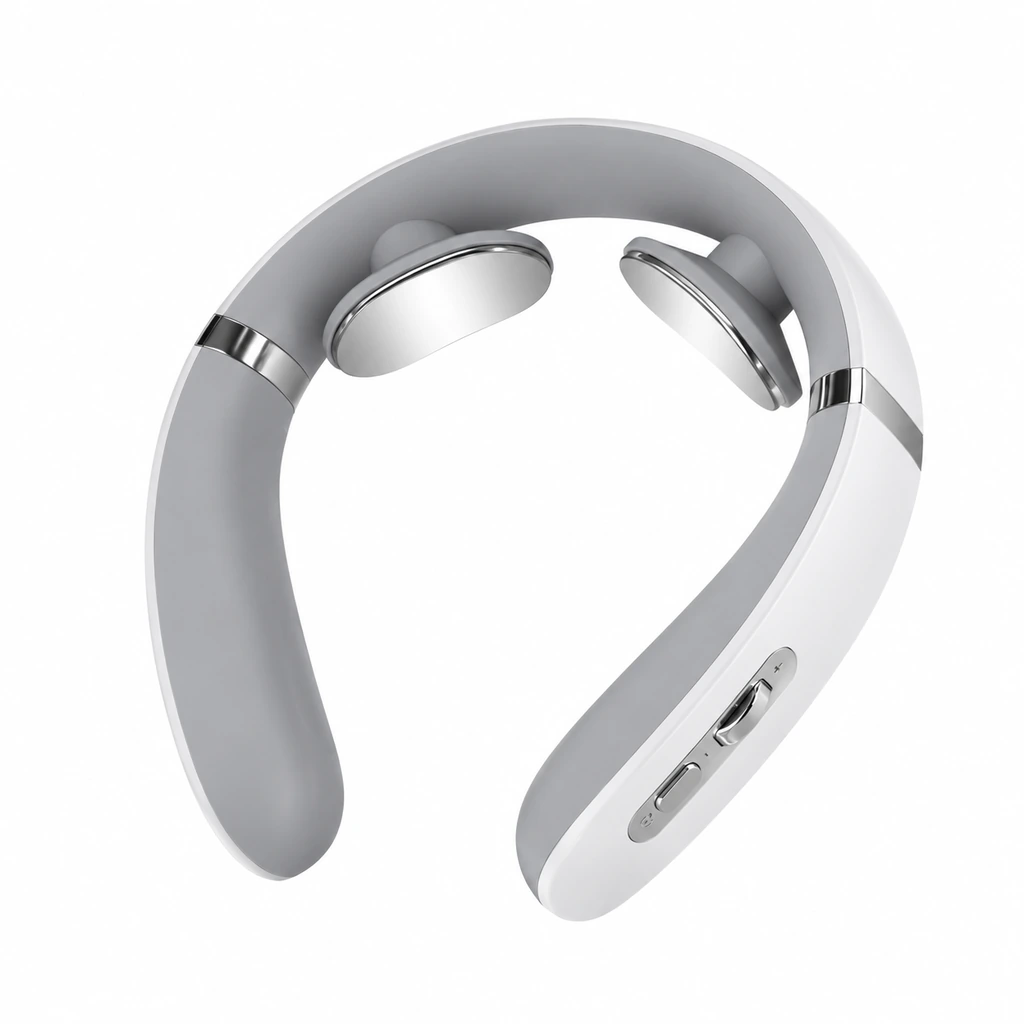
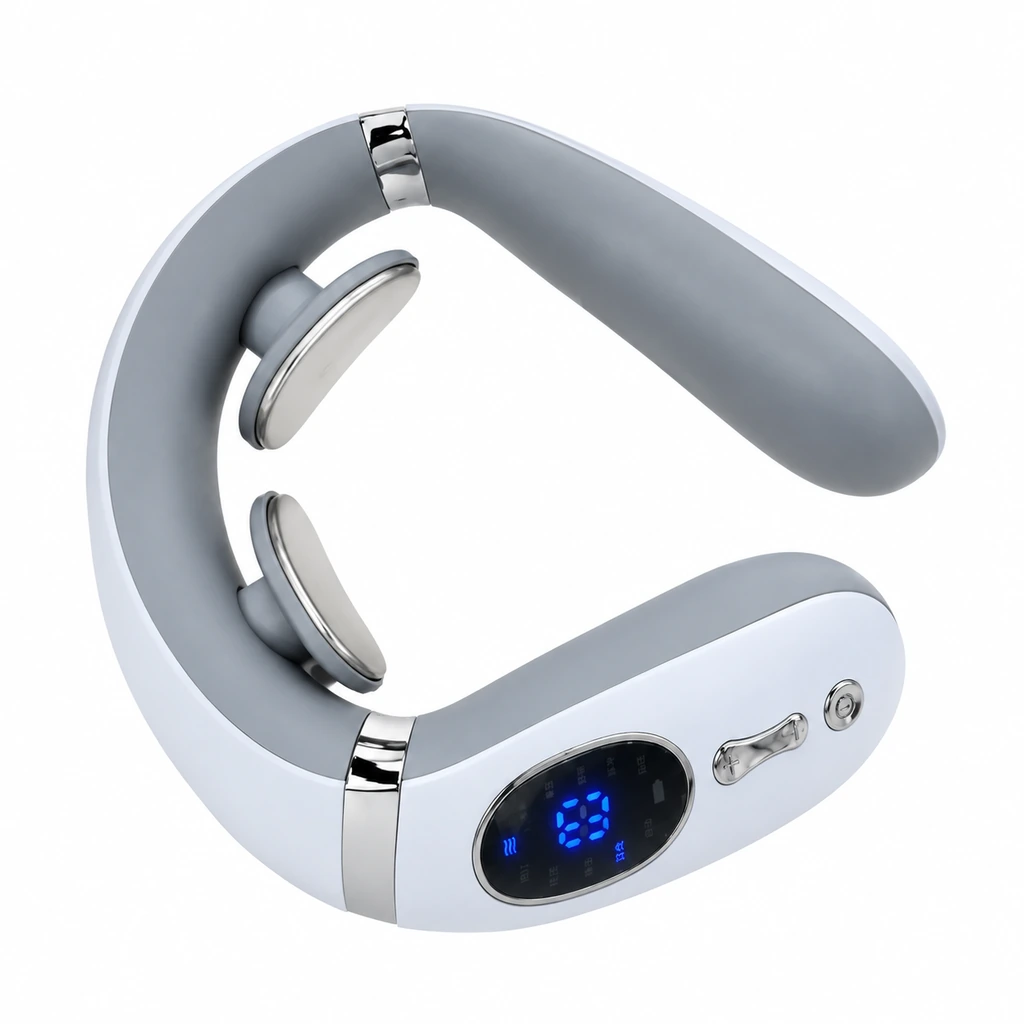
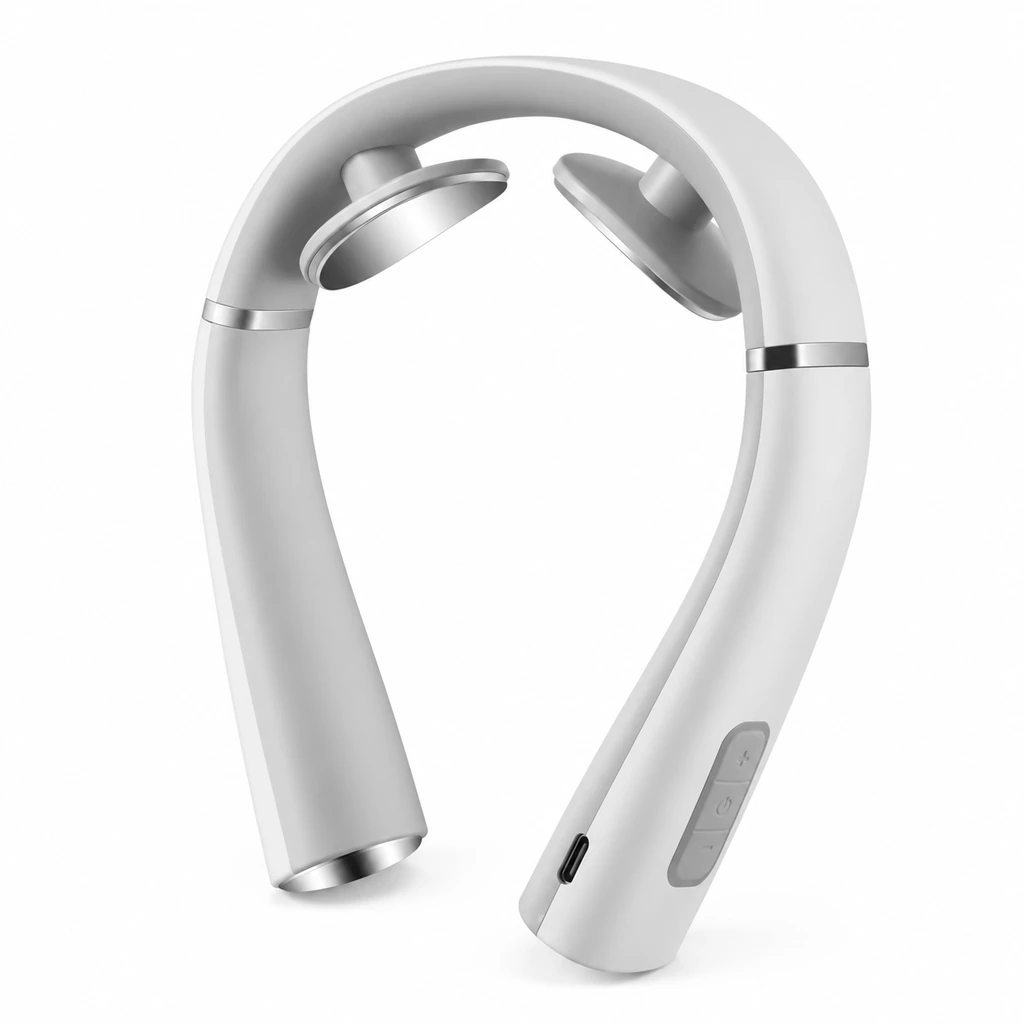
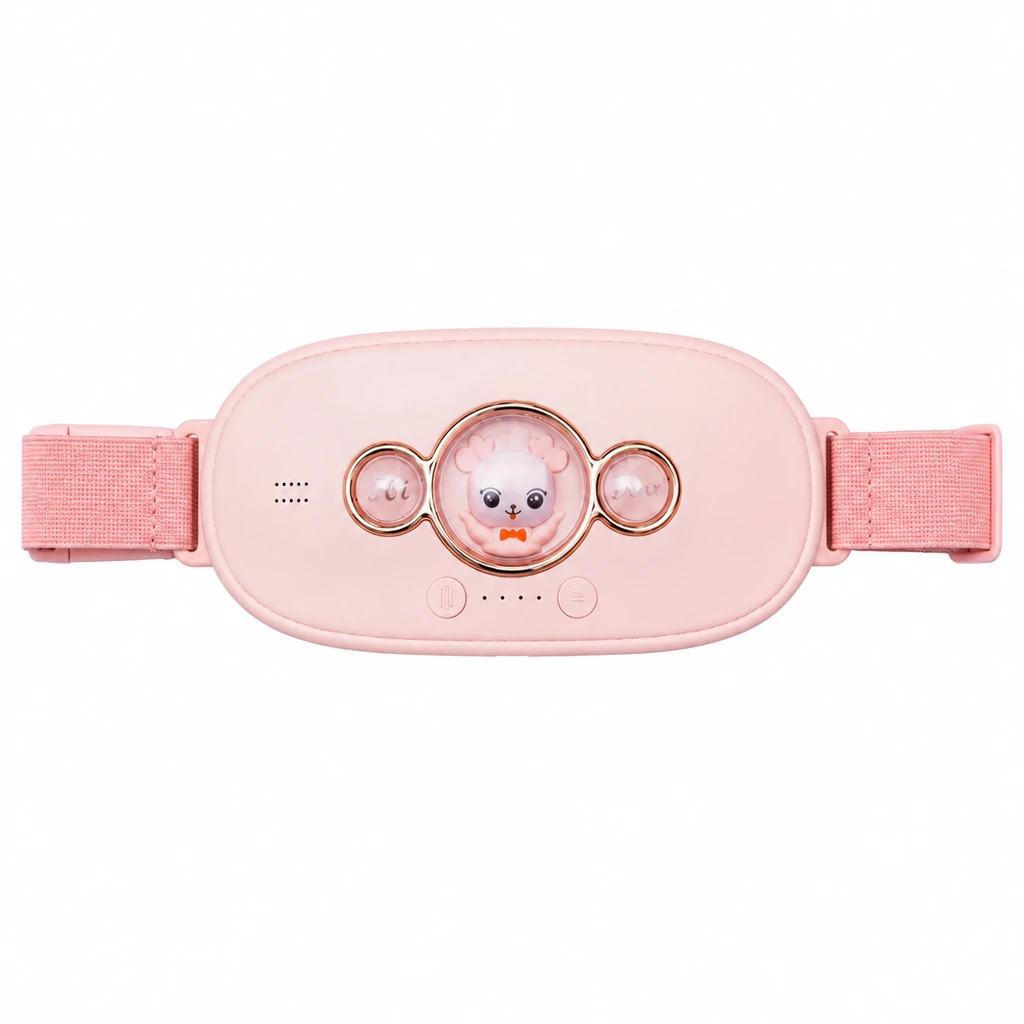
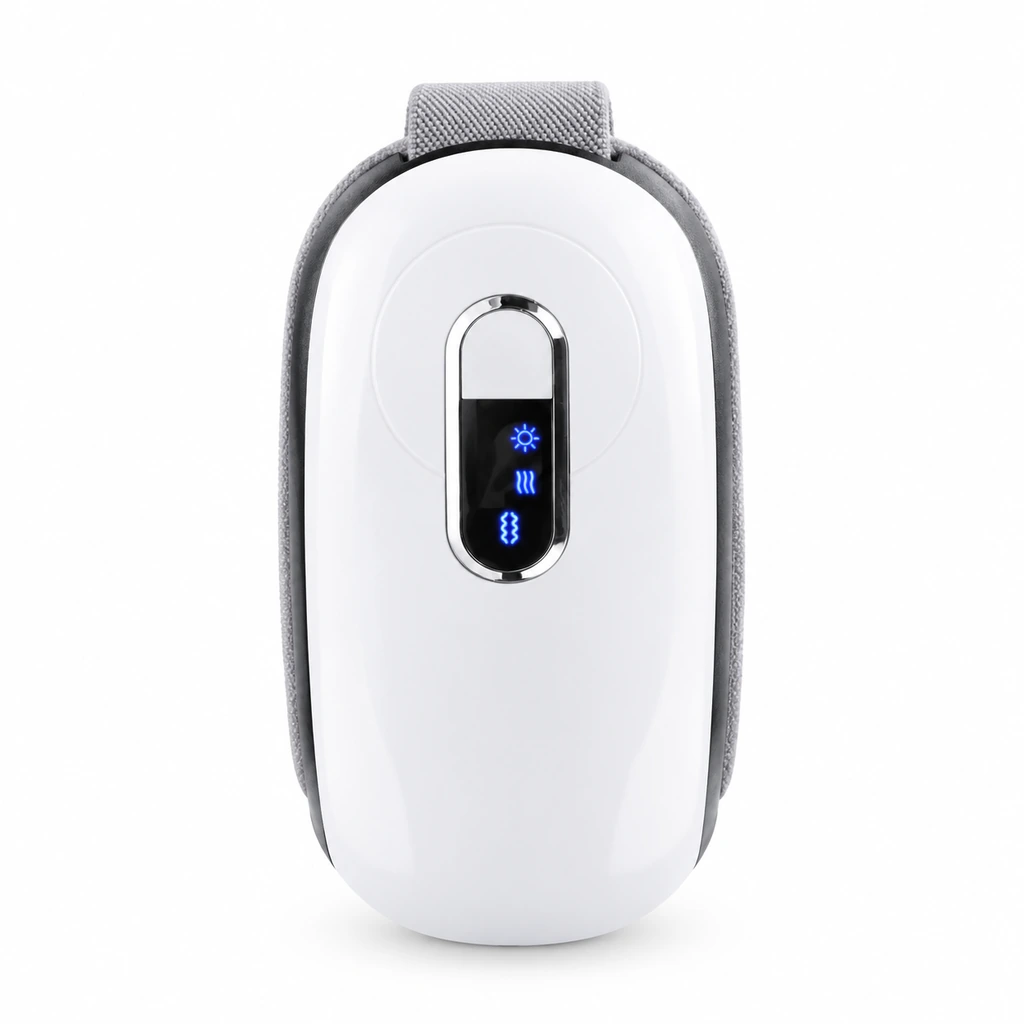
Use the Meilan A1 waist massager as the reference candidate, with the final configuration still identified in the order. First name the destination market, sales channel, intended use, brand and accessory set. Then ask which documents support supplier qualification, product evaluation and shipment acceptance. The distinction in waist massager certificates vs test reports is most useful when it changes an approval decision, rather than simply enlarging a document folder.
2. Read the organization certificate beyond its logo
A management-system certificate describes the system assessed within its stated scope. It does not turn every product made or sold by that business into a certified product. Read the standard and edition, certificate number, certified legal entity, site address, activity scope, issue and expiry dates, and issuing certification body. If design is important to your OEM project, check whether the stated scope actually includes the relevant activity; do not infer it from a manufacturing description.
Compare the certified entity with the manufacturer, seller and contracting party. Different names can have a legitimate commercial explanation, but the relationship needs written clarification. A certificate covering one site does not automatically cover a separate assembly location. Verify current status through an independently located issuer contact or official verification channel. A PDF that appears current by date still needs a status check; a QR code alone does not establish authenticity.
3. Read the product report from sample identity to conclusion
Request the complete issued report, including photographs, results tables, annexes and any amendments. Begin with the report number, laboratory identity, applicant and manufacturer, product description, model list, sample receipt and testing dates, standards or methods and their editions. Then compare the sample photographs, label, electrical ratings and listed accessories with the A1 version you intend to buy. A matching model name is a starting point, not a complete match.
Read the result against the actual test scope: operating conditions, selected modes, sample quantity, exclusions and any stated decision rule. A conclusion on one characteristic cannot establish performance on another. A cover sheet or certificate-style summary may point to a report, but it does not replace the test detail. If several models are listed, ask for the documented differences and the technical basis for treating the ordered version as covered.
Where laboratory accreditation matters to your acceptance criteria, verify the laboratory and the scope relevant to the method. ILAC explains accreditation as an evaluation of competence for specific activities. A laboratory's accreditation status does not make every service it offers accredited, and it does not itself certify the product. Ask the laboratory to clarify ambiguous scope or report markings.
4. Keep the evidence layers separate
The following comparison helps purchasing and quality colleagues assign each document a useful role. It also shows why a supplier certificate, a laboratory report and an outgoing inspection record should not be treated as interchangeable approvals.
| Evidence layer | Fields to verify | Decision and boundary |
|---|---|---|
| Management-system certificate | Legal entity, site, scope, standard edition, number, issuer and current status | Supports assessment of the certified system within scope; does not establish A1 product conformity. |
| Product test report | Full report and amendments; sample identity, model coverage, methods, conditions and results | Supports conclusions for the identified samples and tests; does not release an unlinked production lot. |
| Laboratory accreditation evidence | Laboratory name and site, accreditation body, current scope and applicable method | Helps assess competence for relevant work; does not replace the report or determine market access. |
| Order specification and sample approval | A1 version, label, configuration, accessory list, artwork revision and approval record | Defines what is being purchased; does not prove that a test has been performed. |
| Batch or outgoing inspection record | Order and lot IDs, inspection date, quantity and sampling plan, criteria, findings and disposition | Supports the agreed shipment acceptance decision; does not replace type evaluation. |
| Destination-market documentation | Intended market and use, applicable requirements, responsible parties and required technical documents | Needs a separate applicability review; the document's title or a logo alone is insufficient. |
5. Resolve OEM differences before reusing evidence
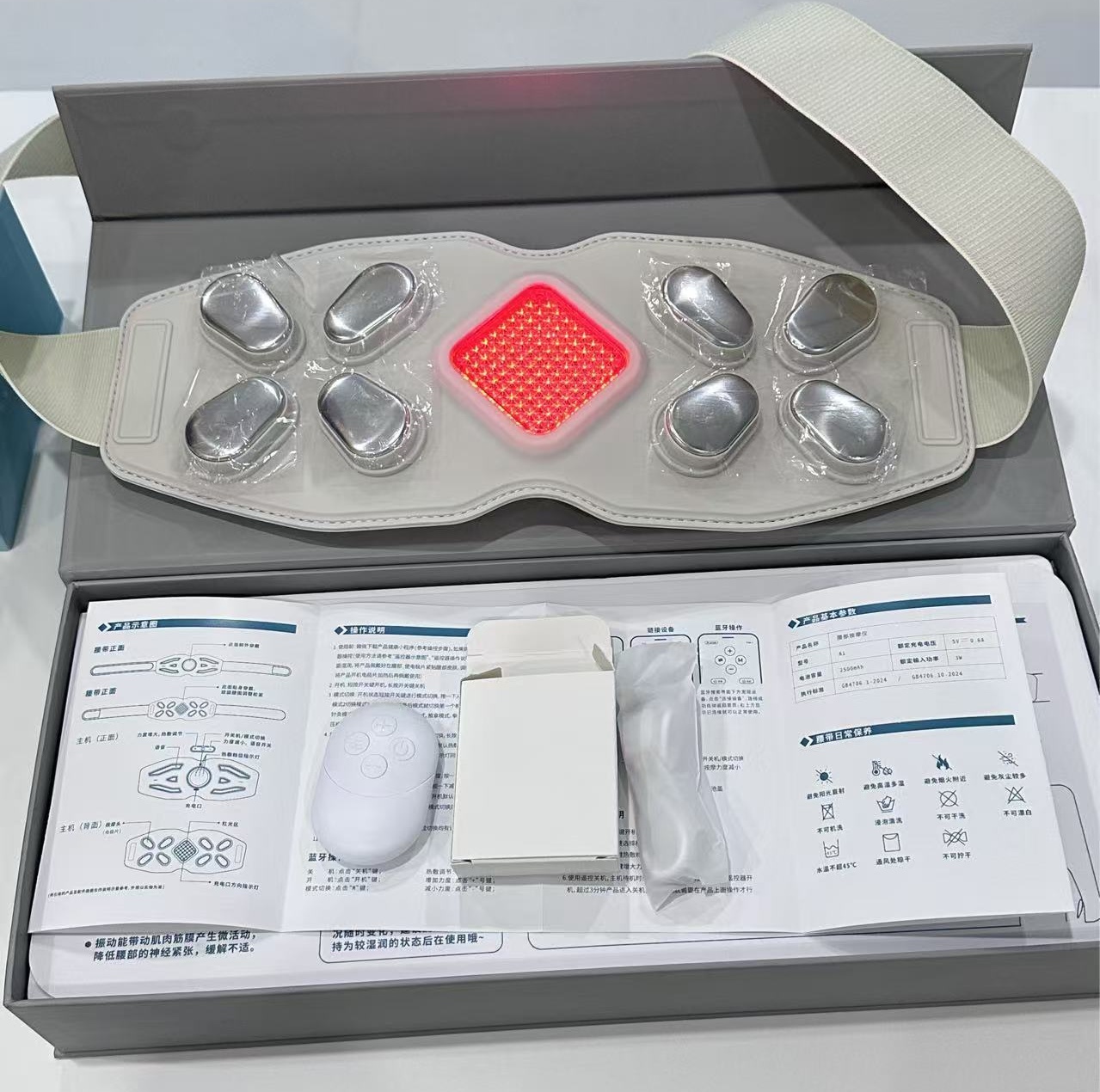
For private-label buying, ask for a written comparison between the tested configuration and the proposed order. Separate a brand or artwork change from changes to the control board, firmware, power components, enclosure, contact materials or accessories. The effect depends on what changed and what the original evaluation covered. Neither a small visual change nor an unchanged model name is enough to decide that existing evidence remains applicable.
For example, if an A1 offer changes the remote or adds a power adapter, ask the supplier to identify the original tested set and the new parts. Have the responsible technical team or laboratory assess whether the evidence still covers the configuration, needs an amendment or requires additional work. This is a review scenario, not a claim that such a change has been approved. The waist massager OEM change-control guide explains how to retain the version and approval trail.
6. Connect the tested sample to the shipment
A laboratory sample and a delivery of hundreds of units are different evidence objects. Agree how the approved specification and sample will be identified in the purchase order, and how production lot IDs will appear in the outgoing record and carton information. Ask which inspection checks are applied, who records them and how exceptions are closed. Retain the actual findings, rather than a statement that the goods were simply checked.
Set inspection criteria, sampling arrangements and defect handling in writing before production. The inspection record should identify the order and lot, inspected quantity, date, criteria, findings and release or rework decision. If a defect is corrected, keep the reinspection result linked to the same lot. This creates a route from approved configuration to delivered stock without pretending that routine inspection repeats every laboratory test.
7. Make missing evidence an explicit purchasing decision
Divide the review into supplier qualification, sample approval and shipment release. Accept a document for the question it actually answers. If a report omits a relevant annex, request the complete file. If the model or site differs, request a documented explanation and technical assessment. Where evidence needed for an approval is unresolved, keep that approval open and agree a named owner, deliverable and deadline. Missing evidence does not establish either compliance or noncompliance.
Keep commercial scope equally clear. Any document review, sample submission, laboratory service, amendment or additional test should have a written scope and quotation stating the configuration, method, deliverables, fee responsibility and timing. Do not treat a sample quotation as including these services automatically. Use the A1 quotation-document guide to align the version and accessories before comparing offers.
A useful final review asks whether the entity and site are explained, the tested sample matches the ordered version, the intended claims fit the evidence, and the shipment has its own acceptance record. That gives purchasing a defensible next action: proceed at the relevant stage, request a specific correction, or arrange the missing technical work.
Frequently asked questions
Does a management-system certificate certify the A1 product?
No. Its scope concerns the named organization's management system. Product conclusions need evidence tied to the relevant model, configuration and evaluation.
Can an A9 report be used for A1?
Do not assume so. Ask whether the complete report expressly covers A1 and whether documented differences support that coverage. A similar appearance or shared supplier is insufficient.
Does an older test report automatically expire?
There is no single rule for every report. Review the method edition, subsequent product changes, intended market and any contractual or regulatory conditions. Ask the responsible technical party whether updating is needed.
What if the report applicant and seller have different names?
Request the relationship and the route linking the tested product to the supplied goods in writing. Different names need explanation; they do not alone prove that the document is false or applicable.
Is a laboratory report enough to release the shipment?
No. Confirm applicability to the ordered version and use the agreed lot-specific inspection and acceptance records. Market documentation and shipment acceptance remain separate review tasks.
For an A1 OEM enquiry, send the destination market, intended use, brand, configuration, accessory list and available document numbers through the Meilan certifications and supporting-documents page. Request the corresponding original files and written clarification of model coverage, then agree any further review or testing before approving the relevant purchasing stage.

