









Waist Massager OEM Changes & Revision Control
Manage changes to an agreed waist massager configuration with revision records, impact checks, commercial approval and a clear order or batch cutoff.
 Meilan Tech 7 min read
Imagine a waist massager project with a confirmed sample and packaging files. Before production is released, the brand asks for a longer strap. The supplier says the request can be reviewed, but some material has already been purchased. Which version does the order now describe? Does the existing insert still fit? Who decides what happens to the original material?
This is a specification-change problem. A useful waist massager engineering change request links the approved baseline to the proposed revision, records its technical and commercial effects, and identifies the first order or batch allowed to use it. An encouraging feasibility reply is one step in that process; the revised version still needs the agreed evidence and authorization before it becomes the production requirement.
This guide starts after a baseline configuration exists. If the team is still deciding whether a fit problem needs a redesign, use the waist massager structural-change brief first. Here, the question is how to control a change once there is already an agreed version to protect.
1. Identify the baseline before describing the change
“Change the A1 strap” is incomplete when several samples, artwork drafts, or quotation versions have circulated. Name the reference model, physical sample identifier, specification revision, affected drawing or part, and relevant order. Keep a dated copy of the files that describe the current configuration. Someone outside the original conversation should be able to identify what the request would replace.
Then state the proposed difference and the reason separately. A measured fit observation is a reason to investigate; it is not permission to lengthen a strap by an arbitrary amount. If the required dimension is not yet agreed, write the desired outcome and ask for a proposal. Leave the request pending while feasibility and the acceptance method are resolved.
Include changes proposed by the supplier as well as changes requested by the buyer. A replacement material, revised closure, different accessory, or altered instruction can affect the ordered configuration even when the catalogue model name stays the same. Ask what is changing and why before deciding whether the substitution is acceptable.
2. Check what the change affects beyond the visible part
A strap modification can raise questions about closure overlap, panel position, adjustment range, packing, and the size information given to the customer. The review should follow those connections. It does not mean every strap change requires the same work; the supplier should identify the checks needed for the actual proposal.
Ask which components and files remain unchanged, which need revision, and which previous checks still apply. A change involving electronics, heating, battery, charging, or control behavior needs its own assessment of the affected technical evidence and target-market requirements. A product photograph or a report for another configuration cannot settle that assessment.
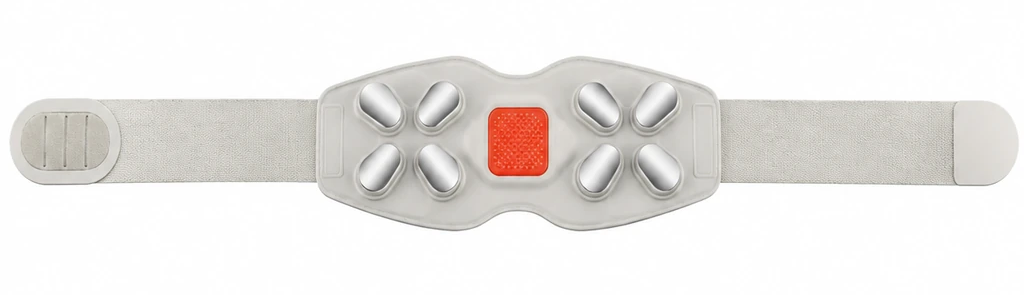 |
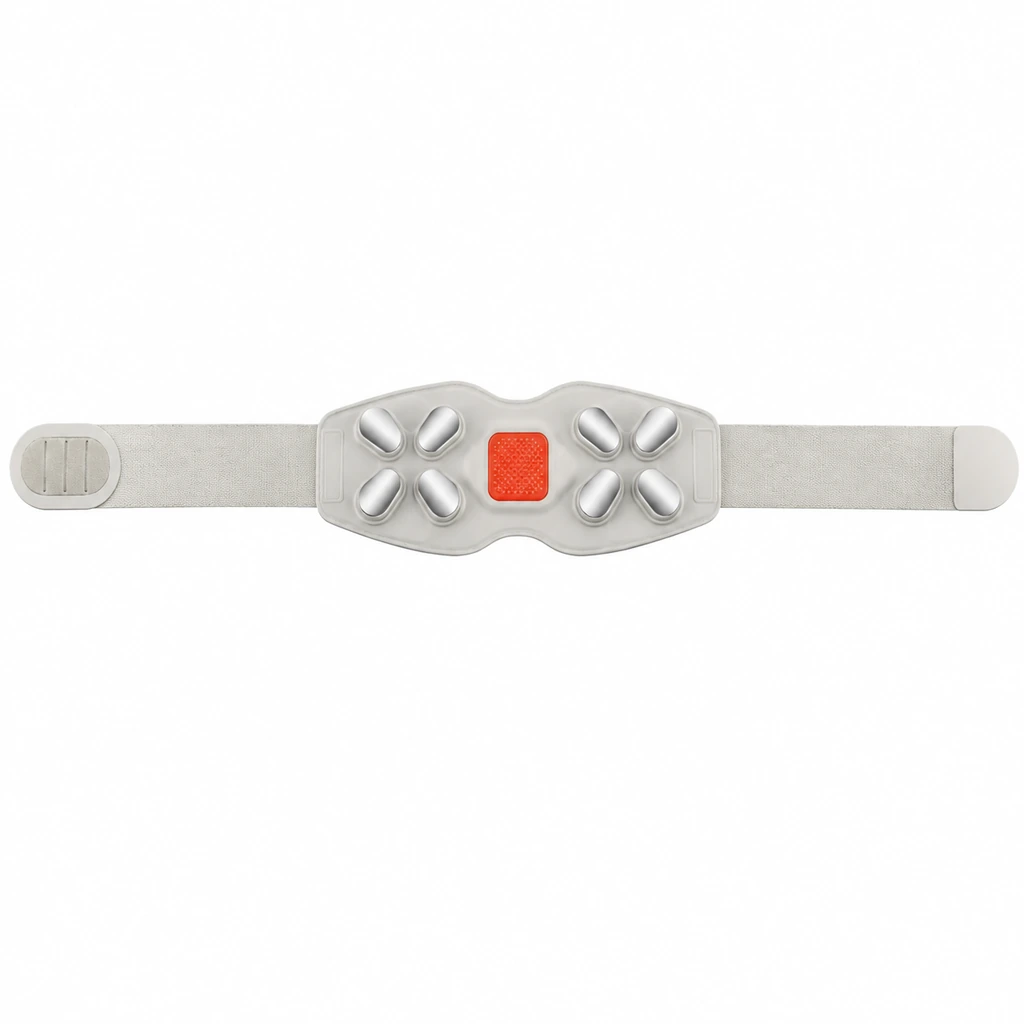
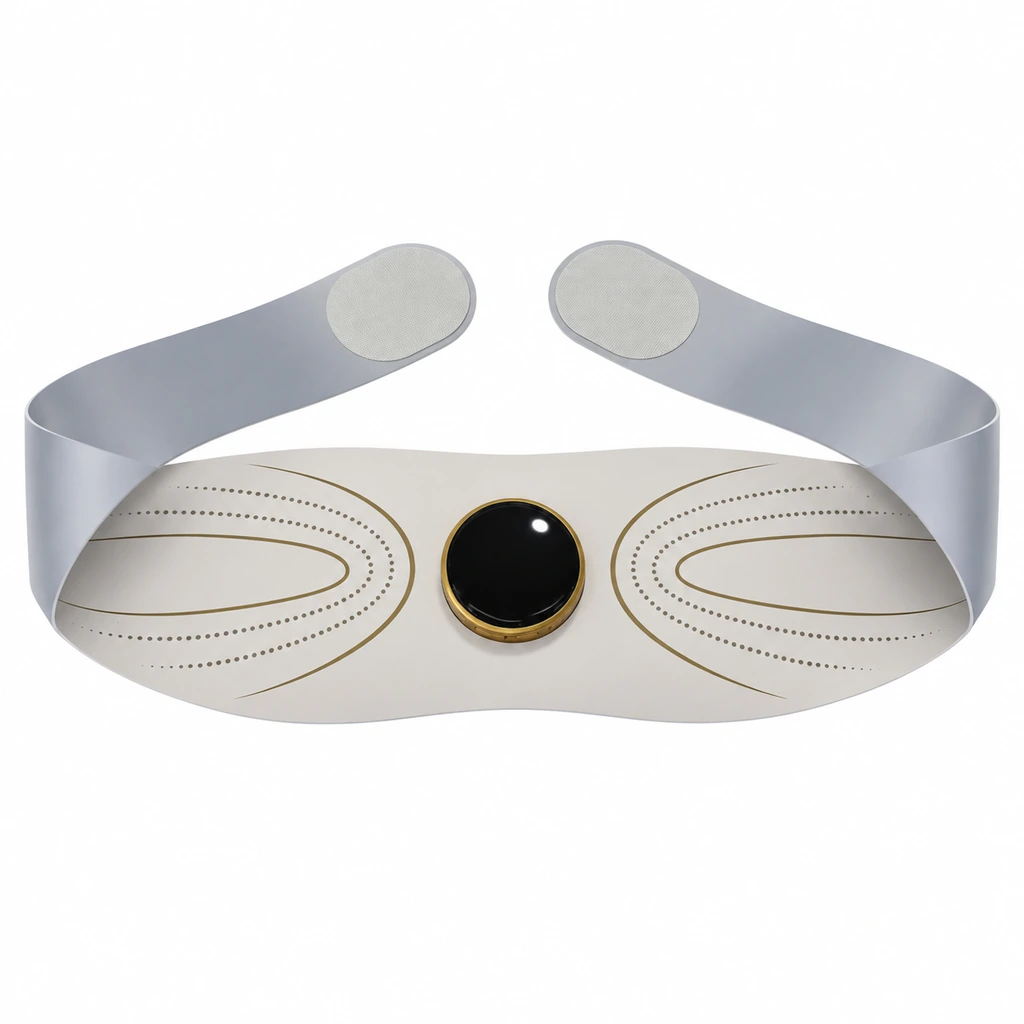
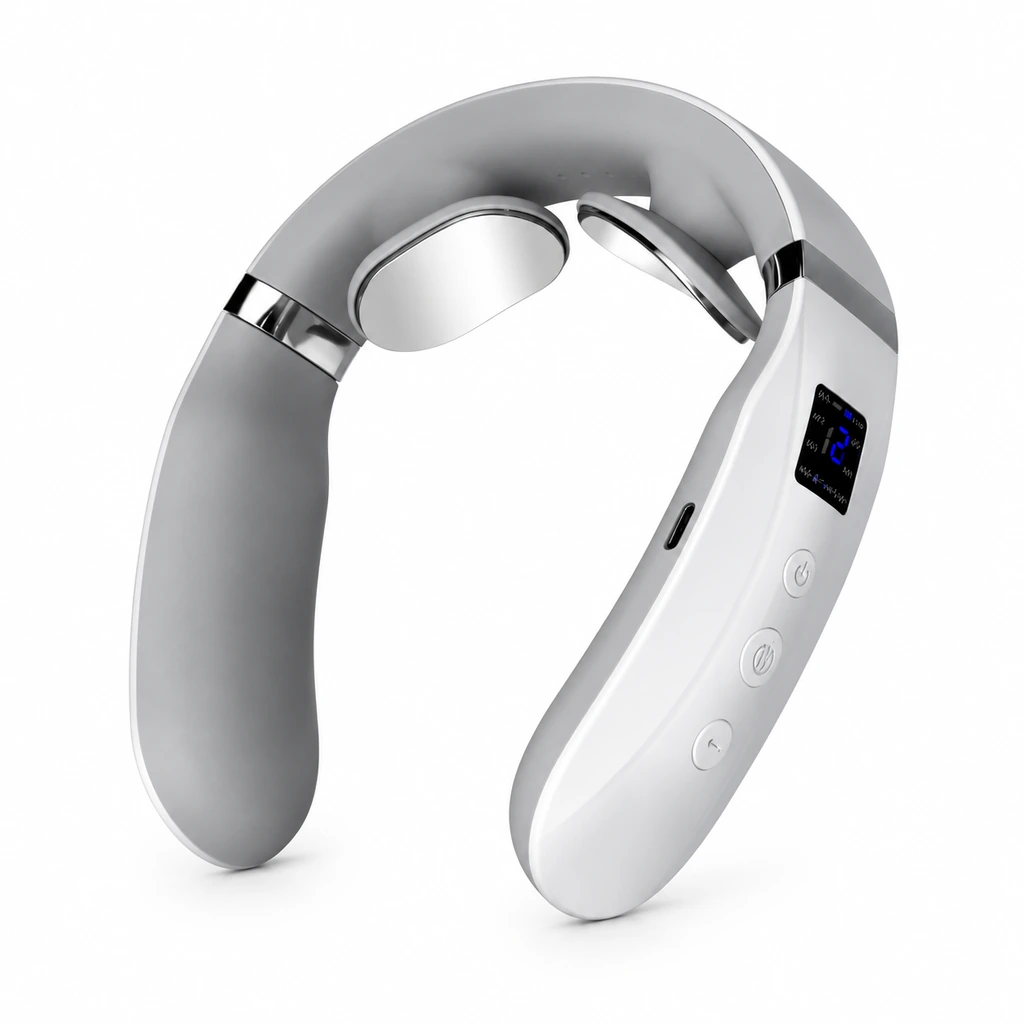
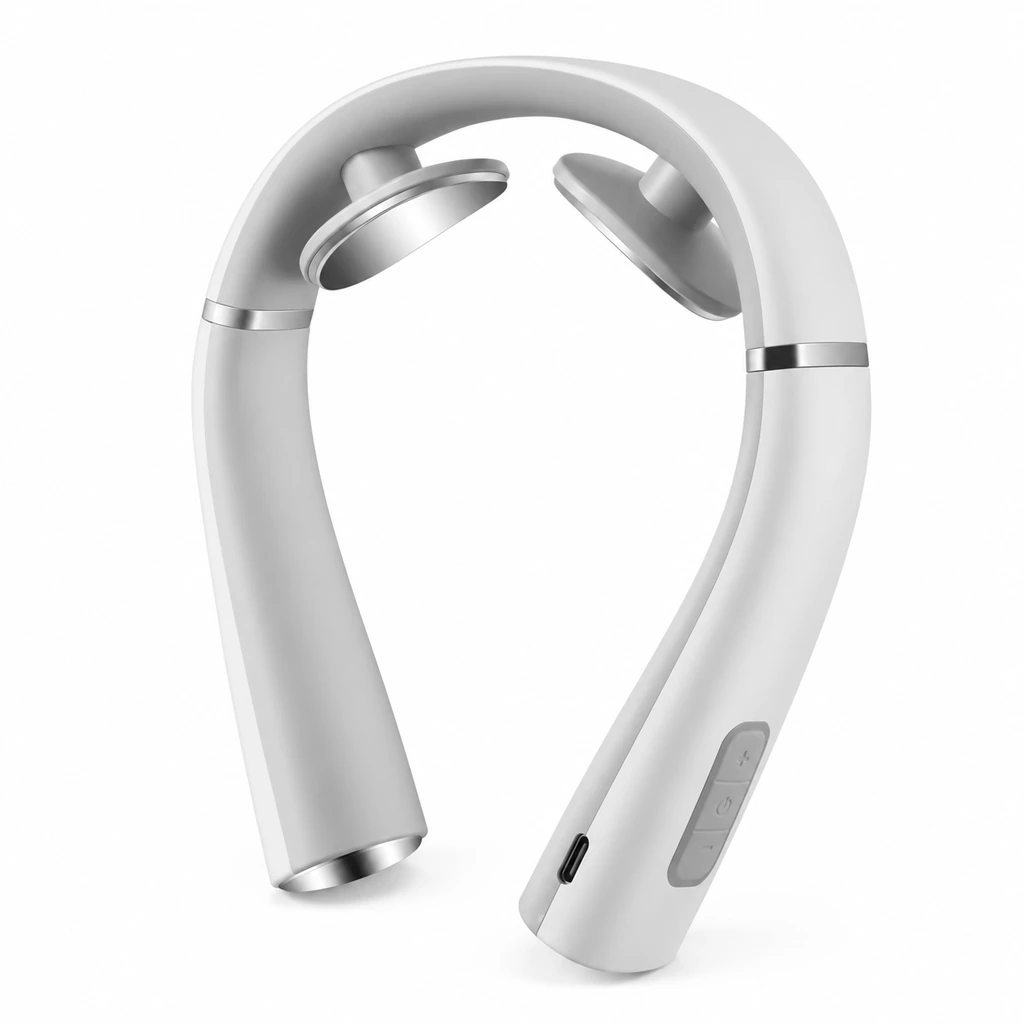
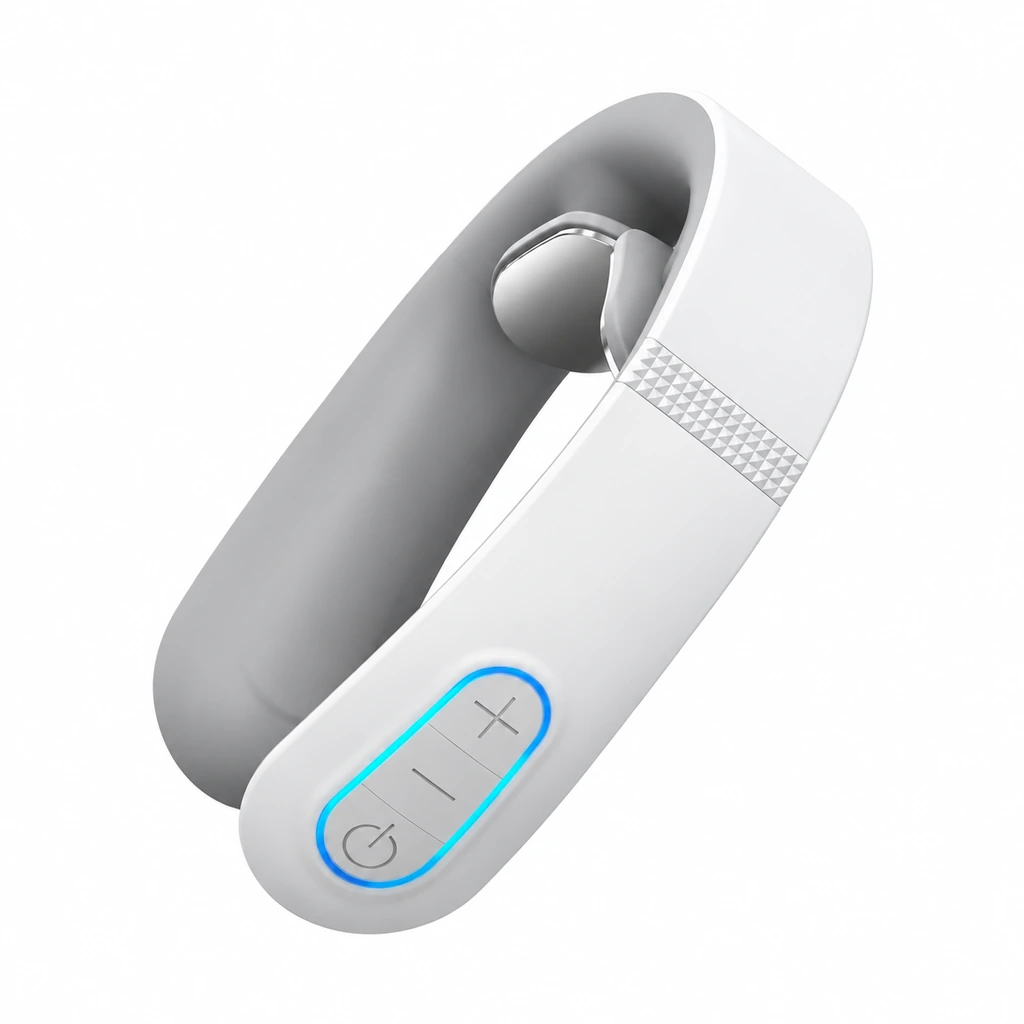
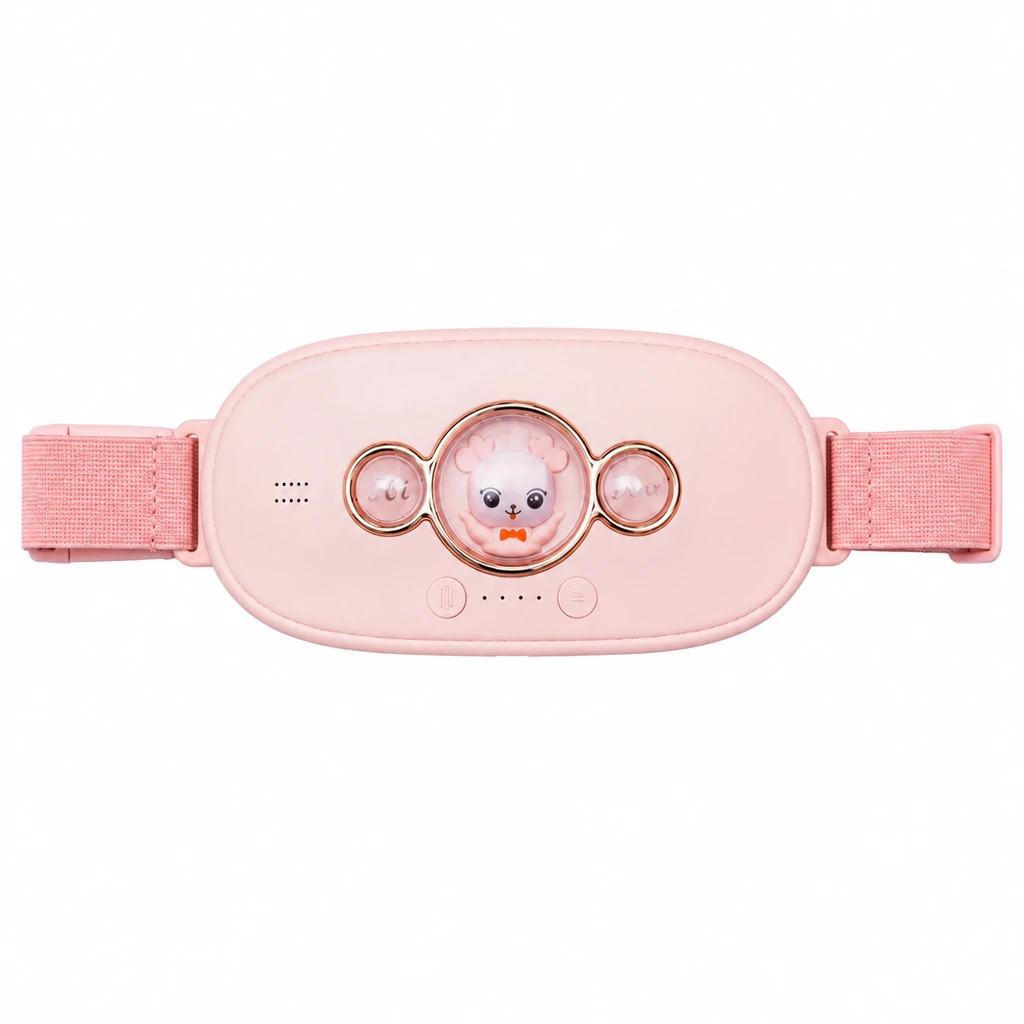
Baseline reference: Meilan A1 waist massager Use the complete belt and panel to locate the area being discussed, then connect it to the actual sample and specification. This image shows the existing product, not a longer-strap prototype or an approved modification. View the official A1 productOfficial product photograph; only empty background has been cropped. |
Request a proposed verification scope before accepting the change. For a fit-related revision, that may include repeating the original wearing and fastening checks and confirming the retail-pack arrangement. The team should agree the relevant conditions and acceptance criteria; this article cannot supply dimensions or pass limits for an unbuilt version.
3. Keep one change record through the approval process
The change record should carry the same reference from the initial request through the supplier’s proposal, sample review, commercial agreement, and release decision. Otherwise, purchasing may approve a price for one revision while the product team approves a sample of another.
The example below uses fictional revision names to show what a useful record contains. It is not a Meilan customer case, confirmed customization offer, or evidence that a particular strap alteration is available.
| Record field | Illustrative entry or decision to capture |
|---|---|
| Change reference and baseline | ECR-01; the buyer’s approved waist massager sample, specification revision A, and identified purchase order. |
| Requested outcome | Review a strap adjustment to address the recorded fit gap while retaining the agreed panel position. Final dimensions remain subject to proposal and review. |
| Affected items | Supplier to identify the strap/closure, drawings, fit instructions, pack arrangement, and any other affected records. |
| Verification evidence | Agree the replacement sample, repeat checks, updated files, and acceptance criteria before approving revision B. |
| Commercial decision | Confirm any sample, material, tooling, unit-price, or timing effects. Record who accepts them and the applicable quotation revision. |
| Existing stock and order cutoff | Record the disposition of old material and work in progress. Identify the first order or batch authorized for revision B. |
| Approval and release | Name the authorized buyer and supplier contacts, accepted revision, remaining conditions, and date the revised requirement becomes effective. |
Cost and timing should be explicit, even when the answer is “no change” or “not yet confirmed.” If material has already been ordered, ask what can be reused and what a change would leave unused. Do not assume that an accepted technical solution includes free additional samples, replacement material, or an unchanged delivery date.
The waist massager OEM quotation guide explains how to separate those charges and exclusions. For the change record, the important link is the quotation revision that actually covers the accepted modification.
4. Define the first order or batch that can use the new revision
“Use the new version from now on” is difficult to apply when one order is packed, another is in assembly, and material for a third is waiting. Set an identifiable cutoff: a named order, batch, or other traceable reference agreed with the supplier. Record exceptions in the same place instead of relying on message dates.
Next, account for the old version at each stage. Ask the supplier to identify affected unused material, work in progress, and finished goods. Agree whether each group may continue under its existing approval, needs rework or further review, or must remain on hold. No disposition should be assumed solely because the proposed new version looks acceptable.
This matters for the buyer’s warehouse too. If earlier stock remains saleable, decide how staff will distinguish it from the revised version and whether the instructions, listing information, accessories, or replacement-part references differ. When an approval or customer-facing claim no longer applies, resolve that issue before shipping affected stock. A new revision does not automatically make old inventory unusable, and an old approval does not automatically cover a changed product.
5. Release the revision with a matching sample and file set
Before release, check that the approved sample, specification, relevant drawings or component records, instructions, packaging files, quotation, and order all describe the same accepted configuration. Use only the records relevant to this project, but make their revision relationships clear. Keep superseded files available as history while removing them from the active production instructions.
A change can be technically feasible while commercial terms remain open. It can also be priced while the revised sample is still awaiting review. Record those states separately. State exactly what has been approved and what the supplier is authorized to do next; a sample-review email should not accidentally authorize production.
For the first delivery using the revision, request confirmation of the applied version and the agreed inspection evidence. Compare it with the change record, then retain the accepted reference and updated files for future orders. The next reorder should begin with that confirmed configuration rather than an early prototype or the original catalogue description.
| Planning a change to an agreed waist massager configuration? | |
|---|---|
| Send Meilan Baseline model and sample/specification revision; proposed change and reason; target market; affected order and current stage; existing photos or marked drawings; and the next decision date. | Request a scoped response Affected parts and files; feasibility questions; sample and verification plan; cost and timing effects; treatment of existing material; and the proposed first order or batch for the accepted revision. |
| Discuss your waist massager change request with Meilan → Include the current revision and order stage so the discussion can address the configuration that is actually in progress. | |

