























Eye Massager Packaging Version Management
Manage an additional eye massager pack without losing control of the product baseline, artwork, barcode decisions, languages, old materials and warehouse cutover.
 Meilan Tech 9 min read

Adding a packaging version to an existing eye massager order starts with an agreed product baseline and a separate packaging identity. Record what stays unchanged, approve the revised box and its contents, check barcode and language requirements, and define how old and new stock will be separated. Release the change against a named order line or batch, with written approval and an agreed stock transition.
For a brand buyer or product manager, a second box design may serve a new distributor, a different market or a seasonal retail launch. The device can remain the same while the sellable pack becomes different. A warehouse that cannot distinguish those packs may send the wrong language version; a brand team that approves only the front panel may miss an outdated manual inside.
This guide uses the Meilan Y103 eye massager as a working reference. For Y8, Y9 or Y5, start again with that model's confirmed configuration and packaging. A change accepted for one model does not establish that the same packaging option, quantity or approval process is available for another.
1 Define the change against the existing order
Begin with the purchase order, its line number, the accepted quotation and the approved product sample. Identify the device configuration, color, accessories and operating language that the original line covers. Then list the packaging elements being changed: printed sleeve, retail box, insert, manual, warranty card, barcode label or export-carton mark.
“Same product, new packaging” is useful only when both parties agree what “same” includes. A translated box does not change a device's voice prompts. Adding a cable, replacing an insert or changing the number of units in a retail pack expands the scope beyond a box-face revision. Treat each addition as a separate change requiring its own cost and approval decision.
Keep the original order identifiable. Issue a change request that points to the original line and identifies the proposed packaging revision. The supplier's written acceptance should state the quantity affected and whether the original production or shipment plan changes. For the broader baseline review, see what to reconfirm when reordering an eye massager.
2 Give the product and packaging separate identities
A model name identifies the product family; it is rarely enough to tell a packer which printed materials to use. Keep a product configuration reference and a separate packaging revision reference. Link both to the order line, destination and approved sample so the factory and receiving warehouse can identify the same saleable unit.
As an illustration, a buyer could call an existing pack “Pack A” and a new bilingual pack “Pack B,” while retaining the same approved Y103 device configuration. These are example labels, not Meilan stock codes. The revision record should say whether Pack B replaces Pack A or remains available alongside it. That single distinction determines whether the warehouse needs a cutover instruction or continuing segregation.
Use one controlled list of current files. Each box artwork, insert drawing and manual should have a revision identifier and approval date. If only the box changes, the release record should explicitly retain the approved manual and insert versions. A filename ending in “final” cannot establish which combination was authorized for production.
3 Resolve barcode and language questions before print approval
Separate an internal packaging revision, a warehouse SKU and a GTIN. They serve different identification needs. A color change on a box does not, by itself, settle whether a new trade-item identifier is required. The brand owner should assess the actual change using the applicable GS1 rules and the receiving channel's requirements before issuing print-ready barcode data.
GS1 US explains the difference between a GTIN and an internal SKU: a GTIN identifies a product across trading partners, while a SKU serves a company's own inventory system. Use that distinction when reviewing a market-specific pack or bundle; do not let an artwork designer decide the identifier solely from the appearance of the box. An internal revision code can help separate stock even when the approved GTIN decision is to retain the existing identifier.
Check the actual printed code against the approved product data and the warehouse mapping. A successful phone scan is not the same as confirming that the receiving system maps the code to the correct pack. If print quality verification is required by the customer, agree its method and acceptance criteria separately.
Review language as a complete set: box panels, manual, warranty information, accessory labels and any device voice prompts within the confirmed configuration. Assign an owner to approve destination-market wording and required labeling. Translation approval does not establish legal compliance, and changing printed language does not authorize firmware or voice changes.
4 Approve the packed sample as well as the artwork
A PDF proof can confirm layout and wording; it cannot demonstrate how the device sits in the insert or whether the lid closes with the manual inside. Review the artwork and the physical packed sample as related approvals. A digital mock-up or an unprinted structural sample may help an earlier decision, but record what it leaves untested.
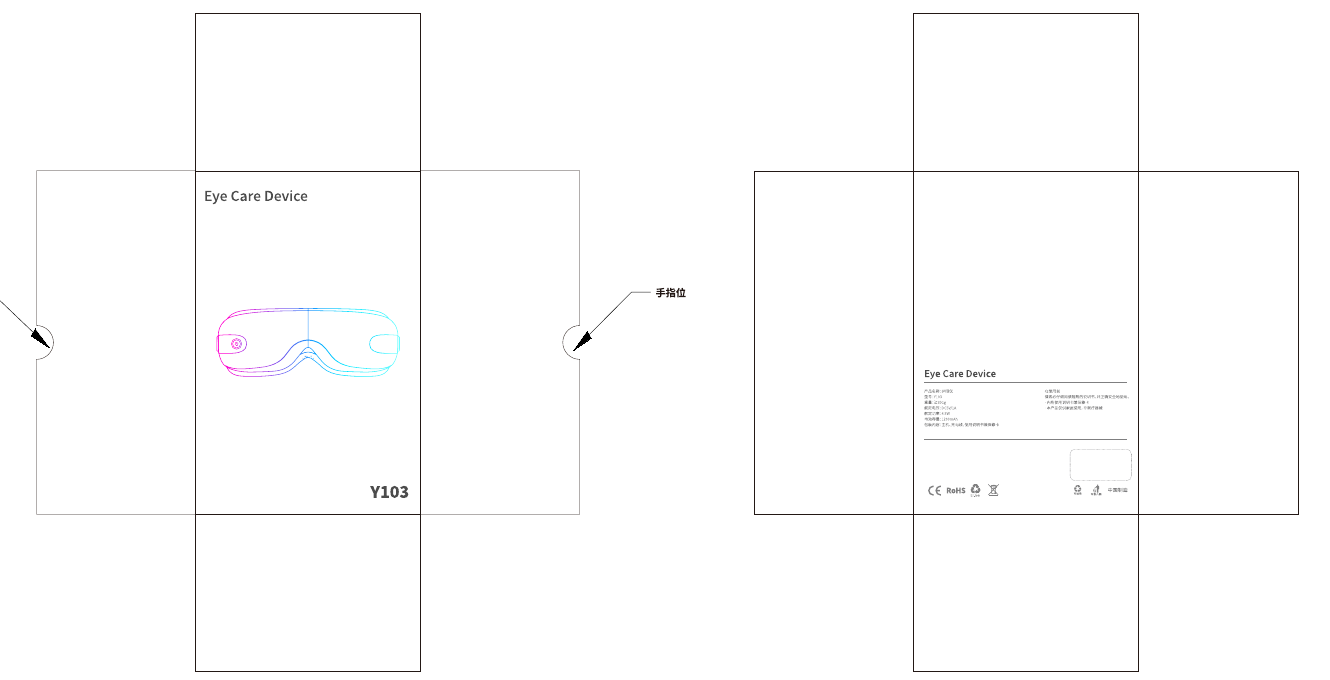
Inspect the exterior, opening direction, insert orientation, product placement and removal, accessory count, manual location and visible identification. Compare the device against the retained product baseline. If box dimensions or the insert change, reassess carton fit, handling and the protection checks required for the shipping route; an earlier pack's acceptance does not automatically cover a revised structure.
Record sample photographs, sample ID and the exact artwork revision, with the approver's written decision. A request to correct a barcode should identify the corrected file and the evidence needed to close that correction. “Approved except for a few changes” leaves the factory without a single agreed production reference.
5 Agree the cost and responsibility for old materials
Ask for a written change quotation that separates one-time setup or proof costs from recurring packaging cost. Confirm any print quantity, material purchase commitment, sample charge, rework cost, storage arrangement and effect on the original delivery plan. Device quantity and printed-packaging quantity may have different commercial conditions; do not assume the original device MOQ answers both questions.
Before ordering new materials, reconcile old stock by state: unused printed boxes, inserts and manuals; units already packed; and stock already dispatched or held by a distributor. The possible decisions differ. Unused boxes may be retained for a continuing channel, while packed units may require unpacking, inspection and repacking. Goods already in the distribution network need an agreed sell-through or replacement plan.
Assign ownership and written disposition for each affected material: use, hold, rework, return or disposal with authorization. Agree who pays, who can release held stock and what evidence closes the action. The guide to eye massager private-label quantity conditions helps frame the quantity discussion; the accepted change quotation must settle this order's terms.
6 Choose a cutover that the warehouse can execute
A calendar date alone is a weak cutover rule if both versions remain in stock. Define the first order line or batch authorized for the new pack, the destinations it may serve and how old stock will be handled. If both packs remain active, use separate receiving and picking instructions and a visible packaging-version reference on the agreed labels and records.
The situations below are illustrative decision examples, not confirmed Meilan order arrangements.
| Proposed change | Evidence needed before release | Practical release decision |
|---|---|---|
| New graphics with the same pack structure and contents | Approved revised artwork, barcode decision and identification mapping | Release only the named revision; retain the approved structure and contents references |
| Another printed language for a new destination | Approved language set, market-label review and channel identification requirements | Separate the destination pack in receiving and picking records before shipment |
| A different insert or box size | Packed sample approval and reassessment of carton fit and route-specific protection checks | Release after the structural change and its packing implications are accepted |
| New packaging alongside usable old printed stock | Stock reconciliation, material ownership and written use or hold instructions | Keep both versions distinguishable or approve a documented cutover and stock disposition |
| An extra accessory or a different retail bundle | Revised contents list, identifier review, sample and change quotation | Reopen the saleable-pack scope instead of approving it as graphics alone |
Make the packing list and carton identification consistent with the agreed version split. Do not use the old pack in place of the approved new version without permission to meet a dispatch date. If substitution is commercially acceptable, obtain written approval identifying the quantity and destination before shipment. At receipt, check the physical pack against the receiving record; a correct device count does not close a packaging-version discrepancy.
7 Release the change with a short decision checklist
Bring the decisions into a revised order acknowledgement or an accepted change record. It should connect the unchanged product baseline, approved packaging files, sample, quantity, costs and first affected batch. Production timing should be tied to the agreed approval and material-readiness conditions, with a clear endpoint such as packed-goods readiness or dispatch.
- The product configuration and included items are explicit, with every change identified.
- The packaging revision links to the approved box, insert, manual and sample.
- The barcode decision, warehouse mapping and destination language review are complete.
- New material commitments and the disposition of old stock have named owners.
- The affected quantity, first batch and permitted destinations are accepted in writing.
- The factory and receiving team use the same version references and exception procedure.
If one of these remains open, hold the affected action rather than treating a design approval as permission for every downstream step. For example, the buyer can approve wording while withholding mass printing until barcode data is signed off. Make that boundary visible in the release instruction.
Frequently asked questions
Does a new box design always require a new GTIN?
No automatic answer follows from the design change alone. The brand owner should assess the actual trade-item change under the applicable GS1 rules and channel requirements, then provide the approved identifier decision for the artwork.
Can the same eye massager have two packaging versions at once?
It can be planned that way if the supplier accepts the scope and the warehouse can distinguish both packs. Agree the quantities, material commitments, destination rules and picking references before releasing them.
Does a translated box mean the device voice language will change?
No. Printed language and device operating language are separate configuration decisions. Confirm any voice or firmware change independently and include it in the sample and quotation scope.
Can existing packed units simply be put into the new box?
Only after the parties agree that rework is suitable and define its contents check, inspection, labeling and cost. A new insert, different accessory count or changed manual can make the task more than replacing the outer box.
Is approval of a digital proof enough to start production?
It covers only the scope stated in the approval. Where physical fit, printed identification or packing protection needs review, close those checks or explicitly limit the release before authorizing the affected production step.
What should a packaging-change enquiry include?
Include the existing model and order reference, unchanged configuration, proposed packaging changes, destination, quantity split, current artwork and required launch timing. Identify whether the old pack continues or is being replaced so the supplier can assess the change and stock implications.
For an existing Y103, Y8, Y9 or Y5 project, use the Meilan private-label enquiry page to share the current pack and proposed revision. Ask for confirmation of the feasible scope, written change quotation and sample-approval route before committing to printing or a version cutover.

