























Private Label Warming Belt Launch Review Guide
A practical N1-based review framework for brand buyers and product managers, connecting verified launch feedback with document corrections, sample checks and next-order approval.
 Meilan Tech 7 min read

A private label warming belt launch review should turn verified feedback into specific decisions for the next order. Start with the exact version sold, separate enquiries from confirmed product problems, and link each proposed improvement to evidence, an owner and an approval step. For brand buyers and product managers considering Meilan N1, this framework connects customer questions, returns, content errors and delivery feedback without assuming a successful launch or a proven defect.
1. Establish the version and review period
Define the sales channel, destination market, shipment batch and review dates before counting feedback. The Meilan N1 warming belt is presented with separate voice and remote configurations. Treat them separately in the review. A comment about a missing remote means little until the purchased version and promised pack contents are known.
Bring together the original specification, written quotation, approved artwork, signed sample reference and final packing list. Record what was actually supplied if it differs from the approved baseline. Keep retail SKU, supplier model, configuration and batch linked. If the channel uses GTINs, note that GS1 distinguishes trade-item identifiers from internal SKUs; neither replaces a batch reference or the approved version record.
2. Build a reliable picture from four feedback streams
Separate the source of each observation before discussing causes. Deduplicate repeated messages about the same issue, while preserving distinct affected units and orders. An enquiry can reveal an unclear listing, but it is not a return. A return reason is a reported symptom, not yet a confirmed defect.
| Feedback stream | Evidence to retain | Decision it can support |
|---|---|---|
| Pre-sale and after-sale enquiries | Original question, date, channel, version and answer given | Identify information buyers cannot find or understand |
| Returns and complaints | Order reference, reported symptom, photos and inspection result when available | Separate verified product issues from unresolved or non-product reasons |
| Content and artwork errors | Live-page capture or printed example, revision and approved source | Correct the exact listing, manual or packaging discrepancy |
| Delivery and receiving feedback | Agreed milestone, dated shipment/receipt evidence and damage photos | Locate a delivery, packing or communication gap |
Report counts with their scope. For a returned-unit rate, use unique returned units divided by delivered units in the same defined shipment cohort, as of the review date. State how exchanges and late returns are handled. Do not divide support messages by shipments and call the result a defect rate. With incomplete records, report the observed count and missing coverage instead of manufacturing a percentage or a case study.
3. Distinguish a symptom from a verified cause
For each material issue, keep the customer's wording, staff interpretation and inspection finding separate. “Not warm enough,” for example, does not establish a failed heater. It may require checking the selected setting, operating sequence, sample condition and the claim the customer saw. These are investigation routes, not findings about N1 or evidence that the customer used it incorrectly.
Use the matching manual and an agreed inspection method to compare the returned unit with the approved reference. Record settings, charging state and observation conditions; do not improvise stronger heat settings or new usage advice to resolve a complaint. If a report suggests an injury, overheating or an electrical hazard, separate it from routine merchandising changes and escalate promptly to the responsible quality team. A single potentially serious report need not wait for a frequency ranking.
4. Check what the brand promised against what was supplied
Audit the product page, box, manual and customer-service reply as one customer journey. N1's published record lists pulse and heating, four massage modes and four heat levels separately. A description that blurs mode and heat controls can create a different expectation from the operating instructions. Review the selected voice or remote version, accessory claims, language and control terminology against the corresponding sample.
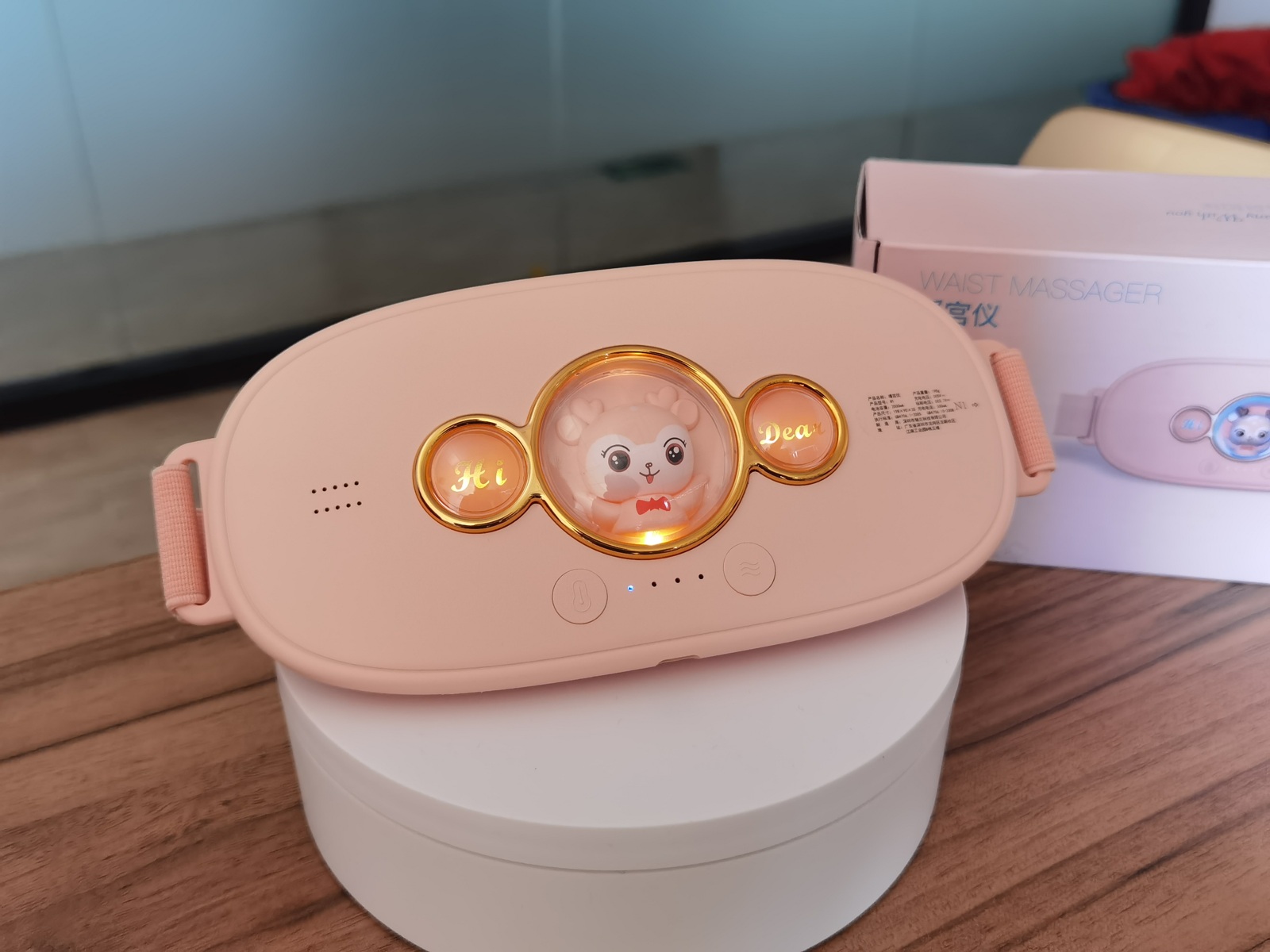
This product photograph helps locate the visible controls. It does not establish the current order's settings, included accessories or approved artwork.
Correct each affected surface, not just the master text. Identify which live listing, printed stock, downloadable file and support script needs updating, and decide how existing stock will be handled. Recheck translations against the corrected source. The private-label warming belt manual guide explains how to keep language, controls and version approval aligned. New medical or performance promises require evidence; a marketing rewrite is not that evidence.
5. Convert findings into changes that can be approved
Write each proposed action as an observable change: the problem supported by evidence, the change requested, its owner, the acceptance method and the affected documents. For example, if a mismatch between the approved accessory list and a listing is verified, correcting that listing is a different action from changing the supplied pack. Do not add a remote to the next order merely because one shopper expected it.
Separate information corrections, packaging/process changes and product changes. A clearer control diagram may need document approval; a revised insert needs a packed-sample review; a hardware or control change requires supplier feasibility review, a revised specification and appropriate testing. The agreed private-label scope does not automatically include new functions or structural development. Give each change a status such as accepted for implementation, further evidence needed or deferred with a reason, rather than treating discussion as approval.
6. Reconfirm the commercial and delivery consequences
Ask for a revised written quotation that identifies retained and changed items. Clarify quantity, included accessories, branding and print scope, any one-off charges, delivery terms, quotation validity and the event that starts the lead-time commitment. No standard price, minimum quantity or improvement timetable can be inferred from the N1 model name.
Review delivery feedback against the promised milestone: sample approval, production completion, dispatch, arrival and receipt are different events. Agree responsibility for approving files, inspecting the packed sample and accepting the shipment. Changes to packaging or accessories can affect carton quantity, freight and available dates, so recalculate using current pack-out data. The N1 reorder configuration checklist helps carry the approved details into the purchase order.
7. Close the review with a next-order release decision
Use a final release checklist: verified issues have a disposition; agreed changes have owners; revised artwork and instructions share the correct version; the sample and packing list match; and commercial terms are accepted in writing. Record remaining questions and decide whether they prevent the next order. A repeat order should not silently authorize a changed product, and an urgent reorder should not be mistaken for closure of an unresolved issue.
Define how improvement will be checked after the next shipment using the same channel, cohort definition and evidence rules. Fewer questions may reflect lower sales or a shorter observation period, so do not claim success from the headline count alone. Bring the approved baseline, a concise issue summary and proposed changes to the Meilan private-label team. The useful output is an agreed next-order brief with traceable approvals, not a list of complaints or an unsupported success story.
Frequently asked questions
Can a launch review begin without sales or return data?
Yes, as a readiness and evidence-gap review. Check the approved baseline, public content and feedback collection process, then record what is unavailable. Do not present missing data as zero complaints or successful performance.
Does every return justify changing the product?
No. Verify the purchased configuration, reported reason and inspection findings first. A listing error, delivery problem and confirmed device fault require different responses.
Can voice and remote N1 feedback be combined?
Keep version-specific findings separate. An overall summary can be useful only when the underlying records preserve configuration, channel and batch, so the proposed action reaches the right product.
Does a corrected manual complete the improvement?
Only after the correction is approved, distributed to the affected channels and checked against the matching sample. Include printed stock, translations, downloads and support replies in the implementation decision.
What must be agreed before the next purchase order?
Confirm the retained configuration, approved changes, revised documents, sample and packing references, written quotation and delivery conditions. Keep unresolved mandatory issues visible until the responsible people decide their disposition.

