

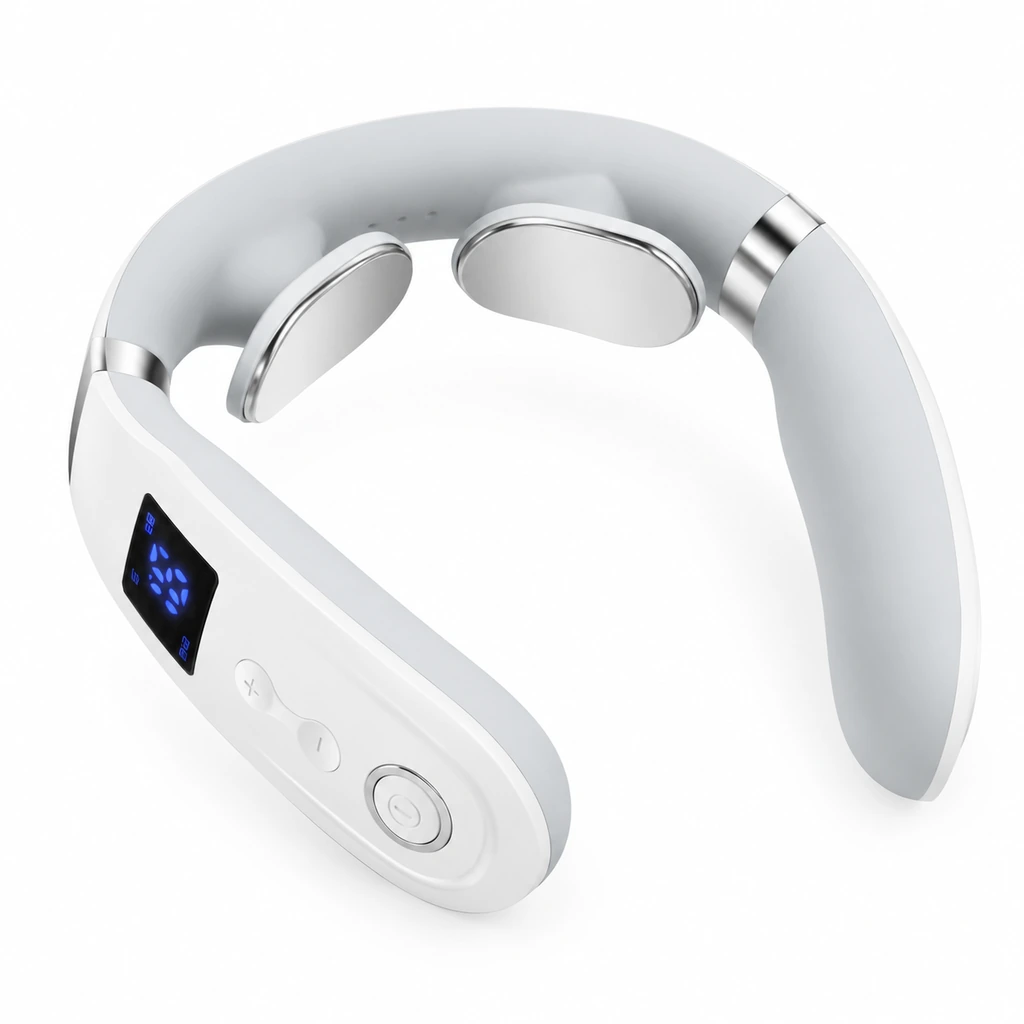
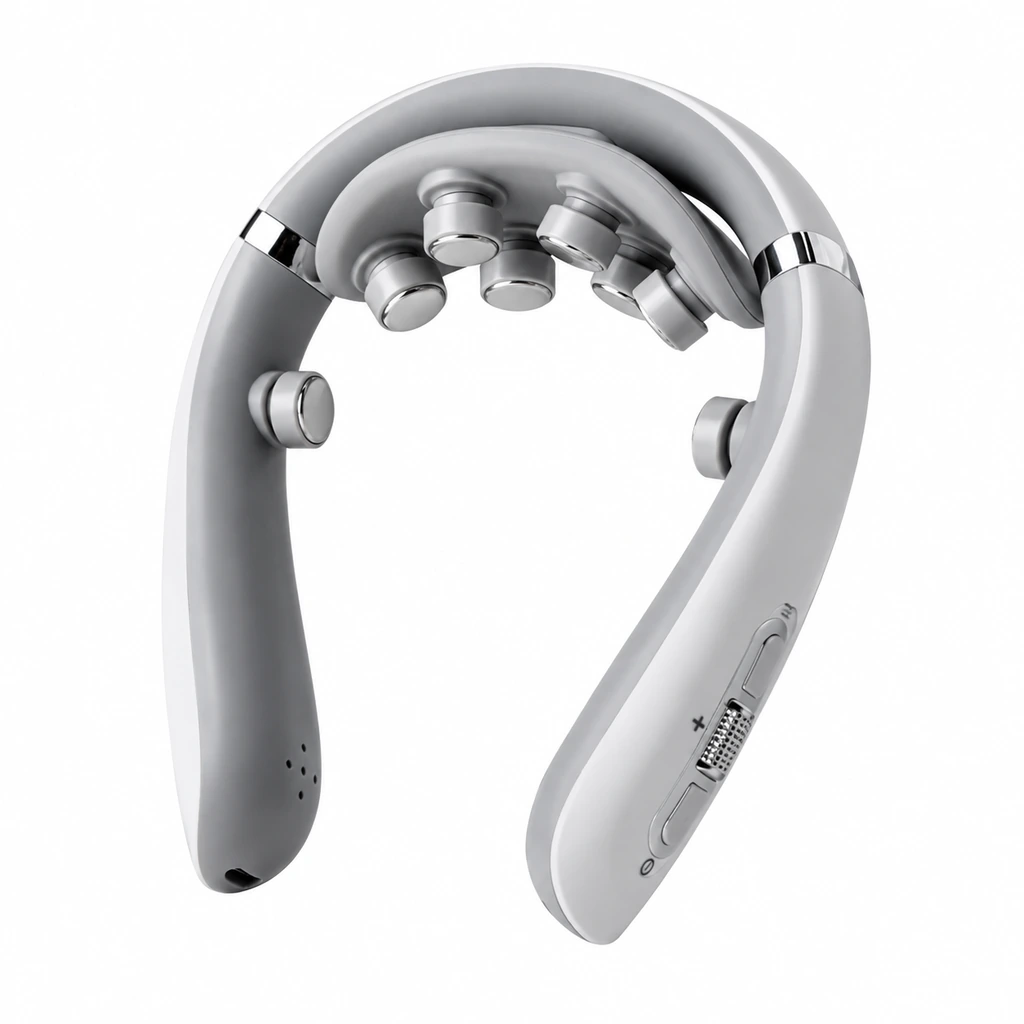
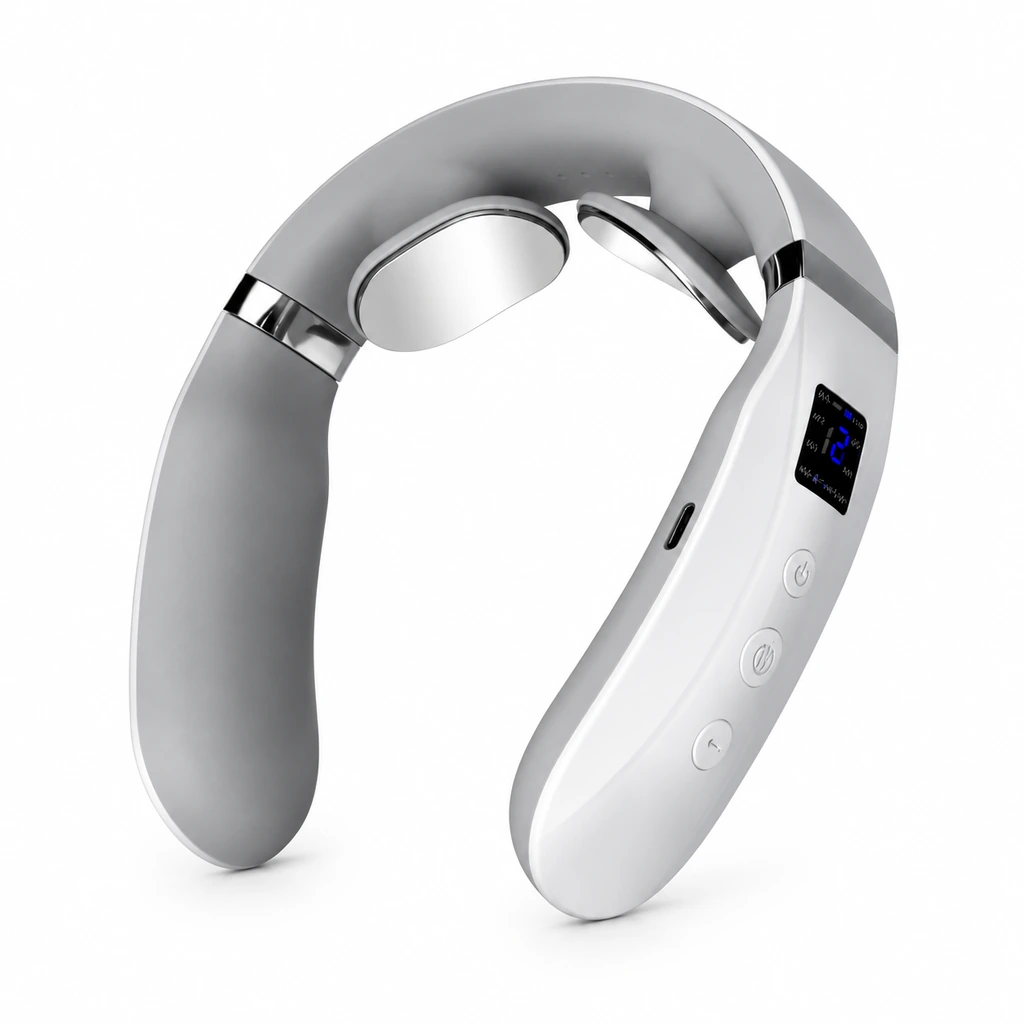
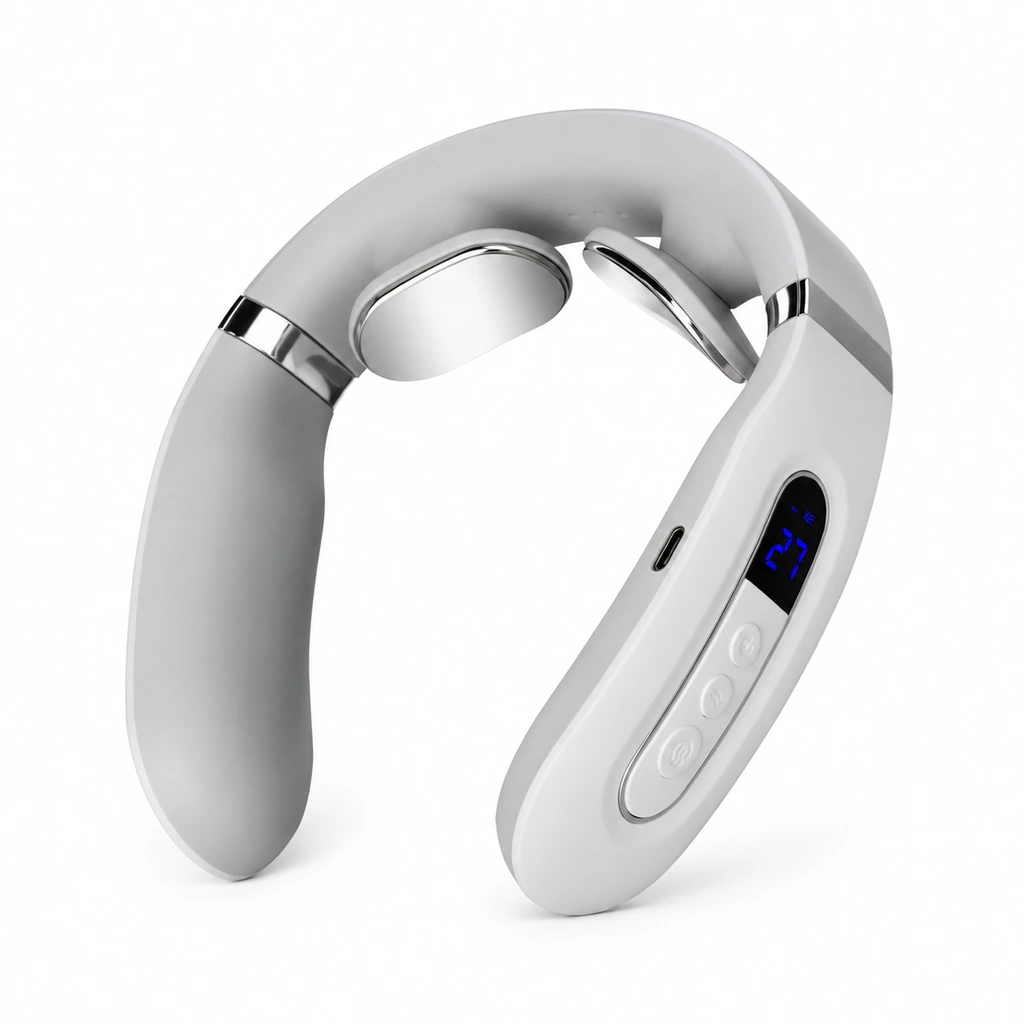


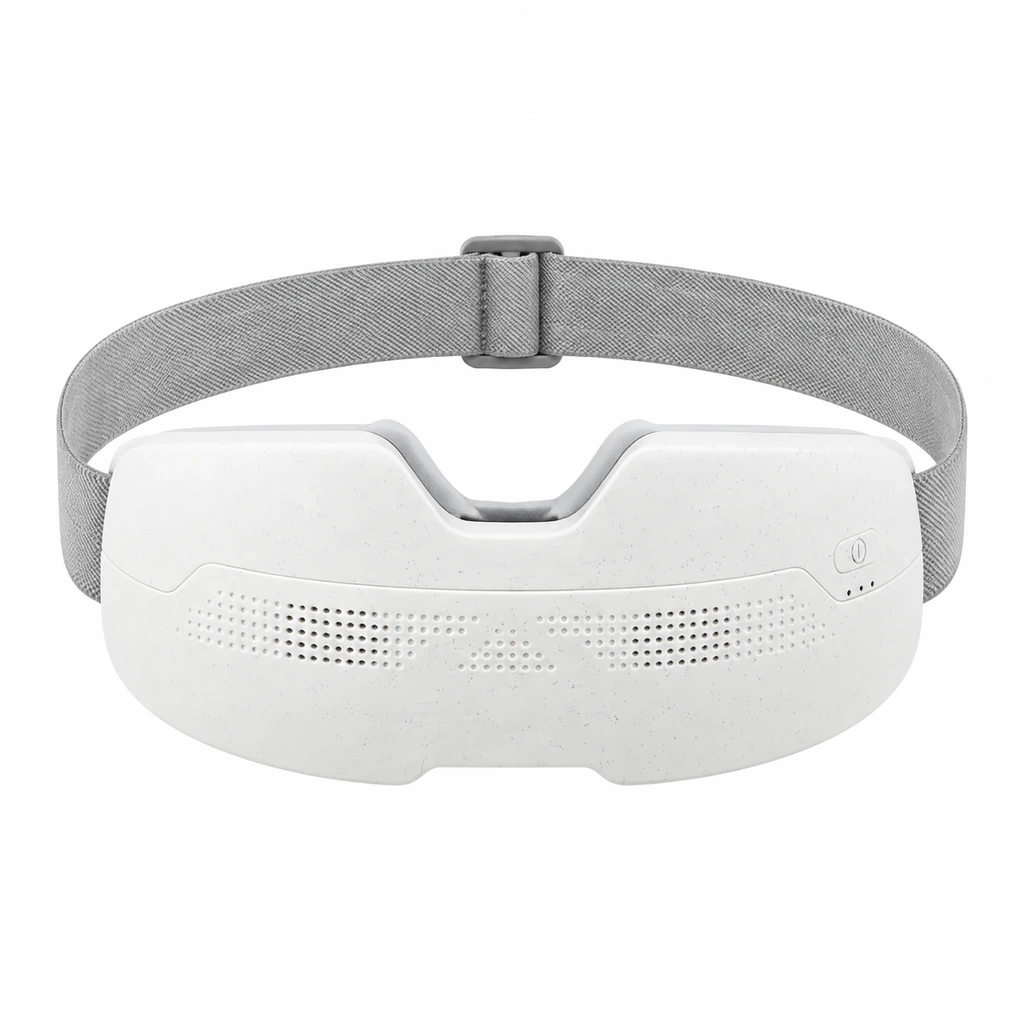
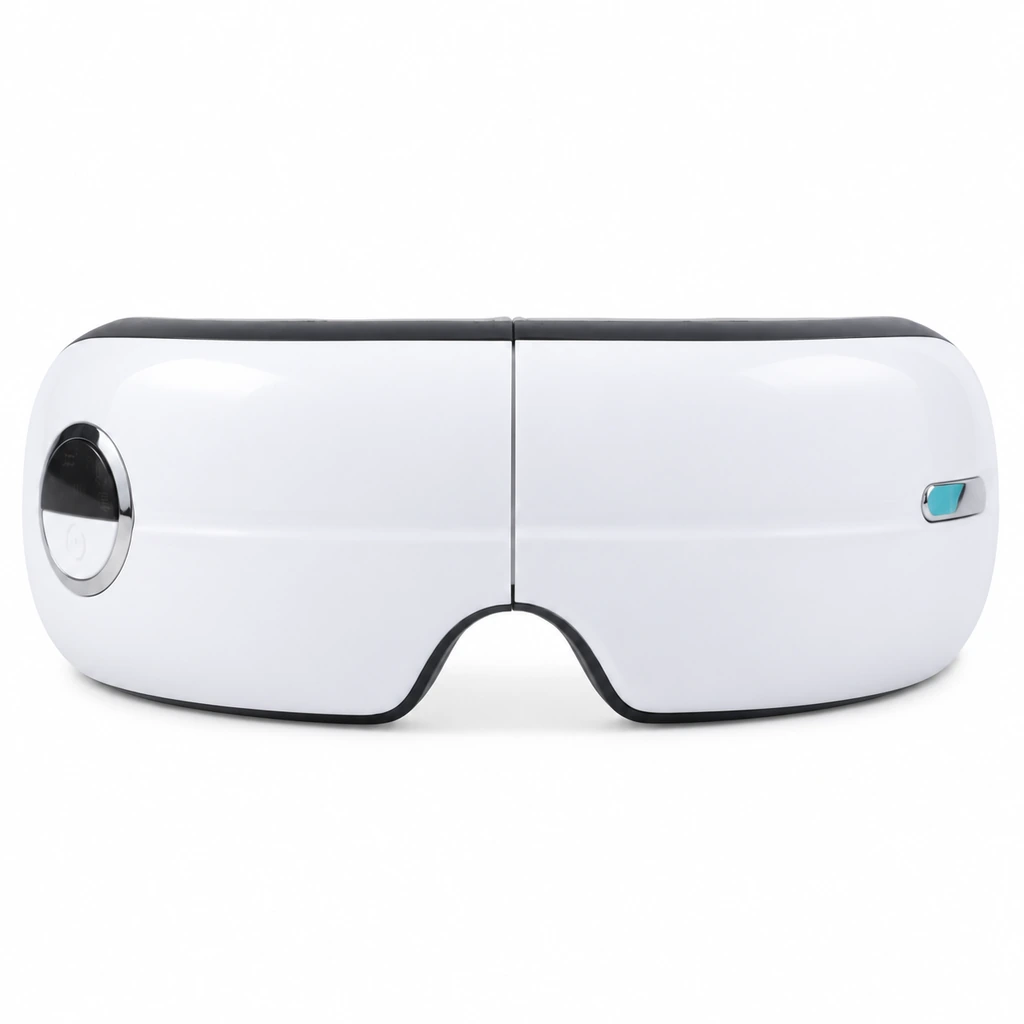
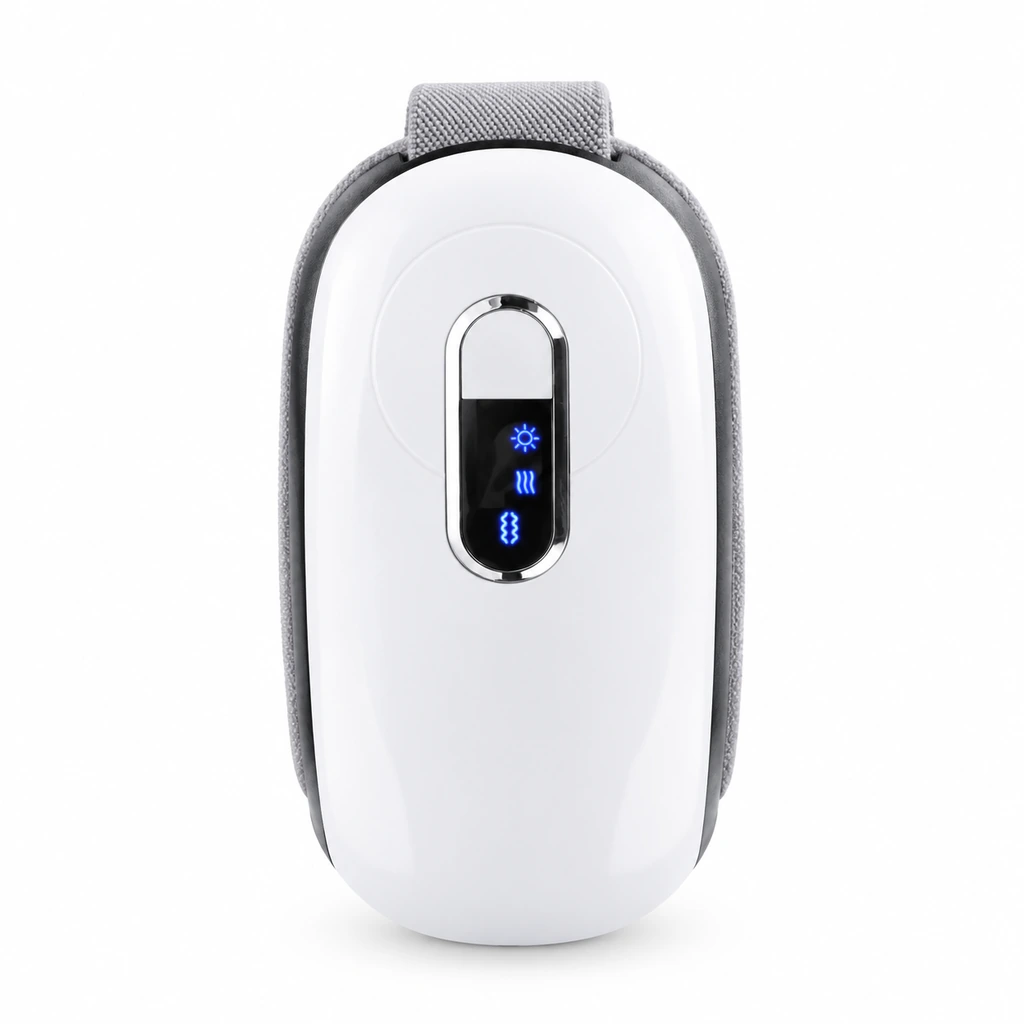
A1 Waist Massager Specifications for Quotes
A practical A1 quotation checklist that connects product specifications, sample review, packaging and written supply terms.
 Meilan Tech 8 min read

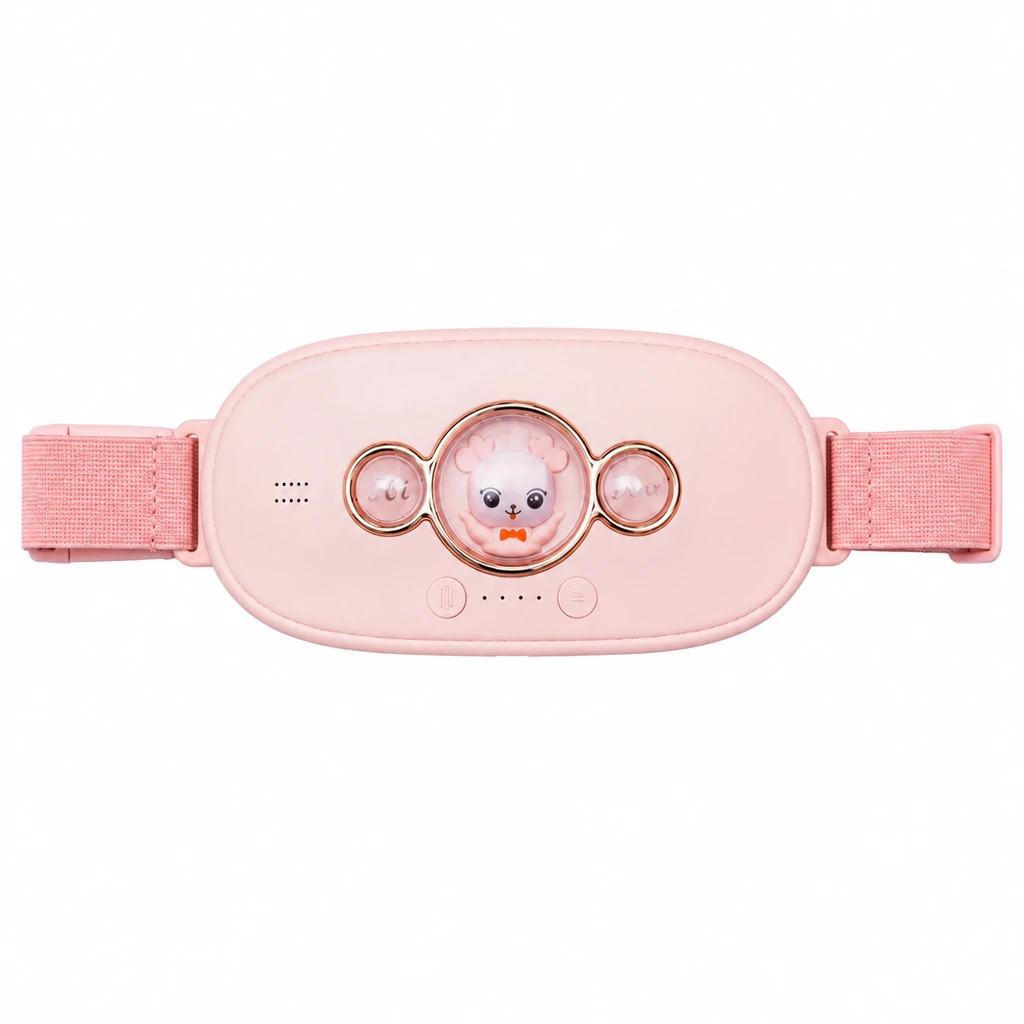
A useful A1 quotation defines one product version, one accessory set and one retail pack. Meilan's A1 product page lists pulse massage, heat and vibration, but the buyer still needs a matching sample, operating instructions and written pack list to price the same configuration across offers. The checks below show what to send with an RFQ and what to inspect before approving the quote.
1. Define the A1 configuration the quote must cover
Start with the destination market, sales channel, estimated order quantity, target retail price and required launch date. Then identify the physical sample and the product version that the supplier will quote. A feature list without a version reference can leave the buyer comparing different controllers, labels or packs under the same A1 name.
Ask for a quotation package with a model and version identifier on the specification sheet, operating manual, sample label, packaging artwork and price sheet. If a document uses a different identifier, ask whether it describes the same hardware and firmware. Record any approved alternatives as separate quote lines. This matters when a retailer needs a specific language set, a remote control or a gift-ready box: changing any of these can change price, lead time and the instructions the consumer receives.
Send with the RFQ: market and language, forecast quantity, desired features, acceptable pack dimensions, required accessory set, sample ID, artwork scope and requested delivery term. Ask the supplier to return the completed fields against one named A1 configuration.
2. Turn specifications into testable quote lines
The Meilan A1 product page lists pulse, heat and vibration, ten modes and sixteen intensity levels. It also lists a 3.7 V 2500 mAh battery, 5 V/1 A charging input, about 5.5 hours to charge, about 120 minutes of use, a 15-minute session shutoff, an overall size of 1100 × 136 × 35 mm and a 460 g net weight. These are useful starting points for an RFQ; the approved version's documents and sample should carry the figures that enter a purchase order or retail listing.
| Quote line | What the number or label tells you | What to request or observe |
|---|---|---|
| Pulse, heat and vibration | Which functions are described for A1 | A mode-by-mode control map and a continuous demonstration of the quoted sample; confirm whether functions can run together. |
| Ten modes and sixteen intensity levels | The stated range of selections | An operating manual showing how each selection is reached and what the display or indicator reports. |
| Battery, charging and runtime | 2500 mAh capacity, 5 V/1 A input, approximate charge and use times | Battery and charger specifications; a runtime record naming the mode, intensity and test conditions. |
| 15-minute session shutoff | The listed session behavior | Demonstrate one complete cycle, including restart behavior and the indication at shutoff. |
| Size and net weight | Overall product dimensions and unit weight | A dimensional drawing and a measured sample; do not use overall belt length as a waist-fit range. |
Modes describe control choices, not a proven therapeutic outcome. If a sales page needs a temperature, intensity, runtime or comfort claim beyond these basic labels, request the measurement method and the version it applies to. The pulse-and-heat configuration guide covers the separate question of which functions can be combined.
3. Check the belt, fastening and contact area
An 1100 mm overall length does not tell a buyer the smallest or largest wearable waist size. The closure needs enough overlap to stay secure at both ends of the intended fit range, and the central unit must sit where the instructions show. Ask for the supplier's stated wearable range, then measure the actual sample on users or fit forms that represent the channel's target sizes. Record waist circumference, clothing layer, fastening overlap and whether the central unit shifts while sitting, standing and bending.
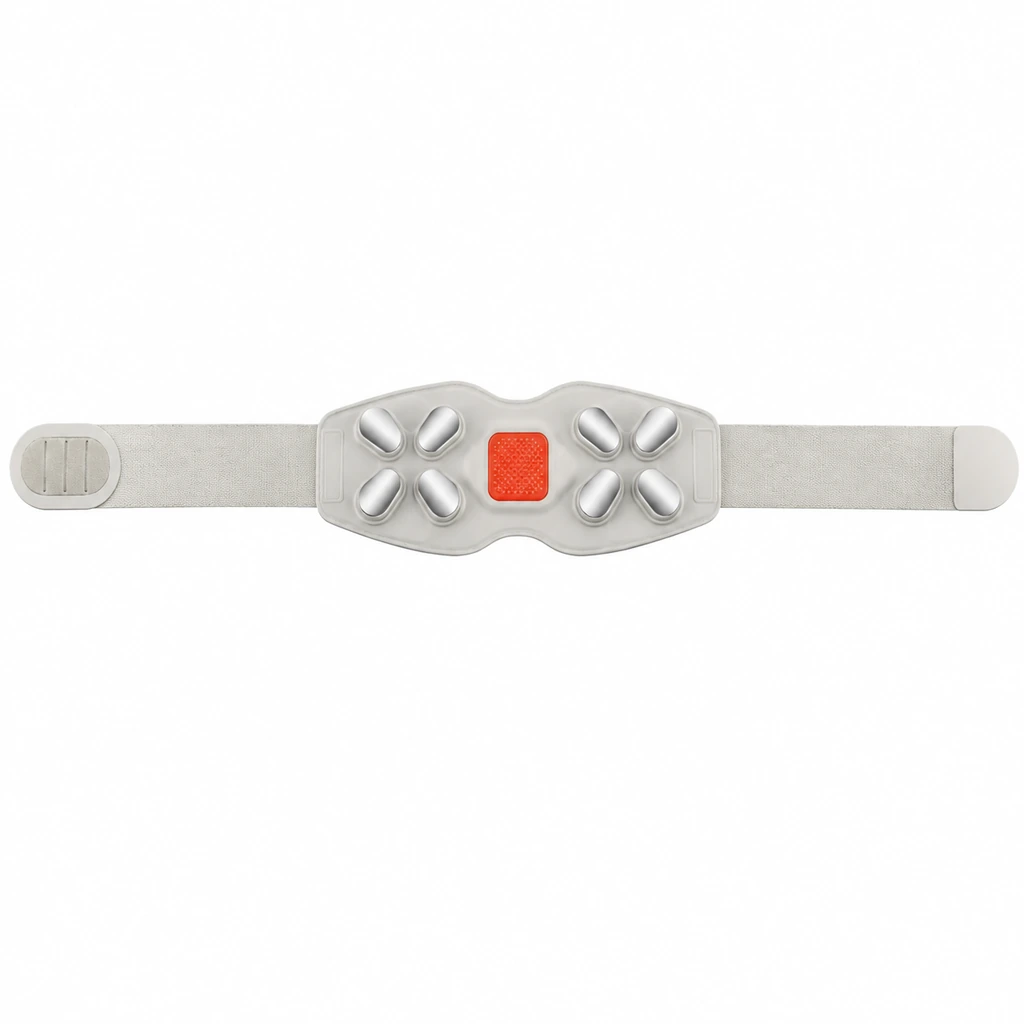
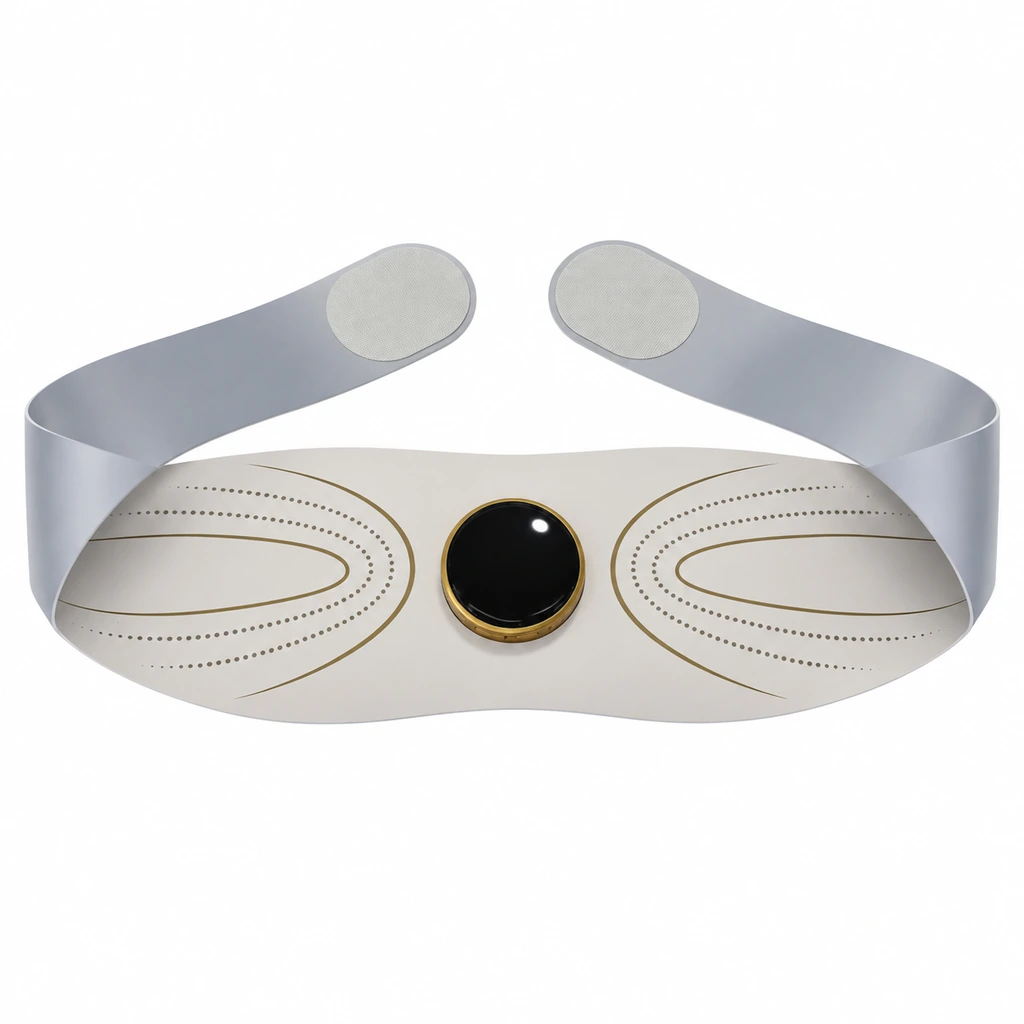
The contact-side photograph helps identify the areas that need a closer sample inspection. Check the edge finish, attachment method, strap stitching and whether the contact surfaces can be cleaned as instructed. Ask for a version-specific material list for every skin-facing part and the outer shell; do not infer a material grade from appearance. For a detailed measurement method, use the waist-belt sizing checklist.
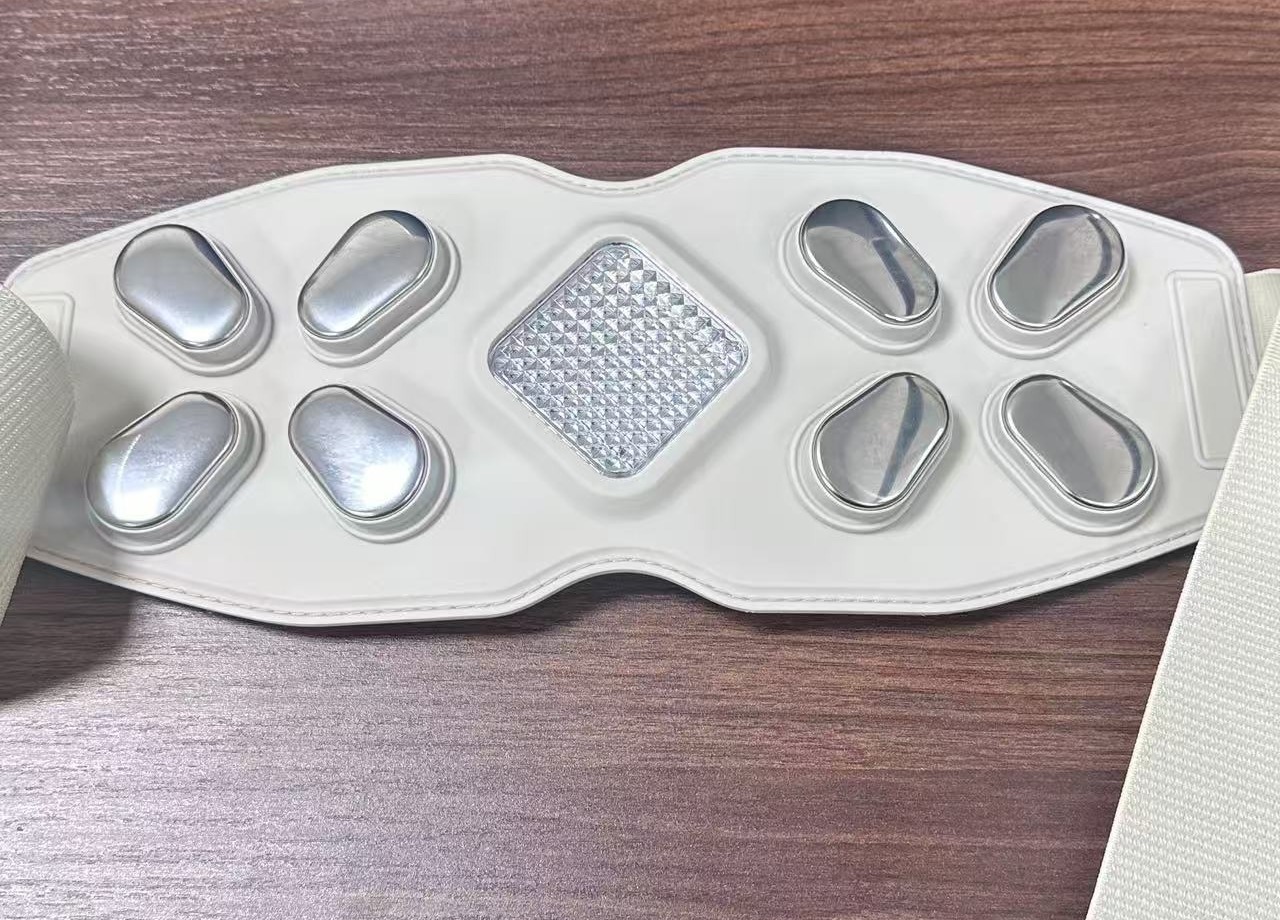
The photographed contact side is a reference for inspection angles; the quoted sample and material list determine the order specification.
4. Match controls, charging and session behavior to the manual
The A1 control description lists three buttons on the unit and four on a wireless remote using a CR2032 cell. It describes intensity returning to level one when the mode changes, a separate increase-button press before output starts after power-on, and a red charging indicator that goes out when charging is complete. These details give buyers a precise demonstration script for the version being quoted. Check each step against that sample and its manual, including heat and vibration selection, the 15-minute session ending and restart behavior. Record what each button does from the user's point of view rather than copying a mode name without a demonstration.
Separate three power questions in the RFQ: what is built into the belt, what charging input it requires and what is actually inside the retail box. Battery capacity is not runtime. The approximate 120-minute figure needs the selected functions, level, ambient conditions and test method before it becomes a comparison with another quote. Clarify whether a charging cable, power adapter and remote battery are included, preinstalled or optional. The power-and-accessory guide gives a fuller checklist for this handoff.
5. Price the real retail pack, not a photograph
Packaging affects freight, shelf presentation, instructions and the first-use experience. An A1 specification describes a book-style box with a formed inner tray and gives a 400 × 168 × 68 mm pack size. Ask whether that is the box in the current offer, and use the approved packaging drawing for freight and shelf planning. Request a photographed pack-out of one complete quoted unit: unopened box, inner support, belt, remote, charging item, manual and every loose accessory. Then ask for a written bill of contents with quantities. The product-and-box photograph below shows an A1 sample arrangement, but the purchase order should name the exact items and packaging version being priced.
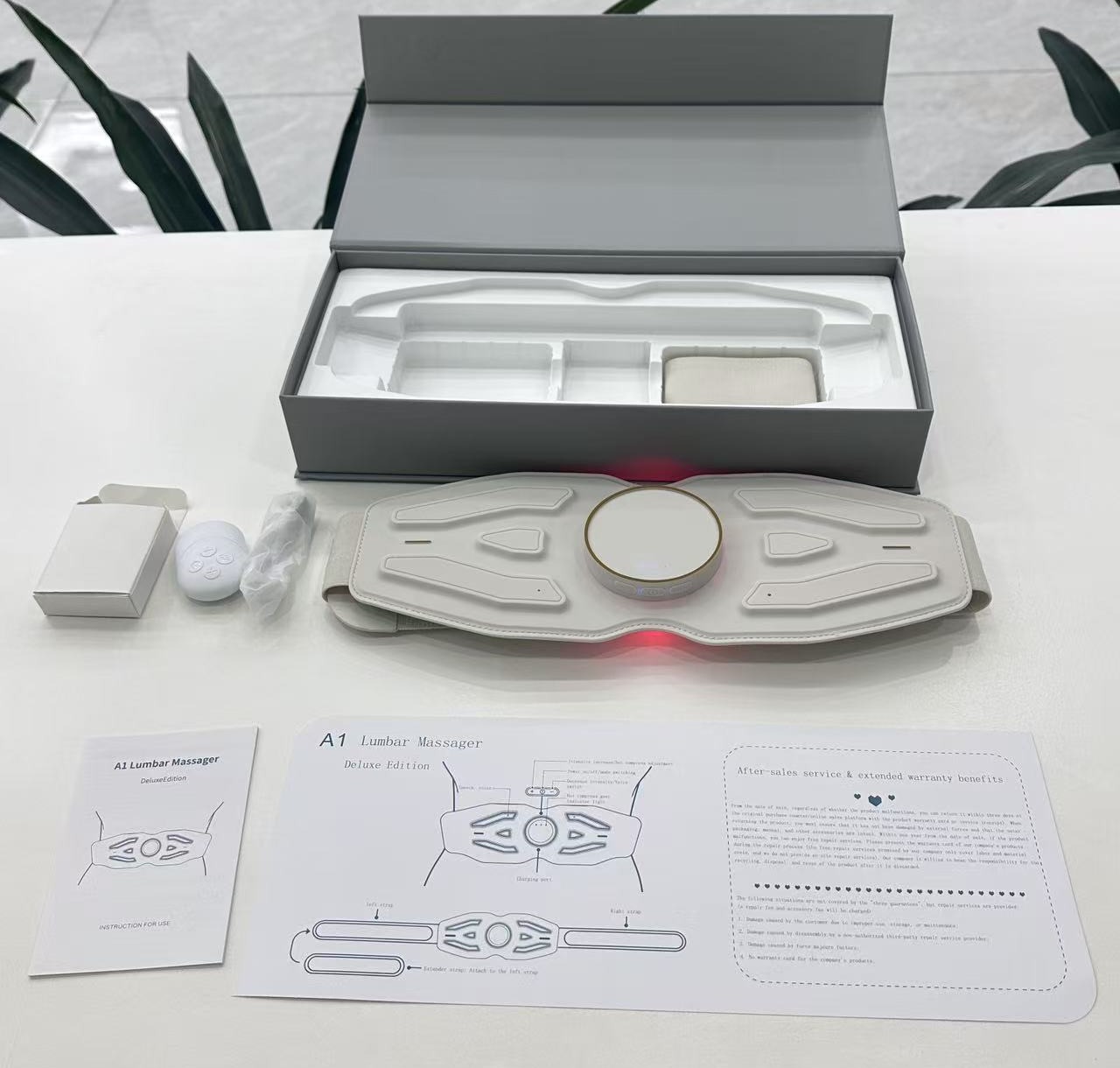
Use a current pack-out photo and bill of contents to confirm the quoted box and accessories.
For a private-label order, specify logo location, colour, artwork files, barcode, manual languages and whether the packaging is retail-ready or intended for a later local relabel. Ask how an artwork change affects the proof, sample, unit price and production schedule. A quote for a generic box and a quote for a multilingual branded gift box are not directly comparable even when the belt is the same.
6. Ask the manufacturer for a line-item quotation
A useful manufacturer response separates the base product from decisions that change cost or delivery. Request unit price by quantity tier and configuration, MOQ by colour and packaging version, sample cost, tooling or artwork charges, production lead time after approval, carton dimensions and quantity, and the quote's validity date. Ask which quality checks are applied to fastening, controls, charging and pack completeness, and what evidence is supplied with the shipment. Define how defects, missing accessories and replacement requests are handled after delivery.
Name the delivery term and location in the RFQ. The ICC Incoterms rules explain how an agreed trade term allocates delivery tasks, costs and risks; the term does not replace a product specification or inspection agreement. Keep freight assumptions, payment terms and any destination-market documentation requirements on separate quote lines so two offers can be compared on the same basis.
7. Use one decision sheet before approving the quote
Send the supplier the table below with the intended configuration and ask for a written response against each row. Bring the same sheet to the sample review. A blank field is a question for the quote, not a product claim to fill from another model.
| Decision item | Must be specified in the offer | Check on the sample | Supplier response to retain |
|---|---|---|---|
| Product identity | A1 model, hardware or firmware version, colour | Label matches manual and sample | Approved specification and version reference |
| Functions and controls | Pulse, heat, vibration, available combinations, remote | Complete button and session demonstration | Operating manual and control map |
| Fit and materials | Wearable range, strap and skin-facing materials | Overlap, movement and contact-area inspection | Dimensional drawing and material list |
| Power | Battery, input, cable, adapter and remote cell | Charging and runtime under a named setting | Electrical data and test conditions |
| Retail pack | Box, insert, manual languages and item quantities | Open one complete packed sample | Pack-out list and approved artwork |
| Supply terms | Price tiers, MOQ, lead time, inspection and after-sales terms | Compare approved sample with order standard | Signed quote, quality terms and delivery term |
For an efficient first reply, send the expected order quantity, market, packaging preference and sample photo or ID through the A1 product page or the waist-massager collection. Ask for the version-matched specification, manual, pack-out list and a sample quote together. That gives your team one basis for testing the product and comparing the commercial offer.
Frequently asked questions
What A1 documents should accompany a wholesale quotation?
Request a version-identified specification sheet, operating manual, dimensional drawing, accessory and pack-out list, packaging artwork proof and a line-item price sheet. Add test records for any performance figure or claim that will appear in your sales materials.
Does the 1100 mm overall length establish a waist-size range?
No. Overall length includes the unit and fastening areas. Ask for the stated wearable range and test closure overlap on the quoted sample at the sizes your channel serves.
Can the listed 120-minute use time be compared directly with another model?
Only when the operating mode, intensity, heating or vibration state and test conditions are known. Treat the figure as an approximate A1 listing until a matched test record supports the comparison.
Should the remote and charging adapter be assumed to be in every box?
No. The quote should list the remote, its CR2032 cell, charging cable and any adapter separately as included or optional, with quantities and the current pack-out photo.
What makes two A1 quotations comparable?
They need the same version, functions, accessory list, packaging, order quantity, delivery term and quality and after-sales scope. Put any alternative in a separate line rather than averaging it into one unit price.

