

















Neck Massager Specification Freeze: Buyer Checklist
Align neck massager samples, operating instructions, accessories and packaging before production using one versioned approval register and clear change control.
 Meilan Tech 5 min read
Before a neck massager moves into production, buyers and suppliers need one agreed answer to a simple question: exactly which configuration are we making?
A good-looking sample is only part of that answer. The control sequence, supplied accessories, packaging files and instructions may still be under discussion. For US wellness brands and private-label buyers, a specification freeze connects those decisions to identifiable versions, named approvers and clear release conditions.
1. Separate sample acceptance from production release
Record what a sample approval actually covers. A buyer may accept the housing color while requesting a different logo location, or approve operation before receiving the final retail box. Neither decision automatically approves the unfinished parts of the order.
Use a dated approval list to distinguish accepted items, open items and changes requiring another sample. For an unresolved item, identify whether it blocks materials purchasing, printing, assembly or packing. Obtain agreement on that boundary before authorizing the affected work; “approved except for packaging” is too vague if no one knows which activities may start.
The product and packaging sample approval guide explains the separate review stages. A specification freeze brings their final approved versions together for a particular order.
2. Identify the product configuration, not just the model name
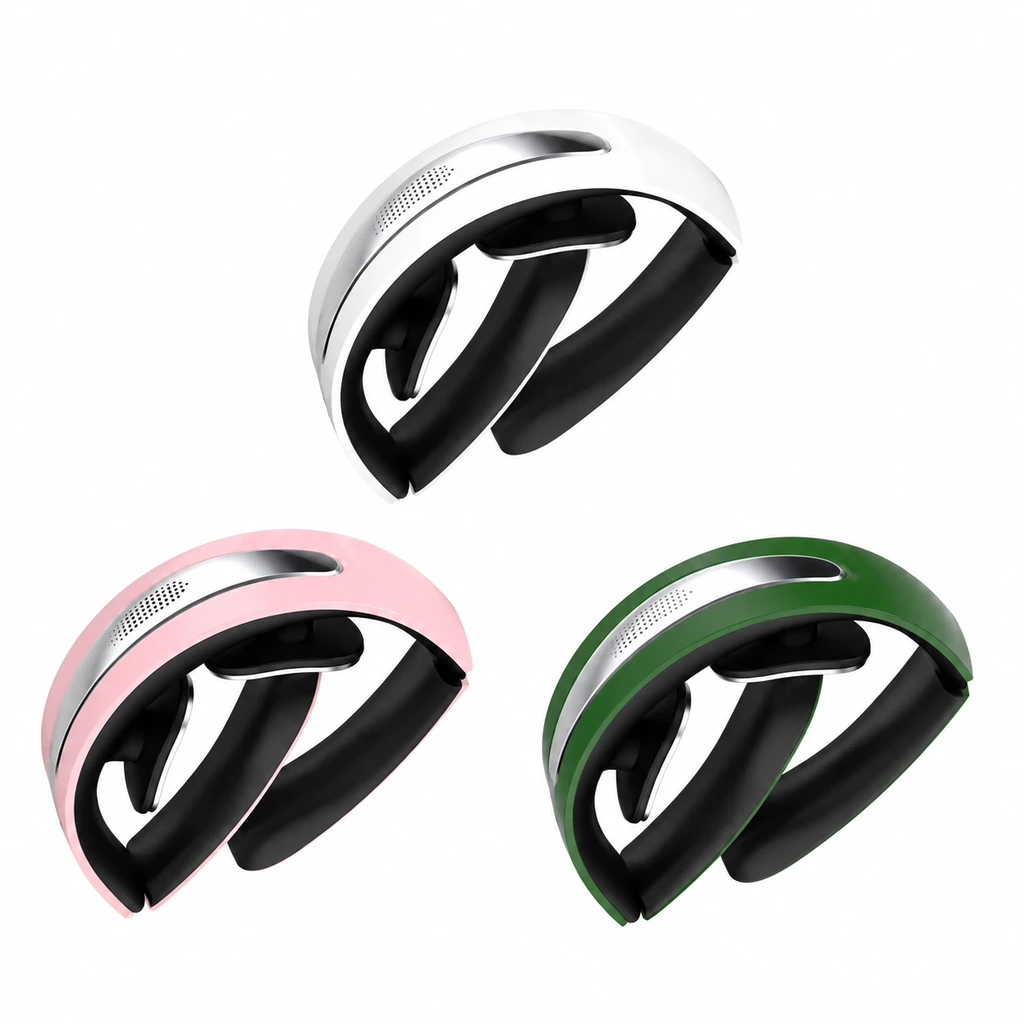
Start with the model, order reference, intended market and configuration revision. Then identify the selected finish, operation, indications, charging arrangement and supplied items using the applicable specification and sample. Include firmware or software revision when it affects the ordered behavior and the supplier can identify it.
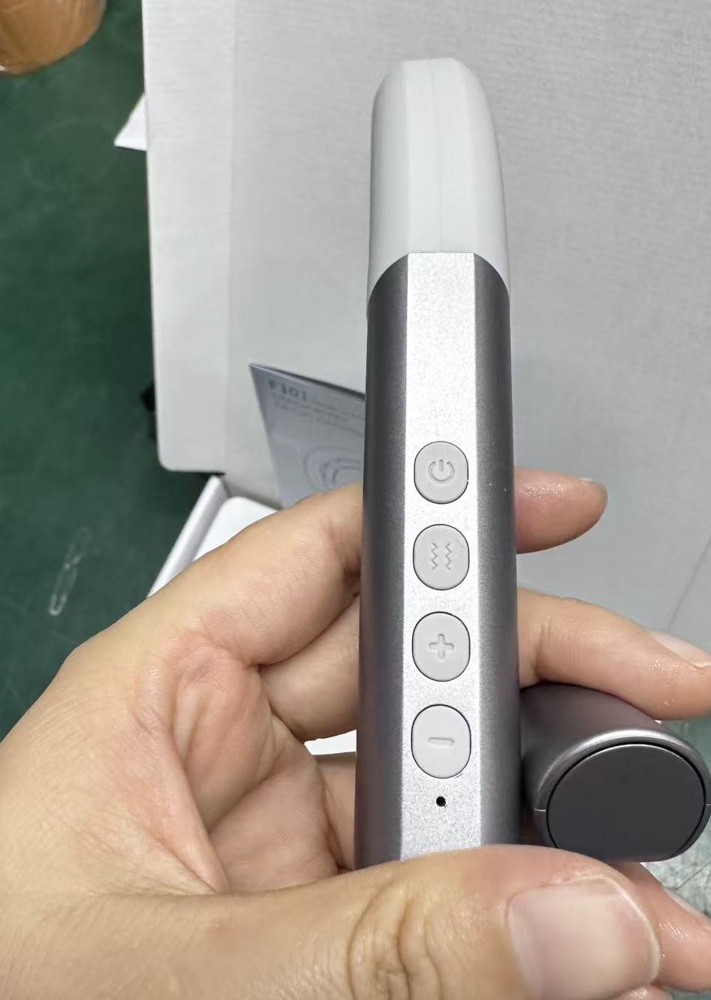
Appearance cannot define operation
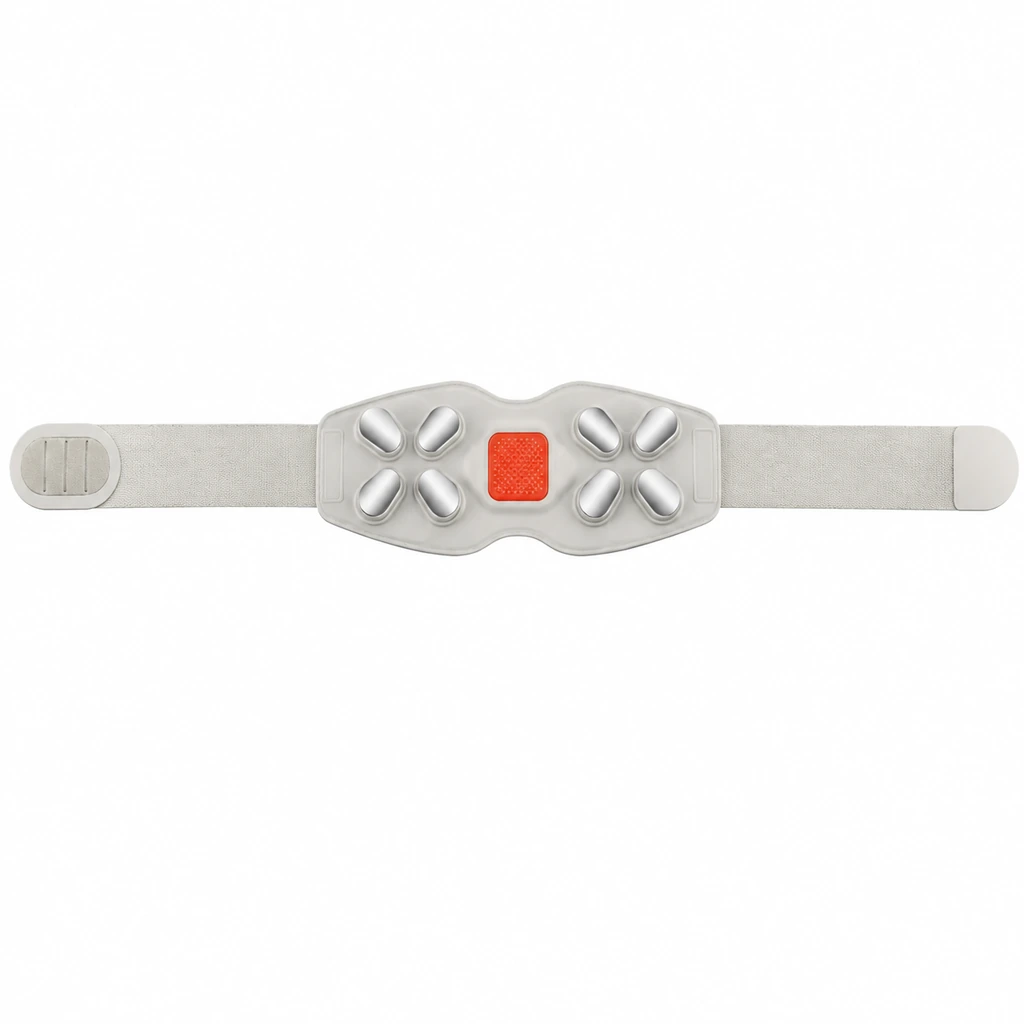
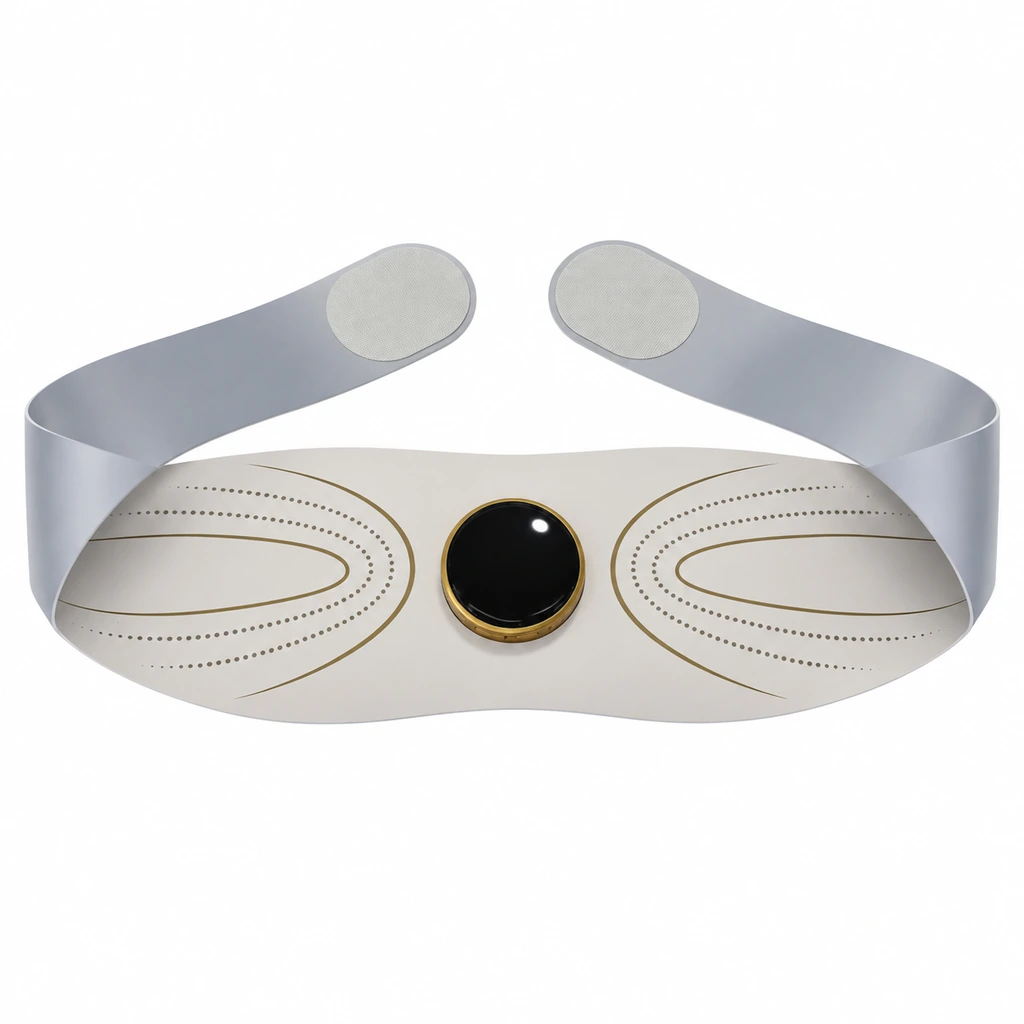
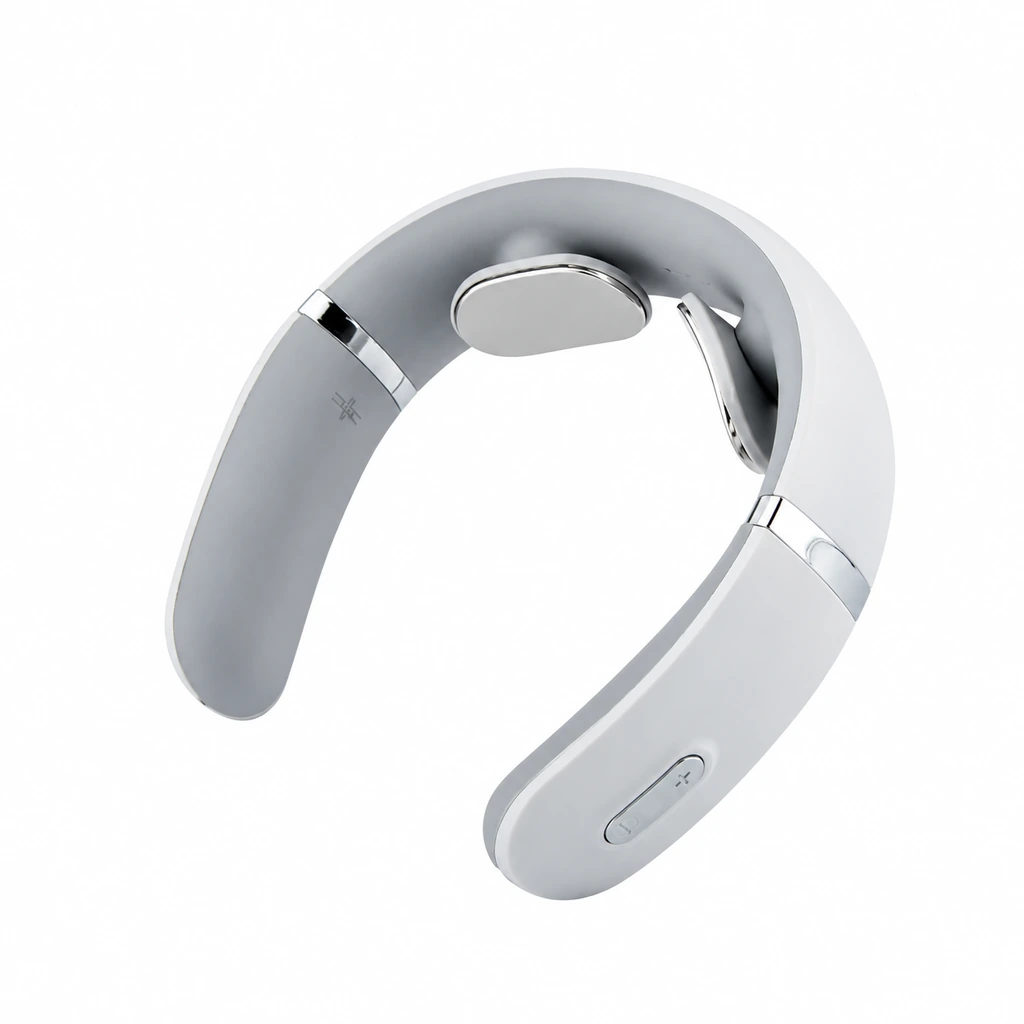
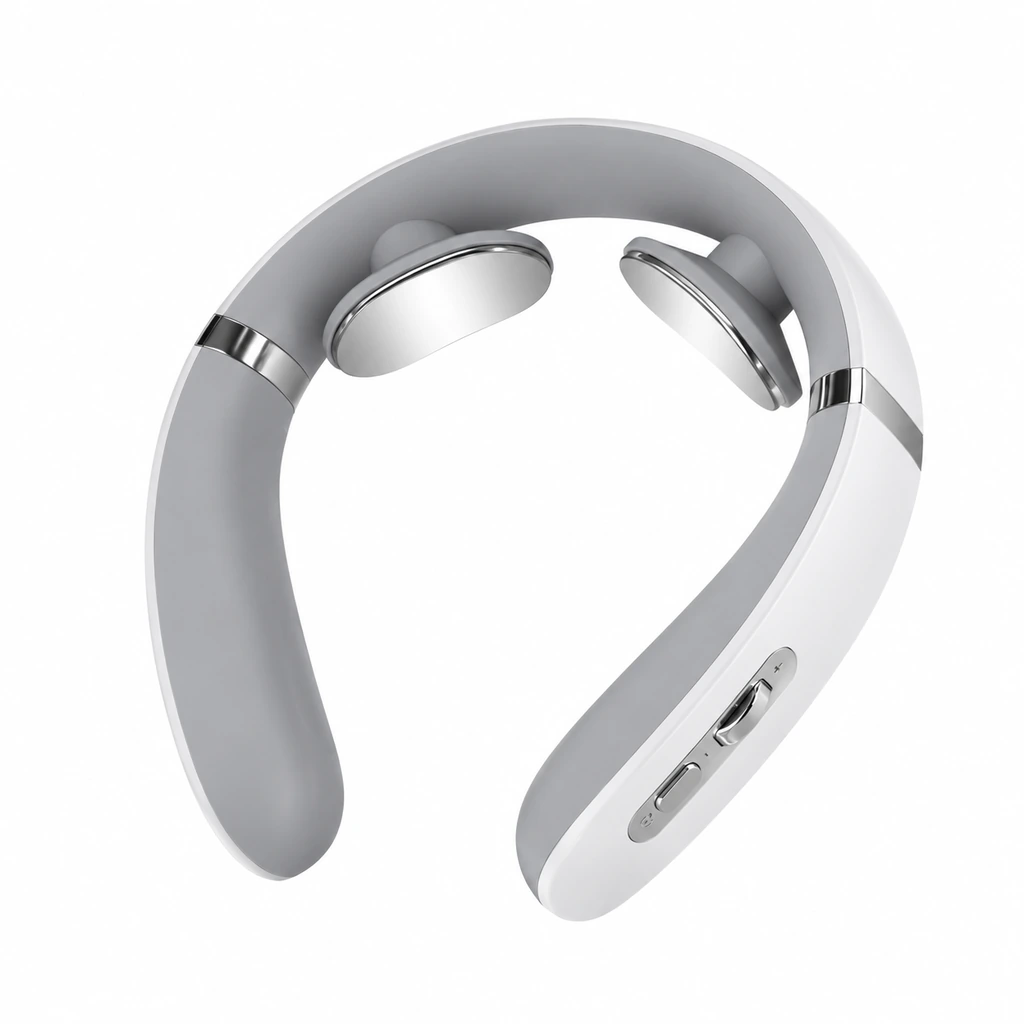
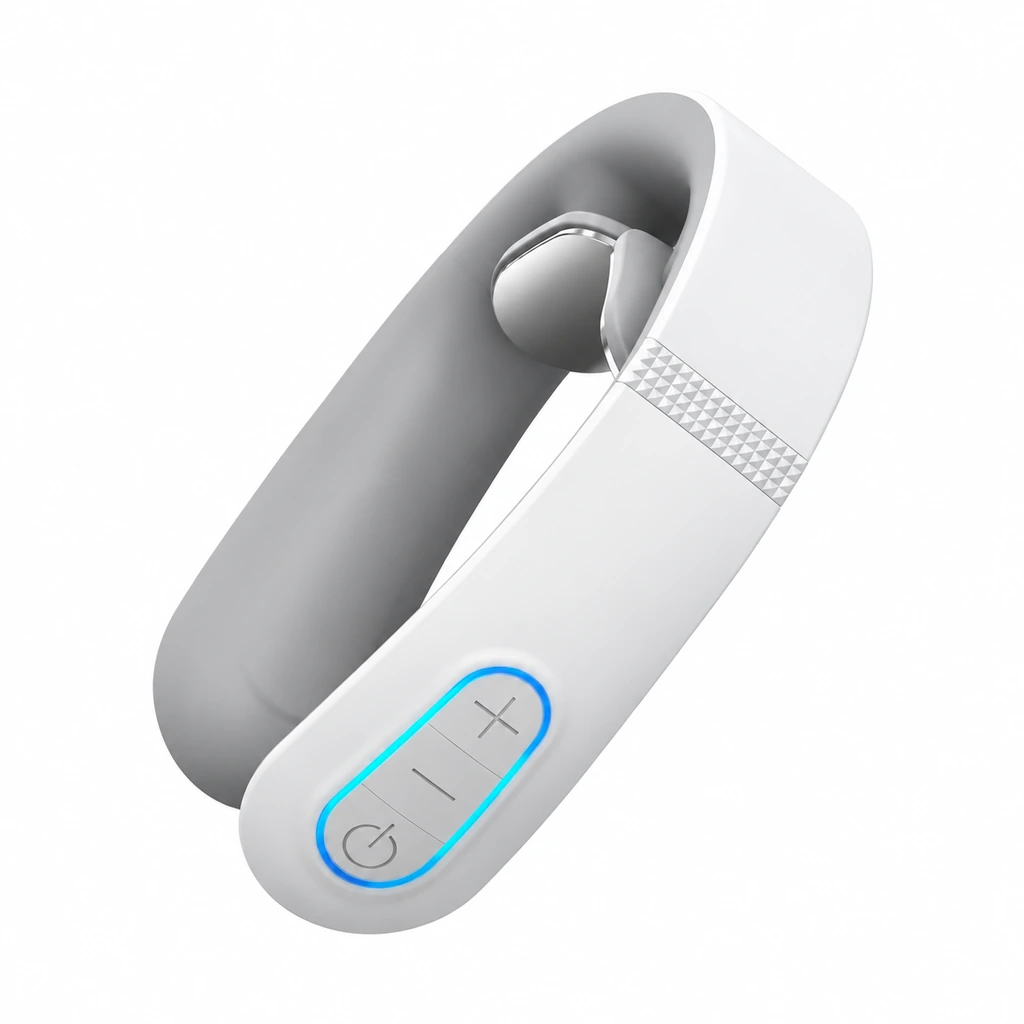
The Meilan F101 product page provides a model reference. For a purchase order, match the actual sample to the instruction revision and record what each control should do. Similar-looking controls do not establish identical behavior across configurations.
Where a change is requested, use the functional customization questions to define it before freezing the result. A requested function is not a confirmed option until the supplier agrees to the exact scope.
For materials or internal components that matter to the project, agree how they will be specified and how substitutions will be controlled. Do not fill an unknown material grade, battery specification or component reference from a different model’s document. Keep it open for supplier confirmation.
3. Freeze the complete retail pack as a separate configuration
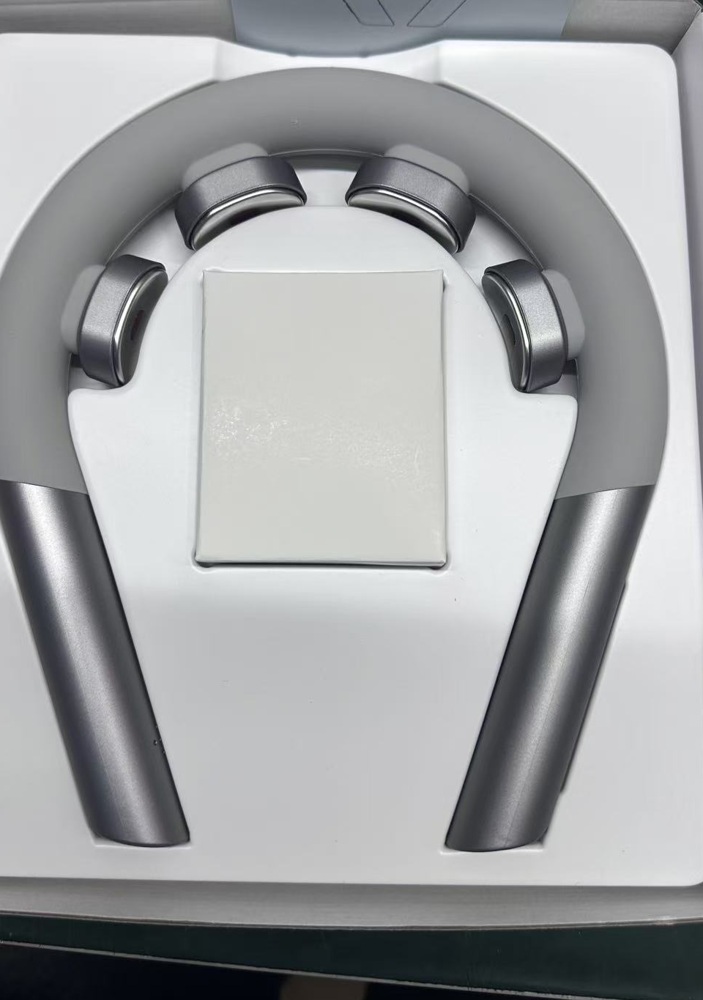
List each supplied item and quantity, including any cable, accessory, instruction leaflet or additional insert. State explicitly whether a power adapter is included. Match the contents list to a physical packing sample rather than assuming everything visible in a promotional photograph ships with the order.
Artwork approval and fit approval answer different questions
An approved PDF identifies printed wording and layout. The packing sample shows the arrangement of the selected unit and contents. Link both to the order: changing an accessory or leaflet can affect fit even when the box artwork is unchanged.
Record the box and insert revision, artwork file, instruction language and revision, label content and barcode data where applicable. Ask the relevant product or compliance owner to resolve required markings; attractive artwork is not evidence that a label meets US requirements.
4. Build one approval register that points to the evidence
Use an order-specific register rather than scattered email attachments. Each row should identify the item, its revision, the physical or digital evidence, the approver, approval date and unresolved action. A photo helps identify a sample but cannot replace the written configuration or agreed inspection criteria.
One order revision. Three linked references.Physical referenceSample identifierSelected configuration
Retention locationApproved filesSpecification
Artwork and instructions
Pack and contents listApproval registerRevision and date
Named approvers
Open items and release scopeIllustrative record structure, not a Meilan approval or certification. Resolve conflicts before releasing the affected work.
Agree which document governs if the sample, quotation and specification conflict. Issue a corrected, consistent set before release; do not ask production staff to choose whichever file arrived most recently.
| Item to freeze | Evidence reference |
|---|---|
| Model and selected configuration | Specification + sample ID |
| Operation and indications | Instructions + agreed demonstration |
| Appearance and branding | Reference sample + artwork |
| Accessories and quantities | Contents list + packing sample |
| Box, insert and printed materials | Pack sample + print files |
| Inspection and release criteria | Agreed inspection plan |
Assign buyer and supplier approval responsibilities in writing. Keep the following release criteria linked to actual revision identifiers, evidence references, approvers and dates; approval authority is project-specific.
5. Control changes after the freeze
A freeze is a controlled baseline, not a ban on changes. If the buyer requests another color, cable, printed claim or control behavior, record the old and proposed revision and ask which samples, documents, materials and checks are affected.
For example, a shorter cable may affect the contents list, packing layout and user instructions. This is a hypothetical change, not a statement about available F101 options. Ask for the cost, schedule and validation implications before approving it. Do not assume a seemingly small change inherits the previous approval or document coverage.
Discuss proposed modifications through Meilan’s OEM/ODM project scope. Confirm whether affected work should pause, whether existing materials can be used and which quantity or batch will receive the new revision. Then replace the working files and retain the superseded set as history.
6. Make the release decision explicit
Before authorizing a production stage, confirm that both sides hold the same approved file set, know where the reference samples are retained and understand any open conditions. Keep buyer and supplier acknowledgments with the order reference. A freeze does not replace inspection or prove that finished goods meet the requirements; it defines the baseline against which they will be checked.
Preparing a neck massager order? Send Meilan your selected model and approval register, along with the intended market, proposed changes and target delivery requirement. Ask which sample and document revisions can be confirmed for that exact configuration before releasing the affected production work.

