


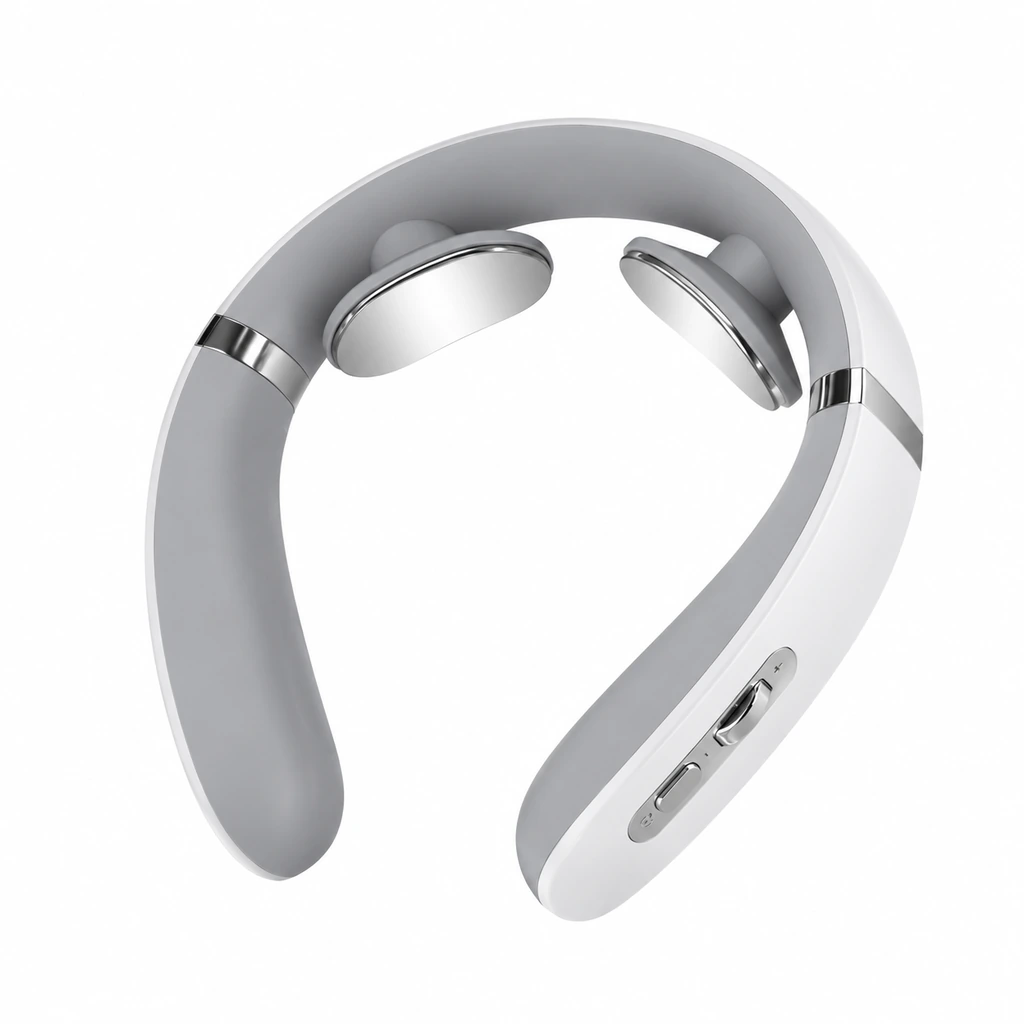
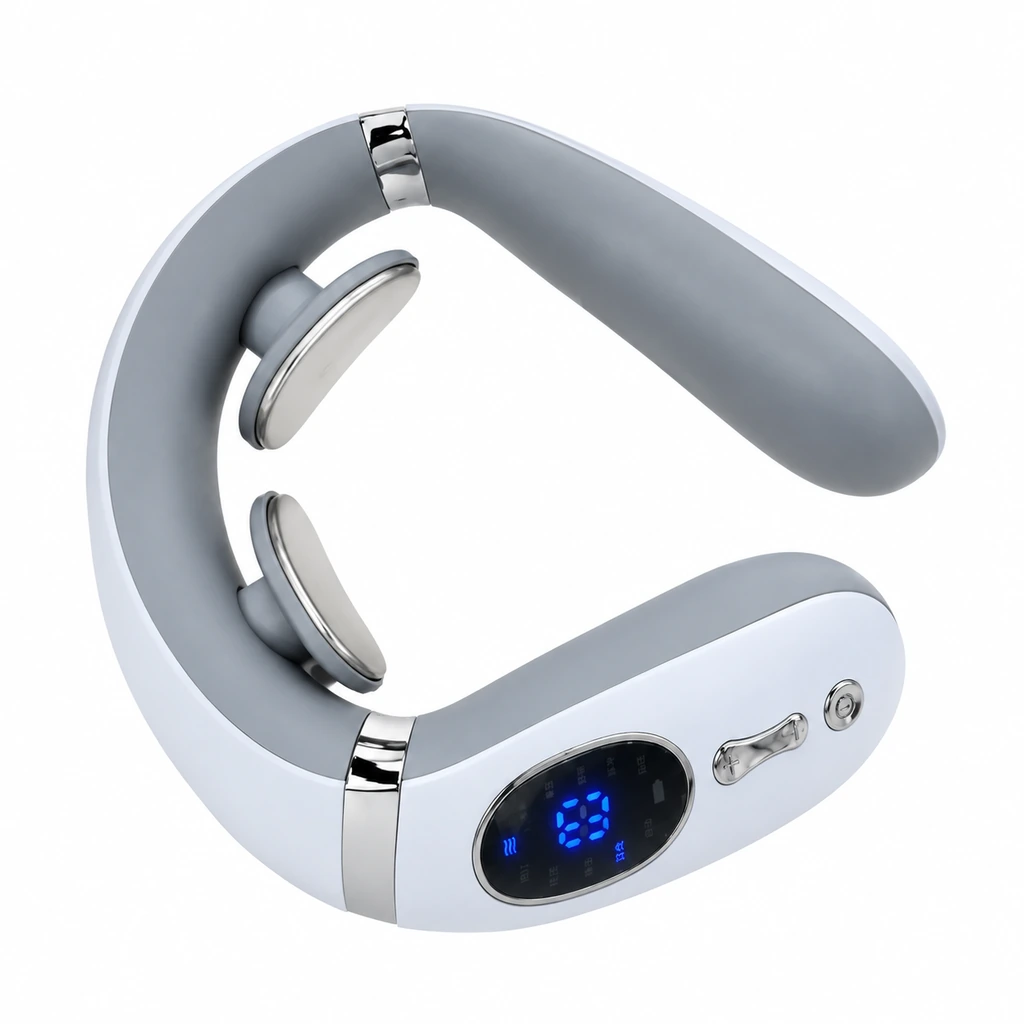


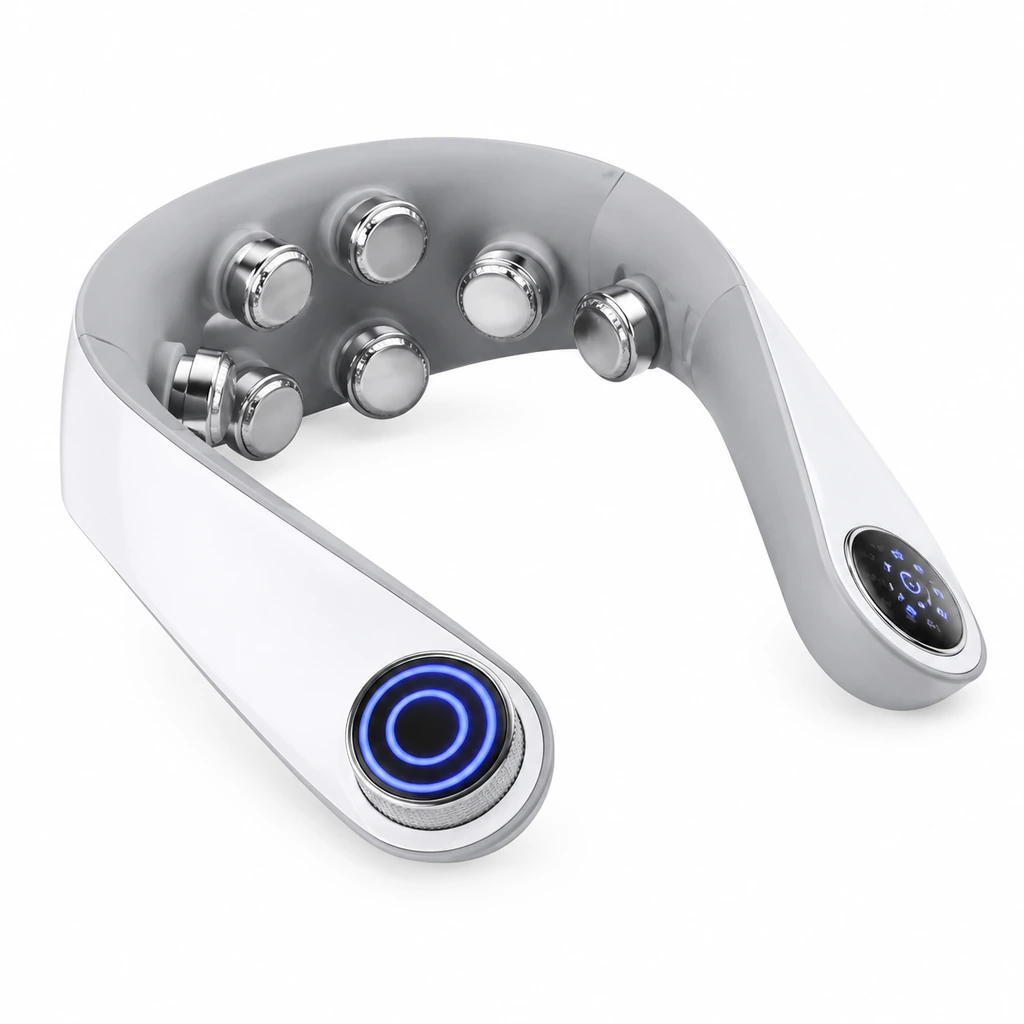
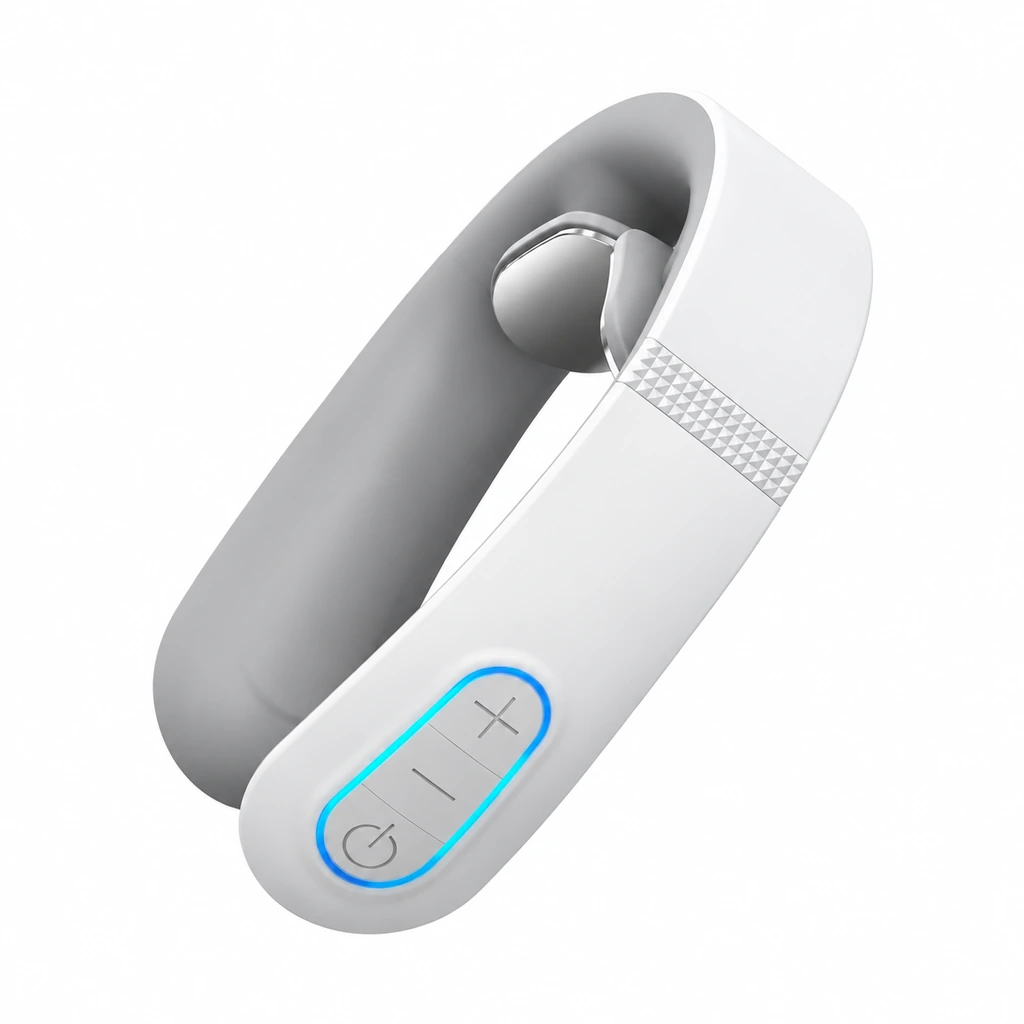



Neck Massager Manual Review Before Launch
Review neck massager manuals against the matching sample, controls, mode behavior, charging, cleaning and launch materials before approving instructions.
 Meilan Tech 5 min read
A neck massager can arrive with an English booklet and still leave the buyer unable to explain how the quoted version works. Which button changes the mode? Does switching programs reset intensity? Does “washable” apply to a detachable part or the complete device? Those are launch decisions, not minor proofreading details.
For a brand procurement or product team, the goal is a manual that matches the approved sample, retail kit and customer-facing copy. Review it through a real operating sequence, then close unanswered questions with the responsible product contact before artwork release.
1. Confirm the model before reviewing the words
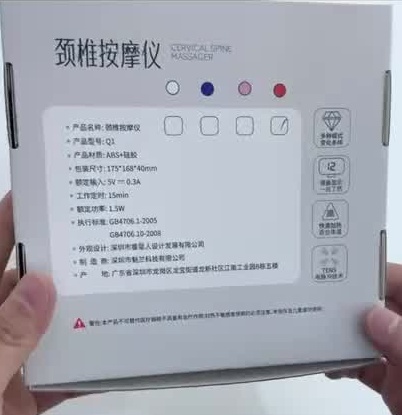
Compare the model on the device label, packaging, manual and supplier proposal. Record the sample identifier, configuration and manual revision together. A folder name is not a product identifier, and a file named “English manual” does not establish which version it covers.
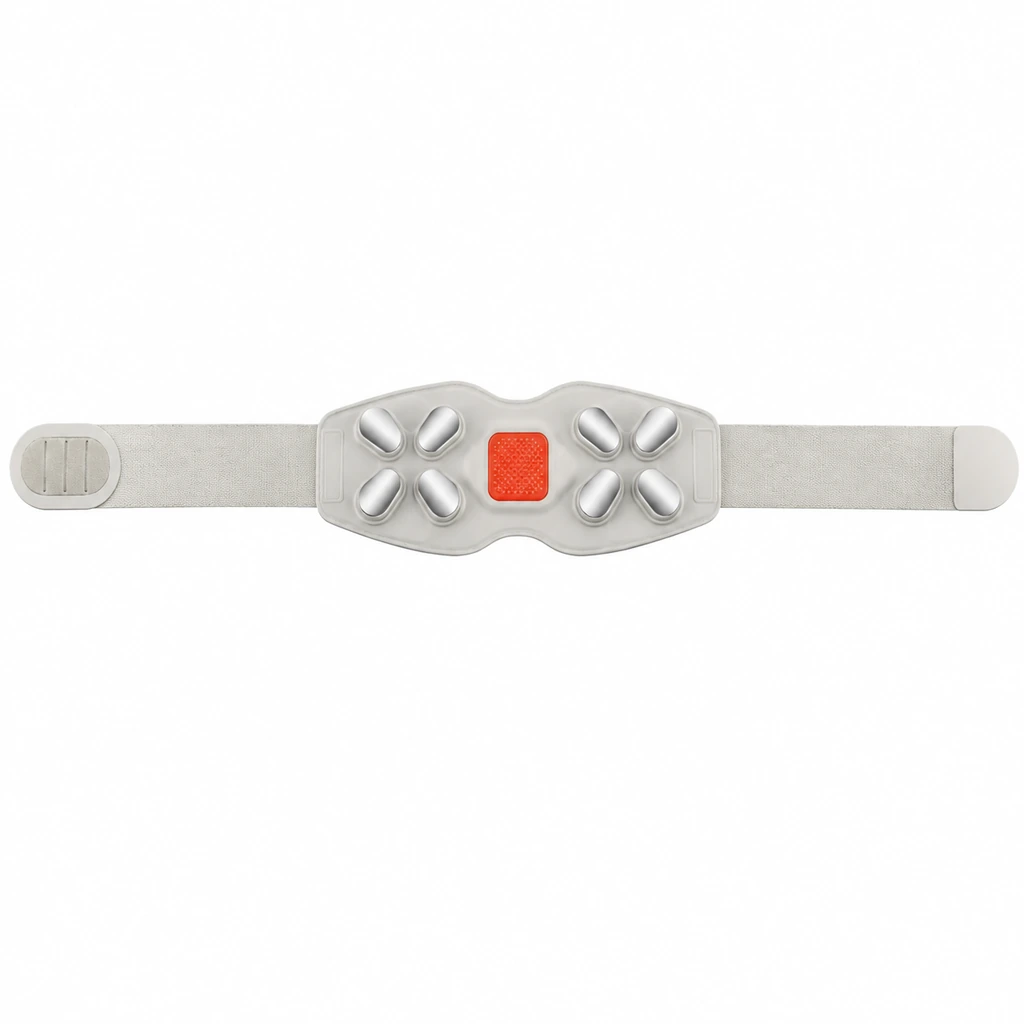
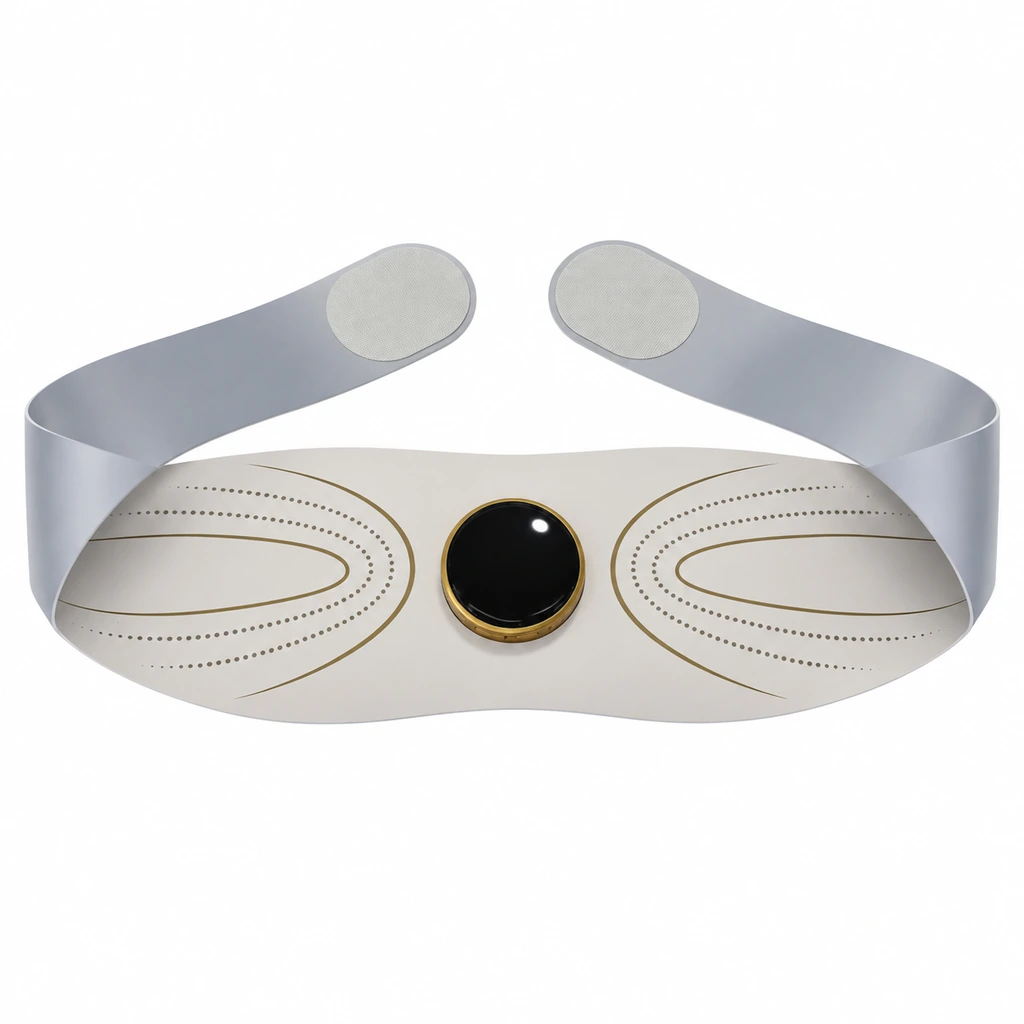
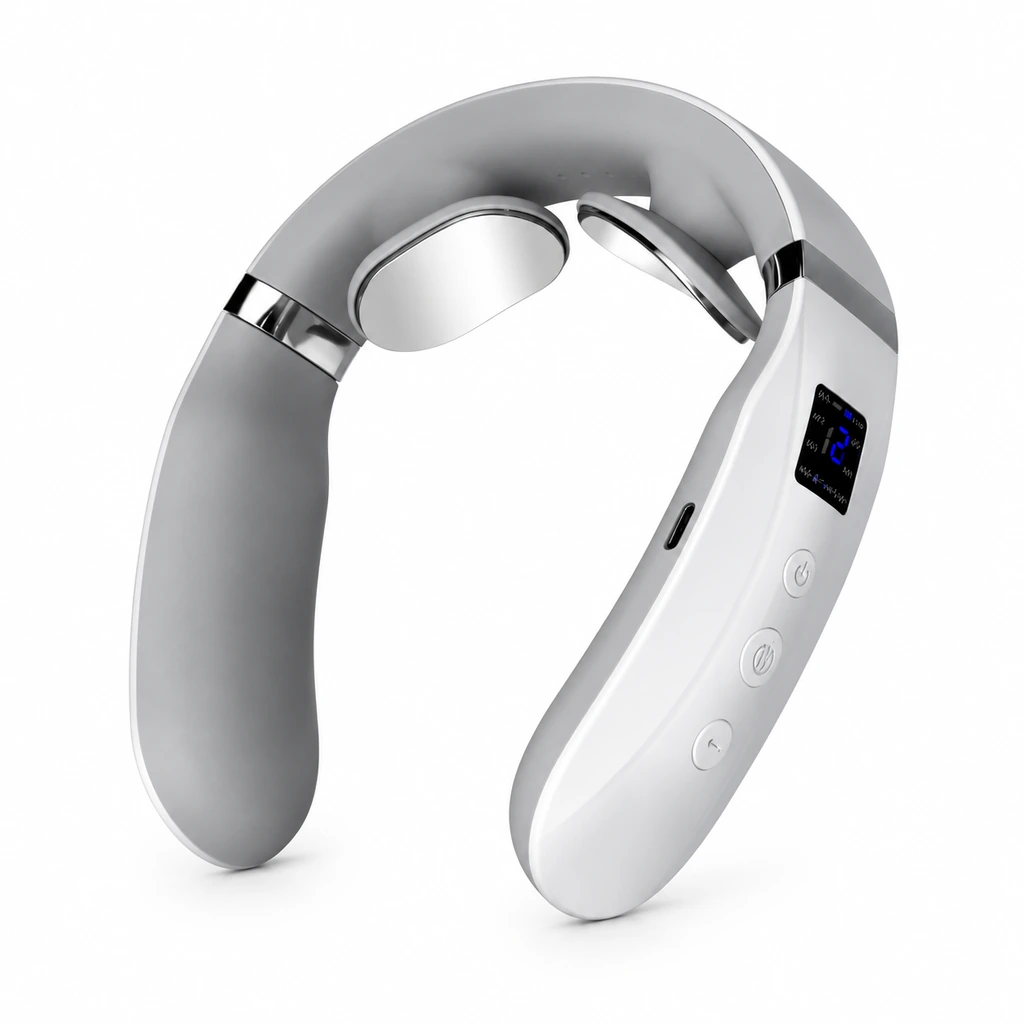
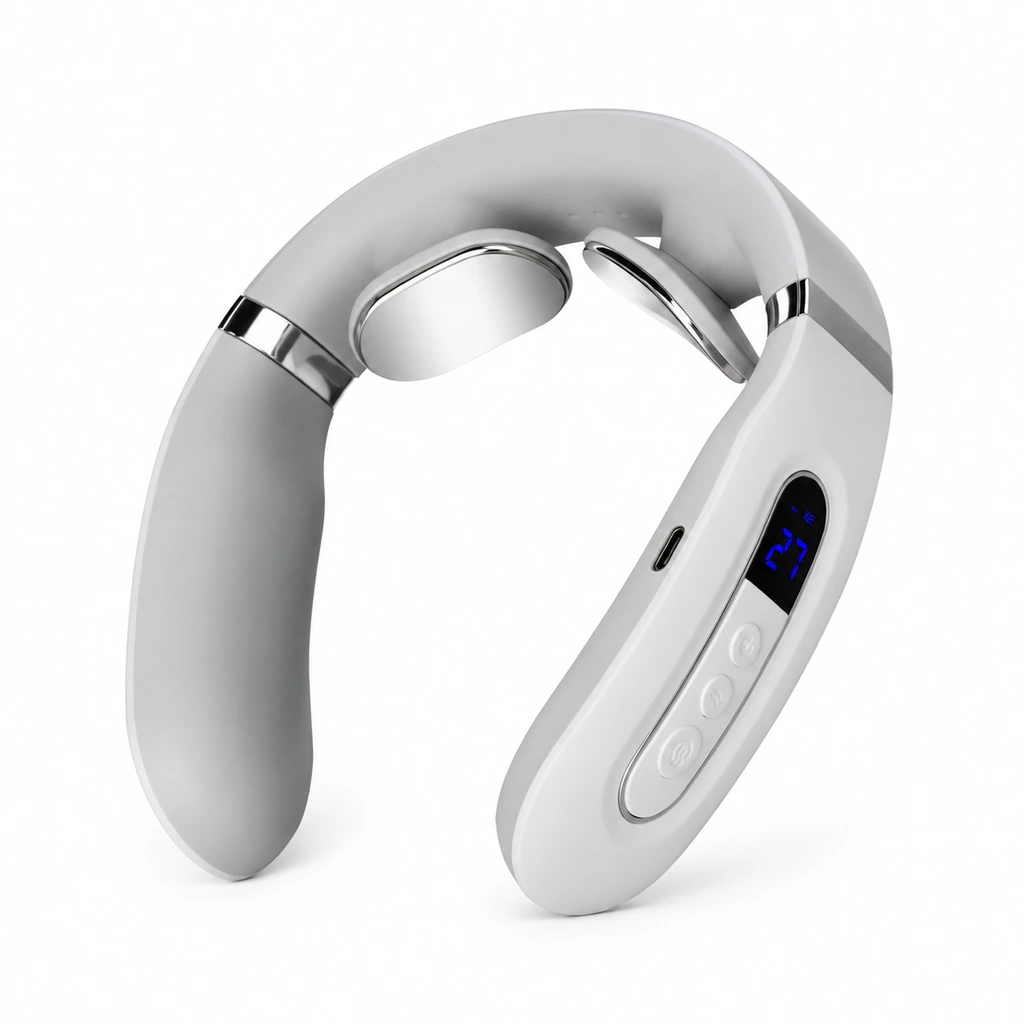
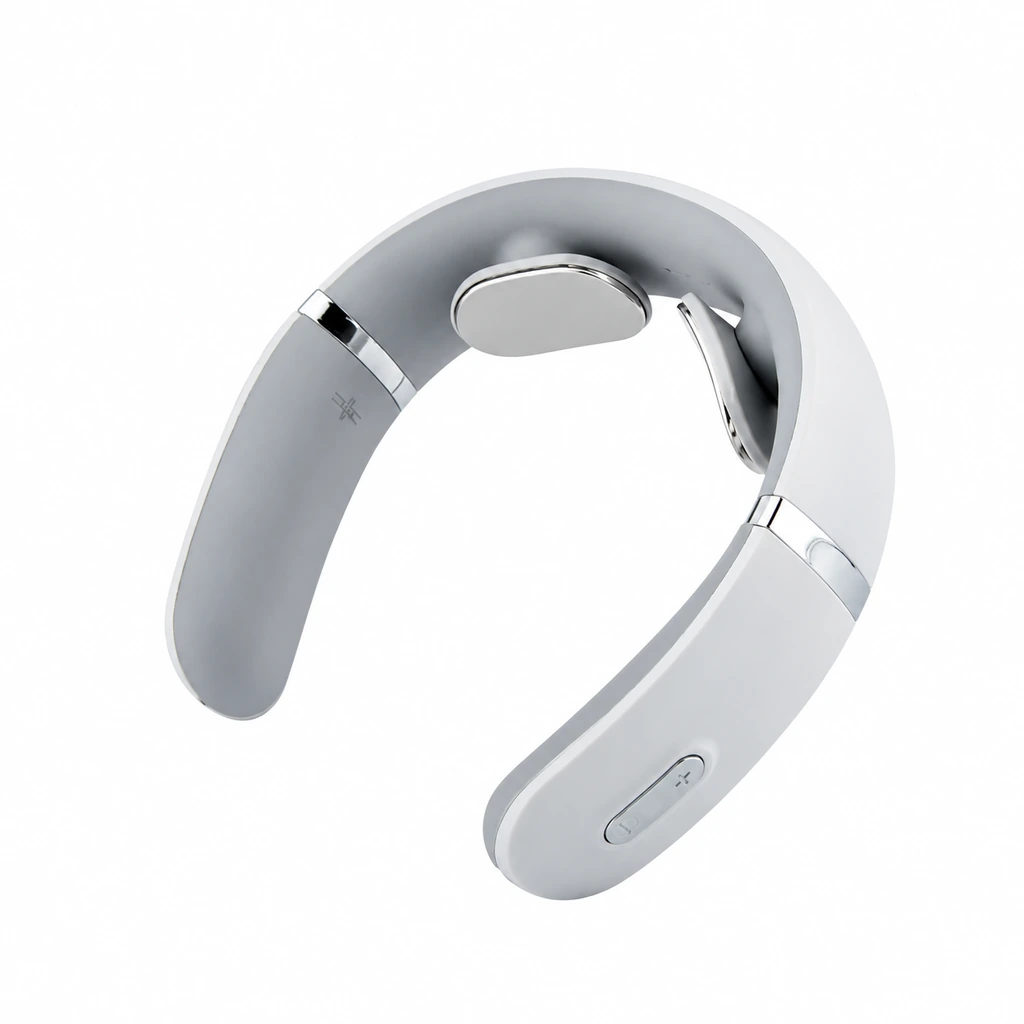
The supplied packaging image identifies Q1 on its back panel. That visible identifier is a useful starting point for requesting the corresponding manual. Use the Q1 product page as a starting reference, then request the matching instructions for the actual sample. Do not silently resolve a mismatch by choosing whichever document looks newest.
If the manufacturer uses different names for a sales model and an internal configuration, ask for a written cross-reference. The same-looking enclosure may not prove identical controls, accessories or instructions. Keep the unresolved identity question separate from a simple translation correction.
2. Walk through the controls in the order a user encounters them
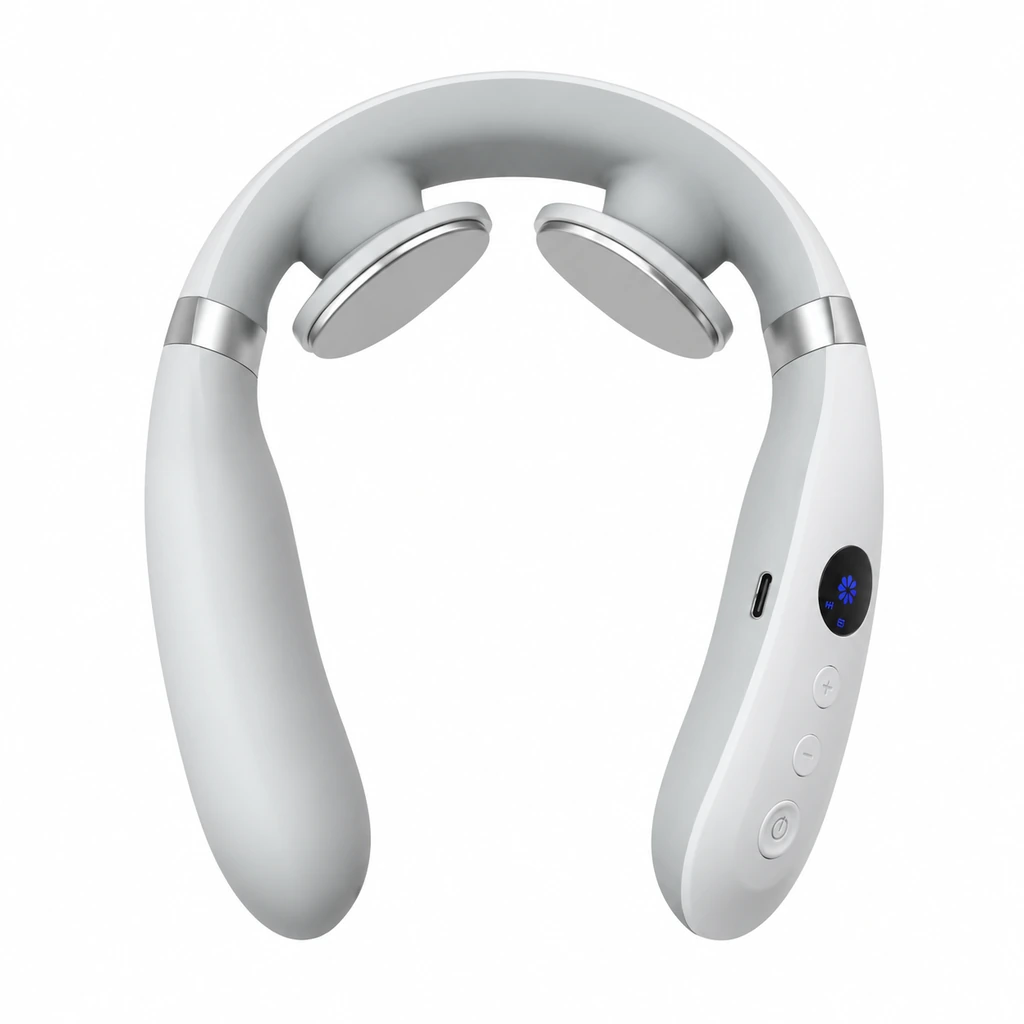
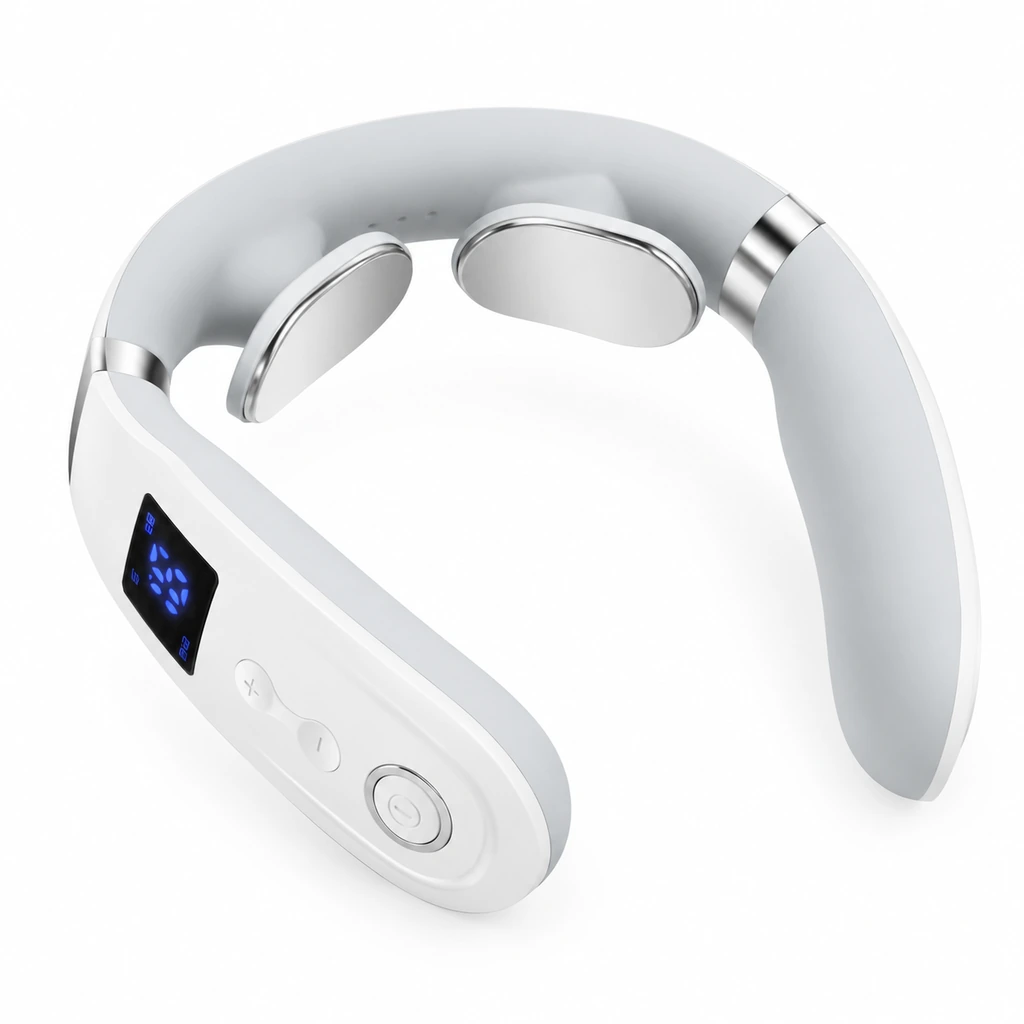
Start with the approved suitability and safety instructions. Have a reviewer follow the manual without coaching: identify the power control, perform the stated press action, select a program, adjust intensity and stop the device. Follow only permitted use conditions; this is an instruction-usability review, not a maximum-output challenge or safety certification.
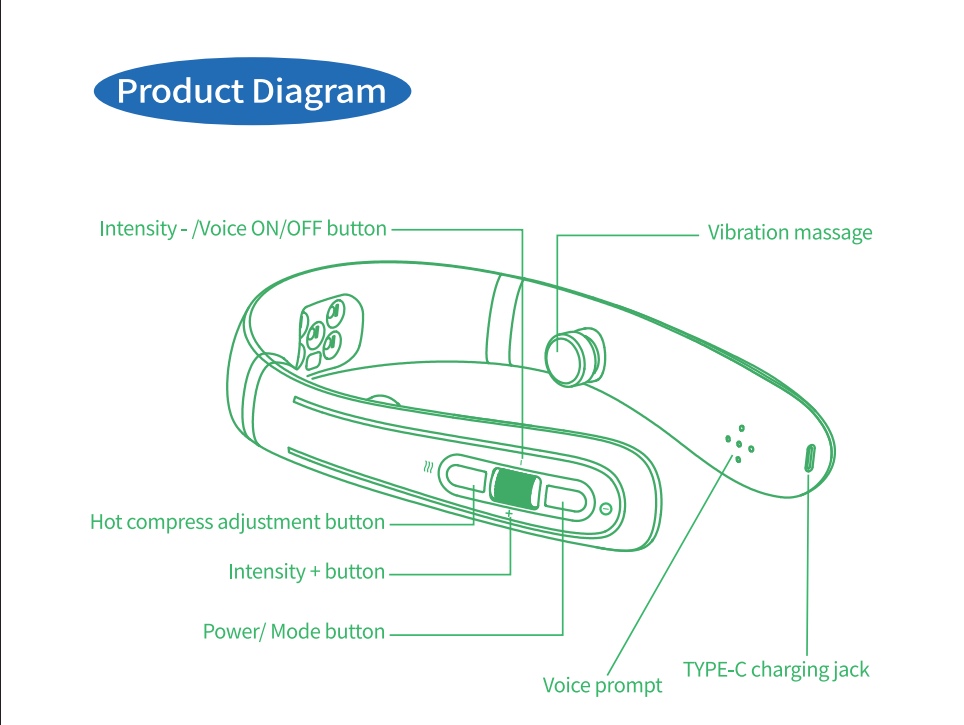
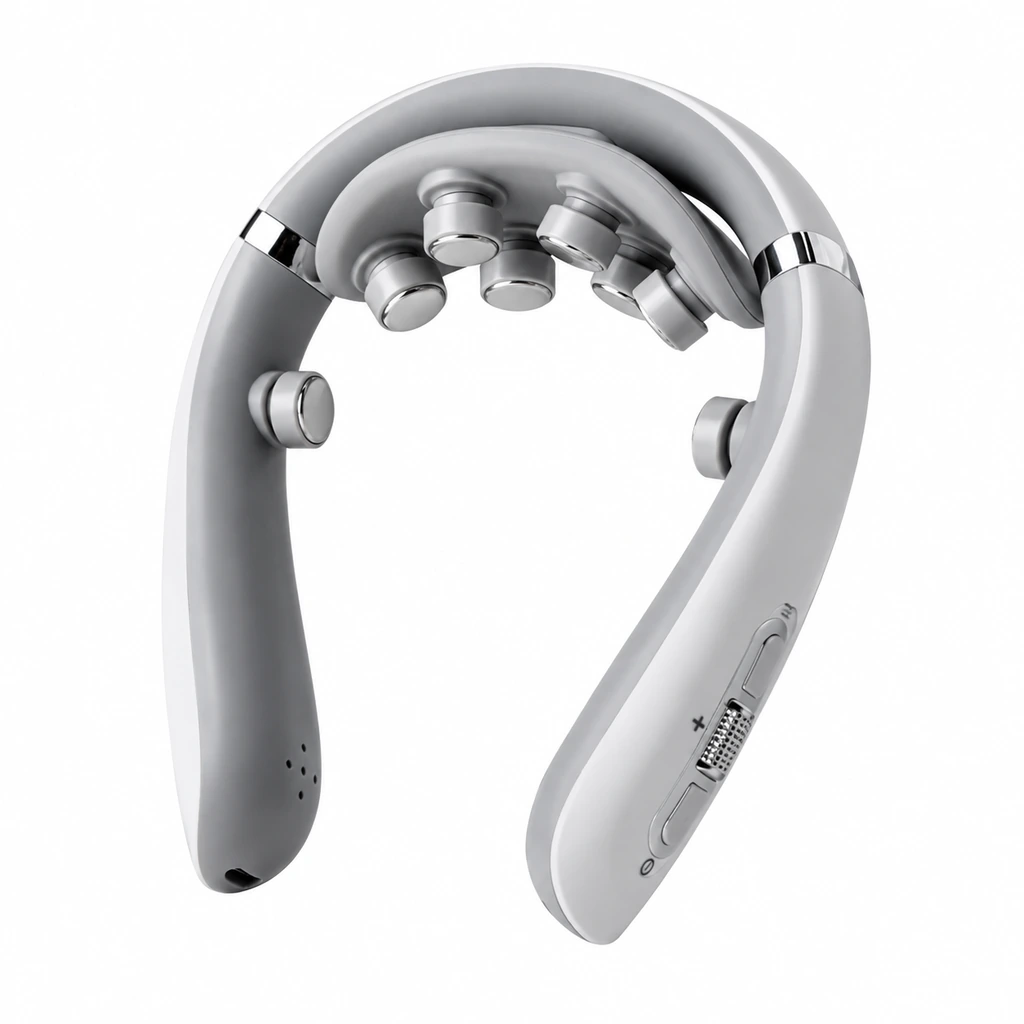
The supplied F12 English instructions label several button functions, including power/mode and intensity controls. That gives the reviewer a concrete map to check against the quoted F12 sample. It does not justify transferring the same sequence to every neck massager.
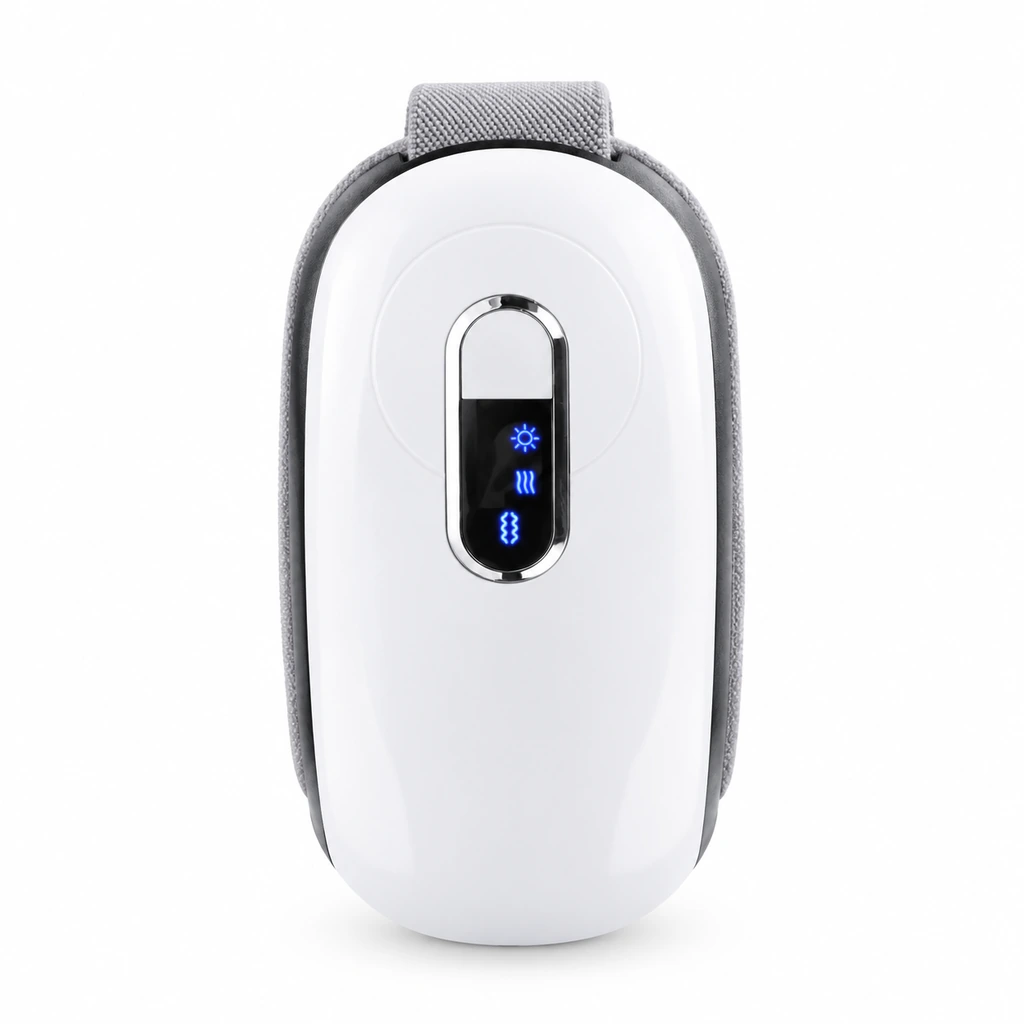
Record the action, expected feedback and actual feedback. A brief press and a press-and-hold need distinct wording. Where a button has two functions, specify the operating state and the relevant action rather than translating the icon alone. The demonstration brief can help request the missing close-up.
3. Resolve modes, intensity and restart behavior separately
A mode name describes a selected program; an intensity setting describes an adjustment within the device’s available controls. Check the modes-versus-intensity guide before turning those counts into packaging claims. Neither a higher count nor a familiar label proves a particular therapeutic effect.
The supplied F12 instruction text says intensity drops to level 1 when a mode is changed. It also describes memory for certain settings. Rather than treating those sentences as interchangeable, ask exactly which state each statement covers: changing mode during use, switching the device off and on, or another condition. Demonstrate each relevant transition on the matching sample and clarify any contradiction in the next manual revision.
An observation log should preserve both the instruction and the result. If the sample behaves differently, flag the discrepancy for the product owner. Do not rewrite the manual around one unexplained observation or assume the wording is correct because it was supplied in English.
4. Clarify charging, cleaning and the intended use boundaries
Check the specified power input, charging connection, indicator meanings and the handling of any included cable. A booklet illustration of an adapter is not proof that an adapter is supplied. Ask whether use while charging is permitted; do not infer permission from the position of the charging port.
Cleaning instructions should identify the part being cleaned, the allowed method and the drying or storage steps. A removable contact assembly and the powered body are different items. Where water-contact wording is unclear, obtain the product owner’s approved instruction and supporting documentation instead of adding “waterproof” or “shower-safe” to the listing.
Keep suitability warnings, prohibited uses and stop-use instructions in the review. A marketing editor can flag unclear language, but should not invent or remove technical warnings. Health-related marketing claims require a separate evidence review; an instruction booklet alone does not substantiate them.
5. Turn unclear instructions into an answerable review log
Use one row for each unresolved question, with a named decision owner and evidence needed for closure. The examples below are a review template, not claims that these faults were found in a Meilan production batch.
| Question | What resolves it | Approval impact |
|---|---|---|
| Which model and configuration does this booklet cover? | Label photographs and a written model/version match | Hold instructions for the unidentified version |
| Is this a short press or a long press? | Matching sample demonstration and corrected wording | Update the instruction and demonstration script |
| What changes when a mode is selected? | Observed mode/level sequence and product-owner confirmation | Align the function description |
| Which components may be cleaned with water? | Approved part-specific cleaning instructions | Resolve use boundaries before retail copy approval |
| Which accessories are included? | Agreed kit list and packed-sample check | Match diagrams to the actual retail kit |
6. Approve one release set across print, web and video
When the questions are closed, keep the approved manual file with its revision, language and linked sample record. Review diagrams, button names and accessory illustrations at the final print size. An accurate sentence can still be unusable when its symbol is too small or the illustration points to the wrong part.
Check the product page, packaging, quick-start card and video title against that same release set. Translations need the same model identifiers, numbers, operating conditions and warnings. Localizing the title is not a reason to call a Chinese-language demonstration an English-language video.
Use the specification-freeze checklist to lock the agreed files. If a control, accessory or configuration changes later, reopen the affected approvals. For a sample review, send Meilan the candidate model and a marked-up question log, requesting the current matching manual and a focused operating demonstration.

