



Scalp Massager Wholesale Sourcing
A buyer checklist for sourcing Meilan T1: review grip, contact heads, controls, cleaning documents, packaging and the quoted version before approving a retail listing.
 Meilan Tech 6 min read

For a personal-care brand or salon retailer, a scalp massager is worth shortlisting only when its handling, contact heads, controls and cleaning instructions fit the intended channel. The Meilan T1 provides a concrete candidate: compare its published product information with the supplied manual, then use a version-matched sample to settle the details that affect customer use and repeat orders.
1. Define the retail job before requesting a quote
Start with the intended sale: a personal-care brand may need a compact self-use product with clear consumer instructions, while a salon retailer may focus on demonstrating the grip and explaining how the contact heads are cleaned. A salon selling the device for home use is different from a salon planning shared in-service use; the latter needs a separate hygiene and operating review. Name the market, sales channel, target price band and expected packaging before comparing suppliers.
The Meilan head massager collection is a useful starting point, but the inquiry should identify T1 and the exact configuration under consideration. A category label alone cannot establish the motor program, accessories or approved claims for a quotation.
2. Examine the grip and the contact geometry
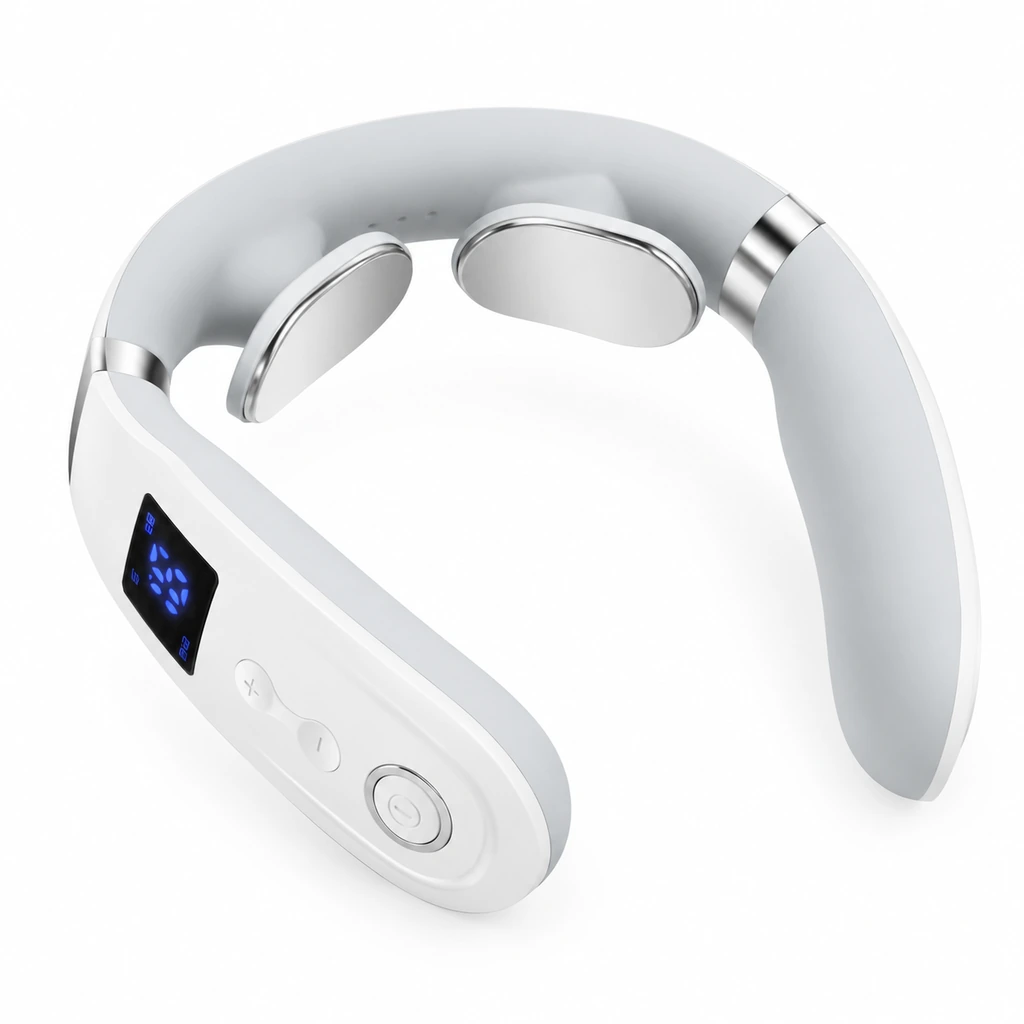
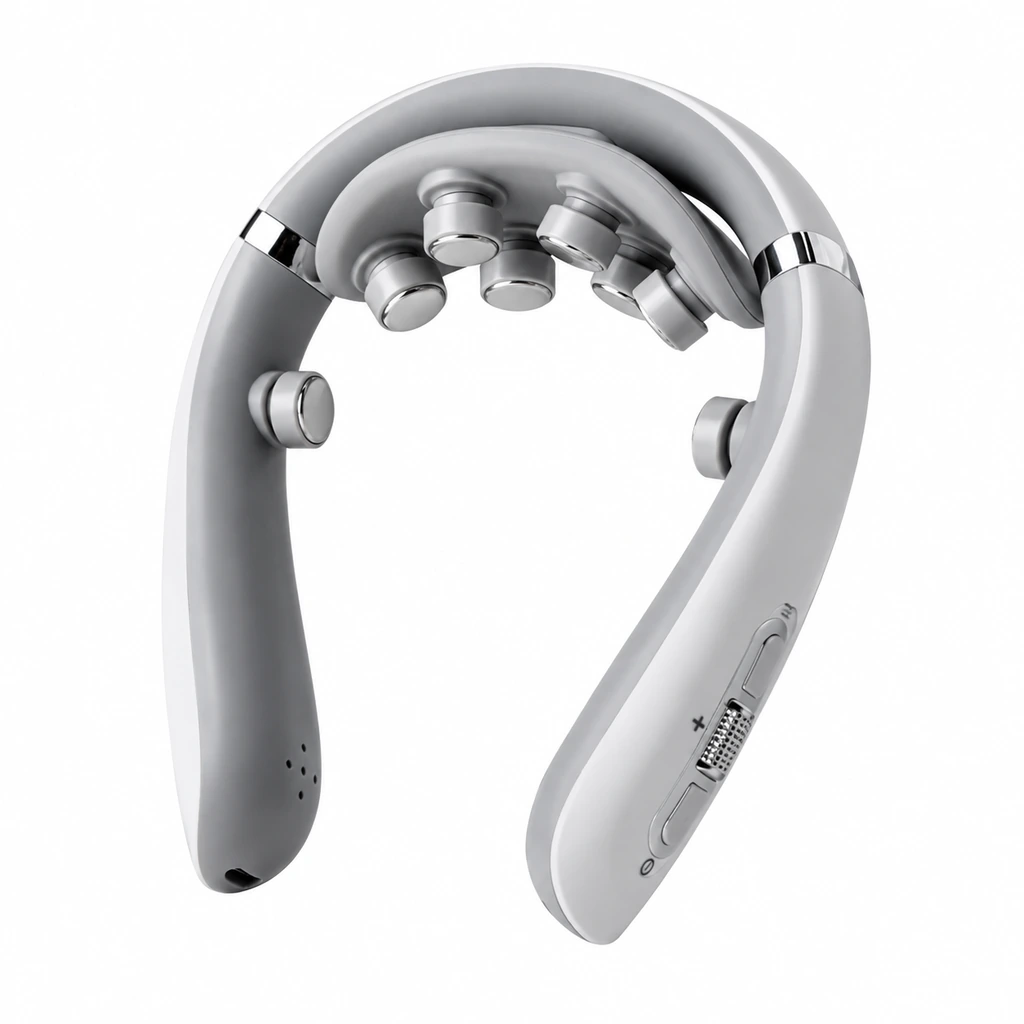
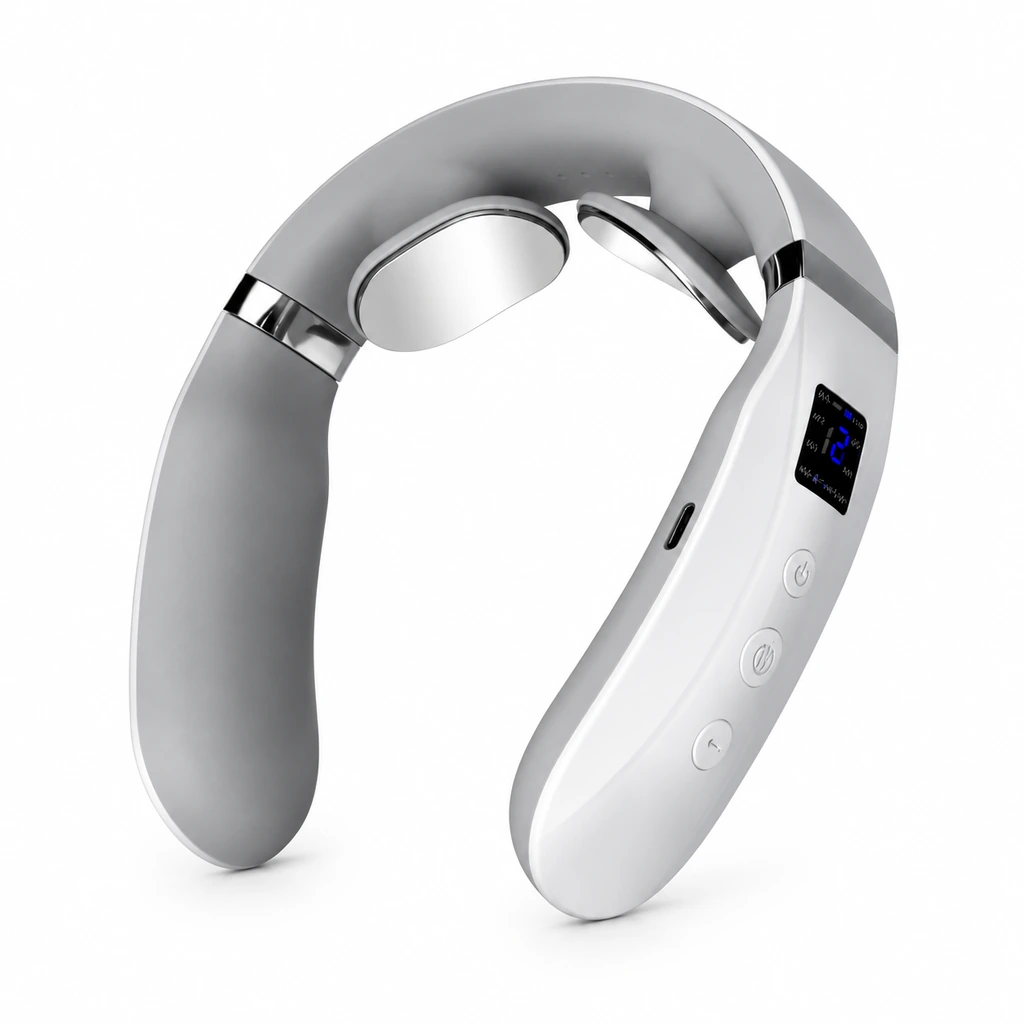
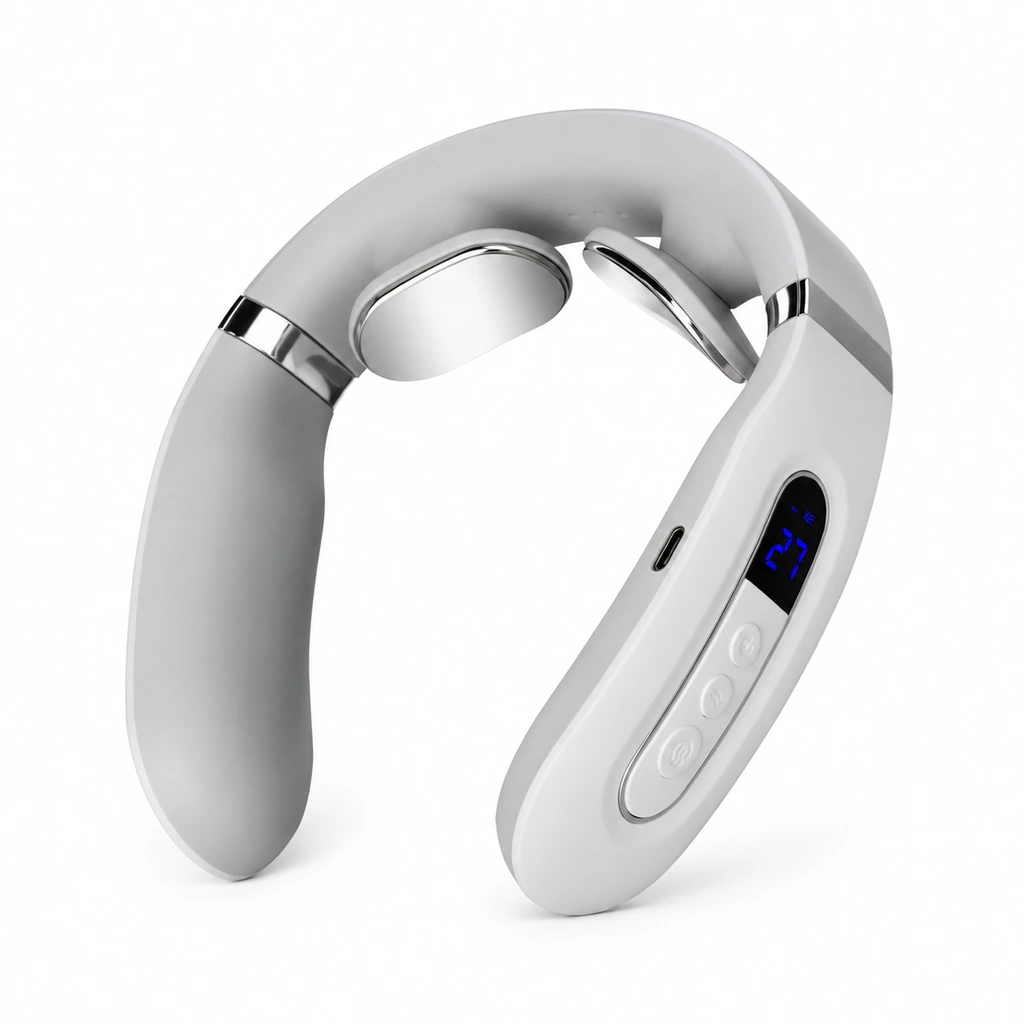
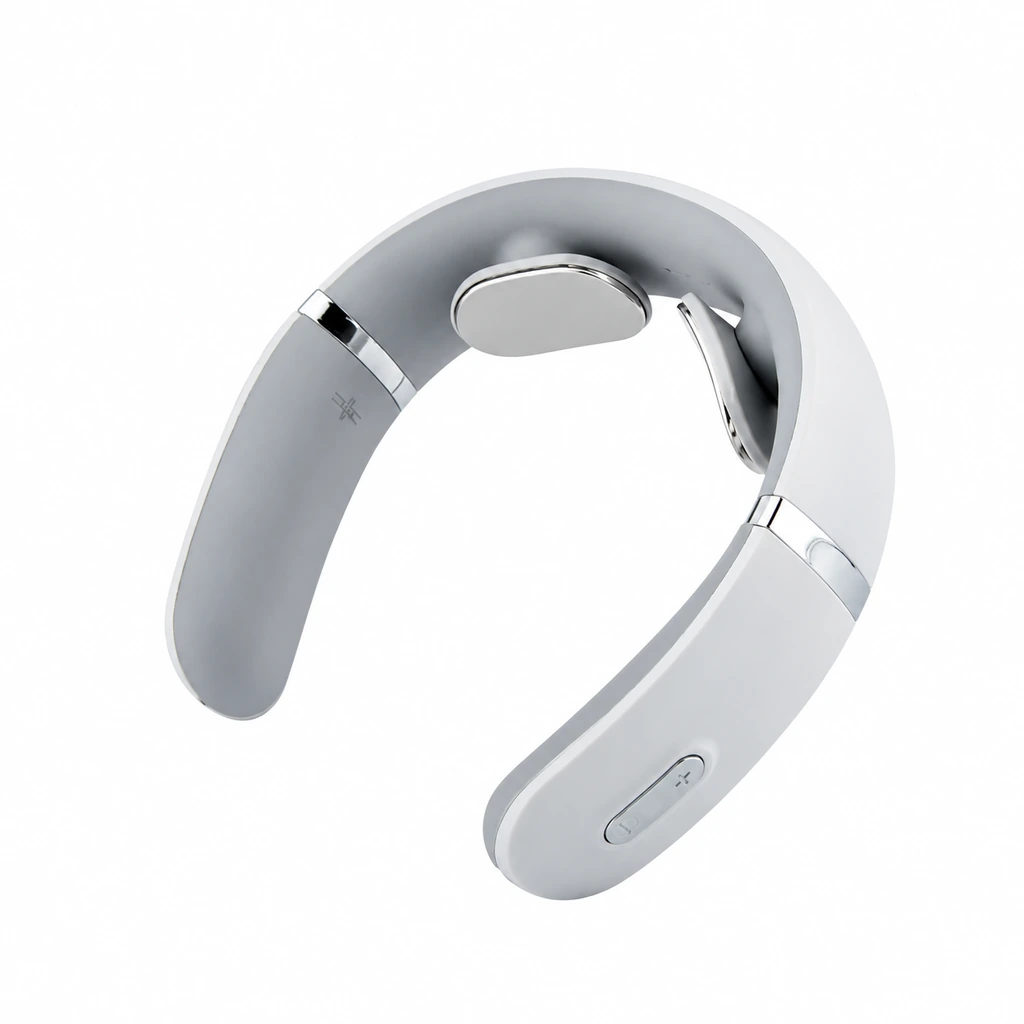
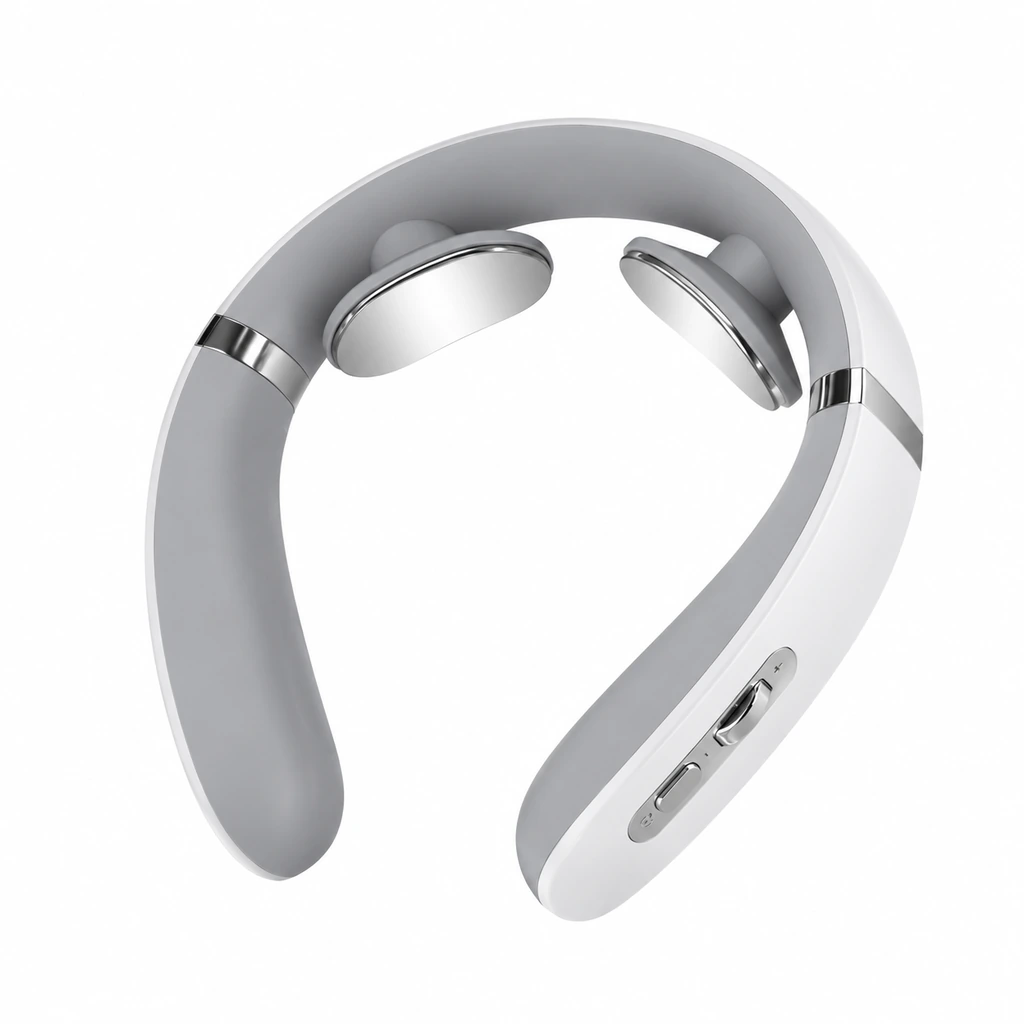
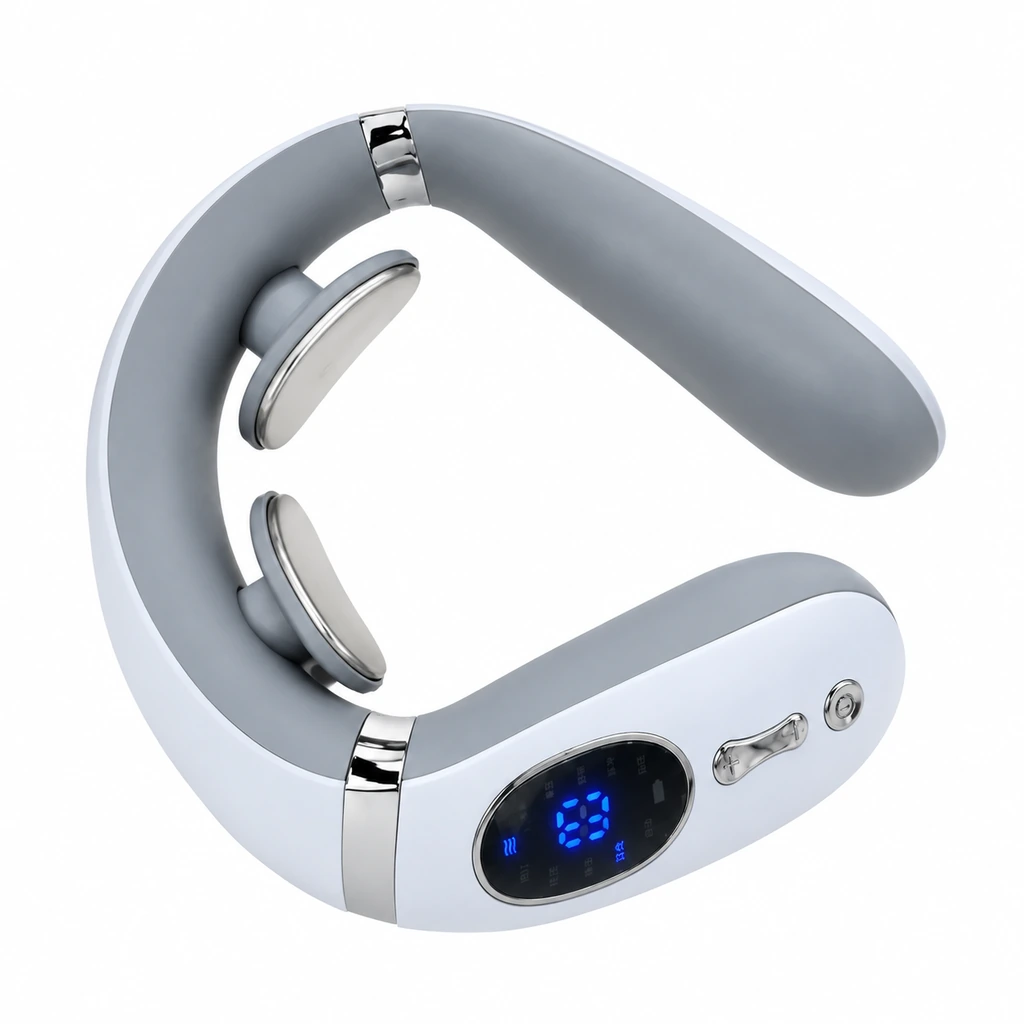
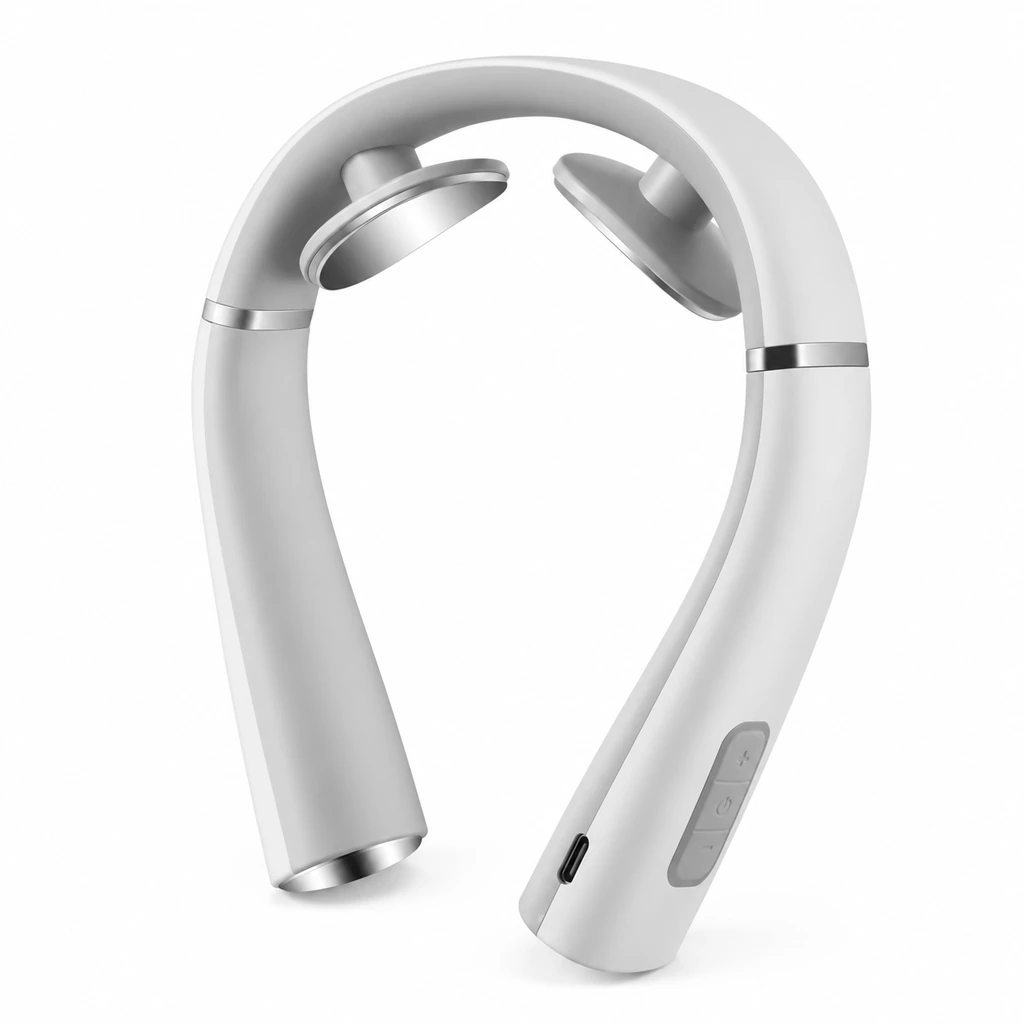
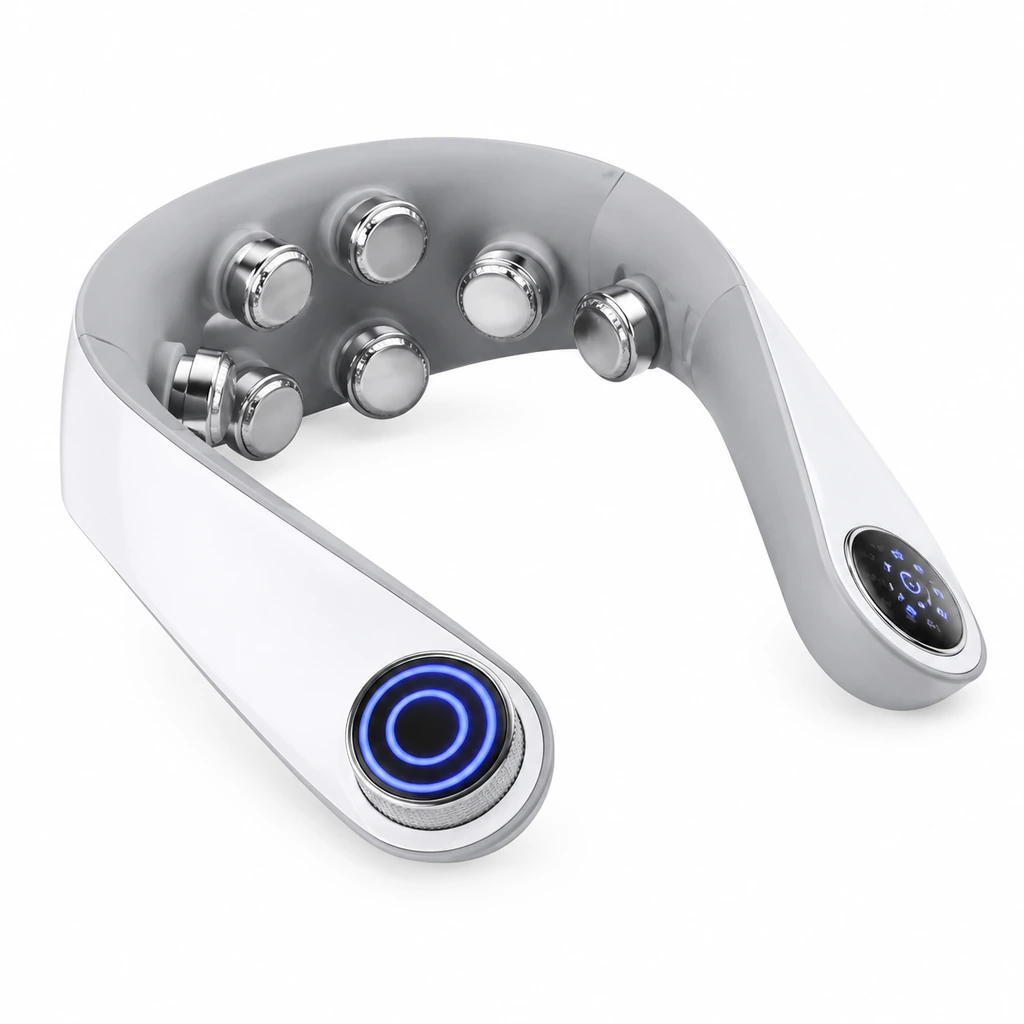
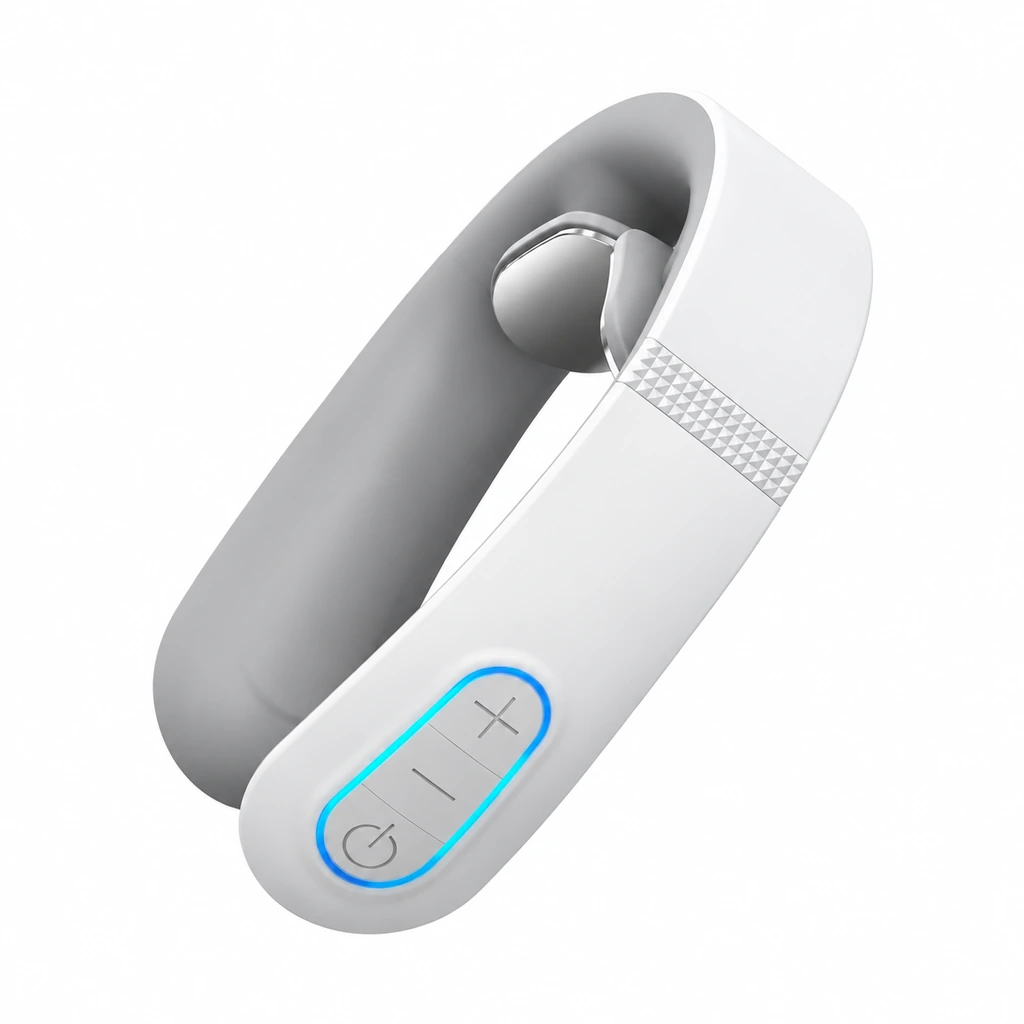
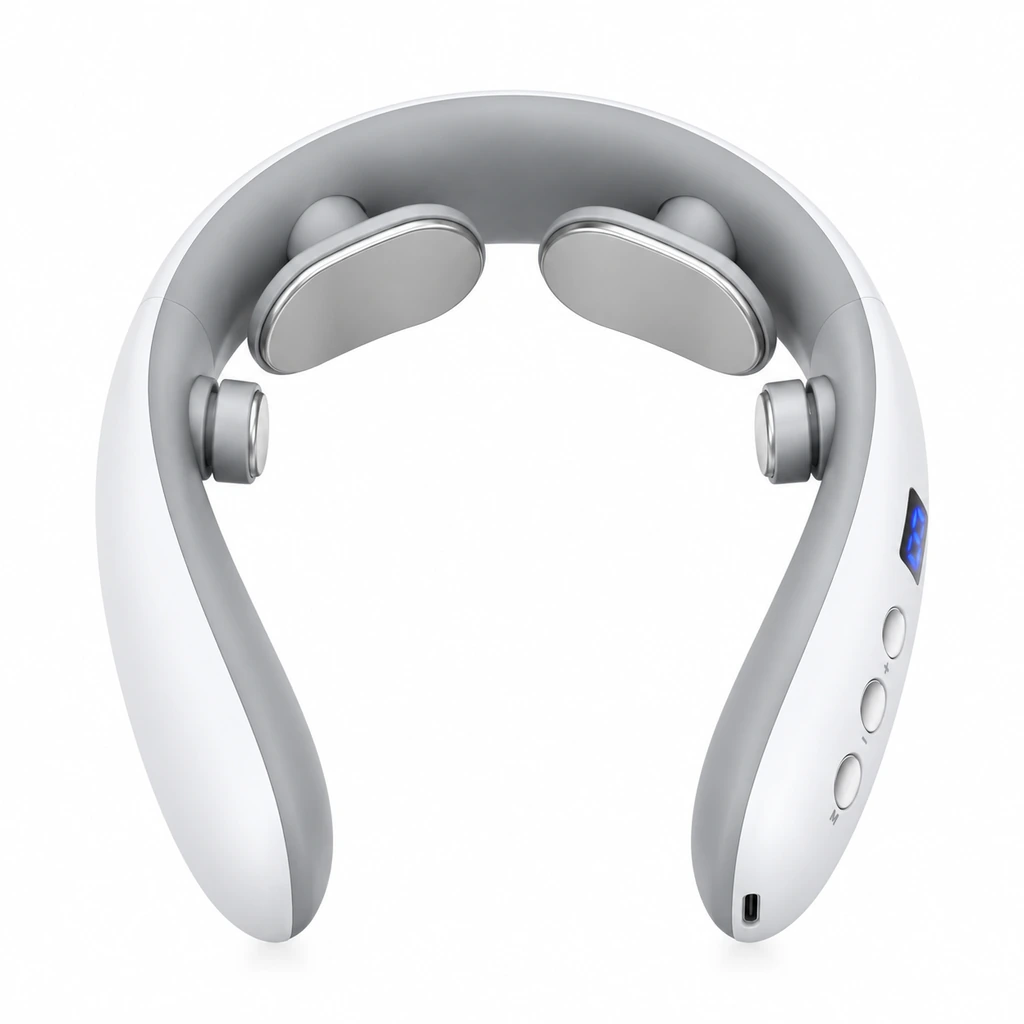
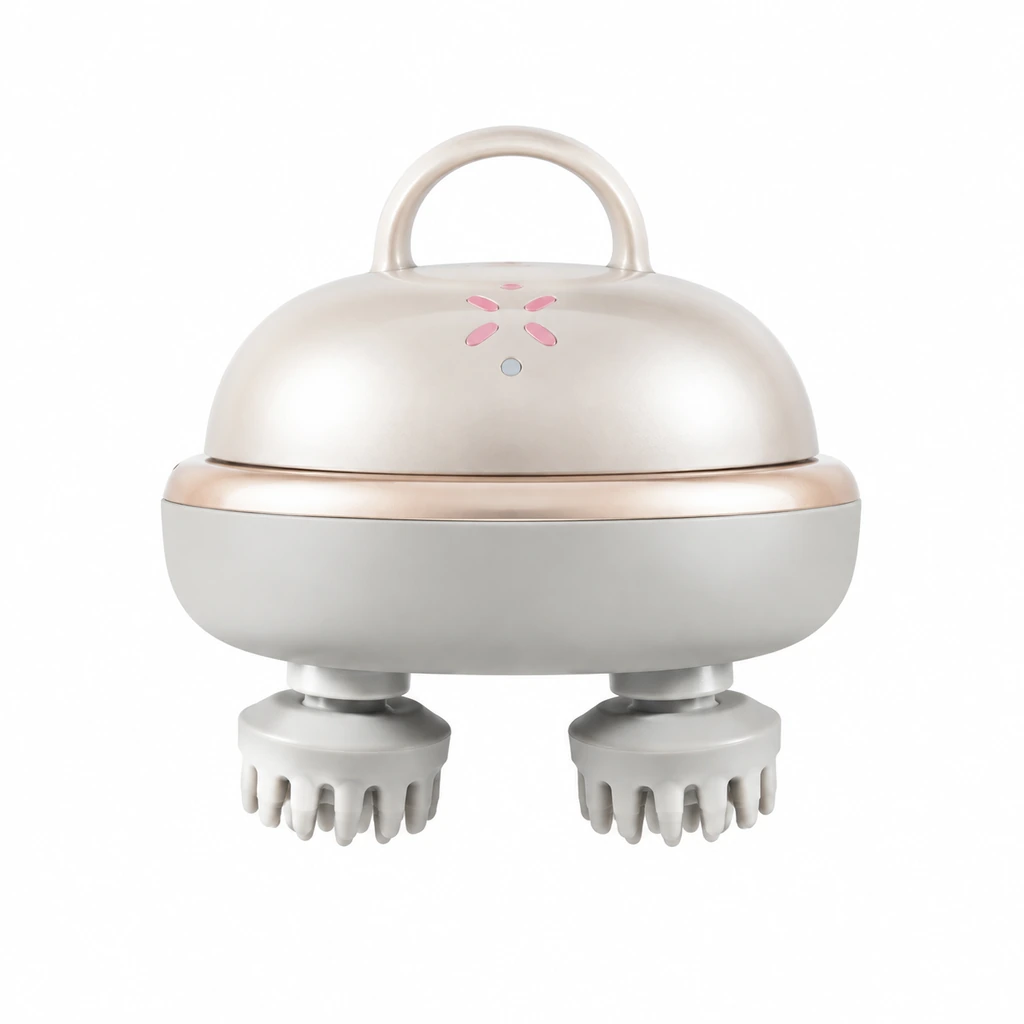
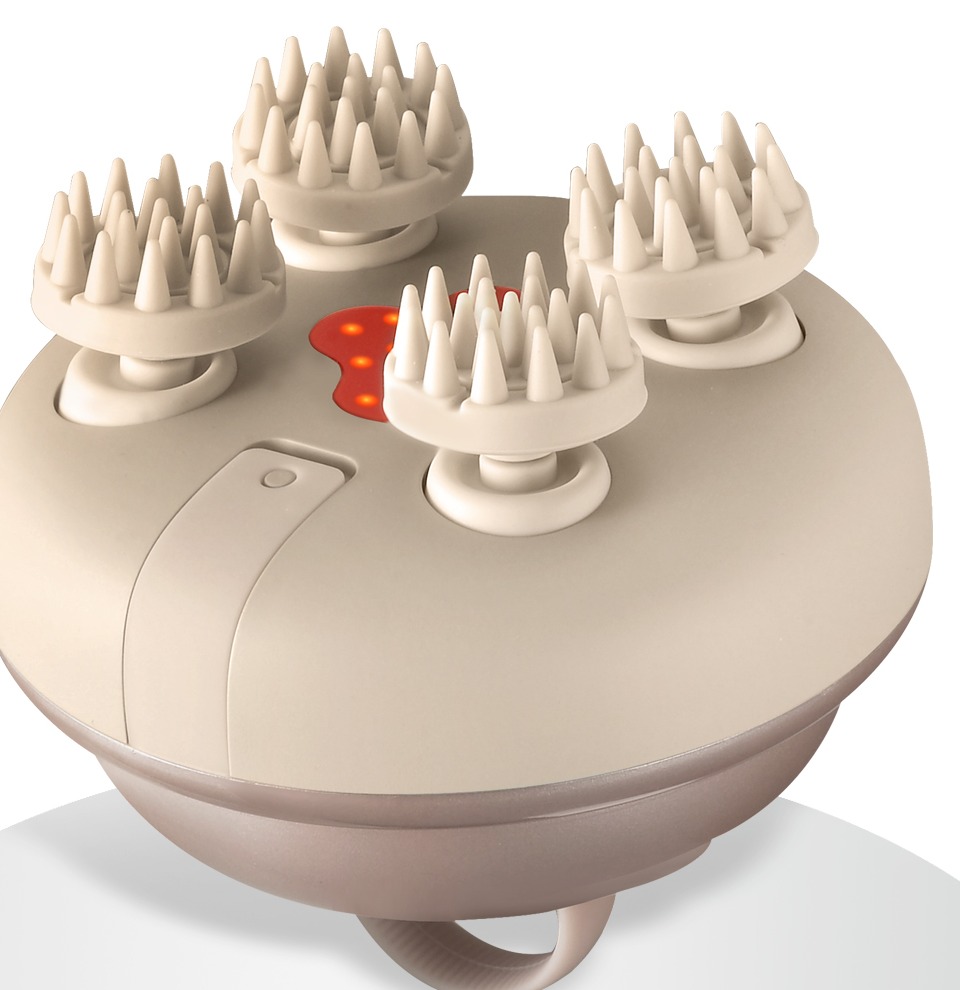
The T1 product page shows a loop handle and four contact-head assemblies. The supplied T1 English instructions identify the handle, button, indicator and detachable massage claws. In a sample review, ask several intended users to lift the device, reach the crown and sides of the head, and change settings without losing a comfortable hold. Record hand size, hair length and the areas each person could reach; do not replace these observations with a universal fit claim.
Inspect each head from below. Record the number of installed heads, whether all are seated evenly, tip condition, movement when powered, and how the head is removed and reinstalled. The product page describes silicone heads and 96 flexible nodes; confirm the head material and node count against the quoted version's material sheet and physical sample before using those figures on retail packaging.
3. Separate drive behavior from marketing language
The T1 page describes rotary kneading and three speed levels. The supplied instructions describe a short press to power on, further presses to adjust intensity, and a longer press to switch rotation direction. Test those actions in order on the actual sample. Film the underside during each mode, note the indicator state and any stall or uneven movement, then repeat after removing and reinstalling the heads.
The manual lists a 10-minute work cycle, while the product page calls out a 10-minute automatic stop. Demonstrate how the quoted sample ends a cycle and restarts before describing that behavior to buyers. Treat “red light therapy,” “quiet” and similar promotional phrases separately: a visible light or a subjective sound impression does not establish a therapeutic effect or a comparable noise rating.
4. Make cleaning and water-contact limits explicit
The T1 instructions say to power off before cleaning, remove the massage claws, wash the removable parts and dry moisture before storage. They also warn against moisture remaining in the charging terminals. For retail instructions, ask the supplier for the current version's approved cleaning page and a demonstration showing which parts detach, which parts may be rinsed, and how the main unit and charging port are kept dry.
Do not turn washable heads into a claim that the complete electric unit is shower-safe or suitable for wet hair. If the intended channel requires wet use, request the exact-model water-resistance test documentation and written usage boundaries. If a salon proposes shared use, document its own cleaning and reuse procedure against local requirements before treating a consumer cleaning instruction as sufficient.
5. Use one repeatable sample check
Use the same charged sample, operator and test sequence for the first review. Photograph the model label and all contents, then perform the following checks. A second reviewer can repeat the same sequence to distinguish a one-off observation from a stable product behavior.
| Check | What to record | Decision use |
|---|---|---|
| Handling | Grip security, button reach, reachable scalp areas and user notes | Decide whether a retail demonstration is straightforward for the intended audience. |
| Heads | Head count, tip finish, removal and reinstallation, movement under load | Confirm the contact design and replacement or cleaning instructions. |
| Controls | Press sequence, indicator state, speed changes, direction changes and cycle end | Match packaging and training copy to observed behavior. |
| Power | Charger specification, charging-port closure, charge time and runtime test conditions | Separate manual figures from measured sample results. |
| Cleaning | Approved steps for detached heads, main body and charging terminals | Decide whether the planned retail or salon scenario can be supported. |
6. Align the pack, documents and private-label scope
The T1 English instructions illustrate a charging cable and the removable head assemblies. A packaging artwork file shows a carton design, but artwork is not a pack-out record. Before confirming a wholesale price, request a current bill of materials, a photographed packed sample and the approved manual for the quoted version. Record the exact cable type, quantity of detachable parts, spare-part policy and whether a charger is included.
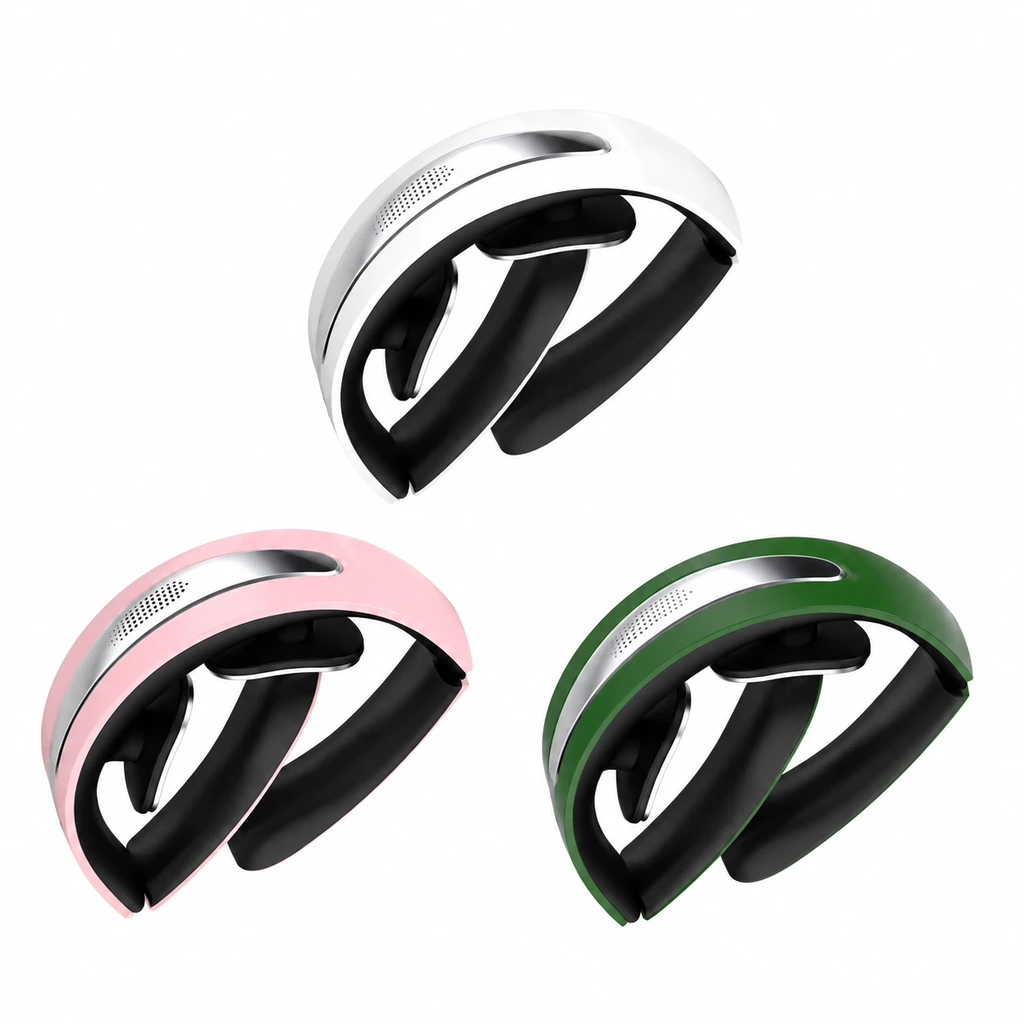
For a private-label program, request an artwork proof for the logo position, box, instructions and market languages. Ask which contact-head materials and finishes can actually be supplied, and whether a requested color or packaging change affects the sample, price, minimum order quantity or lead time. Keep material, water-use, red-light and therapeutic claims out of retail copy until the relevant version and market evidence has been reviewed.
7. Make the sourcing decision and send a focused RFQ
Shortlist T1 if its sample handling and contact feel suit the channel, its control sequence can be demonstrated clearly, and the supplier can provide version-matched cleaning and pack-out documents. Hold the decision if wet-use boundaries, replaceable-head supply or a proposed product claim remains unresolved. Reject a configuration that cannot meet a non-negotiable channel requirement even if its headline feature list looks attractive.
Send the supplier one RFQ with the target market, estimated order quantity, intended retail or salon use, required color and branding, requested accessories, packaging language, and the sample checks above. Use the Meilan contact page to request a T1 sample, current specification, material and cleaning documents, and an itemized quotation.
Buyer questions
Can the complete T1 be used in the shower?
Do not assume so from washable heads. Request the current unit's water-resistance documentation and written use boundaries before making a wet-use claim.
What should a salon retailer test first?
Demonstrate grip, button access, contact-head movement and removal on the quoted sample, then review the cleaning instructions for the intended sale or use scenario.
Are four heads and three speeds enough to approve a listing?
No. Match the exact sample and manual to the listing, and check how those features work, how the heads are cleaned and what is actually packed.
Does the red light establish a scalp-health benefit?
No. A visible light or a product-page phrase is not evidence of a health outcome. Review any proposed effect claim separately for the target market.
What should be fixed before a repeat order?
Keep the approved sample, version-specific control record, contact-head material information, cleaning instructions and pack-out proof so the next batch can be compared with them.

