



Heated Waist Massager Test Conditions
A buyer guide to interpreting heated waist massager temperature descriptions, comparing test setups and requesting records tied to the quoted model.
 Meilan Tech 9 min read
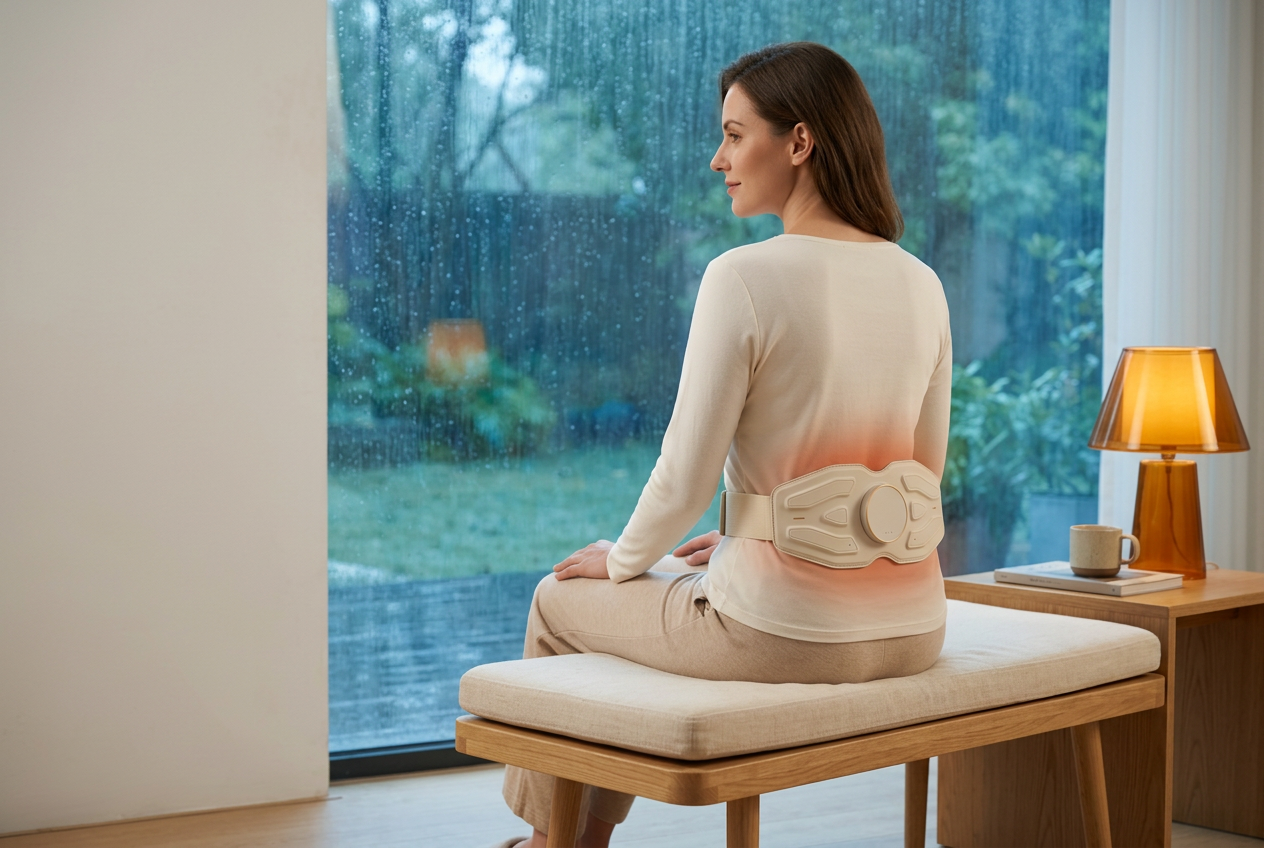
To compare heated waist massager test conditions, ask suppliers to identify the exact product version, measurement surface, operating mode, power state and test setup behind each temperature figure. Then review the temperature record over time, including the highest recorded point and automatic shutdown. A useful quotation pairs the proposed configuration with a reproducible test method and agreed acceptance criteria, so your brand can compare samples and write accurate product descriptions.
1. Establish what the temperature figure describes
A temperature range can refer to a controller target, a measured product surface or the surrounding operating environment. These describe different things. A control setting does not, by itself, show the temperature at every point on the contact surface. A surface measurement also does not establish the temperature at a person's skin during wear.
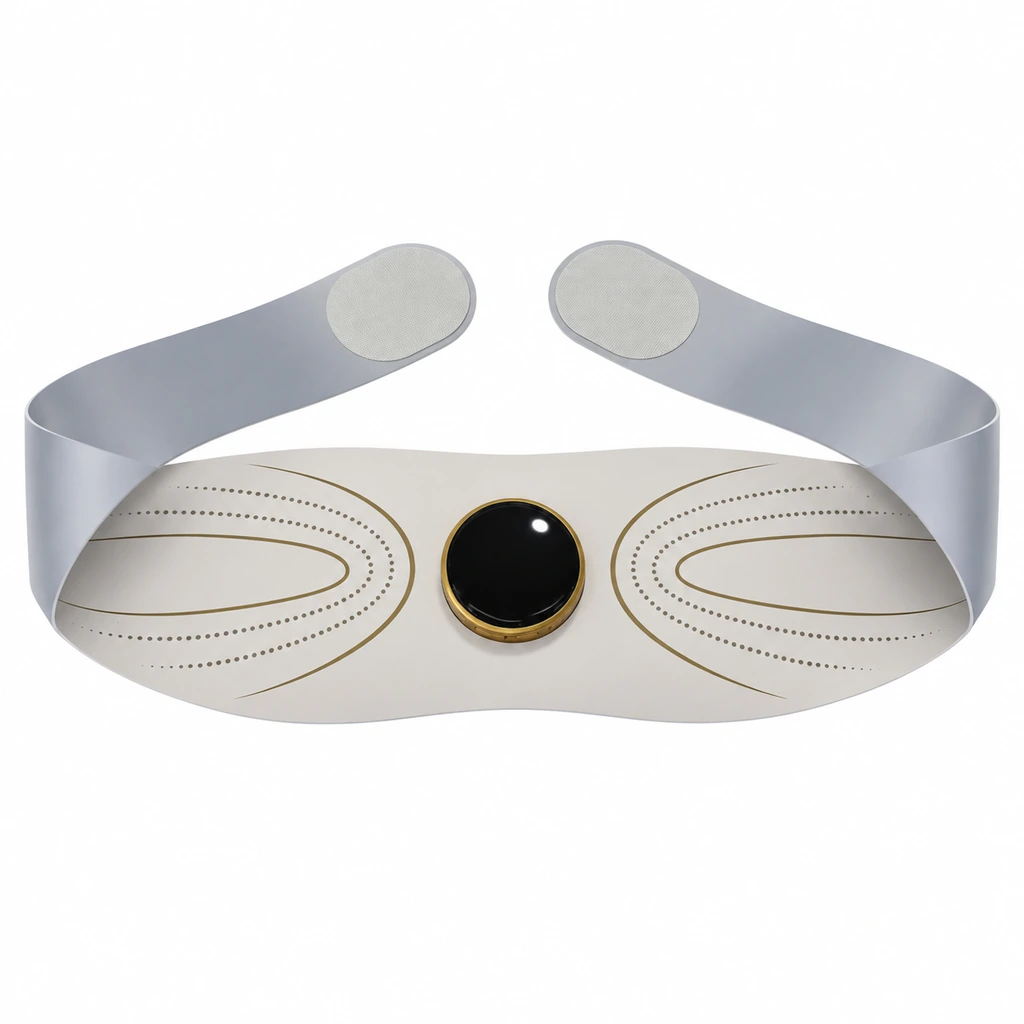
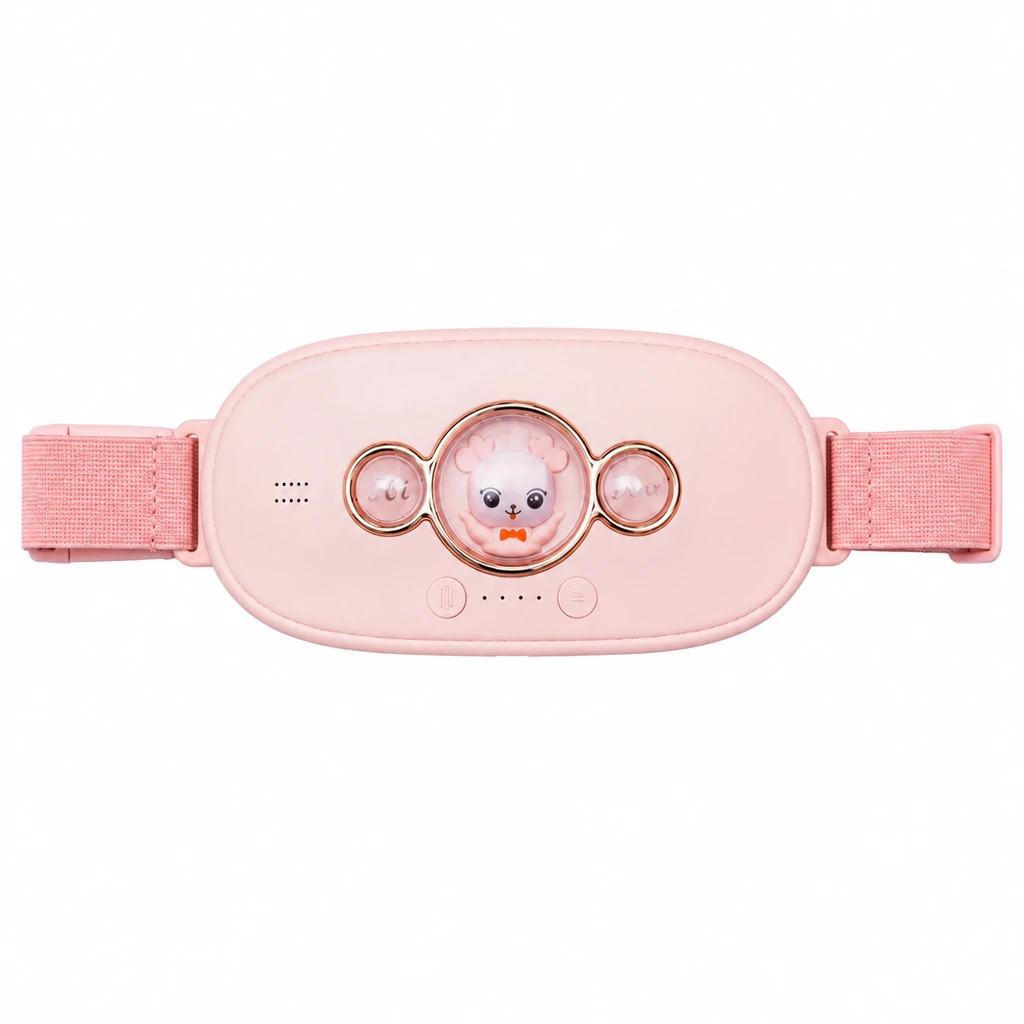
The Meilan A1 waist massager lists a 38–42°C temperature setting. For procurement, ask what that range represents: a control target, a nominal surface range or another defined condition. Request the measurement locations, tolerance and supporting record before turning it into a guaranteed surface-temperature claim.
An operating-environment range belongs in a separate field. For example, “working temperature 0–45°C” should not be rewritten as a selectable heating range. Ask the supplier to label the parameter explicitly if its meaning is unclear.
Start your brief with the intended sales market, heating description and normal-use setup. A distributor selling through several retailers needs one agreed specification that can support all channel descriptions. A higher advertised temperature alone is not a useful product-selection rule.
2. Tie every report to the quoted configuration
A report is useful only when its sample can be connected to the product you plan to buy. Request the model, revision, sample identifier, test date and matching instruction version. Ask whether the heater, contact layer, belt construction, controller or power arrangement differs from the quoted product. Changes in these parts can affect how a temperature result should be interpreted.
A1 and A9 should have separate records. Before requesting heating data for A9, confirm that heating is actually part of the quoted A9 configuration. Its pulse settings cannot stand in for a heating specification. The pulse and heat configuration guide explains how to separate these function requirements.
Ask the supplier to distinguish a routine sample check from a formal laboratory report. For a laboratory report, review the issuing organization, method or standard, sample identity, tested conditions and conclusion. A report number or certificate thumbnail does not explain which heating behavior was assessed.
| Link in the record | Information to request | Purchasing use |
|---|---|---|
| Product identity | Model, revision, sample ID and photographs | Connect the result to the quoted item |
| Heating configuration | Heater, contact layer, controller and available settings | Identify changes requiring further review |
| Operating instructions | Matching manual and permitted use conditions | Keep the test within the intended use |
| Report scope | Method, author or laboratory, date and stated limitations | Understand what the conclusion covers |
3. Compare the measurement method and locations
Ask for a photograph showing where each sensor was placed. A reading from the outside housing, an exposed contact panel and a point beneath a fabric layer are not interchangeable. Give each location an identifier and keep it unchanged across repeated runs. Include the proposed heating area and any additional points the test engineer considers relevant; do not assume a decorative panel is the heater.
For contact probes, request the sensor type, attachment method, instrument identification, calibration status and stated accuracy. Ask how the attachment avoids disturbing the contact surface or creating a local insulating patch. The engineer should choose the method for the actual construction rather than applying an arbitrary probe arrangement.
Infrared measurements require their own setup details. Fluke's explanation of emissivity and infrared energy shows why surface emissivity affects the temperature an infrared camera estimates. For a reflective contact surface, request the emissivity setting, treatment of reflected energy and the method used to check the reading. A thermal image without measurement settings is difficult to compare with another supplier's contact-probe result.
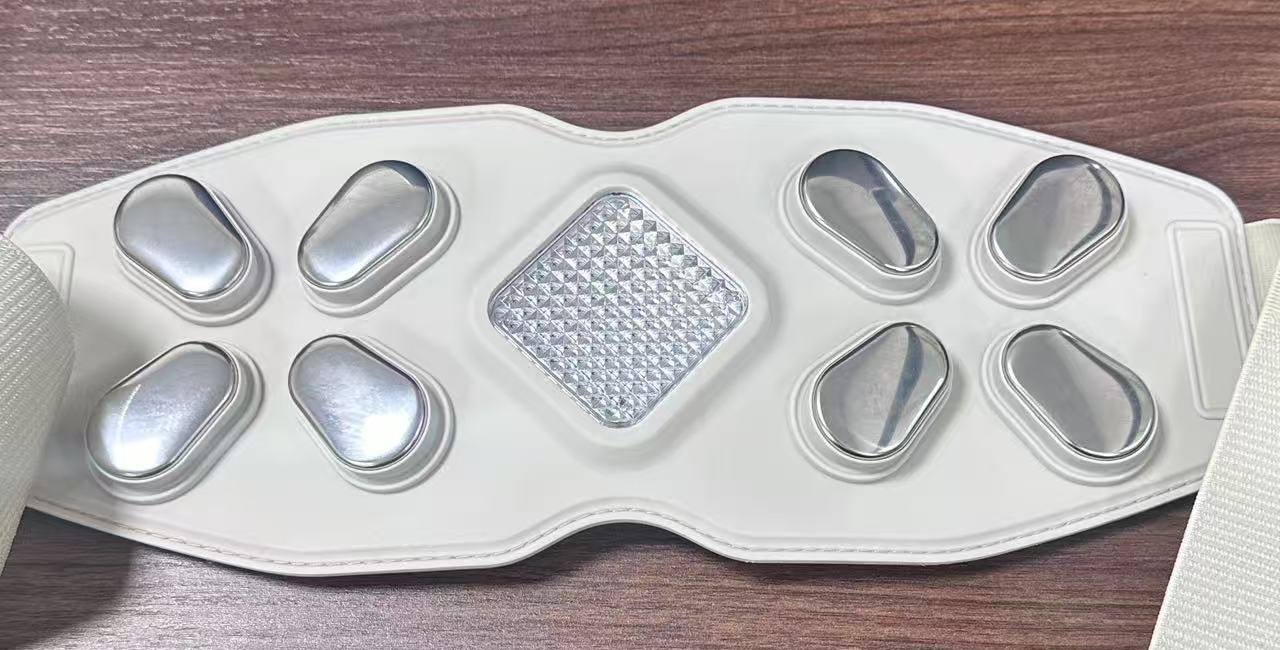
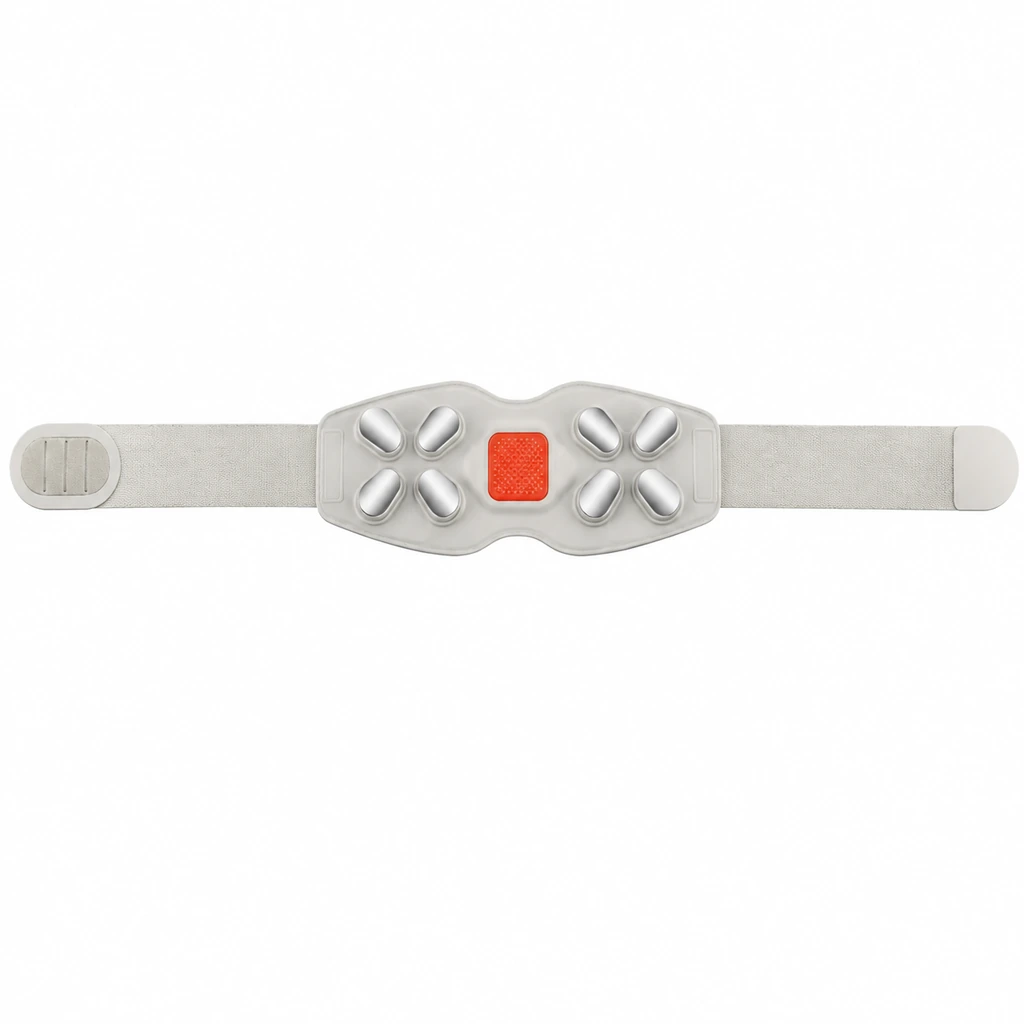
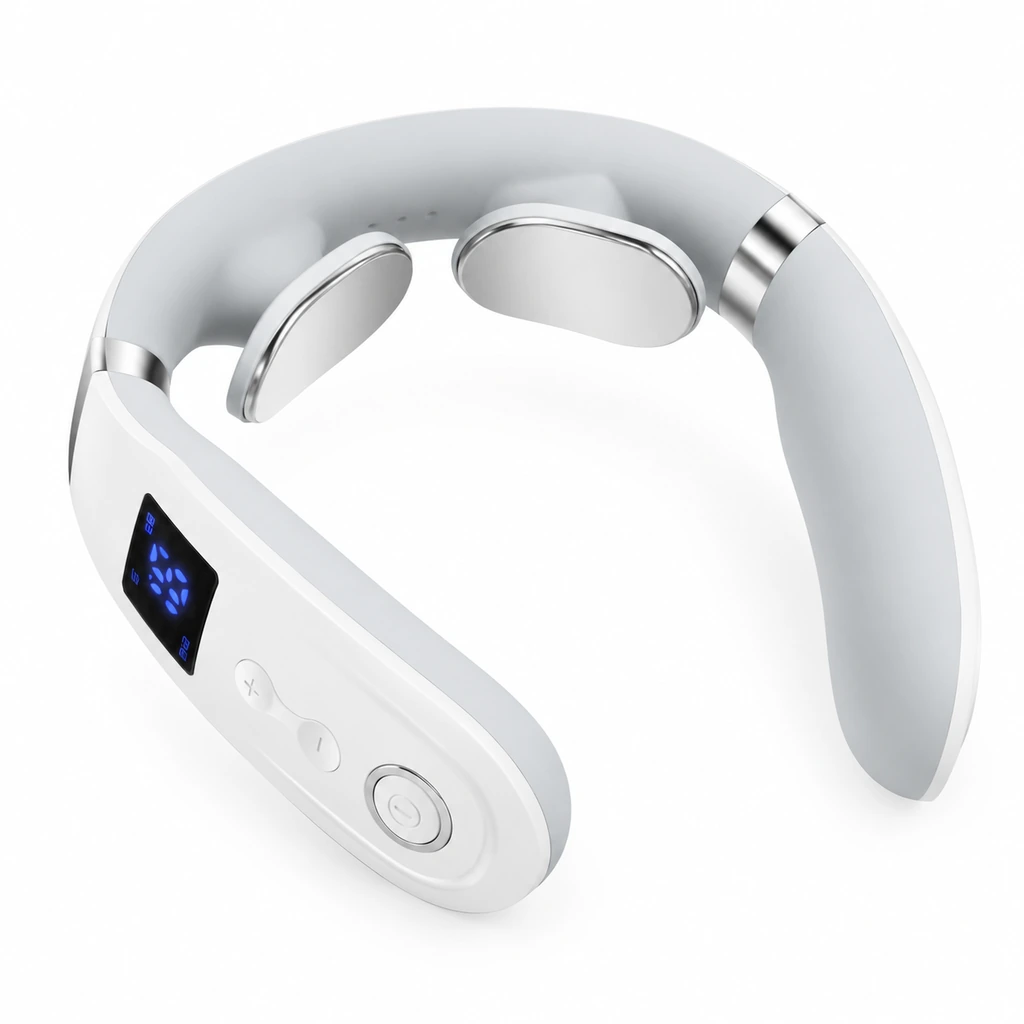
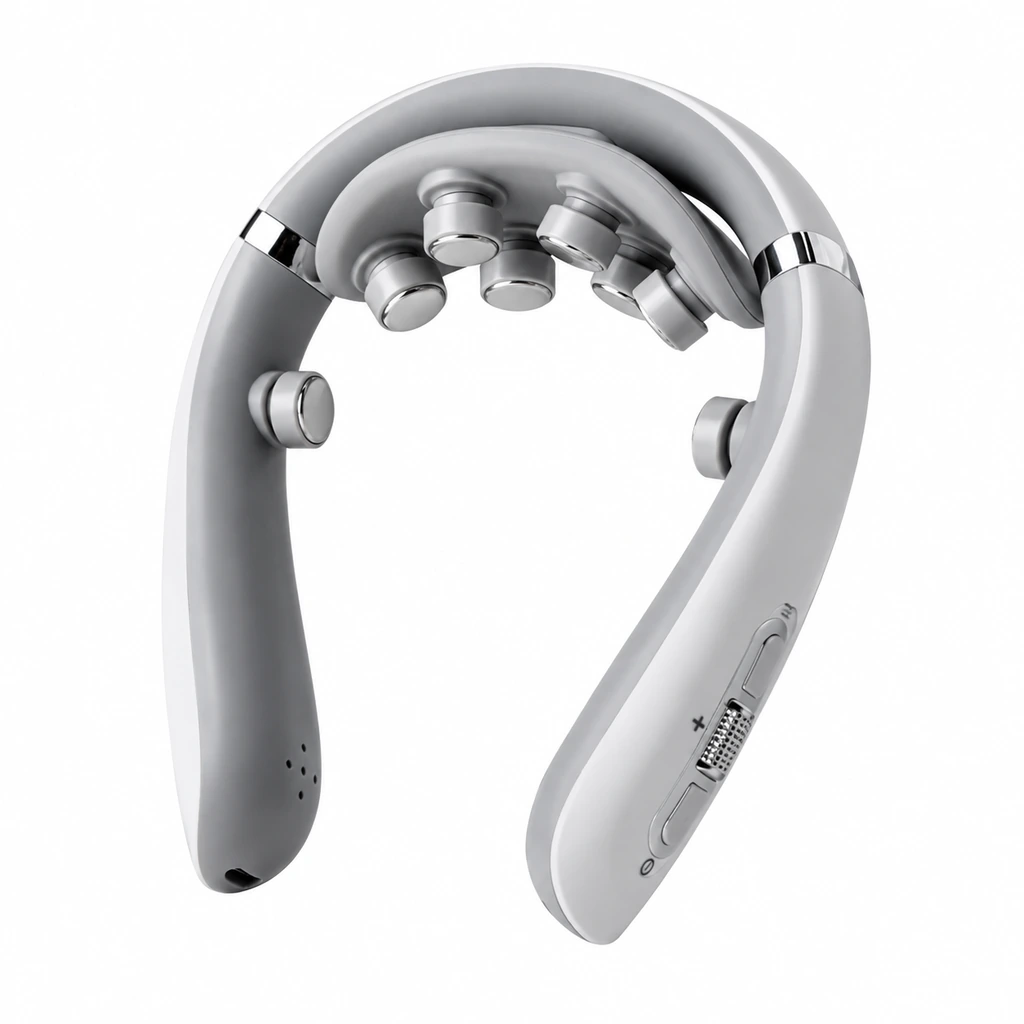
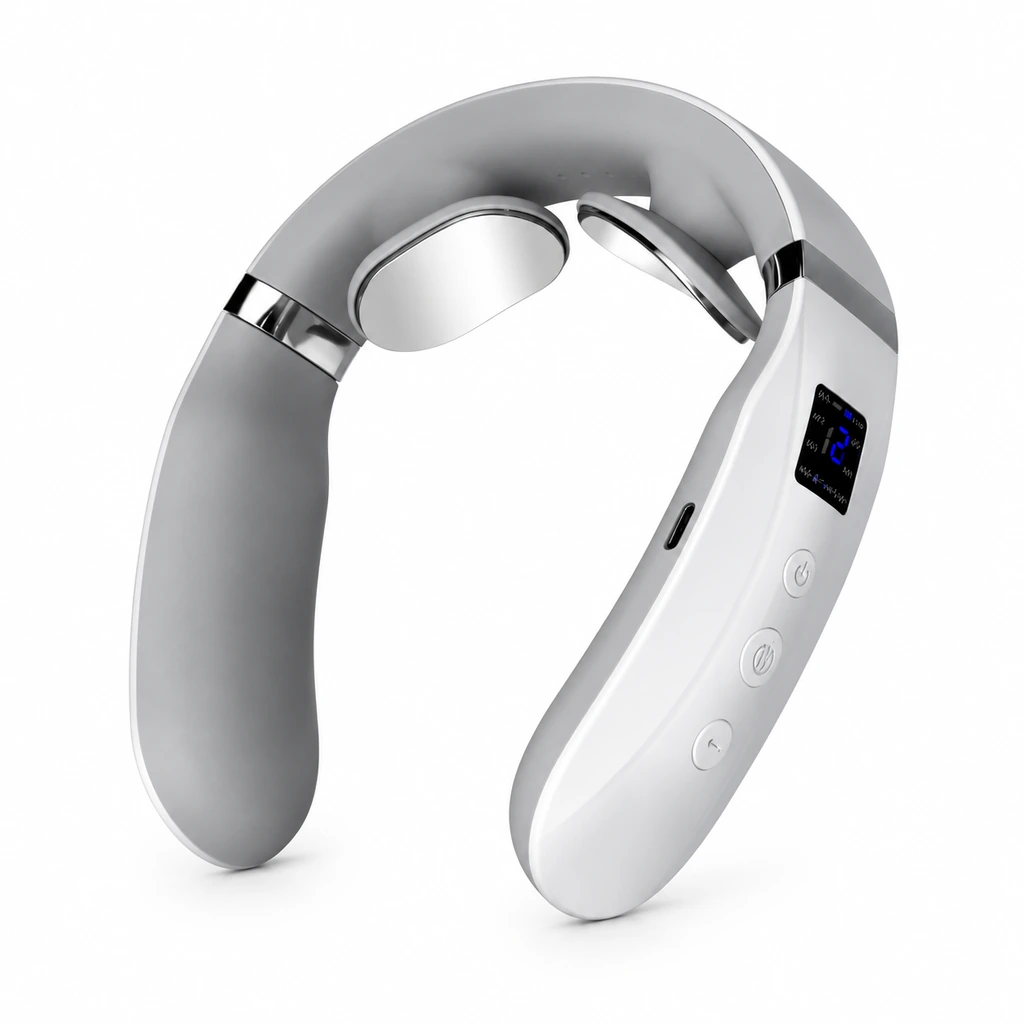
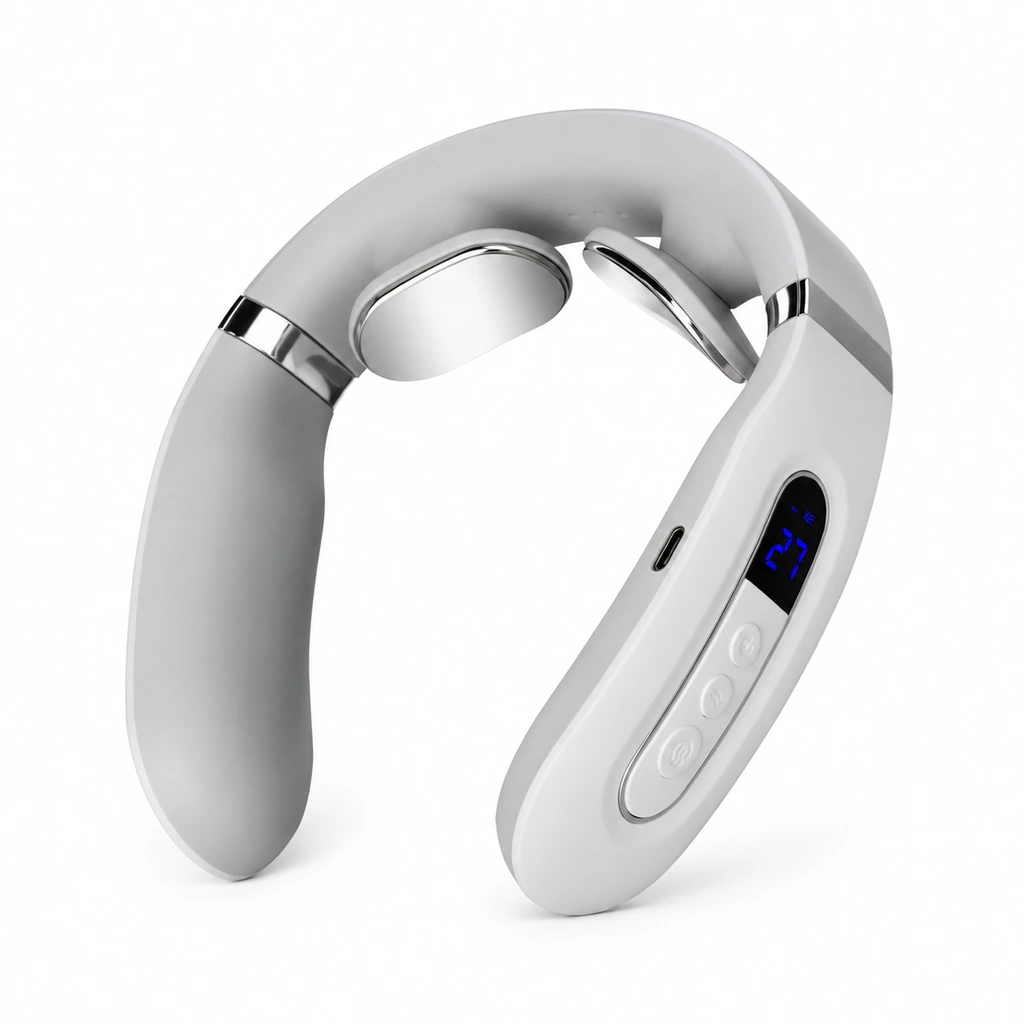
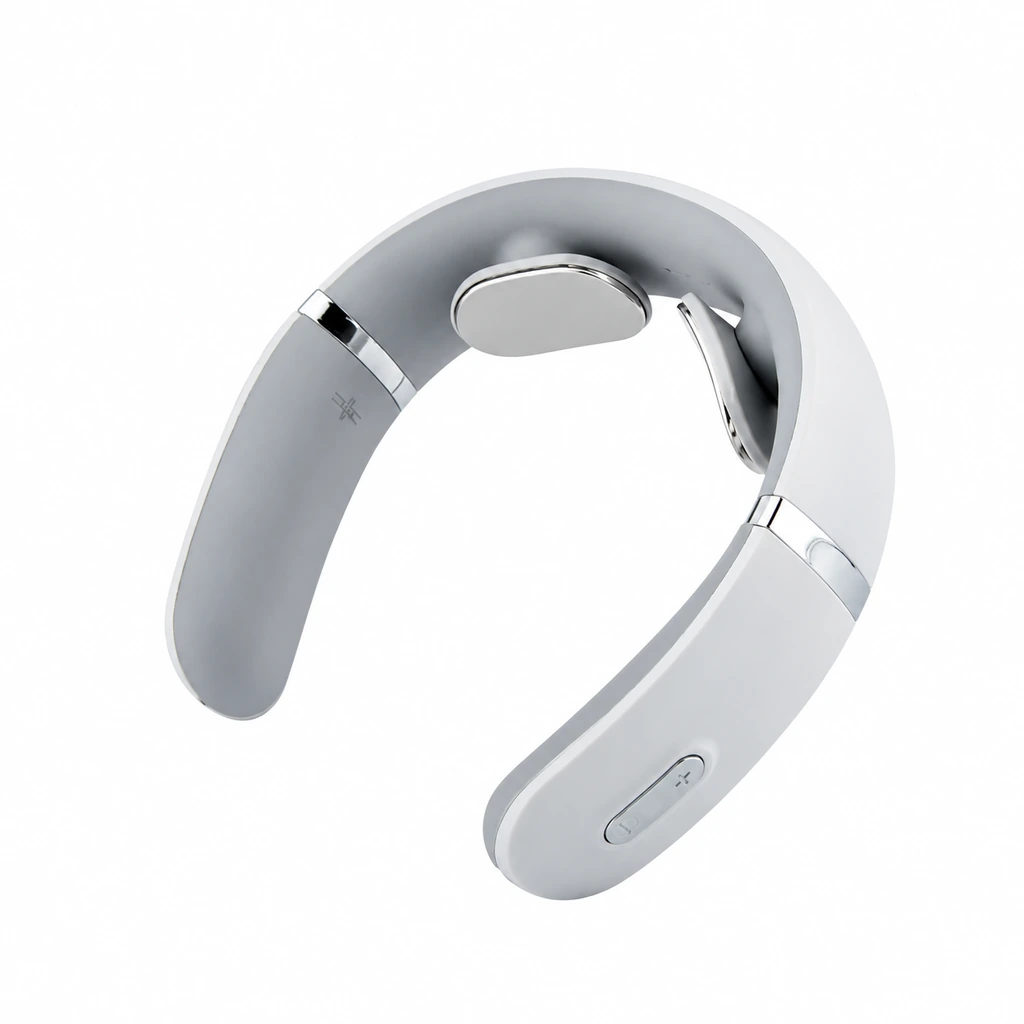
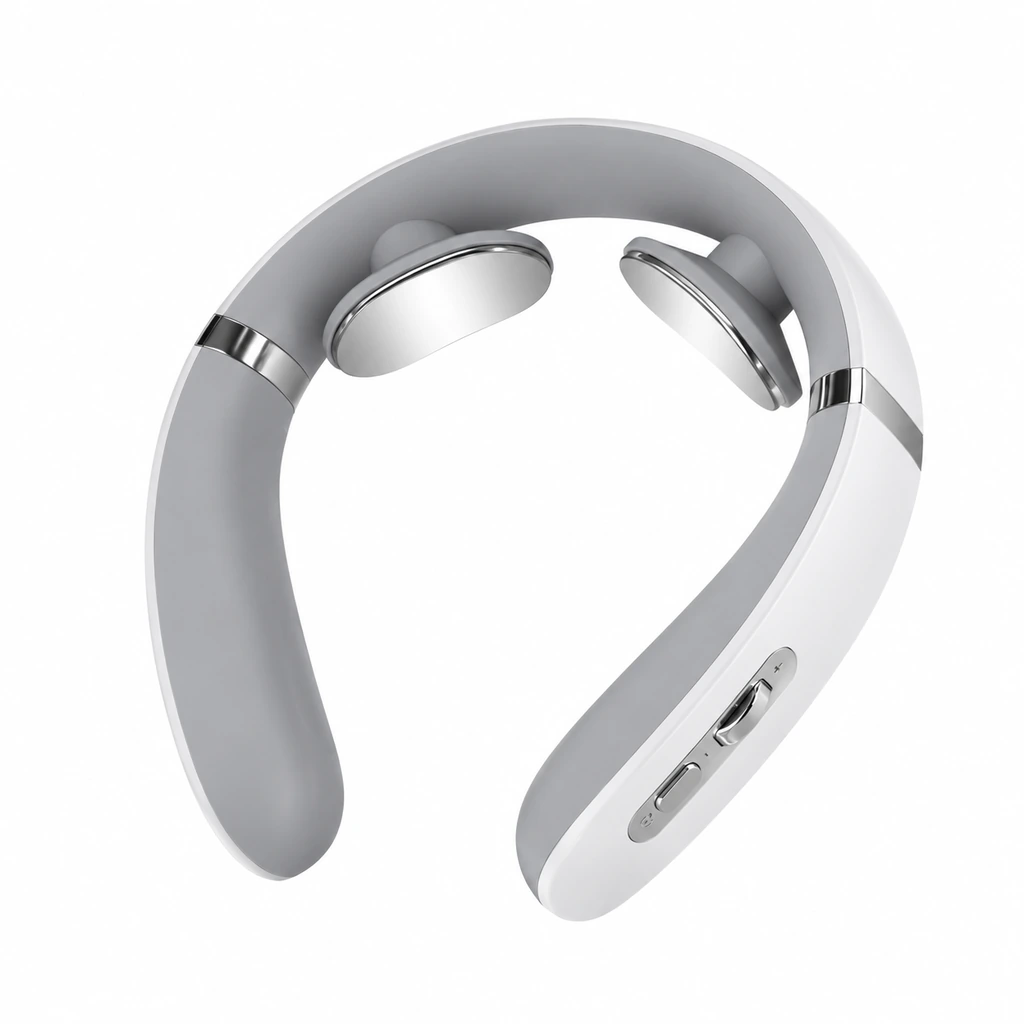
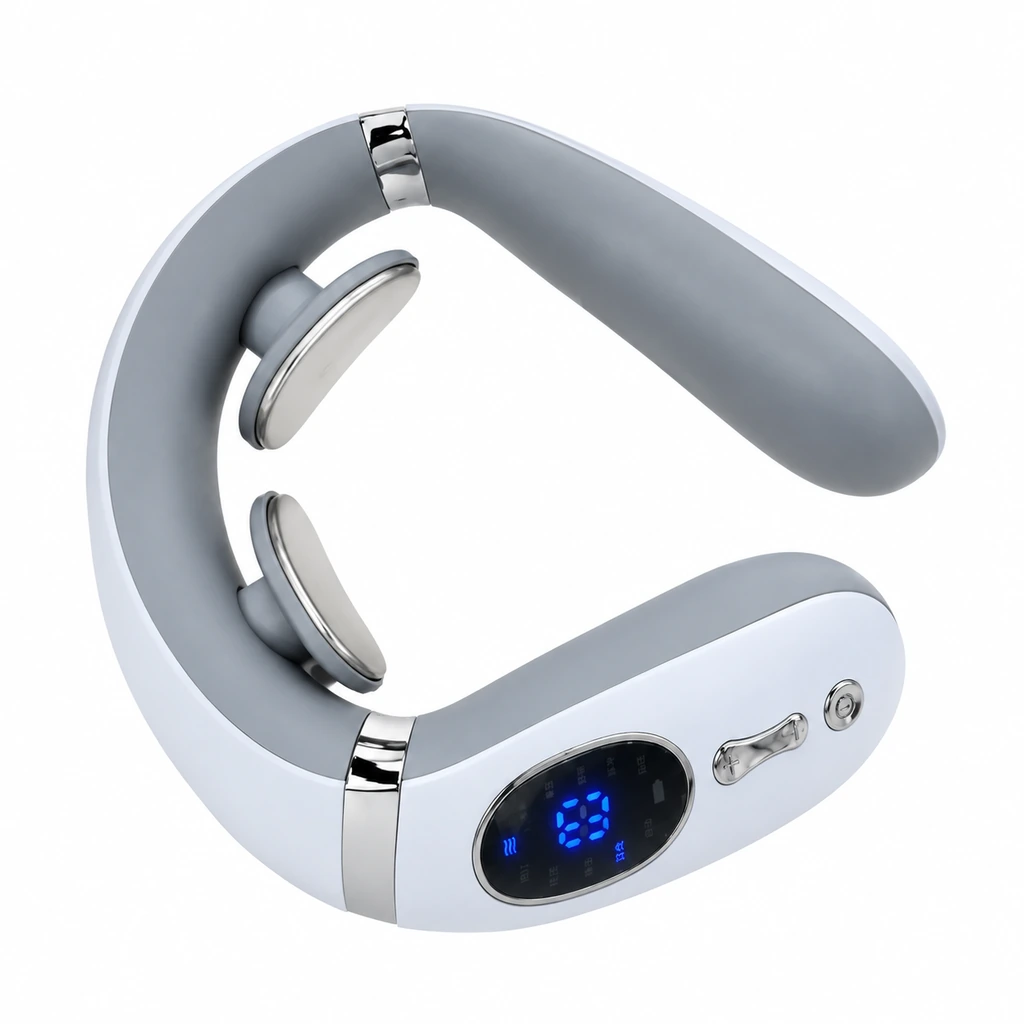
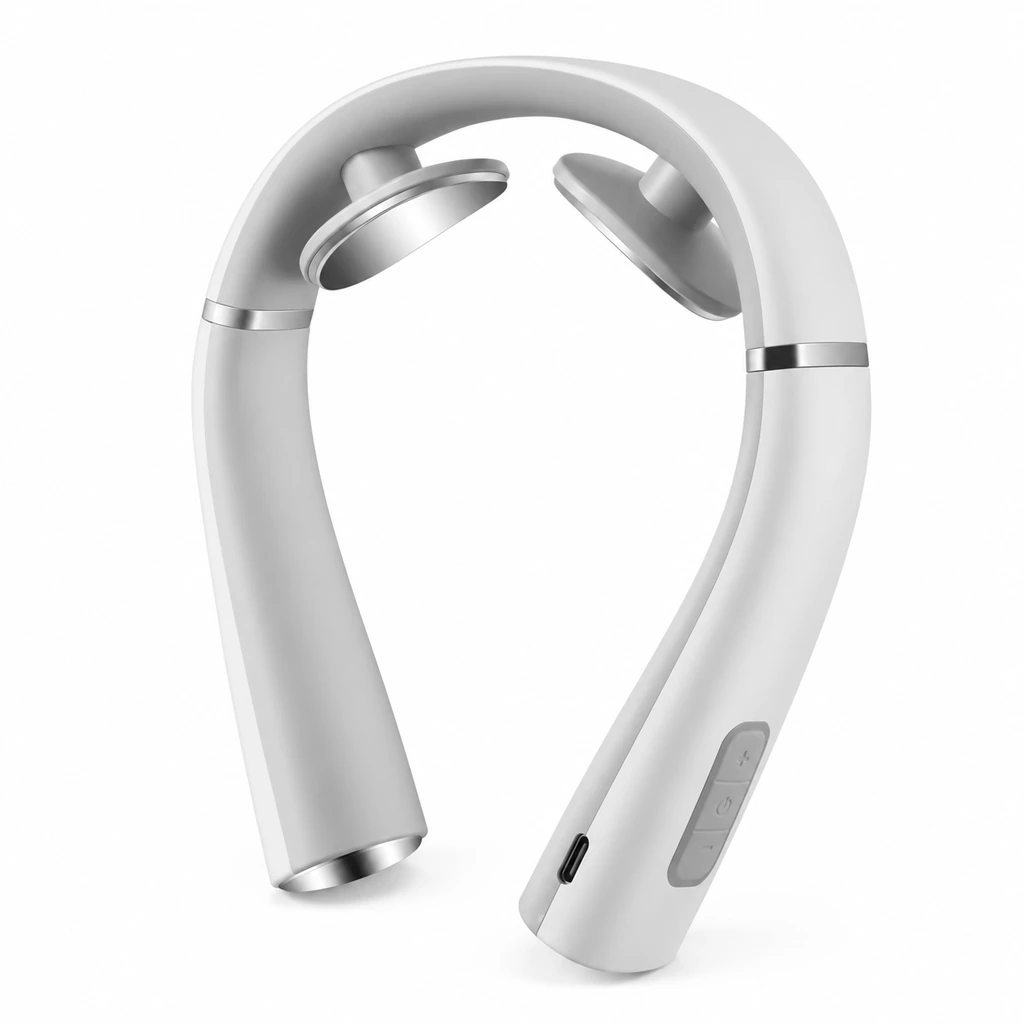
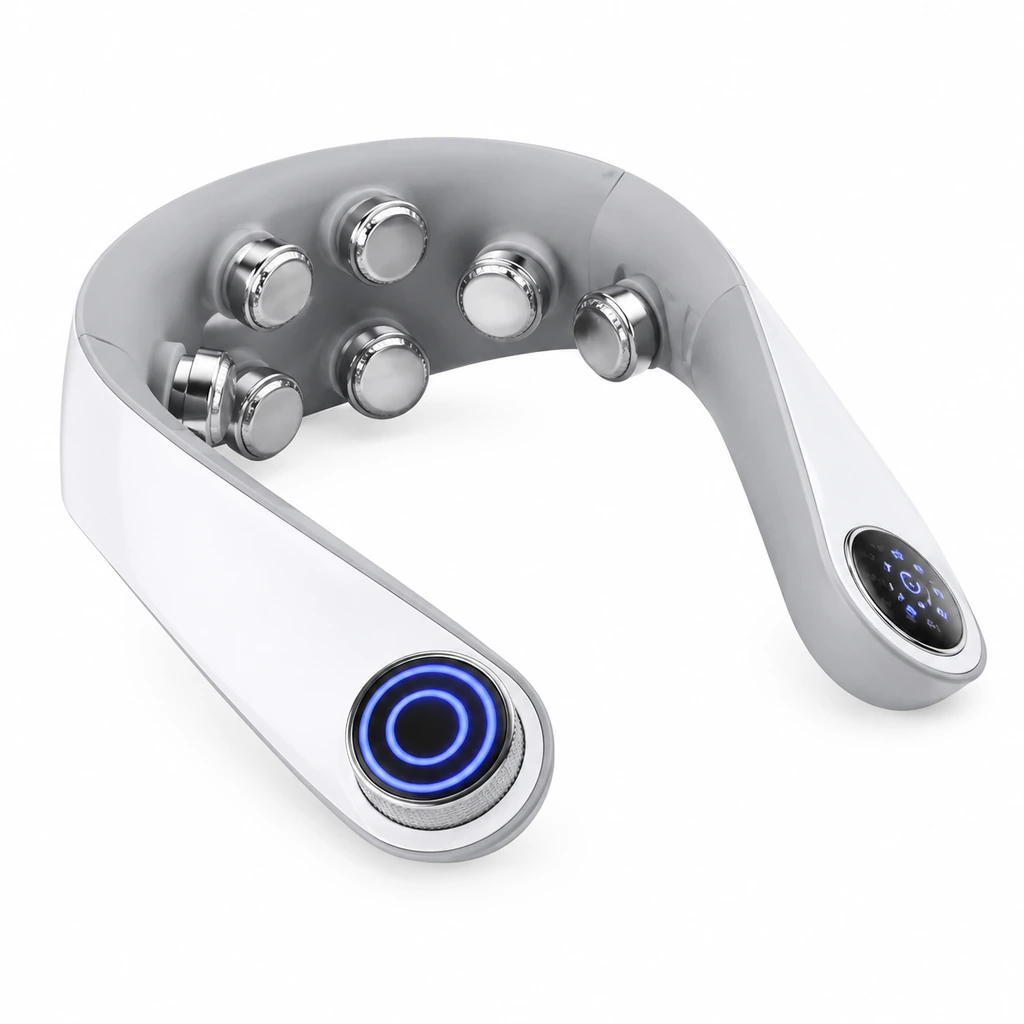
The visible contact-side layout helps identify repeatable photo locations for a measurement plan. Heating zones and sensor positions should be confirmed for the quoted version.
Keep the original visible-light photograph, sensor map and data file together. A marked photograph can locate a measurement; it does not prove a temperature unless it is linked to the actual measurement record.
4. Record the environment, support and covering arrangement
Room conditions and product setup belong beside the results. Request ambient temperature, relevant humidity information, airflow conditions and the starting temperature of the sample. Ask how long the sample was allowed to settle before the run. A device just used in an earlier demonstration may not start at the same temperature as a rested sample.
Record whether the belt was laid open or held on a fixture, what supported it, how it was fastened and which side faced the sensor. If a normal-use assessment includes clothing, specify the material, number of layers, placement and fastening arrangement. Match these conditions to the instructions. Do not add blankets, fold the heating area or deliberately trap heat as an informal buyer test; any abnormal-use assessment needs an appropriate professional method.
Keep an uncovered surface test separate from a permitted clothing-contact test. Do not average their results into one product claim. A laboratory fixture can improve repeatability, but its result is not automatically a skin-temperature or comfort finding. Fit and contact deserve their own review, using the waist-belt sizing guide.
| Test-condition field | Supplier entry required | Why it matters for comparison |
|---|---|---|
| Ambient and starting state | Room conditions, starting sample temperature and settling method | Defines the baseline |
| Support and fastening | Fixture or surface, belt position and fastening arrangement | Makes placement repeatable |
| Cover or clothing | Material, layers and exact location, if permitted | Defines the heat-transfer arrangement |
| Power and functions | Charge state, supply if applicable, heat setting and other active functions | Identifies the operating load |
| Measurement and timing | Sensor map, instrument, recording interval and stop rule | Makes the record interpretable |
5. Read the full temperature trace and power state
Request a time-stamped record from startup to the end of the normal operating cycle. For each location, look for the starting value, warm-up pattern, highest recorded value, later fluctuations and the point at which heating ends. Ask for the recording interval: a few widely spaced readings can miss behavior between them. The supplier should explain its sampling method and the limits of the instrument.
A1 lists a 15-minute automatic shutoff. For the quoted version, ask for the normal cycle to be recorded through shutdown and for the control indication to be explained. Do not interpret that timer as a universal recommended wearing time or bypass it to create a longer run. Restart behavior, if relevant to the channel, should be assessed only as permitted by the instructions.
Also ask whether heating was tested alone or with other functions active. For a battery-powered configuration, identify the starting charge state and how that state was established. A fresh-charge run and a later battery run need clear labels. Review the power and accessory questions separately when defining the supplied cable and power arrangement.
Ask how many samples and runs support the conclusion. One sample can reveal a setup issue, but cannot establish batch consistency. If two results differ, first compare version, measurement location, cover, power and starting state. Retest under a matched method before attributing the difference to manufacturing quality.
6. Agree acceptance criteria before approving product copy
Define what each claim needs to demonstrate. “Fast heating” needs a stated starting condition, measurement location, target and elapsed-time definition. “Constant heat” needs a defined observation period and an agreed variation criterion. Neither phrase should be supported only by one photograph of a thermometer.
Ask the supplier and your technical reviewer to agree the appropriate limits and method for the target market and product category. This guide does not supply a universal safe temperature, medical outcome or pass threshold. Normal temperature-performance records, safety assessments and health-effect evidence answer different questions.
| Proposed description | Evidence needed | Decision before release |
|---|---|---|
| Stated heating range | Defined meaning, locations, tolerance and matching temperature record | Approve wording within that scope |
| Fast warm-up | Start condition, target, location and time trace | Define the claim or remove it |
| Stable temperature | Observation period, measurement interval and variation criterion | Avoid implying identical readings everywhere |
| Automatic shutoff | Matching instructions and cycle demonstration | State the confirmed behavior |
| Safe or pain-relieving | Relevant assessment and market-specific claim review | Keep separate from a routine heating check |
For repeat orders, retain the approved sample ID, method revision and accepted results. Ask which component or construction changes will trigger notification and a new assessment. This makes the temperature requirement part of the supply agreement rather than an isolated pre-order demonstration.
7. Send a focused temperature-data request with your inquiry
Tell the supplier what you intend to sell and how the heating feature will be described. Include the model, target market, estimated quantity, channel and planned normal-use setup. Request the current specification and instructions alongside the temperature record so the quotation and technical discussion refer to the same configuration.
Use this short inquiry outline:
| Inquiry item | Information to include or request |
|---|---|
| Product and channel | Model/version, sales market, retail or distribution channel, estimated quantity |
| Proposed heating description | Exact range or wording you intend to use |
| Test setup | Locations, method, ambient conditions, support and permitted cover |
| Operating state | Heat setting, other active functions, power state and normal cycle |
| Evidence package | Raw time record, sensor-map photographs, report scope and matching manual |
| Approval and repeat orders | Agreed criteria, approved sample reference and change-notification terms |
Ready to compare samples? Explore the Meilan waist massager range, then send a sample and quotation inquiry with your intended heating description and sales market. Request a version-matched test record and confirmation of any additional assessment cost or lead time. This gives both sides a clear basis for selecting the sample and defining the order.
Frequently asked questions
Does a 38–42°C setting guarantee that every contact point stays within that range?
No. First establish what the setting describes. A surface-temperature claim needs defined measurement points, conditions and an agreed tolerance supported by the corresponding record.
Can we compare infrared-camera results with contact-probe results?
Only after reviewing both methods and their limitations. Ask how the locations, surface properties, attachment and instrument settings were controlled before treating the readings as comparable.
Should a supplier test the belt under clothing?
The setup should follow the intended use and matching instructions. If clothing is permitted and relevant to your channel, request a separately identified setup with the material and layers specified.
Is a normal heating record a product safety certificate?
No. It describes performance under its stated conditions. Request the applicable safety documentation and a qualified review of its scope for your market.
What should we request when two samples give different readings?
Request the sample identities and full setup records first. Match the version, measurement locations, ambient and starting conditions, covering and power state before commissioning a repeat comparison.

