

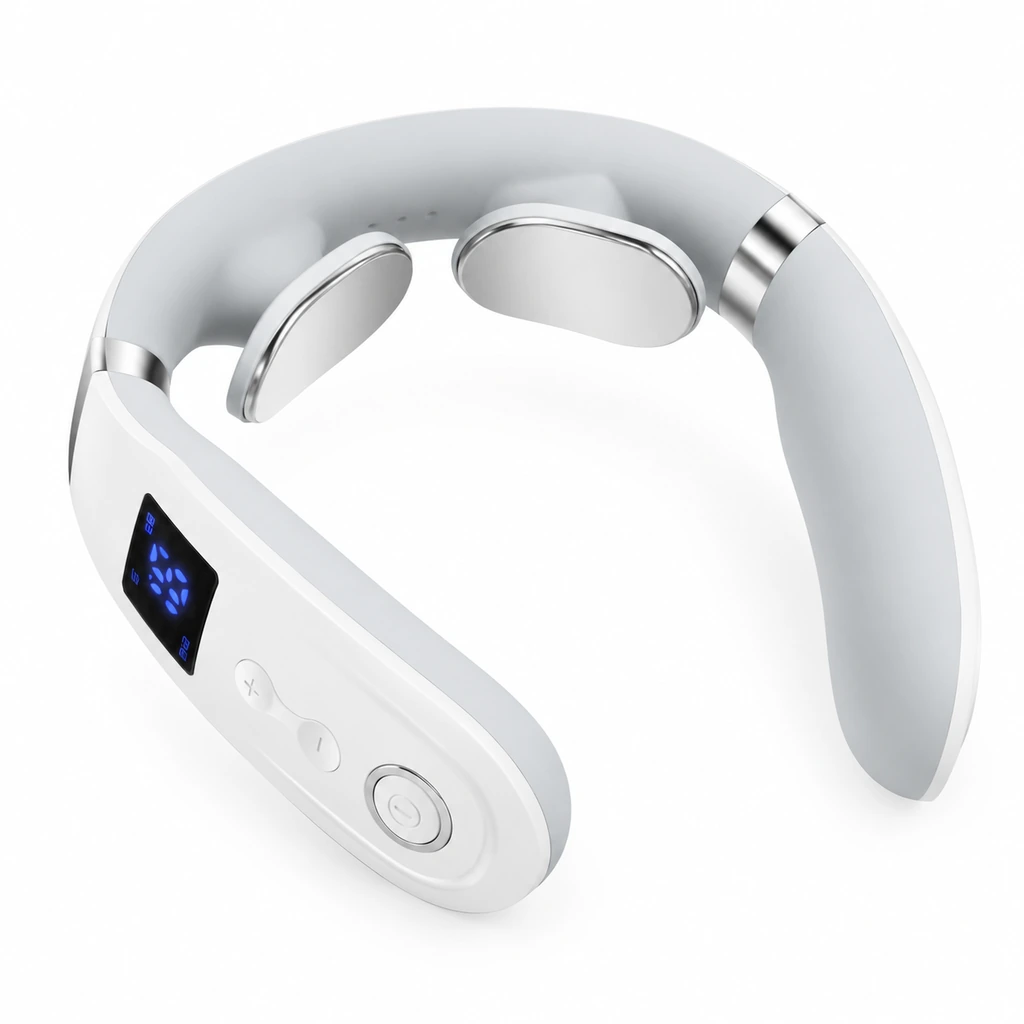
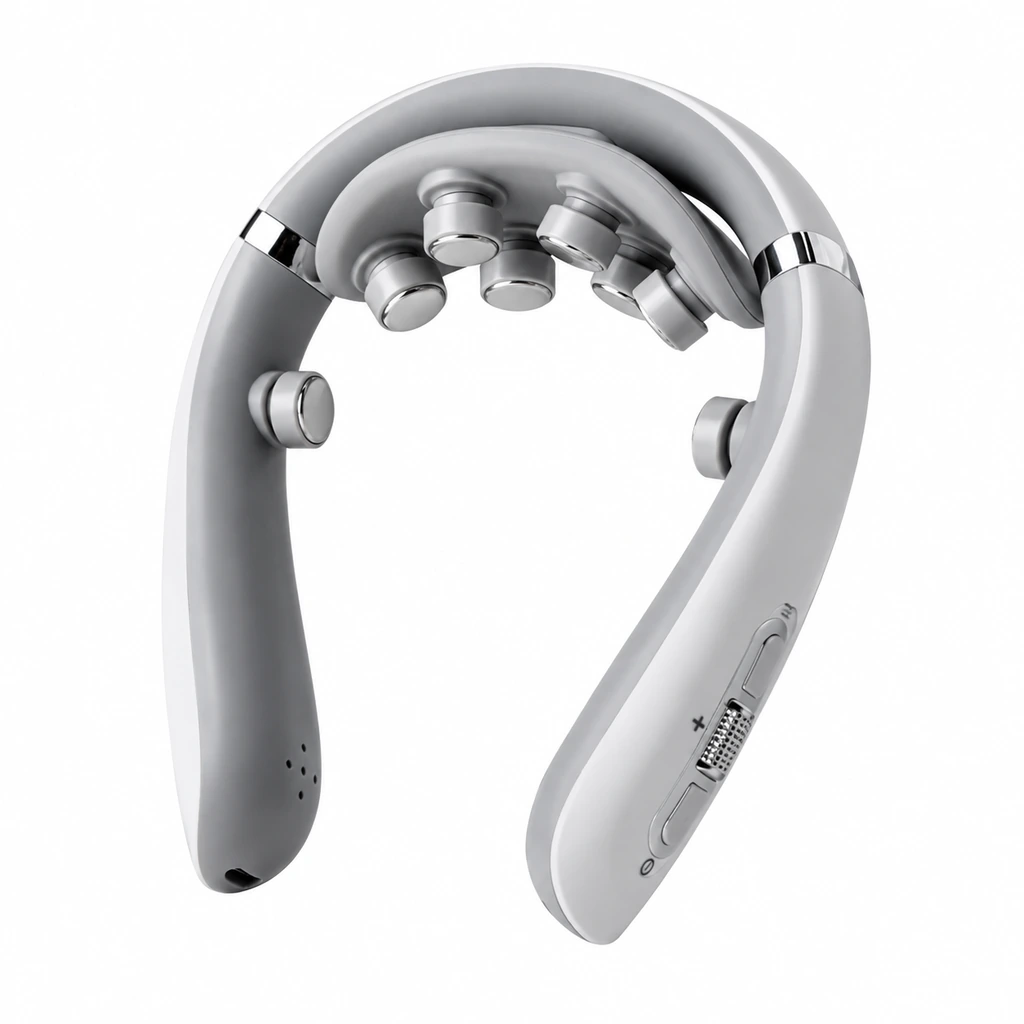
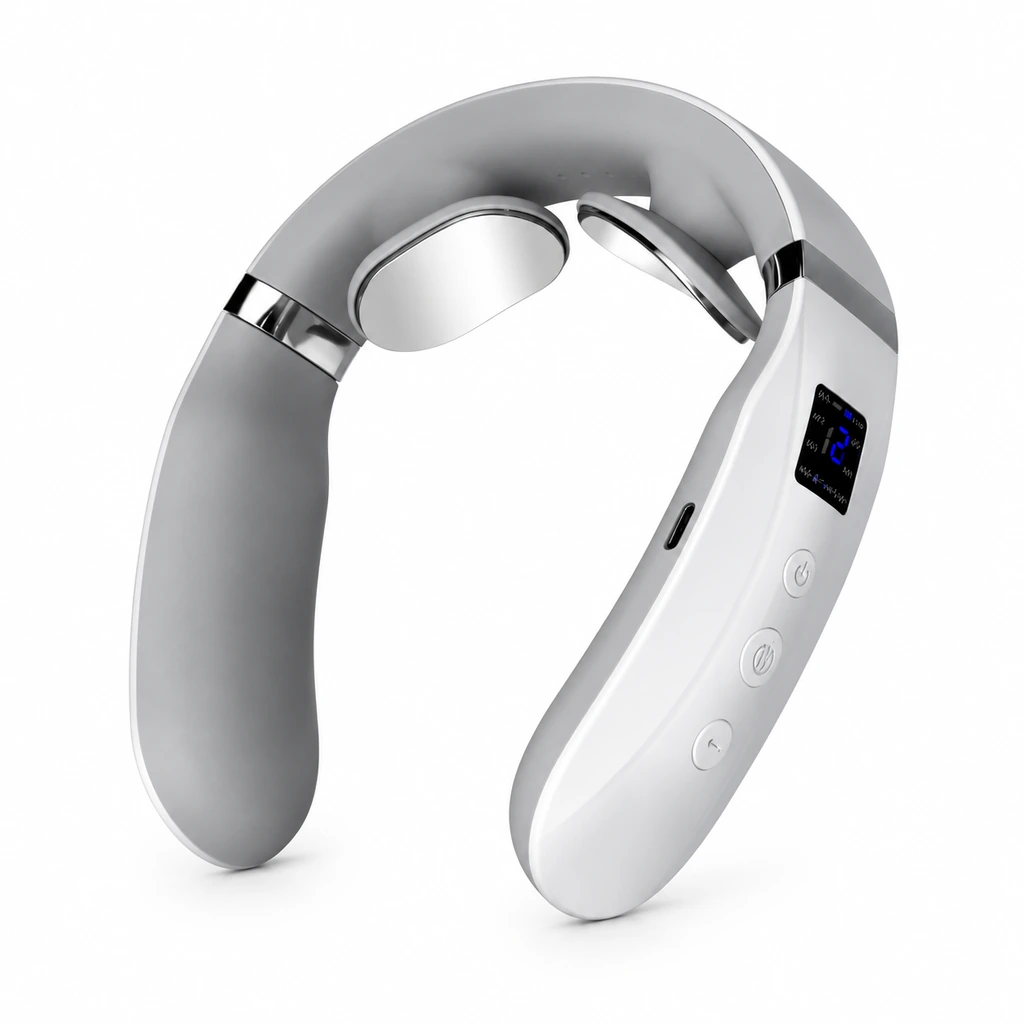
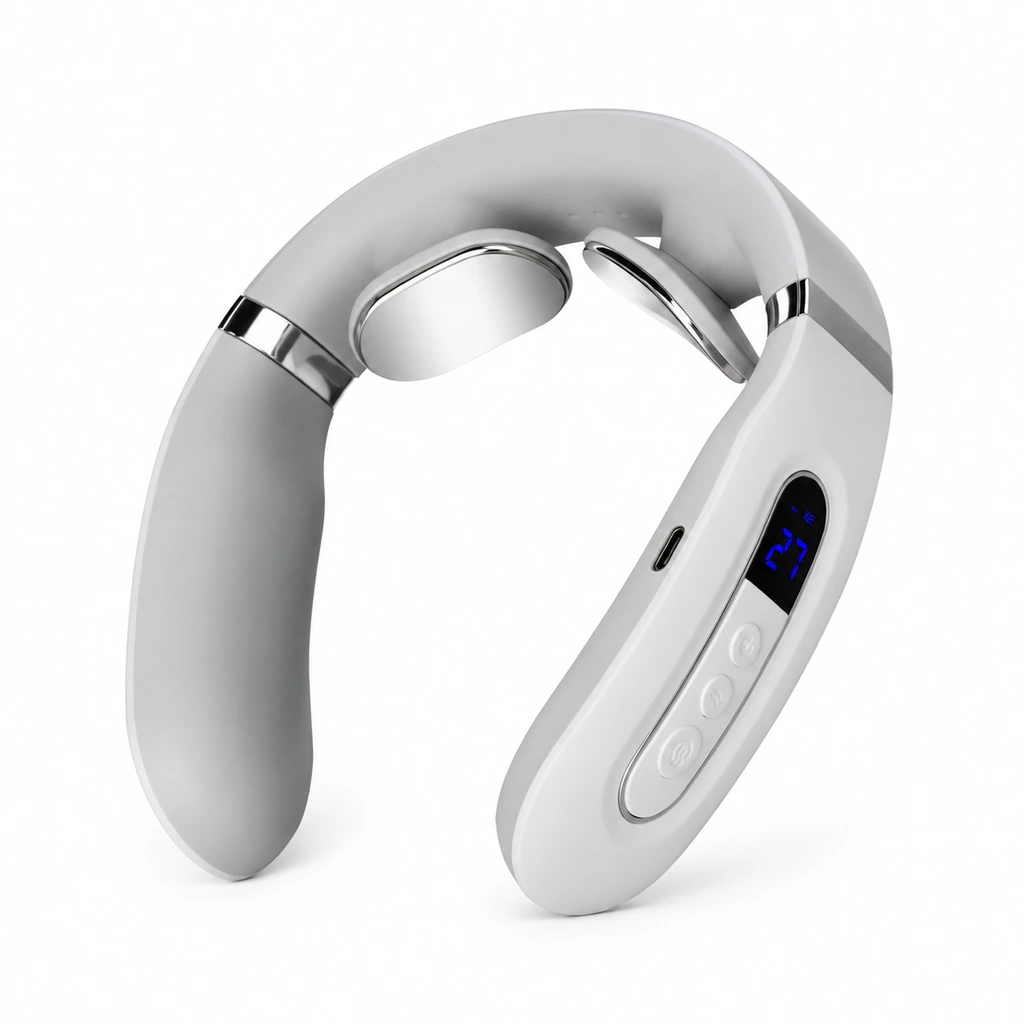


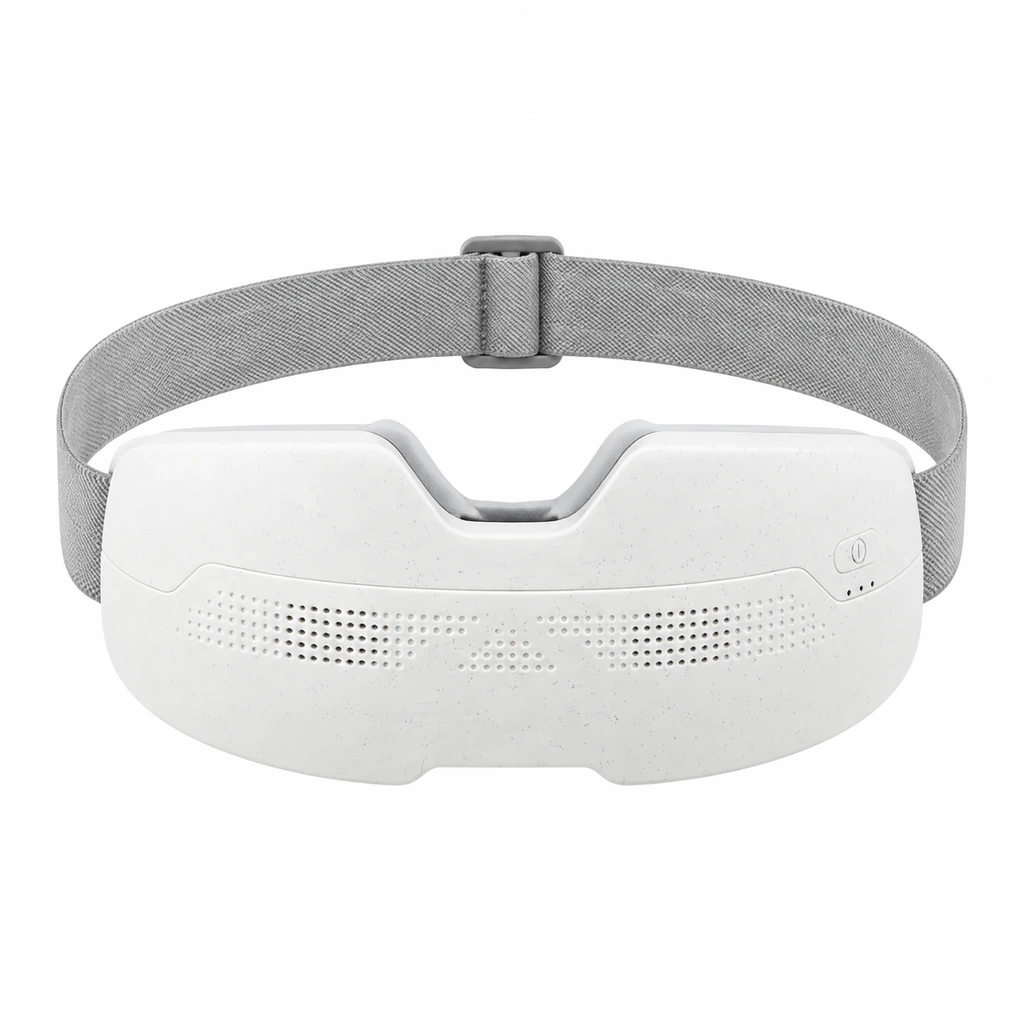
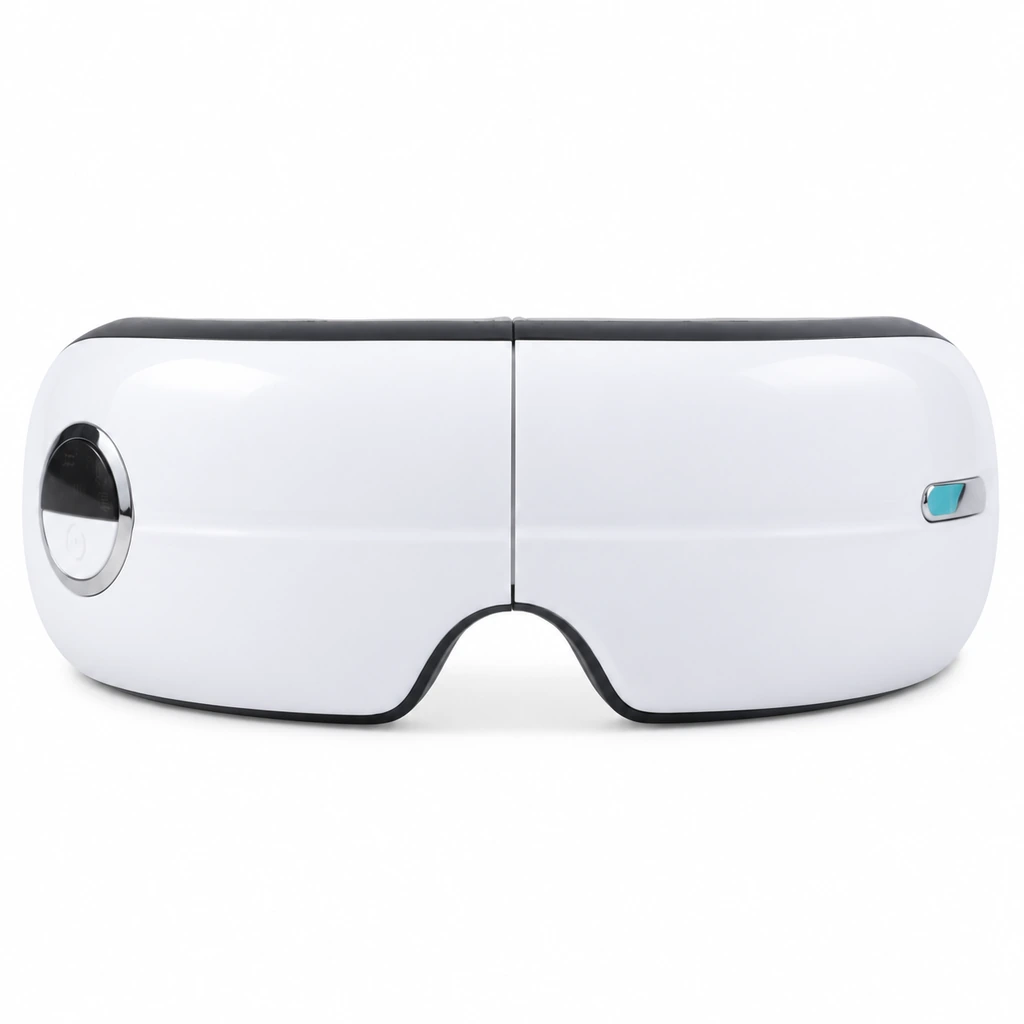
Pulse Heat Waist Massager Configuration
A wholesale buyer guide to defining A1 pulse, heat and vibration functions, checking combinations and controls, and approving a version-matched waist belt offer.
 Meilan Tech 6 min read

A pulse and heat waist massager configuration should describe more than two feature names. Wholesale buyers need to know which model supplies each function, whether pulse and warmth can run together, how the controls change them, and what the quoted package includes. Meilan A1 is a useful starting point because its product specification lists TENS pulse, heating and vibration. Its exact operating sequence belongs in the sample demonstration and matching instructions.
1. Start with the sales offer, not a feature count
Define the retail promise before selecting a belt. Is the customer buying a straightforward warming belt, a pulse-led product with adjustable intensity, or a combination that staff must demonstrate? Write the required functions, target market, sales channel, intended price position and support needs into one brief. This makes it easier to decide which controls and explanations the final listing must carry.
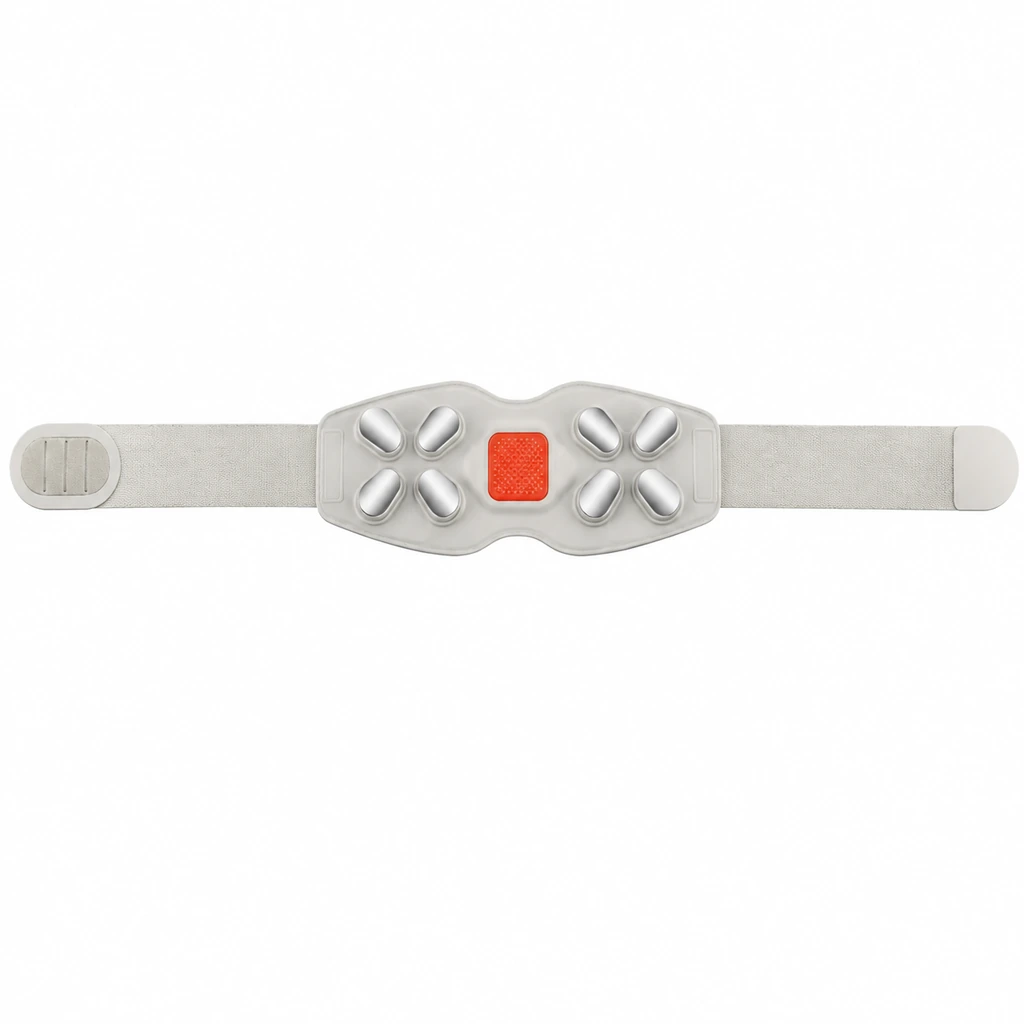
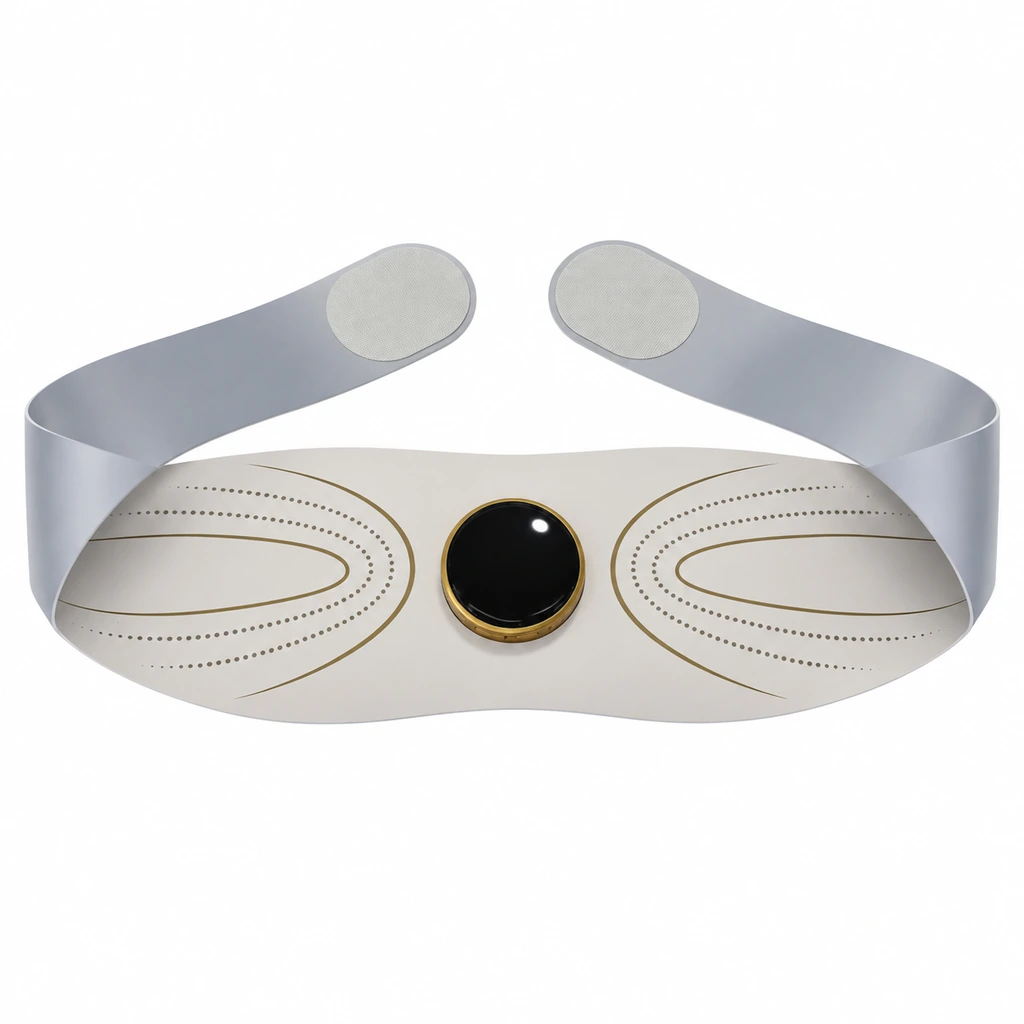
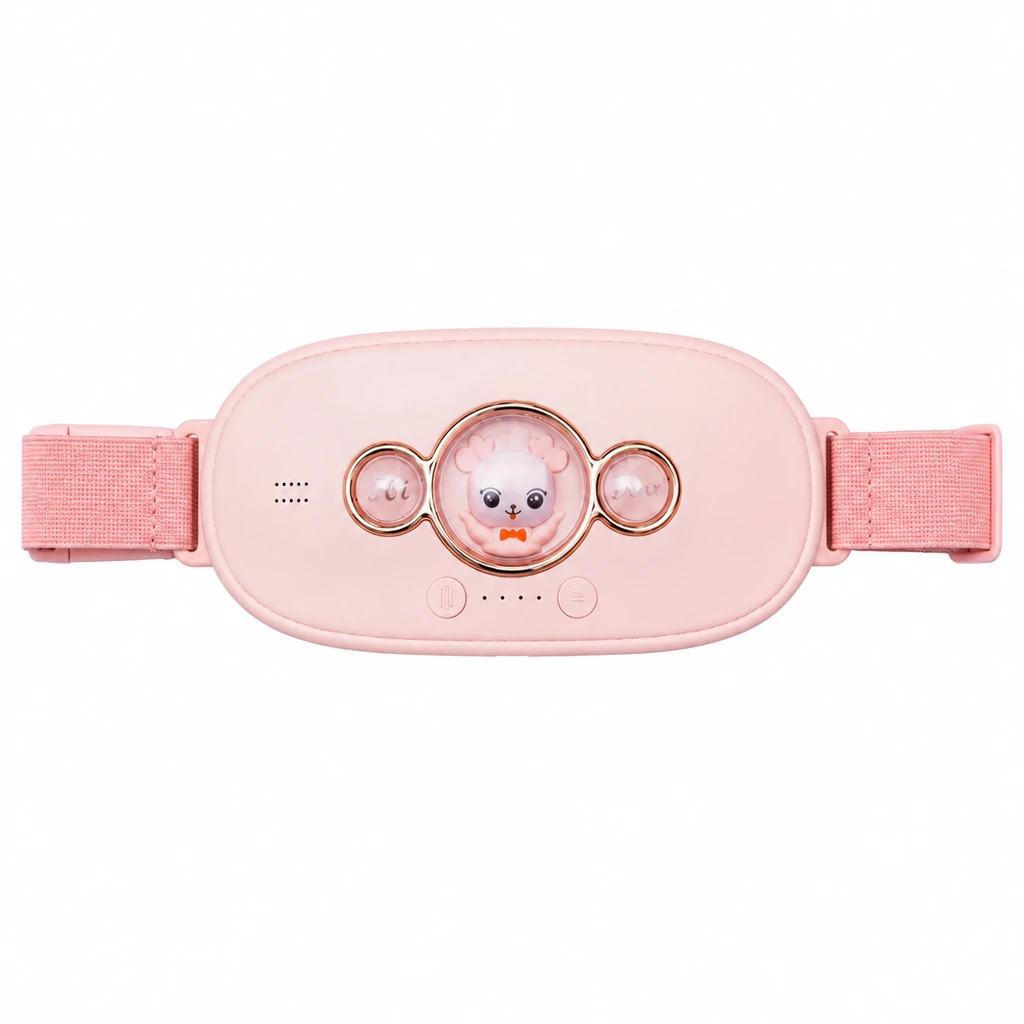
The Meilan A1 waist massager is presented with pulse, heating and vibration. The A9 waist massager is presented as an EMS pulse belt with six modes and three intensity levels. A9's product specification does not establish heating or vibration. A buyer who requires warmth should therefore discuss the quoted A1 configuration rather than transfer that requirement to A9.
2. Separate each function and its control
For A1, list pulse, heating and vibration as separate lines in the product brief. Pulse has modes and intensity settings; the A1 page lists 10 modes and 16 intensity levels. It labels 38–42°C as a temperature setting range, rather than a measured skin or belt-surface temperature. Vibration needs its own on/off and mode description in the instructions. These terms should remain separate in a retail listing so a buyer can explain what each control actually changes.
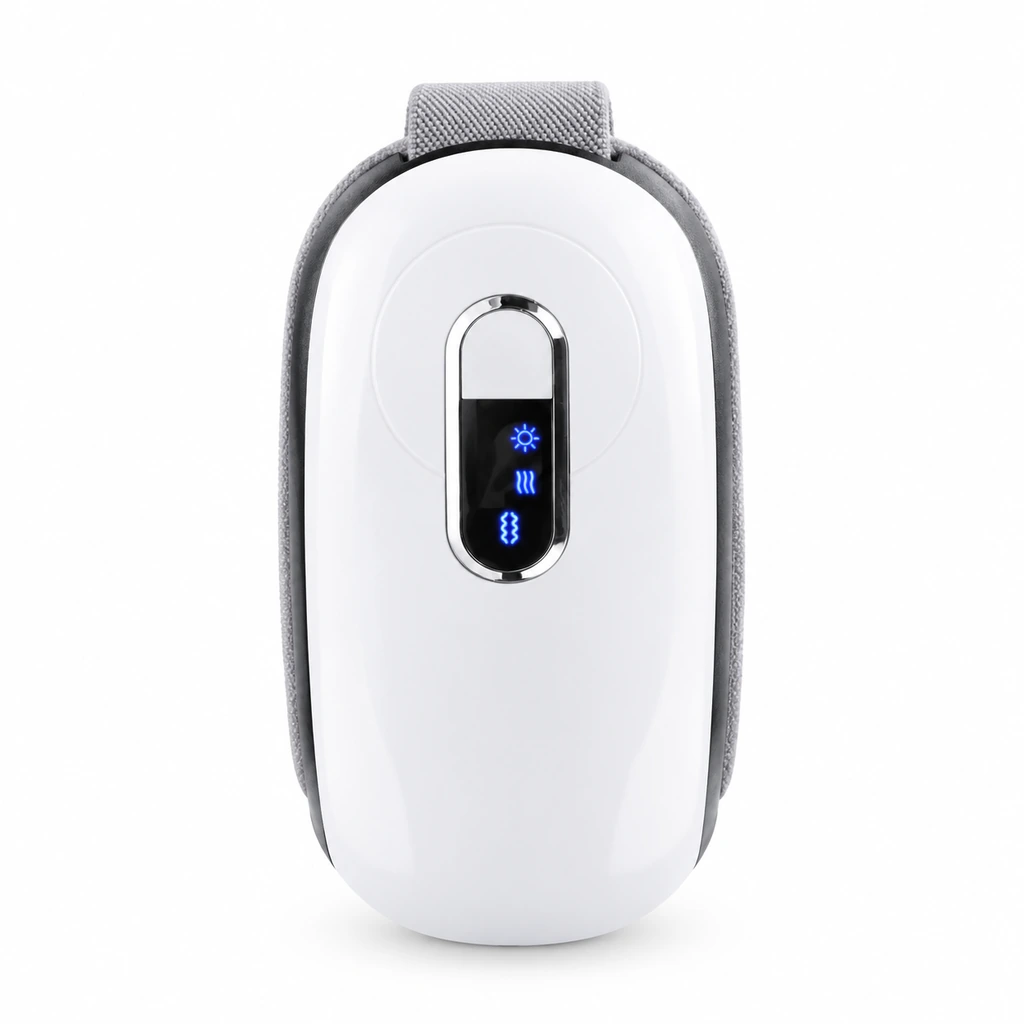
Ask for a control map with the exact button name, starting state, selectable steps, indicator and shutoff route for each function. A1 lists both on-device and wireless remote operation. Have the supplier show the same task by each route and identify the remote version in the quotation; a remote visible in a photograph does not define the included accessory set.
3. Demonstrate the combinations that matter to your channel
A list of three functions does not tell a retailer which combinations are selectable. On the quoted A1 sample, start from power off and record pulse alone, warmth alone and vibration alone where the controls allow them. Then try the combinations your sales offer would mention. For each state, record the button sequence, displayed or audible indication, and whether changing one setting interrupts another. If a combination cannot be selected, describe the available sequence instead of promising simultaneous operation.
| Buyer question | Sample demonstration | Decision for retail copy |
|---|---|---|
| Can warmth run without pulse? | Start with no active function; switch on warmth and record the indicator and belt response. | Use “independent warmth” only if this sequence works on the quoted version. |
| Can pulse and warmth run together? | Select a pulse mode, add warmth, then change pulse intensity and warmth setting separately. | Name the combination only after the sample and instructions agree. |
| How does vibration interact? | Switch vibration on and off while other functions are active, then repeat from power off. | Show the available controls without implying every three-function combination exists. |
| What ends the session? | Observe manual shutoff and the stated 15-minute automatic shutoff on the selected A1 sample. | Explain the timer as a session control, separate from battery runtime. |
4. Put temperature and power figures in context
A1's product page lists a 38–42°C temperature setting range, a 2500 mAh battery, about 5.5 hours charging and about 120 minutes working time. These figures answer different questions. A setting range is not a surface-temperature test; battery capacity is not runtime; and a working-time figure should be paired with the operating mode and test conditions when used in a channel specification.
Ask the supplier to identify the sensing or measurement point, the selected heat level, ambient conditions and timing behind any temperature claim. During sample review, note whether the chosen setting is indicated clearly and whether the belt remains usable with the intended pulse mode. For runtime, record charge state, active functions, intensity and duration. Do not use A1's electrical figures for A9 or another waist belt.
5. Check fit and the contact-side experience
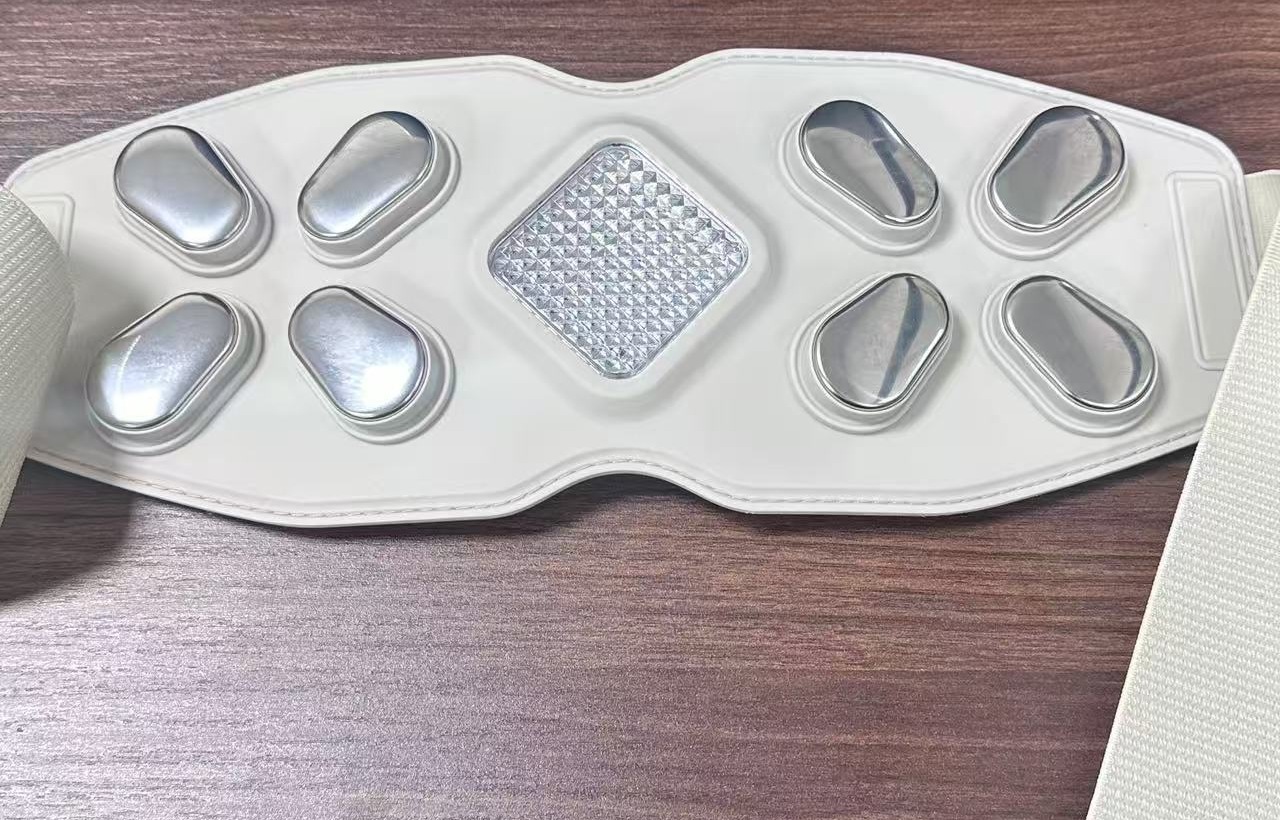
Functions depend on the belt staying in the intended position. Open the quoted A1 sample flat, photograph the inner panel and fasteners, and measure usable strap length and fastening overlap. The A1 page lists overall dimensions of 1100 × 136 × 35 mm, but those dimensions do not define a minimum or maximum wearer waist circumference. Request the supported range and test the target sizes over the clothing conditions your channel expects.
During a short demonstration, record whether the panel shifts when a wearer sits, stands and walks, and whether the controls can be reached without removing the belt. Note any difference between a snug fit for stable contact and a fit a customer can adjust comfortably. Use the sample observations to set a realistic size description; avoid a universal-fit promise.
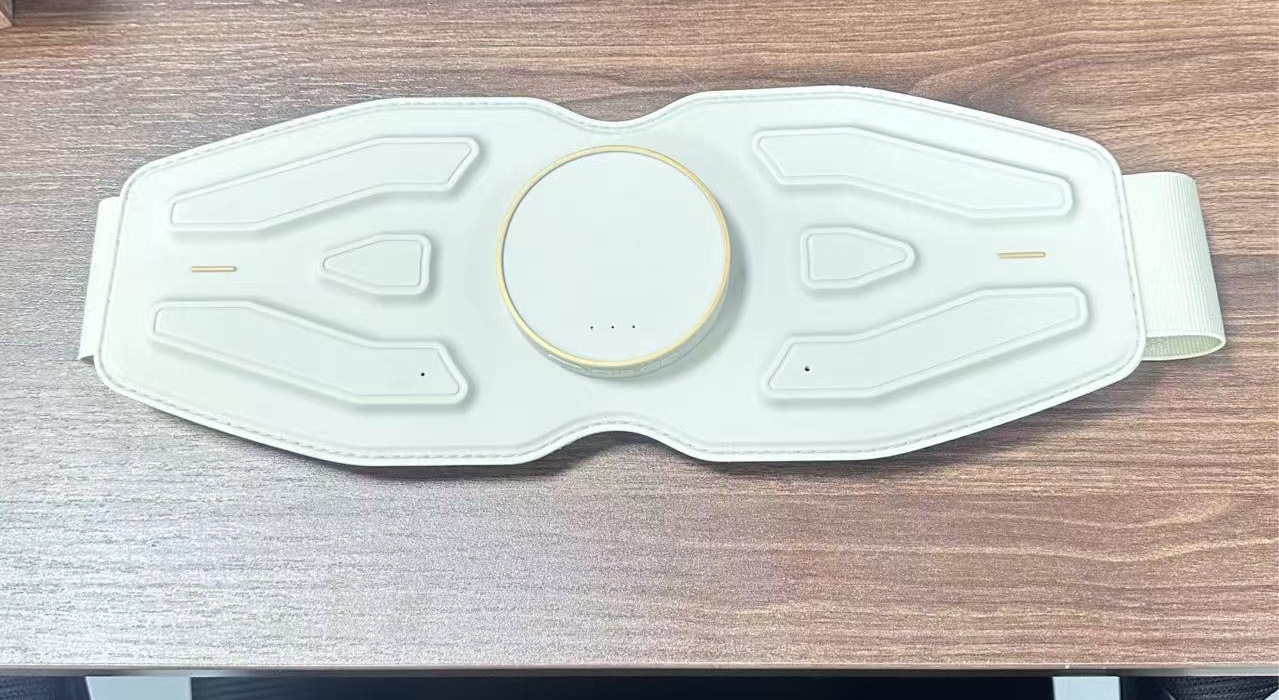
6. Match the configuration to the quoted pack and instructions
A complete offer covers the belt, the selected control method, charging item, instructions and retail presentation. Lay out one packed sample and compare every item with the itemized quotation. If wireless control is part of the offer, state whether the remote and its CR2032 battery are supplied. Confirm the instruction language, charging information, warnings and cleaning guidance for the same product version.
Ask for a single configuration sheet that names the model, function set, control route, package contents and artwork version. Use that sheet when approving sales images, customer-service notes and translated product descriptions. It prevents a package for one configuration from being paired with another configuration's feature list.
7. Turn the demonstration into a purchasing decision
| Must meet the brief | Show on the quoted sample | Confirm in the quotation |
|---|---|---|
| Required pulse and heat functions | Each function, its selectable settings and the combinations to be advertised | Exact model and function version |
| Control experience | On-device and remote steps, indicators and shutoff behavior | Remote model, battery and instructions included |
| Fit and power | Fastening range, panel position and runtime under stated settings | Supported waist range, power specification and test conditions |
| Retail readiness | Packed sample, artwork, translated instructions and service explanation | Package contents, customization scope, MOQ and lead time |
Choose the configuration whose demonstrated function combinations, belt fit, controls and package match your channel's brief. To prepare an RFQ, review the Meilan waist massager range. Send your target market, order volume, required pulse and heat sequence, fit range and packaging needs through the Meilan inquiry page to request the matching sample and quotation.
Buyer FAQs
Does “pulse and heat” mean both functions always operate together?
No. The phrase names two functions; the available combinations must be shown on the selected sample and described in its instructions.
Is A1's 38–42°C figure a measured belt-surface temperature?
No. The product page labels it as a temperature setting. Ask for the measurement point and test conditions before publishing a surface-temperature claim.
Can A1's mode count describe A9?
No. A1 lists 10 modes and 16 intensity levels; A9 lists six modes and three levels. Each model needs its own version-matched description.
Is the remote included with every A1 order?
The A1 page lists wireless remote operation for its described configuration. Confirm the remote and battery in the specific quotation and packed sample.
What should a buyer request before approving the listing?
Request the configuration sheet, operating instructions, a demonstrated sample, fit information and an itemized packed-sample quotation for the same version.

