



Scalp Massager Packaging Files for Private Labels
A practical private-label packaging handoff for scalp massagers: versioned dieline, editable artwork, approved copy, pack-out list, and approval owners.
 Meilan Tech 4 min read
For a private-label scalp massager, the buyer's packaging handoff is more than a logo and a picture of a box. The supplier needs a version-matched dieline, editable artwork, approved words and symbols, and a clear list of what goes inside. The buyer also needs to know which party will prepare each file and who can approve changes. Start with the selected product and pack format; do not create final artwork against an assumed box size.
First establish the pack and the correct dieline
Identify the exact device version, accessories, charging item if included, manual, and intended sales channel. Ask the supplier which proposed carton and insert are being quoted and request the corresponding dieline with dimensions, fold lines, bleed and safe areas clearly marked. A dieline for a different configuration may leave too little space for the contents or put required copy across a fold. Record the dieline revision in the file name and approval log.
This article is about file readiness. For physical clearance, insert support, instruction placement, and shipping checks, use the separate guide to scalp massager gift packaging fit.

Supply artwork the packaging team can actually edit
A flattened image can communicate the design intent, but it is a poor master file for print changes. Ask the packaging partner what editable format and linked assets they require. A useful artwork package normally identifies the dieline revision, panel orientation, fonts or outlined text, linked images, color references, and the version of the logo being used. If a brand agency owns the files, name the person who will release the production version and answer printer queries.
Keep the device photograph and any lifestyle scene separate from technical approval. A photograph may help the printer check placement, but it cannot prove box dimensions, regulatory wording, or which accessories ship. If imagery is being prepared for the listing as well as the carton, the scalp massager photography brief covers that distinct deliverable.
Freeze words, icons, and included items against one product version
Copy is often the slowest unresolved part of a “finished” design. Send the final product name, model identifier, feature descriptions, warnings and instructions intended for the destination market. Identify who supplied each claim and what product evidence supports it. Do not copy icons, certifications, health claims, or language from a different model simply because they are already on an old box.
Supply an explicit pack-out list: the device, each accessory, manual language, inserts and any branded extras. Then compare that list with the draft carton panels and the physical packing sample. If a component changes, ask whether its illustration, quantity, label, or instruction reference must change too. The final art should describe the same configuration as the approved sample.
A practical checkpoint: Do the dieline, artwork, printed claims, manual, and pack-out list all carry the same model and revision? If not, the file package is ready for discussion, not production approval.Use a simple file handoff register
One register is more reliable than a sequence of “final_v3” email attachments. It does not need to be complex, but it should show the current owner and decision for each item.
| File or decision | Buyer supplies or confirms | Supplier/printer returns |
|---|---|---|
| Pack structure | Selected model, contents, channel and desired pack format | Quoted pack, insert proposal and versioned dieline |
| Artwork | Editable layout, logo, images, fonts and color references | Prepress proof against the agreed dieline |
| Copy and symbols | Approved product wording, market/language, claims owner | Marked proof with unresolved text or placement questions |
| Pack-out | Device and accessory list, manual version | Physical sample or documented packing sequence |
| Approval | Named approver and scope | Retained proof/sample ID and change record |

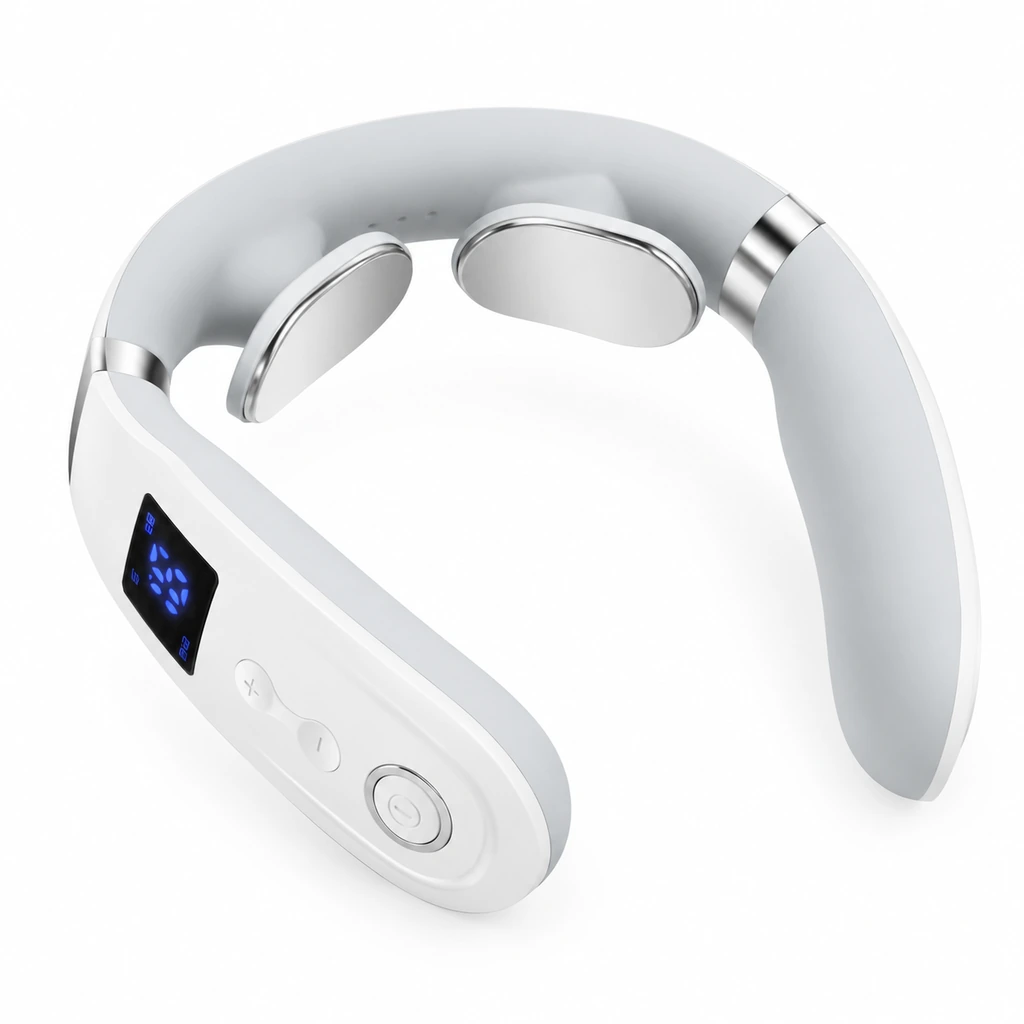
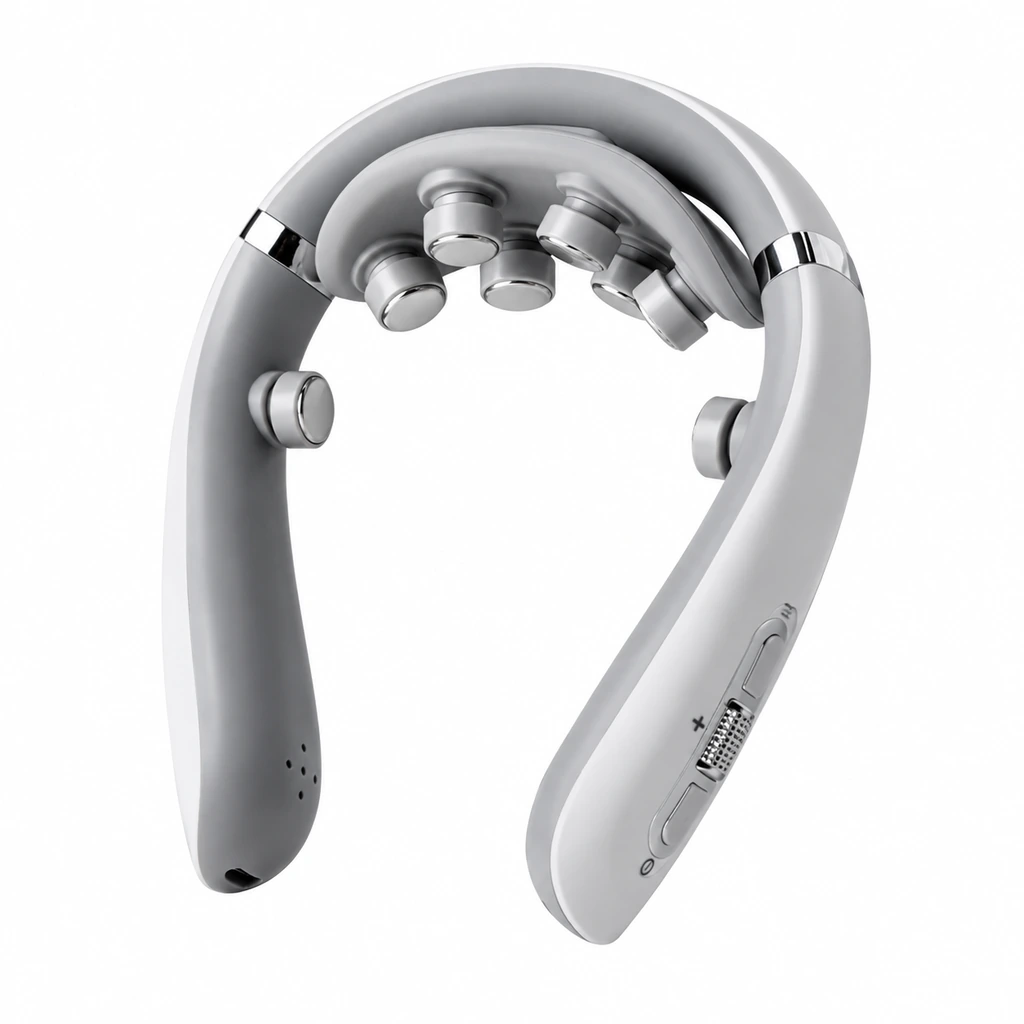
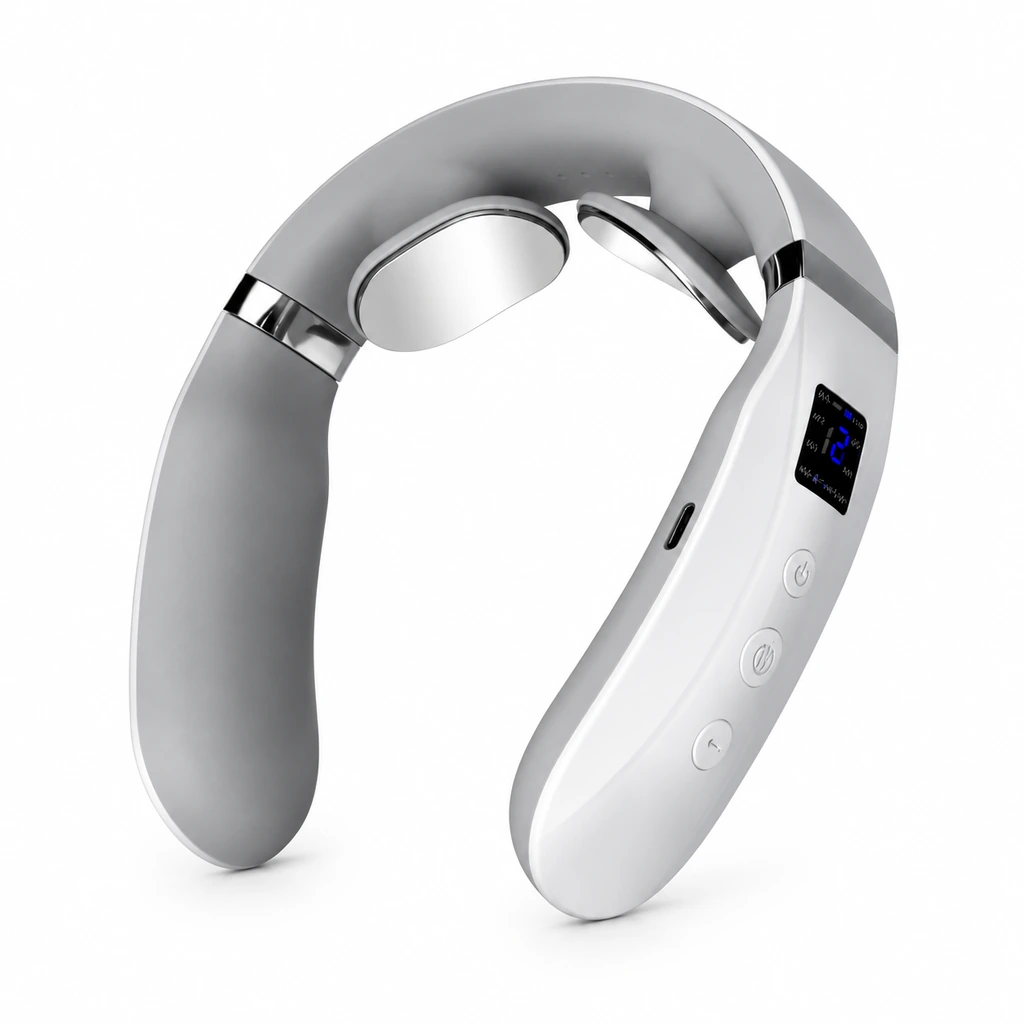
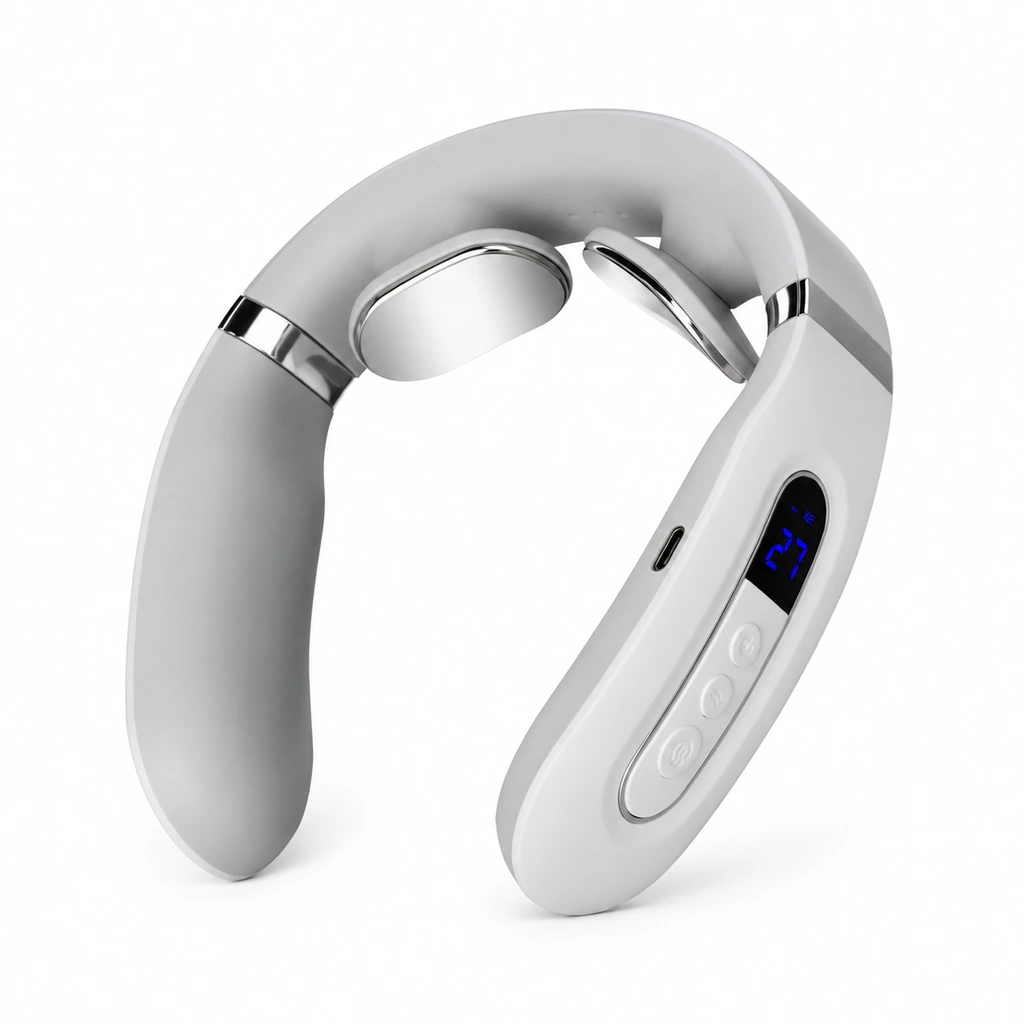
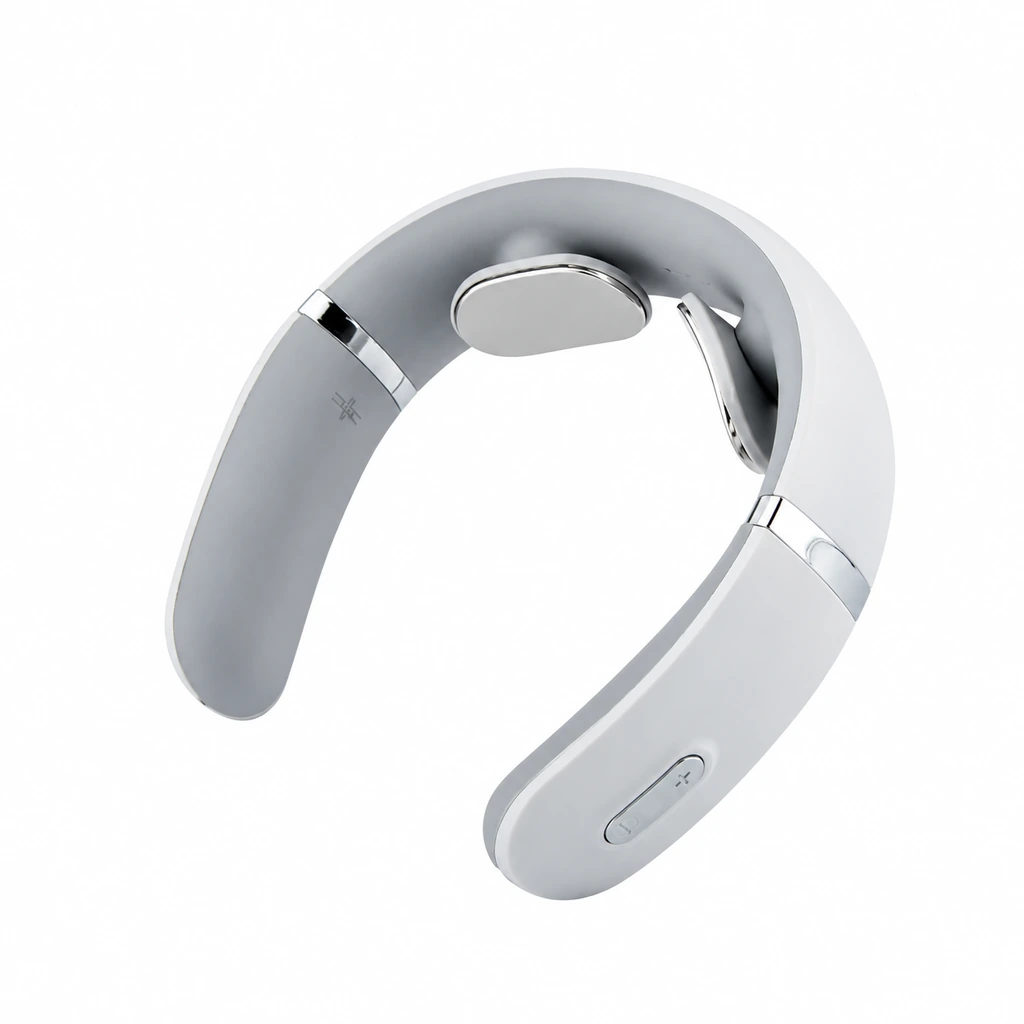
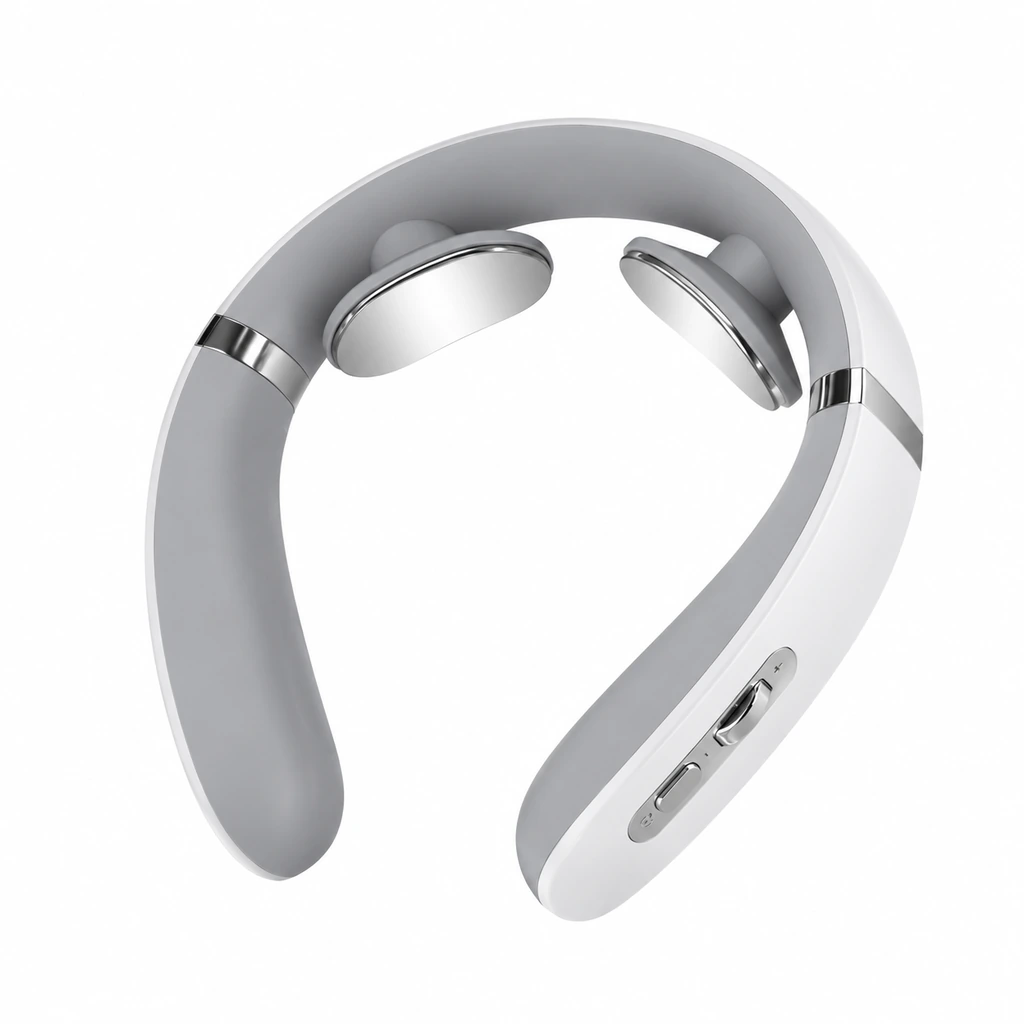
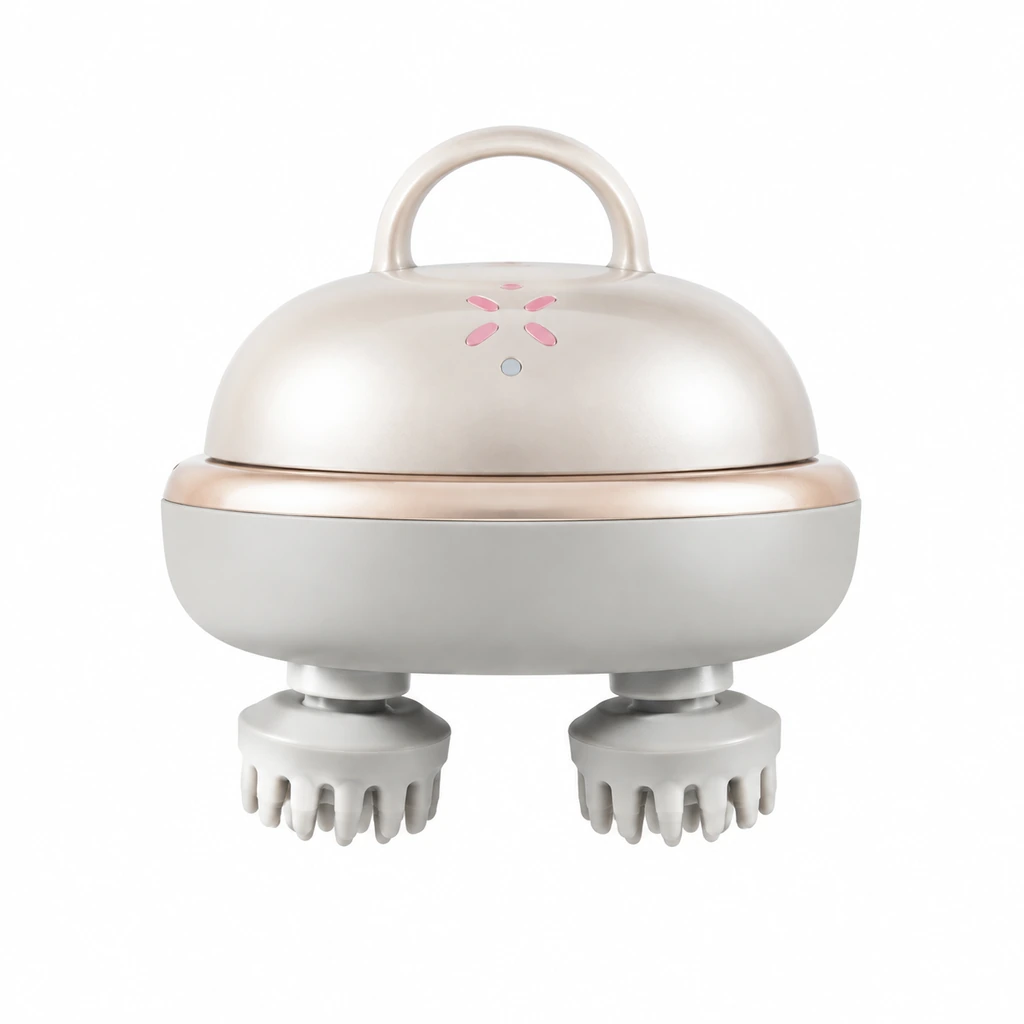
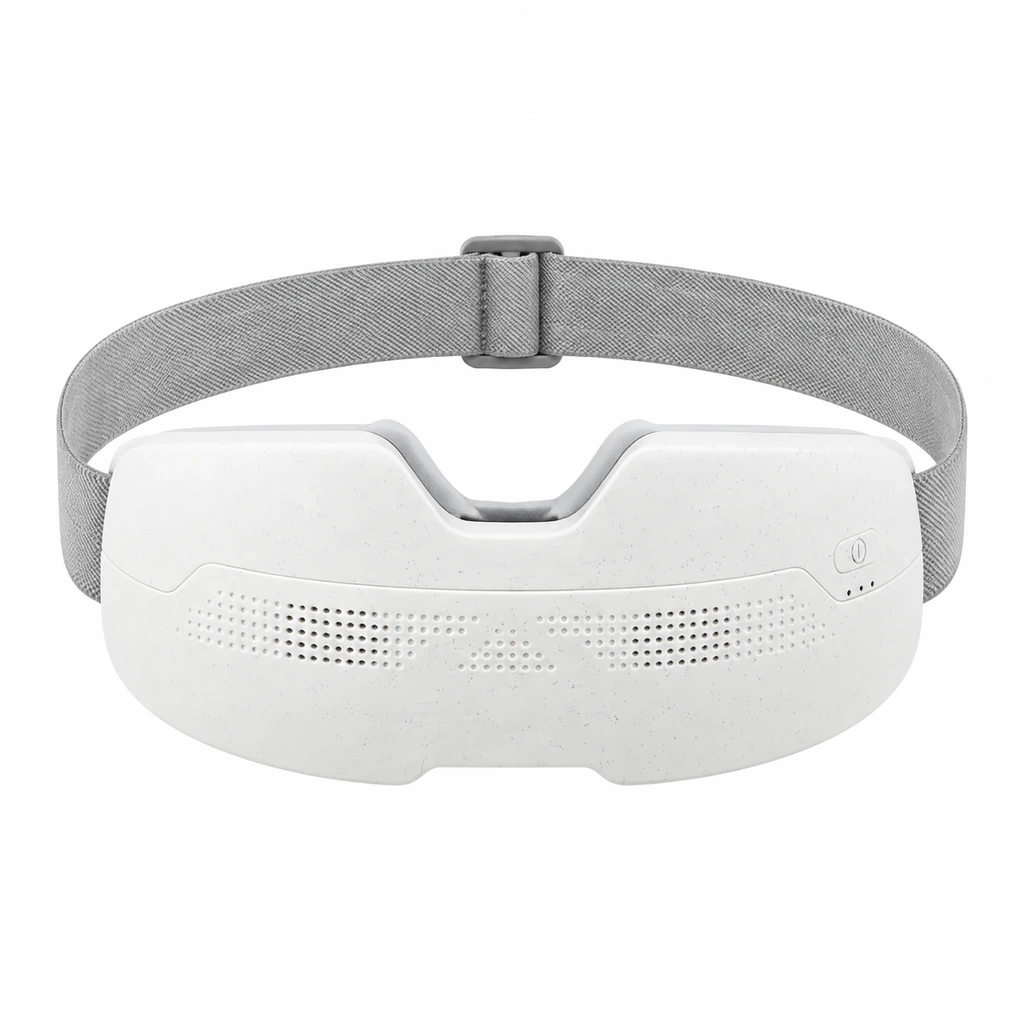
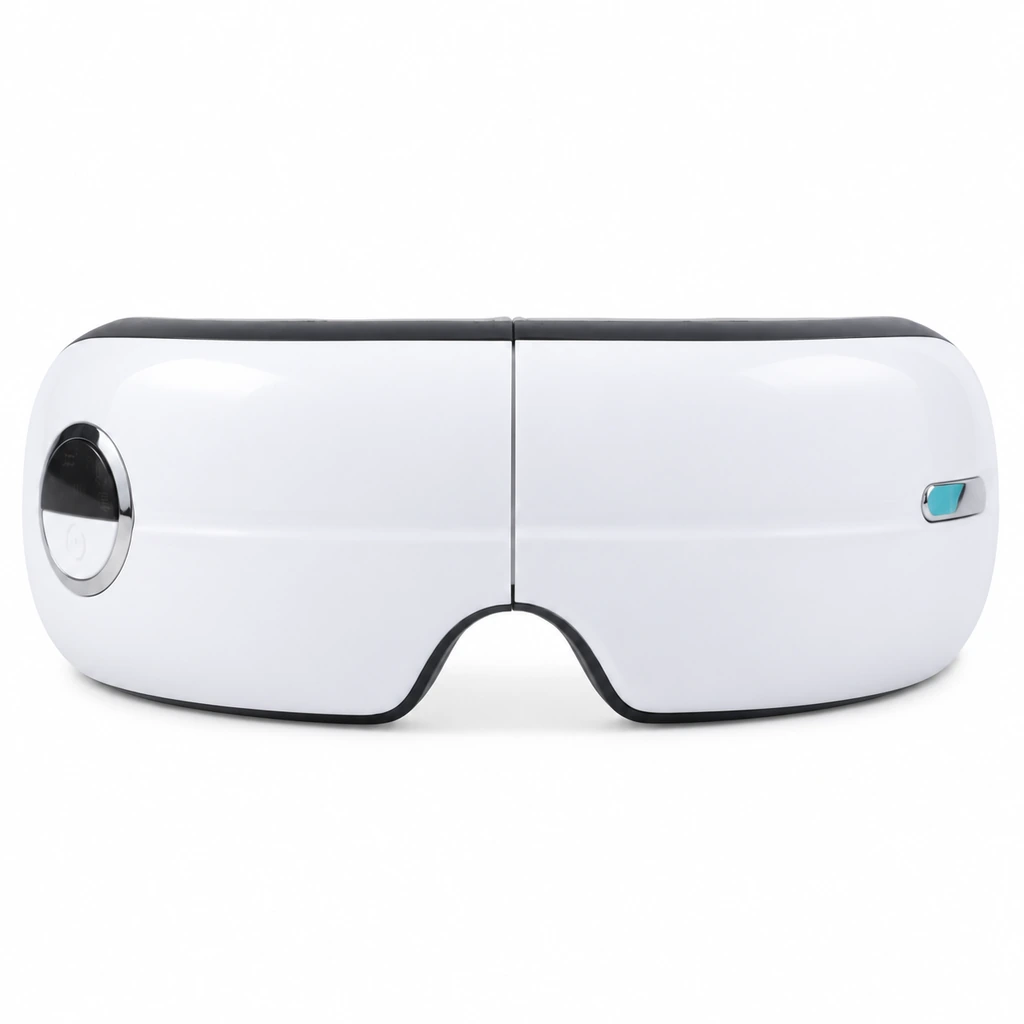
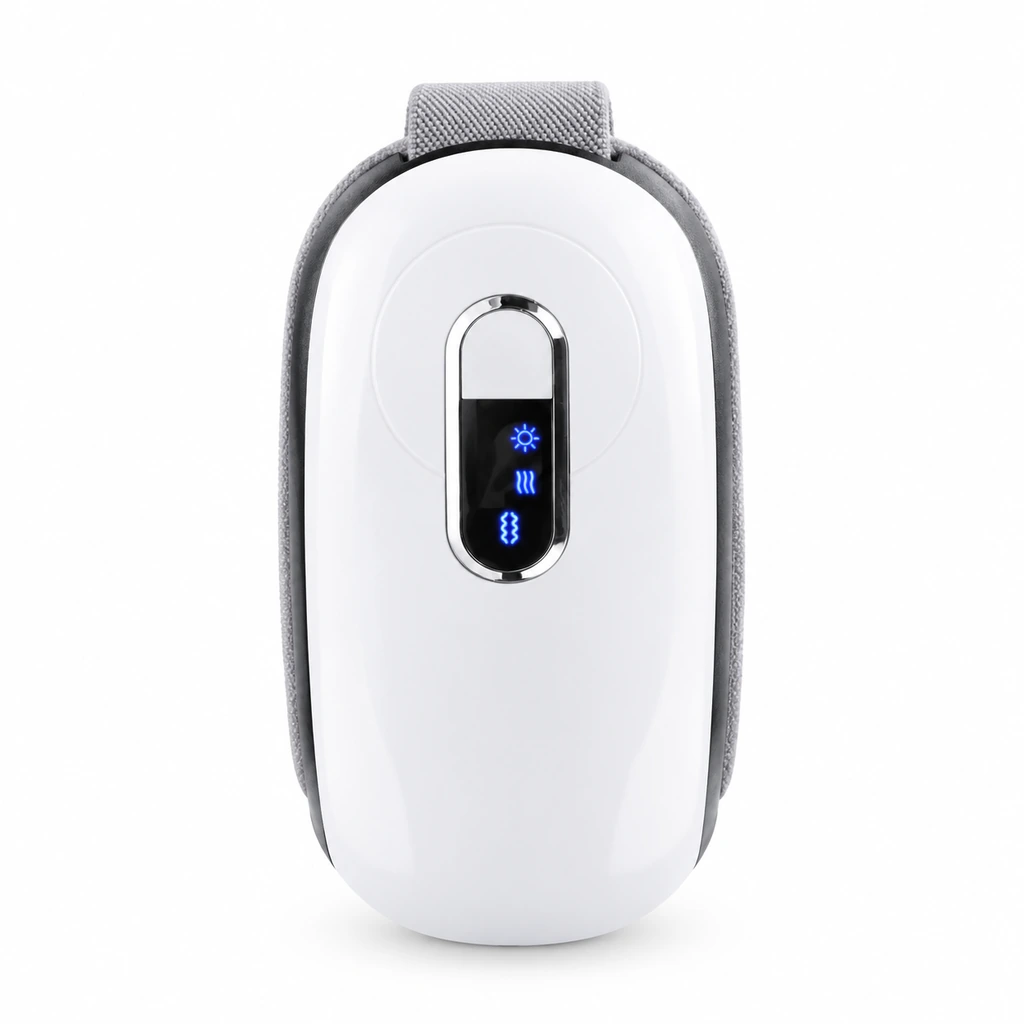
Product reference: Meilan T1
Use the actual T1 configuration and accessory list as the starting point for a packaging file discussion. Confirm the selected version and available private-label scope before asking for a dieline or artwork proof.
Review the T1 product pageApprove the print proof and the packed sample separately
A digital proof answers whether text, graphics, barcodes and panel positions match the approved files. A packed sample answers whether the device and accessories fit, stay oriented correctly, and arrive with the right inserts. Neither replaces the other. Have the named buyer approve both against their own version IDs. If a late artwork change alters a claim or accessory illustration, record whether the printed proof and packed sample need to be reviewed again.
When requesting a quote through Meilan's private-label route, send the current register even if some rows remain open. That lets the supplier distinguish a ready-to-print design from a concept that still needs structural or copy work.
Need a packaging file review for a specific model?
Send the model/version, proposed pack contents, artwork files, target market and the latest dieline or box concept. Ask Meilan which files can be reviewed now and which approvals are still missing.
Discuss the packaging brief
