

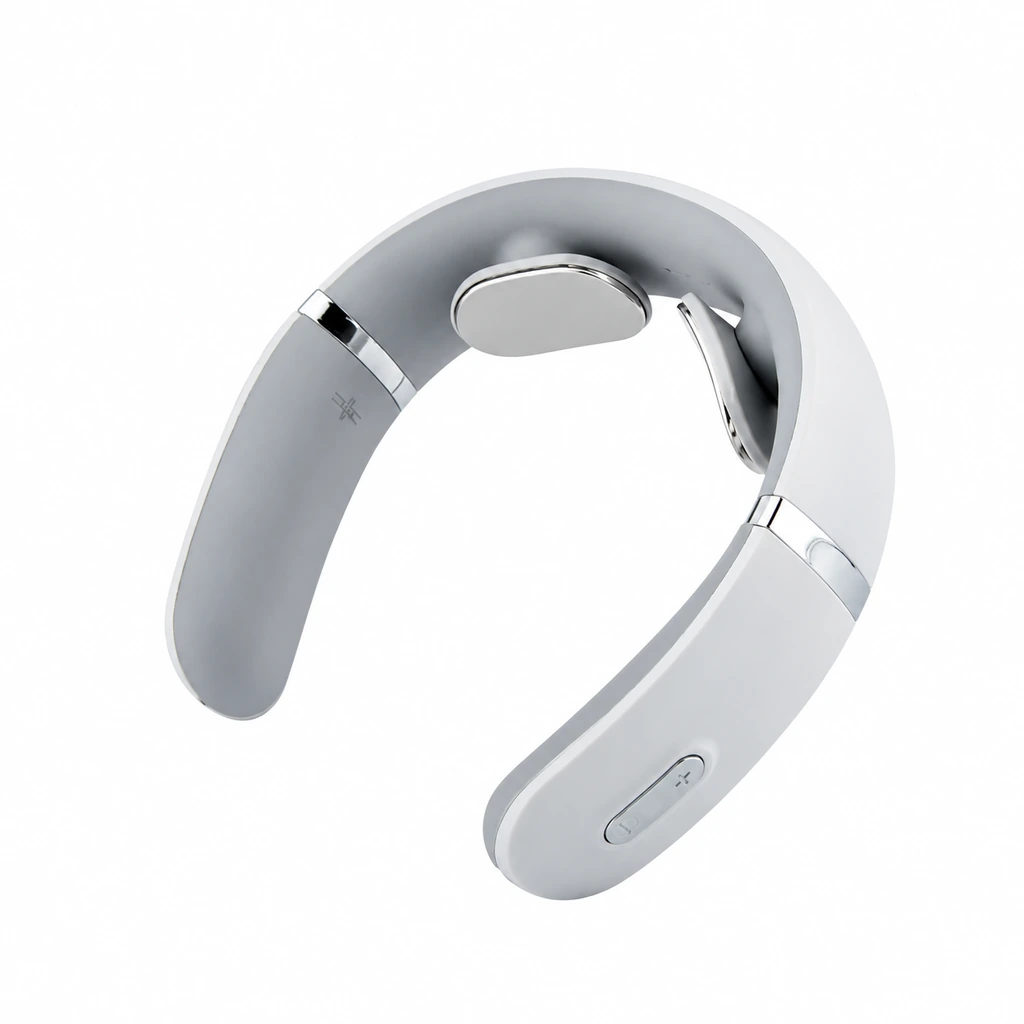
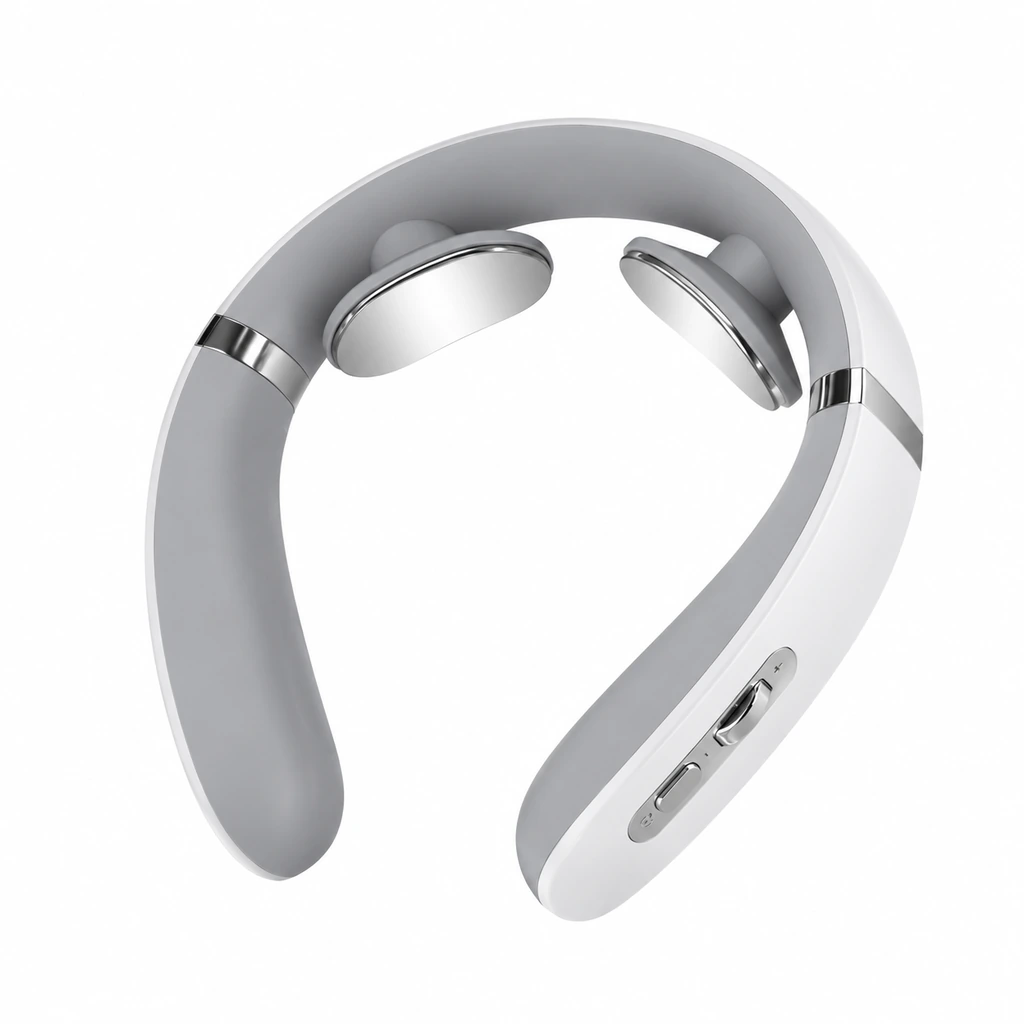
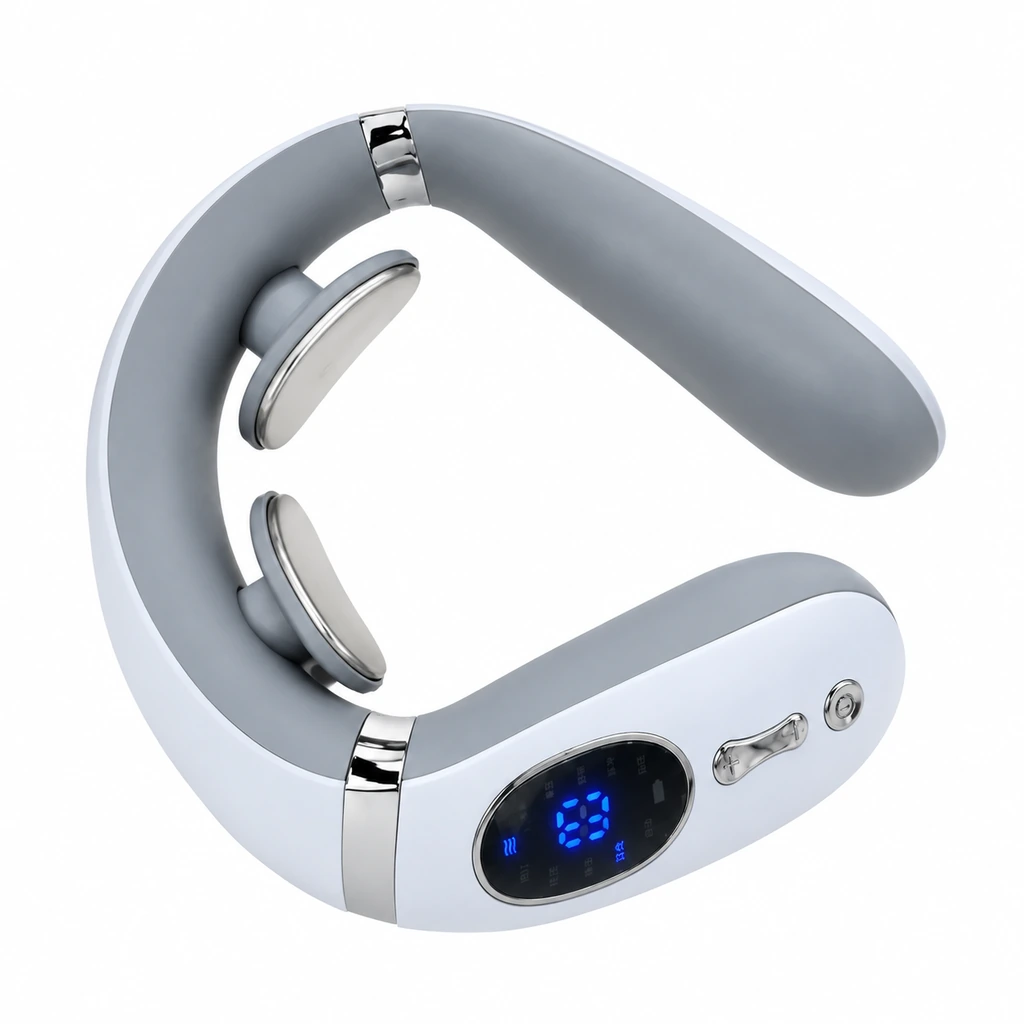
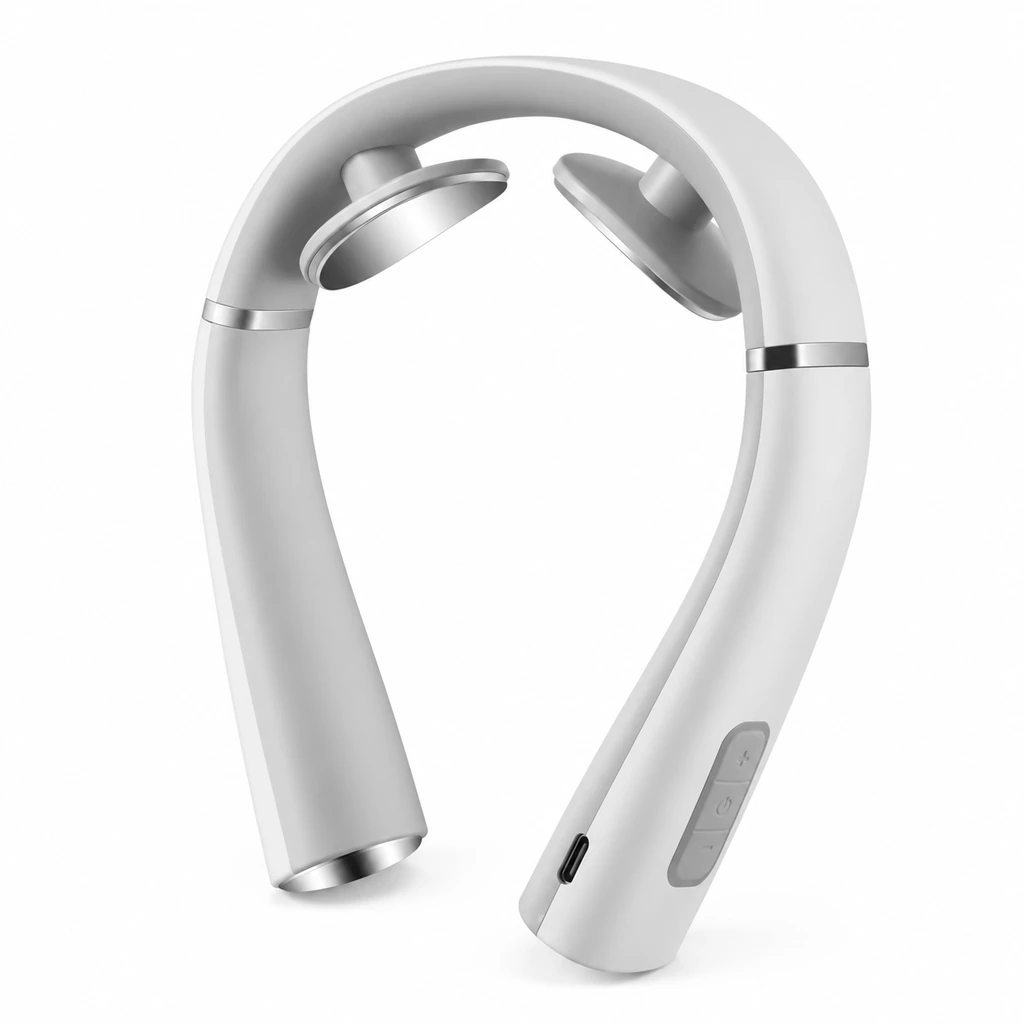


Waist Massager Packaging Design
A wholesale packaging guide to folding waist massagers, supporting the belt in an insert, containing accessories and checking shape recovery.
 Meilan Tech 9 min read
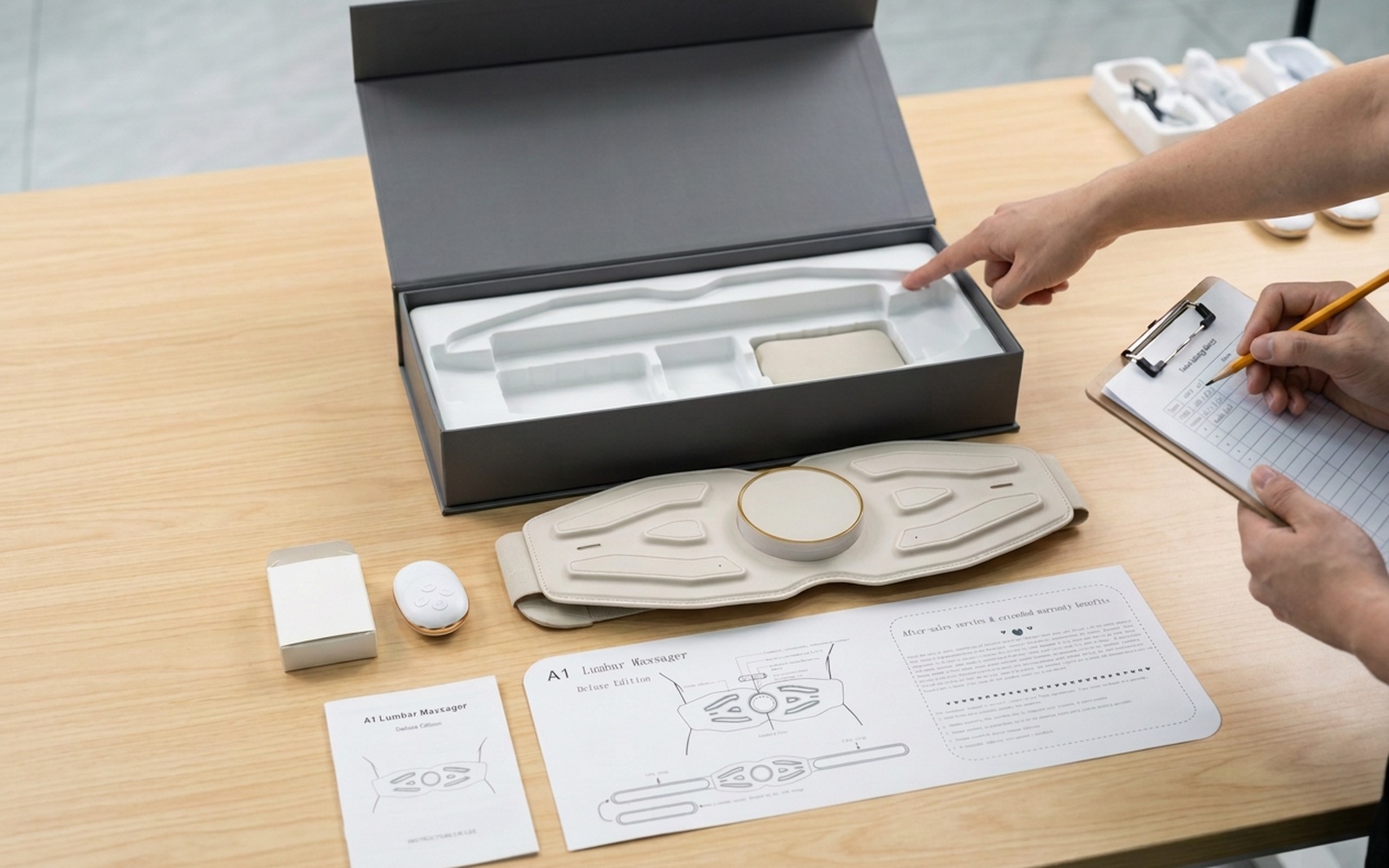
A waist massager box has to protect the belt's shape as well as its electronic parts. For a wholesale buyer, packaging design starts with the exact quoted sample: map its rigid and flexible zones, try a documented fold path, support raised parts in the insert, and then unpack and wear the belt after agreed handling. Approve the pack only when the belt recovers, accessories remain controlled, and the contents match the order.
Start with the belt that will actually ship
A smaller carton can lower shipping volume, but it is a poor bargain if the wearer first sees a permanent crease or a displaced control panel. A brand needs a repeatable unboxing appearance for product photography and retail claims; a distributor also needs a pack that can be identified and checked when a return arrives. Put the model, belt revision, intended retail market, accessory list and pack revision on the same sample record before comparing box concepts.
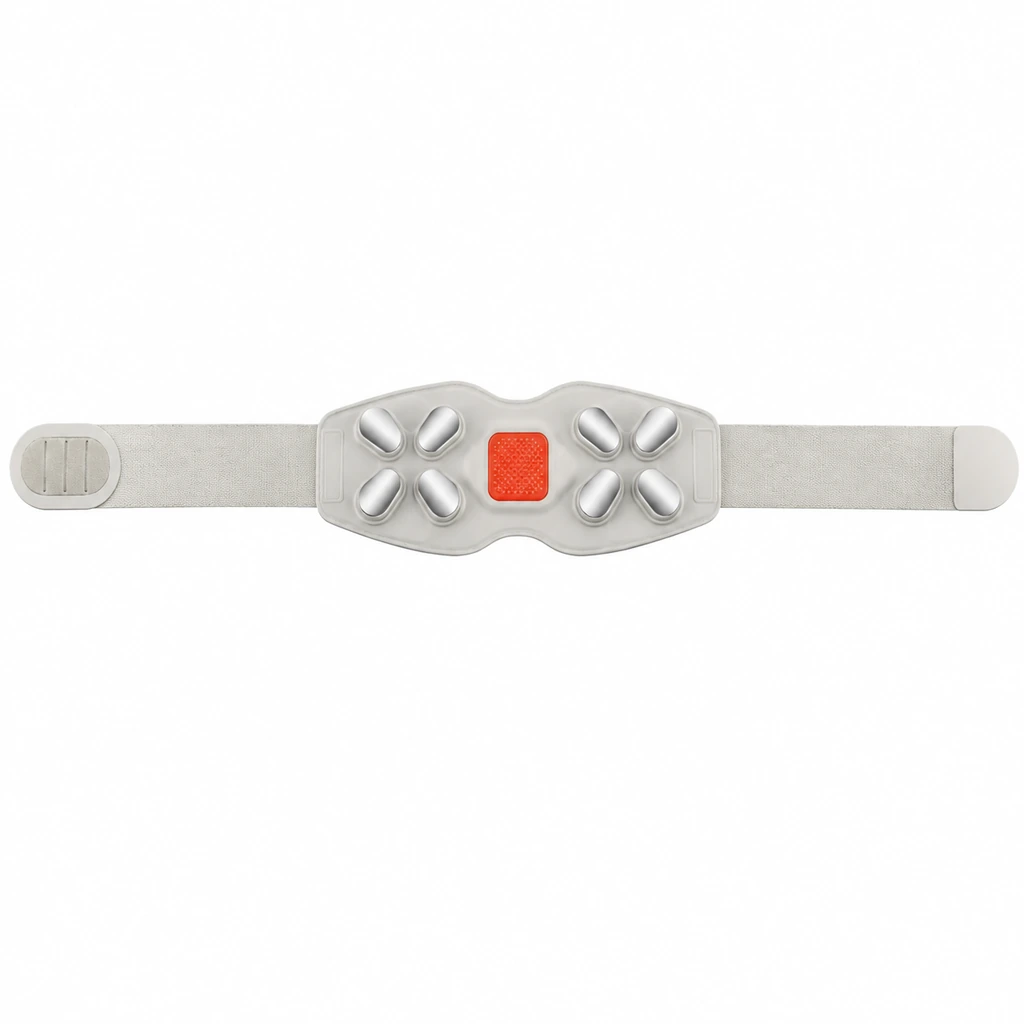
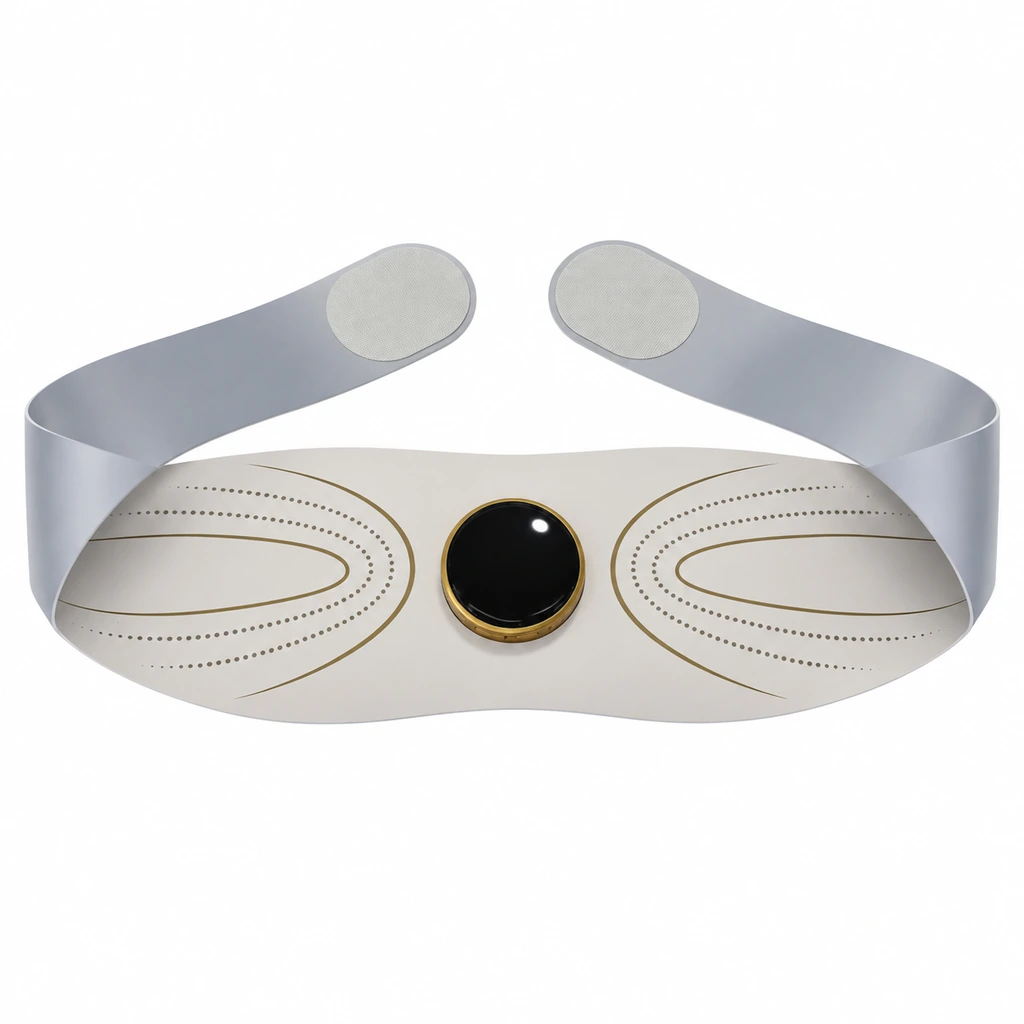
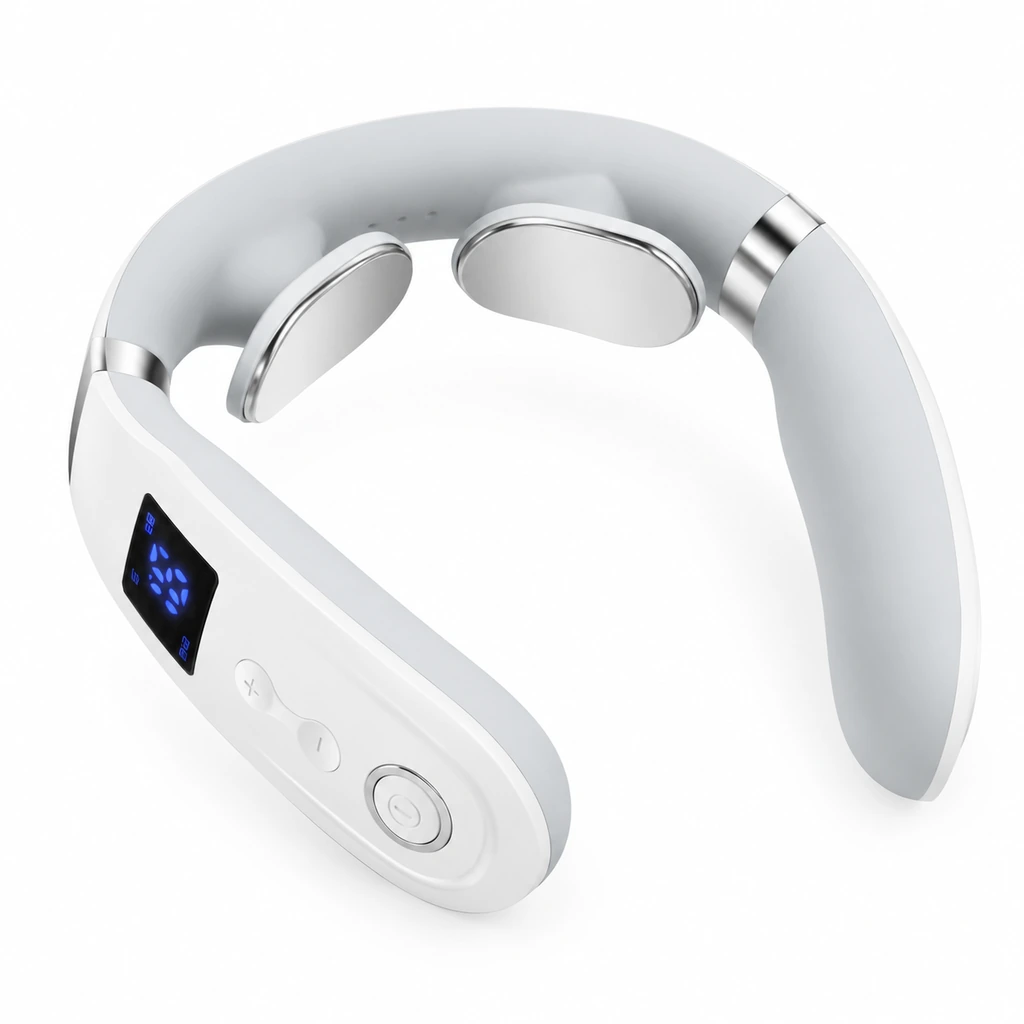
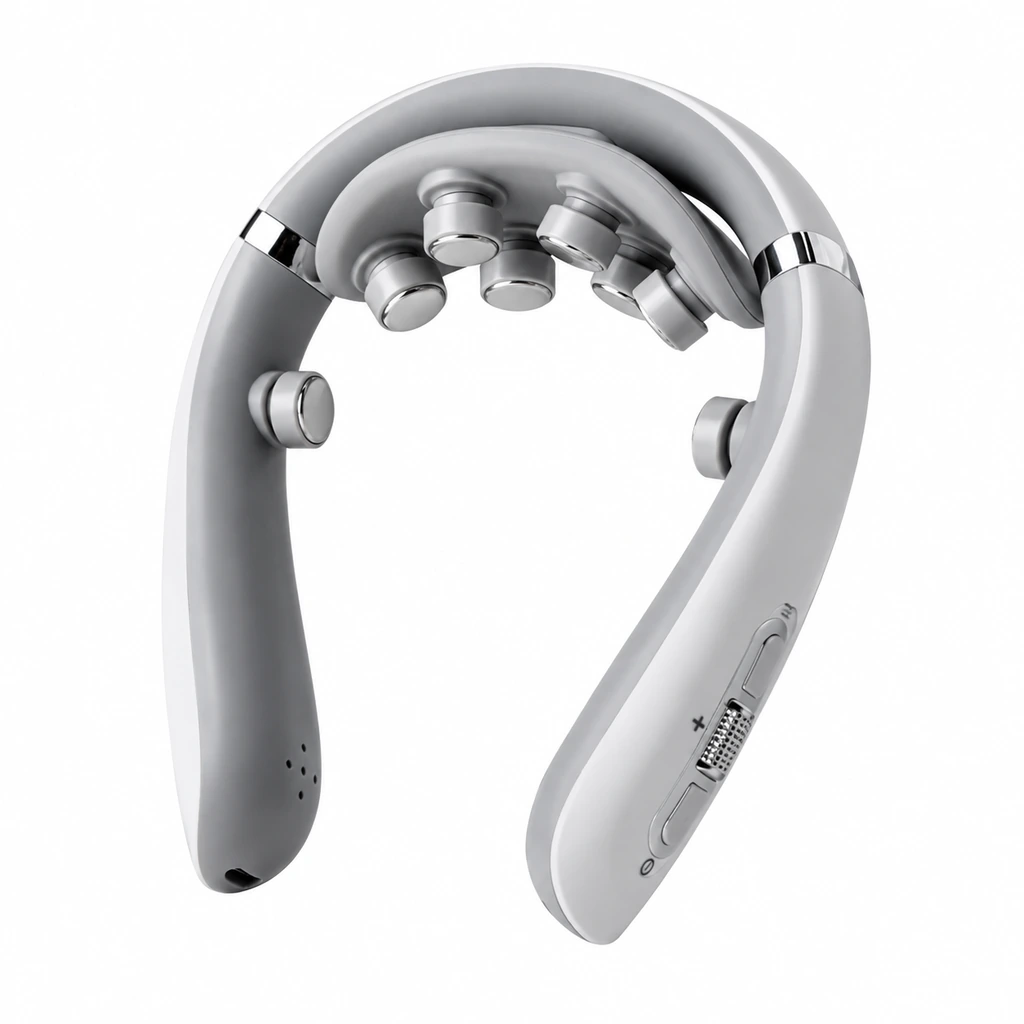
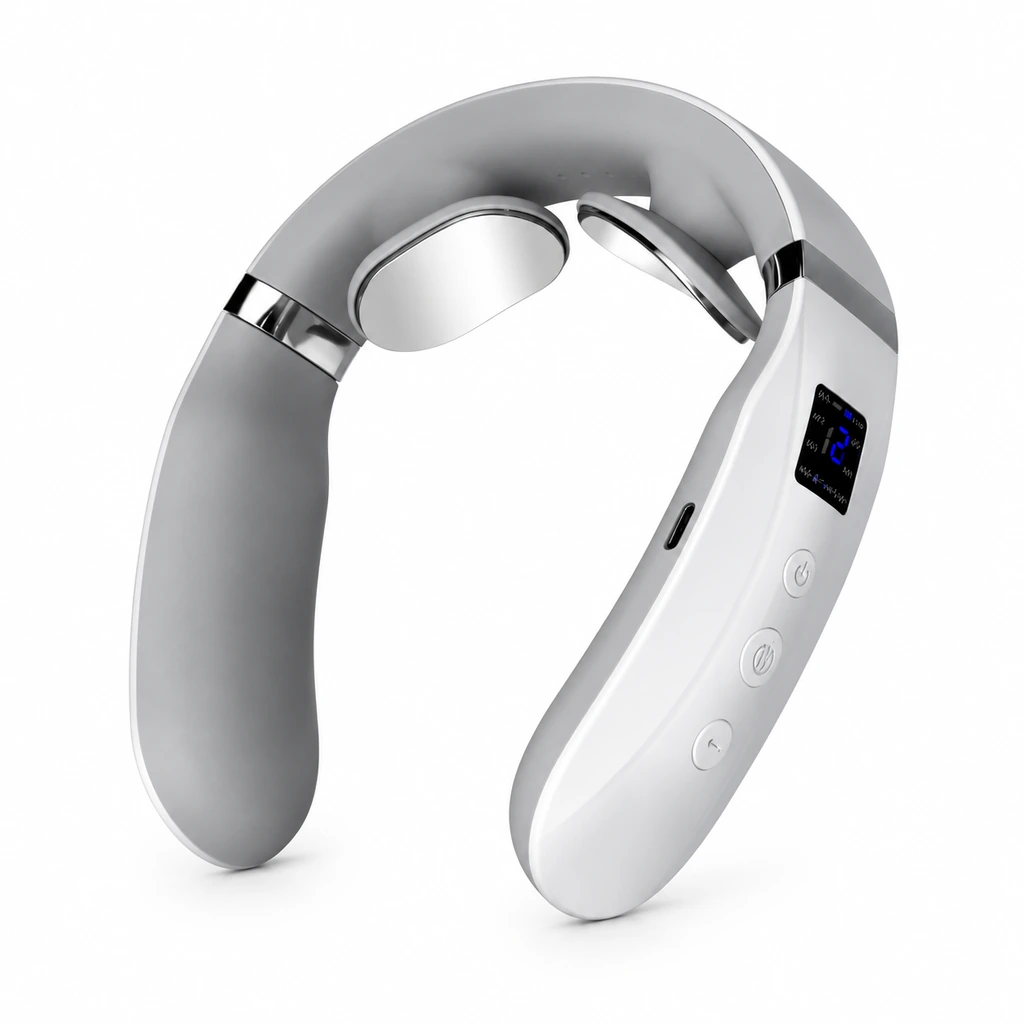
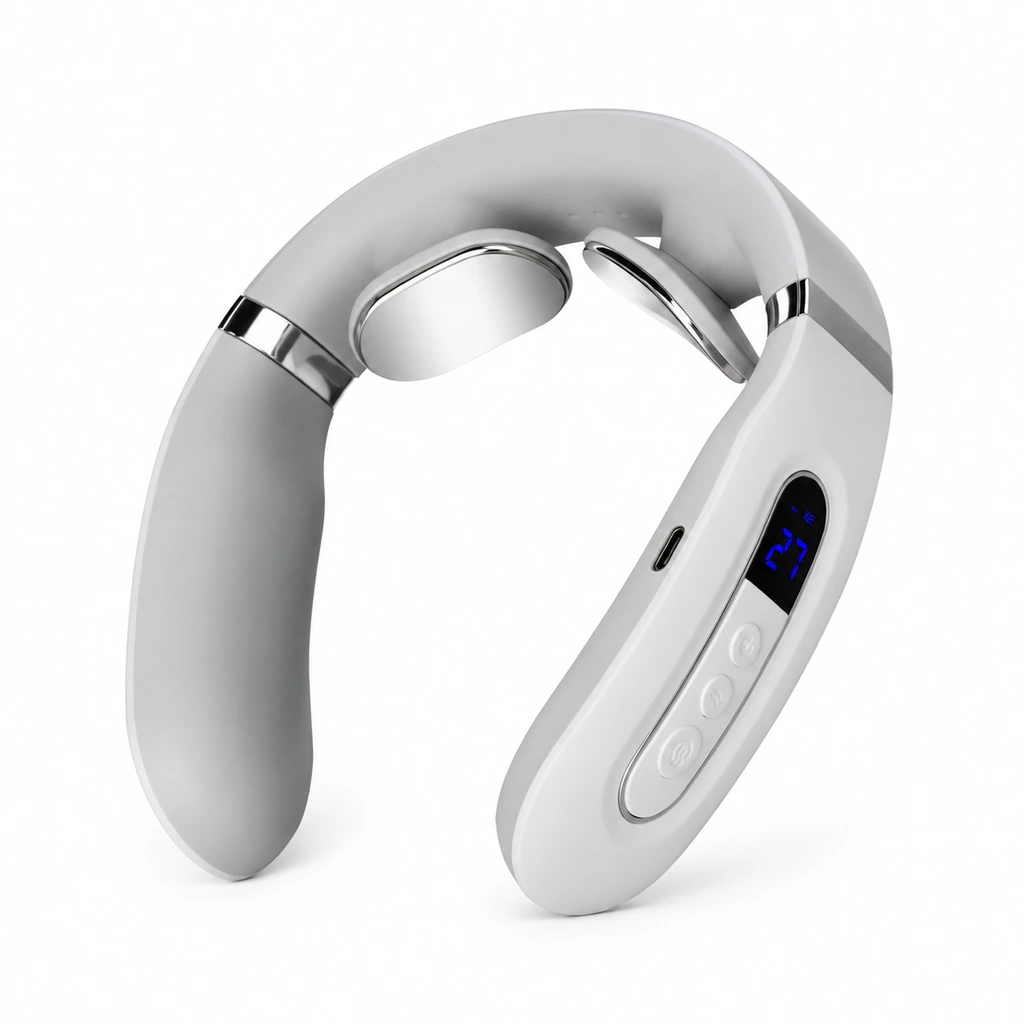
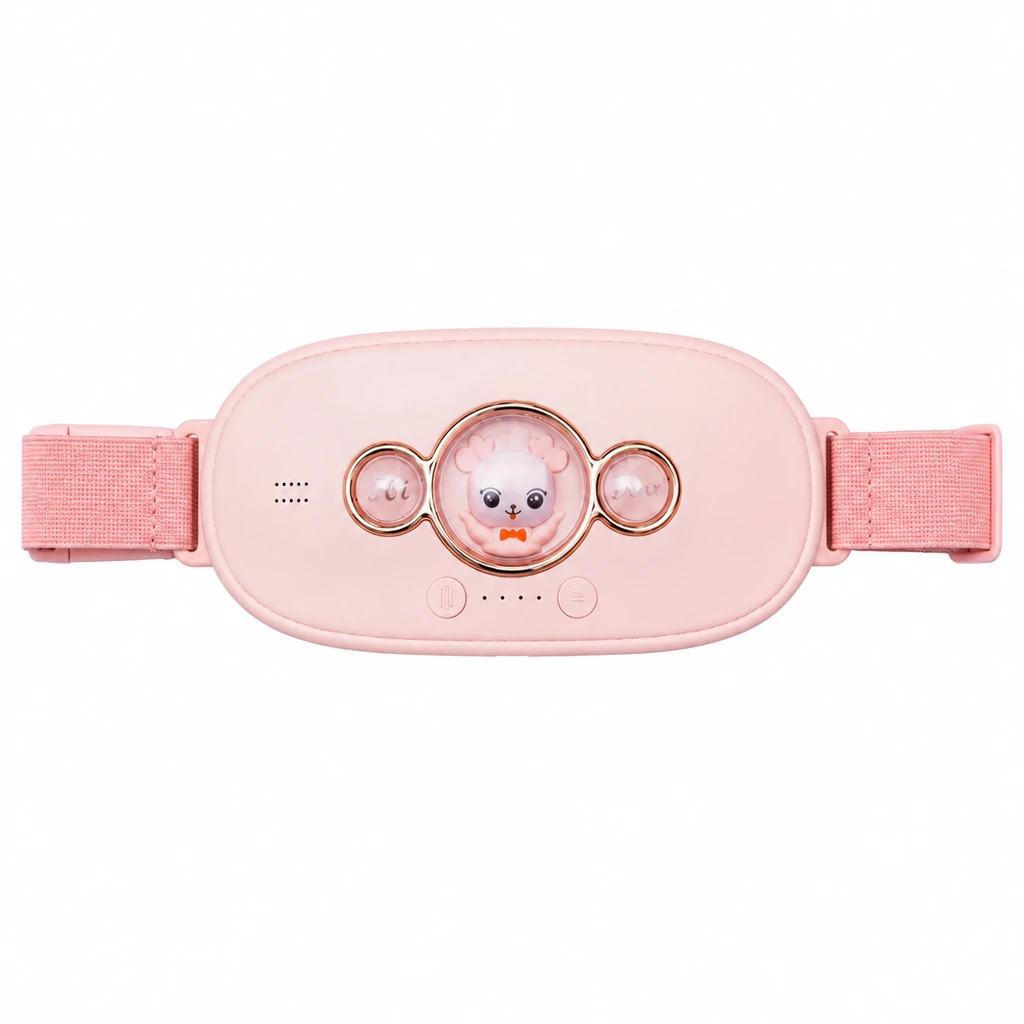
The published Meilan A1 product page gives an overall belt dimension of 1100 × 136 × 35 mm for its listed configuration. That is not the packed envelope, the usable waist range or the clearance an insert needs. Lay out the quoted belt and measure the actual rigid body, flexible ends and maximum raised height. The A9 page describes a separate model; do not transfer an A1 fold drawing or tray to an A9 order without a matching sample and drawing.
Mark three kinds of area on photographs of both faces: rigid housings or controls that should not take bending load, flexible spans that may be folded under an approved method, and joints, closures or cable exits that need room to move. Record the open length and width, the proposed packed footprint and height, and the shape after unpacking. This turns “fits the box” into a measurable decision instead of a visual guess.
Choose a fold path before choosing a smaller box
Lay the belt in its normal resting position first. If a fold is proposed, trace its line on a copy of the sample photograph, then fold by hand without forcing the rigid body or creating a sharp pinch at a seam, fastening patch or cable exit. Use the product's own fastening surface only if it holds the folded belt without pulling on the device or snagging an exposed textile face. If an extra band or sleeve is proposed, include it in the quoted bill of materials and check that it leaves no mark.
| Pack concept | What it may simplify | What the buyer must verify |
|---|---|---|
| Lay flat | Few fold lines and a direct first view of the belt | Carton footprint, support under the raised body, and movement of the long belt ends |
| Single controlled fold | Shorter footprint when the flexible span permits it | Fold location, local thickness, closure contact and shape recovery after storage |
| More compact fold | Potentially smaller presentation box | Every added bend, stack pressure, unfolding instructions and longer-term recovery |
These are design options, not approved methods for every Meilan model. Agree the exact fold direction, any temporary restraint, packed orientation and maximum stack height on the quoted sample. A drawing should show where the belt rests in the insert and where the raised central part has clearance. Do not substitute an attractive top-view mockup for a closed-box fit check.
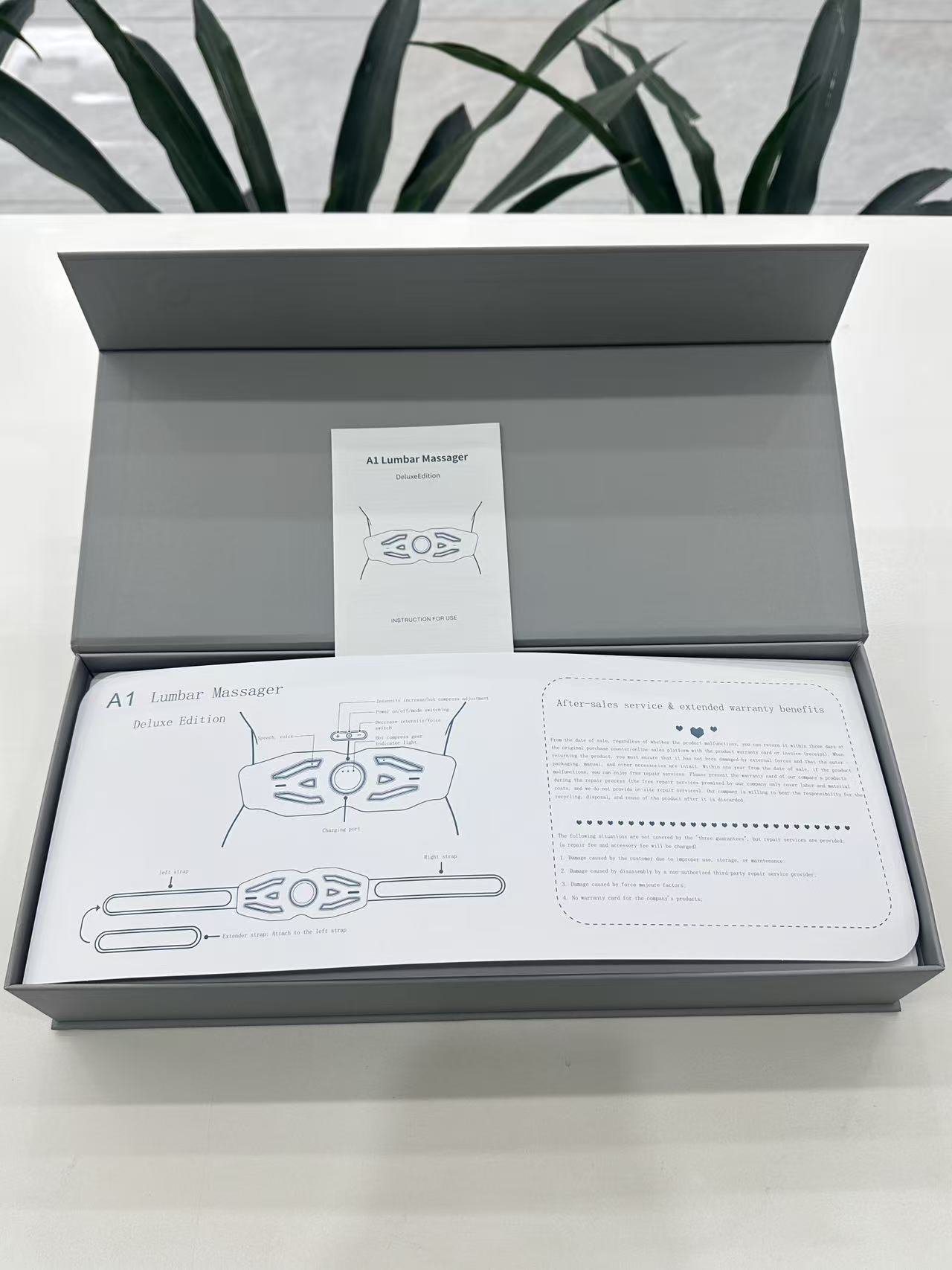
Make the insert carry the load, not the control panel
The insert should control movement while keeping pressure off protruding controls, contact surfaces, stitched edges and charging points. Support the belt at stable regions and check where the lid, leaflet and any overwrap touch it when the box is closed. A cavity that looks generous from above can still pinch a raised part when the carton is compressed or stored on its side.
Use a transparent or removable packing witness during the sample review if contact points are hard to see, then remove it before the final pack is judged. Close the real box with the complete bill of materials, apply the agreed handling sequence, and reopen it in stages. Photograph whether the belt has shifted, an end has escaped its channel, a leaflet has become trapped under the device, or an accessory has touched a sensitive face. The test is about the whole pack, not the empty insert.
A molded tray, card support or sleeve can each work when dimensioned for the actual version. Compare how securely each holds the massager, how easily a customer lifts it out, whether the belt can be returned without forcing a fold, and how the material behaves under the project's storage and transport conditions. Agree material and performance requirements with the supplier rather than treating the name of an insert material as proof of protection.
Keep cables, remotes and leaflets out of the load path
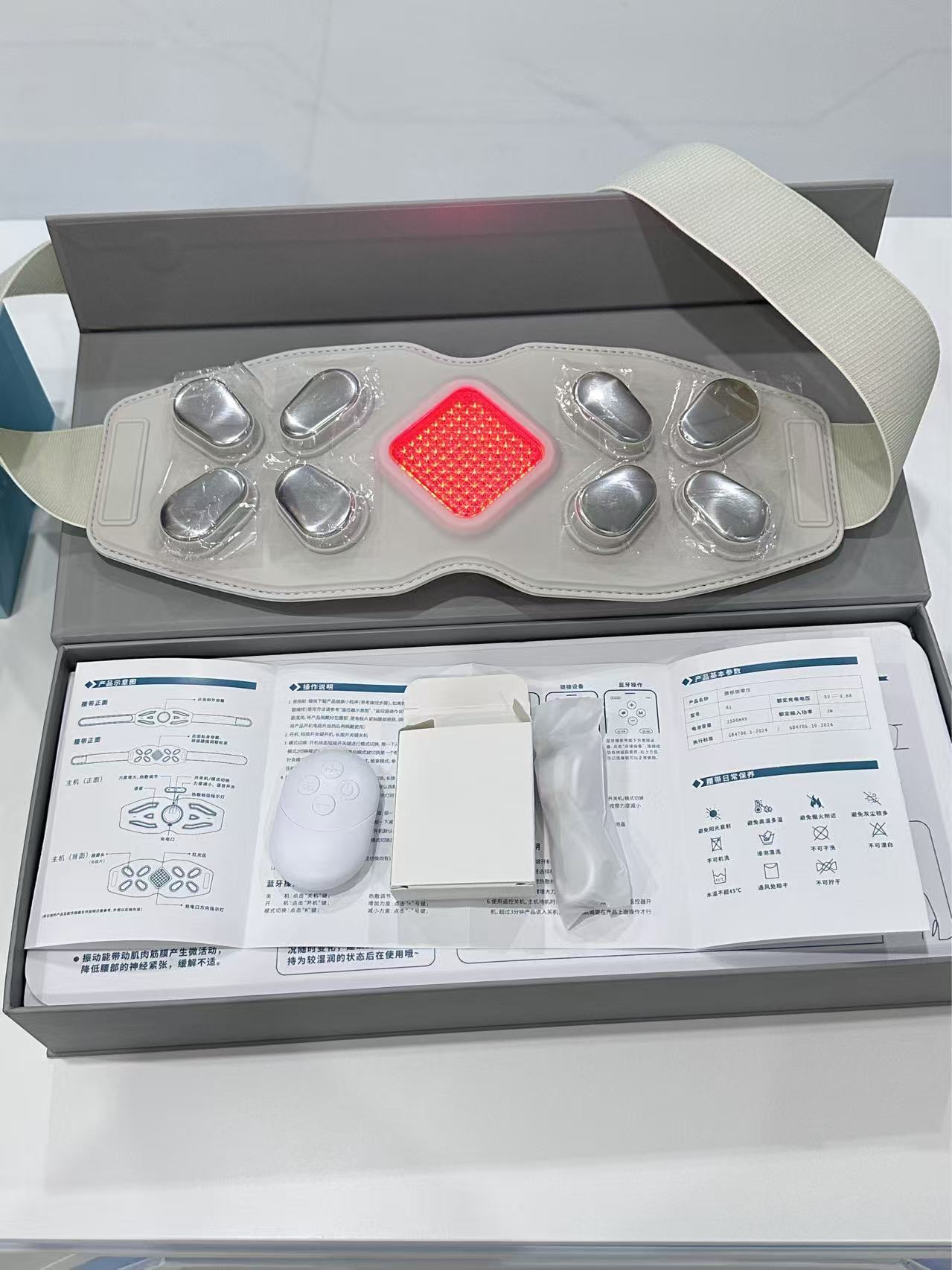
A loose charging lead can migrate onto a control surface; a remote can rattle against the raised body; a thick leaflet can lift the lid onto the belt. Give each quoted accessory a defined place and record the order in which the customer encounters it. Coil a cable without a tight bend at its connector, restrain it without adhesive on the belt, and prevent exposed metal ends from rubbing the product. Check any battery or small accessory against the market-specific packing list and instructions.
The current A1 page lists on-device and wireless remote operation for its published configuration, but the quotation must identify which remote, cable and battery arrangement is actually supplied. Do not assume the same pack-out for another A1 variant or for A9. Meilan's A1 quotation-document guide explains why the specification, packing list and artwork should describe one offered version. In this packaging review, use that matched set as the count sheet during a full unboxing.
Unpack, recover and wear the same sample
Appearance at the instant of opening is only the first checkpoint. Agree a packed dwell time and environmental conditions relevant to the order, then use the same tagged sample through the entire sequence: photograph the sealed box, open it without rearranging the contents, lay out the belt, record its shape immediately, allow the agreed recovery period, fasten it as instructed, operate the controls, and repack it once. Keep the photographs and measurements in order so a reviewer can trace any change to the same sample.
| Checkpoint | Record to keep | Decision question |
|---|---|---|
| Before packing | Open-belt dimensions, fold-zone marks, panel alignment and accessory count | Is there a clear reference state for comparison? |
| After the agreed packed dwell | Closed-box condition, component positions and first-opening photograph | Did the belt or any accessory move into an unintended load point? |
| After unfolding and recovery | Crease location, panel flatness, belt symmetry and the same measured points | Does the belt return within the limits the buyer and supplier agreed? |
| After fitting and use | Closure alignment, comfort observations, control access and any persistent distortion | Can the packed sample be used and repacked as the instructions describe? |
There is no universal recovery interval or allowable crease depth for every waist massager. If a test requires a numeric limit, specify the measurement points, waiting time, sample count and pass rule in the purchase documents. A before-and-after photograph can show a change, but it should not replace a dimensioned result when the buying decision depends on one.
Test the retail box inside its shipping route
The retail insert protects the product inside one box; the shipper and pallet arrangement protect boxes during fulfillment. Compare a single parcel route with the proposed master-carton route. Record units per carton, orientation, dividers or void fill, gross weight and the way a worker will lift and open the case. The product's overall length does not tell a buyer the final carton size or how much the stack will compress the insert.
Agree handling and transit tests that reflect the actual distribution route. Inspect the outside first, then open the shipper and retail box in sequence. Look for crushed corners, a lid bearing on the raised device, shifted accessories, torn retainers, and any new shape change in the belt. If the sample fails, change one design element at a time and rerun the same sequence. A stronger outer carton cannot compensate for a fold that damages the belt inside the retail box.
Approve the packed version, not just the artwork
The approval set should contain the tagged belt, fold drawing, insert drawing, packed sample, accessory count sheet, printed instructions, carton specification and the recovery record. The artwork may show a neat product presentation, but production needs an equally clear packing instruction: which face goes down, where the ends lie, where each accessory sits and how the box is closed.
| Disposition | Evidence required | Next step |
|---|---|---|
| Approve | Repeatable fold and pack-out, protected contact points, complete accessories and recovery within agreed limits | Attach the approved sample and revisions to the purchase order. |
| Revise and retest | Marked pressure point, shifting part, awkward unboxing or a shape change that can be corrected | Update the fold, insert or restraint; repeat the full pack-and-recovery sequence. |
| Hold | Unknown version, missing accessory definition, unapproved recovery limit or persistent damage | Resolve the evidence before releasing the packaging for production. |
For repeat orders, compare the new belt and pack against the retained sample before reusing a carton or insert drawing. A small change in the central housing, strap, leaflet stack or accessory bundle can alter clearance even when the retail artwork looks identical.
Buyer questions
Can a long waist belt simply be folded into a smaller box?
Only after the exact belt has a documented fold path and recovery result. Keep rigid parts, seams and cable exits out of the bend, then confirm fit with a complete packed sample.
Does a molded insert guarantee protection?
No. Close the full box and check pressure and movement after agreed handling. The insert's shape, clearance and accessory placement matter more than its label.
Is the A1 overall dimension a carton dimension?
No. It describes the published product configuration. Measure the approved folded sample and the closed retail pack separately.
Can the cable and remote share one compartment?
They may, if the quoted components are restrained and cannot press, scratch or shift onto the belt. Verify the actual pack after handling rather than deciding from an empty tray.
How should a buyer judge whether the belt has recovered?
Use the same marked measurement points before packing and after an agreed waiting period, then check fitting and control access. Set the acceptance limits for the project in writing.
Can A1 and A9 use the same insert?
Do not assume it. Compare the exact dimensions, raised parts, fold paths and accessory bundles of the quoted versions in a physical pack trial.
Explore the Meilan waist massager range, then request a pack-out sample with your target market, carton route, accessory list and the recovery checks you want confirmed.

