



Waist Massager Care Labels: Buyer Checklist
A buyer checklist for mapping waist massager contact materials, checking care instructions and approving version-matched labels before a wholesale order.
 Meilan Tech 7 min read

For a waist massager, a material list is only the start of a care decision. Wholesale buyers should map every skin-facing and exposed belt surface, then compare the exact sample with its manual, cleaning wording and proposed retail label. If a layer or removable part is unclear, request a version-specific answer before printing “wipe clean,” “washable” or a fabric claim.
1. Start with the surfaces the customer will actually touch
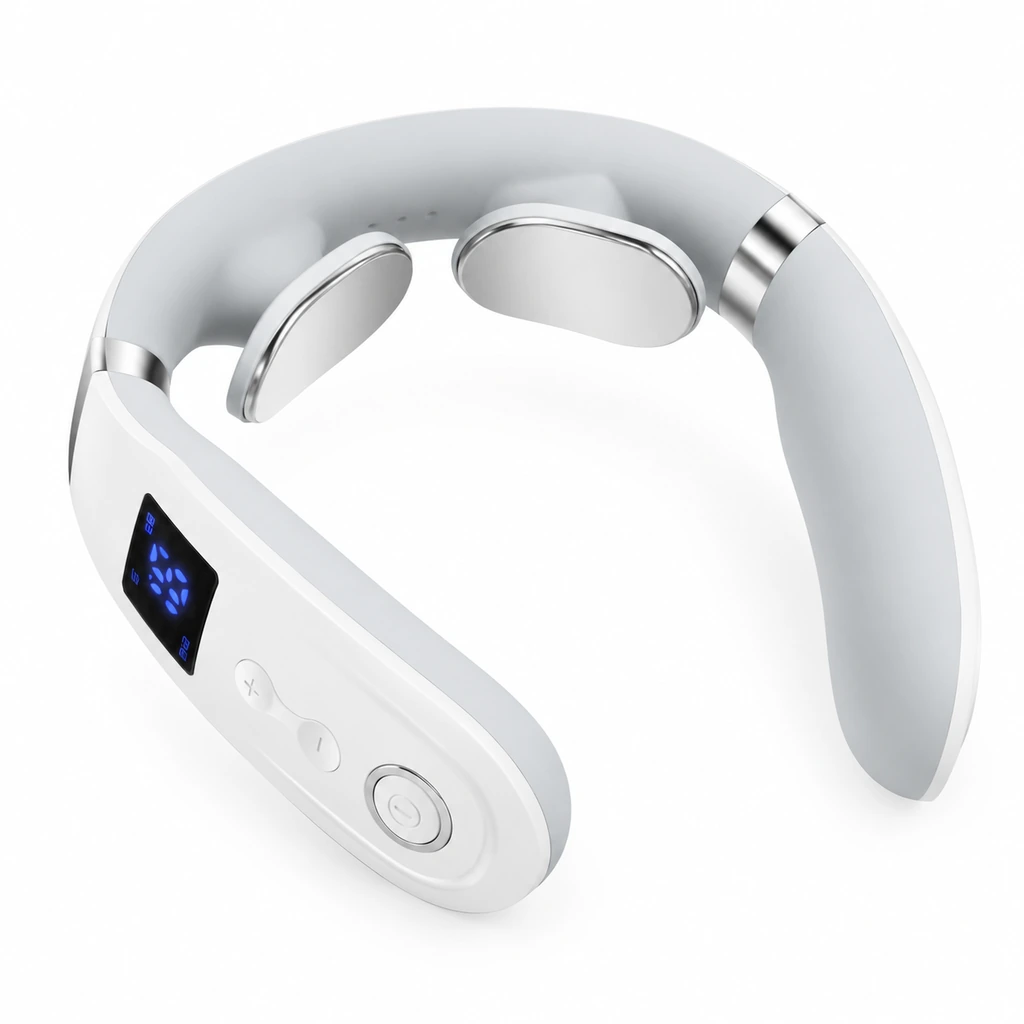
A brand buyer may see “PC, silicone” on a product page and still have no answer to a practical question: what touches the wearer, what holds the belt around the waist, and what happens when that surface needs care? A distributor also needs consistent wording for product listings, customer service and returns. The review therefore begins with a surface map, not a generic material adjective.
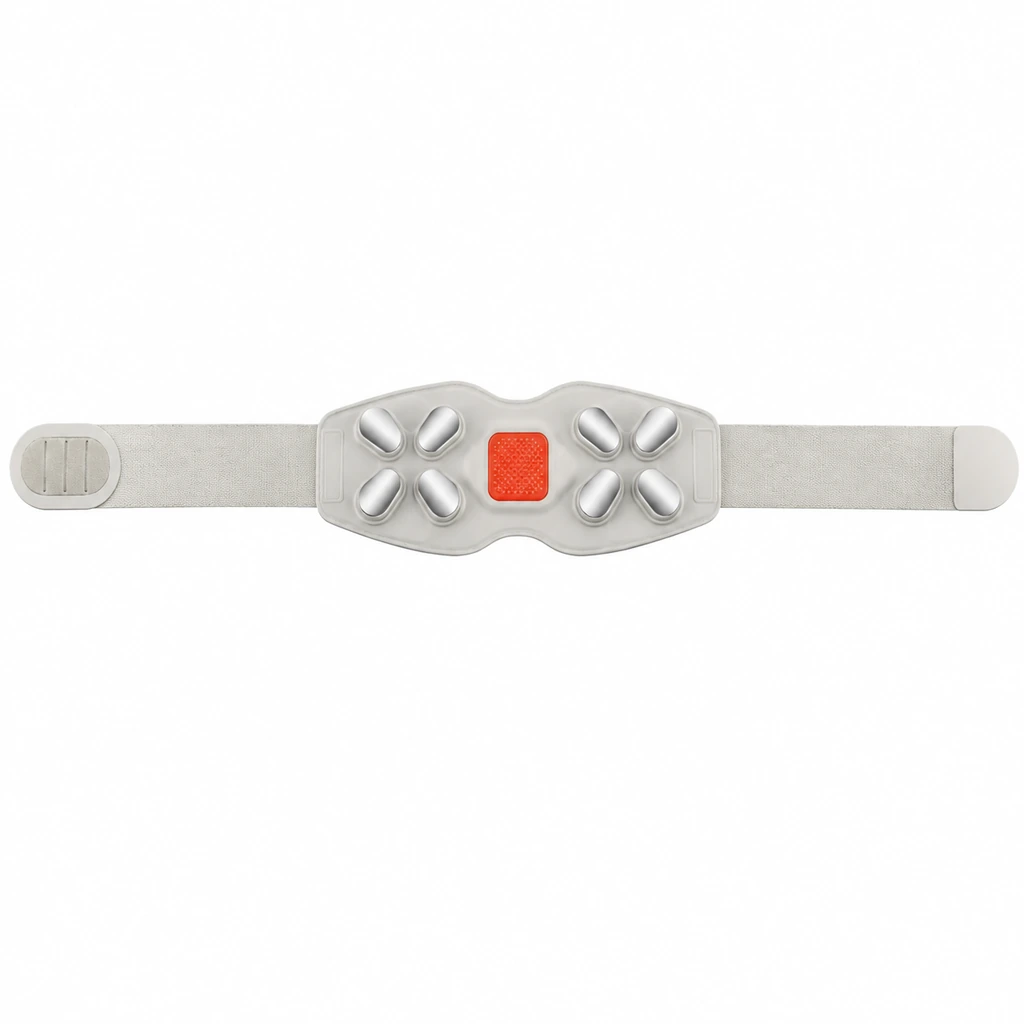
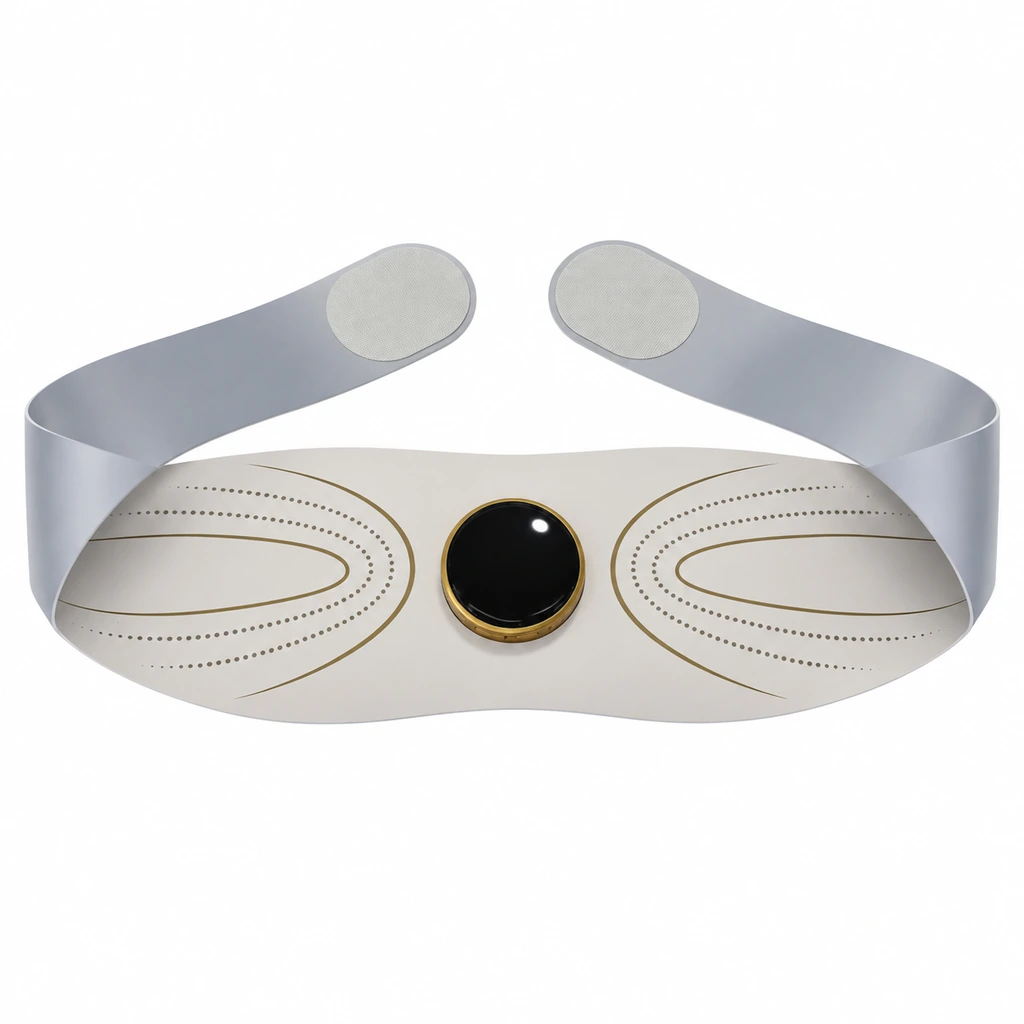
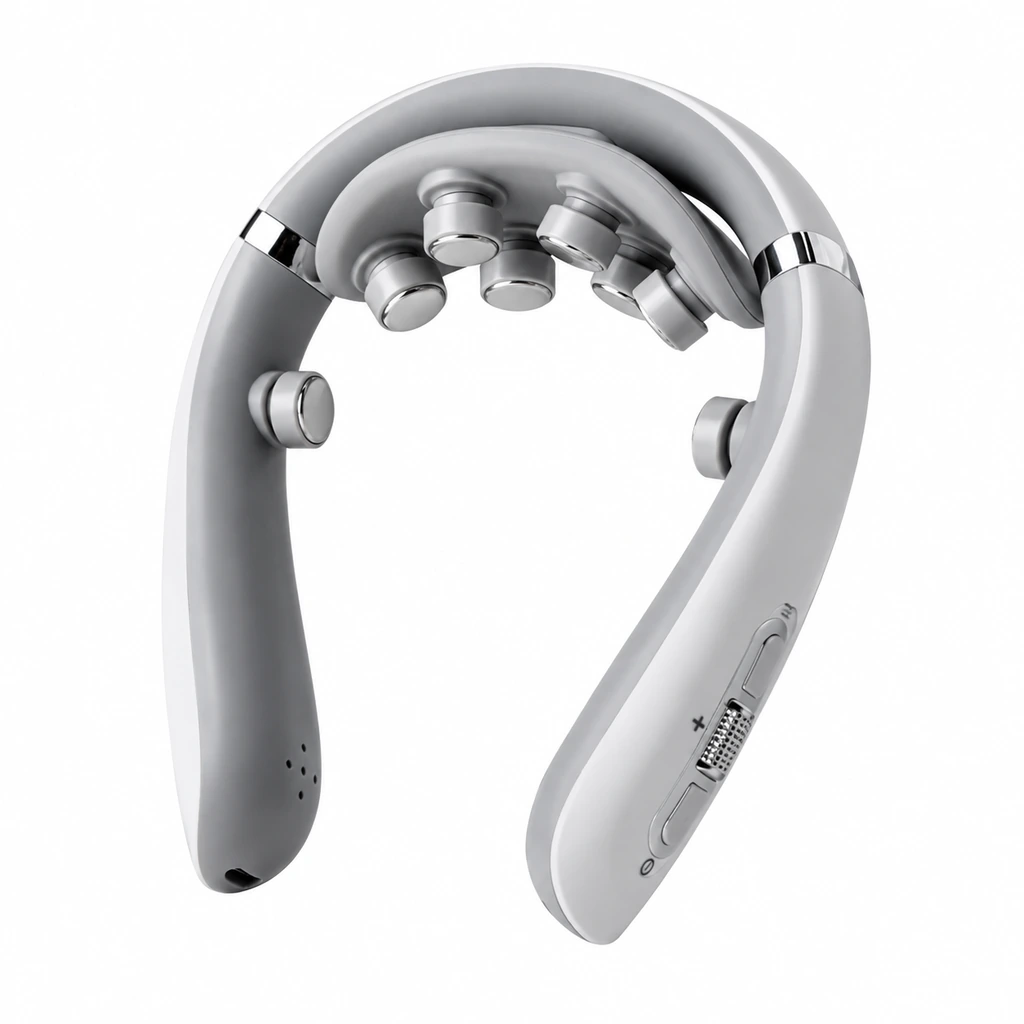
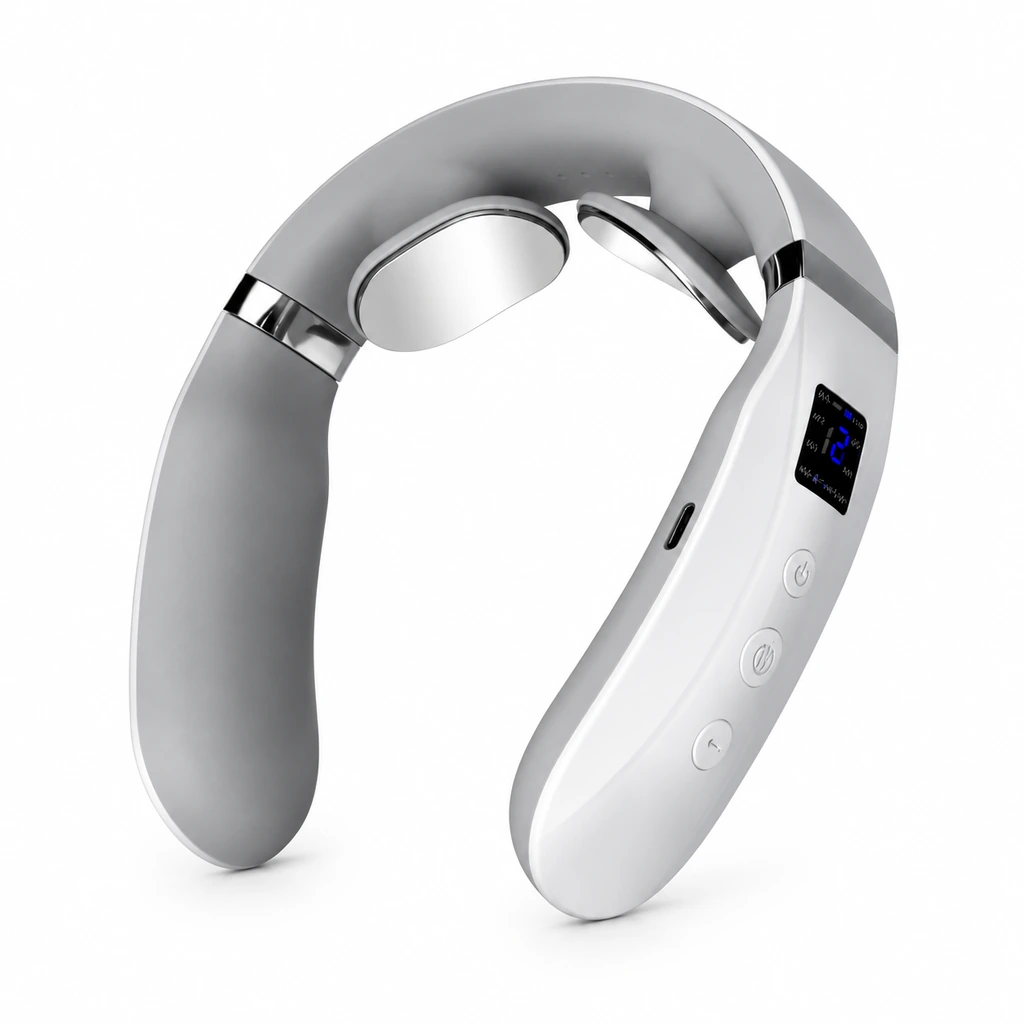
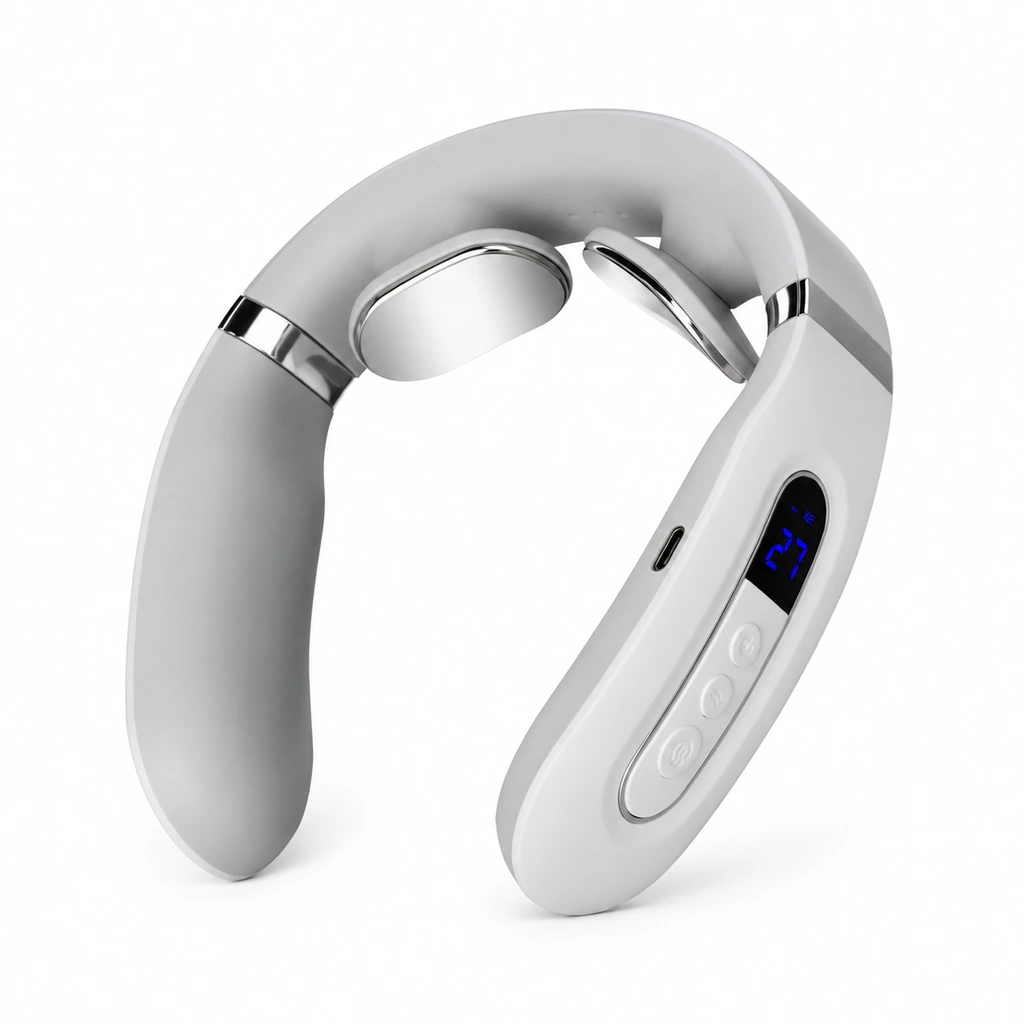
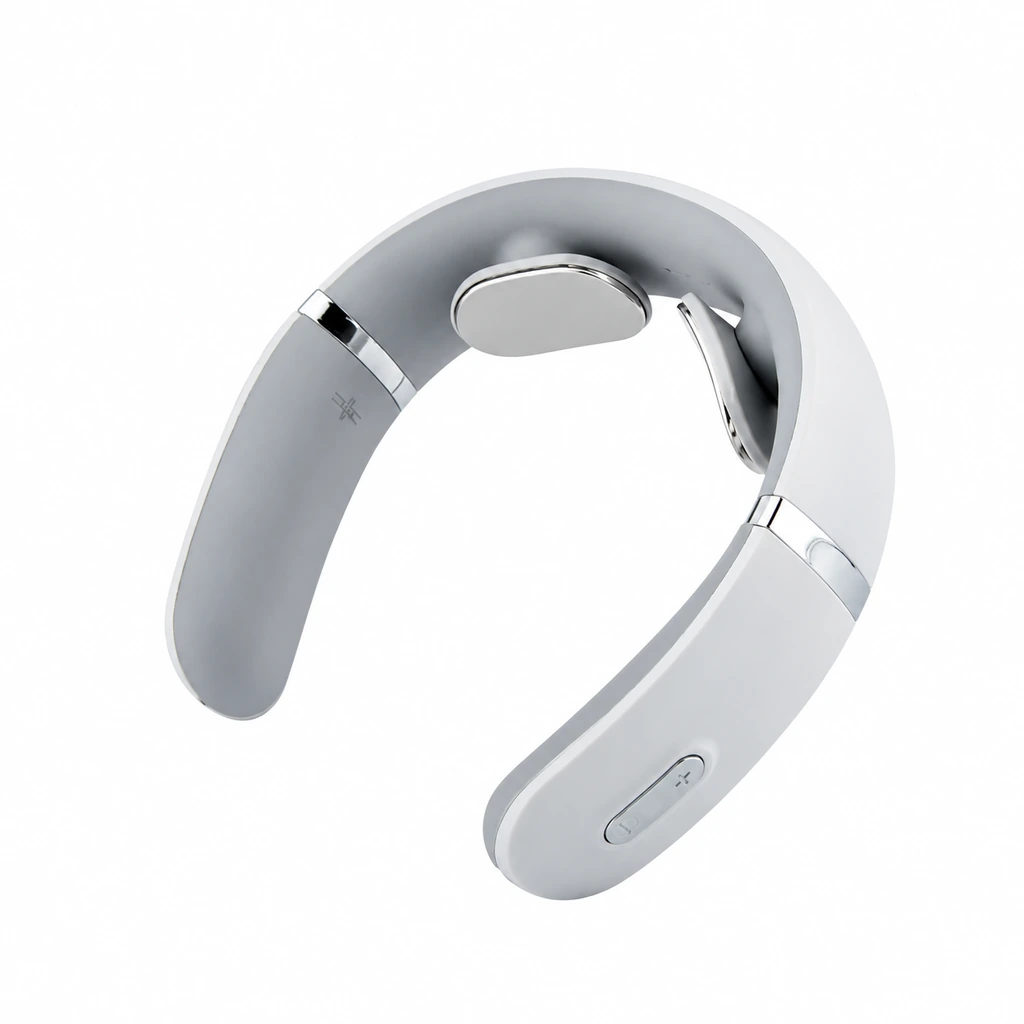
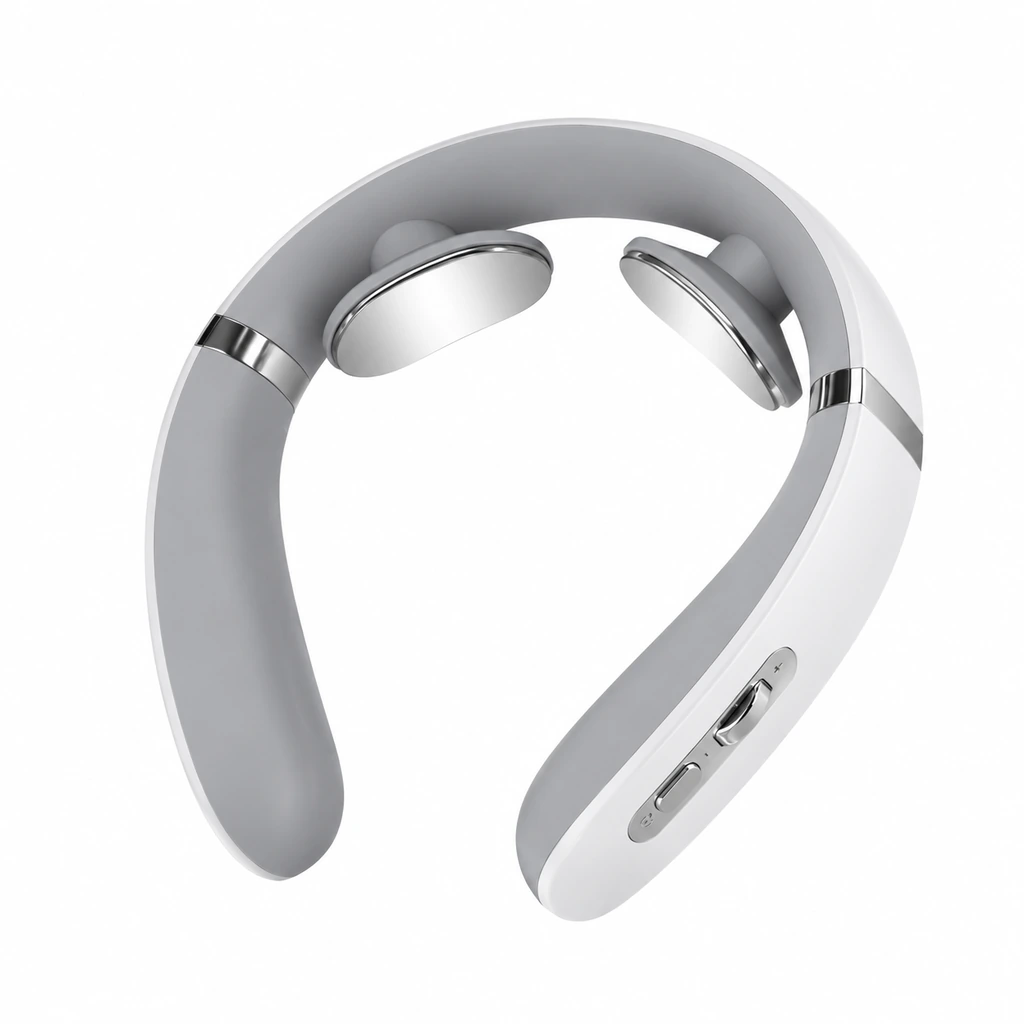
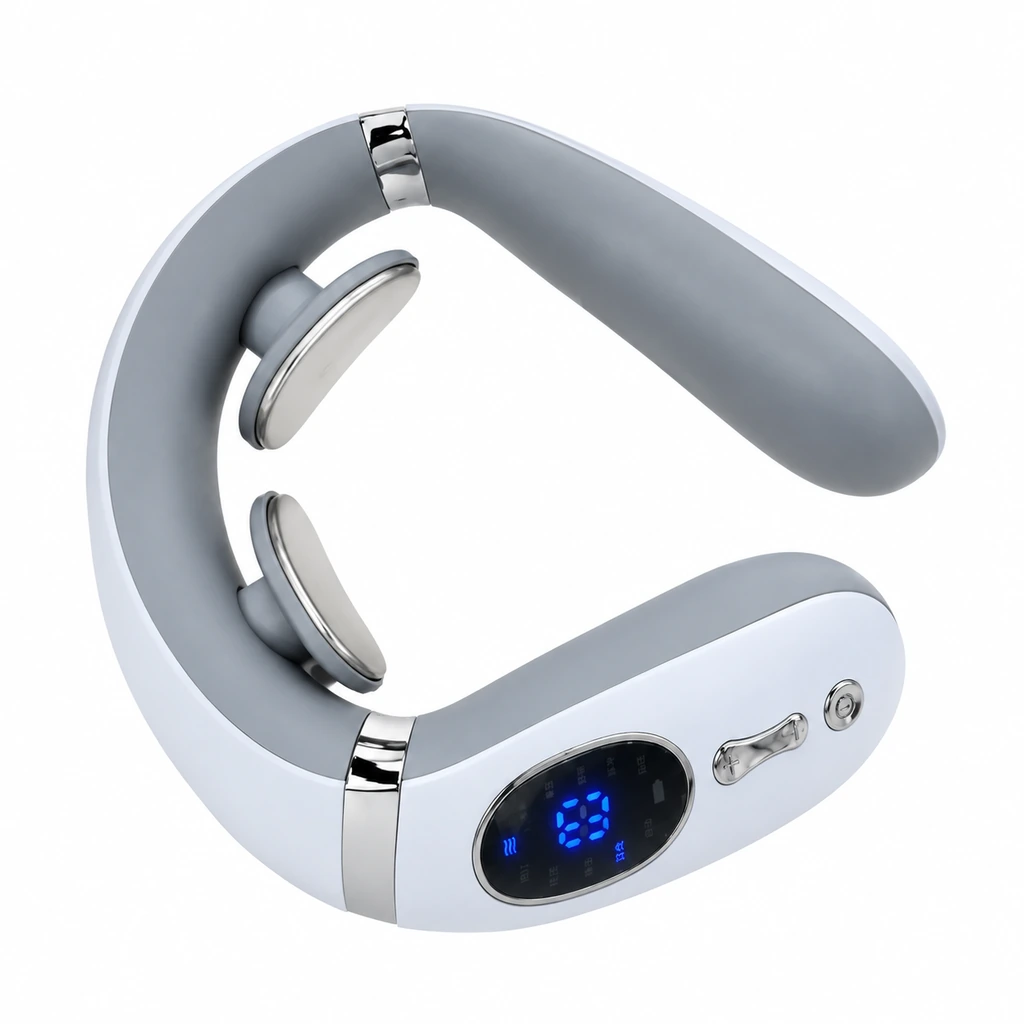
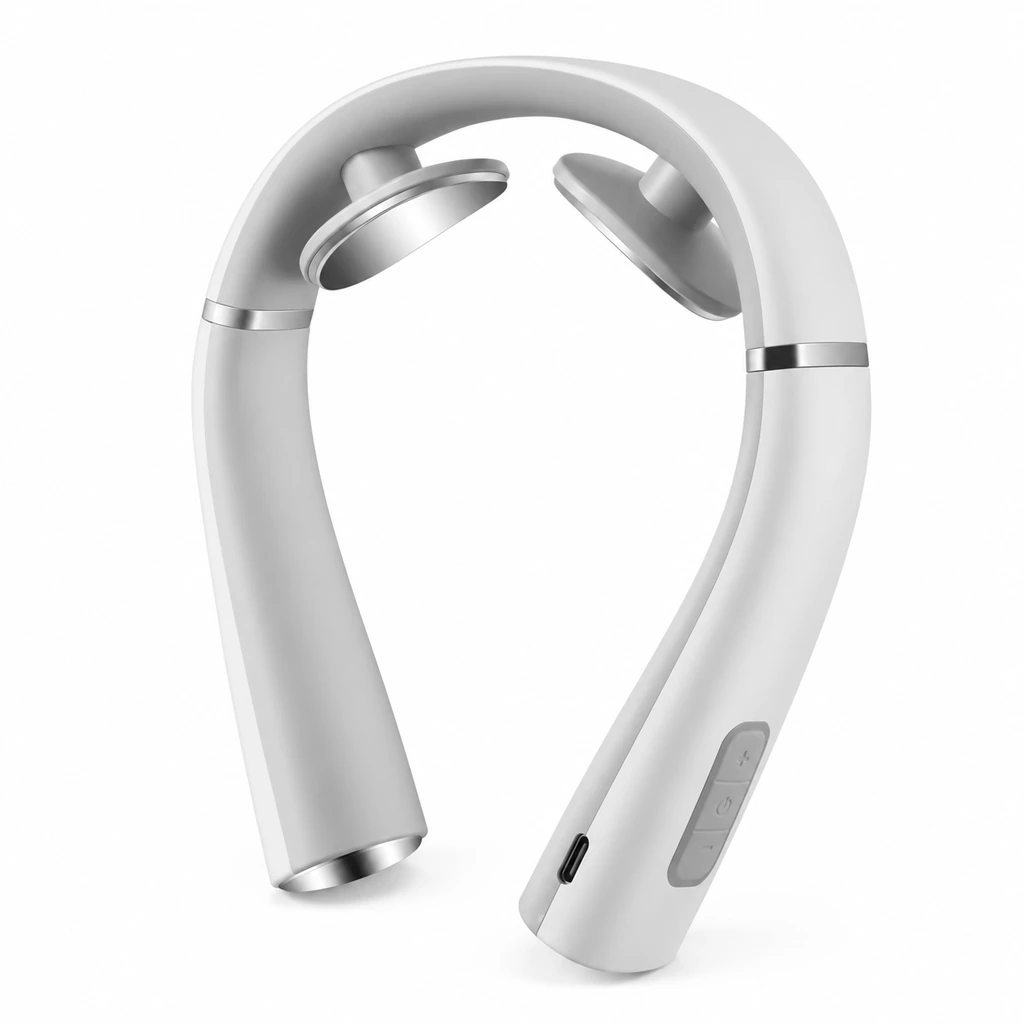
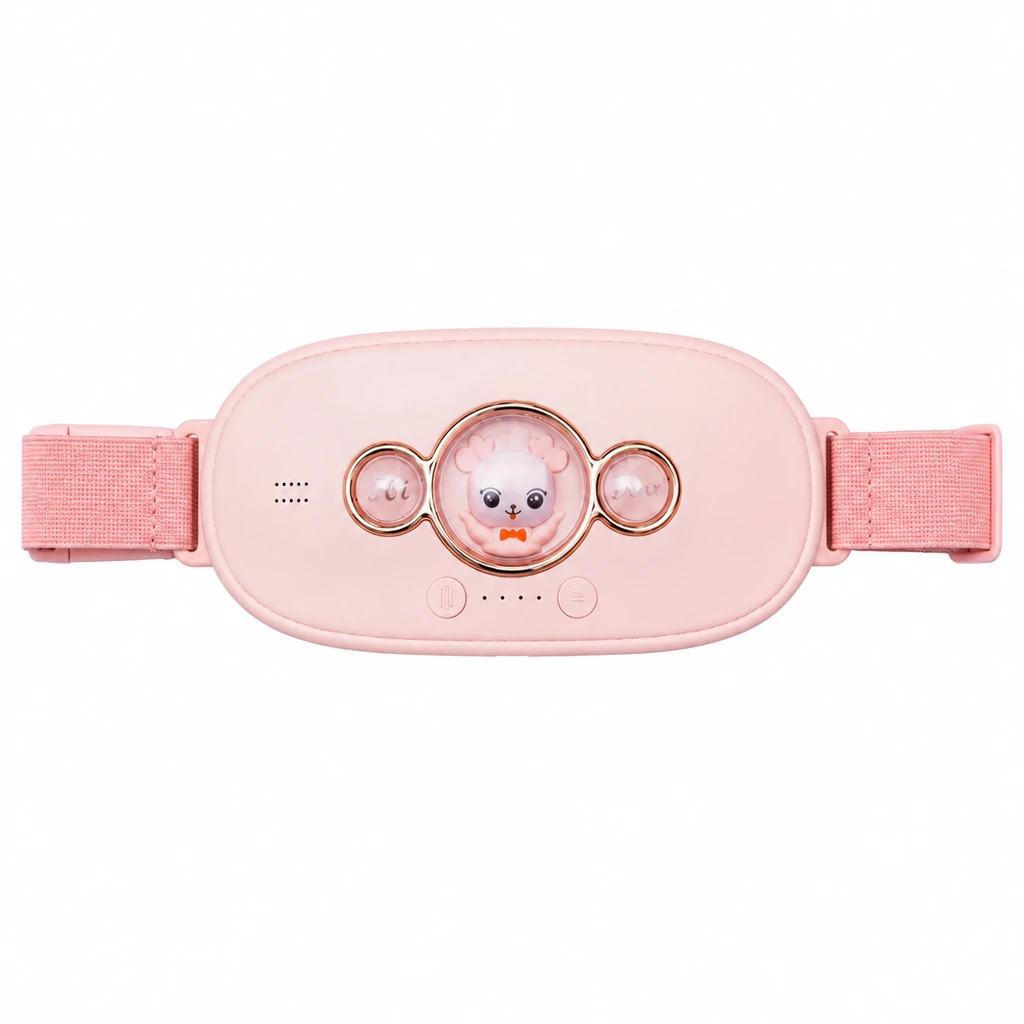
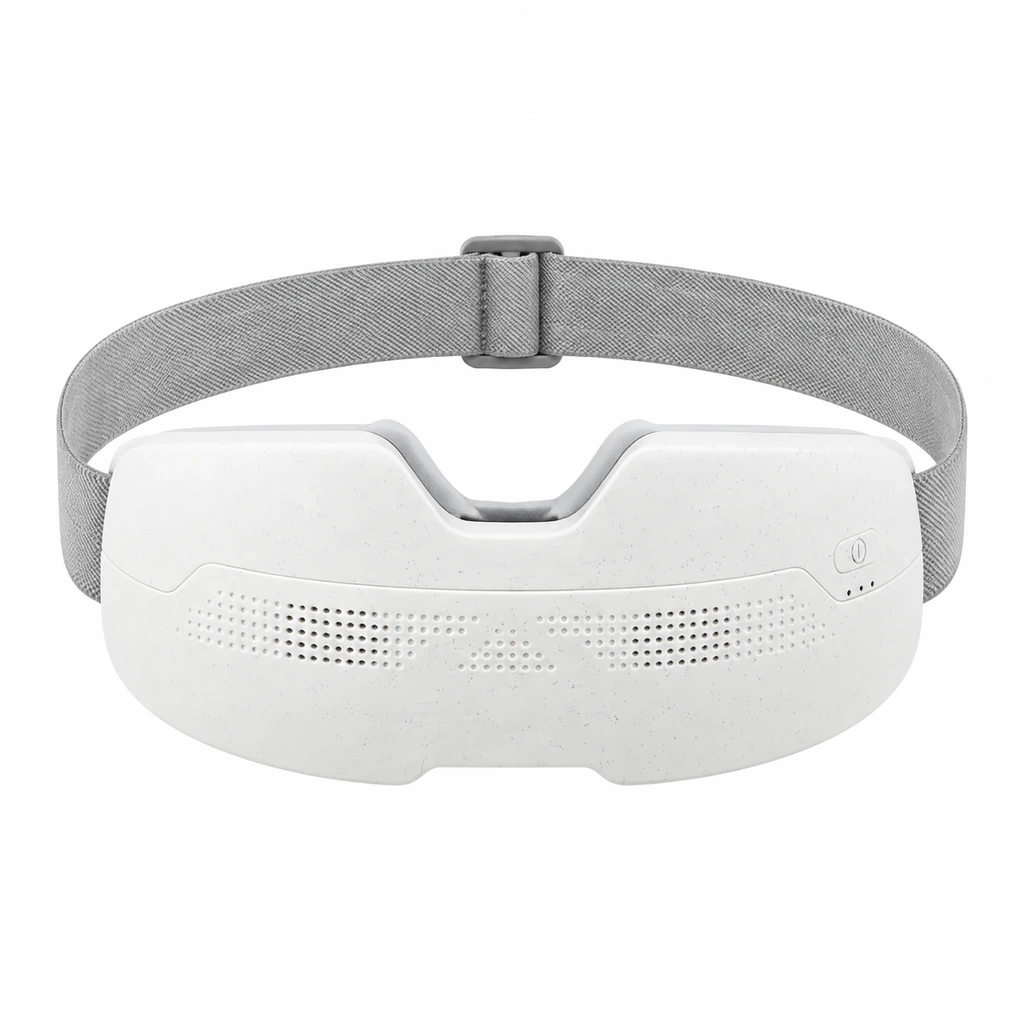
Lay the quoted sample open and photograph its body-facing panel, edges, outer shell, elastic or woven strap, fastening patch, stitching and any exposed connector. Number the areas on one annotated image. For each area, record the supplier’s material name, whether it touches skin or clothing, whether it is flexible or rigid, and whether it can be separated without tools. Ask for the component-level material statement for the same model and version. A single line for the whole device cannot identify every layer of a laminated belt.
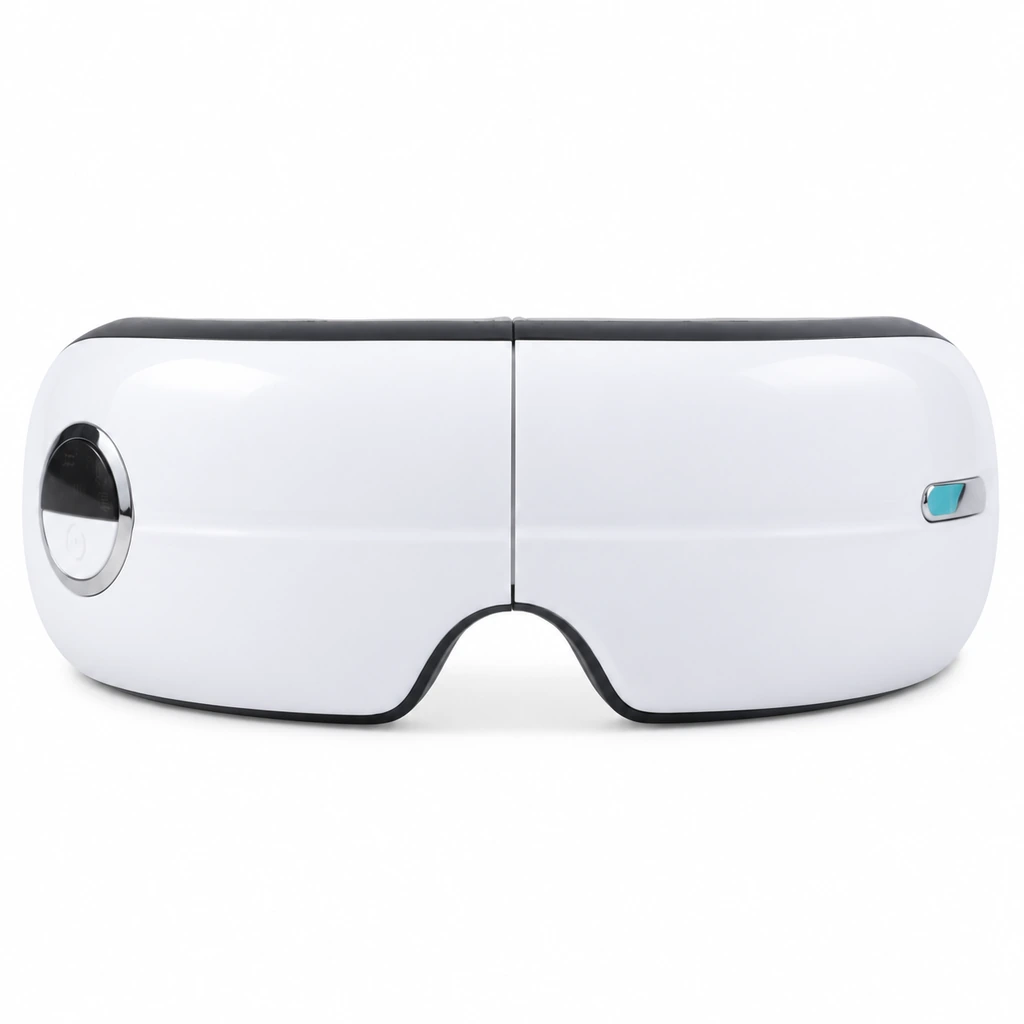
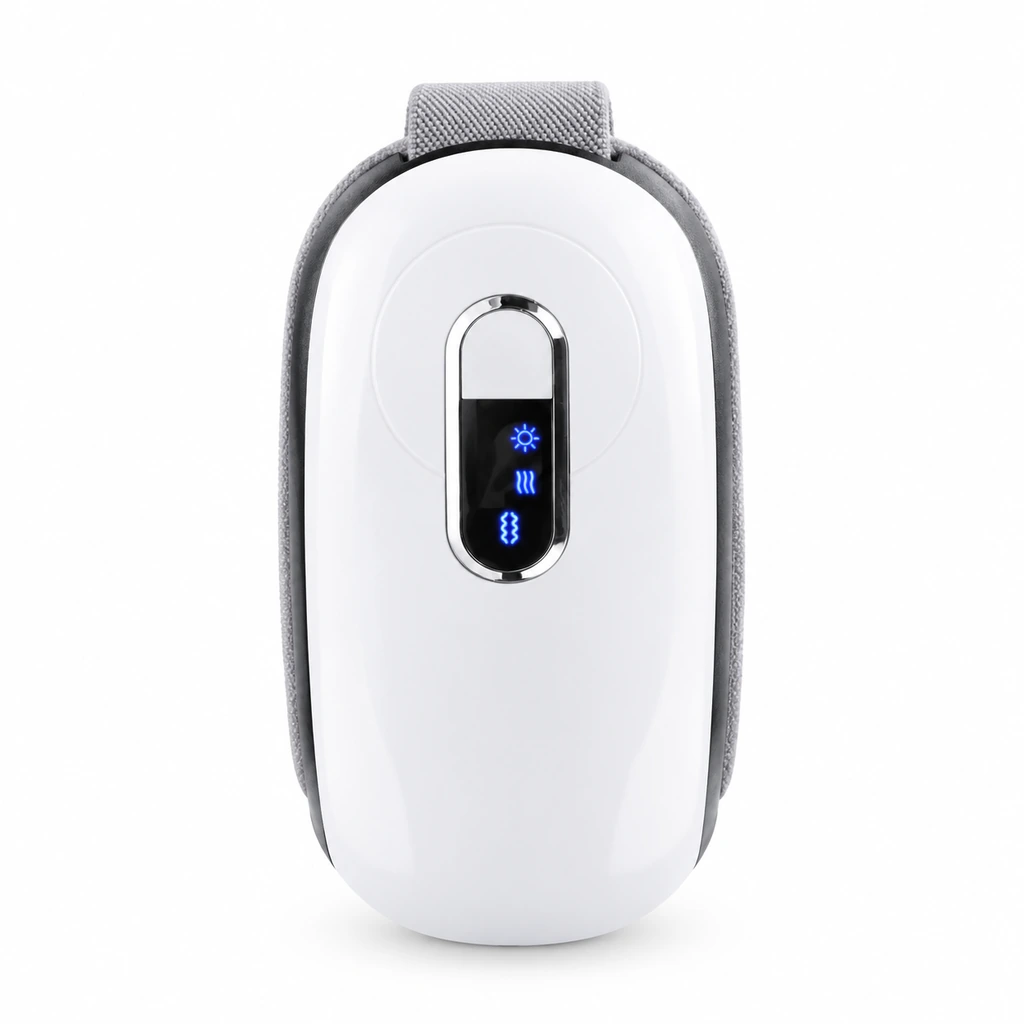
Meilan’s published A1 product page lists PC and silicone, while the A9 product page lists ABS and silicone. Those fields describe published product materials; they do not establish the fiber content of each strap or lining, a washing method, or a removable cover for the selected order.
2. Separate material identity from cleaning permission
Material names answer what a component is said to be. Care instructions answer what a user is allowed to do to a particular assembled product. The two should not be merged. A silicone contact area, for example, can sit beside stitching, electronics, adhesives or a charging port. The method suitable for one exposed surface may be unsuitable for the whole belt.
Request the latest instruction manual for the quoted configuration and find its cleaning, drying, storage and “do not” statements. Record the exact page and language. Then compare them with the proposed care label, online FAQ and customer-service script. If the manual says only to wipe a surface, marketing should not translate that into “washable.” If it gives no cleaning procedure, obtain written clarification and a matching manual revision before making a consumer-facing care promise.
For pulse-contact products, ask whether the manual gives a separate instruction for the contact area and what condition that area must be in before use. Do not improvise a solvent, immersion, soaking or drying procedure from a photograph or another model’s instructions. The applicable manual for the supplied version is the operating authority.
3. Test whether “removable” refers to a real user action
A detachable-looking panel is not necessarily a user-removable, washable component. Ask the supplier to identify each part that the user may remove, show the release and reattachment sequence on the order sample, and point to the same action in the manual. Note whether the part has its own care instruction and whether the rest of the device must stay dry. If removal requires a tool, damages an adhesive bond, or is absent from the instructions, do not present it as an ordinary cleaning step.
Photograph the component before removal, while separated, and after refitting. Check that fasteners and edges return to their intended position and that any contact areas still align. Keep this record with the approved sample. It prevents a later accessory or strap revision from silently inheriting an earlier “removable” claim.
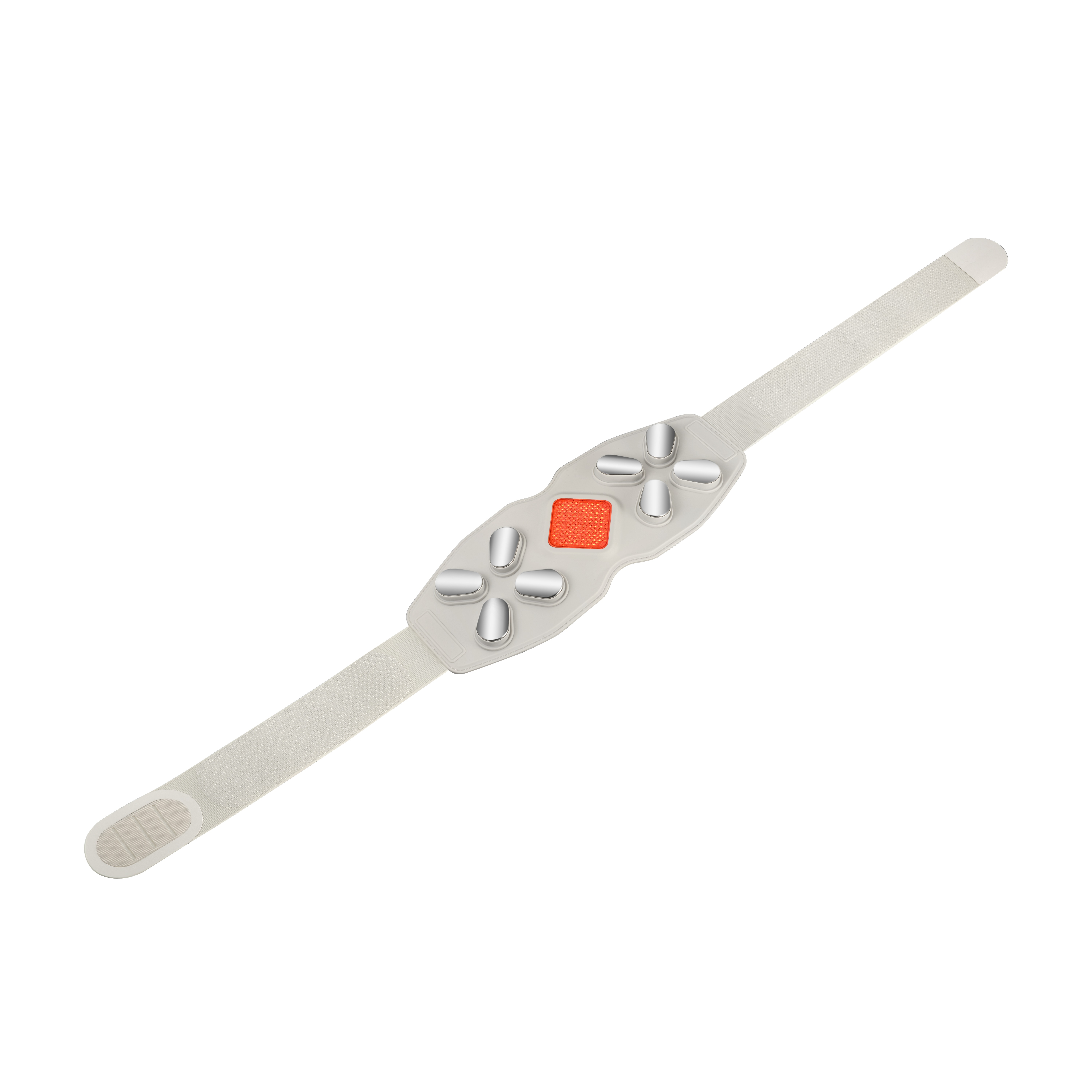
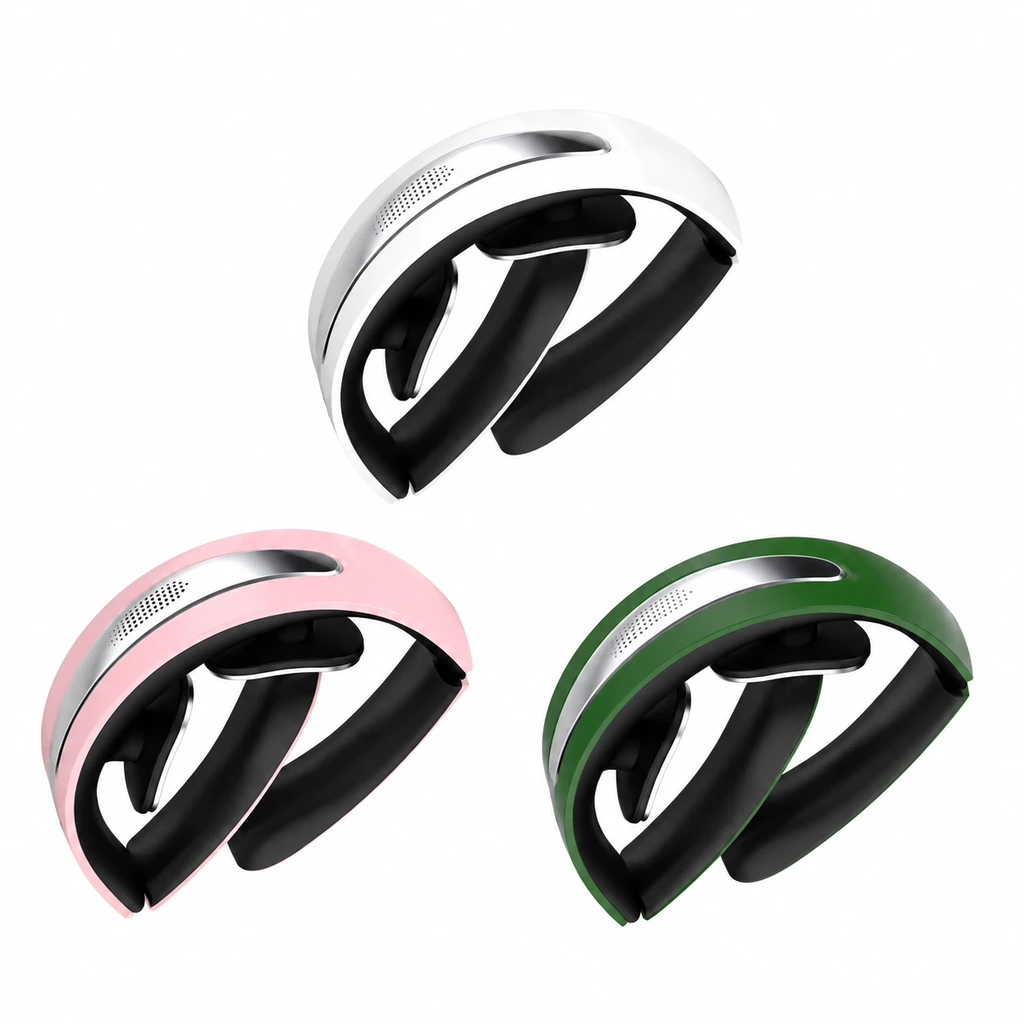
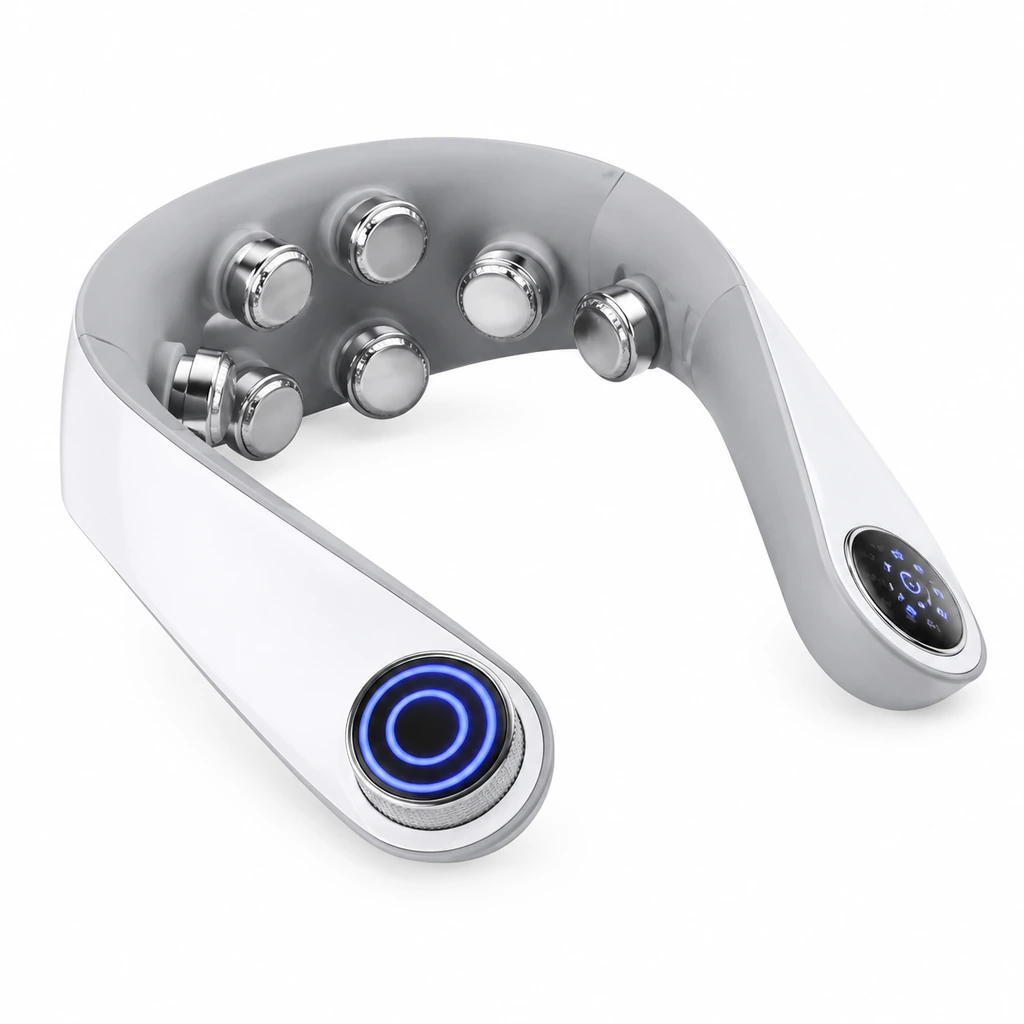
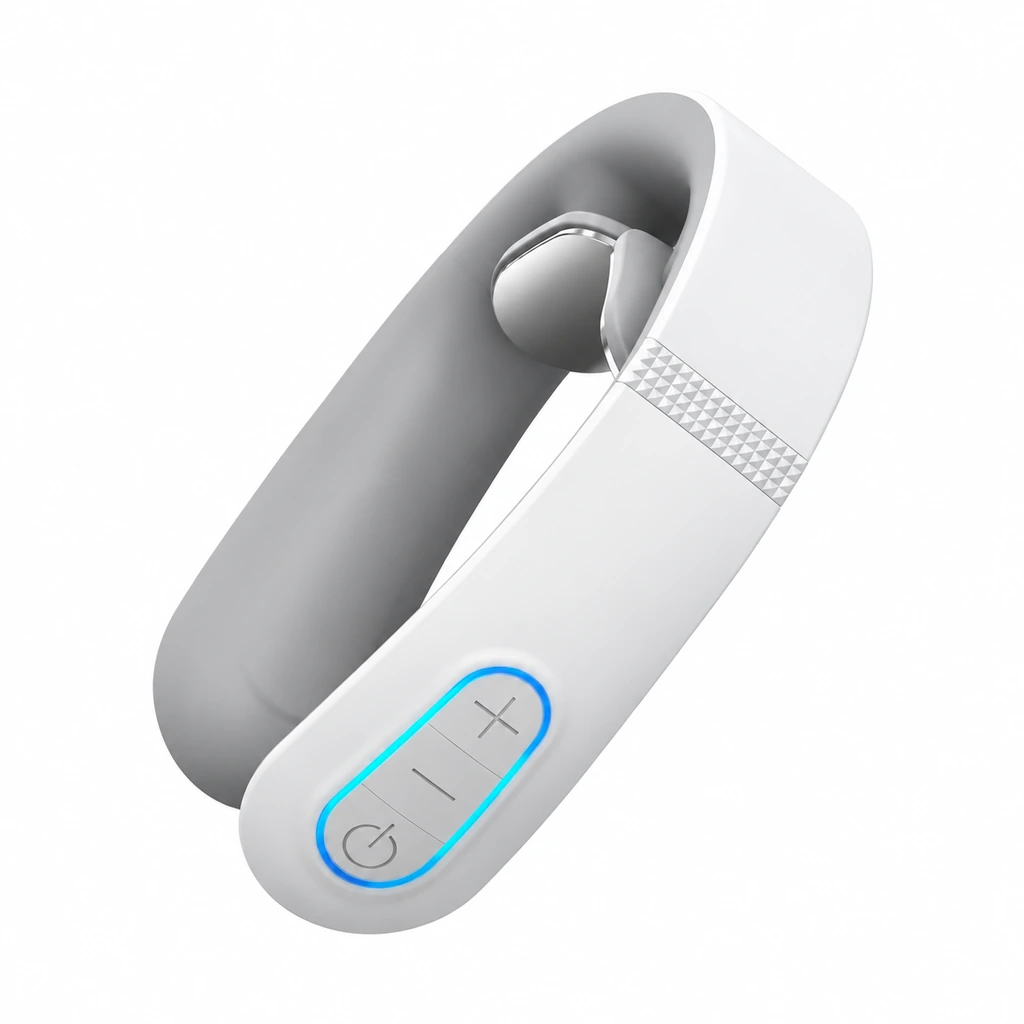
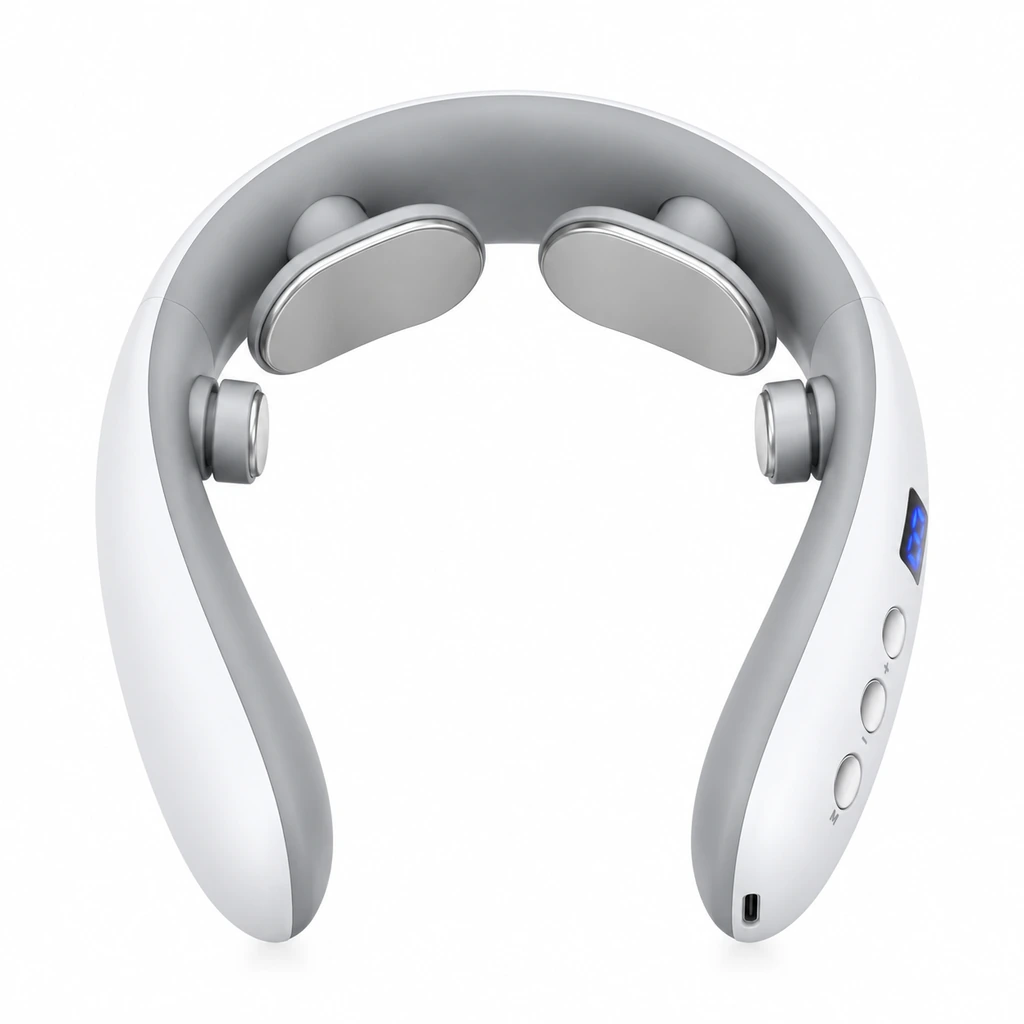
Use a laid-open sample view to label the contact panel, strap, edge and fastening areas before comparing them with the material list and manual.
4. Make a care-label matrix before approving retail copy
A useful label is short because the underlying evidence is precise. Build one approval matrix for the selected SKU and pack version. It should connect the supplier’s statement to the exact words the customer will see, and show who has approved any difference between them.
| Buyer check | Evidence to request or record | Release rule |
|---|---|---|
| Skin-facing and outer materials | Component map, material statement and labelled sample photos | Name only the identified layer; avoid calling the entire belt one fabric. |
| Cleaning method | Version-matched manual wording and supplier clarification where needed | Use the manual’s permitted action and its limits, without expanding it. |
| Removable part | Manual instruction plus removal and refitting demonstration | Say “removable” only for the specified user-removable part. |
| Label placement | Artwork proof, physical sample and legibility photo after packing | Keep warnings and care text readable in the market language. |
| Pack consistency | Approved manual, box, insert, listing and support FAQ | Resolve conflicts before final artwork approval. |
The matrix is also a change-control tool. If a strap textile, contact pad, adhesive or removable accessory changes, re-open the affected row. A new color alone may not change care, but it should not be assumed to leave the underlying construction unchanged.
5. Check the label on the packed product, not only the artwork
Care information may appear on a sewn tag, an attached label, the manual, the box or a combination. Ask which item carries the instruction in the target market and inspect a packed sample. A clean artwork PDF cannot show whether a tag is hidden under a fold, trimmed by a seam, covered by an insert, or too small to read after printing.
Compare the actual pack-out with the approved bill of materials: model and version identifier, manual language, care wording, included parts and any cleaning accessory. Record a clear photograph of the assembled package and each printed surface. Where the same product is sold in several markets, review each language version for the same permitted cleaning action and the same restrictions. Local legal label requirements should be checked for the destination market; a generic care icon is not a substitute for that review.
If a textile component carries care symbols, consult GINETEX’s care-labelling guidance for their meaning and conditions of use. Those symbols concern textile care; they do not, by themselves, authorize cleaning the assembled electrical belt.
6. Run a sample check that a second buyer can repeat
Use two samples from the intended configuration if available: one to document the as-received construction and one for the manual’s permitted care procedure. Record the model, version, lot or sample identifier, date, cleaning material specified by the manual, number of cycles and visible condition afterward. Look for changes at stitching, edge binding, fastening patches, printed marks and the contact surface. If the manual does not authorize a procedure, do not turn a buyer experiment into a user instruction.
After the authorized care step, follow the manual’s drying and restart conditions. Have the supplier demonstrate the intended controls on that same version and record any change in fit, attachment or contact alignment. This is an acceptance comparison for a sample, not a claim about long-term durability.
7. Close the evidence gaps before the purchase order
Send the supplier one marked-up surface photo and the approval matrix, then ask for the current component material list, version-matched manual, permitted cleaning language, removable-part demonstration and final label and package proofs. Tie the approved set to the purchase order or sample sign-off. If a fact is still missing, leave that claim out of the retail listing rather than filling the gap with a broad “easy-care” phrase.
For A1 and A9 comparisons, begin with the Meilan waist massager collection, but approve care copy only against the configuration being purchased. Share the target market, intended channel and proposed label wording when you request a version-specific sample and documentation.
Buyer FAQ
Does “silicone” in a product specification mean the whole belt is silicone?
No. It identifies a listed material, not every layer. Request a component map for the contact panel, shell, strap, edging and fastener.
Can a waist massager with a fabric strap be machine washed?
Do not infer that from the strap. Check the manual for the exact assembled version and identify any part it explicitly permits the user to wash.
Can we print “wipe clean” if the manual has no care section?
Obtain a written, version-specific procedure and align the manual and label before publishing that instruction.
Is a visible seam proof that a cover is removable?
No. Verify the user-removal sequence on a sample and in the applicable manual.
What should be checked when the supplier changes a strap or contact pad?
Recheck the affected material statement, sample appearance, care wording and printed pack before carrying the earlier approval forward.
Which document controls the customer’s cleaning steps?
The instruction manual supplied for the purchased version should be the operating reference; the label and online copy must agree with it.

