






















Neck Massager Component Substitutions: Approval
Review a proposed replacement against the approved neck massager configuration, define the evidence needed and record the production scope before release.
 Meilan Tech 5 min read
Approve a replacement component against the exact product version—not a supplier’s description of it as “equivalent.” Identify the difference, agree on the evidence needed and record where the approval applies before the replacement enters production.
A proposed substitution may address availability, cost or a discontinued part. It can be reasonable, but a matching appearance or headline specification does not settle compatibility. The buyer needs to know what changes in the assembled device, which documents remain applicable and how the affected units will be identified.
This is a practical review framework for a neck massager project, not a statement that any particular substitution is available or approved.
1. Request a specific before-and-after proposal
Ask for the approved item identifier and the proposed replacement identifier, including manufacturer or material grade where relevant. Connect both to the model, product configuration and affected purchase order. Include the reason for the change, the quantity affected and the proposed first production lot.
“Same material” is not enough if the grade or source changes. “Same battery capacity” is not enough to establish that a different battery is suitable for the device. Ask the supplier to identify both differences and characteristics claimed to remain unchanged, supported by the relevant drawings, specifications or technical records.
If the original configuration is unclear, establish it first using the specification-freeze checklist. Otherwise, there is no reliable baseline for reviewing the replacement.
2. Match the review depth to the change
Start with the component’s role, not its price. A small part can affect a critical interface. Ask the responsible technical reviewer to identify the consequences and define the checks; purchasing approval alone does not establish technical suitability.
| Proposed change | Questions to resolve | Evidence to request |
|---|---|---|
| Housing material or finish | Does fit, surface feel or relevant material documentation change? | Exact material identification, drawing requirements and assembled sample comparison |
| Battery, charging part or circuit component | Are electrical compatibility, protection, thermal behavior or existing assessments affected? | Component specifications and an engineering-defined verification and document review |
| Skin-contact part or coating | What touches the user, and do existing records cover the proposed material? | Material/finish identification and a scope review of relevant records |
| Controller, cable or accessory | Do controls, connections, instructions or pack fit change? | Version-matched functional checks and complete-kit review |
These are review prompts, not a universal test plan. The selected design, intended use and destination market determine the necessary work. Do not assume every change requires complete retesting—or that a previous report automatically covers the new configuration. Ask the relevant technical or conformity-assessment specialist to resolve that scope.
3. Agree on acceptance criteria before checking samples
Define what will be compared, by whom and against which requirement. For a housing change, that might mean assembly fit, seam alignment and operation of nearby controls against the approved drawing and sample. For an electrical change, visual inspection or a brief power-on demonstration is not enough; use the verification plan established by the technical reviewer.
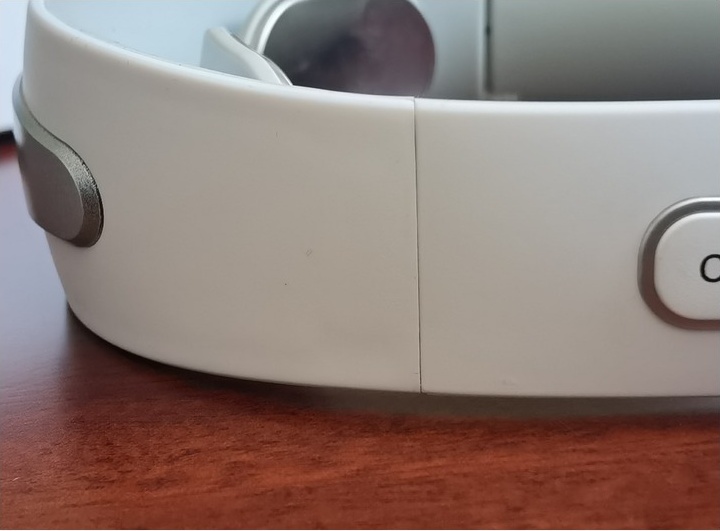
Label the original and replacement samples so the comparison remains traceable. Record the component identifiers, device revision, check method, results and reviewer. A hand-built sample should not silently stand in for a production-process check: state how it was made and decide whether a first-lot check is also needed.
If several parts change together, list them separately and assess their interaction. Where practical, compare one change at a time; where that is not practical, avoid attributing the observed result to a single component without supporting evidence.
4. Separate sample acceptance from permission to use the part
Use an explicit decision: approved for the stated scope, held pending evidence, or rejected. If approval is conditional, record the condition, owner and whether production or shipment remains on hold. “Sample looks fine” leaves too much room for interpretation.
A limited approval should name the permitted order, quantity or lot and any expiry or review point. Make clear whether the replacement is a temporary exception, a second approved source or the new standard. One approved trial does not automatically authorize the same part in every future order.
Keep the commercial decision visible too: revised price, sample or verification charges, schedule implications and treatment of existing stock. A cost saving should be evaluated alongside that work, rather than treated as the entire benefit of the substitution.
5. Close the change at the production boundary
Before release, update the affected component list, drawings, inspection instructions and relevant product or packaging files. Not every file needs revision; identify those that do and confirm their revision references match the approved change.
Agree how old and new stock will be separated, whether mixing is permitted and how finished units can be traced to the replacement. Record the first affected production lot and confirm it at receipt. The incoming-material records guide covers that later receiving check; it does not replace approval of the proposed change.
A useful approval record answers five questions: what changed, why it was accepted, which evidence supports it, where it may be used and when it takes effect.
Contact Meilan with the current configuration reference and proposed replacement details to discuss the information and sample review needed for your project.

