


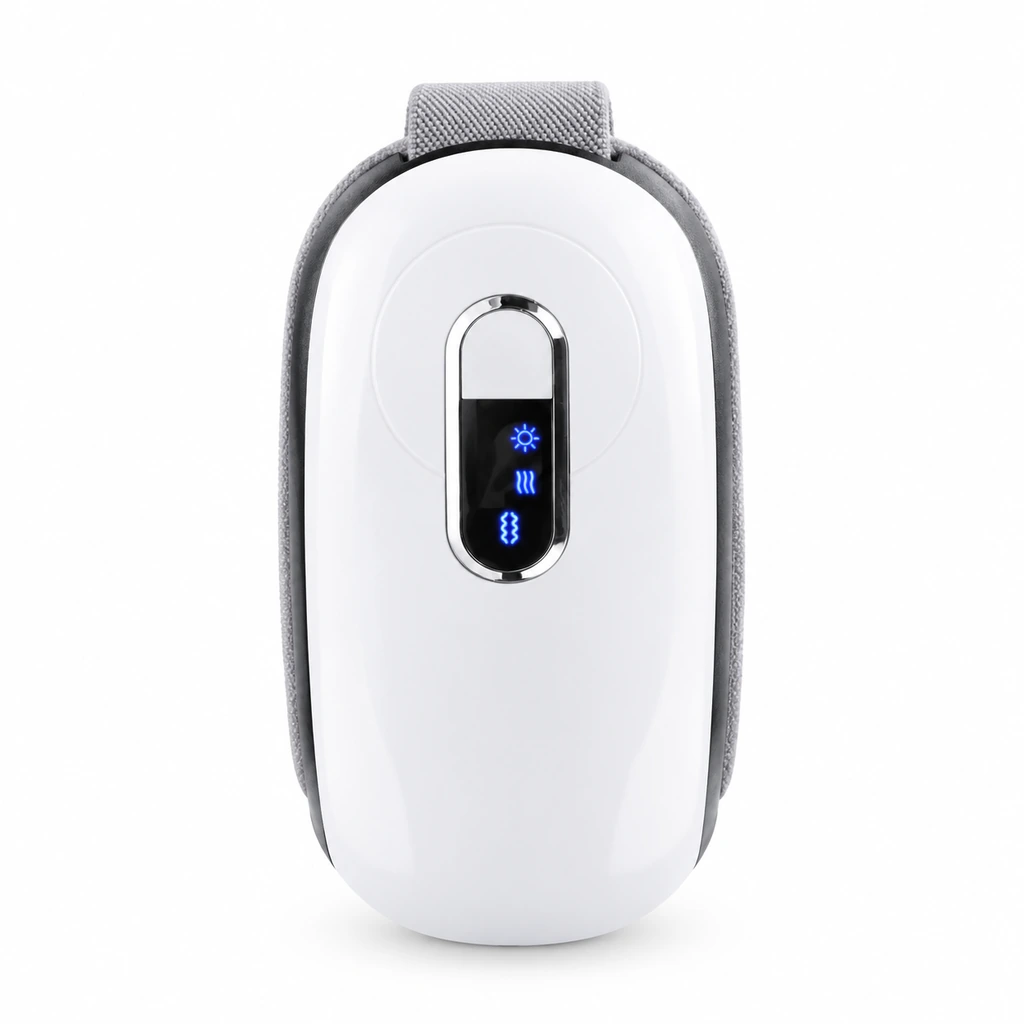
Choosing Your First Wholesale Neck Massager Model
Choose a first wholesale neck massager by defining channel requirements, shortlisting a suitable form factor, and checking the exact sample, kit, and quotation.
 Meilan Tech 4 min read
For a first neck massager SKU, define the sales channel and the product experience you can demonstrate clearly. Then shortlist a suitable wearing structure and verify the exact sample, kit and quotation before placing an order.
This is a first-model decision, not a guide to building a multi-SKU range or interpreting every line of a technical sheet. The aim is to rule out unsuitable candidates early and spend sample-review time on the one or two that could become a coherent launch offer.
Set the launch requirements before opening a catalogue
Write a one-sentence brief: who is buying, where they will discover the product, and what the product image and demonstration must make obvious. An online listing, a store shelf and a corporate gift program place different demands on photography, instructions and packing, even when the device itself looks similar.
Also state any non-negotiable constraint: box size, language of the manual, control style, or an accessory that must be included. These are qualification gates, not points to award to a model with the most modes. When several SKUs are planned, the separate guide to avoiding duplicate products in an assortment addresses how their roles differ; this article deals with choosing the first one.
Use form factor to make a short list
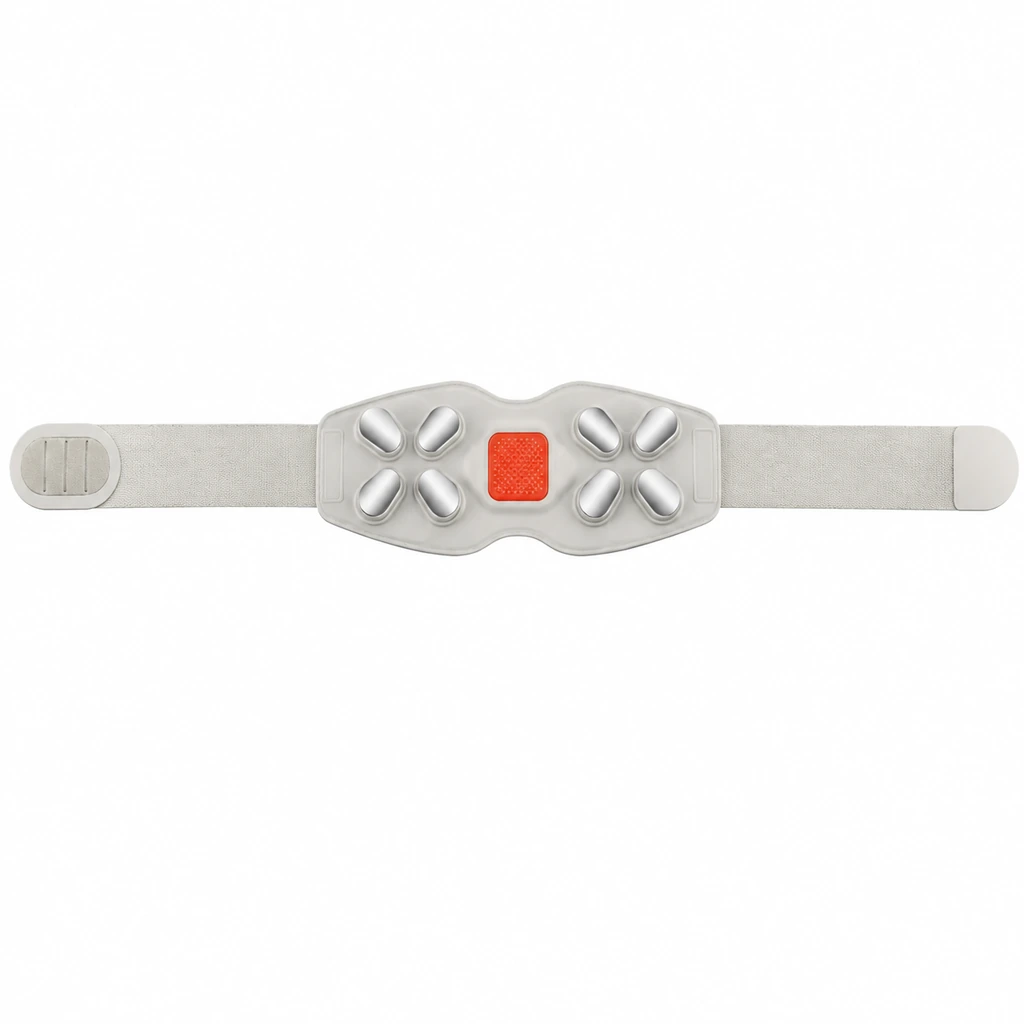
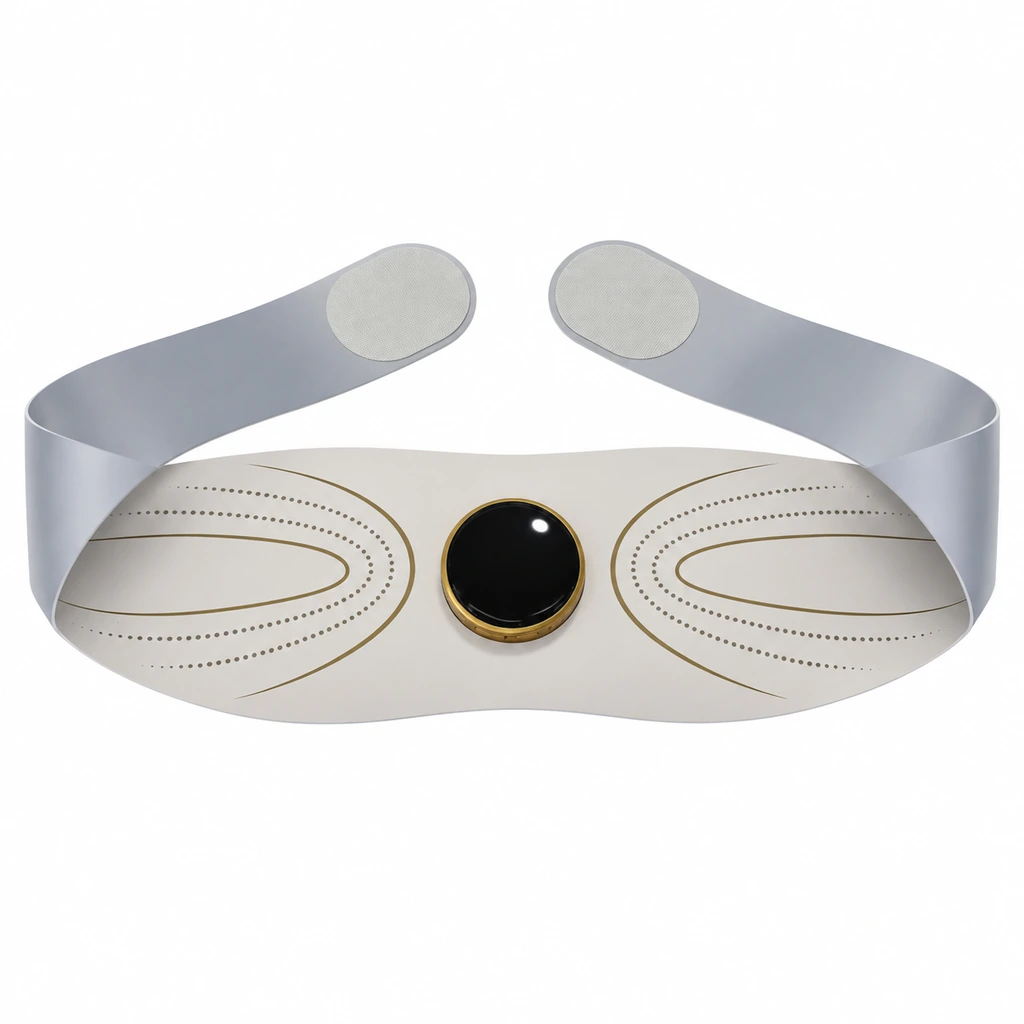
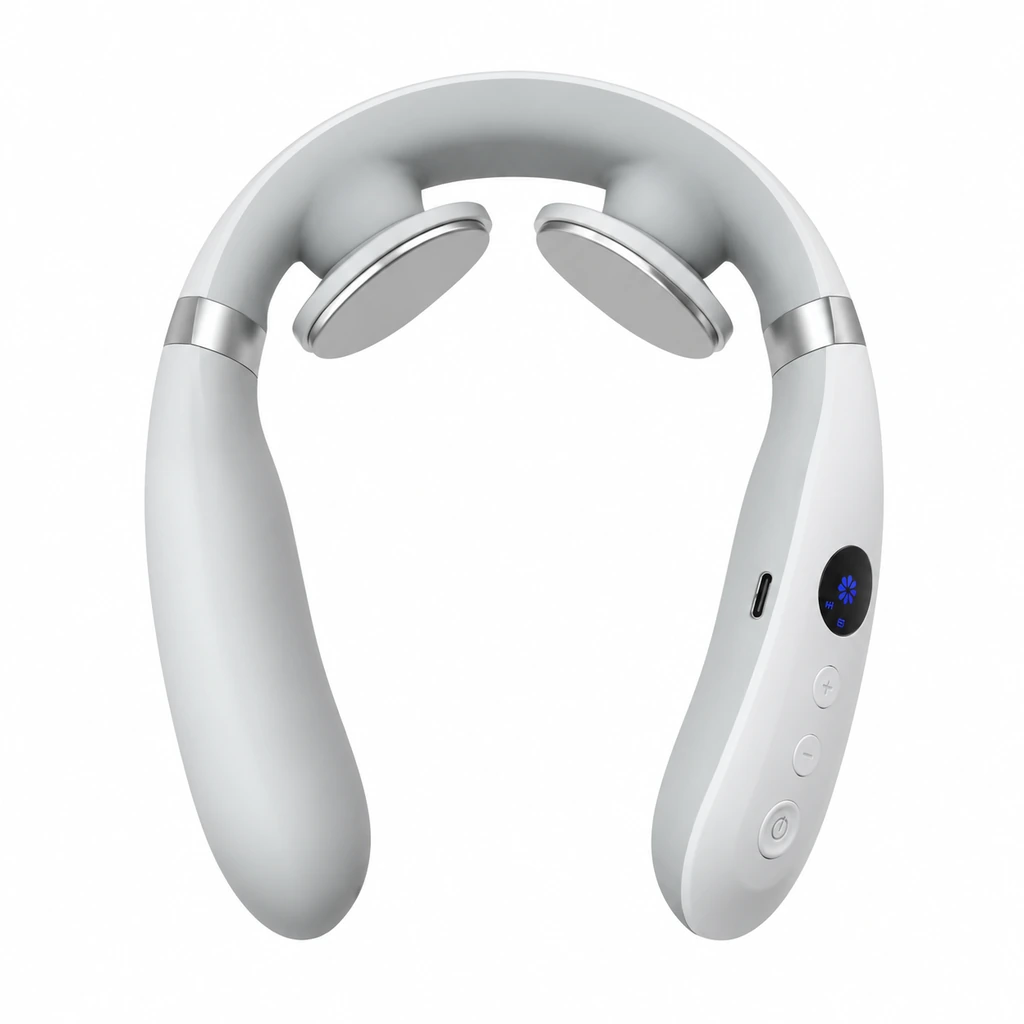
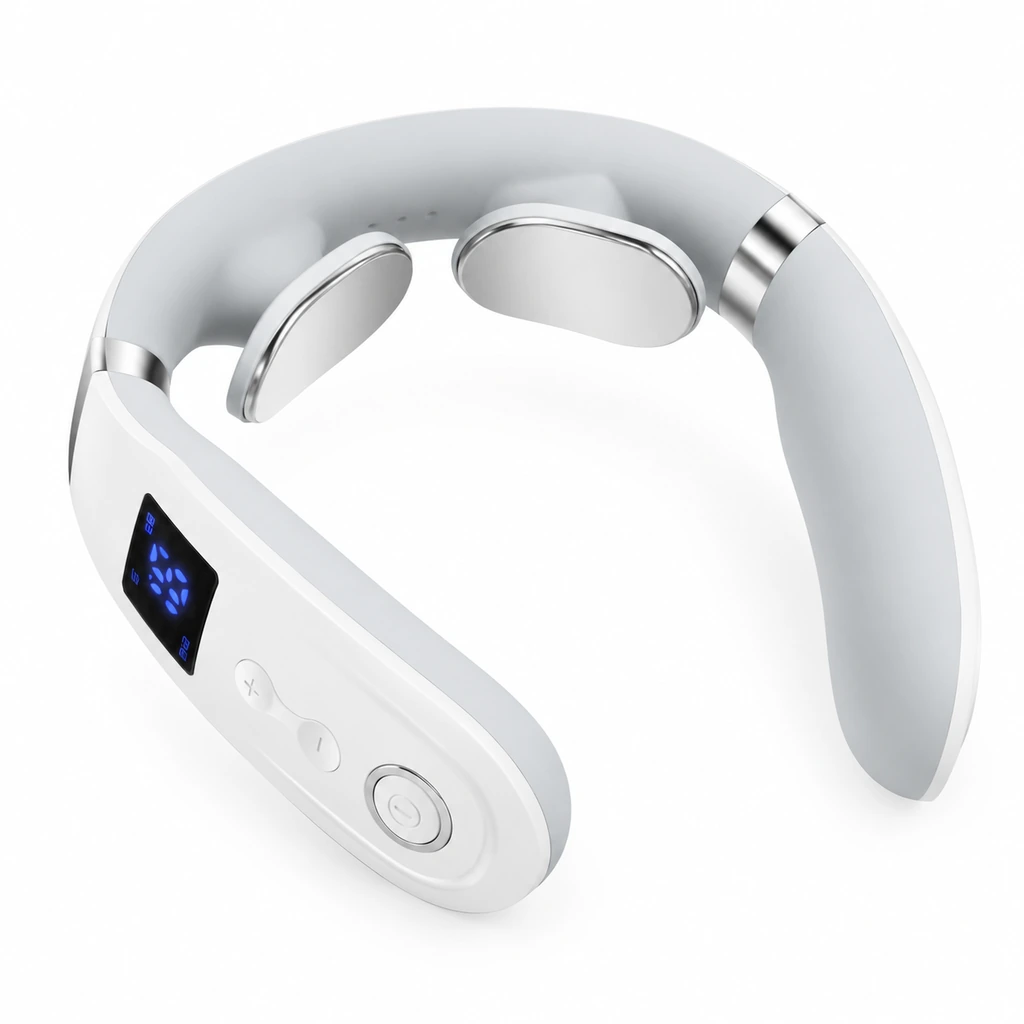
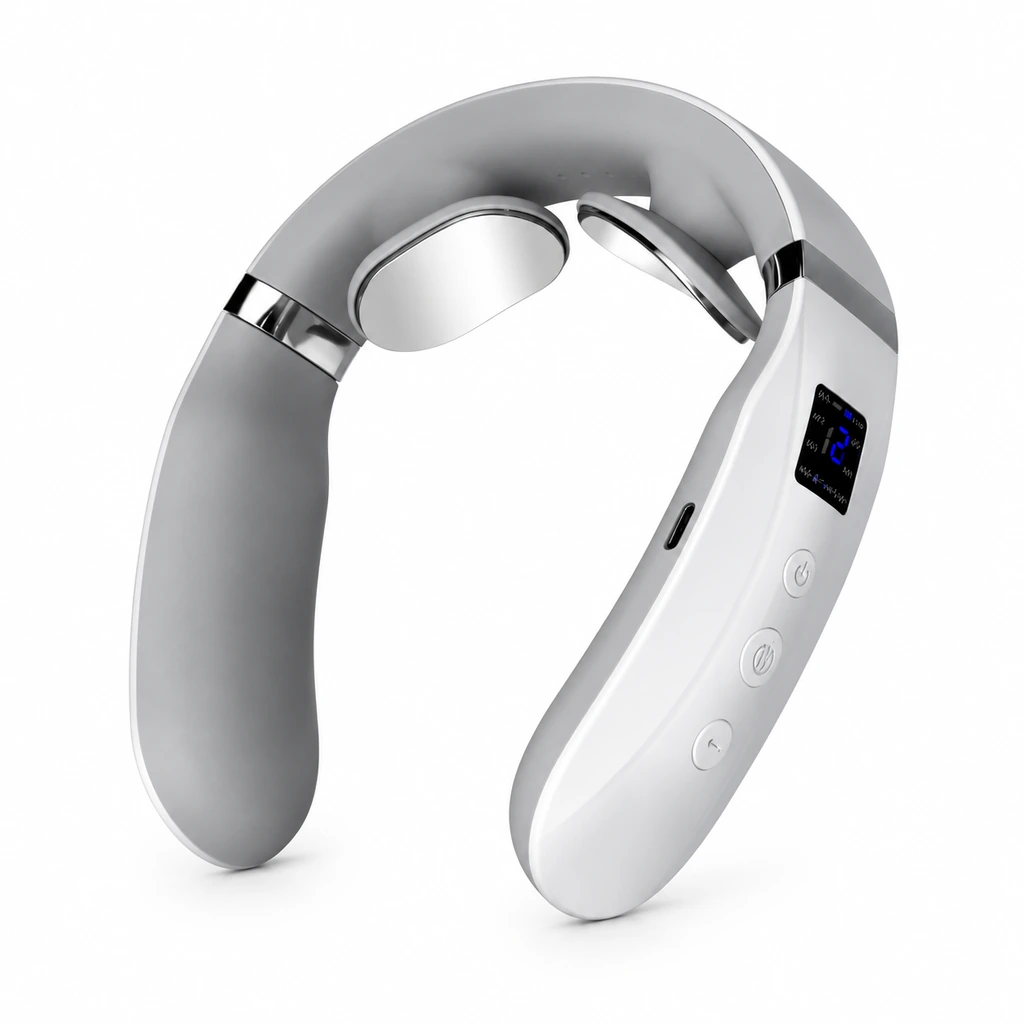
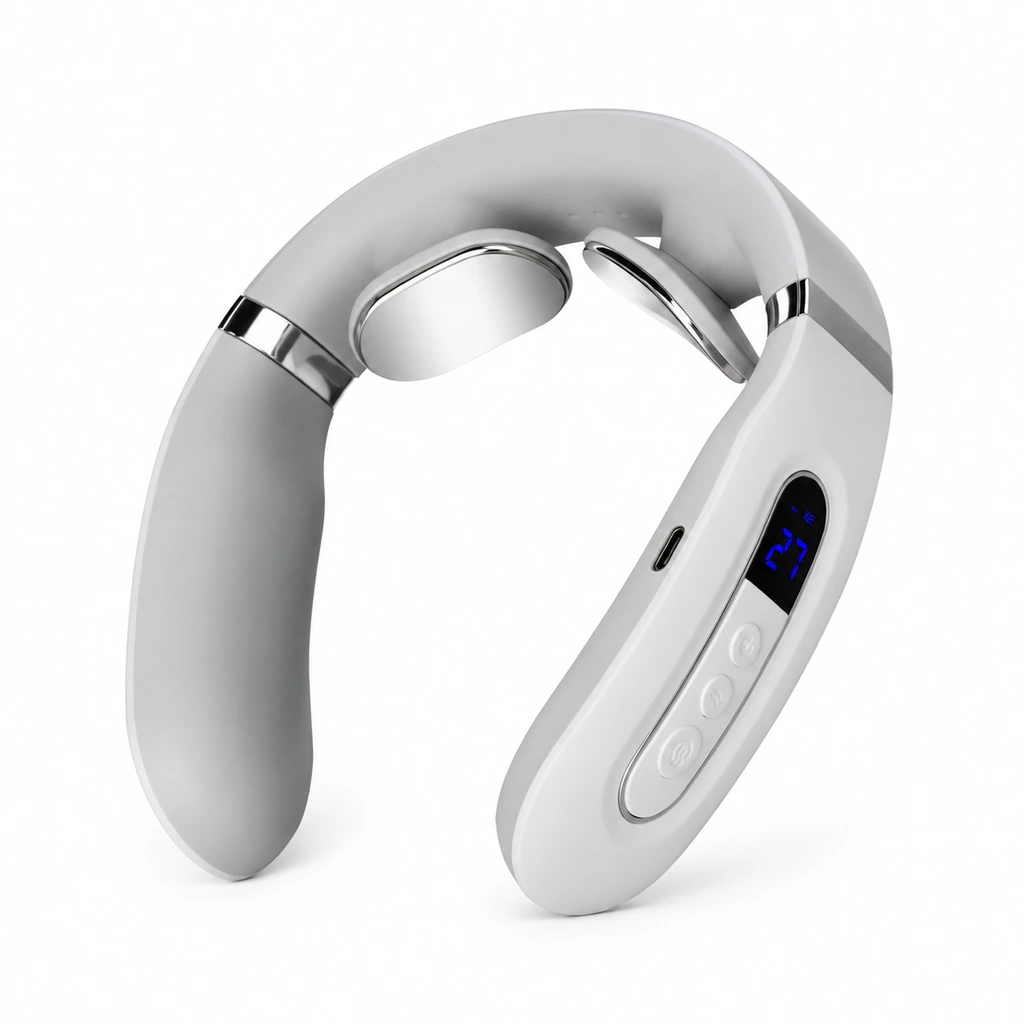
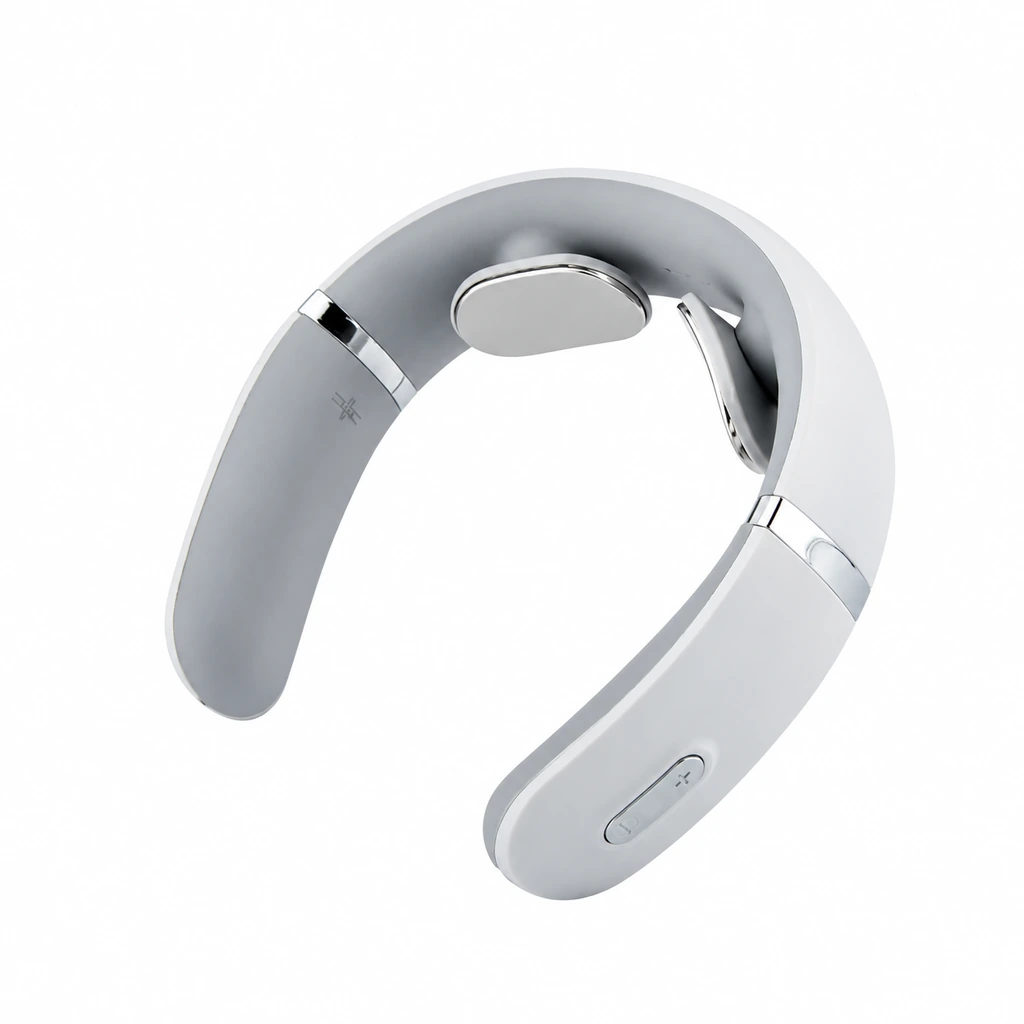
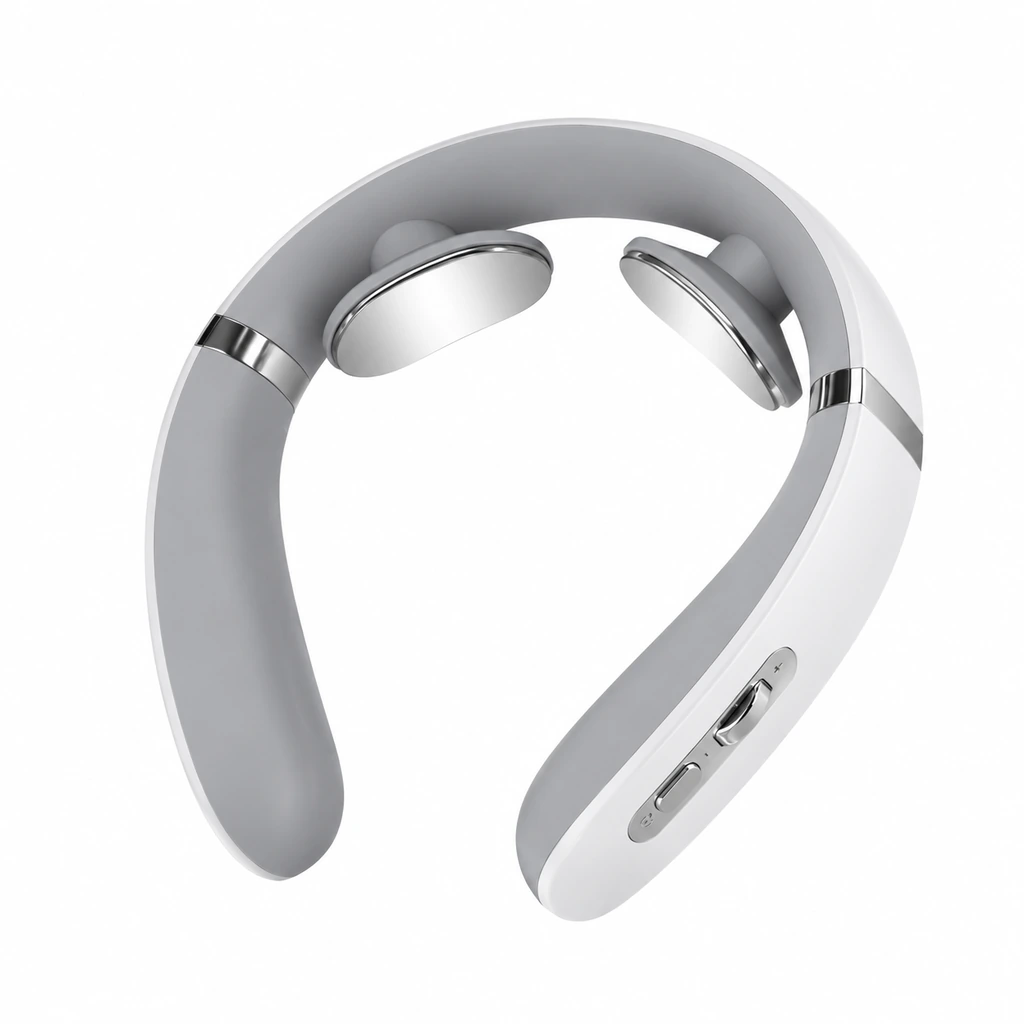
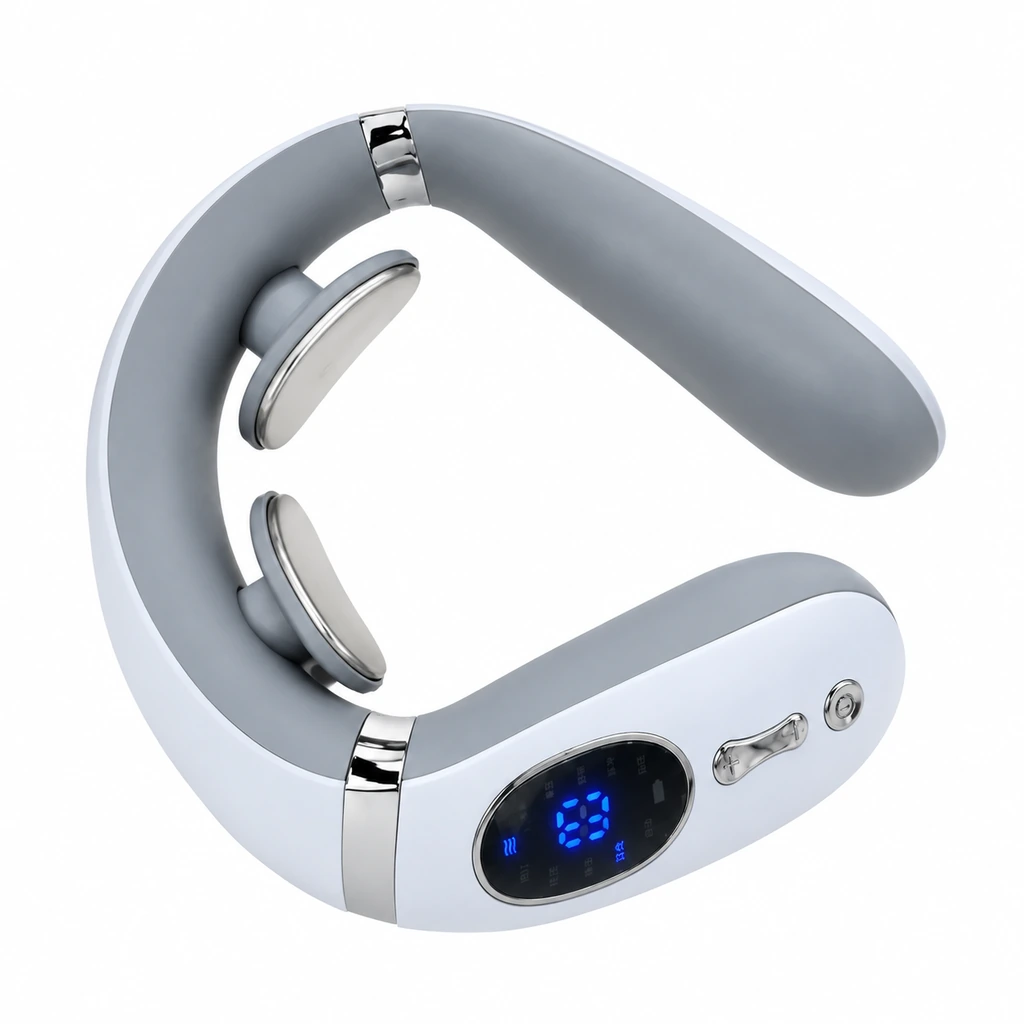
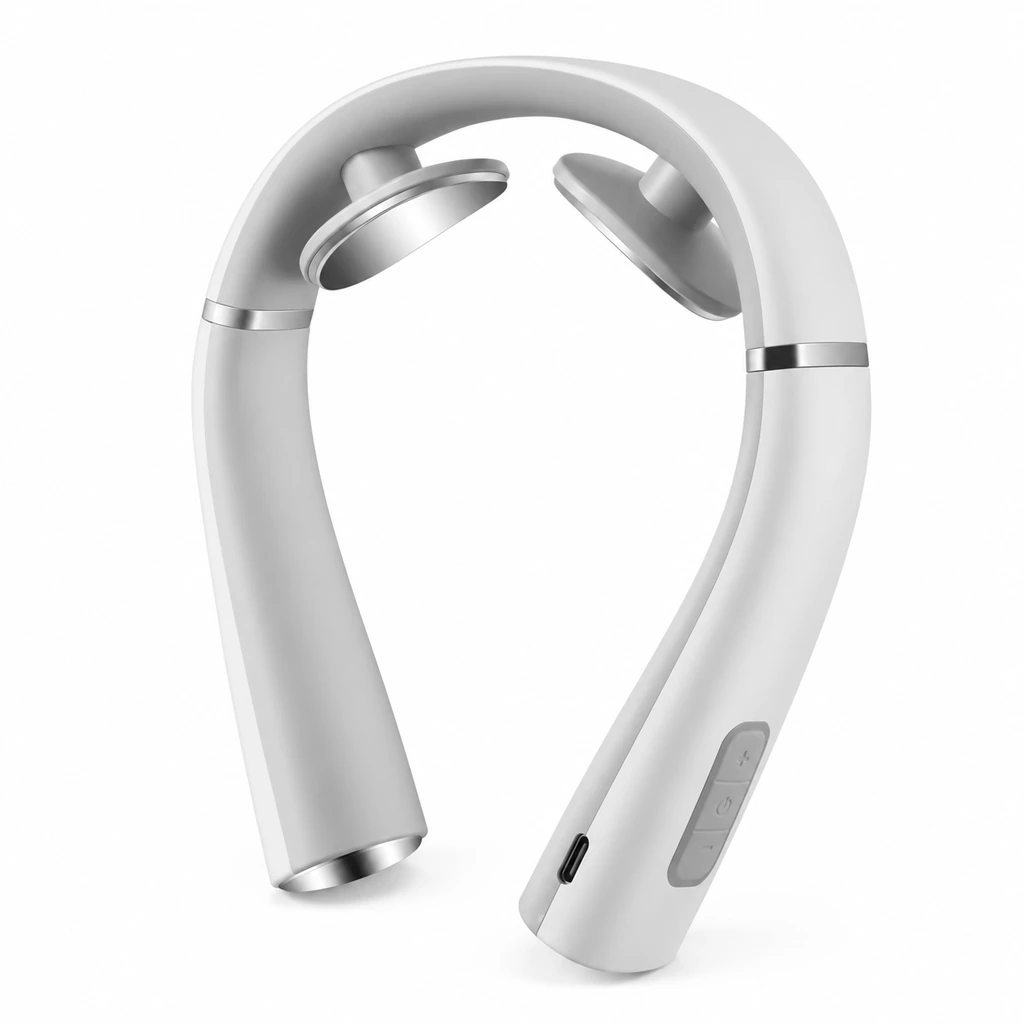
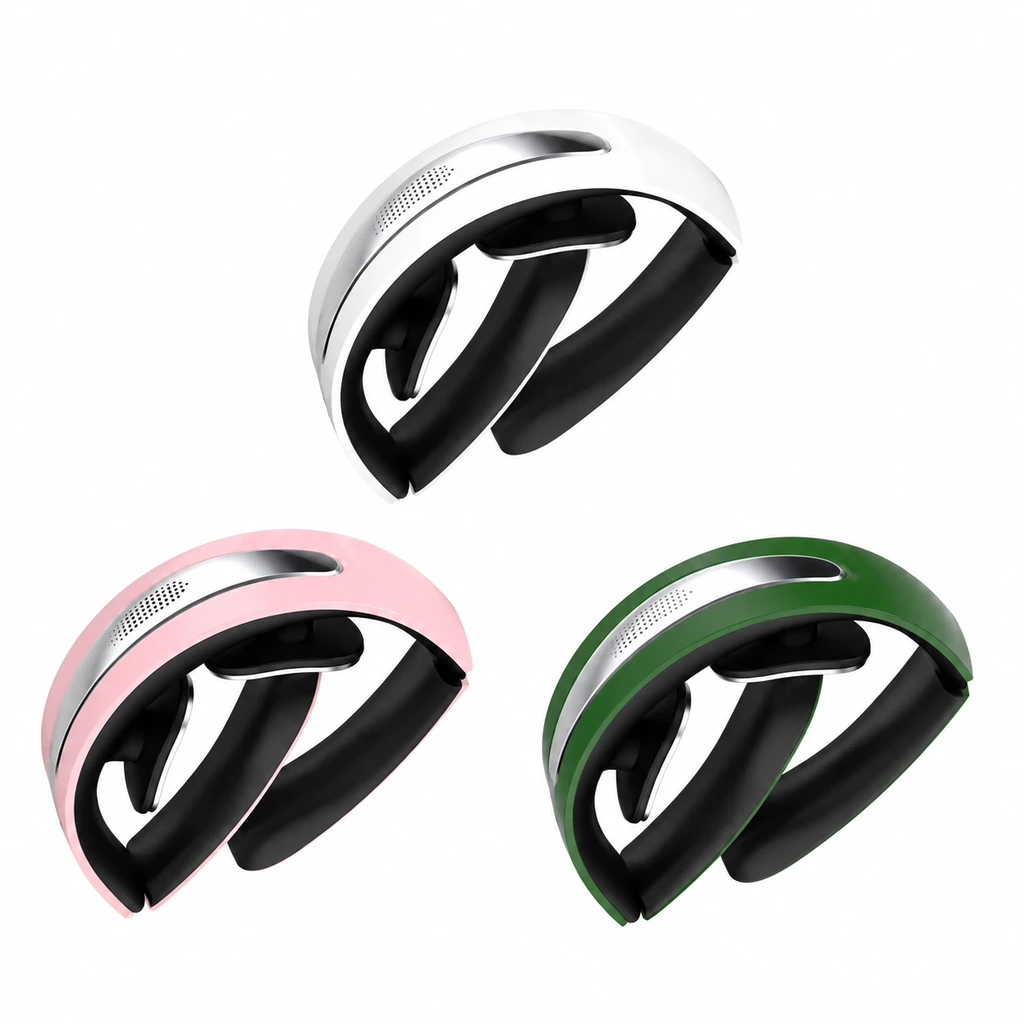
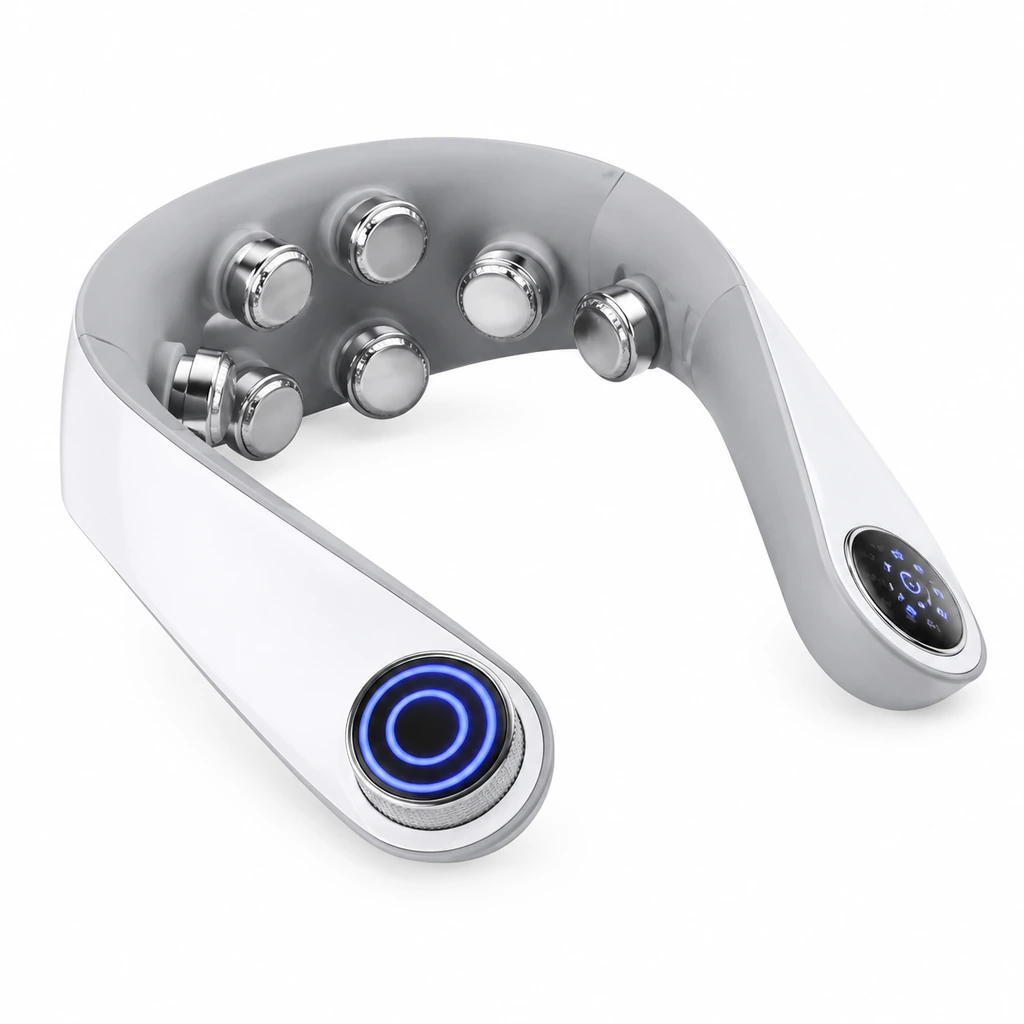
Meilan's current neck massager collection shows different shapes and contact arrangements. Start with the form a buyer can understand and use in your intended setting. The examples below are alternative shortlist routes, not a performance ranking; the linked guides address their detailed trade-offs.

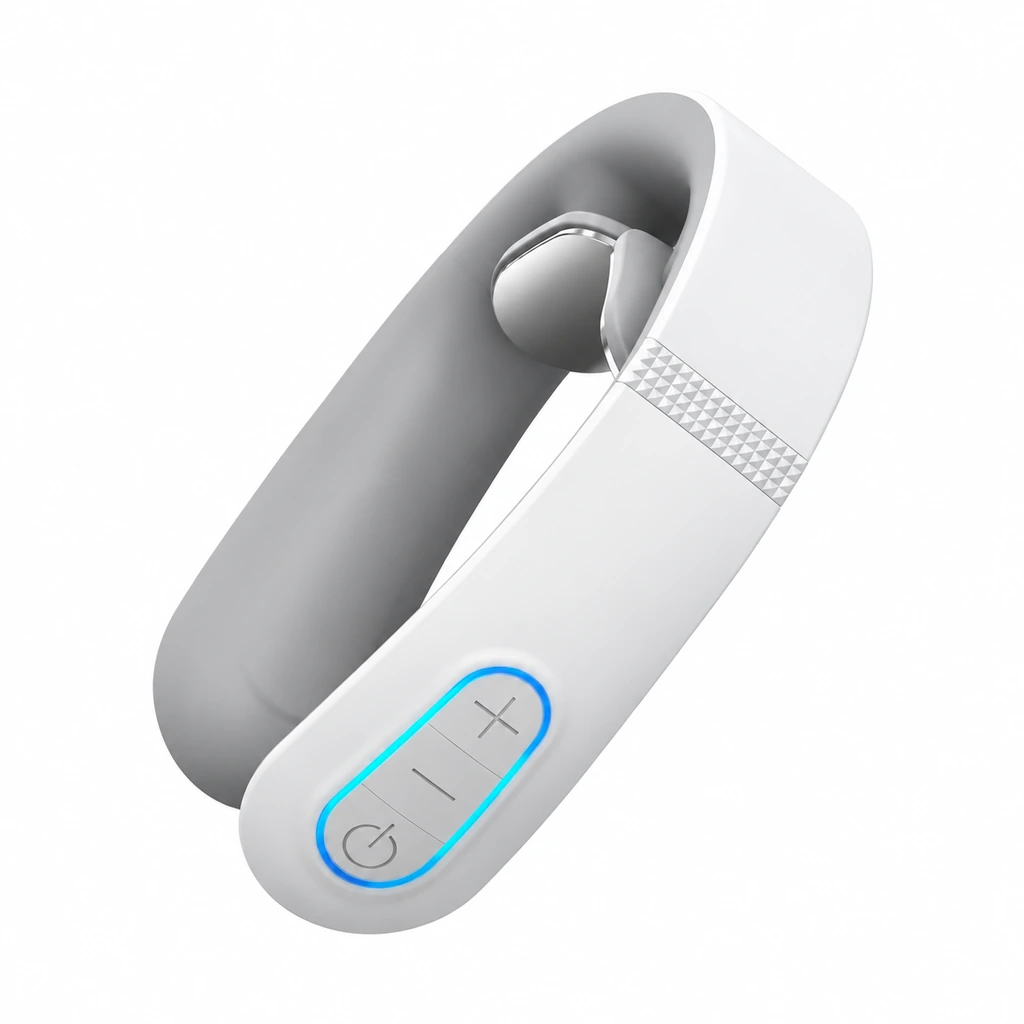
F101: compact, foldable concept
The F101 listing identifies a foldable neckband. It is a starting point when stored size matters, but the published image does not show the folding sequence. Ask for a folding demonstration, folded measurements and hinge-care instructions with the sample.
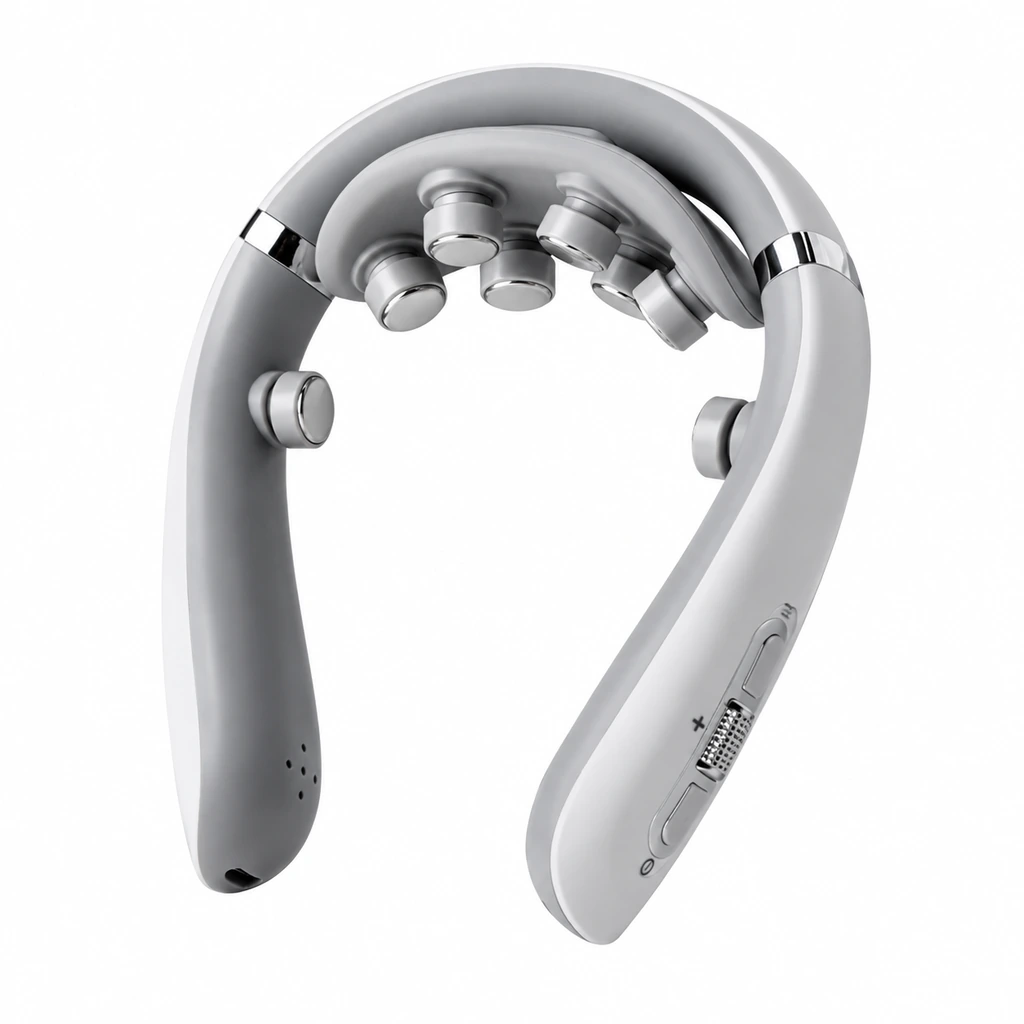
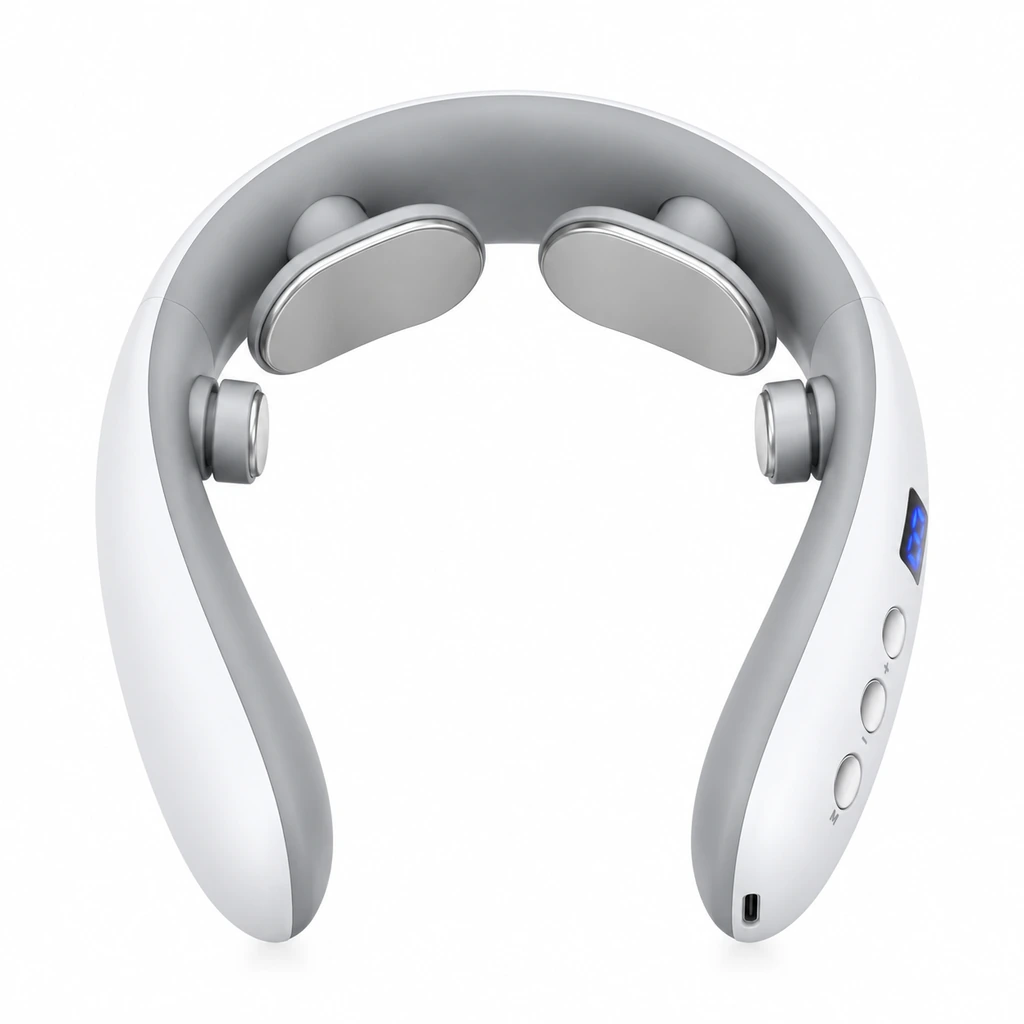
F12: interchangeable contact assemblies
The F12 listing describes three interchangeable head assemblies and a wireless remote for its reference configuration. It gives buyers a more involved kit to evaluate: confirm exactly which heads, remote and instructions are included in the quoted version.
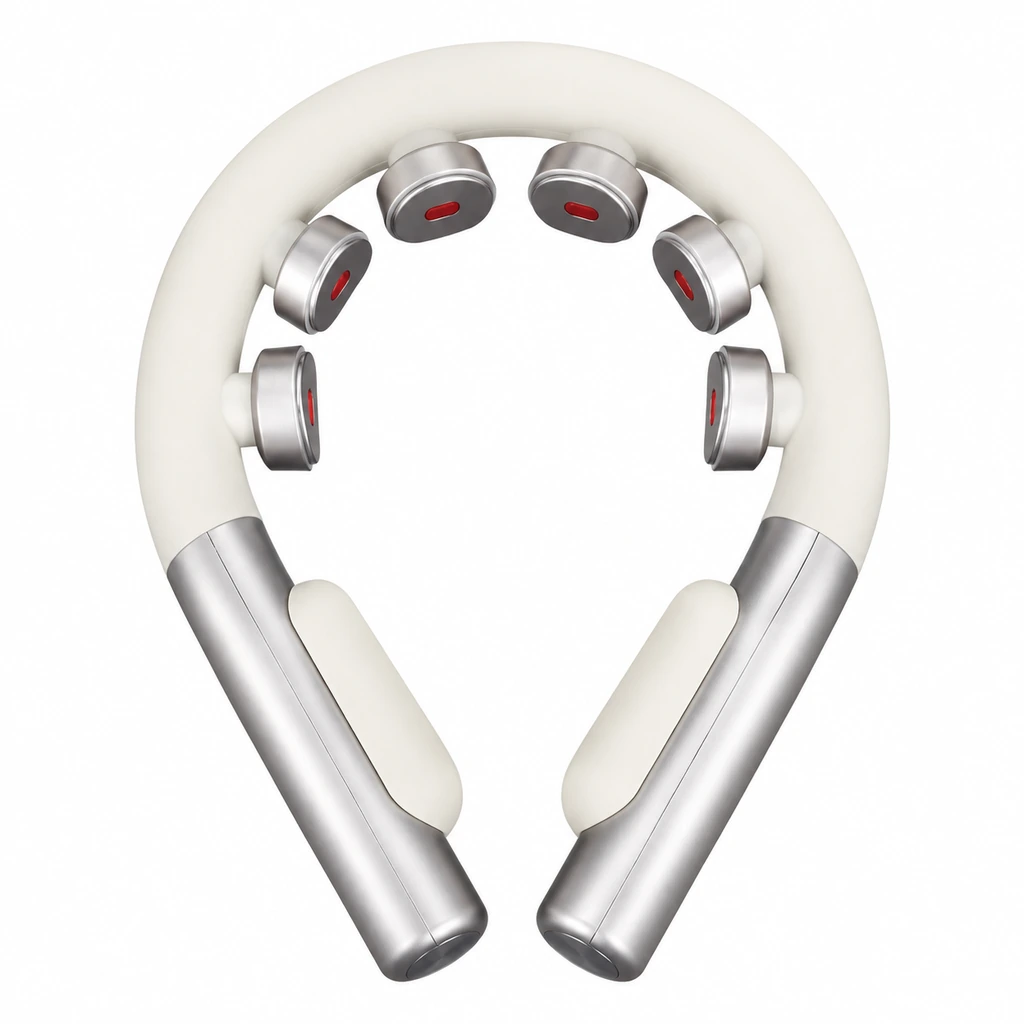
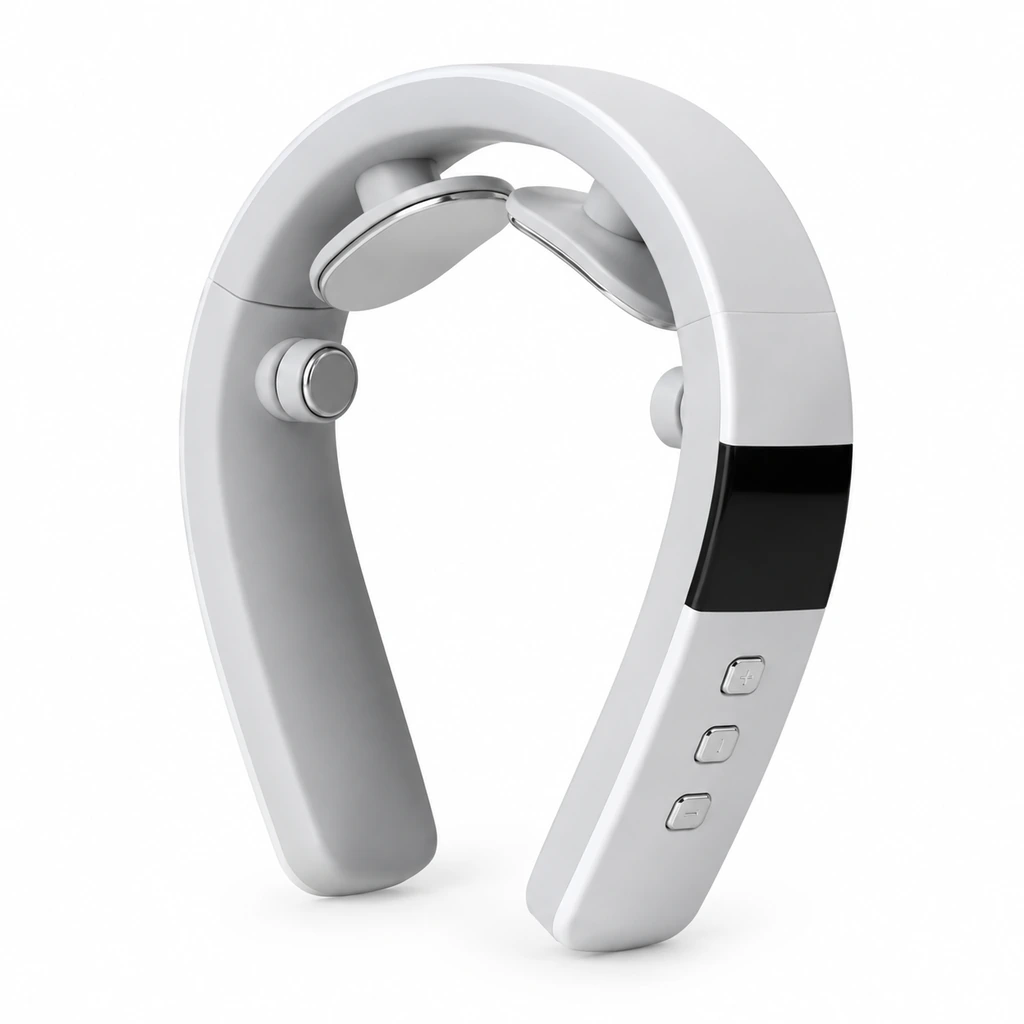
F100: broader neck-and-shoulder frame
The F100 listing presents a larger neck-and-shoulder structure. Consider it when that form is central to the offer, then check fit, contact position and box dimensions on the actual sample. For a deeper category distinction, see neck-and-shoulder versus neck-only devices.
Apply four go/no-go checks to the quoted version
Once one or two forms survive the first screen, compare the exact versions on offer. A catalogue model name is not enough if the quoted kit, controls or packing differs from the sample. Use these four checks to decide what still needs a document or demonstration:
| Field | What to confirm |
|---|---|
| Contact and fit | Neck-only or neck-and-shoulder shape; contact surfaces or interchangeable heads; how the sample sits on intended users. |
| Operation | Actual modes, intensity adjustment, controls, timer and instructions on the supplied version—not just a catalogue headline. |
| Power and kit | Charging input, connector, cable, remote if applicable, and every item in the retail box. |
| Retail format | Device and packed dimensions, label and manual language, hero-image accuracy, and the approved packaging version. |
If a field is unclear, ask for the matching document rather than filling the gap from a different model's page. Our guide to reading a neck massager specification sheet handles the detailed reconciliation of electrical figures and operating data.
Make the first-SKU decision with a physical sample
- Label each sample. Record model, version, date, supplied accessories and the specification that belongs to it.
- Test the same use sequence. Have intended users put on and remove each device, locate the controls, change settings and follow the supplied instructions. Note fit and usability observations rather than making medical-effect claims.
- Check the complete retail kit. Compare the physical contents, packaging, printed language and charging items with the quotation.
- Close the gaps in writing. Ask the supplier to identify any version difference before approving product images, copy or an order.
Decision rule: approve the first model only if it passes the channel constraints and its sample, version-specific specification, included kit and intended retail presentation describe the same product. If a required item or claim cannot be confirmed, hold that candidate rather than treating a lower quote as an answer.
What to send for a useful first-model shortlist
Send Meilan your target channel, intended buyer, required retail format, non-negotiable kit items and one or two preferred wearing structures. Ask for matching samples, version-specific specifications and a complete-kit list before approving the first listing or purchase order. Discuss your shortlist with Meilan.

