

























Scalp Massager Lot Traceability for Wholesale
A T1-focused guide to connecting device, retail-box, carton and document identities, testing scans, and preserving lot records through repacking and returns.
 Meilan Tech 6 min read

Effective scalp massager lot traceability connects an identifiable product group to its retail packaging, shipping cartons and supporting records. For procurement and quality teams buying Meilan T1, the practical question is whether that connection survives receiving, split shipments and returns. Agree the identification level, physical marking and record ownership before approving bulk packaging; then demonstrate a trace in both directions.
1. Define what the lot must help you find
A model identifies a product design; a lot identifies a defined production group. A purchase order can contain several lots, and one lot can be shipped against several orders. Agree what starts a new lot, who assigns it and how rework is recorded. A date alone may not distinguish separate runs.
Start with the T1 scalp massager configuration being ordered, including colour, accessories and destination packaging. For a distributor supplying several retailers, the useful result is a list of affected stock and deliveries. For a brand handling an unpackaged return, identification must remain available after the retail box is discarded. That difference should determine the marking scope.
2. Give each identifier one clear job
The following are proposed approval checks, not a statement that these fields are already available on T1. Confirm feasible locations and printing methods on the actual order version.
| Identification level | Information to agree | Evidence needed before approval |
|---|---|---|
| Product | Model/version and a readable lot mark, or an agreed link to a serial number | Marked sample and a record linking the mark to its production group |
| Retail box | Sellable SKU, product-lot link and approved packaging revision | Packed sample with a matching product; revision recorded separately from the lot |
| Shipping carton | Carton identifier, contents by SKU and lot, and quantity | Packing list linking each carton to its contents; list each lot if mixed |
| Supporting records | Order, lot, packing, inspection and release references | Retrievable records whose scope and quantities match the goods |
A SKU distinguishes a stock configuration. A document revision identifies a document version. Neither substitutes for a production lot. In GS1 terminology, AI (10) represents a batch or lot number, while AI (21) represents a serial number. These definitions do not establish that T1 uses GS1 encoding.
3. Review the physical mark before choosing a code
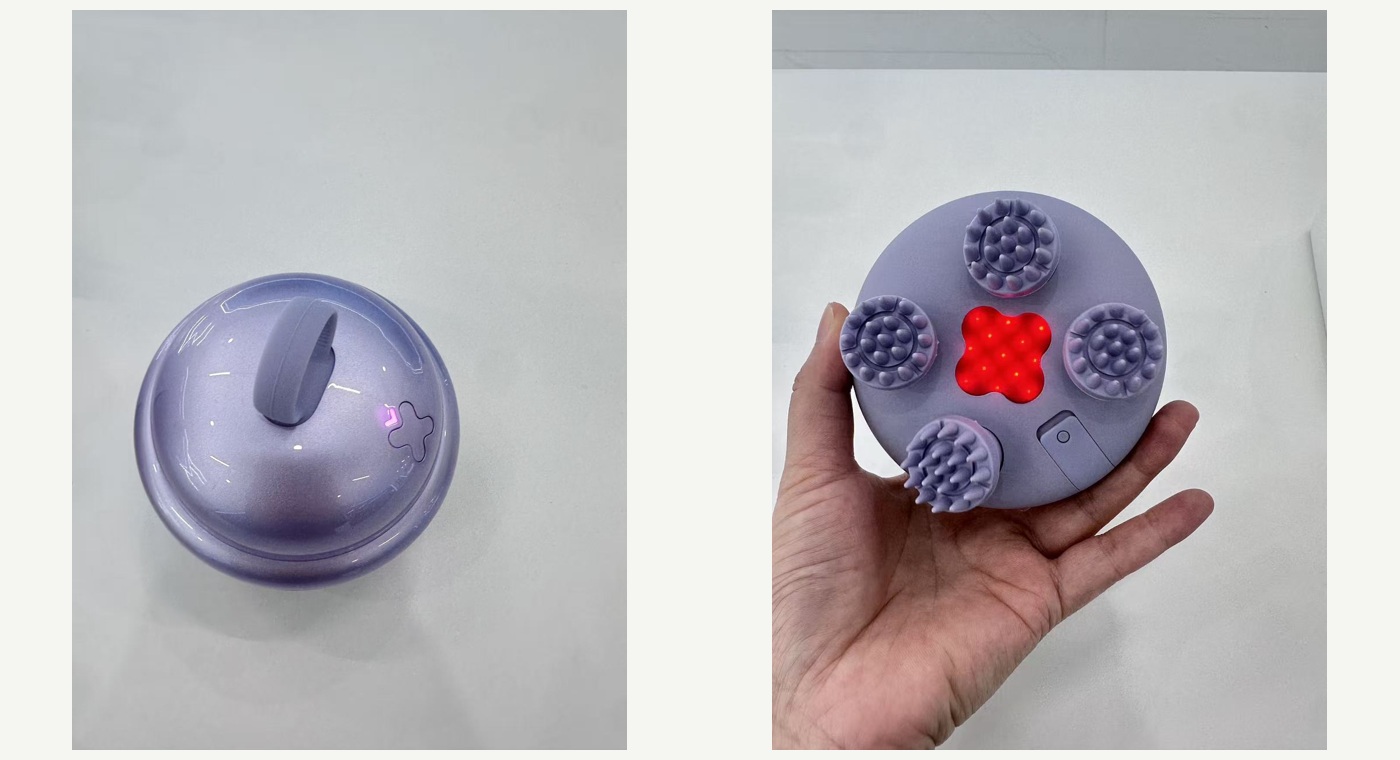
T1 sample views support a discussion of marking location; they do not demonstrate an existing lot mark.
Ask the supplier to identify a feasible surface on the device and show the proposed mark at its actual size. Check readability, contrast and whether normal handling or the agreed cleaning method affects it. Keep labels away from controls, moving parts and required product information. Verify adhesion and any proposed direct-marking process on samples before approving it.
Device marking has value when returns arrive without packaging, but it may require a different process from box printing. If only the box can be marked, document the resulting limit: an unpackaged unit may no longer be attributable to a lot. The procurement decision is whether that limit fits your distribution and after-sales process.
4. Keep packaging revision separate from product lot
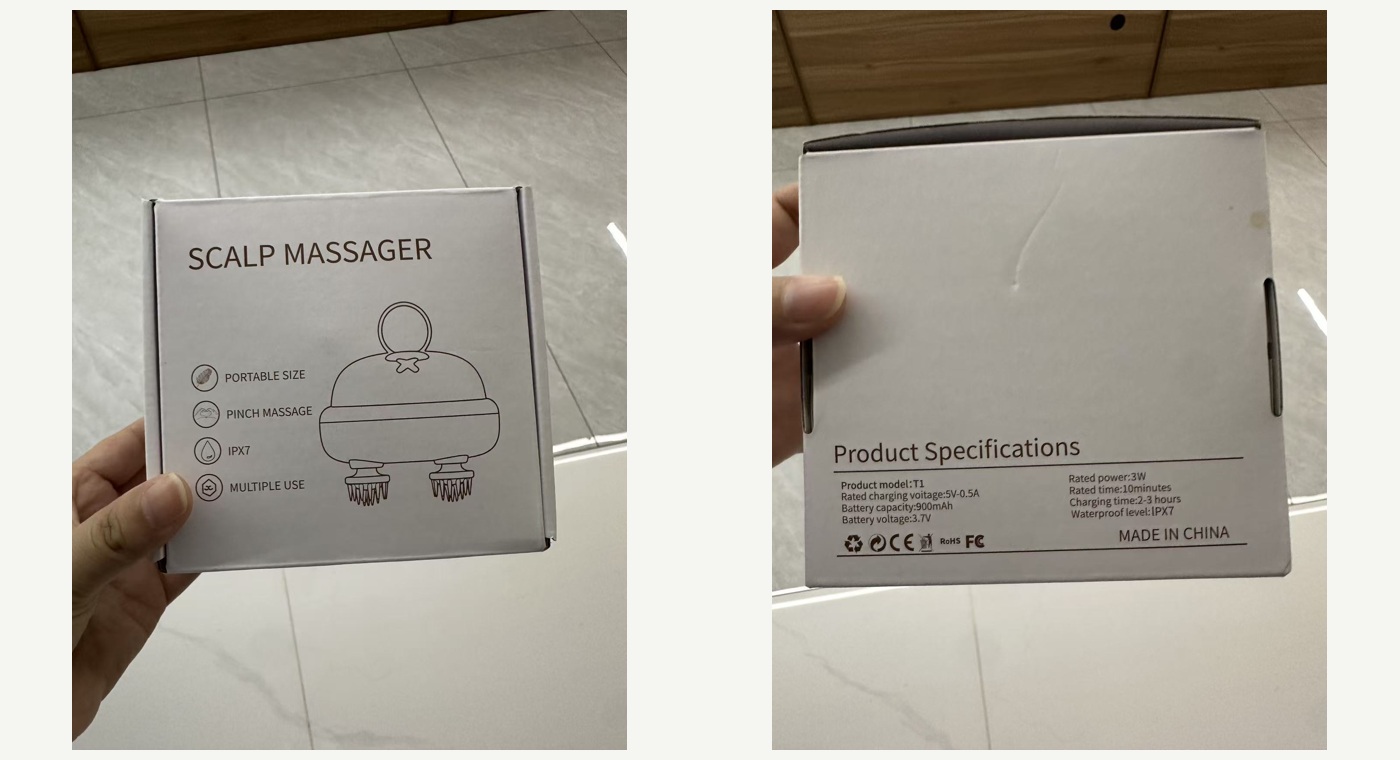
Packaging reference photographs show panel layout. Printed symbols and specifications are not proof of current approval or batch inspection.
A retail-box artwork revision can be used across several product lots, while one product lot may receive different language boxes. Record both identities and the packing event connecting them. Review panel placement alongside the retail-box and shipping-carton information guide.
For each carton, preserve the contents by SKU, lot and quantity. A carton sequence such as “01” needs a shipment context to distinguish it from “01” in another delivery. Prefer one lot per carton where practical; where mixed packing is agreed, the record must identify every included lot and its quantity. Do not label a mixed carton as a single lot for convenience.
5. Test the scan all the way into the record
A barcode or QR code carries data; the receiving system must interpret it and retrieve or store the intended association. A code that opens a product webpage does not, by itself, identify a production lot. Choose the format after agreeing the fields and warehouse workflow.
During trial packing, scan a device or retail box and its carton using the intended warehouse equipment. Compare decoded text with the human-readable label, including leading zeros and separators. Confirm that SKU, lot and carton identity enter the correct fields and persist after saving. Test an unknown code, a mismatched lot and a duplicate carton scan; agree how the system prevents a second receipt being recorded accidentally.
Retain the label image, decoded value and resulting record as evidence. Agree a controlled manual-entry route for damaged codes, with a second check and an exception record. Do not infer scanner compatibility or integration from a barcode photograph.
6. Preserve the link when stock moves
Apply the identity checks alongside warehouse receiving checks for scalp massagers. Keep unreadable or inconsistent stock identifiable and on hold until reconciled; do not guess its lot from adjacent cartons.
When splitting or repacking, record the original carton, destination carton, SKU, lot, transferred quantity, date and operator. Keep the original product-lot identity when assigning a new carton identifier. For authorised relabelling, retain the old-to-new reference and approval so the previous identity remains searchable.
For a return, record the identity actually available and link it to the delivery where evidence permits. Reconcile quantities across stock remaining, onward deliveries, returns and authorised adjustments without counting the same unit twice. Separate traceability status from inspection status: locating a lot does not mean that lot passed inspection.
7. Approve a trace exercise before bulk dispatch
Select an actual trial-packed unit and work backwards to its lot, packing event and relevant inspection record. Then start from that lot and identify the associated cartons, quantities and dispatch destinations. Compare the results with the physical packing. This reveals missing associations that a label proof alone cannot show.
Approve the arrangement when the mark is usable, both trace directions reconcile, exceptions have an owner and the records can be retrieved within the agreed response time. Request corrections where fields or links fail. Agree who keeps supplier and buyer records, access arrangements and retention periods appropriate to your market and contracts; do not assume a universal retention period.
For a T1 enquiry, use the Meilan certifications and documentation page to frame your evidence request. Include the order version, destination market, proposed identification level, warehouse scan requirements and the batch-linked records you need. Request current sample labels and a trace demonstration before agreeing the bulk implementation.
Frequently asked questions
Does a product barcode already identify the lot?
Only if its encoded data or controlled record lookup includes that association. A product identifier alone does not distinguish production groups.
Must every device have a unique serial number?
Not necessarily. Lot identification groups units; serial identification distinguishes individual units. Choose the granularity required by your channel, service process and applicable requirements, then confirm feasibility and cost.
Can the same product lot use different retail boxes?
Yes, provided the packing records preserve which packaging revision and destination configuration were used for the relevant quantities. A box change must not erase the product-lot identity.
What if the device and carton show different lots?
Hold the affected stock and reconcile the physical contents with the packing records. Release or relabel only after the responsible party documents and approves the resolution.
Does a trace record prove inspection passed?
No. It identifies the goods and their record links. Any acceptance conclusion requires the corresponding inspection scope, results and authorised release decision.

