










Waist Massager OEM Quotes: Development & Production
Compare waist massager OEM quotes by separating development, samples, tooling, production and packaging—and documenting exclusions and re-quote triggers.
 Meilan Tech 4 min read
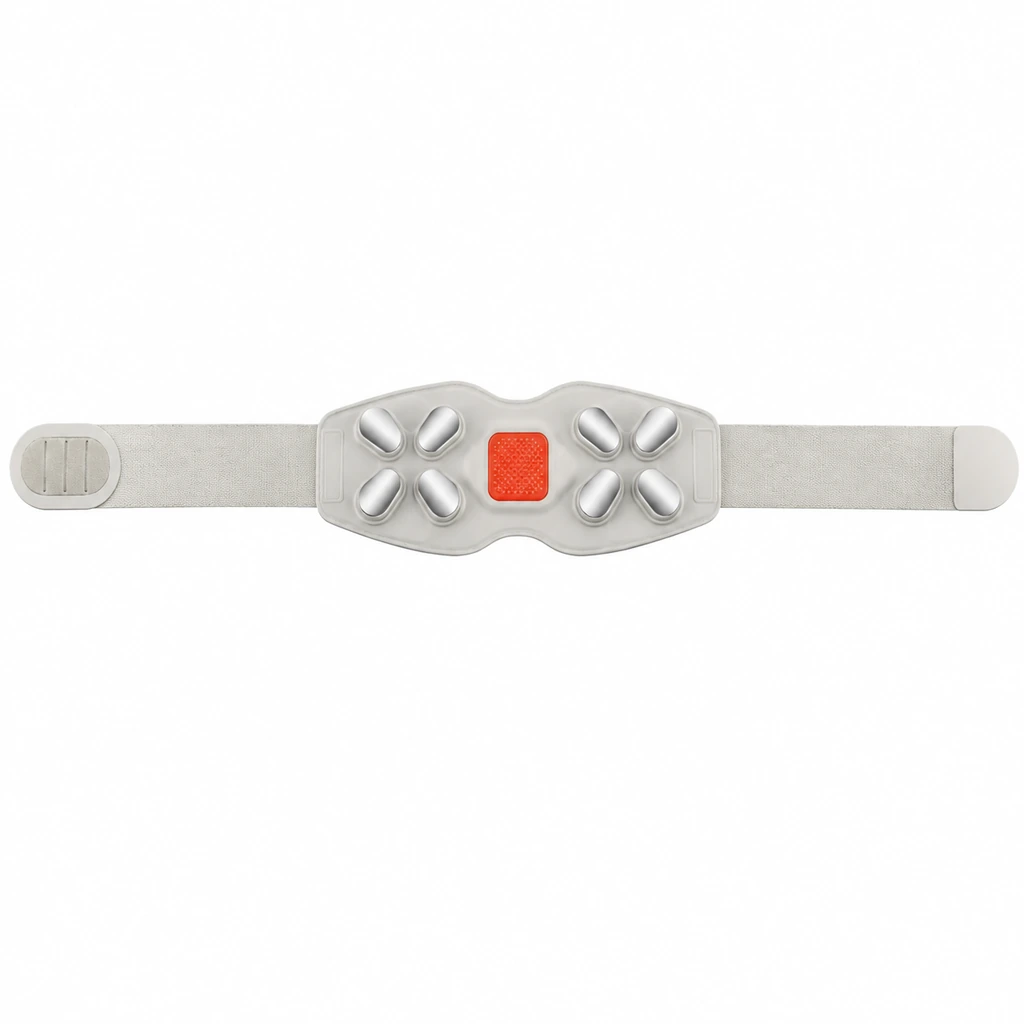
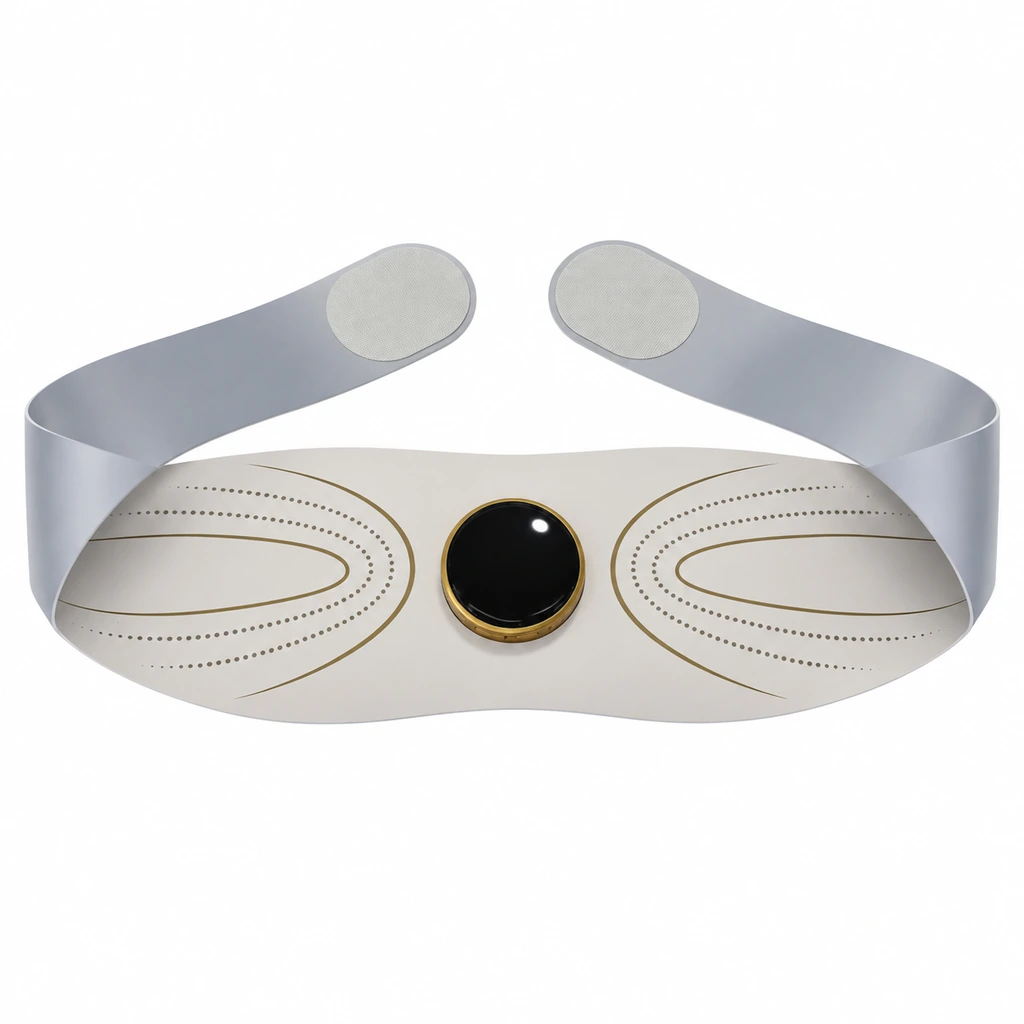
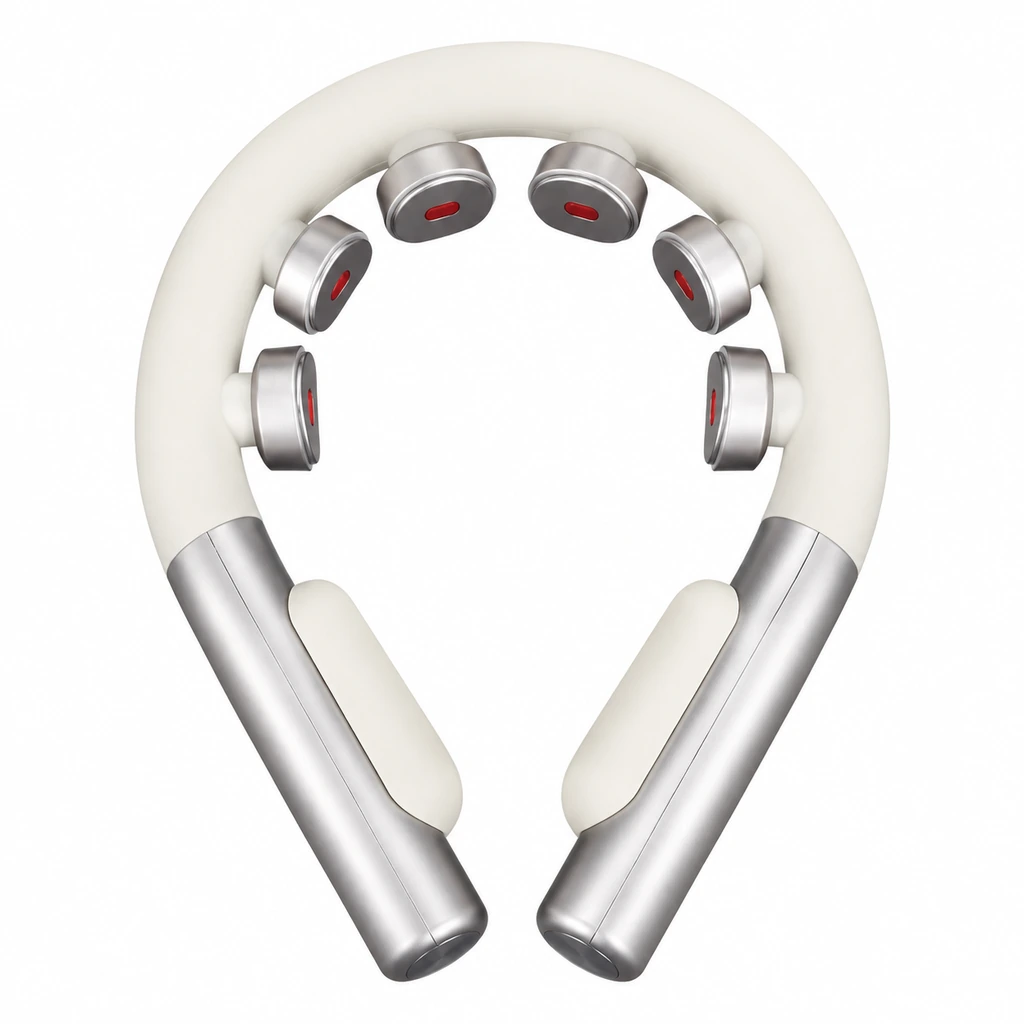
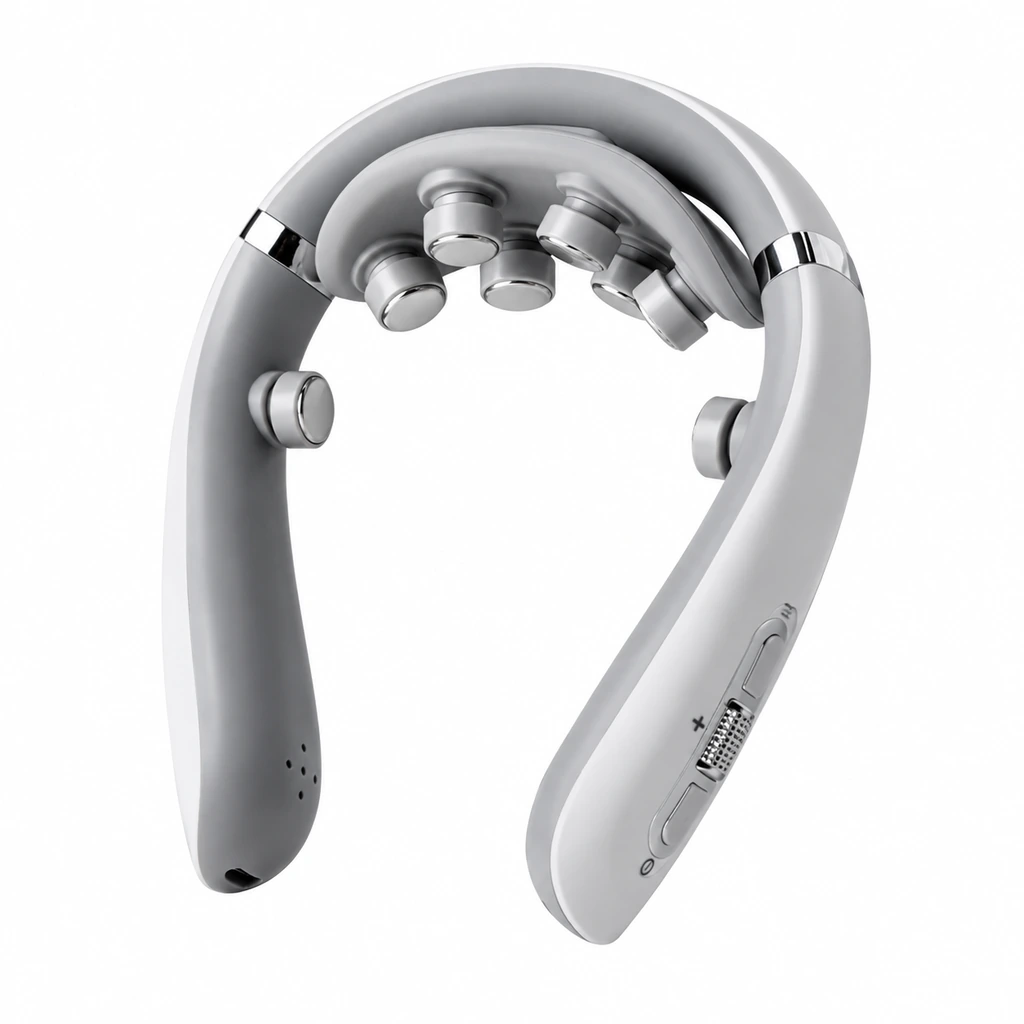
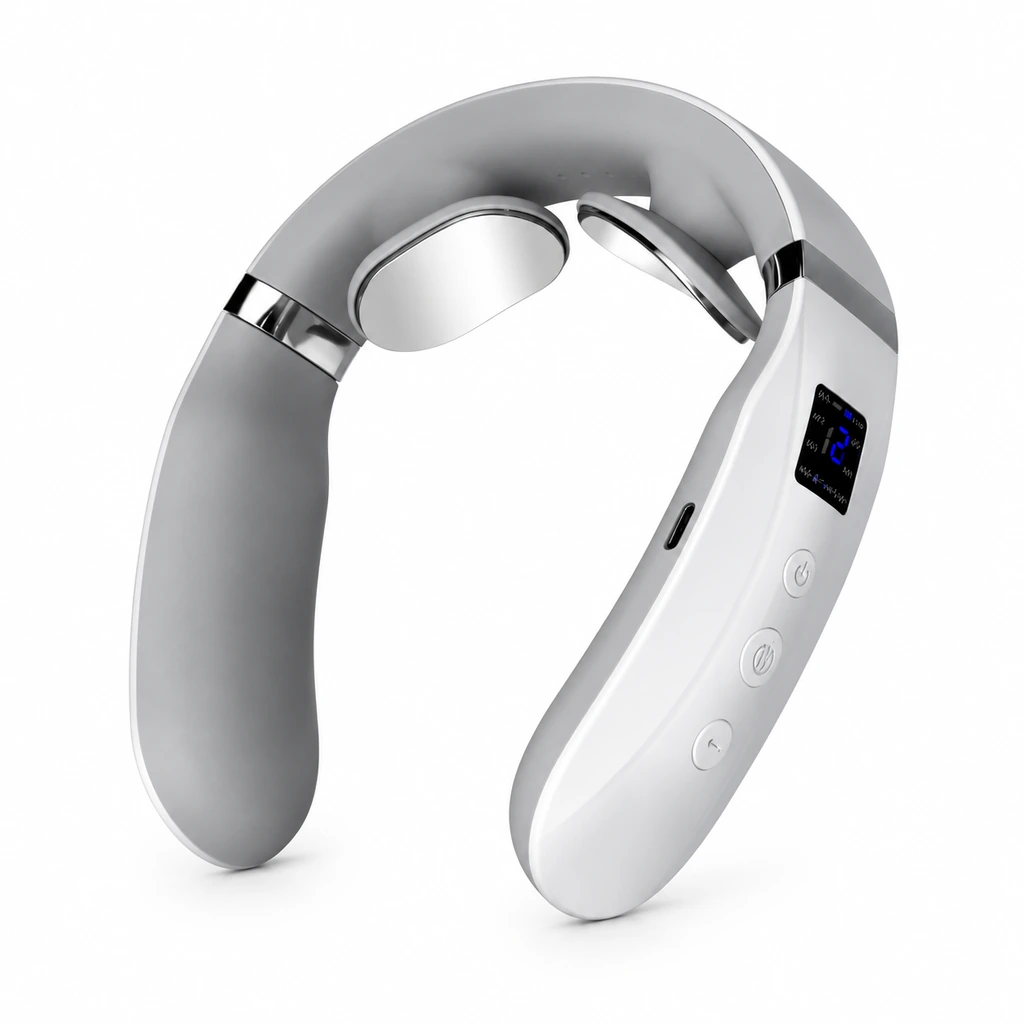
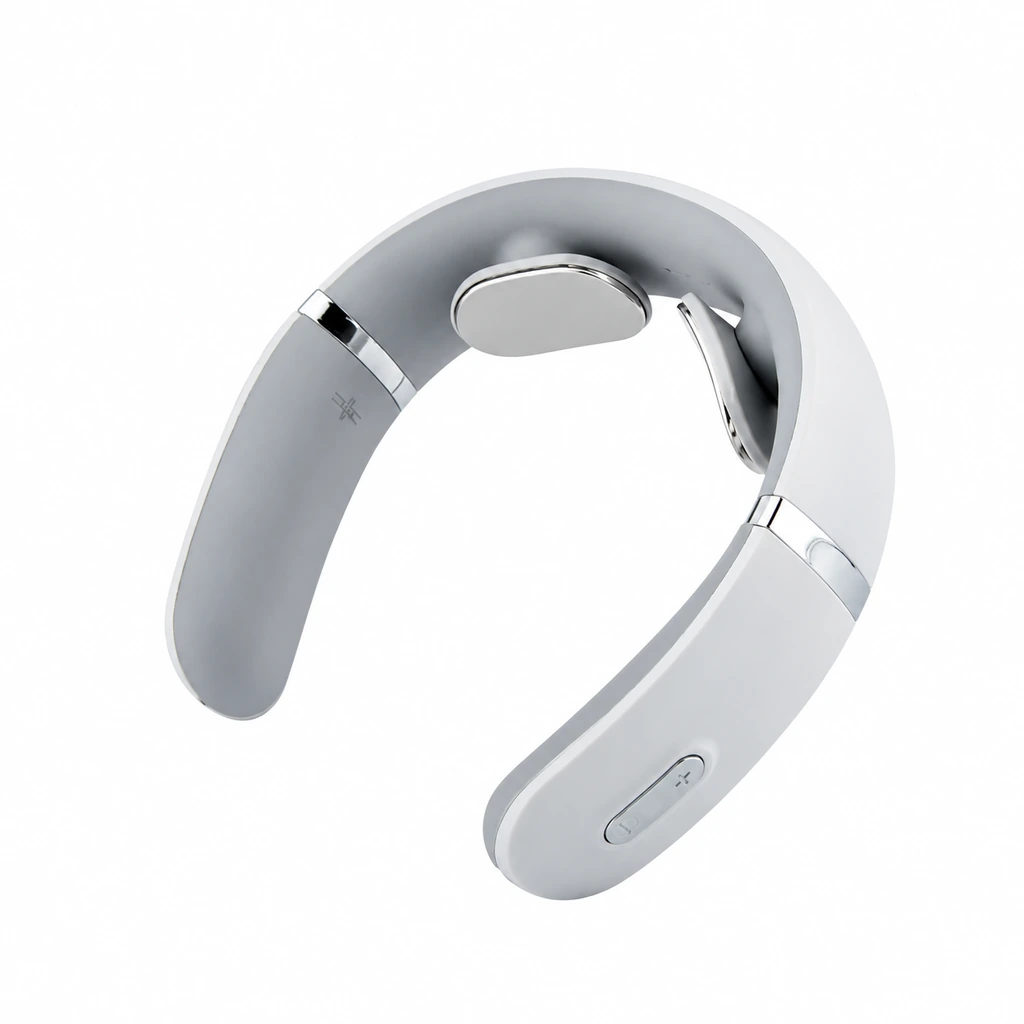
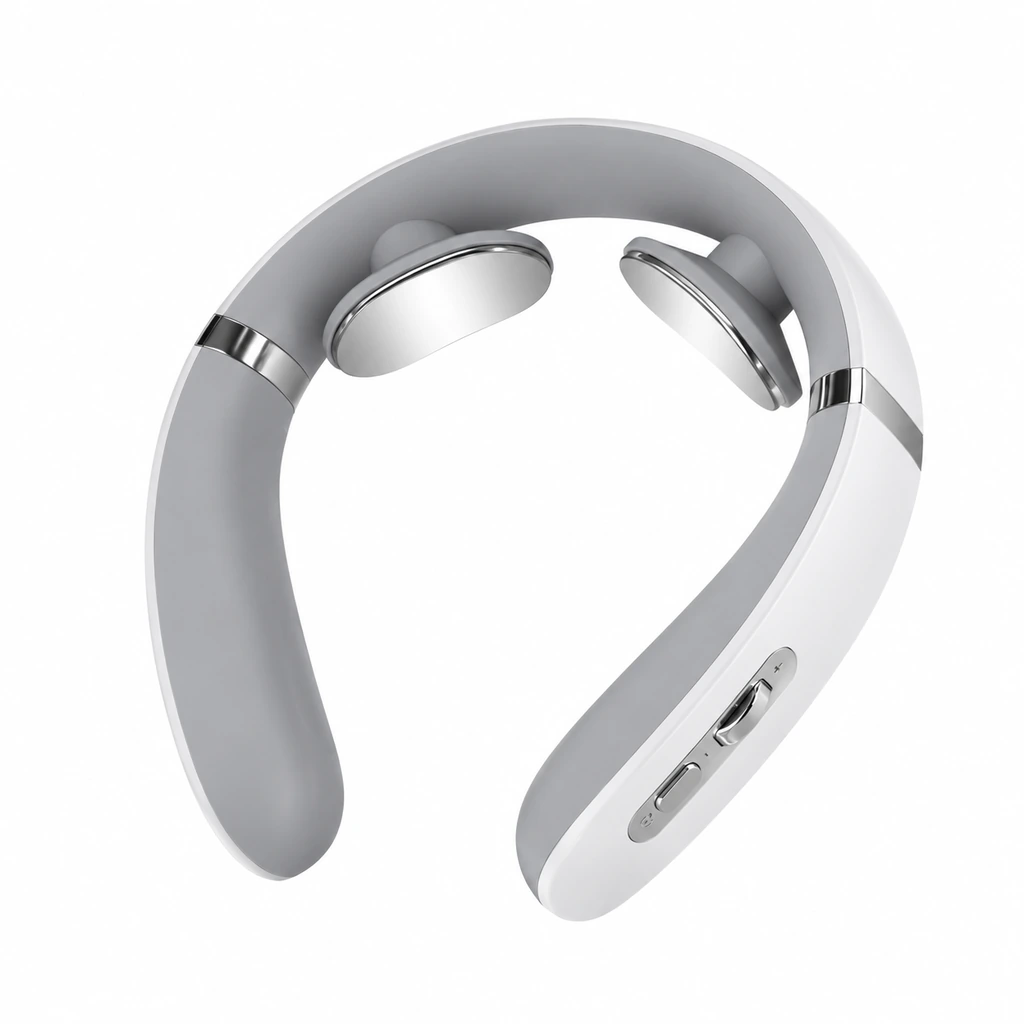
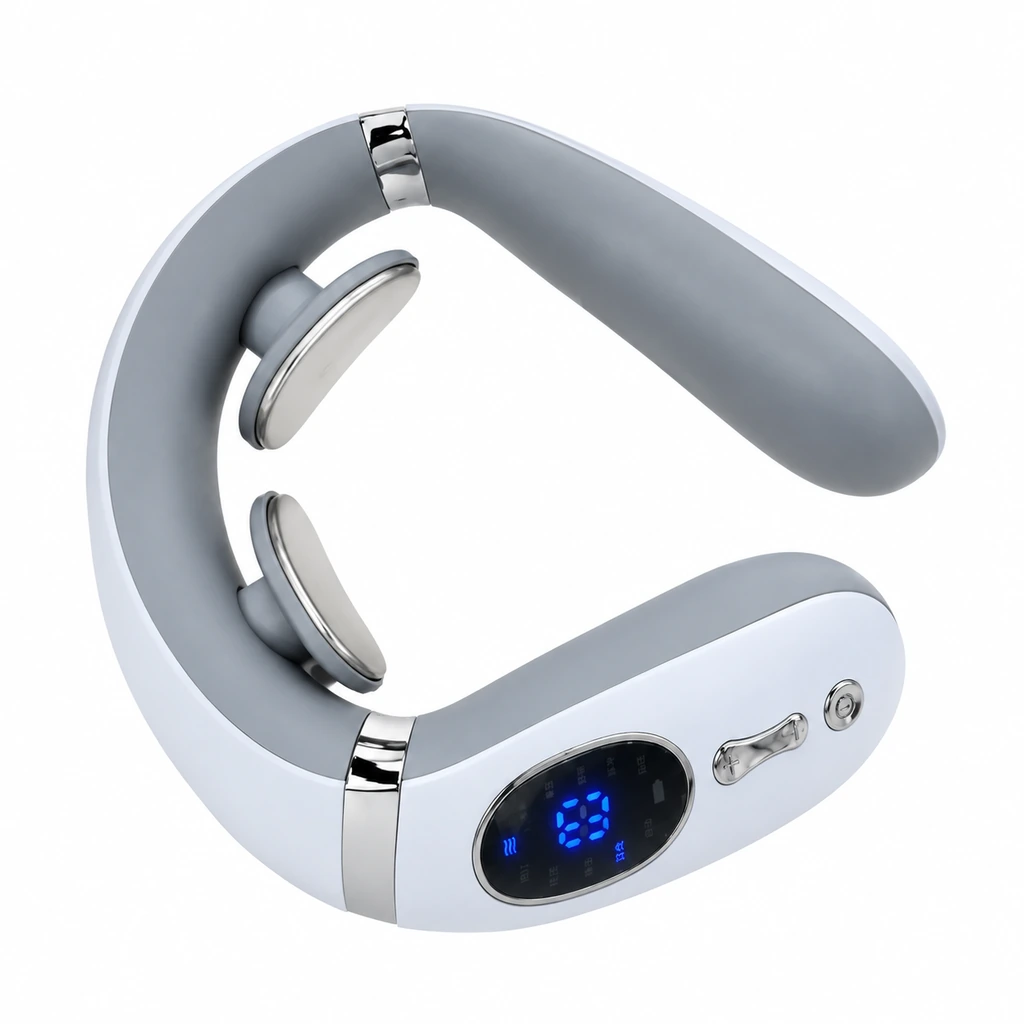
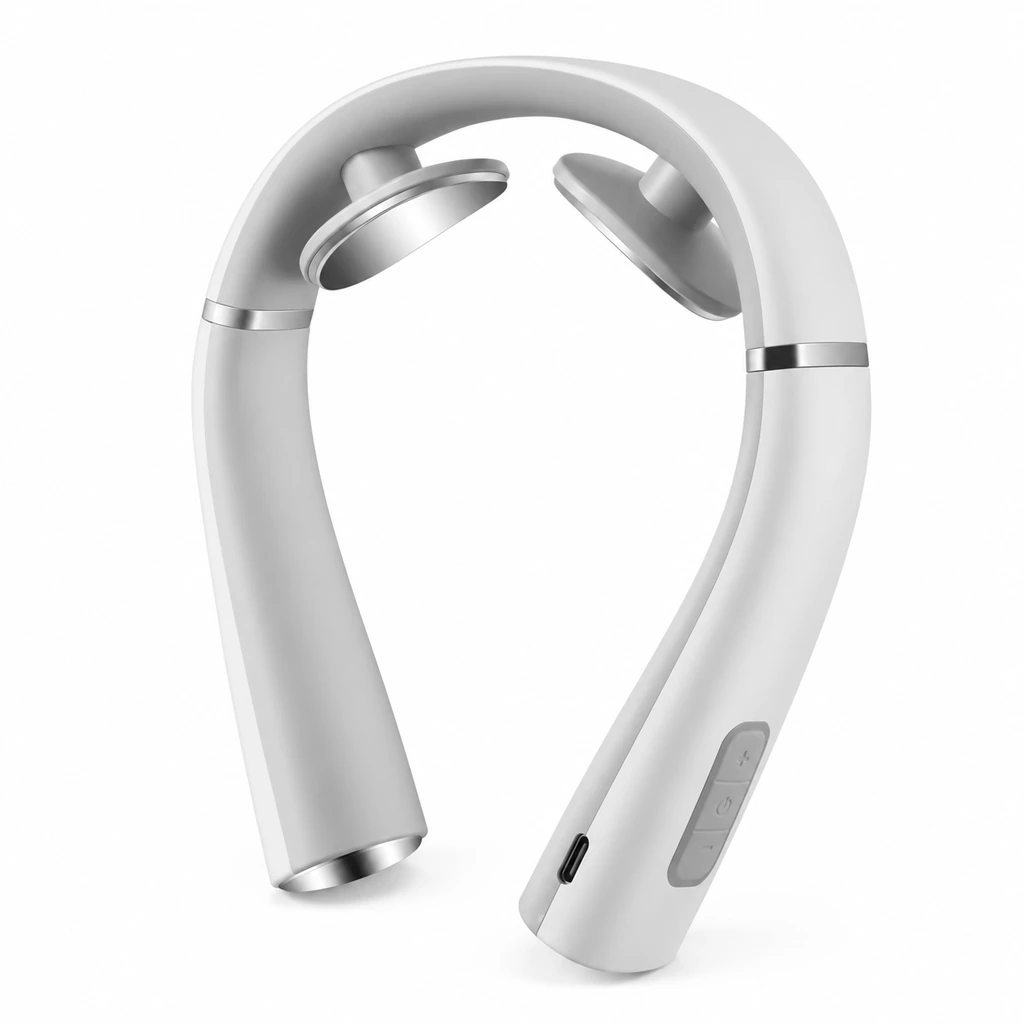
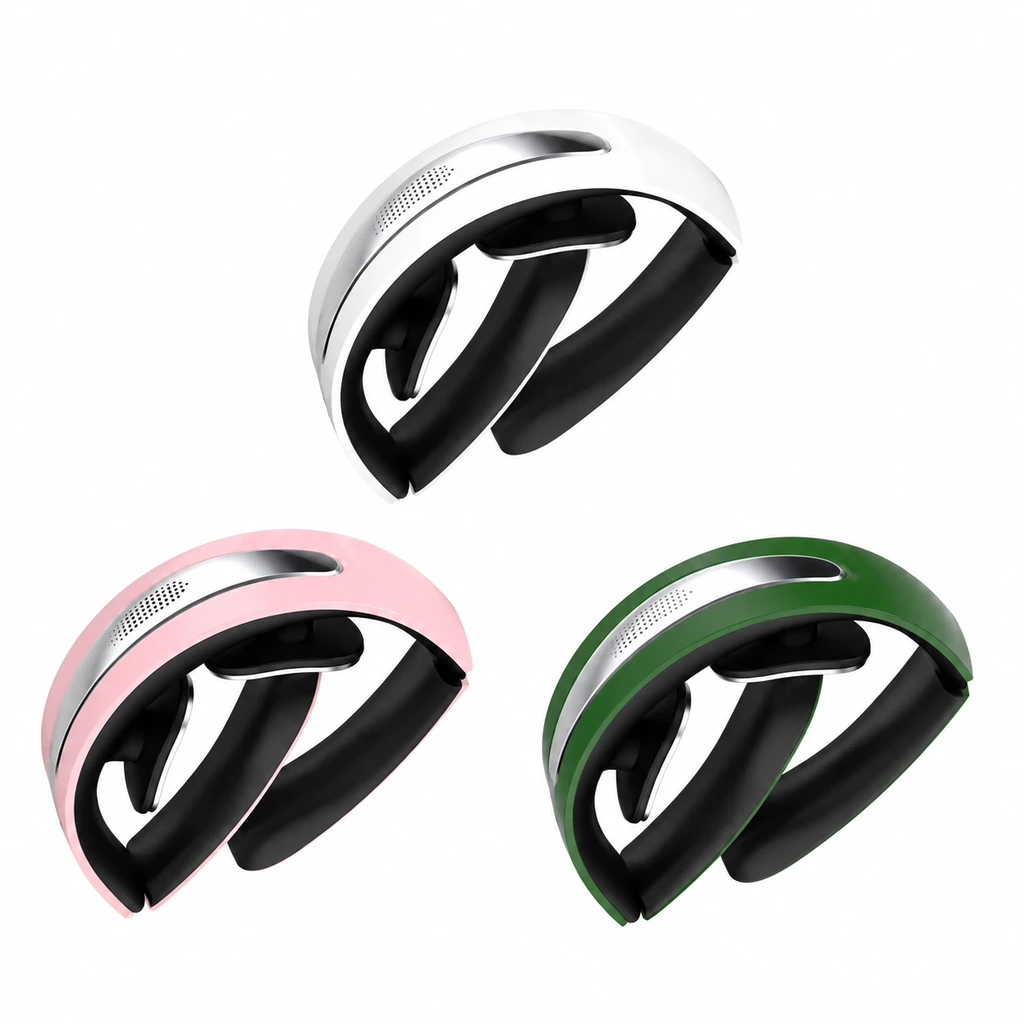
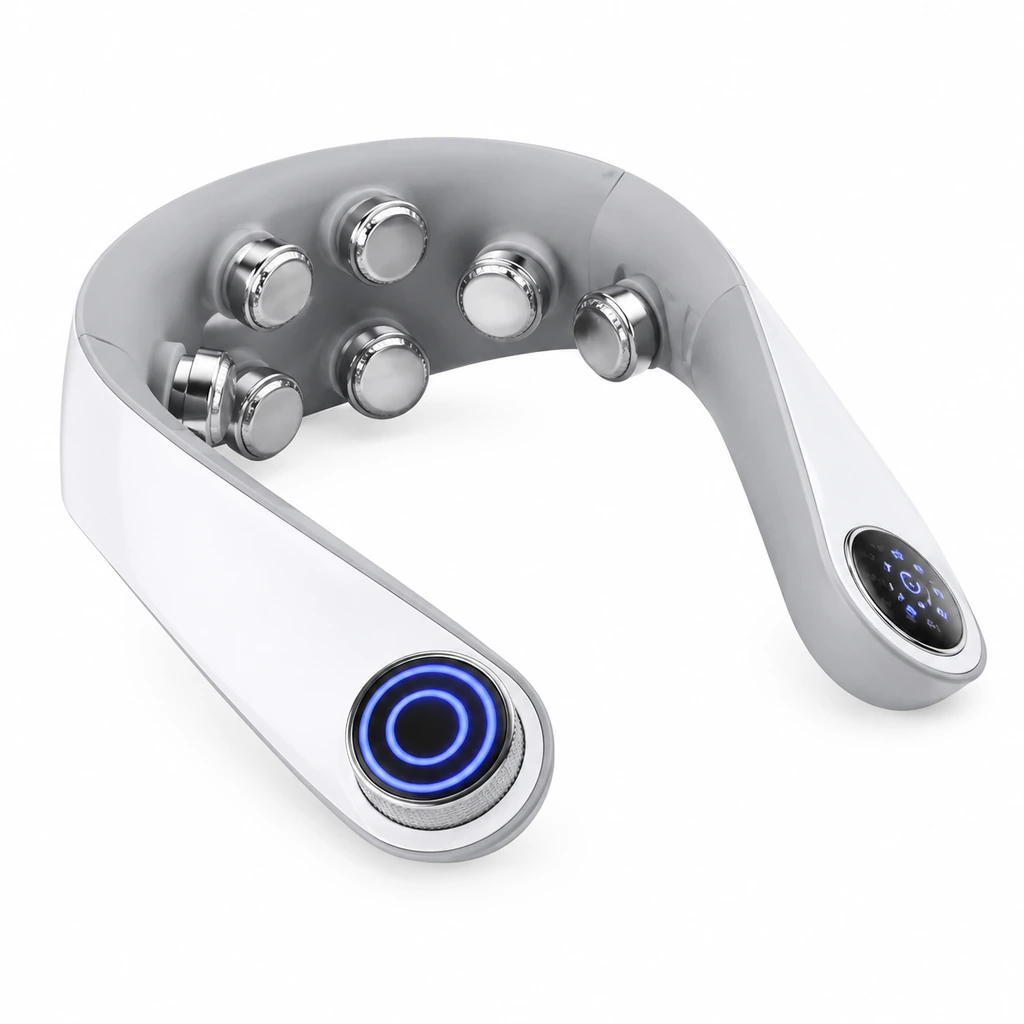
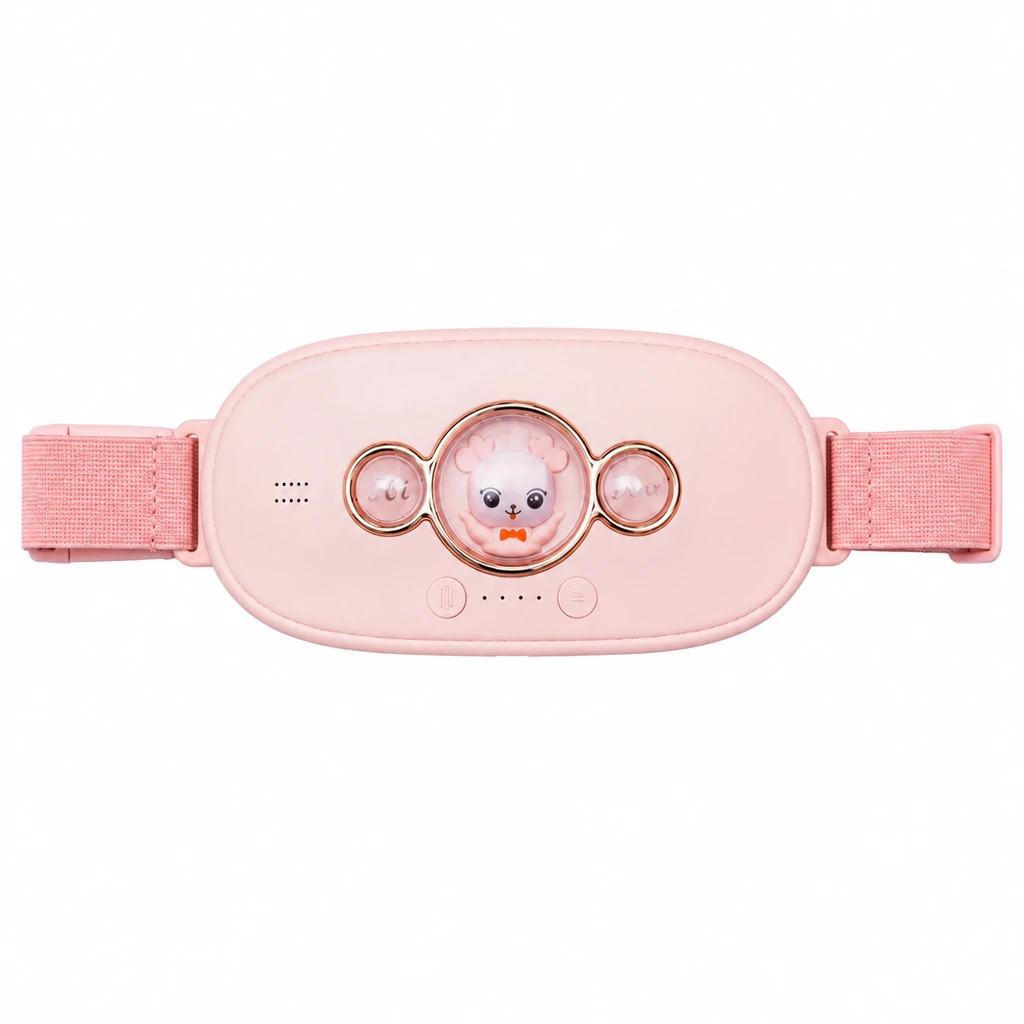
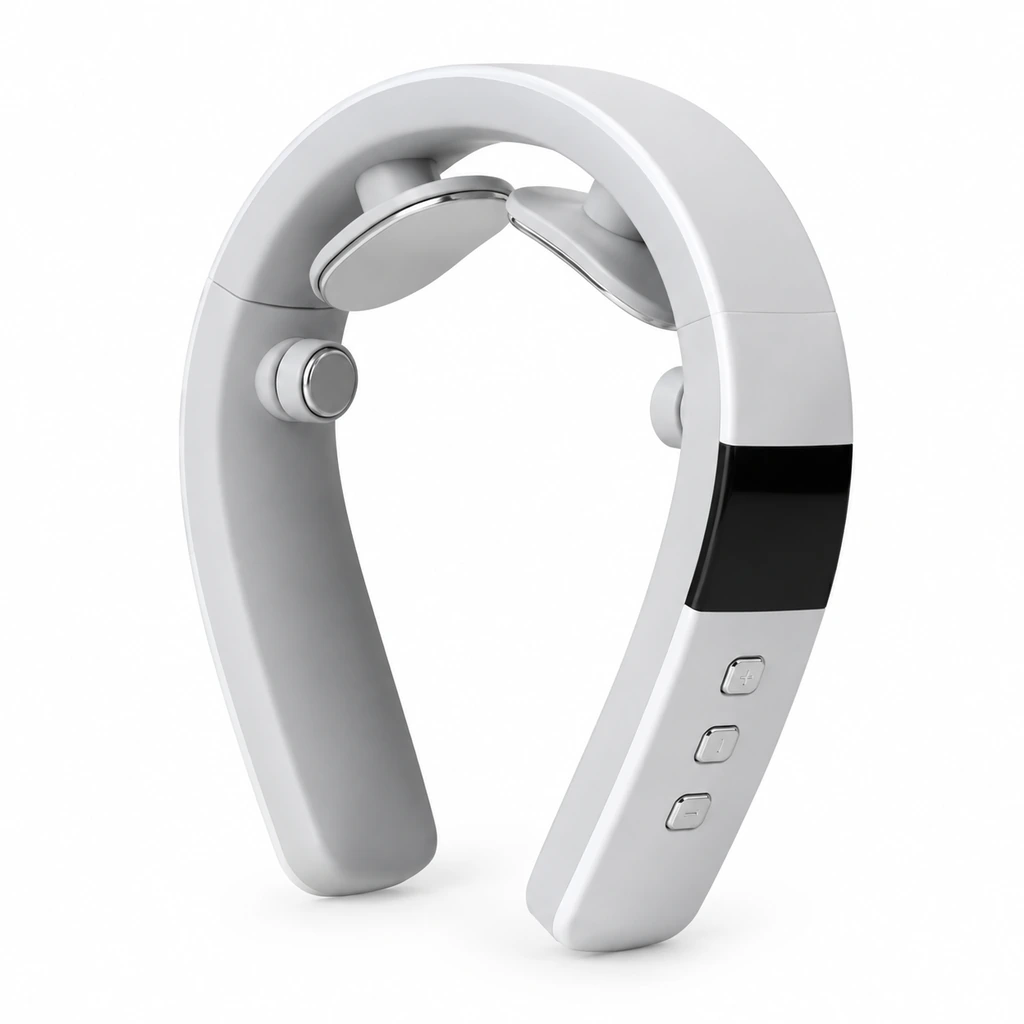
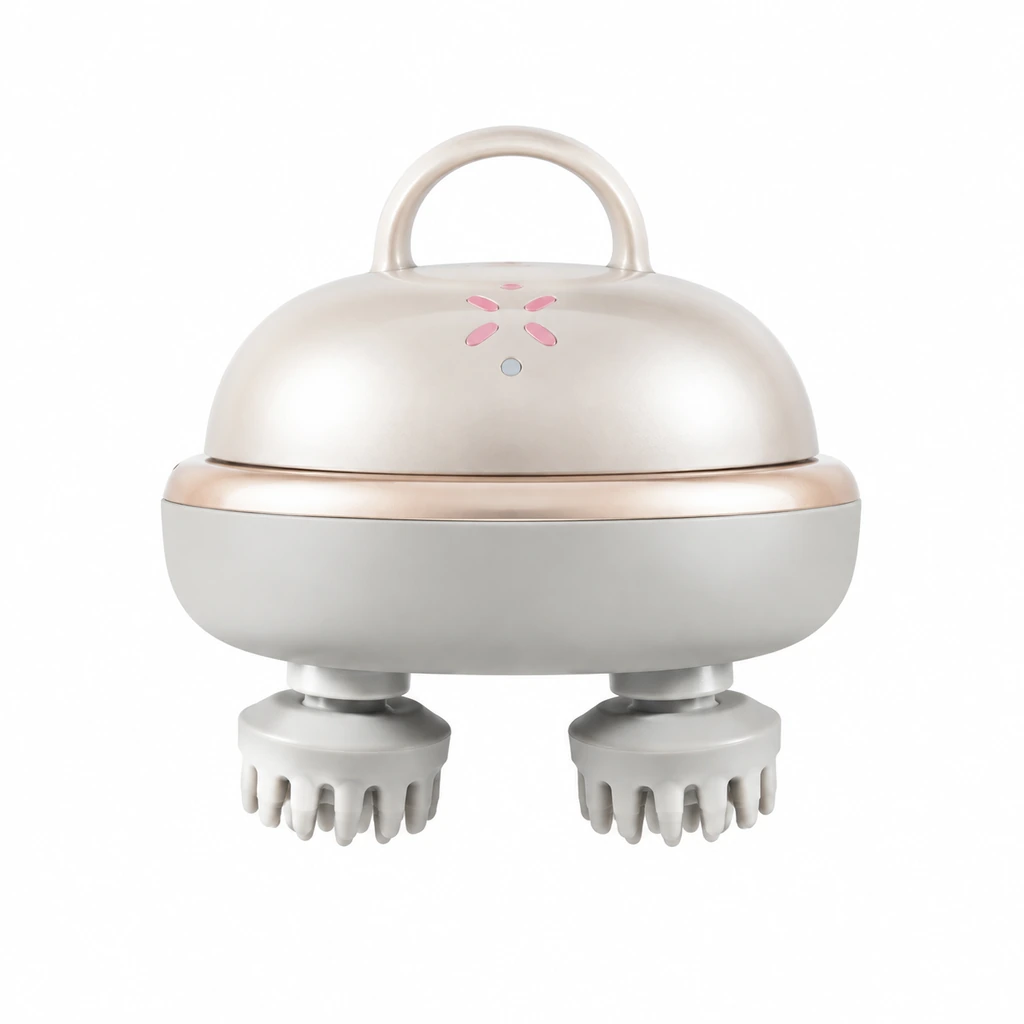
Cover image is an editorial illustration; it is not a photograph of an identified Meilan model.
Two suppliers may quote the same waist massager at different unit prices while pricing different projects. One may assume an existing product with a printed logo; another may include a revised belt, new sample rounds and retail packaging. Comparing the unit-price column alone hides the development work and the point at which a change becomes chargeable. This guide is for a buyer who has already chosen a reference model and needs a quote that can be approved, compared and converted into a purchase order.
Fix the quoted configuration first
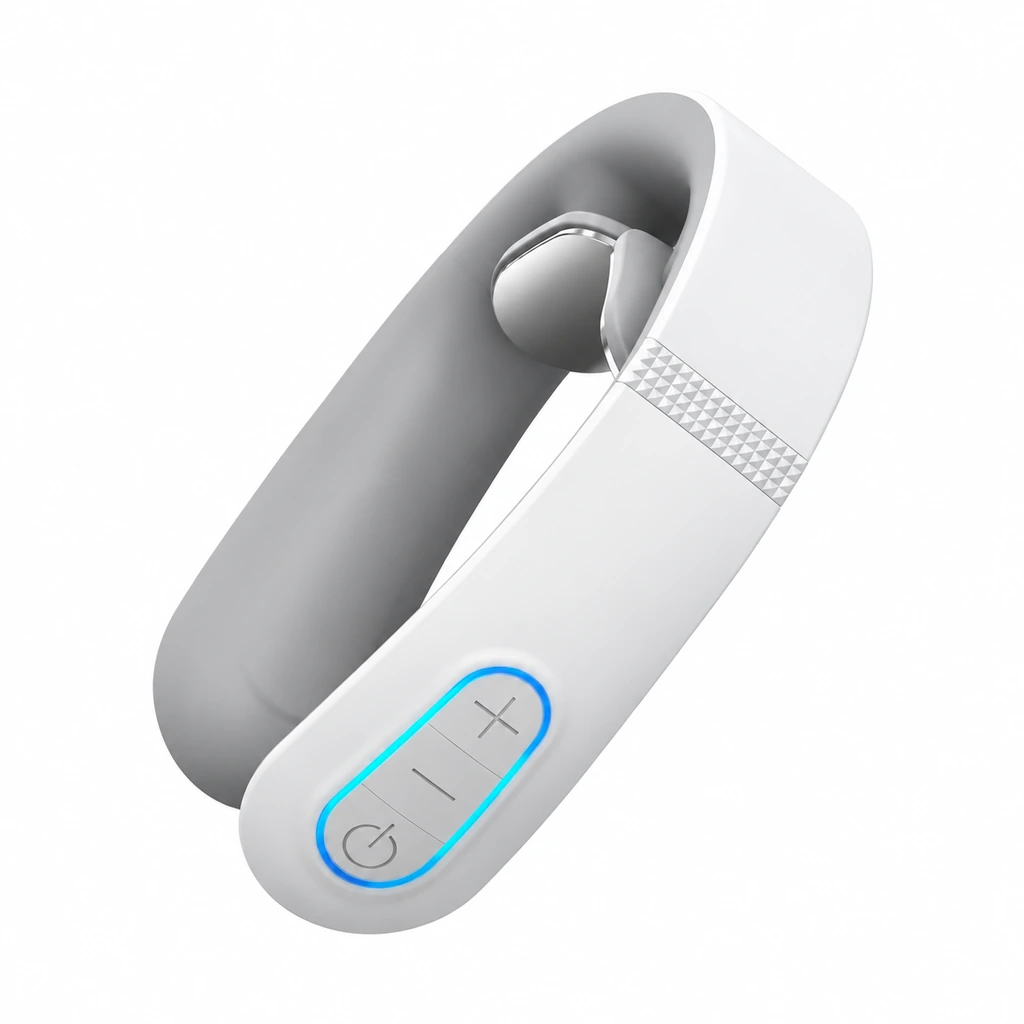
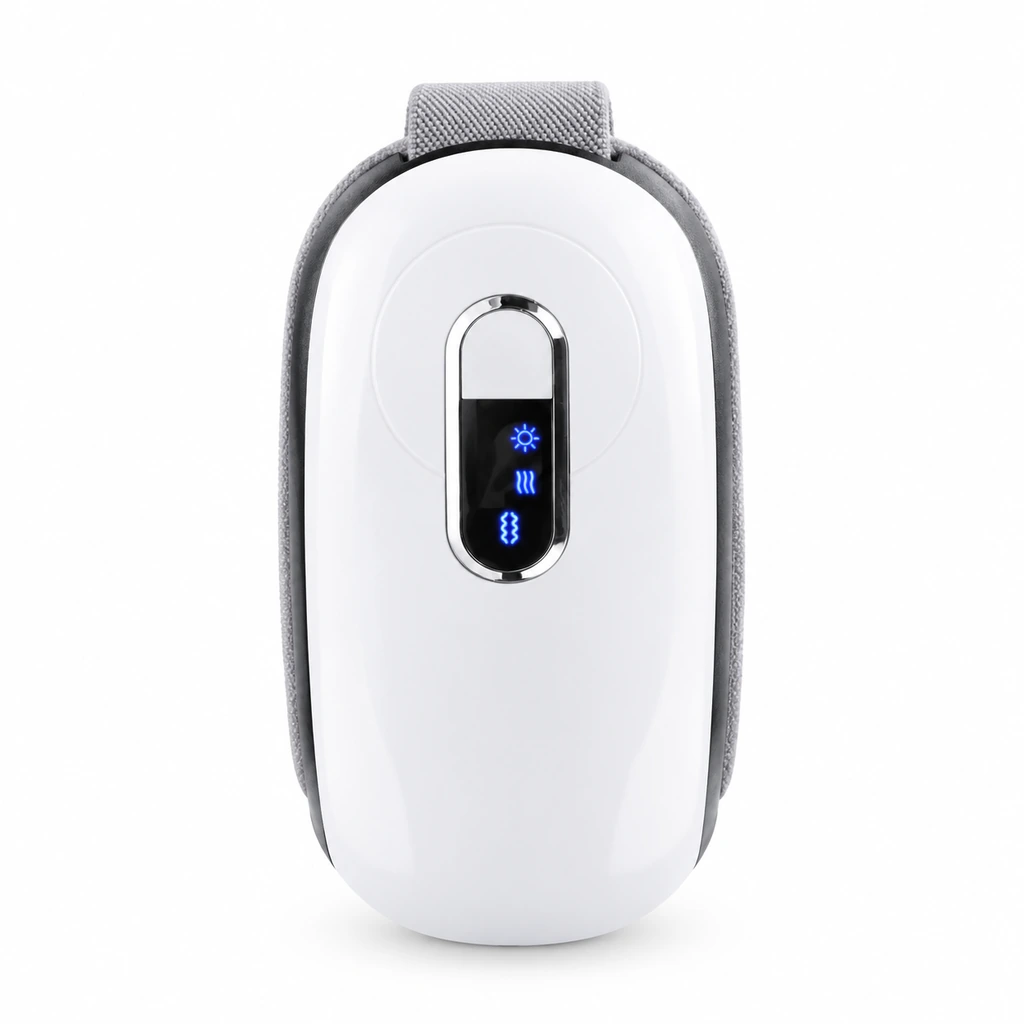
Ask each supplier to name the reference model, sample revision and intended market on the first page of the quotation. For example, Meilan A1 can be a discussion reference; its public product image is not evidence that an altered strap, panel or control layout is already available. Attach a marked photograph or specification to the RFQ and list only the changes being requested.
If the unresolved question is whether the belt needs a structural change at all, settle that before pricing development. Our structural-change briefing guide covers that earlier decision. This article starts after a defined configuration or change request exists.
| Product reference: Meilan A1 Waist Massager |
|---|
Use the current A1 as a baseline when identifying which configuration and proposed changes the quotation covers. Confirm the quoted version and any OEM modification in writing. View the A1 product |
Separate five price buckets
| Quote line | What the buyer should ask to see | Common exclusion to confirm |
|---|---|---|
| Development/engineering | Scope, deliverables, revision limit and acceptance point | Additional design directions or changes after approval |
| Samples | Quantity, sample version, freight and number of rounds | Extra rounds caused by a new buyer request |
| Tooling or fixtures | What is new, who owns it, maintenance and reuse terms | Replacement, storage or transfer costs |
| Mass production | Unit price at a stated quantity, configuration and Incoterm | Changes in components, yield assumptions or order volume |
| Packaging and print | Box, insert, manual, labels, languages and print proof | Artwork redesign, extra colors or new dielines |
Do not assume every project incurs all five charges. A logo on an existing approved configuration may be quoted very differently from a new fastening structure. Equally, a quoted tooling charge does not establish that a usable design has been approved. Ask for each line to be marked included, excluded, conditional or not applicable, with the condition written beside it.
Tie payment to evidence, not a vague milestone
For a development fee, request the output: revised drawing, bill-of-materials change record, prototype, test plan or another named deliverable. For a sample fee, record how many samples, which revision and where they will be shipped. For tooling, ask whether the price covers a production-ready tool or only a trial fixture, and how acceptance will be documented. The supplier's written proposal—not a generic checklist—must establish actual charges and ownership.
The commercial sequence should be explicit: RFQ configuration → feasibility response → approved sample and artwork → final production quotation → purchase order. If the unit price is provisional until sample approval, label it provisional. A purchase order should reference the approved sample and the exact quotation revision, not an old email attachment.
Price the change rule before a change happens
The most expensive ambiguity is often a late request that sounds small: a different belt length, another fabric, a translated manual or a new box insert. Ask the supplier to state which changes require a new sample, new testing, new print plate or revised lead time. Set a written approval owner on the buyer's side. No verbal change should silently replace the signed configuration.
A useful comparison sheet therefore has two columns beyond price: assumption and trigger for re-quote. If one supplier's price includes only one sample round and another includes two, the lower initial number may not remain lower. This is a scope comparison, not a prediction that either supplier will charge a particular amount.
Compare landed decisions, not just factory prices
Confirm currency, quote validity, payment terms, quantity breaks, Incoterm and the location where responsibility for freight transfers. Keep freight, import duties and market-specific compliance work visible as separate assumptions where they are not in the supplier quote. A quote for an intended US retail launch also needs the final claims and labeling reviewed against the actual product and market requirements; do not treat a generic certificate as blanket approval of a modified version.
Before approving, ask: Can the same team explain the five cost buckets, identify every exclusion, show the approved sample and name the event that changes price or lead time? If not, the quotation is not yet comparable.
Send a quote-ready brief
| Send a quote-ready waist massager brief |
|---|
Tell Meilan the baseline model and sample revision, requested changes, target market, estimated order quantity, packaging scope and preferred delivery term. Ask for a written breakdown of development, samples, tooling, production and packaging—plus exclusions and re-quote triggers. Submit an OEM quotation inquiry |

