



Scalp Massager Tooling: Questions Before a New Mold
A buyer guide to deciding whether scalp massager changes need tooling, defining the deliverables and approving trial parts before committing to production.
 Meilan Tech 8 min read
A brand likes the feel of a scalp massager sample but wants a lower handle, a different housing and softer contact tips. The request sounds like one redesign. For a tooling quotation, it may involve several separate parts, different materials and changes to how the product fits together.
Before commissioning scalp massager tooling, agree which parts will change, which interfaces must stay compatible, what the tooling payment delivers and how the first molded parts will be approved. A rendering communicates appearance; it does not settle those decisions. Start with an existing sample and a marked change brief, then ask for a feasibility review before authorizing tool manufacture.
1. Describe the buying problem before drawing a new shape
“We need an exclusive design” gives a supplier little basis for choosing an engineering route. Explain the problem the new shape must solve. Perhaps a salon demonstrator needs a more secure grip with damp hands, a retail display needs a lower product profile, or the buyer wants a distinctive appearance while keeping the existing replacement heads. These are different briefs even if they begin with the same reference model.
State what must remain unchanged as carefully as what should change. Keeping the current head connection, charging arrangement or internal assembly may constrain the new exterior. If the supplier proposes changing one of those items, ask for a separate explanation and approval rather than allowing it to disappear into the styling work.
| Brief field | What the buyer should supply | What the supplier should clarify |
|---|---|---|
| Commercial purpose | Target user, channel and the problem with the reference sample | Whether an existing option can address it |
| Changed parts | Marked photos or drawings identifying each proposed change | Affected parts, interfaces and likely tooling scope |
| Retained parts | Connections, accessories and functions that must stay compatible | Any conflict with the proposed design |
| Approval evidence | The observation or measurement that would resolve the buying concern | Which sample stage can demonstrate it |
| Decision owner | Named person approving drawings, samples and commercial changes | Who releases each stage for the supplier |
This brief helps distinguish a worthwhile product change from a visual preference that can be addressed through an available color, branding or packaging option. Availability still needs confirmation for the quoted model; an option shown elsewhere in a supplier’s range is not automatically transferable.
2. Ask which changes actually require new tooling
Ask the supplier to map every request to a part, process and proposed tool. A logo may be applied to an existing surface, while a molded logo or changed surface geometry may require a tool modification or a separate insert. A different contact-tip shape may affect a head mold without requiring a completely new main housing. The route depends on the current construction, material and tool condition.
A color change also deserves a precise question. Is the proposal a different material color, a surface finish or a coating? What will be used to approve color and texture, and could the choice affect the intended contact or cleaning conditions? Do not let a color reference silently become approval of a different material.
When a supplier suggests modifying an existing tool, ask which features remain fixed and whether the modification changes access to the original version. When the proposal is a new tool, request a part-by-part scope. A single line reading “new mold” is difficult to compare with a quotation that separately includes a housing, handle and contact-head tool.
| Product reference: use an existing T1 sample to locate the change | |
|---|---|
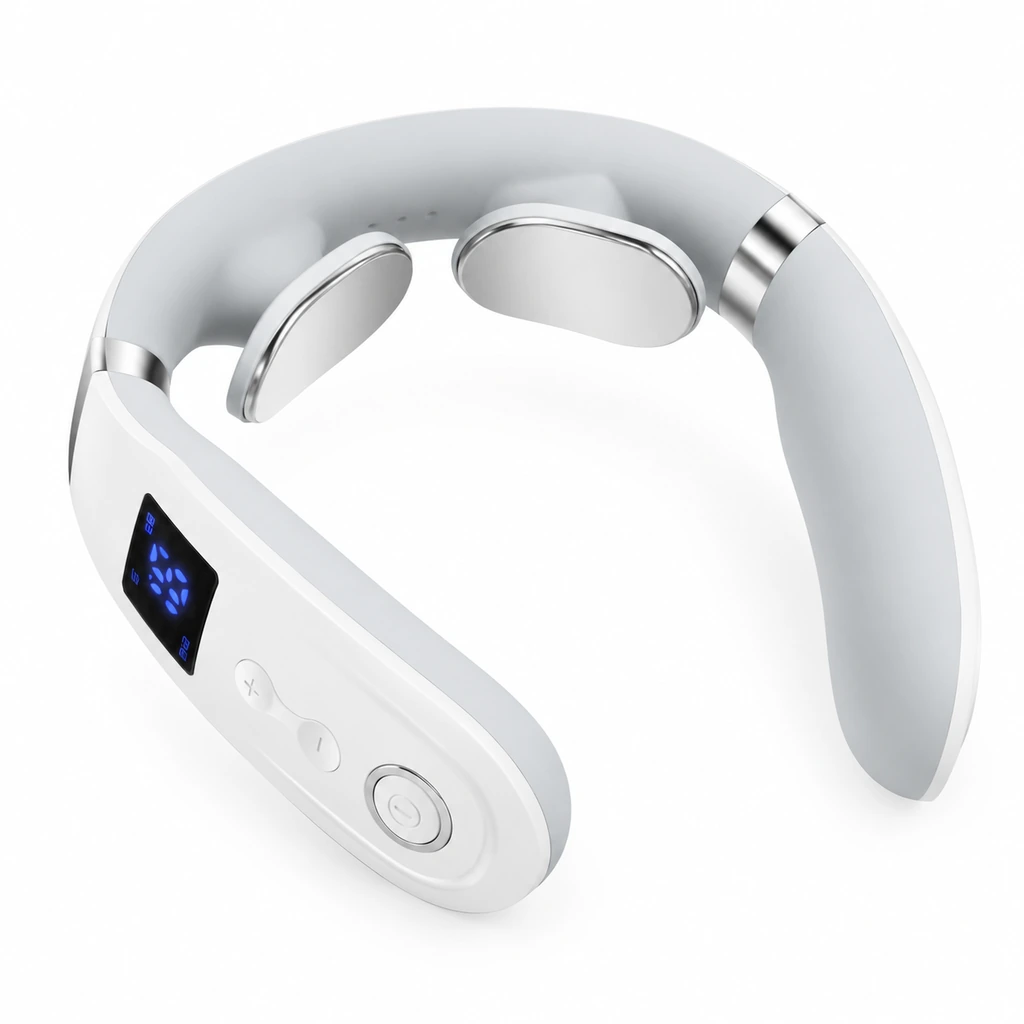
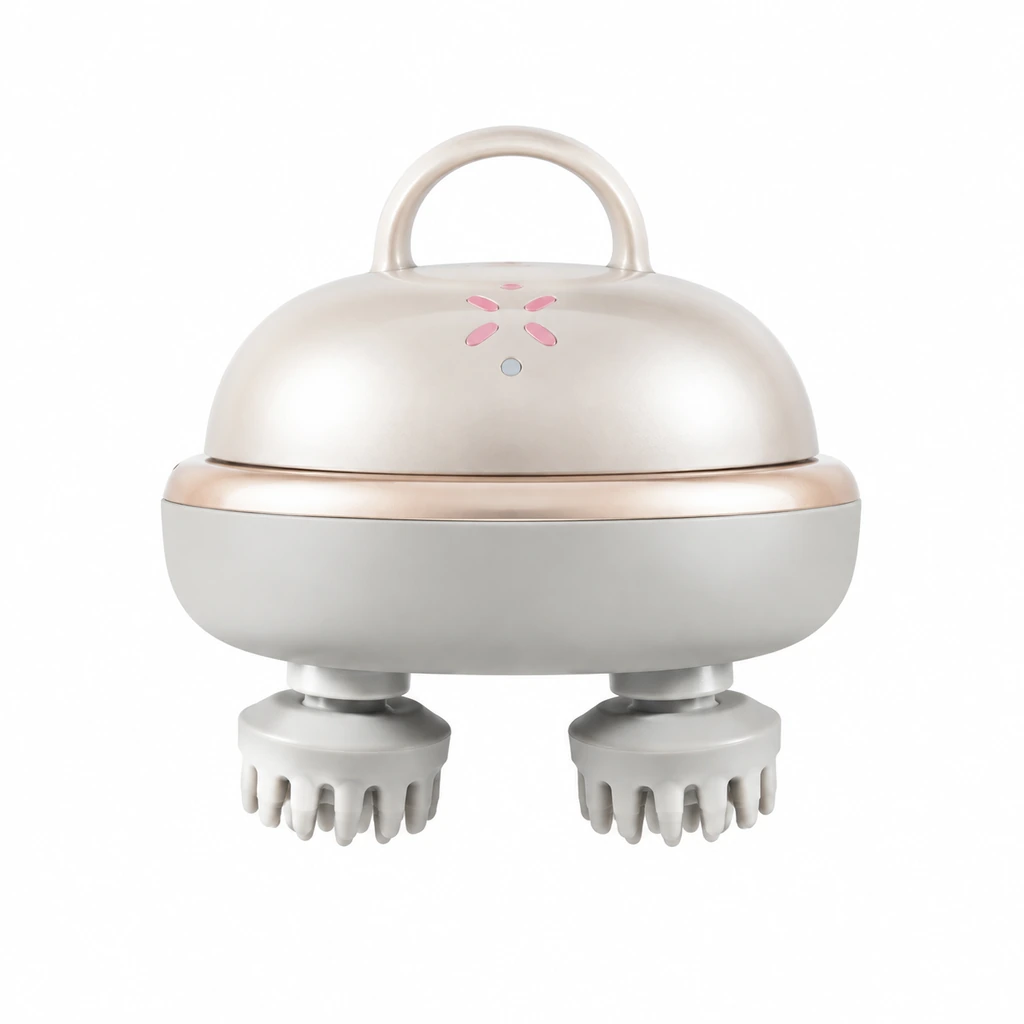 | Meilan T1 scalp massager The official photograph provides a shared visual reference for marking the upper handle, housing boundary and head area. It does not establish that any of these parts can be redesigned, or that custom tooling is available. |
3. Review the connections before approving the exterior
A scalp massager’s exterior connects to parts that the buyer may not see in a hero photograph. A revised housing must still accommodate the internal assembly. A changed grip can affect access to a control. A new head attachment can affect retention and replacement-part compatibility. Ask the supplier to identify the relevant interfaces on a drawing or marked sample before the appearance is signed off.
For the contact-head area, separate the tip geometry from the attachment geometry. Wanting a different contact feel does not necessarily mean wanting a new connection. If compatibility with existing spare heads matters, name the reference part and ask how fit and retention will be checked. Do not approve compatibility from a picture of two similar-looking heads.
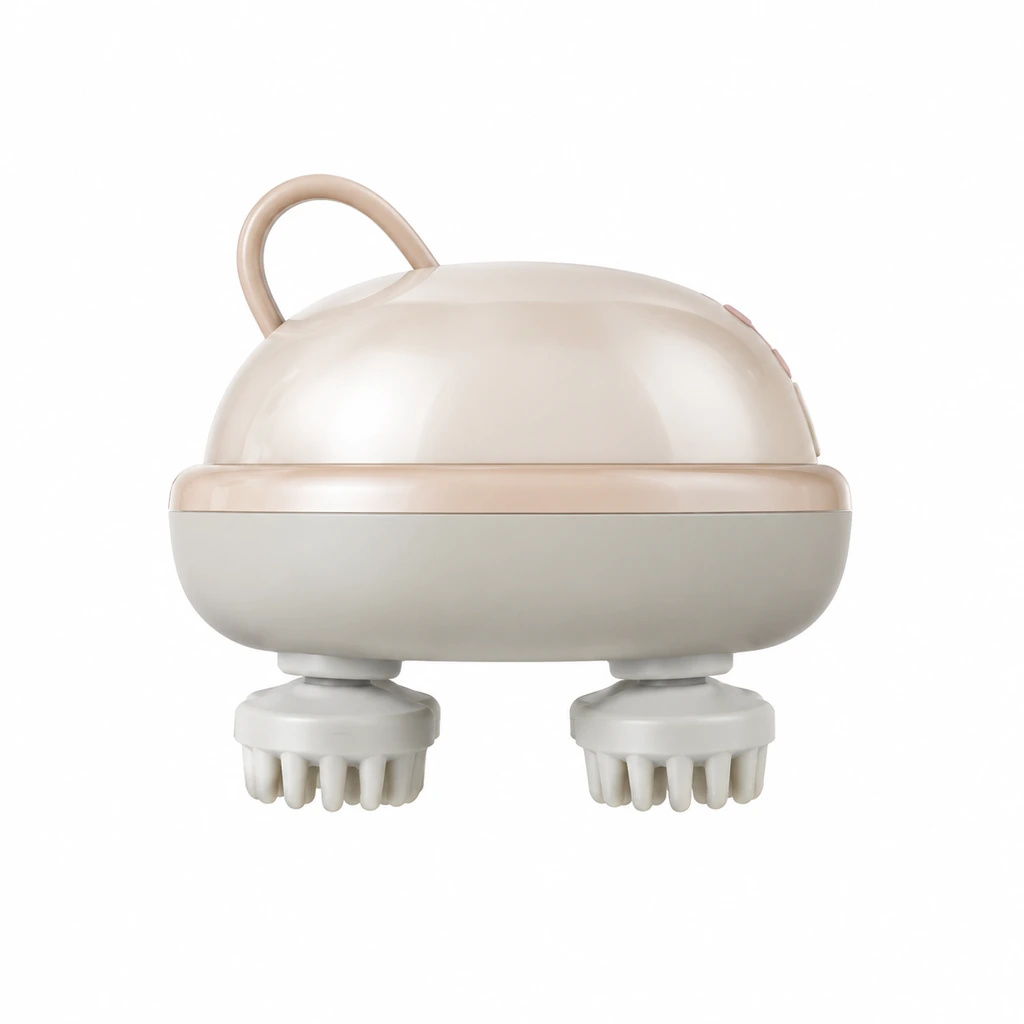
If the change affects joints, openings or head removal, discuss cleaning and any intended wet-use claim separately. Existing product information cannot establish the performance of a redesigned enclosure. Agree which checks and supporting documents must be reviewed for the changed configuration before retaining claims in the instructions or retail listing.
4. Make the tooling quotation describe a deliverable
The useful question is not simply “How much is the mold?” Ask what the price buys and what happens between drawing approval and accepted parts. Separate design work, prototypes, tool manufacture, trial parts, agreed correction work and production-unit pricing. Ask which items are included, excluded or dependent on a later decision.
Tool life and production capacity should be discussed in the context of the proposed material, part design, tool construction and maintenance arrangement. Request the supplier’s proposed basis; do not adopt a generic cycle count or assume that a tool quotation guarantees a monthly output. For a project with uncertain demand, ask how the proposed tooling approach fits the initial order plan and possible later volume.
| Quotation item | Question to resolve before approval |
|---|---|
| Design output | Which drawings or files are delivered, in which format, and at which approval stage? |
| Tool scope | Which part and revision does each tool or insert produce? |
| Trial parts | Which material, finish and assembly state will be provided for review? |
| Corrections | How are scope corrections distinguished from buyer-requested design changes? |
| Schedule | Which dates depend on buyer approvals, supplied files or successful trial results? |
| Production handoff | What must be accepted before the production order can be released? |
Keep the tool quotation and unit quotation linked to the same part revisions. A lower unit price is not a complete comparison if one offer excludes the finishing step or head material used in the other offer.
5. Give each sample stage a different approval job
A visual model can help assess proportions and grip access. Depending on how it is made, it may not reproduce the production material, head retention or working mechanism. Ask what each prototype represents before using it to approve performance.
The first trial parts from a tool answer a different question: can the proposed process produce parts that meet the agreed drawing and assembly requirements? Review the relevant dimensions, visible defects, joint alignment, head fit and control access against the agreed criteria. Cosmetic acceptance needs its own reference for color, texture and allowable visible marks. A working sample alone does not settle those items.
Illustrative example: a buyer asks for a lower loop handle while retaining the current head assembly. The initial visual prototype supports a discussion about grip clearance. The supplier then identifies the housing-to-handle connection as an affected interface. Before tooling release, the parties agree the drawing revision and the checks for the trial assembly. The buyer has approved a defined change, rather than approving a rendering and discovering a changed connection after payment.
Record each open issue with the affected part, observation, required response and person approving the recheck. Do not treat the number of trial rounds as a universal rule. Agree what evidence closes the specific issue and what commercial approval is needed if the buyer expands the scope. For the broader operating review after a sample is available, use the T1 sample evaluation plan.
6. Settle custody and usage rights before paying for the tool
Tool ownership, physical custody, design-file access and permission to manufacture are separate questions. Put the agreed answers in the project documents before committing funds. Ask who records the tool identifier, where it is stored, who maintains it and how it is protected while the project is inactive.
If transfer matters, discuss the release conditions, available files, transfer costs and practical requirements for another factory to use it. Ownership of a physical tool does not by itself settle all design rights or guarantee that another production line can use it without further work. Where exclusivity is requested, define the covered design, territory, channel, period and exceptions in the agreement instead of relying on the phrase “private mold.”
Finally, identify the version that may enter production. Keep the approved drawing, material specification, accepted sample record and unresolved-item decisions together. Packaging artwork and brand authorization remain separate workstreams; this tooling approval should not silently approve them.
| Planning a scalp massager design change? |
|---|
Send Meilan the reference model, marked front and underside photos, the change you need, the parts that must remain compatible, your target market and your initial order plan. Ask for a feasibility discussion that separates an existing-model option, a tool modification and new tooling. Request the affected-part scope, proposed trial evidence and commercial exclusions before choosing a route. |
The next useful step is a scoped feasibility response. Authorize tooling when the proposed part changes, deliverables, acceptance evidence and commercial responsibilities are clear enough to review together.

