





Scalp Massager Factory Remote Review
Plan a model-specific remote factory review: connect the workshop walkthrough to T1 configuration, lot traceability and inspection records, then define the next purchasing step.
 Meilan Tech 9 min read

A useful scalp massager factory remote review starts with a defined model and a traceable evidence pack. Before the call, agree which site, processes and records will be shown; during it, connect a selected product to its production and inspection history. For procurement and quality managers considering T1, the outcome should identify what supports the next purchasing step and what still needs sample testing or an on-site check.
1. Define the decision before booking the tour
A distributor preparing its first order needs to know whether the supplier can explain and control the proposed configuration. A quality manager reviewing a repeat order may instead need to investigate a change in assembly, inspection or subcontracting. Those are different review objectives. State the purchasing decision in the invitation so the supplier brings the people and records needed to answer it.
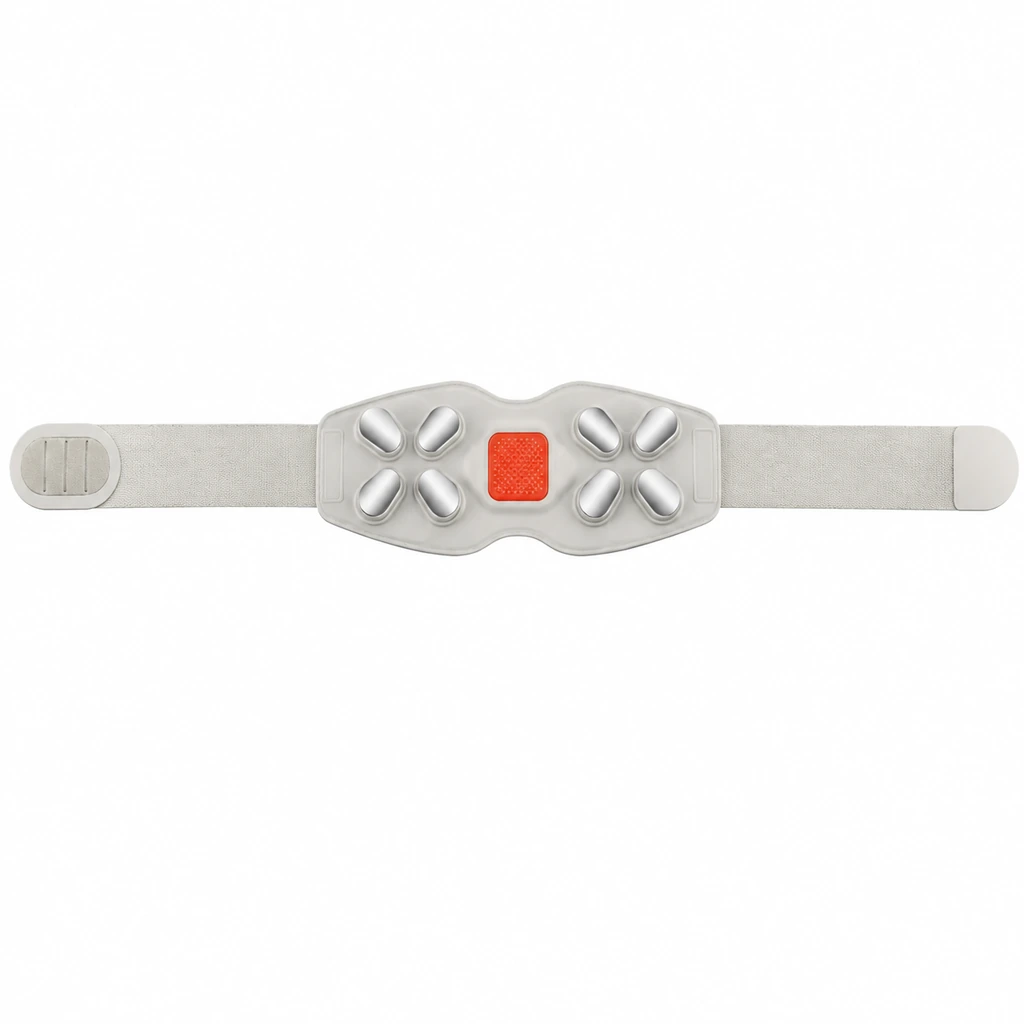
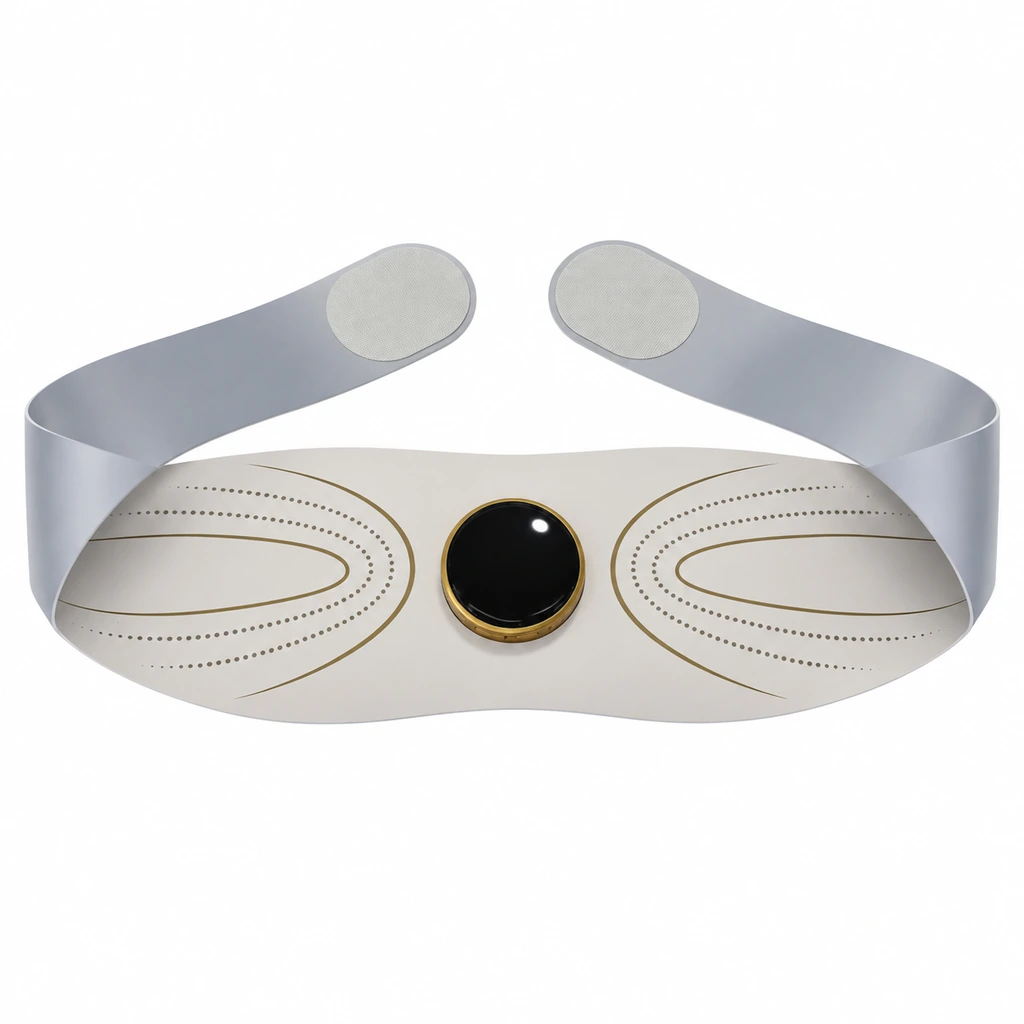
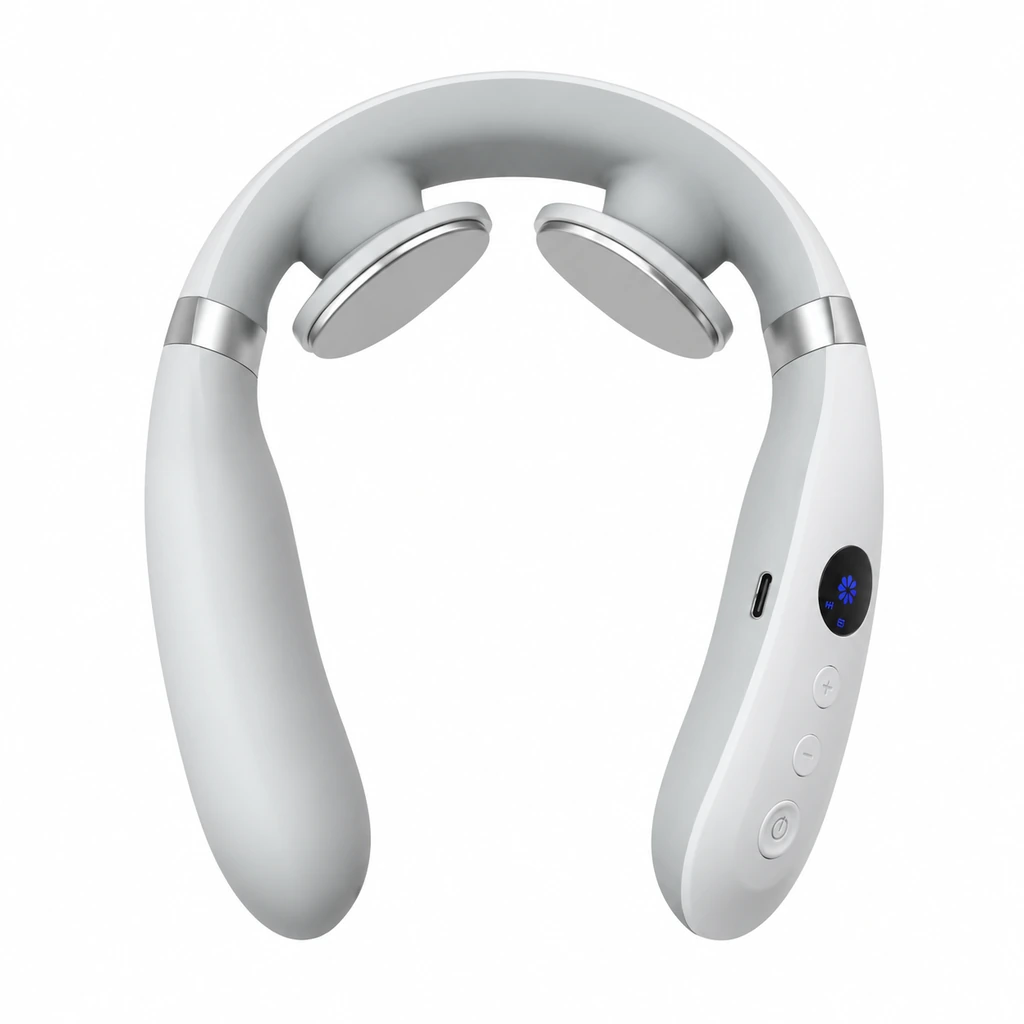
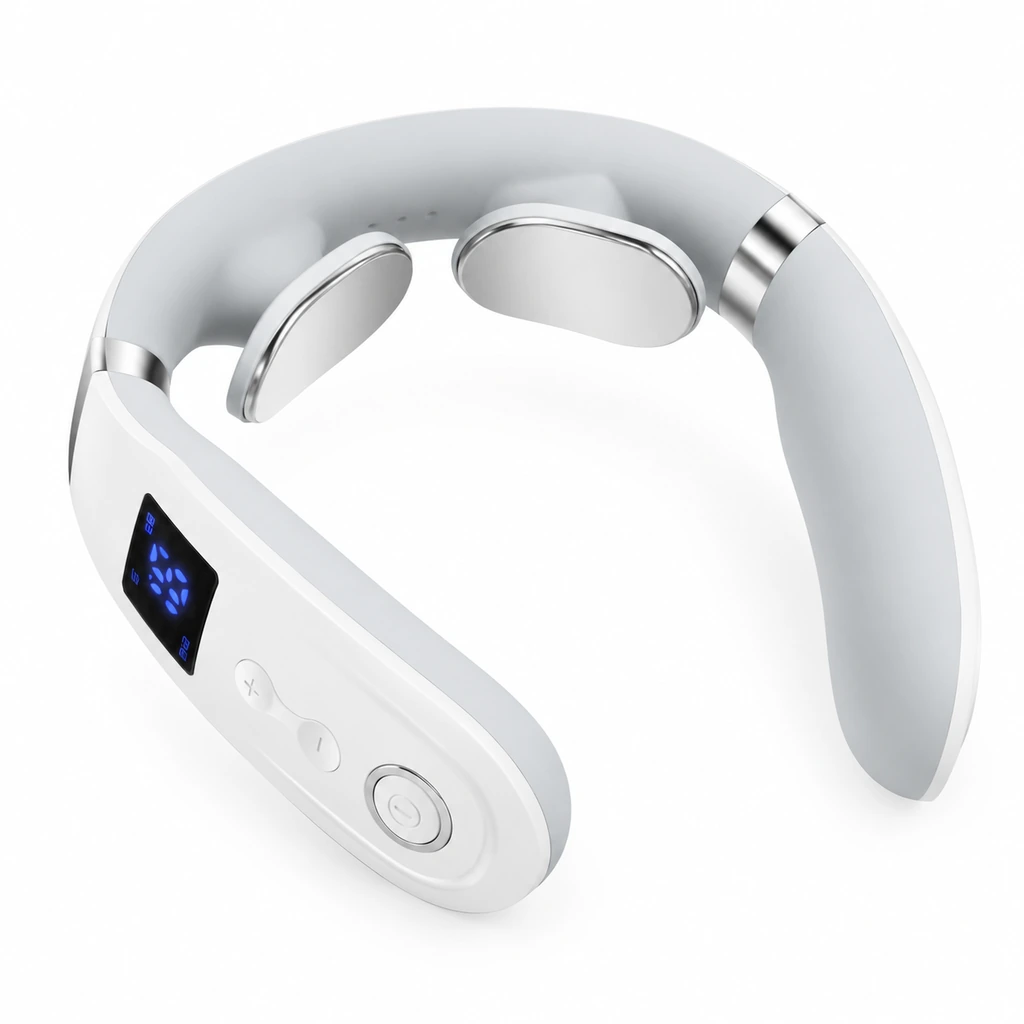
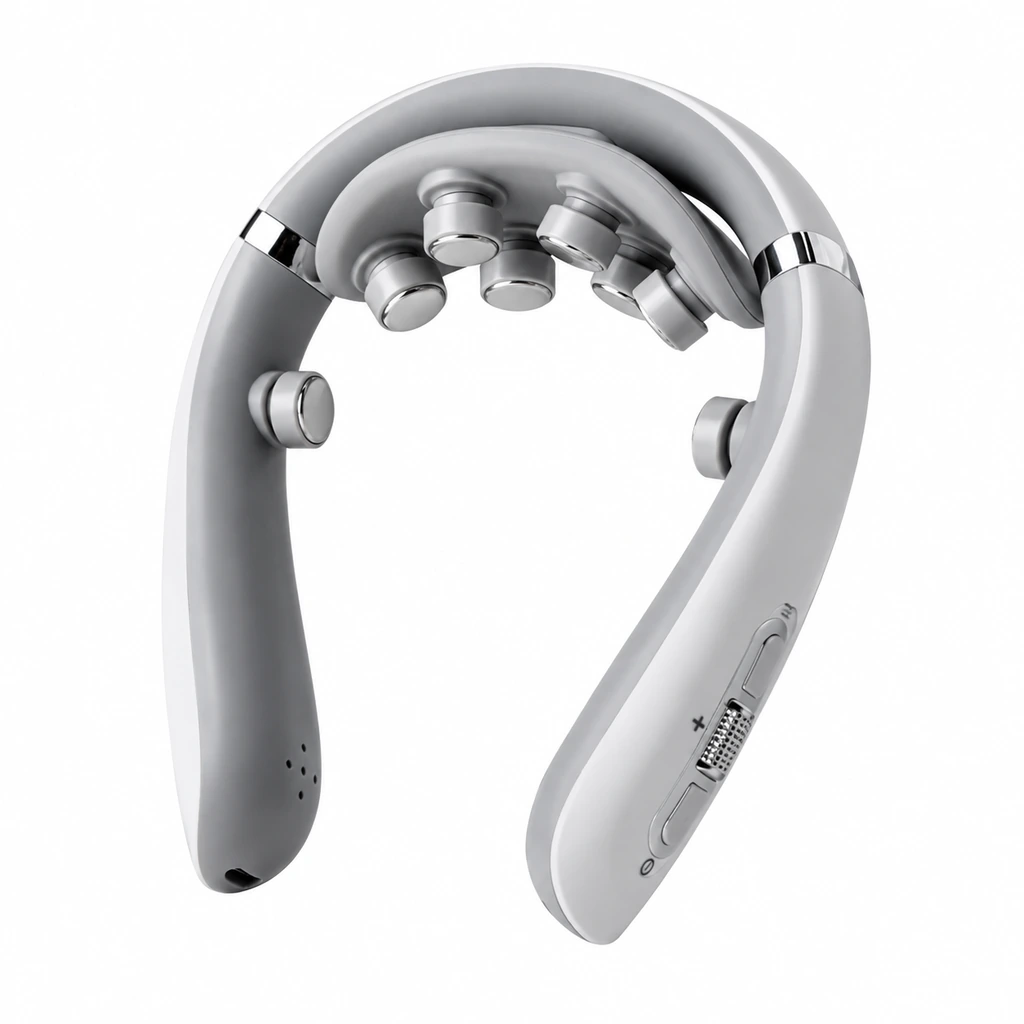
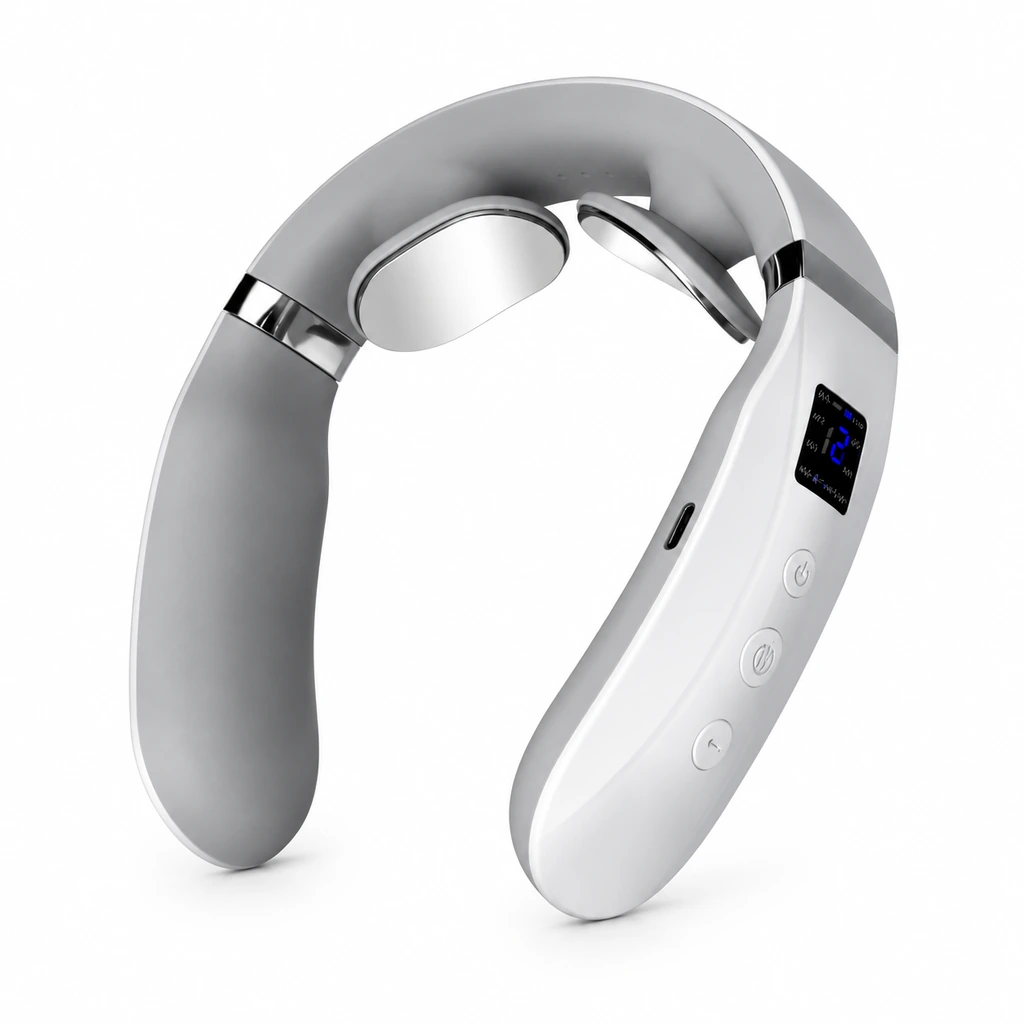
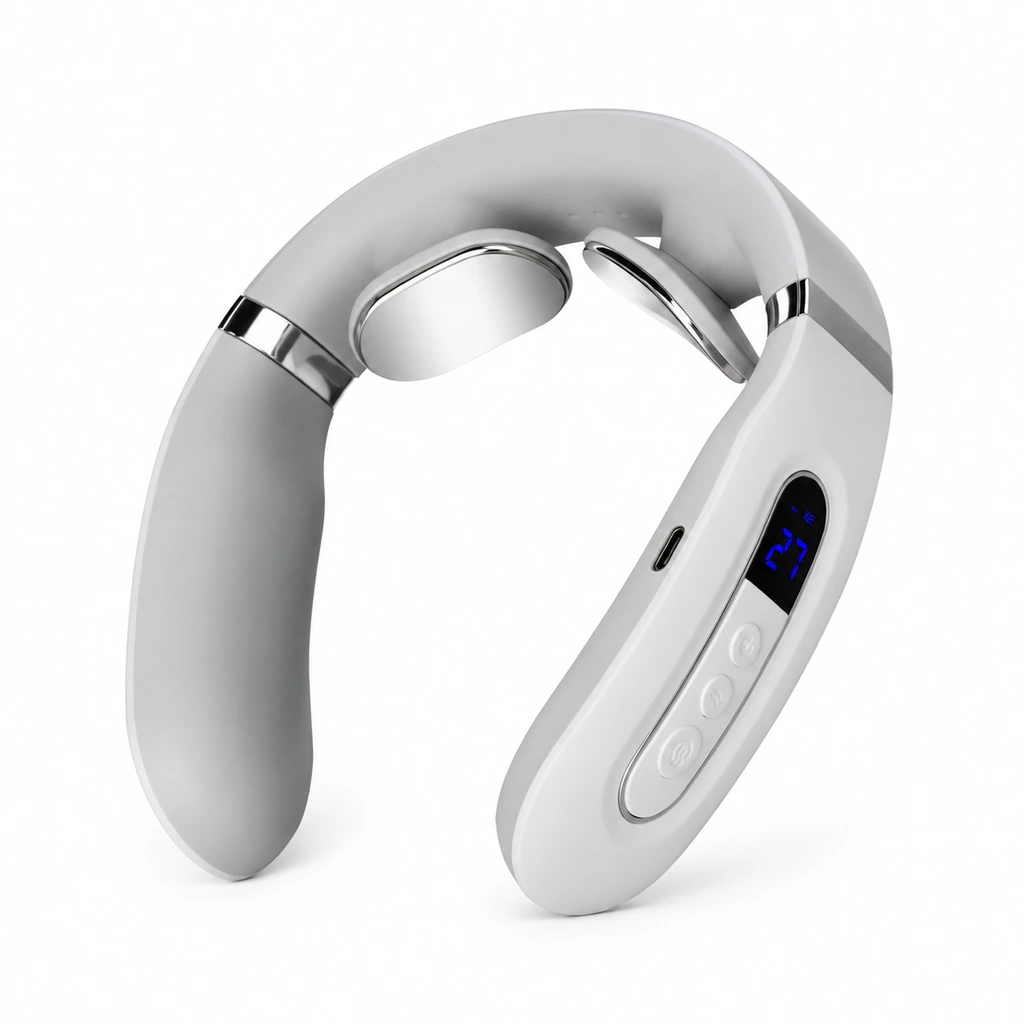
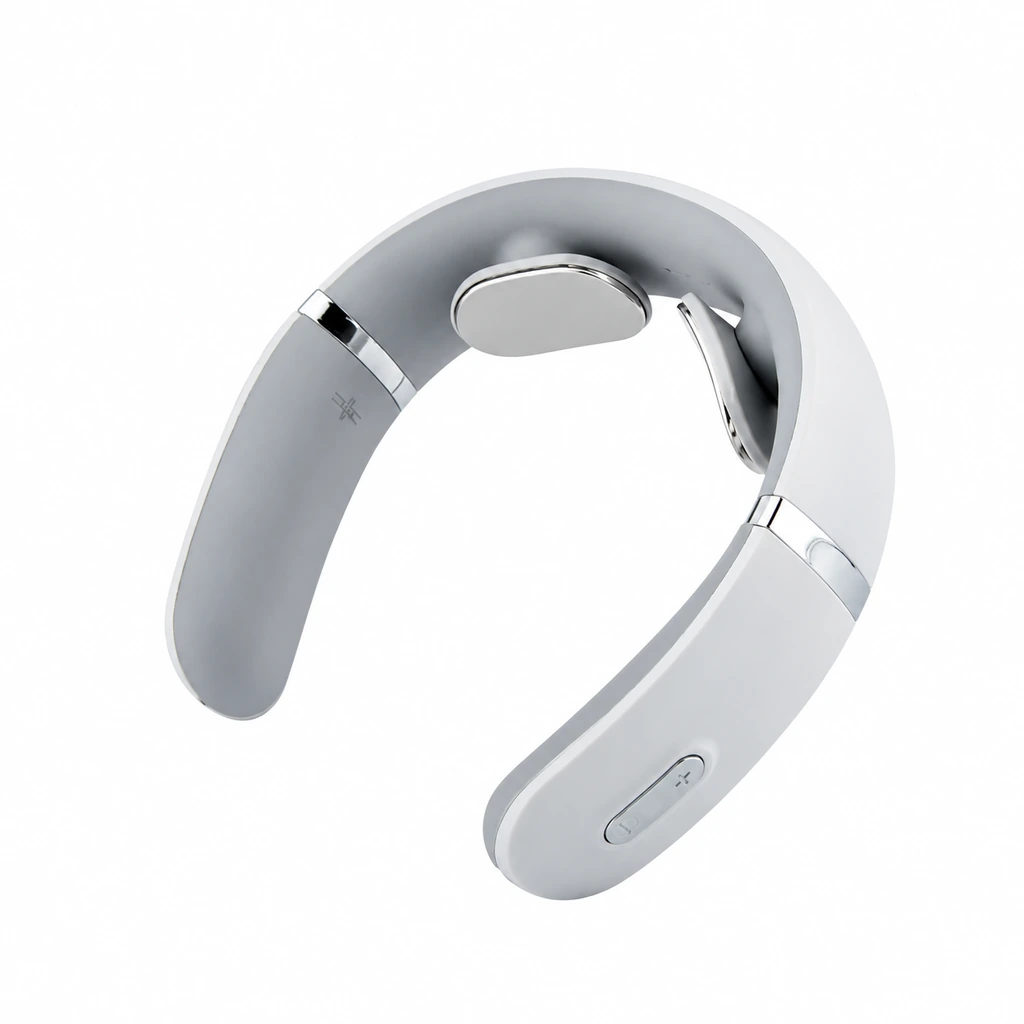
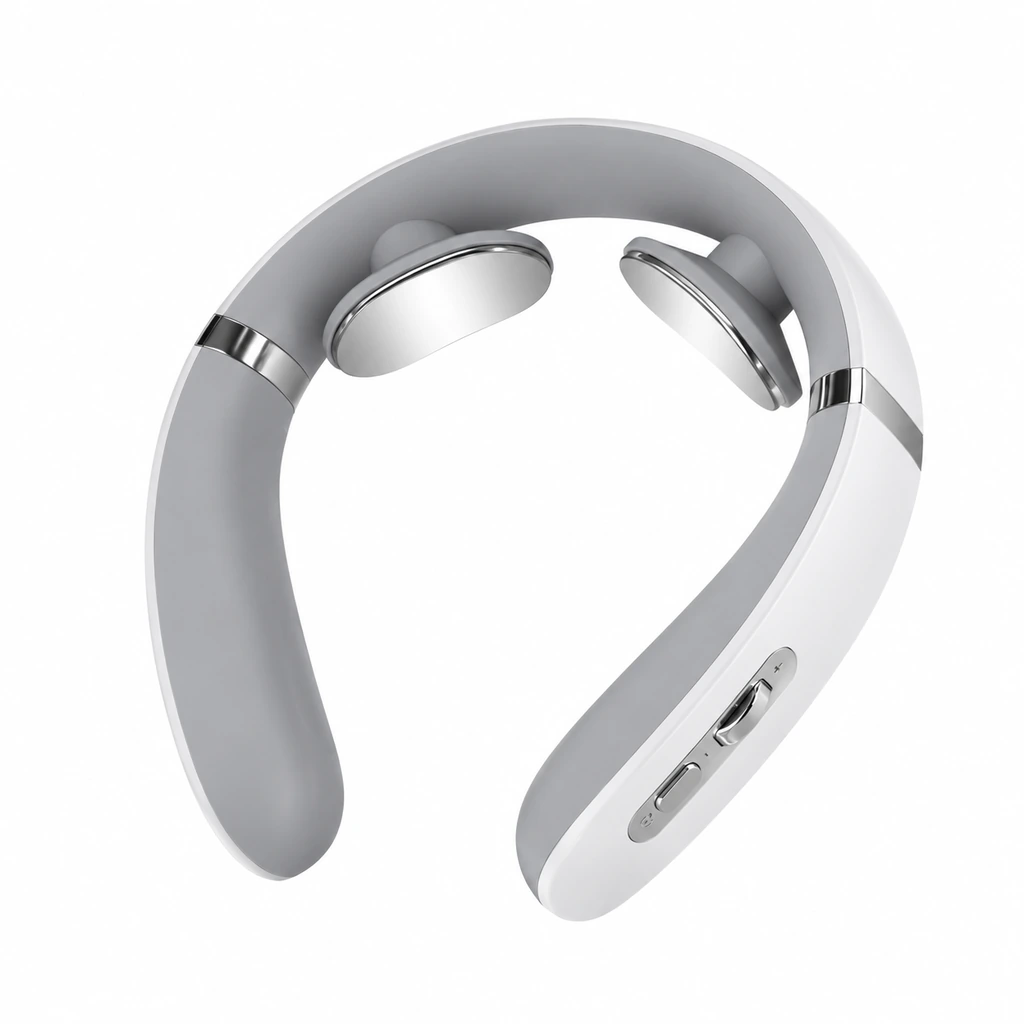
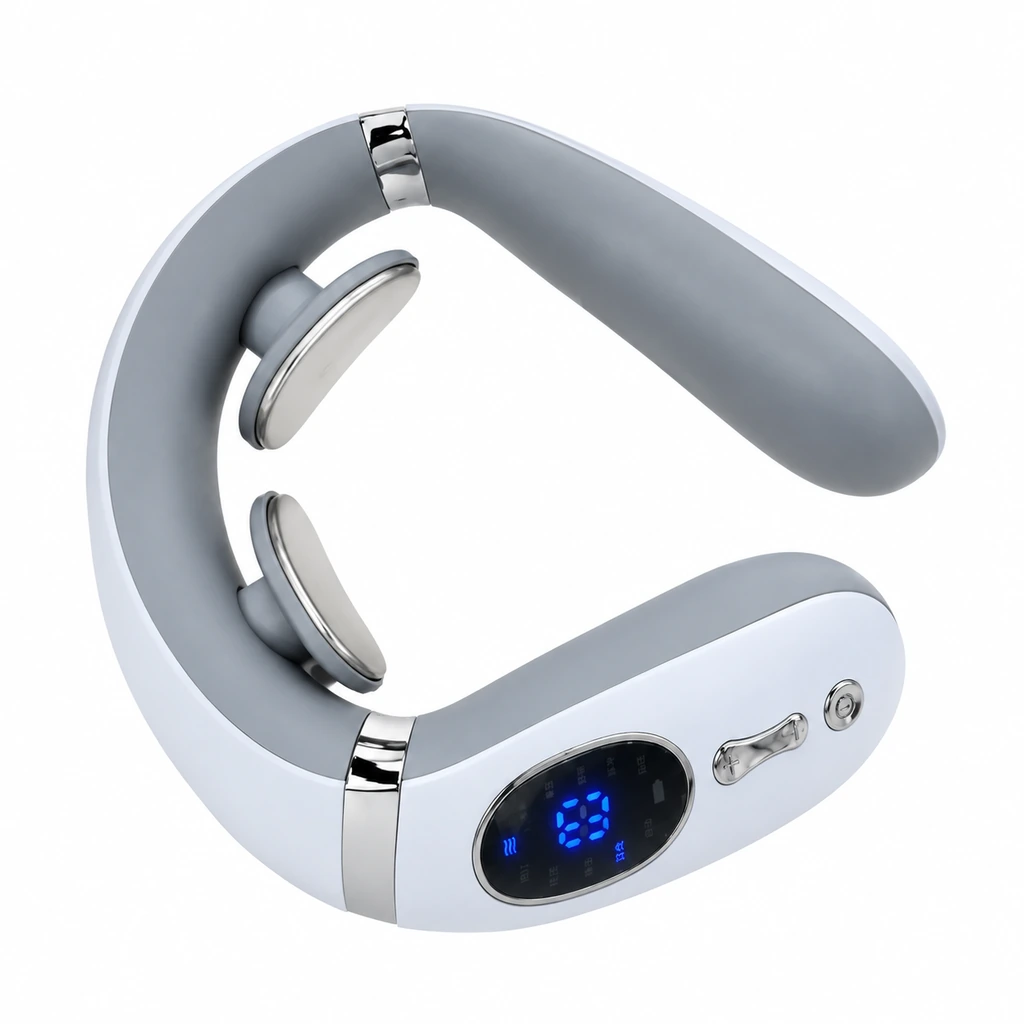
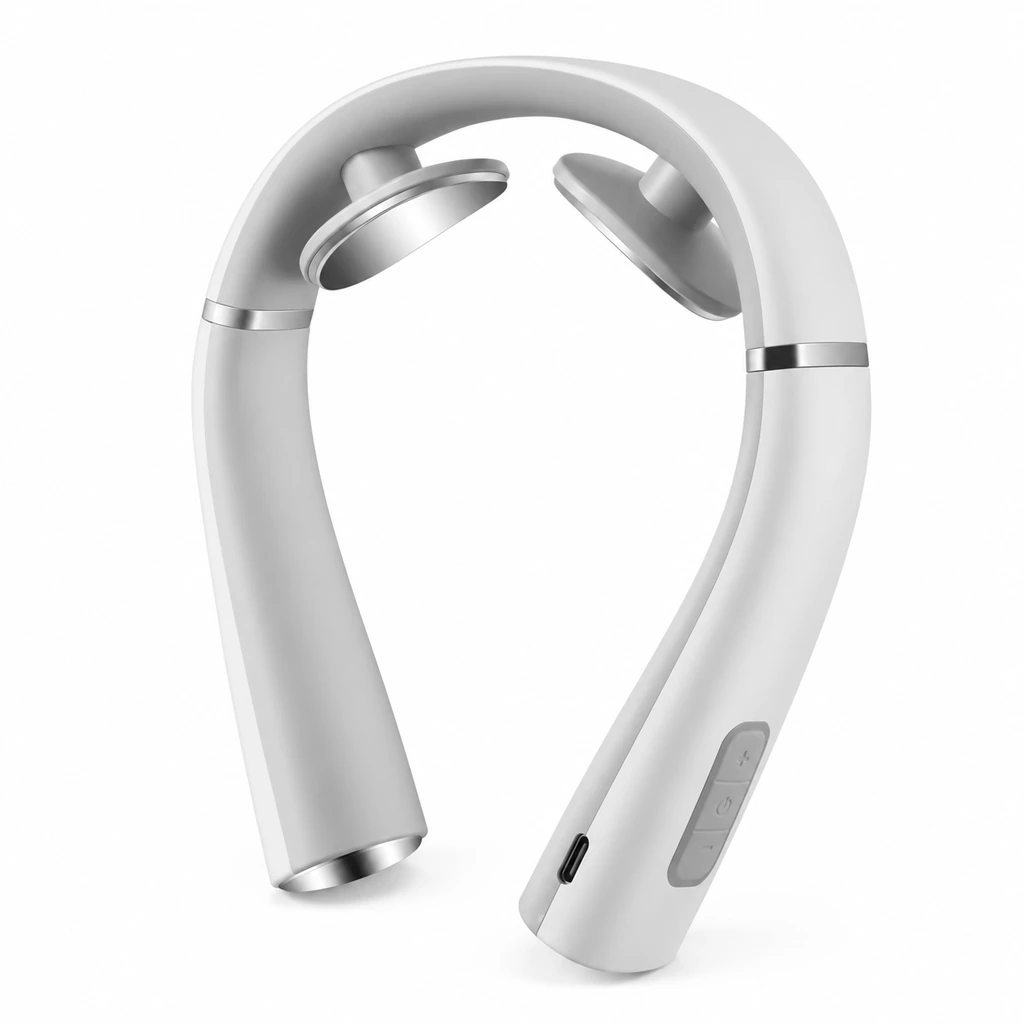
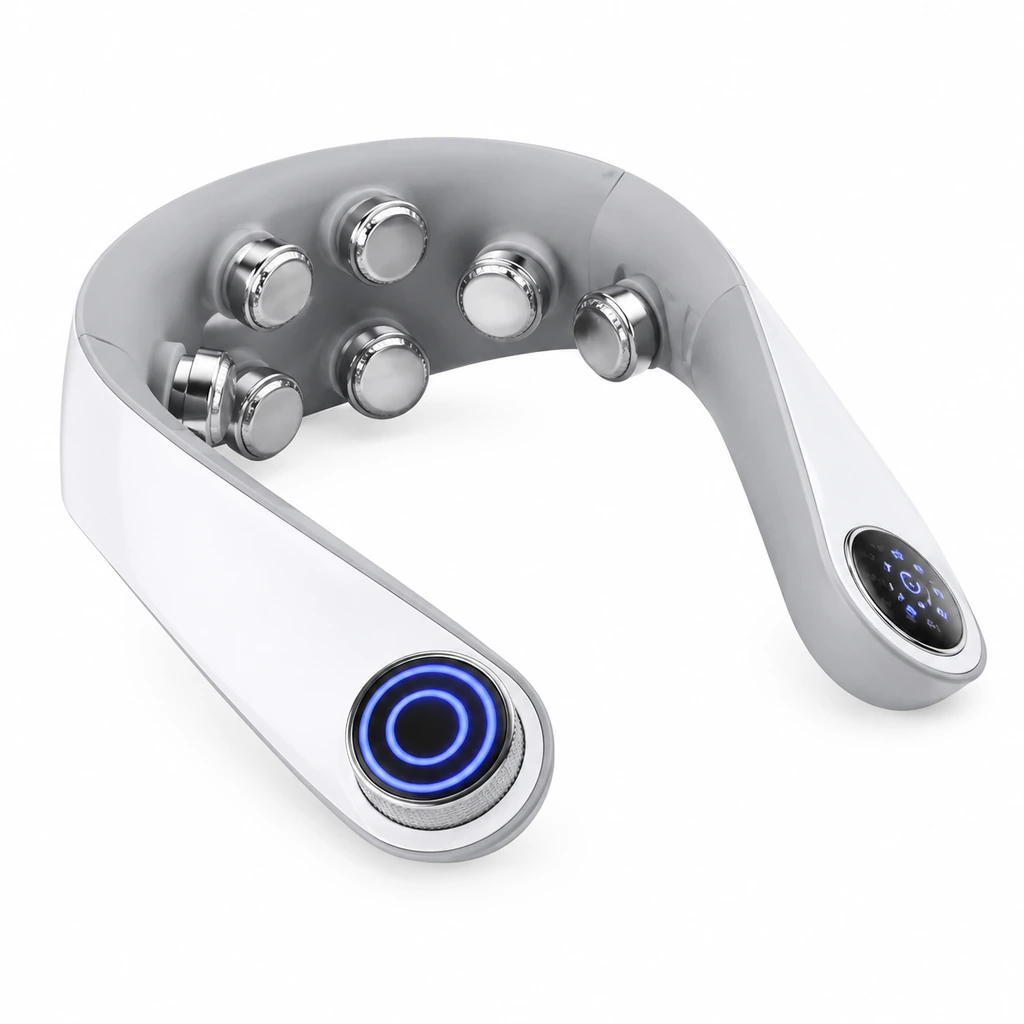
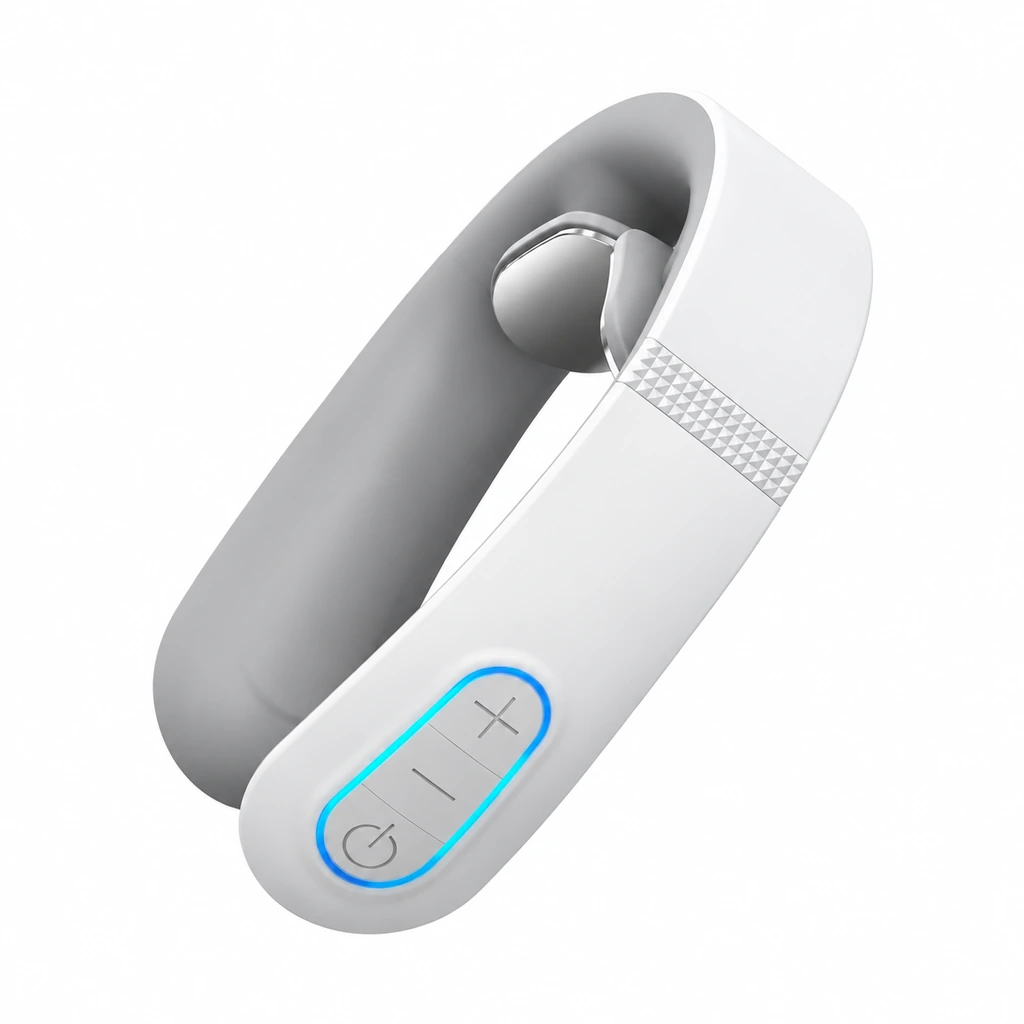
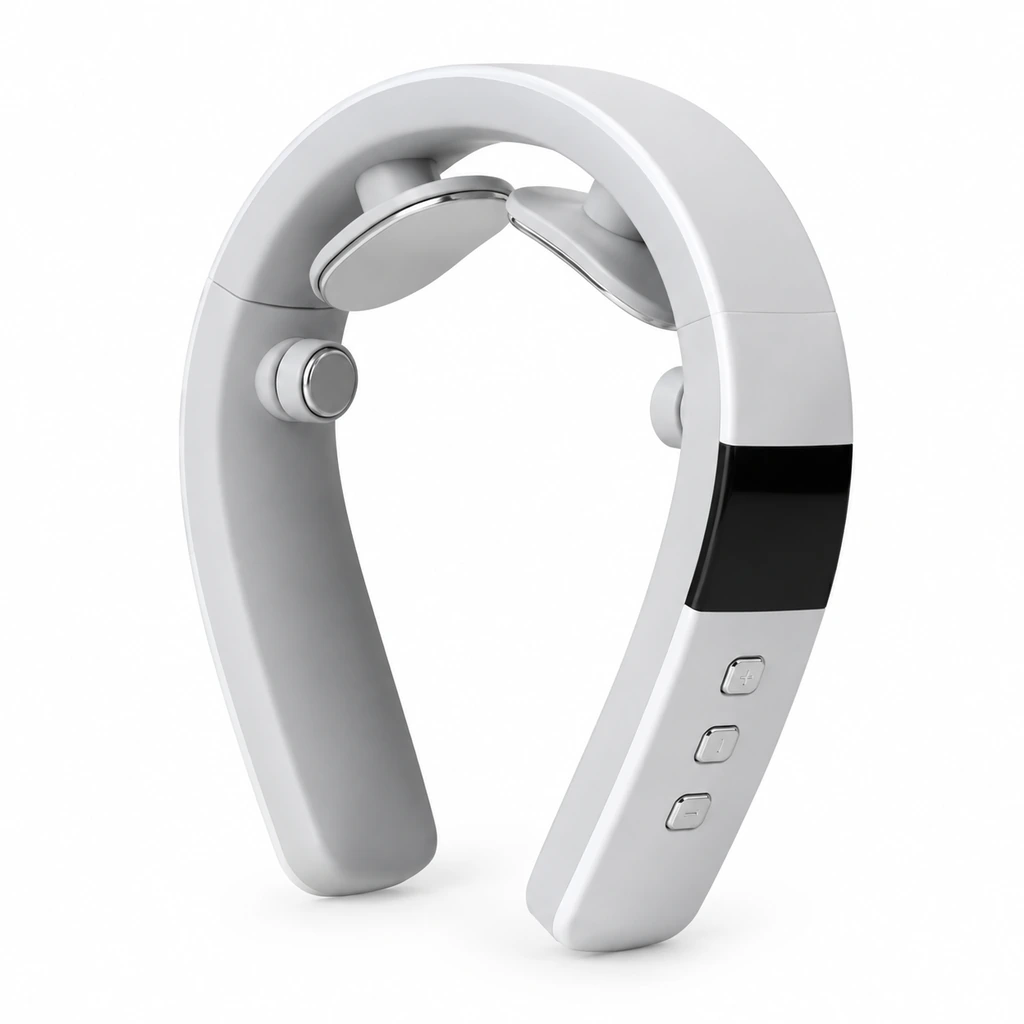
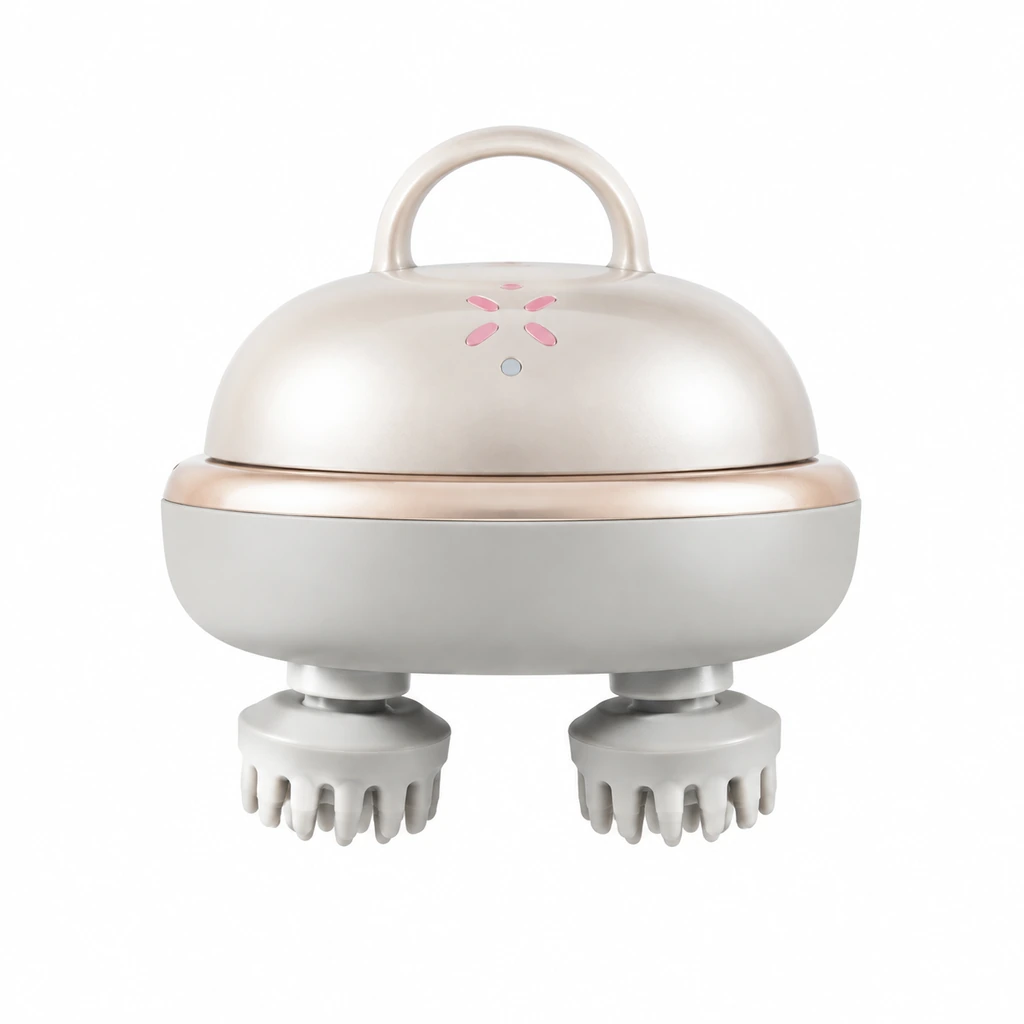
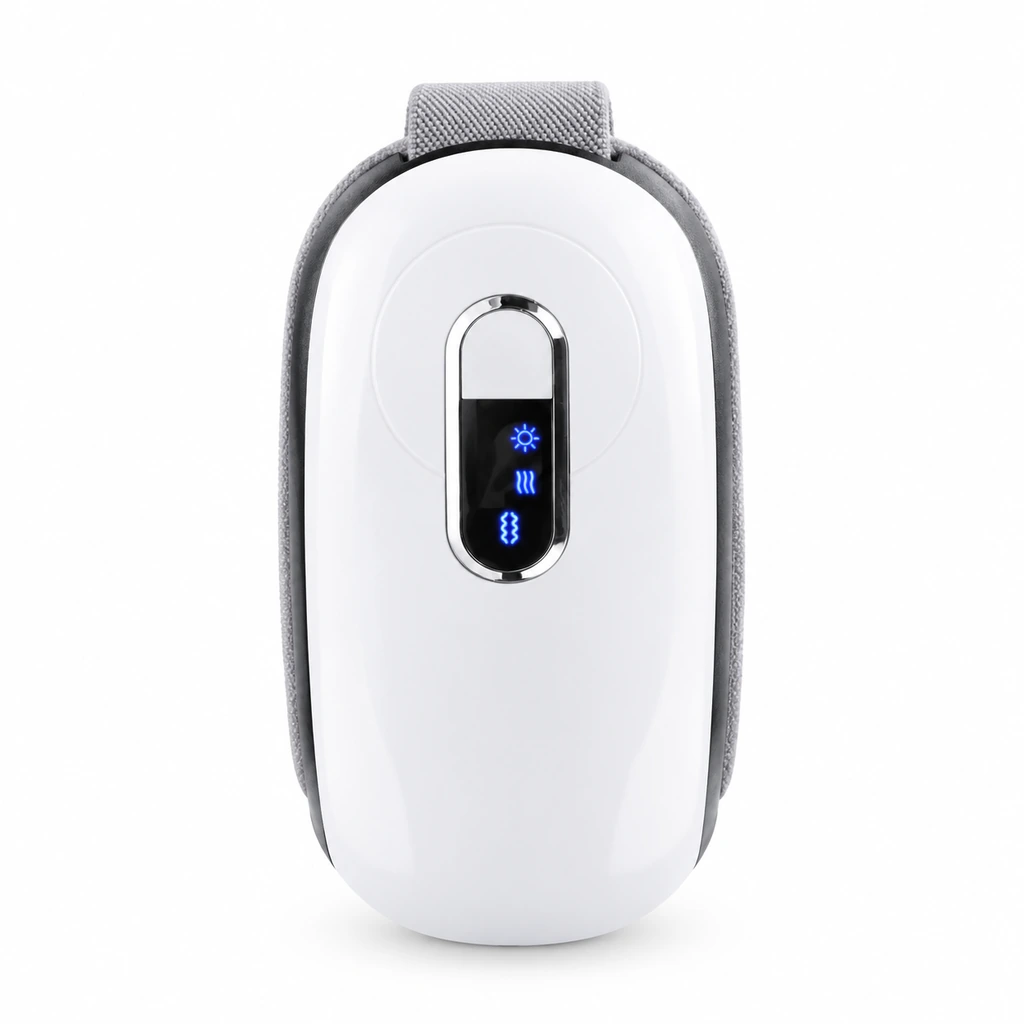
For T1, identify the proposed device version, accessories, retail packaging and destination market. Use the T1 scalp massager product page to establish the model reference, then reconcile the quotation, specification and sample identification. A shared model name does not establish that every configuration or document applies to the order.
Also establish the legal supplier, the factory address and the activities performed there. Ask which operations are completed elsewhere, who controls those suppliers and which records can be reviewed. If a partner makes a component, the useful question is how that component is accepted and traced into assembly. Seeing one workshop does not establish control of the whole supply chain.
2. Request evidence that can be followed during the call
Send a focused request rather than asking for “all factory documents.” Ask for the model specification, process flow, relevant work instructions, a recent model-specific inspection record and the associated batch or work-order reference. Where T1 production has not yet taken place for your order, distinguish an earlier comparable record from evidence that will only exist after production. Do not ask a supplier to create a retrospective result for an unmade batch.
Agree which originals can be shared, which must remain on screen and which require redaction. Customer names and commercial prices may be concealed while model identity, dates, revision numbers, sample quantities, results and approval roles remain readable. If redaction removes the link needed to trace the evidence, agree a controlled viewing method or record the limitation.
| Evidence to request | What to connect | Decision it supports |
|---|---|---|
| Model specification and change history | Match the revision to the quoted configuration and identified sample. | Establish the product baseline before discussing process capability. |
| Process flow and work instruction | Match the operation shown on camera to its instruction and inspection point. | Determine whether the walkthrough covers the proposed manufacturing route. |
| Completed inspection record | Follow model, lot, inspection date, method, sample quantity, result and reviewer. | Assess whether the result can be traced and interpreted for the stated scope. |
| Nonconformance and reinspection record | Connect an identified defect to segregation, disposition and subsequent verification. | Assess how an abnormal result is controlled before goods proceed. |
| Equipment verification or calibration record, as applicable | Match the equipment identifier and relevant status to the measurement shown. | Decide whether a measured result has an adequate supporting basis. |
3. Walk through the product route rather than the showroom
Begin with a simple site or area map. Ask the camera operator to show the relationship between incoming materials, assembly, inspection, nonconforming goods and finished stock. A continuous route and recognisable area labels help you understand where each operation sits. They do not independently authenticate the premises, so compare the site details with the supplier information already collected.
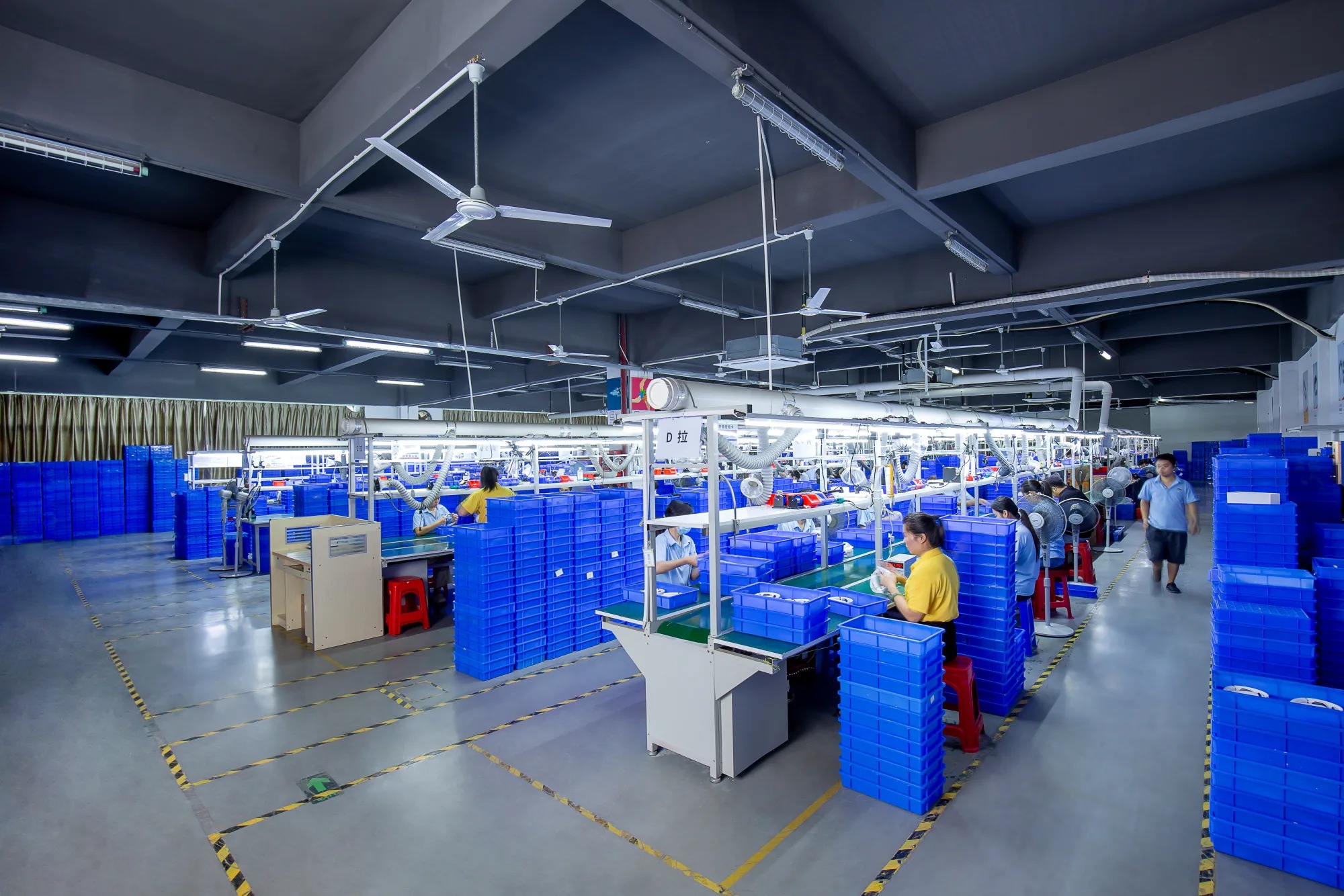
At a relevant station, ask the operator to explain the current task, show the applicable instruction and describe what happens when a product fails the check. For the selected scalp massager configuration, agree which checks need to be witnessed: for example, assembly condition, operation of the contact heads, control response, charging behaviour or pack-content checks where applicable. These are proposed review items, not statements that every test is performed on every T1 unit.
Request a close view of identifiers and records before moving on. If T1 is not being assembled that day, a different model's live line may explain the general system, but it cannot verify T1-specific tooling, instructions or inspection. Arrange a later T1 demonstration or leave that part of the review open. Do not infer output capacity from the number of benches visible in a short video.
4. Follow one selected lot through inspection and exceptions
The strongest part of the call is often a modest traceability exercise. Subject to the agreed access rules, select an identifiable unit or carton from the area being shown. Ask the team to explain how its identifier connects to a production order, component or incoming-material records, in-process checks and final inspection. If units do not carry individual serial numbers, establish the actual lot-level traceability method rather than assuming serial tracking exists.
For example, if a carton is presented as inspected stock, ask to see the linked inspection record. Compare its model and quantity with the production reference; check when inspection occurred and who authorised the next step. A clean report for another model, another lot or an unexplained date does not close that trace. If the supplier cannot make the connection during the call, request the specific missing link with an owner and a due date.
Read the result in context. “Pass” without a method, acceptance criterion or sample quantity is difficult to evaluate. Ask how the sample was selected, which defects were counted, what the acceptance rule was and whether checks were full inspection or sampling. For a measured characteristic, ask about the fixture, conditions and relevant equipment status. A video of an indicator changing is not a substitute for an interpretable record.
Then ask for an example of an abnormal result, where available and shareable. Follow containment, disposition, rework instructions, reinspection and approval. A supplier's ability to explain how rejected goods are prevented from re-entering accepted stock is more useful than an unsupported statement that defects never occur. If no suitable historical example can be shared, review the procedure and leave its implementation unverified.
5. Make the live review workable and protect the evidence
Include the purchasing contact, someone responsible for production and someone able to explain quality records. Agree the working language and provide interpretation where needed. Test the mobile camera, close-up focus, audio and screen sharing beforehand. Use screen sharing for records and the camera for the physical process, allowing time to read and cross-check both.
The ISO 9001 Auditing Practices Group guidance on remote audits discusses confidentiality, permission to retain screenshots or documents, corroborating interview statements and recording processes that could not be audited. It is educational guidance, not proof of certification or a required certification procedure for this buyer review.
Agree recording permission, permitted viewers, storage and retention before the call. Material shared for a confidential purchasing review is not automatically approved for a public article or sales presentation. Where a camera restriction is legitimate, ask for a controlled alternative. Where connection quality prevents a necessary observation, reschedule that observation instead of marking it complete.
6. Separate supplier readiness from product and shipment acceptance
A remote review can support a decision to continue qualification, place a controlled sample order or request a targeted follow-up. It does not by itself accept a product design, establish market compliance or release a future shipment. A certification document must be checked for its named entity, model, standard and scope; an inspection result must be connected to the lot and criteria actually assessed.
Keep physical evaluation as a separate step. The T1 model-specific sample evaluation guide helps organise that work. Use an identified sample and agreed conditions for checks that depend on handling, sound, fit, endurance or measurements that the call cannot establish. Compare the evaluated sample with the specification proposed for production.
Choose the next action according to the unresolved risk. A missing readable signature may be closed through controlled document access. An unclear subcontracted process may require additional supplier evidence. Inconsistent lot identities, an inaccessible critical operation or unresolved safety questions may justify independent inspection, relevant testing or an on-site review before proceeding. Price or schedule pressure should not convert an unobserved item into an accepted one.
7. Close with a decision that has a defined scope
End the call by separating what was observed, what was supported by records and what remains unresolved. Record the site, date, attendees, model/version and evidence references in the review report. Assign each open item an owner, required evidence, agreed deadline and reviewer. Close an item when the evidence answers the question, not simply when a file arrives.
- Confirm the supplier and site identities and list the operations covered.
- Identify the T1 configuration and the limits of any comparable-model evidence.
- Record the lot trace attempted and whether each link was demonstrated.
- State which inspection methods and acceptance criteria were reviewed.
- List camera, confidentiality or connection restrictions that limited the result.
- Authorise only the next agreed purchasing step, with conditions and follow-up responsibility.
Carry those findings into the scalp massager supplier comparison, alongside sample results, responsiveness and commercial terms. A well-organised call is useful evidence of communication; the purchasing decision still depends on the substance and consistency of what was shown.
Frequently asked questions
Can a recorded factory video replace a live review?
It can explain a process before the meeting, but it does not allow you to choose a follow-up view or connect an unexpected observation to a record. Use it as preparation and distinguish recorded material from live evidence.
What if T1 is not on the production line?
Review the general system within its stated limits and arrange a model-specific follow-up. Another product's production footage cannot establish that the proposed T1 version follows the same process.
Do we need every confidential factory document?
No. Request the evidence needed for the agreed decision and accept proportionate controlled viewing or redaction. If essential traceability is hidden, document the gap and agree another way to verify it.
Does a certificate remove the need to review inspection records?
No. A certificate or test report and a lot inspection record answer different questions. Check the scope of each and do not use another model's document to infer a T1 result.
Can we approve shipment after a successful remote tour?
Only a separately agreed shipment acceptance process can support shipment approval. A supplier review does not automatically cover the actual shipment's configuration, quantity, condition or inspection results.
When should we arrange an on-site review?
Arrange one when material risks cannot be resolved remotely, particularly when site identity, an essential process or traceability remains unclear. Define the unresolved questions so the visit has a clear purpose.
Preparing a T1 enquiry? Review the Meilan certifications and document scope, then share the proposed model/version, destination market and purchasing decision. Request the applicable evidence and agree what can be reviewed live before setting the meeting agenda.

