





















Private Label Warming Belt Manuals: Planning Guide
Prepare multilingual private-label warming belt instructions with a version-matched source, control glossary, sample review and clear print approval.
 Meilan Tech 7 min read
Your warming belt sample has been approved, and the packaging designer is waiting for the English, German and French instructions. Translation seems like the last small task before printing. Then the reviewer notices that one language tells users to press a button, another says to hold it, and the diagram comes from an earlier product version.
For a private-label warming belt order, multilingual instructions need a shared technical starting point. Confirm the exact product and control version, approve one source manual, and connect every translation to that source. Review each language against the physical sample and the final printed layout before releasing it.
This guide focuses on preparing and approving the full multilingual manual. Gift-box construction and instruction-card placement are covered separately in the N1 gift-set sourcing guide.
1. Freeze the source instructions before sending them for translation
A translator can make a sentence fluent without knowing that it describes the wrong control. Give the translation team an approved source tied to a specific model, sample and revision. If the product configuration is still being discussed, identify the affected instructions as open rather than sending a draft that looks final.
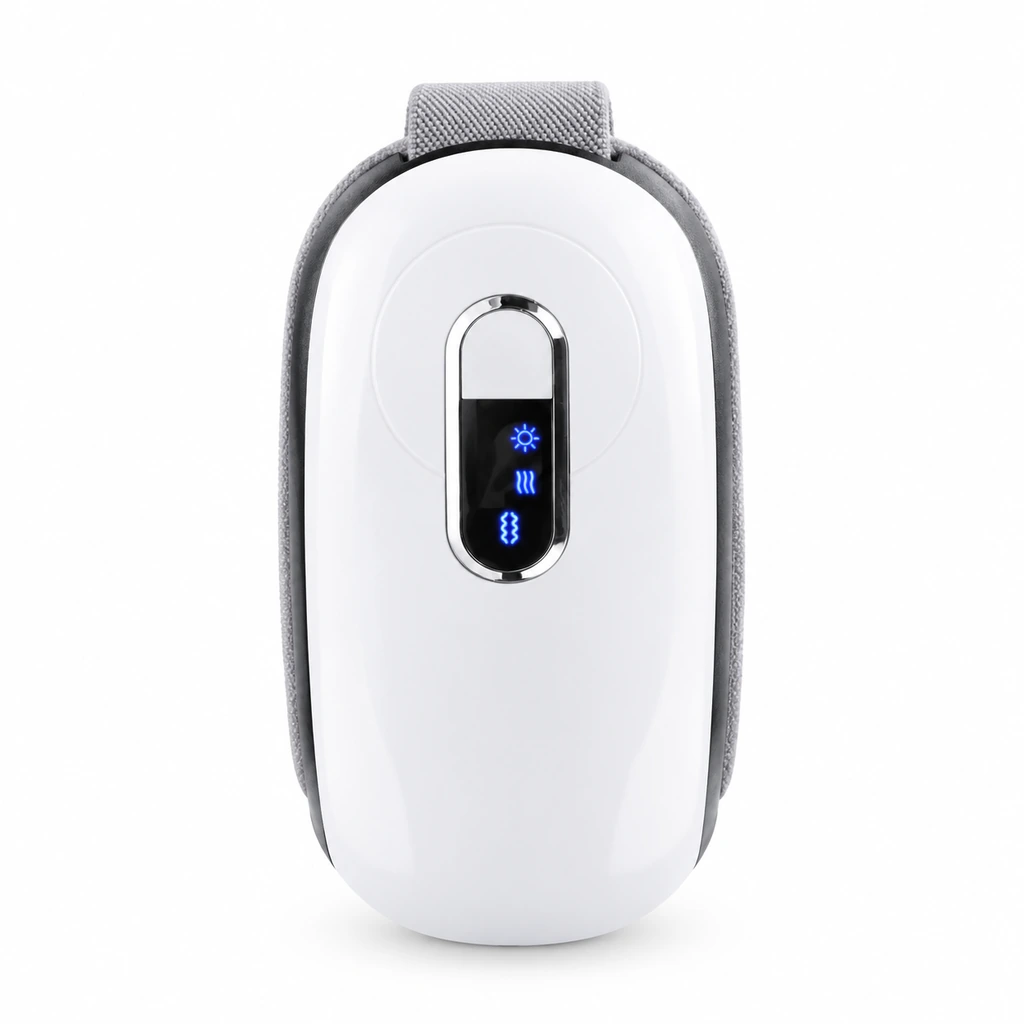
For an N1 project, start with the exact belt and accessories proposed for the order. Confirm the power arrangement, controls, indicators and any supplied controller against the relevant manual. The product photograph helps identify what to ask about; the operating sequence must come from the matching instructions and sample review.
| Product reference: Meilan N1 warming belt | |
|---|---|
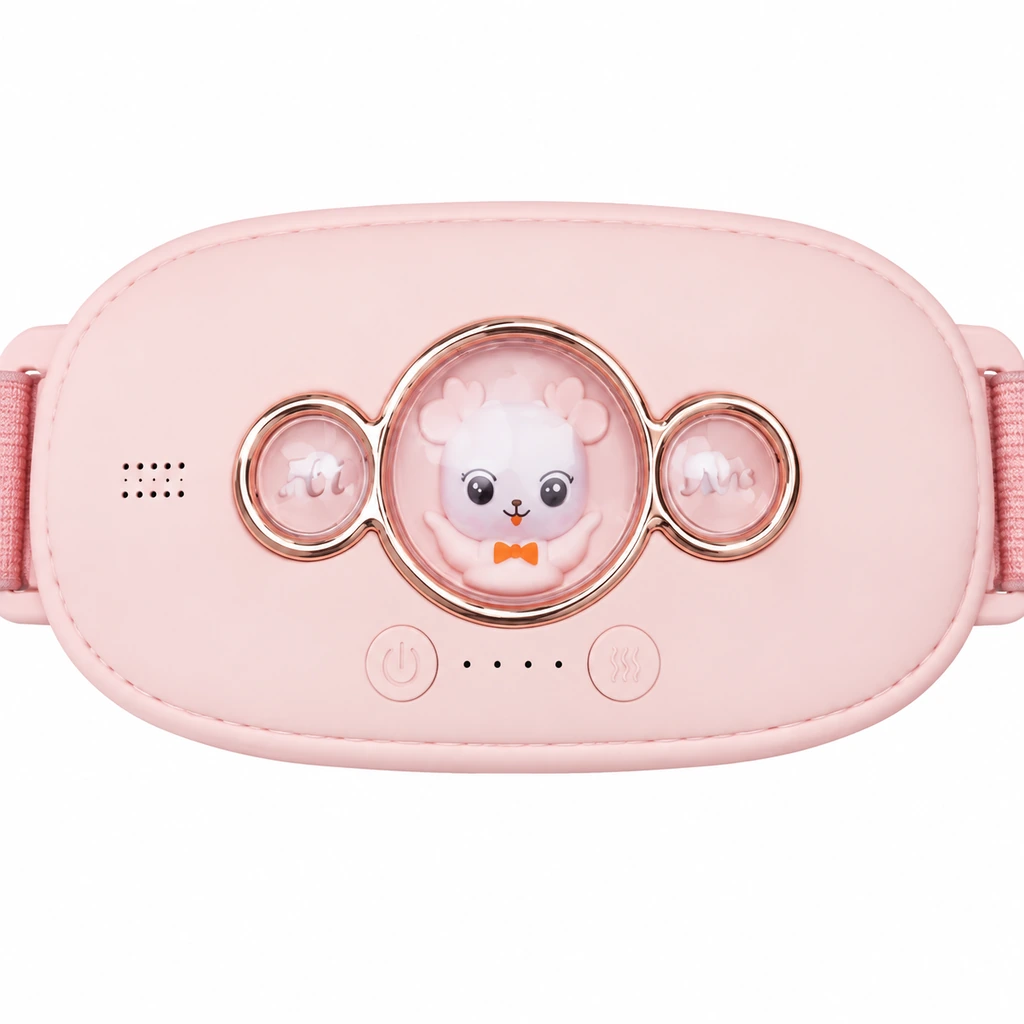 | The N1 front panel gives the manual team a concrete control reference. Confirm which sample and version the order uses before preparing diagrams or translating button descriptions. |
The source package should include the editable manual, approved wording, clearly identified diagrams and a record of unresolved questions. A photographed page is useful for reference, but editable text reduces transcription errors and makes later changes easier to trace.
2. Give every language the same handoff information
Before collecting translation quotations, decide where the product will be sold and which language versions need review. Language requirements depend on the destination and channel; have the responsible market reviewer confirm them. A distributor’s preference for one language does not settle every requirement for that market.
Use a compact handoff sheet so that purchasing, the translator and the supplier can see the same scope. Separate a language translation from a different product configuration: a shared model name does not prove that all operating steps can be reused.
| Handoff field | What to record |
|---|---|
| Product identity | Model, configuration, approved sample ID and any included control accessory |
| Source document | Manual file name, revision, date and technical approval owner |
| Language scope | Destination markets, language and regional variant where relevant, reviewer for each version |
| Terminology and diagrams | Approved control names, symbols, figure IDs and editable source files |
| Output format | Editable translation, print layout, final print file and digital version if planned |
| Release record | Technical, language and layout decisions, remaining questions and approved file revision |
If a reviewer has not been assigned, record that gap before setting a print deadline. Translation delivery and permission to print are separate milestones. The team needs time to resolve questions and check the finished layout.
3. Build a control glossary that describes actions precisely
Short product instructions contain distinctions that are easy to lose. “Press” and “press and hold” describe different actions. A setting name, an indicator state and a measured temperature are different kinds of information. The translator needs to know which meaning applies before choosing the wording.
Create a glossary with the source term, its intended meaning, the relevant button or figure, and the approved translation. Keep model identifiers and technical values consistent across files. Do not add a duration, temperature or shutdown behavior to make a sentence more complete unless it is supported by the approved product information.
For each control step, the reviewer should be able to answer four questions: which control is used, what action is required, what visible or audible response should follow, and what the next step is. When the response has not been confirmed, send the question back to the technical owner.
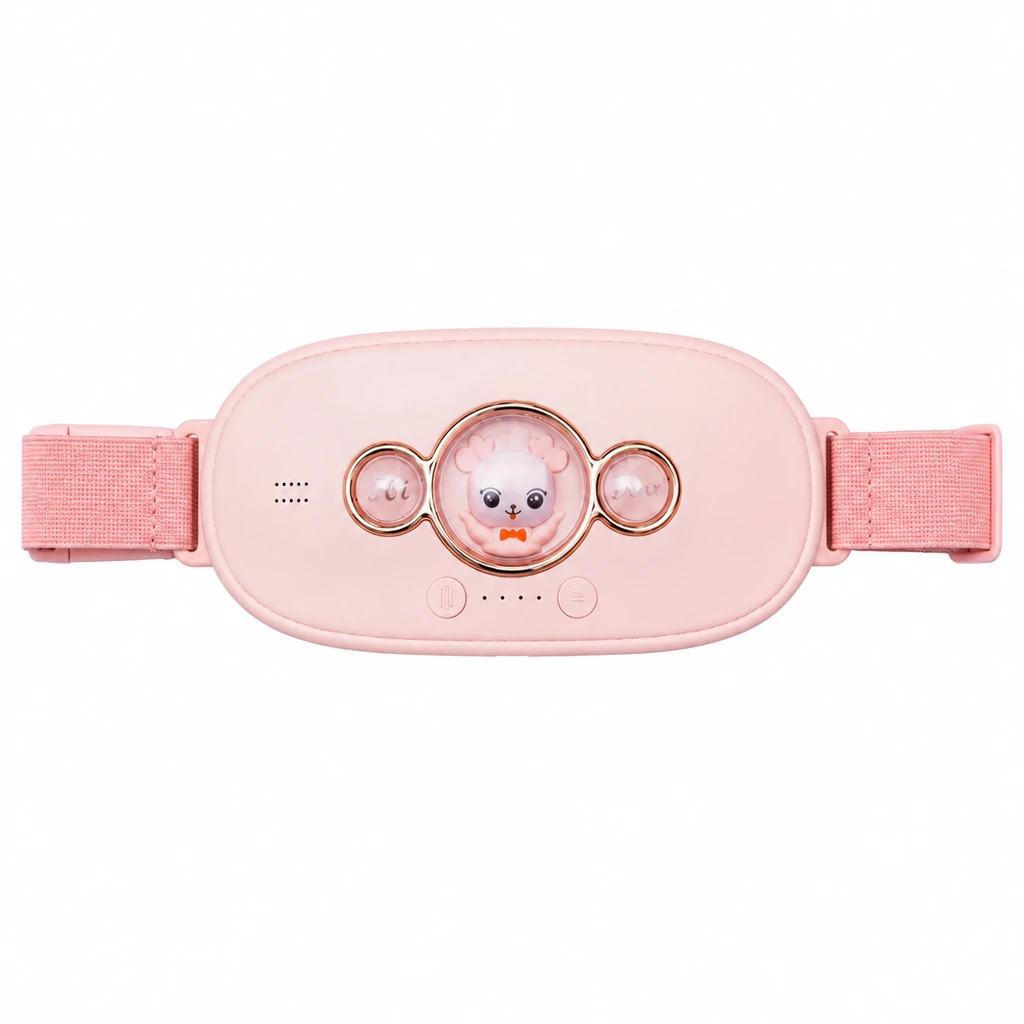
N1 product reference: match the illustrated device and control locations to the selected sample. Confirm operating actions from the version-matched manual.
Keep technical cautions and intended-use wording within the reviewed source. A translator should flag unclear language for clarification rather than introduce a stronger benefit claim or simplify away a condition.
4. Work through one mismatch before approving the whole manual
Consider an illustrative project: a brand prepares English and German manuals for one approved warming belt configuration. The German reviewer spots a different button action. The correct response is to check the underlying instruction, not to assume that the English sentence must be right.
| Item | Example review record |
|---|---|
| Observation | The English and German versions describe different actions for the same control. |
| Evidence to check | Approved sample ID, matching manual revision, figure reference and supplier demonstration where needed. |
| Technical decision | The technical owner confirms the required action and response for that configuration. |
| Language decision | The language reviewer checks that the revised wording preserves the confirmed meaning. |
| Release action | Update every affected language and diagram, issue a new revision and withdraw the superseded print file. |
This example does not prescribe an N1 button action. It shows how to close a discrepancy without allowing one uncertain translation to become the source for another. Correct the master instruction first, then check which target files depend on it.
5. Review the printed layout with the sample beside it
A correct translation can still become difficult to use after layout. A longer German sentence may wrap onto the next page while its diagram stays behind. A fold may hide a caution. Small print can make a complete manual practically unreadable.
Review a proof at the proposed finished size. Check the reading order, text size, contrast, figure labels and placement of each instruction. Ask the reviewer to follow the approved sequence using the sample, marking any point where the wording or illustration could lead to a different action.
Keep text labels outside product photographs when possible. Clean photographs can serve several language versions, while editable captions and diagram labels can be localized individually. A bilingual annotation image reused inside a German manual can create conflicting terminology and very small text.
A quick-start card or QR link may help the user find information, but its role and any required printed information need their own review. Keep the full manual, card and planned digital copy consistent. When operating wording changes, check these shorter materials too, so that the package does not give the user two different instructions.
6. Approve revisions by language and keep the print release traceable
Use clear decisions such as “technical wording confirmed,” “language approved,” and “print layout approved.” Name who makes each decision. A comment that the layout looks good should not silently authorize unreviewed operating text.
For every language, keep the source revision, translated file, reviewer, approval date and final print-file name together. State which file is to be printed, and remove obsolete files from the active production handoff. Retain archived copies separately for traceability.
If the controller, supplied accessories or operating behavior changes, identify the affected sections in every language. If only the brand address changes, review that change without rewriting unrelated technical text. Before a repeat order, confirm that the factory’s manual revision still matches the configuration on the purchase order.
Prepare a multilingual-manual inquiry for your warming belt order
You can start the discussion before all languages are finalized. Send the selected model, destination markets and the source files you already have. Mark open questions so that the next response can identify the applicable manual, missing inputs and review work.
| Discuss your private-label manual requirements with Meilan | |
|---|---|
| Send | Reference model, target markets and languages, estimated order quantity, branding requirements and any current manual or control questions. |
| Ask to confirm | The manual applicable to the quoted configuration, available source materials, required buyer inputs and the proposed approval steps. |
| Decide next | Which source revision can enter translation, who reviews each language, and what remains open before printing. |
| Start the discussion | Discuss My Warming Belt Manual Requirements → |
A clear first brief helps the team agree on the document behind each language version. That gives your translator a stable source, your reviewer a specific sample to check, and your supplier an identifiable file to include in the order.

