



Private Label Scalp Massager Brand Authorization
Prepare a scalp massager brand-use brief that connects asset owners, permitted placements, artwork approval and production release.
 Meilan Tech 7 min read
The product sample is ready, your designer has sent the logo, and the supplier asks a question that stops the print job: who has authorized this brand to appear on the device and box? Purchasing forwards the design agency’s email. The agency confirms that it prepared the artwork, but says the brand owner must approve its use.
This is a common type of handoff problem in private-label projects: possession of a file leaves unanswered questions about its permitted use. Before releasing scalp massager artwork, identify the brand owner, the company placing the order, the party allowed to apply the artwork, and the person who can approve the exact files. Connect that information to the product and order under discussion.
This guide helps a buyer organize that handoff. The documents a particular project needs depend on the parties and their arrangements; resolve the required form with them before committing files to production.
Start with a short brand-use brief
You do not need finished packaging to open a branding discussion. You do need enough information for the supplier to understand whose brand is involved and where you want to use it. An early brief prevents the device, carton and listing team from working under different assumptions.
| Field | What to send or confirm |
|---|---|
| Brand and ordering company | Brand name, brand owner’s company name and the company placing the order; explain any difference. |
| Source of permission | Whether the buyer is the owner, licensee or another authorized party, with the relevant contact and supporting record. |
| Product and project | Selected scalp massager model, project reference and the order or sample stage. |
| Intended placements | Device marking, carton, instruction booklet and any proposed product photography or sales materials. |
| Scope to confirm | Applicable products, markets, channels, time period and production parties, as relevant to the arrangement. |
| Files and approval | Artwork revision, brand contact, person authorized to approve the proof and how approval will be recorded. |
Keep unresolved fields visible. If permission for the carton is clear but device marking is still being discussed, the brief should say so. The supplier can then identify which decisions can proceed and which need an answer.
Establish who can authorize the brand’s use
A buyer sourcing for its own brand has a different starting point from a distributor buying for a client. In the first case, confirm the company identity and the person responsible for the brand. In the second, map the connection between the brand owner, the buyer and the proposed production parties. Ask whether the existing permission covers this product and the intended use.
A designer can supply an editable logo without being authorized to approve manufacturing. A distributor can have permission to resell a branded product without having the same permission to commission a new branded device. Treat those as questions to settle in the project record rather than assumptions based on job titles.
Ask the supplier what supporting information it needs for the particular order. Where a trademark record, licence or authorization is relevant, check that the names and scope correspond to the proposed transaction. A registration reference alone does not explain every relationship between the parties. Have the appropriate brand or legal contact resolve disputed or unclear permissions.
Define where the artwork may appear
“Use our logo” is too broad to guide a production team. The same project may involve a mark on the device, a carton front, a manual cover and a photograph prepared for a retailer. Write down each intended placement and ask which uses the authorization covers.
Be equally precise about the assets. A logo, lifestyle photograph, icon set and licensed illustration can come from different owners. Your permission to use the logo does not settle the rights to a stock photograph beside it. Keep a small asset register with the file name, source, relevant permission record and any limits that affect the proposed work.
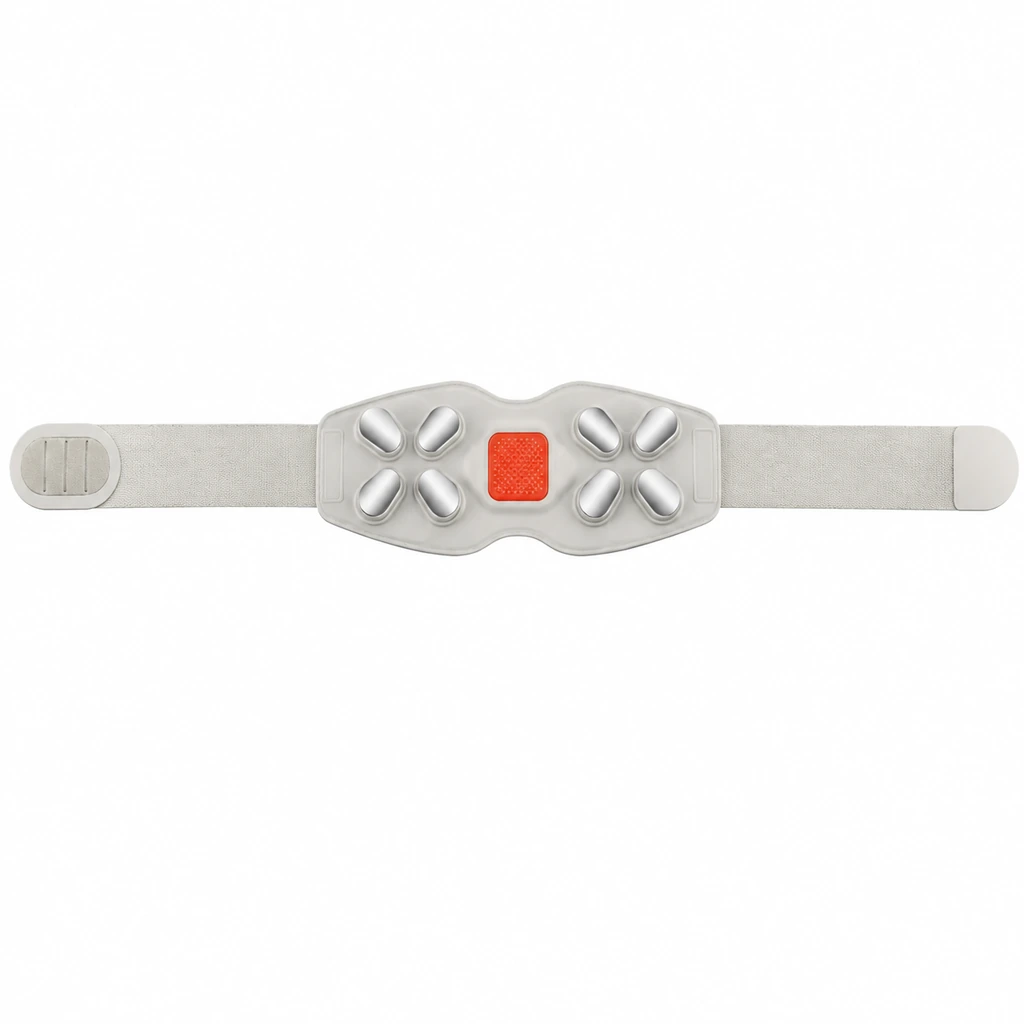
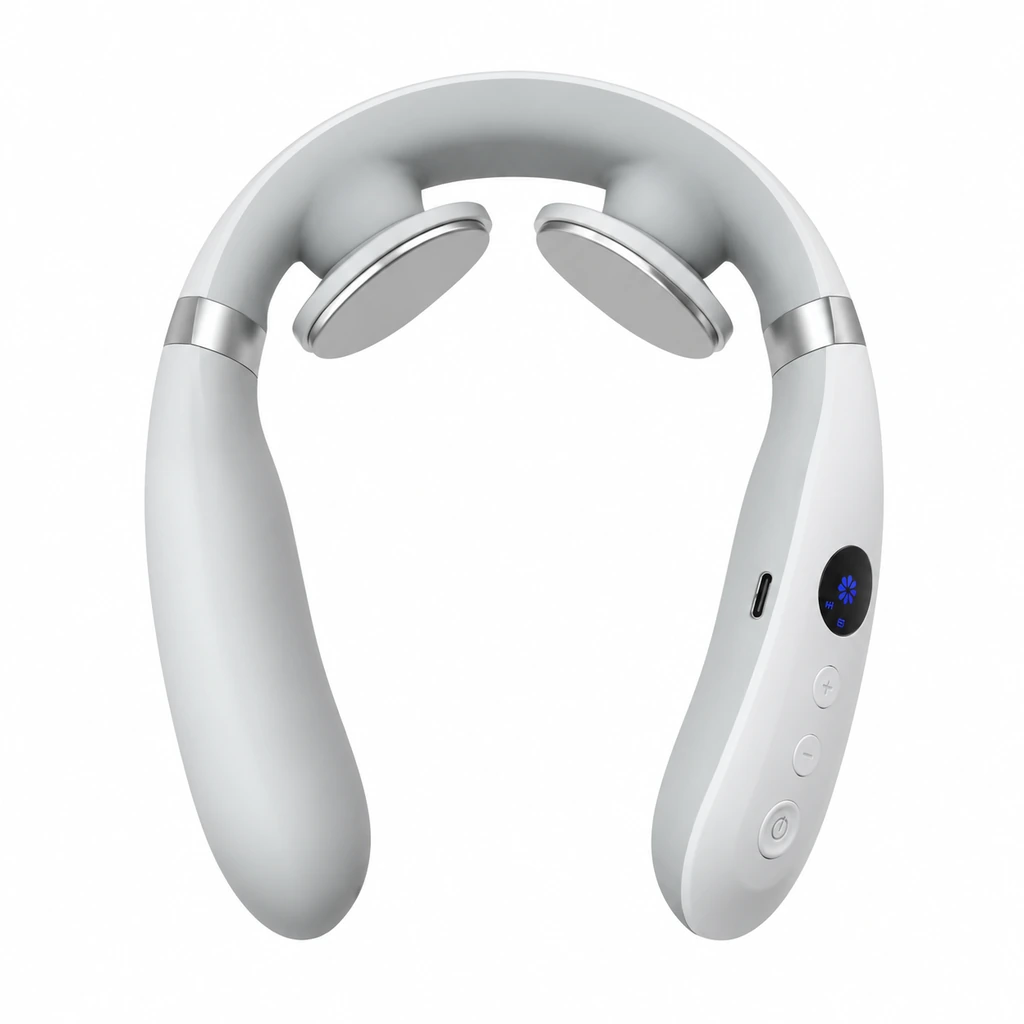
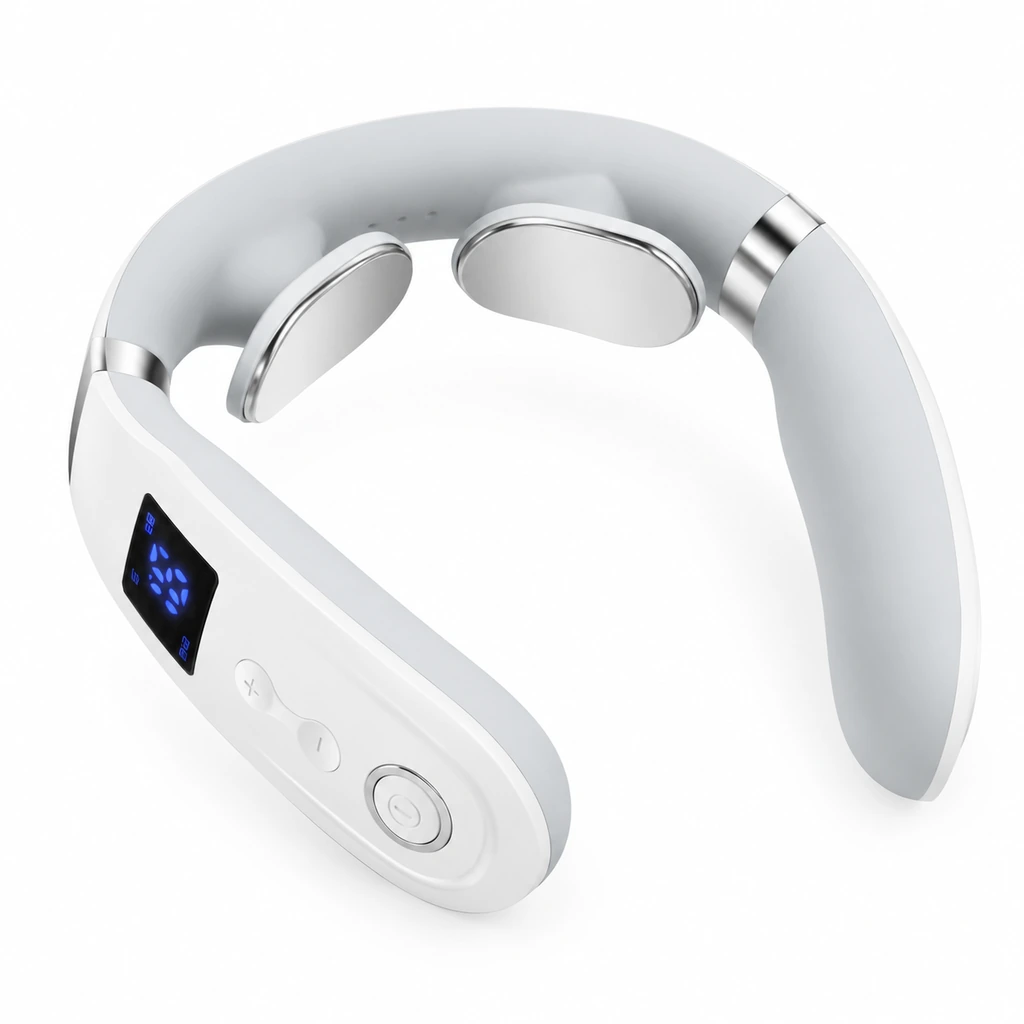
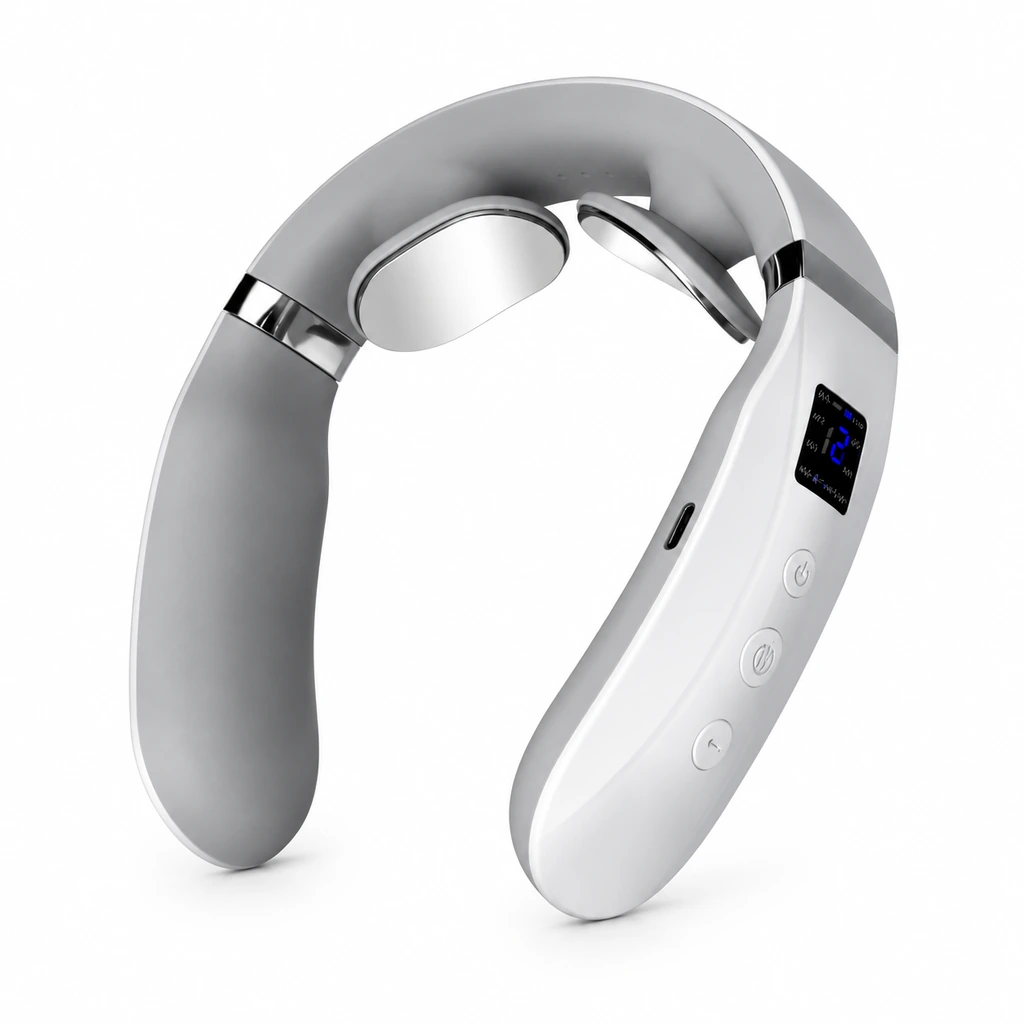
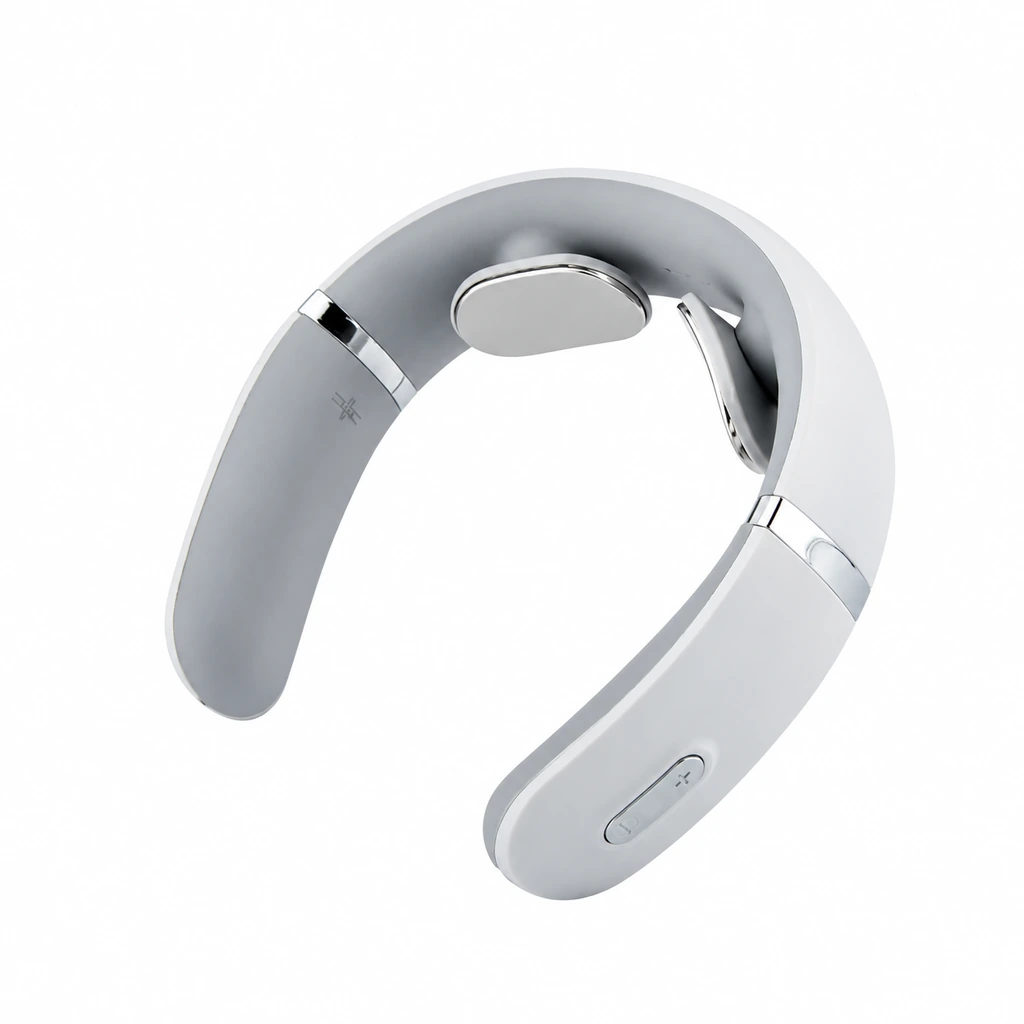
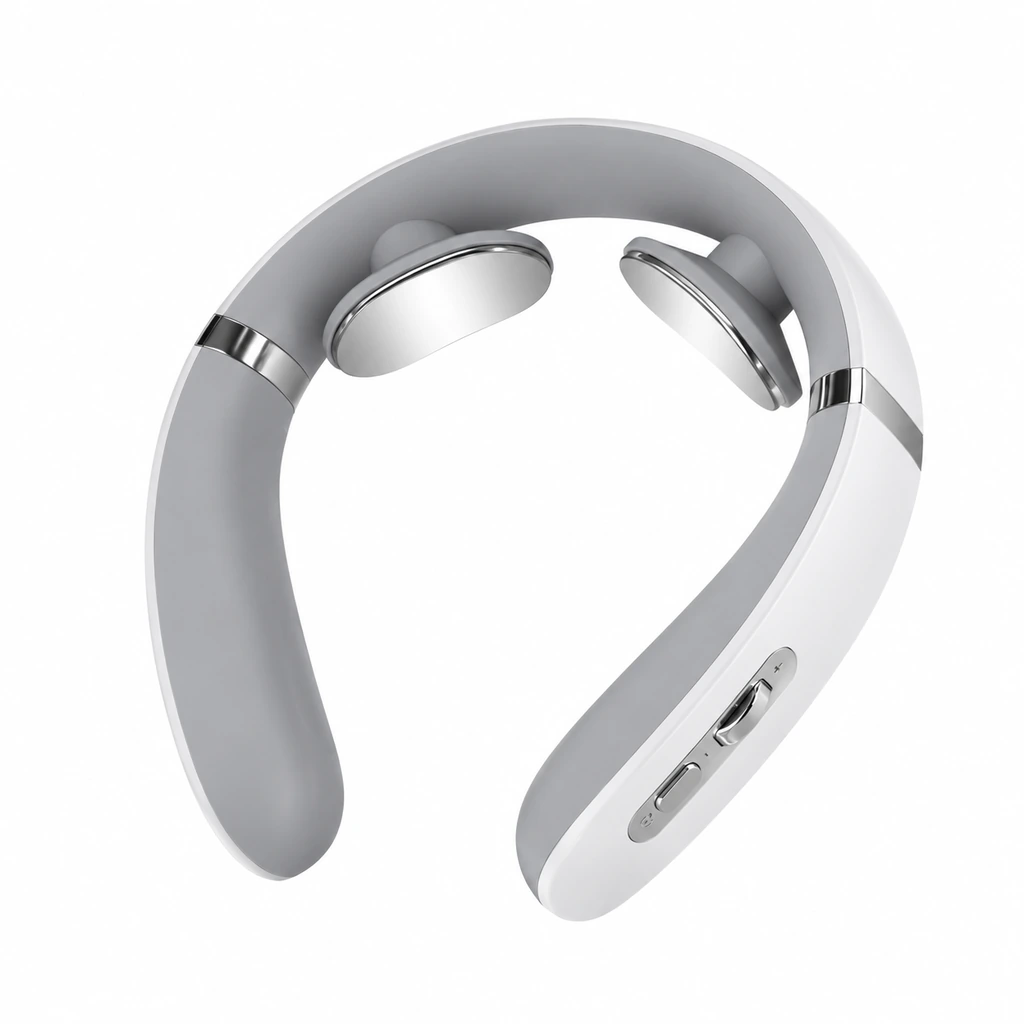
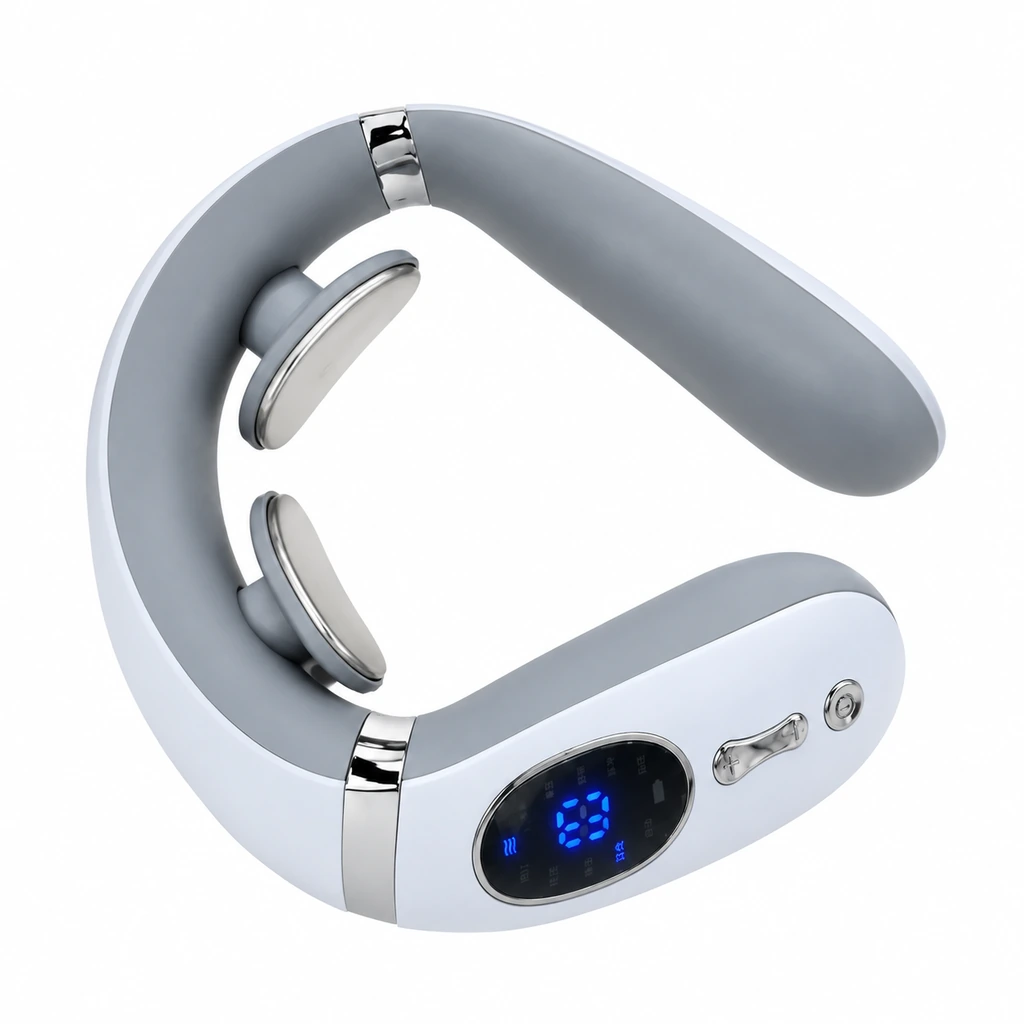
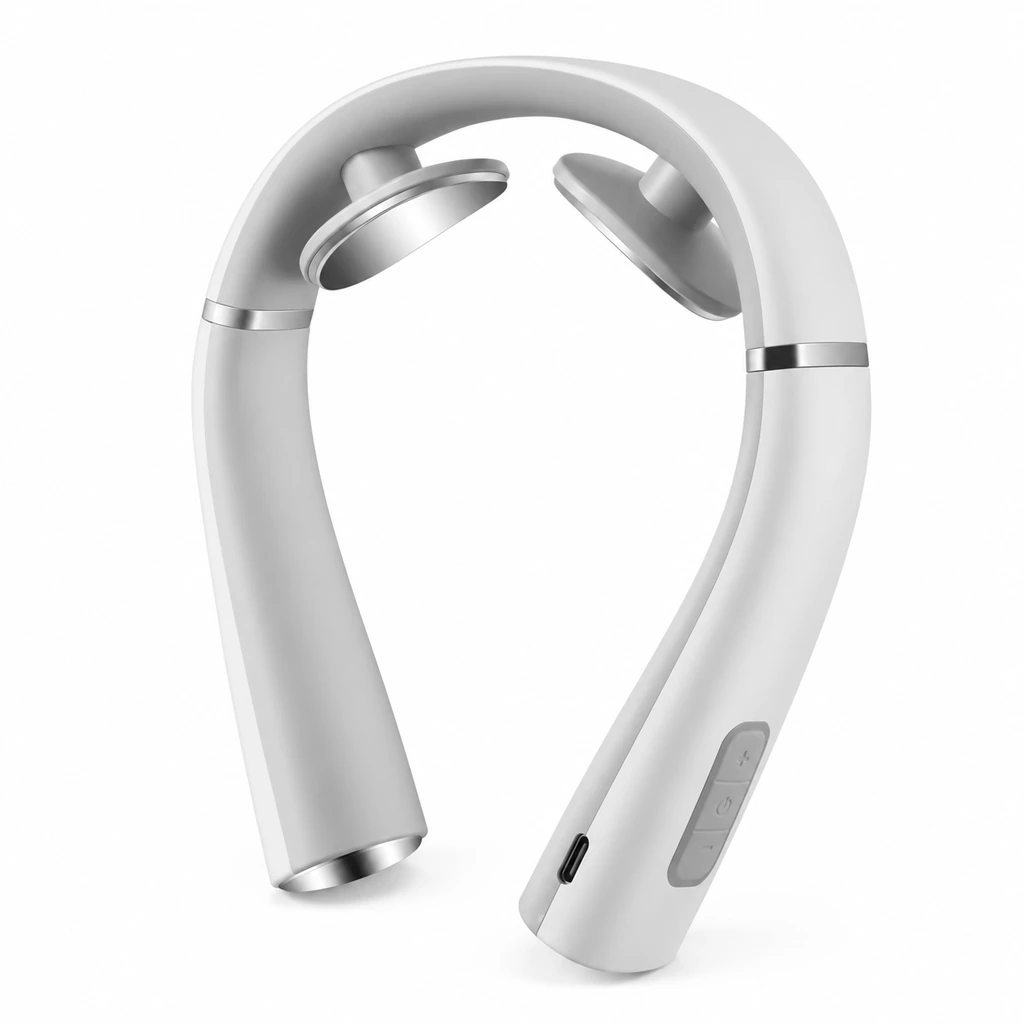
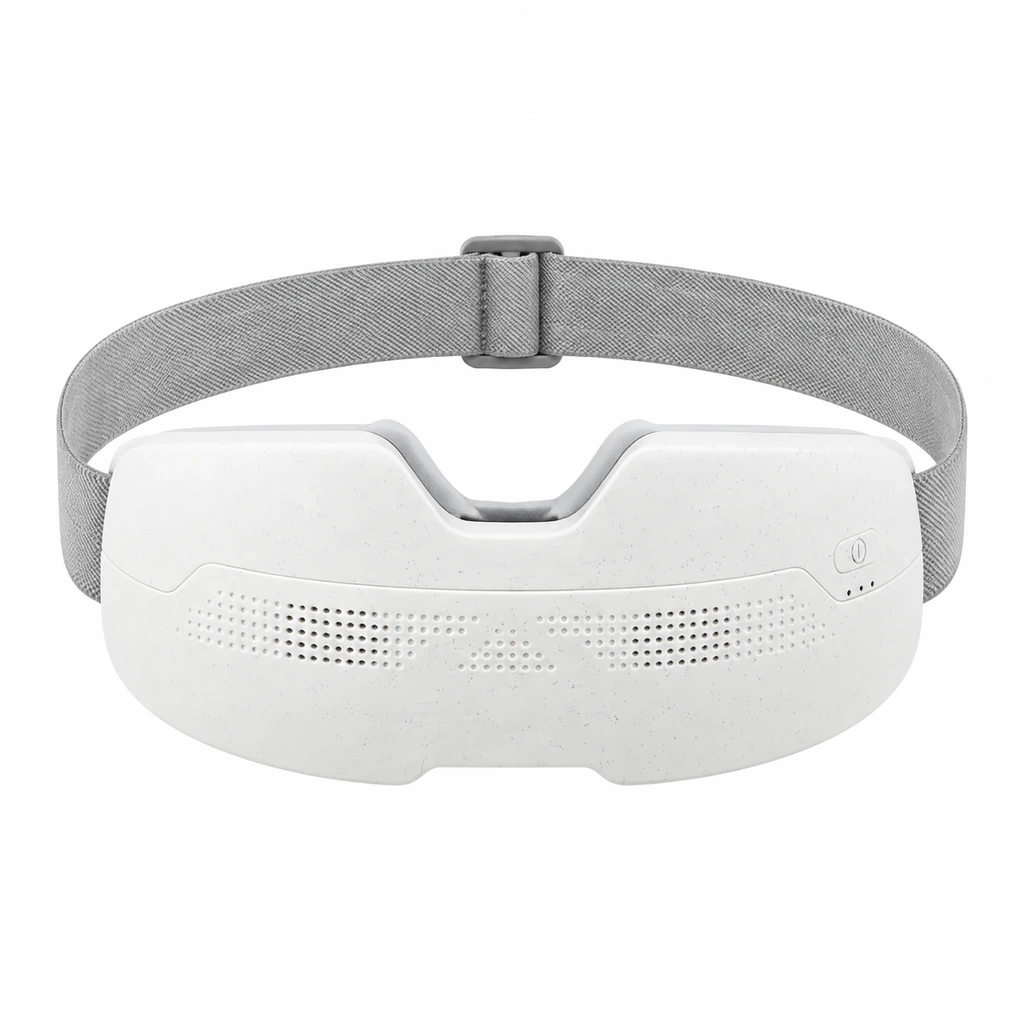
| Product reference: Meilan T1 scalp massager | |
|---|---|
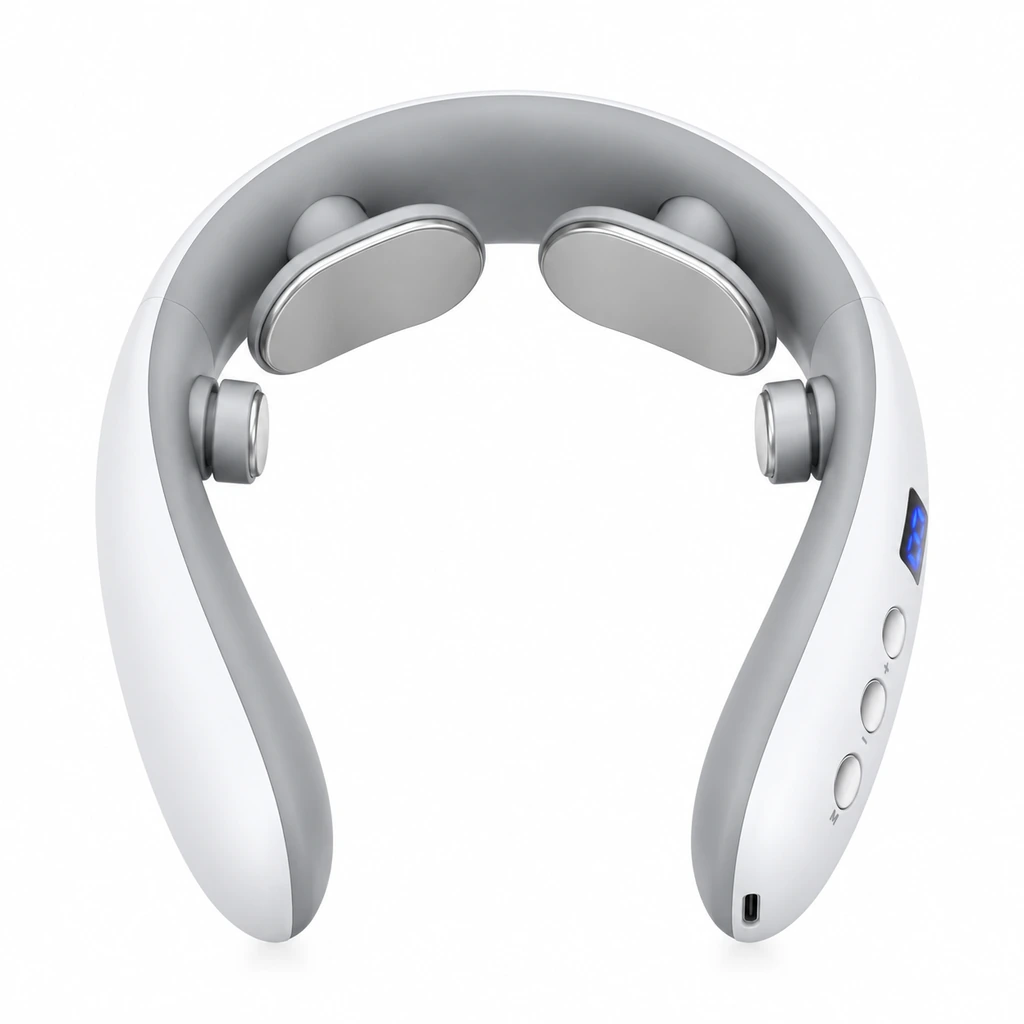
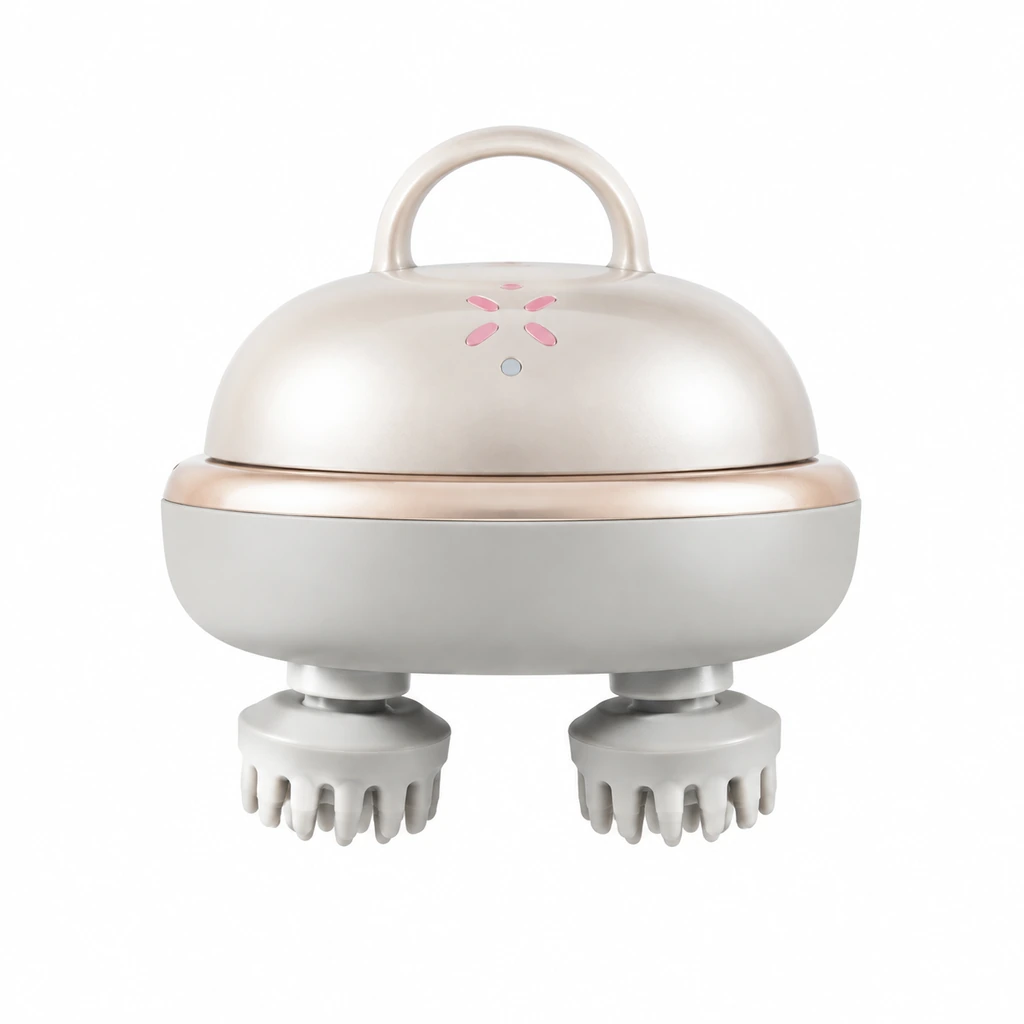 | Use T1 as a specific product reference when discussing branding. Identify the surface you want to mark and request confirmation of feasibility, proposed dimensions and the proof or sample needed. |
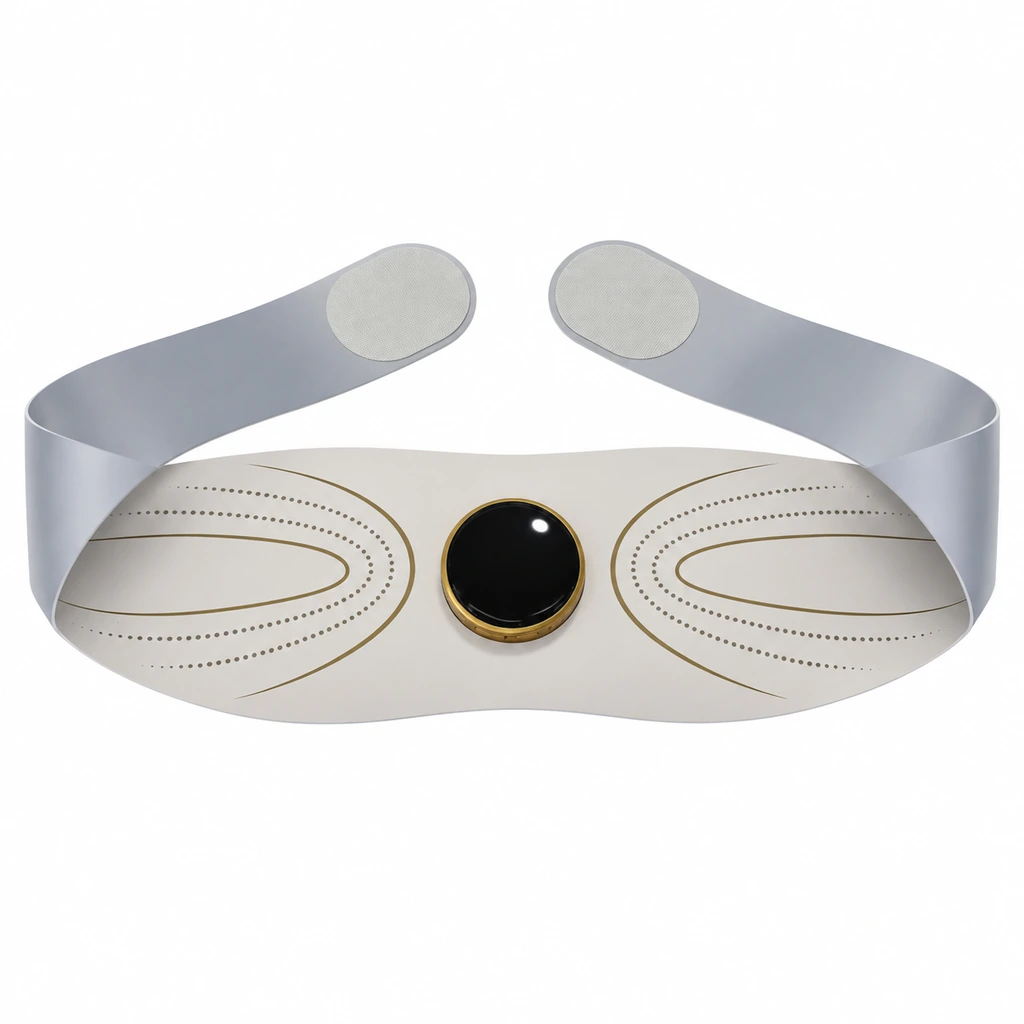
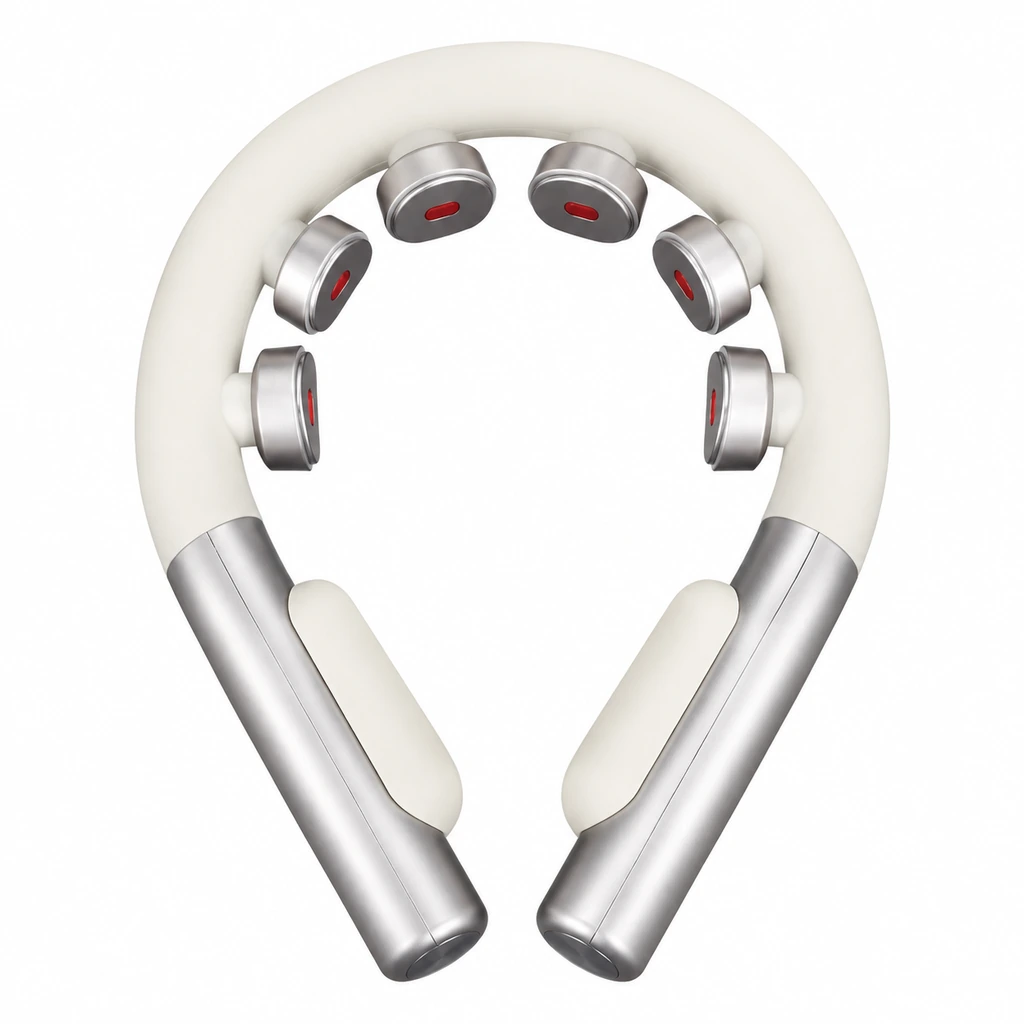
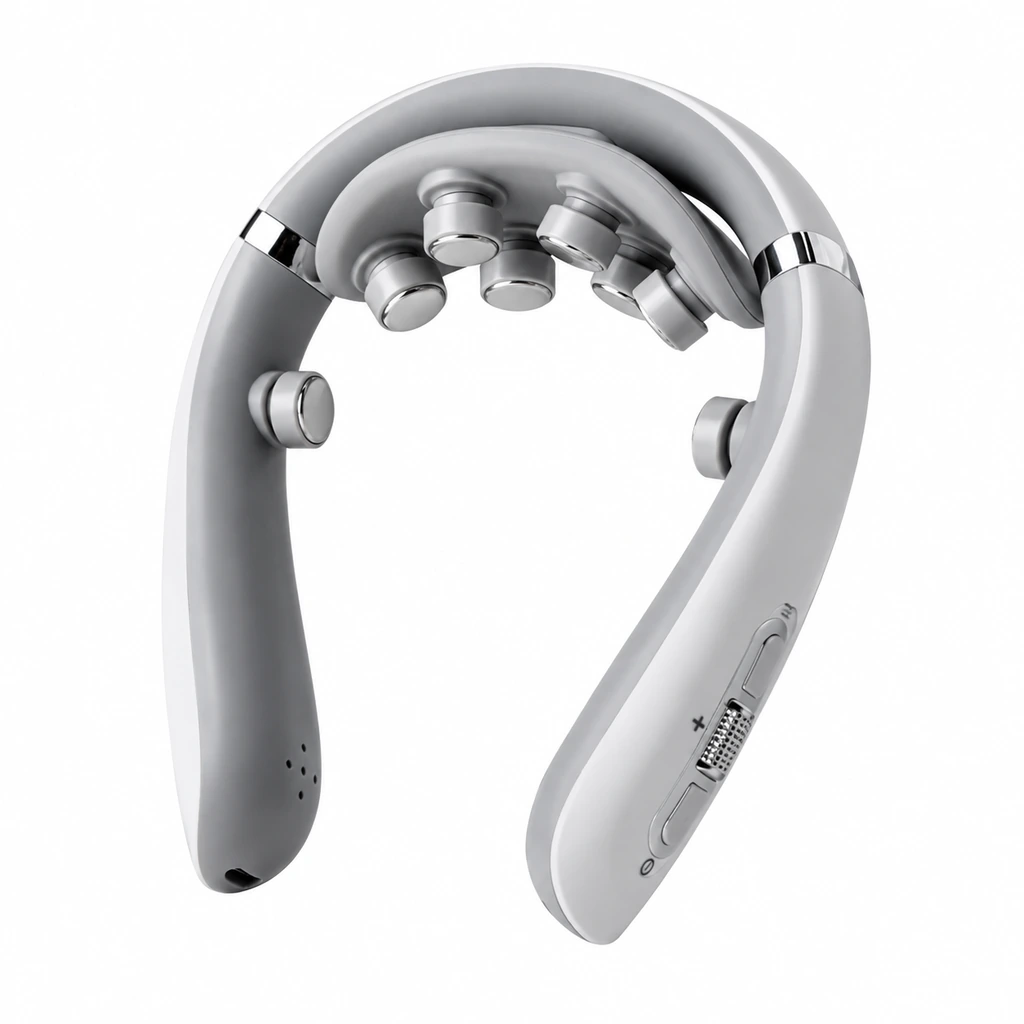
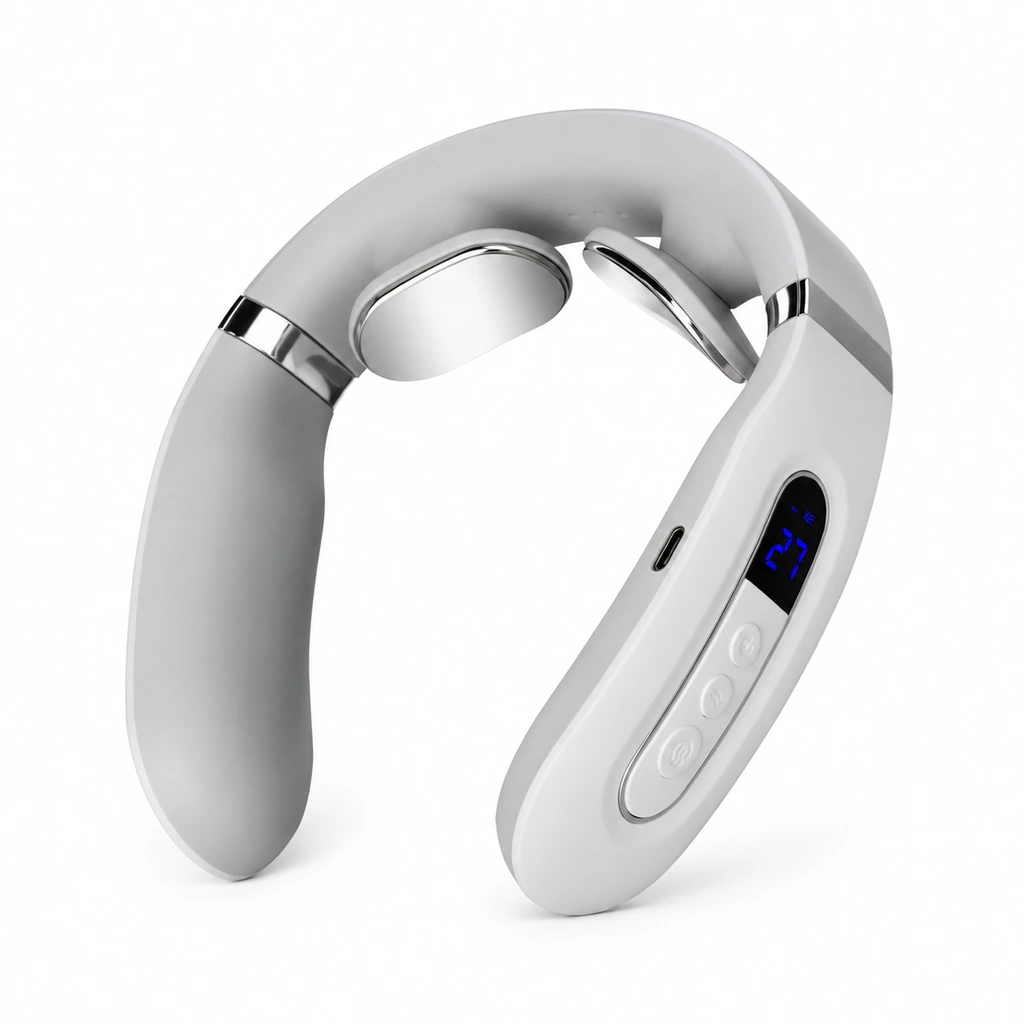
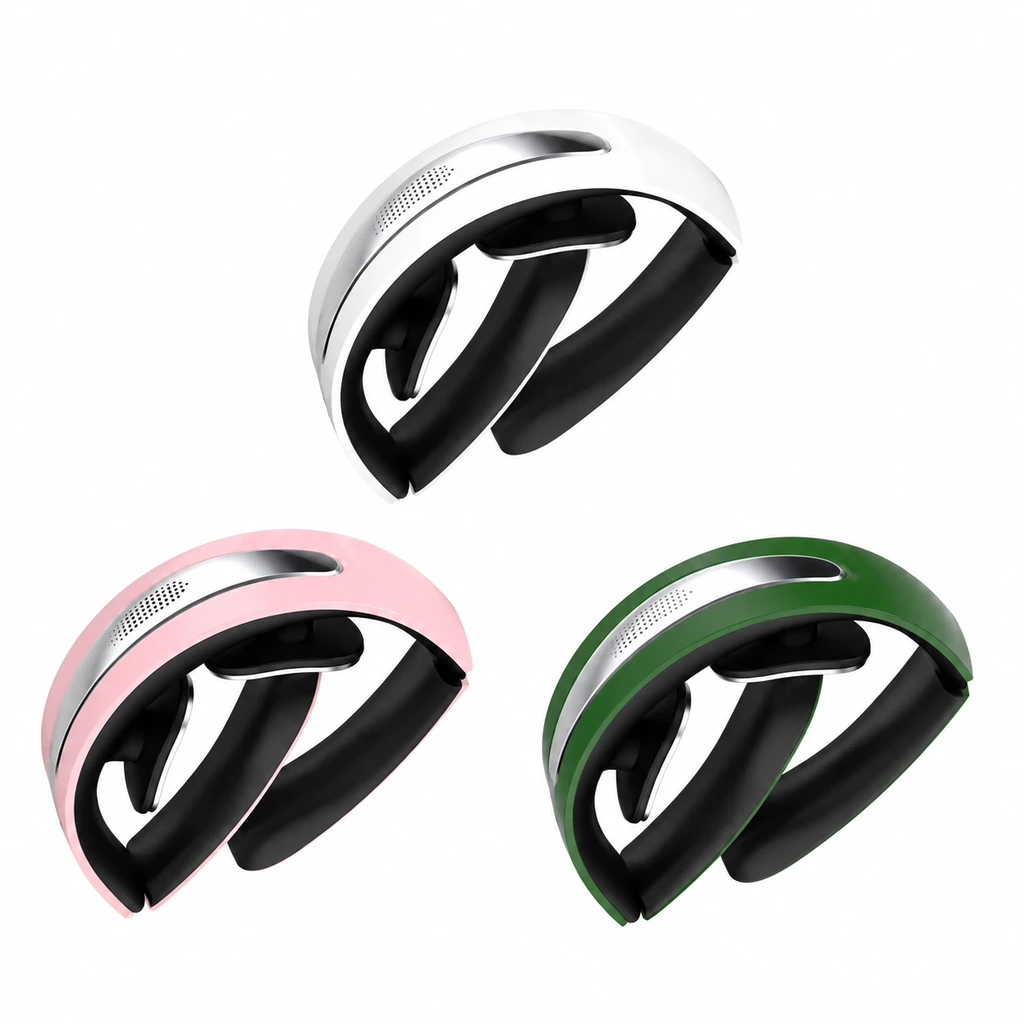
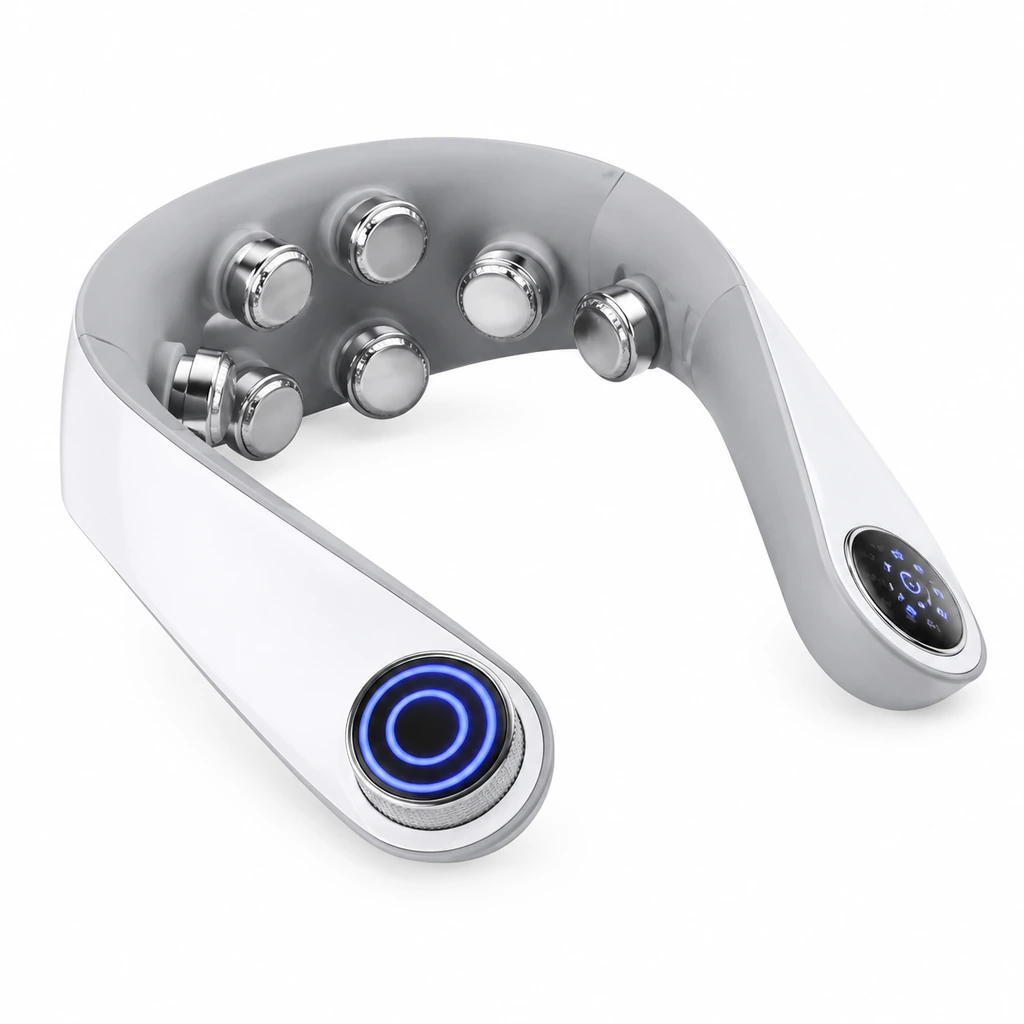
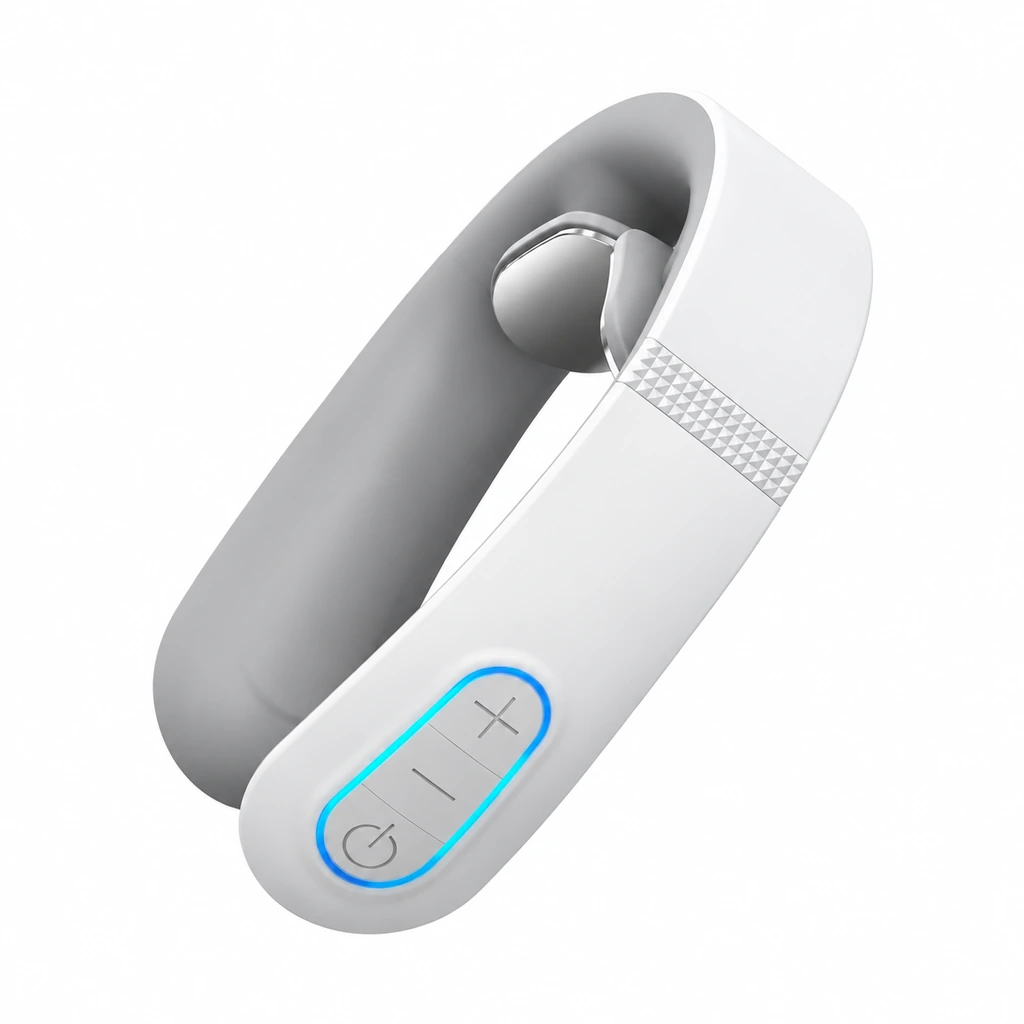
The product photograph identifies the device; it does not establish an available printing process or an approved logo location. Ask the supplier to assess the selected version before treating a mockup as a production commitment. Brand permission and practical marking feasibility both need an answer.
Keep permission, design approval and production release distinct
These decisions can happen in the same email thread, but they answer different questions. Brand authorization establishes who permits the proposed use. Artwork approval identifies the accepted design and revision. Production release tells the supplier which approved files apply to the order.
A useful release message names the project, model, artwork revision and placements being approved. It also identifies anything excluded or still open. “Looks good” beside a preview image leaves the printer guessing whether the message approves the logo size, all carton text or the entire order.
For example, a buyer might record: “The brand contact has approved the logo for the carton front in artwork revision B. Device marking is awaiting review. Carton revision B may proceed to the agreed print proof; this message does not release device marking.” This is an illustrative project note, not a complete authorization document. Its value is that the next person can tell what action has been approved.
Once the scope and responsible parties are clear, use the separate scalp massager packaging files guide to prepare the dieline, editable layout and pack information. Those technical files support execution of the approved design.
Resolve a client-brand mismatch before the printer receives files
Imagine a distributor ordering T1 units for a personal-care brand. The distributor’s purchasing team places the order, an agency supplies the artwork, and the brand manager reviews the logo. The first files show a carton design, but a later mockup adds the same mark to the device.
The buyer should check the additional use with the brand contact and ask the supplier to assess the device marking. Until both decisions are recorded, approval of the carton cannot settle the device request. If the device mark is removed from the current order, record that choice so an earlier mockup does not return to the printer as a supposedly approved version.
| Open question | Who needs to answer | What closes it |
|---|---|---|
| Can the buyer commission this branded product? | Brand owner or relevant authorized contact | A project-relevant record connecting the parties and permitted use. |
| Does the proposed use include device marking? | Brand contact and supplier project owner | Confirmed permission scope and a feasible marking proposal. |
| Which artwork may be used now? | Named approver and production coordinator | Identified revision, accepted placements and release stage. |
This example is hypothetical. It illustrates why one named coordinator is useful: that person collects the answers and sends the production team one current file package instead of several conflicting approvals.
Check authorization again when the order changes
A repeat order may reuse the same device while changing the buyer, market, artwork or production party. Check whether those changes affect the existing permission rather than automatically forwarding last year’s approval. Where a document has a time limit, confirm that it still applies to the proposed work.
Retain the approved artwork, supporting permission records and order release together. If a logo is replaced or permission changes, identify the affected files and ask how unused printed materials will be handled under the parties’ agreement. The relevant brand contact should decide which version can be used next.
Keep confidential records within the agreed review route. An initial inquiry can describe the parties and intended use; agree how to share any supporting documents before sending sensitive material.
Open a focused branding discussion for your scalp massager project
You can request an initial review while artwork is still being prepared. Send the model, your role in relation to the brand and the intended placements. The useful first response is a list of information needed for that project, together with the next proof or sample step.
| Discuss your T1 private-label branding brief | |
|---|---|
| Send | Model or product reference, estimated quantity, target market, ordering company, relationship to the brand and proposed logo placements. |
| Ask Meilan to confirm | Information needed to review the brand-use brief, feasible marking scope for the selected version, and the proposed proof or sample process. |
| Agree next | Who supplies supporting records, who approves the artwork and what must be settled before production release. |
| Start your inquiry | Discuss My Scalp Massager Branding Brief → |
A clear brand-use brief gives the supplier a concrete request to assess. It also gives your designer and brand contact a shared record of the product, files and decisions that need their approval.

