
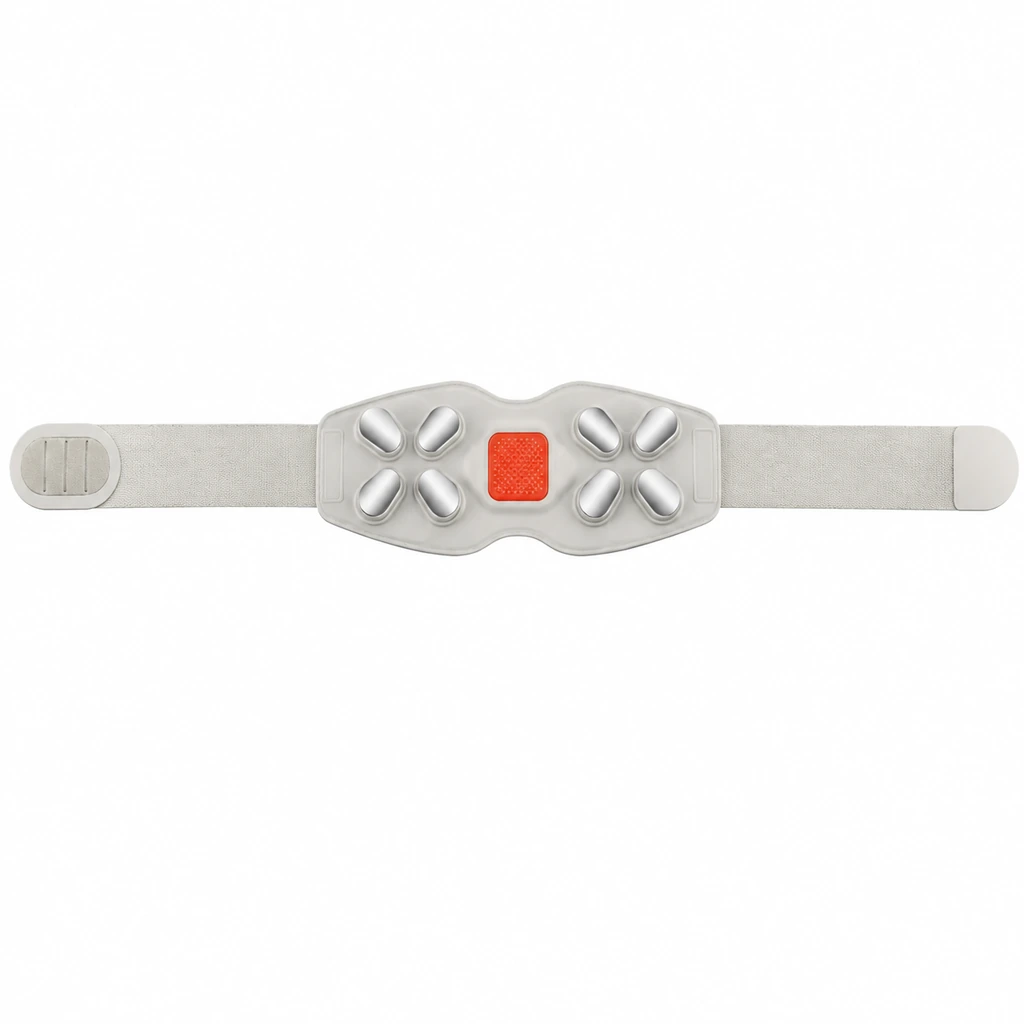
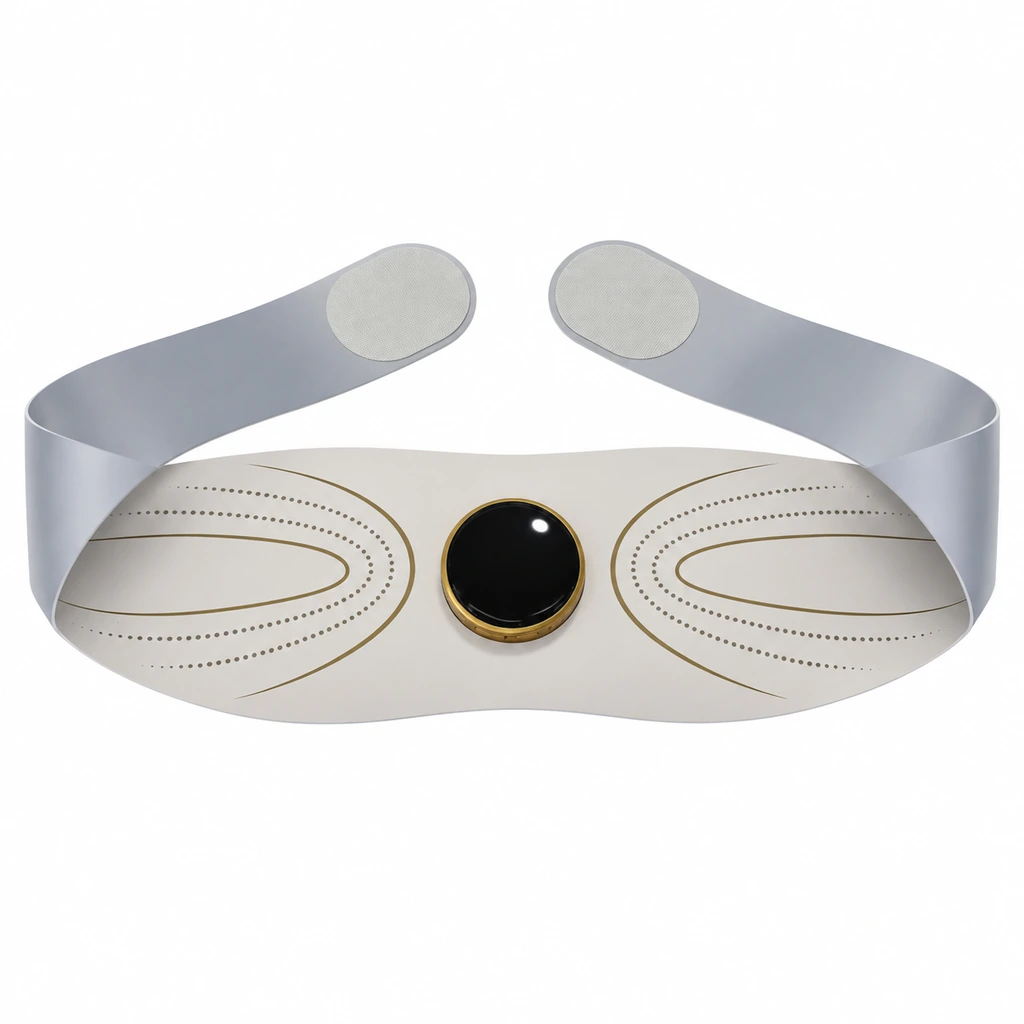
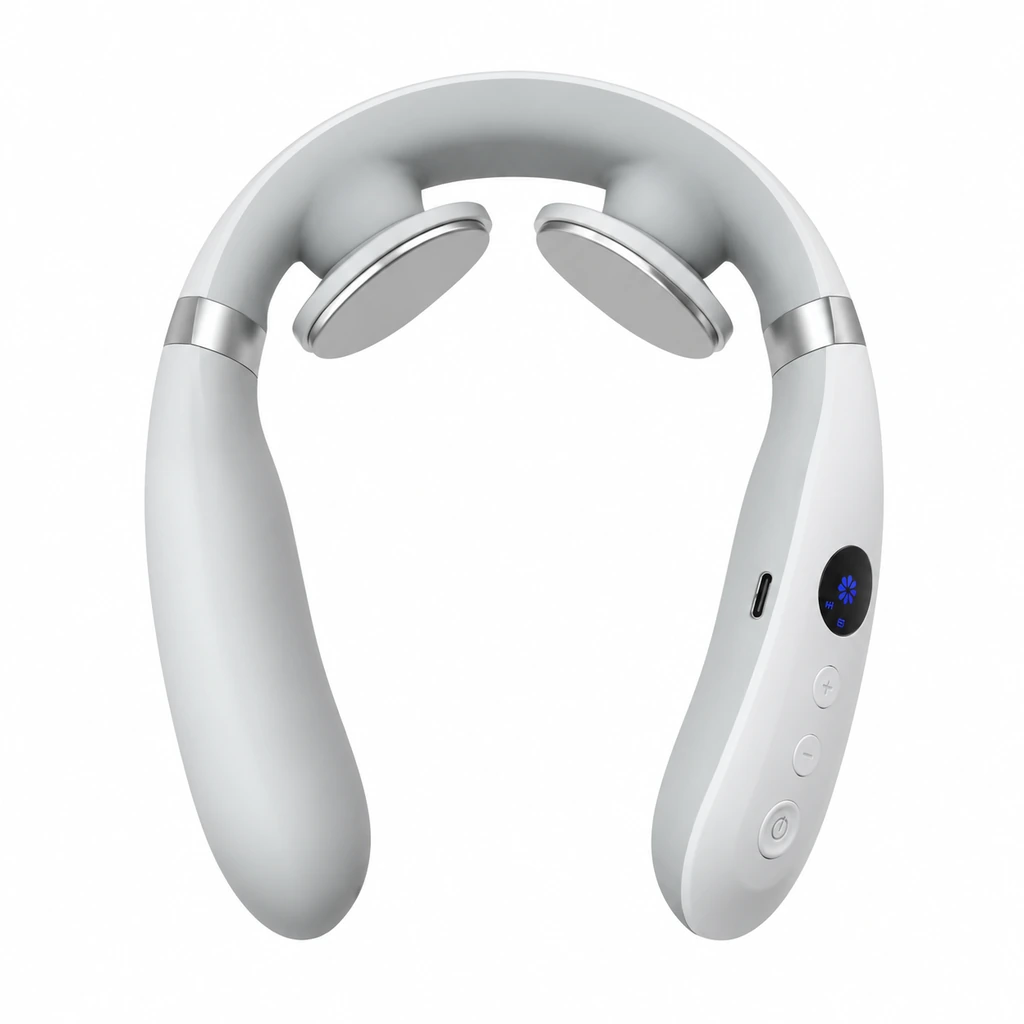


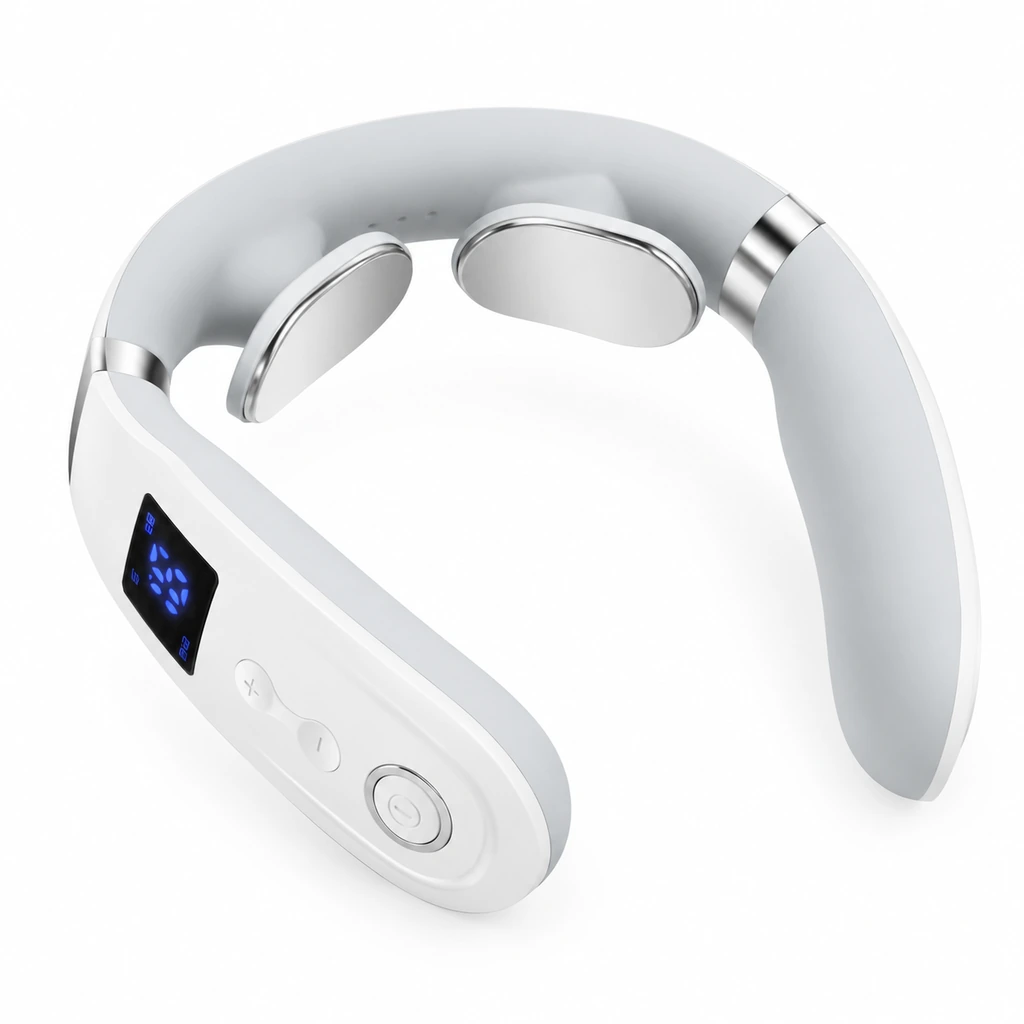

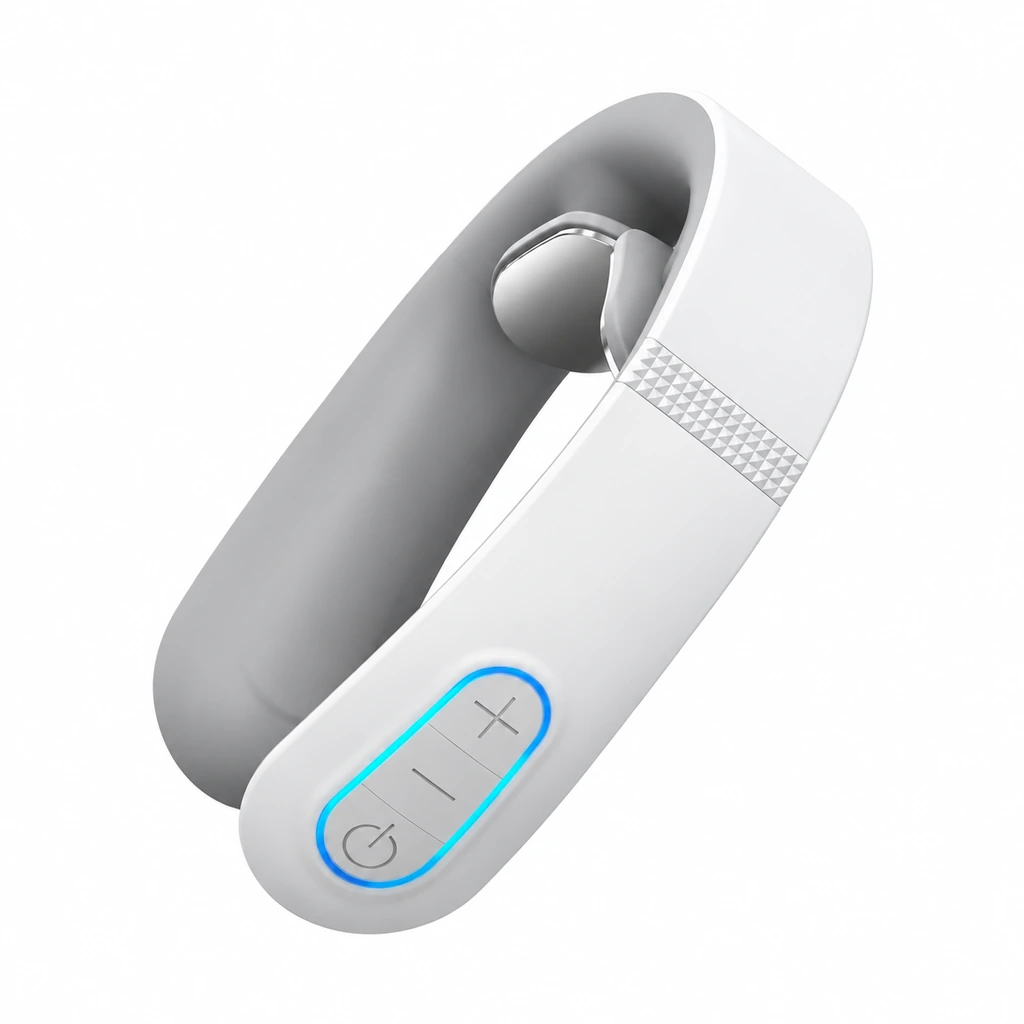



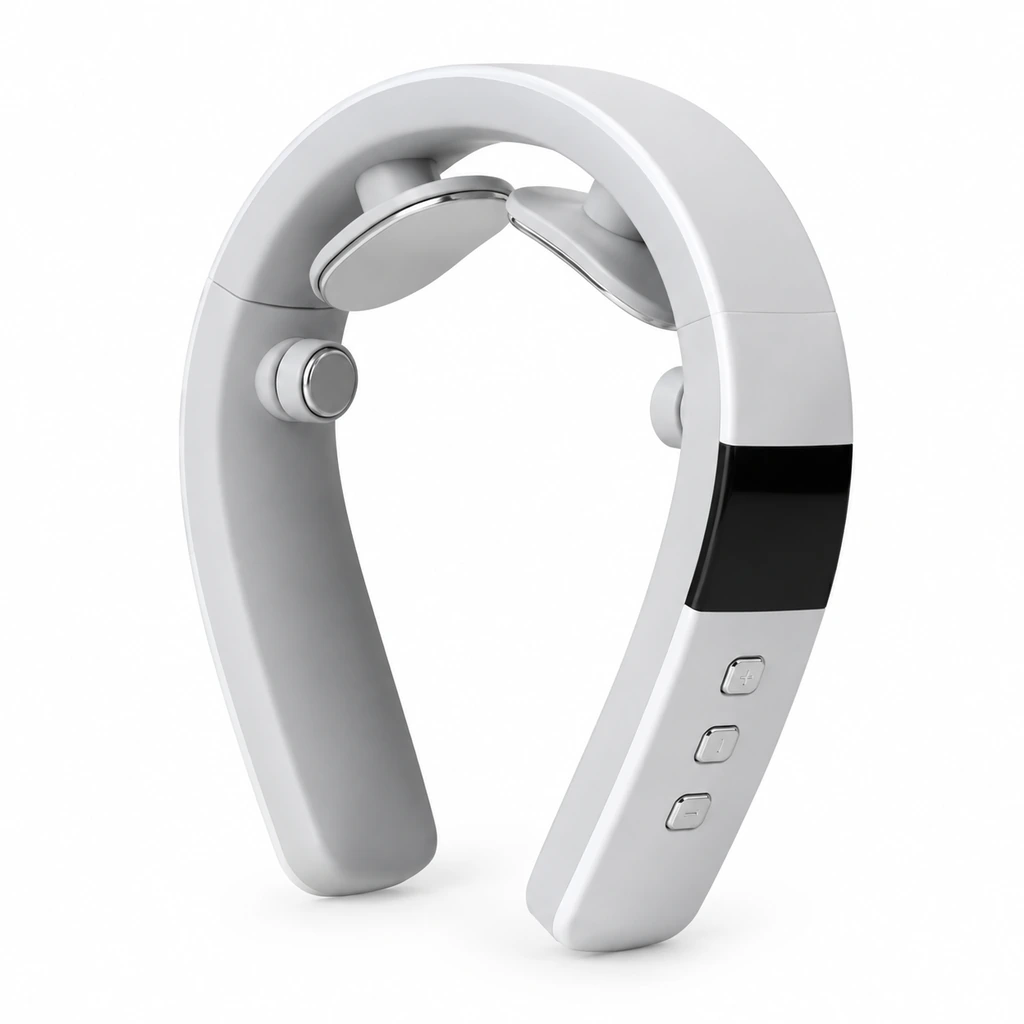
Eye Massager Packaging Inspection vs Transit Tests
A Y9-based guide to separating pack appearance and assembly from transport evaluation, with acceptance criteria, report checks and a scoped testing enquiry.
 Meilan Tech 7 min read

Packaging inspection checks whether an eye massager is correctly assembled into the agreed pack, with acceptable presentation, identification and contents. Transit testing evaluates how a defined packaged product responds to specified transport stresses. Wholesale buyers need these as separate approvals: a neat retail box does not establish shipping protection, and a transit result does not excuse the wrong label or missing accessory. Both must refer to the version being ordered.
1. Define the pack that will actually travel
For purchasing and quality teams, the first question is what leaves each warehouse. A distributor may receive master cartons containing retail boxes, while an online seller may later send one box inside a parcel mailer. A gift buyer may add a sleeve or change the insert. These are different packing arrangements even when the eye massager remains unchanged.
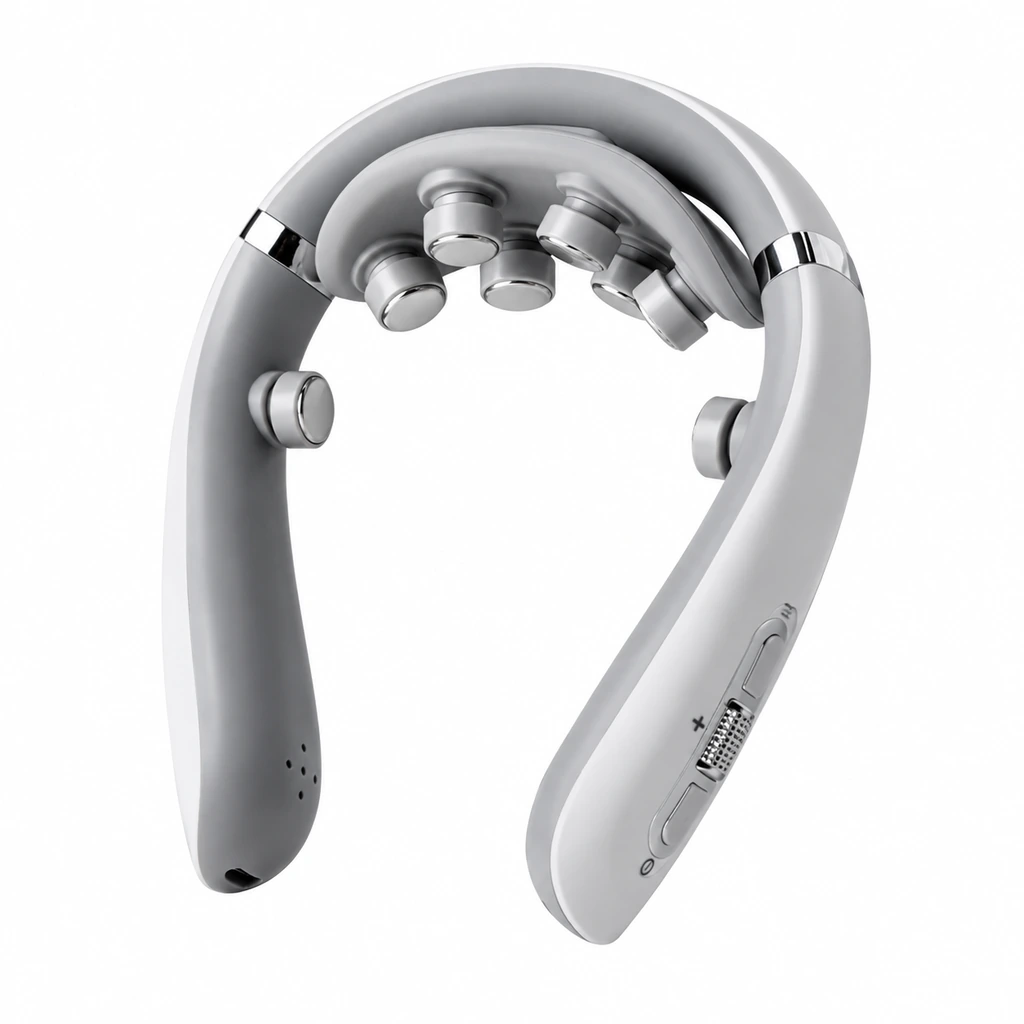
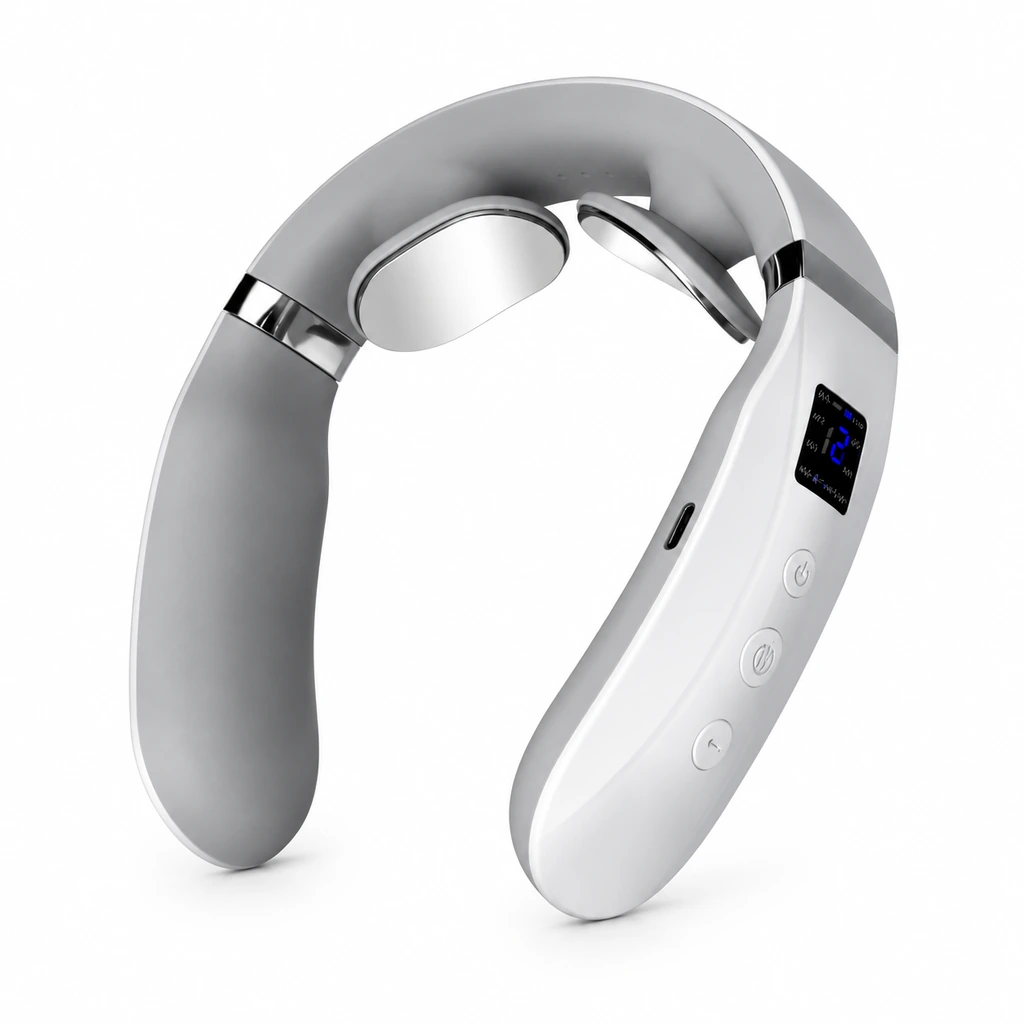
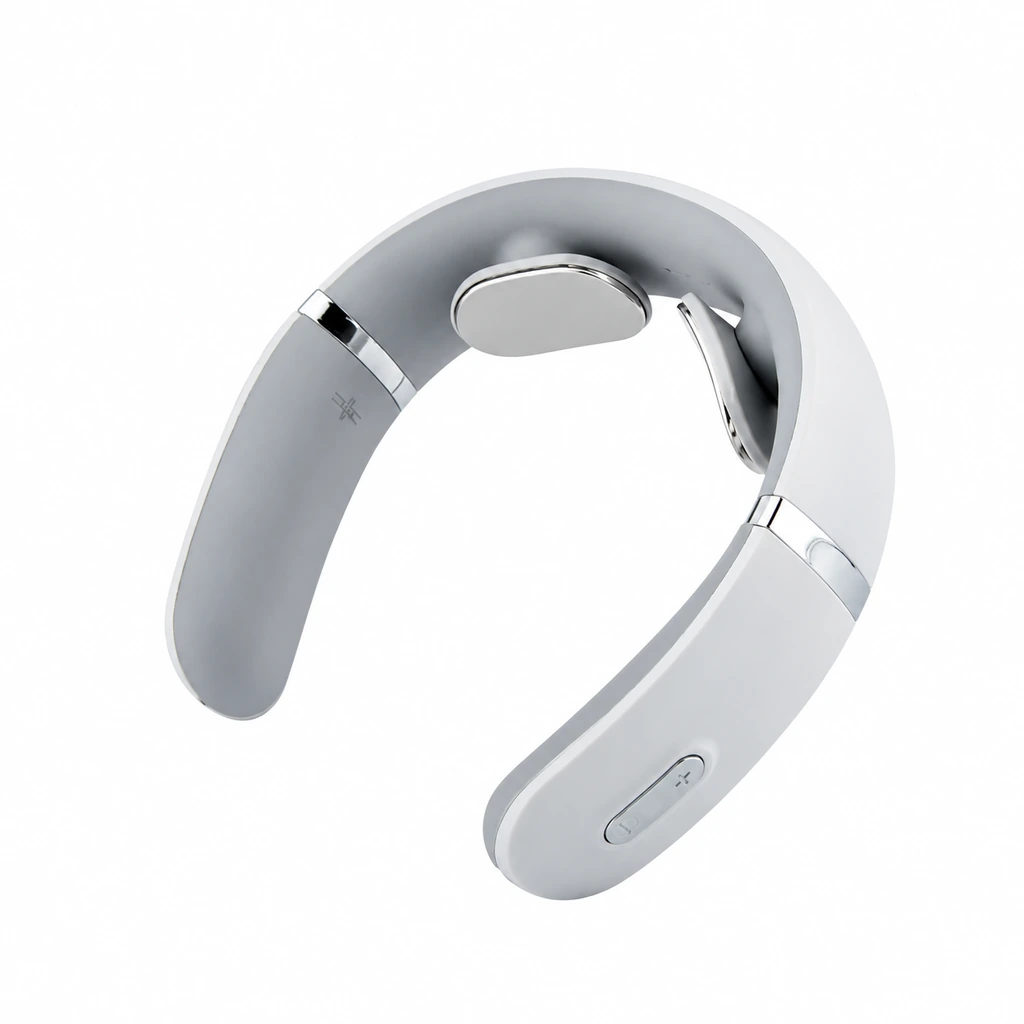
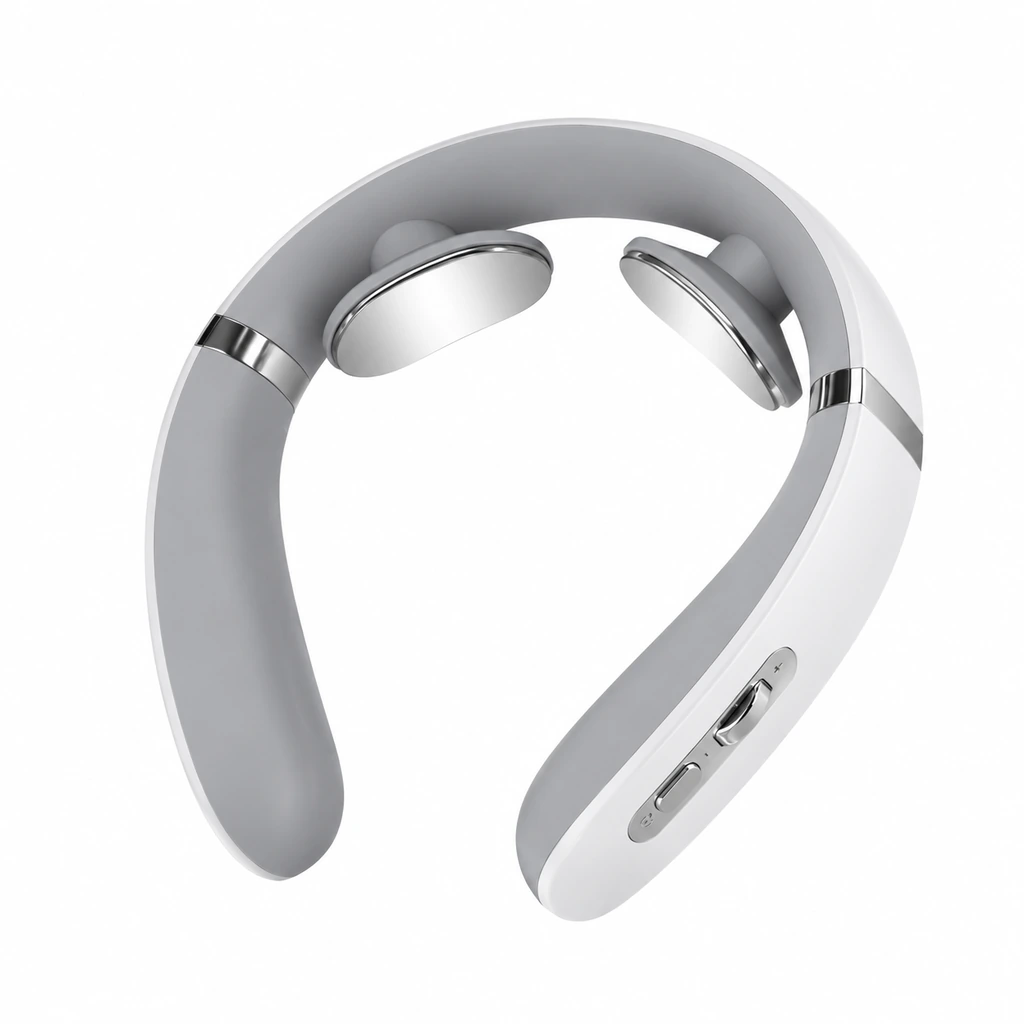
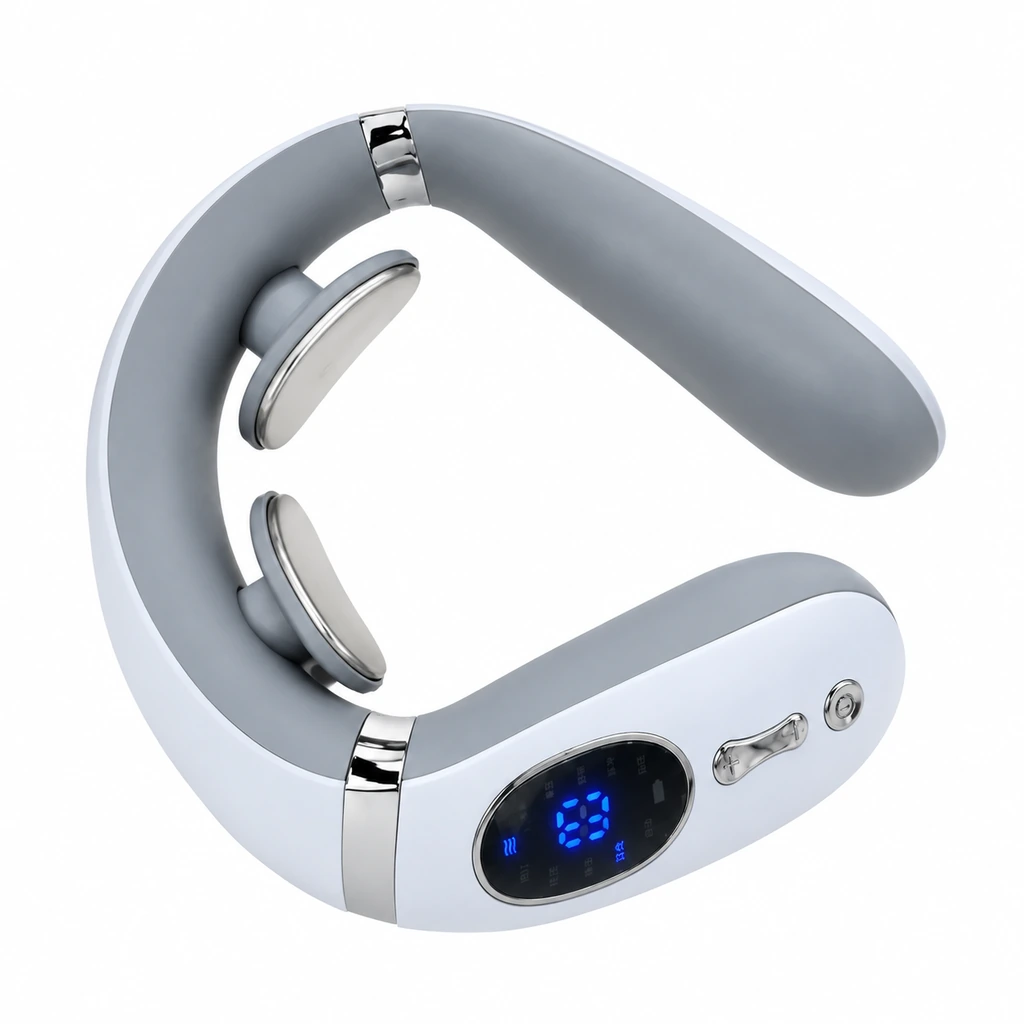
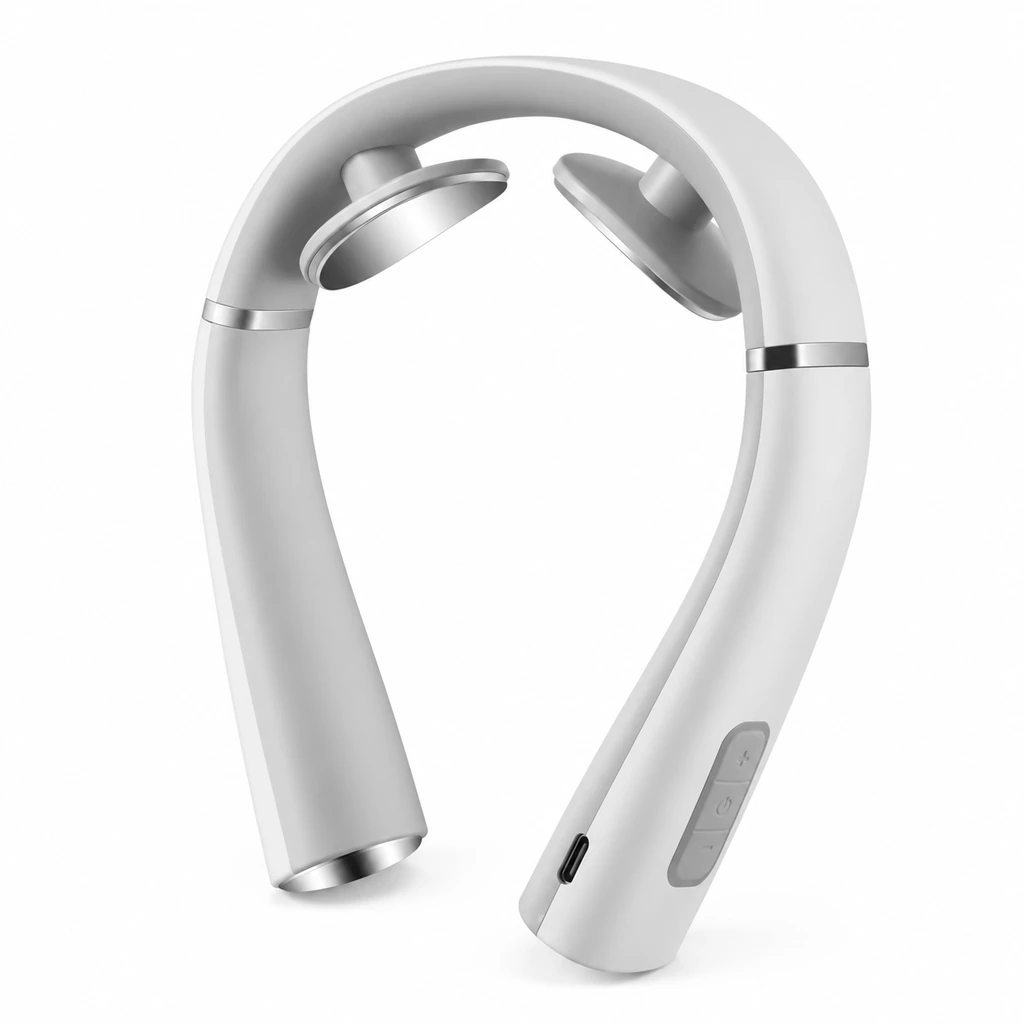
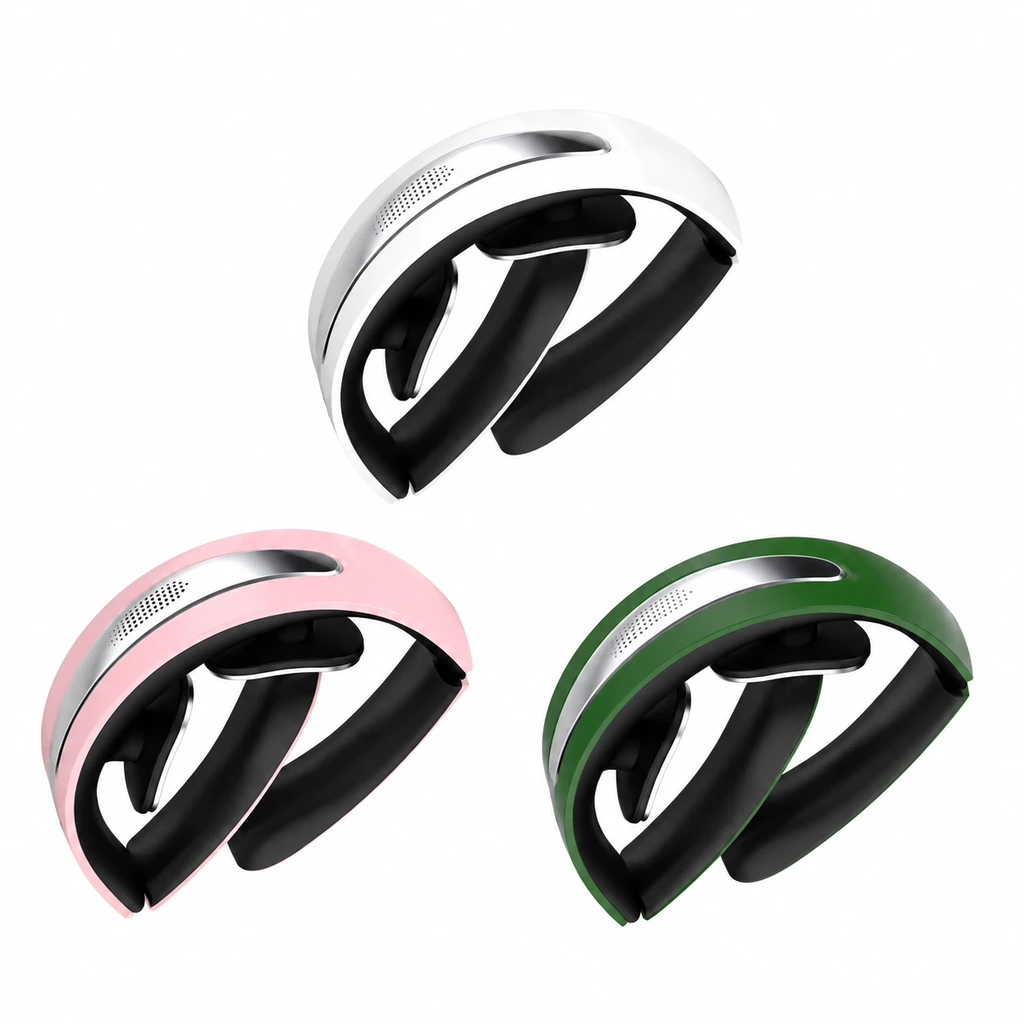
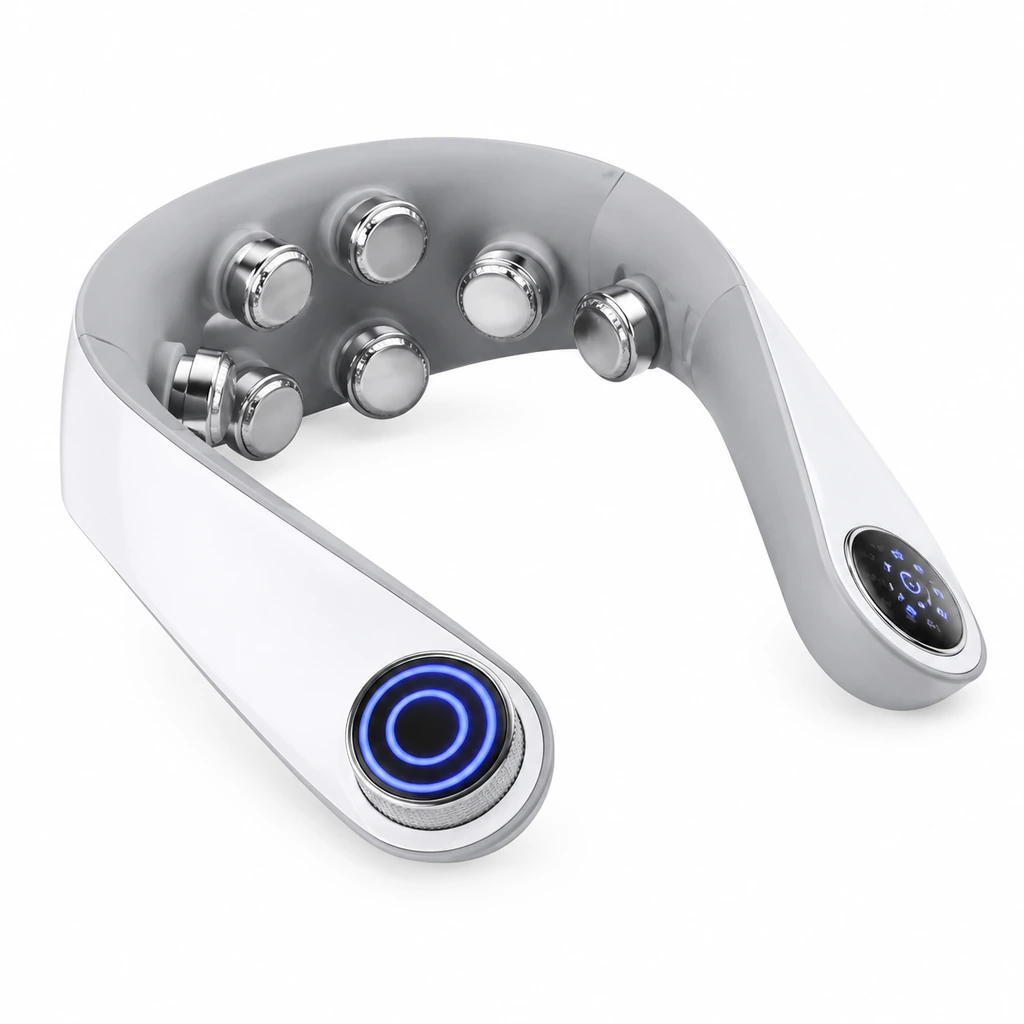
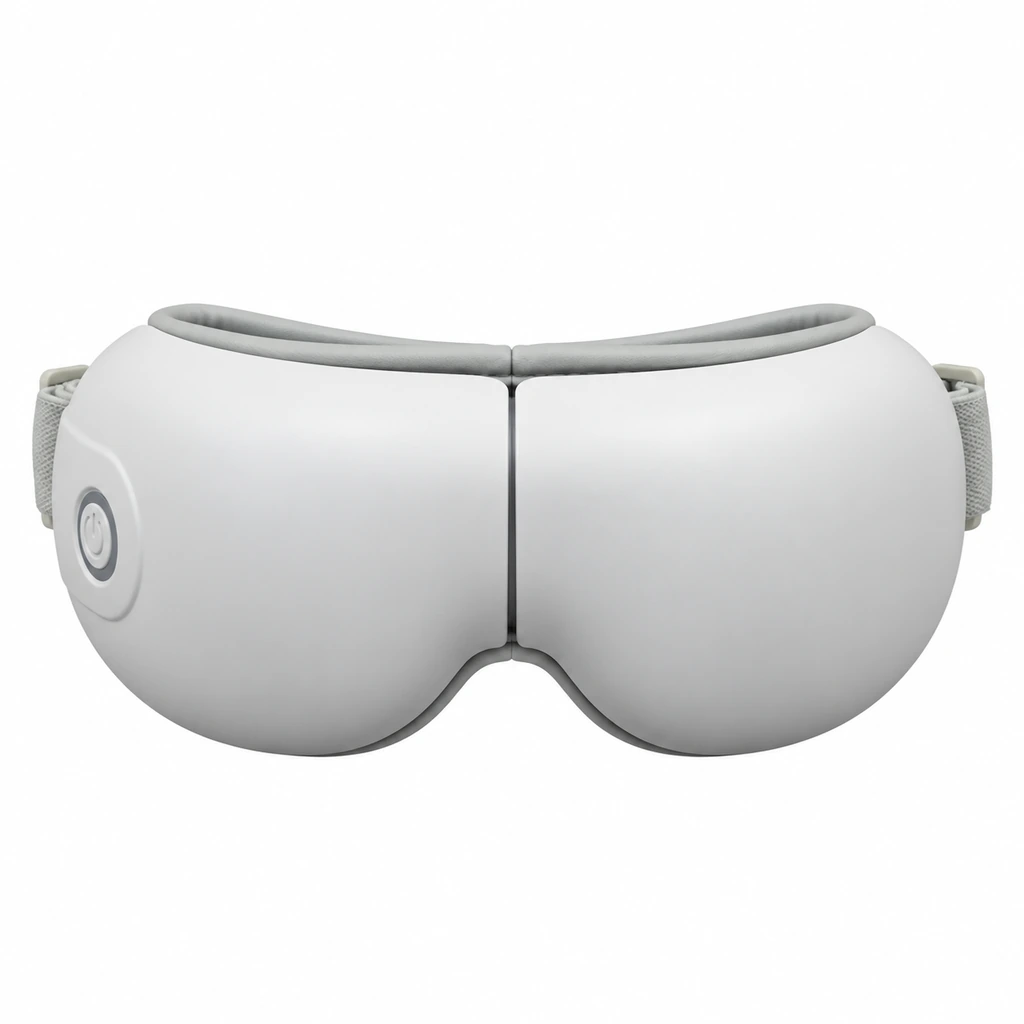
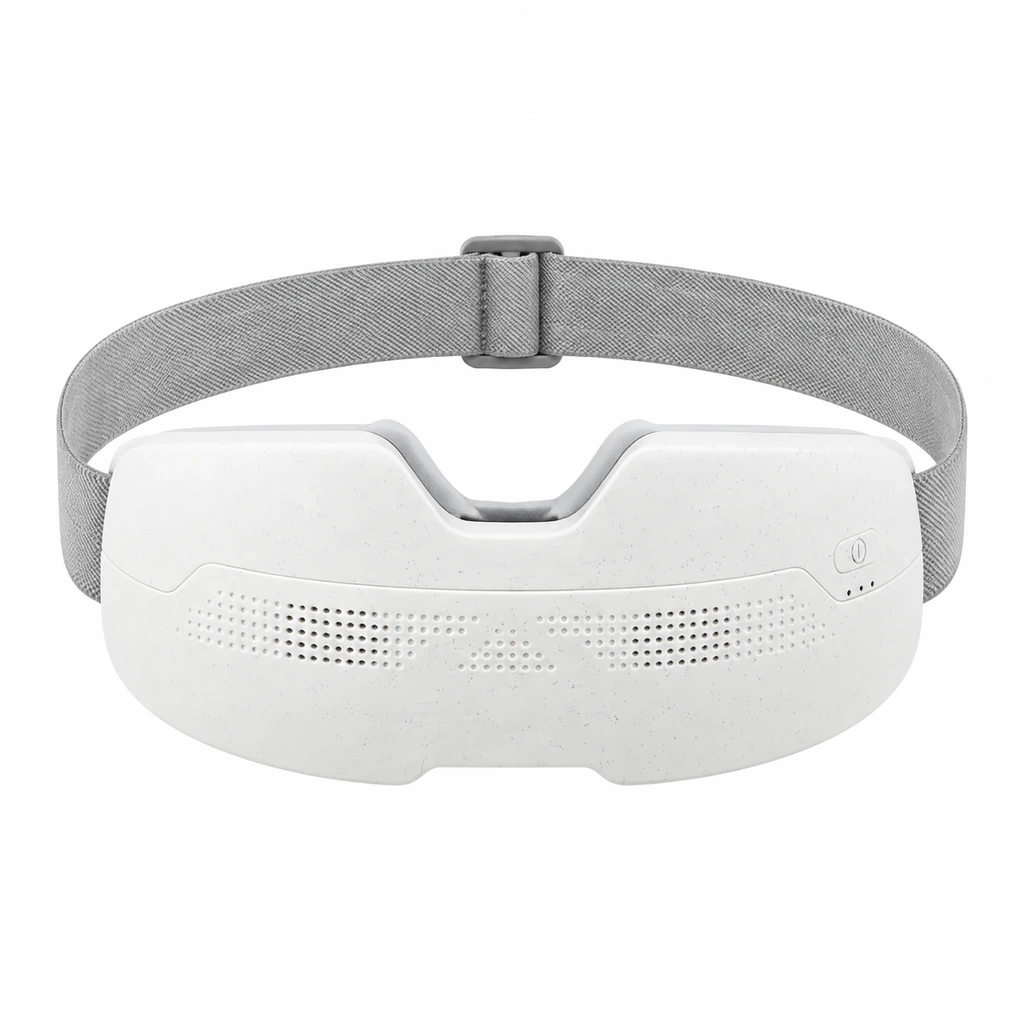
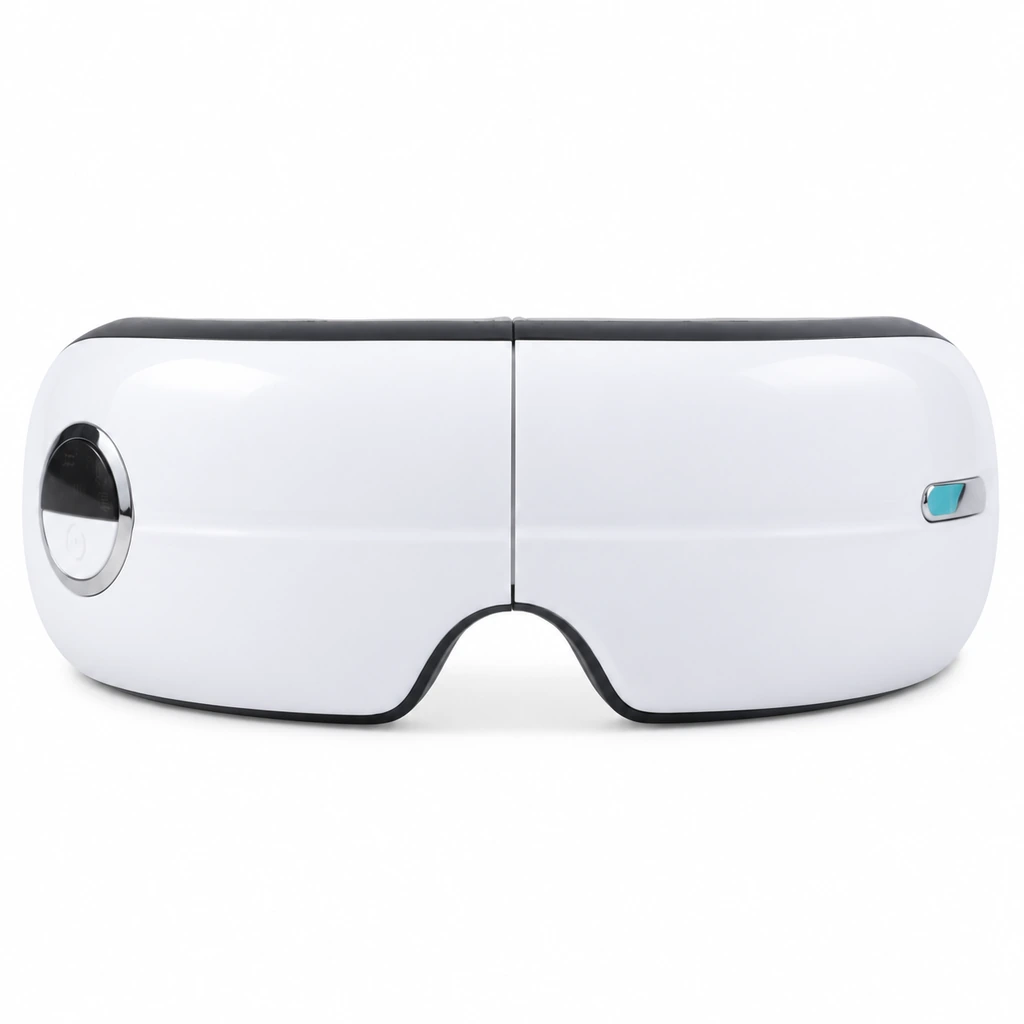
Use the Meilan Y9 eye massager as the reference candidate. Identify the device version, retail box, insert, agreed accessories, carton quantity, closure and any last-mile outer pack. A photograph of the device in a tray cannot establish the full shipping configuration. Freeze the packing list and structural references before asking whether packaging has passed inspection or a transport test.
2. Inspect presentation and assembly before applying stresses
Open a packed sample against the approved artwork and bill of contents. Compare the model, colour, barcode, manual language and accessory quantities. Check print legibility, box edges, seams, closure, cleanliness and visible surface defects using agreed reference photographs and criteria. Verify that the packed arrangement matches the drawing, rather than assuming that an attractive box is correctly assembled.
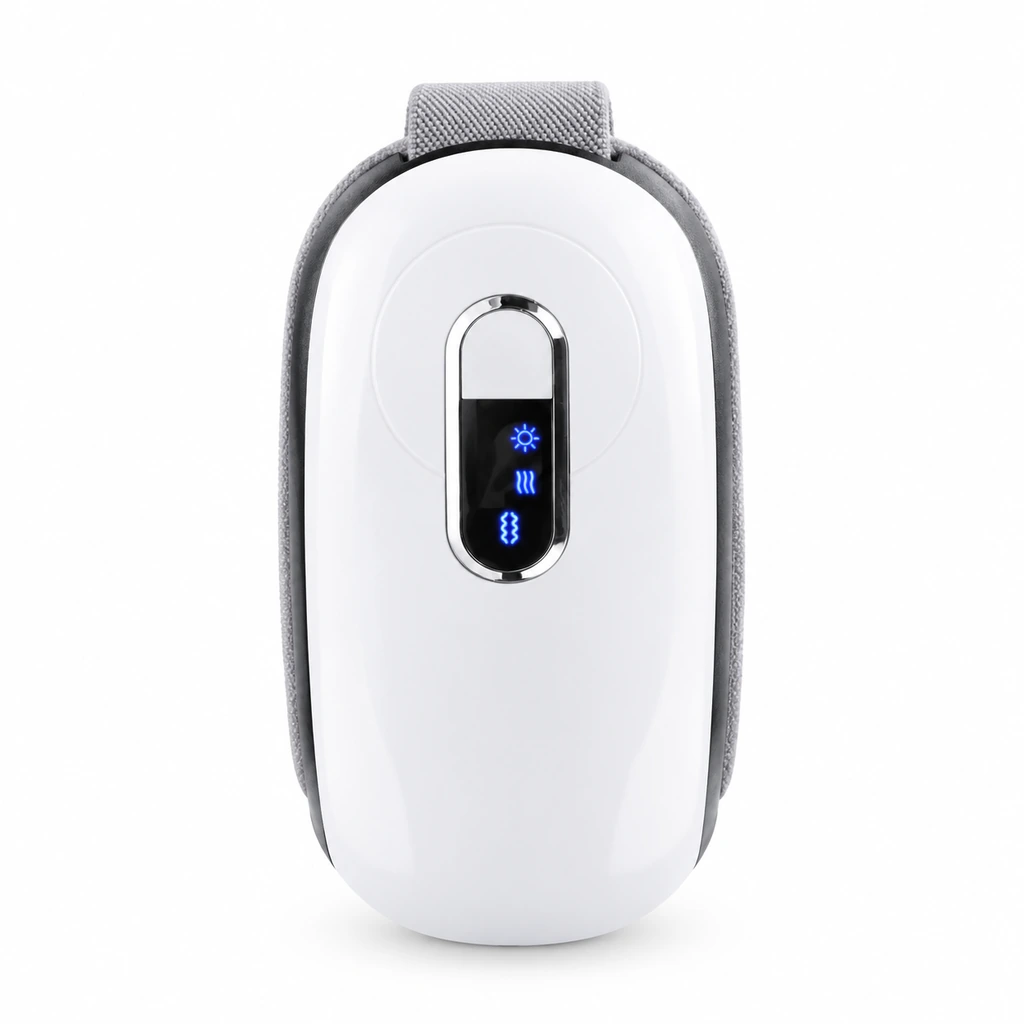
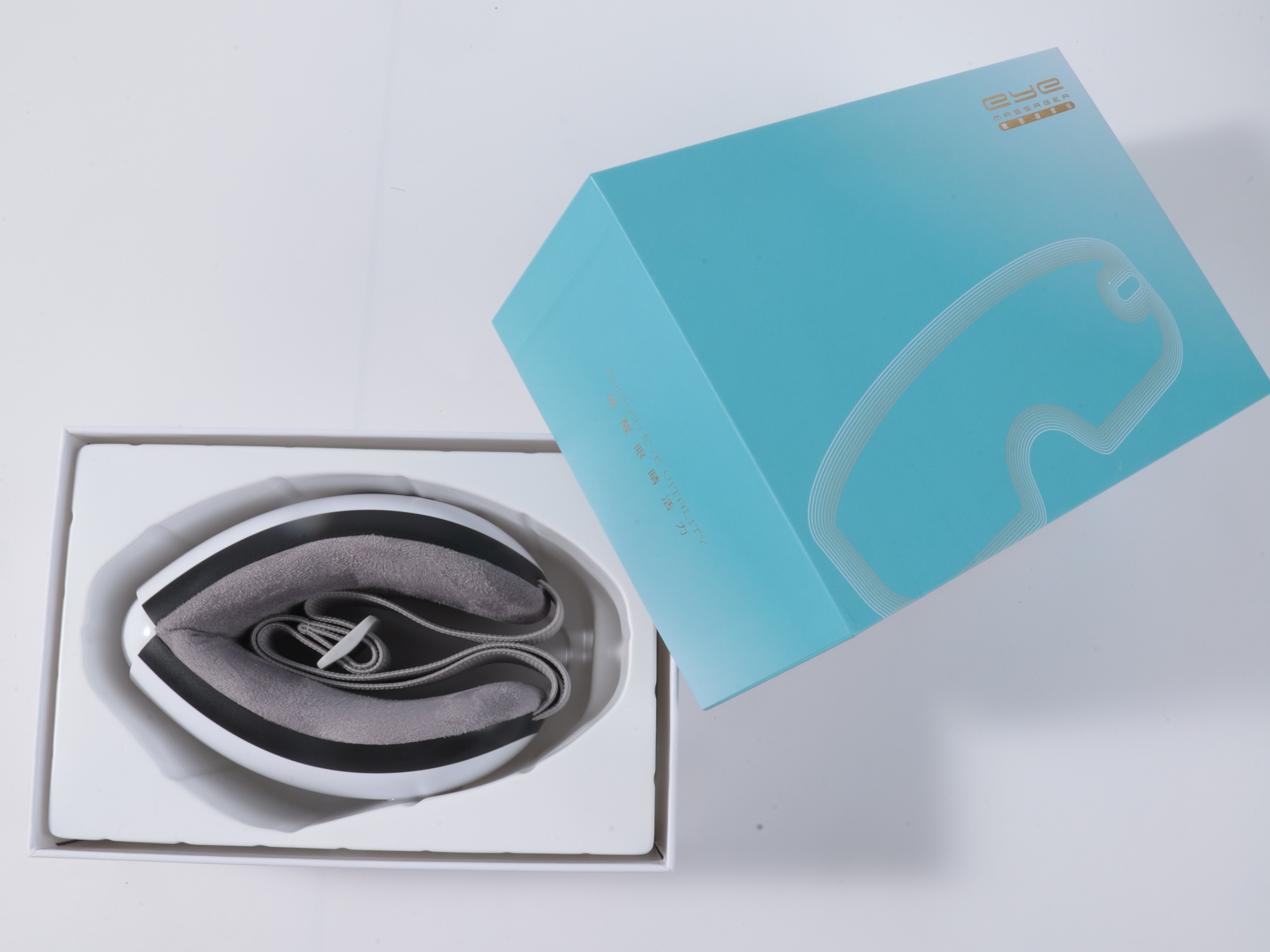
For a foldable eye massager, examine the specified folded position, strap placement and contact points with the insert. Check whether the device moves in its cavity, whether a loose accessory can rub against the shell, and whether the lid presses on a control or display. Record observations on the actual sample. Do not infer the insert material, its protective performance or the supplied accessory set from a styling image. The custom packaging brief explains the separate approval of structure and artwork.
3. Give each check its own acceptance decision
The comparison below separates presentation, pack-out and transport questions. Agree the criteria before evaluation; a supplier's statement that packaging is checked is not enough to show which decision was actually made.
| Review | What to examine | Evidence and limit |
|---|---|---|
| Appearance and printing | Visible finish, print, label, barcode and artwork revision against the approved reference | Retain findings and photographs; acceptable appearance does not demonstrate transit protection. |
| Pack assembly and contents | Device position, insert fit, strap routing, accessory count, instructions and closure | Use a named packed sample and itemized list; correct assembly alone does not establish resistance to handling stresses. |
| Transit evaluation | Defined product-and-package system under an agreed method, sequence and conditions | Request a configuration-linked report; conclusions apply within its stated scope, not every route or revised pack. |
| Post-test product review | Shell, folding mechanism, strap and agreed functional checks after the prescribed sequence | Keep before-and-after records; an intact outer carton does not establish an undamaged, functioning device. |
| Post-test package review | Retail presentation, insert displacement, openings and carton condition against agreed tolerances | Record damage even if function is retained; saleable presentation and product operation are separate criteria. |
| Batch packing inspection | Production pack revision, order and lot identity, sampling, findings and corrections | Links the approved arrangement to the shipment; does not repeat or replace the transport evaluation. |
4. Choose a transport evaluation for the distribution route
Describe the expected journey to the packaging specialist or laboratory: bulk or parcel distribution, handling transfers, stacking, shipment mass and dimensions, and any known environmental exposure. Ask for a justified method and its current edition, rather than prescribing a familiar test name without checking applicability. Drop, vibration or compression work may answer different questions; neither a single drop demonstration nor an unspecified combination establishes complete route coverage.
The published ISTA 1A overview treats the product and package together and distinguishes basic integrity testing from simulation of actual transport hazards. It also calls for product damage and acceptable package condition to be defined before testing. Use those principles to frame the discussion. The overview is not a complete procedure, a requirement for every Y9 shipment or evidence that a Meilan pack has been tested. Confirm the appropriate current method with the service provider.
5. Agree what counts as damage before the test
Define separate criteria for the device, retail presentation and outer shipping pack. A carton scuff may be acceptable for warehouse delivery while a crushed retail corner may be unsuitable for a gift programme. A device that switches on may still have a damaged folding joint, displaced padding or unreadable display. Write the required observations and functional checks against the selected version, without creating unsupported performance limits.
Record the initial condition, sample identifiers and exact pack-out. After the agreed sequence, retain photographs of the unopened pack, opened carton, insert, device and accessories, with any failure location identified. Specify who performs functional checks, when they occur, whether disassembly is permitted and how unexpected damage is handled. Do not quietly replace the insert or reassemble the pack between stages unless the agreed method permits it and the report records it.
6. Quote the service and obtain a usable report
Ask the supplier or laboratory to quote the work in writing. The scope should state the model and packaging revision, number of samples and who supplies them, method and edition, conditions and sequence, inspection criteria, report contents, timing and cost responsibility. Separate sample preparation, delivery to the laboratory, testing, functional evaluation and possible retesting. A sample purchase or routine packing inspection does not automatically include these services.
A useful issued report identifies the laboratory or service provider, report number and date, samples, pack construction, contents, dimensions and mass, applied method, deviations, observations and conclusion. Request the relevant original file and annexes, not just a pass statement. If a reference report names another eye massager, carton quantity or insert, ask for a documented comparison and technical assessment before using it for Y9. A transport report is not a substitute for product or battery transport documentation required for the actual shipment.
7. Release the packing version and control later changes
Connect the accepted sample, packing instruction, artwork, insert drawing and test reference to one order revision. For production, agree a batch inspection that checks the actual packing arrangement and records order and lot identifiers, sample quantity, findings and corrective action. Retain the approved reference so warehouse staff can distinguish the version being dispatched. An earlier successful sample does not prove that every later batch has been packed identically.
When the device, insert, carton, accessory set, packing quantity or fulfilment route changes, ask which earlier evidence remains relevant and which checks need repeating. Follow the eye massager reorder review to compare the proposed pack with the approved baseline. If the necessary report is missing, keep the transport approval open and agree the next technical action. Missing evidence itself establishes neither success nor failure.
Frequently asked questions
Can a good-looking retail box be approved for shipping?
Appearance approval alone is insufficient. Identify the complete shipping pack and obtain the agreed evidence for that configuration and route before approving its transport performance.
Does one informal drop check count as transit validation?
It can record an observation under those conditions. It cannot substitute for an agreed procedure with identified samples, a defined sequence, acceptance criteria and documented results.
Does the inner tray need to be the same as the tested sample?
The ordered arrangement must be linked to the evaluated configuration. A different material, geometry or fit needs a documented assessment of its effect; do not assume equivalence from appearance.
Is ISTA testing mandatory for every eye massager order?
No universal requirement is established here. Confirm the buyer, carrier, marketplace and destination requirements for the actual shipment, then agree the applicable service and method.
What if the box is damaged but the device still works?
Apply the separate criteria agreed for product operation, retail presentation and shipping packaging. Working function alone does not settle whether the goods meet the channel's acceptance conditions.
For a Y9 packaging review, send the destination, distribution route, device version, packed-sample photos, accessory list and carton arrangement through the Meilan certifications and supporting-documents page. Request the corresponding original records, clarify existing coverage and obtain a written scope for any inspection or transit evaluation still needed before release.

