






















Mixed Model Eye Massager Wholesale Order
Plan a mixed-model eye massager order around configuration-level quantities, carton contents and delivery releases, with blank buyer–supplier confirmation templates.
 Meilan Tech 9 min read

A mixed model eye massager wholesale order needs agreement at three levels: the quantity accepted for each configuration, the contents of each shipping carton, and the release plan for each delivery. Before confirming Y8, Y9, Y103 or Y5, ask for a line-by-line quotation and packing proposal. A combined order total does not establish that every model can share an MOQ, carton or dispatch date.
For a distributor, a wider assortment can tie up less stock in a single model. An online seller may want separate SKUs ready for warehouse receiving, while a gift buyer may need several versions delivered together for one event. Each objective changes the sensible packing plan. The useful question is whether the supplier can deliver the selected assortment in a form your receiving team can identify, count and release for sale.
1 Define what you want to combine
Start the enquiry by distinguishing a mixed-model order from a mixed carton. Several models may appear on one purchase order while remaining in separate, single-SKU cartons. Putting different models inside one outer carton is a separate packing request. Shipping those cartons together is another decision, and it may depend on when each configuration is ready.
| Decision | What to ask | Written confirmation to retain |
|---|---|---|
| One order with several models | Which configurations can be quoted together, and what minimum applies to each? | Accepted order lines and their individual quantities |
| Different models in one carton | Is mixed-carton packing available for this combination and destination? | Carton contents by SKU, protective layout and any handling charge |
| One consolidated dispatch | Can all accepted lines be released together? | Readiness conditions, dispatch window and exception process |
If your warehouse requires one SKU per carton, say so before asking for freight estimates. If you need small allocations for several branches, explain whether the supplier should prepare branch-specific cartons or whether your own warehouse will sort them. Mixing to save outer cartons can create extra receiving work at the next stage.
2 Confirm minimum quantities by configuration
Write one line for each model, color, functional version, branding choice and packaging language that must be treated separately. A model name alone is too broad for an order specification. For example, the same model with two printed box languages may create two packing identities even if the device hardware is identical.
Ask whether the quoted minimum applies per model, per color, per logo treatment or per packaging version, and whether any overall order threshold applies in addition. Separate stock configurations from customized work. A supplier may accept a stock assortment while requiring a different quantity or lead time for printed packaging. Request a specific answer for the selected combination rather than treating “mixed orders available” as approval of every variation.
The guide to eye massager MOQ by configuration explains why the configuration needs to be settled before comparing minimums. When an offer changes, retain its date and revision reference. The accepted quantity, unit price and packaging basis should all refer to the same version.
Keep three quantities distinct: what you would like to buy, what the supplier accepts, and what will actually ship. If a supplier proposes rounding a line to a full carton, ask how that affects excess stock, price and the total order value. Do not let a packing convenience silently change the purchase quantity.
3 Give each model a receiving identity
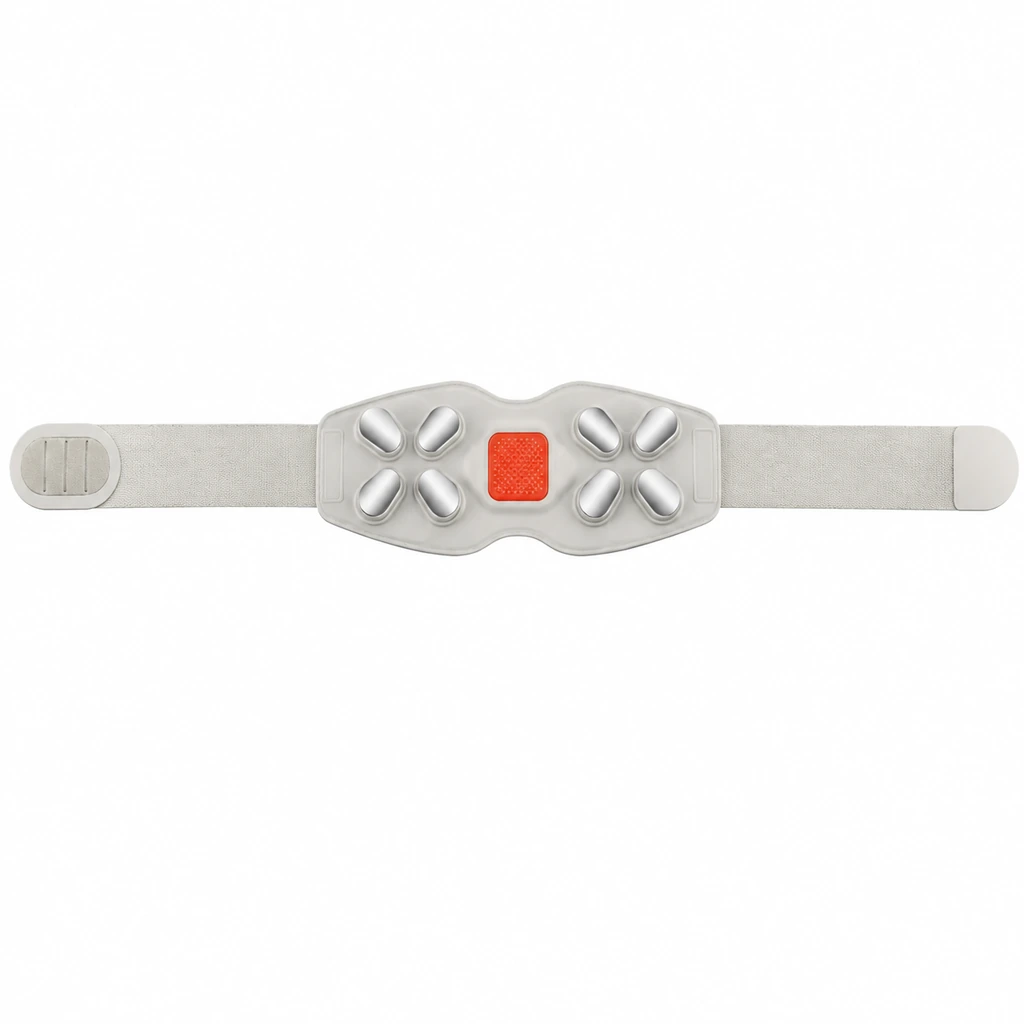
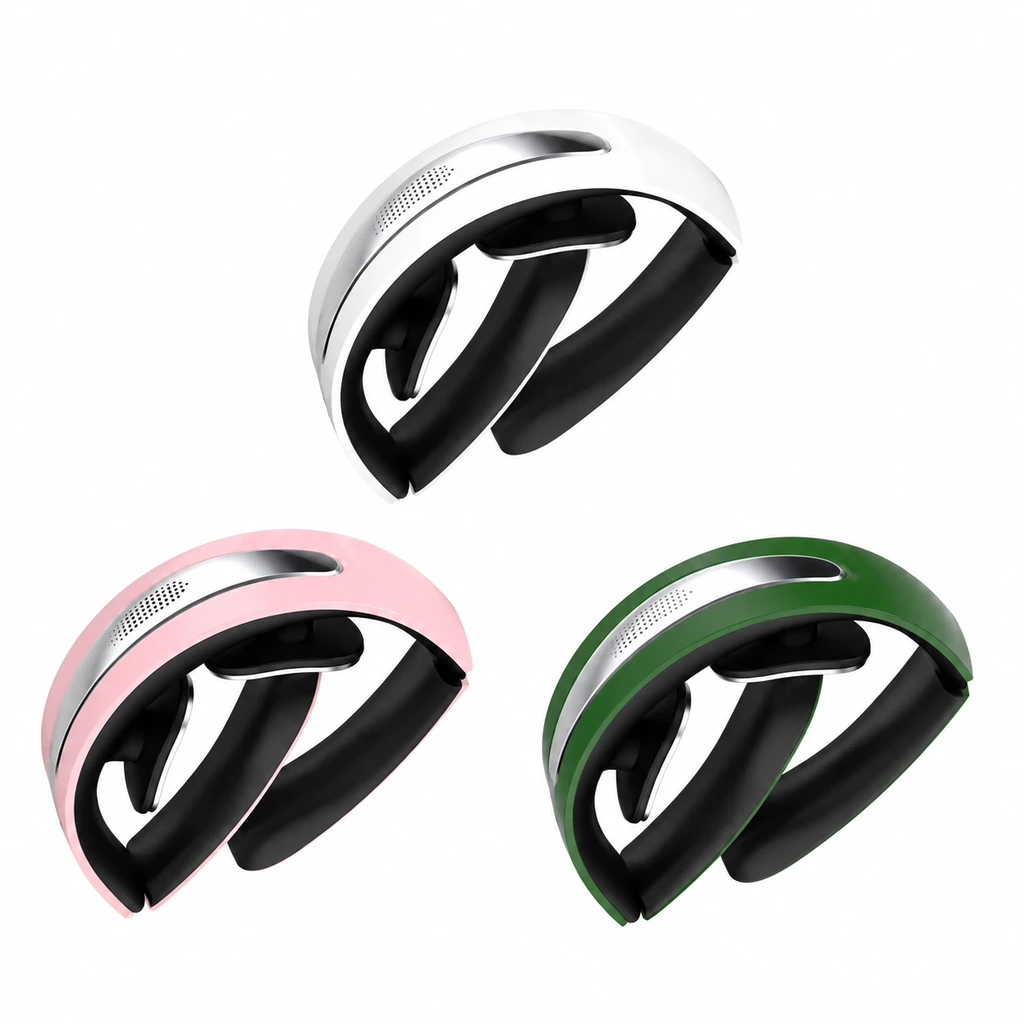
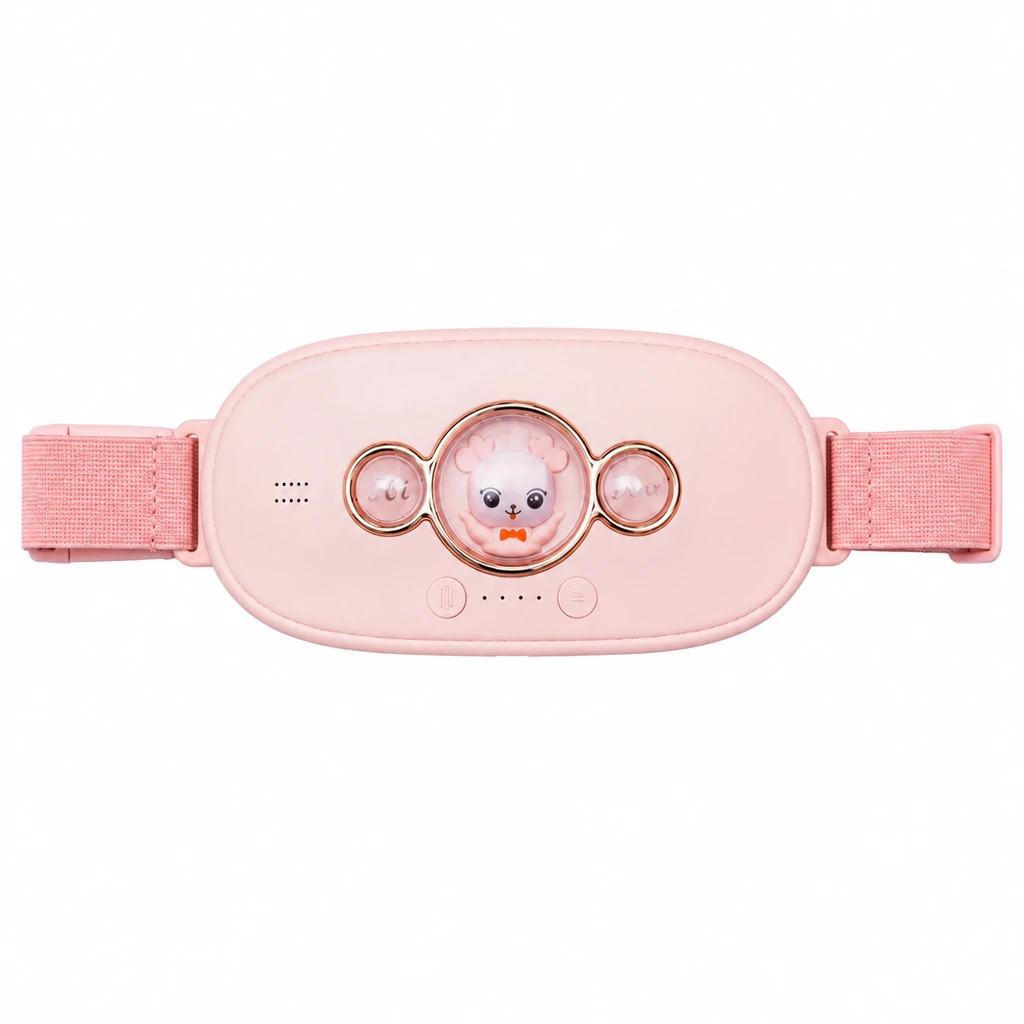
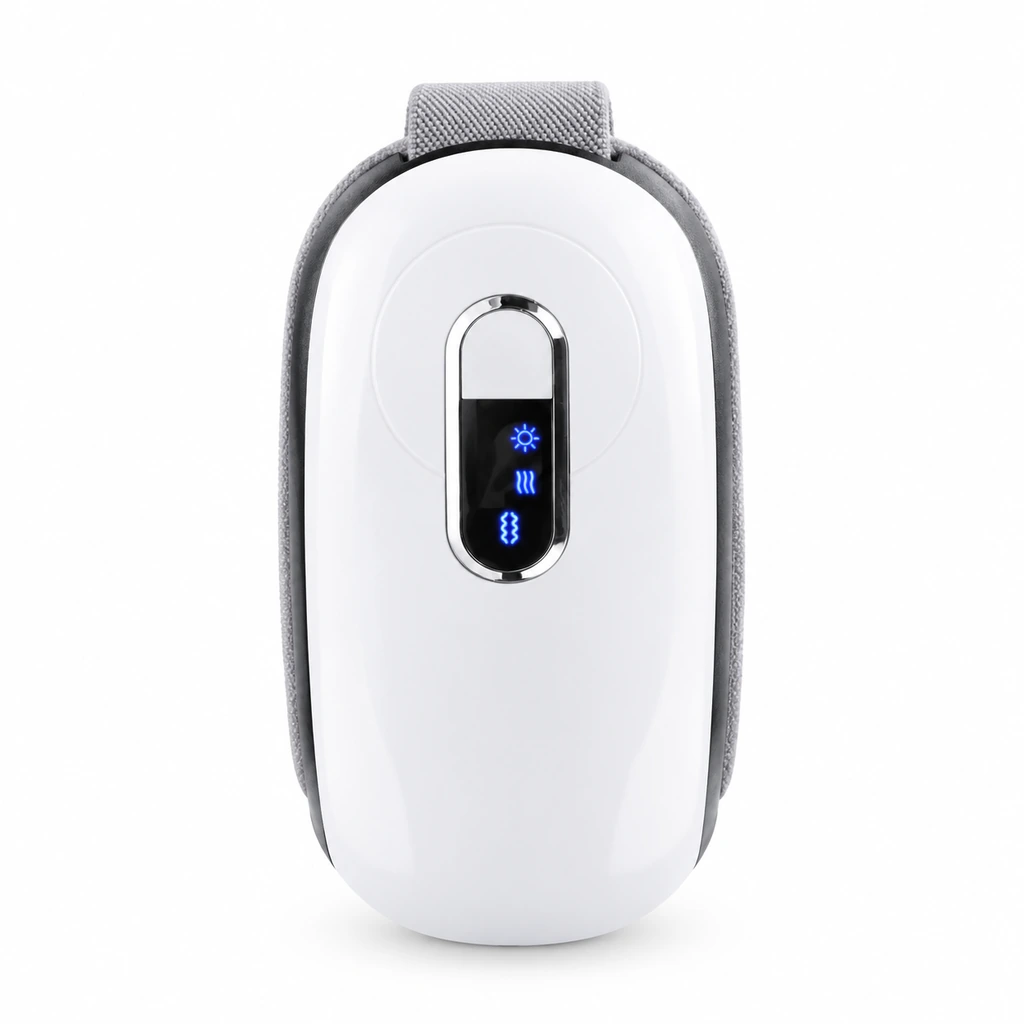
Y8, Y9, Y103 and Y5 are candidates for an assortment, not interchangeable order lines. The current eye massager range provides a starting point for model selection. Y8 is presented as a foldable airbag model with a side control; Y9 has a narrow status display. Y103 has a wrap-around form with a circular side button, while Y5 has a perforated shell and open inner eye areas. These visible distinctions help an initial check, but they do not replace a version-specific SKU.
Assign your own SKU to each approved configuration and connect it to the supplier model, sample reference and retail-box identifier. Ask the supplier to return this mapping with the quotation. A warehouse should not need to identify the exact language, accessory set or software configuration from the shell color.
For e-commerce stock, check the destination warehouse's current item-label and carton-content requirements before approving artwork. For gift orders, record which item goes to which recipient group or location. If two lines look alike but require different inserts, treat them as separate packing identities throughout the order.
4 Choose the carton plan around receiving work
Single-SKU cartons usually make counting and routing simpler. A mixed carton may suit small replenishment allocations, but its benefit depends on whether the destination can receive it without repacking or manual investigation. Ask for both options where available and compare the total cost, including packing labor, freight and destination handling. A lower carton count does not by itself prove lower delivered cost.
For each proposed carton type, request the packed external dimensions, gross weight, unit count and protection method. Retail-box dimensions are not a substitute for shipping-carton measurements. If more than one layout is used, obtain data for each layout instead of applying one average across the shipment. Agree on how partial cartons will be identified.
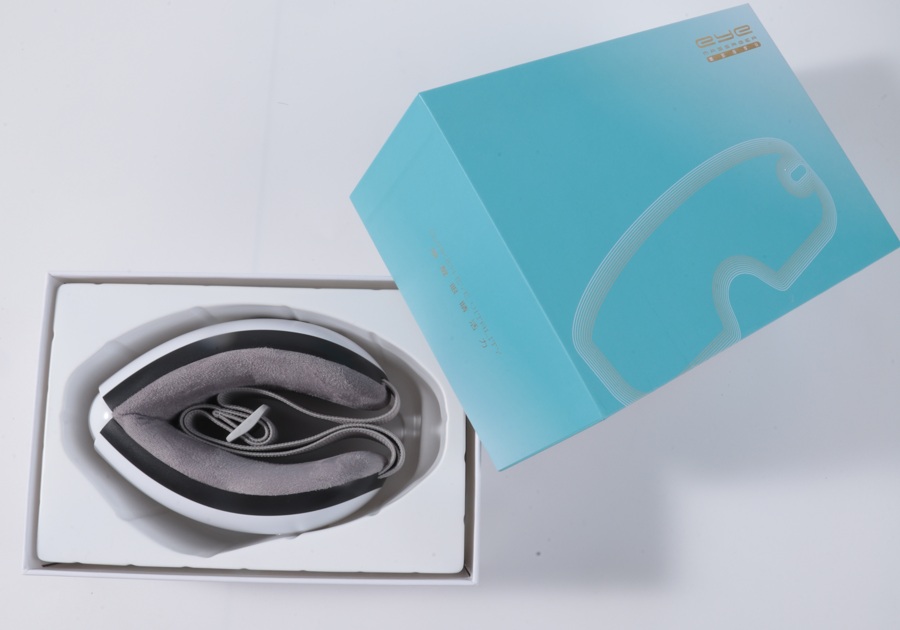
Ask for a packed sample or clear packing photographs showing the device orientation, insert fit and separation between retail boxes. Check whether pressure can reach the controls or folded joint and whether the box can close without compressing the product. These are inspection tasks; a photograph does not establish transit-test performance. Any required shipment test needs an agreed method and a record for the actual packing design.
Before sealing a mixed carton, its contents should be countable by SKU. The final packing list must reconcile those counts with the accepted order. Record actual packed quantities when a partial carton is used; a standard units-per-carton figure cannot describe an exception carton accurately.
5 Connect carton marks to the packing list
Agree a unique carton identifier within the shipment, with the purchase-order reference and destination information your receiver needs. For a mixed carton, connect that identifier to a content list showing each SKU and quantity. If the receiver requires the contents on the outer label, approve that format in advance. Avoid a general “eye massager” description as the only way to distinguish different cartons.
For split deliveries, add a delivery reference so carton numbers cannot be mistaken for a complete order. The order line, physical carton and packing-list entry should point to the same items. Send the proposed carton-mark artwork and one completed packing-list example to the receiving team before production packing begins. Use proposed entries clearly marked as examples until actual packed data is available.
Barcodes and logistics identifiers should follow the destination's actual requirements. Do not invent a universal labeling obligation or place an unassigned code on artwork. A buyer-supplied item code, a warehouse label and any carrier label serve different purposes; confirm who supplies each and who checks placement and scan readability.
6 Match instructions and accessories to each line
Agree a pack-content list for every configuration: device, approved instructions, charging item and any other included accessory. Record an item as included only when the selected quotation and sample support it. “Standard accessories” is too vague when several models or language versions are being packed together.
Check one complete retail pack from each approved configuration against its list. Open the instruction sheet and match its model, control description and language to the device. Confirm any charging information against the selected unit and supplied charging item. Similar-looking booklets and cables are easy to place in the wrong pack if the packing station works from a common accessory pile.
The eye massager gift-set accessory checklist develops this pack-level check. Keep the device, retail box, instructions and listing copy aligned. If one document covers several versions, ask how the applicable version is identified clearly for the recipient.
For market-entry documentation, confirm which exact model and configuration each document covers and have the responsible party review the destination requirements. A document supplied for one model should not automatically be used for the whole assortment. Keep document review separate from the physical quantity check so an accurate count does not hide an unresolved documentation issue.
7 Agree the release plan and record exceptions
Ask what happens if one model is ready before the others. A consolidated delivery can simplify receiving but may hold ready stock while another configuration waits for approval. Split delivery can bring some stock forward while adding freight, document and receiving work. Compare those consequences against the selling or event date before deciding.
Record who can authorize a split, its quantity by line, dispatch conditions and responsibility for additional charges. State whether an unavailable item is to be held, removed or replaced only after written approval. A model substitution can change the product listing, instructions and customer expectation even when the order total stays the same.
Use the agreed trade term and named place when comparing logistics proposals. The ICC explanation of Incoterms 2020 describes how the rules allocate obligations, costs and risks. Those rules do not replace a packing specification or an agreement on accepted quantities and release dates.
Before approving a release, reconcile the records below with the accepted order and the actual packing list. Assign an owner to unresolved differences and obtain written approval for changes before dispatch.
- Model / exact version / buyer SKU
- Color / branding / packaging language
- Requested quantity / accepted quantity
- MOQ basis / price / quotation revision
- Approved sample / contents / document references
- Delivery allocation / readiness / release approval
- Delivery reference / carton ID / destination
- SKU and actual quantity inside this carton
- External dimensions / gross weight / label revision
- Shortfall / balance to follow / approved change
- Order-line total matched to carton totals / checked by / date
Before release, total the carton quantities for each SKU and compare them with the allocation approved for that delivery. Track any remaining balance separately. If counts or version references disagree, resolve the discrepancy before dispatch rather than describing the order as complete because the overall unit total matches.
Frequently asked questions
Can Y8, Y9, Y103 and Y5 share one minimum order quantity?
Only if the supplier explicitly accepts that arrangement for the selected versions. Request the minimum for each configuration and any separate overall order threshold. A combined quantity alone does not confirm eligibility.
Does a mixed-model order mean different models can share a carton?
No. Ask for mixed-carton approval separately, including the contents, protective layout, label format and destination acceptance. Several models can be ordered together while remaining in single-SKU cartons.
What information is needed for a useful freight quotation?
Provide the destination and delivery basis, along with actual or clearly identified proposed carton counts, packed external dimensions and gross weights for each carton type. Reconfirm the estimate when the final packing changes.
Can one instruction sheet be used for every model?
Use a shared sheet only if its content accurately covers the selected versions and clearly identifies the instructions that apply. Match model, controls, language and charging information to each approved pack.
What should happen if one model is delayed?
Follow the agreed release plan. Confirm whether to hold the shipment or authorize a partial delivery, with revised quantities, costs and the balance due. Do not assume permission to substitute another model.
To discuss an assortment, send Meilan your mixed-model order brief with the candidate models, quantity by configuration, destination, preferred carton arrangement and delivery window. Ask for a line-by-line quotation and packing proposal so the commercial offer and receiving plan can be reviewed together.

