

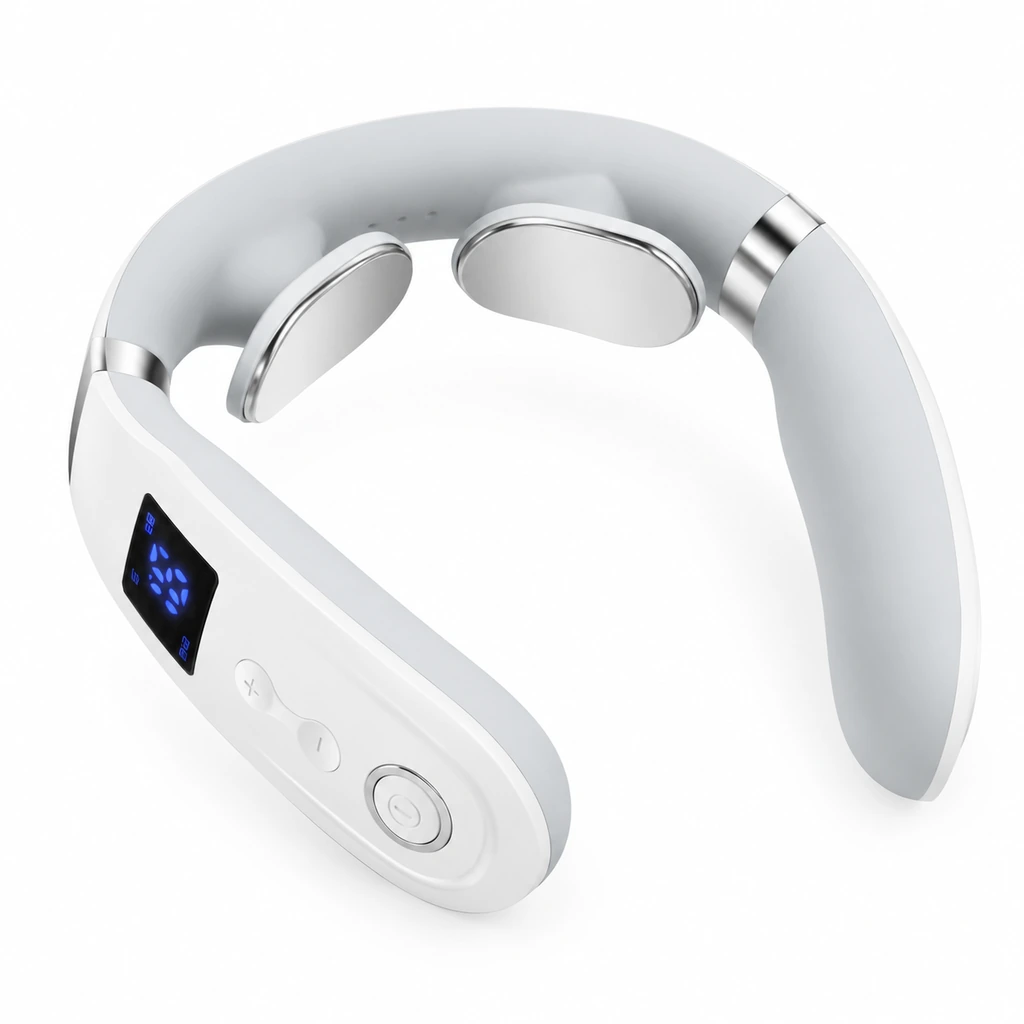
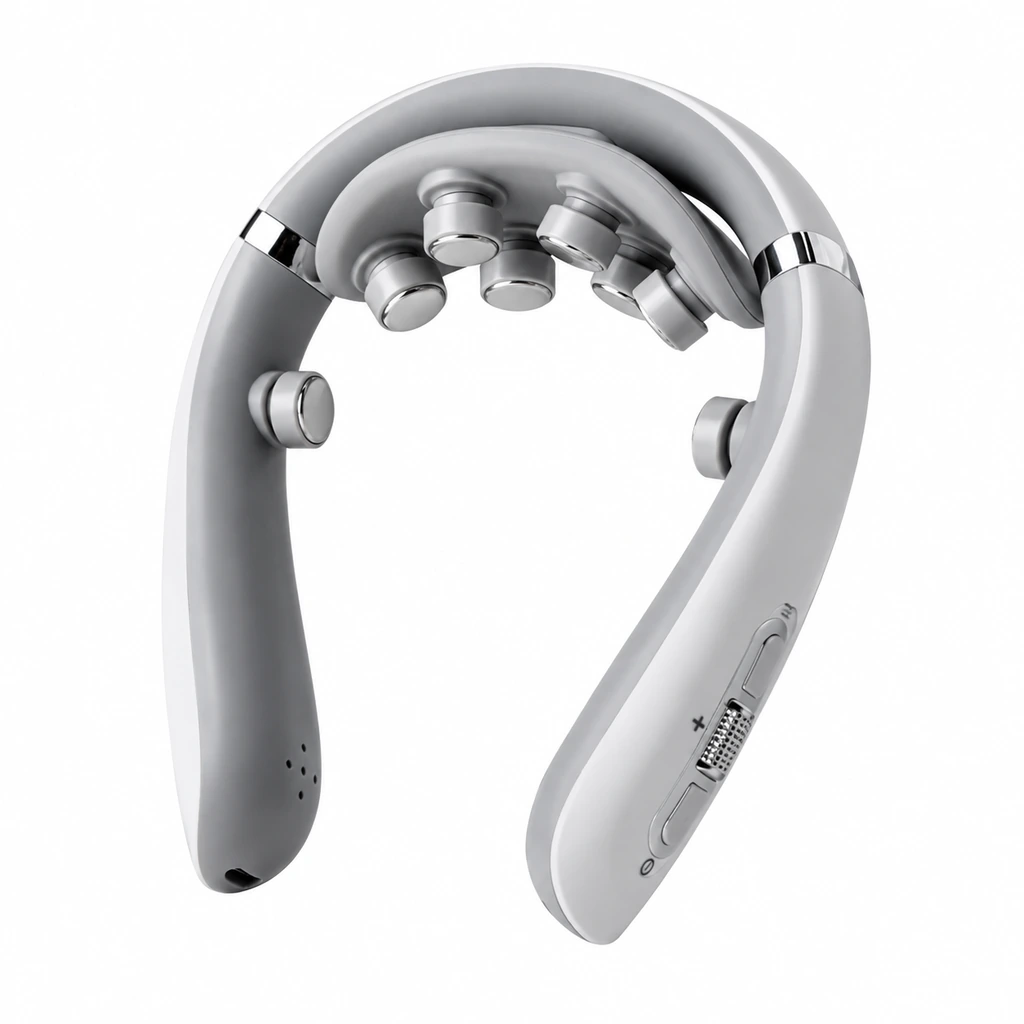
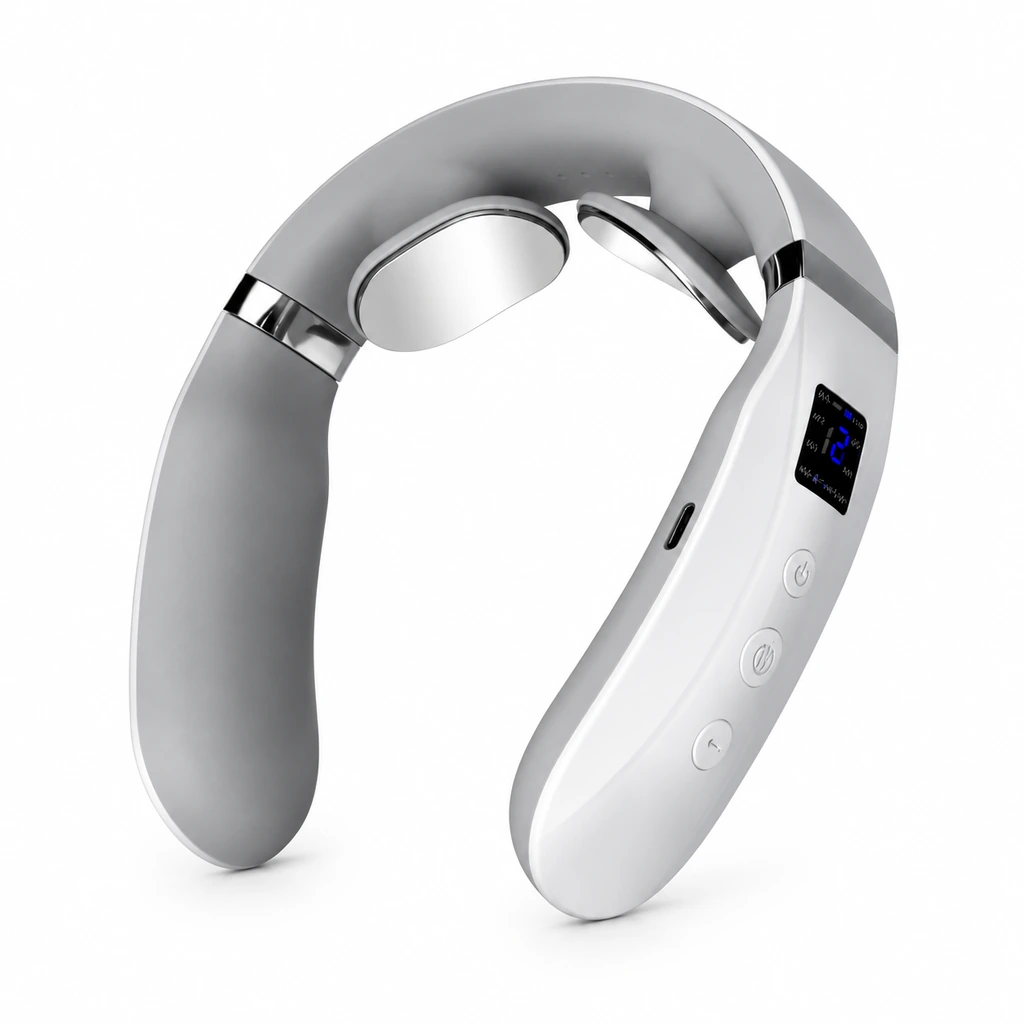
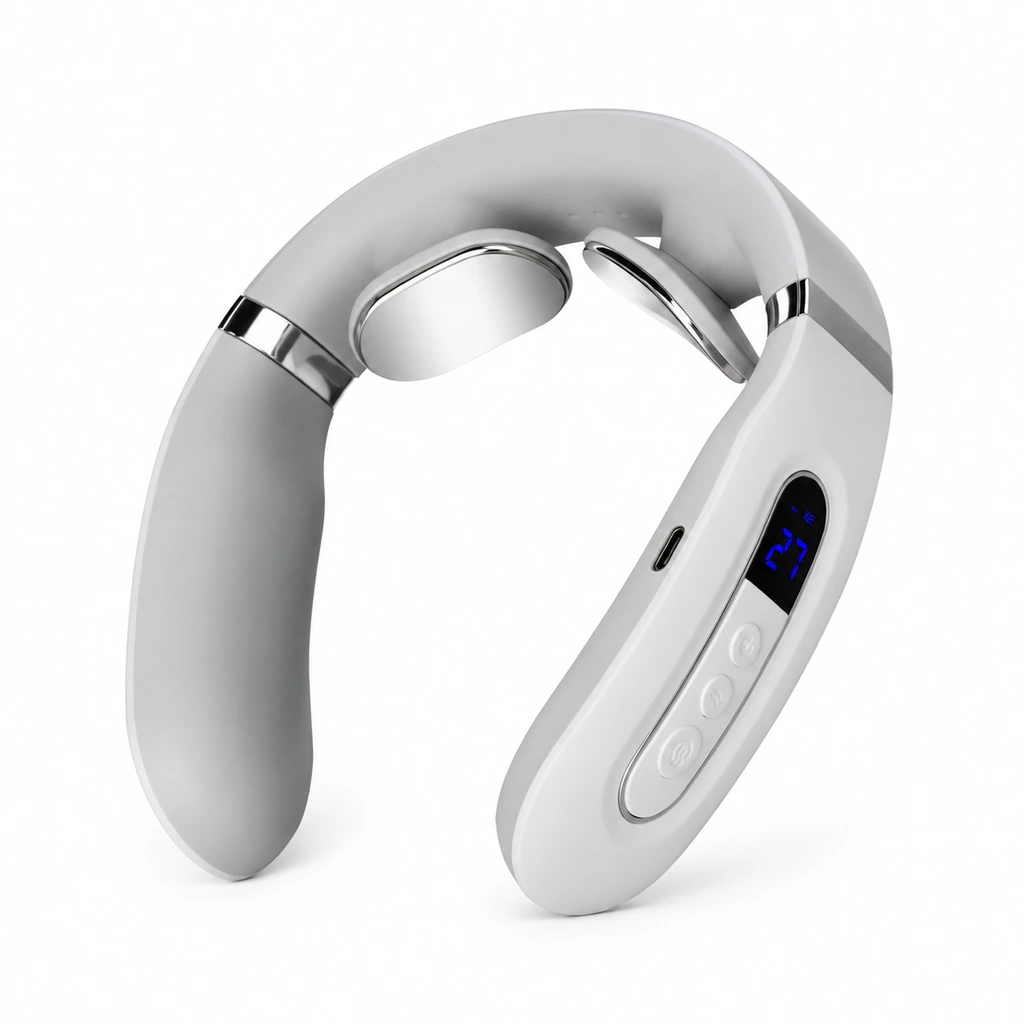



Eye Massager Sample Traceability Guide
Build an eye massager sample record that links each physical unit to dates, configuration snapshots, original evidence and a clearly scoped review decision.
 Meilan Tech 10 min read
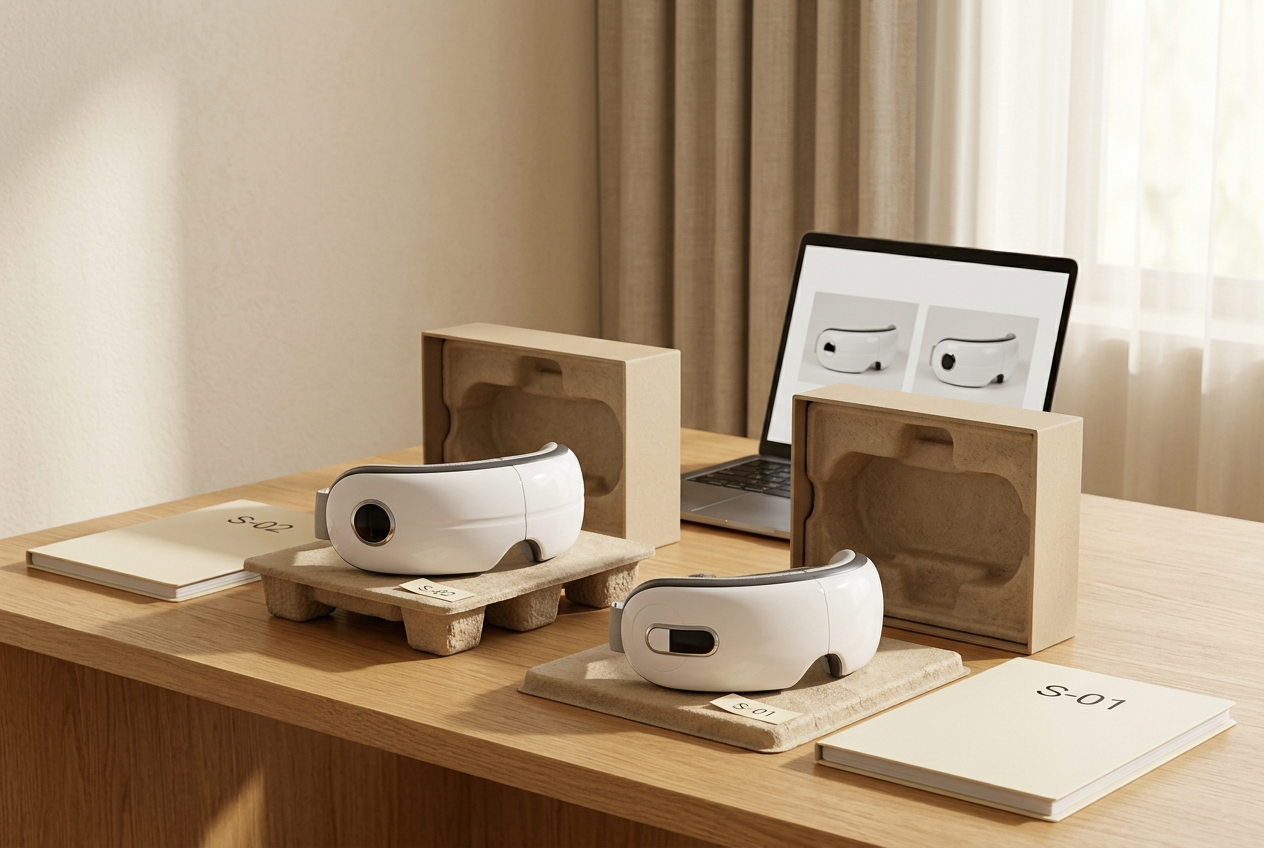
Eye massager sample traceability starts with one stable identity for each physical unit. Link that identity to receipt and review dates, a recorded configuration, and the original files supporting each observation. For purchasing and quality teams, the useful outcome is a record another colleague can retrieve and understand before approving a specification, requesting a revision or comparing a later delivery.
1. Separate the model from the physical sample
A model name tells a buyer which product is being discussed; it does not identify the unit on the inspection desk. Two samples of the same model may arrive on different dates, carry different artwork or include different accessories. A distributor comparing suppliers, an online seller preparing a listing and a gift buyer reviewing a presentation pack all need those differences to remain visible after the meeting ends.
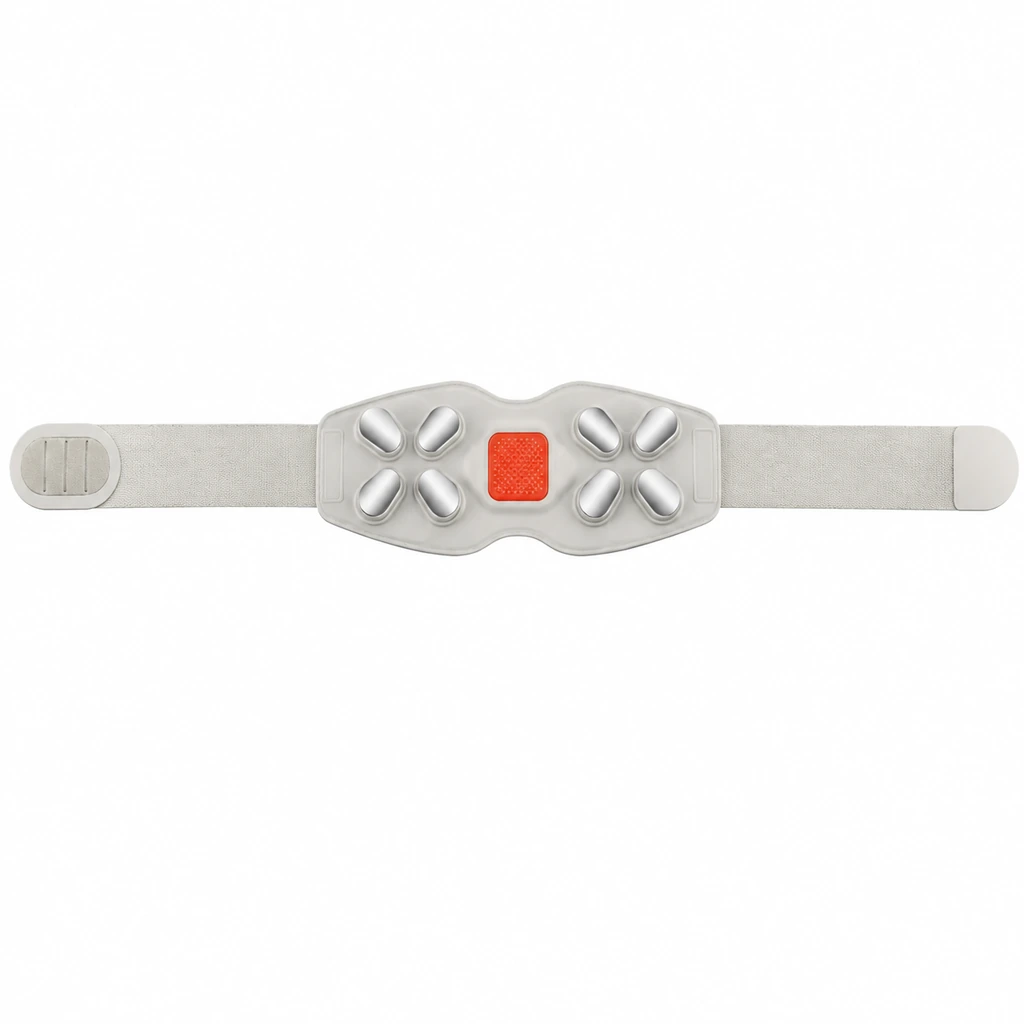
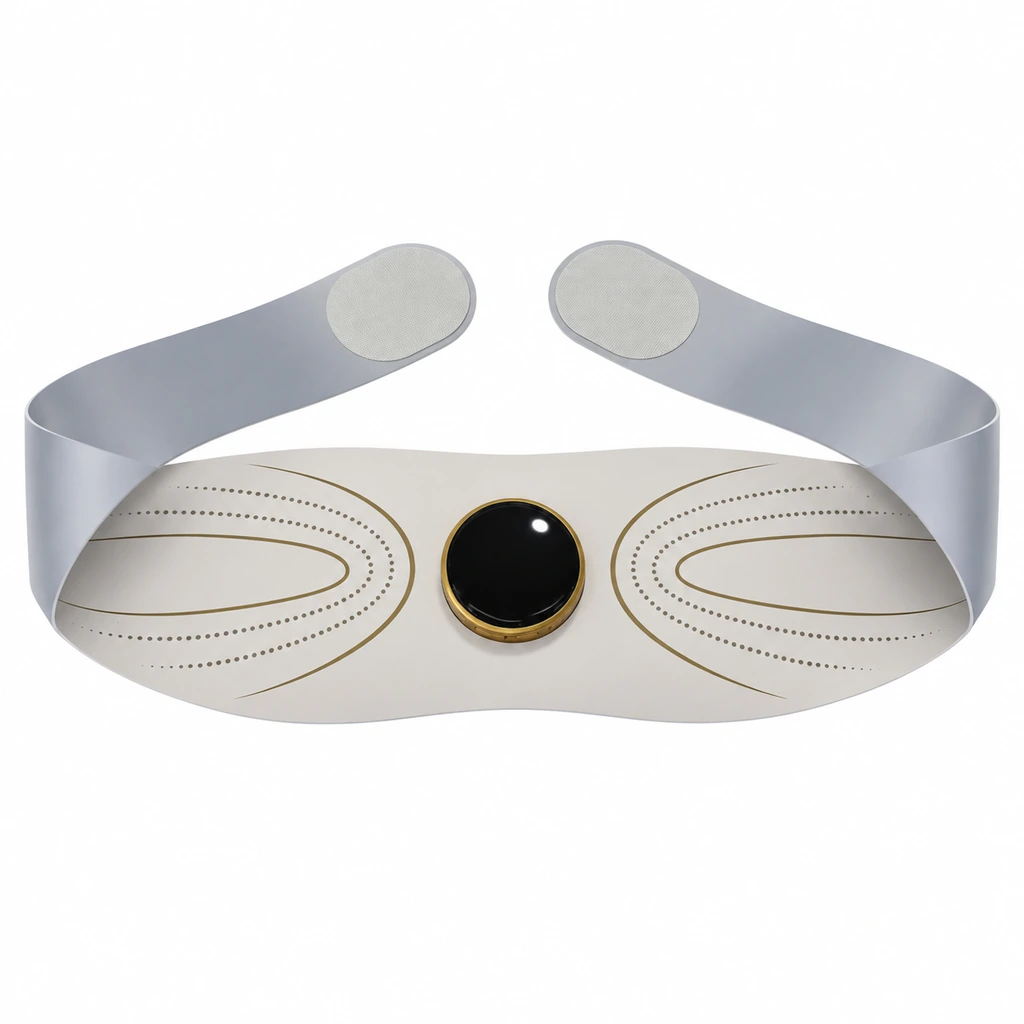
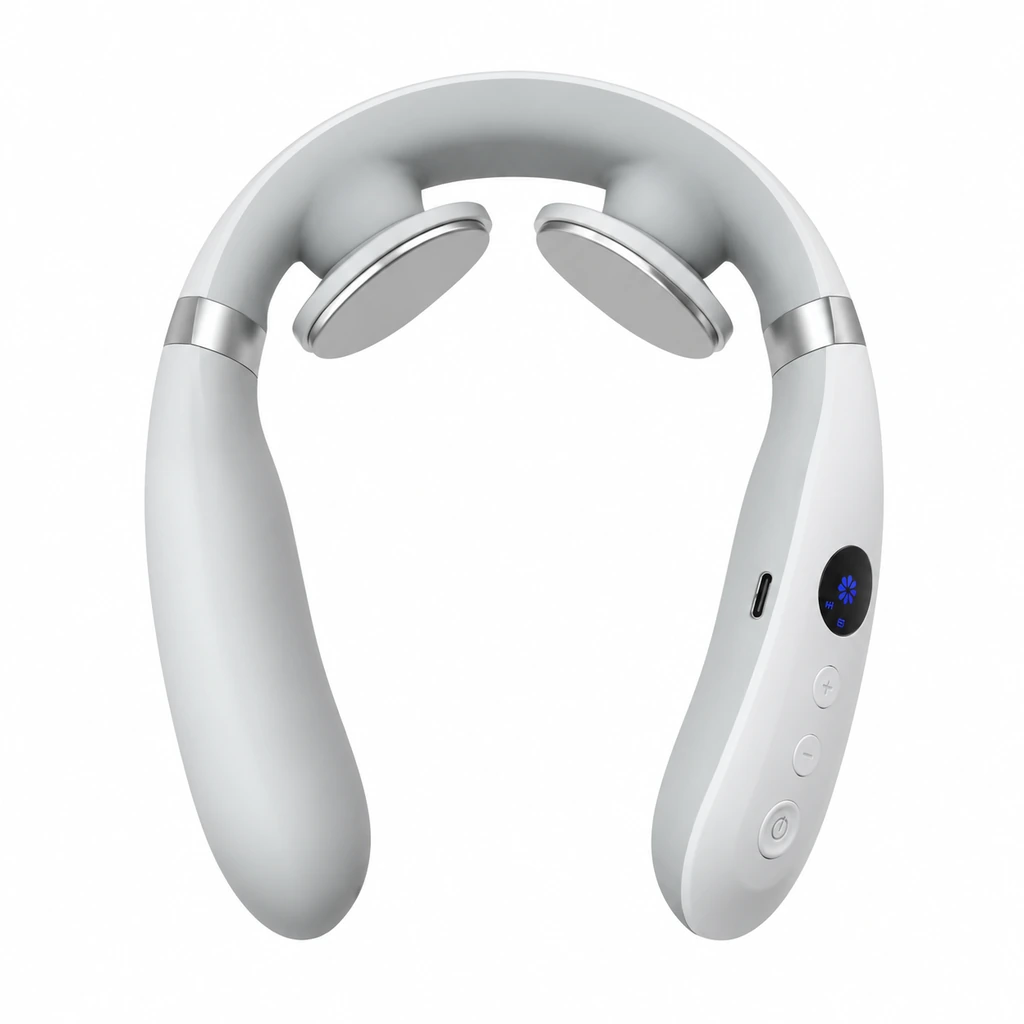
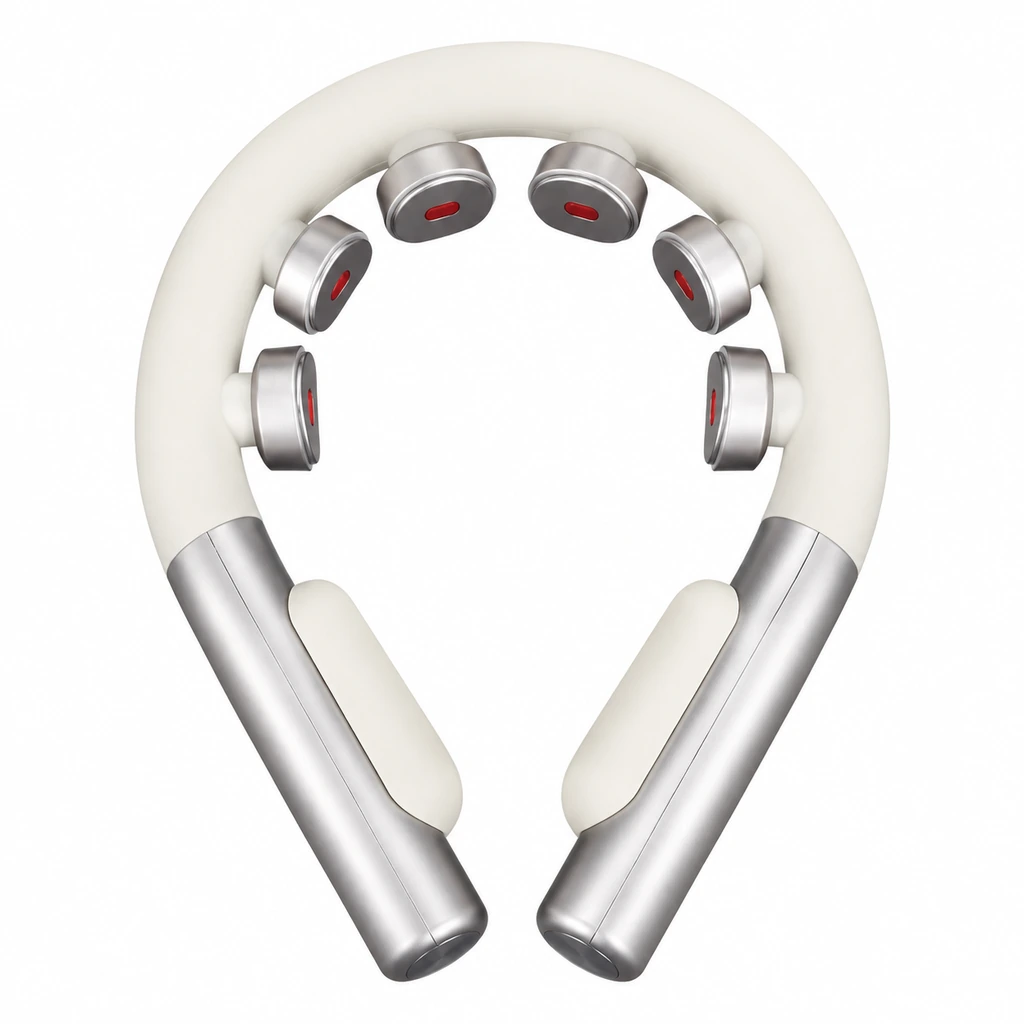
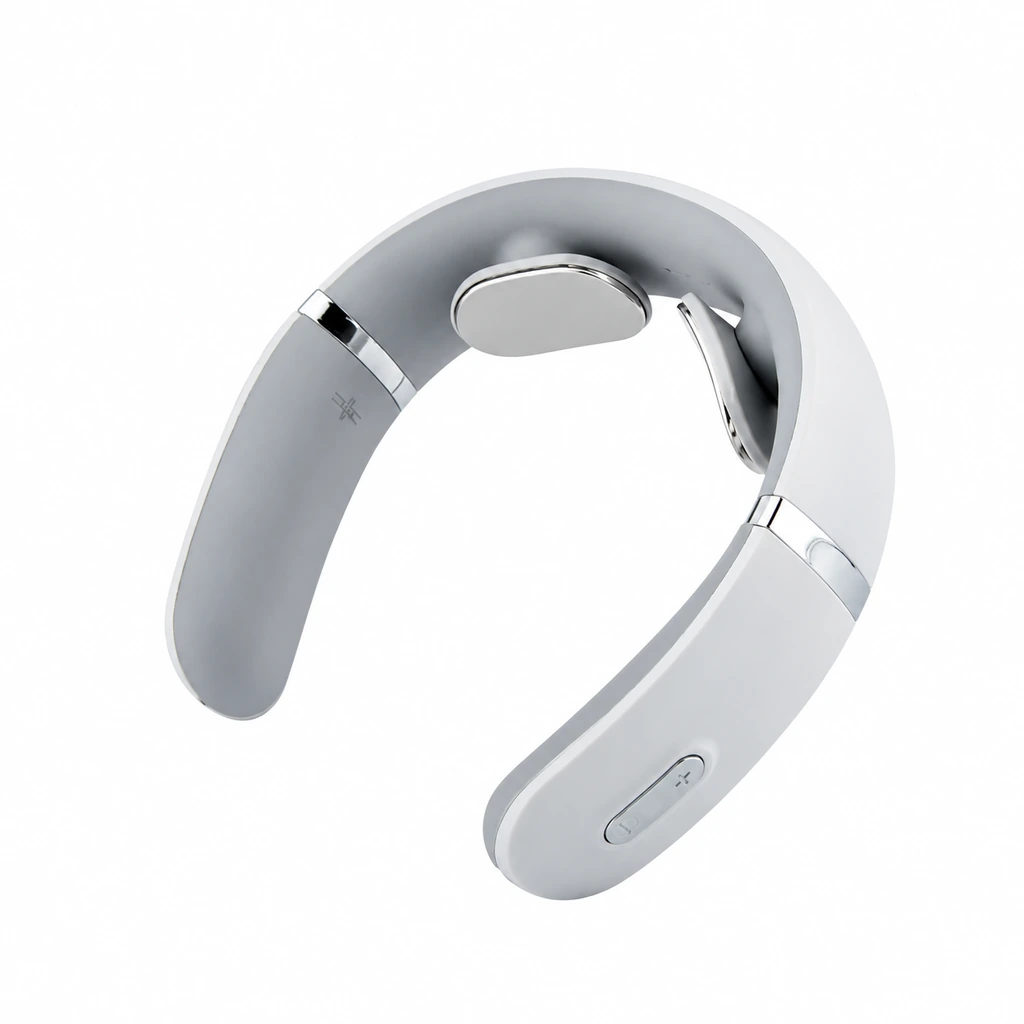
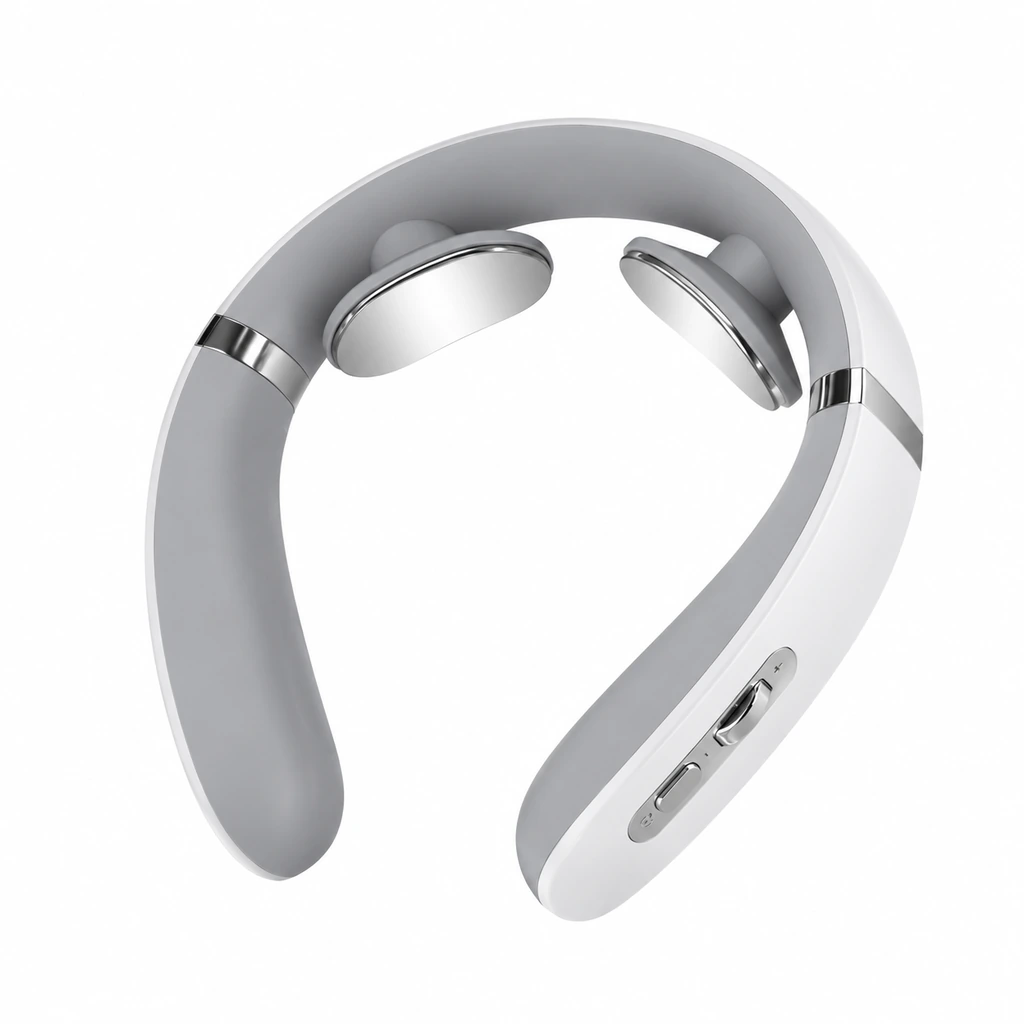
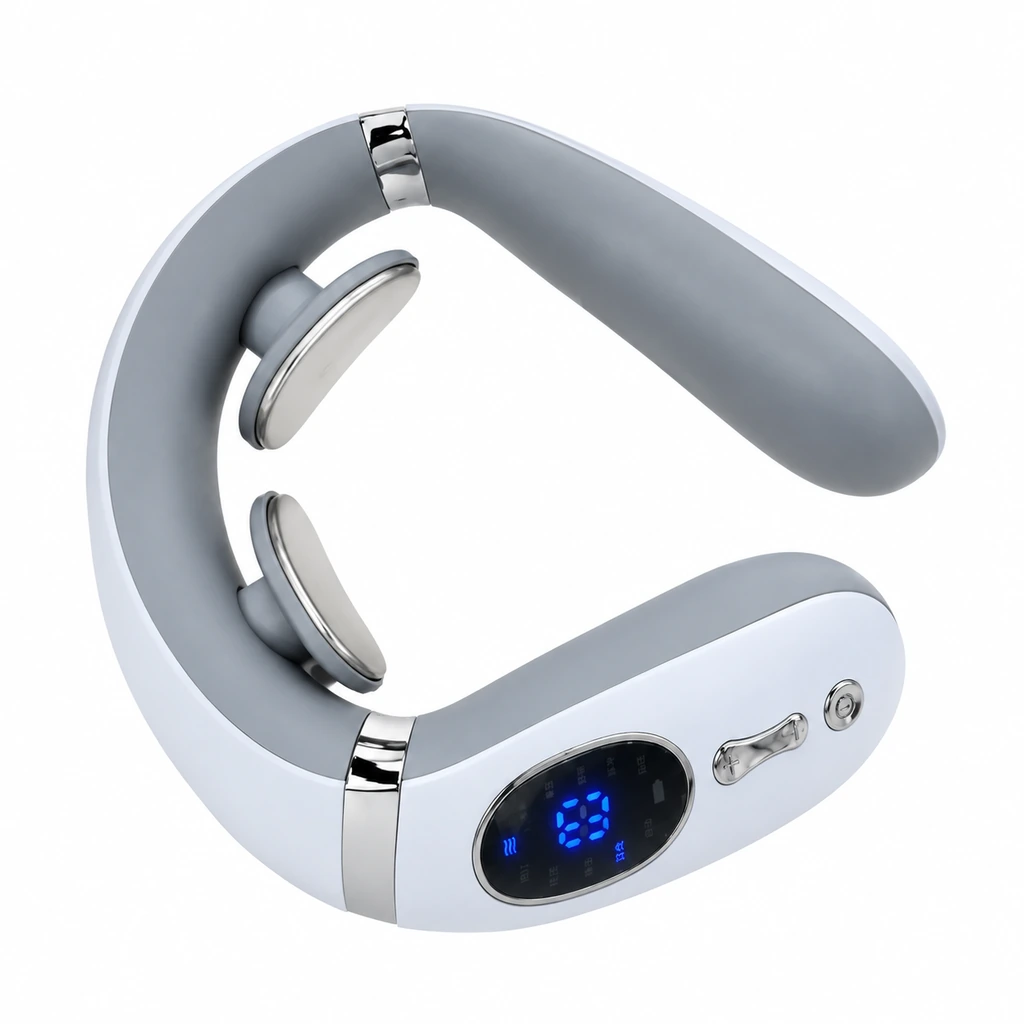
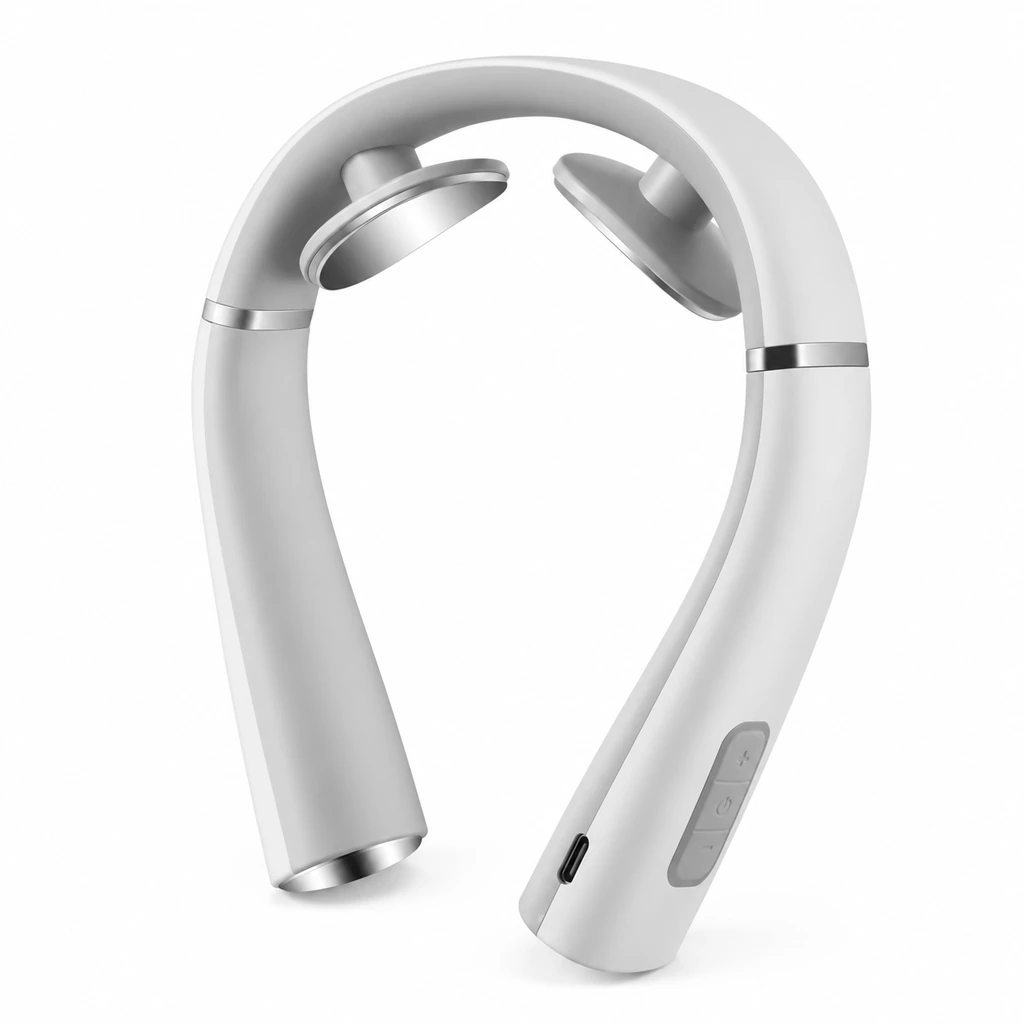
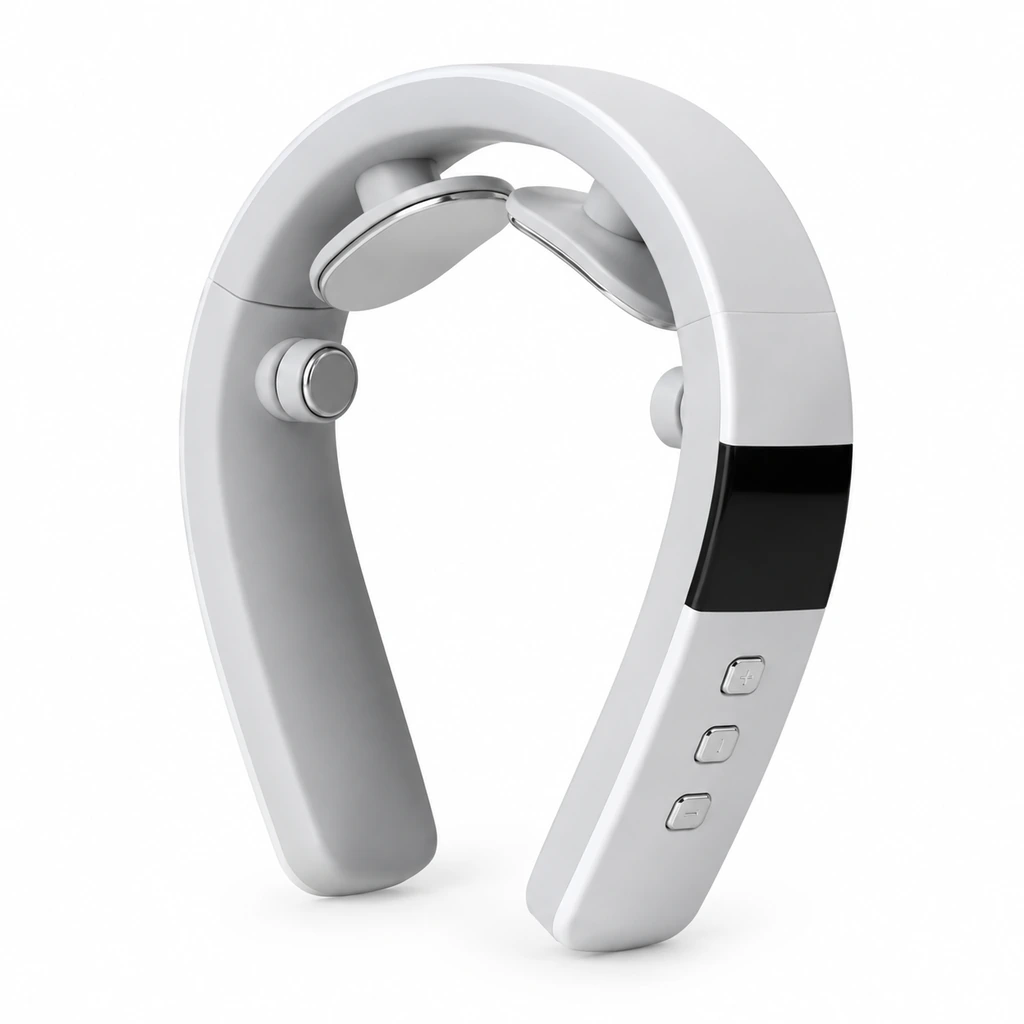
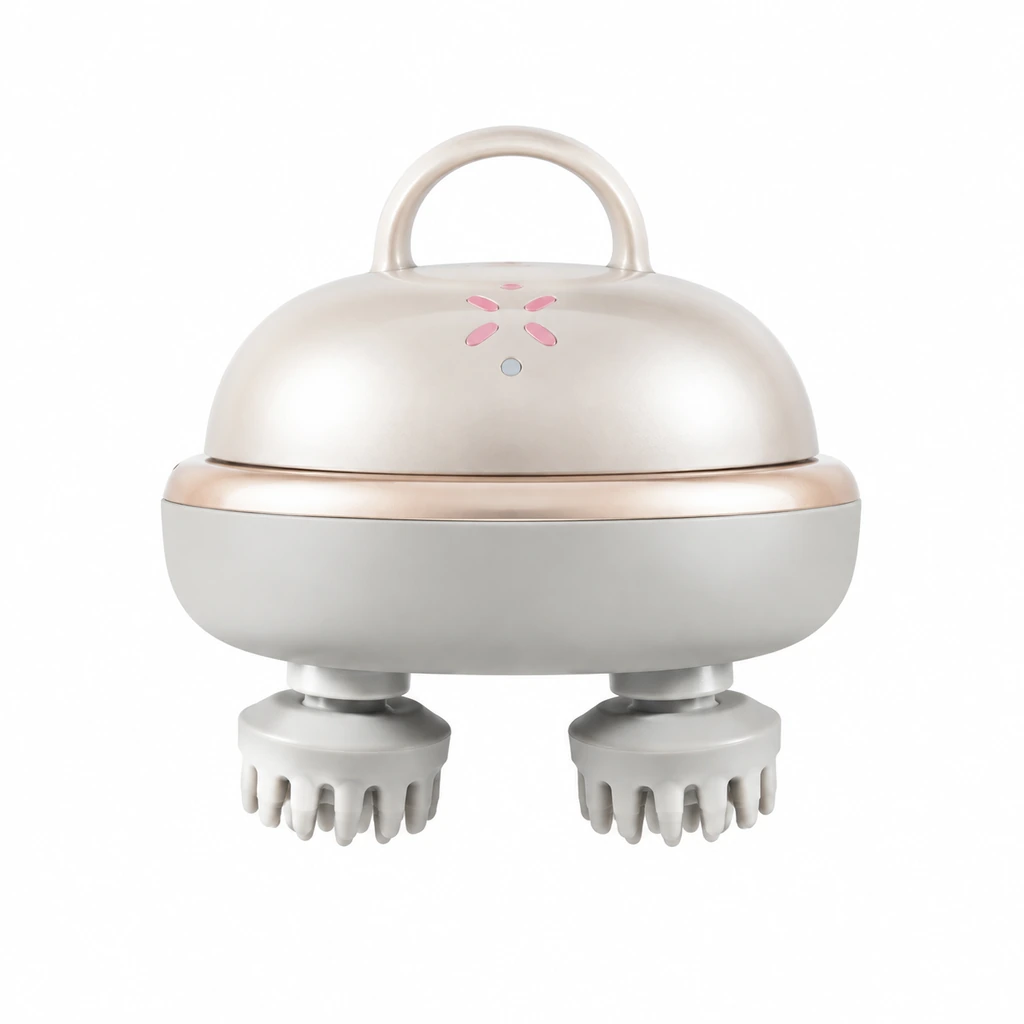
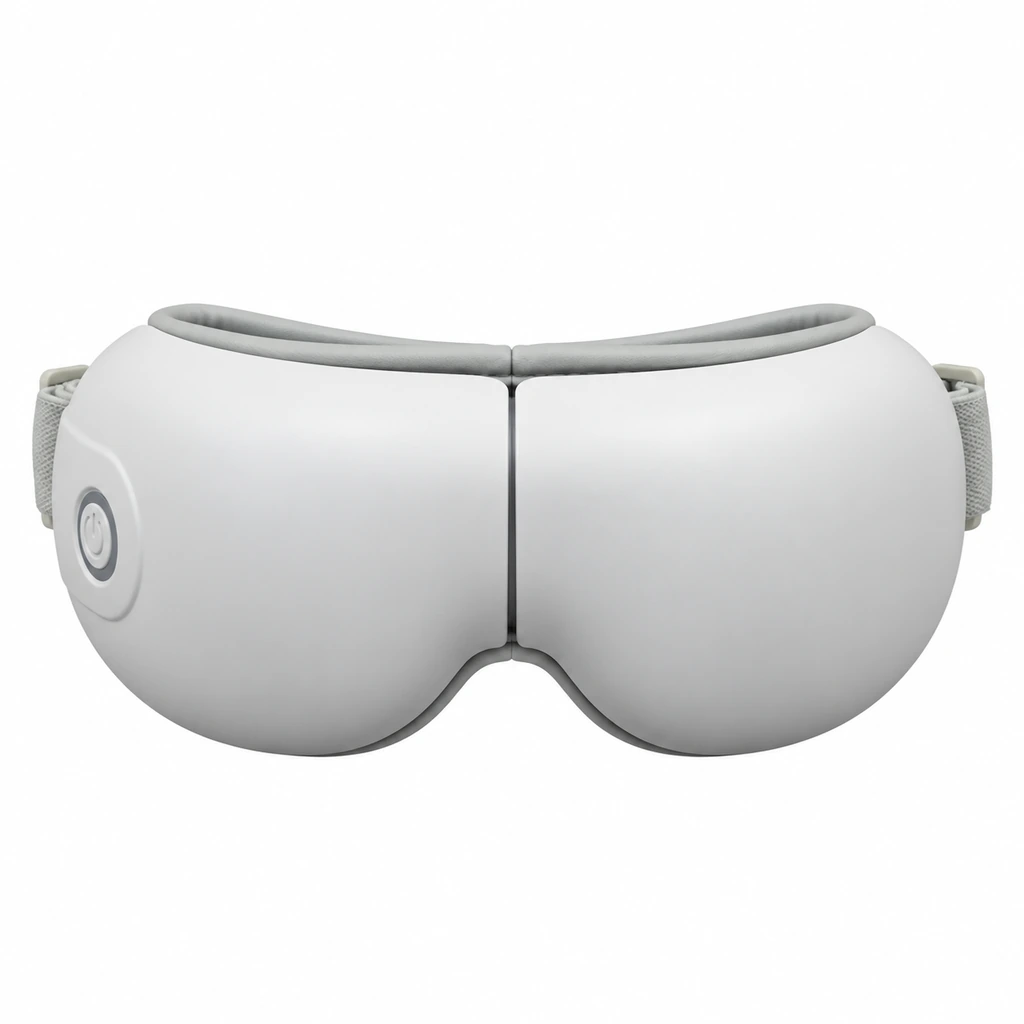
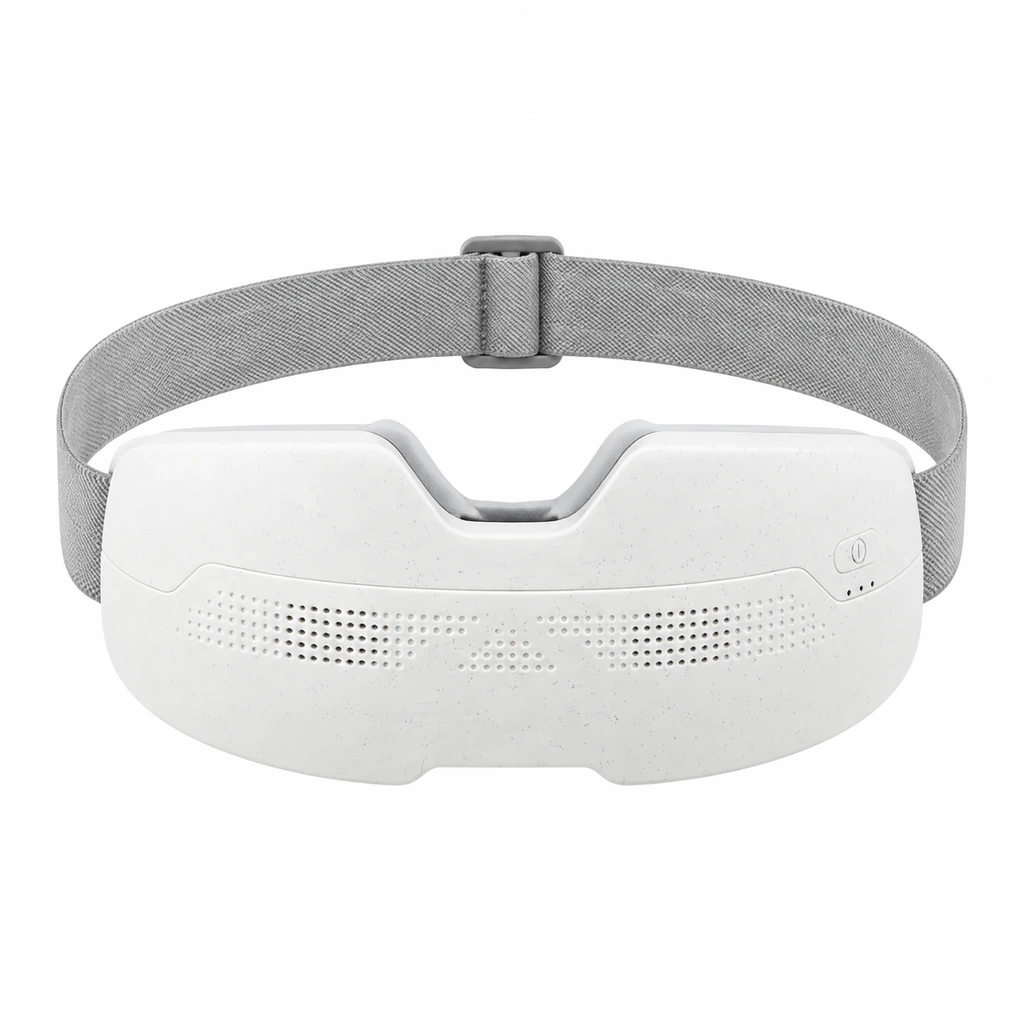
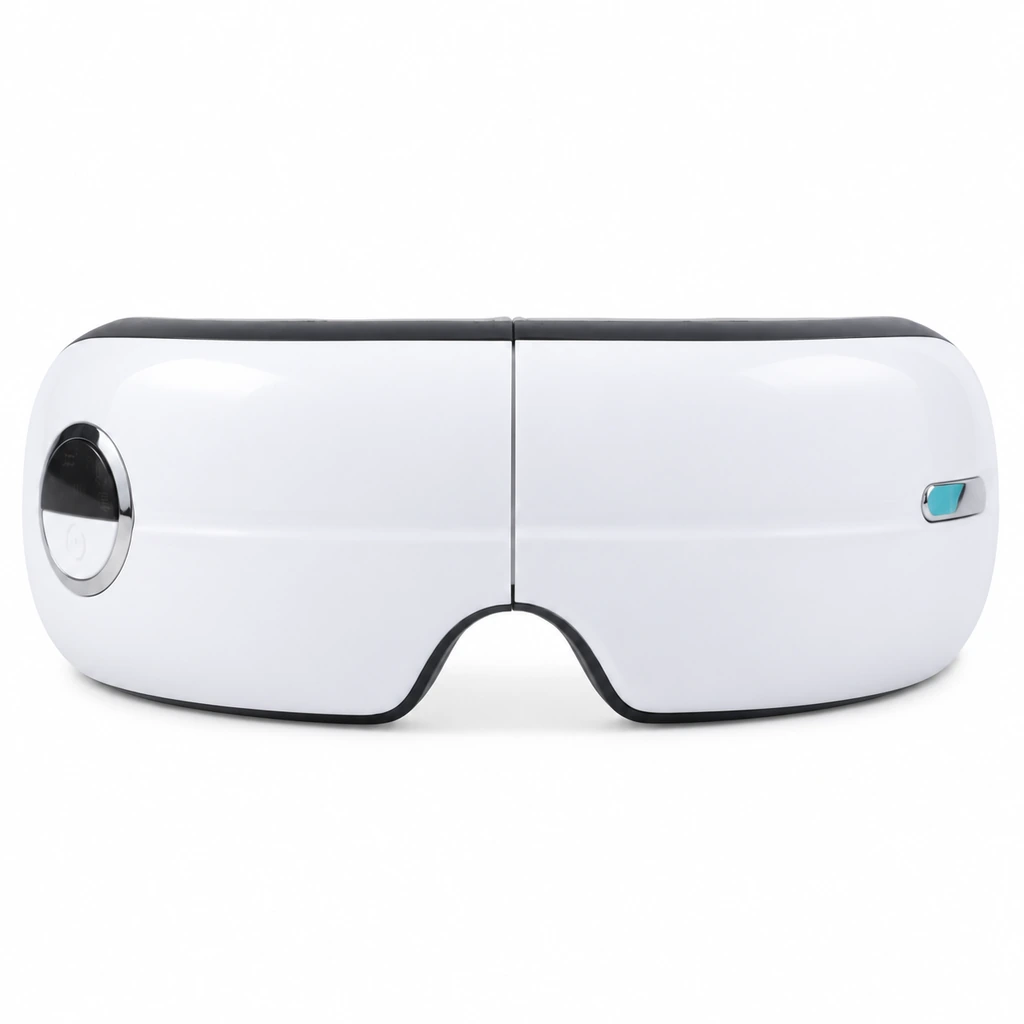
The Meilan eye massager range includes candidates such as Y8, Y9, Y103 and Y5. Create a separate model-and-version reference for whichever option is selected. Do not treat the candidate list as a set of interchangeable configurations or extend one model’s documents to another.
| Reference | What it identifies | Practical control |
|---|---|---|
| Buyer sample ID | One physical unit in the buyer’s custody | Assign a unique, persistent ID; keep it when that same unit is reviewed again. |
| Supplier model and version | The proposed product configuration | Keep the supplier’s wording and link the matching specification revision. |
| Serial or batch reference | An identifier actually supplied or marked | Transcribe it as received; do not create a batch number from a receipt date. |
| Report or document reference | A particular evidence file and revision | Retain the issuer’s reference separately from the buyer’s sample ID. |
Keep a cross-reference between buyer and supplier identifiers rather than replacing one with the other. A report with a matching model name still needs a clear connection to the submitted item and the report’s stated scope. A buyer-created ID cannot create that connection by itself.
2. Identify every unit before the kit is separated
Register samples at receipt, before several units and their accessories share a table. Count the physical units, compare them with the supplier’s dispatch information and photograph the unopened packaging where useful. Then take a group photograph that shows each unit beside its assigned ID and the items received with it. Preserve the original supplier markings.
Use a removable tag or a nearby identification card that will not obscure controls, warning text, labels or surfaces under review. Mark the storage tray or bag as well. Where applying a label could affect the item, use a photograph and a controlled storage position to maintain the link. A card moved between two similar units is a weak identifier, so photograph its relationship to a distinguishing label or feature.
A proposed naming convention is project code + unit sequence. This is a convention for the buyer to adopt, not an example of an actual Meilan sample number. Keep the model, receipt date and review status in separate fields so a correction does not force the physical unit’s ID to change. If the supplier provides no serial number, describe the limit honestly and strengthen custody and photographic identification; do not describe the buyer label as a factory serial number.
3. Record dates as events with a responsible person
Separate dispatch, receipt, observation, evidence receipt and decision dates. A supplier may send a report after a physical review, and a reviewer may assess it later still. Combining those events into one “sample date” makes it difficult to tell which information was available when a decision was taken.
For each event, record who acted, what happened and which file or sample was involved. Use an unambiguous date format such as YYYY-MM-DD; include time and time zone when the sequence matters across locations. Treat the file’s modified timestamp as file-system information, not proof of when a test or observation occurred. If an event date is unknown, retain the known receipt date and request the missing event information without backdating the record.
Record handovers too: who holds the unit, its location, when it was sent to another reviewer and whether its condition changed. Before any check that may alter or consume the sample, retain the relevant photographs and note the planned action. That way, a later reviewer can distinguish the condition received from changes caused during evaluation.
4. Preserve the configuration that was actually received
A useful configuration snapshot describes the unit and kit at a specific event. Keep the supplier’s proposed configuration separate from the buyer’s observed contents. When the two disagree, retain both descriptions and open a discrepancy rather than editing the observation to match the quotation.
| Configuration area | Evidence to retain | Boundary for the reviewer |
|---|---|---|
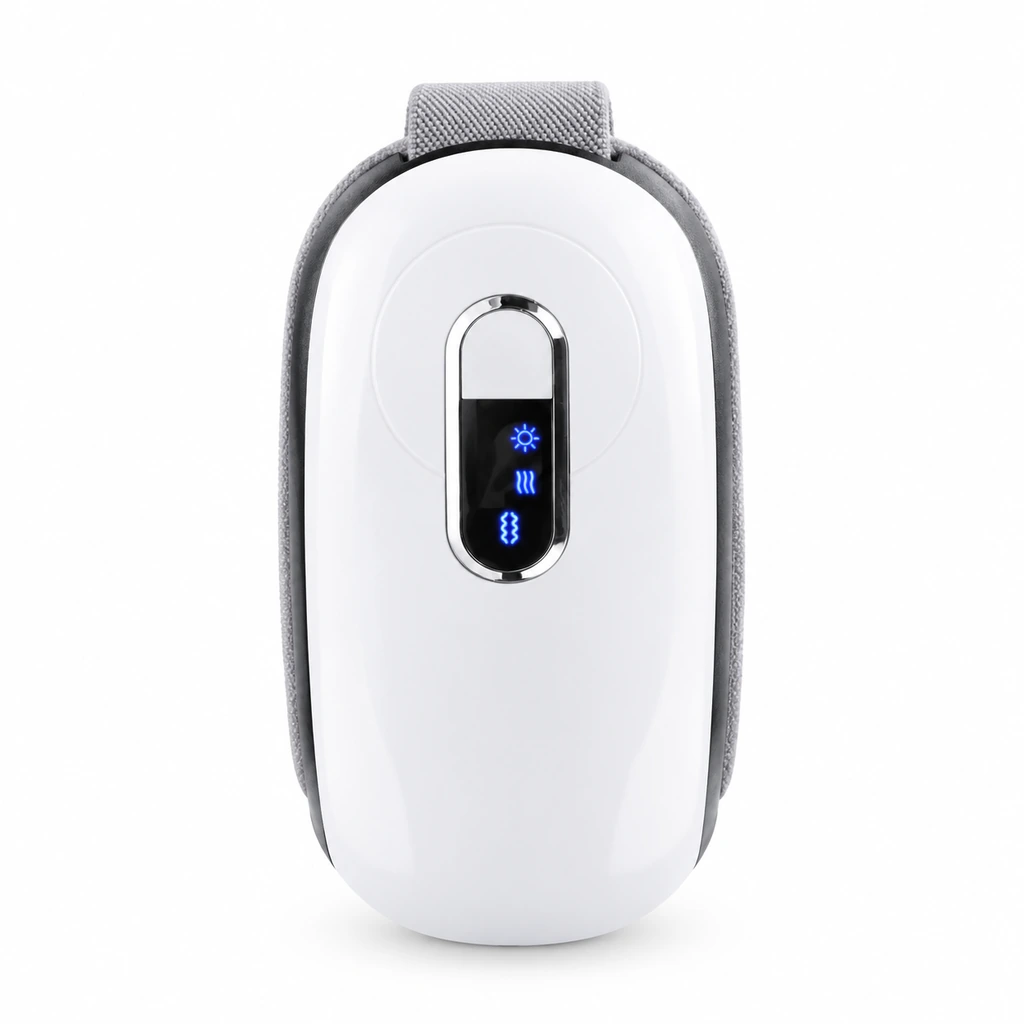
| Unit identity and exterior | Model marking, readable label, exterior views, controls and visible connector area | Appearance supports identification; it does not establish internal components or performance. |
| Strap and contact surfaces | Views of the received adjustment arrangement and accessible contact areas | Record what is visible; request controlled specifications for material claims. |
| Accessories and packaging | Counted kit photograph, accessory identifiers, retail-pack and insert views | Separate items received from items proposed for the production kit. |
| Documents and branding | Manual language, revision, artwork identifier and branding as received | A manual for the model is not automatically the approved release for the buyer’s market. |
| Hidden configuration | Supplier-confirmed version reference and its supporting document | Do not infer battery, firmware or component identity from an exterior photograph. |
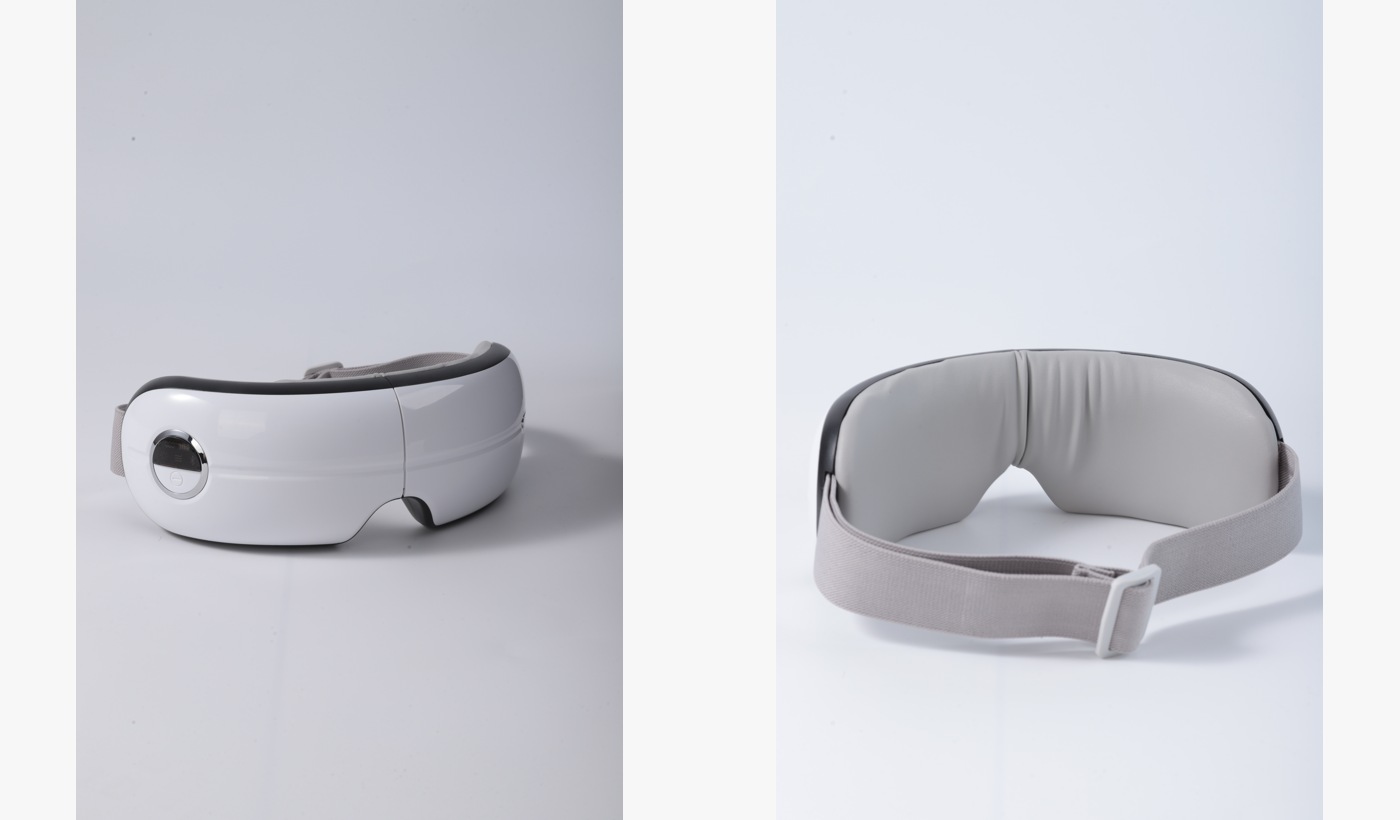
If Y8 is the selected candidate, begin with its model-specific product reference, then request the exact version documents associated with the submitted unit. Apply the same method separately to Y9, Y103 or Y5. A public product page can identify a candidate; it cannot replace the as-received snapshot.
5. Link each observation to evidence that can be reopened
Store an evidence index alongside the record. For each attachment, identify the sample ID, the observation it supports, the file’s purpose, its source, the relevant event date, its revision and its controlled storage location. For a long report, add the page or section; for a recording, add the relevant time range. This is more useful than a folder full of images whose meaning exists only in a chat conversation.
Keep original photographs, videos and documents. Save marked-up images, translations and cropped views as derivatives linked to their originals, with the editor and revision recorded. Use descriptive filenames built from the sample ID, event, evidence type and revision. Avoid repeatedly overwriting a file called “final.” A change log should explain what changed and why; a new filename alone does not do that.
The UK Data Service guidance on technical preparation describes preparing stable files that others can open, understand and reuse. That records-management principle is useful here: retain readable files and enough context for another colleague to interpret them. The guidance concerns research data, not product inspection approval.
Before relying on a supplier report, compare the issuer, report reference, issue date, identified model or submitted sample, photographs, configuration description and stated scope. Ask for the missing relationship where the record does not connect the report to the item being reviewed. Record that the file was received separately from the conclusion that it is applicable. A document-library entry or matching filename alone is insufficient.
6. Keep a revision trail when a sample changes
If the same physical unit is modified, retain its sample ID and create a new configuration snapshot with a dated change event. If a replacement unit arrives, assign a new sample ID and link it to its predecessor and the correction request. This keeps “the same unit changed” distinct from “a different unit was supplied.” Never reuse the old ID merely because both units carry the same model name.
For example, if a replacement is requested because the manual language differs from the agreed release, link the discrepancy to the original unit’s kit photograph and manual file. Link the replacement unit to its own receipt photograph and new manual revision. Record whether the follow-up review covered the manual only or also other affected items. This is a proposed workflow, not a reported customer case or completed correction.
Do not replace an earlier review with the latest verdict. Preserve the earlier scope, unresolved issues, requested action and subsequent evidence. Ask the supplier to identify other changes accompanying a revision; a corrected label does not establish that all other configuration details stayed the same. Decide what needs rechecking from the documented change and its possible effects.
7. Close a defined review and prove the record is retrievable
Before a purchasing decision, use the existing massage device sample review guide to define the checks themselves. The traceability record connects those checks to a particular unit, configuration and body of evidence. Keeping these functions distinct prevents a complete folder from being mistaken for a successful technical evaluation.
| Decision check | What should be demonstrable | Action if it is not |
|---|---|---|
| Identity | The stored unit matches the record and supplier cross-reference | Resolve the identity gap before attributing observations or approval. |
| Configuration | Observed kit, requested version and discrepancies remain distinguishable | Hold the affected configuration decision and obtain matching evidence. |
| Evidence access | Another authorized colleague can open originals and locate the relevant passage | Repair links, permissions or missing attachments before handover. |
| Review scope | Named reviewer, date, criteria, exclusions and decision are recorded | Request a scoped decision; do not infer approval from silence. |
| Retention | A custodian, physical location and agreed retention/review arrangement exist | Assign custody and agree project-appropriate retention before release. |
Use status words precisely. “Received” means the file or unit arrived. “Reviewed” means a named person assessed a stated scope. “Approved for artwork development” authorizes that stated next step; it does not authorize bulk production. One reviewed sample does not establish that a future batch meets requirements. Any production release should reference the agreed specification and its own required evidence.
Run a retrieval exercise before handover: ask a colleague who did not build the record to locate the unit, identify its latest configuration, reopen the evidence for one observation and explain the decision’s limits. Repair any dependency on personal inboxes or memory. Agree retention and access with the project team; no single storage period fits every product, market and contract.
Buyer questions about sample traceability
Can the model number serve as the sample ID?
Keep a separate sample ID. Several physical units may share a model name, and their configurations, review histories and locations can differ.
What if there is no supplier serial number?
Assign a buyer-controlled unit ID and preserve the supplier’s actual markings. Use linked photographs and custody records, and state that the buyer’s ID is not a factory serial number.
Should a corrected sample keep the old number?
The same physical unit keeps its ID and gains a dated change record. A different replacement unit receives a new ID linked to the original and the reason for replacement.
Can a report for the same model be attached?
It can be retained as a received document, but applicability needs review. Match the identified product, version, submitted item and report scope before using it to support a conclusion.
Is a spreadsheet enough?
It can be, if it provides stable unit identities, controlled evidence links, revision history and usable access. Software choice matters less than whether a second person can retrieve the evidence and understand the decision.
Does a complete record mean the sample passed?
No. Record completeness supports traceability. A pass or approval requires the relevant criteria, applicable evidence and an authorized reviewer’s explicit decision within a defined scope.
Preparing an eye massager sample review? Start with Meilan’s certifications and supporting documents, then request the material matching the selected model, version and review purpose. Send the supplier your sample cross-reference, configuration questions and evidence list. Check each document’s coverage before connecting it to an approval; a library entry does not establish that your particular sample has passed.

