



Eye Massager Cosmetic Defect Classification Guide
A Y8-based guide for procurement and quality teams to record appearance findings, agree defect boundaries and keep sample classification separate from lot release.
 Meilan Tech 6 min read

Eye massager cosmetic defect classification starts with a shared reference: the exact product version, the surface being reviewed and the conditions under which a difference is visible. Procurement and quality teams should record the observation before assigning severity, then agree how it affects the order. For retail and gift stock, this keeps presentation concerns actionable while separating them from functional faults and safety questions.
1. Define the product and the inspection boundary
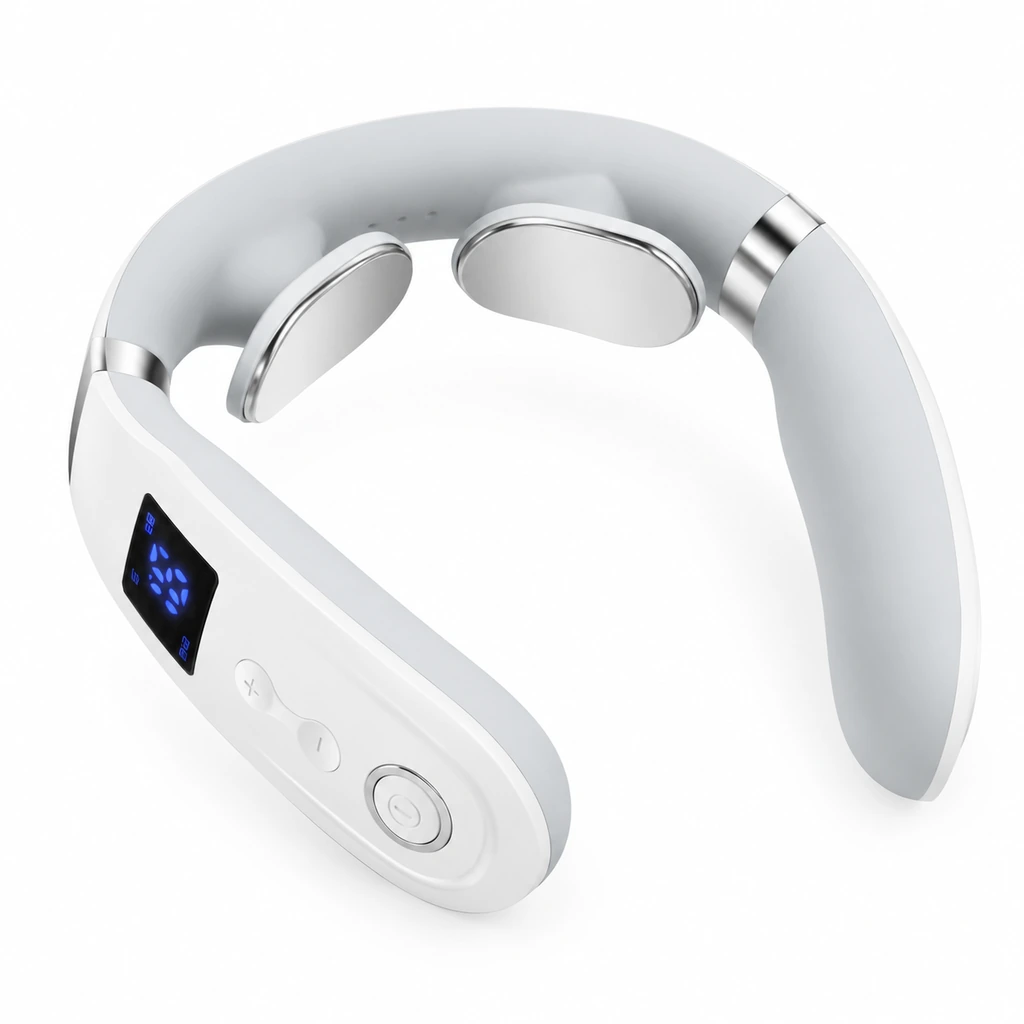
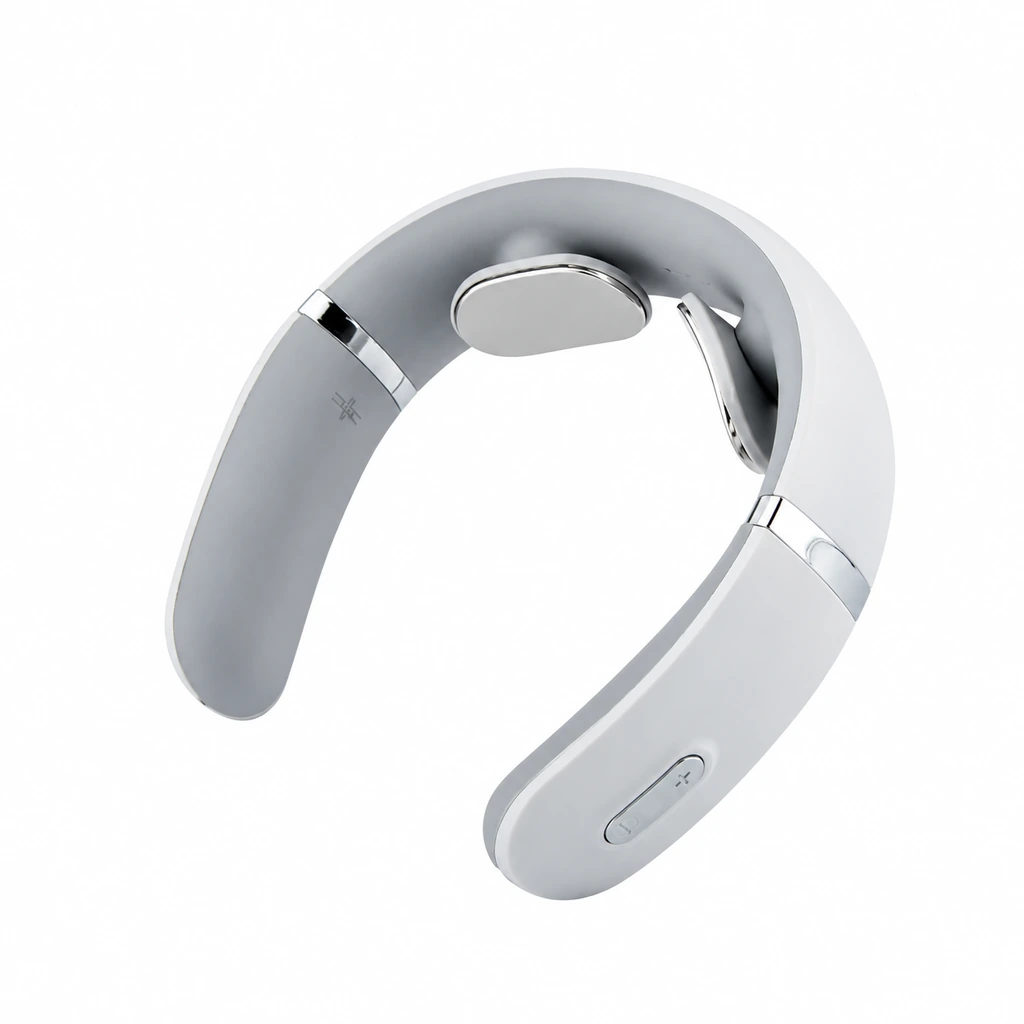
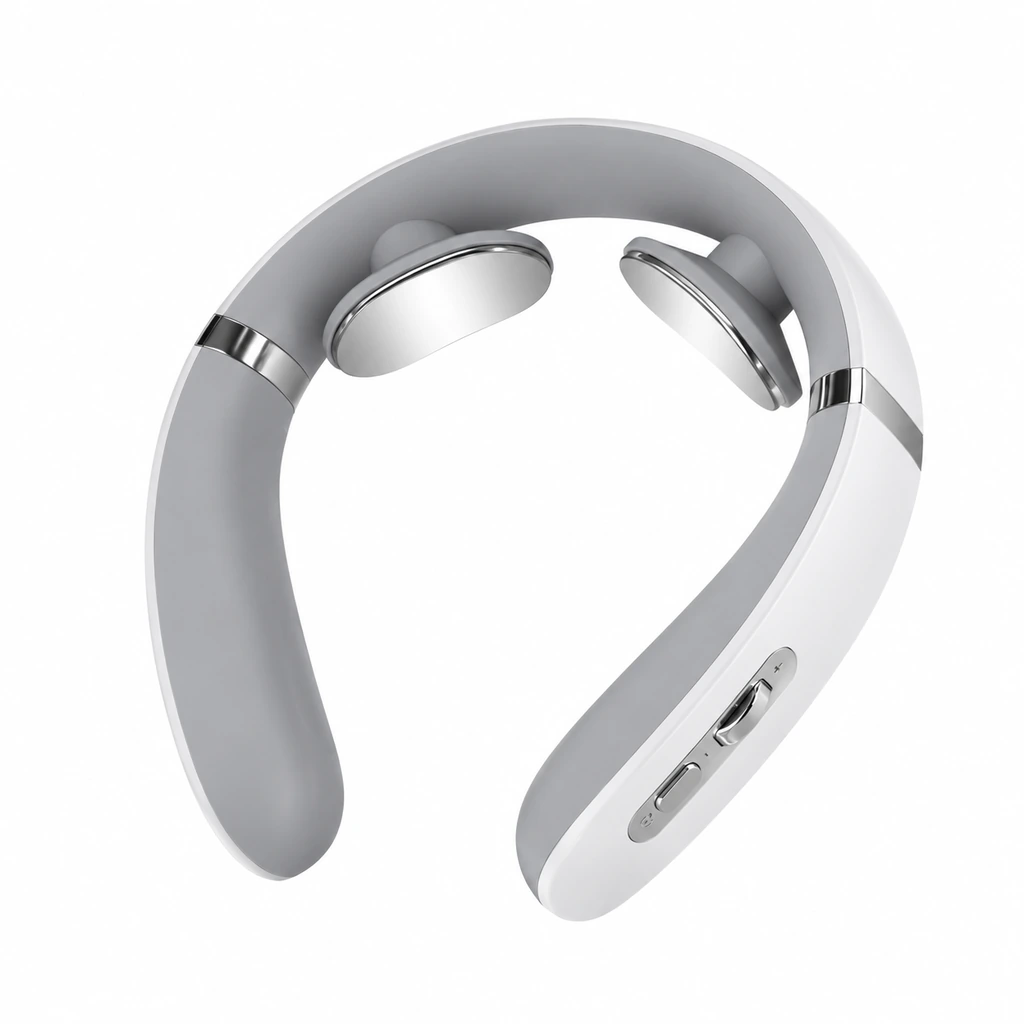
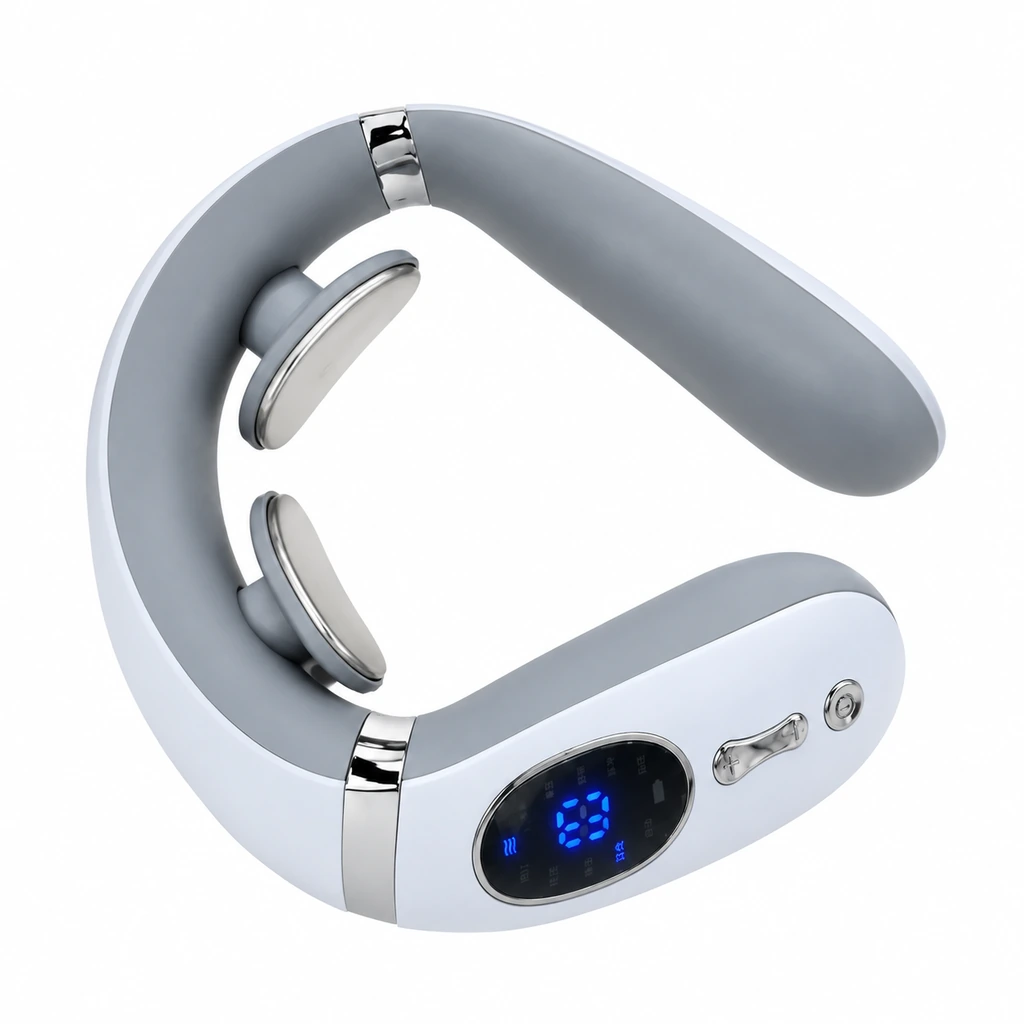
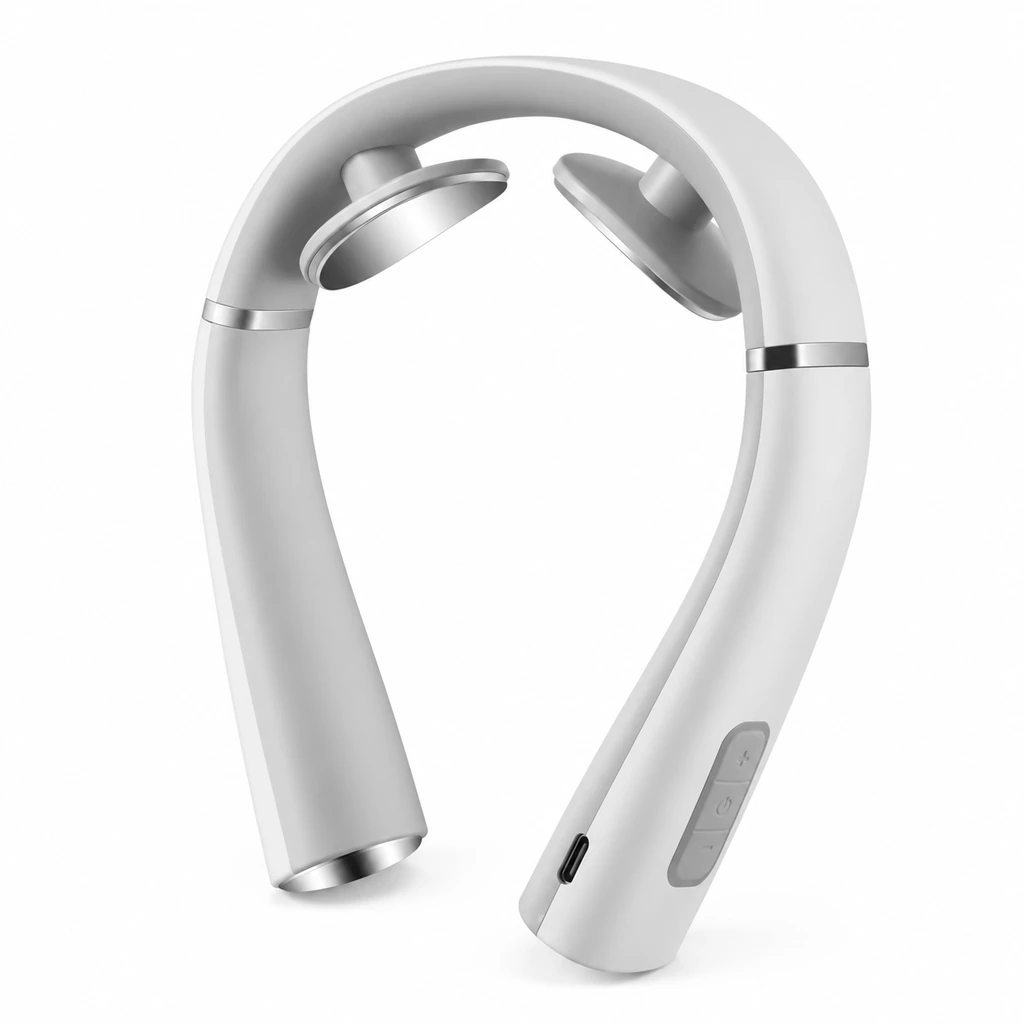
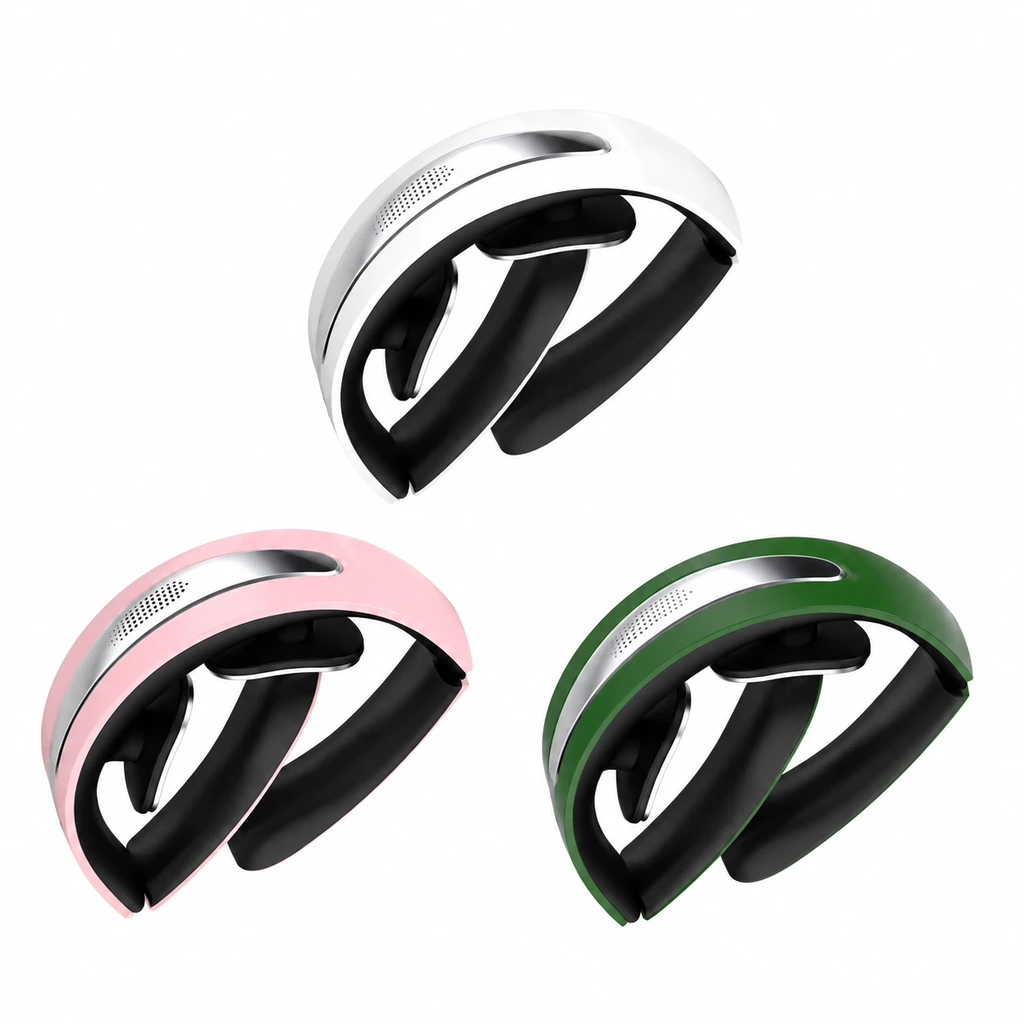
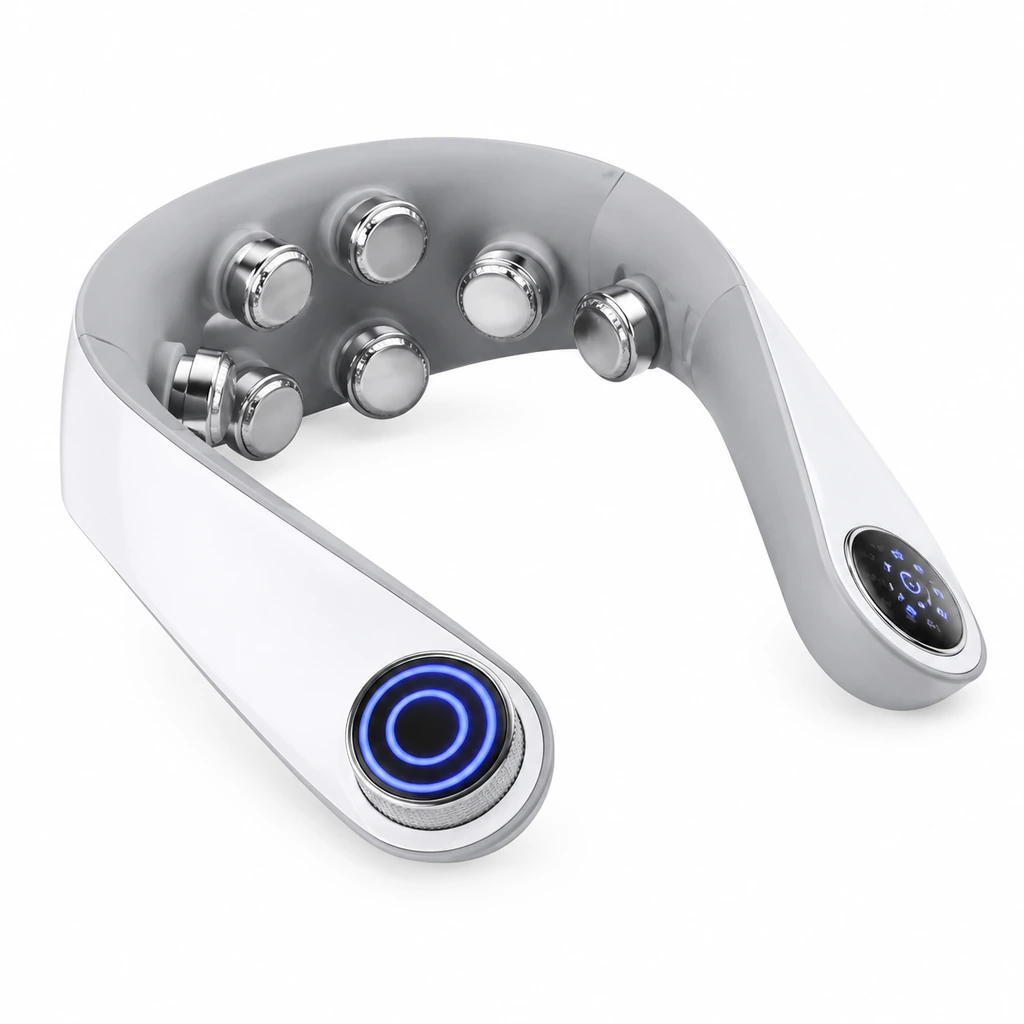
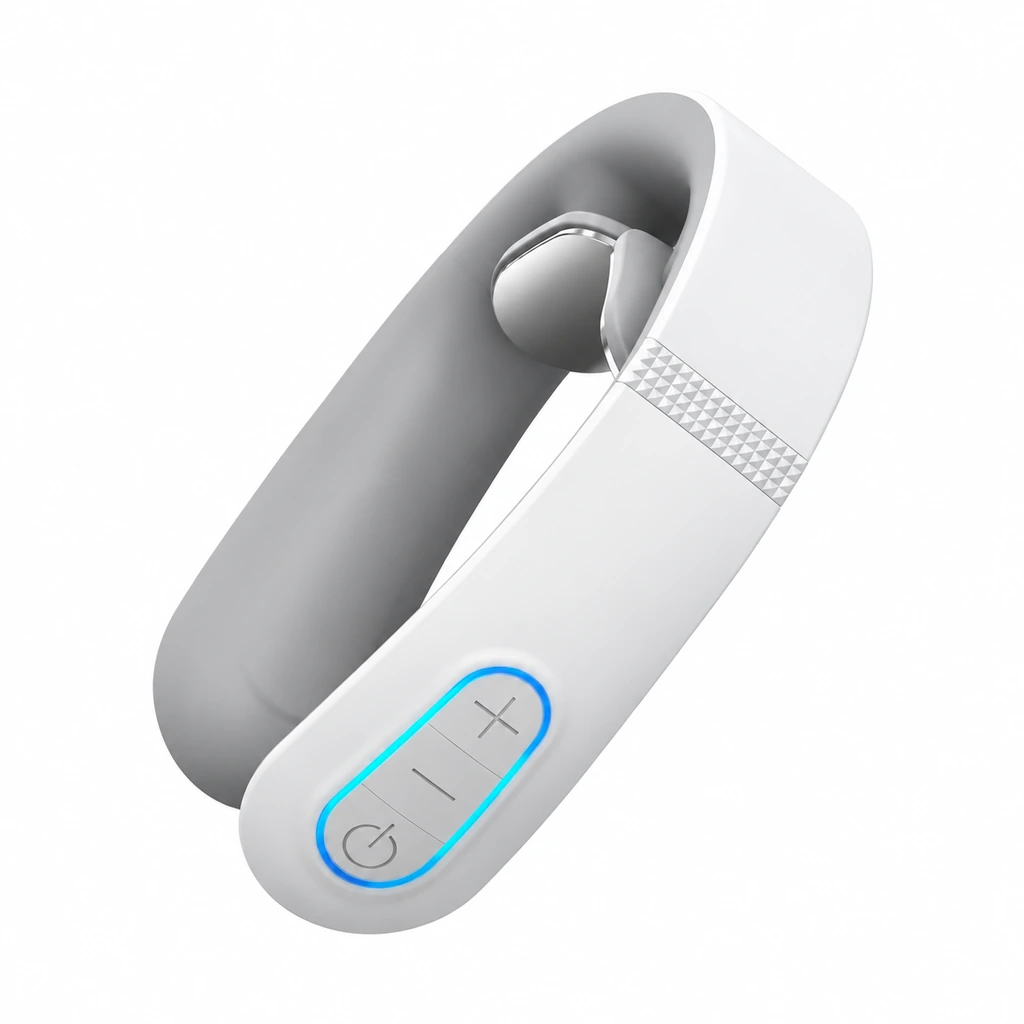
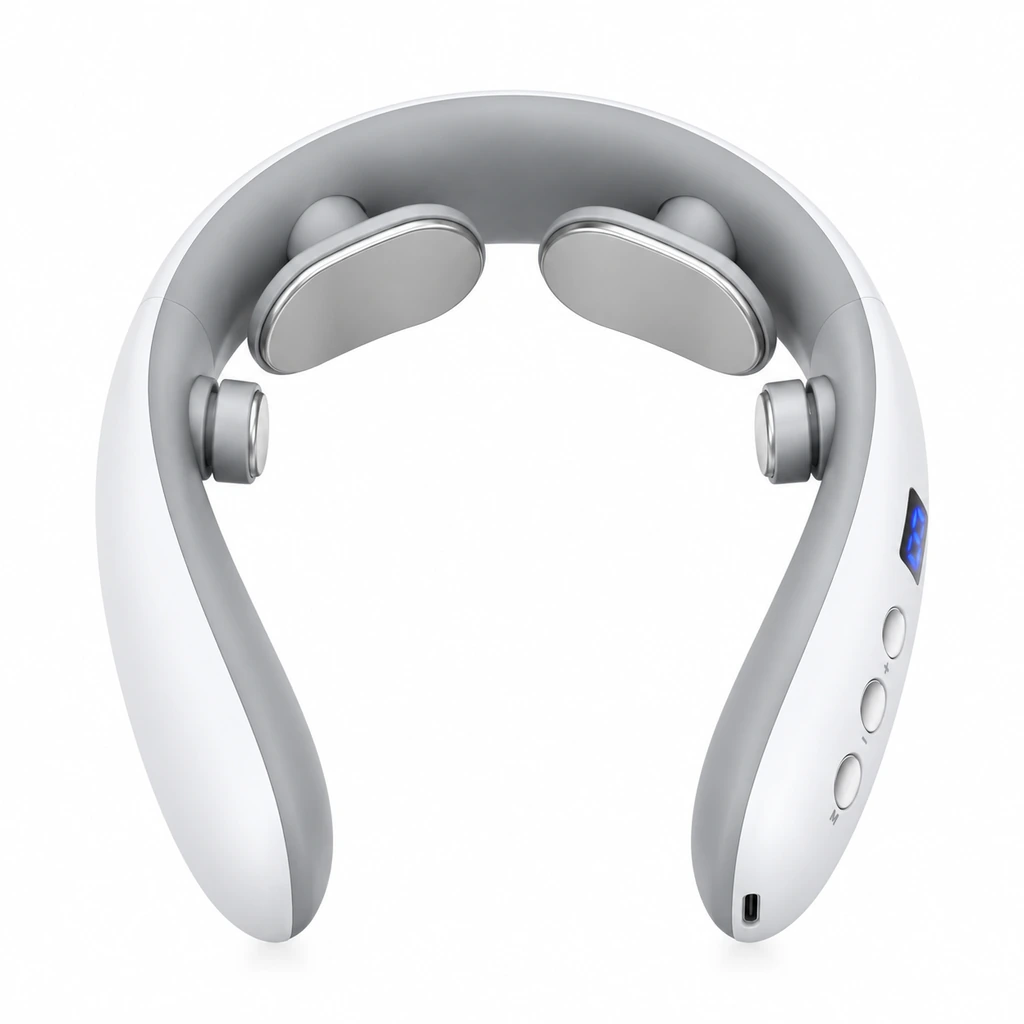
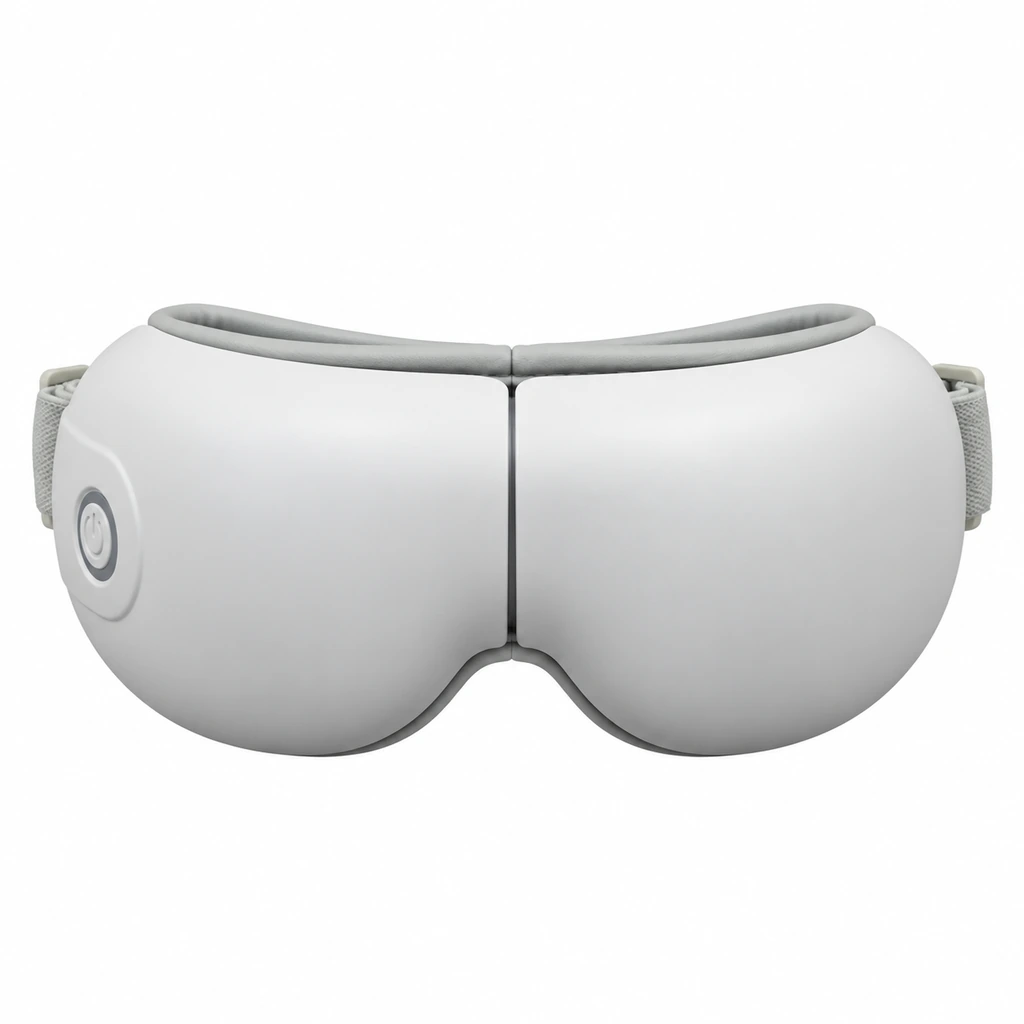
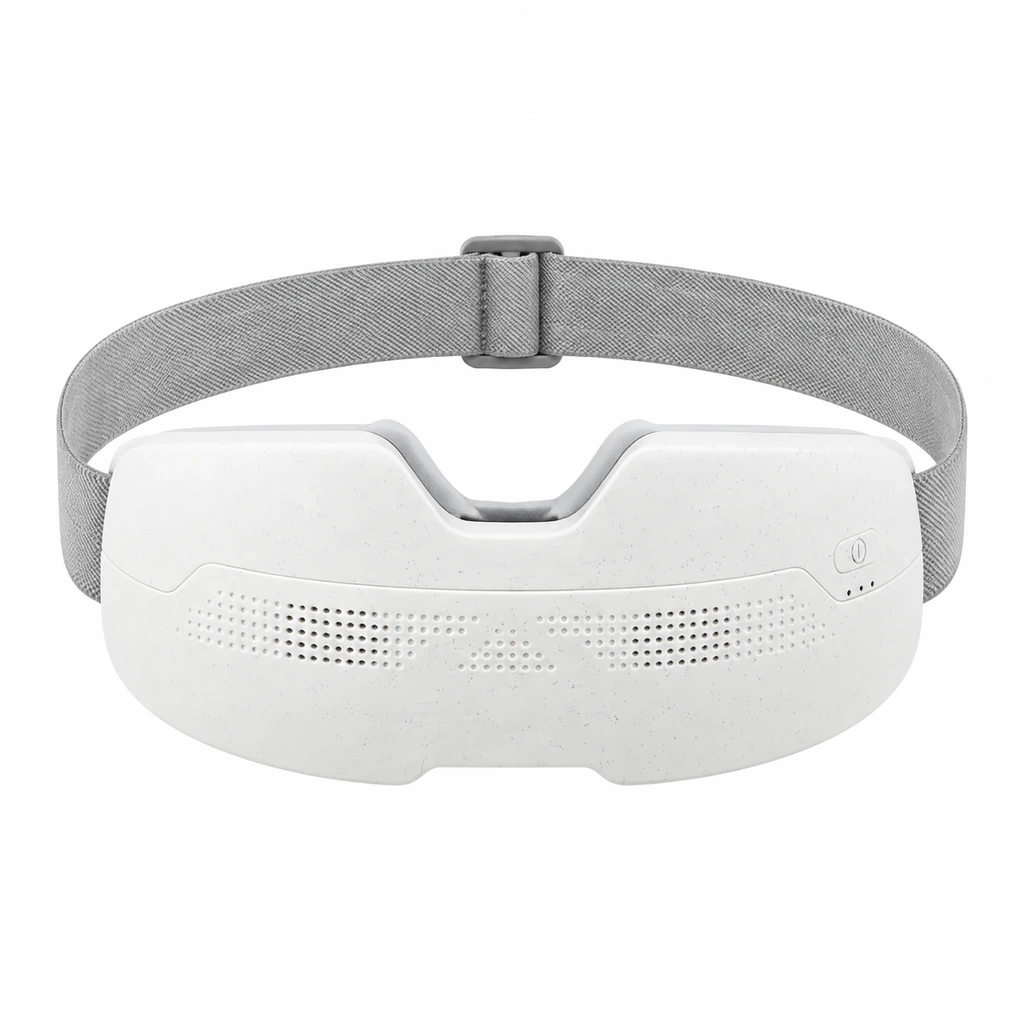
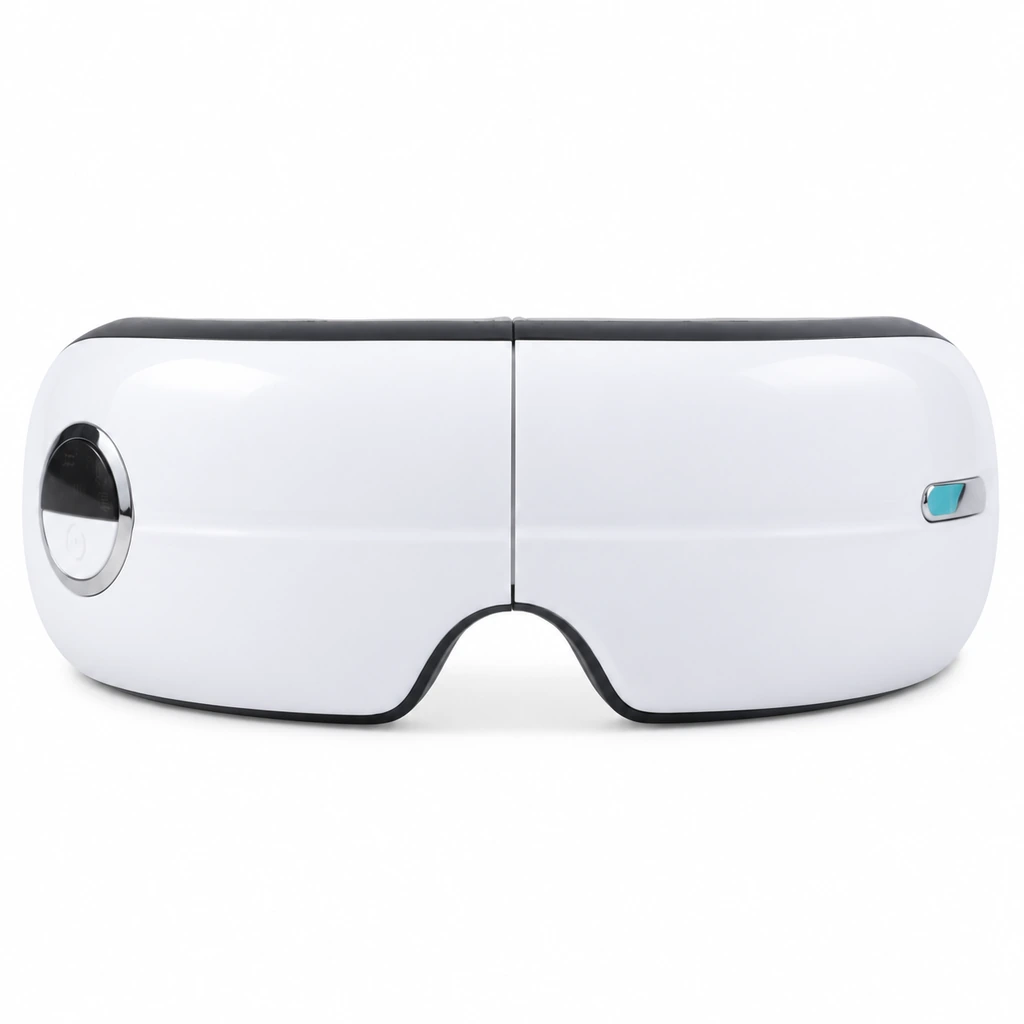
Use the Meilan Y8 eye massager as the model reference here. Its shell, center joint, padded inner areas and adjustable strap give reviewers several distinct surfaces to check. The same model name does not establish the lining, finish or branding of a particular order. Match the purchase specification, colorway, artwork revision and retained sample before comparing units.
Separate the device, accessories and retail packaging in the inspection scope. A scuffed box and a marked device require different records and remedies. Likewise, a visible mark does not prove impaired operation; an attractive exterior does not establish that the device works correctly.
2. Agree how the appearance will be viewed
Record lighting, background, viewing distance, angle, inspection time and whether magnification is used. Agree whether the product is reviewed folded, open or in both positions, and when protective film may be removed. Preserve the received condition before cleaning or handling changes it; follow the agreed instructions for any permitted cleaning.
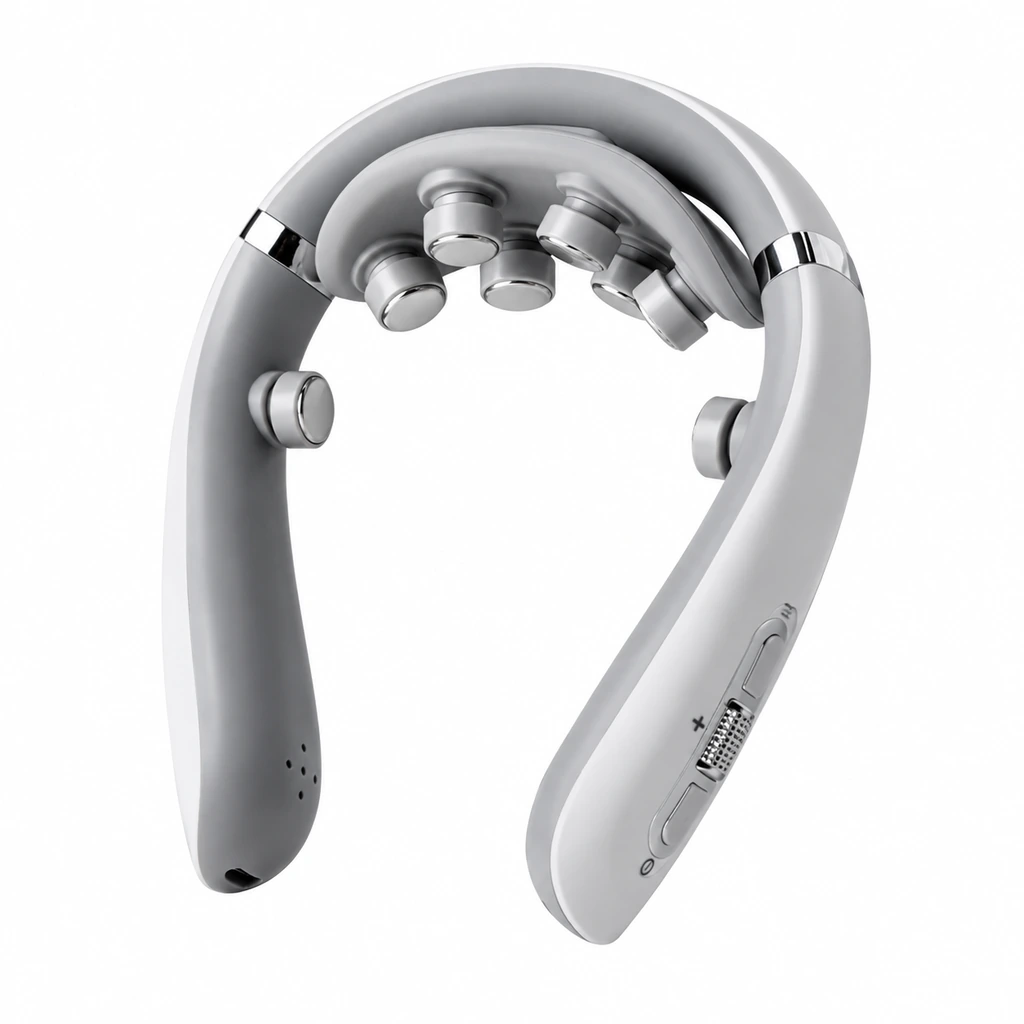
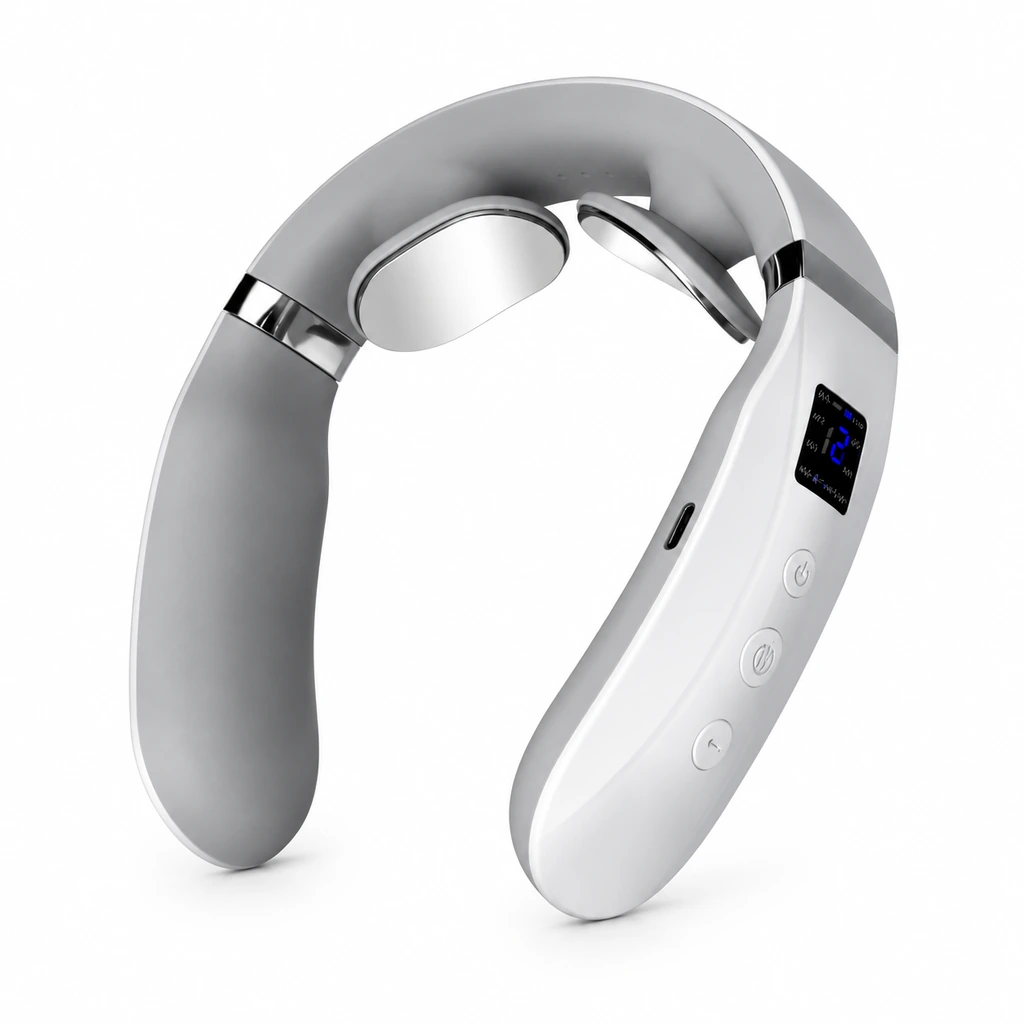
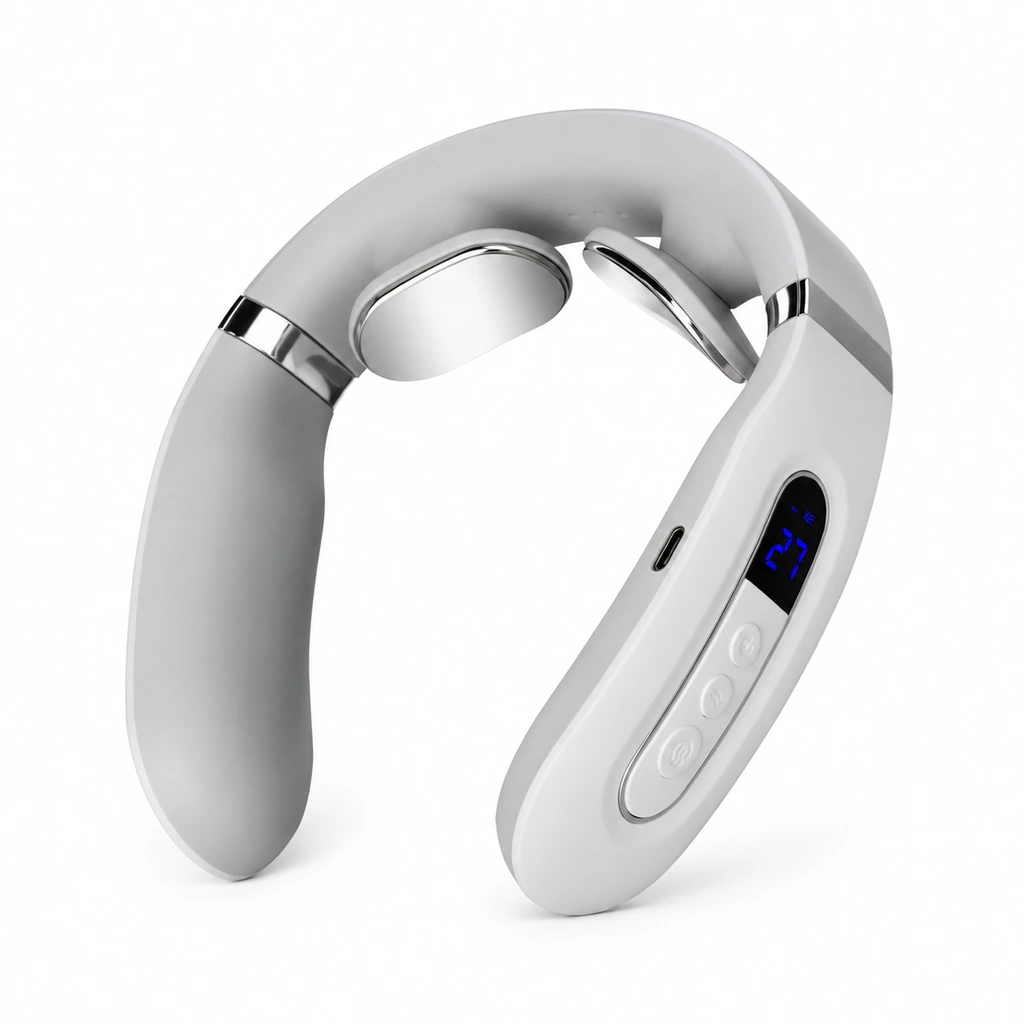
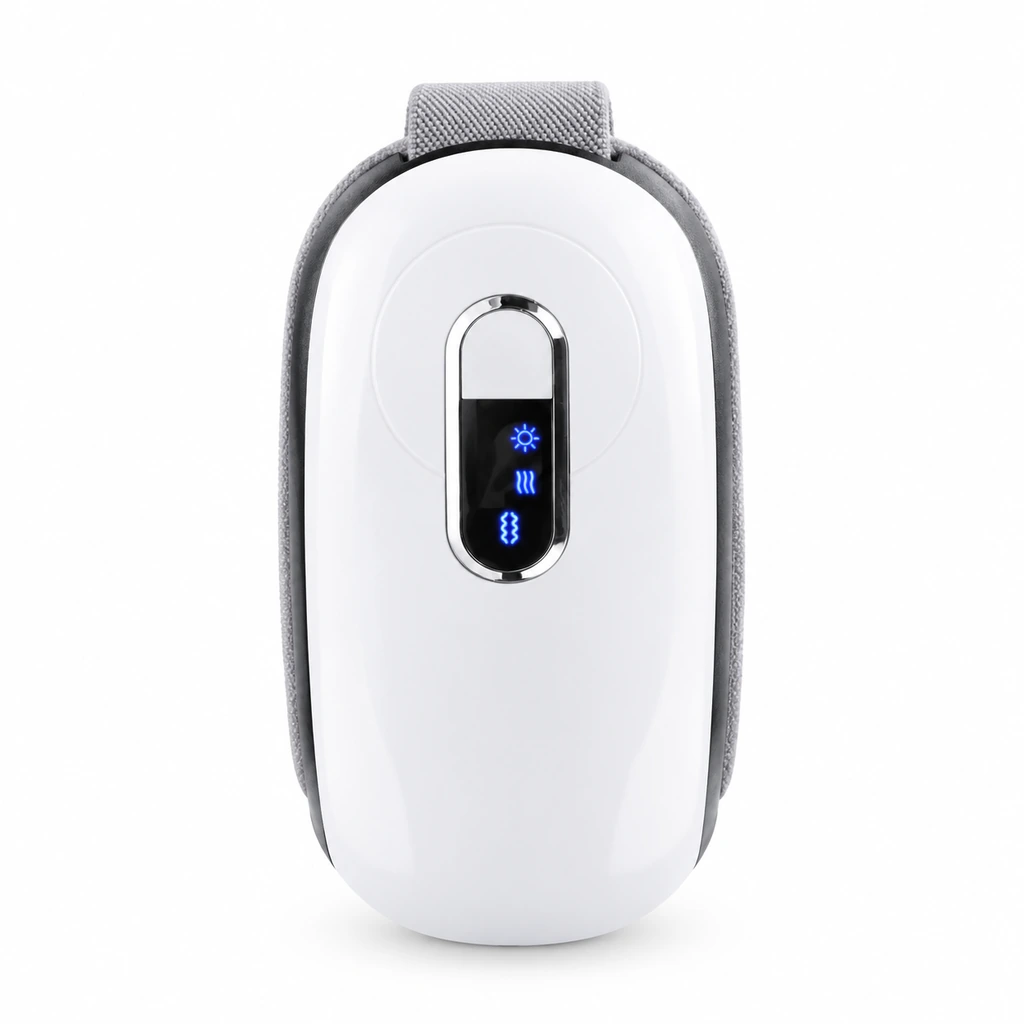
Name surfaces in plain language rather than importing another product's A/B/C zones. For Y8, distinguish the front shell, side control area, center joint, inner contact area and strap. Visibility matters, but a less visible contact surface is not automatically less important. For color or gloss differences, compare physical references under the same conditions; the eye massager color-approval guide explains why a screen image alone is insufficient.
3. Describe the finding before assigning severity
Use the following groups to organize observations. They are inspection prompts, not findings that these defects occurred on Y8 or a universal acceptance standard.
| Observation group | What to record | Boundary to resolve with the supplier |
|---|---|---|
| Shell marks | Location, visible length or area, count and visibility under the agreed setup | Distinguish a scratch, removable residue, reflection and protective-film mark before deciding |
| Color or finish difference | Affected parts, reference sample and viewing conditions | Approve the comparison method and any measurable tolerance for the selected finish |
| Joint or edge appearance | Location, opening position and comparison with the retained sample | Separate an intended construction line from an unexpected gap; investigate movement or sharpness separately |
| Printing and markings | Exact text, position, artwork revision and legibility | Separate decorative print variation from missing or incorrect required information |
| Lining and strap appearance | Stain, surface change, loose thread or edge condition, with a wider location view | Check whether the issue is superficial or also affects contact, fastening or durability |
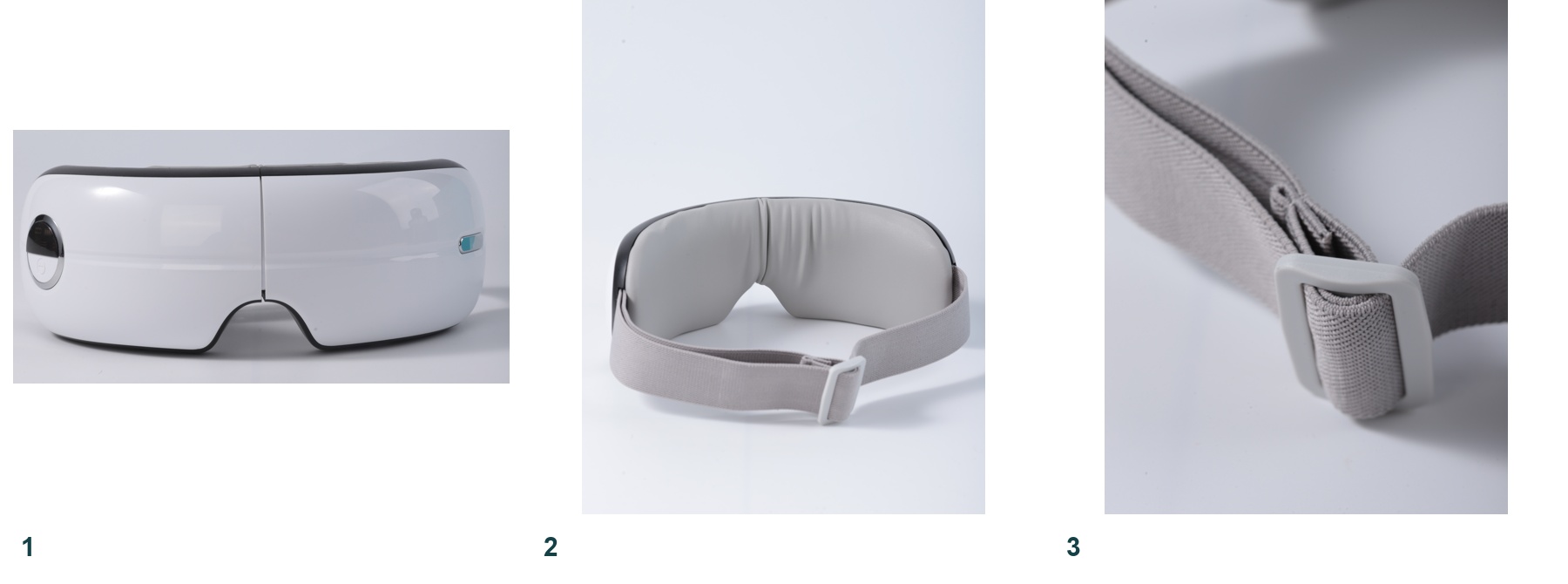
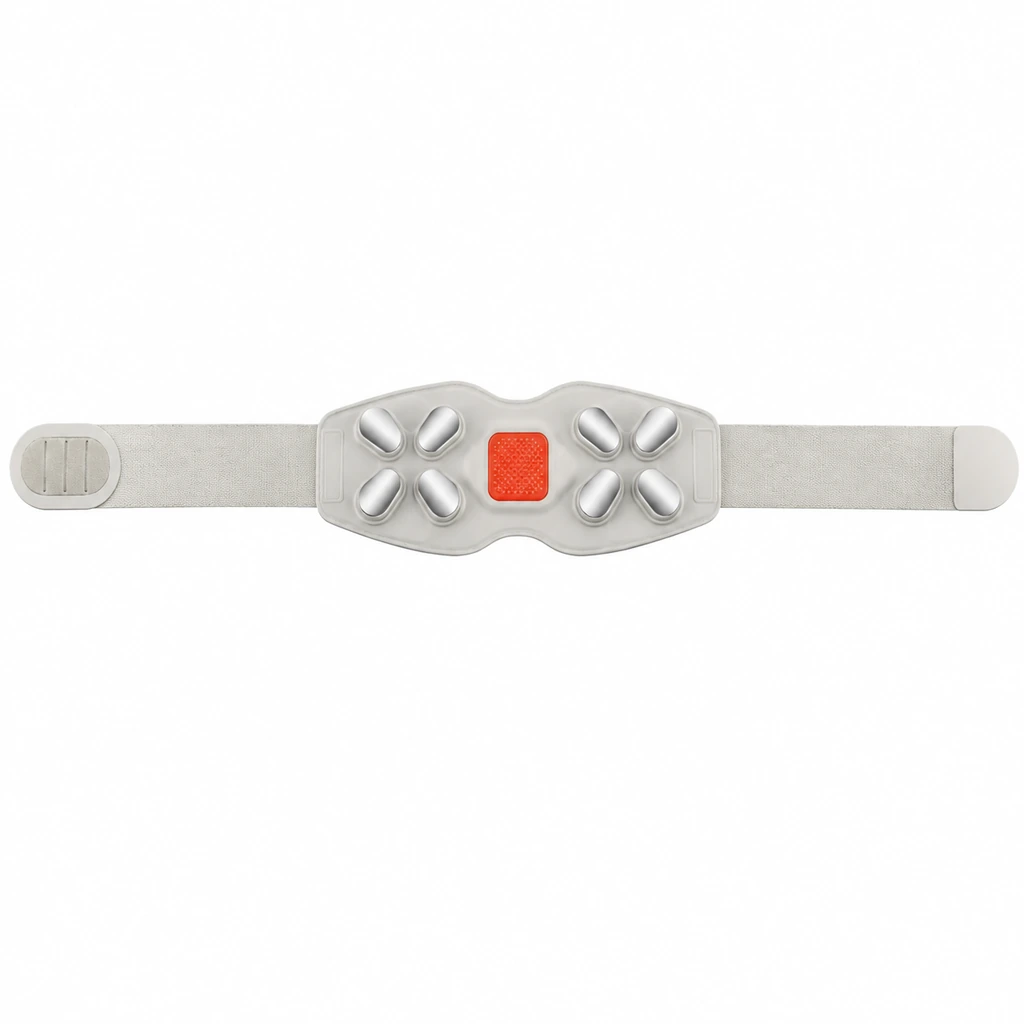
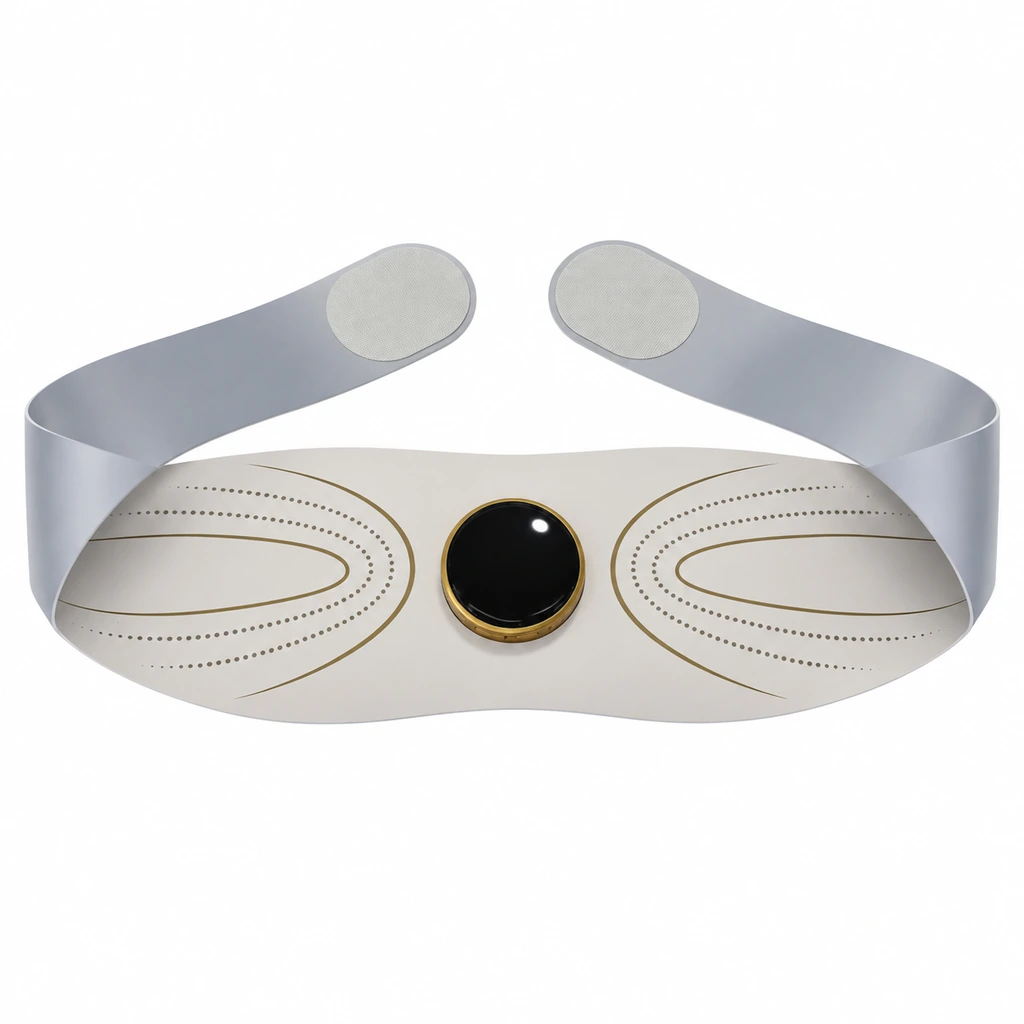
These original Y8 photographs locate inspection areas. They are not approved defect-limit samples or evidence that a batch passed inspection.
Keep the observation separate from the proposed cause. A mark near an edge does not establish whether it arose in molding, assembly, packing or transport. If cleaning is authorized, retain before-and-after evidence rather than deleting the original finding.
4. Turn photographs into a traceable record
Pair a whole-unit view with a close-up and, when size matters, an appropriate scale in the same plane. Label the sample, batch or shipment reference, issue ID, surface and date. Save original files alongside annotated copies; do not retouch a mark or use a crop that conceals its location. Keep exposure and white balance consistent for comparisons.
A second angle can help distinguish a reflection from a surface mark. It cannot establish depth, feel, strength or material composition. Ask for a physical review or an agreed additional check when the decision depends on those properties. The eye massager sample-feedback guide shows how to connect each issue to a revision and recheck.
5. Agree severity without disguising a safety question
Defect type and severity are different decisions. A scratch describes an observation; its significance depends on location, extent and the approved reference. If the parties use critical, major and minor classes, define them in the order documents with agreed examples. Do not assign one class to every scratch or turn a buyer preference into a contractual defect after production.
A suspected sharp edge, exposed internal part, damaged fastening point or incorrect required marking needs the responsible quality team's assessment. Keep unresolved units identified and prevent release through the agreed hold process. Do not reduce a possible safety or functional issue to “minor cosmetic” merely because it is visible in a photograph.
6. Keep classification separate from sampling and release
Classifying one unit does not decide a shipment. NIST's acceptance-sampling guidance distinguishes a lot-acceptance decision from estimating the quality of the lot. A photograph set selected to explain defects is not a random sample of the shipment.
Before inspection, agree the lot definition, selection method, sampling standard and edition if used, inspection level, class-specific criteria, acceptance/rejection numbers and decision authority. No universal quantity follows from the word “cosmetic.” An AQL value alone does not define a complete plan or authorize that percentage of defective units in every delivery. Record both affected units and individual findings without confusing them; a unit with several marks is still one unit when counting nonconforming units.
7. Close the order with evidence and a clear decision
Before release, procurement and quality should confirm that the inspected configuration matches the order, the appearance reference is approved, each finding has a disposition and the agreed lot rule has been applied. Record who authorizes release, sorting, rework, replacement or a specifically scoped concession. A concession for one lot does not silently revise the next order's standard.
After correction, recheck the affected units using the agreed method and retain the results. Keep lot disposition separate from any longer-term corrective-action investigation. For supporting documentation, start with Meilan's certifications and document library, then request files tied to the quoted model, version and applicable requirement. A general certificate or another model's report cannot close a cosmetic finding or prove that this shipment passed.
Frequently asked questions
Can product photographs serve as defect-limit samples?
Only if both parties explicitly approve them for that purpose and define their limits. General product photographs locate surfaces; they do not establish an acceptable scratch size or batch result.
Is every visible scratch a major defect?
No. Record the surface, extent and visibility, then apply the agreed reference and severity definition. Assess any functional or safety concern separately.
Can a photo settle a color disagreement?
It can show where the difference is reported. Final approval may require physical samples under agreed lighting or a specified measurement method; changing a camera setting is not a product correction.
How many cosmetic defects may a wholesale order contain?
Use the agreed inspection and lot-acceptance plan. Neither this guide nor a single AQL figure supplies a universal allowable count.
Does a test report prove that the batch looks acceptable?
No. Check the report's model, scope, sample and date. Appearance approval and shipment release still require their own matching criteria and records.

