
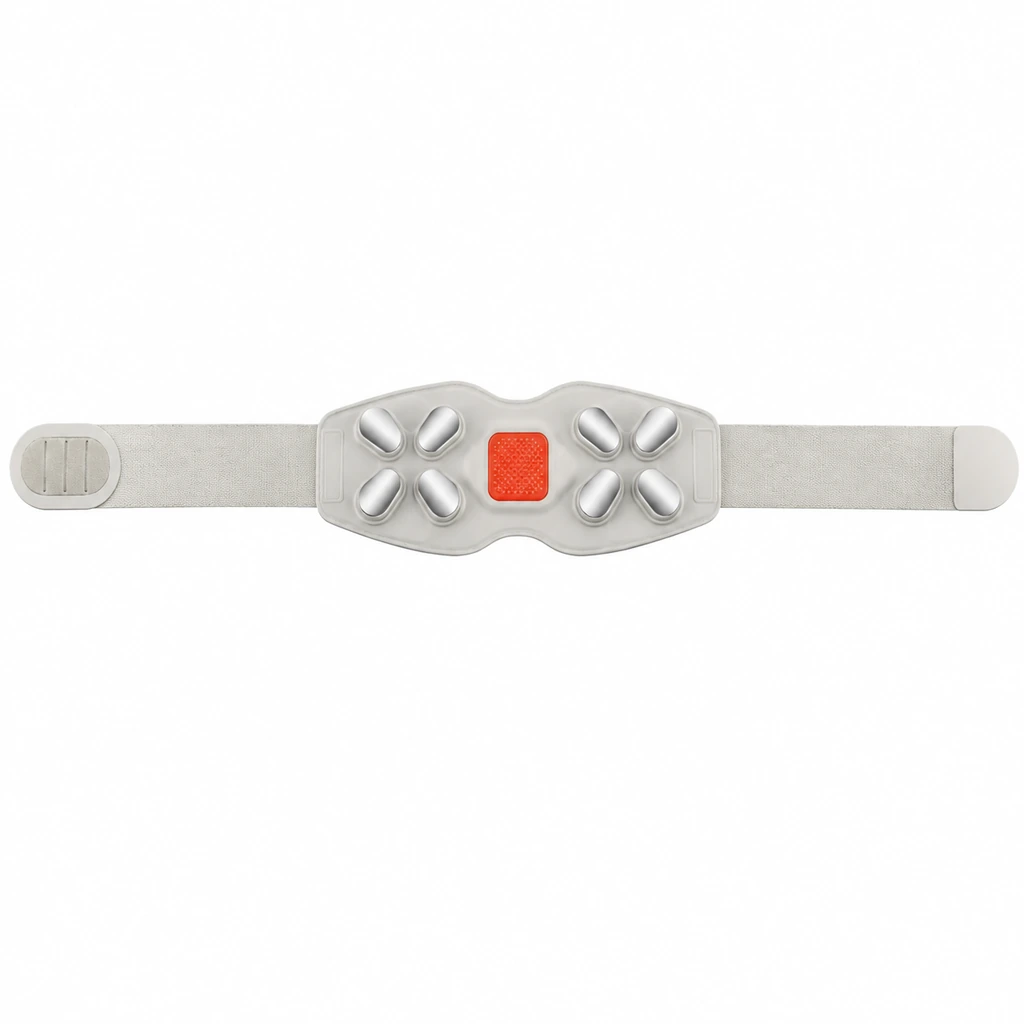

























Eye Massager Specification Discrepancy Guide
A practical Y8 enquiry guide to resolving webpage, specification and packaging differences through evidence, written decisions and controlled corrections.
 Meilan Tech 6 min read

When eye massager specifications disagree, first establish whether the documents describe the same configuration and measurement conditions. Ask the supplier's product owner to resolve each difference in writing against the order, identified sample and supporting evidence. Release an approved specification with linked packaging and listing revisions. A newer webpage or a signed sheet alone cannot resolve an unexplained technical conflict.
1. Identify what the purchase actually covers
A distributor may price an assortment from a webpage while a quality team checks a PDF and an ecommerce seller copies the box. A mismatch can travel into purchasing, retail claims and customer support before anyone notices. Start with the model, configuration, market, accessory set and order revision, rather than choosing whichever document looks most formal.
The Meilan Y8 product page is a useful starting point: it separates model information from items requiring version-specific confirmation. For a Y8 enquiry, request the exact configuration sheet, matching manual, label photographs and pack list. Establish who can approve technical values and who can authorize the purchasing change. A model number identifies the family; it does not uniquely identify every offered configuration.
2. Preserve the competing claims before editing
Save the webpage URL, access date and screenshot; keep the original specification file with its revision and issue date; photograph the relevant packaging panel. Record the exact wording, value, unit and conditions beside each source. Distinguish a physical label from proposed artwork and a published page from a draft. An overwritten PDF makes the earlier quotation harder to reconstruct.
Compare like with like. Device mass differs from the mass of a complete retail kit. Folded dimensions differ from unfolded dimensions; a timed session differs from battery runtime. An apparent numerical conflict may disappear once the definition is corrected. If units are malformed, ask for a corrected issued document rather than guessing the intended quantity.

3. Classify the discrepancy and choose the next check
The following examples are hypothetical training scenarios, not measured Y8 results or statements about its current specifications. They show why one correction method cannot settle every difference.
| Hypothetical conflict | Question that separates the causes | Evidence needed to close it |
|---|---|---|
| Webpage says 15-minute shutoff; specification says 30 minutes | Same mode and configuration, or a different timer version? | Identify the sample and firmware where applicable; agree the timing method, observe the sequence and issue the approved timer wording. |
| Webpage gives a lower weight than the packaging file | Device net mass or kit gross mass, with the same accessories? | Define what is weighed, record the configured sample and measurement, and label both quantities correctly if both are needed. |
| Specification lists Bluetooth music; box artwork promises app control | Audio pairing or a separately supported control function? | Request the exact manual and demonstration. Remove unsupported app wording before artwork approval; a Bluetooth label does not establish app control. |
| Two files give different dimensions | Folded device, unfolded device or retail box; same orientation and units? | Use a dimensioned reference and agreed measurement points, then publish each value with its object and state identified. |
4. Establish an approved order baseline
Document authority comes from applicability and approval, not file format or the latest timestamp. A newer document may describe another option. Ask the product owner for a written disposition covering the agreed value, unit, conditions, configuration, evidence and superseded statement. Connect it to the quotation or purchase order and obtain the required buyer approval.
Use one released specification to coordinate the order, with references to the sample, manual, artwork and any relevant report. NASA's configuration-management guidance describes agreed baselines and controlled changes as a way to keep products and documentation aligned. That is a useful general principle here, not a NASA requirement or endorsement for an eye massager order.
5. Verify the disputed characteristic at the right level
A labeling mistake may be closed through document review once the underlying characteristic is established. A function difference needs a version-matched demonstration. A numerical performance claim needs an agreed measurement method and conditions; a specification signature does not replace that evidence. For electrical ratings, charging or safety-related wording, obtain review by the responsible technical team before release.
Identify the sample, test setup, operating state, method, observations and limitations. Where a report is relevant, check its model, configuration, date, method and scope against the ordered item. A report for a different configuration requires an applicability assessment. Do not describe a demonstration as certification or a proposed check as a completed pass.
6. Correct every place that carries the old statement
Once the decision is approved, trace the wording into the product page, downloadable PDF, quotation, purchase order, manual, label, packaging artwork, marketplace listings and support material. Include every language used for that order. Assign an owner and a revision to each affected item; keep the original record and the change reason. Updating a website leaves printed boxes unchanged.
Ask the warehouse and production team which old materials or packed stock remain, what orders they belong to and when the revision takes effect. Agree any rework or separate identification before shipment. A version check for eye massager reorders helps prevent corrected copy from being paired with a different repeat-order configuration.

7. Close the issue with a release checklist
Before releasing the affected order or listing, confirm these five points: the conflicting sources remain identifiable; the approved value and its conditions are explicit; the supporting sample or record matches the order; affected documents, languages and physical materials have a recorded disposition; and an authorized owner has signed off the effective revision. Use approve, revise or hold decisions with reasons, rather than a generic “confirmed” message.
Separate issue closure from shipment acceptance. A corrected document does not establish that the batch was inspected. If a material technical difference remains unresolved, keep the affected approval open and agree the evidence needed next. Avoid converting the supplier's proposed value into a customer promise while that review remains open.
Frequently asked questions
Should the latest webpage always override the specification?
No. Check the version, scope and approval behind both. A recent webpage can describe an option outside the ordered configuration.
Is a signed specification enough to close a conflict?
It records agreement, but the disputed characteristic still needs appropriate supporting evidence and a documented correction of affected material.
Can an incorrect unit simply be corrected internally?
Ask the responsible supplier team to issue the correct quantity and unit. Keep the original and replacement linked; an internal guess should not become an order requirement.
What if the boxes have already been printed?
Identify stock, affected orders and the exact wording, then obtain an approved disposition for use, rework or replacement. Do not assume a website correction resolves printed inventory.
Does resolving specifications mean the shipment has passed inspection?
No. Document alignment, verification of a characteristic and batch acceptance are separate decisions with their own records.
For a Y8 specification review, submit the competing files, webpage URL, package photographs, destination market and proposed order configuration through the Meilan certifications and supporting-documents page. Request the applicable original records and a written resolution identifying the approved version, further checks and correction owners before finalizing purchasing or buyer-facing copy.

