



Scalp Massager Wet-Use Documentation
A T1 buyer guide to comparing washable-head, body-rinsing and shower-use claims with approved instructions, water-resistance evidence and charging boundaries.
 Meilan Tech 7 min read
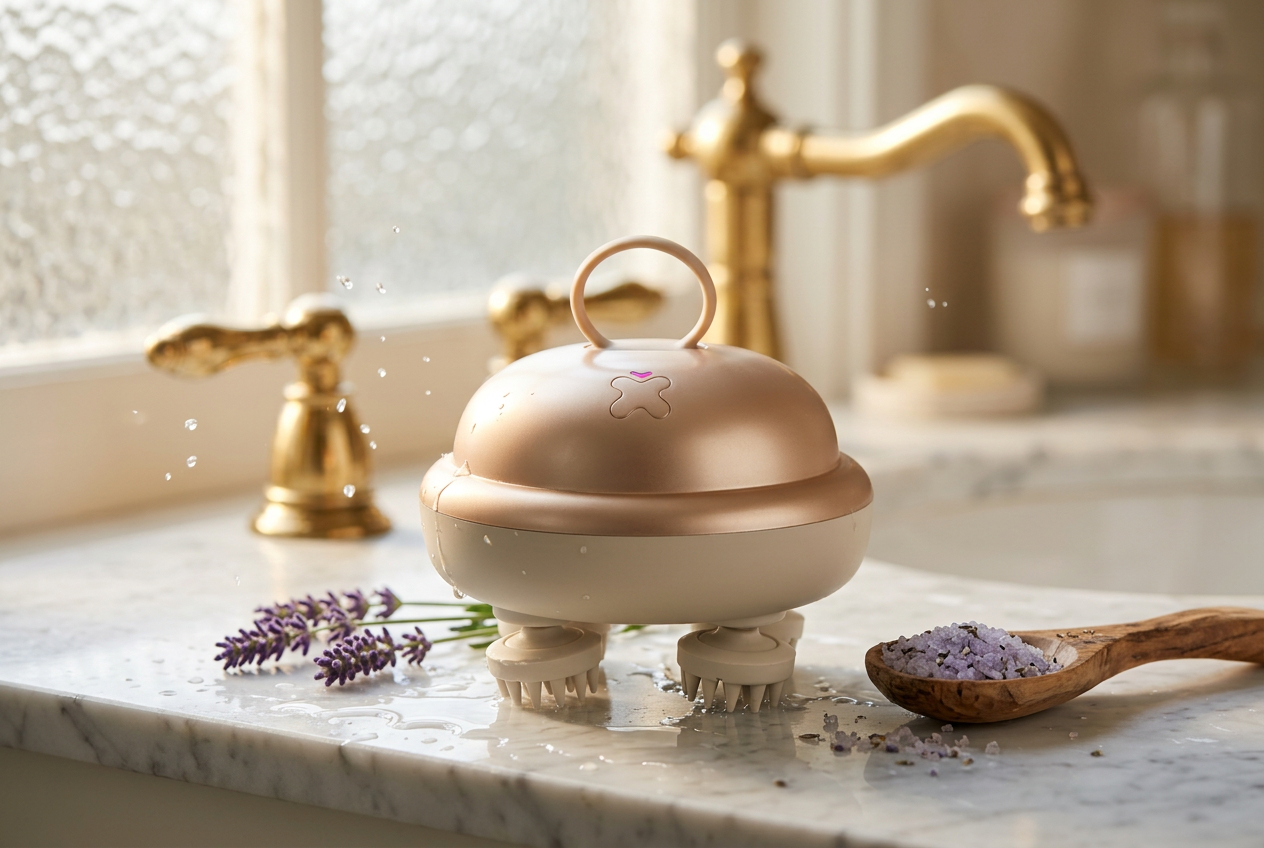
Meilan T1 materials show why a wet-use scalp massager claim needs a precise boundary. One T1 instruction version describes shower use while excluding prolonged immersion; its charging and cleaning directions require a dry unit and charging port. Before a wholesaler repeats any wet-use wording, match the quoted configuration to the approved manual and obtain the corresponding water-resistance evidence. A bathroom photograph alone cannot make that decision.
1. Define the claim before reviewing the product
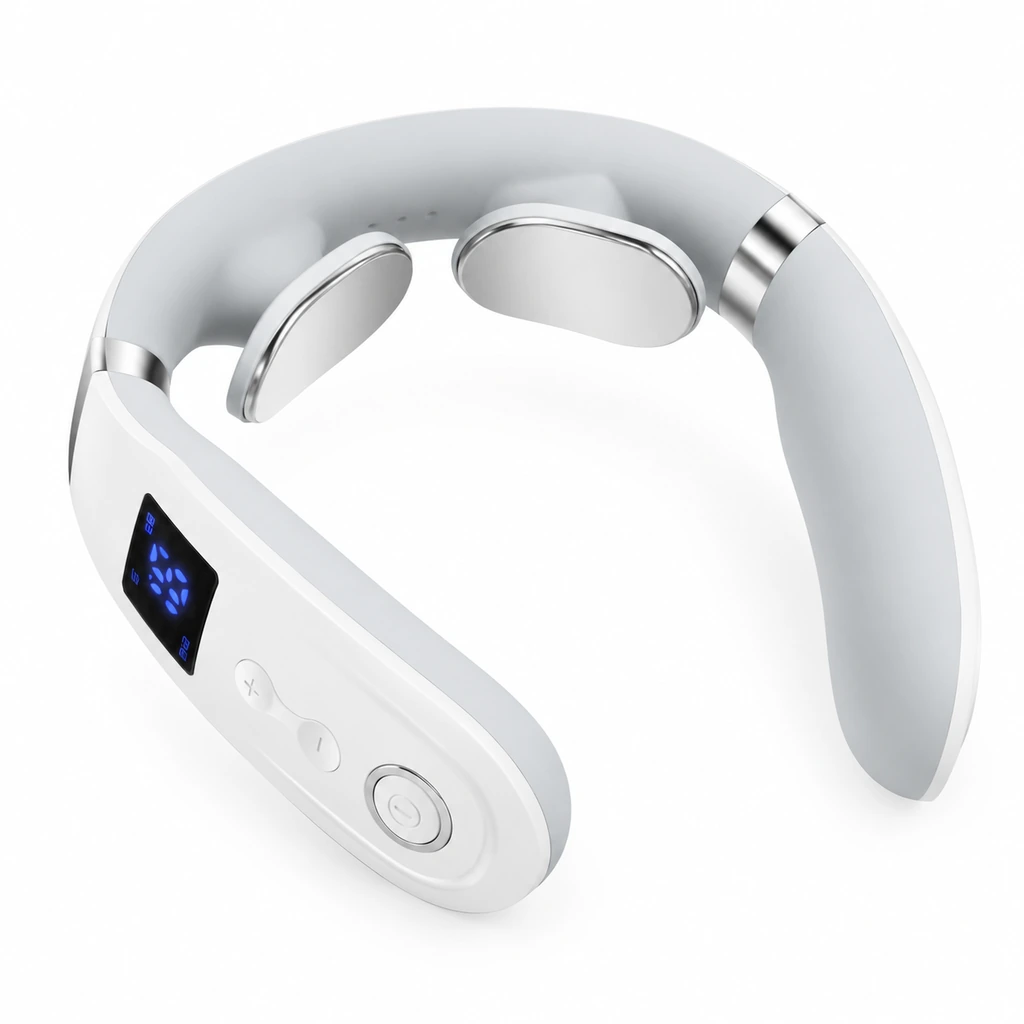
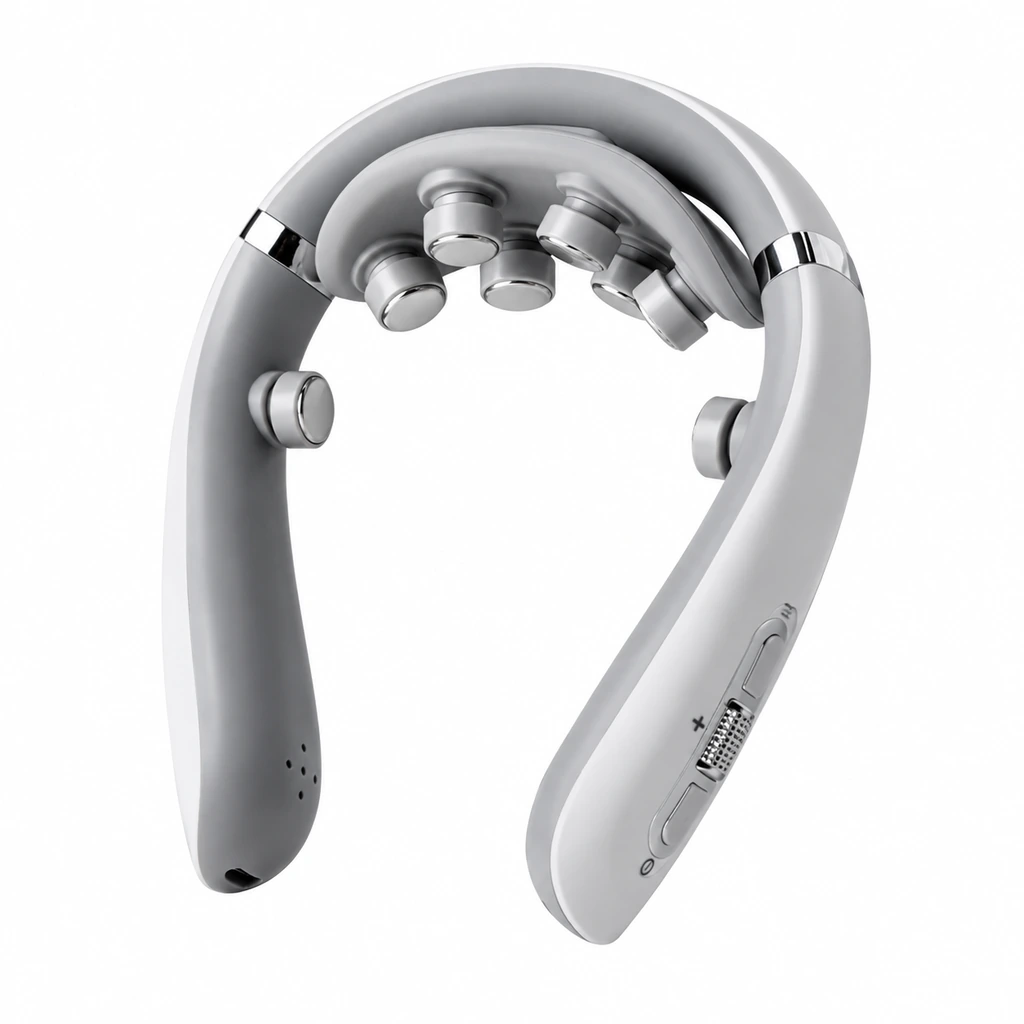
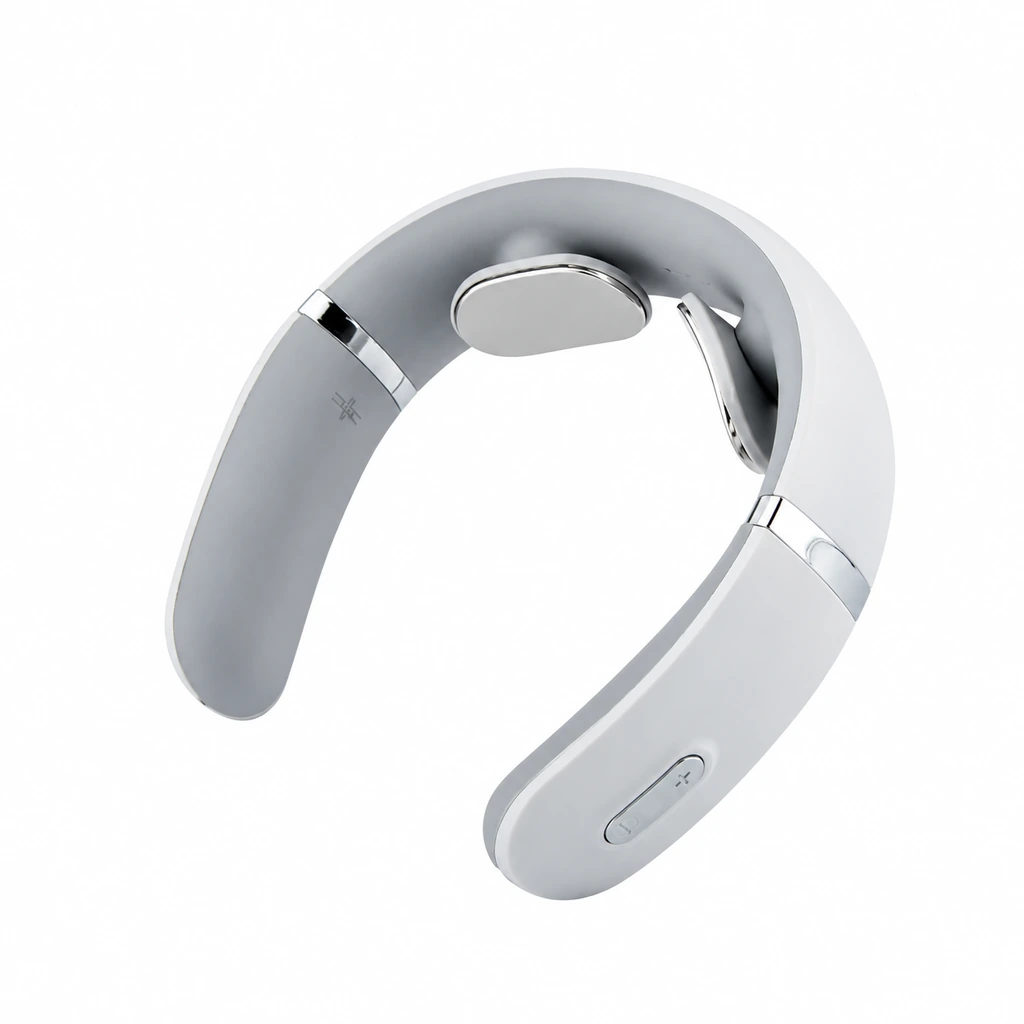
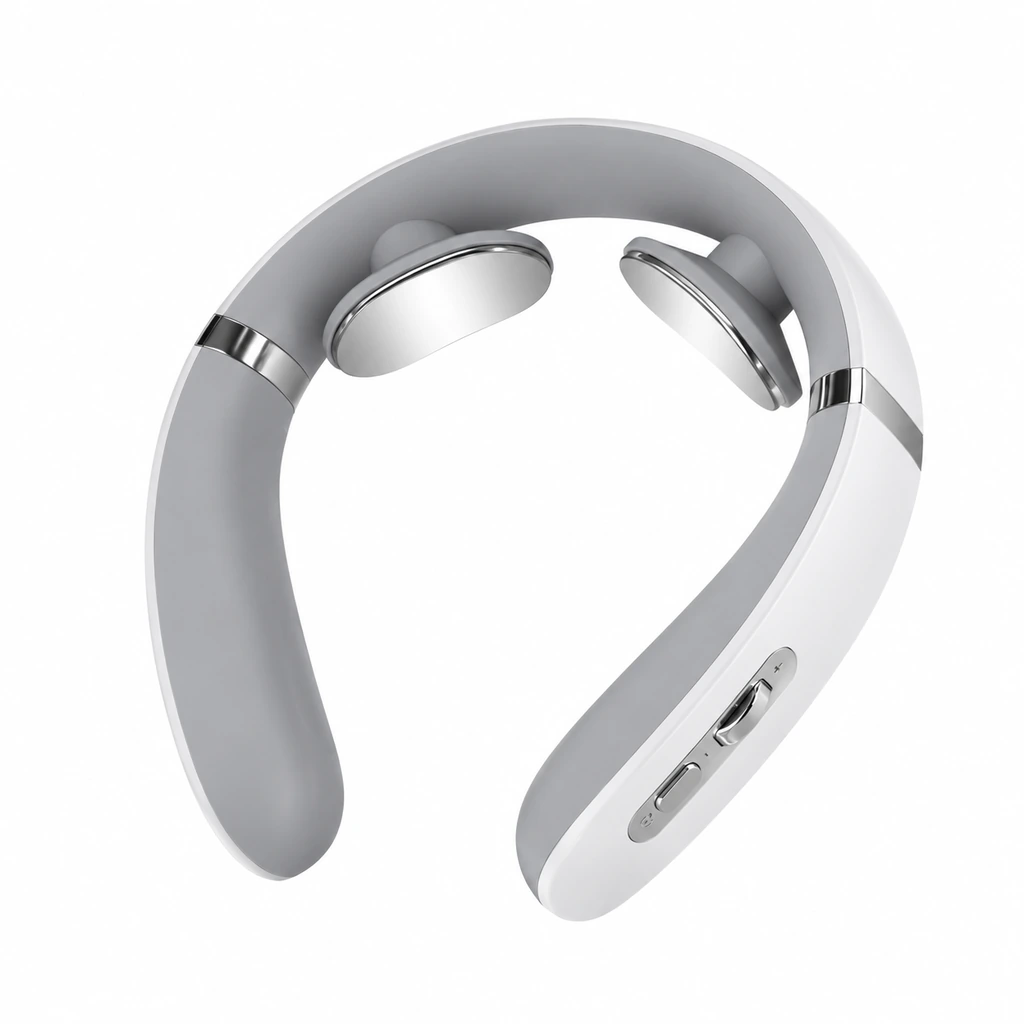
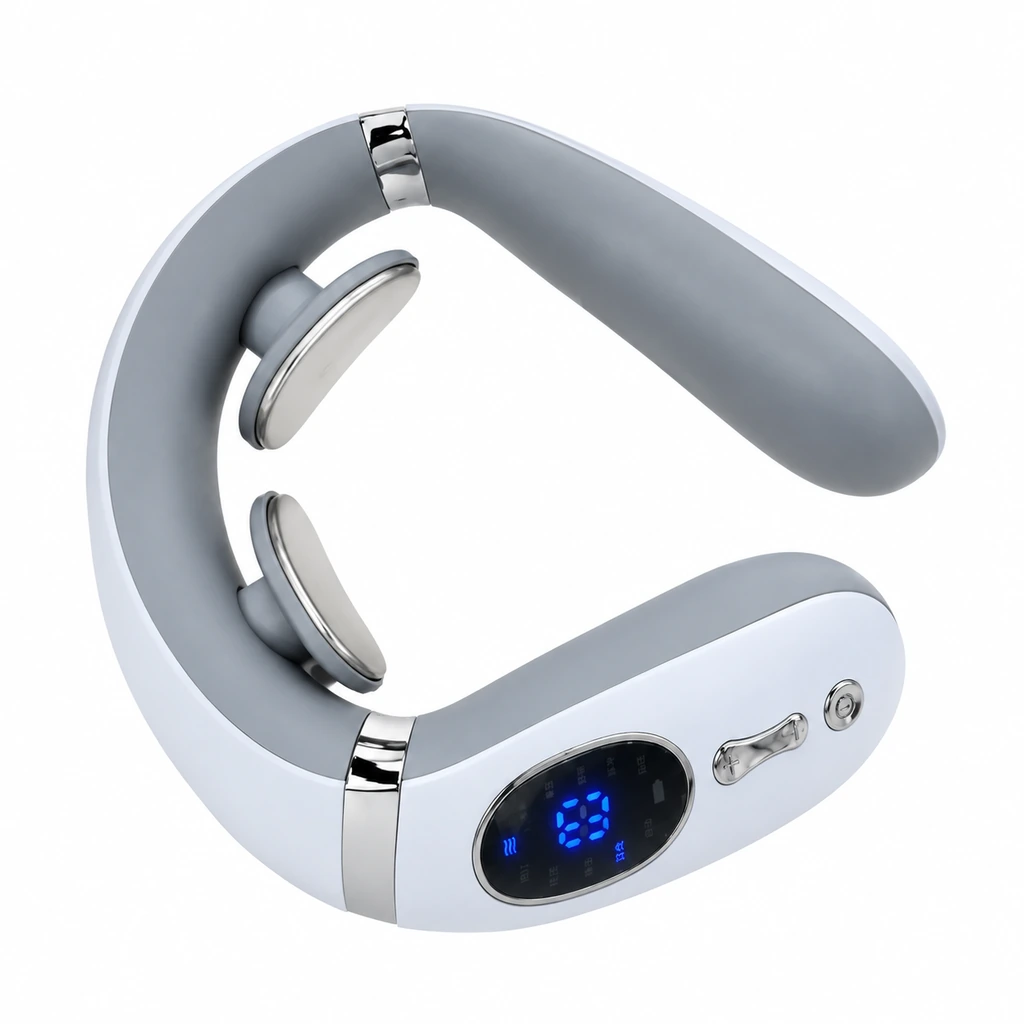
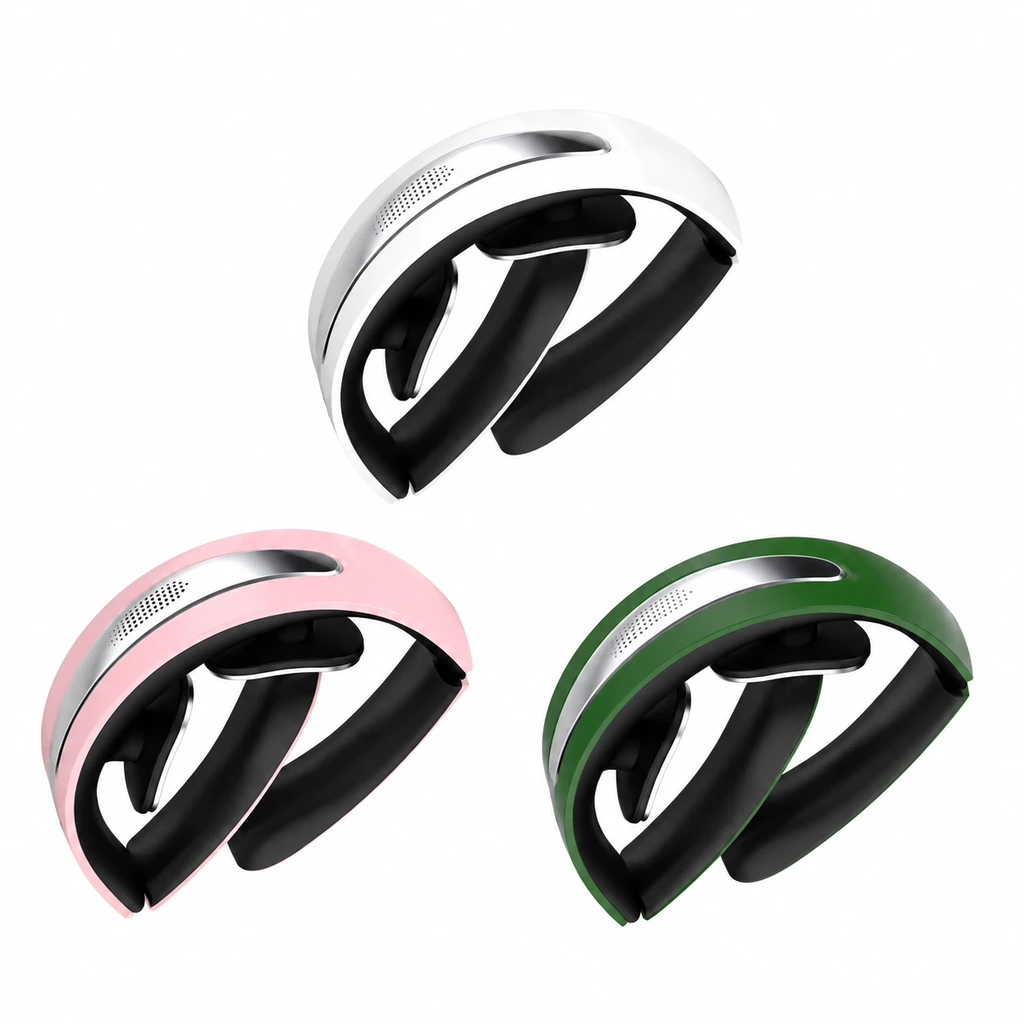
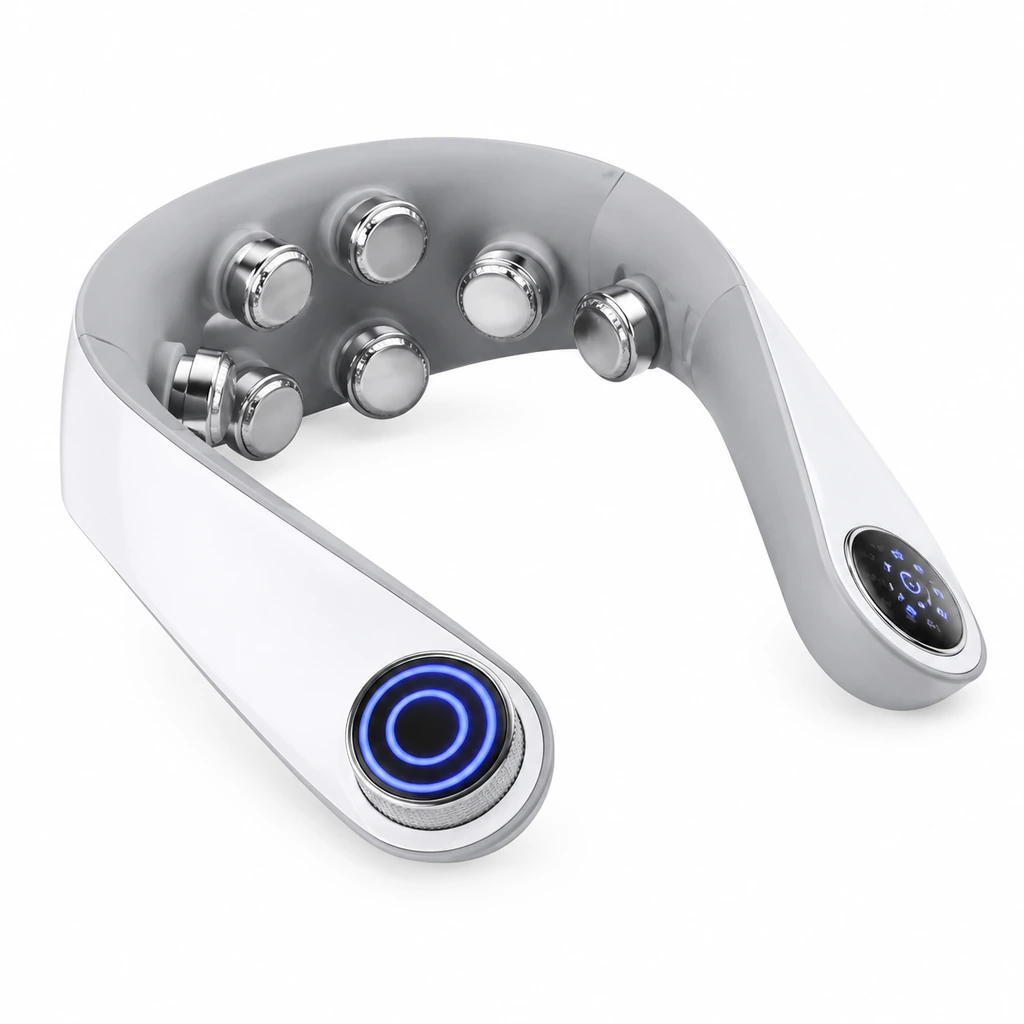
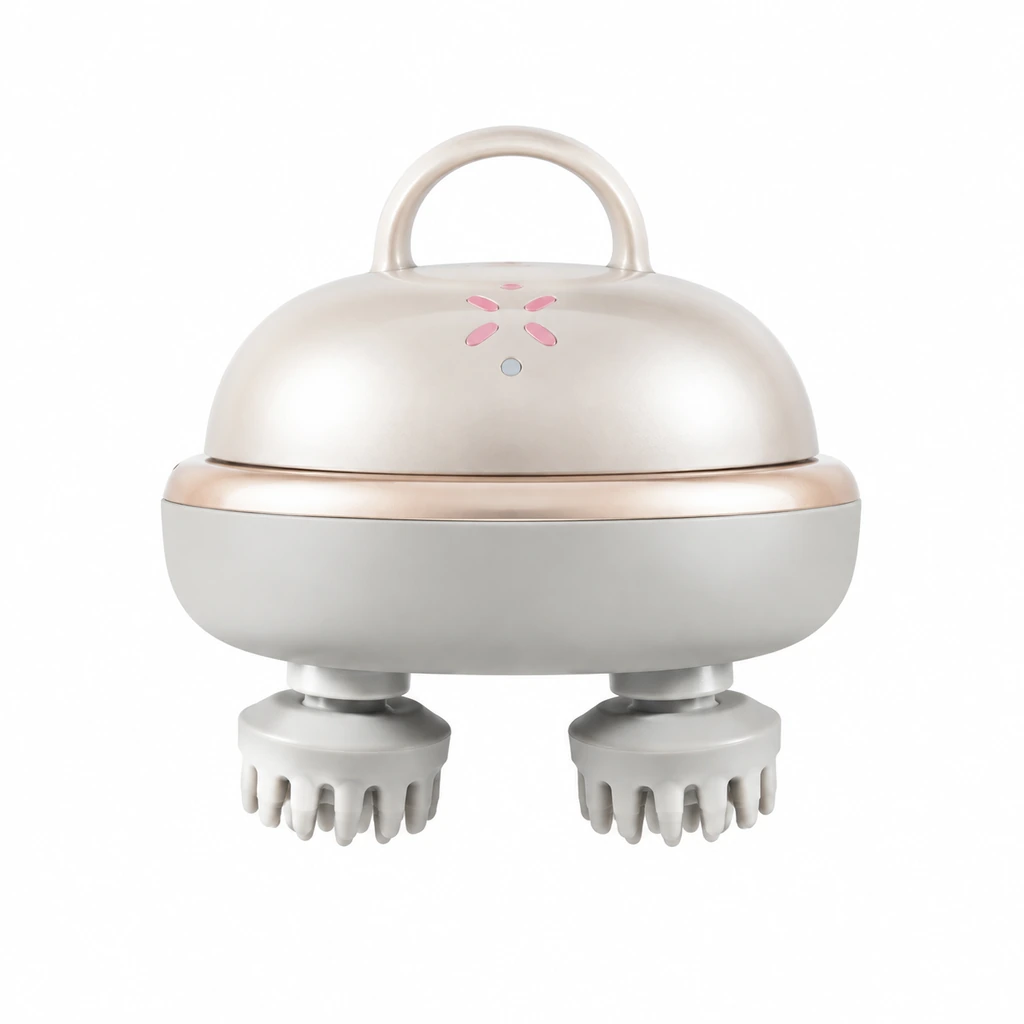
“Washable heads,” “rinse the main body,” “suitable for use in a shower,” and “waterproof” describe different things. The Meilan T1 product page identifies removable, washable massage heads. That statement concerns the contact heads; it should not be expanded into an unrestricted claim about the powered body, charging port, or immersion.
Start the sourcing brief with the exact activity a customer is expected to perform. Is the retail instruction limited to removing and washing the heads? Does it permit rinsing the switched-off body? Is the device intended to operate during a shower? Each use case needs its own approved wording and evidence. Do not treat a visible plug, water droplets in a photograph, or an easy-to-clean surface as a substitute for that review.
2. Match T1 instructions to the quoted version
The supplied Chinese T1 instructions say the main unit has a water-resistant function and may operate during a shower, while warning against leaving it immersed in water. They also direct users to wipe the unit dry before charging and not to charge it in a bathroom. The supplied English T1 instructions identify a charging-port plug and give cleaning and drying steps, but they do not state the shower-use sentence in the same way. These documents define useful questions; neither establishes which wording is approved for a buyer’s current order.
Ask for the current specification, approved instruction revision, product label, packaging artwork, and sample identifier for the exact T1 configuration being quoted. Compare the wet-use wording across those items line by line. If a private-label color, housing, charging-port part, or removable head changes, have the supplier confirm whether the existing instructions and test scope still apply. Do not combine a shower statement from one document with a rating or image from another configuration.
3. Request a report that answers the proposed claim
A manual explains intended use; a water-resistance report should show what was tested. If an IP rating is proposed, ask which test method and edition were used. IEC 60529 is the standard for degrees of protection provided by enclosures, commonly expressed as an IP code. The presence of a standard name in a request does not mean T1 has passed a particular rating.
For each report, check the tested model and sample photos, the housing and port configuration, report date and laboratory, the exposure method and duration, the condition of the charging-port plug, and the pass criteria and post-test function check. If the intended claim is shower use rather than a particular IP rating, ask the supplier to connect the proposed wording to the applicable test conditions and the approved manual. A report for detached heads alone cannot verify the powered unit.
| Claim proposed for retail copy | Minimum document check | Decision until matched |
|---|---|---|
| Removable heads can be washed | Current head-cleaning instructions and the quoted head construction | Keep the statement limited to the heads. |
| Main body can be rinsed | Approved manual wording, port-plug condition, and test or engineering record for the exact body | Do not infer it from the head-cleaning step. |
| Device can operate in a shower | Version-matched instructions and water-exposure evidence covering powered operation | Hold the claim until the scope is documented. |
| IP rating or “waterproof” wording | Full report identifying the tested version, method, outcome, and permitted wording | Do not publish a number or absolute promise from appearance. |
4. Inspect the physical water boundary
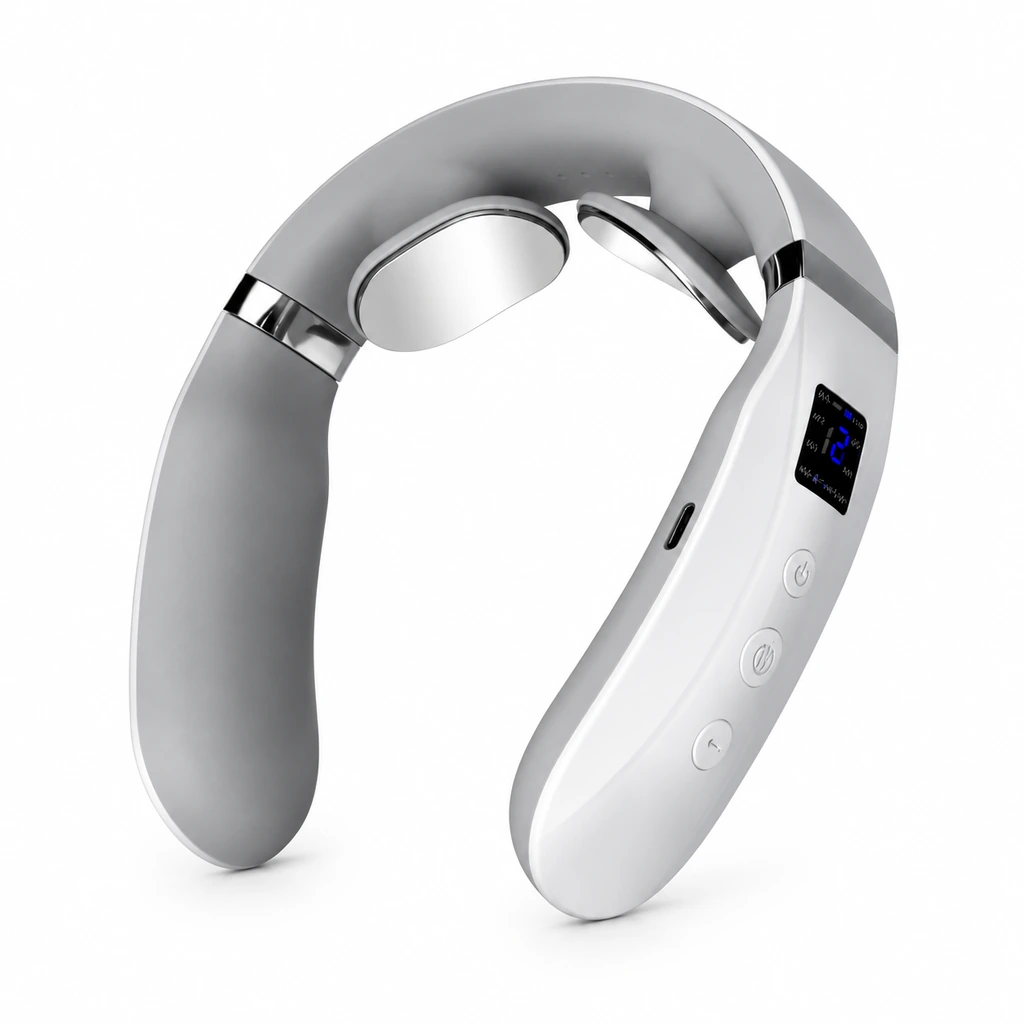
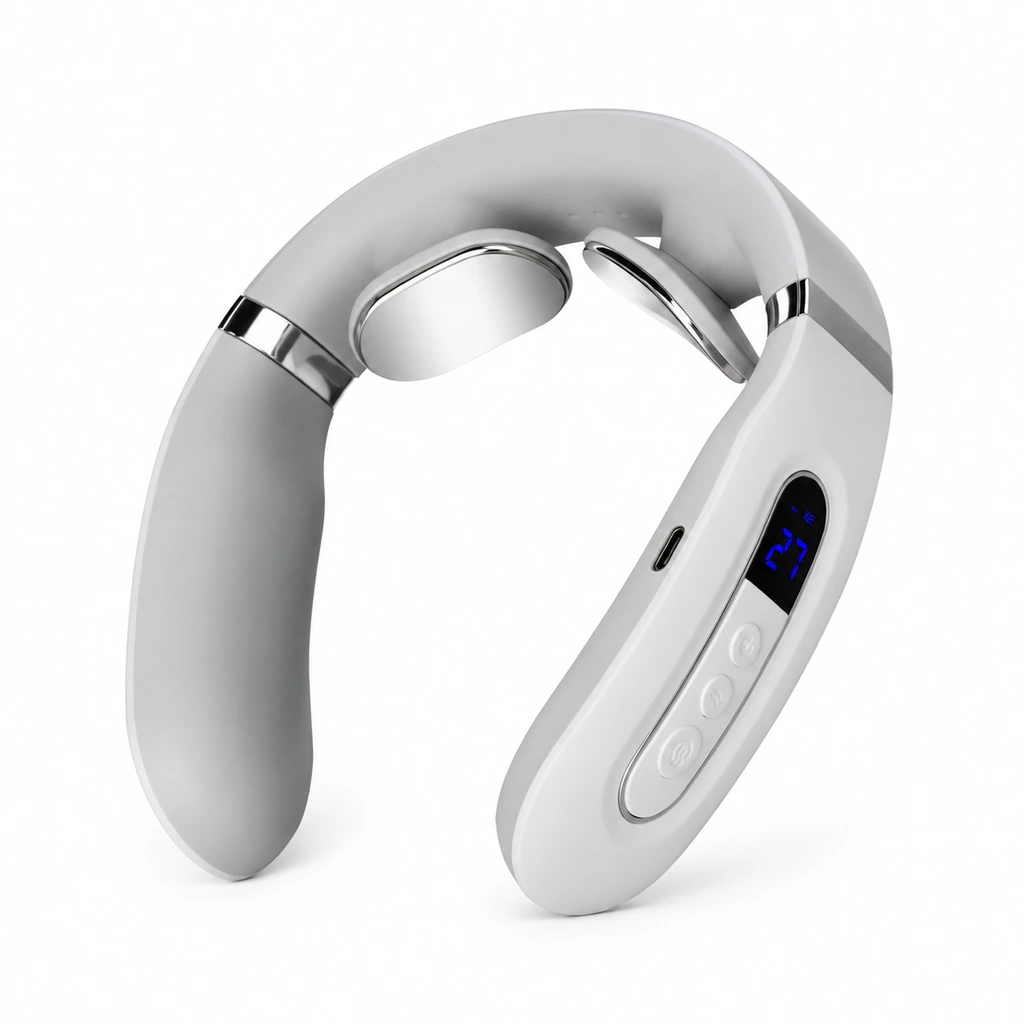
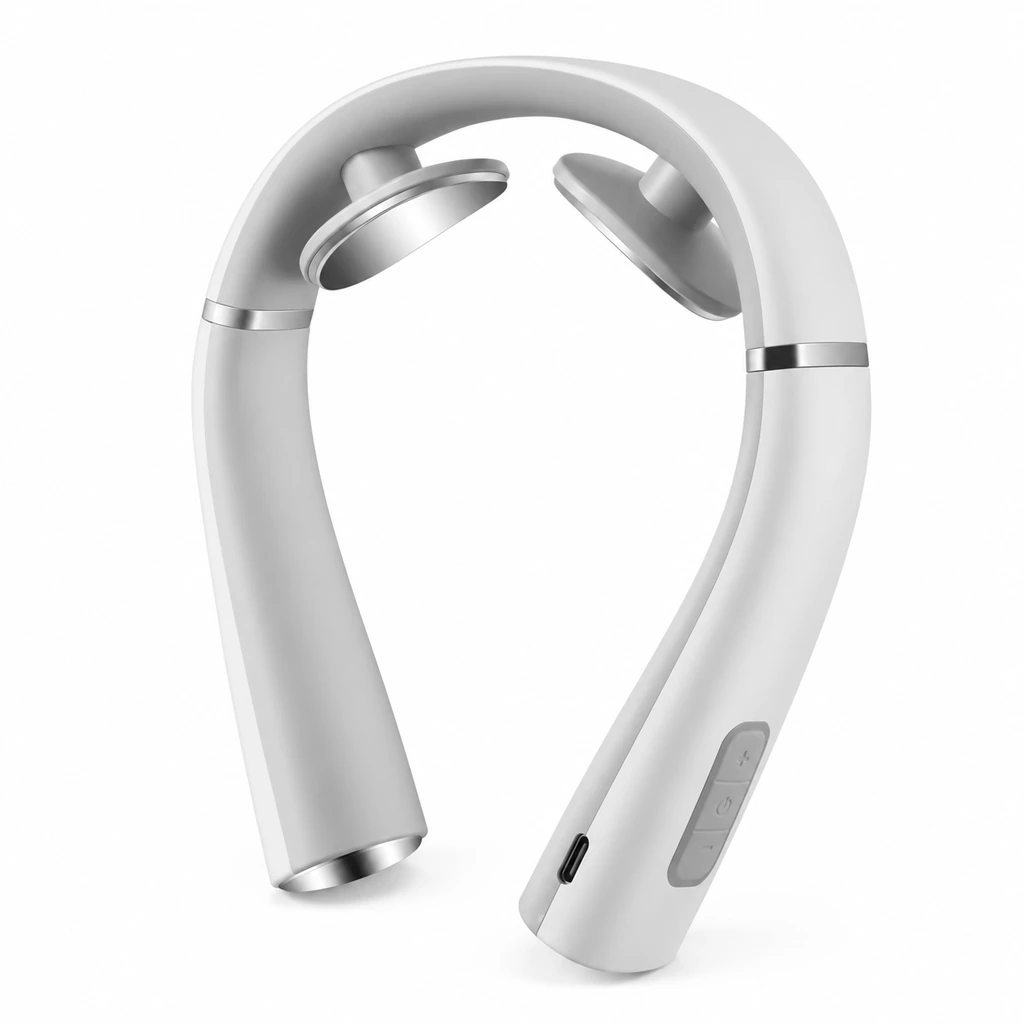
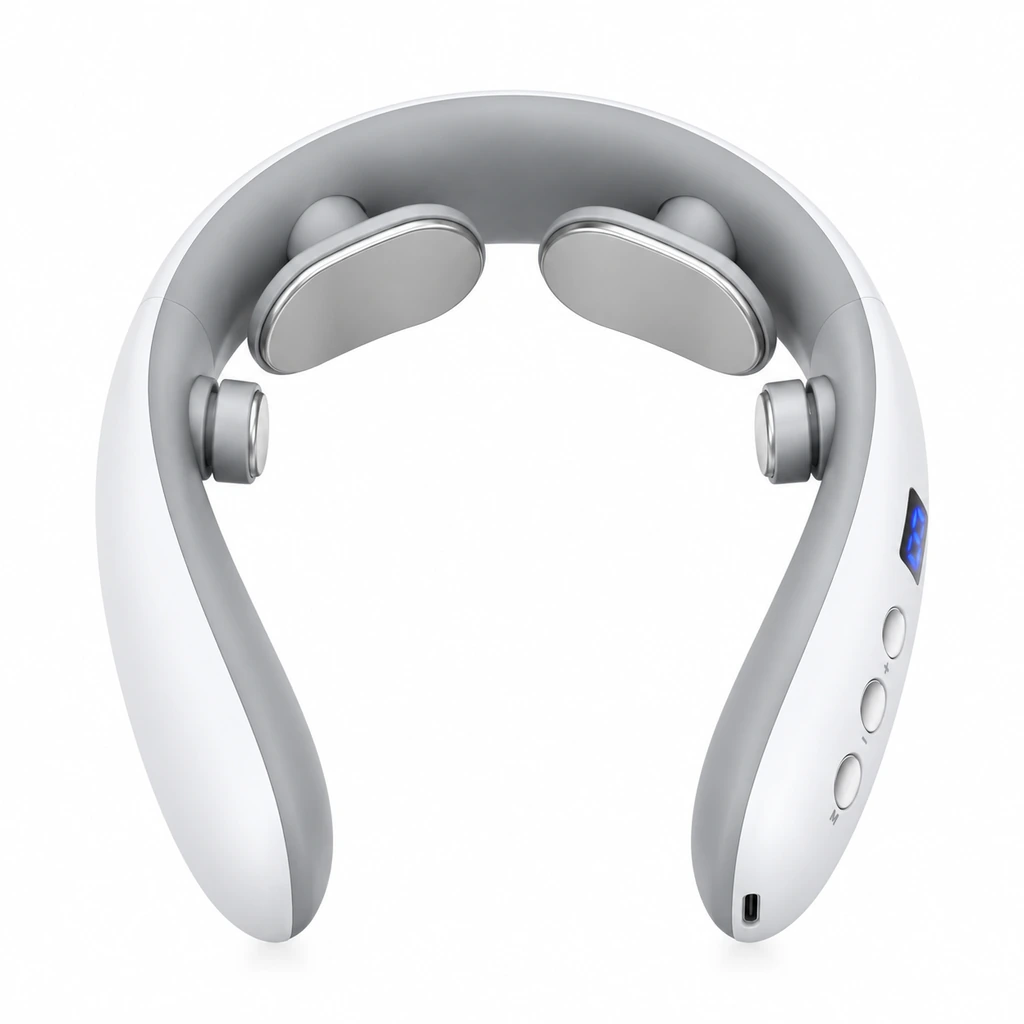
The T1 instruction diagrams show a charging-port plug and detachable massage heads. On the quoted sample, photograph the plug seated and removed, the port edge, housing seams, head mounts, and the product label. Check whether the plug sits flush after normal handling and whether the approved manual tells users to close it before wet use. A sample inspection can reveal a mismatch or damaged part; it does not replace a controlled water-resistance test.
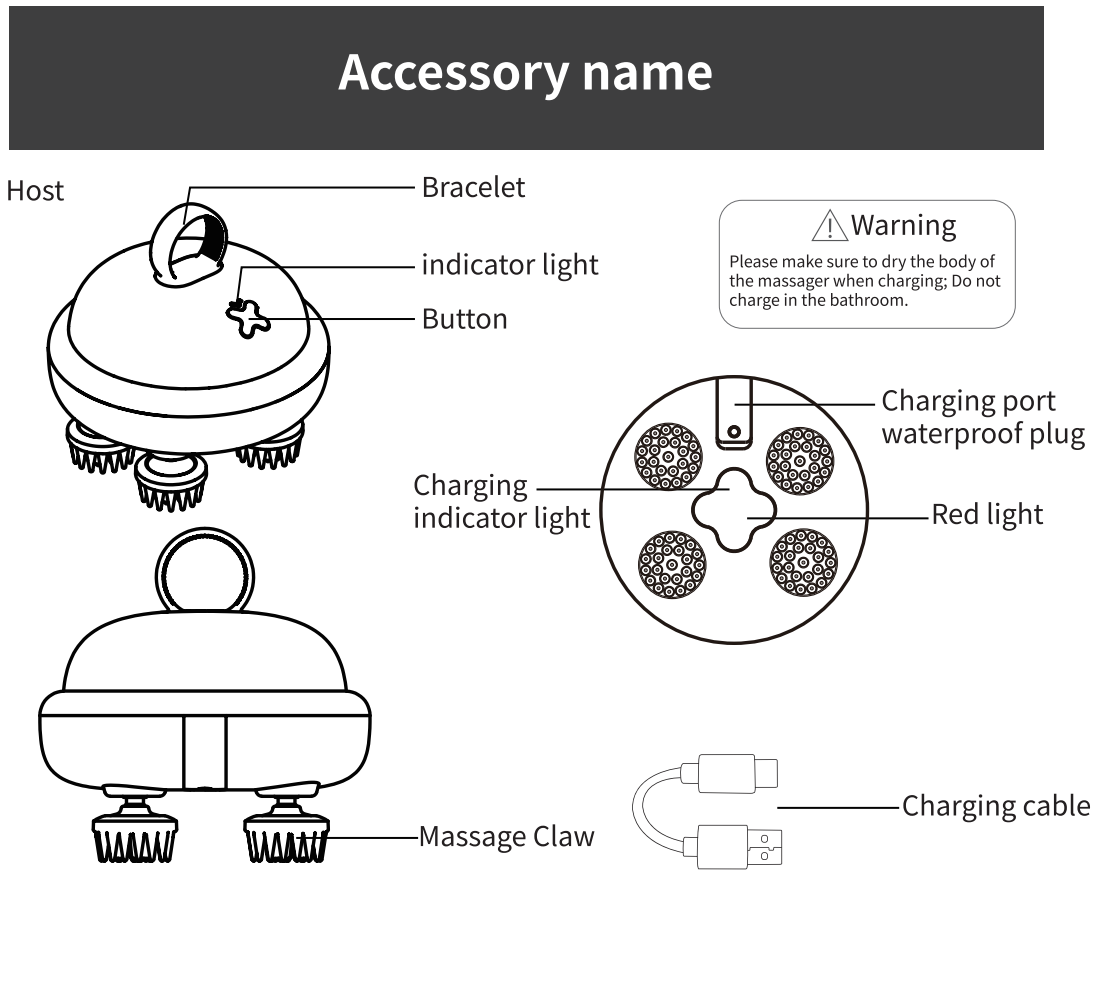
Keep the charging boundary visible in every language. The supplied T1 instructions tell users to remove moisture from the main unit and charging terminals before charging, and not to charge in a bathroom. That requirement should stay in the approved manual and customer-support script even if a wet-use claim is later substantiated.
5. Separate a sample demonstration from a water test
Use a dry inspection first: record model and sample ID, installed heads, port-plug condition, label, and the manual revision supplied with the unit. Demonstrate the controls and removal of the heads under the instructions for that version. For cleaning, follow only the approved steps and record whether the heads, body, and port are treated differently. Do not improvise an immersion demonstration to prove a marketing claim.
If the supplier provides a documented wet-use demonstration, record the exact exposure setup, duration, plug position, operating state, and post-exposure inspection. Keep the video tied to the sample ID and report. A single demonstration may help a buyer check usability or instruction clarity; the formal claim still depends on the applicable evidence for production units.
6. Align packaging, listings, and customer support
Before artwork approval, place every water-related phrase from the product page, box, manual, retailer listing, image text, and sales sheet in one claim register. Give each phrase a source, version, and approved use boundary. For example, “removable heads are washable” should not become “the whole device is washable” in a translated image caption. “Suitable for shower use” should not be shortened to “fully waterproof” unless that broader wording is independently supported.
Personal-care brands and salon retailers also need a clear response to foreseeable questions: what can be cleaned, whether the powered unit may be exposed to running water, whether immersion is allowed, and when charging may begin after cleaning. The support answer should follow the approved instructions for the sold version. If the current evidence package does not settle one of those points, remove the claim from launch copy and keep the question on the supplier action list.
7. Make the buying decision and send a focused RFQ
Approve wet-use wording only when the quoted T1 version, approved manual, relevant test report, sample construction, and retail copy all describe the same boundary. If those items differ, the buyer can still evaluate T1 for dry use or removable-head cleaning while the broader claim remains on hold. The Meilan head massager collection gives buyers the wider range, but the RFQ should name T1 and the exact configuration.
| RFQ item | Buyer’s request | Decision field |
|---|---|---|
| Version and market | Current T1 specification, sample ID, approved manual and target-market languages | Matched / revision needed |
| Wet-use scope | Exact permitted use: heads only, body rinse, shower operation, and immersion limit | Claim approved / held |
| Evidence | Full relevant report or engineering record, test sample identity, conditions and outcome | Scope matched / gap remains |
| Physical sample | Port plug, seams, head mounts, label, and post-cleaning instructions | Sample checked / action needed |
| Retail copy | Box, listing, image text, manual and support answers for the approved claim | Consistent / revise |
Send the completed claim register and sample photographs through the Meilan contact page. State the intended market, channel, order quantity, proposed wet-use wording, and the documents required before artwork approval. This lets Meilan answer a defined T1 request and quote a configuration whose instructions and evidence can be checked together.
Buyer questions
Does a washable massage head mean the full T1 can be washed?
No. The head-cleaning statement covers the removable head. Check the approved instructions and evidence separately for the powered main unit.
Does the Chinese T1 instruction wording prove an IP rating?
No. It describes permitted use in that instruction version. An IP claim needs a report for the matching configuration and test method.
Can a buyer use the bathroom image as proof of shower suitability?
No. The image illustrates the topic. It does not identify a tested sample, exposure condition, or result.
What should be checked before charging after cleaning?
Follow the approved manual for the sold version. The supplied T1 instructions require the main unit and charging terminals to be dry and prohibit charging in a bathroom.
What if the test report covers a different housing or port plug?
Ask the supplier to document the change and confirm whether the report still covers the quoted unit. Keep the wider wet-use claim on hold until that scope is resolved.

