



Scalp Massager Claims Review
A scalp massager product claims review should start before packaging or retailer copy is approved. For Meilan T1, separate features that a buyer can match to a named sample and manual from scalp or hair outcomes that need different evidence and market review. Keep one claim register across the product page, carton, images and translations so a corrected phrase does not reappear in another channel.
 Meilan Tech 8 min read

A scalp massager product claims review should start before packaging or retailer copy is approved. For Meilan T1, separate features that a buyer can match to a named sample and manual from scalp or hair outcomes that need different evidence and market review. Keep one claim register across the product page, carton, images and translations so a corrected phrase does not reappear in another channel.
1. Set the Retail Claim Boundary Before Writing Copy
Begin with the target market, sales channel, exact device configuration and the person who can approve each type of statement. A personal-care brand may need the same description on a product page, carton, marketplace listing, salon staff card and translated assets. If those files are drafted separately, a deleted claim can survive in a photograph, icon caption or second-language listing.
Give the quoted T1 configuration a claim-register ID. Record the device revision, sample label, manual revision, package proof and intended markets beside it. A claim can move to production copy only after the evidence and approver are attached to that same ID. Reopen the review when the motor, contact heads, indicator behavior, charging arrangement or package wording changes.
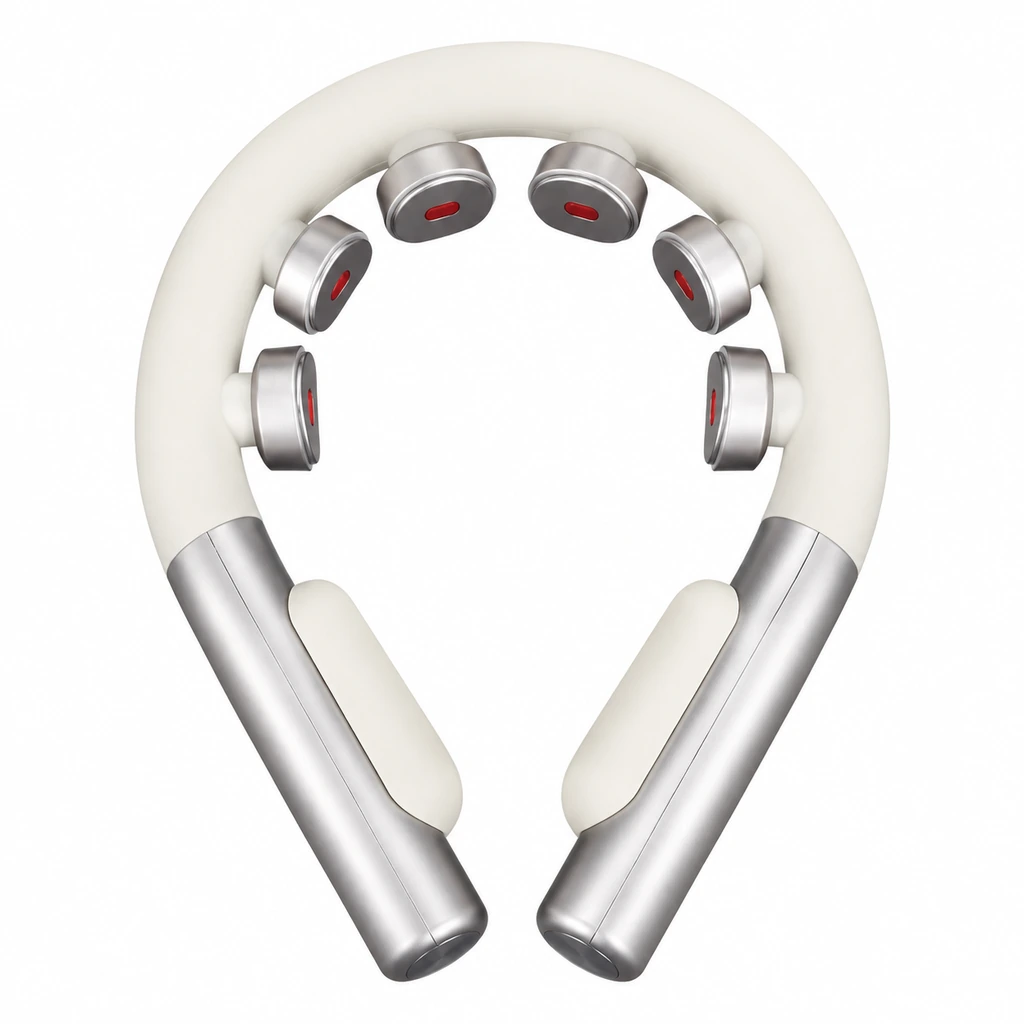
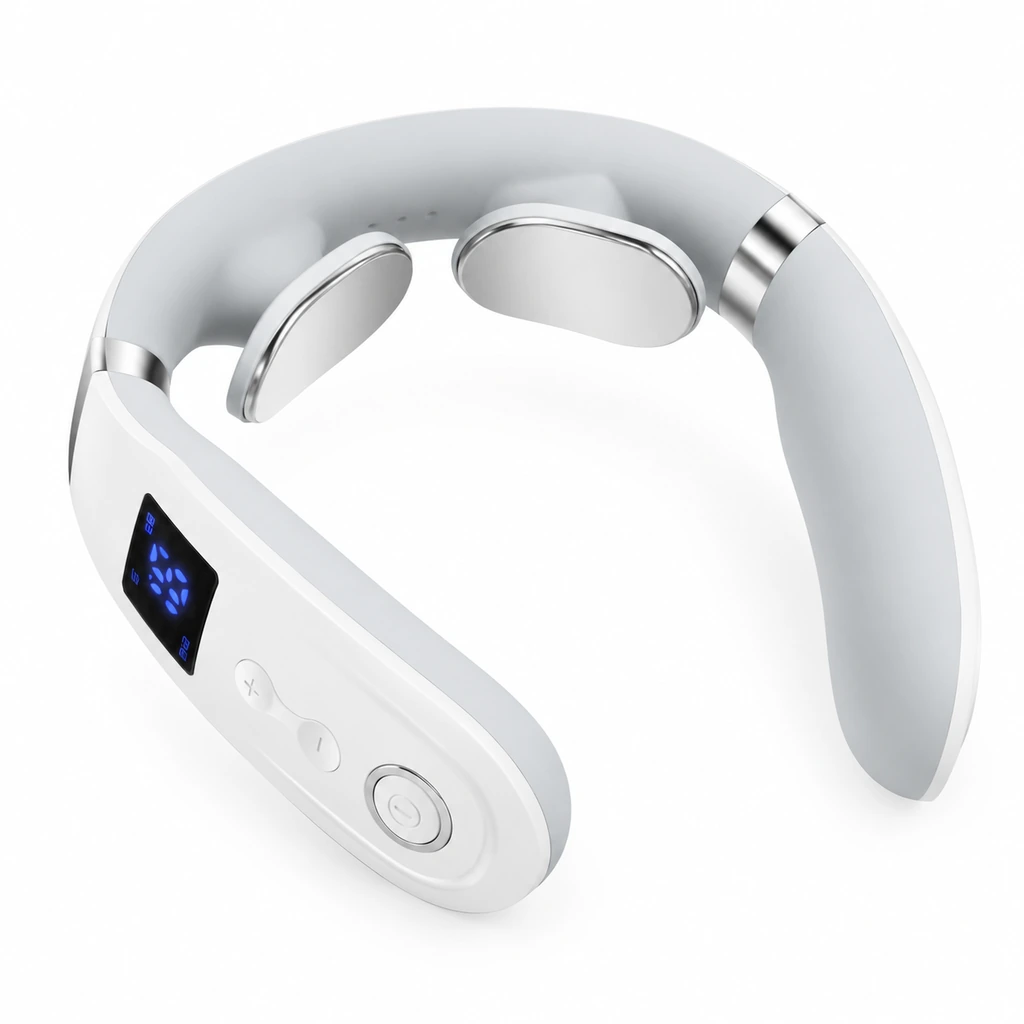
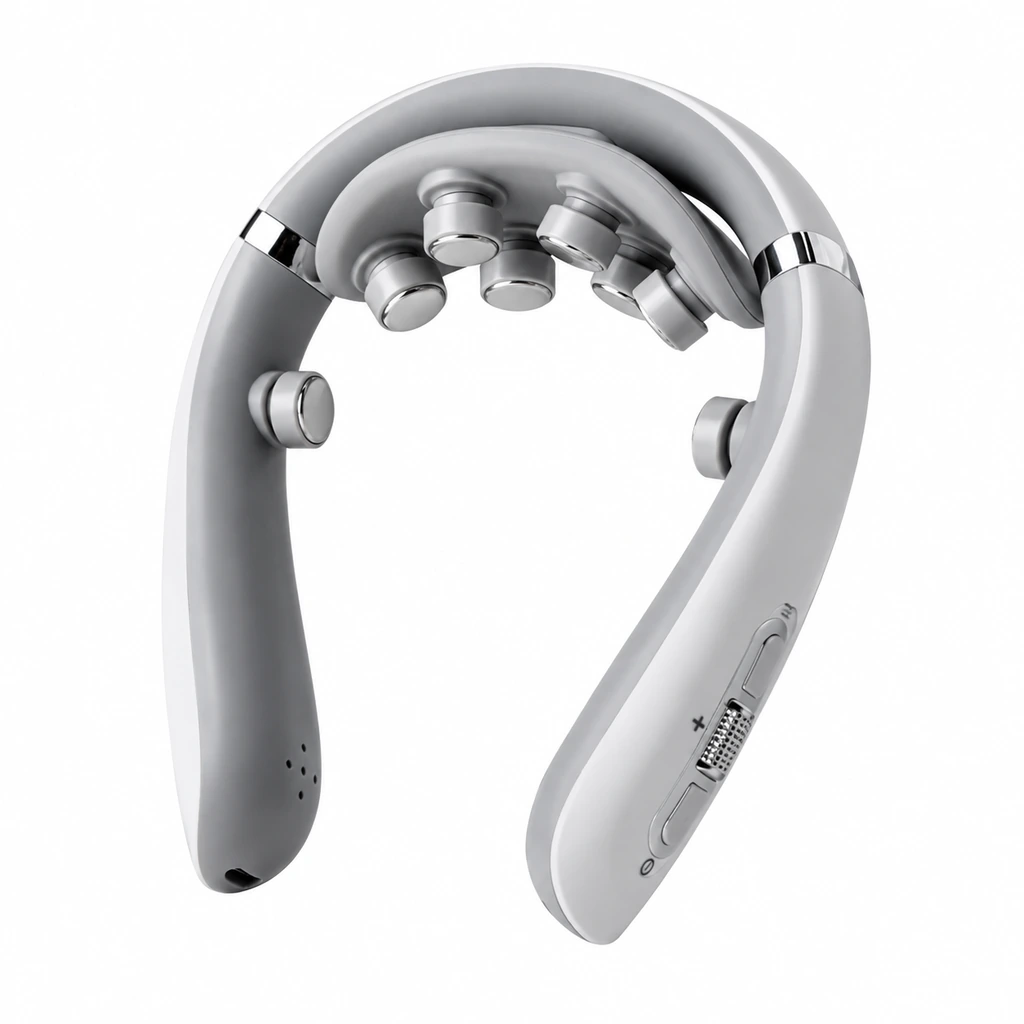
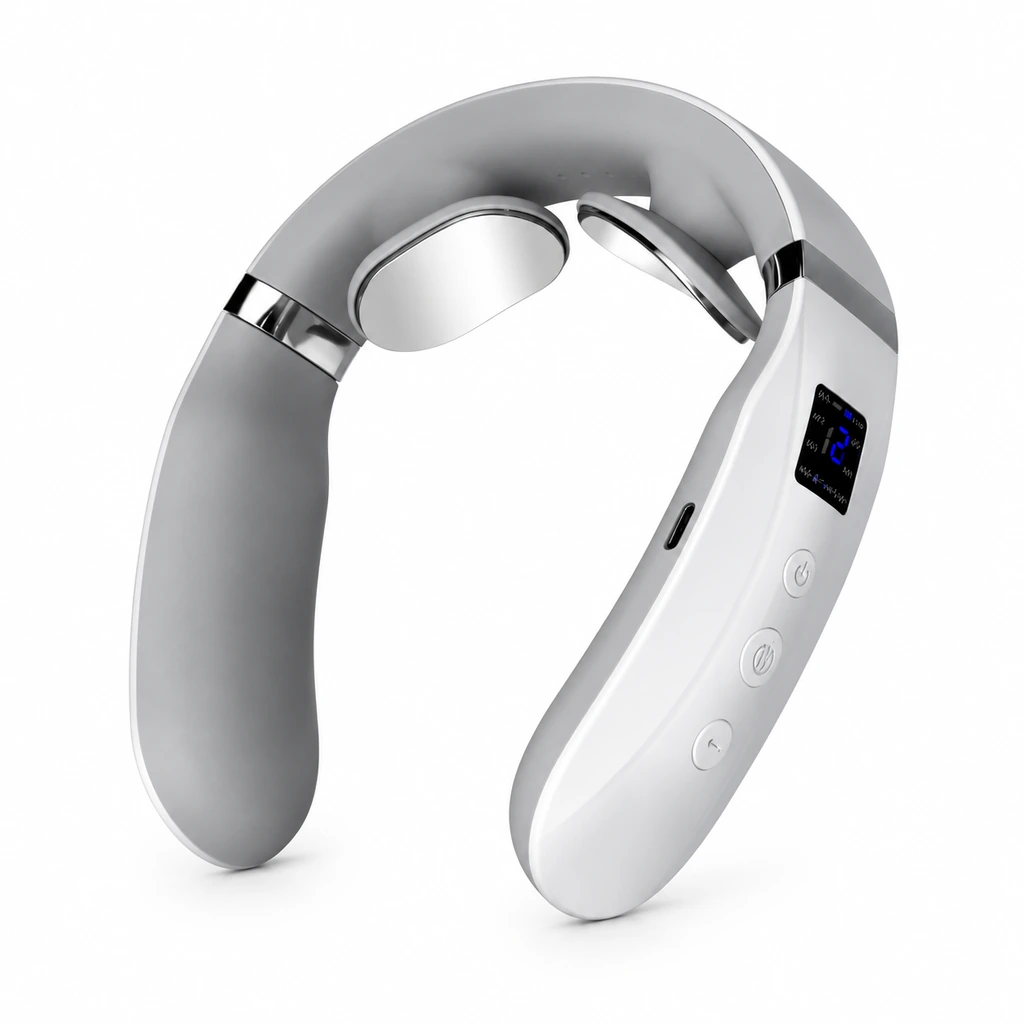
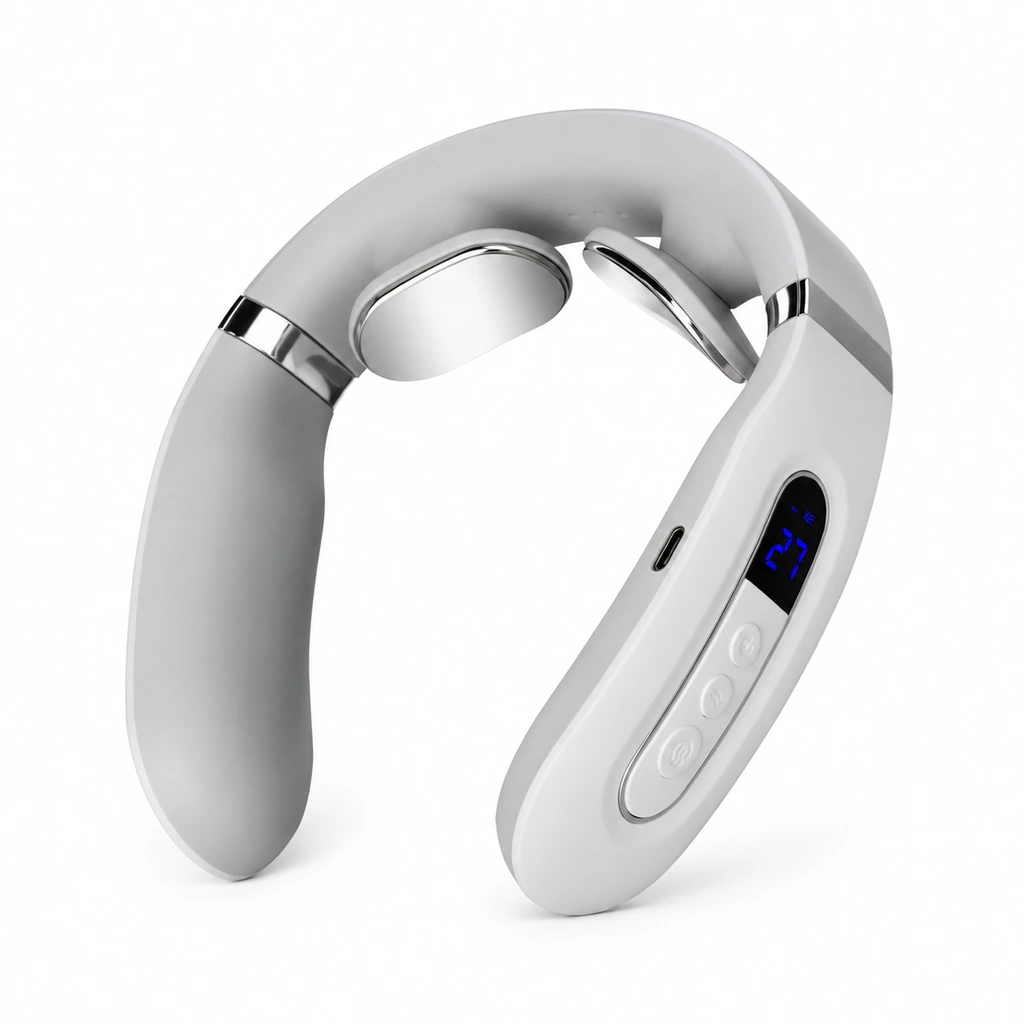
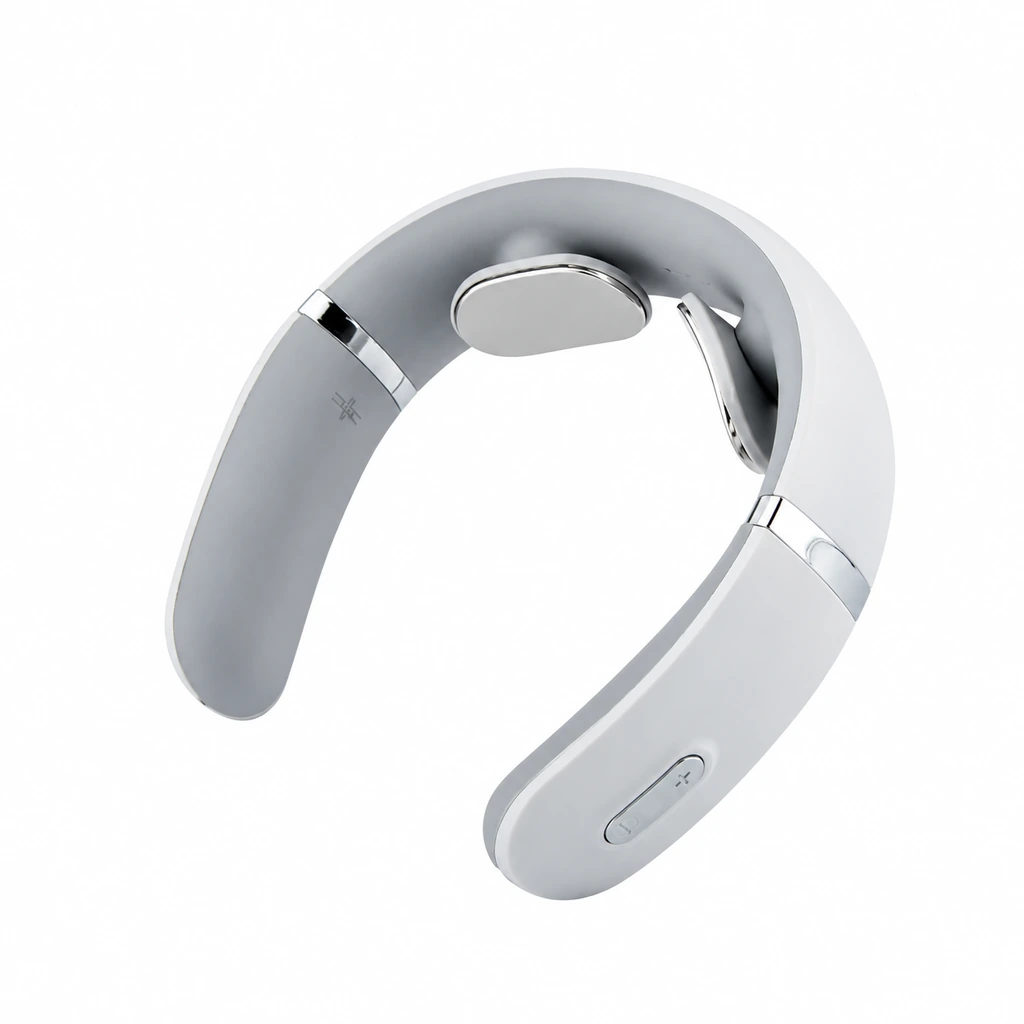
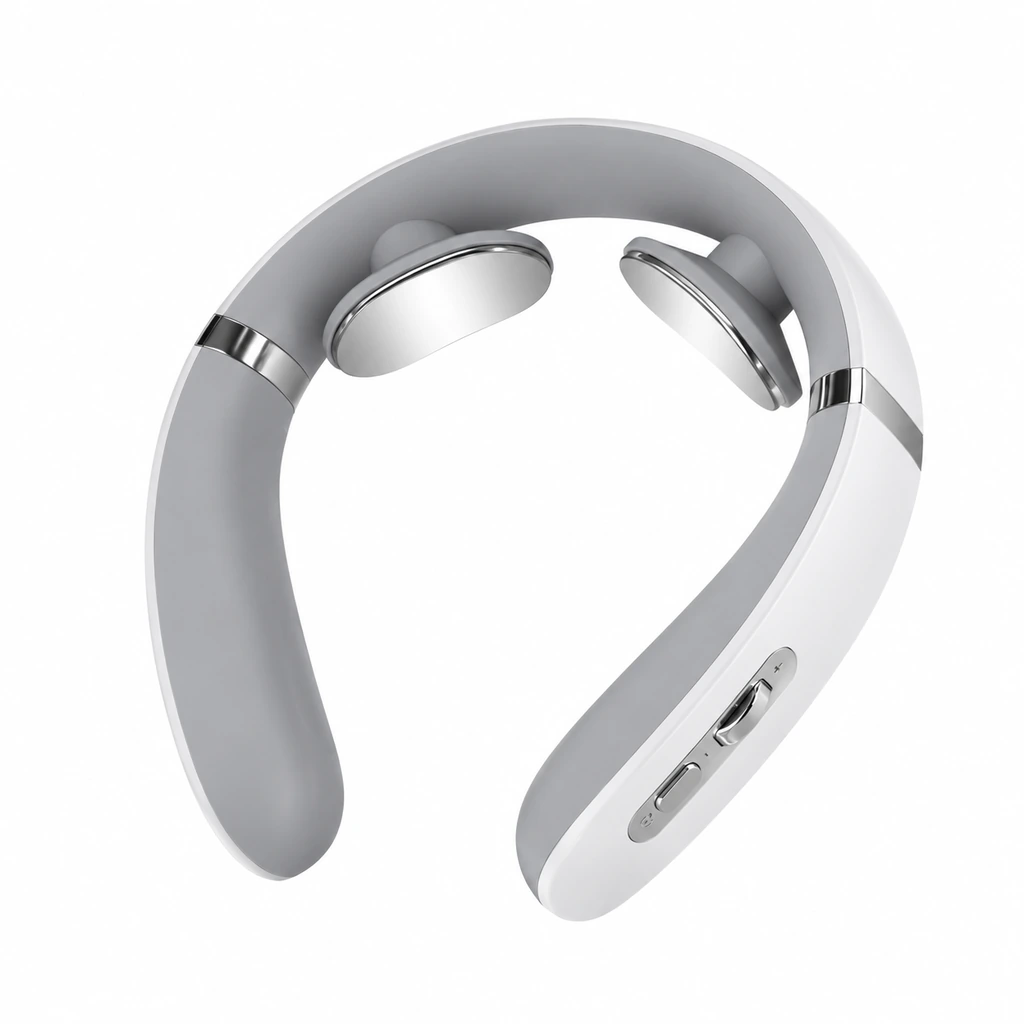
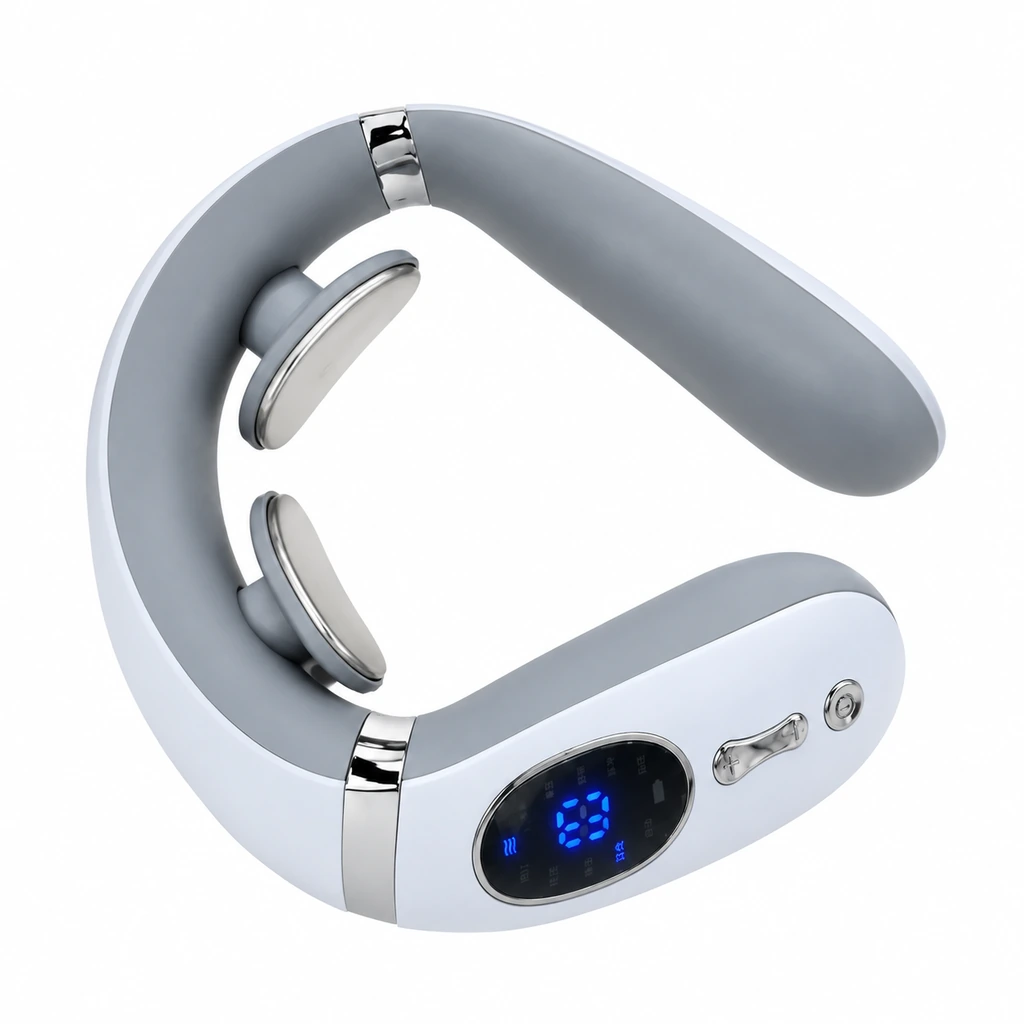
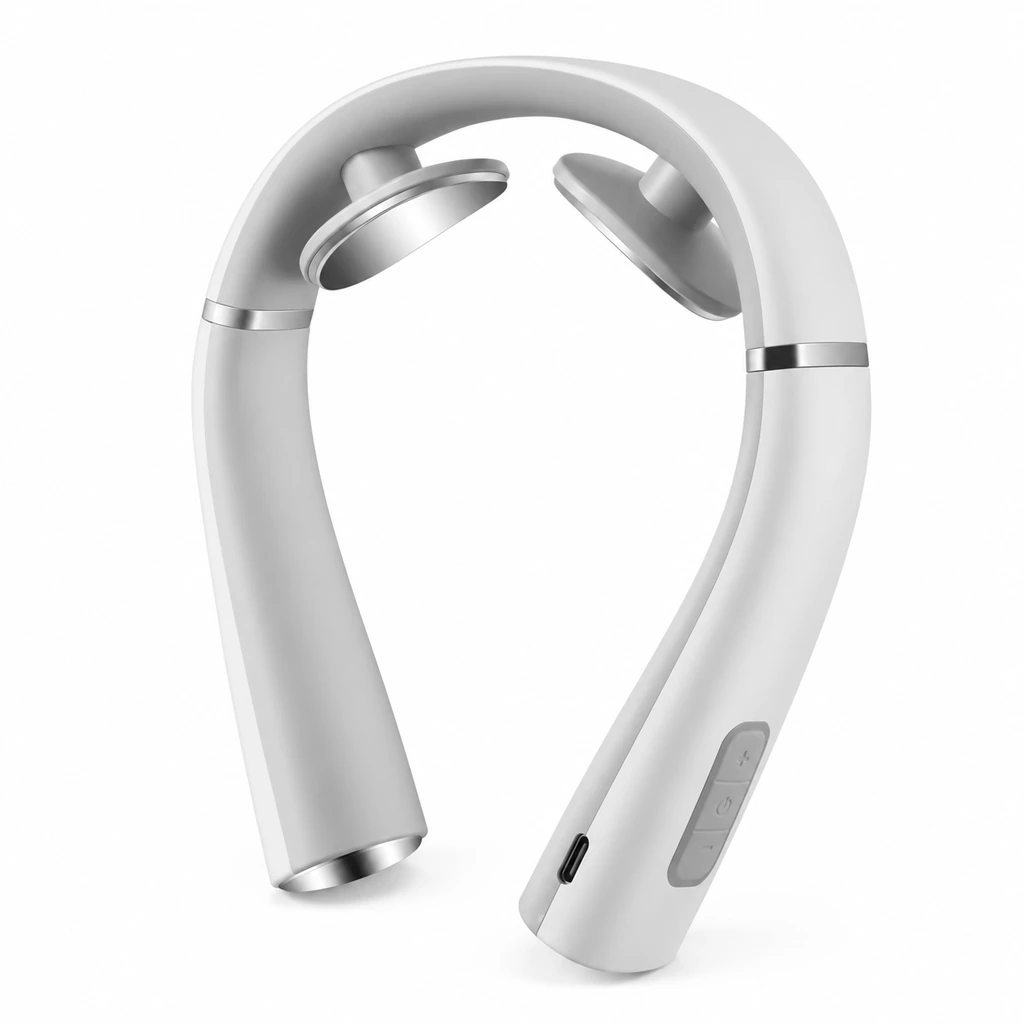
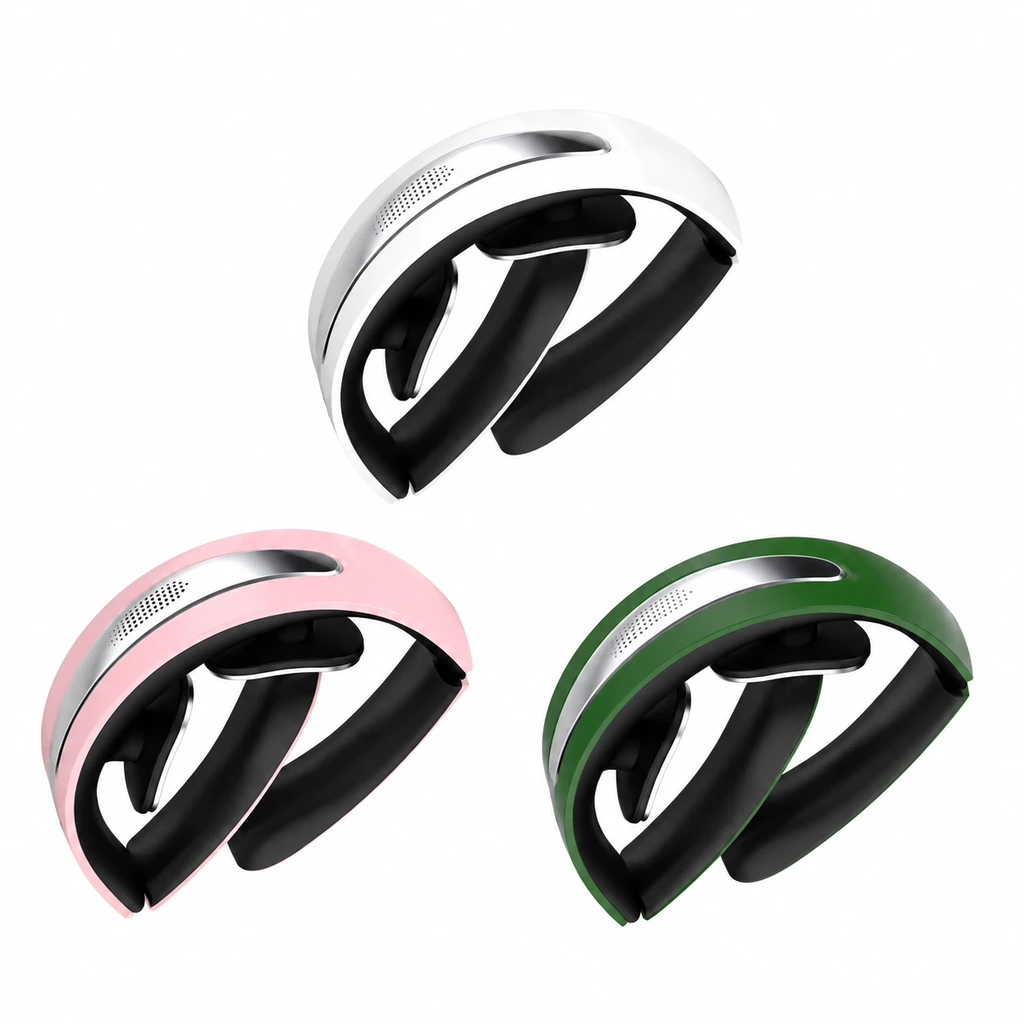
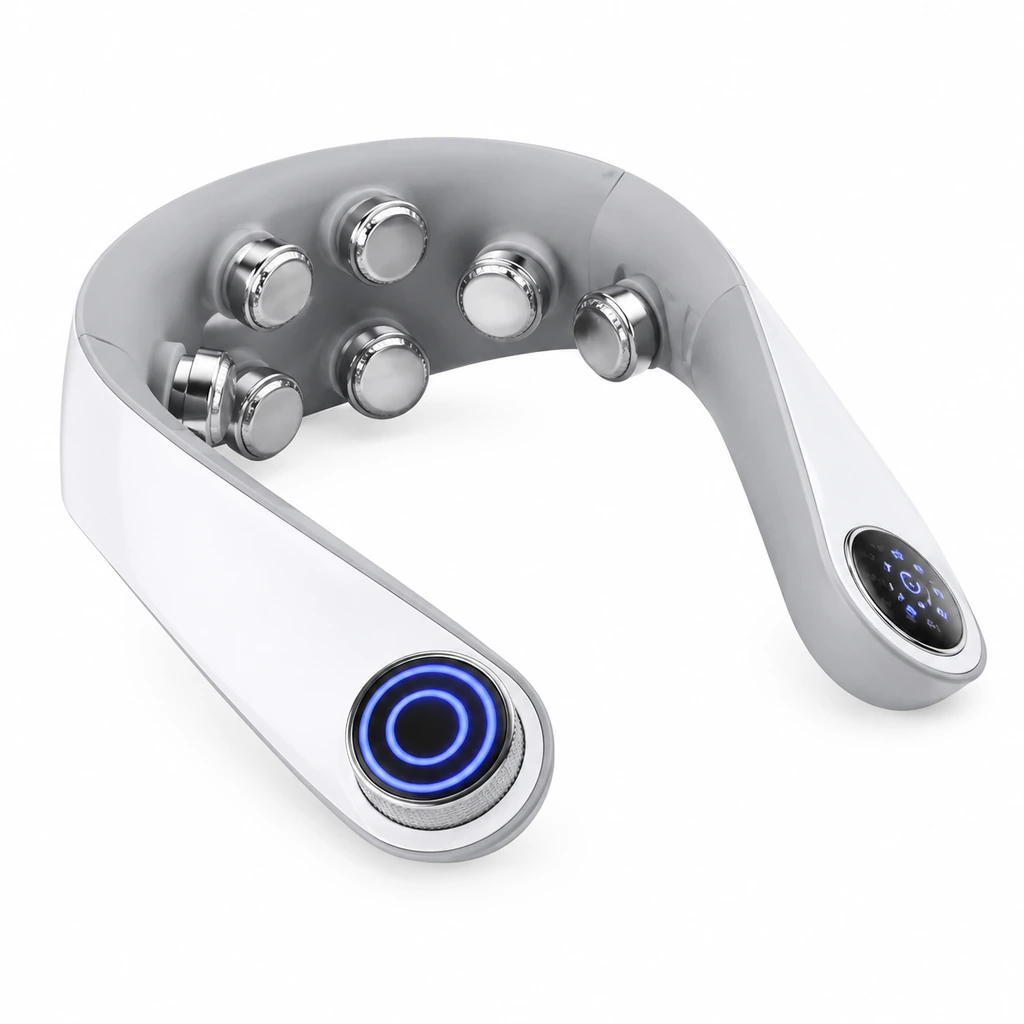
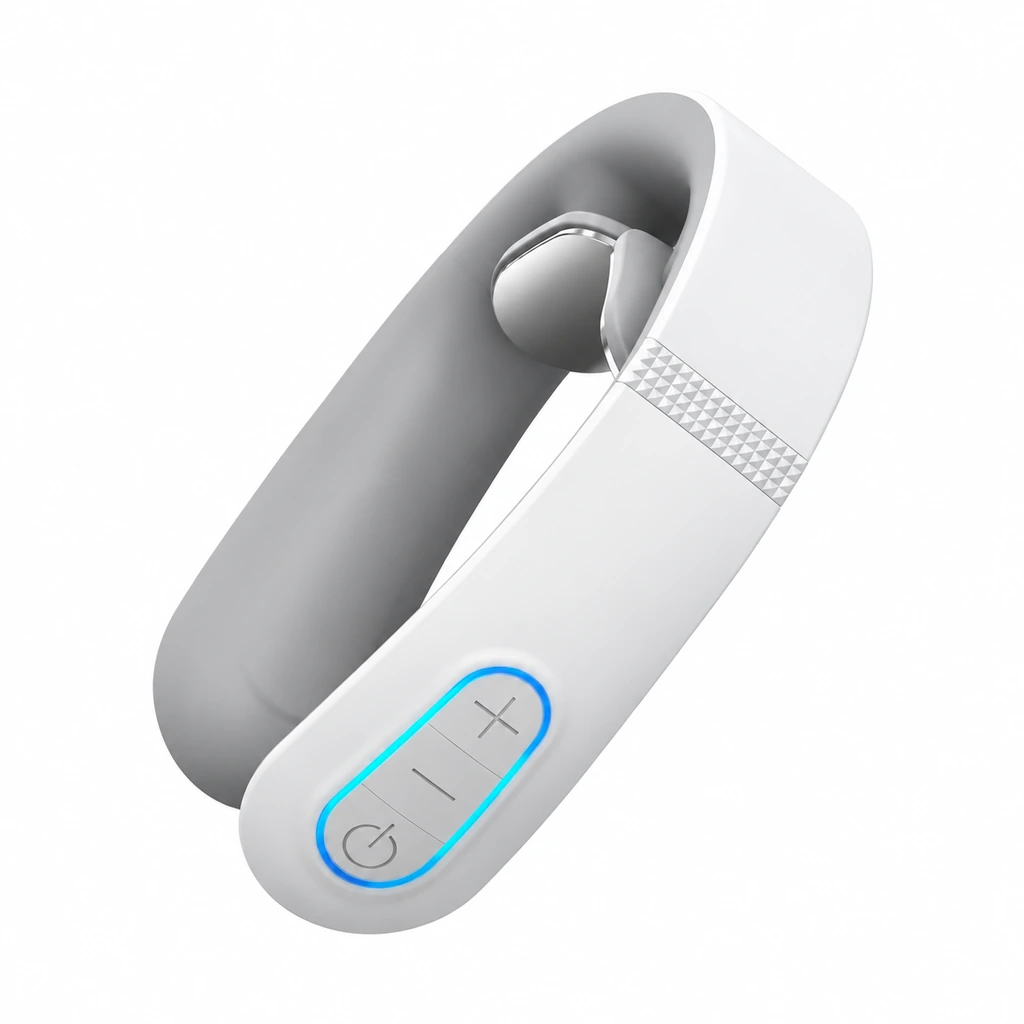
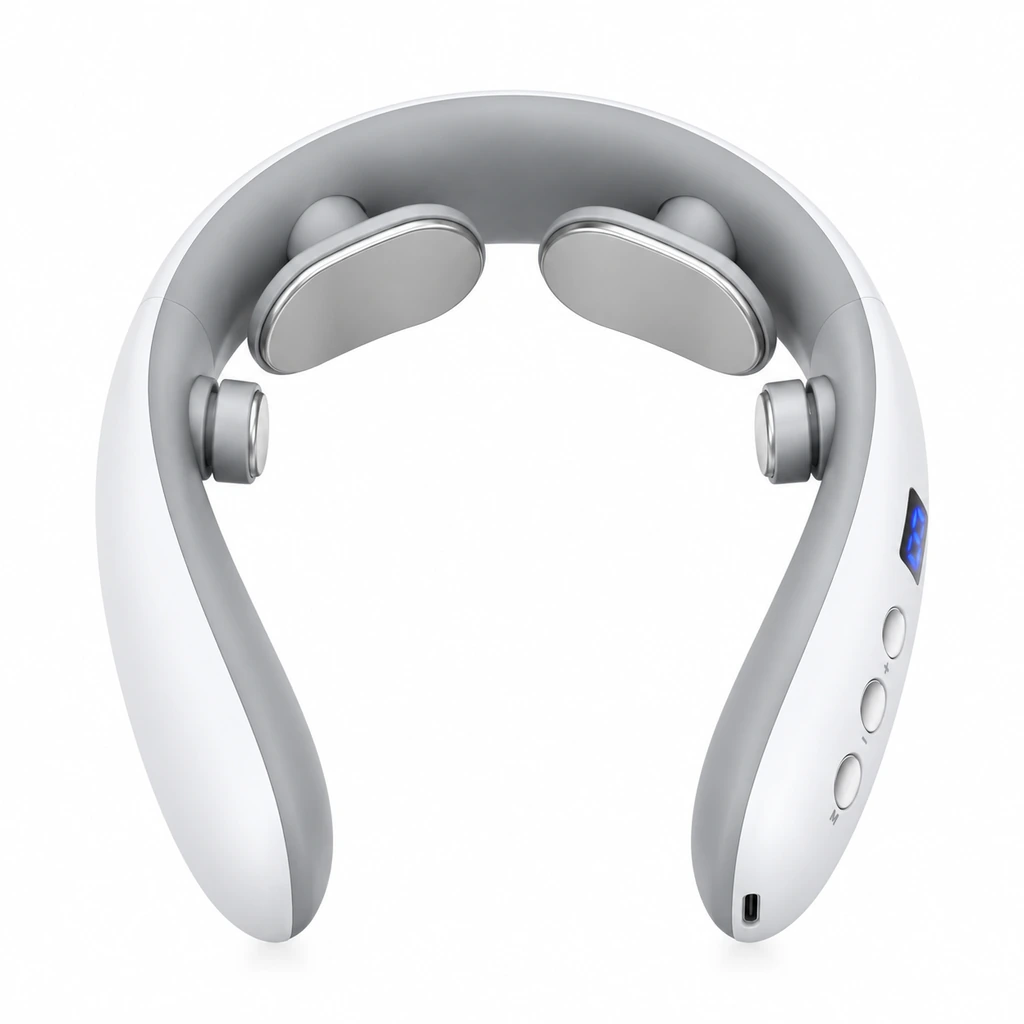
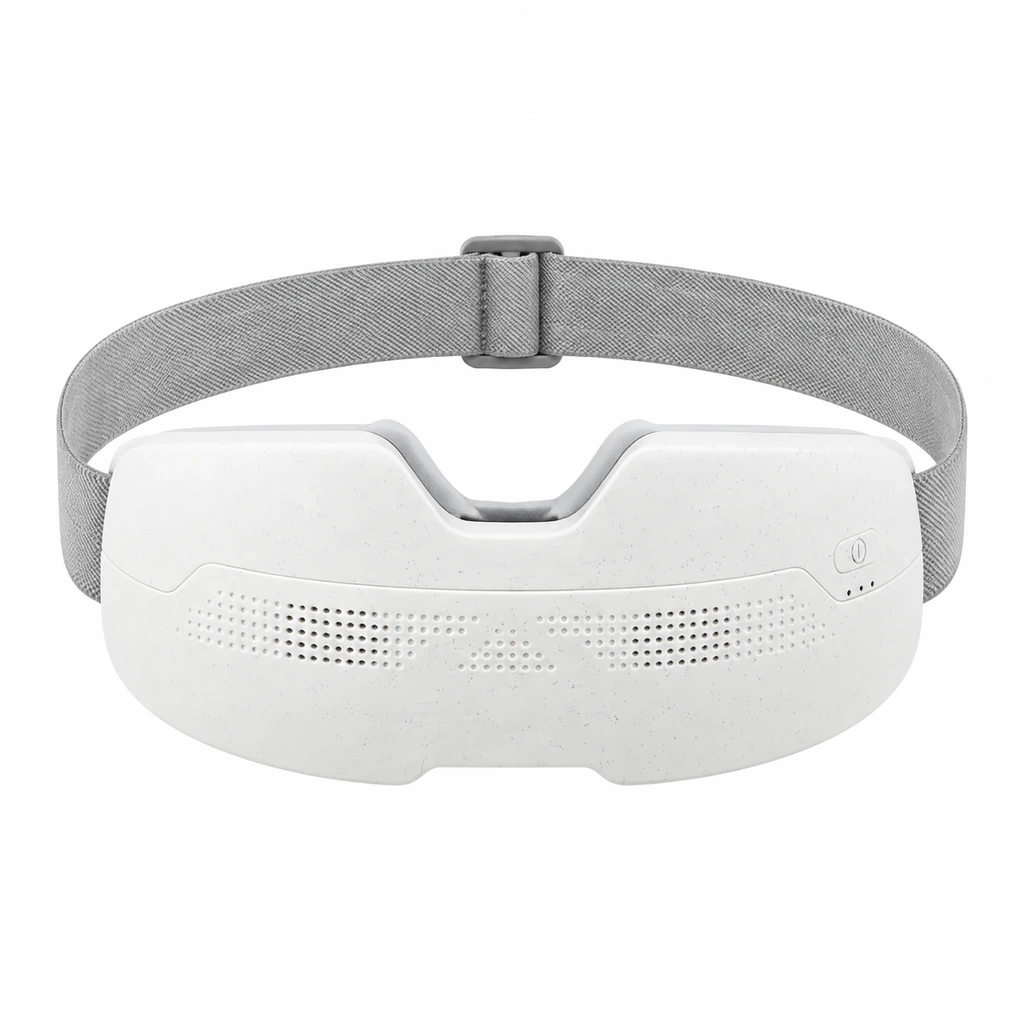
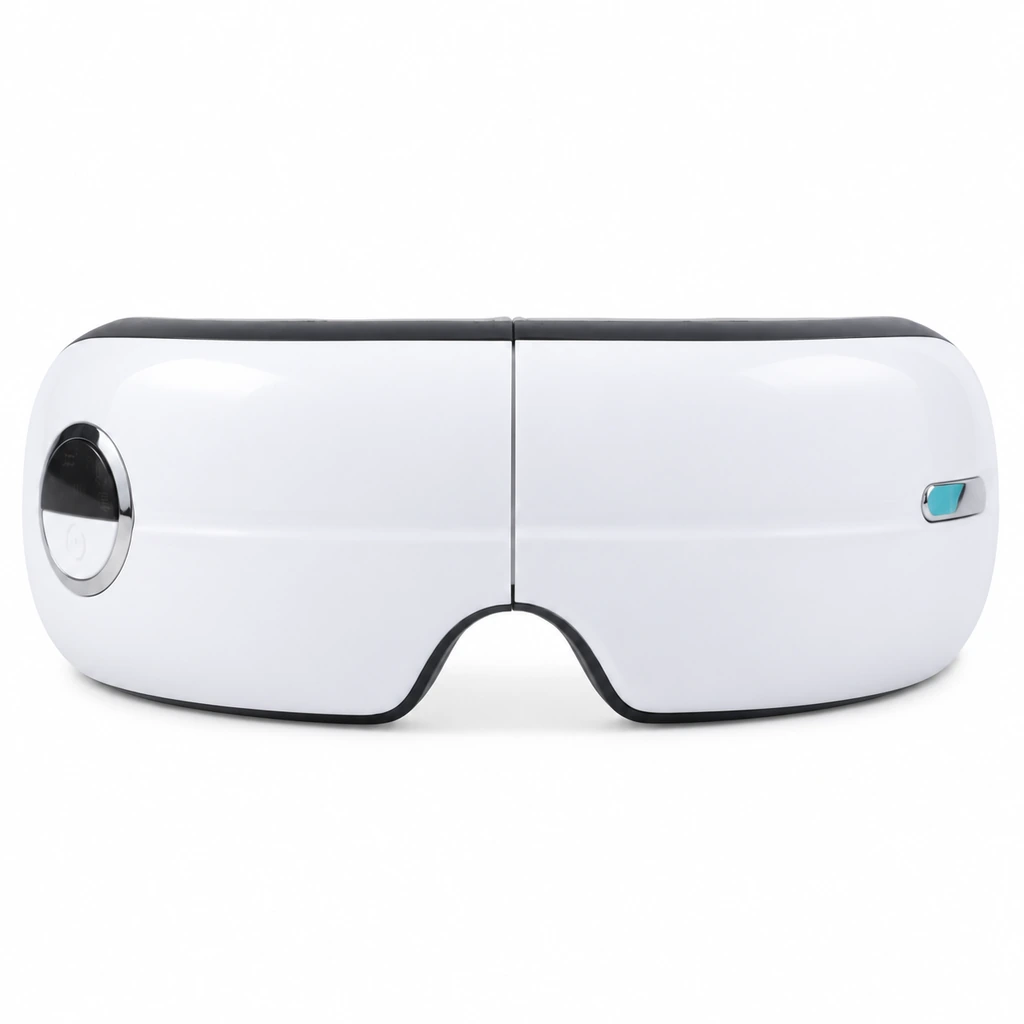
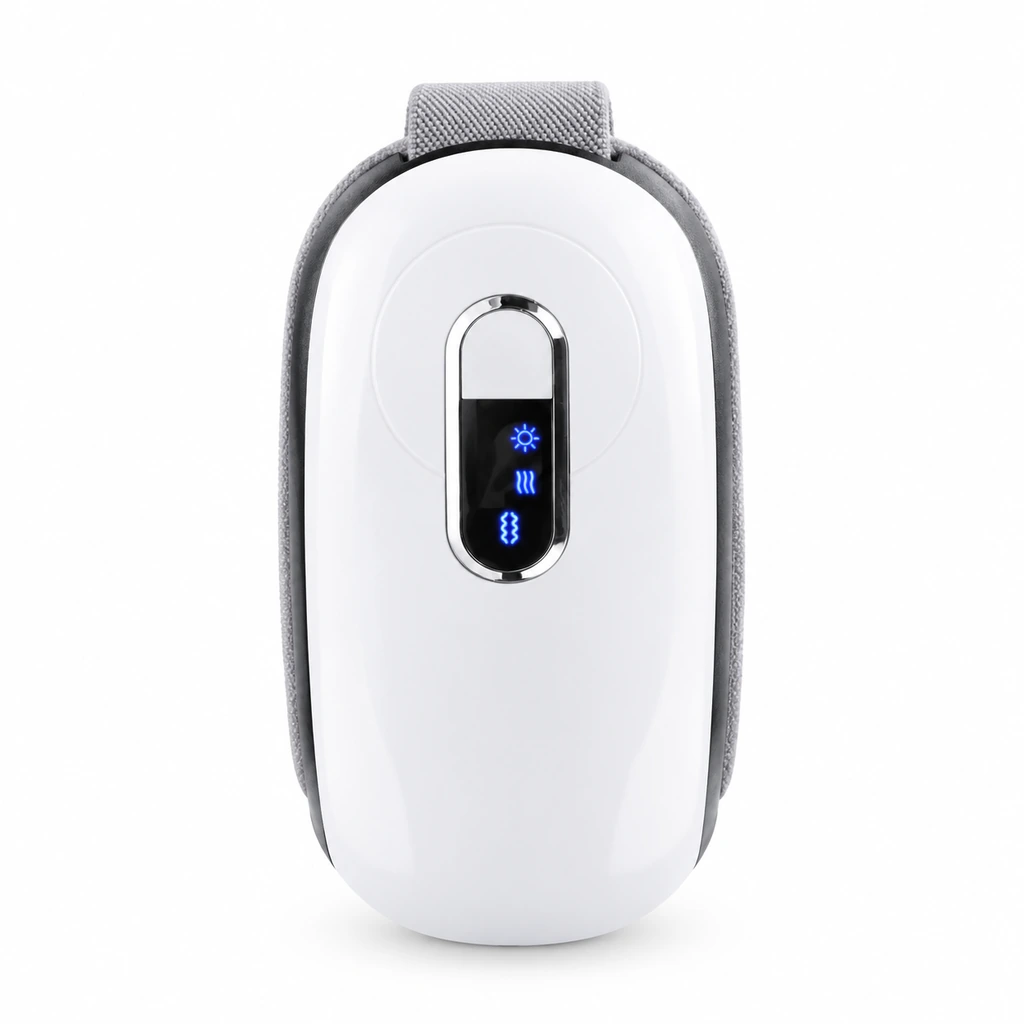
Treat the supplied lifestyle scenes as article illustrations. Their rendered product and carton text are not an approved specification, pack-out record or proof of performance.
2. Capture Every Place a Buyer Will See the Claim
Export the proposed headline, bullets, specifications, image overlays, short video captions, FAQ, carton panels, inserts and staff scripts into a single register. Add the exact wording, language, placement, linked SKU and file version. Mark whether the sentence comes from the current product page, a model-specific instruction, a physical sample, a proposed marketing draft or a separate test.
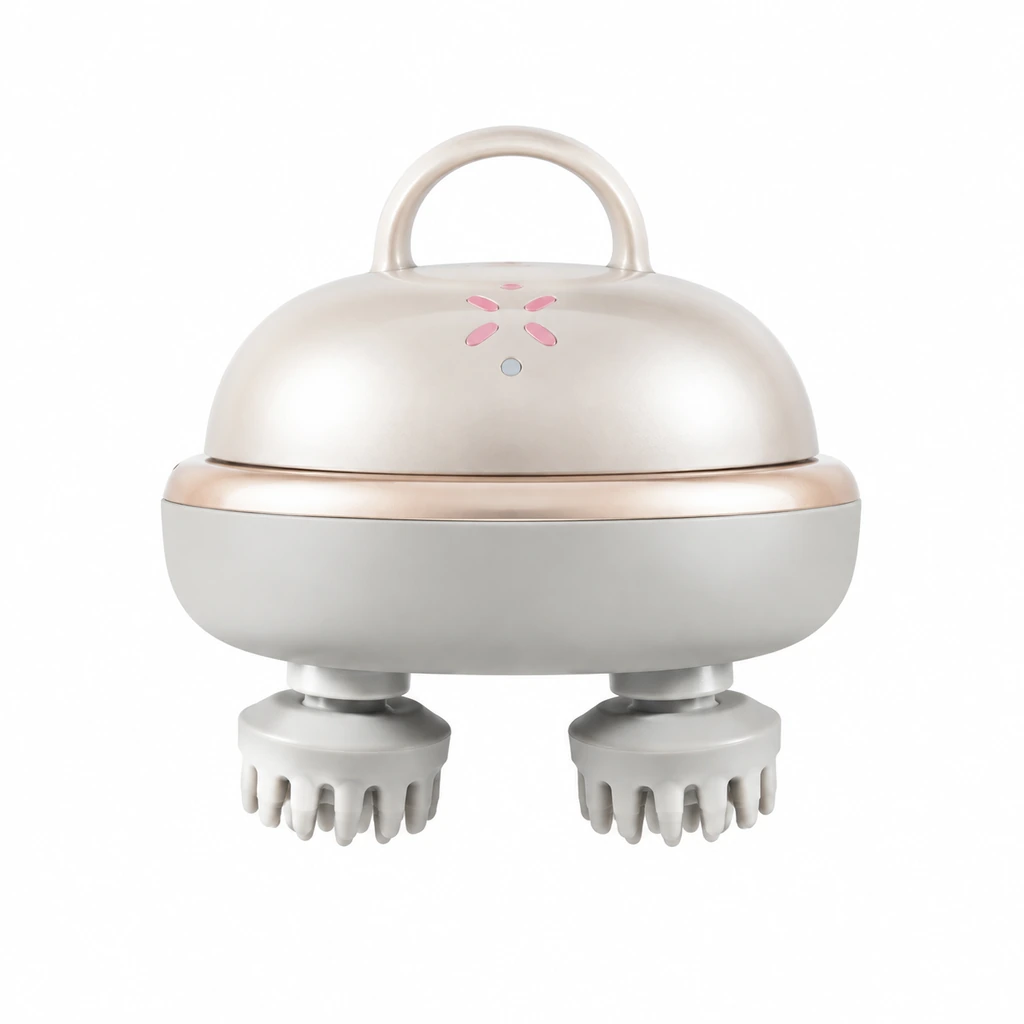
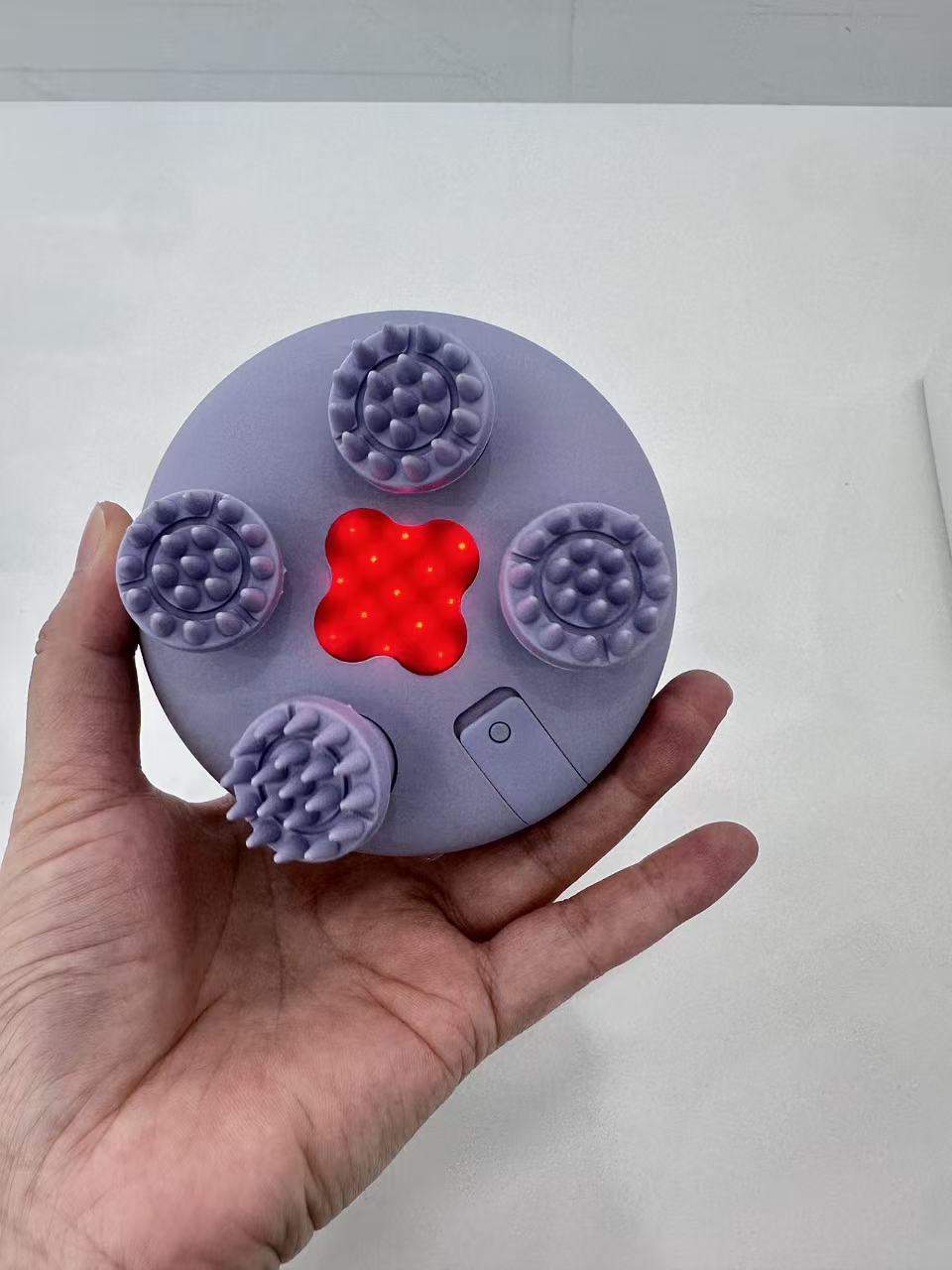
For T1, compare the current Meilan T1 product page with the instruction file and the quoted sample before copying a feature into retail artwork. The page describes four removable silicone massage heads, three speed levels and a ten-minute automatic timer. These are specific statements to reconcile with the sample and its approved documents, not a license to apply the same numbers to every variant.
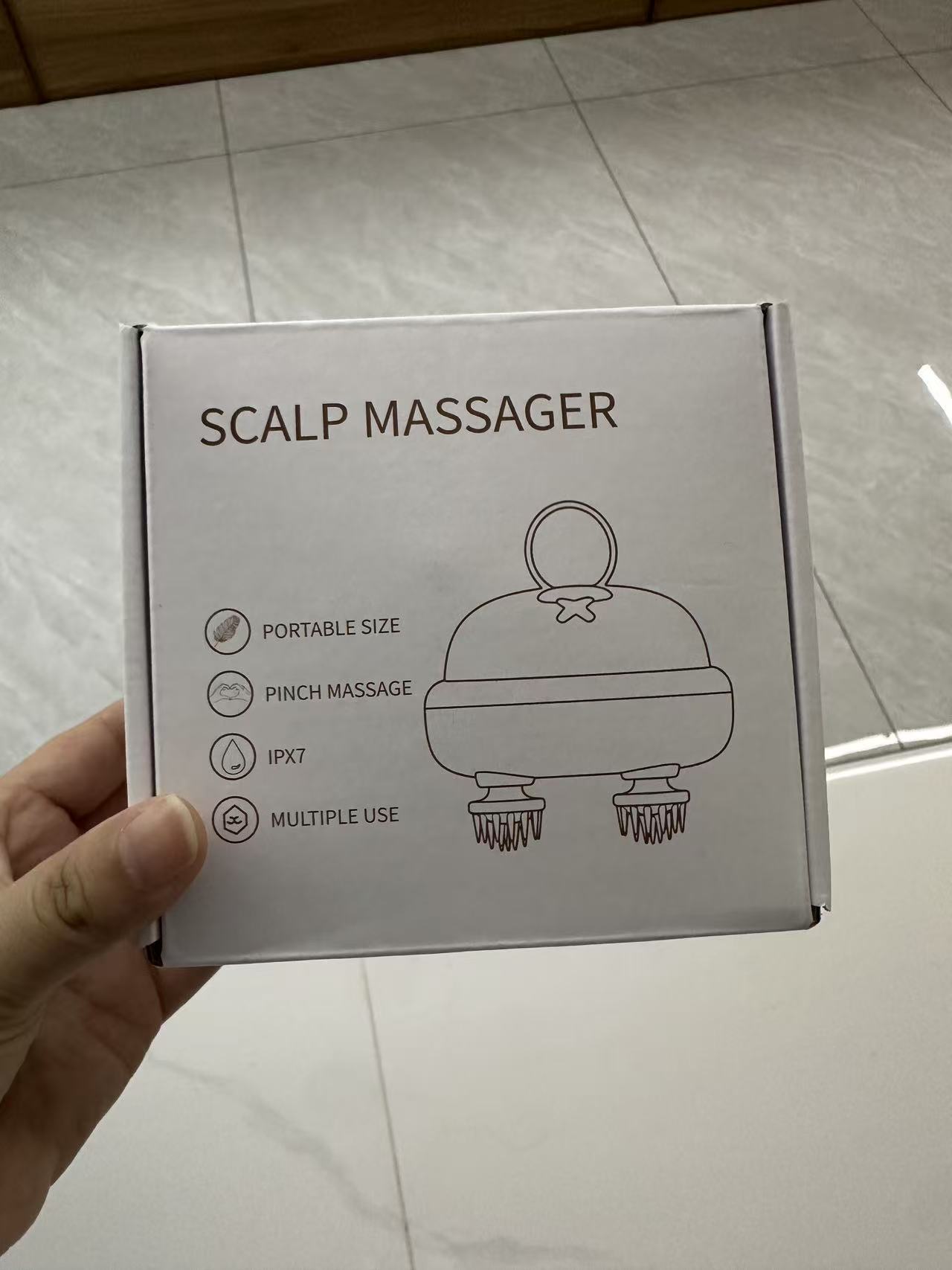
Photograph the physical carton front and sides during review. A box photo can reveal wording that needs checking; it does not establish that the photographed print is the final approved version.
3. Classify the Claim by What It Asks the Buyer to Believe
A visible component, an operating action, a subjective description and a biological outcome do not carry the same proof burden. Classify the meaning of the sentence, not only the words in isolation. A photo of a contact head may support its shape; it cannot establish that the device improves hair growth. An indicator turning on supports an indicator claim, not a measured light dose or treatment result.
Use the table as a routing rule. The examples are draft categories for review, not approved retail wording. A statement that combines categories takes the more demanding route; for example, “three speeds to stimulate hair growth” includes both an operating fact and an outcome claim.
| Claim type | Example for review | Evidence to request | Approval route |
|---|---|---|---|
| Observable structure | Four contact heads | Current specification, labelled sample and clear photographs | Supplier + brand product owner |
| Operating feature | Three levels or automatic end | Matching manual and continuous sample demonstration; timing record if a duration is stated | Supplier + brand product owner |
| Use or care instruction | Washable heads or wet use | Exact-version instructions and relevant material or water-use test scope | Supplier + brand technical/market reviewer |
| Experience description | Comfortable contact | Defined user observation, conditions and wording review | Brand editorial reviewer |
| Hair or scalp outcome | Hair growth or hair-loss prevention | Product-specific evidence and target-market classification review | Qualified market/claims reviewer |
4. Substantiate T1 Feature Copy Against the Exact Sample
For each proposed feature, put the current page, named manual, labelled sample and continuous demonstration side by side. Film power-on, level changes, stop action and the end of an operating cycle. If the page says “three speed levels,” record how the quoted sample indicates and changes all three. If the timer is mentioned, record the timing method, mode and observed stop behavior before the number enters retailer copy.
For the contact heads, photograph the underside and the removal or reattachment sequence allowed by the matching instructions. Keep “removable heads” separate from “washable body,” “shower use” and “disinfection compatibility.” The wet-use evidence guide explains the additional documents to request when water-use wording is proposed.
Do not convert the published “red light” feature into a quantified wavelength, treatment intensity or hair-growth promise without model-specific test and claims review. If a specification, sample and manual disagree, hold the affected sentence and ask the supplier to identify the production version.
5. Hold Outcome and Safety Claims for Market-Specific Review
Statements such as “grows hair,” “stops hair loss,” “treats a scalp condition,” or “safe for every user” require more than a product photograph, a customer quote or a working sample. Log the exact wording, intended audience, target market, evidence owner and proposed placement. Do not publish an outcome claim while its product-specific support and market classification are unresolved.
A comfort description also needs care. A tester may record “the rounded tips felt comfortable during this sample session,” with the tester and conditions named. That observation cannot be rewritten as universal comfort or clinical benefit. Avoid turning a buyer review into a treatment testimonial.
For a UK listing, the UK government’s product-description guidance says advertising descriptions must be accurate and honest. That is a market example, not a determination of T1’s regulatory category or approval in other countries. Route proposed hair, scalp-health and safety wording to the brand’s qualified market reviewer before it reaches artwork.
6. Ask the Head Massager Manufacturer for a Claim Dossier
A buyer comparing a head massager manufacturer should ask who controls the specification, who supplies test records and who signs off on artwork changes. Request a version-matched specification sheet, labelled sample, user instructions, component and material information, operating demonstration, packing list, relevant test reports and change history. Ask for the report scope and tested configuration, not a certificate image detached from the product.
Assign three approval roles in the RFQ: the supplier confirms the device and evidence package; the brand confirms the commercial wording and the sample match; a qualified reviewer checks market-specific efficacy, safety or restricted-use claims. Capture the approver, date and approved file ID. If the supplier proposes a revised head, control board or package panel, reopen the affected rows rather than silently transferring an old approval.
Manufacturer capability is a sourcing question, not a performance claim. The buyer should also ask for sample lead time, MOQ, custom artwork scope, inspection point, reorder change notice and the route for correcting printed copy after a discrepancy.
7. Use a Launch Gate to Release or Hold Each Sentence
The register below turns review into an approval decision. Give each statement one of four statuses: release with matched evidence, correct the wording, hold for supplier evidence or specialist review, or remove. No sentence should pass because a similar model, older carton or competitor listing uses it.
Approve the English master first, then compare every localized title, bullet, image overlay and FAQ against it. Preserve the same claim status across languages and retain local reviewers where required. A translated feature must not become a stronger outcome claim.
| Proposed wording | Evidence or unresolved point | Decision before launch | Owner |
|---|---|---|---|
| “Four removable heads” | Confirm quoted T1 head assembly, manual and sample | Release only after match; otherwise correct | Supplier / product owner |
| “Three speed levels” | Record all level changes and indications on quoted sample | Release or correct to observed version | Supplier / product owner |
| “Ten-minute auto shut-off” | Record actual mode, timing method and stop event | Hold until test record matches copy | Product owner |
| “Safe to rinse the device” | Head cleaning is distinct from powered-body care | Remove unless exact-version instructions and tests support it | Technical / market reviewer |
| “Stimulates hair growth” | No outcome evidence established in this brief | Hold; remove if support and approval remain absent | Qualified claims reviewer |
Buyer FAQ
Can a photo prove a scalp massager has four heads?
A clear photo can show the photographed sample’s layout. Match it to the quoted T1 revision and specification before using the count for that SKU.
Does a working sample prove a hair-growth claim?
No. It can demonstrate controls and motion; a biological outcome needs separate product-specific evidence and market review.
Can removable heads be described as waterproof?
No. Removability does not establish the powered body’s water resistance. Check the exact instructions and relevant test scope.
Who should approve translated retail copy?
The brand’s product owner should confirm the English master and each translation; a qualified market reviewer should assess restricted or outcome claims for the destination market.
What should a head massager manufacturer send with a claim review?
Ask for the named sample, current specification, manual, demonstration, relevant test records, packaging proof and change history tied to the quoted configuration.
Will using a popular search term guarantee traffic?
No. The article should answer that term’s buyer intent, link to the relevant collection and earn performance through useful, accurate content; impressions and clicks must be measured after publication.
To shortlist the range, review the Meilan head massager collection. Then use the Meilan contact page to request a T1 sample, its matching file set and a claim-register response for your market, retail channel and planned artwork.

