





Scalp Massager Replacement Parts
Plan scalp massager replacement parts by checking what is orderable, which T1 revisions each part fits, and what supply and service terms the supplier will confirm.
 Meilan Tech 6 min read

A scalp massager replacement parts plan should identify which components a supplier will actually sell, which product revisions they fit, and how a buyer will recognize and order them. Meilan’s T1 instructions describe removing and reinstalling the massage claws for cleaning. That step alone does not establish a separate spare-parts offer. Set the service scope, test the exact sample, and obtain written supply terms before promising replacements to customers.
1. Decide what “replacement part” means for your channel
A removable component, a separately orderable spare and a factory service part are three different things. A personal-care brand might want a customer to replace a worn contact head; a salon retailer might prefer to return a complete unit under its service agreement. Define who is permitted to remove a part, who supplies it, and whether the customer receives a component or a whole-unit replacement.
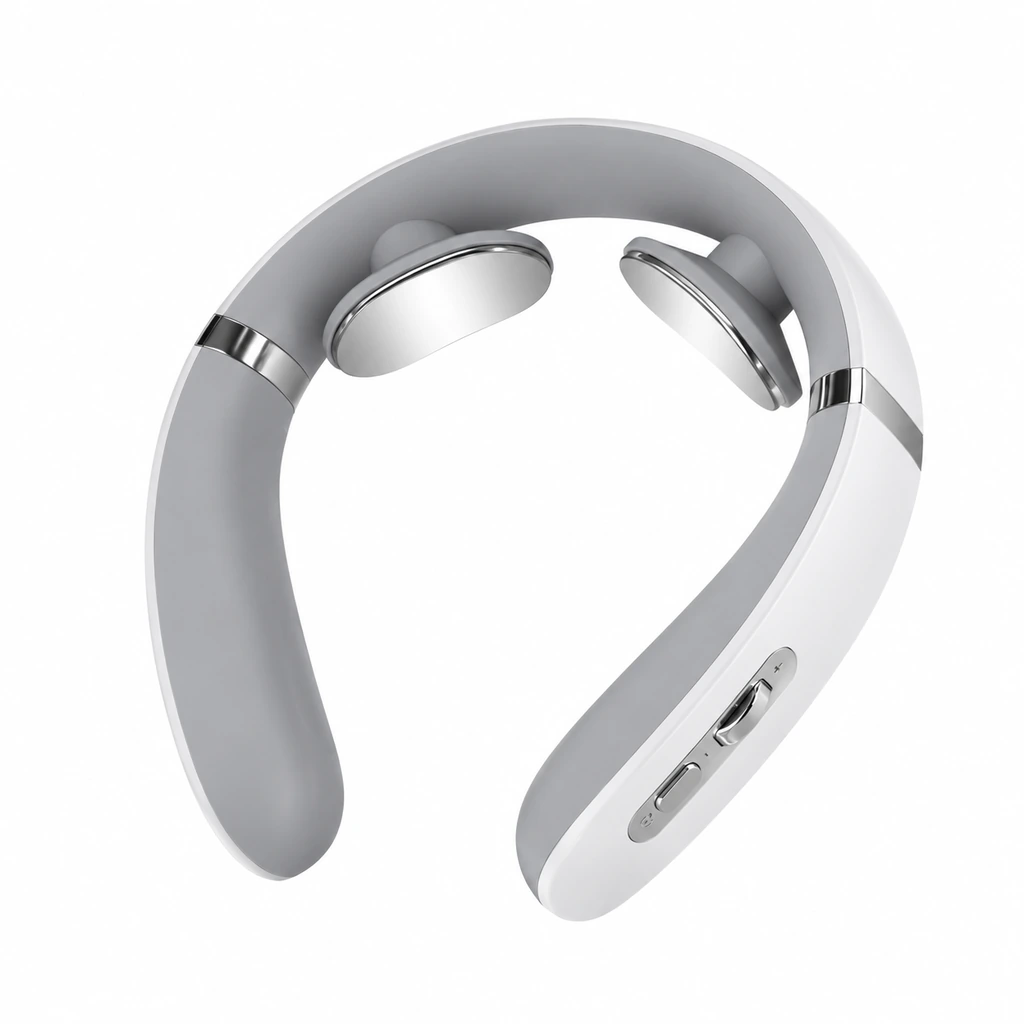
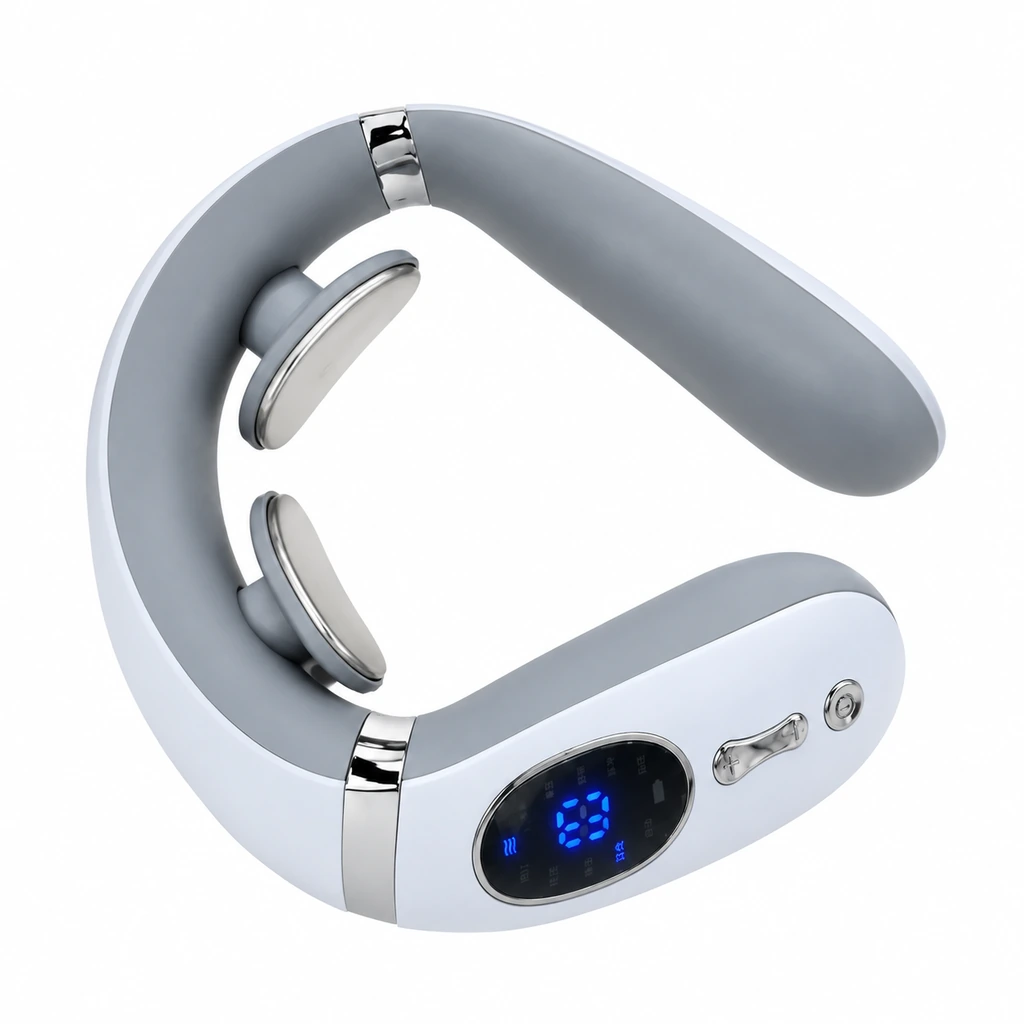
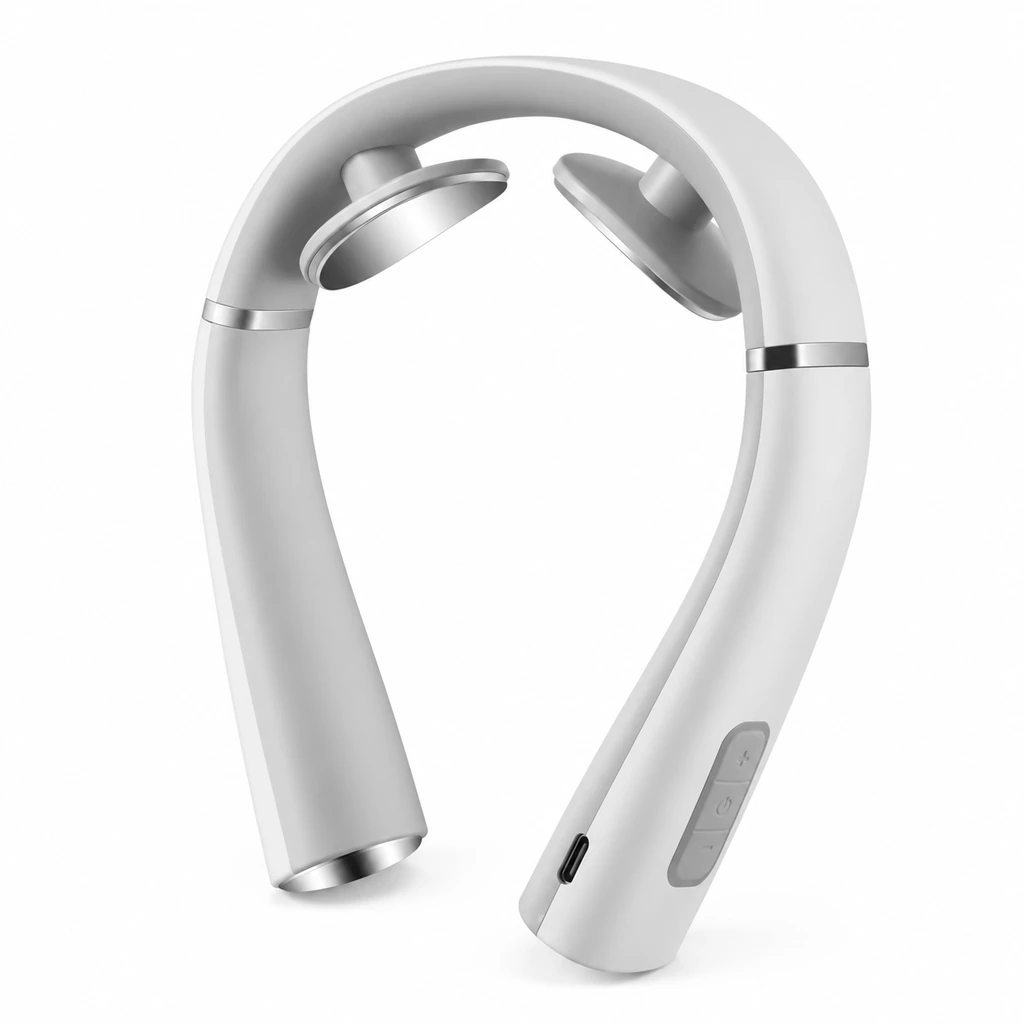
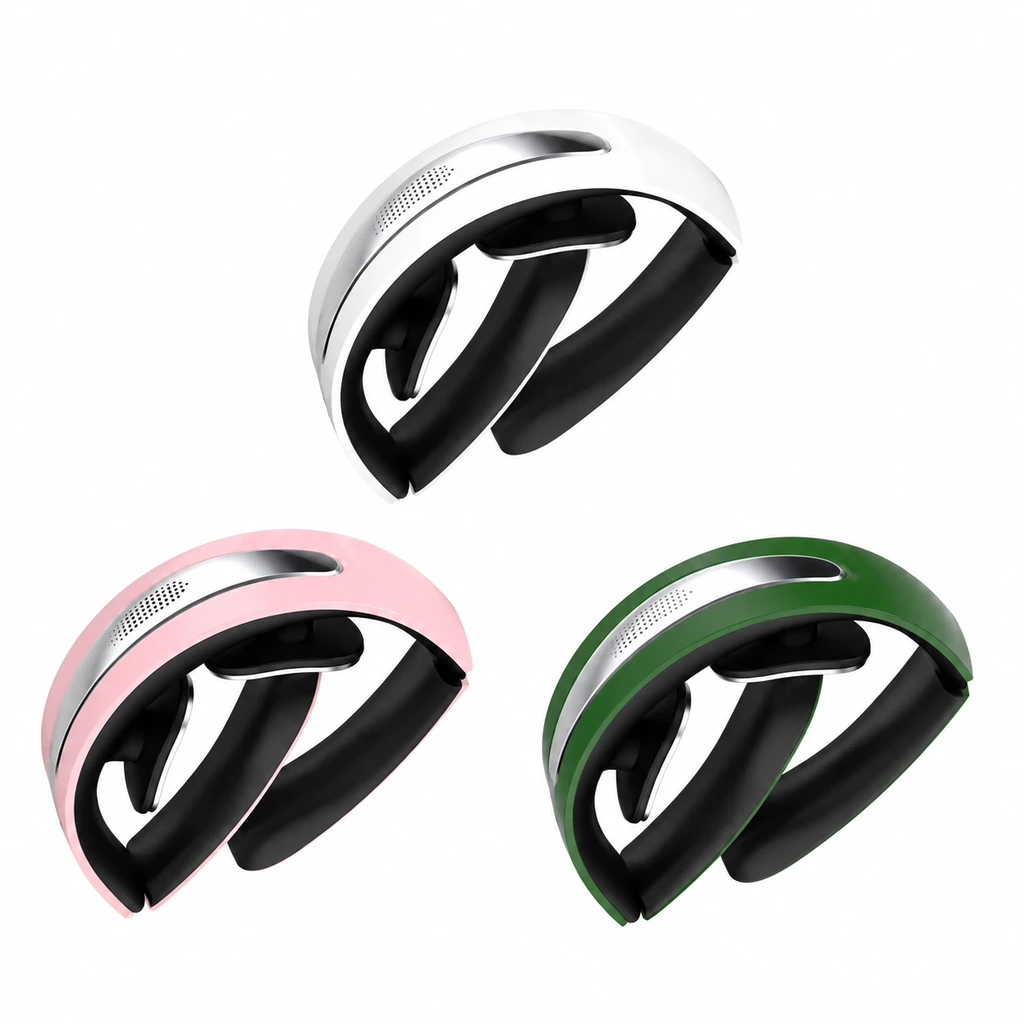
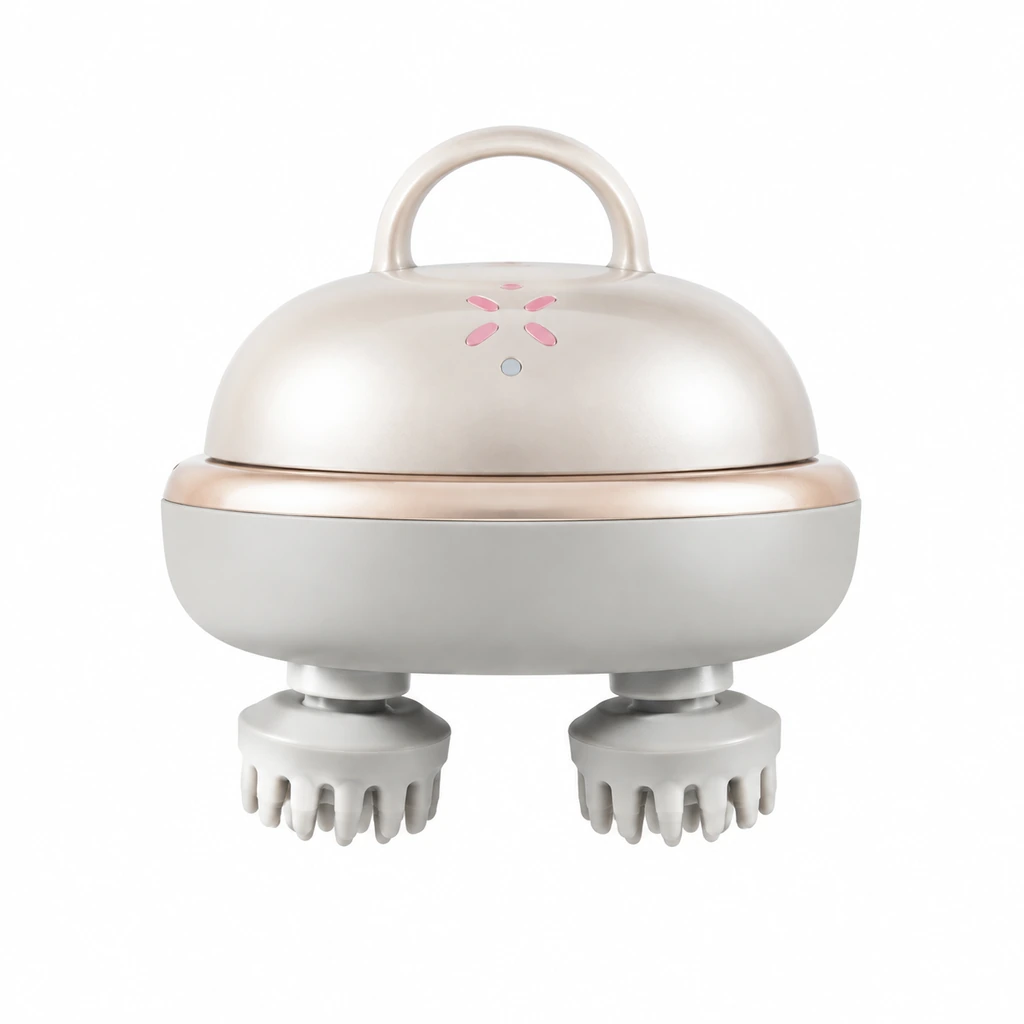
The Meilan T1 product page describes removable, washable massage heads. Its instructions identify the massage claws and show removal for cleaning. Neither statement confirms that a head can be purchased separately or fitted to every T1 production revision. Put those two questions in the RFQ before writing a consumer-facing spare-parts promise.
2. Build a part list from the quoted product
Start with the complete sales unit and the matching manual. List the main device, each contact-head assembly, charging cable, documents and packaging as separate lines. Then ask the supplier to mark each line as included with the product, orderable as a spare, supplied only through service, or unavailable on its own. Do not turn the manual’s name for a part into an orderable SKU.
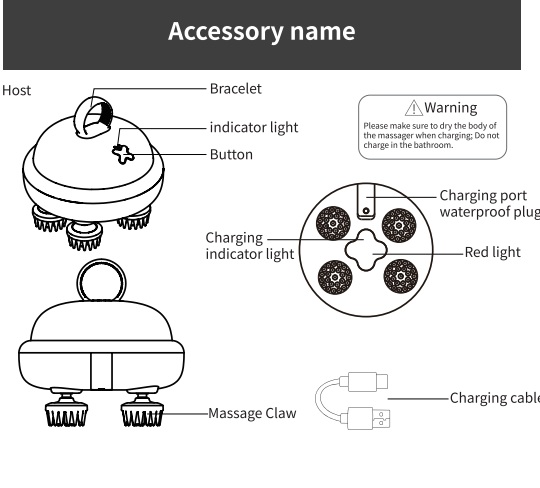
For T1, the instruction diagram names the massage claw, charging cable, button and charging-port plug. Use those labels to ask focused questions, while confirming the actual assembly and contents of the quoted sample. A visible plug or button may be part of the main unit rather than a user-replaceable item.
3. Approve compatibility by version, not by appearance
A matching colour or similar head shape is not enough to confirm fit. Request a part number, drawing revision and applicable T1 product revisions for every proposed spare. Ask whether the mounting interface, retention method, colour, material specification or packaging changed between batches. If the supplier proposes one head for several models, obtain its written compatibility list rather than extending the claim from a photograph.
Test an ordered spare against a retained sample of the exact sales version. Record how it seats, whether it remains secure after the manual’s removal and reinstallation sequence, and whether the device operates normally afterwards. Agree the test sequence and acceptance criteria with the supplier; do not invent a cycle-life result from a single demonstration. The T1 sample evaluation plan gives a broader model-specific check that can be paired with this part record.
| Candidate line | Compatibility evidence to request | Buying decision |
|---|---|---|
| Massage-claw assembly | Part code, drawing, T1 revision list, attachment method and sample-fit record | Offer as a spare only if separate supply and fit are confirmed. |
| Charging cable | Connector specification, cable length, supplied configuration and approved replacement source | Quote the exact cable; do not infer a connector standard from a generic “USB” label. |
| Charging-port plug or controls | Service drawing and written repair boundary | Keep within authorized service unless the supplier confirms a safe replacement route. |
| Whole unit or retail pack | Model and packaging revision, included items and return terms | Use as the fallback when component replacement is unsupported. |
4. Make parts easy to identify in support records
Give each approved spare a clear front, underside and attachment-side photograph beside its part code. Include a scale and show any orientation marks, but keep the unretouched original. Put the product revision or batch identifier in the same record. Support staff should be able to compare a customer photo with this sheet before quoting a part.
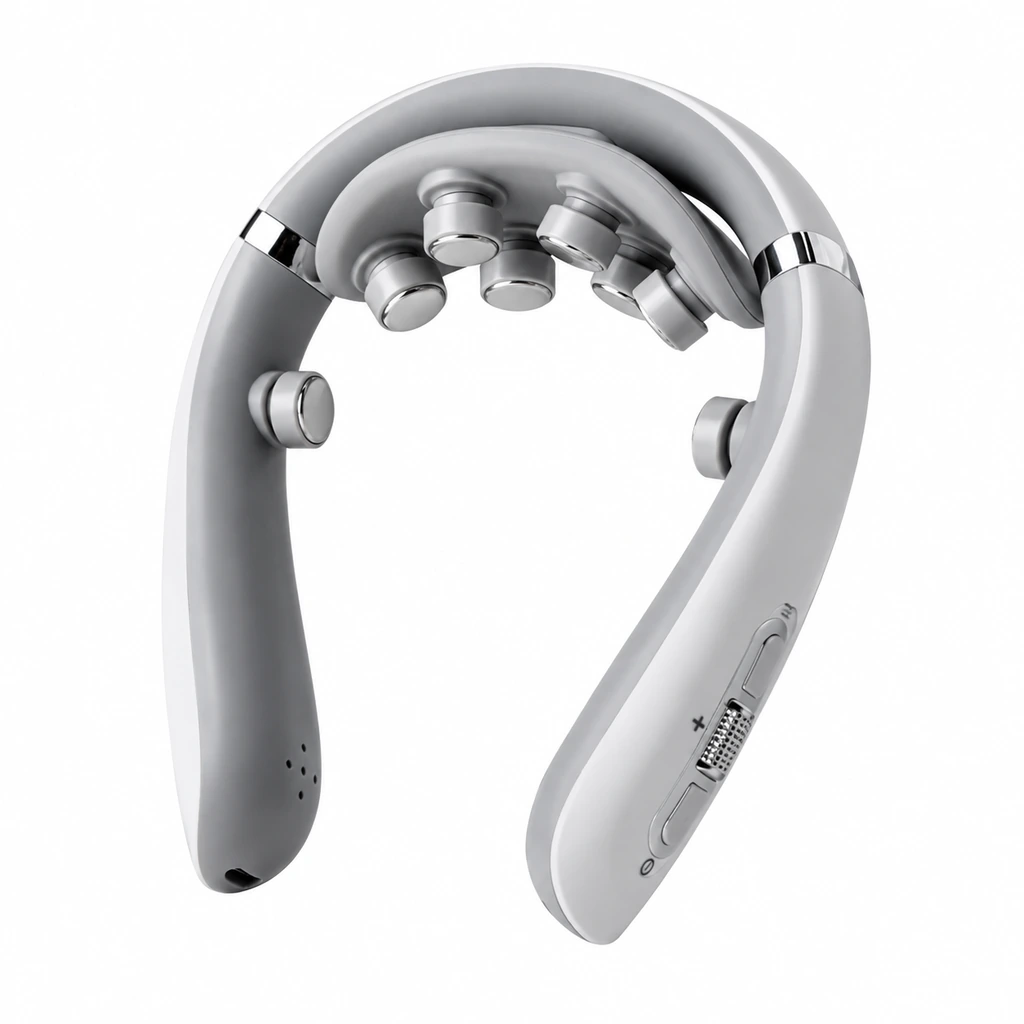
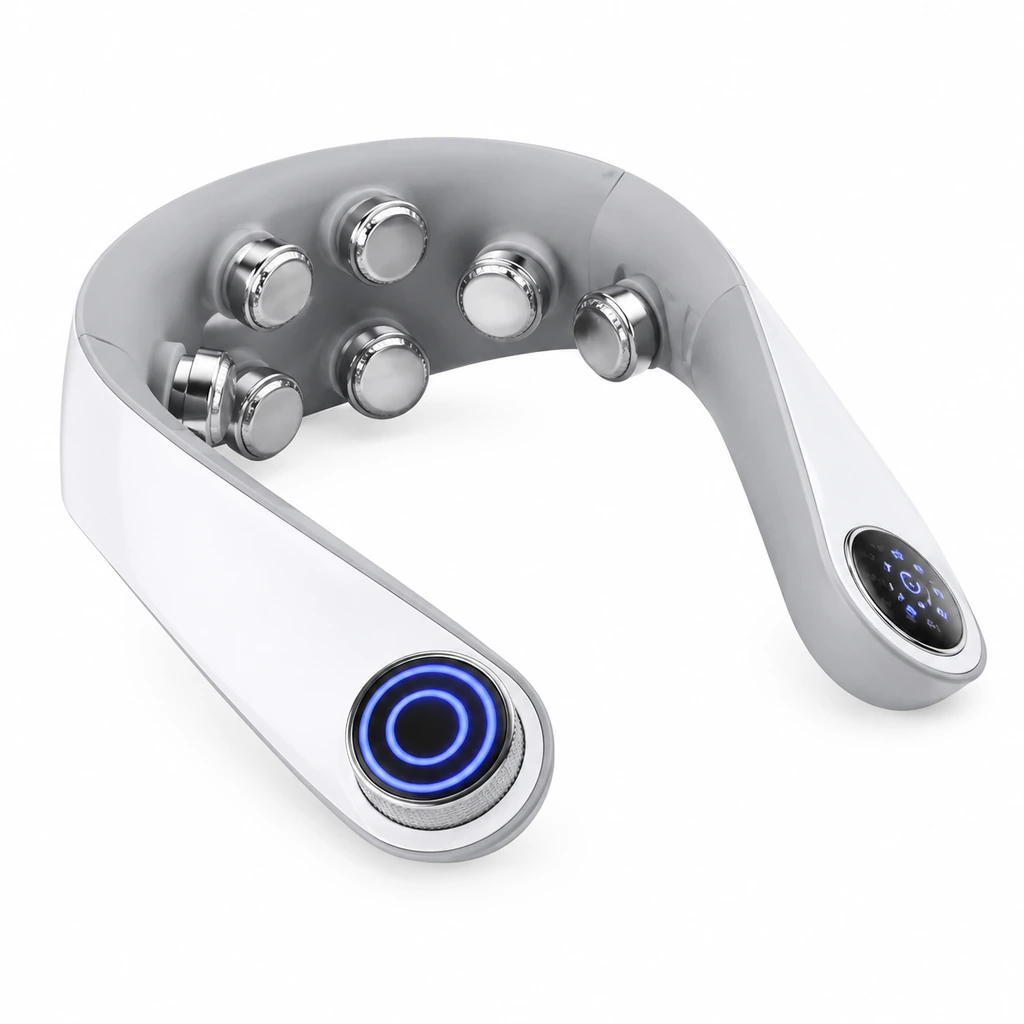
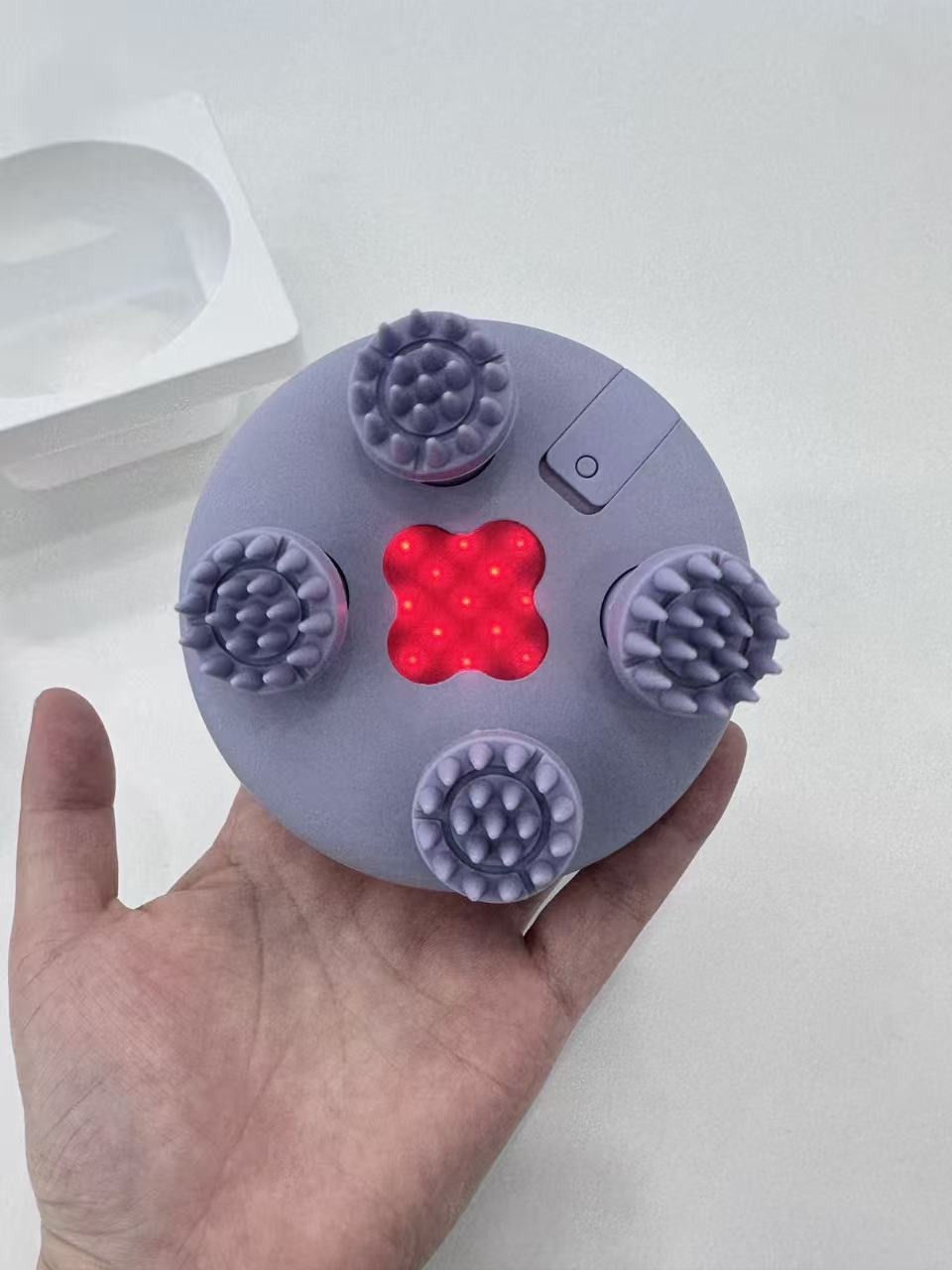
The underside photograph below shows the four head positions on one T1 sample. It is useful for identifying the pictured layout, not for proving that those heads are sold separately or fit another unit. The related contact-head and replacement guide goes deeper into material, cleaning and attachment evidence.
5. Separate cleaning instructions from repair instructions
The T1 instruction sequence describes removing massage claws for cleaning and reinstalling them. A service guide must say whether the same action is approved for customer replacement, and what to do if a head, mount or charging area is damaged. Ask for a version-matched operating demonstration. Do not ask staff to pull, twist or pry a part by guesswork.
Cleaning permission also does not answer water-resistance questions for the complete powered unit. Keep any wet-use or rinse claim tied to the current manual and corresponding test documents. For a replacement kit, request its own handling, cleaning and disposal instructions in the languages needed for the sales market.
6. Evaluate the head massager manufacturer’s parts support
Ask for the spare-part price, minimum order quantity, packing unit, sample lead time, replenishment lead time and shipping method. Record whether the supplier holds stock or manufactures to order. A quoted lead time is a current commercial term, not a guarantee of indefinite availability. If the brand needs a support period, negotiate it in writing with quantity assumptions and a process for last-time orders.
Set a change-notice rule for head geometry, colour, material, mounting features and labels. Decide how existing stock will be identified when a revision changes. Also agree what evidence support must provide for a damaged or missing part, who pays for shipping, and when a complete unit is replaced instead. These details determine whether a replacement program can be operated, not just advertised.
7. Use a decision sheet and send a focused RFQ
Shortlist a spare only when it has a confirmed orderable code, a compatible product-version list, an approved fit check and written supply terms. Keep a part in supplier review if any of these is missing. If component replacement is not supported, price a whole-unit service path rather than promising a part that cannot be delivered.
| Must be defined | Check on sample | Ask the supplier |
|---|---|---|
| Sales and service scope | Photograph the exact T1 version and included items. | Which lines are orderable spares, service-only parts or whole-unit replacements? |
| Compatibility | Fit the proposed head to a retained version-matched unit; record the result. | What part code, drawing revision and model/batch range apply? |
| Customer identification | Compare underside and attachment photos with the approved identification sheet. | Can the supplier provide part-labelled images and replacement instructions? |
| Commercial support | Check the received spare pack against the quotation. | What are MOQ, price, lead time, change notice and return terms? |
Review the head massager collection to select the intended product, then send the model, target market, forecast and proposed spare-part list to the Meilan team. Request a current T1 specification, part drawings, a sample and an itemized spare-parts quotation for the version you plan to sell.
Buyer FAQs
Are removable T1 massage claws automatically sold as spares?
No. The instructions describe removal for cleaning. Ask for a separate part code, price and supply confirmation before listing replacement heads.
Can a head from another scalp massager fit T1?
Do not assume so from appearance. Request a model and revision compatibility list, then check the proposed part on the exact T1 sample.
What should a parts identification photo show?
Show both sides, the attachment interface, orientation marks and a scale, with the part code and compatible product revision recorded beside the image.
Does a removable head mean the whole unit can be washed?
No. Review cleaning instructions and water-use evidence for the exact version and component before making that statement.
Can a supplier guarantee spare parts indefinitely?
Do not assume an open-ended commitment. Agree availability, forecast, revision notice and last-time-order terms in writing for the intended program.

