



Waist Massager RFQ Cost Breakdown
A wholesale guide to defining waist massager RFQ scope and separating device, belt, accessories, packaging and customization without inventing prices.
 Meilan Tech 7 min read

A useful waist massager RFQ cost breakdown starts with the exact product version and separates what ships in each retail unit from optional parts and one-time work. Ask suppliers to identify the main device, belt assembly, controls, accessories, packaging and customization on separate lines, then state what is included in the unit price. That makes two quotations comparable without inventing a component price or assuming the sample box defines the order.
Define the unit before comparing prices
For a brand or distributor, the first question is not simply “How much is an A1 or A9?” It is what the quoted unit contains, which version the sample represents and what must be purchased separately. A change in belt length, controller, insert or printed materials can make a headline unit price look comparable while the delivered retail offer differs. Start every RFQ with the model, version or revision, target market, planned quantity, retail channel and intended pack format. Ask the supplier to identify the sample or drawing against which the quotation is made.
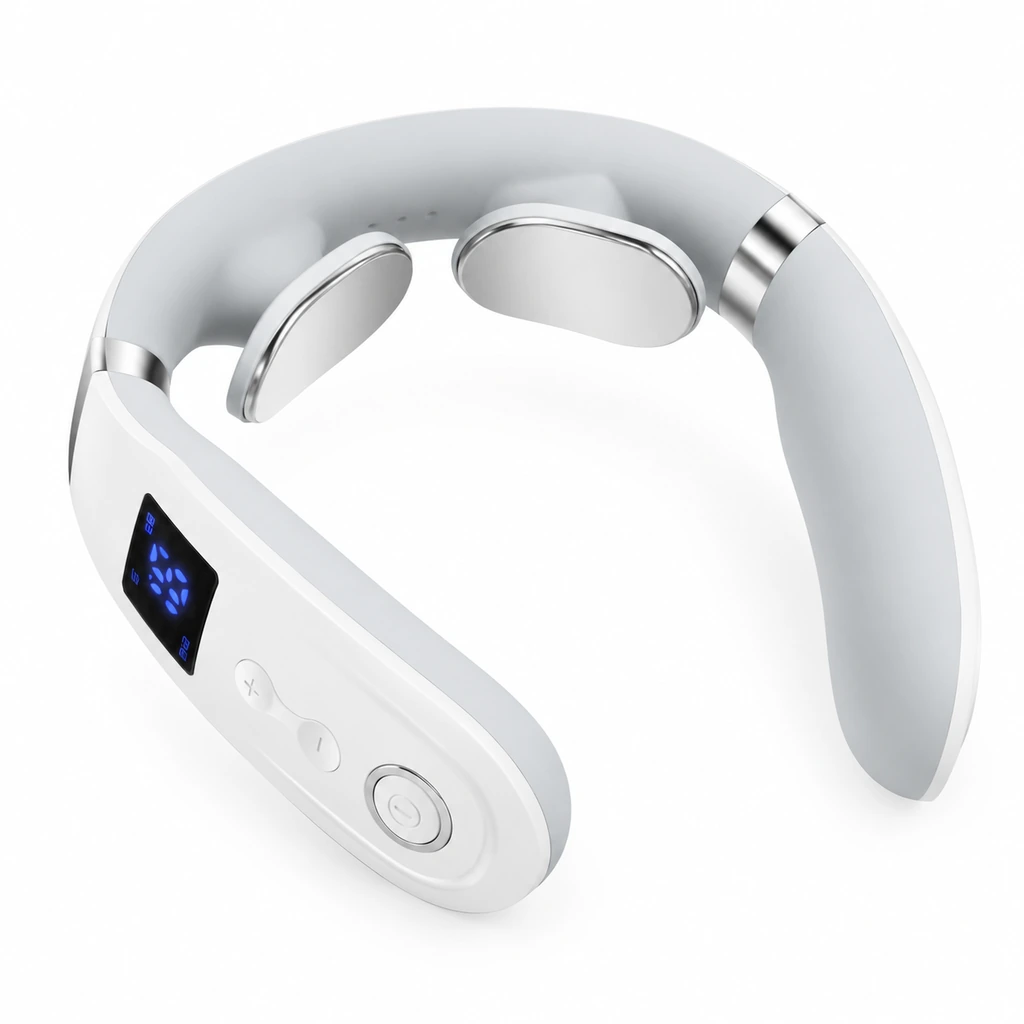
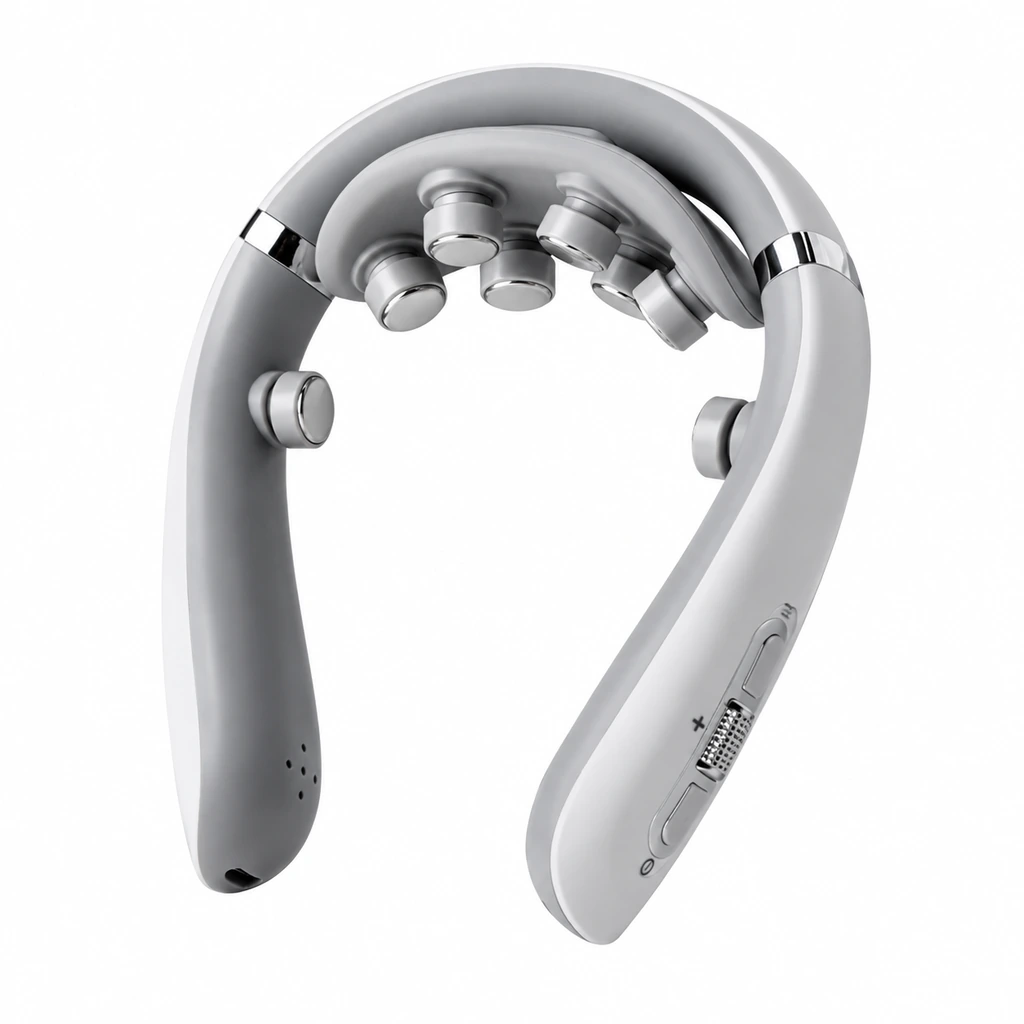
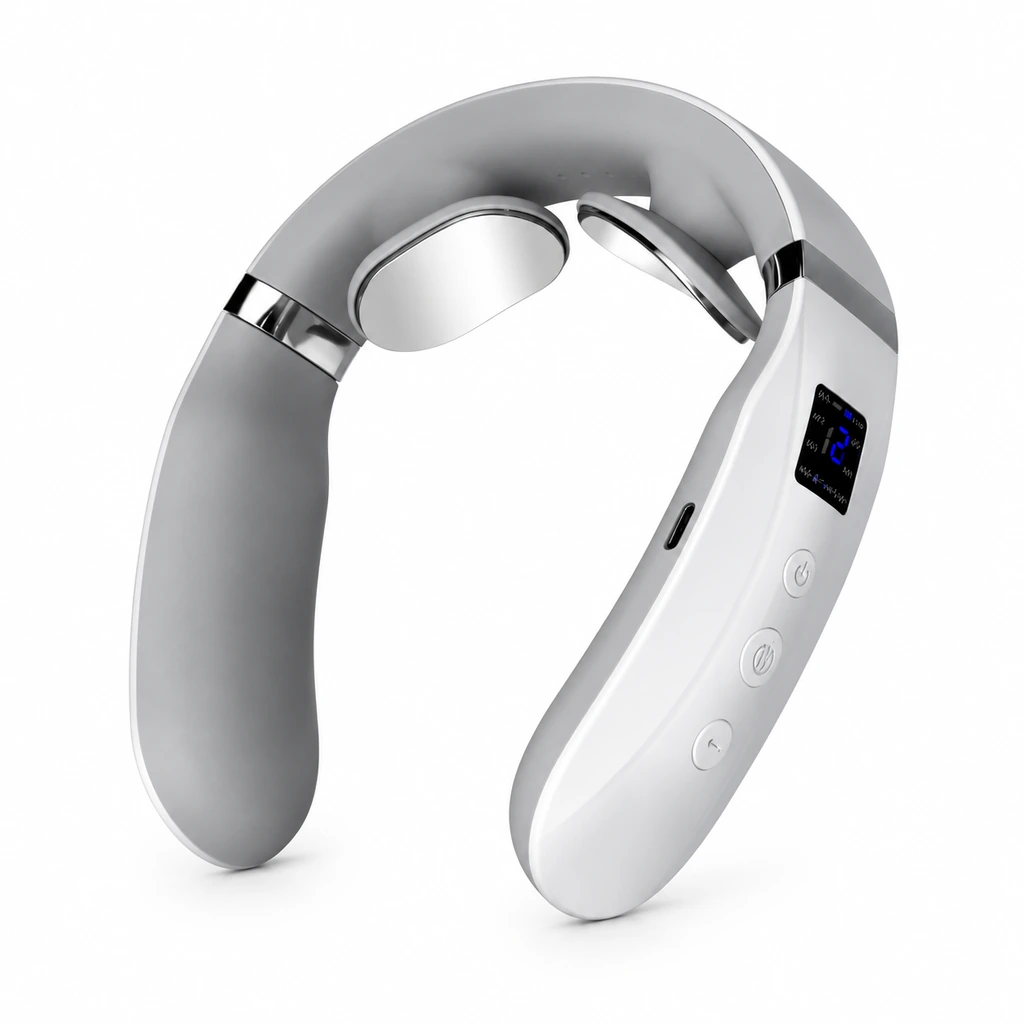
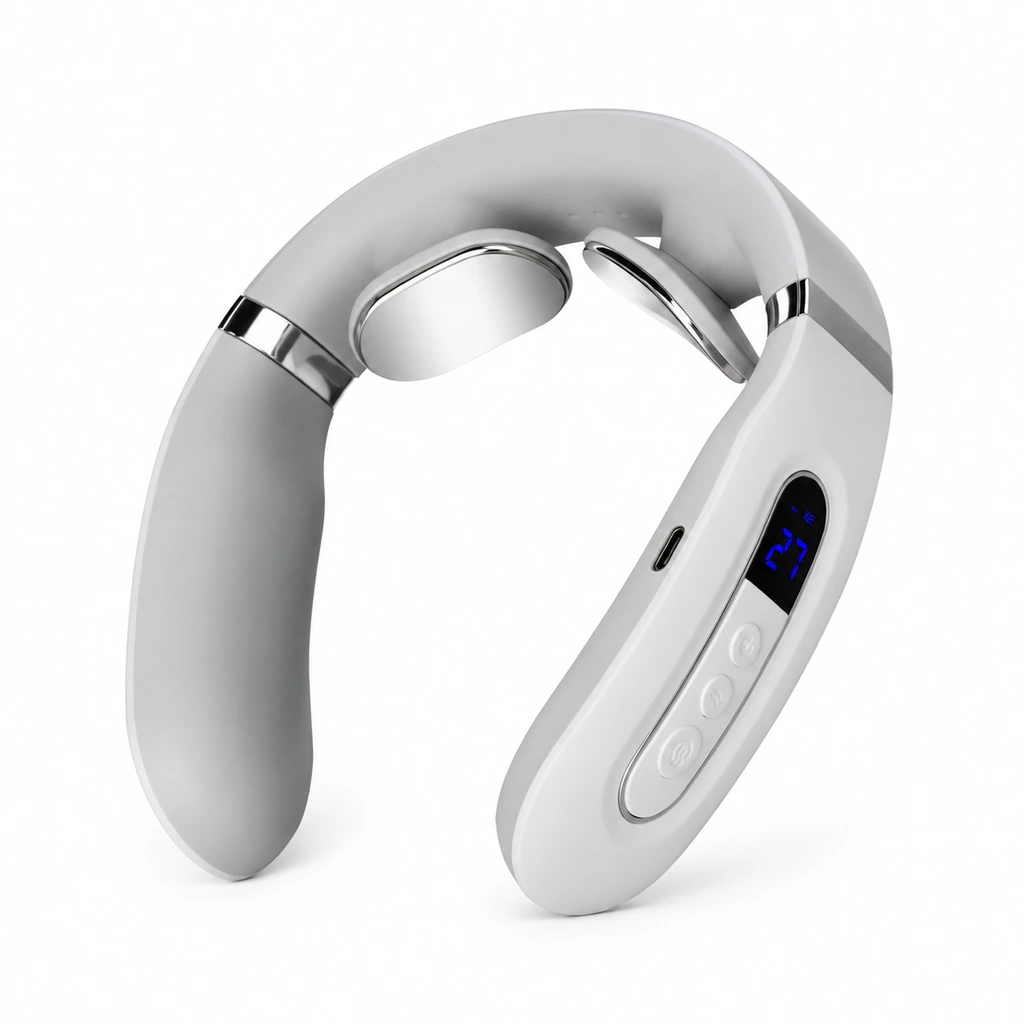
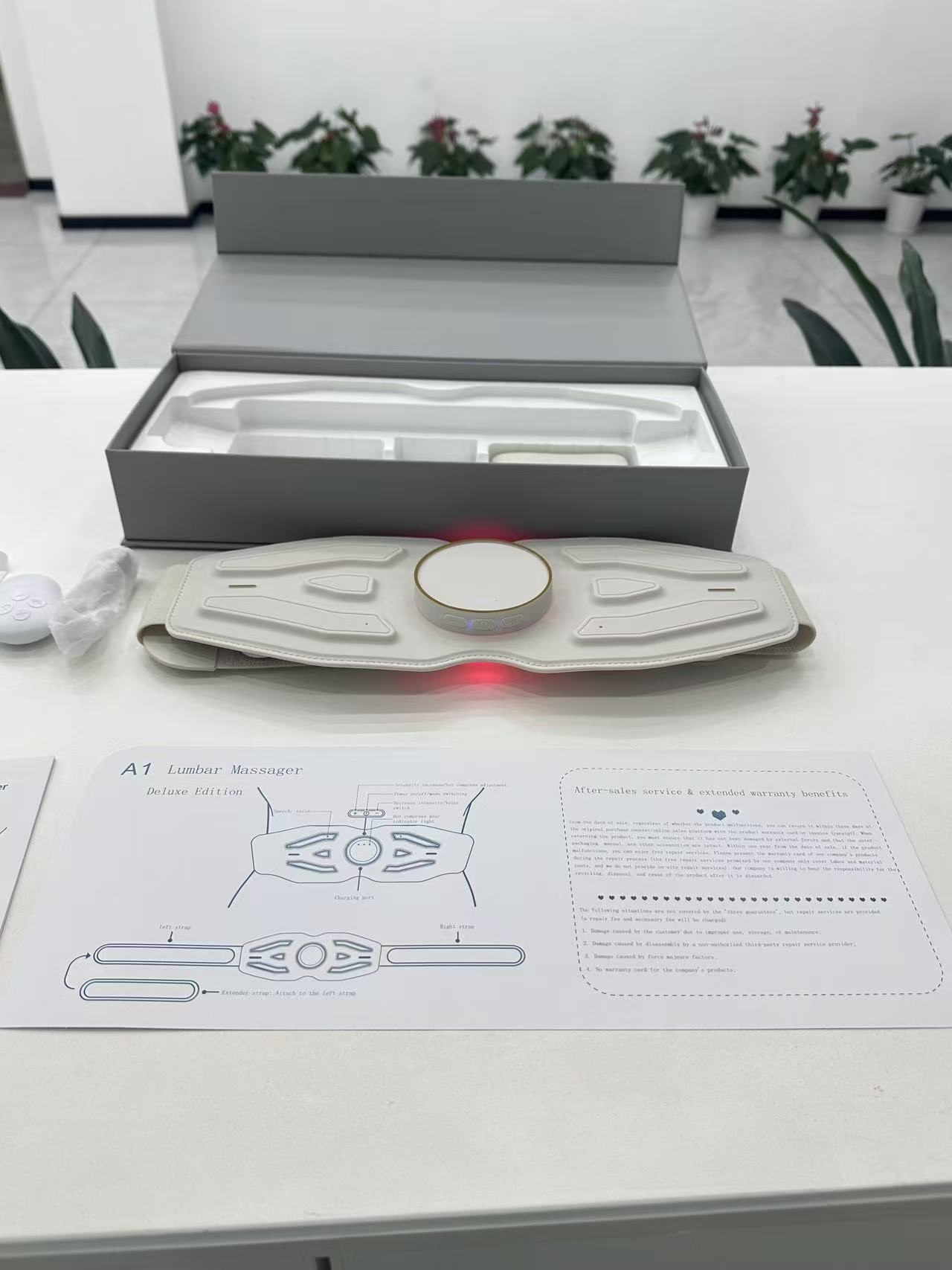
Meilan lists A1 and A9 as separate waist massagers. The A1 page describes operation through the unit and a wireless remote for its published configuration. That is a reason to identify the controller in an A1 enquiry, not evidence that every A1 quotation or any A9 quotation includes the same handset. Ask for a version-matched specification, current packing list and sample record before the price table is completed.
Separate the device from the wearable belt
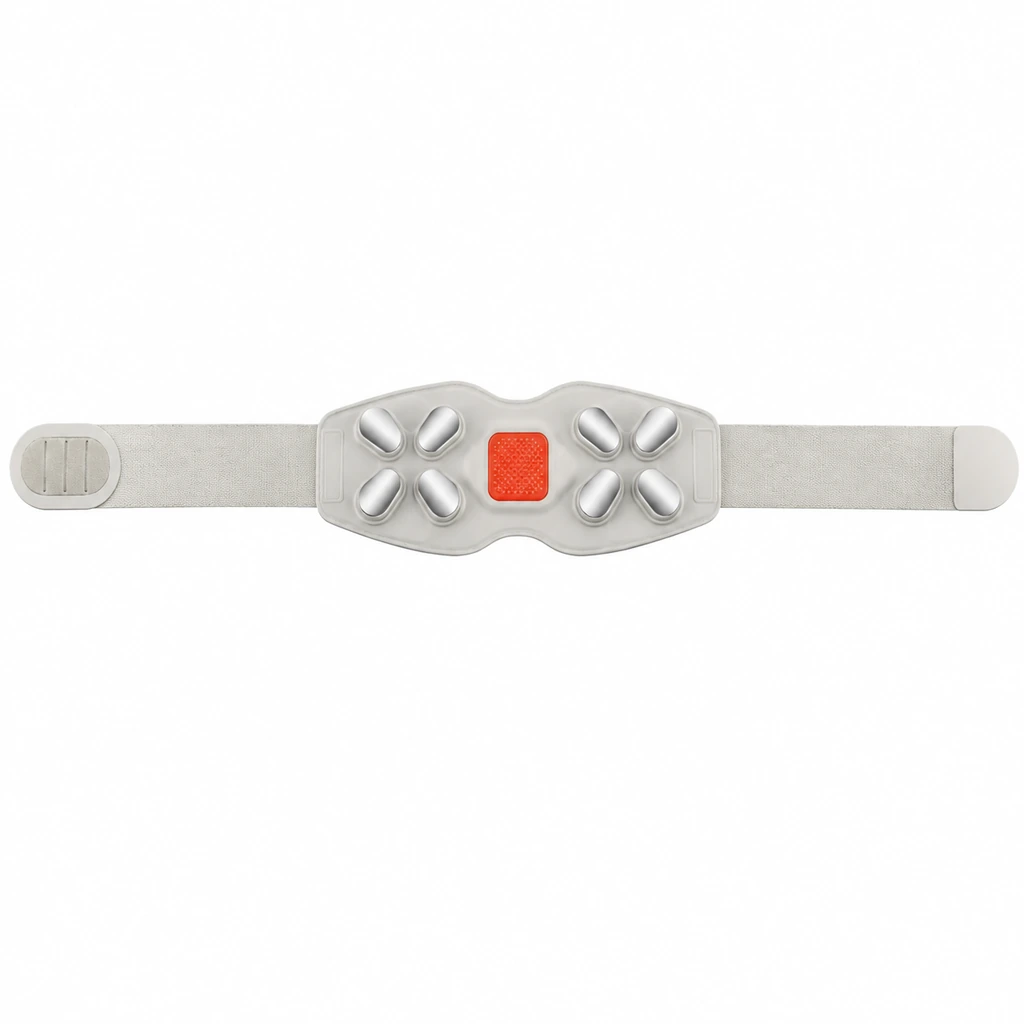
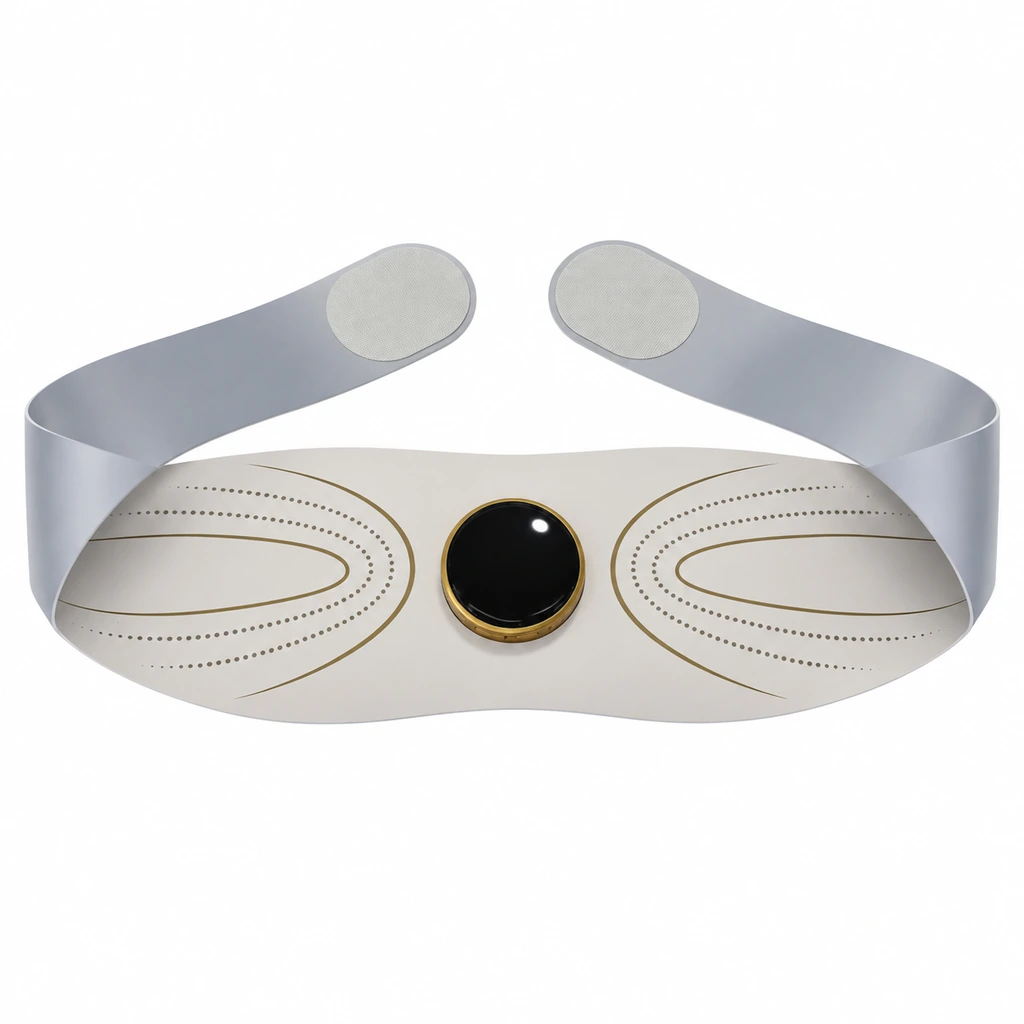
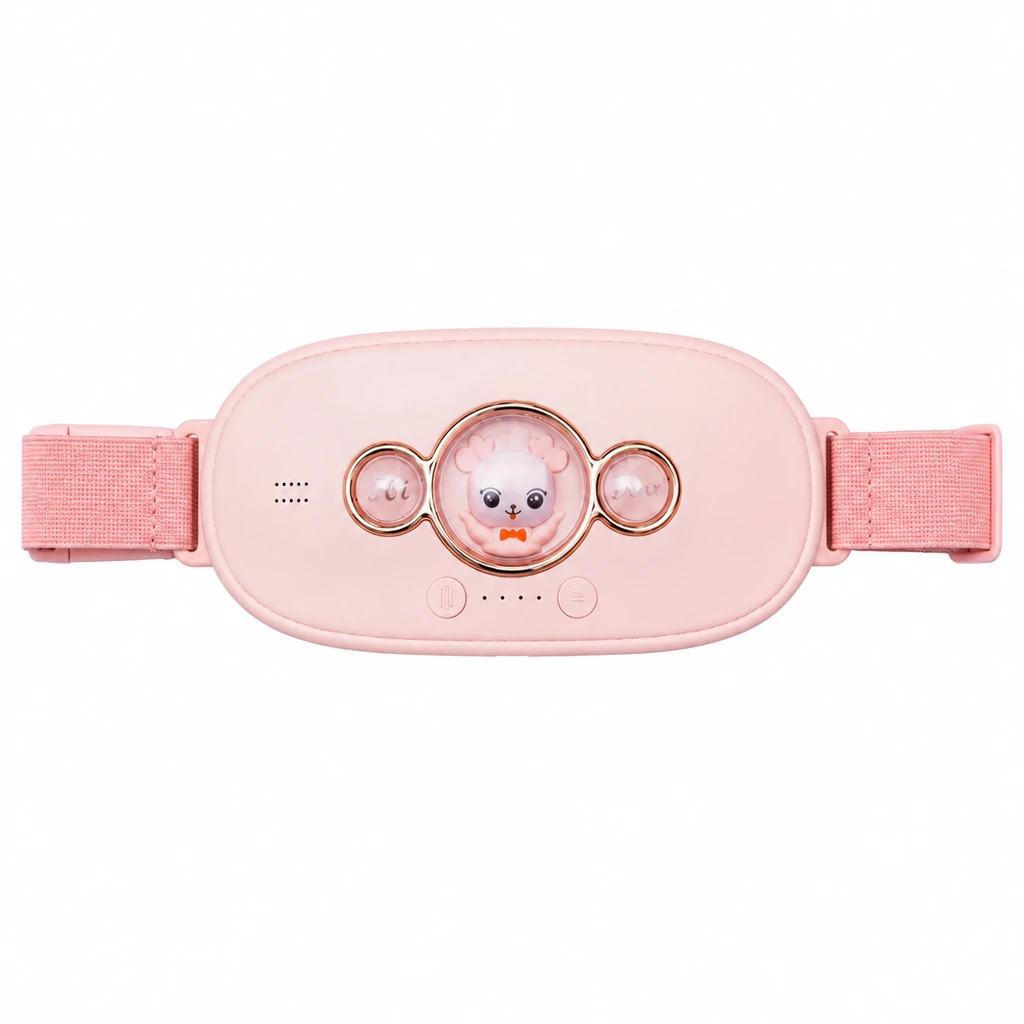
The main unit line should describe the powered assembly that a buyer is actually ordering: model and revision, controls, charging arrangement and any detachable parts. The belt line should describe the wearable assembly: length and adjustment range as measured on the quoted sample, closure construction, attachment to the housing and any replaceable textile or contact parts. If the device and belt are supplied only as one assembled item, identify the combined price without inventing a component split and mark “included in assembled unit”; do not force a fictional split.
This separation still matters when the supplier quotes a single assembly price. It gives both sides a place to record whether a longer belt, alternate fabric, revised fastening or replacement belt changes the offer. A photograph can help identify a construction detail, but it cannot establish material grade, fit range, interchangeability or the current production revision. Ask for a belt measurement method and a physical sample when fit is part of the sales promise.
List controls and supplied accessories as individual decisions
Give the remote, cable, power adapter, storage item and any other proposed accessory their own row, even when a supplier expects to include some of them. For each row, record the exact model or specification, quantity per retail unit, whether it is included, optional or excluded, and the evidence used to confirm it. “Remote included” is too vague if the photographed sample, controller version and packing list do not match.
Test a quoted controller with the tagged device and the matching instructions. Record the observed start, adjustment and stop sequence without guessing icon meanings from an image. For a battery-powered accessory, confirm the battery type and whether batteries are supplied under the destination market's shipping and retail rules. The purchase decision is a defined accessory bundle and a workable replacement route, not a promise of cross-model compatibility.
Define the scope of the complete retail offer
Use the criteria below to check whether each quotation identifies the configuration, included items, options and exclusions. Ask for quantities, unit prices and extended amounts in the actual supplier quotation. Identify any line that cannot be priced independently because it is inseparable from the assembled unit.
| RFQ line | Definition to request |
|---|---|
| Main device | Model, revision, powered housing and charging specification |
| Belt assembly | Measured size, closure, textile and attachment configuration |
| Remote control | Matching controller model, quantity and battery provision |
| Other accessories | Cable, adapter or storage item, each identified separately |
| Retail packaging | Box, insert, labels, manual and final pack-out |
| Customization | Artwork, language, belt or control change; separate one-time work |
| Outer carton / logistics | Carton quantity, dimensions, weight and delivery basis |
Ask for the currency, quotation validity, quantity break, minimum order quantity, production lead time, payment basis, Incoterm with named place, sample charge and freight basis outside the component rows. These terms change the landed purchasing decision, but they are not product components. If a quotation uses a bundled unit price, request an inclusion matrix alongside it rather than implying that the supplier can disclose every internal manufacturing cost.
Make packaging and customization visible
Packaging is more than a printed carton. Ask how the belt is folded or supported, how the device and controller are held in the insert, where the cable sits, and which leaflet, warning label and barcode version enters the box. A compact box may reduce volume but may also require a fold and insert arrangement that needs sample approval. The packaging line should therefore refer to a drawing and a packed sample, not only a box size.
Separate recurring changes from one-time work. A changed color, longer belt or upgraded retail box may alter each unit; artwork setup, tooling, translation or a new insert design may have a separate setup charge. State who owns approved artwork, which files and languages are supplied, how revisions are controlled and whether a setup fee is credited against an order. The A1 quotation-document guide explains why the specification, packing list and artwork should describe the same offer.
Compare quotations on equivalent scope and evidence
Make a comparison sheet with one column for each supplier or version. First match the required configuration and quantities. Then add any missing accessories, packaging work, setup charges, sample charges and delivery terms before comparing totals. A lower line price is not a saving if the requested controller, market-language leaflet or protective insert is excluded. Equally, do not reject a bundled quote merely because it lacks an arbitrary internal cost allocation; ask it to declare inclusions and option prices.
Check the quote against three physical records: the tagged working sample, the measured belt and the complete packed sample. Control operation and the retail contents should match the specification and packing list. If a line remains unresolved, mark it open and exclude it from the approved scope. The buyer can then seek a revised quotation without treating an unpriced assumption as a supplier commitment.
Close the RFQ with an approval rule
Before placing an order, agree on which document wins if the quote, drawing, sample and packing list conflict. Identify the approved model and revision, inclusions, optional replacements, artwork files, pack-out, inspection method and delivery terms in one order record. Retain the approved sample or a controlled photo record so later substitutions can be reviewed against something concrete.
| Decision | Evidence to retain | Next action |
|---|---|---|
| Approve scope | Signed inclusion matrix, version-matched sample and complete pack-out | Confirm price, quantity breaks and order terms. |
| Revise RFQ | Missing belt measurement, unclear accessory status or packaging mismatch | Request the exact drawing, sample or revised line. |
| Hold decision | Controller mismatch, unresolved customization charge or unverified retail contents | Resolve the offer before comparing final totals. |
This is the point of a cost breakdown: it turns an attractive unit figure into an orderable, inspectable retail configuration. It also gives a distributor a consistent basis for comparing a standard offer with a market-specific version without asking the supplier to reveal confidential internal costs.
Buyer questions
Must a supplier disclose the factory cost of every component?
No. Ask for a clear inclusion matrix and separately priced options. A supplier may quote the device and belt as one assembly while still defining what changes the price.
Should the remote have its own RFQ row?
Yes. Record its exact matching model, quantity, battery provision and included or optional status. Do not assume compatibility from a similar appearance.
Can one waist measurement define the belt size?
No. Request the measurement method and adjustment or overlap evidence for the offered belt. A sample try-on alone does not establish a general fit range.
Where do setup charges belong?
Put artwork, tooling, translation and other one-time work on separate lines, with the deliverable, approval point and any credit rule stated.
Is the sample box enough to confirm packing contents?
No. Match the sample to the current packing list, quoted revision and approved retail artwork, then retain a complete pack-out record.
How should two bundled unit prices be compared?
Normalize the included items, optional prices, setup charges, quantity breaks and delivery basis first. Compare the same orderable scope.
Review the Meilan waist massager range, then request a version-specific RFQ with your itemized cost brief, target market, quantity and sample requirements.

