

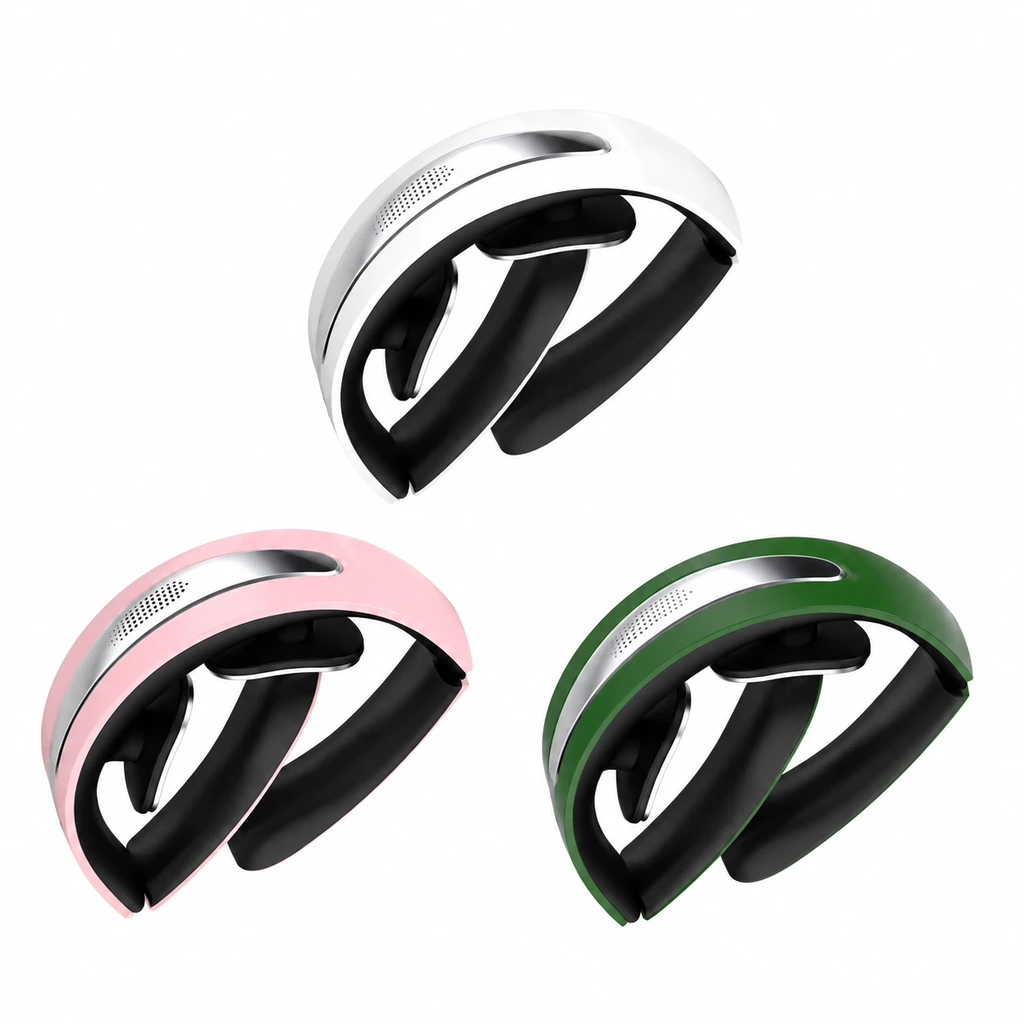
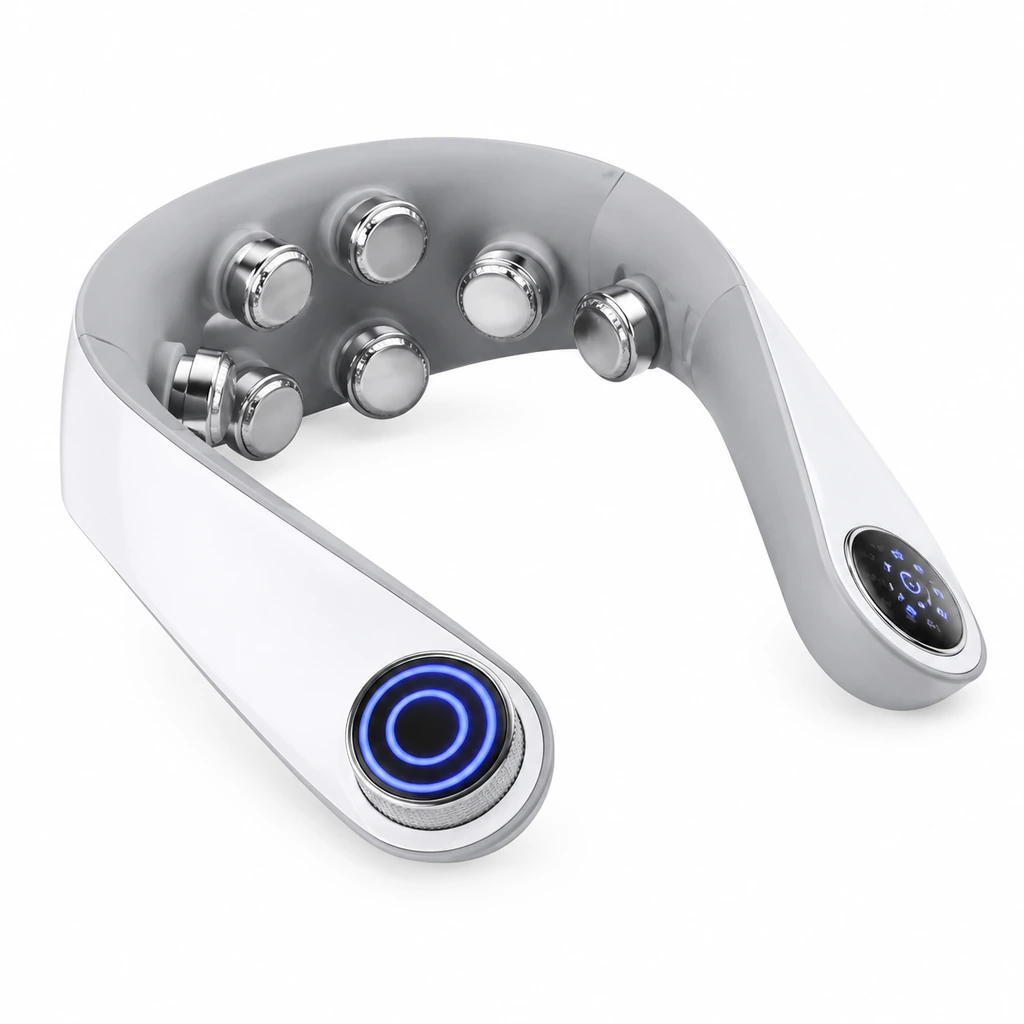
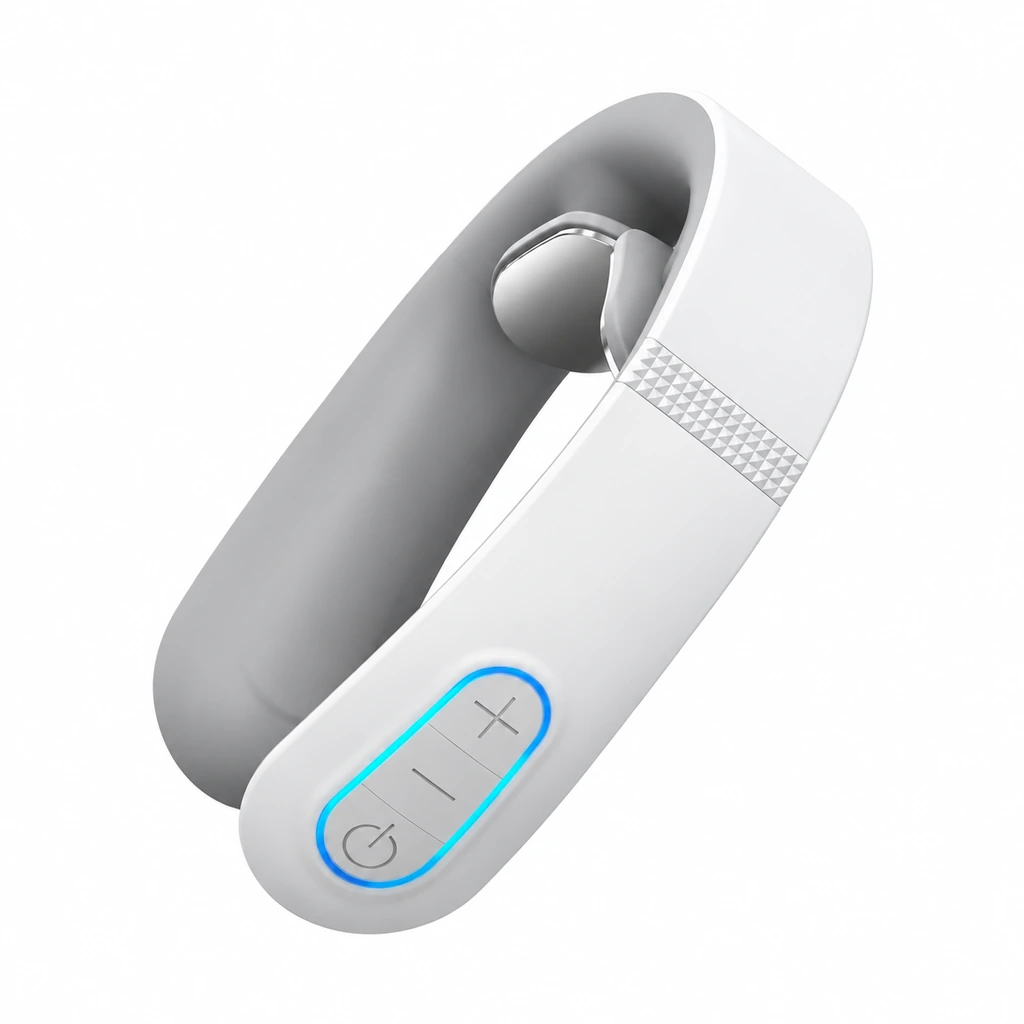
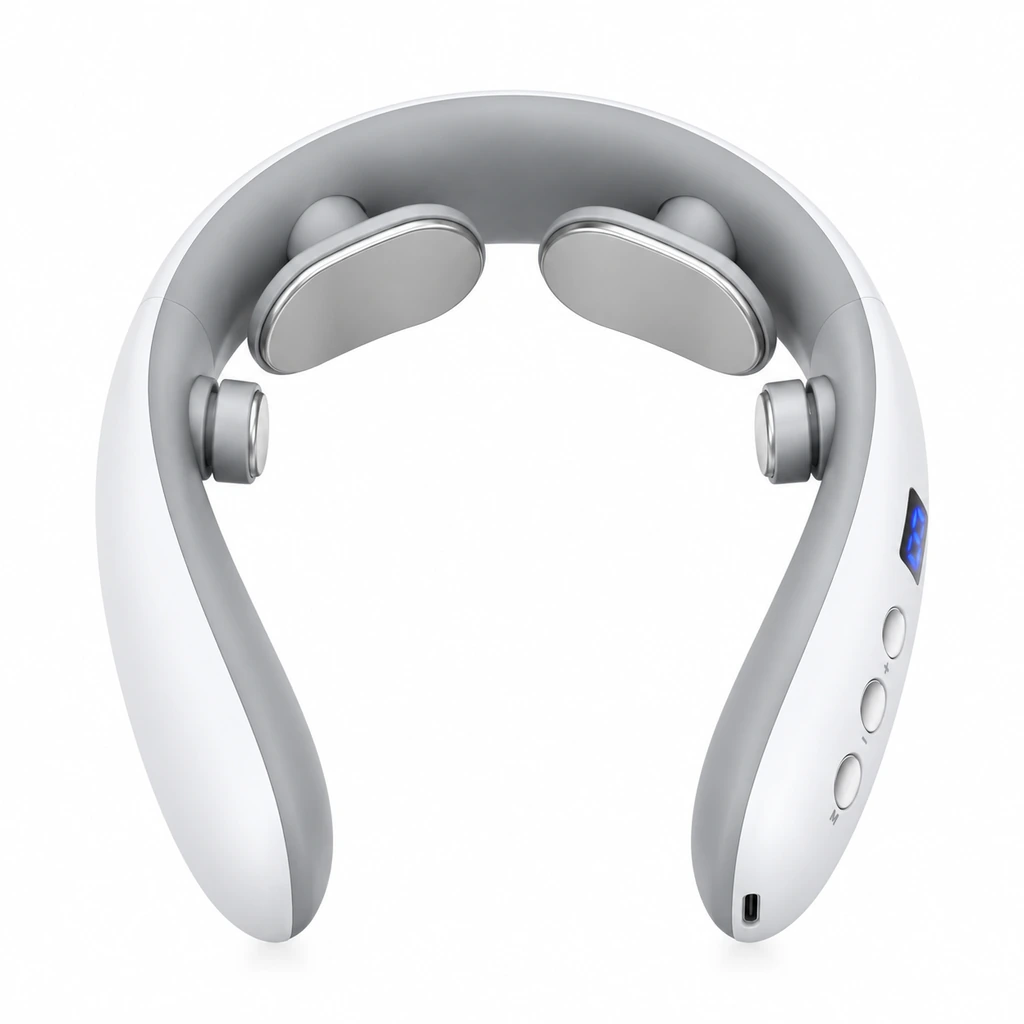


Scalp Massager Motion Settings
Compare T1 scalp massager speed levels, rotation directions and mode labels against the instruction sheet and a continuous demonstration of the quoted sample.
 Meilan Tech 7 min read

Compare scalp massager motion settings by separating three questions: how fast the contact heads run, which way they turn, and what a named mode actually changes. A supplier description can identify controls, but a buying decision needs the matching instructions and a continuous demonstration of the quoted sample. The Meilan T1 offers a useful example: its intensity selection and direction sequence are described separately.
1. Establish what each motion term means
“Speed,” “intensity,” “direction,” and “mode” are often grouped in one product description even though they answer different buyer questions. Speed may mean a measured rotation rate, while an intensity level may simply be the manufacturer's selectable setting. Direction describes the head movement. A mode can be a preset that combines more than one behaviour, or it can be a marketing name for a level. Request the current model's control key before comparing two suppliers' labels.
| Supplier wording | Buyer question | Record before approving copy |
|---|---|---|
| Three speeds or intensity levels | Are these selectable states or measured revolutions per minute? | Button sequence, indicator, visible movement and any test method behind a numeric speed |
| Forward, reverse or alternating | Which heads move in which direction, and from what viewing angle? | Underside video with a stated camera orientation and a separate record for every state |
| Massage mode | Does it change speed, direction, timing or several controls together? | Exact manual wording and the observed difference from the previous state |
This distinction matters for comparison. Two products can both advertise “three modes” while one switches only intensity and the other also changes direction. Compare observed functions, not the number of labels.
2. Use the T1 instructions as a control map
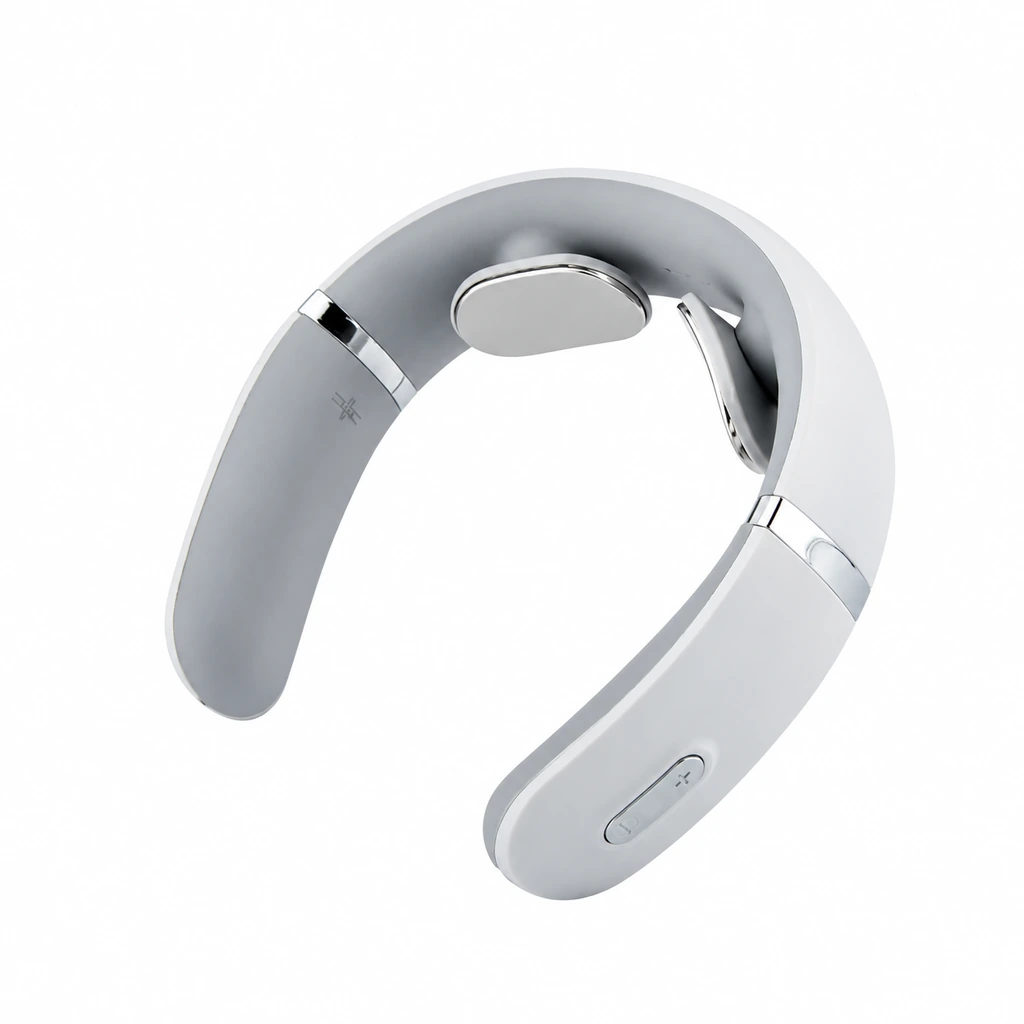
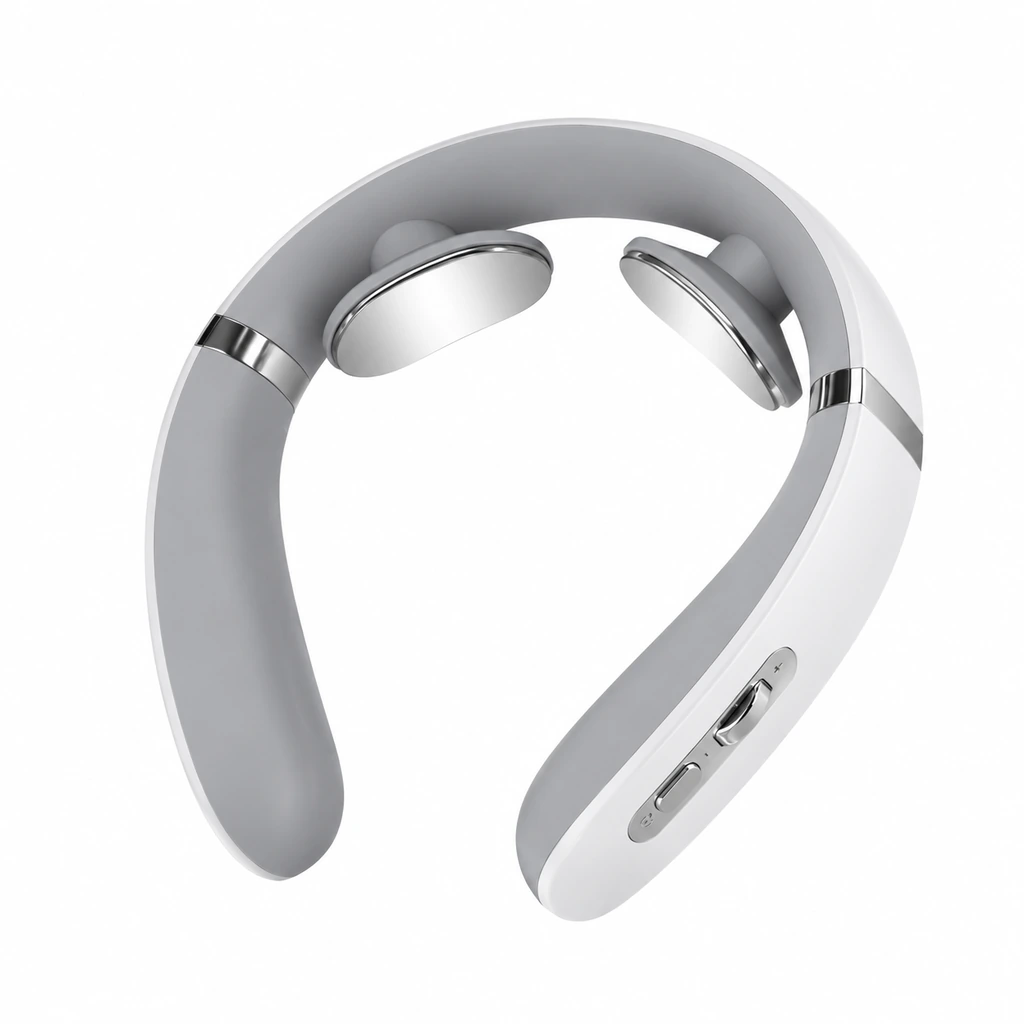
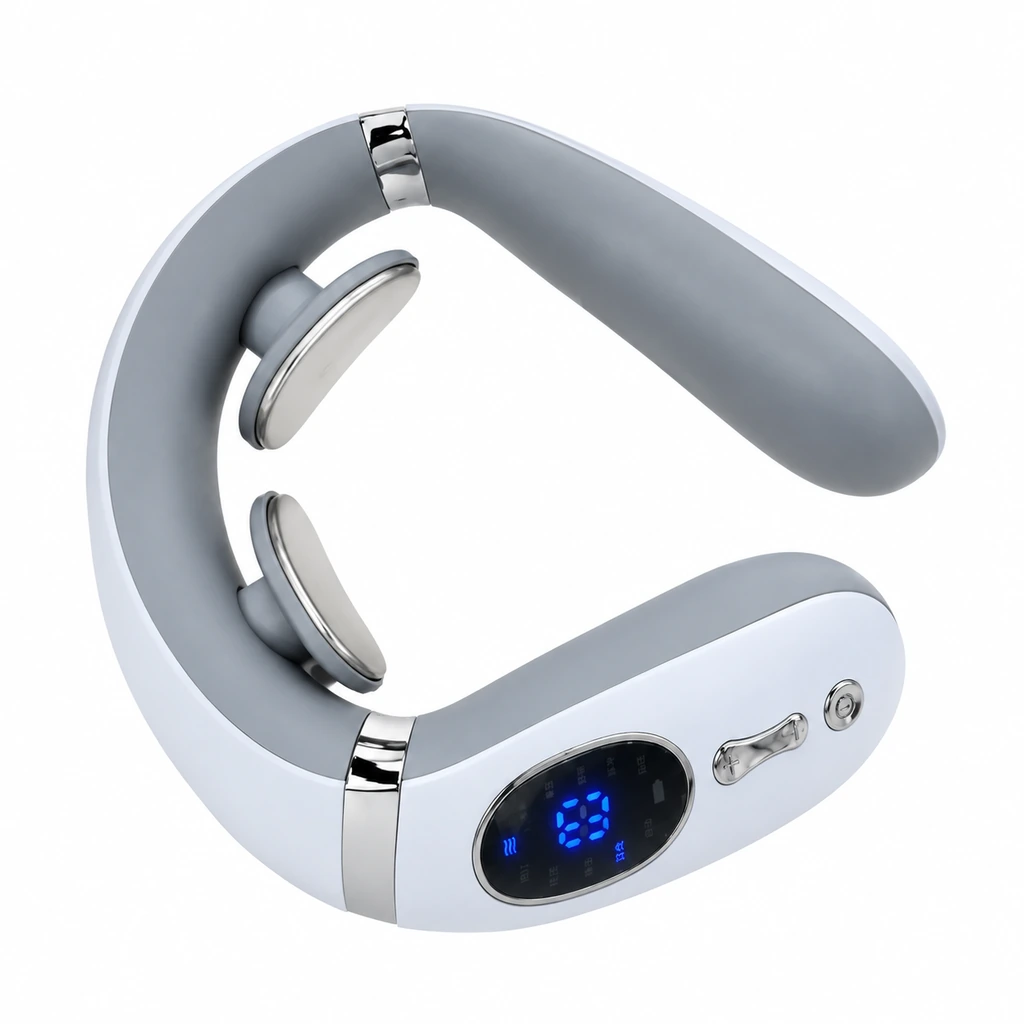
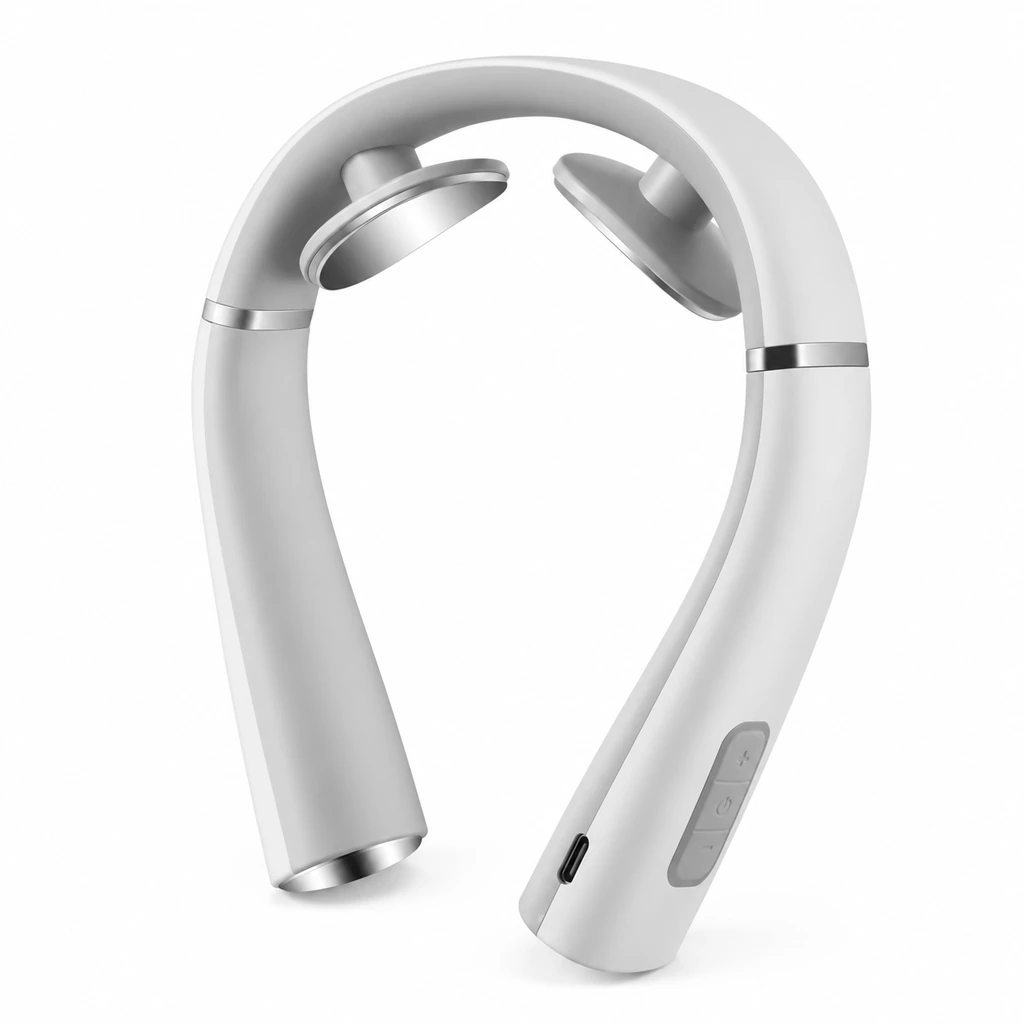
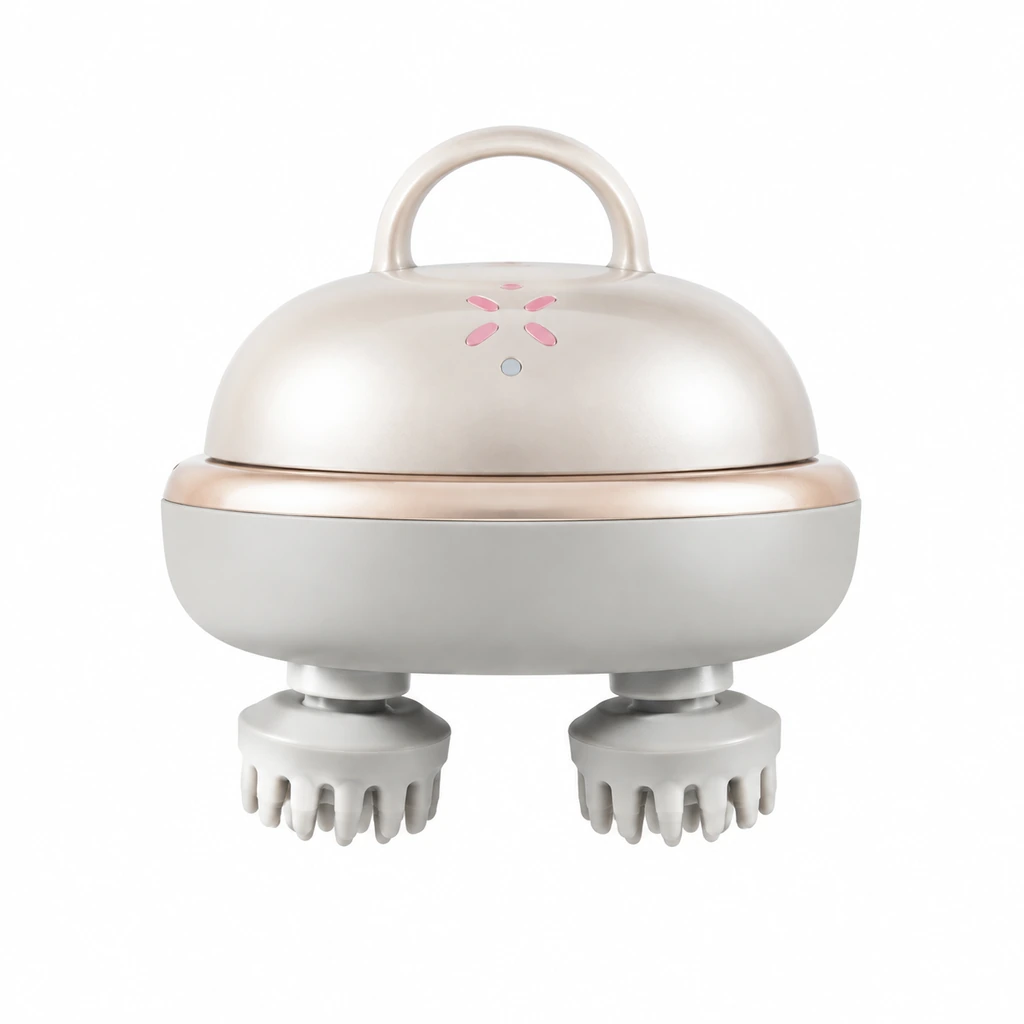
The Meilan T1 product page describes three adjustable speed levels. A T1 instruction sheet describes one body button: a short press starts the device and adjusts intensity, a double press advances the direction sequence, and a press-and-hold switches it off. It associates purple, green and blue indicators with high, low and medium intensity respectively. These colour labels describe intensity, not rotation direction.
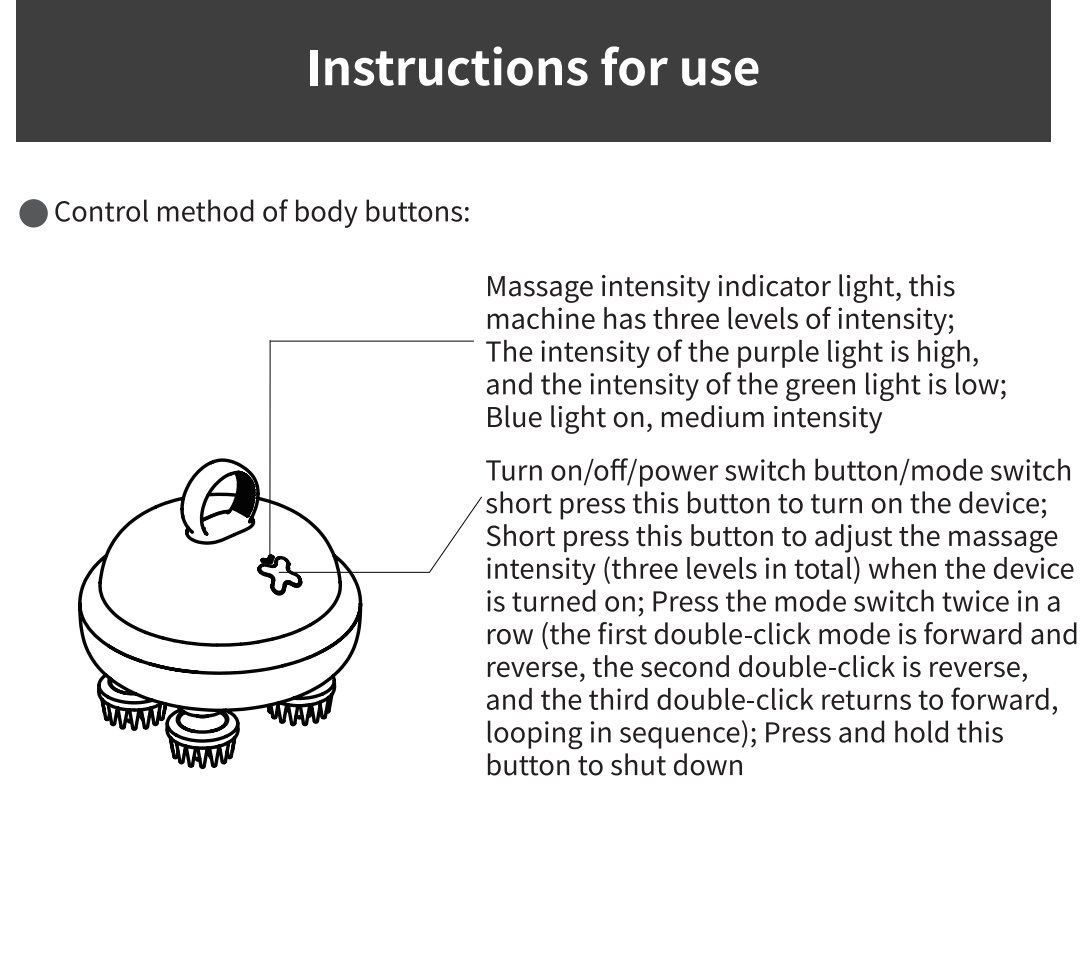
The sheet calls the successive double-press states “forward and reverse,” “reverse,” and “forward,” then says the sequence repeats. It does not give a measured rotation rate for each state. Put the three labels on the demonstration record, and ask the product team to clarify how “forward and reverse” appears on the exact sample before using a more specific retail phrase such as “alternating clockwise and counterclockwise.”
3. Test intensity without treating the label as a performance result
Start with a charged, identified sample on a dry, stable surface. Film the indicator and the contact heads in the same continuous take. Use the same short-press sequence for each level, noting the colour, the order in which levels appear, the sound and visible head movement. Then repeat the cycle after shutdown. If the unit skips a level, changes direction unexpectedly or shows a different indicator mapping, record that difference beside the manual version instead of assigning a familiar mode name.
Do not convert “high,” “medium,” and “low” into a revolutions-per-minute comparison without an appropriate measurement. The buyer can describe the selectable levels after the sample and instructions agree. A claim that one level is faster by a stated percentage, quieter, or more forceful needs its own method, instrument, conditions and results.
4. Document the direction sequence head by head
For a direction check, keep the camera fixed beneath or beside the device and mark which side is the front of the housing. Record the starting state, each double press, the indicator response and the movement of each visible head. A clear underside video is more useful than an arrow graphic because it shows whether all heads respond together, in pairs or in another pattern on the sample being quoted. Repeat the sequence once to see whether it returns to the starting state.
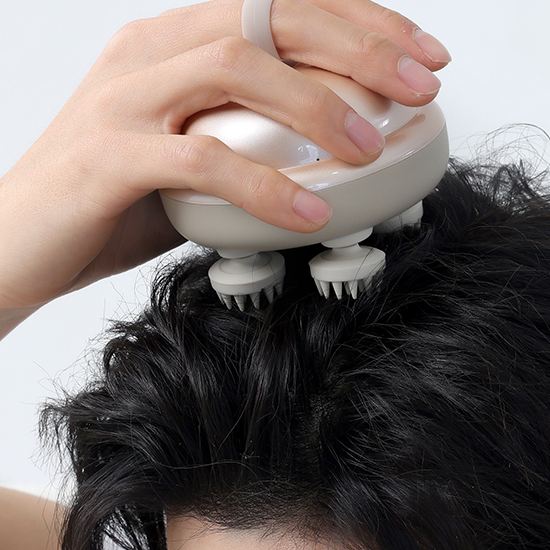
Do not infer clockwise or counterclockwise from a still photo: the answer changes with the viewing side, and the photo does not show motion. If a supplier uses “360-degree rotation,” ask whether that refers to the travel of each head, the device's handling angle or a promotional description. The test plan should identify the moving part and the observation method before a numeric or geometric claim reaches a listing.
5. Compare the demonstration under controlled conditions
Make one short, uncut video per sample with the model label visible at the start. Record the charge state, surface or hair condition, whether the heads are loaded against hair, camera angle, press timing and the time spent in each state. A bench demonstration can establish a button and direction sequence; it does not by itself establish how the product feels during use. A supervised use check can add observations, but testers should report their own experience rather than a universal comfort result.
If two suppliers quote a “stronger” or “deeper” motion, ask each for the definition and test conditions. Head shape, contact pressure, hair density and handling can change what a person notices. Without a common measurement method, a side-by-side impression is a sample note, not a ranked performance claim. Keep any dry or wet-use trial within the exact model instructions and supporting water-resistance documents; motion controls do not establish water suitability.
6. Translate supplier labels into retail-ready descriptions
A T1 product-detail image gives three levels descriptive Chinese names and links them to relaxation outcomes. Those names show how a supplier presents the product, but they are not a control specification or a measured benefit. For a personal-care brand, the clearer copy route is to state the demonstrated control: selectable intensity levels, the button action that changes them, and the direction states shown by the current instructions. Keep any wellness or scalp-effect claim in a separate evidence and market review.
A salon retailer also needs a repeatable staff demonstration. Give staff a one-page sequence with the sample ID, indicator colours, short-press steps, double-press states and shutdown action. Photograph the approved unit and keep the training clip with the versioned instructions. When artwork is translated, review “mode,” “intensity,” and “direction” separately so a localized page does not turn one control into three independent functions.
7. Approve a comparison sheet and request the right sample
Use the table below for each quoted configuration. Enter “not shown” when a supplier description has no matching demonstration; do not fill a blank with an assumption from another T1 page or revision.
| Decision item | Document or demonstration | Buyer decision |
|---|---|---|
| Model and version | Quote, label, specification and instruction revision match | Accept comparison baseline or request the correct unit |
| Intensity levels | Continuous short-press video with indicator and head view | Approve selectable-level wording or resolve a mismatch |
| Direction states | Fixed-angle underside video through every double-press state | Approve exact state wording or request clarification |
| Numeric performance | Method, instrument, load, power state and dated result | Publish only a claim the matched result supports |
| Training and listing | Approved demo clip, instructions and translated artwork | Release staff and retail copy together |
Review the Meilan head massager range to frame the selection. For a T1 inquiry, send the target market, sales channel, intended quantity and completed comparison sheet to the Meilan sales team. Request a version-identified sample, its current instruction sheet and a complete direction demonstration before approving the final description.
Buyer FAQs
Are three speed levels the same as three massage modes?
No. A level describes a selectable intensity state. A mode needs a defined behaviour; ask which control or movement actually changes.
Does a double press change T1 speed or direction?
A T1 instruction sheet assigns a double press to the direction sequence and a short press to intensity. Check that mapping on the quoted version.
Can a still product image prove forward and reverse rotation?
No. Record a continuous, fixed-angle video of the contact heads and identify the viewing side.
Can buyers compare “stronger massage” across suppliers without a test method?
Only as a clearly attributed sample observation. A comparative performance claim needs a shared definition, conditions and results.
What should accompany an RFQ for motion settings?
Include the exact model and version, required intensity and direction functions, market, packaging language, demonstration protocol and any numeric claims you expect to use.

