



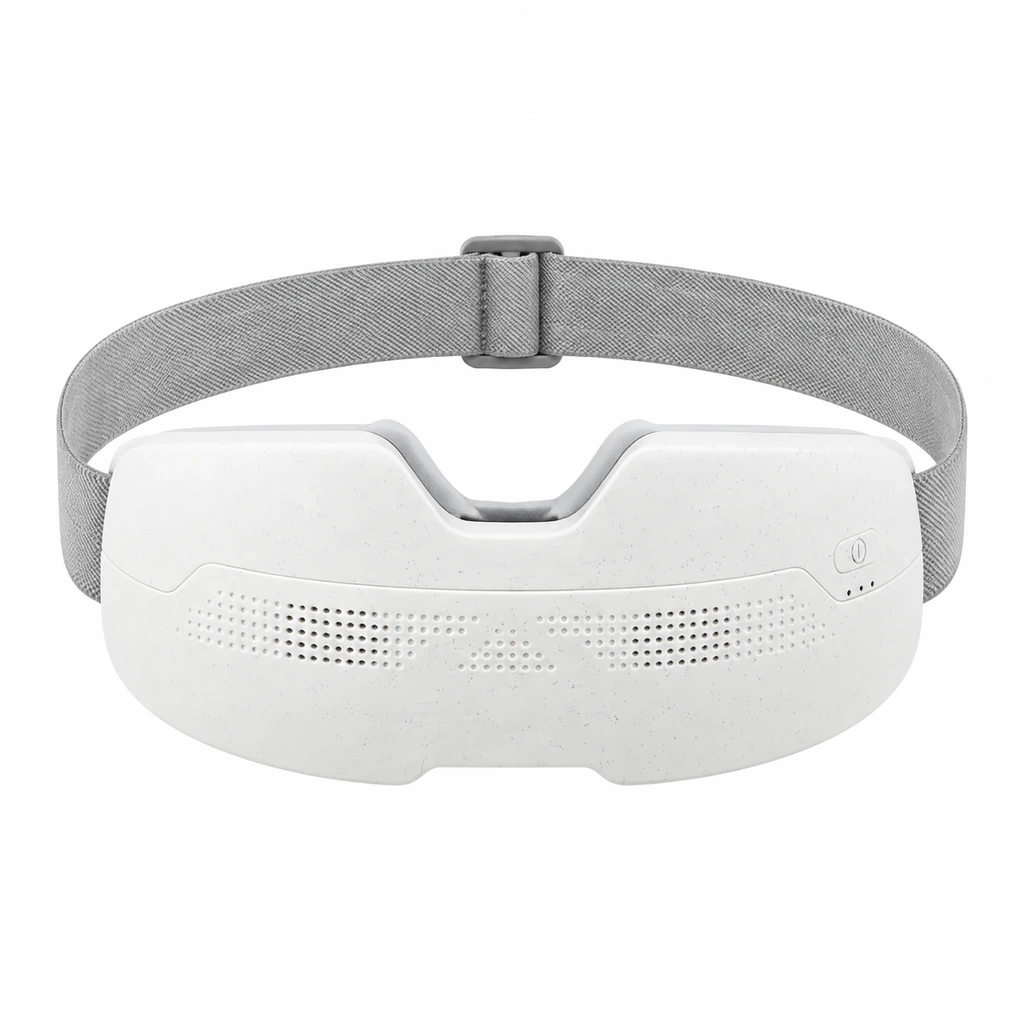
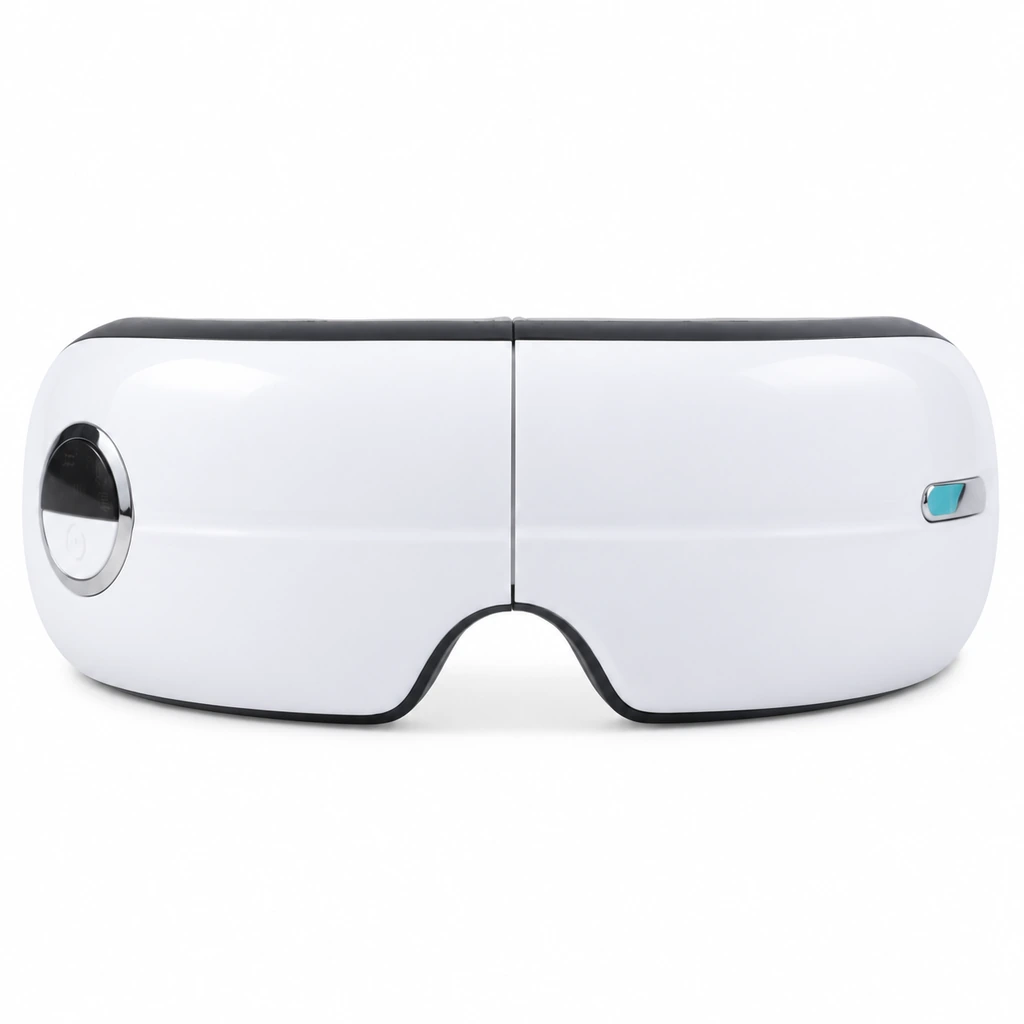
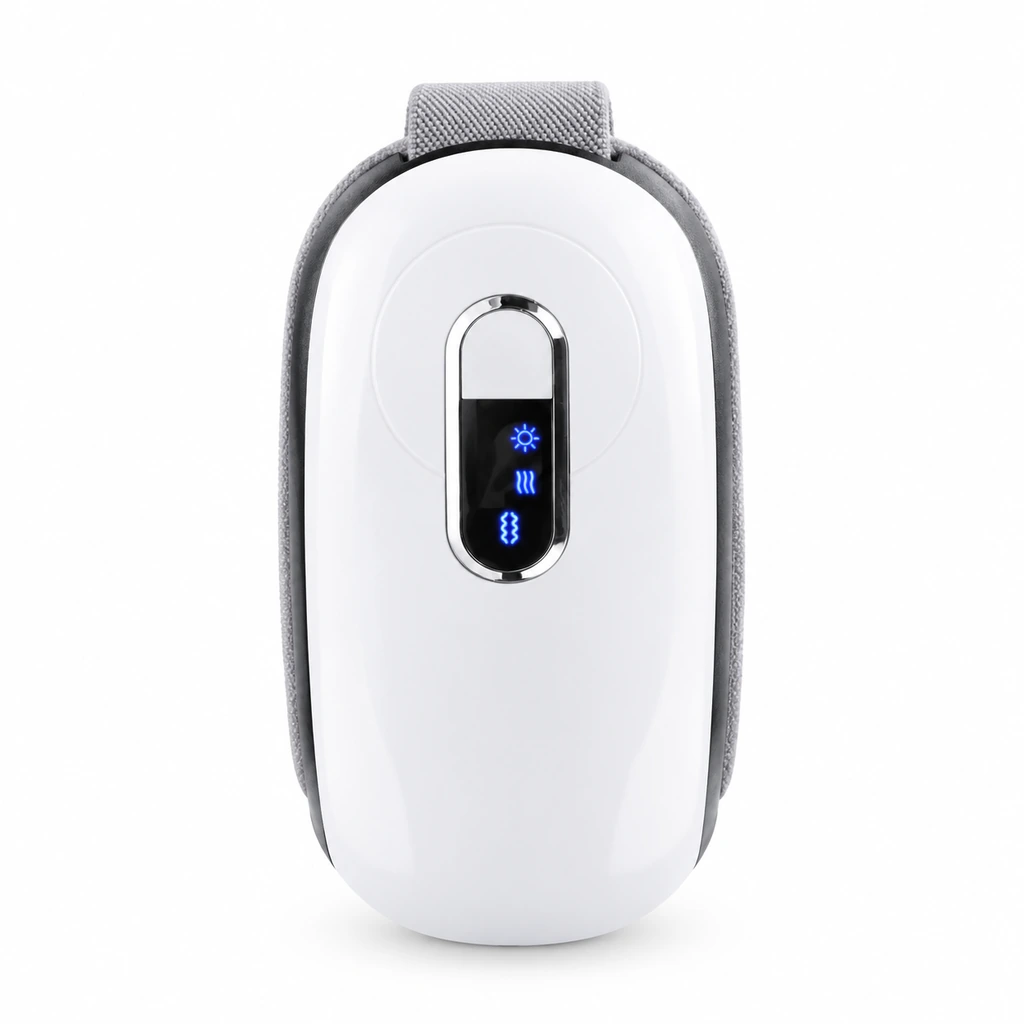
Scalp Massager Cleaning Instructions
Review scalp massager cleaning instructions as a sequence: switch off, identify removable parts, clean only by the approved method, dry the unit and charging area, then prepare it for charging or storage. The Meilan T1 manual lists these steps, but buyers should match its revision to the quoted sample and packaging. Its wording about washing the main body with water needs a precise supplier explanation before it becomes retail copy.
 Meilan Tech 6 min read

Review scalp massager cleaning instructions as a sequence: switch off, identify removable parts, clean only by the approved method, dry the unit and charging area, then prepare it for charging or storage. The Meilan T1 manual lists these steps, but buyers should match its revision to the quoted sample and packaging. Its wording about washing the main body with water needs a precise supplier explanation before it becomes retail copy.
1. Treat the Manual as a Version-Controlled Purchase Document
Cleaning copy is part of the product specification. A buyer needs the exact model and revision, permitted removals, moisture limits and charging preparation. A generic “washable” label cannot answer those questions.
The supplied T1 English manual identifies model T1 and gives separate panels for charging, use, product parameters, and cleaning and maintenance. Use it as a baseline, then request the current manual tied to the quoted configuration. Record revision, language, model label and artwork date.
For a personal-care brand, this controls the customer leaflet and care page. For a salon retailer, it controls the staff demonstration and response when moisture is found near the charging area.
2. Map the Cleaning Sequence Before Testing a Sample
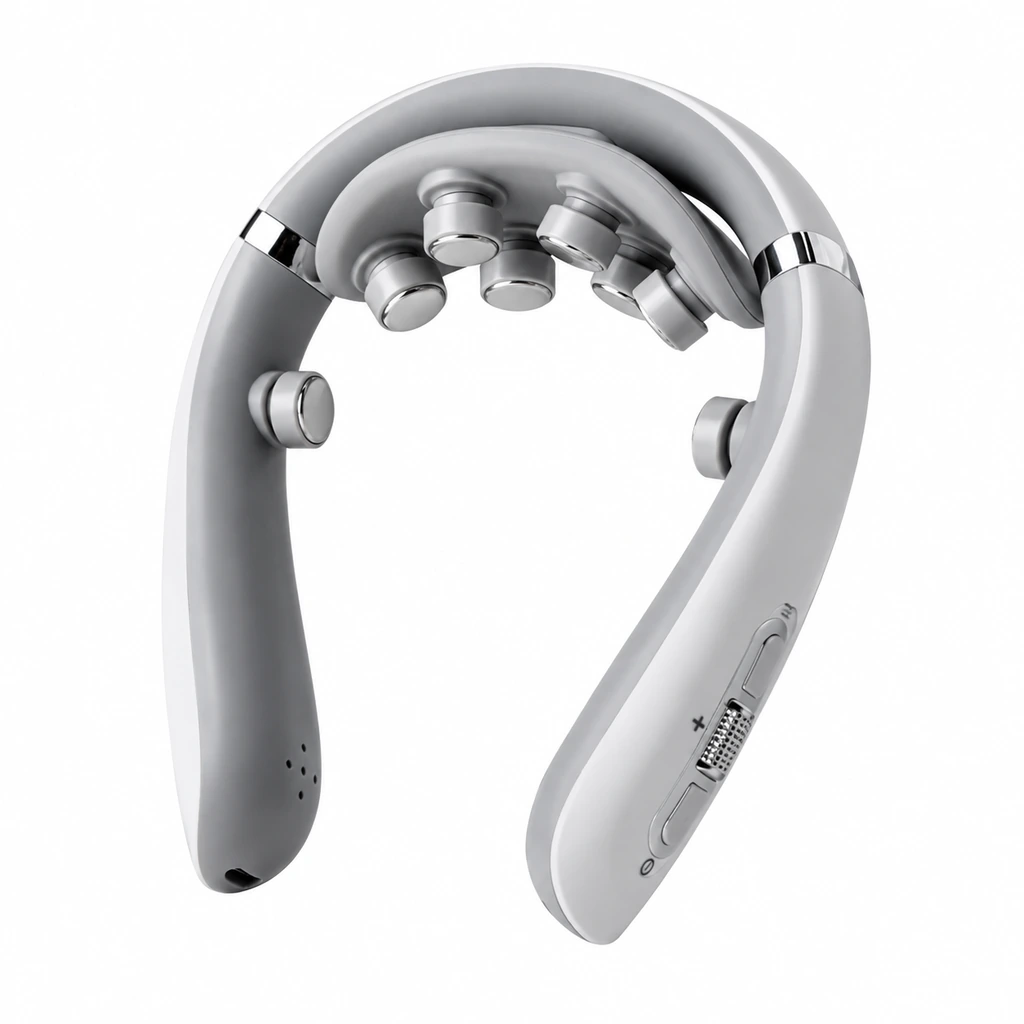
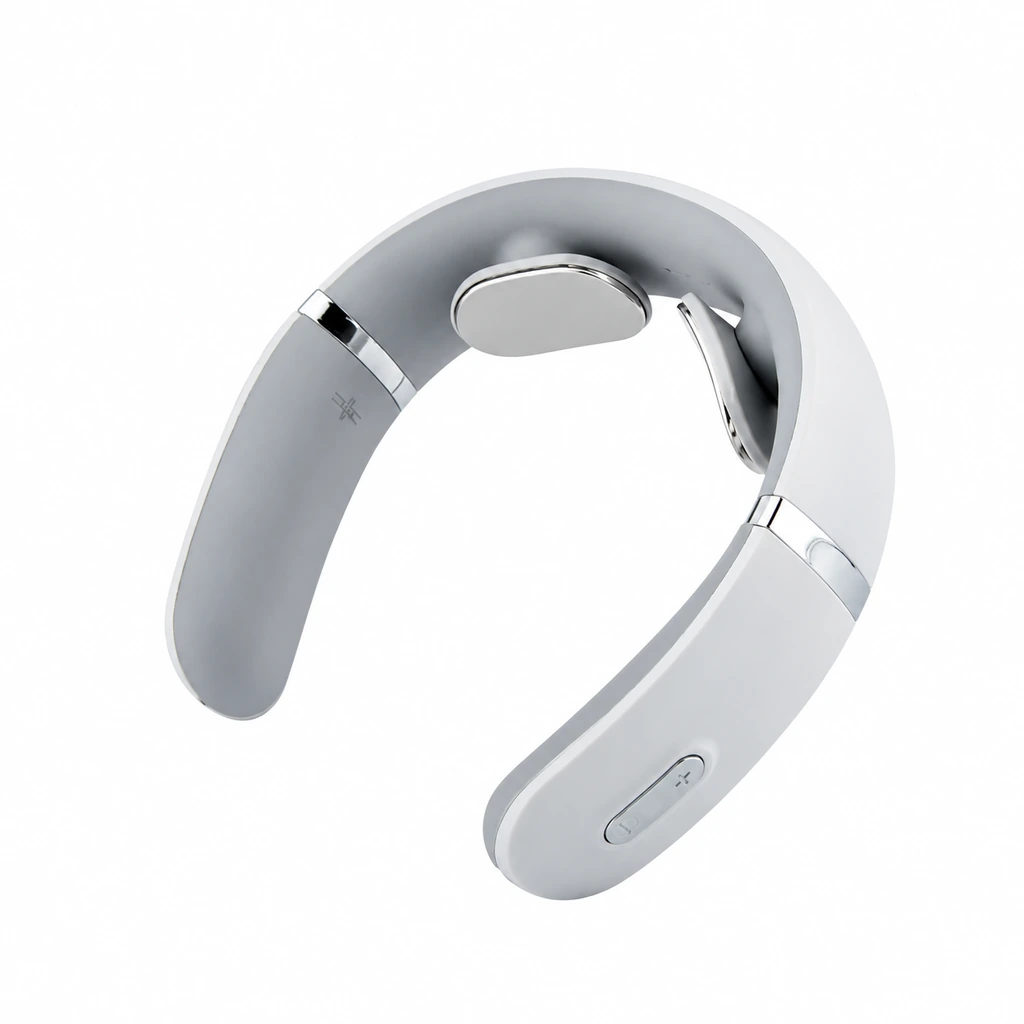
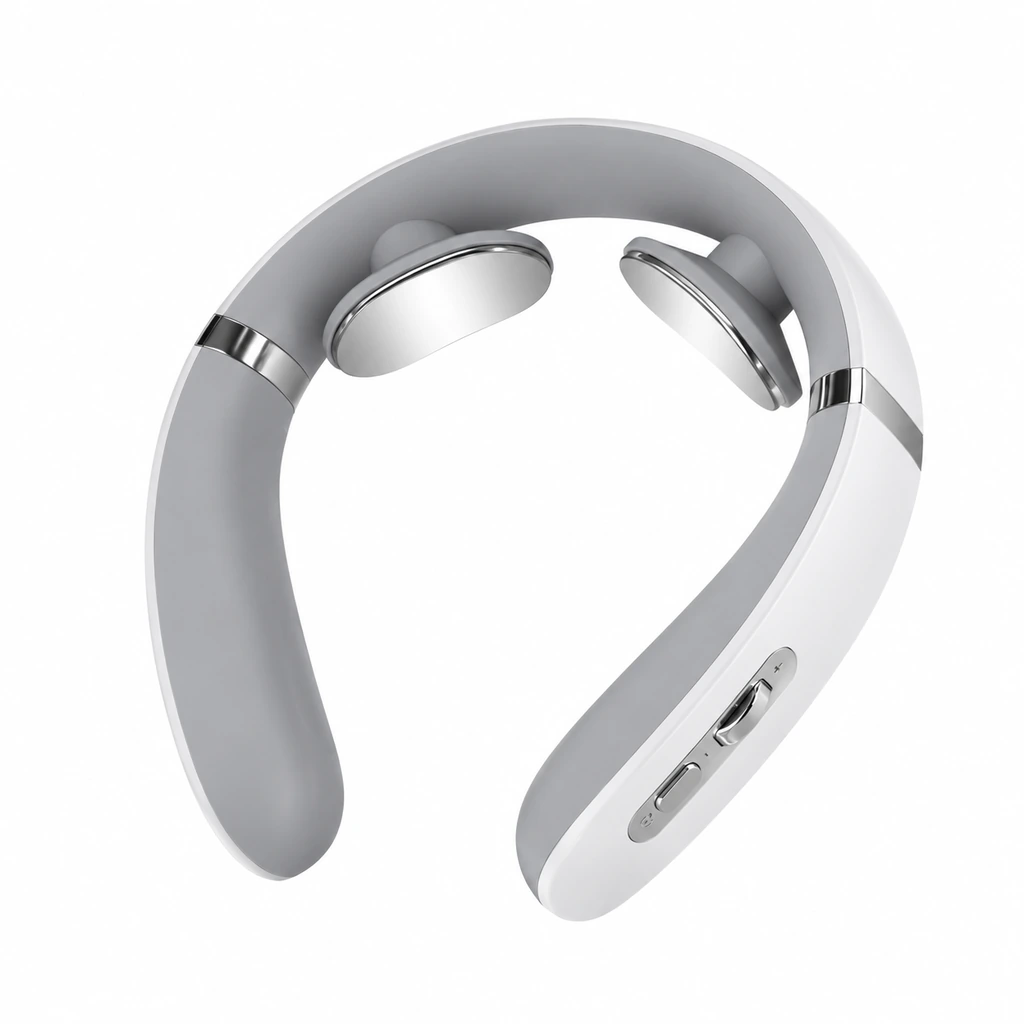
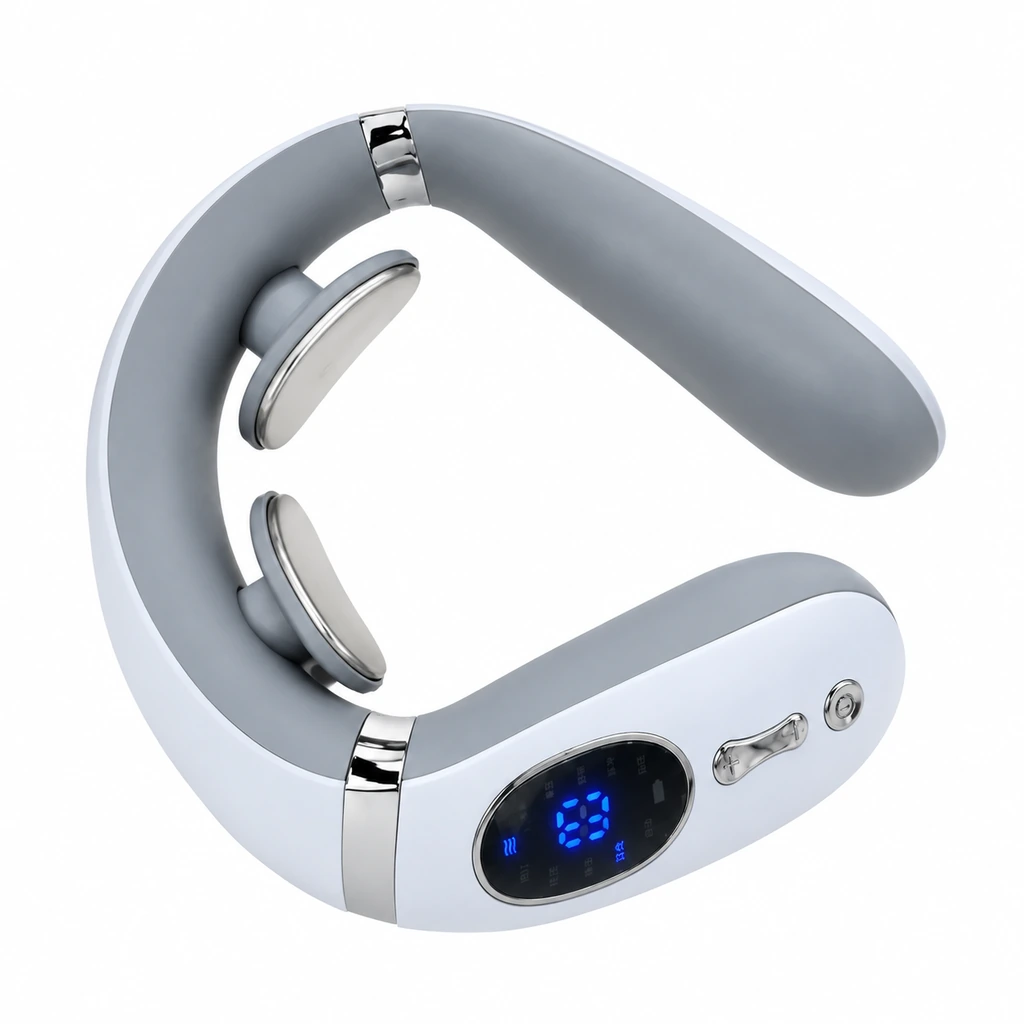
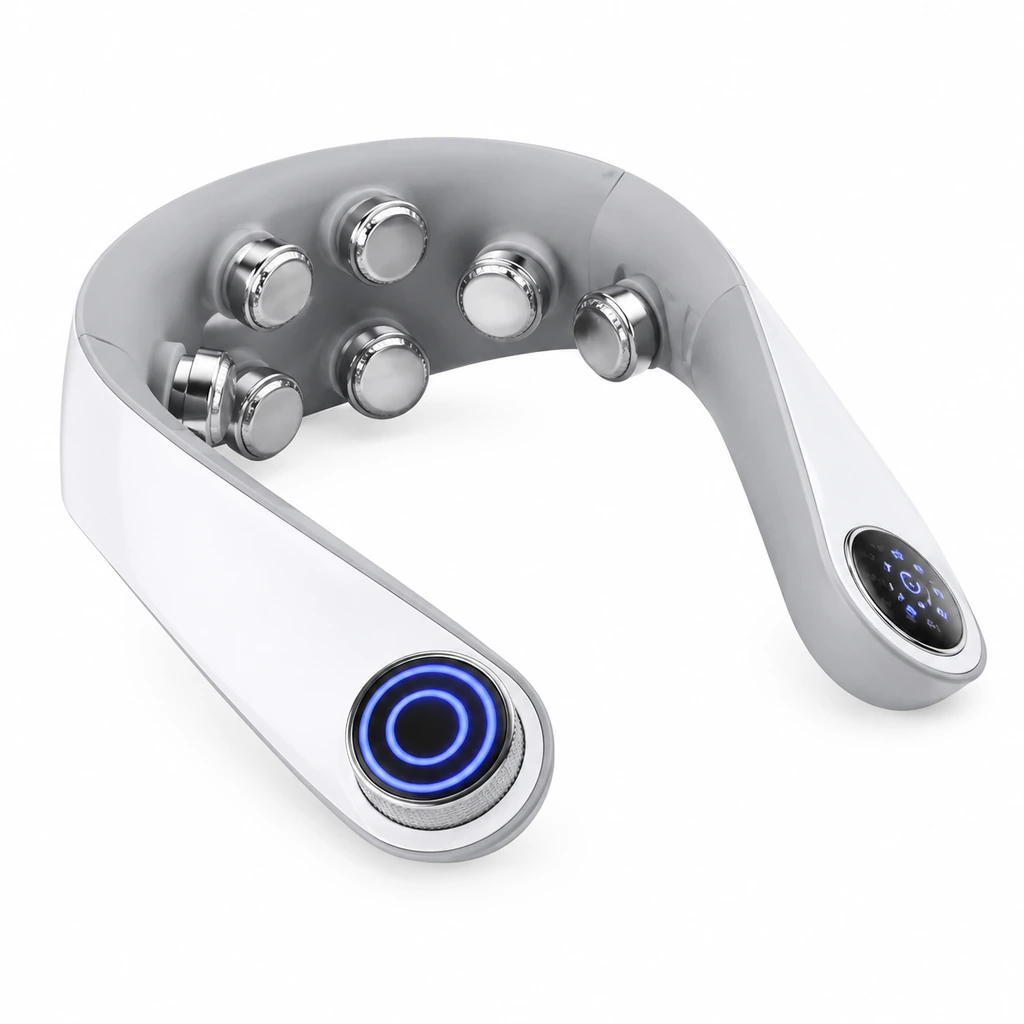
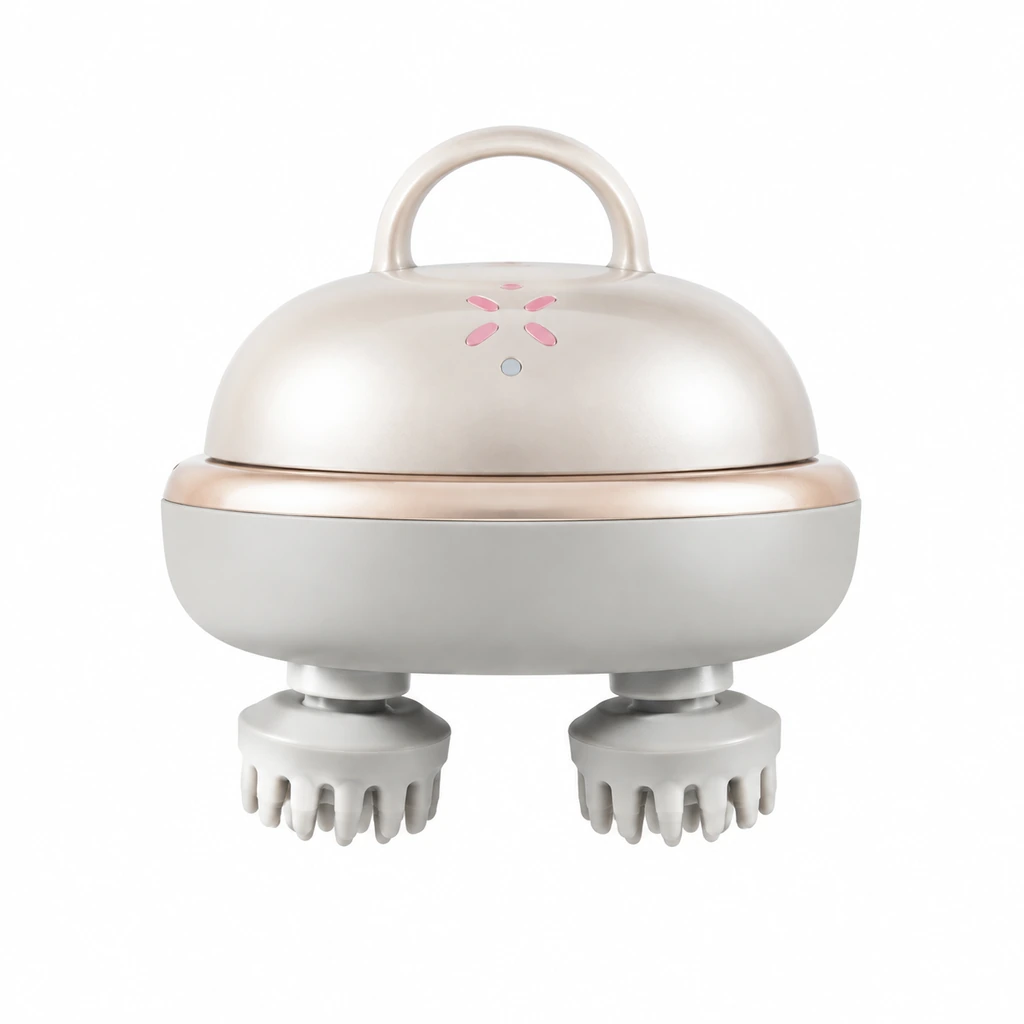
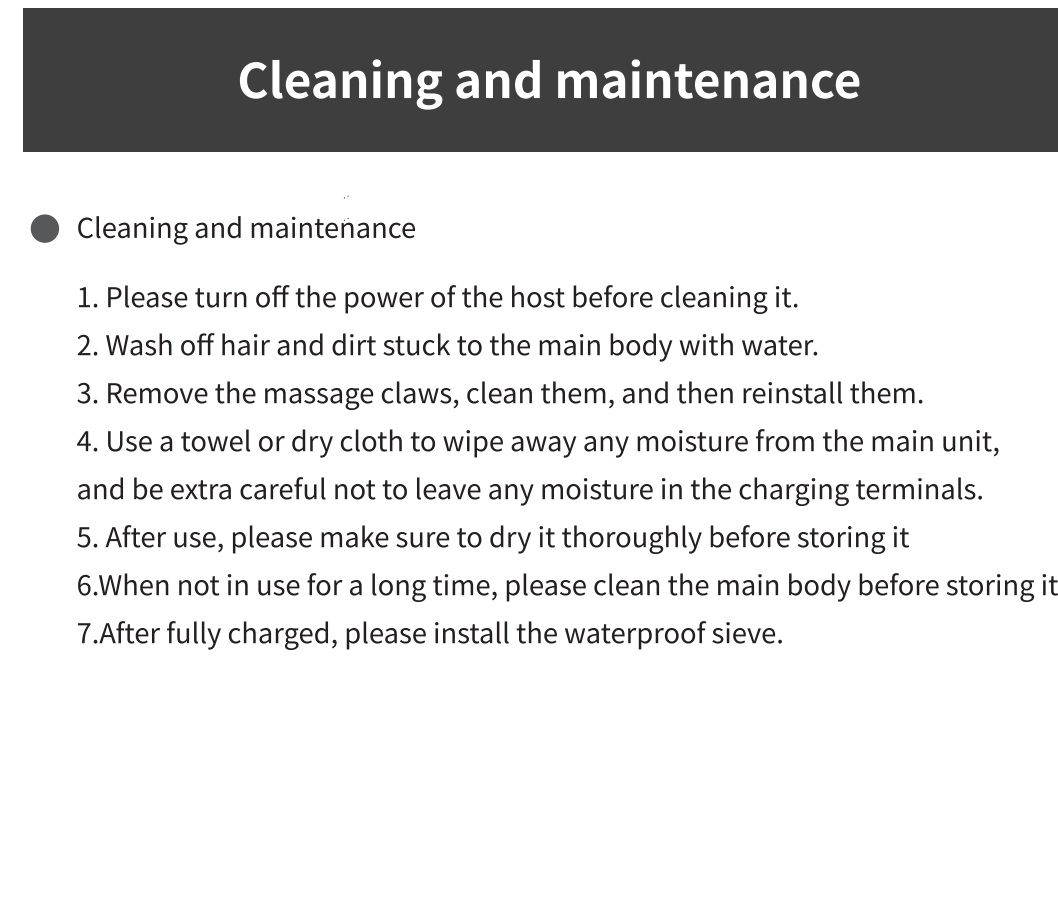
The T1 manual says to turn off the host before cleaning, wash hair and dirt from the main body with water, remove the massage claws, clean them and reinstall them. It then directs the user to wipe moisture from the main unit with a towel or dry cloth and avoid moisture in the charging terminals.
Do not silently improve ambiguous wording. Ask whether “wash” means wiping, a controlled rinse or another method; which areas must stay dry; and whether the sequence applies to every revision. Use the narrowest confirmed method in customer copy.
Film one complete sequence with the unit off. Record which claws detach, whether residue remains at the base, whether reinstallation is straightforward and whether the illustration matches the sample.
3. Inspect Disassembly and Reinstallation Without Damaging the Mount
A removable massage claw is not automatically a consumer-replaceable spare. Distinguish routine cleaning access from service disassembly and a separately orderable part.
Photograph the installed arrangement, perform the manual’s removal step without pulling by guesswork, and photograph the interface. After cleaning and drying, reinstall the claws and check seating, alignment, movement and wobble. Agree a repeat count with the supplier; do not turn one demonstration into a durability claim.
If replacement supply matters, request a head assembly drawing, part number and compatibility list. If no spare SKU or reorder terms exist, limit retail copy to cleaning access.
4. Separate Drying From Charging Readiness
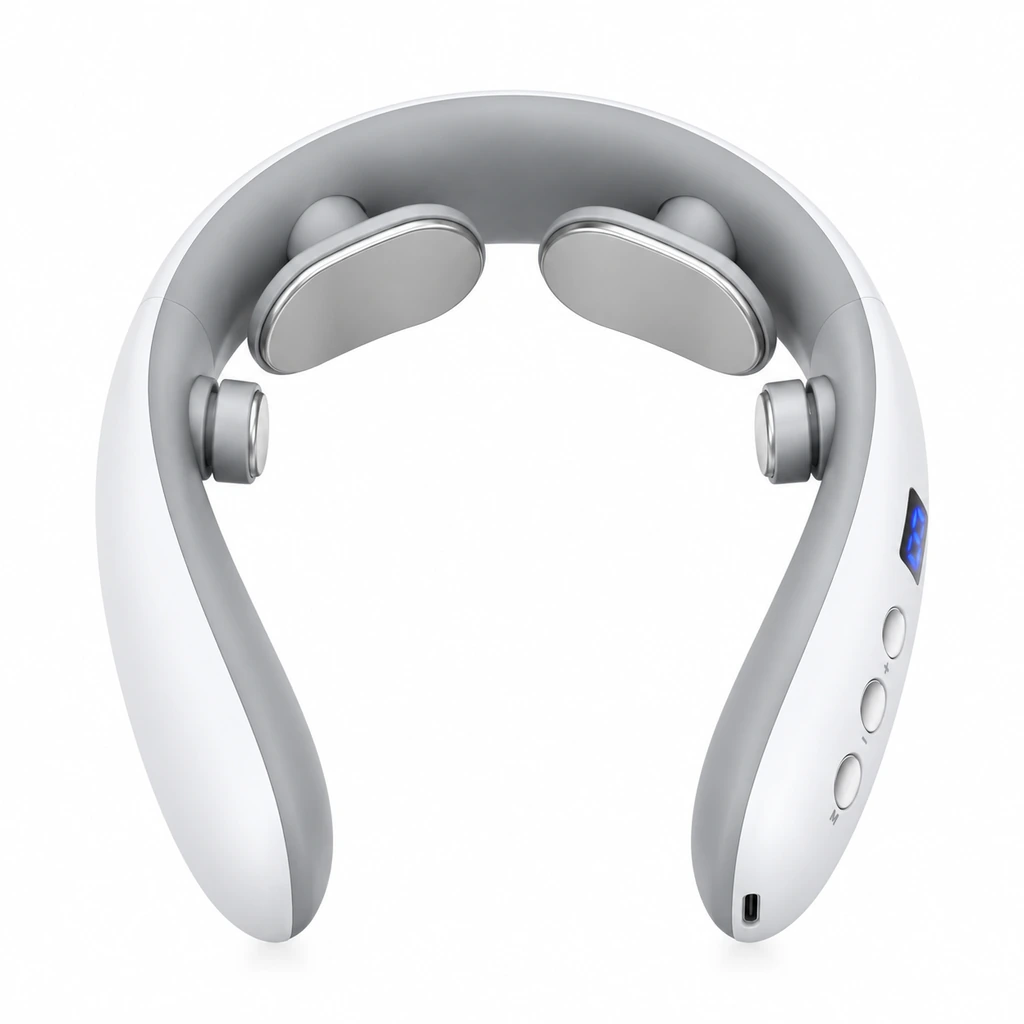
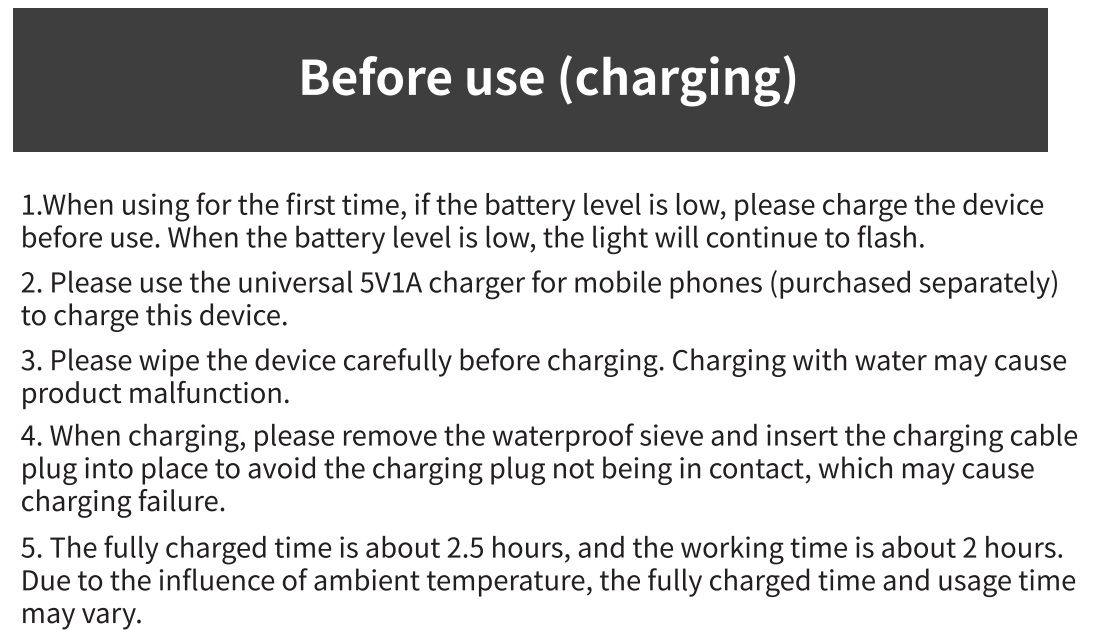
The T1 charging panel says to wipe the device carefully before charging because charging with water may cause malfunction. It also instructs the user to remove the waterproof sieve before inserting the cable and install it again after full charge. These are preparation steps, not proof of waterproof or shower use.
After cleaning, show the towel or dry-cloth step, inspect terminals and the opening, confirm the unit is thoroughly dry, then record when charging may begin. Ask whether “waterproof sieve” is the current term and what component it identifies.
If the channel needs wet-hair or shower instructions, request model- and revision-specific water-ingress and electrical tests. Cleaning and charging precautions do not establish a wet-use rating.
5. Match the Instructions to the Sample and Pack
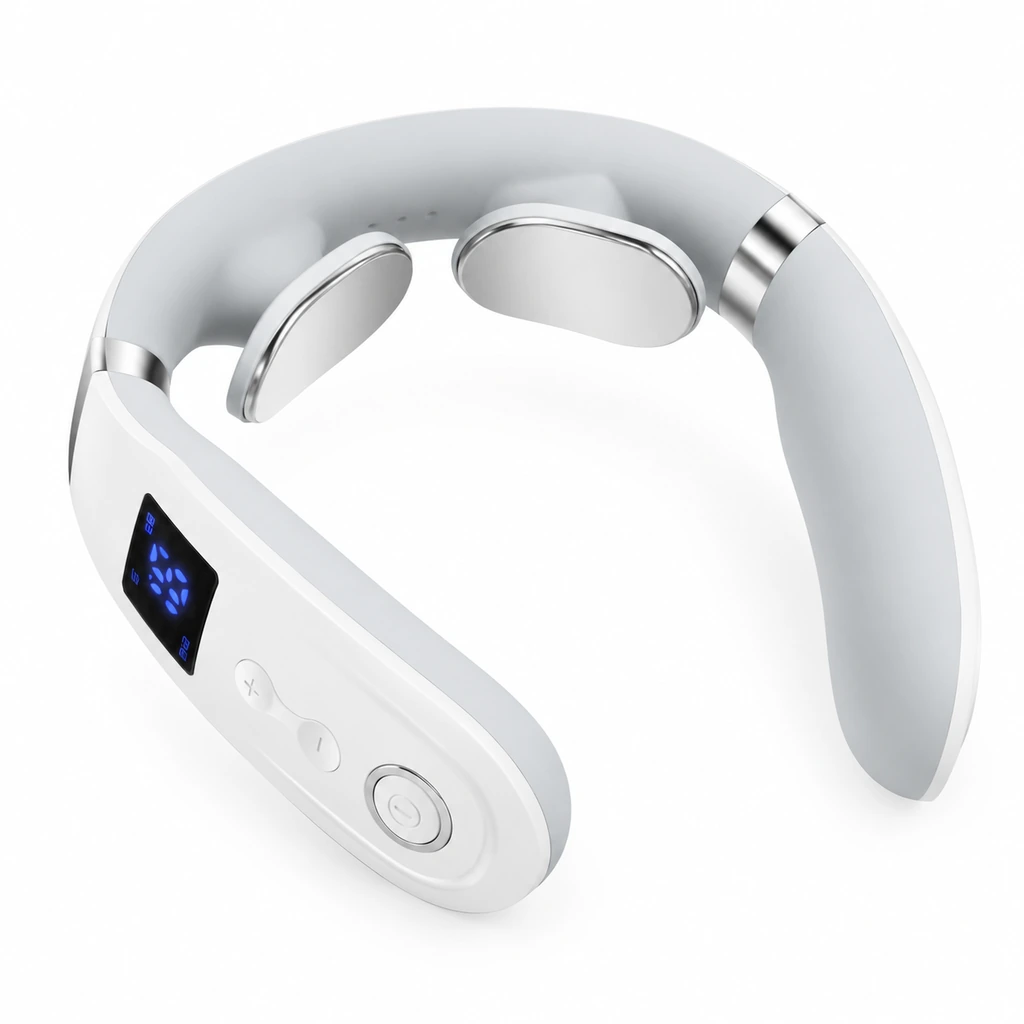
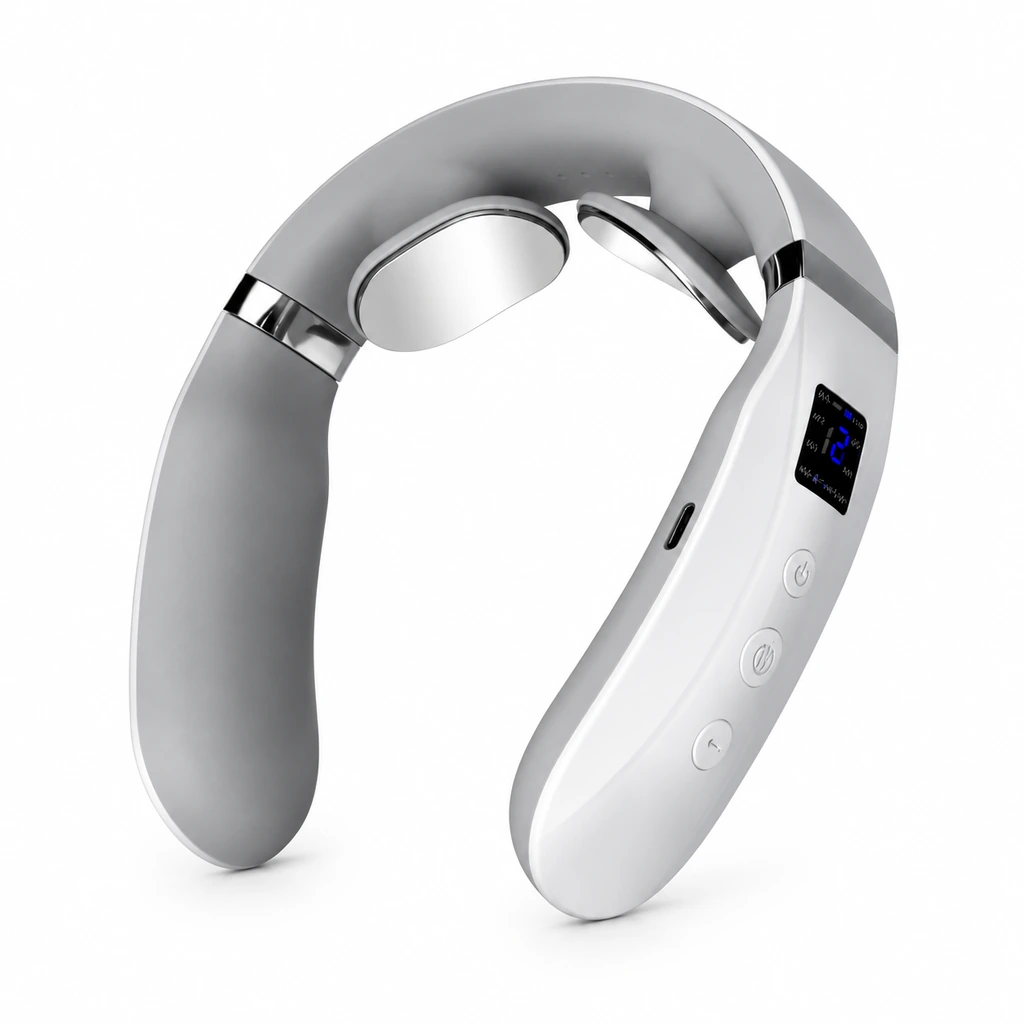
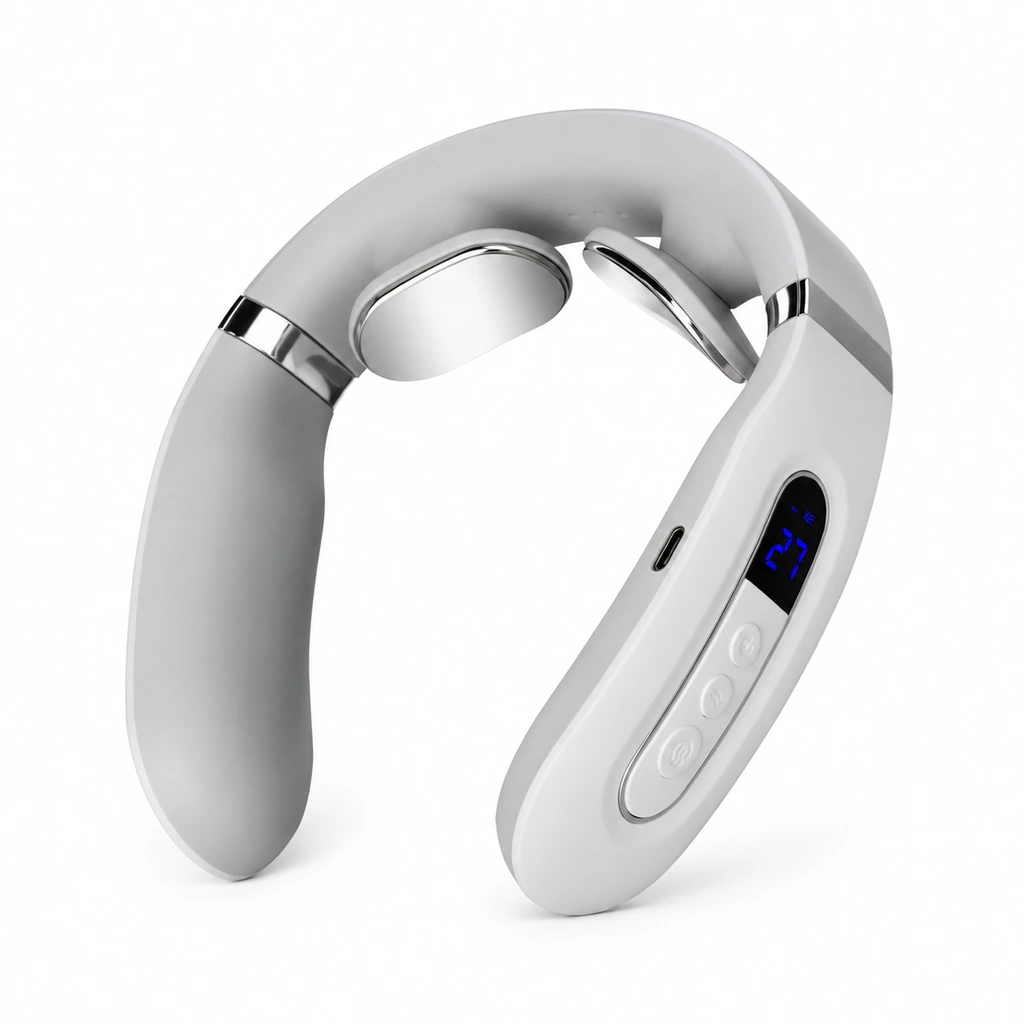
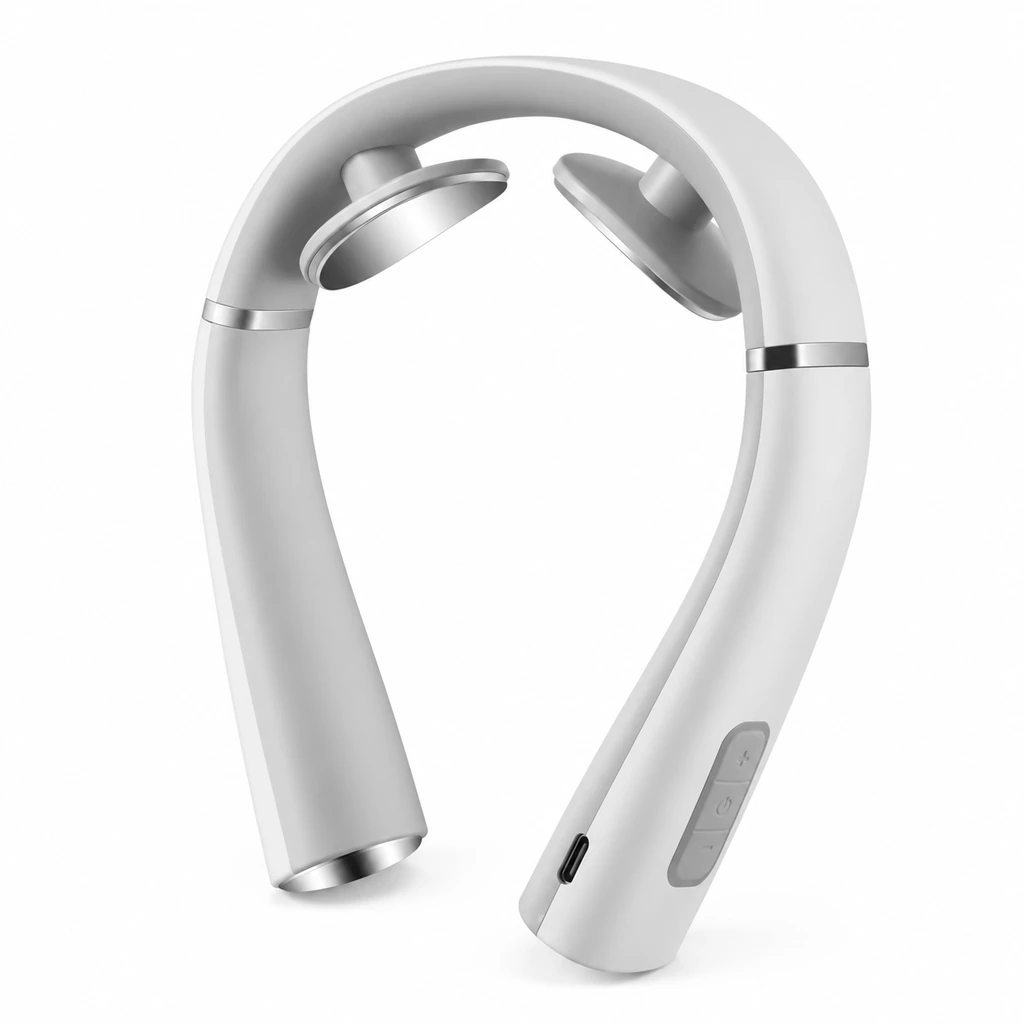
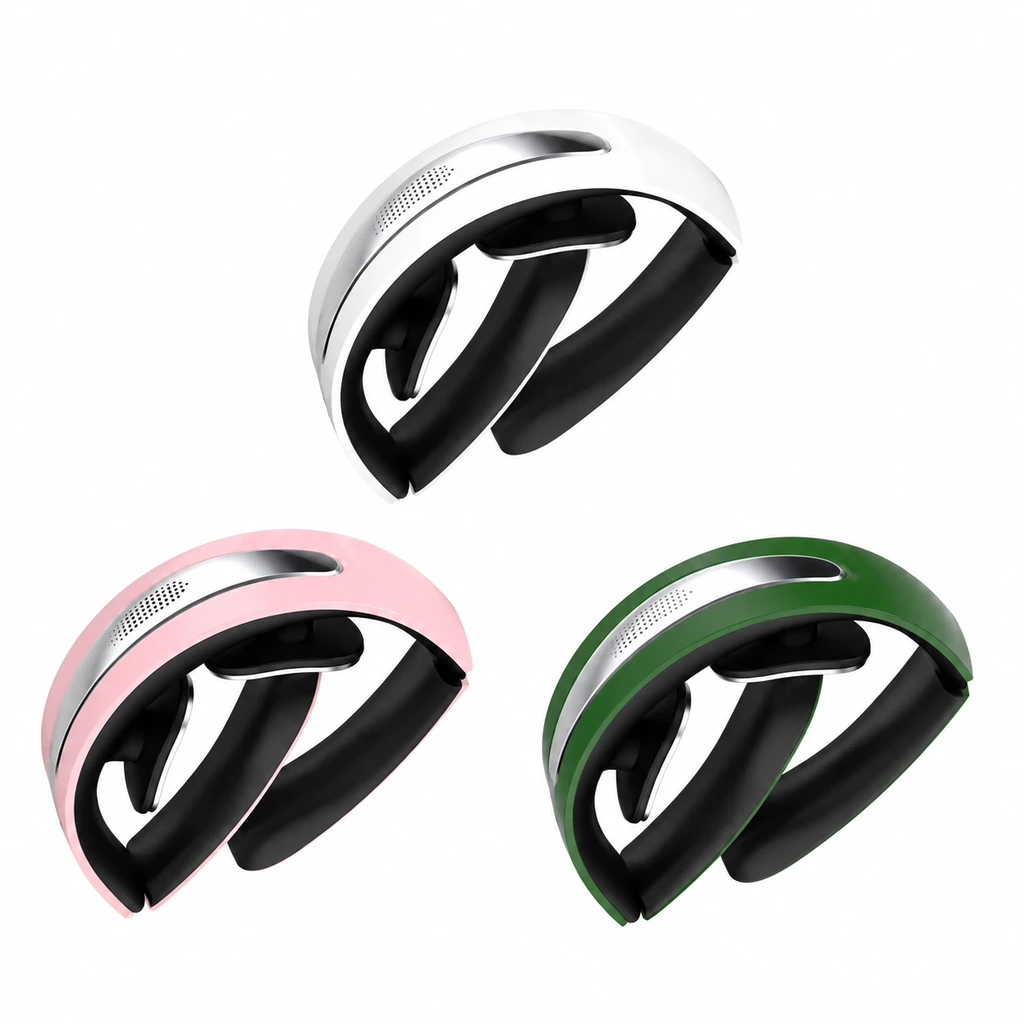
Compare the model label, installed claws, cable and charging-port cover on the quoted sample with the same-version manual and retail pack. A mismatch matters even when the model name remains T1: the customer may follow the wrong removal, drying or charging step.
Keep a sample record that links the device and claw photographs, manual language and revision, packaging artwork, a continuous cleaning demonstration and the supplier’s written answer to any ambiguous step. Approve the consumer instructions only after the pictured components and sequence match the sample.
For a repeat order, recheck the claw mount, port cover, cable and instruction insert against the approved master. If a part or instruction changes, review the cleaning copy and evidence before printing the next batch.
6. Set Channel-Specific Cleaning and Service Decisions
A personal-care brand selling home use needs concise steps, drying language and a support path when charging problems follow cleaning. A salon retailer may need a staff demonstration, drying time and a decision on shared use. Neither channel should infer disinfection from household washing.
Ask whether a named detergent or disinfectant may be used and request compatibility evidence for chemical and contact time. Record who removes and reinstalls claws and what happens if moisture is found near terminals.
Keep observations separate from evidence. “Claws were reinstalled after drying” is a sample observation; waterproof, universal scalp safety and all-disinfectant resistance require separate support.
7. Approve the Cleaning Copy With a Decision Checklist
At quotation, confirm model and manual revision. At sample approval, demonstrate removal, cleaning, drying and reinstallation. Before artwork release, compare manual, pack-out, product page and service script where the instruction affects handling.
Hold approval when the main-body washing method, terminal drying requirement, waterproof-sieve term or version match is unresolved. If wet use is required, hold that claim until tests and limits are supplied.
For repeat orders, compare claw shape, charging opening, seal, cable, manual and cleaning steps with the approved master sample. Reopen review after any change.
| Approval item | Evidence or demonstration | If not matched |
|---|---|---|
| Manual version | Quoted model, revision, language and sample ID | Hold pack-in instructions |
| Removal sequence | Approved steps and continuous sample demo | Do not publish guessed steps |
| Body cleaning | Defined scope and method for “wash with water” | Use only clarified wording |
| Drying and charging | Terminal, port-cover and pre-charge check | Hold charging or wet-use copy |
| Reorder revision | Change comparison with master sample and artwork | Reopen instruction approval |
Buyer FAQ
Does “wash the main body” mean the powered unit is waterproof?
No. Define the permitted method and obtain model- and revision-specific water-ingress evidence before making a wet-use claim.
What must happen before charging after cleaning?
Follow the matched manual: wipe the device carefully, avoid moisture at charging terminals and use the stated plug or sieve procedure.
Can the massage claws be removed by the consumer?
The T1 manual shows a removal and cleaning sequence. Confirm the quoted revision and customer instructions match the sample.
Is a removable claw automatically a replacement spare?
No. Request a part number, compatibility list, price basis and reorder terms separately.
What should a salon verify before using disinfectant?
Request compatibility evidence for the named chemical and contact time.
Which manual fields belong in an approval file?
Keep model, revision, language, artwork date, charging instructions, cleaning sequence, drying requirement and sample ID.
See the Meilan T1 product page and the head massager collection. Use the Meilan contact page to request a version-matched manual, sample and cleaning demonstration for the quoted T1 configuration.

