



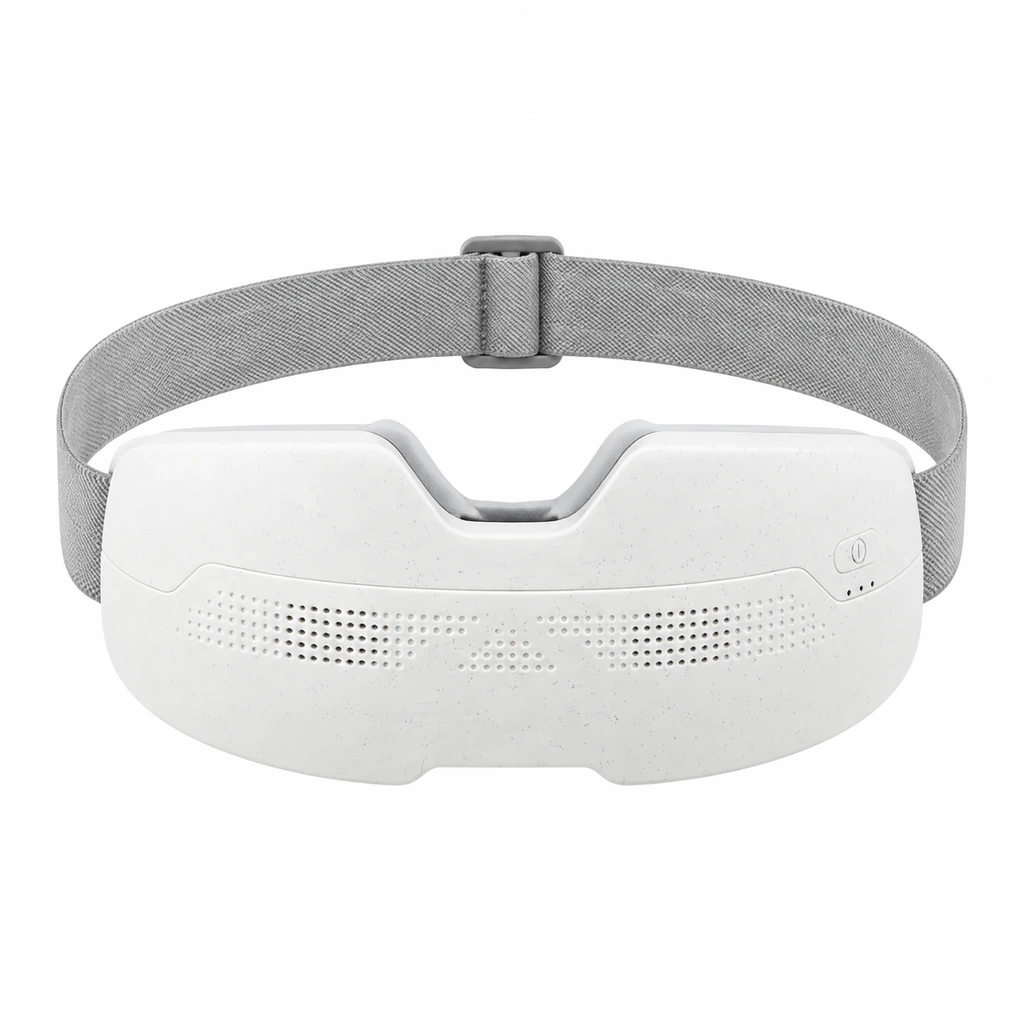
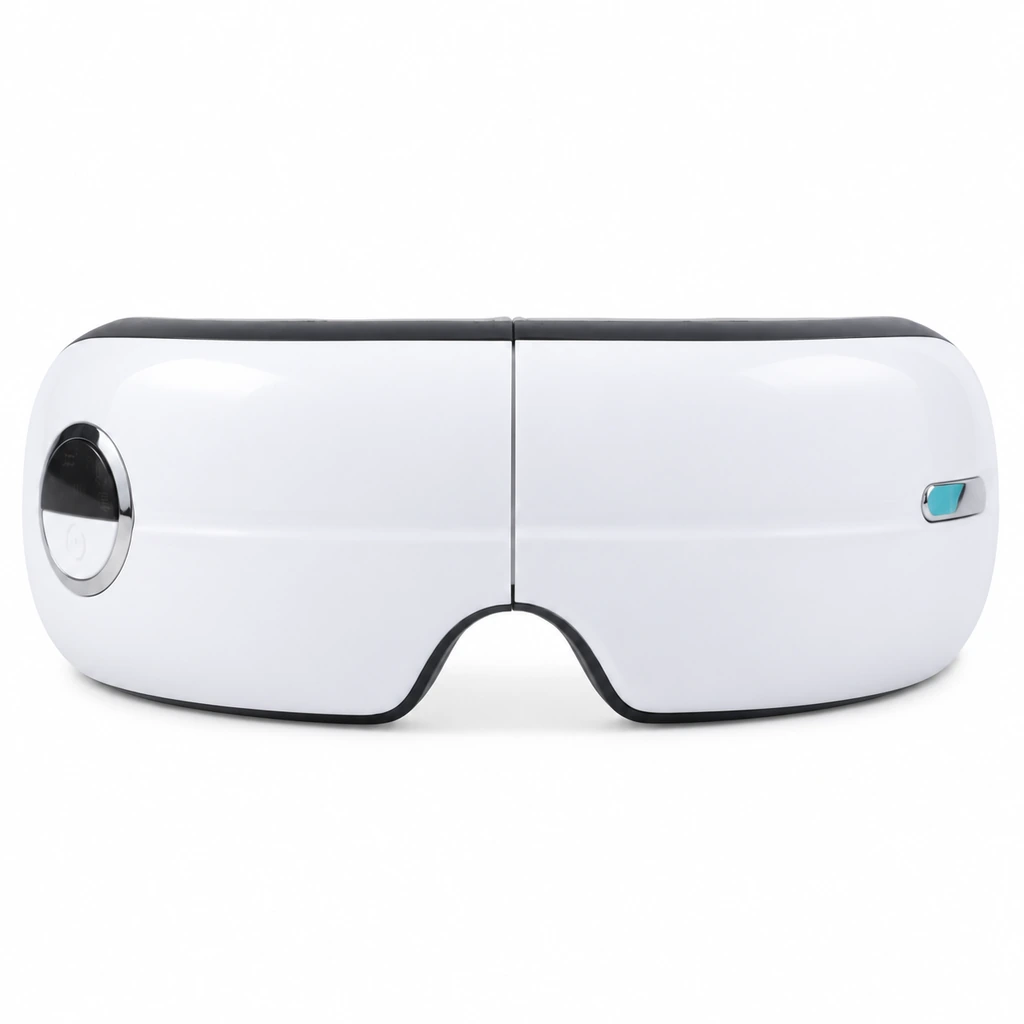
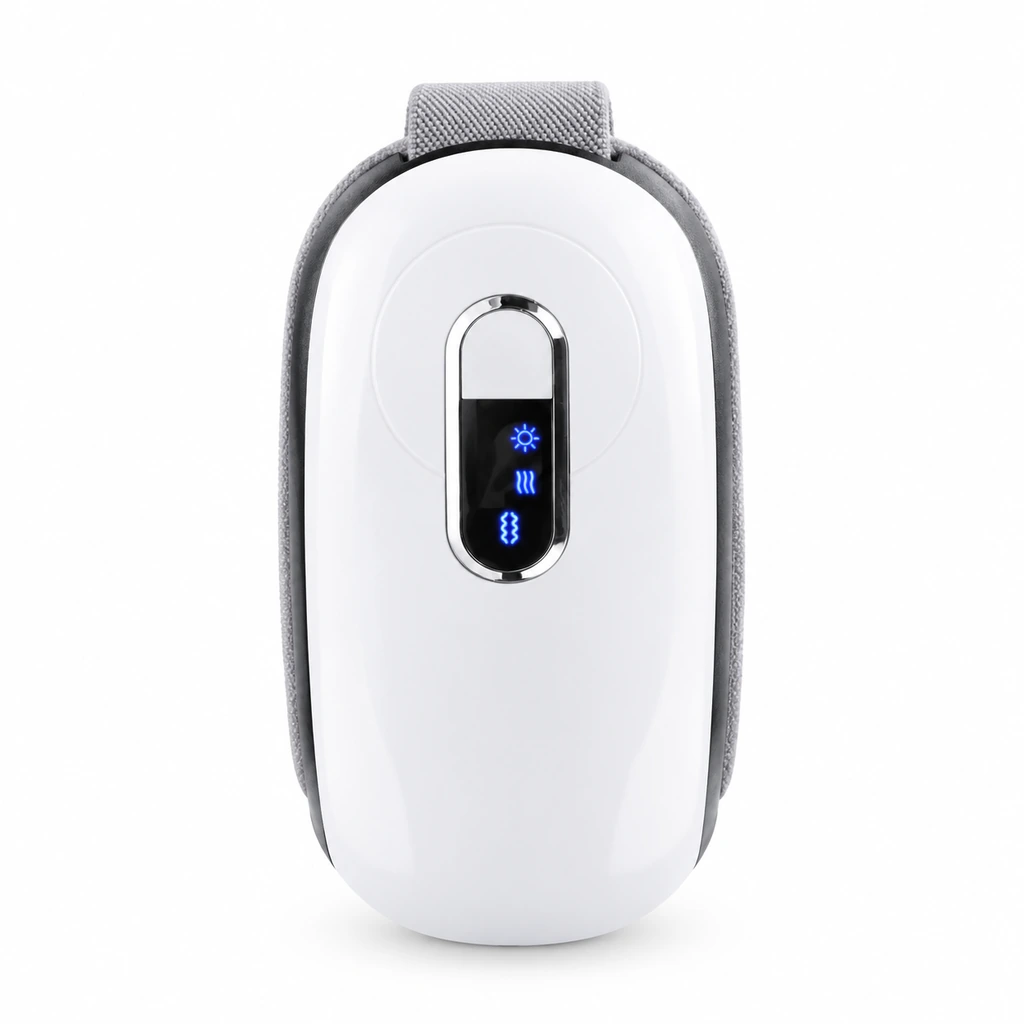
Scalp Massagers for Salon Retail
A salon retail product brief should tell the supplier what customers will buy, what staff will demonstrate and what the packaged item must communicate. Start with the intended take-home offer, then match a Meilan T1 sample, manual and carton to that offer. Keep any device used repeatedly inside the salon under a separate operating and cleaning plan; a retail pack does not define shared-use procedures.
 Meilan Tech 8 min read

A salon retail product brief should tell the supplier what customers will buy, what staff will demonstrate and what the packaged item must communicate. Start with the intended take-home offer, then match a Meilan T1 sample, manual and carton to that offer. Keep any device used repeatedly inside the salon under a separate operating and cleaning plan; a retail pack does not define shared-use procedures.
1. Define the Retail Offer Before Choosing a Device
Write the channel in one sentence: a salon will sell a sealed, take-home scalp massager to an individual customer, with a staff member available to explain its controls and care. State the target market, retail price band, display space, expected sales volume, language and after-sales owner. These fields decide what must be in the box and what the staff must know; the product name alone cannot do that work.
If the salon wants a demonstration unit, describe it separately from saleable stock. Decide where it sits, who handles it, whether customers may touch it, how it is cleaned between demonstrations and what happens if a contact head or charging area is damaged. For a device used on multiple clients as part of a paid service, request a separate professional-use, hygiene and liability review. Do not let a retail sample quietly become a shared-use appliance.
A useful brief therefore has two columns: “retail unit for the customer” and “store demonstration unit.” Put each proposed use, accessory and instruction in the correct column before asking for a quotation.
2. Match the T1 Candidate to a Named Configuration
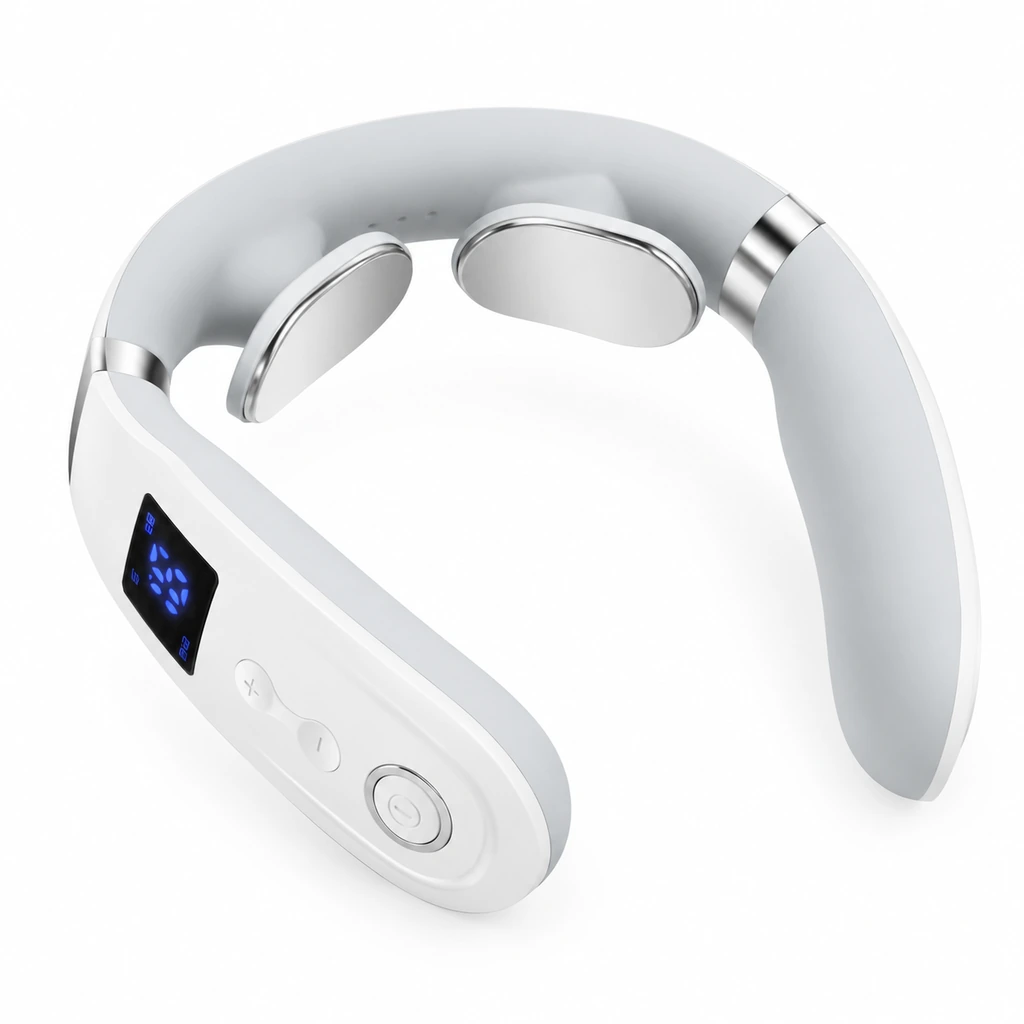
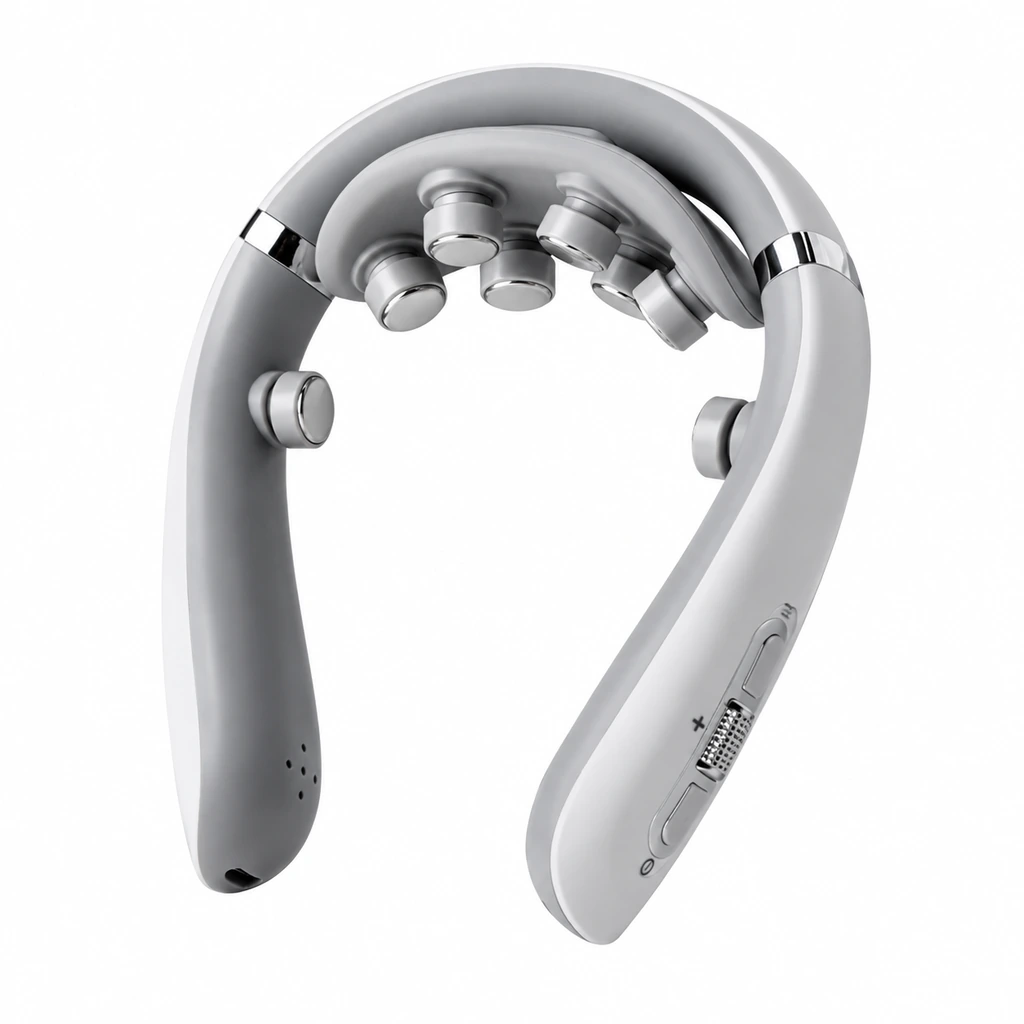
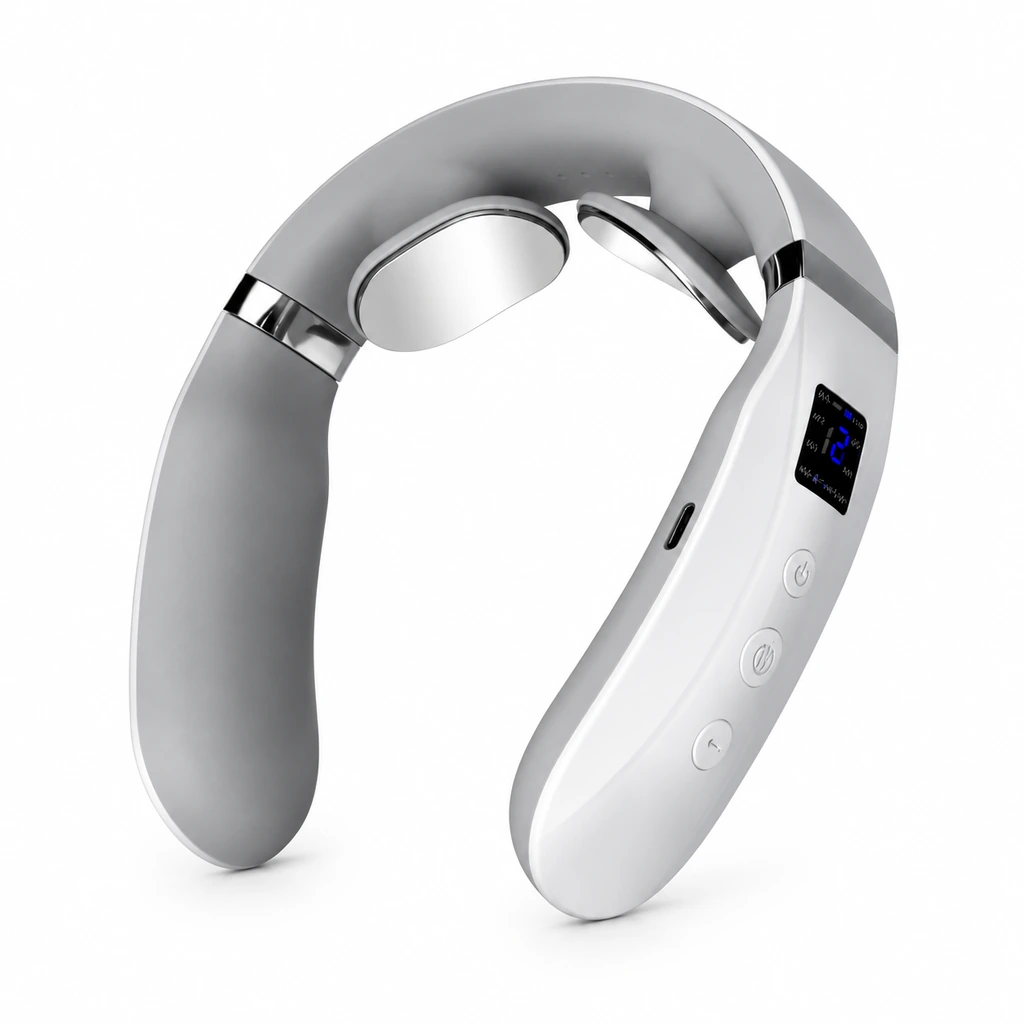
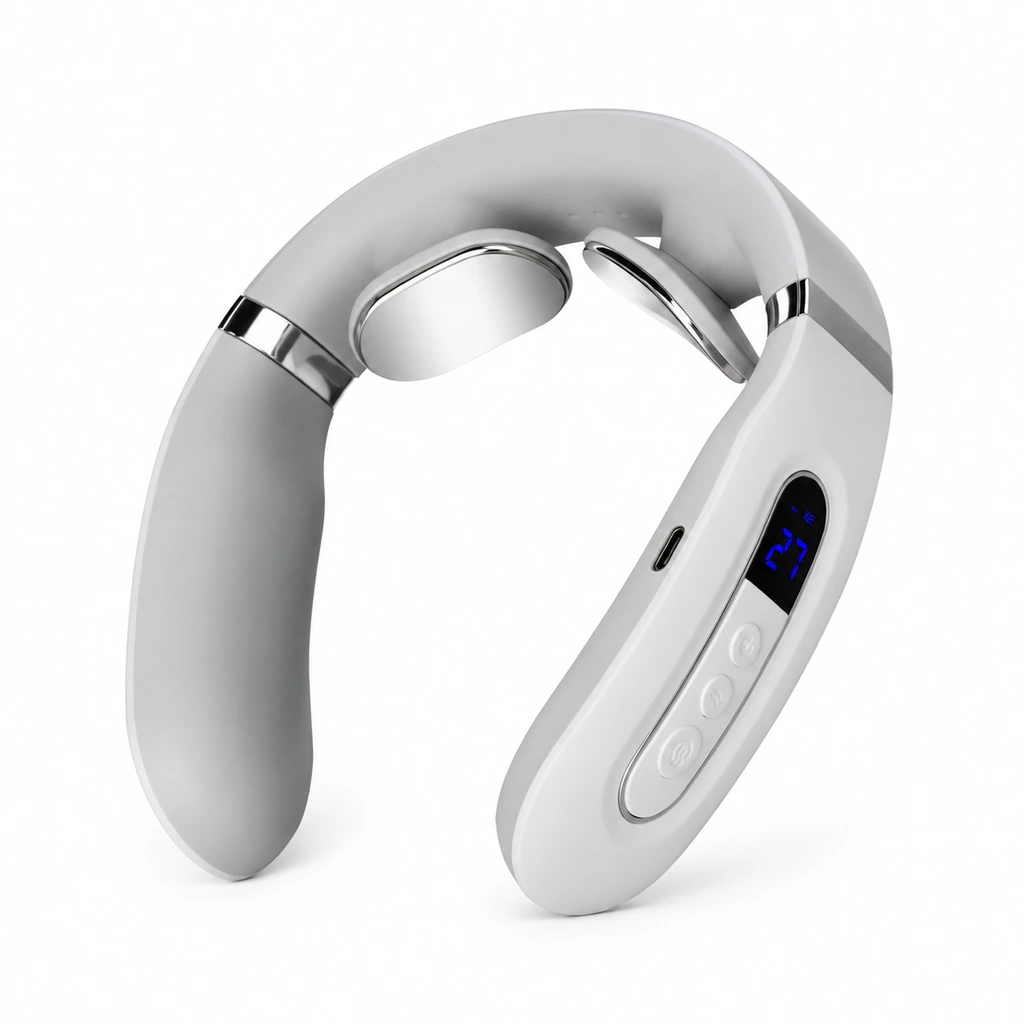
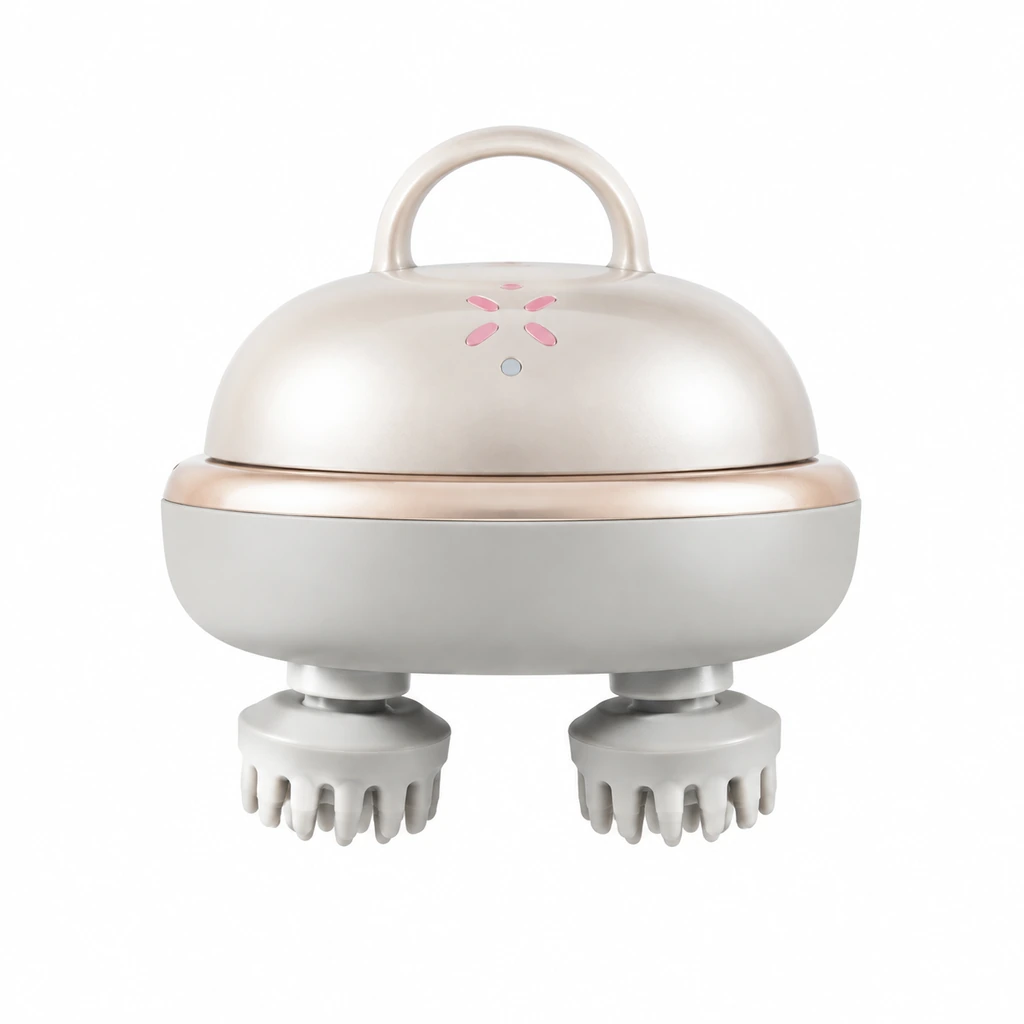
Meilan’s T1 product page describes four removable silicone massage heads and three speed levels. The available English T1 manual shows the button and indicator sequence, charging preparation and cleaning steps. These sources make T1 a candidate for a retail demonstration, but the quotation must identify the actual device revision, head assembly, manual language and pack-out. Do not combine a web-page feature with a different manual or carton revision.
Ask the supplier for a version-matched set: current specification sheet, labelled sample, operating demonstration, customer manual, component and material declarations, and packing list. Put a photo of the sample label beside the corresponding document revision. If the website, manual and sample use different names for a mode or contact head, settle the wording before staff cards and packaging go to print.
Keep the first round of acceptance practical. On the quoted sample, record the grip, button reach, level indications, stop action, charging-port cover and the permitted head-cleaning sequence. These are observations of that sample; they do not prove every production unit or support a scalp-health claim.
3. Design the Shelf Pack Around the Actual Pack-Out
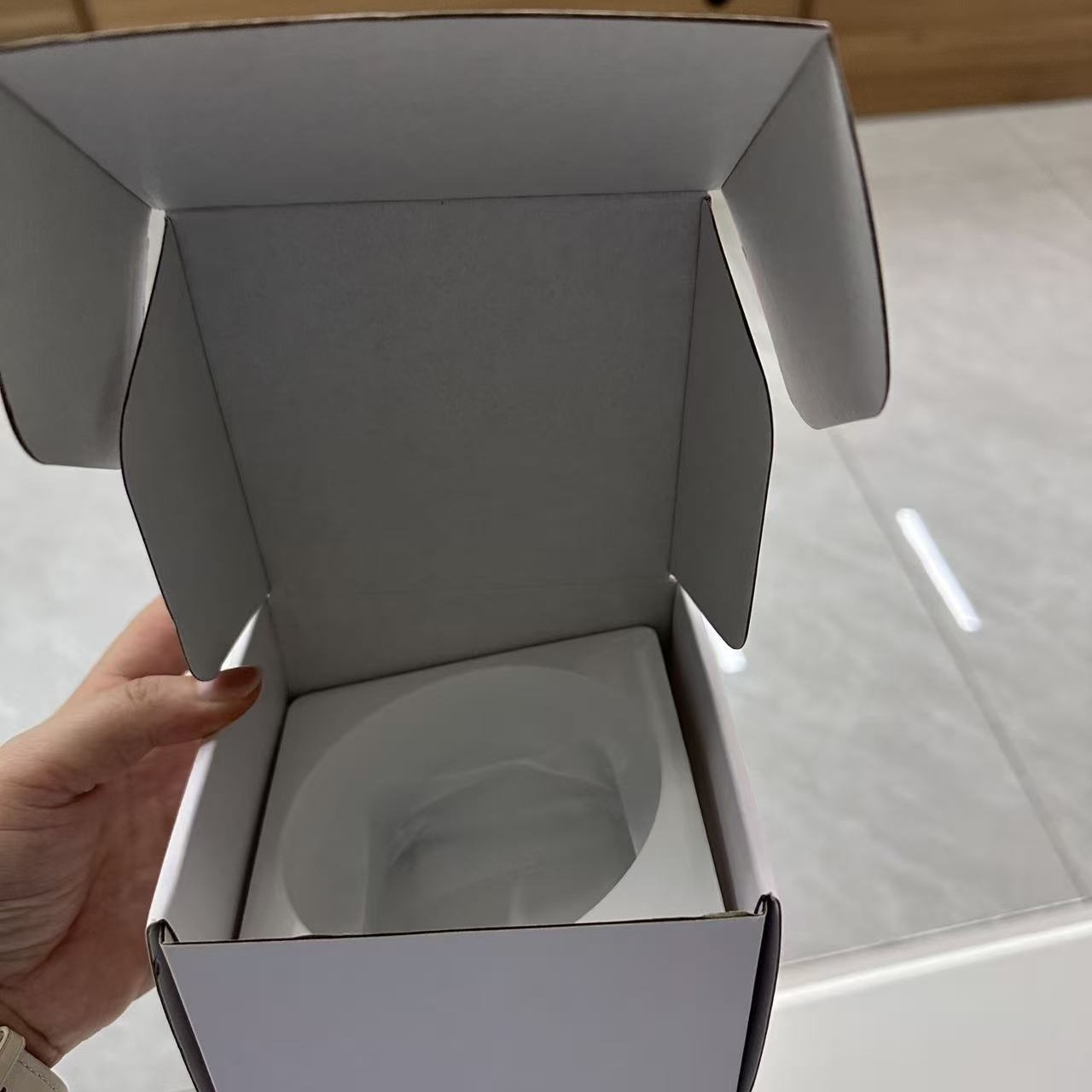
A salon buyer needs to know how a sealed product will look on a shelf, not only how the device looks in a catalog. Meilan has T1 carton artwork and photographs of a product with packaging. Use them as review material, then request a physical packed sample for the proposed market and brand. Check the front-panel product name, model, color, control description, included items, language, barcode location and any mandatory local labels against the quotation.
Measure the packed sample as it will stand or lie in the display space. Note the visible front face, whether staff can identify the model without opening the box, and whether the package survives normal handling in a retail fixture. If a window, hanging tab, gift sleeve or display tray is requested, put it on the artwork and cost sheet as a specific option. A carton drawing does not prove that an option is included in the current quote.
Use a pack-out photo taken after sealing to confirm the device, charging cable, manual and any other quoted item. Where a feature or accessory varies by market, create a separate SKU or approved artwork version rather than one ambiguous shelf label.
4. Give Staff a Short, Repeatable Demonstration
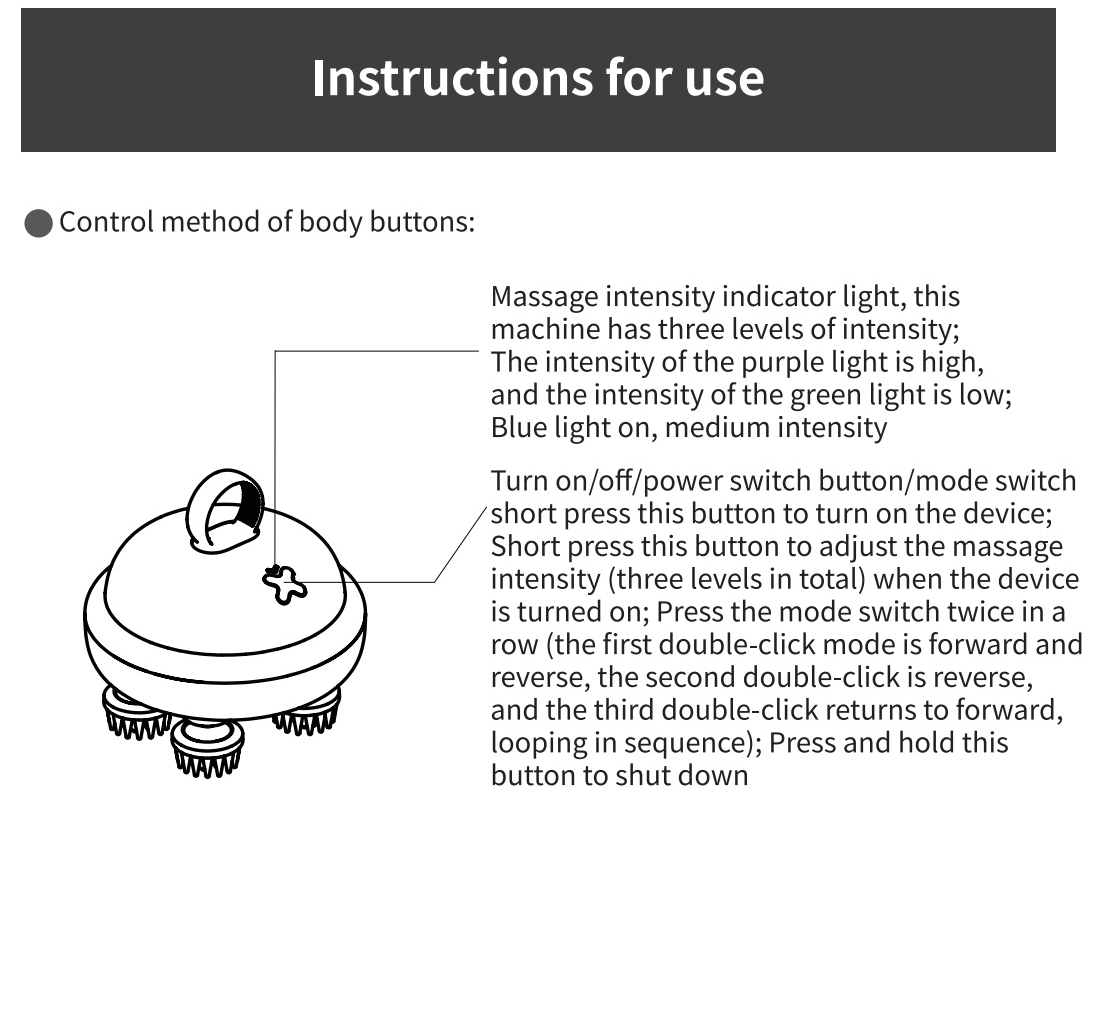
A retail demonstration should answer three customer questions: what the product is, how its controls work and how to care for it. Prepare a one-page staff card tied to the approved T1 version. It should show the product label, power and mode actions, the meaning of visible indicators, how to stop operation, and where the customer can find the same steps in the manual.
The T1 English manual describes three intensity indications and a button sequence for starting, changing intensity and shutting down. Film the actual quoted sample through the entire sequence before turning that explanation into a sales script. If the indicator color or button behavior differs, correct the staff card and package wording. Avoid memorized claims such as “relieves hair loss” or “safe for every scalp”; neither follows from a control demonstration.
For an in-store demo, record the device ID, charging routine and cleaning step used by staff. Do not make wet-hair, shower or disinfectant-use claims from the fact that the massage heads can be removed. Request the precise manual and test scope if those uses are part of the proposed program.
5. Prepare the Customer Care and Support Handoff
The sale is incomplete if staff can demonstrate a control but cannot explain what the customer takes home. Give the customer the approved manual in the required language and a short reference to charging, stopping the device, cleaning removable parts, drying the unit and contacting support. Keep the card consistent with the manual rather than inventing a shorter care method.
Agree a support route for common retail questions: “which button changes the level?”, “what does the indicator mean?”, “what is in the box?”, “how do I clean the heads?” and “what if the device does not charge?” The supplier should specify what the salon may answer from the manual and which cases require a replacement, warranty decision or technical response. A store associate should not diagnose a fault by guessing from one symptom.
If a brand intends to sell spare heads or promise a particular cleaning chemical, request separate part numbers, compatibility and material evidence. The T1 manual’s removal step is not, by itself, a promise that replacement heads can be purchased or that every disinfectant is compatible.
6. Put Artwork, Supply and Change Control in the RFQ
Ask for a written quotation covering the exact T1 configuration, pack contents, carton structure, printed manual languages, logo and artwork scope, display options, sample cost, MOQ, lead time and warranty handling. Clarify who approves the final packaging proof and the production-intent packed sample. A low unit price cannot be compared fairly if one quote includes a retail-ready pack and another covers only the device.
Request the documents needed for the target market and the exact claims that will appear on the box. A claim about materials, water use, red light, efficacy or certification should have model- and version-matched support before it is printed. The currently available T1 files are a basis for questions, not an automatic approval of a new market’s label or advertising copy.
Record what must be reconfirmed at reorder: device revision, contact heads, cable, manual language, package artwork, carton dimensions and quoted accessory list. Ask the supplier to flag changes before substitution, so the salon’s staff card and shelf label remain aligned with the product delivered.
7. Use a Decision Table to Approve the Brief
Send a short brief rather than an open-ended request for “a salon massager.” The table below separates the requirements the buyer must set, the evidence to inspect and the decision if the item is still open. Use it at quotation, packed-sample review and artwork release.
Approve a retail launch only when the quoted unit, physical package and staff instructions describe the same version. If the proposed program also includes a shared in-salon device, approve its cleaning, handling and service procedure separately. That keeps the retail promise specific and gives the supplier an answerable RFQ.
Browse the Meilan head massager collection to compare candidates, then request a T1 sample and version-matched files with your market, expected quantity, shelf format and demonstration plan.
| Brief field | Buyer requirement | Evidence gate | If open |
|---|---|---|---|
| Sales unit | Sealed take-home item and named market | Quoted SKU, label and packed sample | Hold shelf listing |
| Demo unit | Staff-only or customer-handled scope | Written handling, cleaning and charging plan | No shared-use promise |
| Configuration | Controls, contact heads and included items | Matched sample, spec, manual and pack list | Resolve version mismatch |
| Shelf pack | Face, size, language, barcode and optional display parts | Physical carton and approved artwork | Revise proof before print |
| Staff card | Start, level, stop and care sequence | Continuous sample video and matched manual | Rehearse after correction |
| Service | Warranty route and any spare-head offer | Supplier support terms and part SKU | Do not advertise spare supply |
| Reorder | Frozen revision and change notice | Master sample and supplier change log | Reopen approval after changes |
Buyer FAQ
Is a salon retail massager the same as a device used on clients?
No. A sealed take-home unit and a device repeatedly used in the salon need separate handling, cleaning and service requirements.
What should the salon put in the first RFQ?
Name the market, retail price band, expected quantity, T1 configuration, pack format, language, display space and demonstration plan.
Can staff quote the T1 page during a demonstration?
They can use version-matched facts after the quoted sample, manual and product-page wording have been reconciled.
Does a box drawing confirm the items in the retail pack?
No. Approve a physical packed sample and itemized pack list for the quoted SKU.
May staff demonstrate the massager on wet hair?
Only if the exact device version has instructions and supporting test scope for that use; removable heads alone do not establish it.
What should be checked before a reorder?
Compare the new device, heads, cable, manual and carton against the approved master sample and record any supplier change.
Review the Meilan T1 product page and the head massager collection. Use the Meilan contact page to request a version-matched sample and files with your market, volume, shelf format and demonstration plan.

