


N1 Warming Belt Reorders: Configuration and Accessory Checks

An N1 warming belt reorder should be checked against the approved first-order sample and its matching documents. Compare color, controls, cables, packaging and instructions on a production-intent sample, then classify each difference as a match, approved change or unresolved item. The public product page helps identify N1 options, but the signed first-order configuration defines what the buyer is repeating.
1. Link the Reorder to the First Approved Configuration
A reorder begins with a reference pack, not with the product name on a new purchase order. Retrieve the first order’s signed specification, quotation, approved physical sample, complete packing list, artwork, operating instructions and inspection record. Assign one reference ID to the set and put that ID on the new RFQ. If the original signoff is incomplete, document the gap before calling a later unit “the same.”
Meilan’s published N1 listing shows pink and white color options and describes a color box with blister packaging. It also refers to voice and wireless remote operation. Those page statements identify questions to ask; they do not establish the exact combination, accessory count or printed edition approved for a particular first order. Ask the supplier to identify the SKU and control version on both the old and proposed orders.
Use a baseline register with four columns: element, first-order evidence, proposed reorder evidence and decision. Preserve photographs of the opened and closed reference sample. A photo by itself should be tied to a dated sample label, since a gift presentation can contain styling items that were never part of the signed bill of materials.
| Check | First-order baseline | Reorder evidence | Decision |
|---|---|---|---|
| Product and color | Signed sample, SKU, color standard | Production-intent sample and quote | Match / change / unresolved |
| Controls and accessories | Manual, pack list, demonstration | New sample operation and item count | Match / change / unresolved |
| Pack and print | Box, tray, artwork revision | Closed/open sample and print proof | Match / change / unresolved |
2. Require a Written Change Declaration Before Sampling
Ask the supplier to declare changes even when the commercial description remains “N1 warming belt.” The declaration should cover product components, color, firmware or control behavior, charging interface, cable and other supplied items, packaging structure and print files. Record “no change” explicitly where the supplier confirms it; a blank cell means the question was not answered.
Classify each difference by what it affects. A visible color shift may require an approved color standard and shelf-image review. A different controller or cable may affect function checks, instructions and service spares. A tray change may alter box size, protection and freight. A new claim on a carton requires evidence and market review even if the device itself has not changed.
Do not approve a substitute because its photograph looks close. Ask for part or revision identifiers and one production-intent sample. If the supplier cannot connect the proposed component to the signed reference, record a new approval path rather than treating it as an unnoticed equivalent.
3. Compare Color, Housing and Belt Details Under the Same Conditions
The published N1 page offers white and pink as color options. For a reorder, the relevant standard is the color and finish approved for the first order. Put the new sample next to the retained sample under the same neutral lighting and photograph front, back, strap, fasteners and label. Note whether differences arise from illumination, wear on the retained sample or the new production material.
Review the housing geometry and the strap as a set. Check button location, visible icons, stitching, elastic or fastening overlap, label position and the way the belt folds into its pack. Measure only the dimensions that were specified or matter to the channel; a listed device-body size cannot substitute for the strap length or wearing range. Write each discrepancy against a physical location and sample ID so the supplier can investigate it.
Avoid a vague “same color” signoff. Where color is commercially important, keep an approved swatch or measured color target with the sealed sample, and agree a practical acceptance method for later batches. If a change is intentional, update imagery and product listing copy before using the new lot.
4. Verify the Control Version and Repeat the Operating Sequence
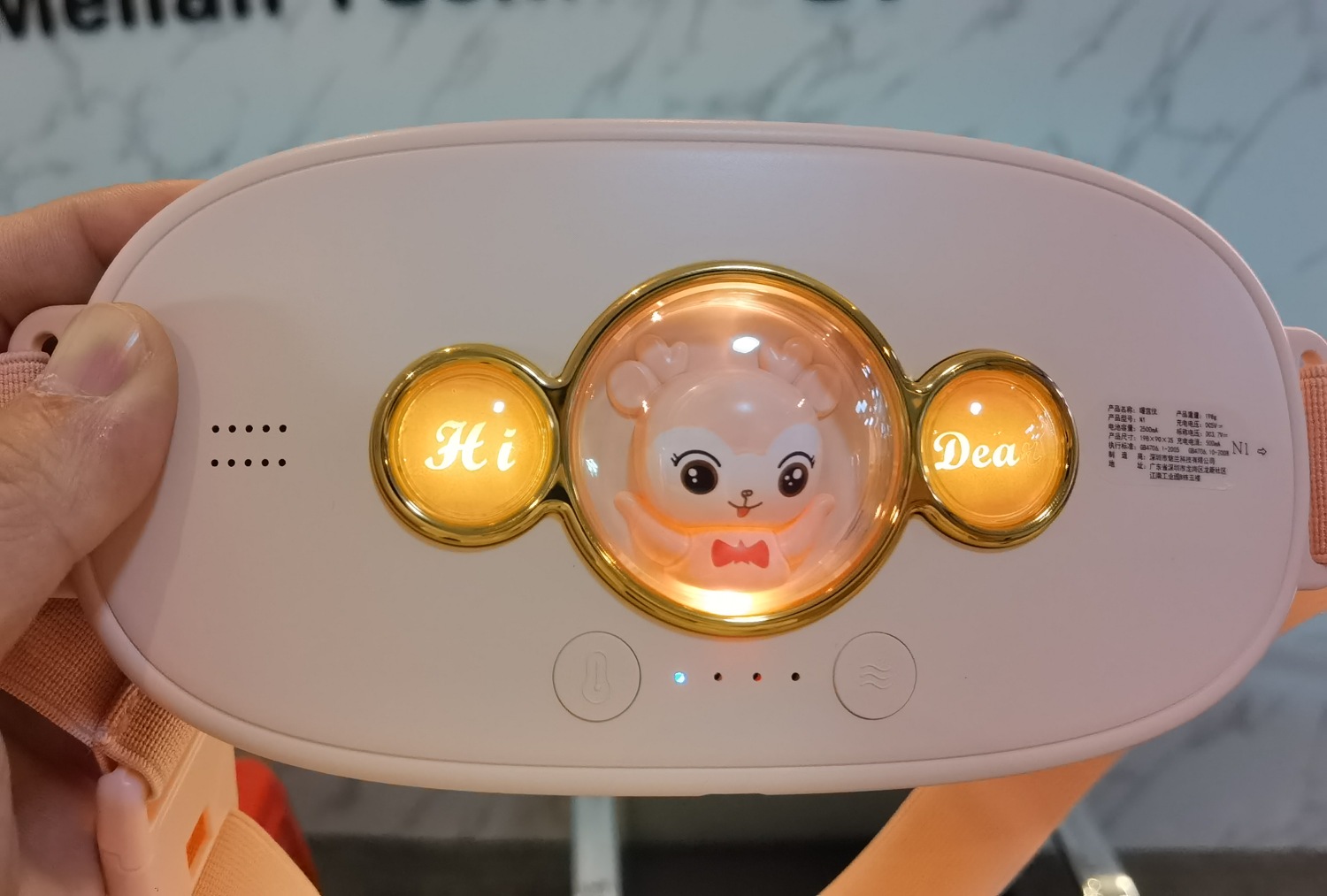
N1 source files include separate manuals for remote-control and voice-control variants. The reorder must name the exact control version and match it to the actual sample, controller if supplied, instruction file and carton wording. Compare the visible controls with the first-order unit, then repeat the start, setting-change and shutdown sequence in the current manual. Photograph any difference in buttons, display or prompts.
When the first order included a remote, verify its model, pairing or response behavior only through the version-specific instructions and a demonstrated sample. When voice operation is quoted, check the actual prompt sequence and language on that version. Do not infer that both features, or the same user instructions, apply to every N1 pack merely because both appear in sales materials.
If the sequence changes, even a small change can make a printed quick-start card misleading. Treat the card, manual, customer-support script and product-page instructions as dependent documents. Approve the revised set together, with a dated demonstration record for the proposed reorder sample.
5. Count Cables and Other Supplied Items Against the Signed Pack List
Accessory completeness is a count-and-identification exercise. Lay every item from the proposed sealed pack on a clean surface and compare it line by line with the first-order packing list and the new quotation. Record the device, any controller, supplied charging cable or adapter, printed material, protective pieces and gift elements as separate entries. Do not infer that a cable or adapter is included from a charging statement on the public page.
For each supplied cable, record connector type, length if specified, marking and quantity. Test fit with the quoted device and inspect the charging opening. For a supplied remote or other electronic accessory, confirm its label and operation on the same sample. If a line item is optional or excluded, keep that status explicit in the quotation and inspection sheet.
A substitution can change the gross weight, tray cavity, instruction diagram and after-sales spare list. The buyer should ask for a revised pack-out photograph and bill of materials whenever an accessory changes. Sample approval should cover the closed pack and the items after unboxing, since an item can be present yet placed where it is easily overlooked or damaged.
6. Match Packaging and Instructions, Then Review Performance Copy
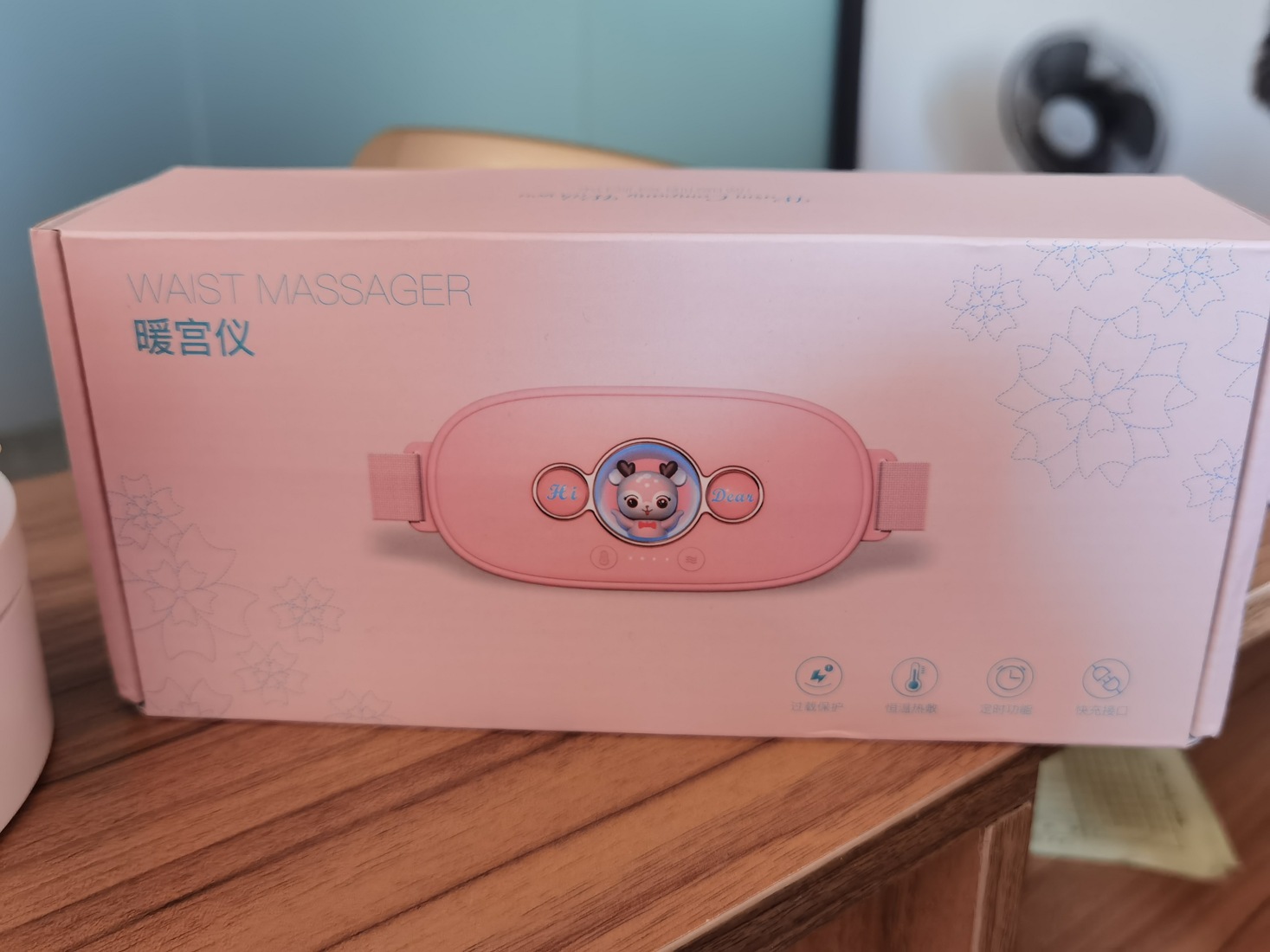
Compare the reorder box and insert with the signed first-order set: finished size, opening direction, tray profile, item positions, barcode, market language and print revision. Meilan’s N1 page lists “Color Box + Blister,” while photographed gift presentations show a separate visual arrangement. The purchase order must specify which packaging combination is being repeated; neither webpage nor photograph can replace the approved packing specification.
Read the manual and any short card beside the actual control sample. Check that model name, operating steps, warnings, charging information and accessory drawings correspond to what is packed. A change in control, cable or target market can require new copy even when the outer box artwork appears unchanged. Keep digital artwork and printed proof with their revision numbers.
Temperature values, warm-up claims, use-duration statements and benefit language need a separate evidence check. Request version-matched temperature records and the measurement method before repeating a numeric performance statement. Do not treat a listed setting as a measured contact temperature. Medical or therapeutic claims require specific substantiation and destination-market review before they are printed or translated.
7. Release the Reorder With a Traceable Decision Record
Finish with a side-by-side review of the retained first-order sample and a production-intent reorder sample. Each row should end in one of three decisions: match, approved change or unresolved. Attach the evidence, reviewer and date. An unresolved difference should not disappear into a general signoff; it needs an owner, corrective action and a new sample or document check.
Separate approval at quotation, preproduction and incoming inspection. The quote confirms the intended configuration and price. The preproduction sample confirms the physical pack and artwork. Incoming inspection checks that delivered cartons still follow the approved standard. Sampling levels and transit tests should be agreed for the order; a desk comparison is not evidence that every unit in a shipment is identical.
The purchase order should cite the reference ID, approved change log, sample seal, bill of materials and artwork revisions. Keep the supplier’s acknowledgement with the records. That link makes a third order easier: the team can compare each new proposal with a defined master rather than reconstructing what the previous shipment happened to contain.
| Outcome | Record | Release rule |
|---|---|---|
| Match | Side-by-side photographs and versioned documents | Inspect against existing acceptance conditions |
| Approved change | Reason, new sample and signatures | Update master file, quote and artwork |
| Unresolved | Discrepancy, owner and evidence plan | Do not release as a match |
Buyer FAQ
Is the first shipment itself enough to define the reorder?
Keep a signed reference sample and its documents. An unlabelled unit from a shipment does not identify every approved accessory, artwork revision or inspection condition.
Should I ask about changes if the model name stays N1?
Yes. Ask for a written change declaration for controls, color, cable, packaging and print files, with explicit no-change responses.
Does the N1 webpage prove a cable is included?
No. Confirm each supplied item against the signed first-order pack list and the new quotation.
Can remote and voice versions share one instruction card?
Only if every control step and warning on that card is verified for both quoted versions. Otherwise use version-specific artwork.
When must packaging artwork be approved again?
Reapprove affected panels when the pack structure, contents, control version, market language or claims change.
Can listed temperature settings be repeated as measured heat claims?
No. Match the exact version to a temperature record and method, then review the proposed market wording.
What if the proposed sample differs from the first-order sample?
Record the difference as an approved change or an unresolved item; do not release it as a match without evidence and signoff.
Start with the Meilan N1 product page for public model information and the waist massager collection if the assortment brief changes. Use the N1 temperature-setting guide when specifying performance evidence, then request a reorder comparison sample and change declaration for your exact configuration.

