



Neck vs Eye vs Scalp Massagers: First Range Choices
Compare neck, eye and scalp massagers as a first product category using buyer use cases, sample checks and the retail content each range needs.
 Meilan Tech 4 min read
Start with the category whose use occasion your brand can explain clearly and whose sample, instructions and retail presentation you can verify. A neck, eye and scalp massager can all belong in a personal-care range, but they ask the buyer to prove different things before launch.
This is a category-entry decision, not a ranking of individual models. If your brand already knows it wants a neck device and is choosing a first SKU, use a neck-specific model shortlist instead. Here the question comes one step earlier: which product experience and supporting content can your team sell responsibly?
Begin with the use occasion, not the feature count
Write the customer moment in one sentence. Is the product meant to be worn around the neck during a short seated break, worn over the eyes in a private resting setting, or held against the scalp with an active hand movement? That difference shapes the product image, demonstration, hygiene instructions and questions a shopper is likely to ask. A mode list cannot answer it.
Then name your first channel. Online buyers must understand fit and operation from images and copy; a retailer needs packaging that makes the form immediately recognizable; a gift program needs a clear recipient and complete-kit brief. The same category can work in several channels, but the approval evidence and presentation should match the one you are launching first.
What each category asks you to demonstrate
| Category | Best first question | What the sample should resolve | Content burden |
|---|---|---|---|
| Neck | Will the wearing structure suit the intended use setting? | Fit, contact position, controls, removal and storage. | Clear wearing views, control sequence and version-specific kit. |
| Eye | Can shoppers understand the face-worn experience before purchase? | Fit and strap adjustment, controls, cleaning method and what is supplied. | Accurate on-face or fit imagery, operating instructions and care information. |
| Scalp | Is the handheld use sequence easy to show and maintain? | Grip, reach, contact-head behavior, cleaning and charging steps. | Close-ups of the head assembly and a plain demonstration of use and care. |
These are evaluation routes, not claims that one category performs better. Compare your own approved samples and documents before committing to a listing or order.
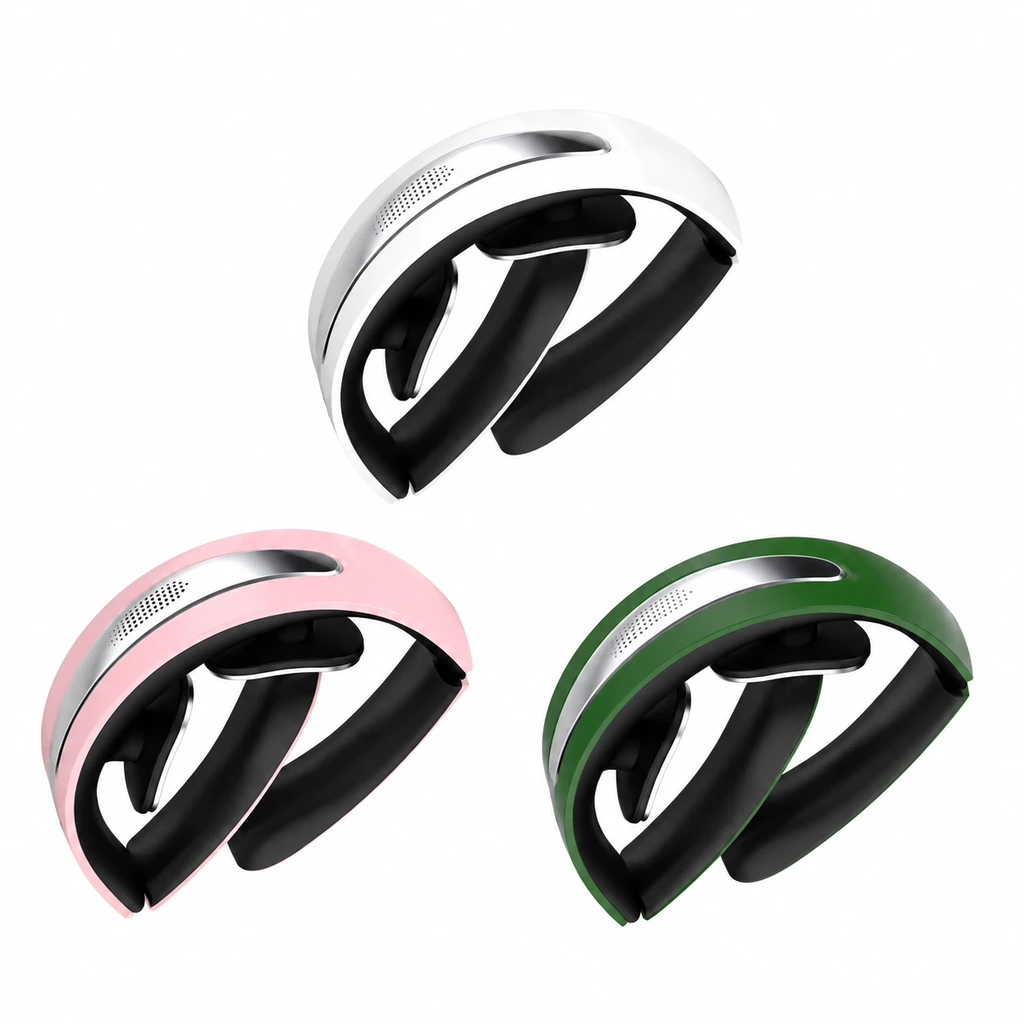
Neck: a wearable fit decision
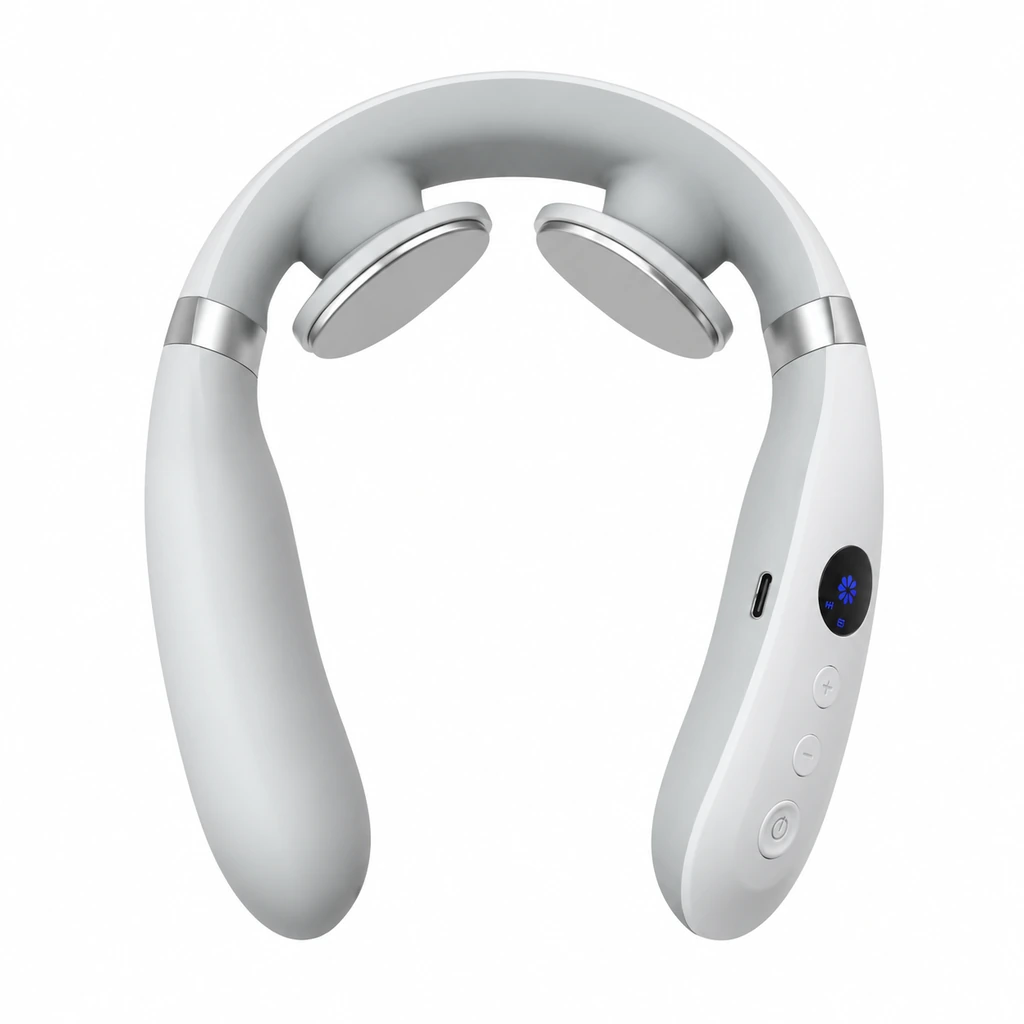
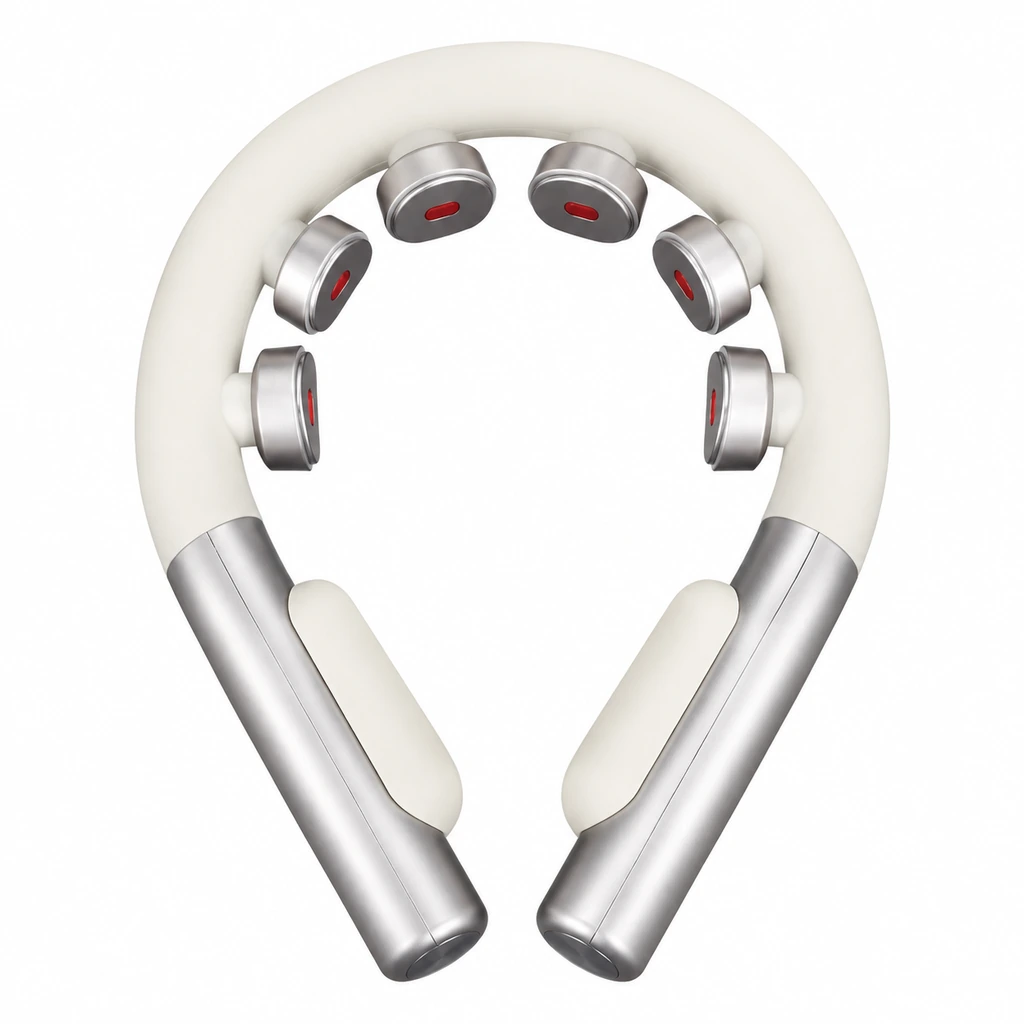
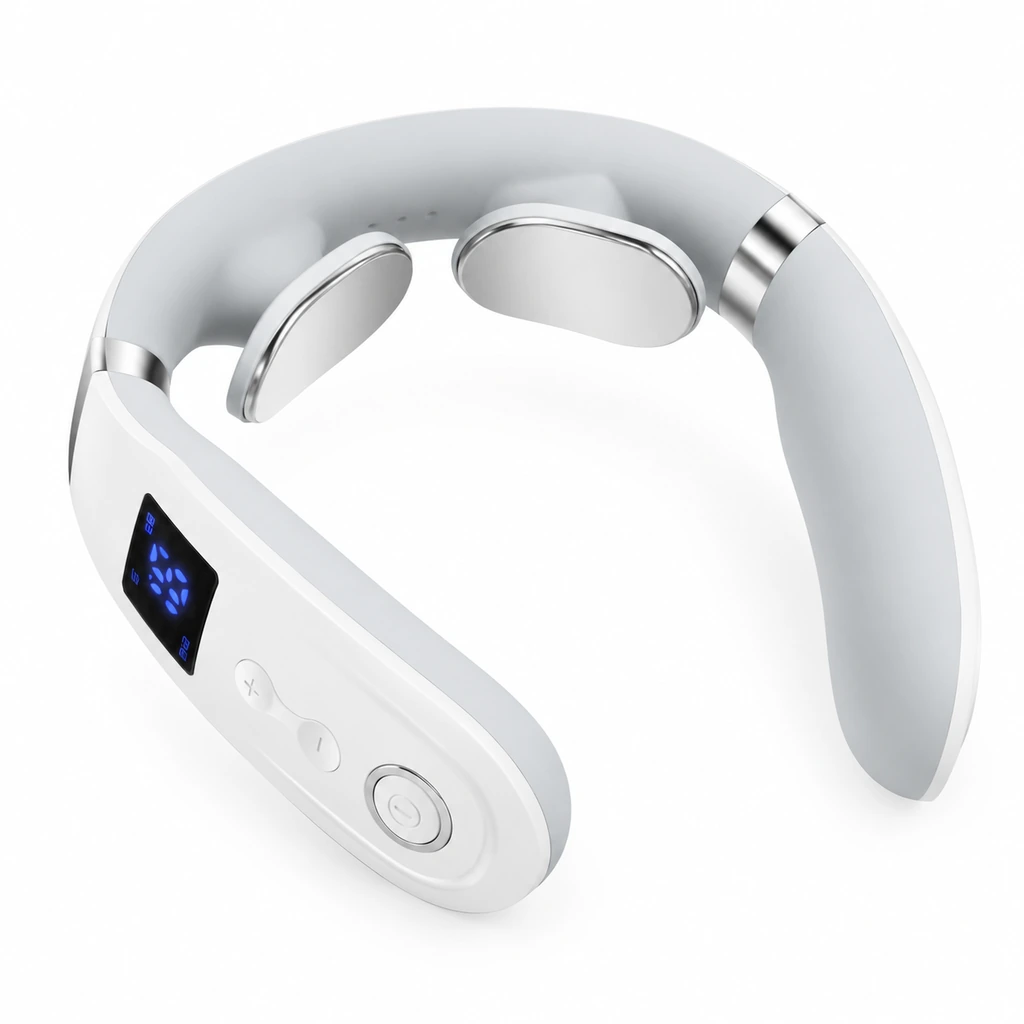
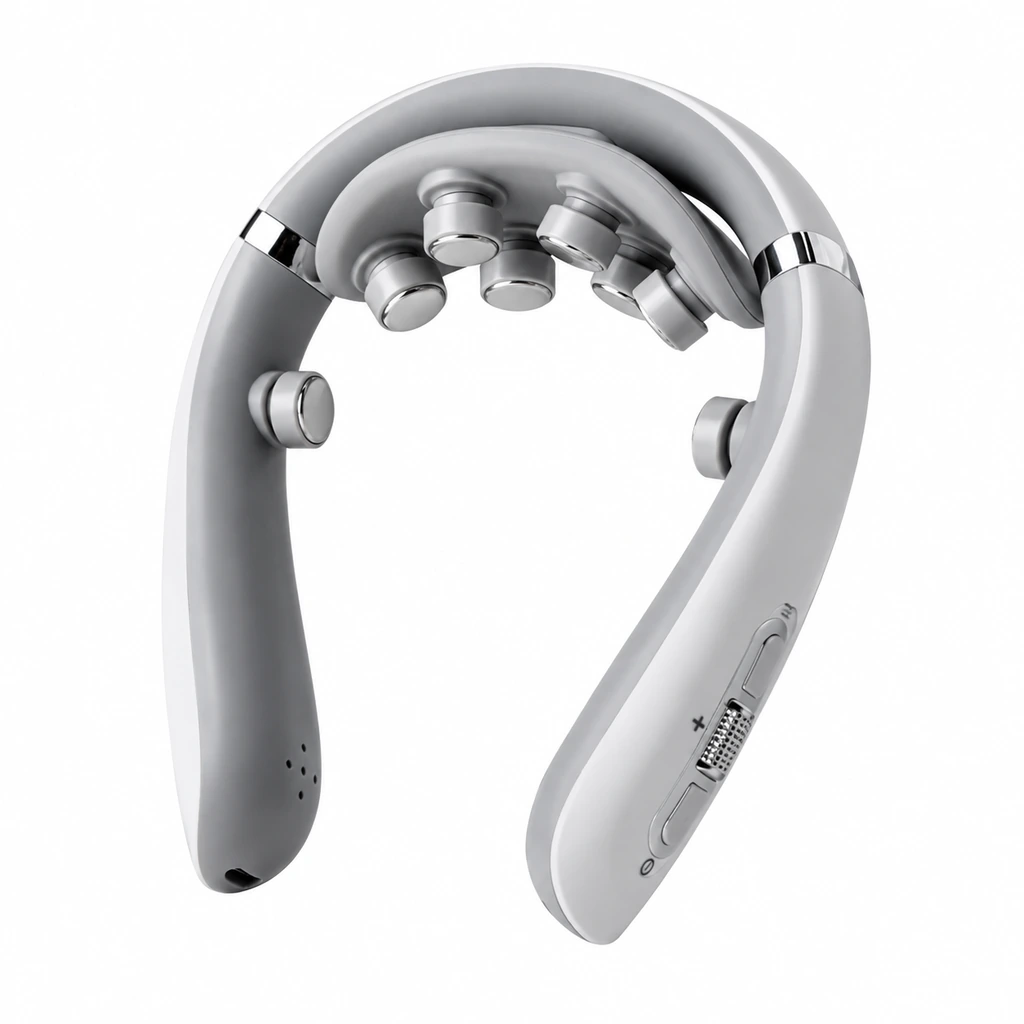
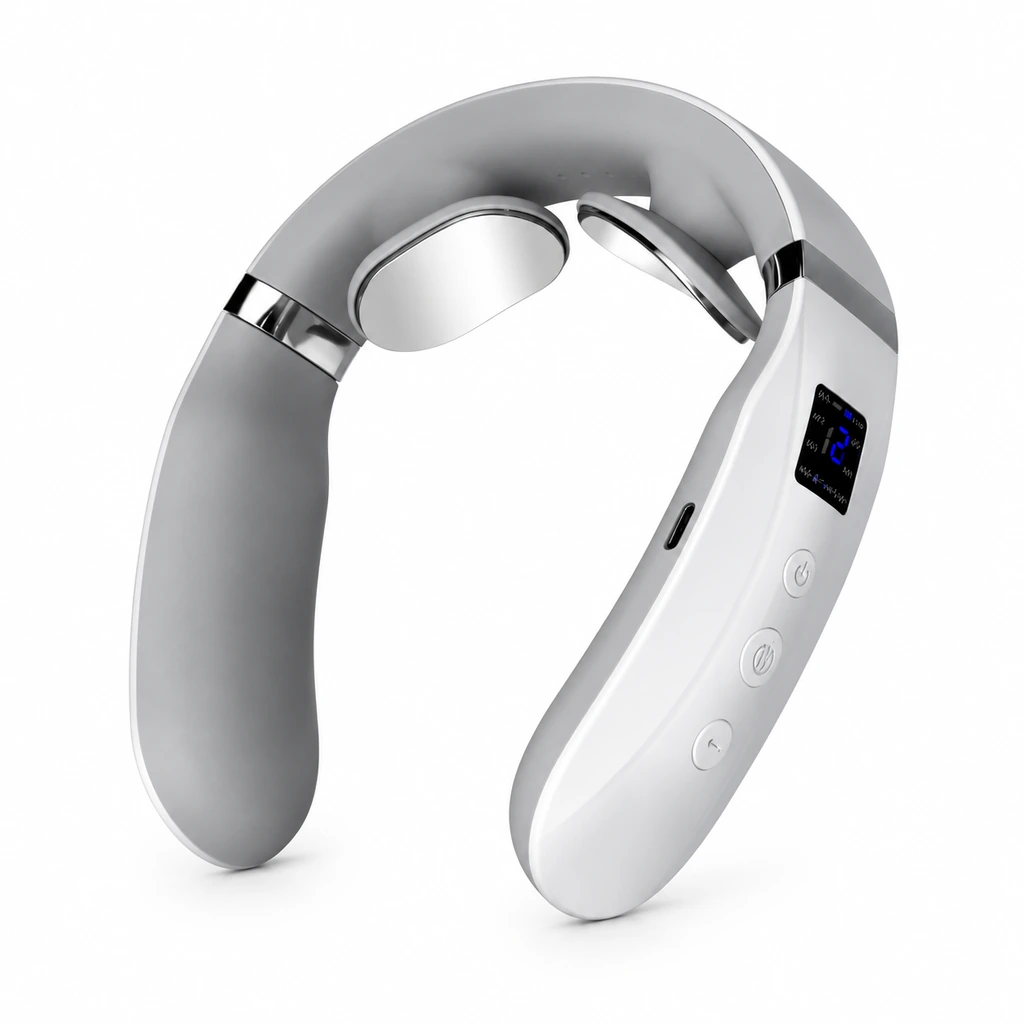
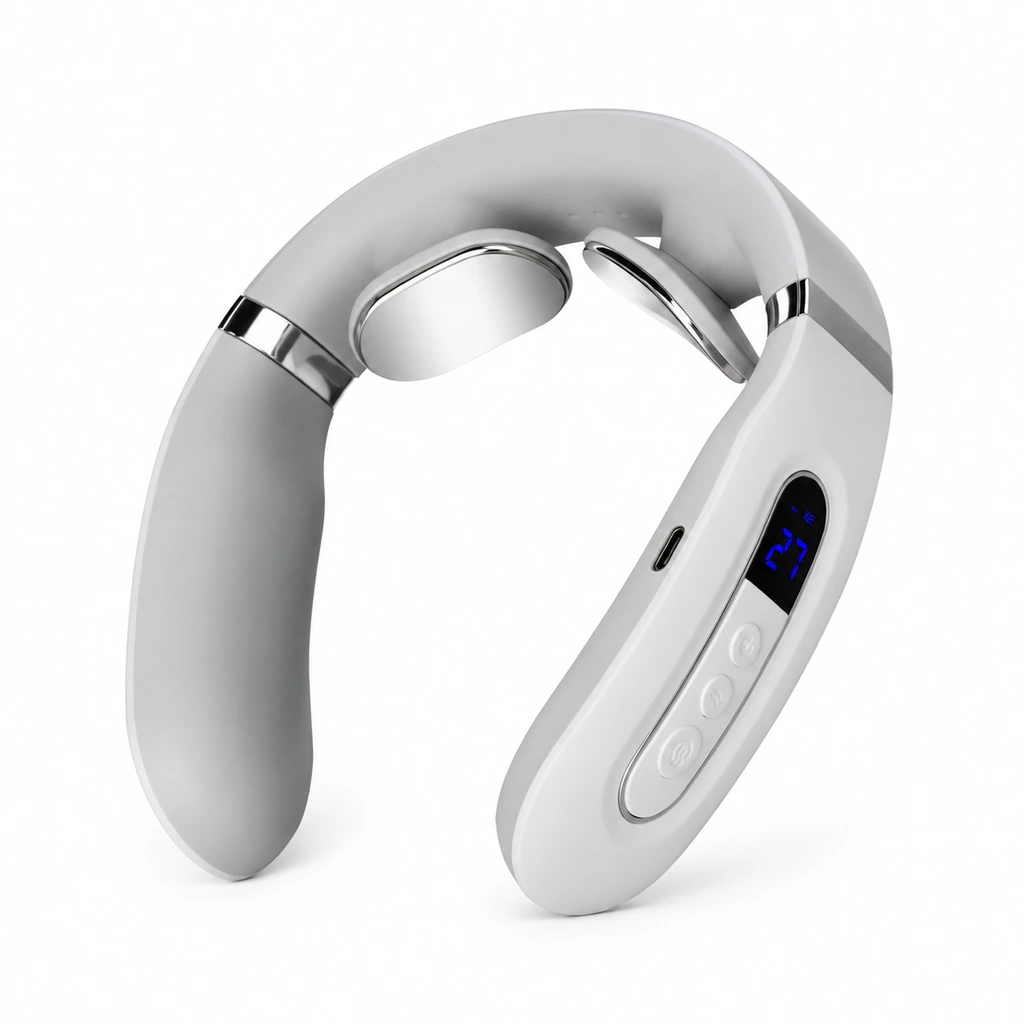
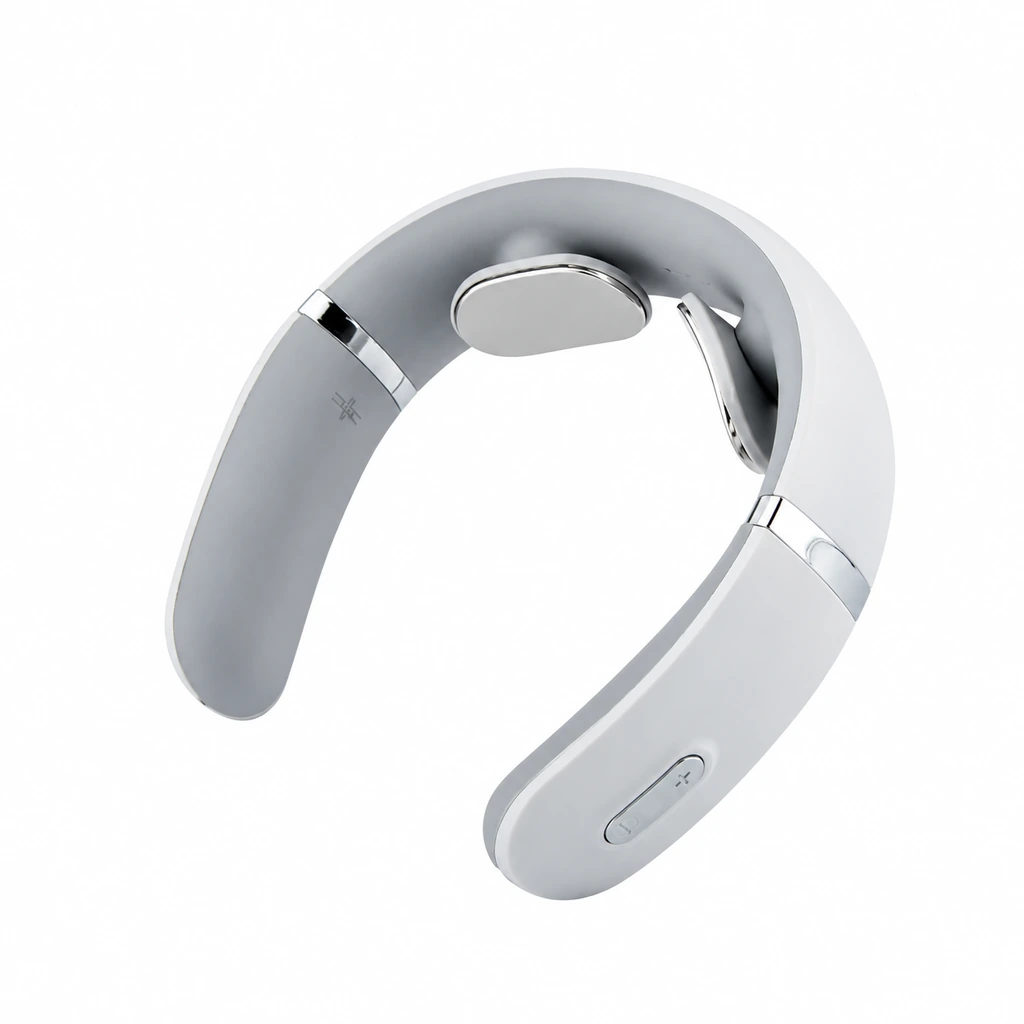
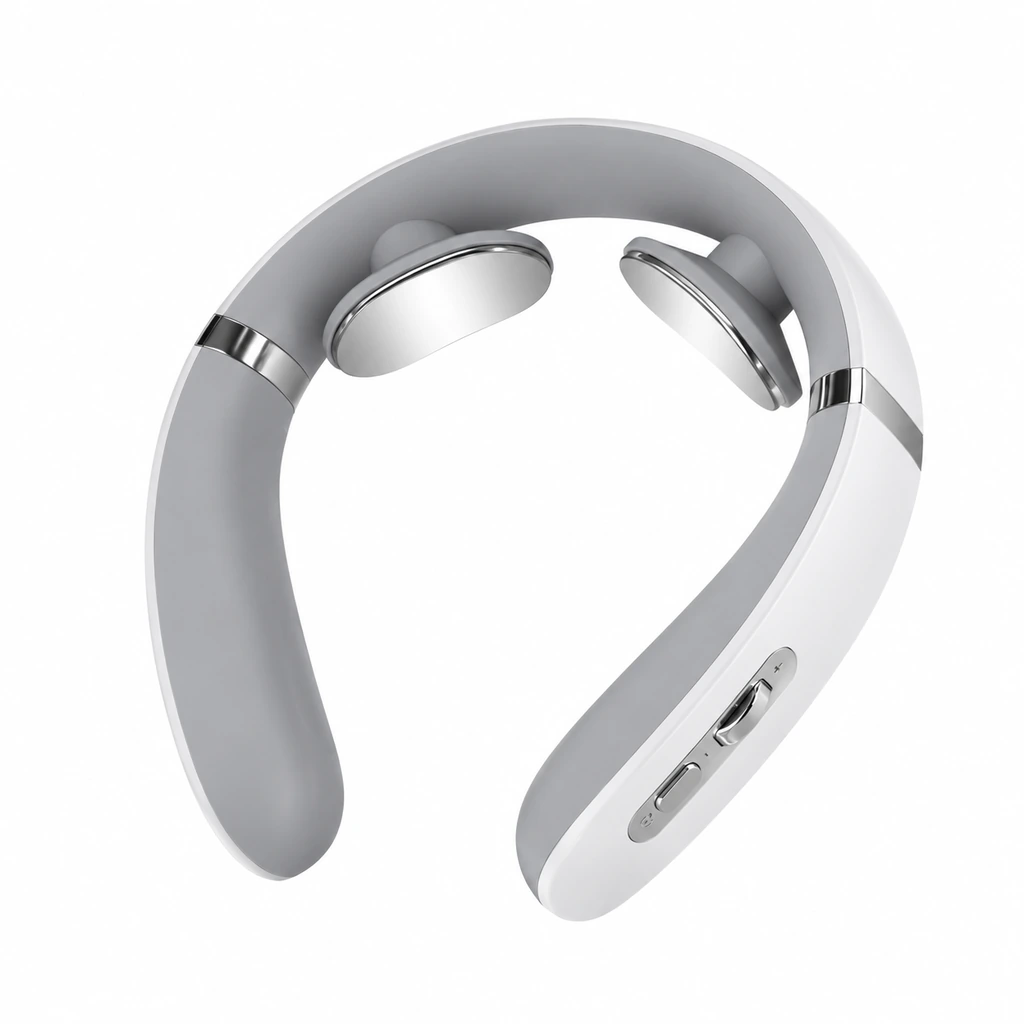
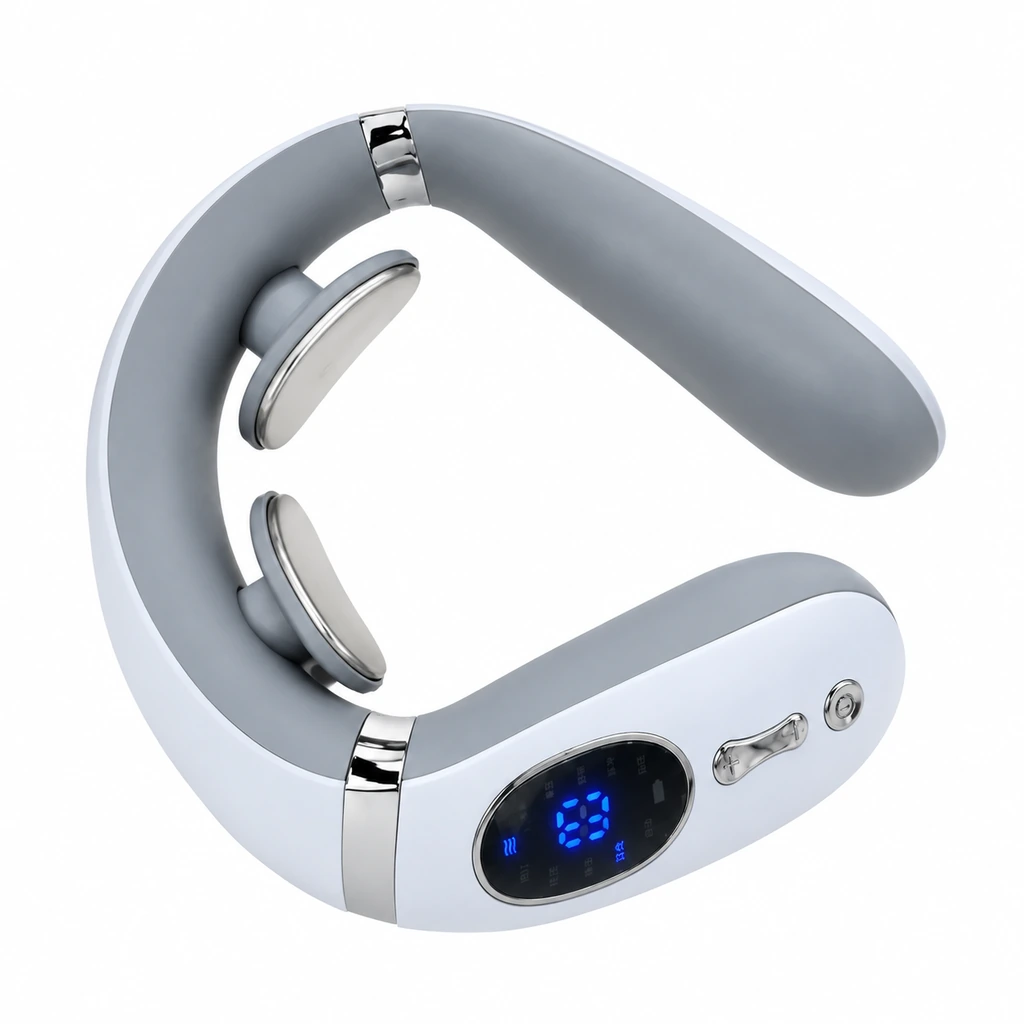
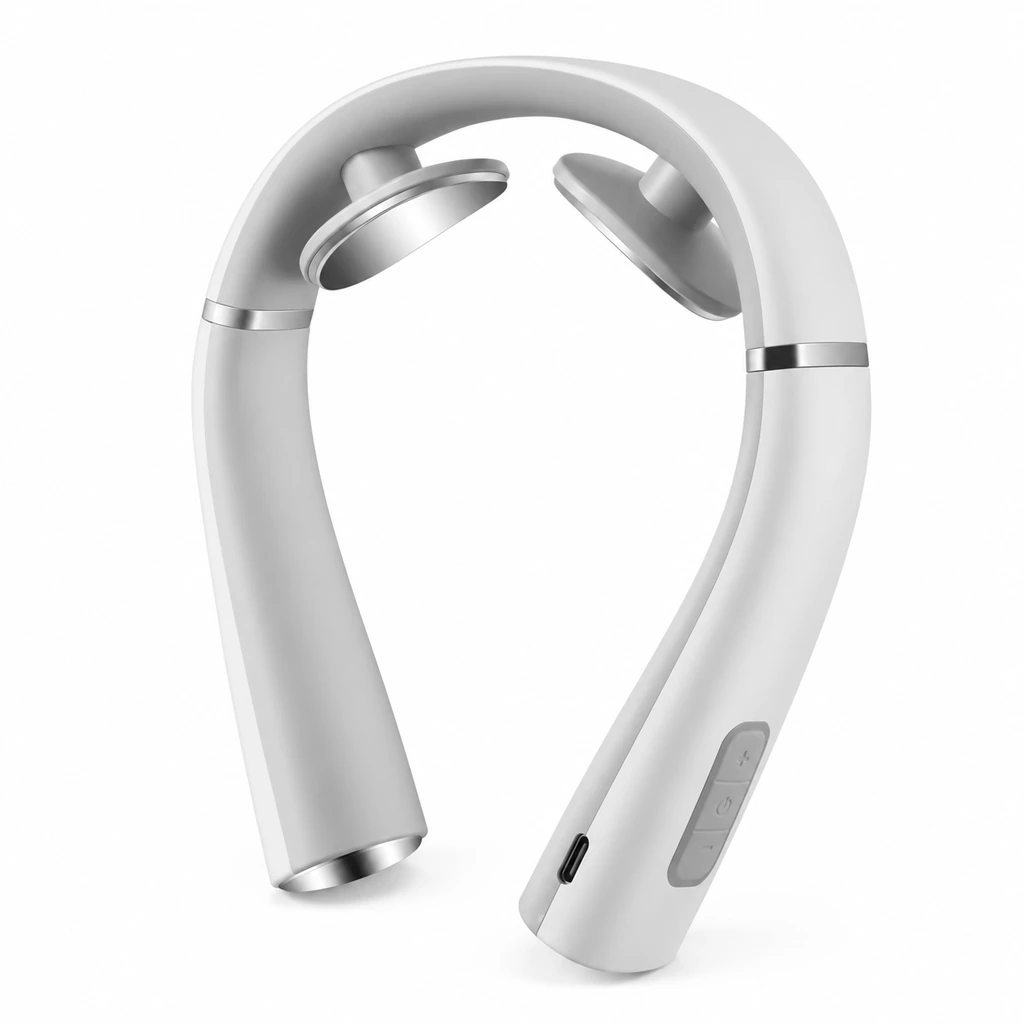
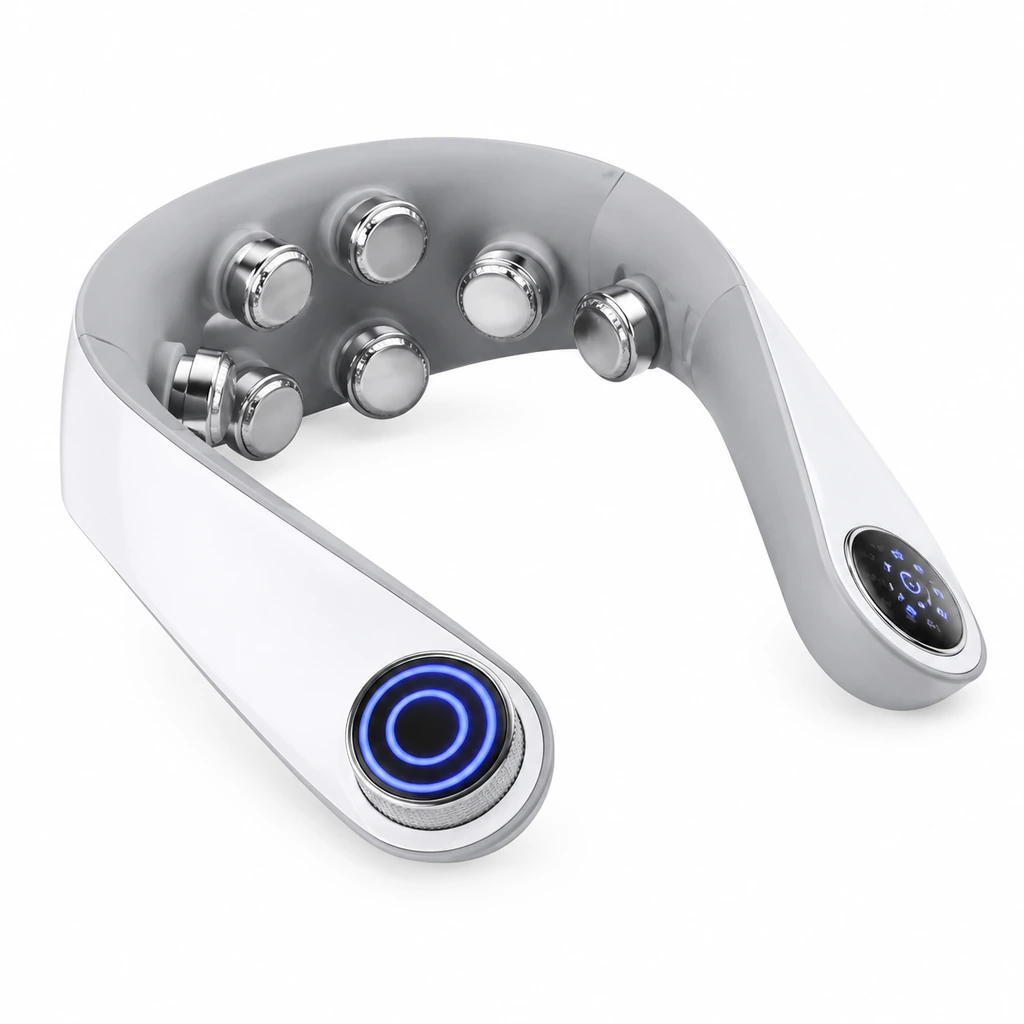
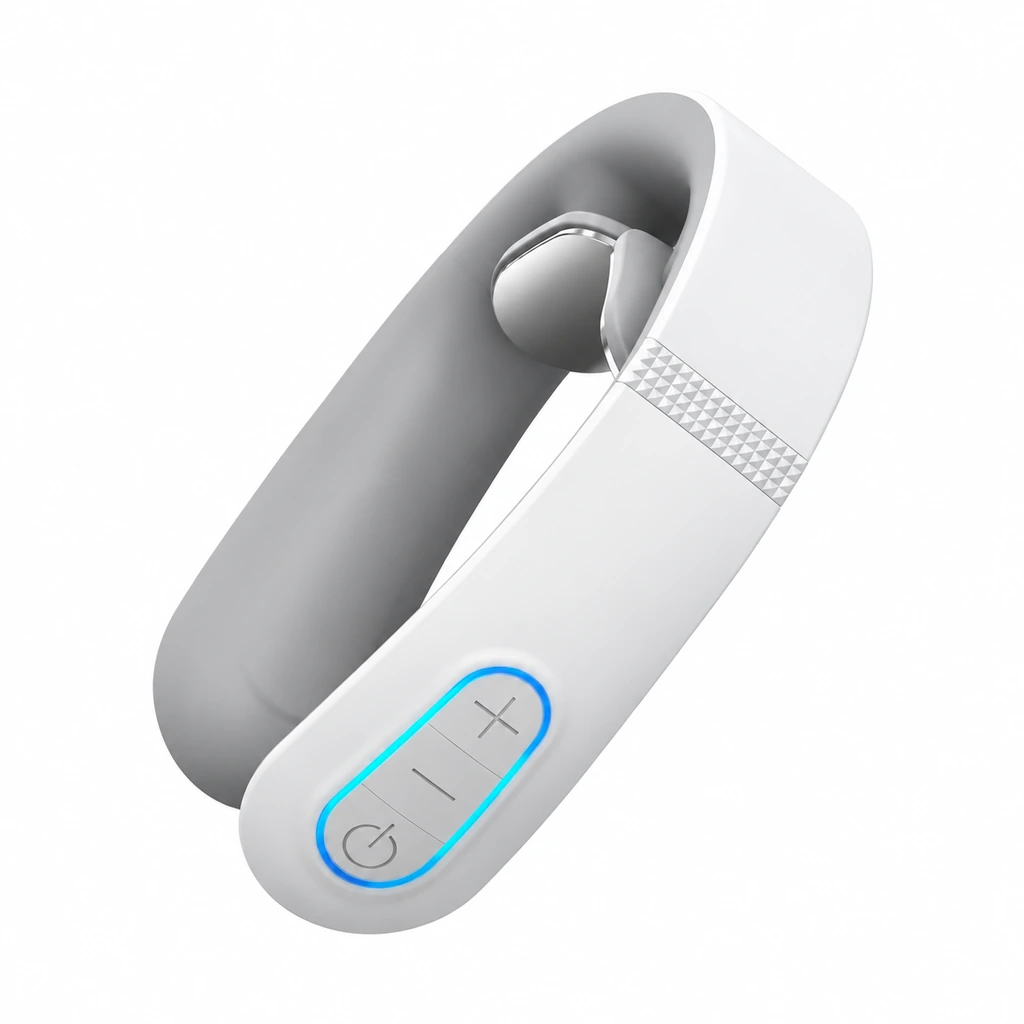
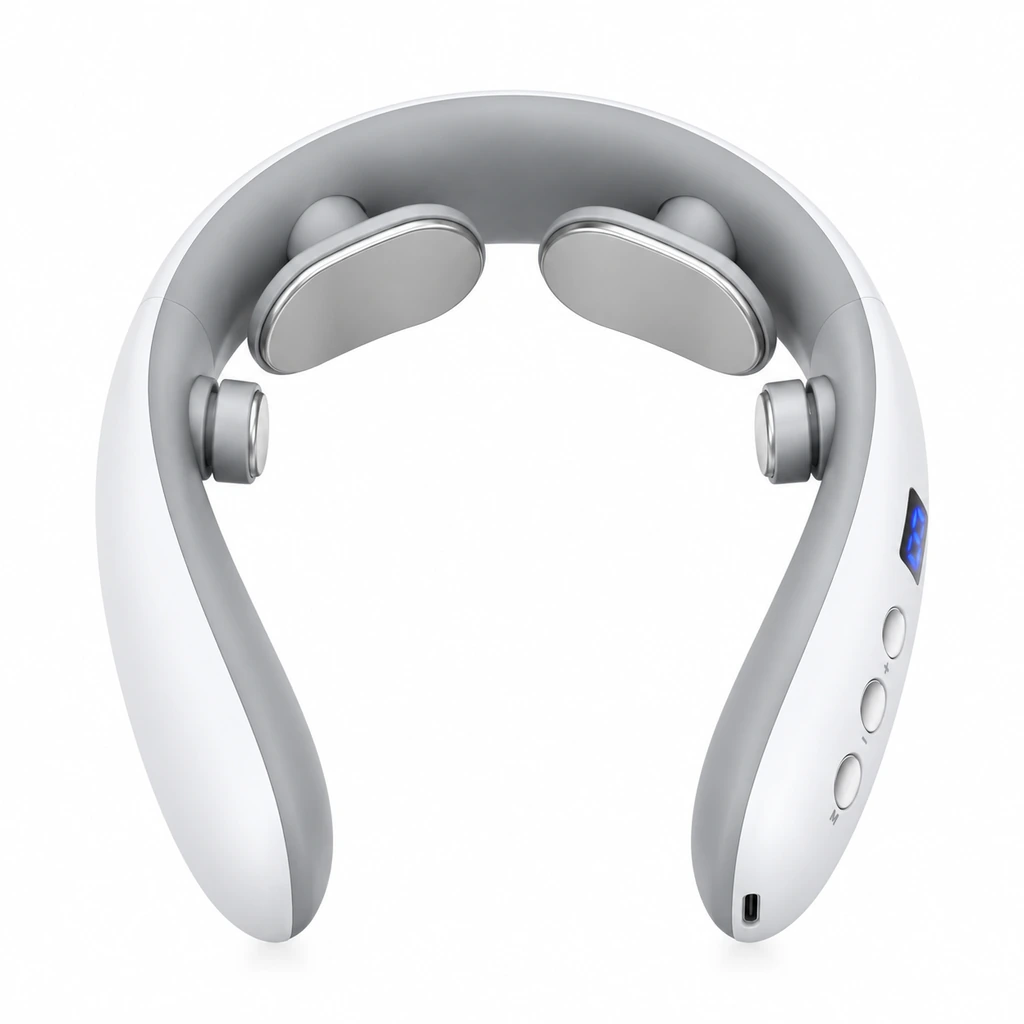
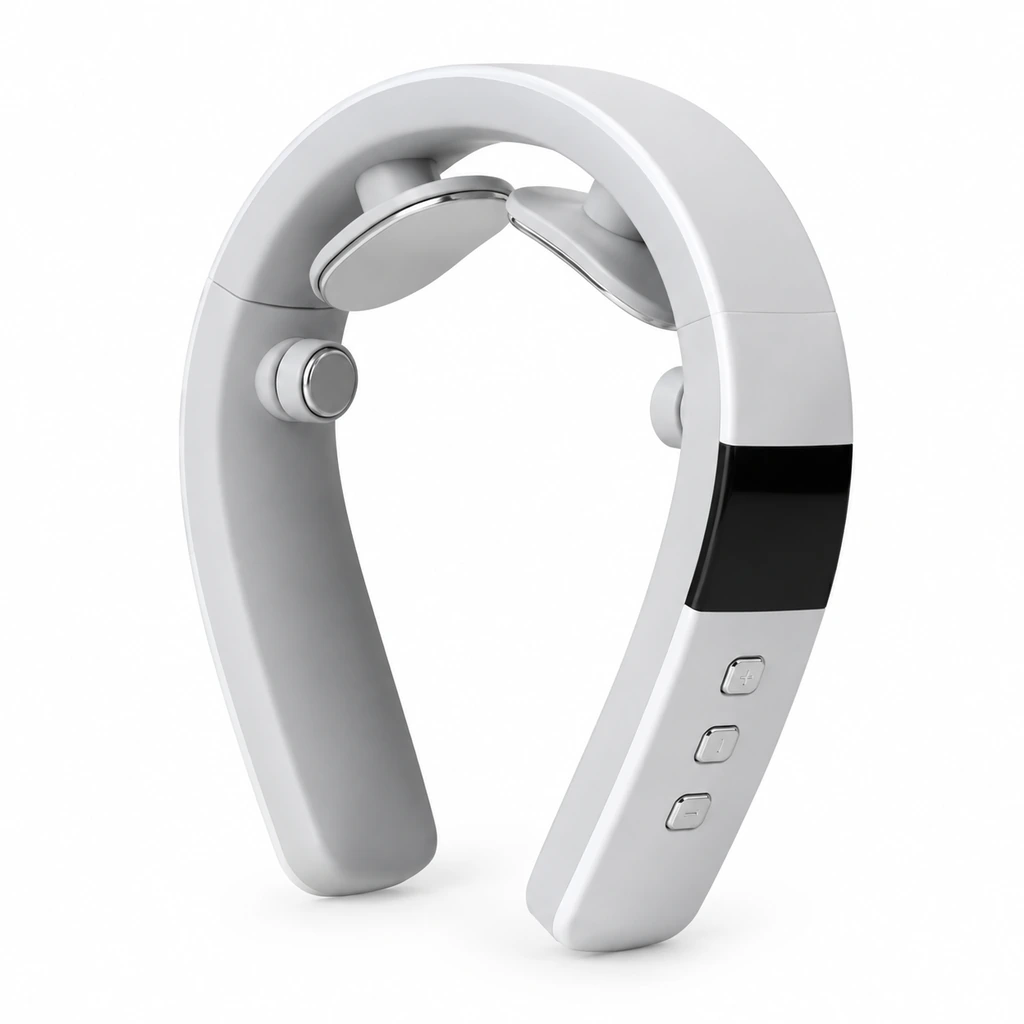
The Meilan F5 is one neck-category example. For this route, ask how the approved sample sits on intended users, how controls are reached while worn, and how the foldable structure should be shown or packed. Do not infer a universal fit from the catalogue photo.
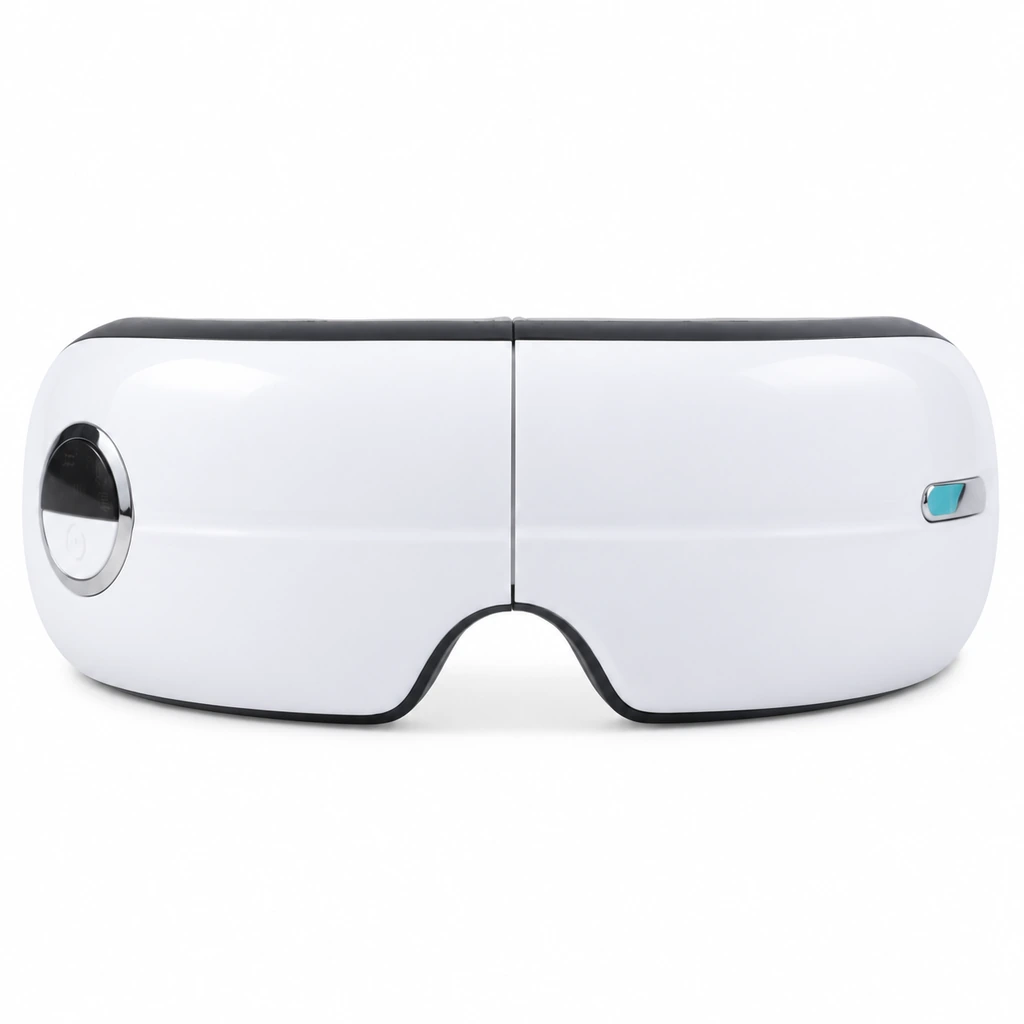
Eye: a face-worn presentation decision
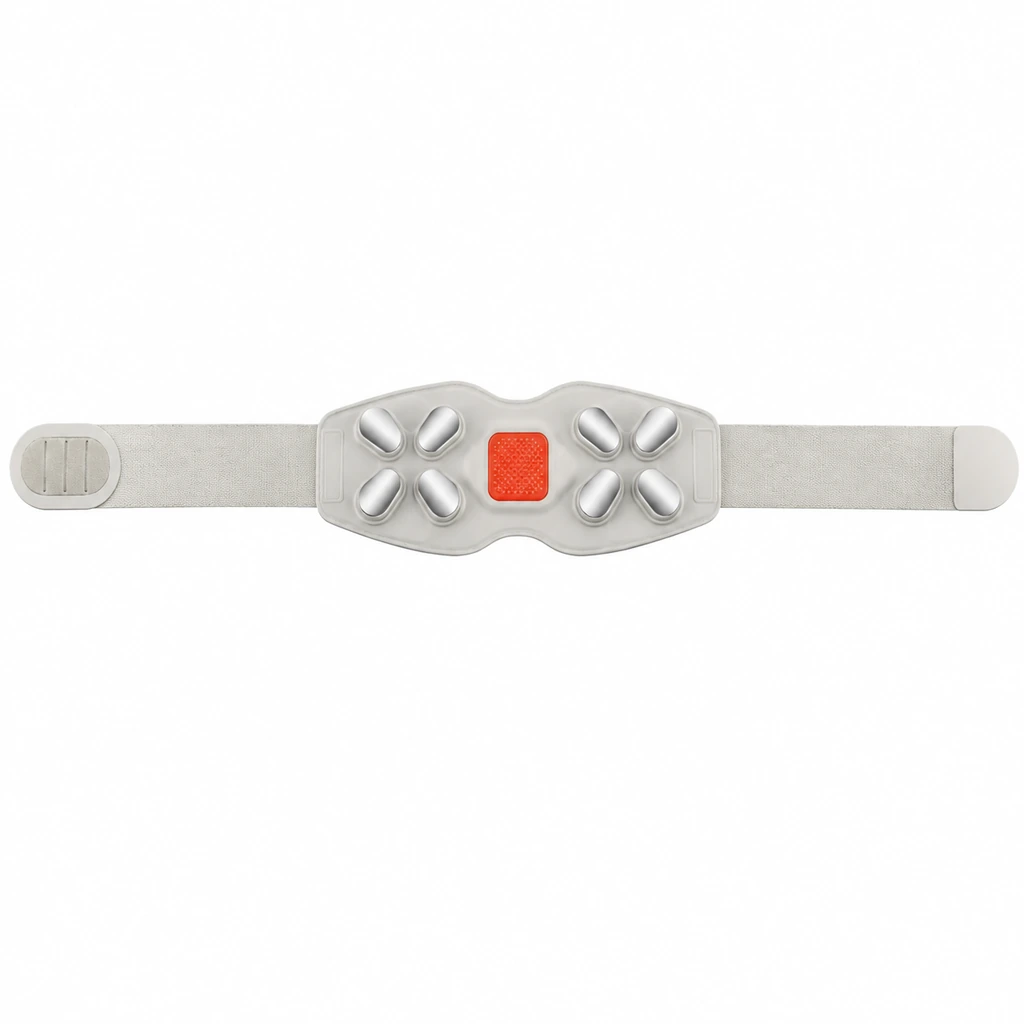
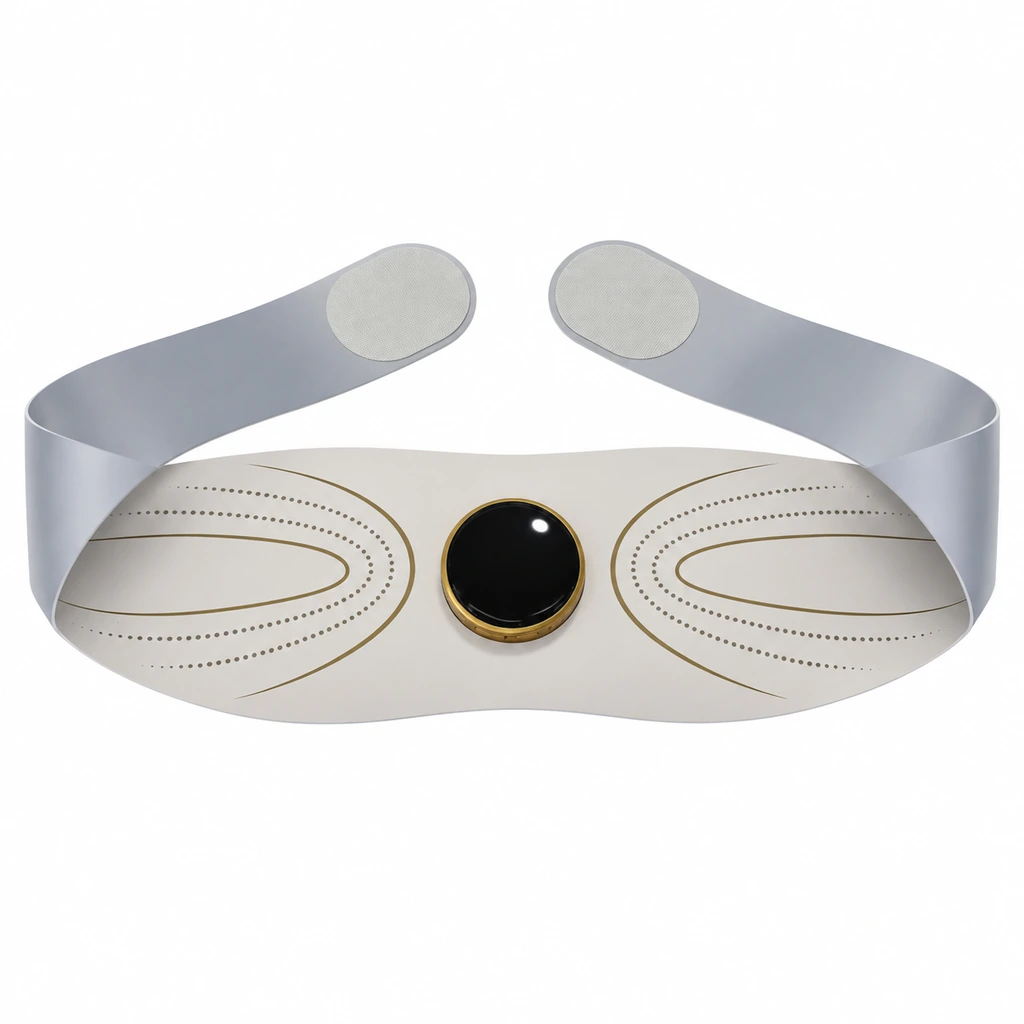
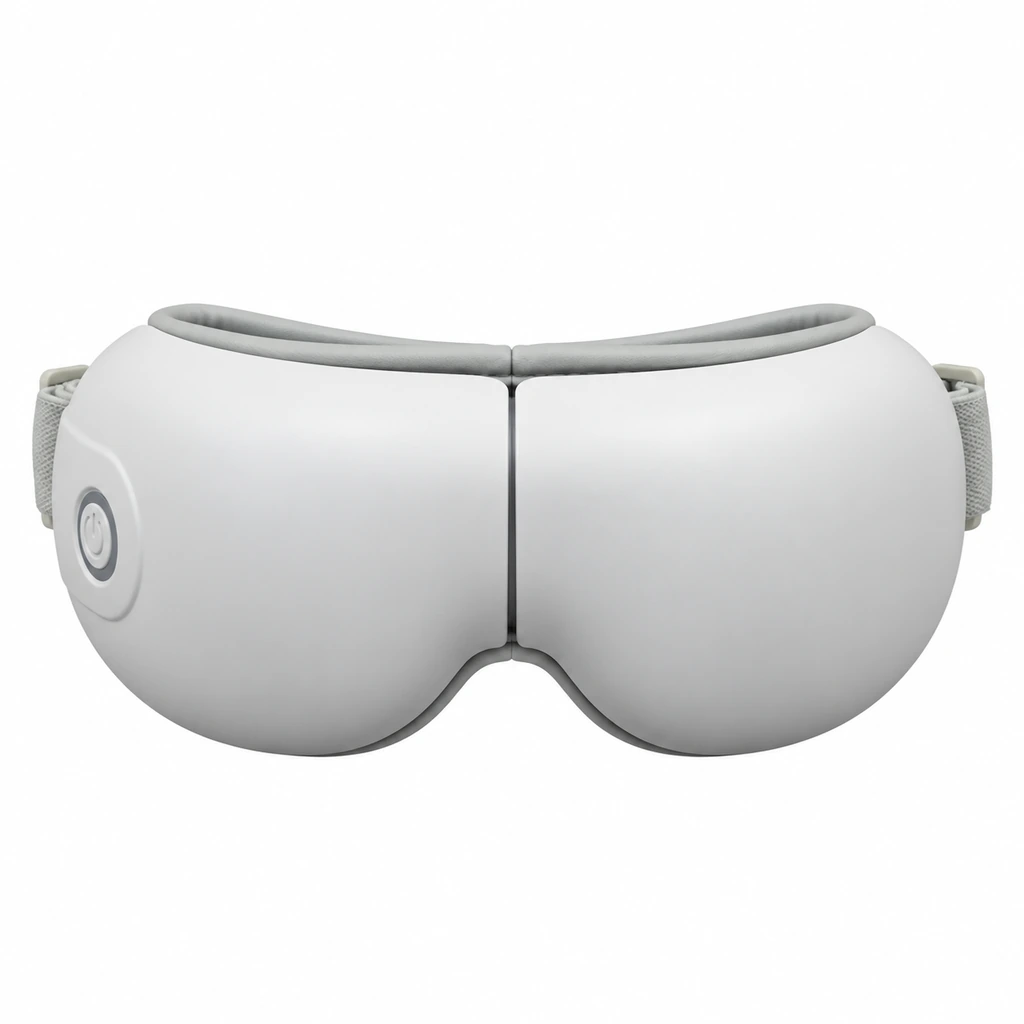
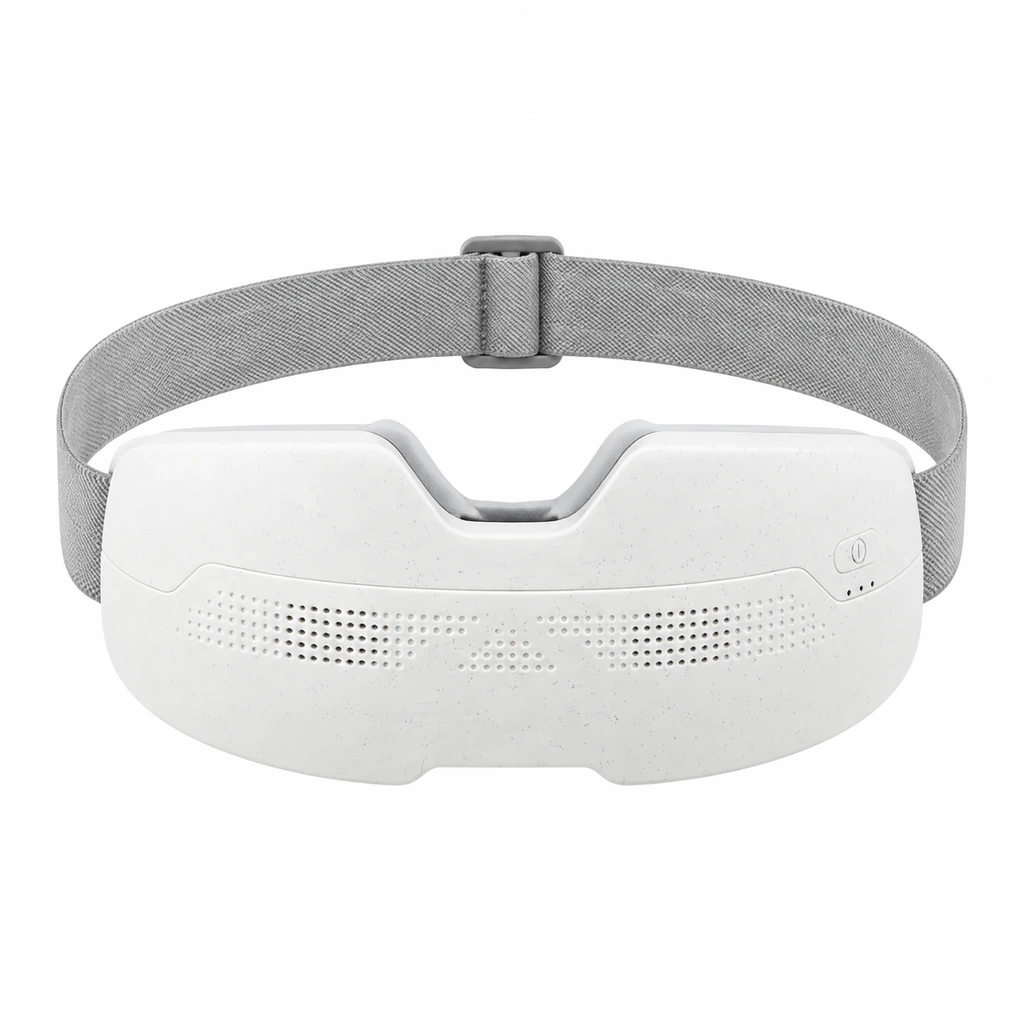
The Meilan Y8 illustrates an eye-worn format. Review strap adjustment, controls, included items and the cleaning instructions for the quoted version. Your listing should make the covered-eye form obvious; avoid implying medical or visual benefits that the product files do not establish.
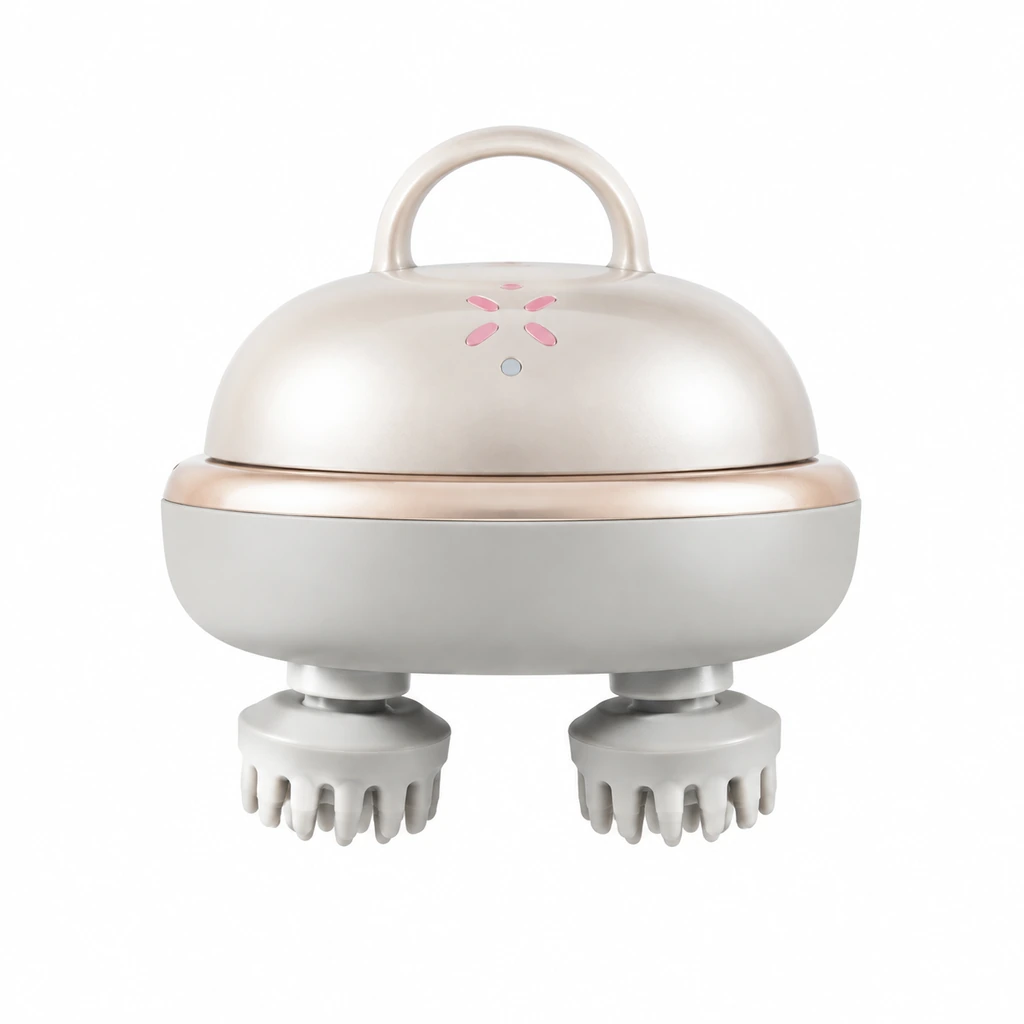
Scalp: a handheld-use and cleaning decision
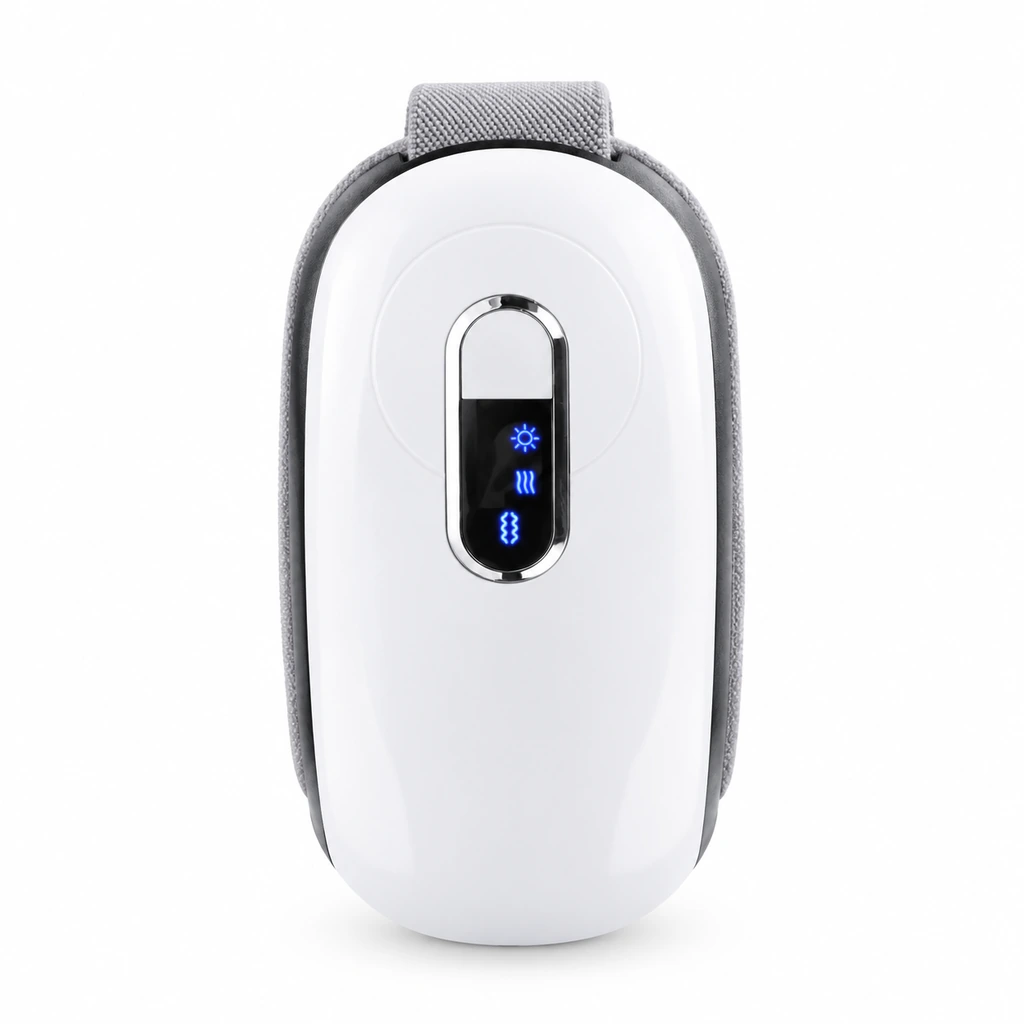
The Meilan T1 has a handheld body and visible lower massage heads. Ask for a demonstration of grip, reach, head contact and cleaning steps. Check the exact instructions and head assembly supplied before writing care claims or showing a disassembly sequence.
Run the same category-entry test on three samples
- Write one launch brief. Record target buyer, channel, retail price position, required language and any non-negotiable packing or accessory constraint. Keep the brief constant across categories.
- Use each device as intended. Observe the putting-on or holding sequence, control discovery, comfort and removal. Record what the sample showed and what remains a question; do not turn observations into clinical claims.
- Build a draft listing. Try to explain the product with an accurate hero image, three key use views, included-kit list and short operating steps. The missing images or instructions reveal work your team must finish before launch.
- Reconcile the quoted kit. Match the sample, specification, accessories, manual and box to the actual quotation. Request a version-specific answer when any item differs.
Choose the category with the clearest verifiable offer—not simply the most functions. If two categories look equally promising, favor the one whose fit or handling questions, complete kit and retail content your team can close first. Keep the other as a later range extension rather than launching both with unresolved documentation.
Make the next supplier conversation specific
Send Meilan the intended category, launch channel and customer moment, then ask for a current sample, version-specific specification, complete-kit list, instructions and product images for that route. Discuss your first-category shortlist after your team has recorded the gaps the sample must settle.

