



Eye Massager Sample Evaluation Budget
Plan a Y8-based eye massager sample evaluation budget covering samples, customization, delivery, review work and conditional revisions, with blank quotation fields.
 Meilan Tech 9 min read
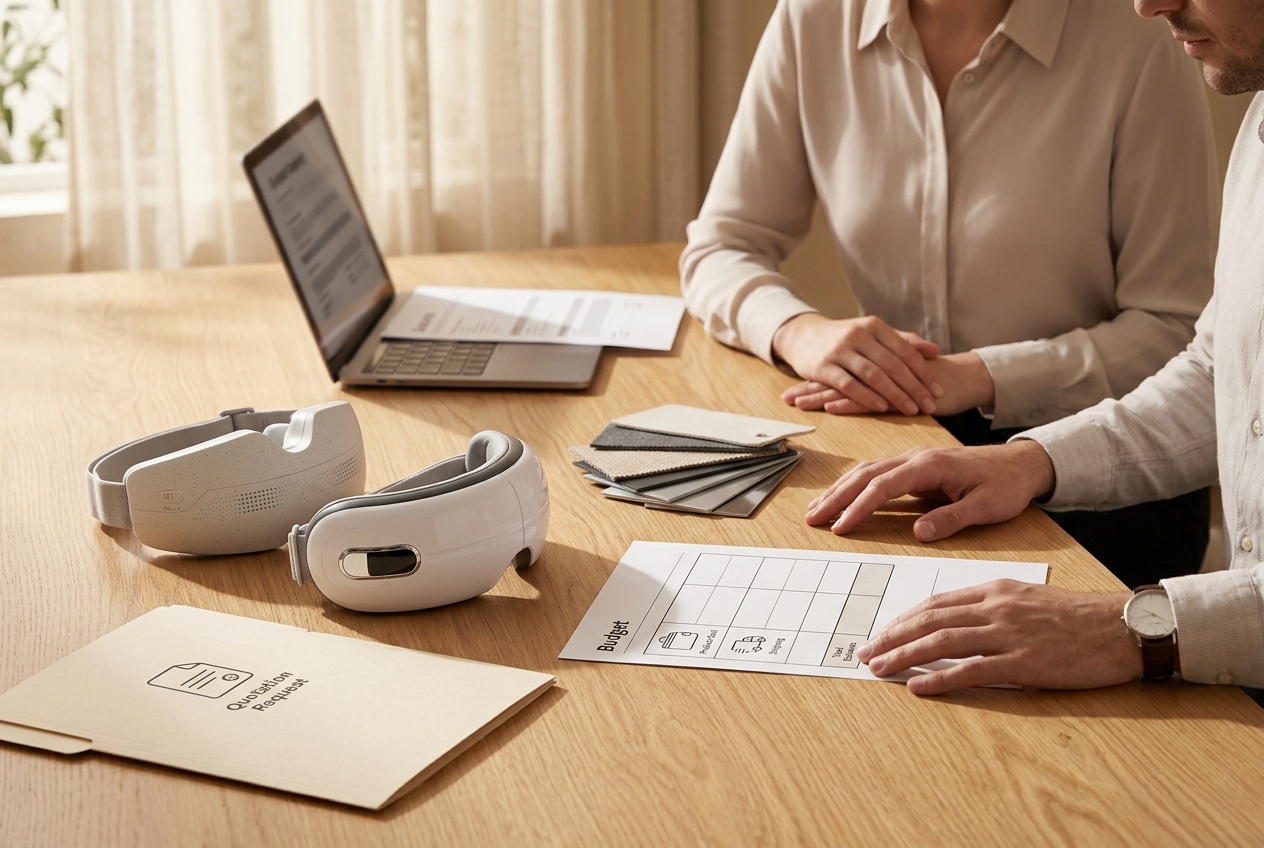
An eye massager sample evaluation budget should cover the quoted samples, any agreed customization, delivery to the review location, and the checks needed for a purchasing decision. Separate the cash needed now from conditional revision and testing costs. Keep unquoted amounts blank, record who pays each charge, and release the next stage only when the evidence justifies it.
1 Define the purchase decision before buying samples
A distributor comparing additions to a product range, an online seller preparing a listing, and a gift buyer working toward a delivery date need different evidence. The distributor may need a clear demonstration and an identifiable configuration. The online seller needs instructions and product information that support accurate listings and customer service. The gift buyer may need a branded presentation, accessory count and packing arrangement approved before a fixed event. These needs should determine the evaluation spend.
Write a short review brief covering the destination market, channel, candidate model, proposed quantity, intended users and the decision the sample must support. Add the person who will approve that decision. A sample can answer whether a control sequence is understandable; it cannot establish that a future production lot will have the same quality.
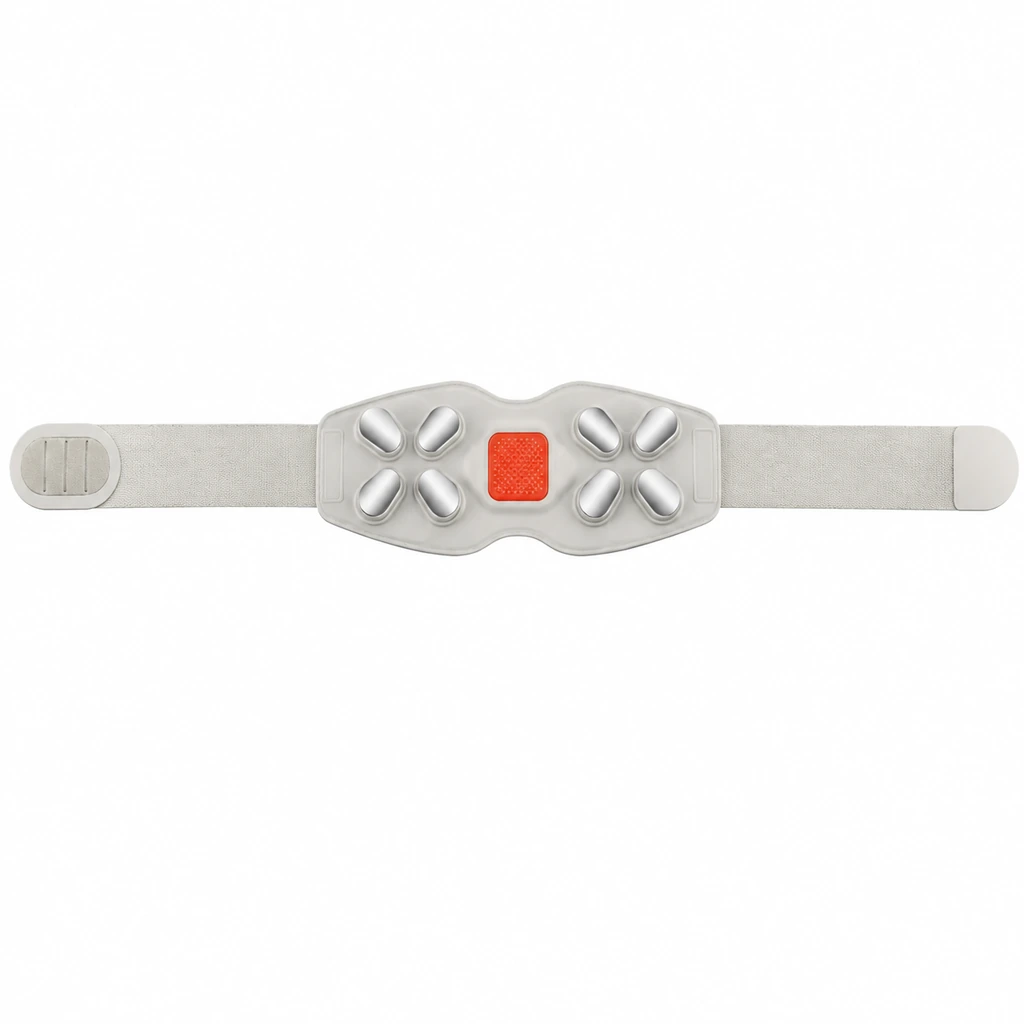
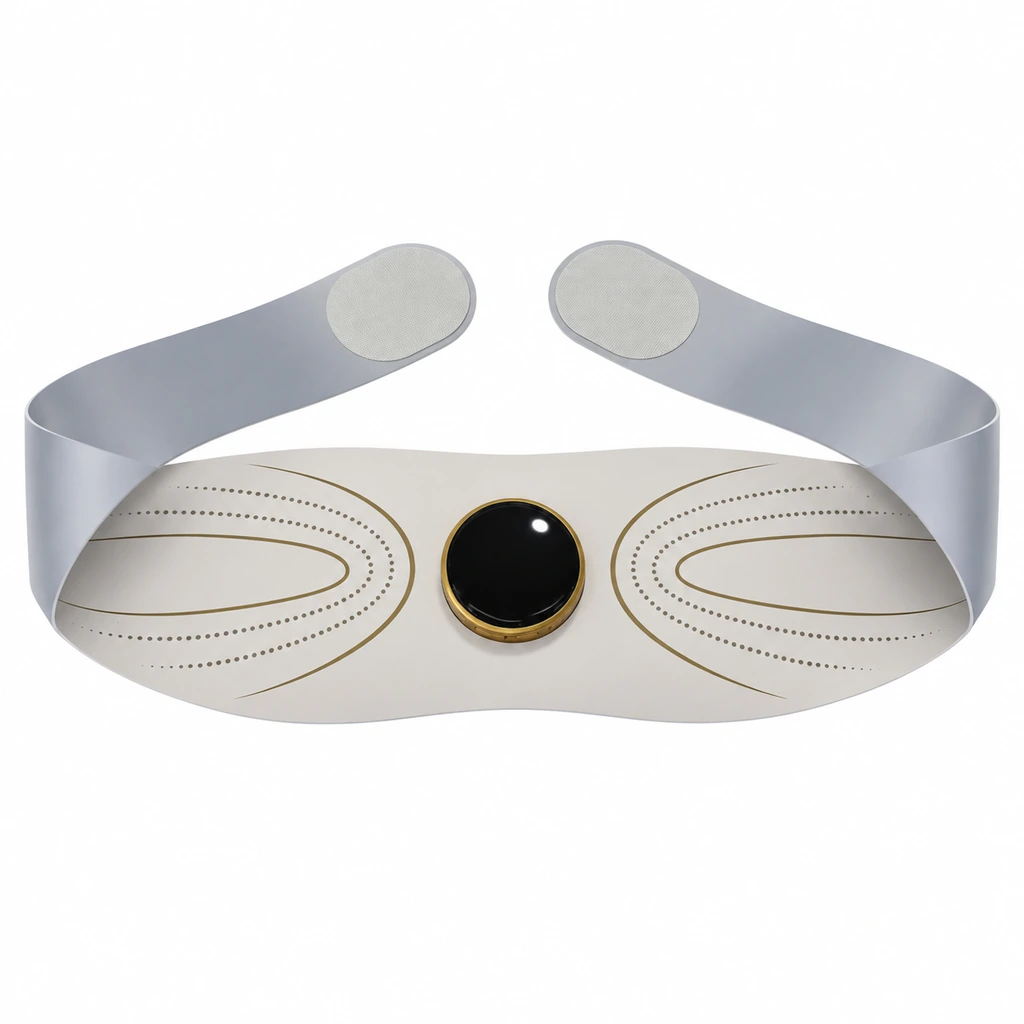
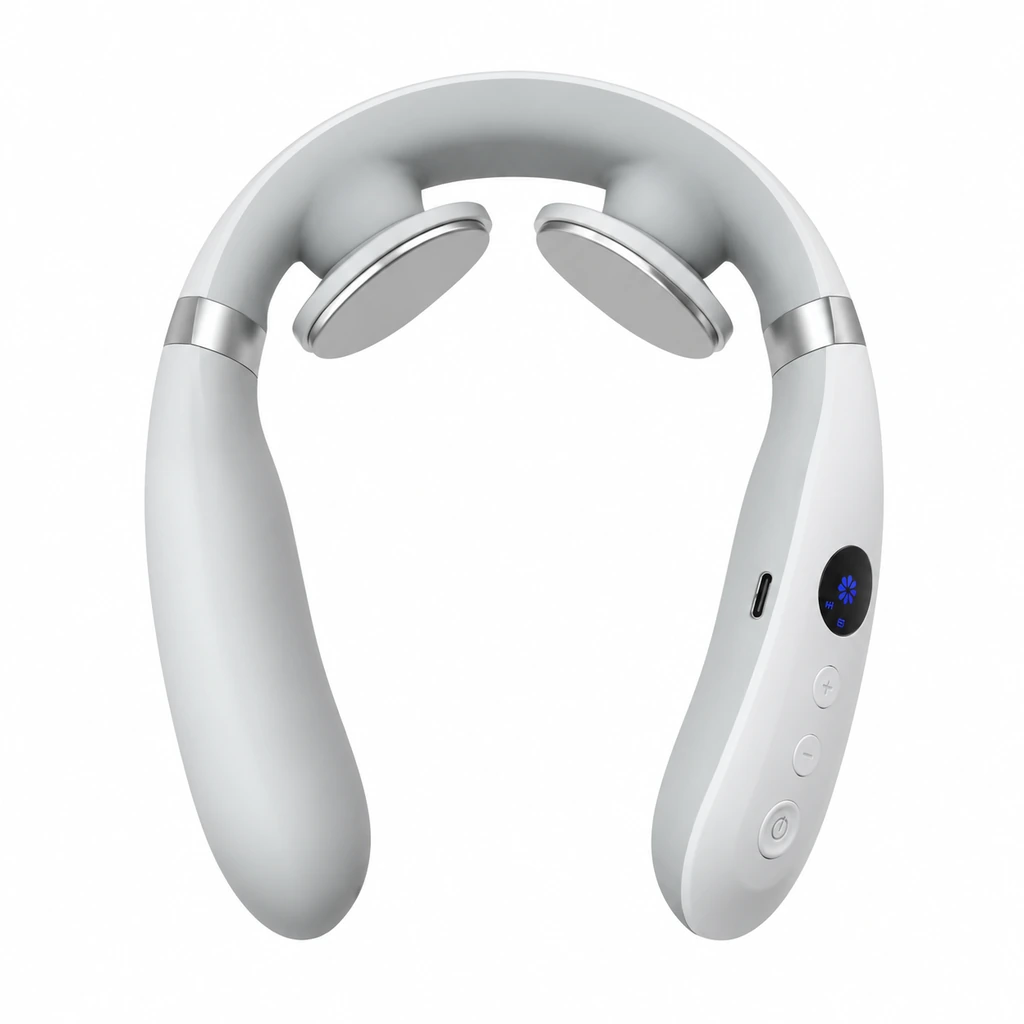
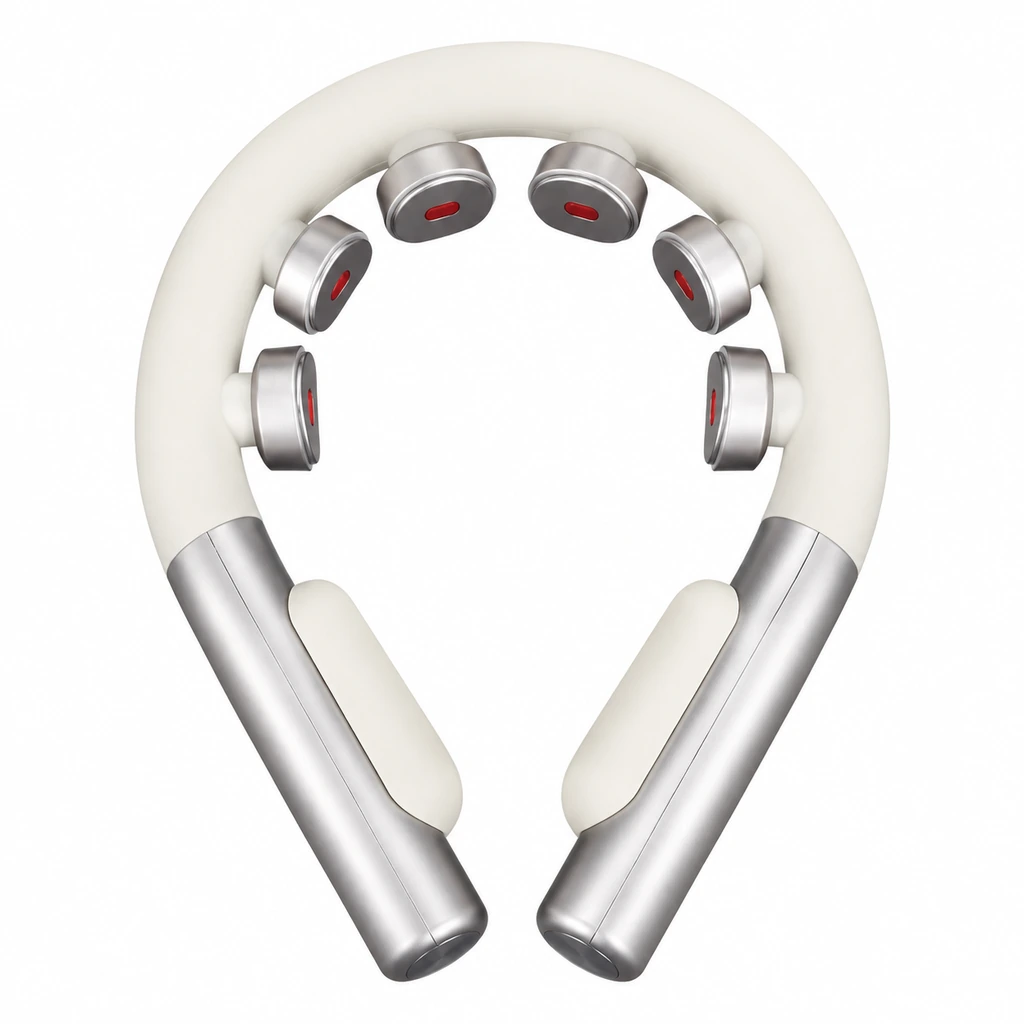
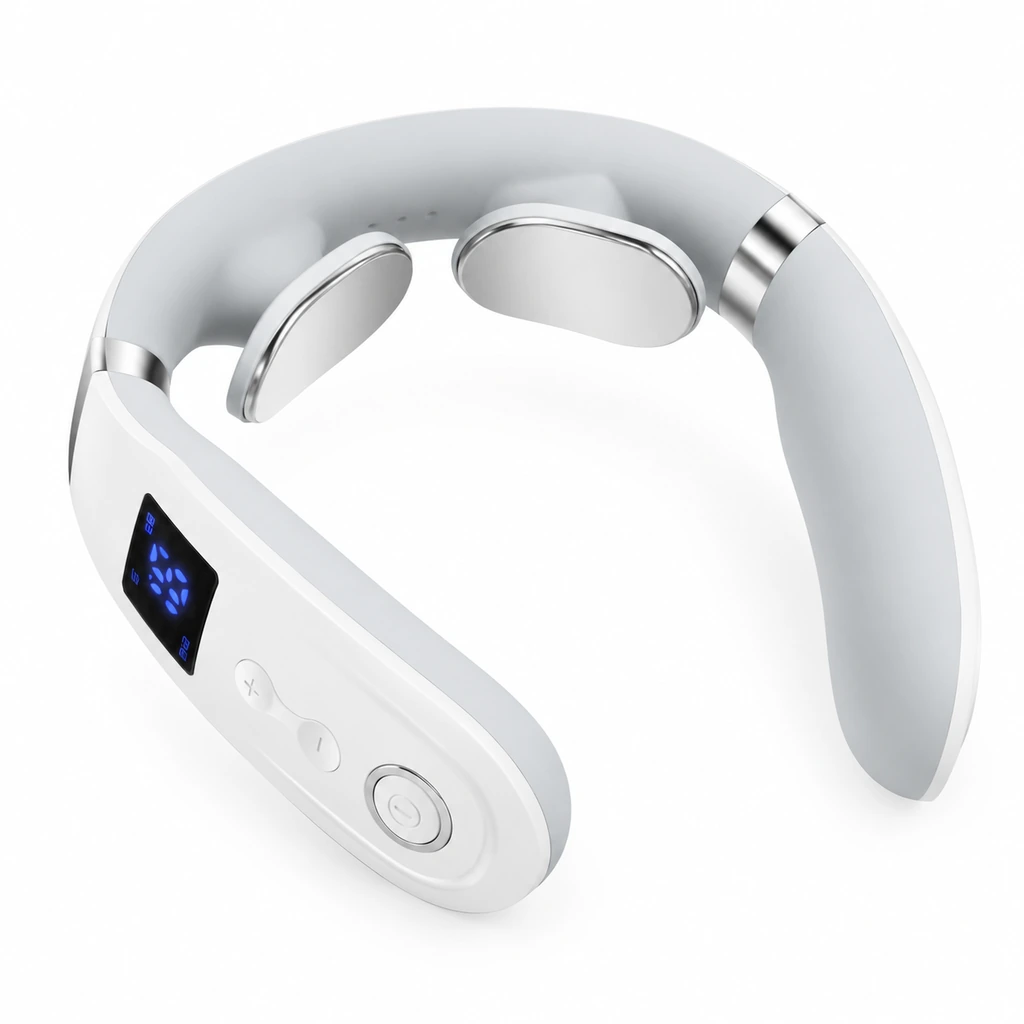
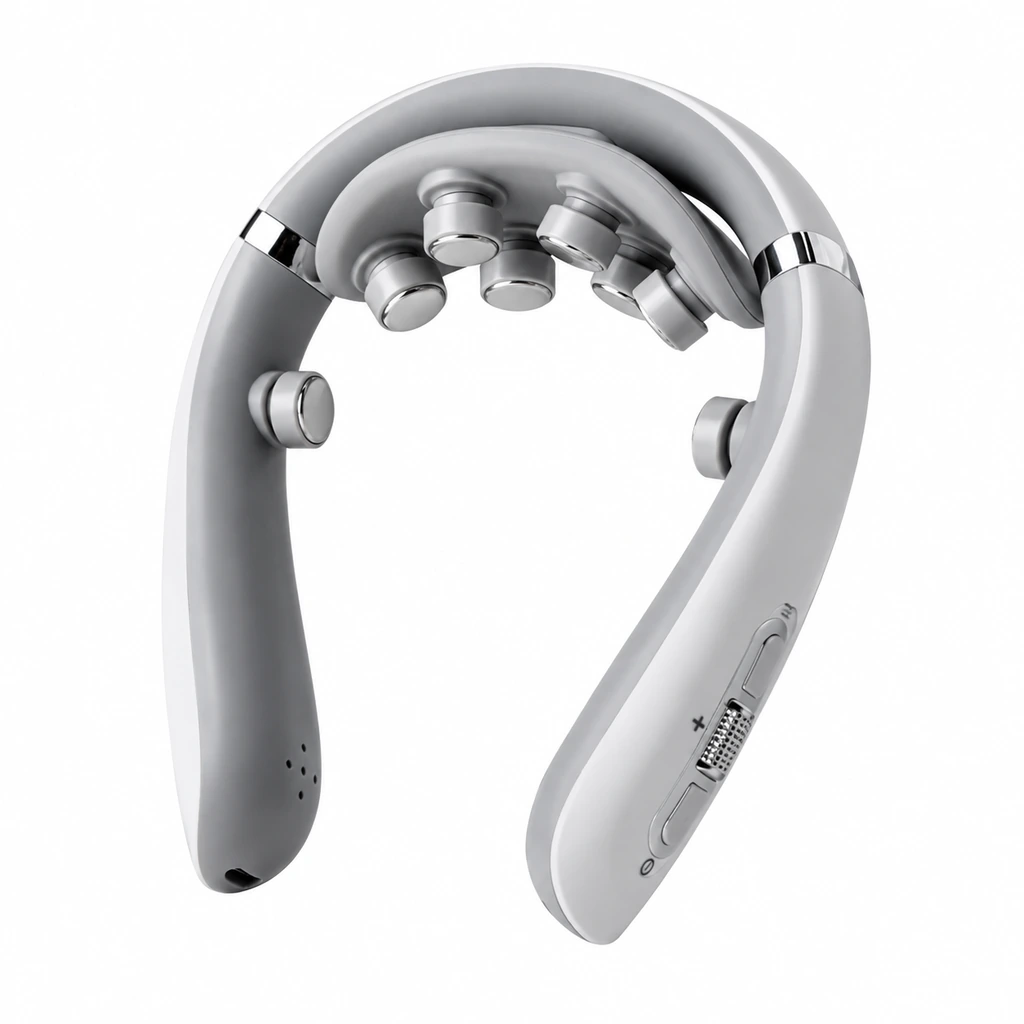
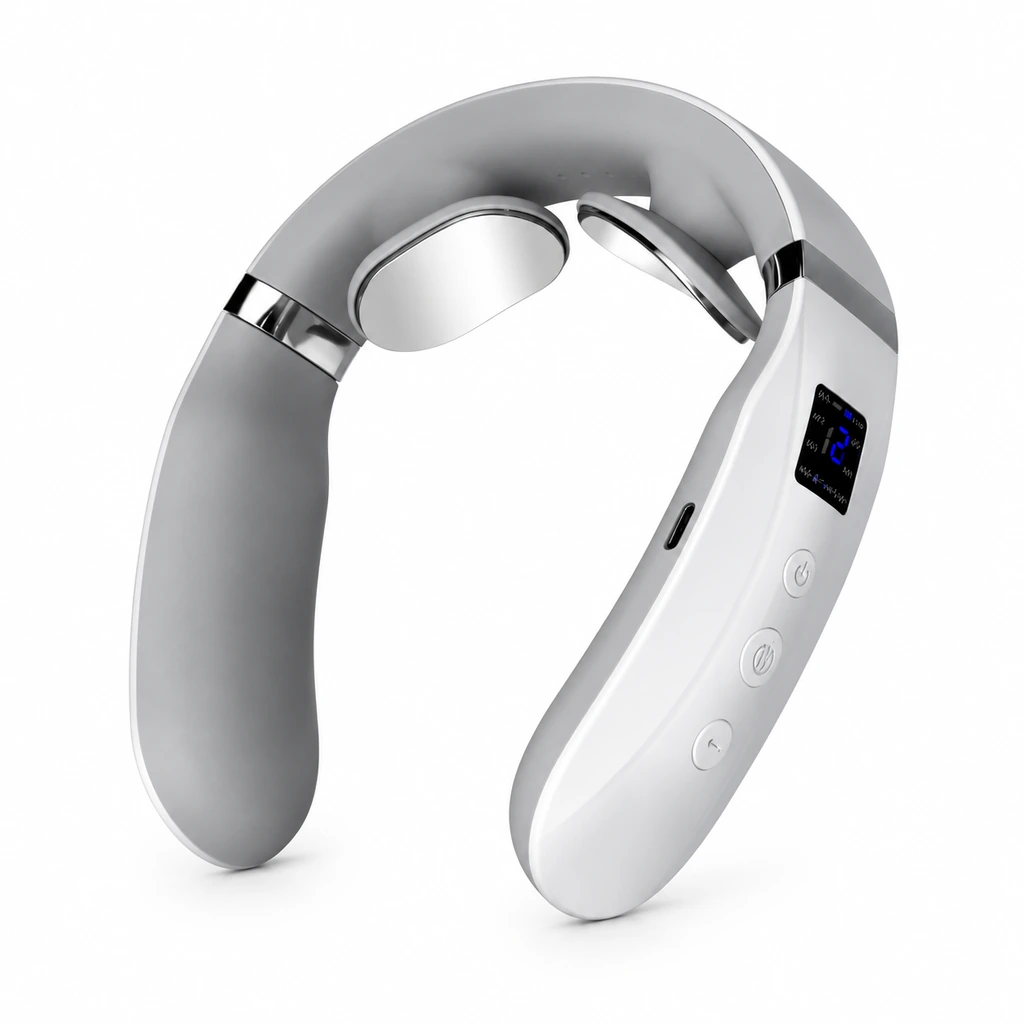
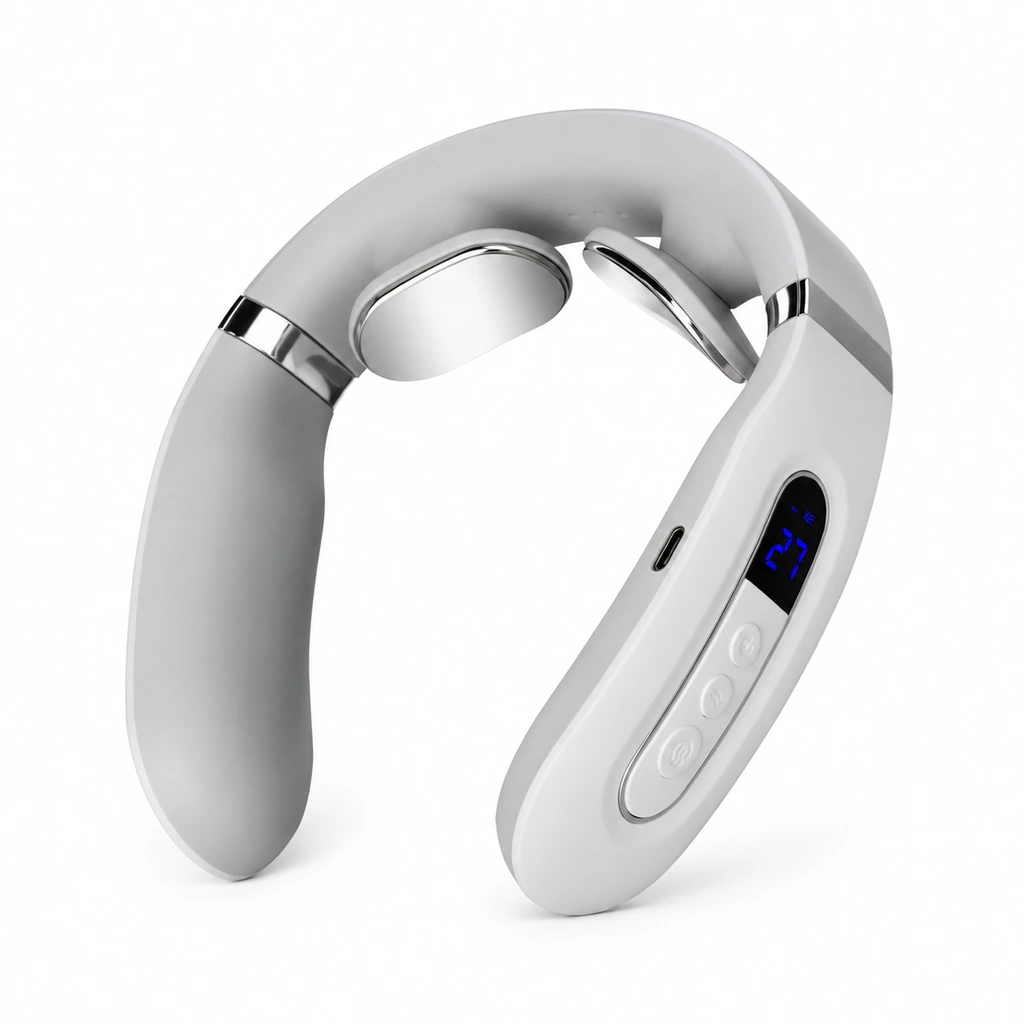
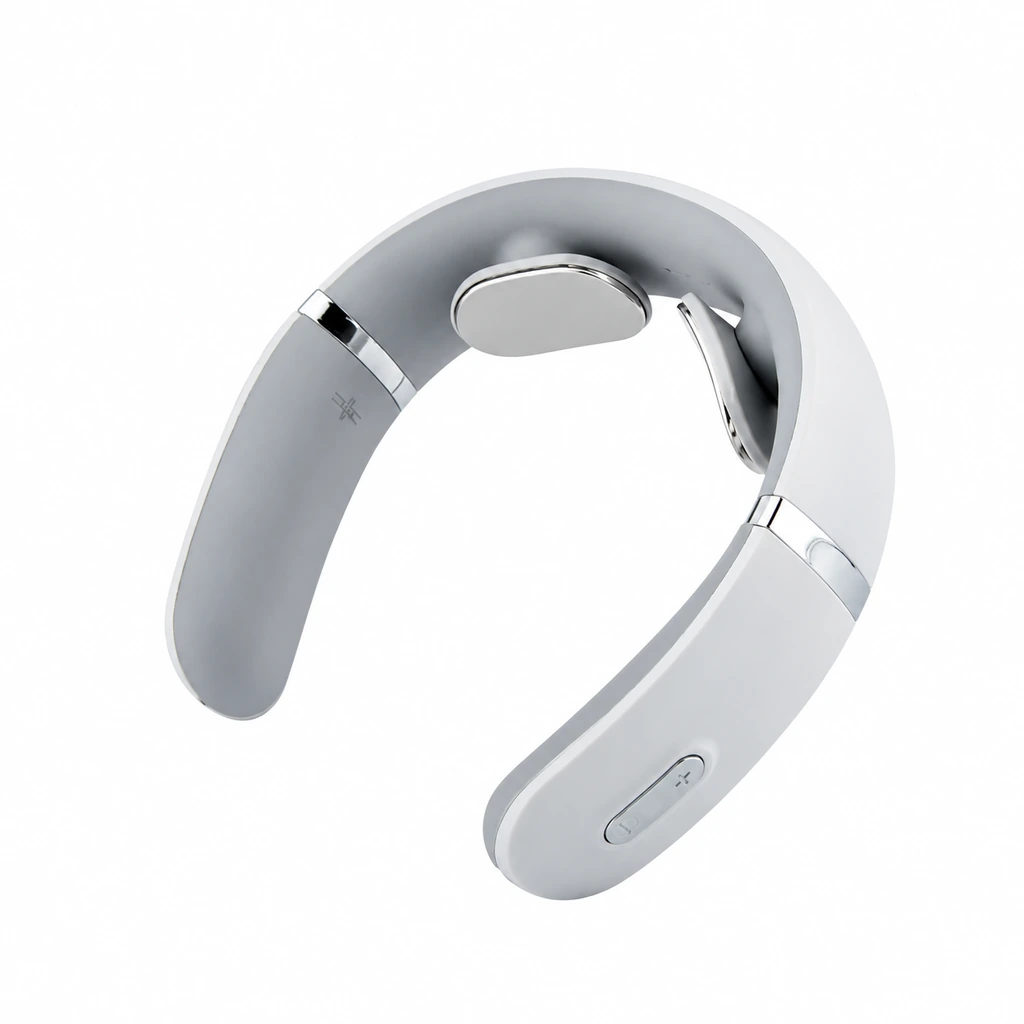
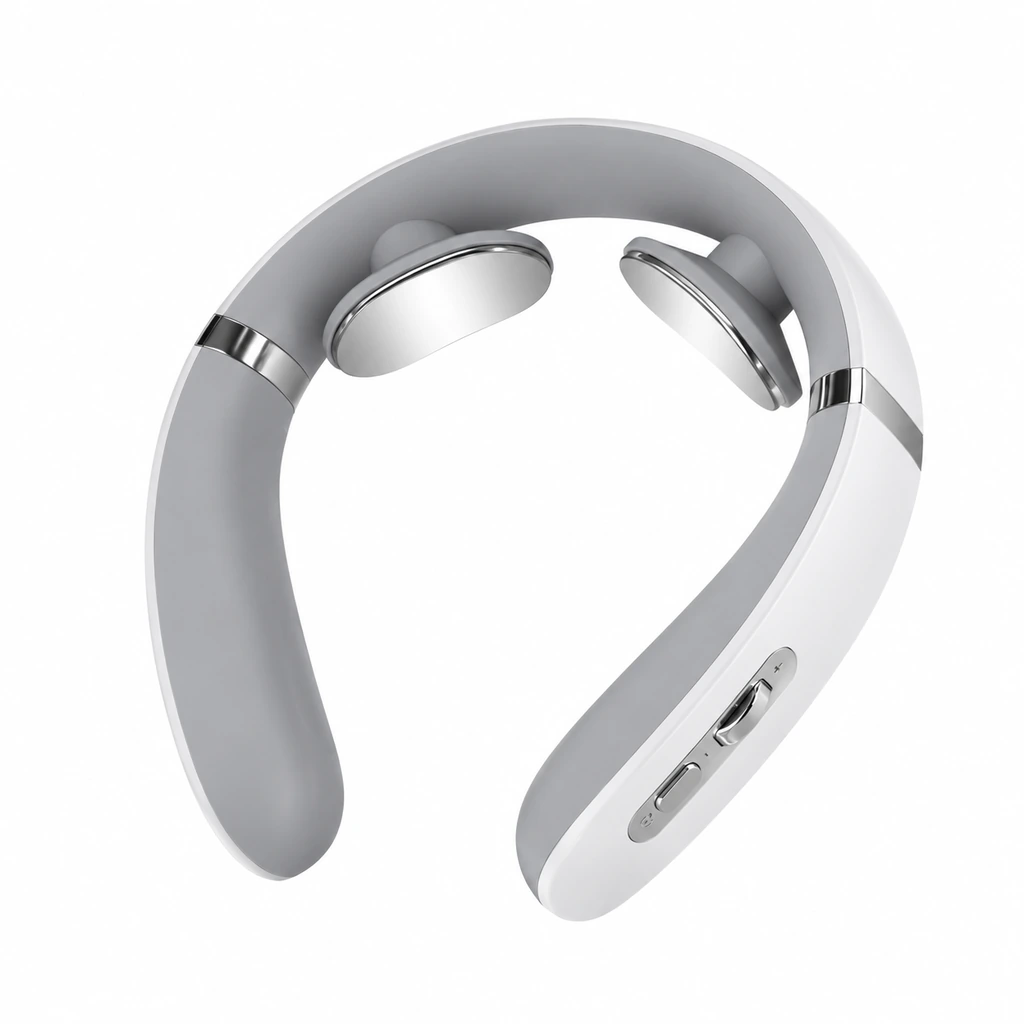
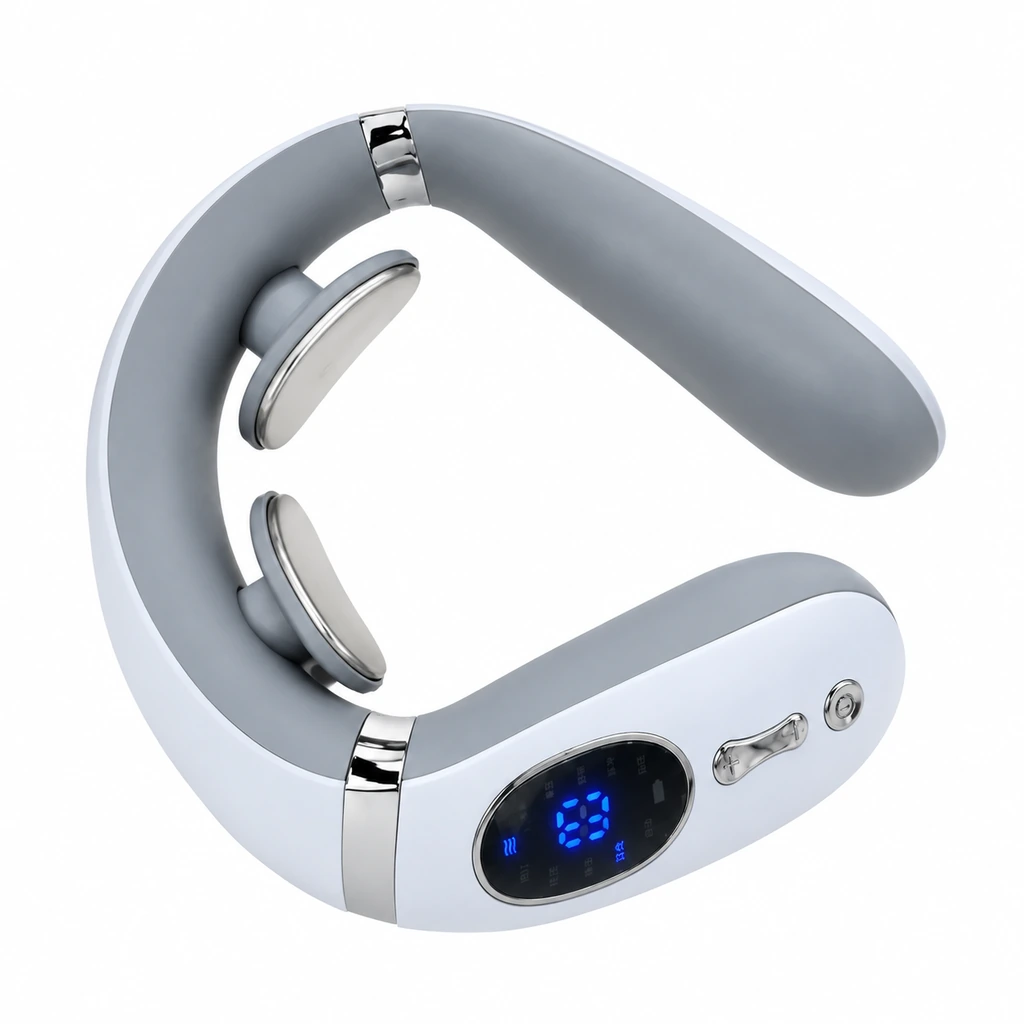
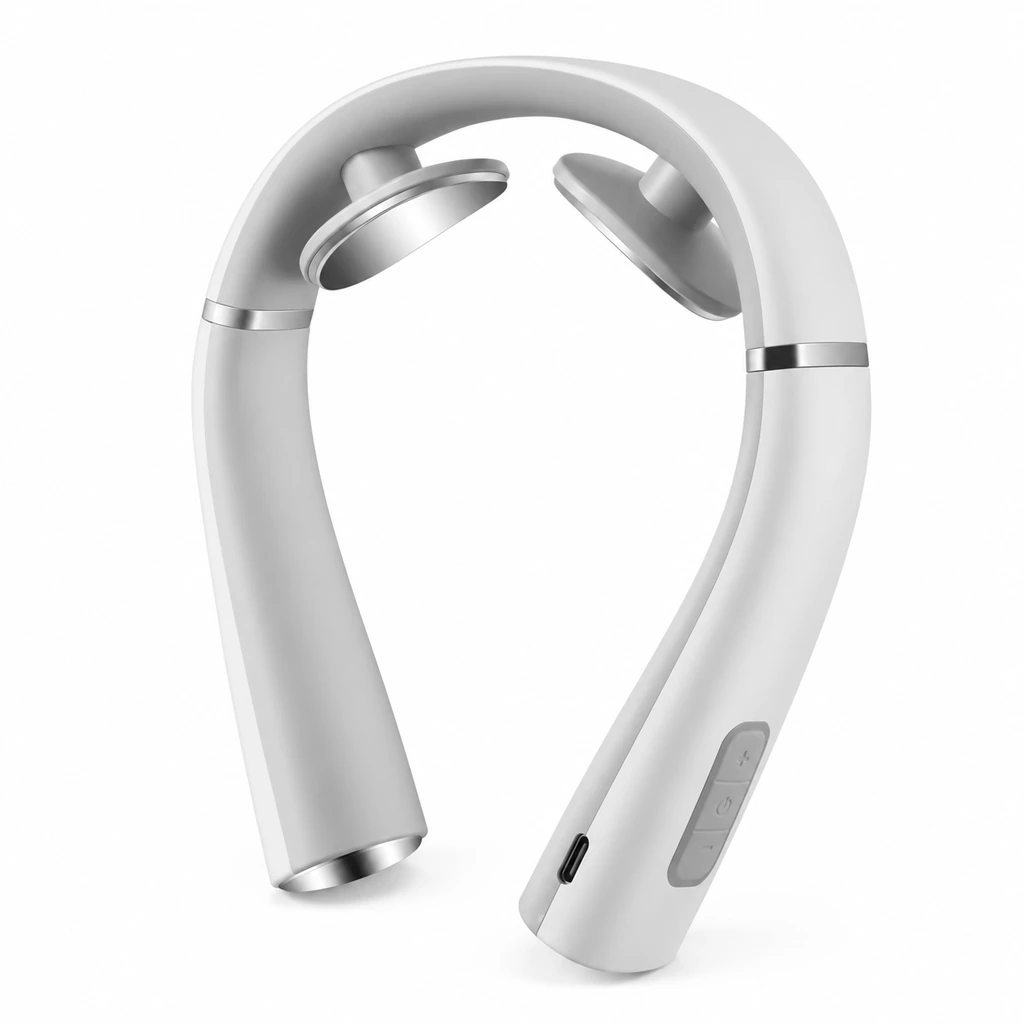
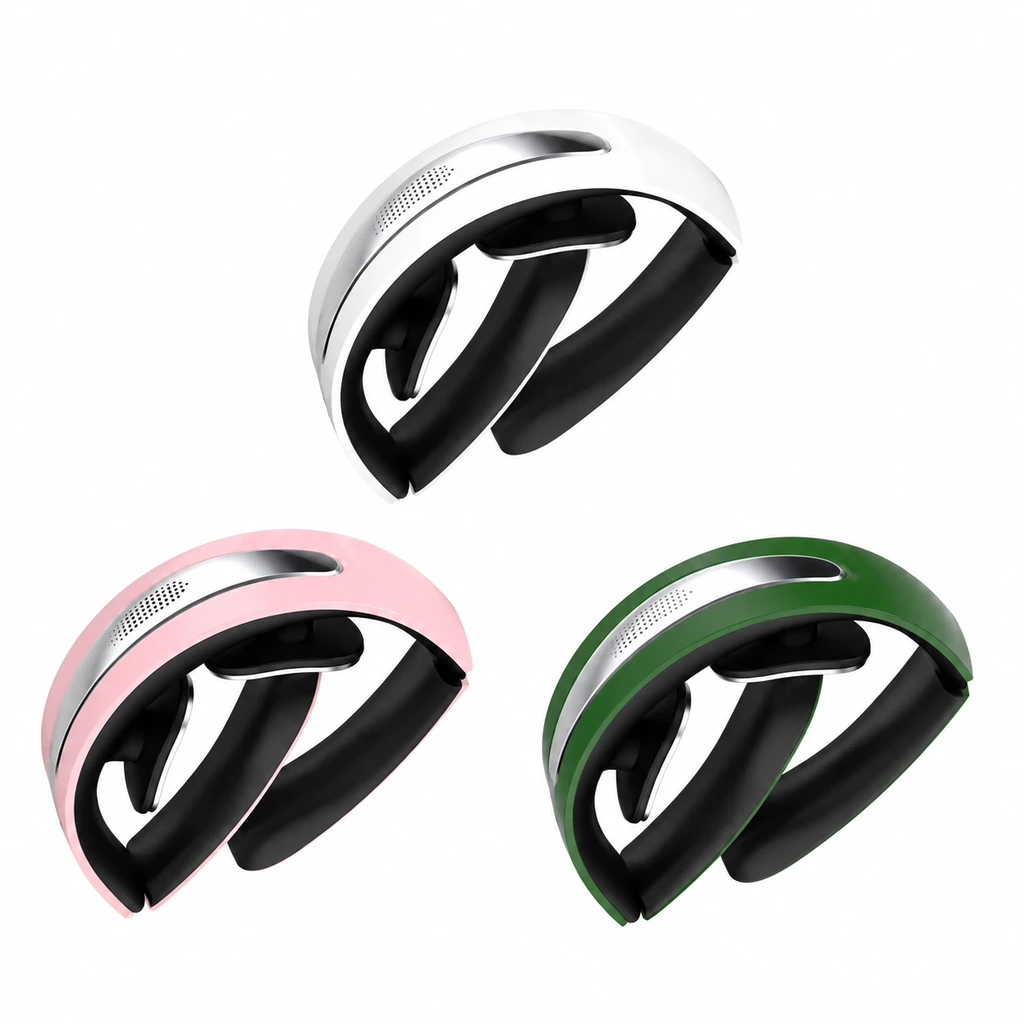
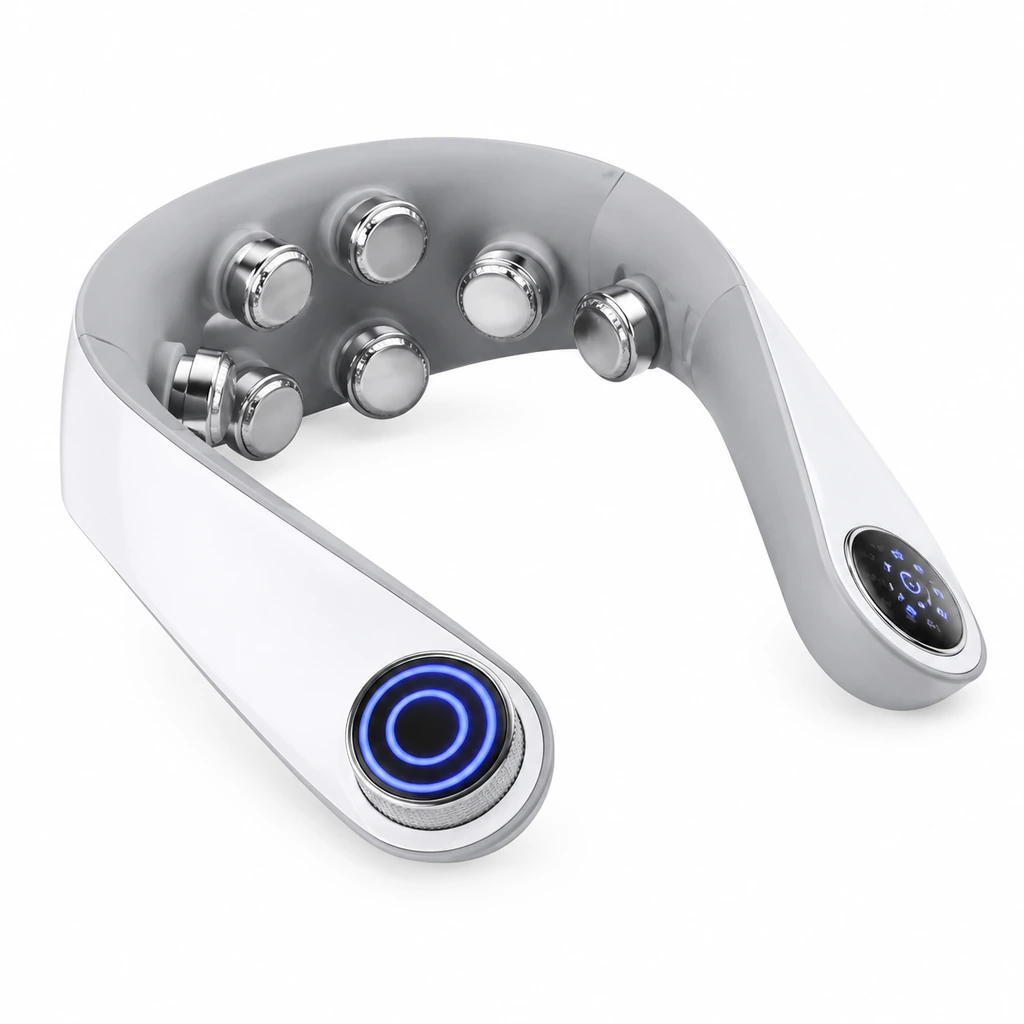
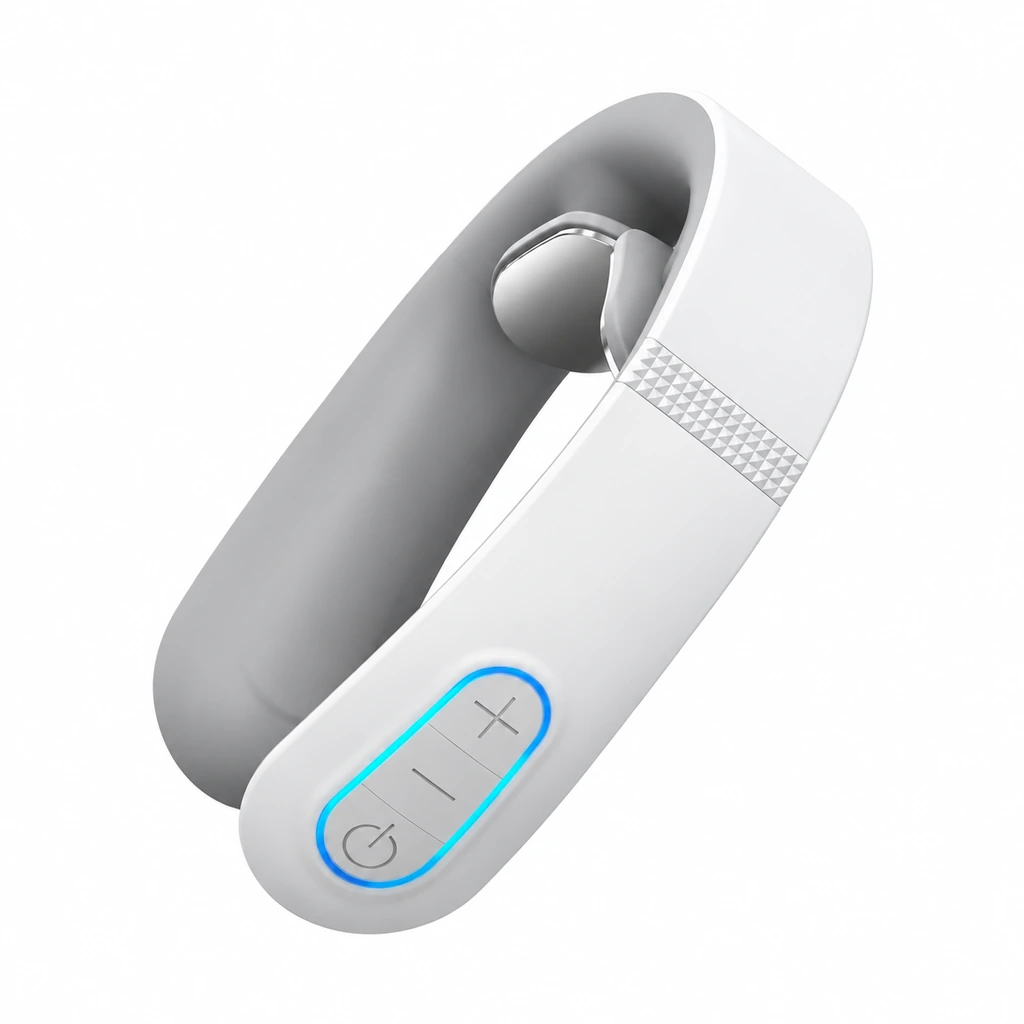
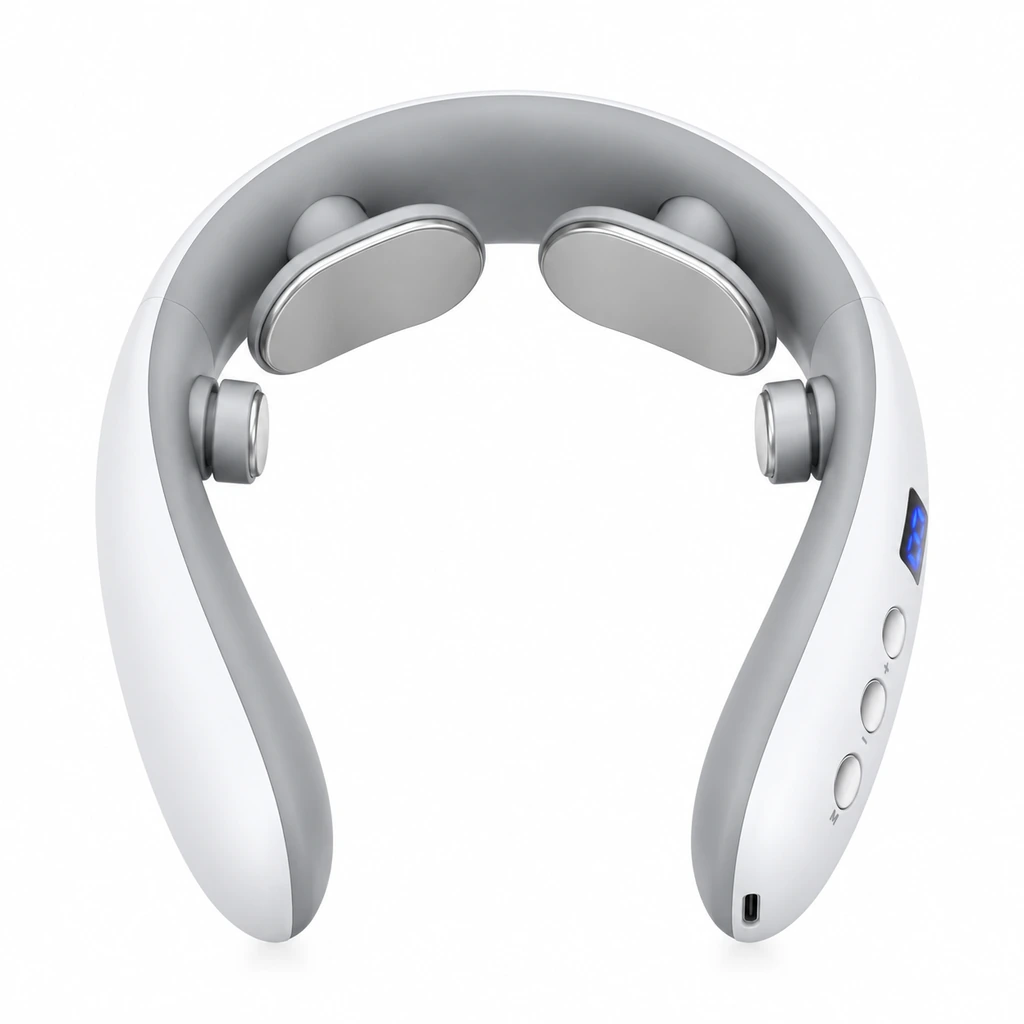
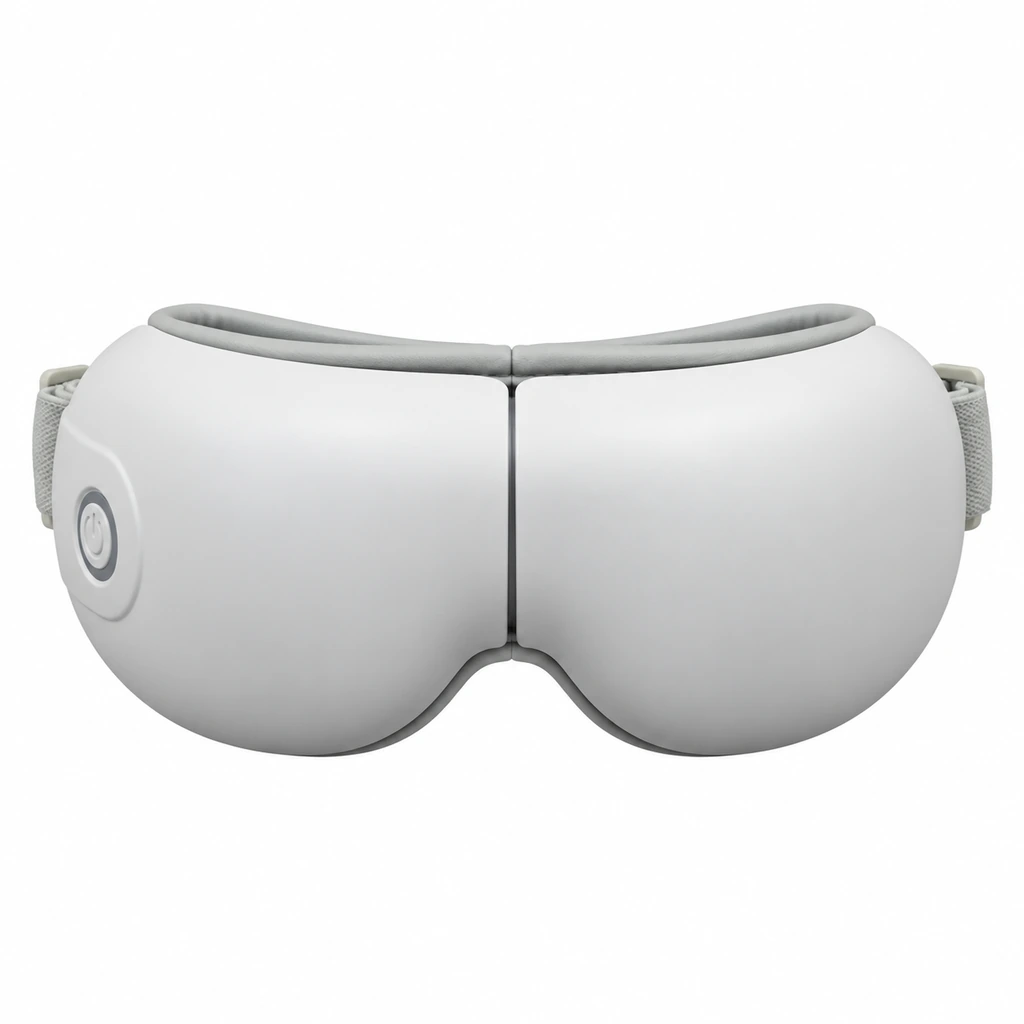
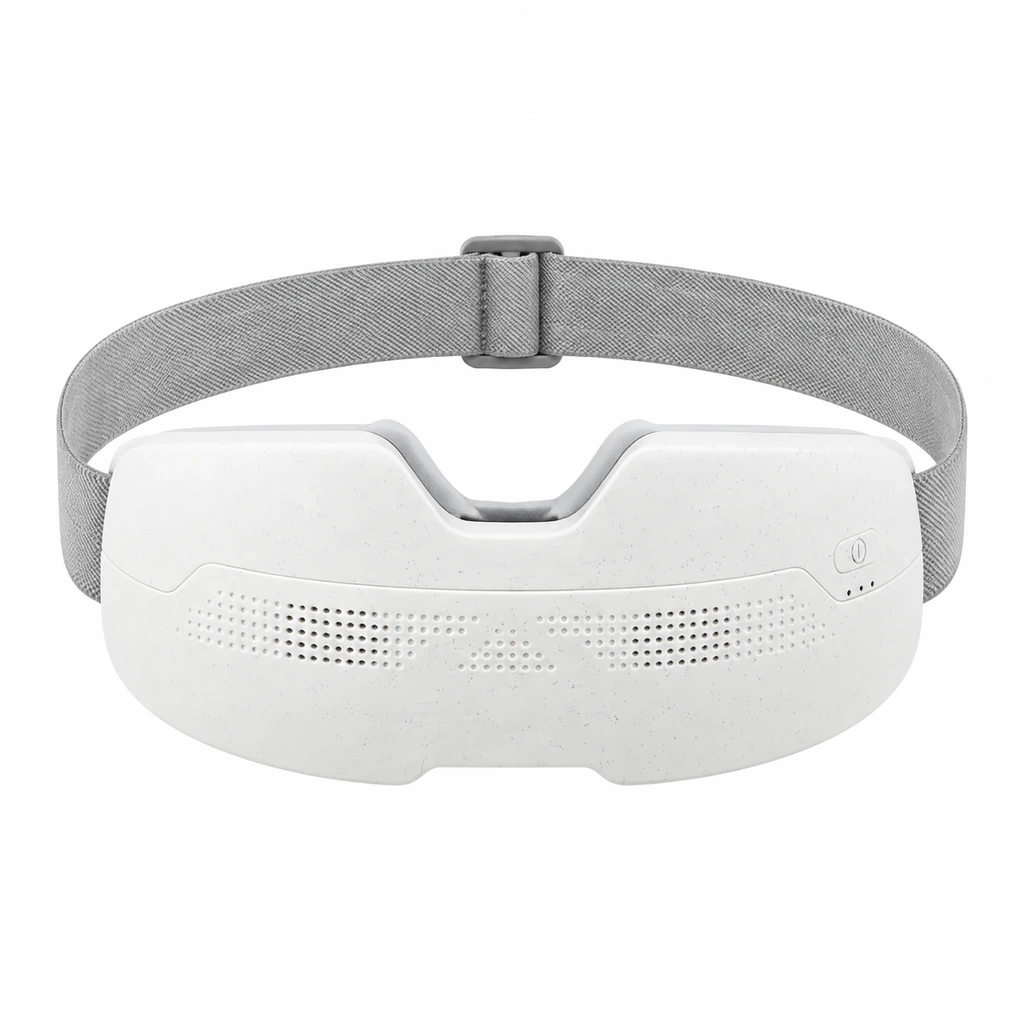
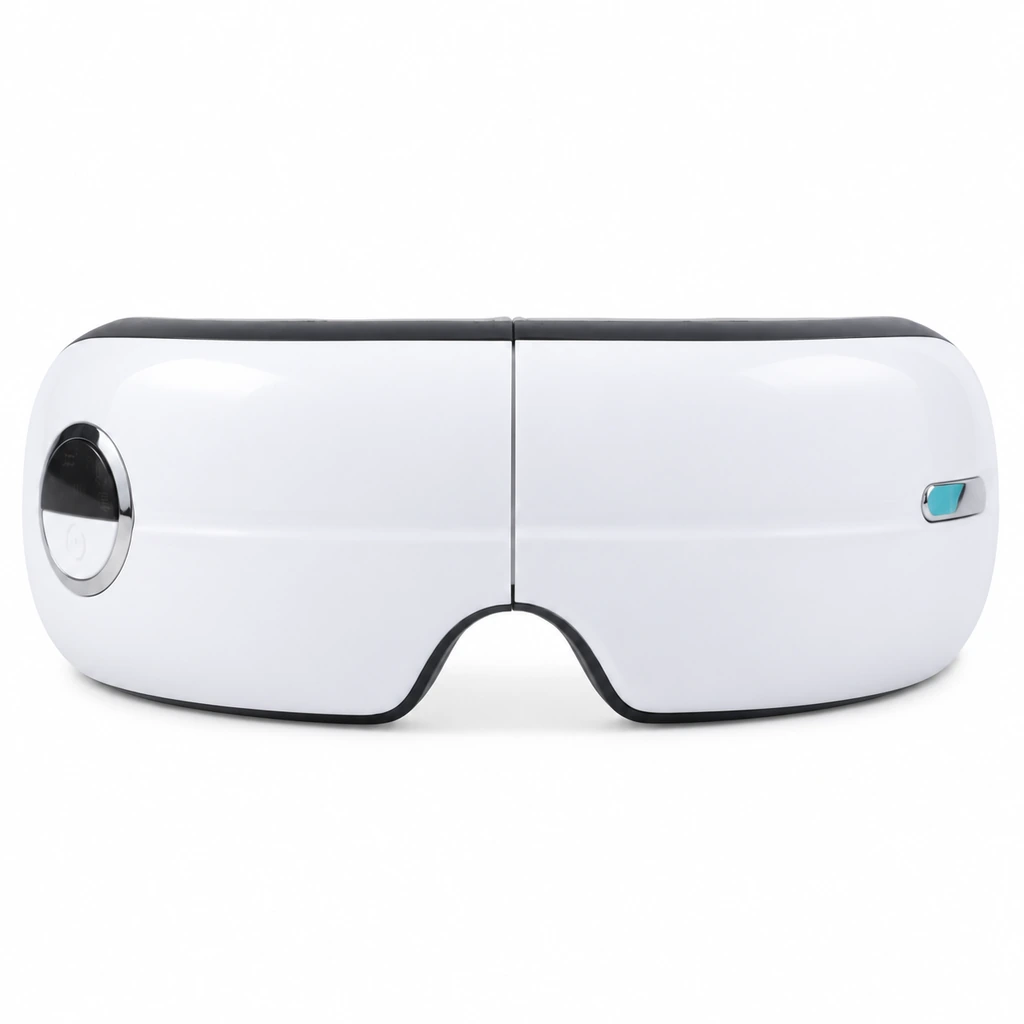
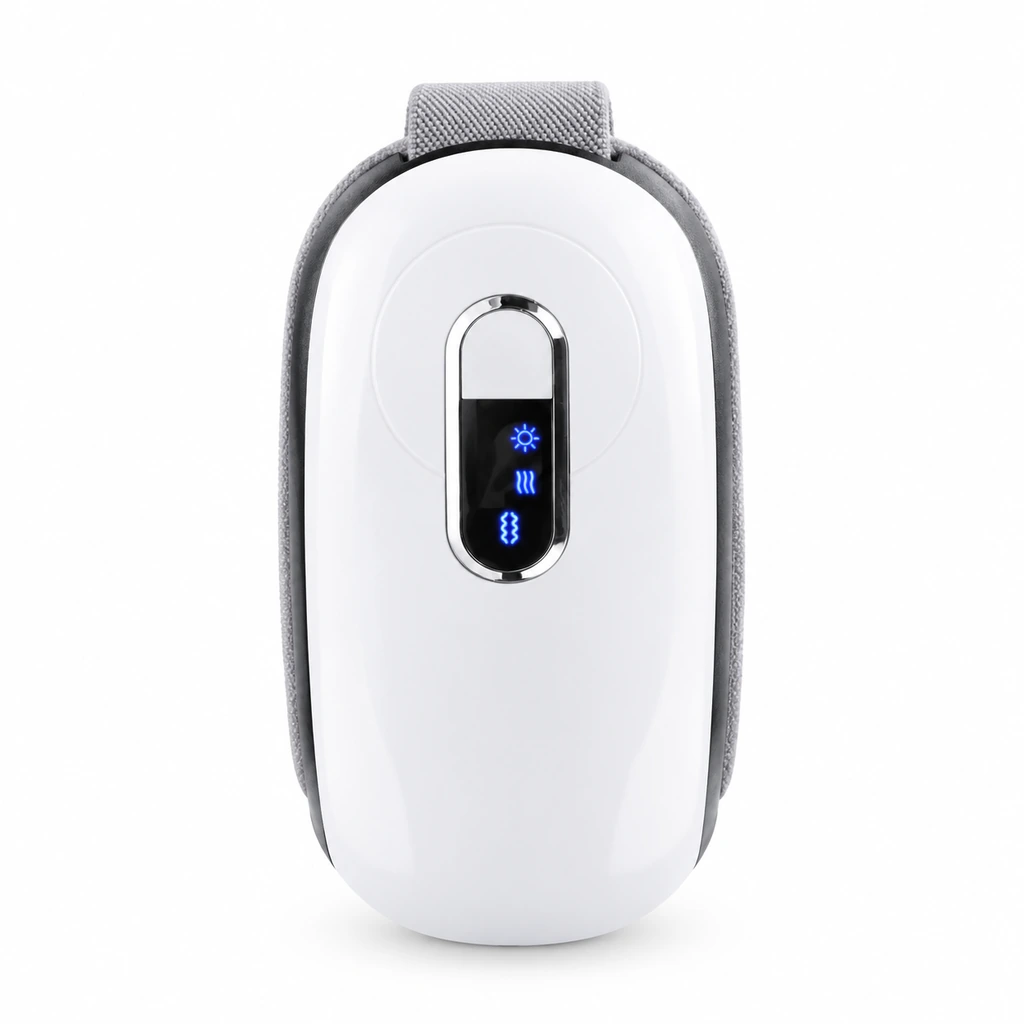
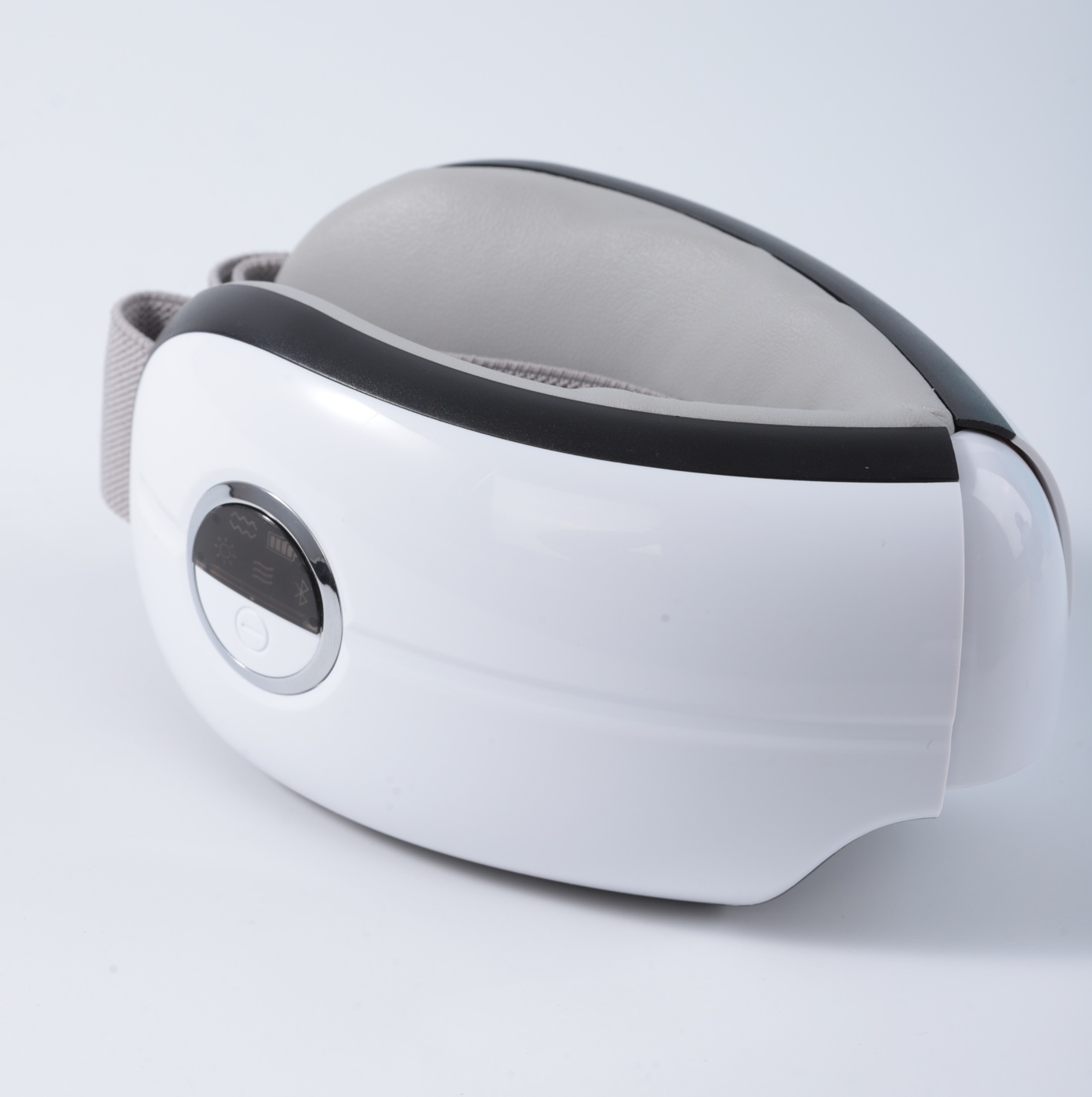
This guide uses Y8 as a working candidate. The Meilan Y8 product page describes a foldable eye massager with padded contact areas, a side control, airbag massage and Bluetooth music. Airbag and lining options still need to be tied to the offered configuration. If the shortlist moves to Y9, Y103 or Y5, ask for a separate version-specific quotation and review plan rather than carrying the Y8 assumptions across.
2 Build the budget around deliverables and payers
The sample unit price is only one line in the program. A useful budget links each charge to something the buyer receives: an identified device, approved artwork, a delivered parcel, a documented check or a revised sample. Request the quantity, currency, quotation validity, payment timing and exclusions for each supplier or service provider. Amounts are not yet confirmed; this does not mean that a cost is zero or included. Use written quotations for the exact model, configuration and shipping terms; estimate internal resources separately.
| Cost item | Written basis to request | Budget status |
|---|---|---|
| Standard sample units | Exact model, configuration, quantity, accessories and sample fee | Awaiting written quotation |
| Customization and setup | Logo, color, voice, manual or packaging work; included revision rounds | Awaiting written quotation |
| Delivery to the review location | Packed dimensions, gross weight, service, destination and charge inclusions | Awaiting written quotation |
| Import and clearance charges | Applicable duties, taxes, brokerage and named payer, confirmed for the route | Confirm route charges in writing |
| Internal review resources | Reviewer time, equipment, consumables and recording work | Estimate internally |
| Independent inspection or testing | Method, scope, number of units, report, exclusions and any sample consumption | Awaiting written quotation |
| Revision and repeat delivery | Reason for revision, replacement scope, freight and retest responsibility | Quote after revision scope is agreed |
Keep internal staff time visible even if it does not create a new supplier payment. Conversely, a refundable deposit or a sample fee that might later be credited still requires cash initially. Record any credit separately, with its qualifying order, deadline, eligible amount and written terms. A possible future credit should not reduce the cash approval needed today.
3 Separate product review from customization approval
A standard sample can help screen the basic configuration before money is committed to branding. Confirm the quoted airbag arrangement, contact surface, controls, music pairing where applicable, and the matching instructions. Run the agreed operating sequence and record what the reviewer sees or hears. Do not assume that a public feature description proves the behavior of the unit being quoted.
For customization, define what the next sample must demonstrate. A logo mockup can settle placement but does not demonstrate print adhesion on the finished shell. A packaging proof can resolve wording but does not show that the insert holds the device during transport. Ask which approval requires a digital file, a material swatch or a physical sample, then quote those deliverables separately.
Ask whether setup charges are paid once, repeated after an artwork change, or dependent on an eventual production quantity. Confirm ownership and permitted reuse of paid artwork or tooling where relevant. For a gift program, confirm whether the presentation sample includes the intended cable, pouch, card and manual; do not infer the kit from a staged photograph.
4 Quote the packed shipment and the full route
Ask for the actual sample shipment's outer dimensions, gross weight and packing list. Product dimensions and retail-box dimensions describe different things. A courier quote needs the parcel as it will be handed over, including protective packing and all samples. If a custom gift box enlarges the parcel, request a revised shipping quote before approving the change.
For services that use dimensional weight, space as well as scale weight can affect the charge. Refer to DHL’s explanation of volumetric weight and the selected carrier’s rules and ask the forwarder to show the calculation for the selected service. The calculation divisor, rounding and applicable surcharges should come from that quote, rather than from a formula copied from another route.
Have the quote name the pickup and delivery points, service, included charges, any insurance, and responsibility for clearance, duties and taxes. For a rechargeable version, give the carrier the exact battery configuration and request the documents and acceptance conditions it requires. Do not assume a previous sample shipment establishes acceptance for another configuration or destination.
Consolidating samples can reduce duplicated handling, but it may delay a standard sample while a custom unit is being made. Compare the complete consolidated quote with separate deliveries and record the effect on the review deadline. The eye massager sample packing guide helps define dispatch and arrival photographs so damage, missing accessories and configuration differences can be investigated separately.
5 Choose checks that can change the buying decision
Start with checks your team can define and repeat: identity against the quotation, accessory count, visible finish, strap adjustment, documented controls, pairing if included, and consistency between instructions and observed operation. Record the unit, setting, method and result. Follow the current instructions and their restrictions during any wearing review. Comfort comments describe those reviewers under those conditions; they do not establish universal suitability or a medical benefit.
Budget internal review hours by task and owner. If an instrument is needed, identify who supplies it and whether calibration, rental or outside expertise is required. A surface reading obtained with an unsuitable setup should not become a verified heating claim. Ask the product team to approve technical methods before buying equipment or commissioning a test.
| Review activity | Decision it can support | Budget boundary |
|---|---|---|
| Buyer sample review | Shortlist choice and specific questions for the supplier | Internal time and agreed tools; limited to reviewed units |
| Independent sample inspection | A third party's observations against an agreed checklist | Written scope, unit count and report; not automatic certification |
| Laboratory or market-specific testing | Evidence for defined requirements and claims | Specialist-approved method, specimen needs and separate quotation |
| Production lot inspection | Acceptance decision for an identified production lot | Separate later scope and sampling plan; not covered by a prototype review |
If testing may consume, open or alter a unit, confirm that before assigning the same device to photography or final approval. Keep an agreed reference sample available when the program needs one. Ask the inspector or laboratory what sample quantity is necessary for its method; there is no single sample count that suits every review purpose.
6 Release spending in stages and control revisions
Divide the program into a first review, a conditional revision and final confirmation of the intended sellable kit. Authorize the first review against its written scope. Release revision spending only when an unresolved issue can change the sourcing decision, listing, user instructions or delivery commitment. Changes to preferred styling can be considered separately from a mismatch with the agreed specification.
Use the eye massager sample feedback template to connect each issue to evidence and an acceptance condition. Before paying again, agree whether the supplier, buyer or service provider covers the revised unit, freight and repeated check. A correction is not necessarily free, and a paid second sample is not necessarily an admission that the first met the specification. The written agreement should resolve the actual issue.
Track cash paid, committed but unpaid charges, and conditional allowances separately. Record a supplier credit only when its conditions are met. Keep any contingency tied to named possibilities, such as an artwork revision or additional shipment, and identify who can release it. An unexplained percentage can hide an unquoted requirement.
After money has been spent, ask what additional evidence the next payment will buy. If the exact configuration remains unidentified or a material mismatch has no agreed correction, another courier shipment may add cost without advancing approval. Pause that spending until the missing specification or correction plan is resolved.
7 Close the review with a decision and a usable cost record
Close the program with an approve, revise or stop decision against the original brief. Keep the approved sample ID, configuration, instructions, artwork, packing record, review evidence and unresolved items together. Sample approval should say what was approved and for which purpose. It does not automatically approve production quality, every marketing claim or a changed kit.
For management review, separate the evaluation total from the recurring cost of buying and delivering stock. A one-time artwork fee and internal review time belong in the evaluation record; the bulk unit price, production packaging and normal inbound logistics need their own written quotation. If you allocate evaluation costs across a planned order, label that as an internal planning calculation and retain the assumed quantity. It is not the supplier's quoted unit price.
Before the next payment, confirm that the sample version and deliverable are identified; the charge and payer are written; the receiving team can perform the review; the acceptance condition is agreed; and the outcome will settle a real purchasing question. If one is missing, obtain that information before committing the next stage.
Questions buyers ask about sample evaluation budgets
Can the budget be fixed before the model is selected?
You can set an internal spending ceiling and list the required work. Keep supplier amounts open until the model, version, kit, destination and review scope are quoted. Revisit the ceiling when those requirements change.
Should a refundable sample fee be deducted immediately?
No. Include the initial payment in the cash requirement and show any potential refund or order credit separately. Deduct it only after the written conditions are satisfied and the credit is confirmed.
Do all four candidate models need physical samples?
Not automatically. Compare the available specifications and demonstrations first, then order the configurations that answer a remaining decision. Do not use one model's sample to approve another model's operation or packing.
Does an ordinary sample check cover compliance testing?
No. A buyer checklist, third-party inspection and laboratory test have different scopes. Ask a qualified provider to identify the requirements, method, sample quantity and report needed for the intended market and claims.
What should a quotation say about a revised sample?
Identify the issue, changed deliverable, included revision rounds, cost, payer, timing, freight and recheck responsibility. Link the revised sample to its updated specification and acceptance condition.
To build a version-specific budget, send Meilan your eye massager sample evaluation brief with the candidate model, destination, channel, intended quantity, customization and checks required. Request itemized written quotations for samples, setup, packing and delivery, plus the matching specification and instructions. Keep prices blank until confirmed and have technical review methods checked by the product team before commissioning them.

