

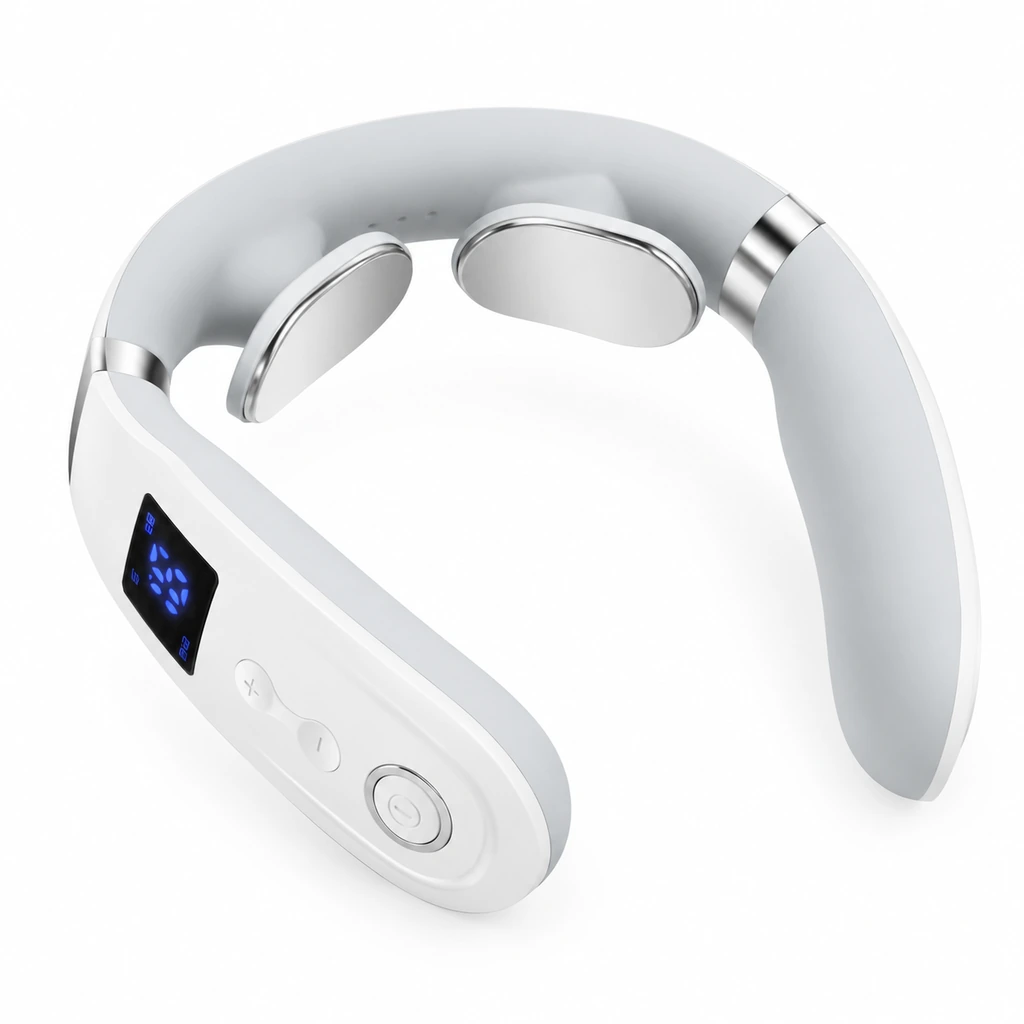
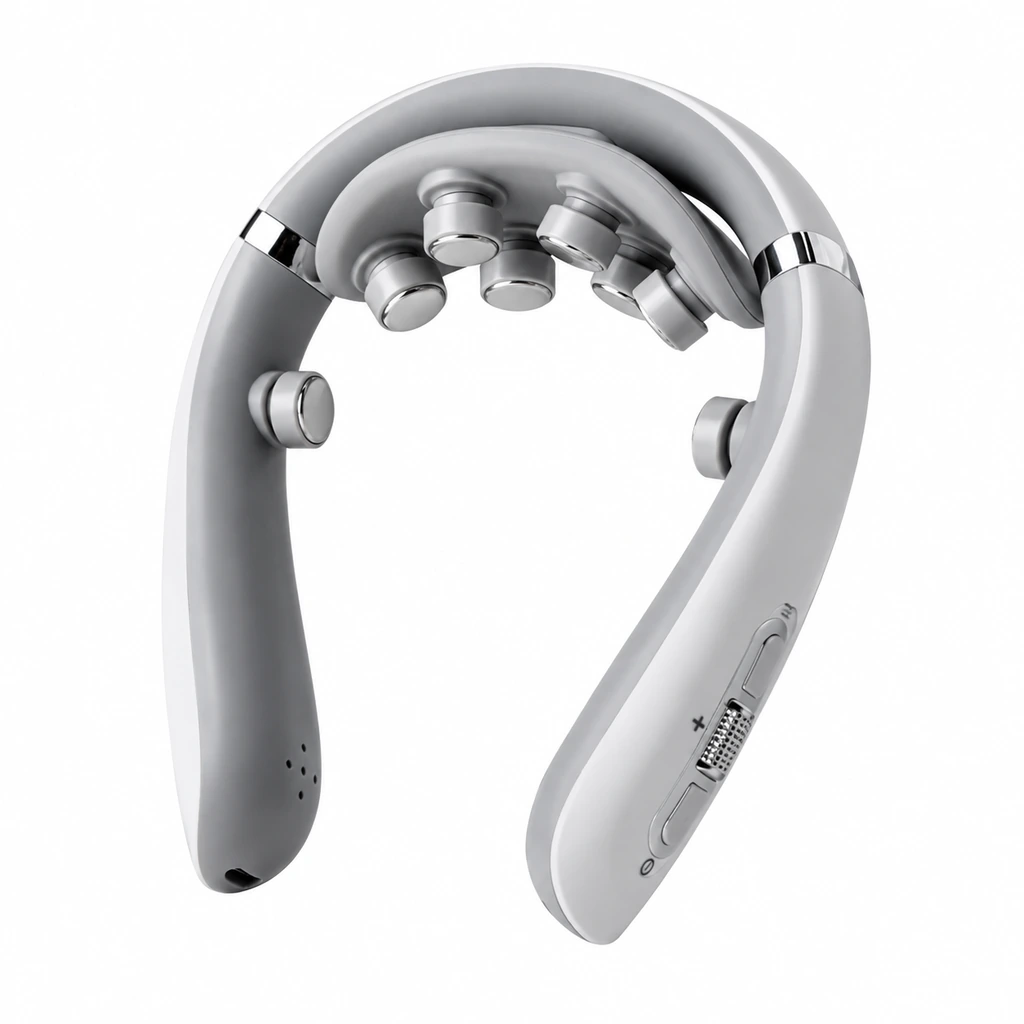
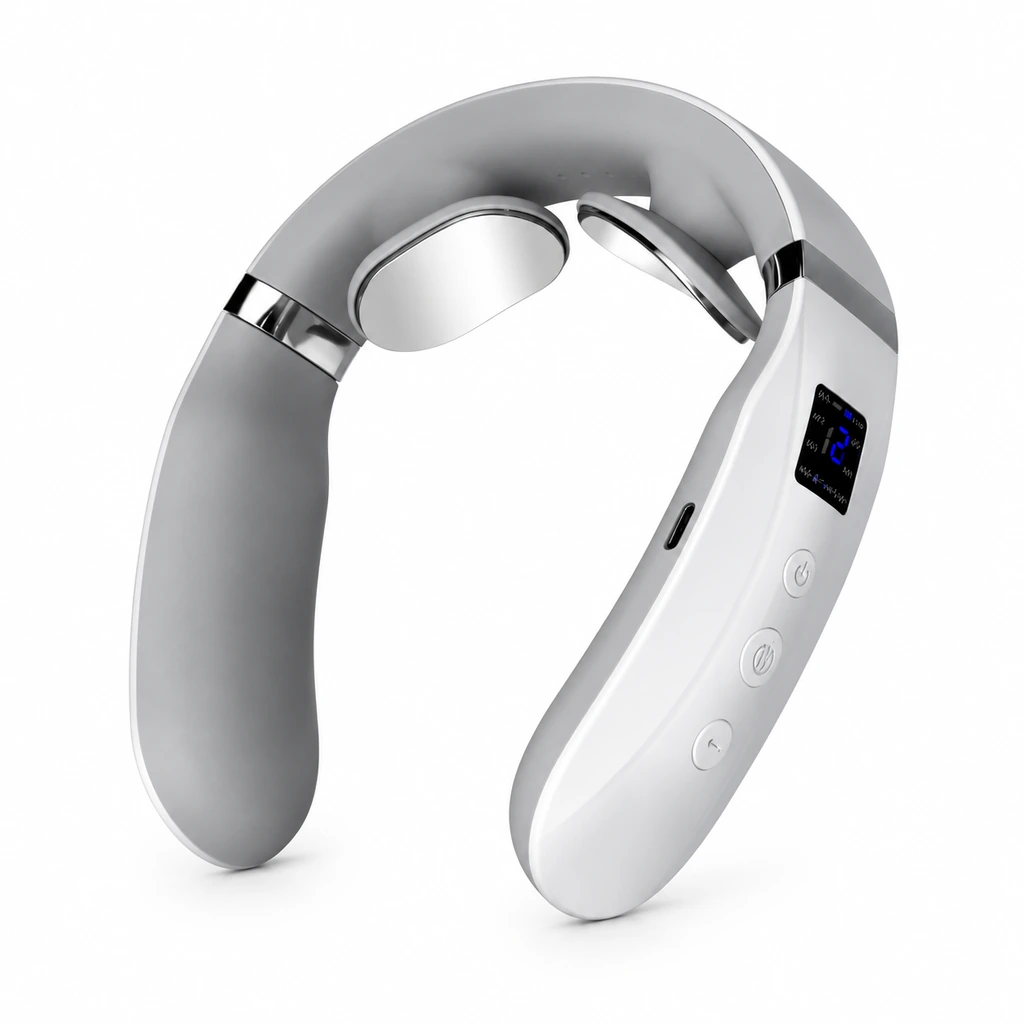
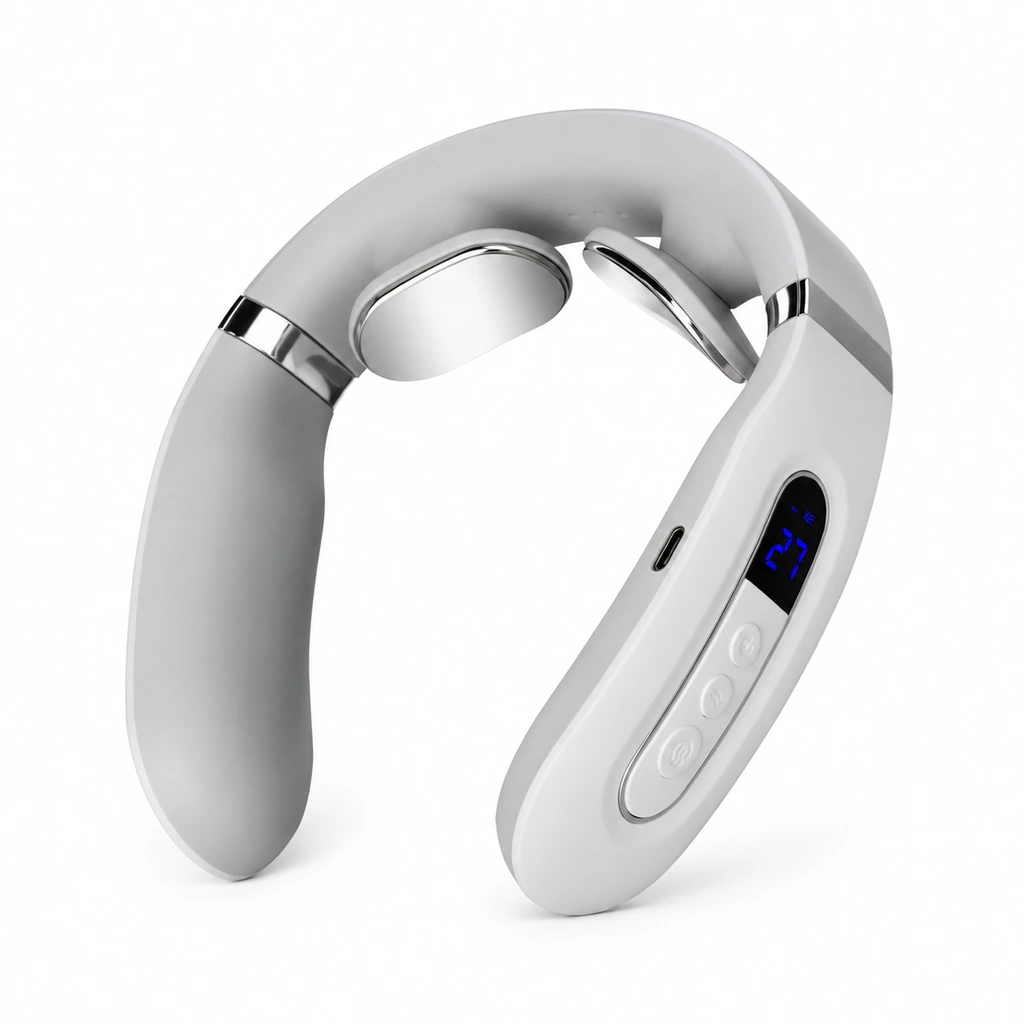


Waist Massager Wholesale Guide
Compare Meilan A1 and A9 waist massager formats by belt structure, fastening, functions, controls, accessories and version-matched sample evidence.
 Meilan Tech 7 min read
A waist massager wholesale brief should start with the intended wearer, sales channel and service promise, then compare the belt structure, fastening range, controls, functions and packed contents of actual candidate models. Meilan's A1 and A9 provide two current reference points: A1 is presented as a pulse, warmth and vibration belt, while A9 is presented as an EMS belt. Compare version-matched samples and documents before choosing one for a retail program.
1. Define the format your channel can explain and support
A distributor choosing a wearable waist massager needs more than a list of modes. Write down whether the product is intended for a gift assortment, an in-store demonstration or an online retail listing; the target market and languages; the expected price position; and the type of after-sales questions staff must answer. Decide whether the retail promise centers on a simple belt and control sequence or on a broader set of functions that requires more explanation.
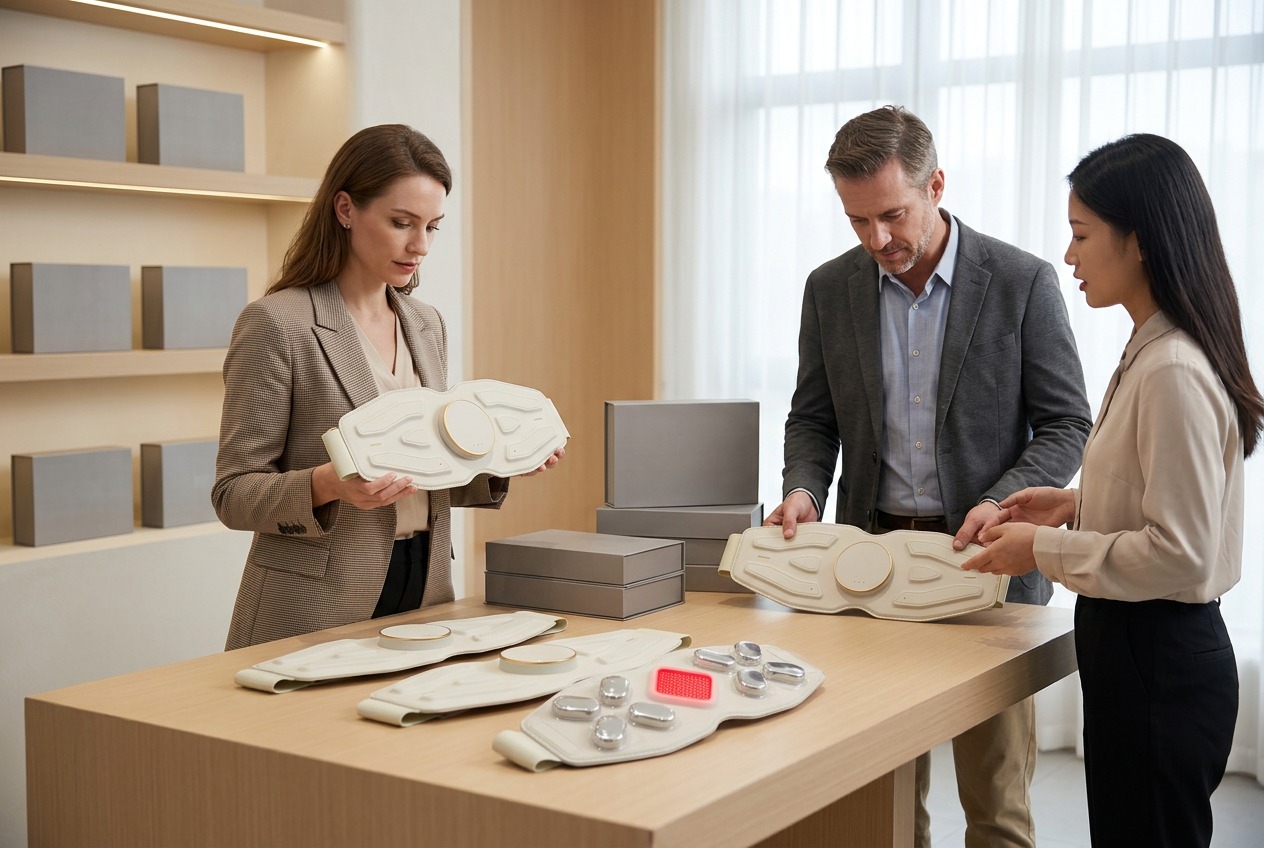
Keep the selection within quoted models. The Meilan waist massager collection currently presents A1 and A9 alongside other waist products, but this guide compares only the two named candidates. A styled photograph can help a buyer discuss visual presentation; it is not a configuration record for either model.
2. Compare belt structure and fastening on the same basis
Start with each belt opened flat. Photograph the inner contact surface, outer control area, strap ends and fastening patches, then measure usable strap length and overlap on the actual sales sample. Record the minimum and maximum waist circumference that the quoted version supports and how the belt behaves over light clothing. A single overall length cannot show where the fastener engages or whether the contact area stays positioned during movement.
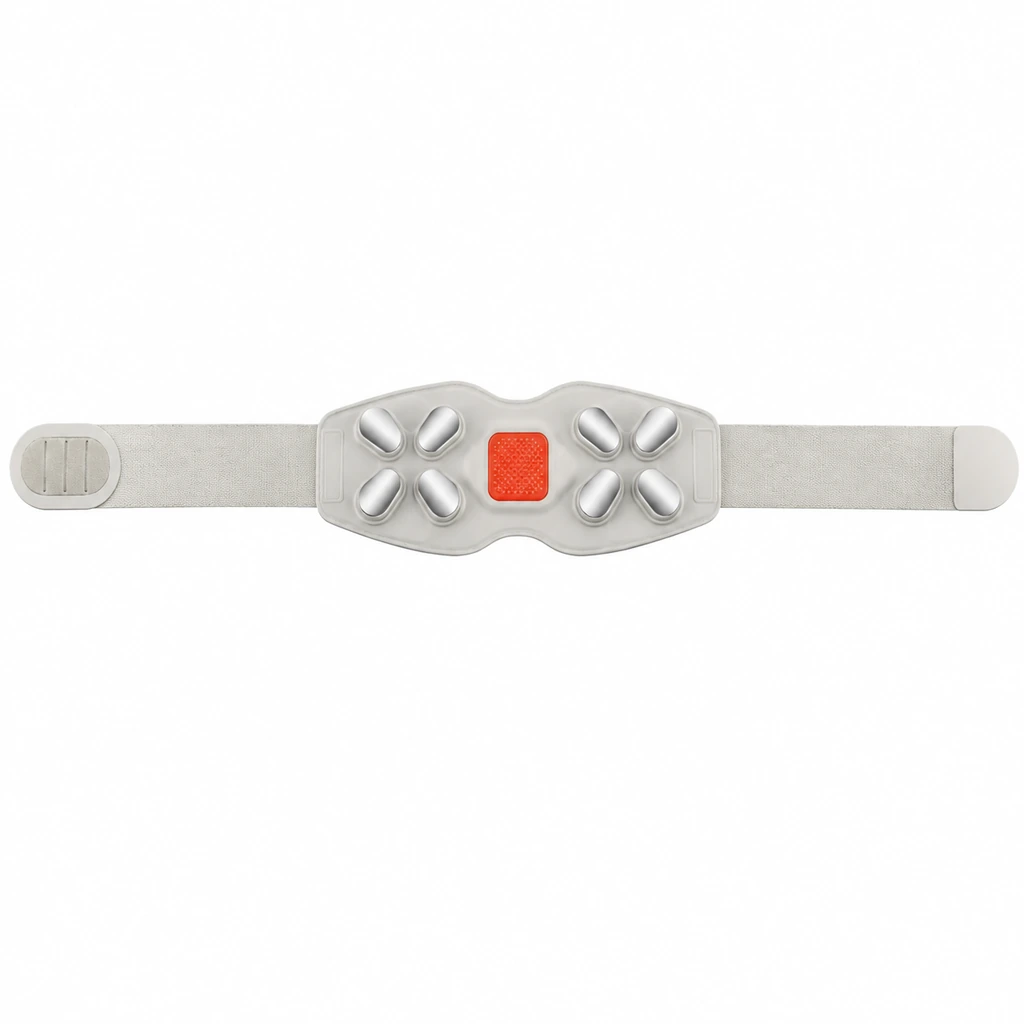
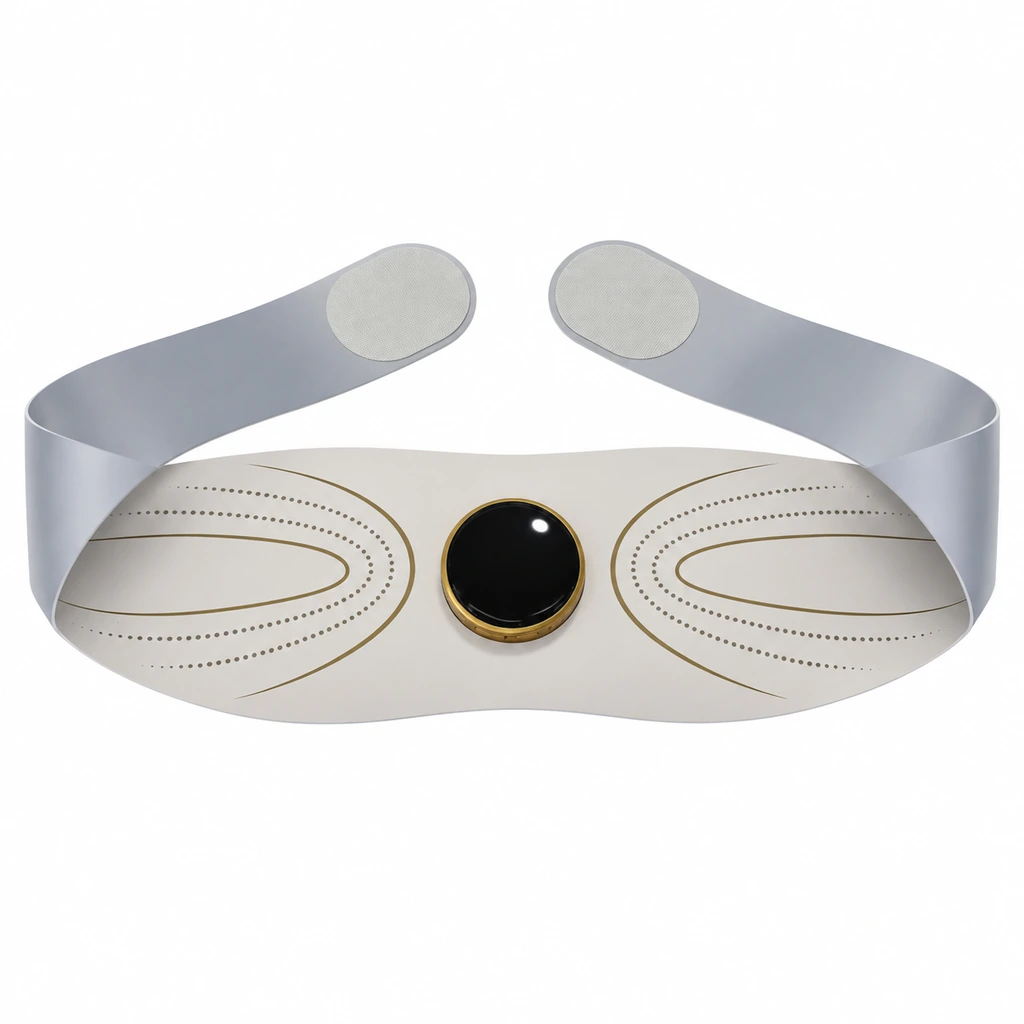
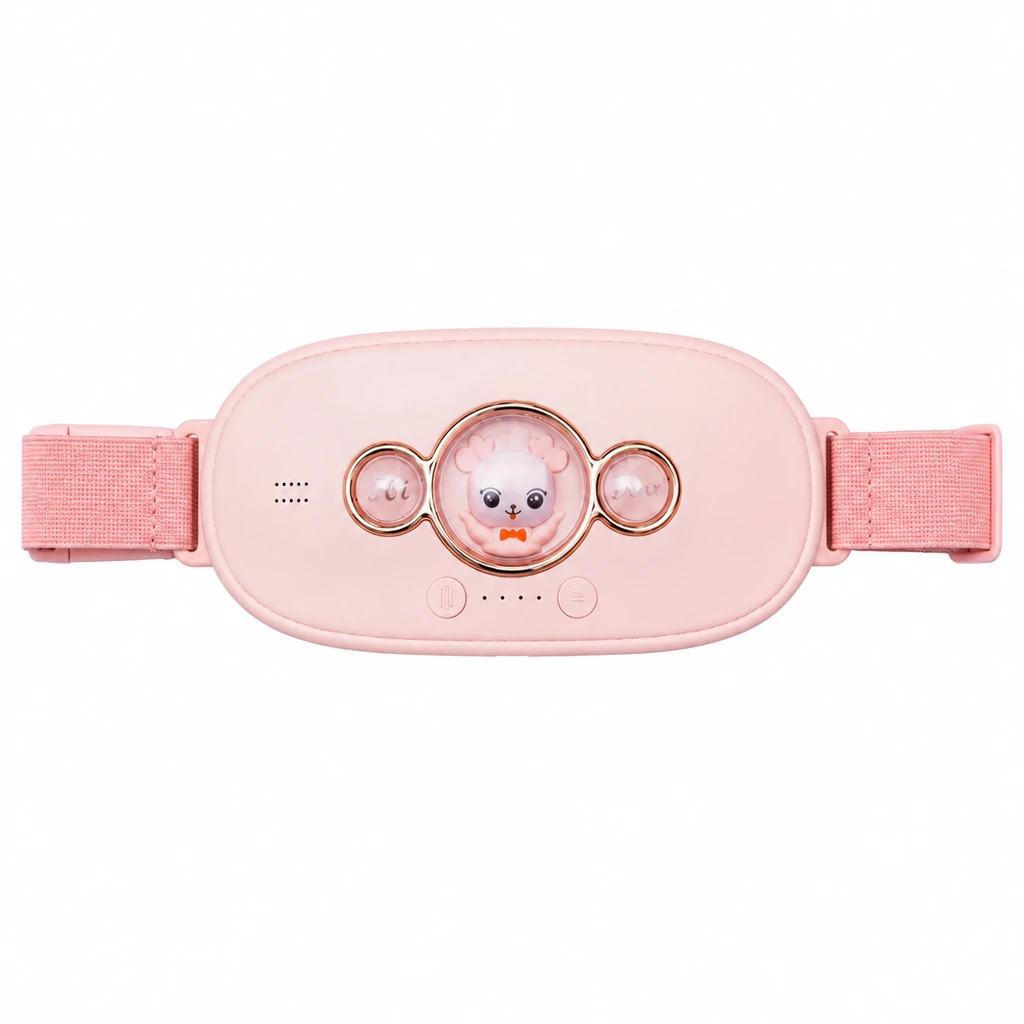
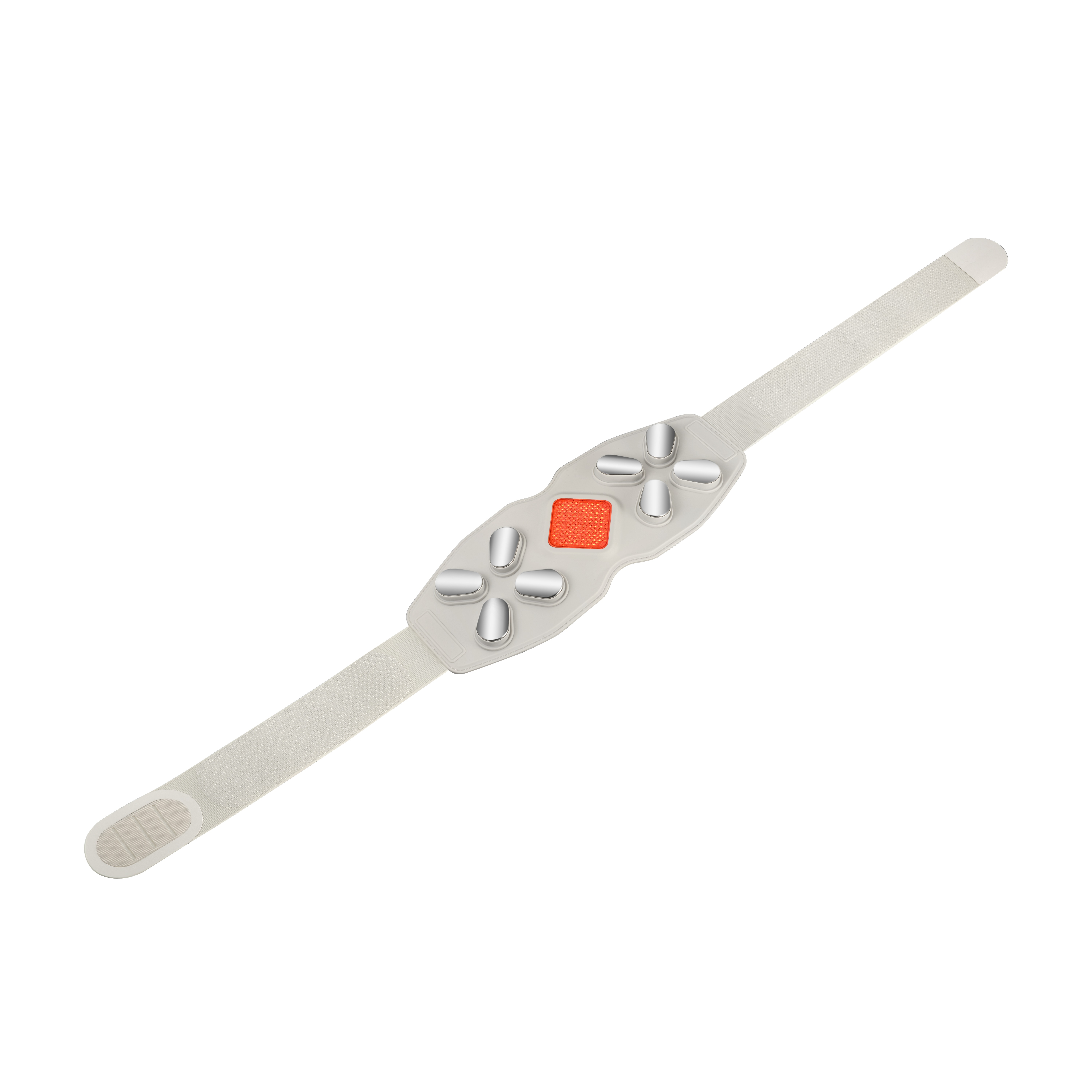
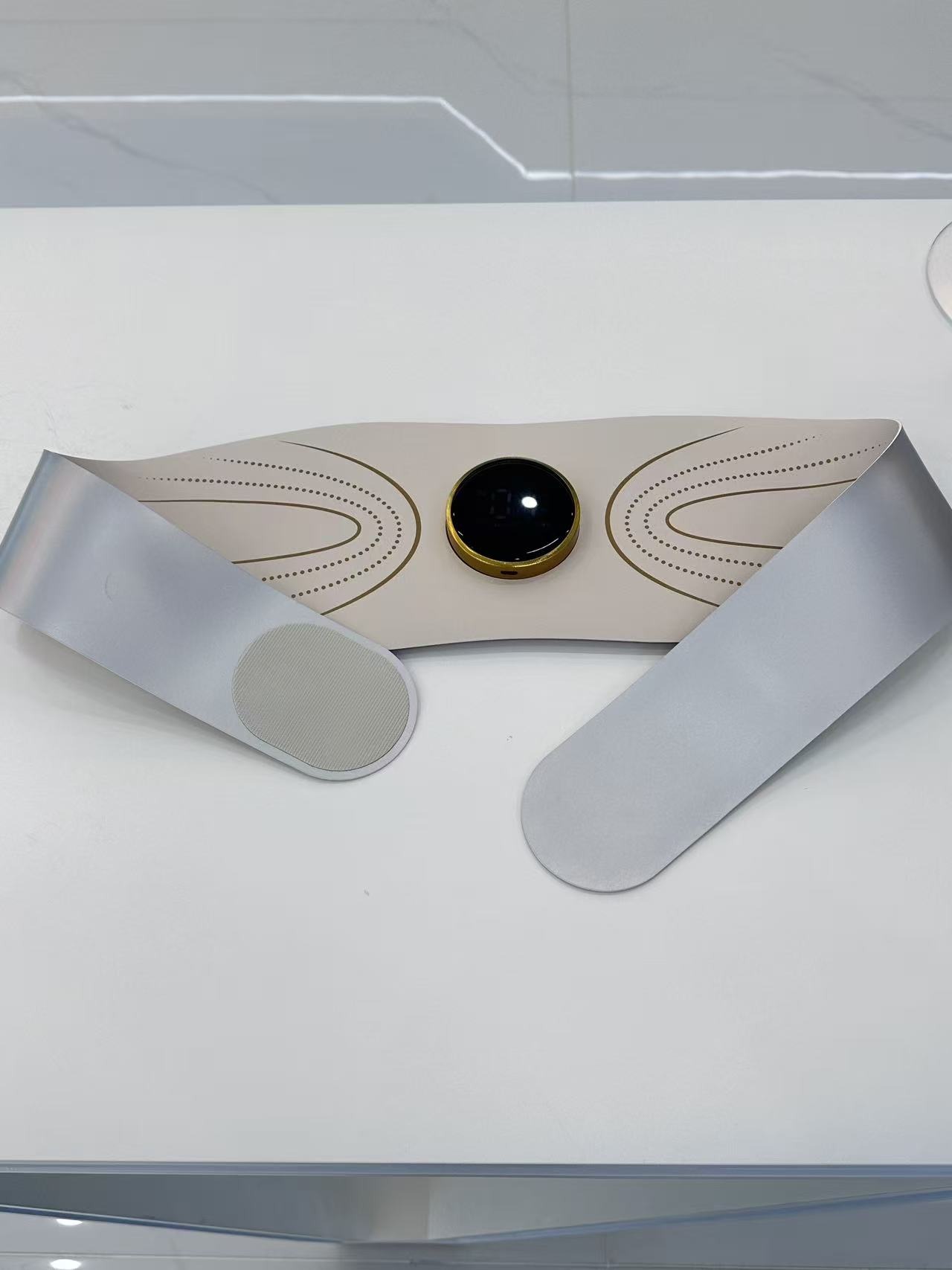
The A1 waist massager has a divided inner contact panel, a circular outer panel and extended straps. Its listed belt size is 1100 × 136 × 35 mm. The A9 waist massager has a patterned beige panel, a circular display and fastening areas at the strap ends. Ask for A9's overall dimensions and supported waist range before comparing fit, then test both samples with the same procedure.
3. Compare functions without equating mode counts
A1 combines TENS pulse, heating and vibration, with 10 modes and 16 intensity levels in its listed configuration. It also offers a 15-minute automatic shutoff and on-device plus wireless remote operation. A9 is an EMS belt with six modes, three intensity levels and a circular display. These are different control schemes; the mode counts alone do not show which belt is stronger, more effective or easier to use.
On each sample, record the exact button sequence from power-on to mode change, intensity change and shutoff. Photograph the displayed or indicated state at each step, then compare it with the version-matched instructions. For A1, check the on-device and remote routes separately and confirm which remote, battery and charging items are included in the quoted pack. Confirm A9's charging, timer, heating or vibration functions against its manual and sample before including any of them in sales copy.
| Buyer comparison point | A1 configuration | A9 configuration | Sample decision |
|---|---|---|---|
| Wearable format | Wrap-around belt; divided inner panel and extended straps | Beige patterned belt; circular display and end fasteners | Measure adjustment, overlap and contact position on both versions. |
| Named function | TENS pulse, warmth and vibration | EMS pulse | Approve only the functions demonstrated on the quoted sample. |
| Controls | 10 modes, 16 levels; device and wireless remote listed | Six modes, three levels; circular display shown | Map each control and indicator to the matching instructions. |
| Missing comparison data | Confirm supported waist range and packed remote version | Request dimensions, waist range, power and packed accessories | Hold the comparison cell open until the same type of evidence exists. |
4. Check power, wear comfort and maintenance boundaries
A1's listed configuration has a 2500 mAh battery, about 5.5 hours charging and about 120 minutes working time. These are separate specifications: runtime depends on the operating conditions used for the figure. Record the sample version, selected mode and level, charge state and test duration before putting a runtime number on a retail page. Request A9's own power and runtime figures rather than copying A1's values into a side-by-side chart.
Wear checks should record strap pressure, panel contact, movement when the wearer sits or walks, and whether the control can be reached without removing the belt. Use more than one tester where the target market requires a broad fit range, and report the tested sizes rather than saying “fits everyone.” Request the cleaning and storage instructions for the exact version; material names or a styled use photo alone do not establish skin-contact suitability, washability or a shared-use protocol.
5. Approve the retail pack and accessory boundary
List the main belt, charging item, remote if applicable, instructions, inserts and retail box as separate quotation lines. Lay out and photograph one fully packed sample of each quoted version. Compare the received contents with the bill of materials and the language and claims printed on the actual box. An accessory visible in a presentation scene should never be treated as included without a pack-out record.
A book-style box and formed insert are options to review for A1; approve the final presentation against the quoted packed sample. For A9, request a packaging specification and pack-out photograph. Confirm carton dimensions, display orientation, barcode position, instruction-card language and how the belt and cable are held in place. If the program needs private-label artwork, approve it against the final sample and quote the artwork, insert and accessory changes separately.
6. Build one version-matched sample review
Use the same review sheet for both candidates. Identify the model, production revision, sample date, photographed belt, manual revision and package version. Start with flat measurements, move to fastening and wear, then record every control step and the packed contents. Keep the quoted specification, sample observation and supplier answer in separate fields so a stated value is not mistaken for a completed test.
Use three outcomes for each line: meets the channel requirement, needs a repeat test, or awaits supplier documentation. Ask the supplier to explain any mismatch between the sample, specification and manual before signing off the sales copy. The decision is whether the chosen version gives the channel a demonstrable, supportable offer with a complete quotation.
7. Turn the comparison into an RFQ decision
| Must be defined | Check on each sample | Ask the supplier |
|---|---|---|
| Target customer and price position | Try the belt and control sequence in the intended retail demonstration. | Which quoted model and configuration suit this channel and order volume? |
| Fit and structure | Measure belt length, overlap and contact position on recorded wearers. | What are the approved waist range, dimensions and material details by version? |
| Functions and power | Record modes, indicators, timer behavior and runtime test conditions. | Which current manual and electrical specification apply to this sample? |
| Pack and service | Photograph the unopened and opened pack with every included item. | What is included, what can be customized, and what are MOQ, lead time and service terms? |
Shortlist A1 if its pulse, heating and vibration configuration fits the intended retail explanation and the quoted remote and package can be demonstrated. Shortlist A9 if its EMS and display-based format fits the brief and the missing specifications are supplied and checked. Either choice remains conditional on the actual version, sample and quotation. Review the waist massager range and send the target market, volume, fit requirement and comparison sheet to Meilan to request version-matched A1 and A9 samples.
Buyer FAQs
Is A1 automatically the better wholesale choice because it lists more modes?
No. Compare the usable control sequence, channel fit, package and supply terms. Mode counts describe different configurations and do not establish a quality ranking.
Can I use A1's size or runtime for A9?
No. Request the A9 version's own dimensions, waist range, battery and runtime information before publishing a comparison.
What is the first fit measurement to request?
Ask for the supported waist-circumference range and the fastening overlap, then measure the quoted belt on a sample.
Does the cover photograph confirm the packed accessories?
No. Approve the contents from a photographed packed sample and an itemized quotation for the same version.
What should the initial RFQ include?
State the target market, order volume, price position, required fit range, functions, language, branding and service expectations; request matching specifications, manuals, samples and a line-item quote.

