


Heated Neck Massagers: Questions Behind Temperature Claims
A temperature number on a neck massager specification can mean several different things. It may be a control setting, a sensor reading inside the device, or a measurement at the surface that touches the user. These are not interchangeable. Before a US wellness brand repeats a heat claim, procurement and quality teams should ask what was measured, where, and under which conditions.
Find out what the number describes
Start with the exact model and version. Ask whether the stated value is a target setpoint, a displayed level, a measured contact-surface temperature, or another internal measurement. If the device offers several heat settings, request the definition of each setting rather than assuming that a label such as “high” corresponds to a fixed surface temperature.
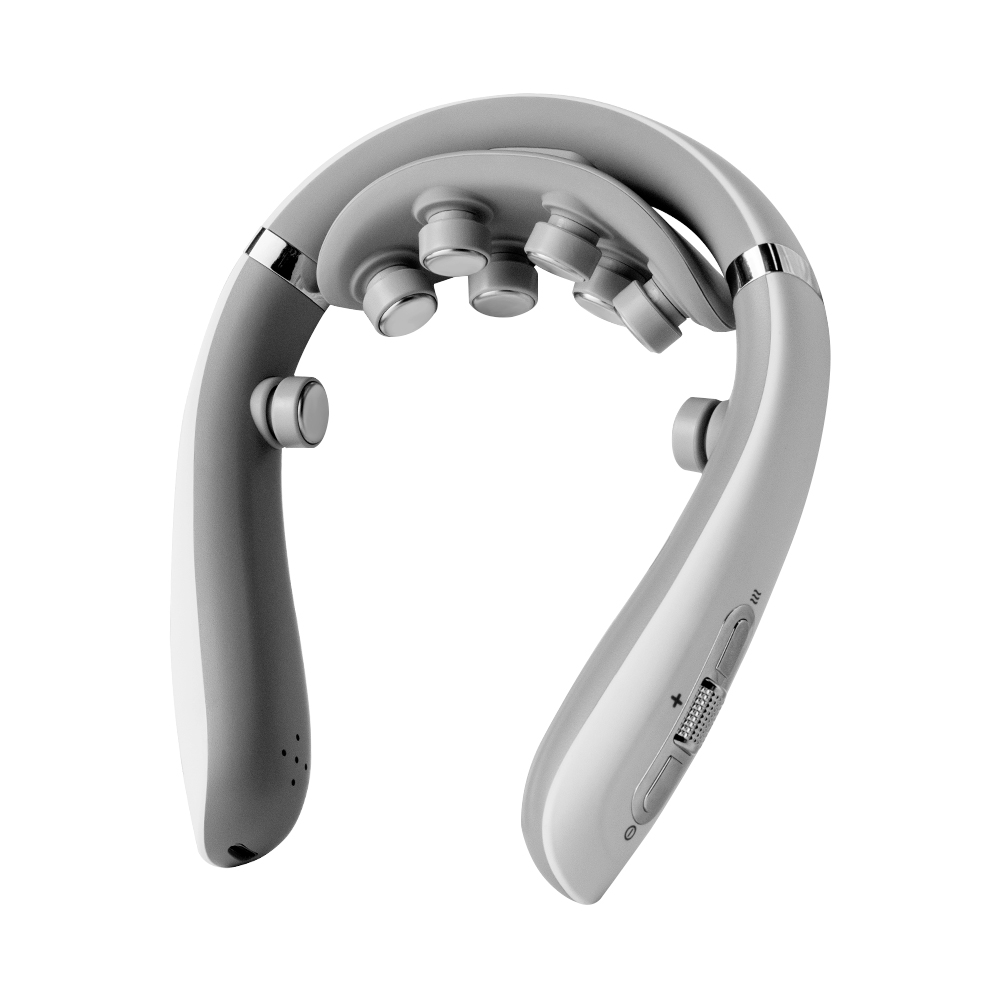
F12 product image from Meilan's supplied materials. The contact area helps frame a measurement-location question; this image is not temperature-test evidence.
Meilan's neck massager range can help identify a candidate. The exact version's written specification and test record must support any numerical statement used in its listing or packaging.
Ask where and when the reading was taken
A useful record identifies the measurement point and method. Was the reading taken on the contact surface, through a covering, or inside the housing? Was the device worn, placed on a fixture, or tested in free air? Ask how long it operated before the reading and whether the reported figure is a peak, an average, or a stable value.
The surrounding conditions matter too. Request ambient temperature, starting device temperature, battery or power condition, selected mode, and any load or contact material used in the test. Without these details, two numbers from different models or reports cannot be compared fairly.
Request a traceable test record
Send the supplier a short set of questions:
| Record field | What to confirm |
|---|---|
| Sample identity | Model, revision, serial or sample ID, and test date |
| Heat setting | Selected level, other active functions, and session length |
| Measurement | Instrument, calibration status, location, and contact method |
| Conditions | Ambient temperature, power state, and test setup |
| Result | Time series or defined summary, not an isolated number |
| Scope | Which product configuration and claim the record supports |
If a report covers a different revision, ask what changed and whether the result remains applicable. A public certifications page may help start the document request, but a certificate listing does not replace a model-specific temperature record.
Compare the claim with the whole retail kit
Heat wording can appear on a product page, box, manual, and sales sheet. They should describe the same approved configuration and use conditions. A physical kit photo is useful for checking what accompanies a sample, but it does not establish thermal performance.
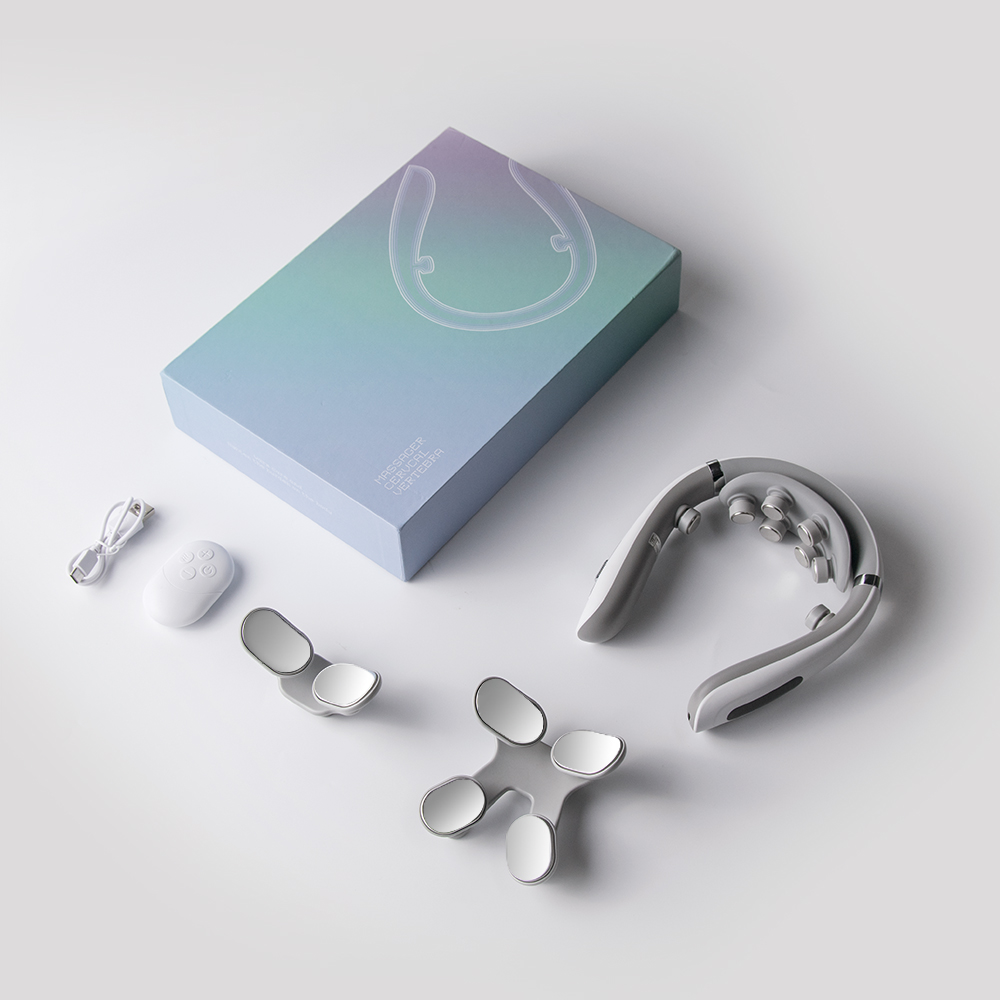
F12 kit image from Meilan's supplied materials. Confirm the exact supplied version and instructions before linking any heat wording to this kit.
Have the product and quality teams approve the final claim only after reviewing the underlying record and intended US wording. Avoid converting a control setting into a skin-temperature promise or a comfort observation into a therapeutic claim.
Close the evidence gap before launch
If the necessary conditions are missing, keep the numeric claim out of customer-facing copy and request a complete record for the chosen version. Contact Meilan with the model, proposed wording, and the unanswered fields above. A clear response makes the final listing more accurate and gives future revisions a traceable baseline.

