


Menstrual Heating Belt Product Claims: An Evidence Checklist for Wellness Brands
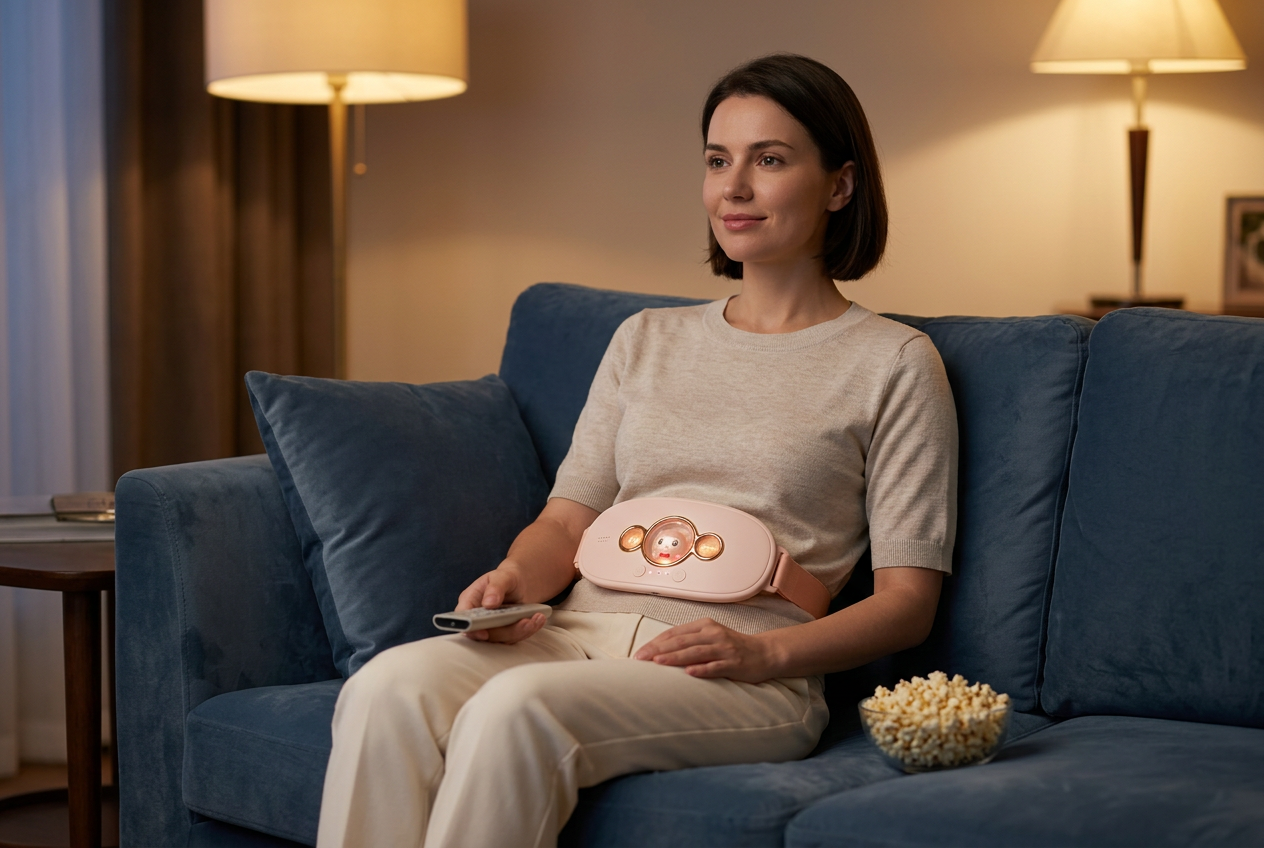
Menstrual heating belt product claims should be reviewed before a buyer approves a sample or packaging. One unsupported phrase can spread from a supplier sheet into a product title, carton, marketplace image and translated listing. For Meilan N1, record each proposed sentence, identify the exact quoted version and its evidence, then approve, hold or remove the sentence by target market. Functional facts, user-experience language and pain-relief promises need different review paths.
1. Review Copy During Sourcing, Not After the Carton Is Printed
A buyer usually receives more than a device: a product description, sales images, instructions, a carton and perhaps reseller text. The same wording may be copied into several channels, including a distributor’s own listing. If a temperature, control or benefit statement is wrong at the sourcing stage, a later edit to one webpage will not correct printed inventory or files already passed to retailers.
Treat copy as part of the quoted configuration. Before signing artwork, decide which model and control version will ship, which market and language each asset serves, and who approves the final claim list. Tie that approval to a sample ID, manual revision and artwork revision. The objective is a controlled statement set that can be reused consistently, not a longer list of attractive phrases.
2. List Every Original Claim Before Editing It
Create one register for the N1 version under review. Capture the current product-page text with a date, the version-specific manual, photographs of every package panel and insert, supplier specification, proposed listing, image text, title, FAQ and translated copy. Record the exact wording before improving it; a softened rewrite can otherwise hide what the original material actually promised.
| Register field | What the buyer should record |
|---|---|
| Exact wording and placement | A quotation or screenshot; page, carton panel, image, title or FAQ. |
| Version identity | Quoted SKU, control option, sample ID, manual date and artwork revision. |
| Claim owner and market | Supplier or brand source; destination country, language and channel. |
| Evidence and decision | File, report or demonstration tied to that version; approve, hold, specialist review or delete. |
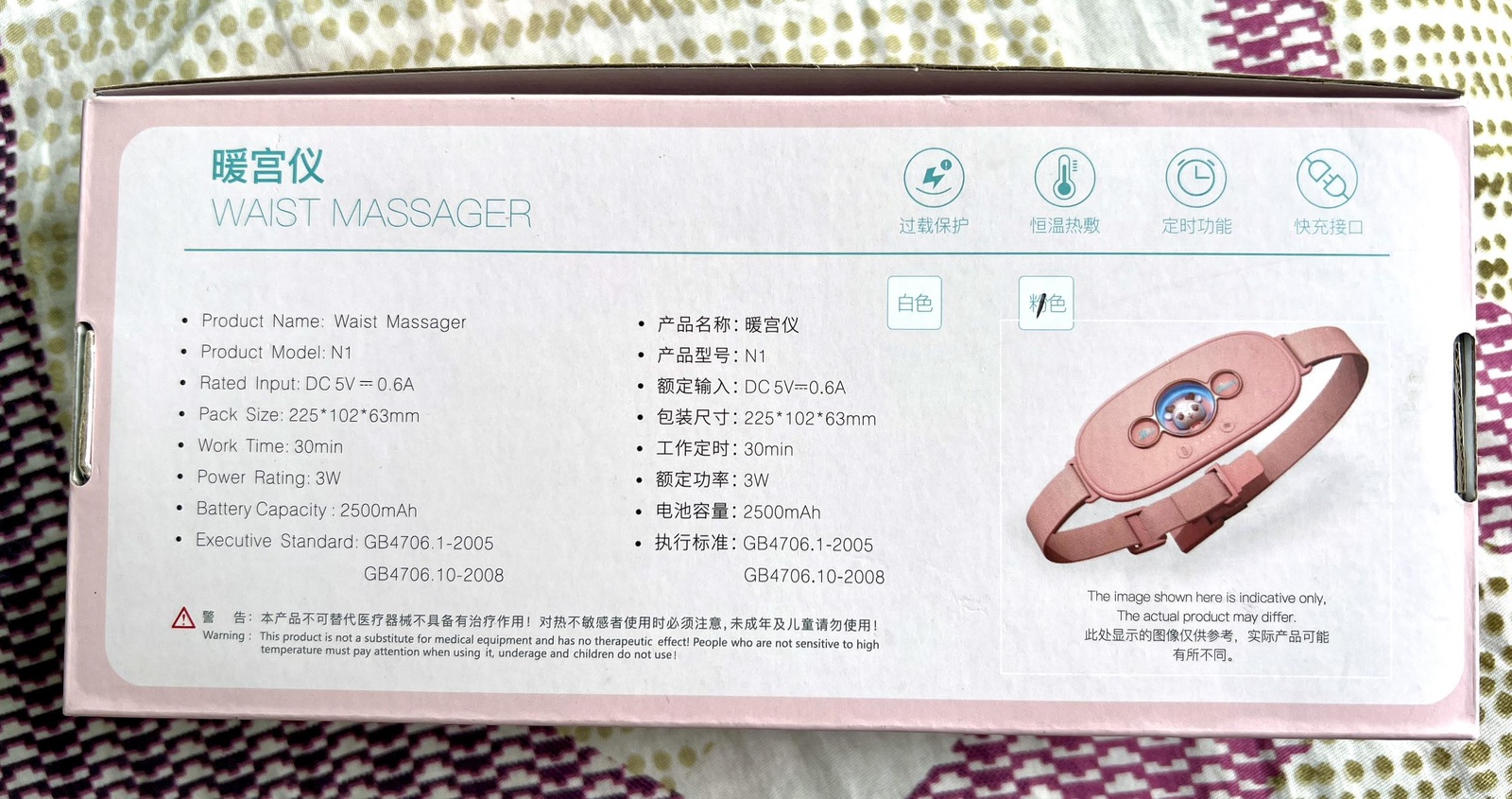
A packaging photograph is evidence of printed wording on that photographed box. It does not prove the current quoted carton, the underlying product performance or that the wording is suitable for the next market. Ask for the approved print proof and a packed sample for the order being considered.
3. Separate Product Facts, Experience Language and Outcomes
Different sentences require different evidence. A structural or functional fact should match the device and its instructions. Experience language describes perception and may vary among users; it should not be converted into a guaranteed physiological result. A claim about menstrual pain, treatment or safety is an outcome or risk statement and needs its own substantiation and target-market review. Classify the sentence by what a reasonable buyer or end user would understand, not by whether it contains a number.
| Claim type | Example for classification | Review route |
|---|---|---|
| Structure or function | “Selectable heat levels” or “remote control included.” | Match the exact version, manual, sample behavior and pack contents. |
| Experience description | “A warm, wearable format for seated use.” | Check that the format is depicted accurately; avoid a universal comfort promise. |
| Outcome or safety promise | “Relieves menstrual pain” or “safe for everyone.” | Hold for product-specific substantiation and target-market specialist review; remove unsupported absolutes. |
The classification also applies to pictures. A caption, icon, animated heat wave or before-and-after graphic can make a claim even when the paragraph text is cautious. Review the full page as a customer would see it.
4. Trace Functional Claims to the Exact N1 Evidence
For an N1 functional statement, start with the quoted control variant and sample. The N1 operating instructions describe a heat-key sequence and separate massage control; other supplied material distinguishes voice and remote versions. These documents support a version question, not an assumption that every N1 package contains every control option. Verify a proposed mode name, button action or included remote against the same version’s manual, continuous demonstration and pack-out record.
A battery-capacity entry should be checked against the versioned specification and sample label; it is not a runtime result. A numerical temperature or rapid-heating claim needs a defined test method and version-matched record. For probe positions, time-series readings and contact conditions, use the N1 temperature-settings buyer guide rather than repeating the test procedure here. Approve only the wording supported by the actual report and quoted unit.
| Proposed fact | Minimum match to request | Common gap |
|---|---|---|
| Heat or massage modes | Current manual, sample controls and full mode demonstration. | Mode list copied from another control version. |
| Temperature value or fast heating | Test point, method, conditions, tolerance and report for quoted revision. | Setting or promotional graphic treated as a surface result. |
| Battery or runtime | Battery record plus runtime test at named settings. | Capacity presented as usable operating time. |
| Remote, voice or accessories | Quoted SKU, manual and opened-pack count. | Optional feature shown as standard pack content. |

5. Review Pain-Relief and Safety Claims Separately
A phrase such as “relieves menstrual pain” is not established by a heating-level diagram, product photograph or a few favorable comments. Record the exact promised outcome, intended user, use conditions and duration; ask what study or other substantiation applies to the same product and marketed configuration. Confirm that the evidence covers the proposed wording, not merely the general idea of warmth. Then obtain specialist review for the destination market’s advertising and product-category rules before the claim appears in a title, package or retailer feed.
Safety statements require equal care. An electrical test, battery transport report or material record may answer a specific technical question, but none by itself proves that a product is safe for every person or use condition. Match any caution, contraindication, age statement and operating instruction to the approved manual and the market’s requirements. If the evidence or regulatory route is unresolved, hold the outcome claim and use a factual, narrower description only if it is independently supported.
6. Apply the Review to Product Pages and Packaging
The table shows review decisions, not ready-made efficacy copy. The examples illustrate how a brand can keep a statement, narrow it, request a test or send it for specialist review. Final wording still needs the order-specific evidence and destination-market approval.
| Original wording to review | Evidence question | Suggested handling |
|---|---|---|
| “Four selectable heat levels” | Does the quoted sample follow the matching manual’s four-level sequence? | Keep as a version-specific function fact only after the manual and demonstration match. |
| A numerical contact-temperature value | Where and when was the contact surface measured on this version? | Hold until a version-matched test record supports the precise wording. |
| “Heats in three seconds” | What threshold, starting state and test point define three seconds? | Hold or narrow to the demonstrated observation after method review. |
| “Relieves menstrual pain” | Is there product-specific substantiation and market approval for this outcome? | Send for specialist review; do not treat it as a routine feature fact. |
| “Safe for everyone” | Can an absolute safety promise be supported across users and conditions? | Delete the absolute wording; follow approved safety instructions. |
Run the same line-by-line check across the title, SEO snippet, hero image, icons, package front and back, inserts, retailer feed and every language. A translation can strengthen a mild English phrase into a treatment promise, while an image caption can revive a statement removed from body text. Save the approved master claim list with the final artwork files so future reorders inherit the correct version, not an old draft.
7. Make a Publication Decision for Every Sentence
Give each claim one of four statuses before release. “Evidence matched” means the wording, source and exact version align; it does not override a needed market review. “Supplier evidence pending” means no publication until the named file or sample test is received. “Specialist review” covers outcome, safety and market-classification questions. “Delete” removes an unsupported or misleading statement from every asset, including images and translations.
| Status | Release rule | Record to retain |
|---|---|---|
| Evidence matched | Use only the approved wording for the quoted version and channel. | Source file, sample ID, approving person and artwork revision. |
| Supplier evidence pending | Hold the sentence and request the missing versioned file or test. | Owner, requested evidence and due date. |
| Specialist review | Do not publish the claim before the applicable review closes. | Outcome wording, substantiation and market decision. |
| Delete | Remove from product page, package, imagery and translations. | Removed locations and replacement copy, if any. |
Ask Meilan for the current N1 specification and manual for the quoted control variant, a sample with pack-out photos, the approved carton and insert artwork, functional demonstrations, any relevant test reports and written change history. Compare those files with the claim register, resolve conflicting versions, and sign off the final product description before artwork approval or a purchase order.
Buyer FAQ
Can a supplier brochure alone support an N1 product claim?
No. Match the sentence to the quoted version, a relevant source or test, and the target market before approval.
Is a warm-use photograph evidence of pain relief?
No. It shows a depicted use setting; it does not measure or establish a health outcome.
Can battery capacity be described as battery life?
No. Capacity and operating time are different measures. Runtime needs a test with named settings and conditions.
What if package copy and the current manual disagree?
Hold the affected claim, identify the quoted revision and obtain corrected artwork or documentation before print approval.
When should a pain-relief phrase go to specialist review?
Before it is used in a title, listing, image or carton whenever it promises an outcome that the functional documents do not establish.
Review the Meilan N1 product page and waist massager collection to define the model inquiry. Then request an N1 sample and version-matched files with your target market, proposed claim list and packaging format.

